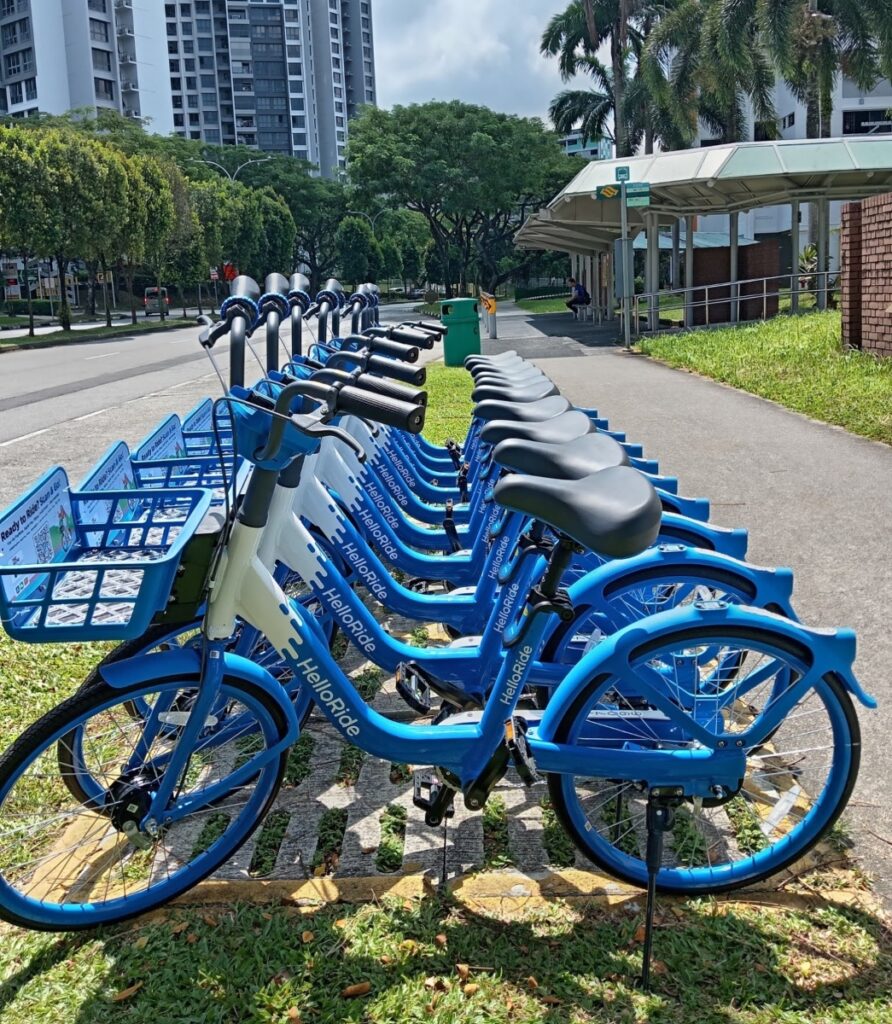
Walk around your estate, MRT station, park connector, or even the CBD, and chances are you’ve come across these bright blue shared bicycles—HelloRide has quietly become part of everyday life in Singapore.
Launched in Singapore in 2022, the firm has grown to become one of the largest in the city-state, with a fleet of 20,000 shared bicycles here.
So what’s actually behind its growing presence?
Advertisement
It’s not just about putting more bikes on the road, but how the service has been designed from removing common user frustrations to constantly improving the bicycles and working with partners across Singapore’s mobility ecosystem.
No top-ups, no deposits, no friction
One of the first things HelloRide focused on was removing some of the biggest friction points that riders commonly face.
Instead of requiring users to top up their wallets or place deposits before they can start riding, the platform allows users to simply unlock a bike and pay after the ride.
It is currently the only shared bicycle operator in Singapore offering this pay-after-ride model, with rides starting from S$1. There’s also no minimum balance to maintain and no locked funds sitting in an account.
Advertisement
For many riders, especially those who have used bike-sharing services in the past, this addresses a very real pain point, from needing to top up S$10 just to start a ride, to dealing with unused balances or delayed deposit returns.
At the same time, HelloRide also offers subscription passes for more regular users. With passes priced from as low as S$0.22 per day, riders can enjoy unlimited free usage for the first 30 minutes of every ride, making it a cost-effective option for daily commuting.
Overall, HelloRide makes bike-sharing more accessible for both casual riders and daily commuters.
Keeping the fleet fresh
Another factor that often goes unnoticed is the condition of the bicycles themselves.
Advertisement
HelloRide operates on a relatively aggressive fleet renewal cycle, replacing its bicycles approximately every 1.5 years. As part of its ongoing upgrade efforts, the company will be replacing around 9,000 older bicycle models this year alone.
This ensures that riders are consistently using newer bicycles that are better maintained, more reliable, and designed with improved safety features.
Image Credit: HelloRide
For users, this translates into something simple but important: peace of mind when riding. Whether it’s a short trip to the MRT or a longer ride across the park, having a well-maintained and up-to-date bicycle makes a noticeable difference in both comfort and safety.
Rather than maximising the lifespan of each bicycle, HelloRide’s approach prioritises rider experience and operational reliability, ensuring that the fleet on the ground remains in optimal condition.
Moreover, the firm also continuously iterates and develops new bicycle designs based on how people actually ride in Singapore. Over time, it noticed recurring user feedback requesting features such as shared e-bikes and bicycles with gears, particularly for users travelling longer distances or riding in leisure areas such as East Coast Park and Marina Bay.
Advertisement
However, while fully shared e-bikes are currently not permitted under Singapore regulations, traditional external geared bicycles can also create significant maintenance and operational challenges when deployed at large fleet scale.
To bridge this gap, HelloRide has developed a new hybrid bicycle concept featuring automatic internal gearing, designed to provide a smoother and more comfortable riding experience while maintaining operational sustainability and maintenance efficiency.
As part of this effort, the company is preparing to roll out the new hybrid bicycle model under a pilot programme in selected areas such as East Coast Park and Marina Bay in June. The bicycles are designed with enhanced ergonomics and improved riding posture, catering to users who spend more time on the bike and require a more comfortable riding experience over longer distances.
HelloRide’s hybrid bicycle model./ Image Credit: HelloRide
“Our approach has always been to build and refine our bicycles based on real user behaviour, rather than forcing a single model across all scenarios,” said Hayden Choo, the 32-year-old Managing Director of HelloRide Singapore.
“Singapore is an important market for us, and we see it as a place where we can continuously test and introduce better riding experiences.”
Advertisement
Integrating into everyday platforms & brands
Beyond its core bike-sharing service, HelloRide has been expanding into a broader, more integrated mobility ecosystem—not just through transport platforms, but also through lifestyle and brand collaborations.
Instead of requiring users to download yet another standalone app, HelloRide has embedded its services into the platforms people already use in their daily lives. This includes the Grab miniapp ecosystem, allowing users to locate and unlock bicycles directly within the Grab platform, as well as collaborations such as bundled mobility passes with partners like Ryde.
Image Credit: HelloRide
At the same time, the company has also moved into advertising and brand partnerships, working with names such as Razer, ClassPass, and ZUS Coffee. These collaborations turn HelloRide bicycles into moving touchpoints across the city, allowing brands to reach users in a visible and contextual way.
HelloRide’s collaboration with Razer./ Image Credit: HelloRide
Together, these efforts position HelloRide not just as a bike-sharing operator, but as part of a wider urban lifestyle ecosystem.
Supporting gig workers
HelloRide’s expansion has also extended into partnerships with gig economy platforms, particularly in supporting delivery riders who rely on mobility for their daily income.
In collaboration with partners such as foodpanda, HelloRide is providing premium foldable and road bicycles to new delivery riders as part of their onboarding process. These bicycles offer a higher-performance alternative for riders who may not yet own their own equipment, allowing them to get started more quickly and operate more efficiently.
Advertisement
Image Credit: HelloRide
At the same time, through ongoing engagement with riders on the ground, HelloRide has identified additional challenges, particularly around battery limitations for power-assisted bicycles (PABs), which may not always last a full working day.
To address this, the company is exploring battery swapping infrastructure aimed at reducing downtime and enabling riders to maximise their earning potential.
Taken together, these initiatives reflect a broader approach: not just serving riders, but actively supporting the ecosystem that depends on them.
Beyond shared bicycles
Looking ahead, HelloRide is exploring the possibility of expanding into physical retail, bringing premium bicycle experiences closer to everyday users. This includes well-known brands such as Brompton and Canyon, which are typically associated with high-quality, performance-oriented bicycles.
By introducing these models through rental or leasing options, HelloRide aims to give users the opportunity to test ride premium bicycles without the pressure of committing to a full purchase upfront.
Advertisement
In other words, this could be your chance to try before you buy, whether you’re curious about upgrading your ride or simply want to experience a higher-end bicycle, without worrying about buyer’s remorse.
HelloRide’s growing presence in Singapore isn’t driven by just one thing, but a combination of deliberate choices, from simplifying the user experience and keeping the fleet fresh, to continuously improving its bicycles and working with partners across everyday platforms.
Leading this growth is Hayden, who has spent years in Singapore’s mobility and ride-hailing ecosystem. Under his leadership, HelloRide Singapore’s focus on ecosystem integration and operational localisation is an approach that has paid off.
Hayden Choo./ Image Credit: HelloRide
“Anyone can deploy bicycles. But building a sustainable mobility platform in Singapore requires understanding local user behaviour, maintaining operational discipline, and continuously improving the rider experience,” said Hayden.
It’s an approach that we believe has paid off in the form of increasingly visible ridership across Singapore.
Hayden Choo, the 32-year-old Managing Director of HelloRide Singapore
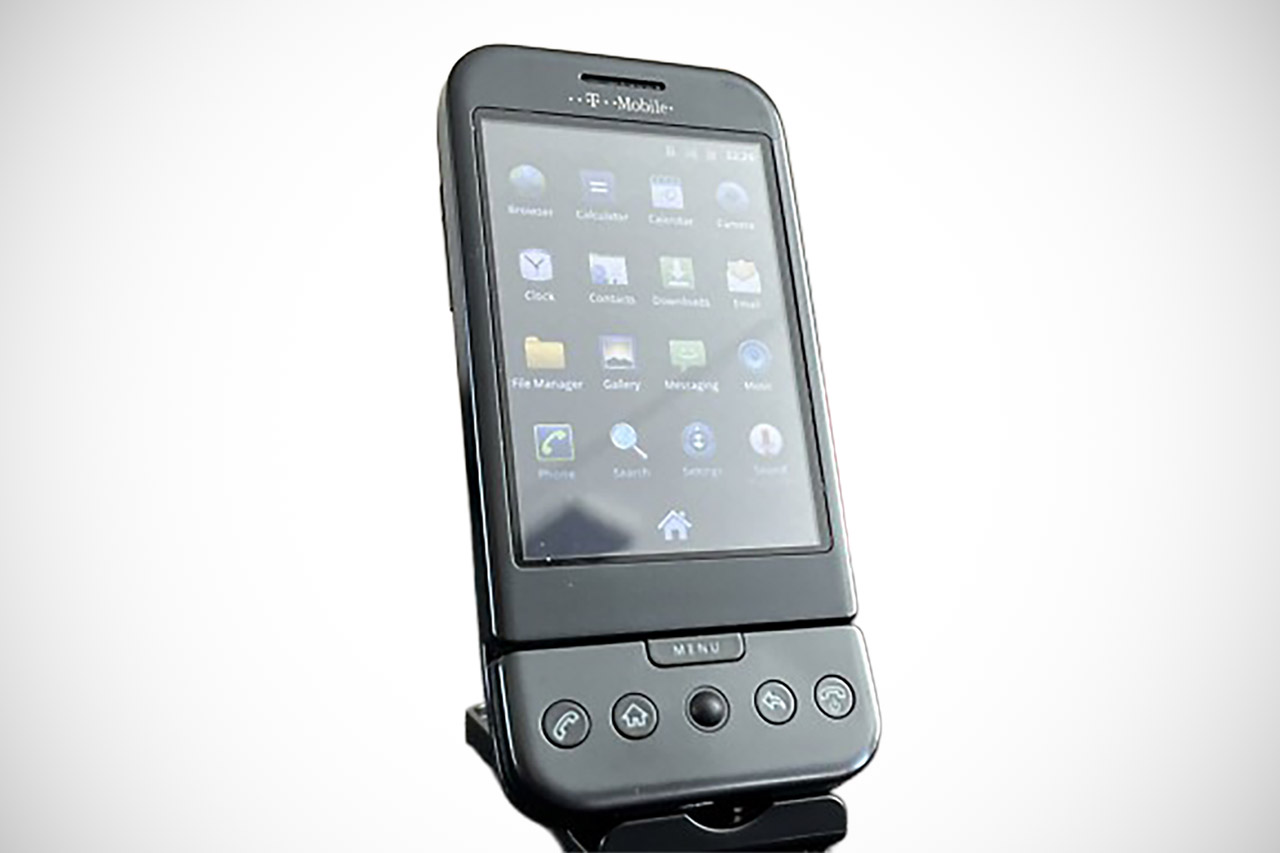
Few pieces of technology capture attention quite like a device that launched an era. In September 2008 T-Mobile teamed up with Google to reveal the G1, a phone built from the ground up to run Android software. Available starting that October for customers on a two-year plan, it arrived at stores priced at $179 ($277 today) and immediately drew crowds eager to try something different.
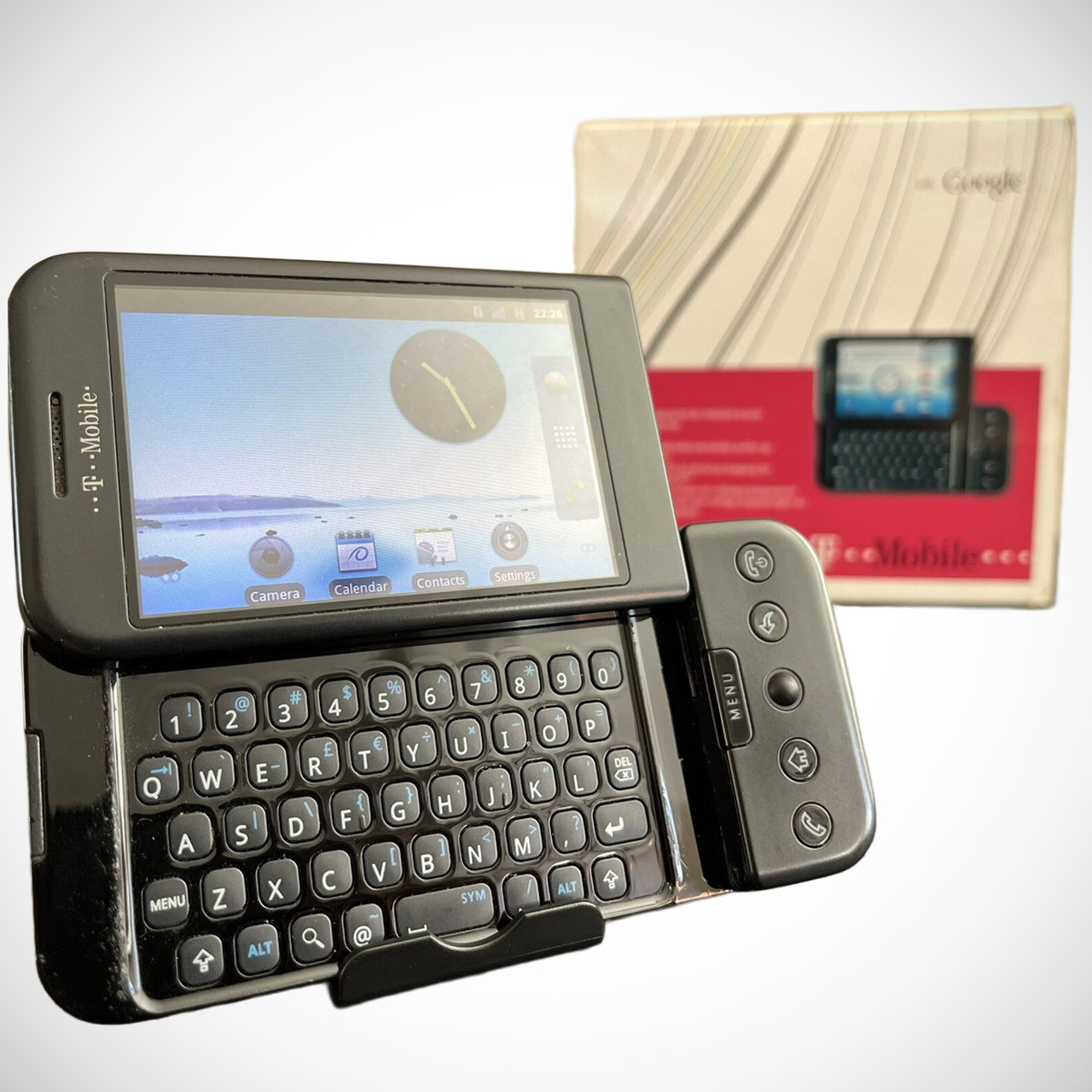
When users opened the body, they discovered a full QWERTY keyboard stashed away beneath, which was a lifesaver for hammering out emails or scribbling down quick notes without having to look for those tiny on-screen buttons. The 3.2″ capacitive touchscreen sat above the keyboard, displaying some wonderful 320 x 480 pixel pictures and menus that would come to life with a tap or sweep of the finger.
BIGGER, YET SLIMMER THAN EVER: Who would’ve guessed that wider could also be lighter? The design of Galaxy Z Fold7 is refined to feel like a…
BEST CAMERA ON A FOLD YET: You asked for more – now you can have the most. Galaxy Z Fold7 now boasts an ultra-premium 200MP camera with Pro-Visual…
SCREENSHARE FOR STREAMLINED ASSISTANCE: Intrigued by something you see? Go Live with Google Gemini, then screenshare or point your camera at it for…
A little trackball tucked itself away just below the screen, making it easy to scroll through large lists or zoom into maps, which was difficult to perform on the glass without it. Nearby buttons handled the typical navigation, while a dedicated search key quickly returned Google results. Power came from a Qualcomm MSM7201A processor running at 528MHz and supported by 192MB of memory. In the box, they’d discover a 1GB microSD card already installed and ready to start, with room to add an 8GB one if necessary.
Advertisement
The 3.15MP rear camera took clear and detailed shots, and the autofocus quickly locked onto whatever you were trying to photograph. Despite the lack of a flash, daily photographs typically looked far better than you’d expect for a phone of this period. The detachable 1150 milliamp-hour battery pack provided around five hours of conversation time and more than five days on standby. It only took a few seconds to swap it out for a spare, and you were back up and running without having to find a charger.
The G1 launched with new software, the first version of Android, and did an excellent job of connecting with Google services from the start. Your Gmail would send new messages instantly, and Maps would show streets in sharp clarity and even spin to mirror the real world using a built-in compass. YouTube videos would play smoothly over Wi-Fi or a carrier data connection, and the new Android Market allowed you to download additional apps directly to your smartphone.
Connectivity-wise, the phone had all the bases covered, as it functioned on GSM networks, could do 3G speeds when available, easily snagged Wi-Fi networks, quickly paired with Bluetooth headsets, and provided accurate turn-by-turn directions via GPS. It weighed 158 grams and was just over half an inch thick, so it fit comfortably inside a pocket even with the sliding mechanism. You might choose between black, white, or brown to match your unique taste.
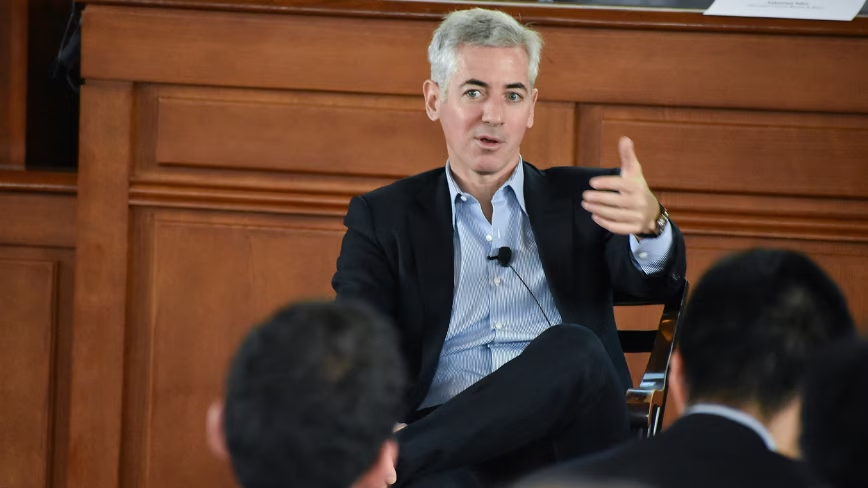
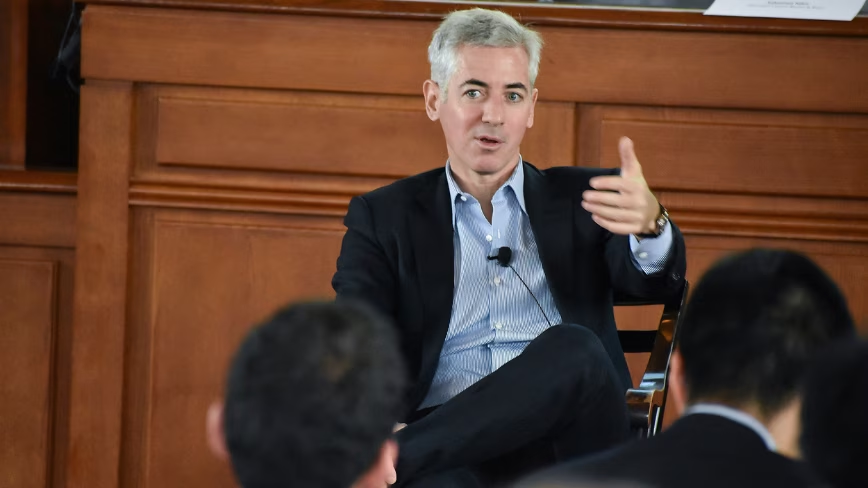
Pershing Square has taken a new position in Microsoft, with the size to be disclosed in a 13F filing later on Friday. The stock is down roughly 16% year-to-date.
Bill Ackman has bought Microsoft. Pershing Square’s chief executive said on X on Friday morning that the fund had taken a new position in the software company after its recent share-price decline, with the size to be disclosed in a regulatory filing later in the day.
Ackman’s stated rationale was that the market is mispricing the enterprise franchise rather than the AI one. Investors have underestimated Microsoft’s software ‘given its deeply embedded role across enterprises and highly attractive price-value proposition’, he wrote, framing the position as a quality-compounder bet on the installed base rather than a directional call on Azure capex.
The timing is the substance of the trade. Microsoft shares are down roughly 16% year-to-date and have traded near $413 since late April, when chief financial officer Amy Hood used the company’s fiscal Q3 results to raise full-year capital expenditure guidance to about $190bn, well above the roughly $155bn analysts had penciled in.
The results themselves were a beat. Azure grew 40%, the AI run-rate hit $37bn, and total revenue cleared $82.9bn. The stock fell anyway, on what one widely circulated buy-side note called the $190bn capex plan that repriced AI.
Advertisement
Ackman has run this play before this year. Pershing Square disclosed a new stake in Meta in February, three weeks after the latter’s own capex-driven sell-off, with Ackman describing the position at the time as a ‘deeply discounted valuation’.
The Microsoft entry follows the same shape: a megacap dragged lower by an AI-spending guide, framed by Ackman as an opportunity to buy a high-quality franchise at a temporarily de-rated multiple.
Funds running more than $100m are required to file Form 13F disclosures of US-listed positions within 45 days of quarter-end, which makes Friday a heavy day for hedge-fund reading.
Pershing Square’s last 13F, covering the December quarter, showed eleven positions and roughly $16bn in disclosed US holdings concentrated in Brookfield, Uber, Amazon, Alphabet and Meta. Microsoft did not appear. Today’s filing will show whether the firm has trimmed any existing names to fund the new one or sized it from cash.
Advertisement
The trade also lands inside a wider AI-infrastructure debate. Hyperscalers have committed more than $650bn to AI capex across 2026, on the combined Q1 numbers from Microsoft, Alphabet, Amazon, Meta and Apple, and the market is now pricing the question of when, or whether, that spend converts cleanly into operating earnings.
Ackman is, in effect, arguing that Microsoft’s existing Office, Windows and Azure book of business is enough to clear the bar, separately from the AI optionality.
Microsoft’s deep integration of OpenAI’s models across Copilot, Azure and the developer stack has been the dominant narrative in the company’s repricing over the past three years (TNW has tracked the arc). The capex bill is the cost of holding that lead. Ackman’s bet is that the enterprise software business underneath it is being given less credit than it should.
Pershing Square has not disclosed the size of the position or the average purchase price. The 13F filing is expected later on Friday US time.
Formerly known as WhiteHat, Multiverse was last valued at $1.7bn in 2022 following a $220m raise.
London-based edtech Multiverse has raised $70m in a round led by Schroders Capital, to accelerate its European expansion. The round places the company at a valuation of $2.1bn.
Founded by British businessperson Euan Blair, the round also saw the support of existing investors including General Catalyst, Lightspeed Venture Partners, D1 Capital Partners, Index Ventures, Bond and StepStone Group. Blair is the son of former UK prime minister Tony Blair.
Multiverse said that it wants to ensure that “AI benefits the workplace, rather than displacing it”. It was last valued at $1.7bn in 2022 following a $220m raise.
Advertisement
Multiverse, which was founded under the name WhiteHat in 2016, offers personalised upskilling programmes to support technological adoption. It has an AI coaching platform called Atlas.
To date, Multiverse has delivered more than £2bn worth of benefits to more than 1,000 employers, it said. Its clientele includes the likes of Microsoft, Palantir and Databricks. Atlas has tripled daily active users over the last year, the company added.
Alongside this raise, all Multiverse employees, regardless of seniority, have been offered equity and a long term stake in the company as a result of raise, Multiverse said.
“There are companies who desperately need the benefits AI can bring. There are AI companies. What has been missing is the layer that bridges the two,” said CEO Blair.
Advertisement
“This investment marks the moment Multiverse defines that category, and takes it across Europe. Getting outcomes from AI and unlocking productivity is not just a technology problem. It is a people problem. We exist to solve it.”
UK Chancellor of the Exchequer Rachel Reeves added: “Multiverse is a fantastic example of a British company helping turn that ambition into reality. This investment will support its expansion across Europe, strengthening a UK firm that is competing globally and equipping people with the skills to make AI work in practice.”
Don’t miss out on the knowledge you need to succeed. Sign up for the Daily Brief, Silicon Republic’s digest of need-to-know sci-tech news.
Eben Upton says AI could put young people off tech jobs
This could hurt the economy due to a shortage of engineers
Some are overhyping the capabilities of AI tools and technology
Raspberry Pi founder Eben Upton has warned AI is making people less likely to pursue tech jobs, and could therefore hurt the economy of the future.
Speaking to the BBC’s Big Boss Interview podcast, Upton said that the technology could “distort people’s choices in ways that make that skill shortage worse and not better.”
Upton added there is a level of overestimation of what AI chatbots can do, adding that this could “undo a lot of the good work that’s been done, not just by Raspberry Pi, but by a lot of other organisations.”
Upton founded Raspberry Pi in 2012 in order to provide an engaging way for young people to get involved in computing and programming.
Those who have built a foundational level of understanding for a tech role during their education who would then expect to further their knowledge in a place of work have found that the positions they would typically apply for are shrinking. The work that a decade ago would have been done by an entry level employee is instead handed off to an AI tool instead.
This in turn creates a self-feeding problem: how do you replace senior staff members that retire or move jobs if there isn’t a pool of talent to pick from?
Advertisement
Sign up to the TechRadar Pro newsletter to get all the top news, opinion, features and guidance your business needs to succeed!
Upton added his concern for parents worried about the direction their children’s education could take. “You read in the paper: ‘What guidance should you give your child about what GCSEs to choose in the context of an AI future?’ We have no data to inform a rational decision on that.”
“The answer is: wait five years, wait 10 years, and then maybe we might know something,” Upton added.
When asked if these problems could hurt the economy, Upton responded, “Absolutely. We need a supply of engineers.”
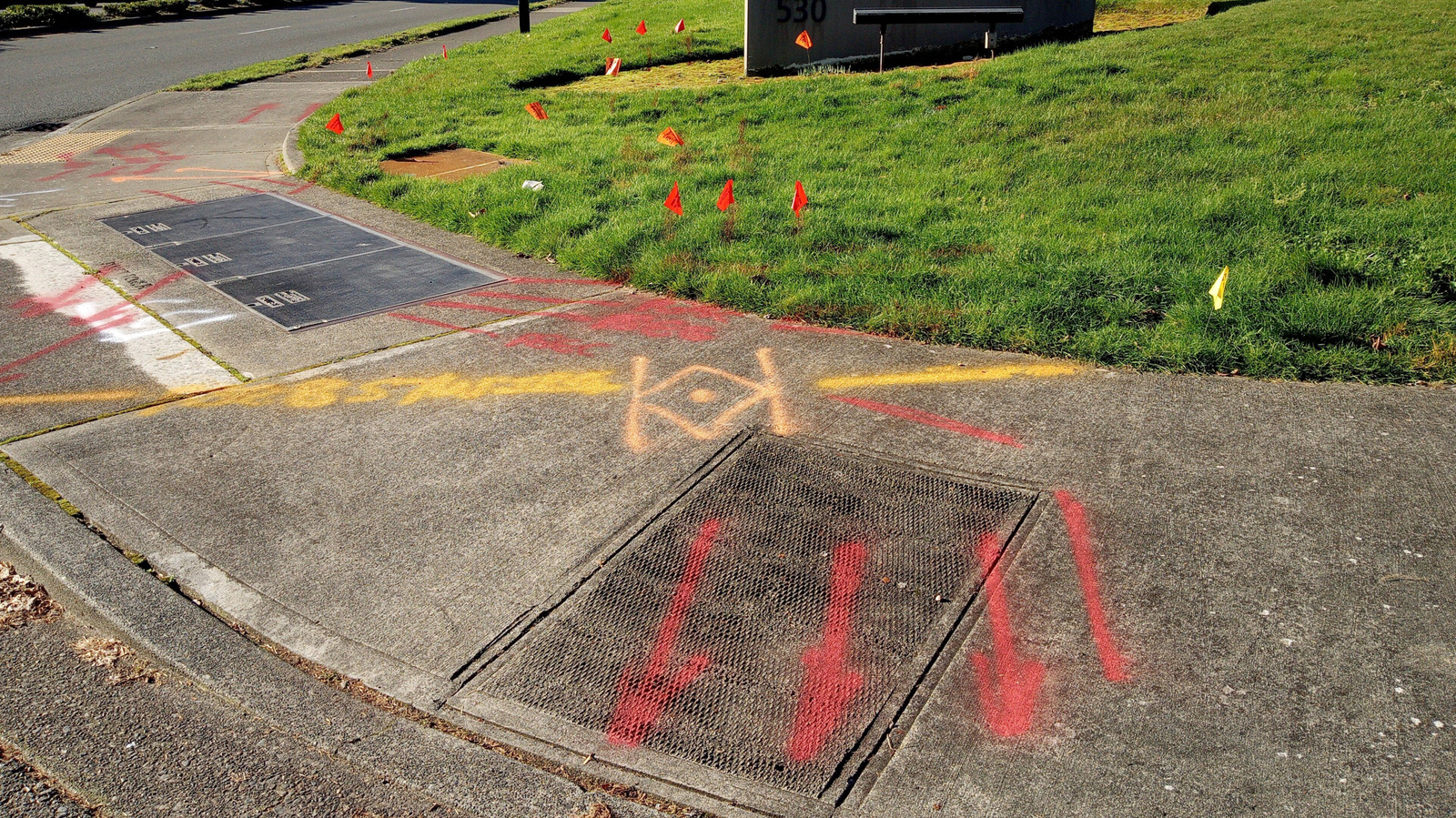
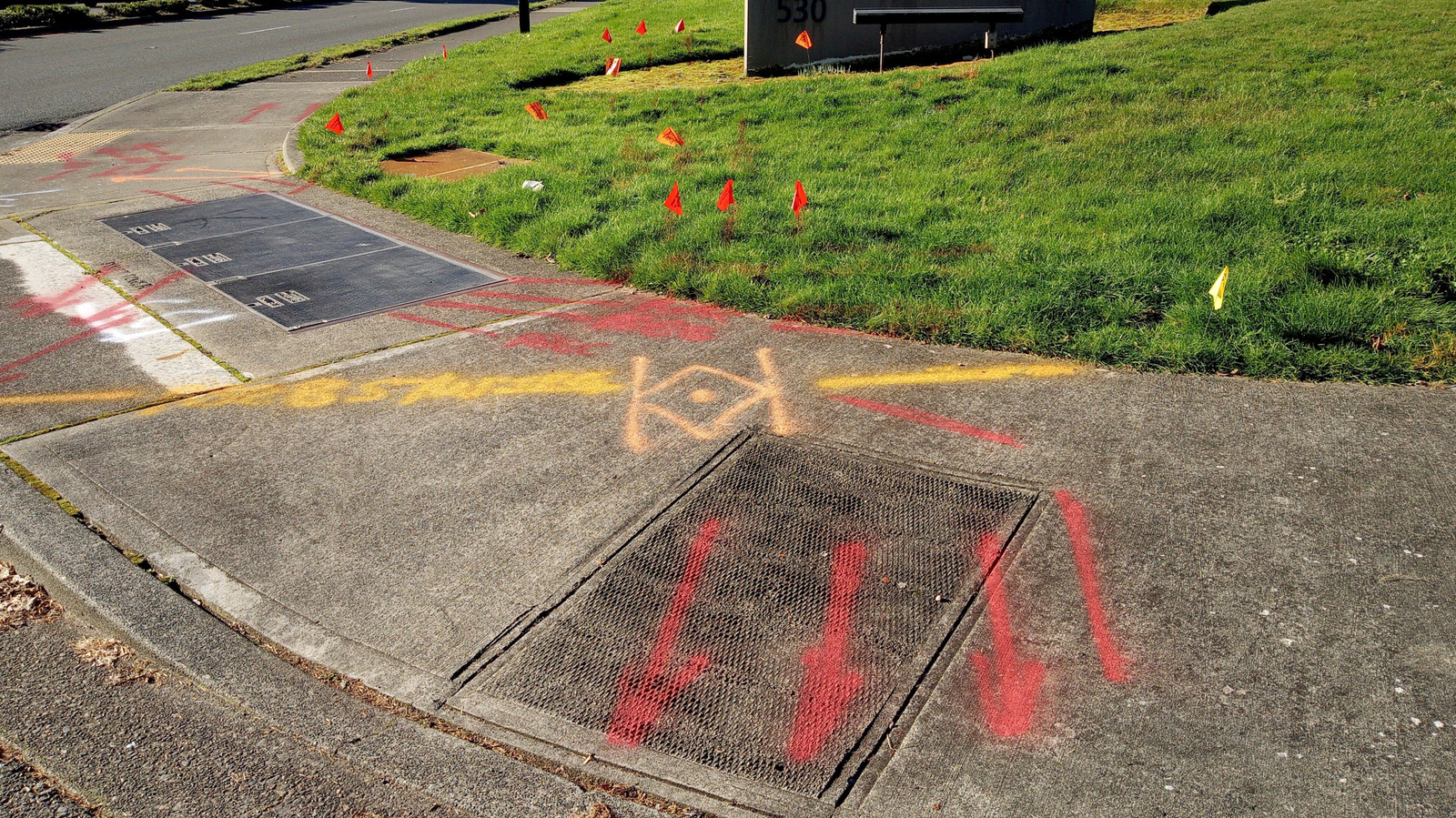
If you happen to walk outside and unexpectedly find utility markings (paint or flags) on your driveway or in your yard, it’s good advice to heed the words splashed across the cover of “The Hitchhiker’s Guide to the Galaxy” — don’t panic, it’s not the end of the world. Next, if you didn’t call the utility company, check with your neighbors to see if one of them did, and if not, then call the nationwide 811 phone number used throughout the United States for underground utility location services, because someone is planning on doing work that might directly involve your little slice of heaven.
Most property owners probably know full well that beneath their perfectly manicured landscaping efforts lies a dizzying array of underground utility lines, irrigation systems (even those using smart controllers), and water and sewer pipes. It’s also probably safe to assume that most of us have no clue where those things are. It takes professionally trained people with the right tools to come out and locate them before anyone starts digging things up to avoid triggering a cataclysmic event. Even when professionals follow these exacting safety protocols, very bad things can still happen.
Advertisement
For instance, a house 15 miles south of Oakland, California, exploded in December 2025, after a construction crew hit a gas line. The house next door was also severely damaged, and six people were injured. More recently, 67 homes in Mountain View, California, were under a boil-water notice for weeks after a crew replacing the neighborhood’s water pipes allowed cement slurry to seep in, subsequently introducing bacteria into the drinking water.
Advertisement
It’s always better to be safe than sorry
For every project that involves digging into the ground – whether it’s a simple DIY effort to repair sprinkler lines, or a larger one carried out by city workers — the area needs to be inspected at least two days beforehand. Calling 811 sends utility companies out (at no charge) to locate and mark underground lines (gas, water, electric, internet, etc.) with flags and spray paint. This safety measure is a federal law meant to prevent damage to public infrastructure, personal injuries, or unwanted service outages.
The markings all have different meanings, but follow uniform color codes mandated by the American Public Works Association (APWA). Red indicates the presence of electric power lines (invented in 1882), lighting cables, and conduit. Orange means telecommunication, alarm/signal lines, cables, or conduit. Natural gas, oil, steam, petroleum, or other flammable substances will always be designated by the color yellow. Green notifies you of sewer and drain lines, while blue is for potable drinking water. Reclaimed water, irrigation, and slurry lines are represented by purple. Pink is used for temporary survey markings or things that are either unknown or unidentified. Lastly, white outlines proposed excavation limits or routes.
Utility markings should generally remain in place until the project is complete. And if you are the one doing the digging, check your state’s tolerance laws because you may need to use hand tools instead of mechanized equipment if you’re working within 24 inches of a marked line. Ultimately, it’s better to be safe than sorry, because nobody wants to be responsible for causing a problem that brands them as “that person” in their neighbor’s eyes forever.
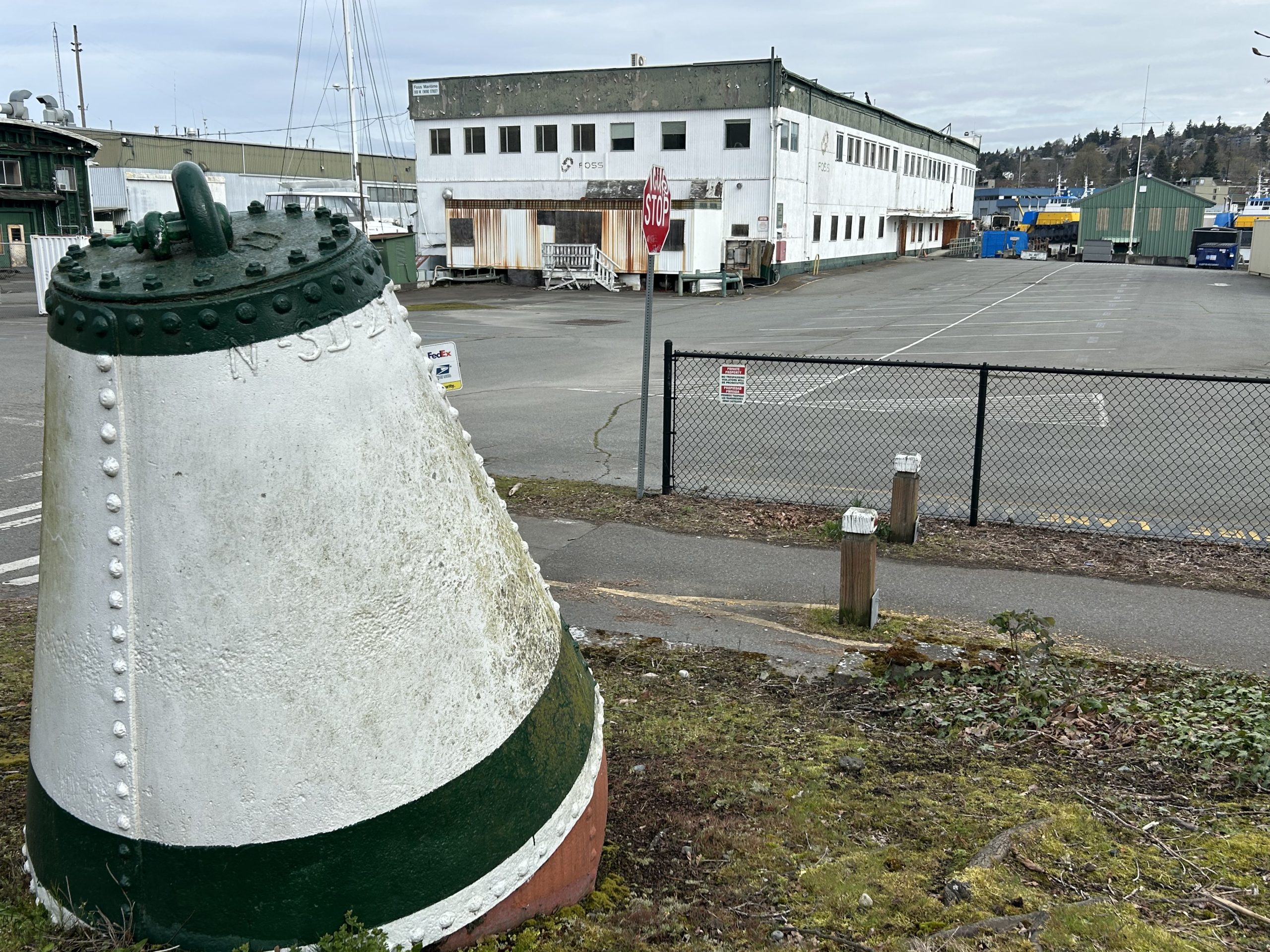
Defense giant Anduril is operating its autonomous naval vessel manufacturing facility at the old Foss Shipyard on the Lake Washington Ship Canal in Seattle. (GeekWire Photo / John Cook)
Anduril Industries announced a massive $5 billion funding round Wednesday as the fast-growing defense tech startup ramps up investments in manufacturing and autonomous military systems — including a quietly expanding maritime operation in Seattle.
As GeekWire reported last month, Anduril established operations at the historic Foss Maritime shipyard along the southern bank of the Lake Washington Ship Canal, where the company is developing autonomous naval vessels and other maritime technologies.
The Series H funding round — including investments from Thrive Capital and Andreessen Horowitz — values Anduril at $61 billion.
The Costa Mesa, Calif.-based company said the financing will fuel aggressive investments in manufacturing capacity, R&D and infrastructure needed to produce advanced defense systems.
“When Anduril launched in 2017, defense attracted little venture investment,” CEO Brian Schimpf said in a letter, adding that investors now increasingly recognize “the scale of the technological and industrial challenges facing the United States and its allies.”
Advertisement
The Seattle facility underscores how the Pacific Northwest is increasingly emerging as a strategic hub for next-generation defense technologies — blending advanced manufacturing with AI, autonomy and defense software.
Just this week, GeekWire reported on Armada’s growing engineering hub in Bellevue, where the heavily funded startup is working on portable data centers for military operations and other use cases. Other Seattle-area companies such as Overland AI — autonomous military vehicles — and Echodyne — advanced radar systems — are benefitting from what CNBC dubbed a “defense tech funding boom.”
Earlier this year, autonomous vessel startup Saronic Technologies announced a $1.75 billion funding round and plans to develop a next-generation shipyard focused on autonomous naval ships — raising broader questions about where America’s future defense shipbuilding hubs will emerge.
Anduril’s expansion also lands amid renewed national focus on revitalizing America’s industrial and naval capacity. In a letter released alongside the funding announcement, the company argued that future conflicts will depend heavily on resilient production systems, rapid adaptation, and scalable autonomous technologies.
Advertisement
Anduril has not publicly detailed the scale of its Seattle maritime operations, and the company did not respond to requests for comment when GeekWire reported on the shipyard last month.
However, the company said in a November 2025 press release that its Seattle facility will serve as the U.S. hub for vessel assembly, integration and testing of Autonomous Surface Vessels as part of the U.S. Navy’s Modular Attack Surface Craft (MASC) program.
Anduril also is rapidly expanding its operations in California. And it is building a massive facility just south of Columbus, Ohio, that it dubs Arsenal-1, described by the company as “the future of American defense manufacturing.”
Founded in 2017 by Oculus VR creator Palmer Luckey, Anduril Industries has rapidly grown into one of the most valuable private defense companies in the world, building autonomous drones, surveillance systems, AI-powered software platforms and military robotics.
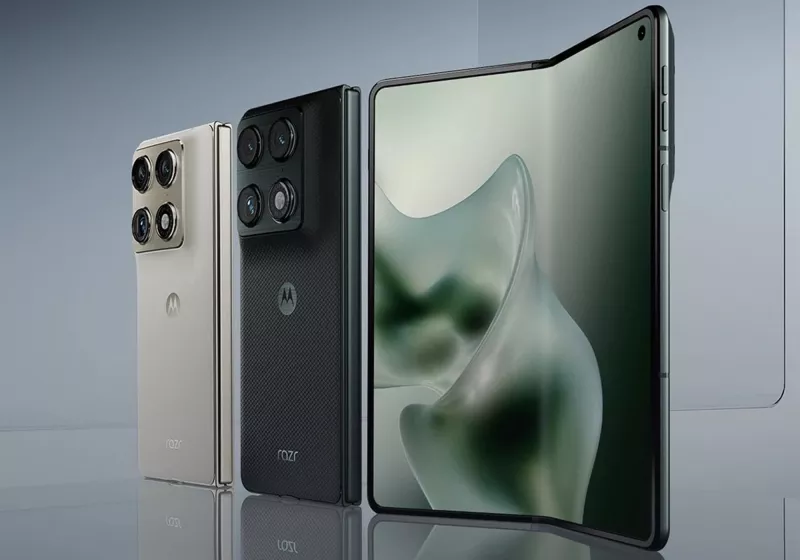
Motorola’s first book-style foldable is earning strong early reviews for its sleek design, excellent battery life, fast charging, and stylus support. Reviewers note it still lacks some of the polish of the Z Fold 7 and Pixel 10 Pro Fold, but most agree the Razr Fold is a legitimate foldable contender.
According to the researcher, YellowKey appears unusual for a previously unknown security bug. Nightmare-Eclipse explained that the flaw can be reproduced by copying an attached “FsTx” folder to a USB drive formatted with a Windows-compatible file system such as NTFS, FAT32, or exFAT. Read Entire Article Source link
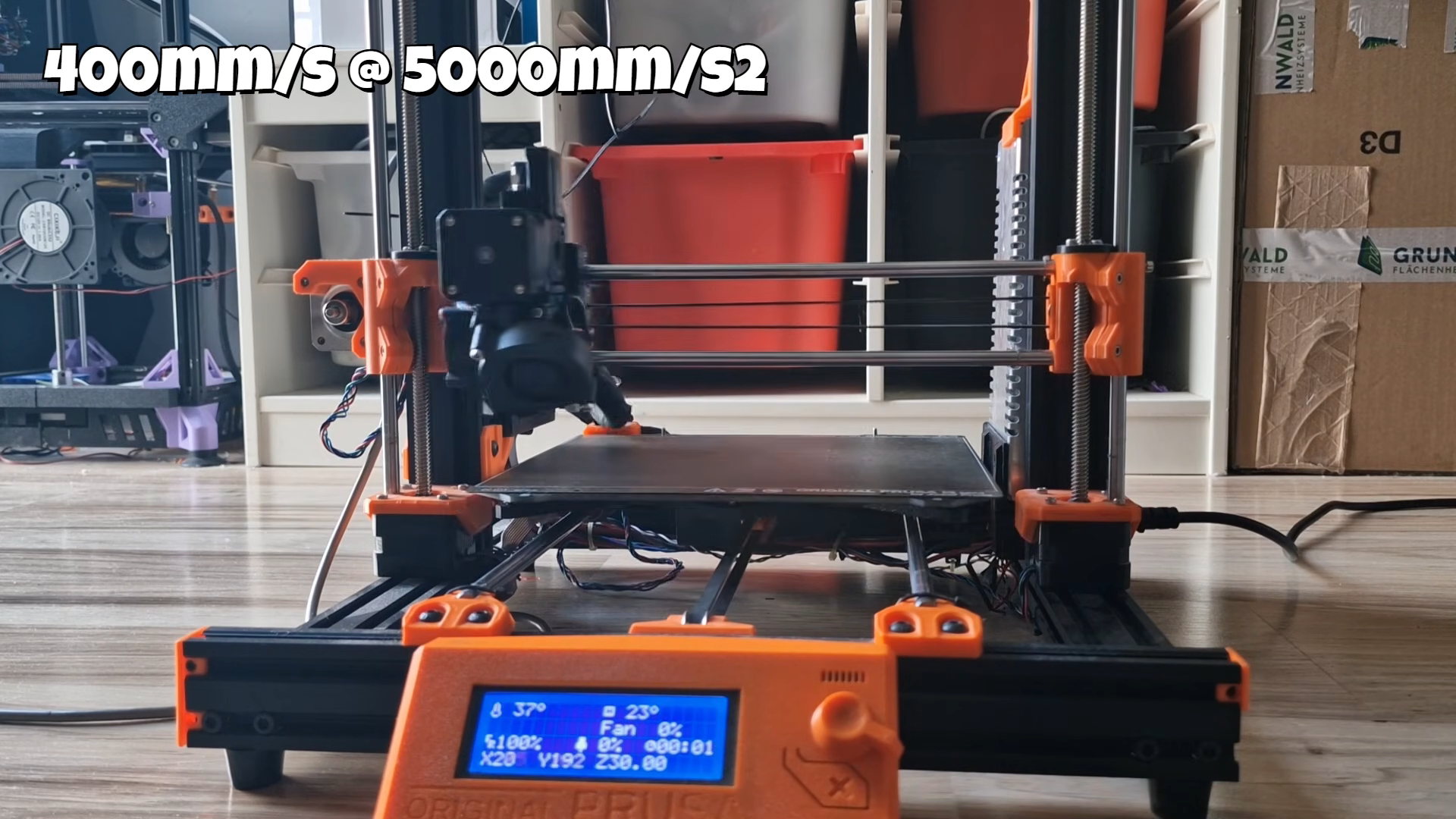
3D printers are almost never fast enough. [Cocoanix] had a Prusa MK3S with this very problem. He found it to be disappointingly tedious when completing even simple prints, and sought a way to make it faster. Thus, he grabbed a Nintendo Switch and got to work.
It might sound like an odd choice, and that’s because it is. There’s no special magic inside a Nintendo Switch that makes 3D printers faster – it’s just that the handheld console was a useful platform on which to run Klipper. As [Cocoanix] explains, Klipper is designed to run on faster general-purpose computers compared to the more limited microcontrollers used in some printers. It’s designed to off-load complex motion processing tasks to a faster CPU, while the printer’s onboard microcontrollers are freed up to simply handle the low-level tasks of driving the motors and so on. An older printer equipped with Klipper can often print faster, while implementing techniques like input shaping to further improve speed as well as print quality.
It’s worth noting that you don’t have to use a Nintendo Switch for this. It’s just a good hook for the YouTube video. Typically you’d use a Raspberry Pi or some other computer instead, but the fact it runs on a jailbroken console is amusing nonetheless. It’s also cool to see the results – in this video, [Cocoanix] got the Benchy printing time down from 90 minutes to just 8.
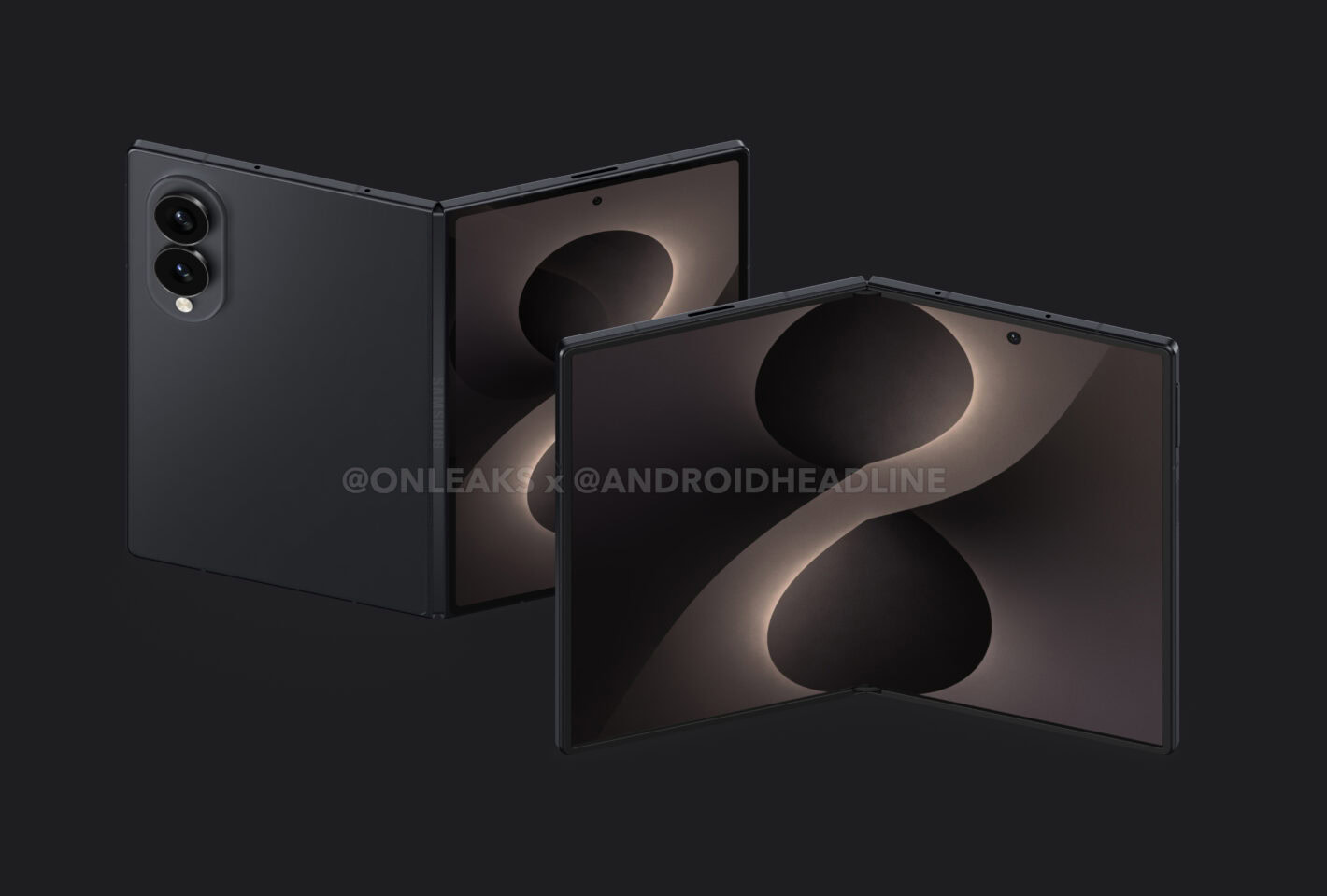
Samsung’s upcoming wide-screen foldable may end up making a surprising compromise in the camera department.
According to a new leak, the rumoured Galaxy Z Fold 8 Wide could launch with just two rear cameras instead of the triple-camera setup Samsung typically reserves for its premium foldables.
The device has already appeared in several leaks ahead of its expected July unveiling. This includes official-looking renders reportedly pulled from an early One UI 9 build. Those renders hinted at the simplified camera layout. Furthermore, new details from GalaxyClub and SamMobile now appear to confirm it.
According to the latest report, both rear cameras on the Z Fold 8 Wide will use 50MP sensors. The main camera will feature an f/1.8 aperture, while the secondary sensor will reportedly use an f/1.9 lens. Both cameras will also support 8K video recording at 30fps.
Advertisement
That setup feels fairly modest compared to Samsung’s usual foldable ambitions, and is especially notable considering devices like the Galaxy Z Fold series traditionally push heavier camera hardware.
Advertisement
The move also mirrors Samsung’s more experimental Galaxy S25 Edge that also adopted a similar dual-camera approach. However, unlike the S25 Edge — which features a massive 200MP primary sensor — the Z Fold 8 Wide appears to prioritise simplicity over outright camera power.
Elsewhere, the phone will include two 10MP selfie cameras, one on the outer display and another on the folding inner screen. Battery capacity may also differ from the standard model. The Z Fold 8 Wide is tipped to feature a 4,800mAh battery, slightly smaller than the 5,000mAh cell expected on the regular Galaxy Z Fold 8.
Advertisement
Taken together, the leaks suggest Samsung could position the Z Fold 8 Wide as a more affordable alternative within its foldable lineup. A reduced camera setup and slightly smaller battery would help explain a lower price point, especially if the company wants to make wider foldables more accessible.
The handset will also launch in several colours, with Dark Green reportedly acting as the signature finish.
Samsung is expected to officially reveal the Galaxy Z Fold 8 Wide alongside the standard Galaxy Z Fold 8 and Galaxy Z Flip 8 sometime in July.






















































You must be logged in to post a comment Login