Connect with us

Tech

New York Becomes First State To Impose Data Center Moratorium

Published

on

New York has become the first U.S. state to impose a moratorium on large new data centers, pausing construction for one year over concerns that AI-driven data center growth is raising utility bills, straining water supplies, and burdening communities. “As data center development threatens to hike up utility bills, deplete our natural resources, and create uncertainty for New Yorkers, it’s my responsibility to take action and lead,” said New York Governor Kathy Hochul. She will also pursue legislation to repeal sales tax exemptions for large data centers, Hochul added. Reuters reports: The construction ban will apply to data centers that use 50 megawatts or more of power, officials in the governor’s office said. During the moratorium, the state’s Department of Environmental Conservation will not issue any discretionary permits not already deemed complete, the governor’s office said. Instead, Hochul directed state officials to develop a Generic Environmental Impact Statement to ensure that new data centers coming online are held to “consistent standards,” as well as examine the potential environmental impacts of the construction and operation of data centers in the state. The ban will be lifted once the state finalizes those standards, according to Hochul’s office.

Source link

Continue Reading
Click to comment

You must be logged in to post a comment Login

Leave a Reply

Tech

Half a Million Galaxies in the COSMOS Field Fill One Frame from LSST, the World’s Biggest Digital Camera

Published

on

Vera C. Rubin LSST Camera COSMOS Field
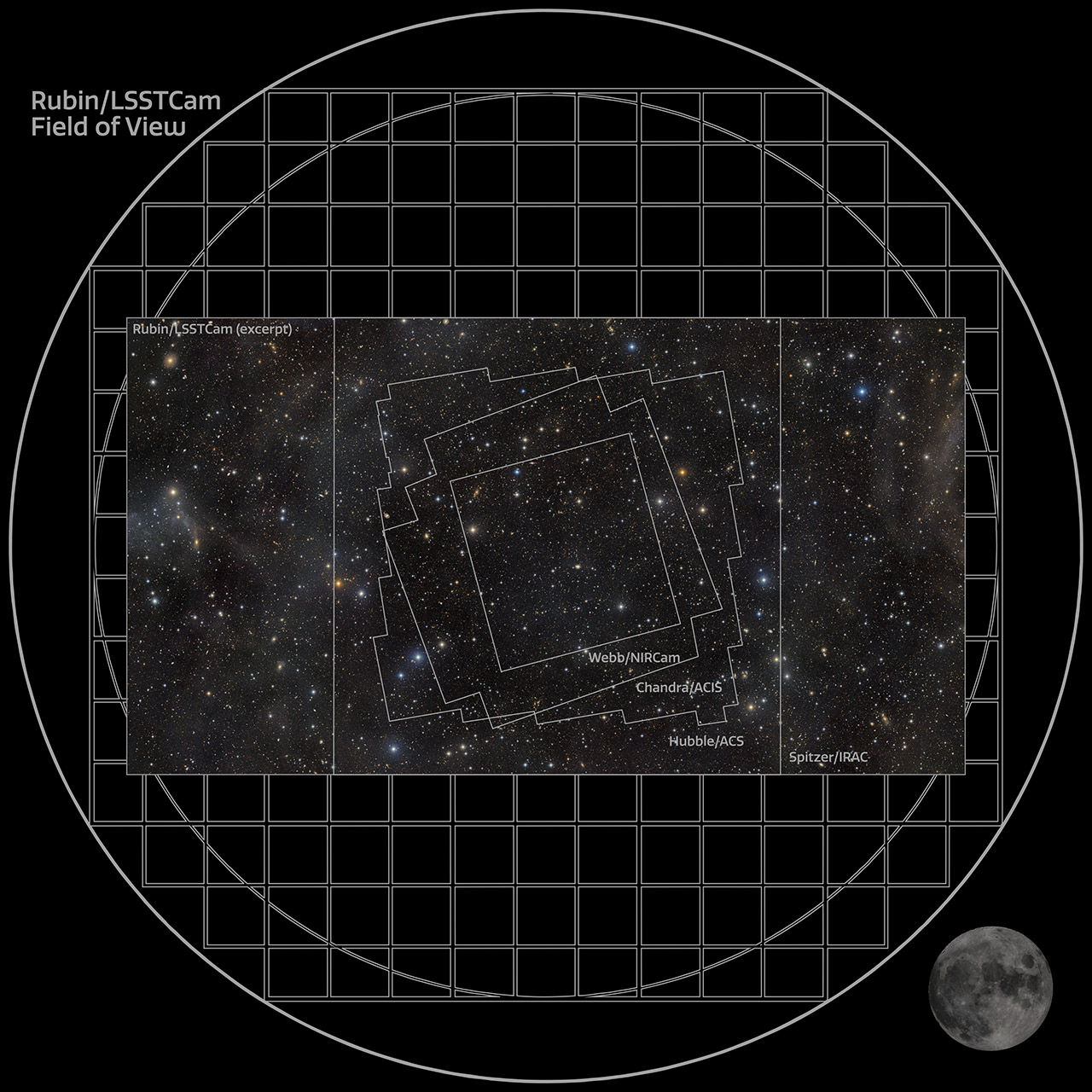
Rubin Observatory just released its first major science image from the LSST Camera, and the frame is dense with distant light. Astronomers stacked hundreds of separate exposures of the COSMOS field and ended up with more than half a million galaxies plus more than 50,000 stars in a single deep view.


COSMOS is located in the constellation Sextans, a patch of sky chosen years ago because it looks almost straight out of the plane of the Milky Way. This orientation keeps us relatively free of nearby stars and dust, allowing us to see galaxies whose light has been traveling light-years for billions of years, and it is this light that we wish to investigate. Hubble ended up looking at the same point of sky in 2003. However, since then, a cascade of telescopes across the electromagnetic spectrum have examined COSMOS, establishing it as the standard reference field in space. Rubin’s new composite provides more reach, depth, and the possibility of multiple trips over the next ten years.

Sale


Gskyer Telescope, 70mm Aperture 400mm AZ Mount Astronomical Refracting Telescope for Kids Beginners…
  • Superior Optics: 400mm(f/5.7) focal length and 70mm aperture, fully coated optics glass lens with high transmission coatings creates stunning images…
  • Magnification: Come with two replaceable eyepieces and one 3x Barlow lens.3x Barlow lens trebles the magnifying power of each eyepiece. 5×24 finder…
  • Wireless Remote: This refractor telescope includes one smart phone adapter and one Wireless camera remote to explore the nature of the world easily…

The 3.2-gigapixel LSST camera, which is the largest digital camera ever built for astronomy, captured the light we’re gazing at. It sits atop the 8.4-meter Simonyi Survey Telescope and consists of 189 individual sensors arranged on a focal plane the size of a small vehicle. It can capture a large area of sky in one image, and by layering hundreds of separate shots taken between April 2025 and January 2026, what appeared invisible at first began to emerge.

Advertisement

Vera C. Rubin LSST Camera COSMOS Field
The final image shows spiral galaxies with thin, winding arms, with all the delicate detail visible, smooth ellipticals, pairs of galaxies caught in the middle of a collision, and a smattering of very red galaxies that are so far away that the light we’re seeing has been on its way since the universe was young. There are a few bright foreground stars from our galaxy visible here and there, as well as soft wisps of interstellar dust known as galactic cirrus.

Vera C. Rubin LSST Camera COSMOS Field
This is the second release, with the first catalogue and image based on LSST Camera observations. The whole set covers approximately 3,000 square degrees, or nearly one-sixth of what we can see in the southern sky from the Chilean mountain site where it is located. COSMOS is one of the sites Rubin will return to more than usual. They should be able to gain even more depth by making additional visits, exposing fainter galaxies and better detail, as well as perhaps catching things like supernovae as they happen, which are all temporary.

Vera C. Rubin LSST Camera COSMOS Field
Bob Blum, director of Rubin Observatory at NSF NOIRLab, noted that the deep image is only the start for this field. Repeated observations over the next several years are expected to deliver large numbers of transient and variable objects for the community to study. Phil Marshall, deputy director at SLAC, emphasized that the long history of prior data on COSMOS makes the field an especially useful testing ground as scientists prepare to work with the full survey stream.

Source link

Continue Reading

Tech

Apple hosts Ted Lasso look-alike contest in New York

Published

on

If you’ve got the Ted Lasso outfit, moustache, and attitude, you can win custom Beats headphones and exclusive soccer scarves at Apple’s look-alike contest in New York City on Thursday.

“Ted Lasso” is, undoubtedly, Apple TV‘s first breakout hit and an unofficial mascot for the service itself. And, just as it’s proven in the past, Apple is fully on board when it comes to fun promotions for the series.

This time, it’s decided to hold an in-person Ted Lasso look-alike contest on August 6 from 4:30 pm to 7:30 pm EDT at its Fifth Avenue location. Contestants are encouraged to come forth and prove that they’re Tedder than the rest for a chance at a unique prize or two.

According to the official Gathering of the Teds page, contestants will compete in a three-round contest, with eliminations in each round.

Advertisement

The first round, known as “Ted Energy,” will require contestants to introduce themselves in character and dance for two minutes. The contestants will be judged on their “Ted Energy,” costume commitment, and level of participation, and only 10 semi-finalists will advance to round 2.

The second round, known as the “Head Coach” round, will see contestants participate in a Ted Lasso trivia round, another round of costume judging, and a crowd-based mustache judging. Only three contestants will advance to the third round.

Round three, the “Ted Talk” round, will require contestants to deliver a 30-45 second pep talk to the crowd, endure another costume judging, and have their stage presence evaluated.

Four prizes will be given out. All three finalists will get a custom soccer scarf, while the first place winner will also receive custom Beats headphones.

Advertisement

According to the contest page, the approximate retail value of all four prizes is $300. That likely means that the headphones will be Beats Solo 4 with a custom “Ted Lasso” wrap, which retails for just under $200.

The scarves, on the other hand will likely be similar, if not exactly the same as the Ted Lasso A.F.C. Richmond Crest scarf available through the official “Ted Lasso” merchandise store. It retails for $32.95.

Red and navy striped soccer scarf with yellow A.F.C. Richmond lettering, fringed ends, laid flat on a white background

Ted Lasso A.F.C. Richmond Crest scarf

Again, this is an in-person contest only, so you’ll want to make sure you’re at Apple Fifth Avenue on Thursday, August 6, if you wish to participate.

Advertisement

Source link

Continue Reading

Tech

Google’s Matte Black Pixel 11 Pro Finally Gets the Full Treatment in New Leak

Published

on

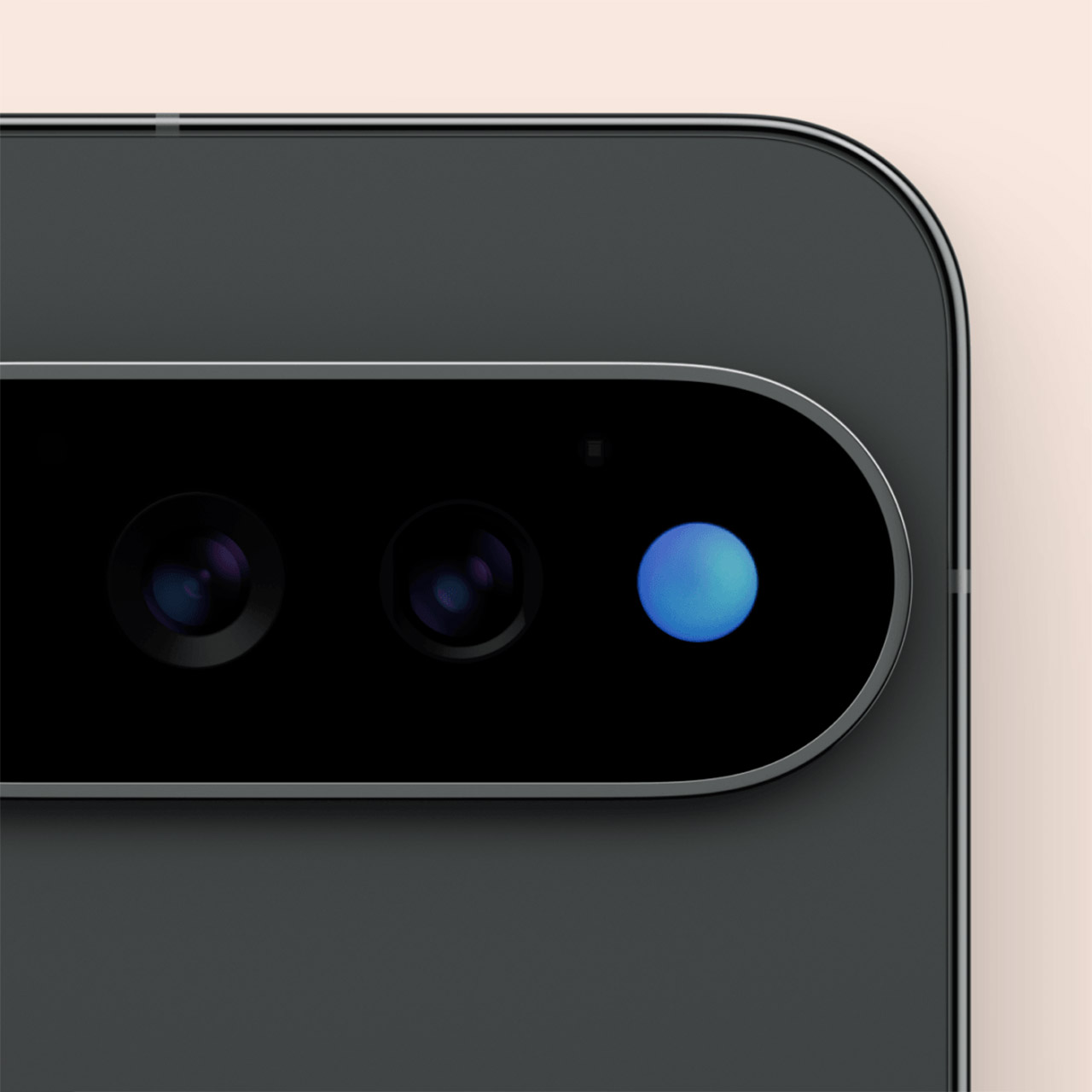
Google Pixel 11 Pro Matte Black Obsidian Leak
Photo credit: Evan Blass
Fresh images of the Pixel 11 Pro in matte black have landed just days before Google’s Made by Google event, and they show a phone that finally matches the finish many people have wanted for years.


Google Pixel 11 Pro Matte Black Obsidian Leak
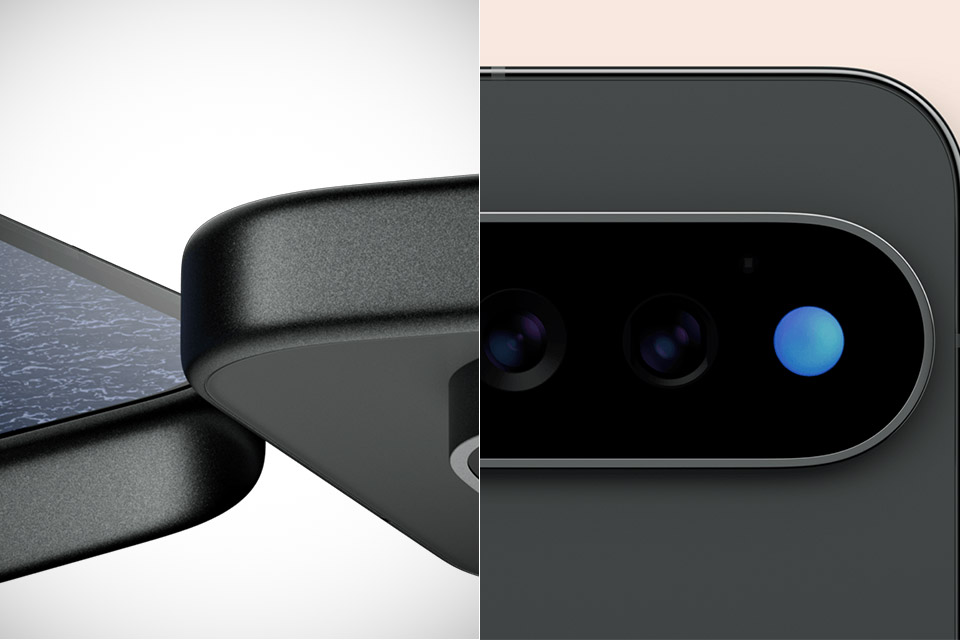
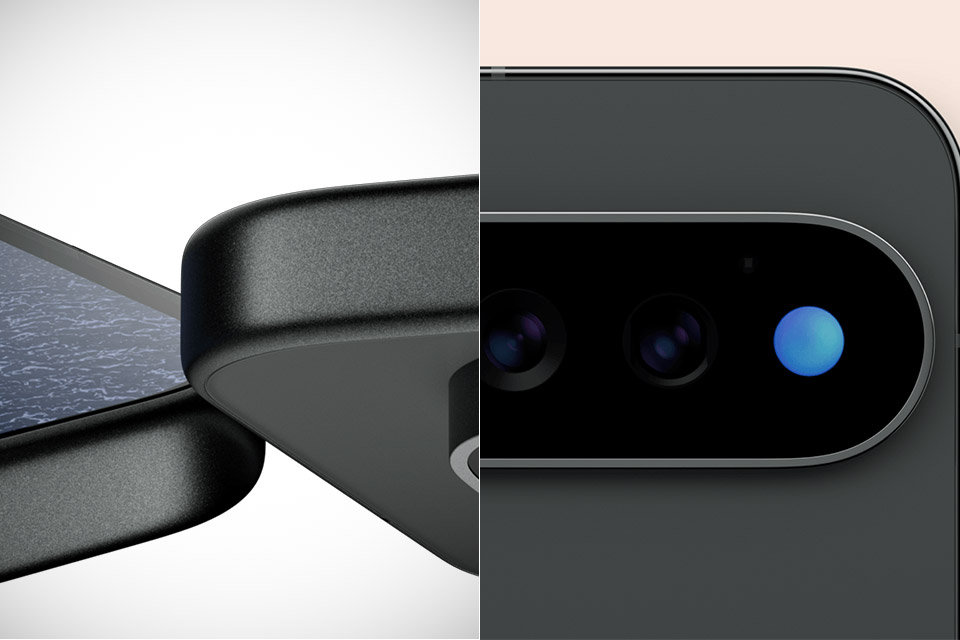
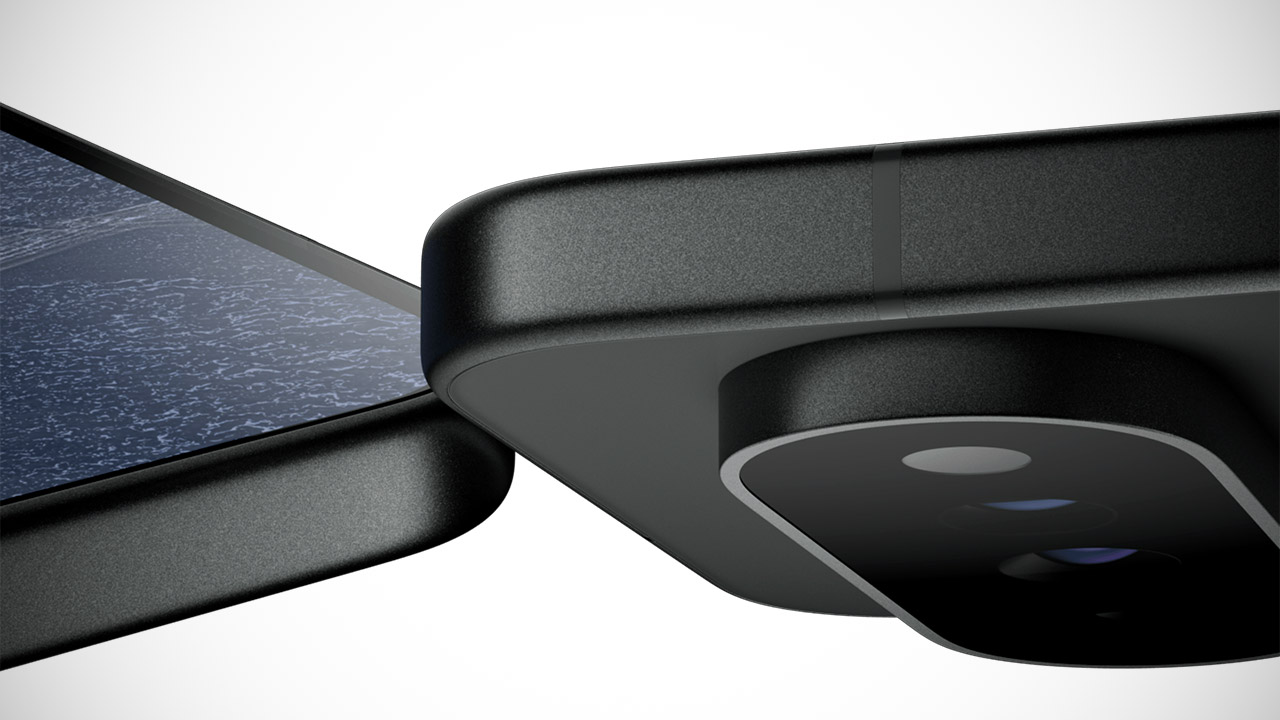
Obsidian is becoming the rumored name for this version of the phone. The new matte coating goes across the entire frame and even over the edges of the camera bar, which is a significant upgrade over the previous Pro model’s shining rails. Those polished rails used to be a fingerprint magnet, attracting any stray reflections that contrasted with the rest of the glasswork. With the black model being completely matte from edge to edge, anyone who prefers a shiny finish will have to go with one of the other colors. It appears that selecting Obsidian is the only method to achieve that matte finish.


Samsung Galaxy Z Fold8 Unlocked Cell Phone + $350 Gift Card, 256GB Graphite
  • PRE-ORDER NOW: Get an Amazon gift card when you pre-order Samsung Galaxy Z Fold8. You will receive an email once your gift card is available after the…
  • CREATED FOR YOUR CONTENT: Any way you turn it, the new Galaxy Z Fold8 gives you a fuller viewing experience. Designed with your content in mind, this…
  • WORLD’S LIGHTEST FOLD¹: Galaxy Z Fold8 is the newest foldable phone for content on the go. Unfolded, it fits movies and books for an immersive…


The images, which came from respected tipster Evan Blass, are eerily similar to the official marketing images, which show the phone from various angles and make the flatter, less reflective surface easy to spot. Meanwhile, the Camera Bar has been lowered from last year, giving the phone a more streamlined appearance while retaining the original three-lens layout.

Google Pixel 11 Pro Matte Black Obsidian Leak
However, from what we can see, the rest of the phone remains largely unchanged. It retains the same 6.3-inch Super Actua LTPO OLED screen and resolution as last year’s 10 Pro, but peak brightness increases to an impressive 3600 nits. Instead of last year’s G2, the Tensor G6 chip will take over. It will be linked with the Titan M3 security chip like before, but instead of Android 16, it will run Android 17 out of the box.

The main sensor remains a 50 megapixel unit, while the ultrawide has increased from 12 to 48 megapixels and now has macro capabilities. Of course, there’s the periscope telephoto, which has another 48 megapixel lens and 5x optical zoom, up from 4x last year. Digital zoom has also been improved, now at 120x instead of 100x. Unfortunately, the battery life suffers slightly, dropping to 4,850 mAh, and the phone itself weighs 204 grams. It is also slightly thinner, at 8.4 mm.

Google Pixel 11 Pro Matte Black Obsidian Leak
In terms of storage, you can get 256 GB and go all the way up to 512 GB, but it will cost you extra storage for the RAM, as you get 12 GB as normal, but if you choose the larger storage, that increases to 16 GB. As for the price, it appears that you can get one in the United States for $1,099, which is $100 more than the original price of the 10 Pro, and the final names for those additional colors may not be Dune, Light Fog, and Pine after all. While the black finish is limited to the one matte choice, Obsidian. One thing that appears to be getting an upgrade is the new lighting effect around the camera bar, which was previously known as Pixel Glow but is now referred to as HiLight in some of the renders, and one of the leaked shots even shows off the 120x zoom for a true moon capture, implying that extra zoom is ready to be tested.

The next Made By Google event is scheduled for August 12, so these renders provide the clearest look yet at what the Pro models will look like once the covers are removed. The Obsidian finish will stand out to anyone who has spent the last several years wiping fingerprints off a slick Pixel rail, since it is nice to see that detail.

Advertisement

Source link

Continue Reading

Tech

Circuit Bending, But Make It MIDI

Published

on

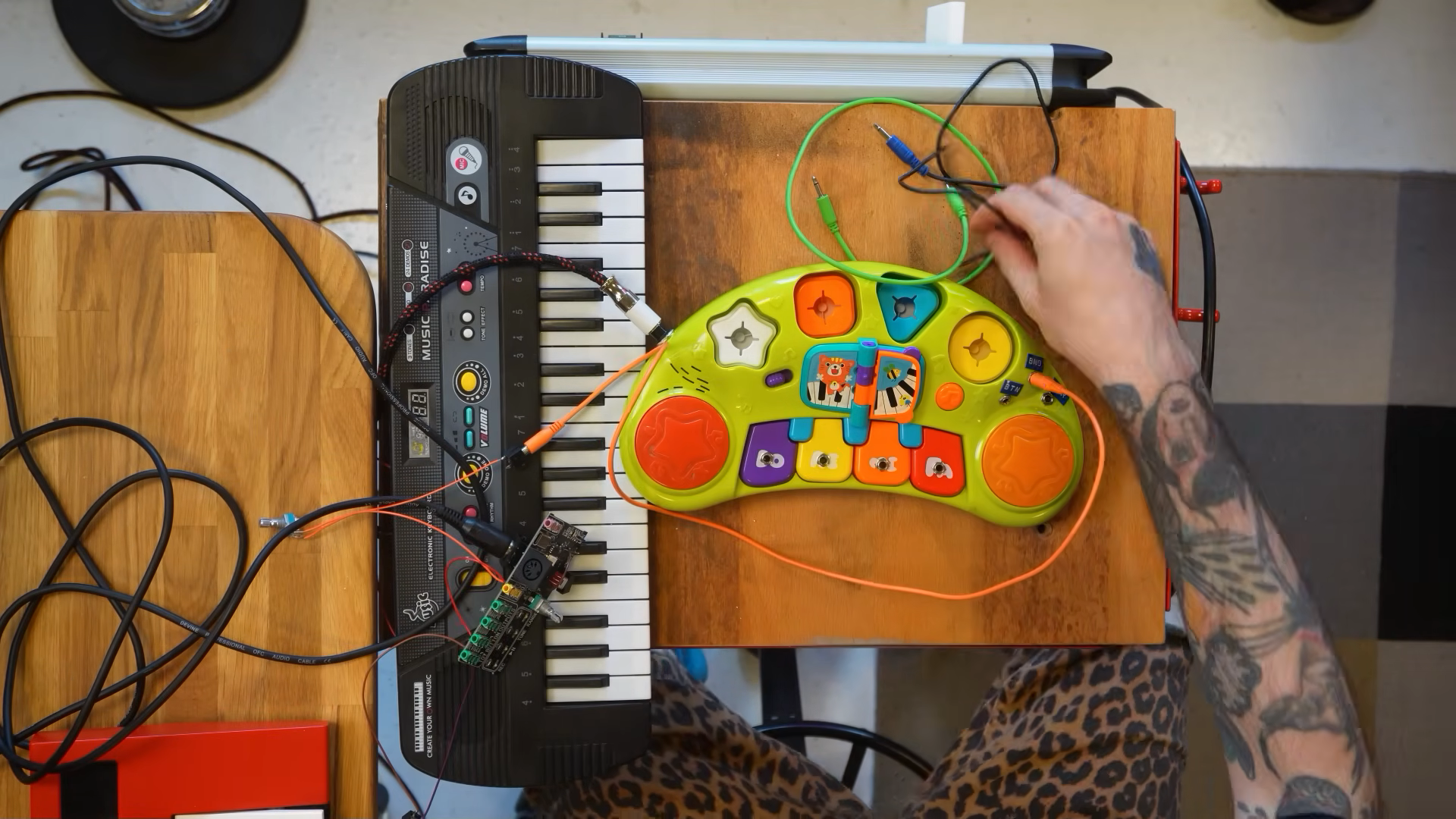
Circuit bending is a chaotic art. At its simplest, it can just involve making connections between random points on a circuit board to create weird sounds in musical hardware. Or, you can complicate things, get really specific with your hookups, and twist them with various sorts of modulation. [Simon the Magpie] has been working on something closer to the latter category, with his neat project to add MIDI to the circuit bending world. 

The concept is straightforward enough. [Simon] has created a device that you place in line with your circuit bent connections, particularly those that create pitch bends with pots thanks to their variable resistance. You can then play your MIDI keyboard, and the device will vary the resistance in the circuit and bend the pitch at your command. [Simon] simply calls the device MIDI TO RESISTANCE, because that’s… precisely what it does, with the aid of a digital potentiometer. He then demonstrates it doing its thing on pitchbent toys, and it sounds pretty radical in use.

If you’re trying to make your circuit bent toys and instruments more musical, this build should serve as a great inspiration. We’ve featured other oddball musical hacks in a similarly creative vein before, too—such as using mixers as a synthesizer in their own right. Have fun out there.

Advertisement

Source link

Advertisement
Continue Reading

Tech

The SpaceX Falcon Lunar Crash Is a Warning for Moon Bases

Published

on

A SpaceX rocket that has been drifting in space for a year and a half is set to crash into the moon on Wednesday, stirring up a debris cloud that could be visible from Earth. The impact raises questions on the future of lunar exploration, including how to protect any future moon bases from space junk.

The rocket set for moon impact is the upper stage of a Falcon 9 that transported a pair of lunar landers. While the landers successfully reached the surface, the rocket was left adrift since it did not have enough fuel to return to Earth or enter a stable orbit.

Weighing 4 metric tons, the rocket is expected to strike the lunar surface at a speed of approximately 5,400 mph—about seven times the speed of sound. Without an atmosphere to slow the projectile down, the impact will cause an explosion equivalent to 3 metric tons of TNT, leaving a crater that’s projected to be up to 27 meters in diameter and 5 meters deep.

The upper stage is expected to hit the surface around 6:34 am UTC on Wednesday, likely making impact near Einstein Crater on the western edge of the moon’s near side. The Americas will have the best view of this impact. While it won’t be visible to the naked eye, viewers should be able to spot the debris plume through a good telescope for a few minutes.

Advertisement

A lunar crash landing visible from Earth will be a spectacle, one that raises concerns about the future of the moon. Multiple countries are planning uncrewed lunar missions, which could clutter the area around the moon. This SpaceX rocket won’t be the first to accidentally crash into the Moon. In March 2022, a Chinese Long March 3C rocket also struck the lunar surface and left a crater that’s 29 meters wide.

China and the US are also pushing to build bases on the surface in the coming decades.

Bill Gray, the creator of the Project Pluto initiative to develop software and tools to track the orbits of asteroids, comets, and artificial satellites, was the first to calculate the trajectory of the impending Falcon 9 crash. He was also part of a team that worked on a preprint study released last month detailing the collision.

The crash landing is ”an opportunity to test pipelines for measuring flash properties to locate impact events seismically, and to better understand the multi-modal hazards posed to future lunar infrastructure and astronauts from space debris impacting the Moon,” the study states.

Advertisement

Although building a moon research center capable of supporting a sustained human presence will take at least a decade, NASA’s missions to construct the first facilities are expected to launch in the coming years as part of the Artemis program.

“These sorts of things are going to happen more and more often. And as we have more astronauts on the lunar surface, more lunar infrastructure habitats, for example, we need to understand how much of a risk these impact events actually pose,” Benjamin Fernando, a researcher at Los Alamos National Laboratory in New Mexico and co-author of the preprint study, tells ABC News.

The risk posed by space debris is part of a growing list of hazards that cast doubt on the safety of any long-term project on the moon. In addition to the potential for space junk to wreak havoc on the lunar surface, natural events such as meteorite strikes also threaten any future activities. But with any potential lunar bases still a decade or more away, there’s ample time for researchers to looking at the hazards and plan for them.

“This is an ideal way of studying both the direct risks, the risk of being hit by debris or being blinded by a flash of light, but also the indirect risk, the risk of being hit by a cloud of ejected material and having that disrupt or interfere with spacecraft functions in lunar orbit as well,” Fernando says.

Advertisement

Source link

Continue Reading

Tech

Turning Paper Charts Into Digital Medical Records

Published

on

Most hospitals and health care providers use electronic health records instead of paper charts to note patient vaccinations, diagnoses, and procedures. AthenaOne, Epic, and Oracle Health are some of the systems employed around the world. Many patients can access their electronic medical records from home.

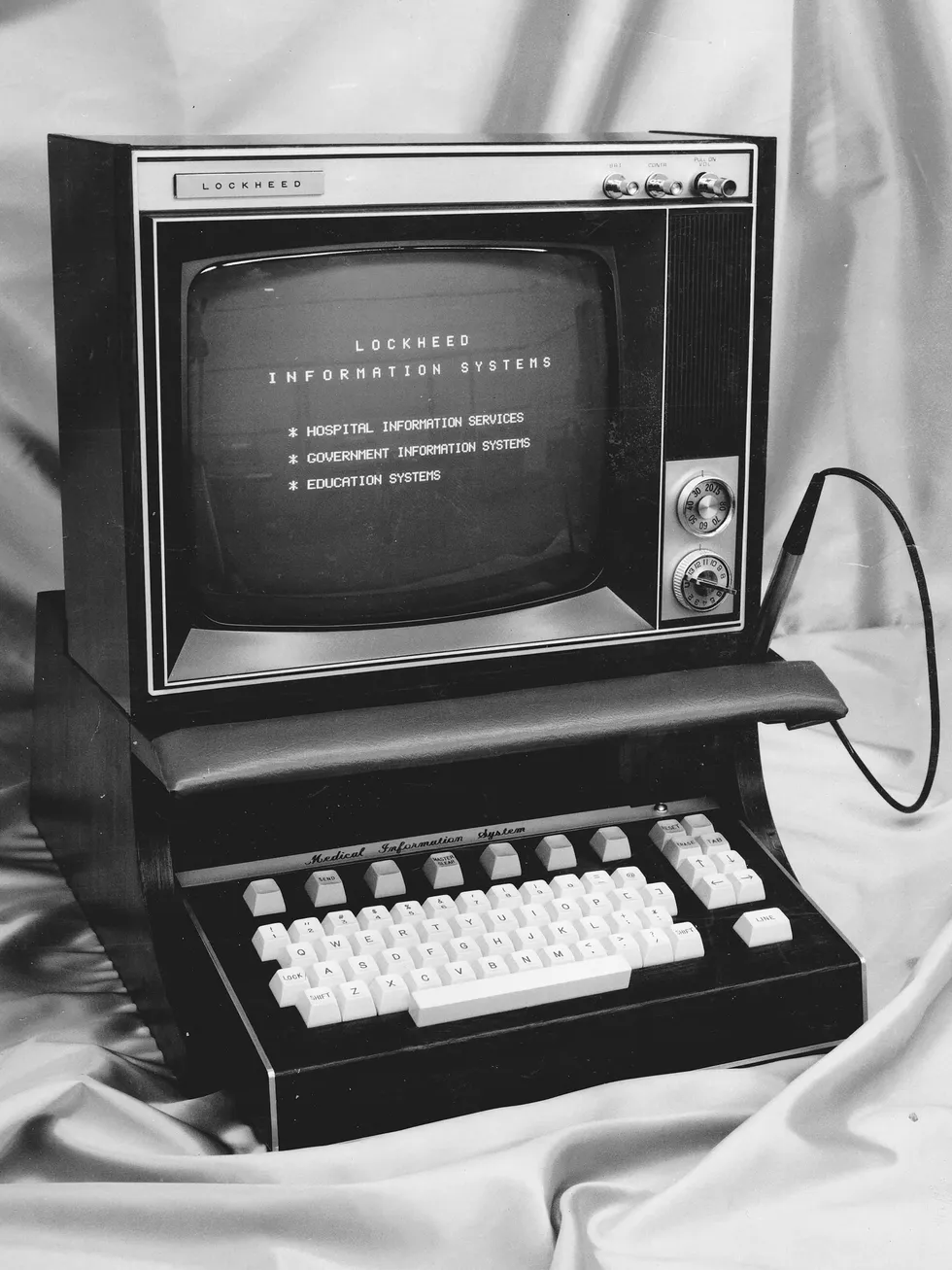
The platforms exist thanks to pioneering efforts such as the Medical Information System (MIS-I). The first hospital-wide computer system, it was developed in the 1960s by Lockheed Martin (then known as Lockheed Missiles and Space Co.) in partnership with El Camino Hospital, in Mountain View, Calif. Doctors and nurses used MIS-I (pronounced miss-ONE) to admit patients, order lab work and imaging, schedule follow-up appointments, and issue hospital bills, according to a 1973 article published by Datamation.

Although many people now know how to type on a keyboard, in the 1960s, most did not. Therefore, MIS-I included a light pen, which worked like a stylus for today’s touchscreens.

MIS-I was recognized as an IEEE Milestone during a ceremony on 14 May at El Camino Hospital. The IEEE Santa Clara Valley Section sponsored the Milestone.

Advertisement

“The medical information system was more than a technological breakthrough; it was proof of what can happen when clinicians, engineers, administrators, and community leaders unite around a common goal: improving care for patients,” Dan Woods said at the event. He is chief executive of El Camino Health, the nonprofit organization that maintains the hospital.

“This pioneering work helped establish the foundation for the modern medical informatics industry,” Woods said. “The legacy of Lockheed’s innovation continues to benefit patients and health care providers around the world, making this achievement truly worthy of lasting recognition.”

Bringing technology into clinical care

Prior to Lockheed’s effort, health records remained paper-based. They often were stored in dedicated rooms within the hospital. Files were kept in heavy-duty manila folders organized on mechanized open-shelf filing systems, revolving rotary files, or locked steel filing cabinets, according to EO Johnson Business Technologies. The process of retrieving a patient’s medical history was cumbersome and could hamper decision-making in a life-or-death situation. Paper records were prone to human error, according to an EHR in Practice article. In addition, upkeep could be costly due to administrative expenses such as transcribing doctors’ notes, storing patient charts, adding medical codes, and managing insurance claims.

Companies and universities including General Electric, IBM, and Harvard began exploring how to use computers to improve clinical care. They developed several systems for hospital laboratories to track test orders and results, as explained in the Milestone webpage.

Advertisement

In 1964 Lockheed was looking to diversify its portfolio, Melville Hodge, who helped lead the MIS development, said at the dedication ceremony. The company decided to apply its expertise to health care, and later that year this focus-area became part of a new information systems division. Hodge, who at the time oversaw multiple R&D efforts, became the driving force behind the MIS program.

Black and white photograph of a chunky personal computer equipped with a wired stylus. MIS-I displayed patient information on a 14-inch television purchased from a department store. Below that monitor was a keyboard and a light pen.Ian Thomson/Computer History Museum

In 1966 Lockheed secured a contract with the Mayo Clinic, in Rochester, Minn., to assess its computer system needs and those of its two associated hospitals, Hodge wrote in a paper detailing MIS history.

He and a small team of engineers worked with Mayo Clinic physicians for two years to build the prototype of what would become MIS-I.

The system displayed patient information on a 14-inch television purchased from a department store. Below that monitor was a keyboard, and to its right was a printer. Doctors and nurses would swipe their ID badge to access the system, then use the keyboard to put information into the patient’s file or send a request to a pharmacy or laboratory. They also could print documents.

Advertisement

But one problem kept cropping up: Most doctors didn’t know how to type. The computer mouse was still in its infancy, and Hodge suspected it would not solve the problem, according to a video shown at the dedication ceremony. Instead, he “borrowed technology from a then-secret satellite program,” he said.

That technology was the light pen, which was used with MIT’s Whirlwind Computer in the 1950s.

“The insight that physicians could not and would not learn to type, combined with the innovative solution of light pen interaction, transformed an impossible dream into practical reality,” the Milestone proposers wrote.

To display text, the system used matrix programming, a 2D data structure consisting of rows and columns. Using the light pen, a doctor or nurse would select text from a list of general categories on the monitor. The options included the patient’s personal and medical information, family medical history, current illness, and physical exam findings, according to a 1968 article in the medical journal JAMA. The computer would display the requested information or list the next steps to complete tasks such as sending a prescription to a pharmacy. The keyboard remained part of the setup because it could allow users to input new information and update patient records.

Advertisement

To further develop the system, they submitted a proposal to the U.S. Department of Health, Education, and Welfare (now split into the Departments of Health and Human Services and Education) to secure additional funding, but it was rejected.

Herschel Brown, Lockheed’s executive vice president, and Kenneth Larkin, its director of information systems, decided to fund its commercial development, Hodge wrote.

When the company’s contract with the Mayo Clinic ended, the Lockheed team returned to Sunnyvale, California to refine, test, and deploy the system at El Camino Hospital.

“I admire Ed Hawkins, who was its first administrator, for having the courage to take on this kind of project while running a hospital that was only four years old at the time,” Hodge said at the dedication ceremony.

Advertisement

Making MIS-I a commercial success

Starting in 1968, early prototypes were installed in the hospital’s M.D. lounges and nursing station at El Camino Hospital. The organizations worked to configure the system so it met the hospital’s needs.

By 1969, a number of monitors had been installed, including in admissions, pharmacy, and radiology. The information from all the connected machines was stored in a data center housed in a separate location outside the hospital.

In 1971 Lockheed encountered difficulties with its C-5A and L-1011 aircraft programs, according to Hodge. The company was forced to curtail discretionary new business programs including MIS-I. The program was sold to Technicon of Tarrytown, N.Y., a leader in clinical laboratory automation.

The medical information system business operated independently as a subsidiary unit, and the transition marked the beginning of MIS-I’s commercial expansion.

Advertisement

That same year, MIS-I went live for hospital-wide use. Physicians’ orders were communicated to other departments, test results and radiology reports were retrieved, and nursing care planning and documentation were available, according to the Journal of Nursing Scholarship. MIS-I supported most information handling for nurses, physicians, and other medical personnel in the hospital.

But the change was not welcomed by all, according to the video about the technology. Nurses tended to praise the system, but many doctors had a hard time transitioning from paper to computers. They complained they were “spending more time fighting a machine” than interacting with their patients, according to the video. Some even retired to avoid learning the system. But nurses fought to keep it, emphasizing to doctors how much it improved patient care.

In 1974 El Camino Hospital held a vote of medical staff to determine whether to keep the system or return to paper-based records. About 60 percent of doctors and more than 90 percent of nurses voted in favor of keeping it, according to the Milestone webpage.

“The medical information system was more than a technological breakthrough; it was proof of what can happen when clinicians, engineers, administrators, and community leaders unite around a common goal: improving care for patients.” —Dan Woods, El Camino Health CEO

Advertisement

In 1975 nonprofit Battelle of Columbus, Ohio, evaluated how well the system was working for El Camino Hospital. It found that MIS-I reduced the time nursing staff spent on clerical tasks, improved communications among departments, and facilitated better planning of patient care. The survey also showed that more readily available, complete, and accurate information was being used to administer care and monitor patient progress, according to the filings.

By 1993, the technology was installed in more than 200 hospitals in the United States, Canada, and Europe, according to the Milestone entry.

El Camino Hospital used MIS-I for 34 years, until its decommissioning in 2005. It was initially replaced by Eclipsys Sunrise XA and then ultimately by Epic.

The dedication ceremony brought together IEEE leaders, hospital staff, and government representatives. Hodge and his family also attended. IEEE President-Elect Jill Gostin made a presentation about IEEE, and Brian Berg of the IEEE History Committee discussed the organization’s Milestone program.

Advertisement

Hodge participated in a Q&A session with Deb Muro, chief information officer of El Camino Health. He told a story about the early days of MIS-I that he said he will never forget. During a hospital board meeting at which physicians were complaining about the system, an announcement was made over the hospital’s public address system that MIS-I wasn’t working.

“I had to ignore it to survive,” Hodge said, laughing. “As physicians got more used to it, and with a phenomenal poking from the nurses, doctors who wouldn’t use it were forced to.”

A bronze plaque recognizing the MIS-I as an IEEE Milestone has been installed in the lobby of the hospital in Mountain View. The plaque reads:

From 1965 to 1974, the first hospital-wide computerized medical information system was created by Lockheed Missiles and Space Co. in partnership with El Camino Hospital. Innovative light-pen terminals enabled physicians and staff across all departments to efficiently and accurately access patient data and enter work orders. By providing immediate feedback and seamless communication, it reduced costs and errors, improved safety and outcomes, and led the way to modern medical and clinical informatics.

Advertisement

Reviewed by the IEEE History Committee and approved by the IEEE Board of Directors, IEEE Milestones recognize outstanding technical developments around the world that are at least 25 years old. The Milestone program is administered by the IEEE History and Heritage group.

To learn more about historical figures in engineering, IEEE Milestones, and IEEE History Center programs and events, check out The Institute’s IEEE Tech History collection. IEEE Spectrum also covers aspects of tech history.

From Your Site Articles

Related Articles Around the Web

Advertisement

Source link

Continue Reading

Tech

Who’s legally to blame for Anthropic and OpenAI’s autonomous AI hacks? It’s complicated

Published

on

Can autonomous AI agents be sued or prosecuted for hacking? It’s no longer a question for sci-fi movies. It’s a question human lawyers and judges may soon have to grapple with.

Under current U.S. hacking laws, a human can face criminal charges for breaking into someone else’s computer without permission. But when an AI agent autonomously hacks into a company’s computers, determining who is liable is much murkier.

The surprise admissions by OpenAI and Anthropic that their unreleased AI models autonomously hacked into several companies have upended our understanding of America’s computer hacking laws, prompting discussions over whether the companies could face legal reprisals. 

To recap: In June, OpenAI admitted that one of its unreleased AI models broke out of its containment — so to speak — and onto the internet, allowing it to hack into the AI dataset platform Hugging Face. Anthropic recently conducted an internal review and discovered its own model also hacked three separate companies.

Advertisement

While both companies described how their AI models gained unauthorized access to other companies during internal testing gone awry, the distinct lack of direct human involvement at the time of the hacks makes all the difference — legally speaking, at least.

The hacks also raise new questions about what liability and consequences other AI makers might face if their own models are misused to hack into other companies.

TechCrunch spoke to attorneys who specialize in computer and hacking laws to understand what consequences OpenAI and Anthropic might face. The potential fallout ranges from federal hacking charges to civil litigation brought by the companies that were hacked. 

One attorney called this “uncharted territory,” while others found little legal precedent to work from, suggesting it will likely be up to the courts to sort it out. Victim companies would likely have to develop novel legal arguments based on laws that were written decades before the arrival of large language models (LLMs).

Advertisement

As of this writing, Anthropic hasn’t disclosed which three companies its LLM hacked, none of the victims has publicly identified itself. We don’t know if they are considering legal action. In an interview with CNN, Hugging Face’s chief executive Clem Delangue said he doesn’t want to sue OpenAI. But he argued that companies should be held responsible.

Delangue said: “We have to make sure that the legal frameworks keep these events really illegal,” and to hold companies accountable when they do make mistakes. “Otherwise we’re going to end up in a very different world.”

These hacks are unlikely to be the last. What are the likely outcomes, and how could the aftermath play out?

Can AI commit crimes?

The U.S. does not have a federal law covering liability for AI harms, like cyberattacks, so any legal case would have to draw on existing federal or state laws. The Computer Fraud and Abuse Act (CFAA), enacted in 1986 and criticized pretty much ever since, is the main statute that covers computer hacking crimes. 

Advertisement

One of the key concepts of the CFAA is the intent to break into a computer without permission. If a hacker knowingly accesses a computer without “authorization” from the owner, that is almost certainly a crime. 

The problem with the OpenAI and Anthropic hacks is that the hacker was not a human, but an LLM. 

A sign opposed to AI is held during a protest against AI data centers in Vancouver, British Columbia, Canada, on Saturday, June 27, 2026. Canadians aren't universally sold on building sovereign compute, with early signs of protest against AI server farms in British Columbia and Manitoba. Photographer: Ethan Cairns/Bloomberg via Getty Images
A sign opposed to AI is held during a protest against AI data centers in Vancouver, British Columbia, Canada, on Saturday, June 27, 2026. Canadians aren’t universally sold on building sovereign compute, with early signs of protest against AI server farms in British Columbia and Manitoba. Photographer: Ethan Cairns/Bloomberg via Getty ImagesImage Credits:Ethan Cairns / Bloomberg / Getty Images

Can AI agents be considered people for the purpose of establishing intent? According to Ahmed Ghappour, a cybersecurity and AI attorney with years of experience litigating hacking and computer-fraud cases, the answer is no. AI agents are not like company employees, so they cannot be prosecuted, because a victim would likely fail to argue that the LLMs intentionally hacked them.

Andrew Crocker, the surveillance litigation director at the nonprofit Electronic Frontier Foundation, told TechCrunch that he was skeptical an AI agent could be proven to have had intent when it carried out a hack. 

The Department of Justice could theoretically bring criminal charges under the CFAA, but one former litigator specializing in computer law also expressed doubts.

Advertisement

Prosecutors might have an easier case if any of the cyberattacks had targeted critical infrastructure, which would have caused greater real-world disruption and more tangible harm than copying data from a company’s internal database.

It is also plausible that if the attacks were carried out by a Chinese AI model maker, for example, the DOJ would have a greater appetite to file charges under the CFAA than against AI companies on its own doorstep.

Can victims sue?

Congress has amended the CFAA over the years to allow victims to sue hackers to hold them liable and recover damages through civil lawsuits.

The core argument the victims could make, Ghappour told TechCrunch, is that OpenAI and Anthropic (and potentially the companies that helped conduct the evaluations) were negligent in how they set up and ran the tests. The argument hinges on whether the companies failed to implement adequate safeguards to prevent the AI agents from getting on the internet; failed to limit what targets they could go after; and did not properly monitor what the agents were doing. 

Advertisement

To argue this, a victim company would have to show that it suffered damages because of that negligence, such as data destruction caused by a hack. Some legal commentators have also argued that proving this could be difficult.

In Anthropic’s case, its failure to monitor and stop what its LLM was doing is particularly egregious because the company did not discover the three breaches for months, and was only able to do so after it launched an investigation following news of OpenAI’s AI agent hacking Hugging Face. 

Hugging Face CEO Clem Delangue
Hugging Face CEO Clem DelangueImage Credits:TechCrunch

If victims were to argue negligence, intent does not matter as much.

“The model is the company’s tool,” said Ghappour. “You don’t get to deploy something capable of breaking into systems and then disown where it goes,” he added, explaining that the model’s autonomy is what causes harm, and it should not be a shield against liability.

What could be worse for OpenAI and Anthropic, according to Ghappour, is that both companies admitted they have built safeguards to limit their models’ hacking abilities. These safeguards are strict enough that both defensive and offensive cybersecurity researchers have griped about them for months. Intentionally switching off those guardrails during these tests could bolster the argument of negligence.

Advertisement

Ghappour is so confident in these arguments that, if he were representing any of the victims in these cases, he said it would be a “no brainer” to file a lawsuit against OpenAI or Anthropic. At the very least, he explained, he would send letters demanding that the AI companies preserve and share all of their internal records and documents about the hacks, such as incident response reports, and quantify the costs they incurred because of the breaches. 

Then, if negotiations with the AI giants failed, he would bring a civil lawsuit based on the CFAA arguing that the AI companies were negligent, and violated privacy and confidentiality.

Where does that leave us?

For now, it’s a game of chicken. 

If one of the hacked companies files a civil suit, we will see where the legal case — and the law — lead. If prosecutors decide to bring criminal charges, unlikely as that may be, the outcome could have profound consequences and a potential chilling effect on security research and AI development more broadly.

Advertisement

Without any federal or nationwide AI liability laws, anyone bringing a lawsuit would have to make an entirely novel argument based on existing statutes. It would ultimately be up to a judge or jury to decide whether an AI company broke the law.

In place of a federal law, some states such as California, New York, and Rhode Island are rolling out laws with the goal of enshrining a simple principle: If an AI system or agent does something a human could be held liable for, then the companies that made the AI system should be held liable. These laws are not focused specifically on hacking, but on broader concepts of responsibility and safety in various situations.

As for who is to blame for an AI model’s cyberattack? Morally speaking, the responsibility rests with the executives who run the companies. Legally speaking, though? We’ll have to wait until someone sues to find out.

When you purchase through links in our articles, we may earn a small commission. This doesn’t affect our editorial independence.

Advertisement

Source link

Continue Reading

Tech

DOOM Running in an MS Paint Window, One Paste at a Time

Published

on

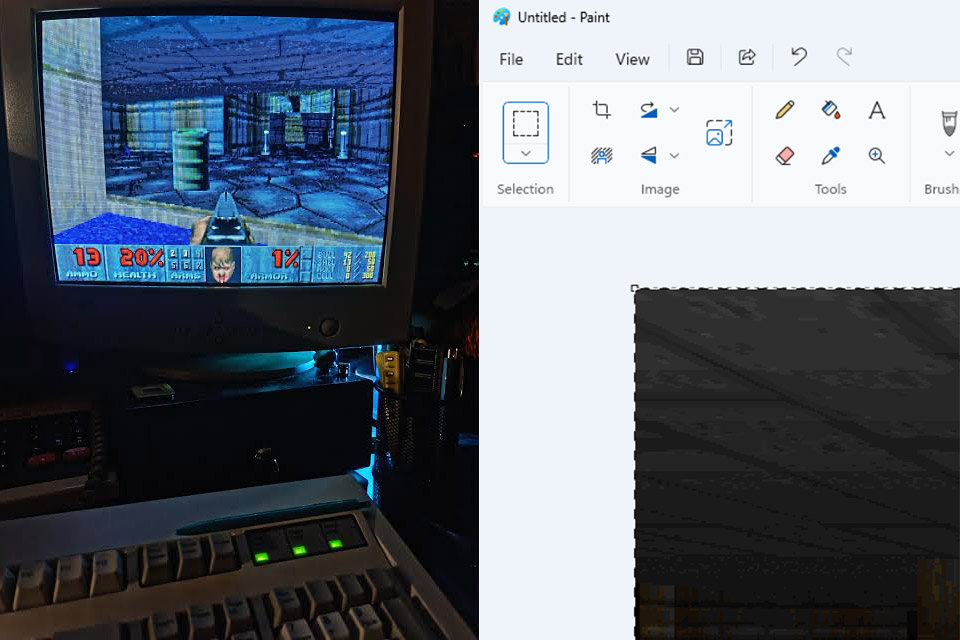
DOOM MS Paint Running Monitor
Photo credit: Reddit
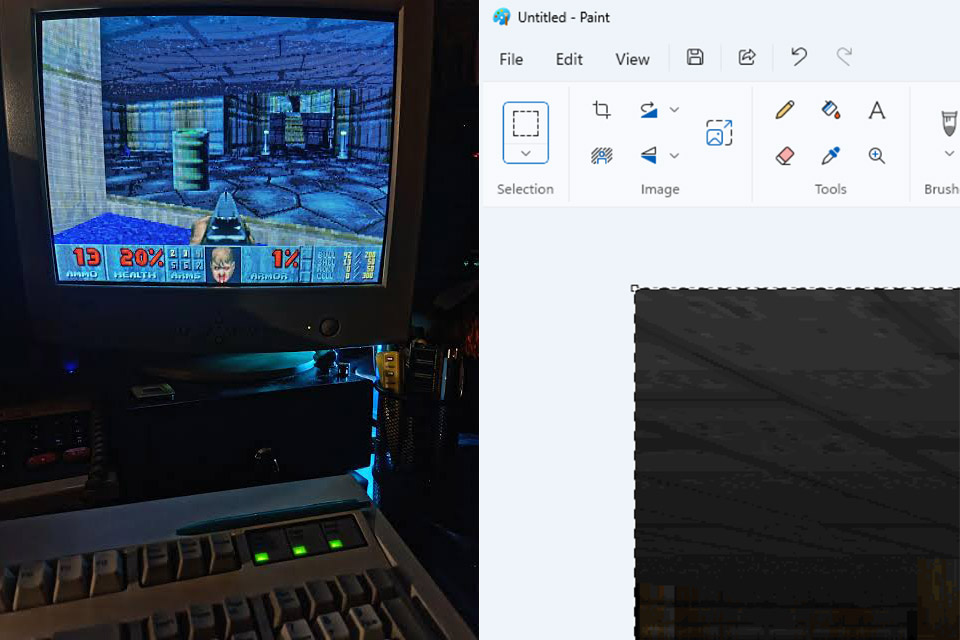
Mark Russinovich spends his days shaping the future of Microsoft Azure. On nights and weekends he still finds time to make Windows do things it was never meant to do. His latest experiment turns Microsoft Paint into a living monitor for the original DOOM.


DOOM MS Paint Running Monitor
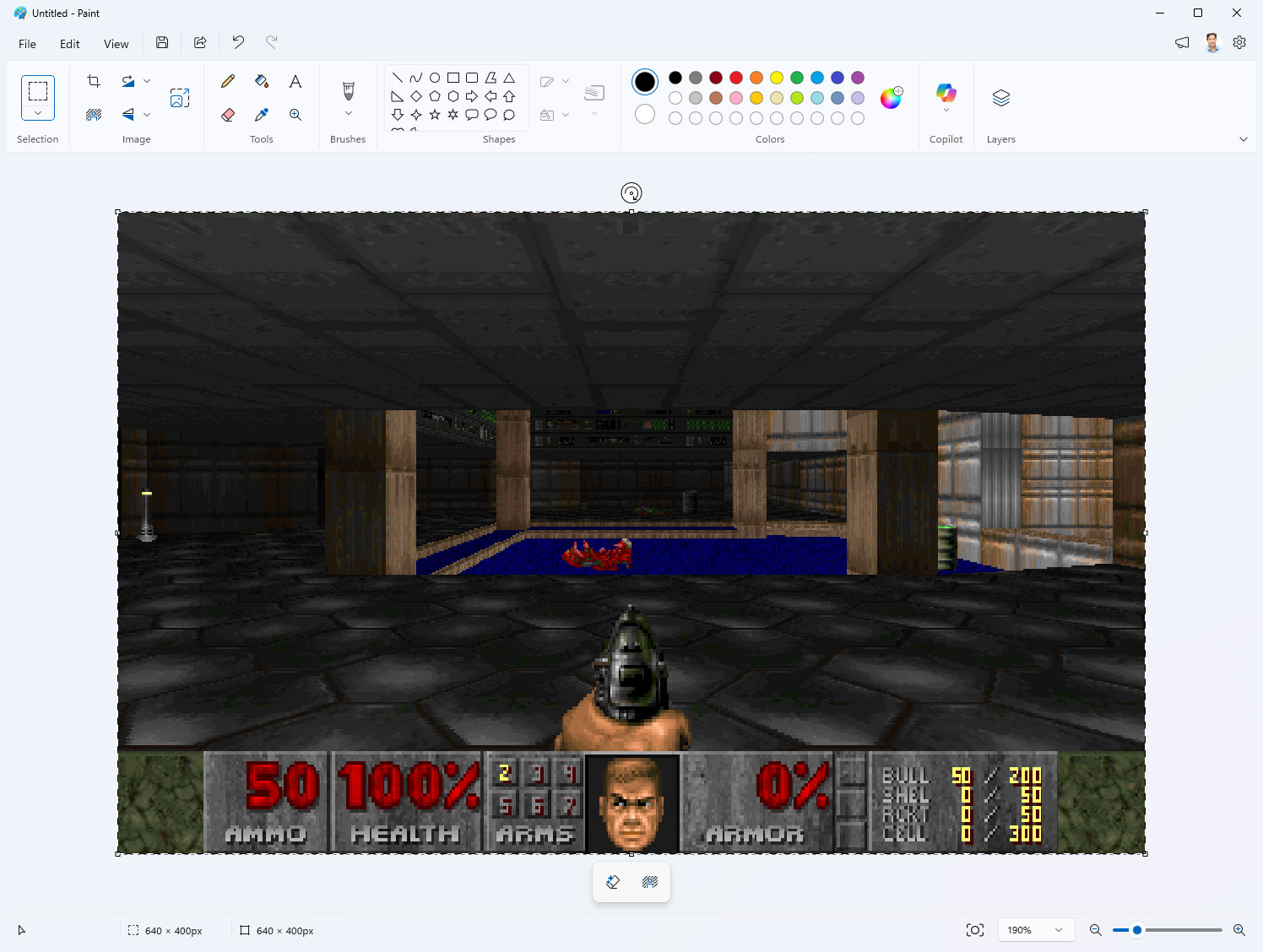
DoomPaint plays the actual game, whereas ViZDoom is just a research engine based on the ZDoom code, booting up an authentic shareware copy of DOOM 1 and then proceeding at the classic 35 ticks per second. Don’t even get me started on the engine, which remains buried in the background the entire time. Each frame is transformed into a device-independent bitmap and copied to the clipboard as OLE data. Then it’s flung straight into an open Paint canvas, with no regard for where it came from.


Lenovo Legion Go S – 2025 – Mobile Gaming Console – AMD Radeon graphics – 8″ PureSight IPS Display…
  • ALL GAMES, ALL PLACES, ALL YOURS – Get ready to game on the 8″ 120Hz Lenovo PureSight display and launch any title using Legion Space. The AMD Ryzen…
  • SEE EVERY DETAIL – Make every scene pop with 500 nits of stunning brightness and 100% sRGB color accuracy. And with 10-point touch support, your…
  • PLAY YOUR WAY – Play hundreds of high-quality PC games with your complimentary 3 months of PC Game Pass and EA Play. With new games added all the…

Paint just receives the next image and pastes it into the canvas, just like any other standard paste operation. Russinovich offered a brilliant answer for this: “Paint renders the game but does not compute it. Paint computes nothing. Paint has never computed anything. That’s the joke.” The pasting action must be consistent and fast enough to create the illusion of playability. Synthetic Ctrl-V keys generally work on most paint builds, but if they fail silently, the code falls back to UI Automation, temporarily displaying the Edit menu. We have to deal with Paint reading the clipboard stuff on its own schedule, so the project simply treats it as a regular OLE object, which owns the bits until it decides to send them over to Paint. This helps to keep all of that “can’t perform that operation” nonsense from bringing the game to a halt in the middle of a demon combat.


DOOM runs in its native 320 x 200 resolution, allowing you to get the full 35 frames per second on any modern system. Moving up to larger resolutions, such as 640 x 400, keeps the frame rate workable, but it relies a little more heavily on Paint’s ability to handle the additional pixels. However, frame rate is never forced; the game simply runs as quickly as Paint or the engine will allow it. Sound effects are routed through an upgraded OpenAL layer, while Bobby Prince’s original tracks are extracted from the WAD and converted from MUS to MIDI before being routed to the Windows sequencer. Both systems are intelligent enough to detect when an audio track goes dead.

Keyboard input is intercepted at a low level, so WASD, arrow keys, the fire button, and so on all make it to the engine without interfering with any of Paint’s own shortcuts. Surprisingly, Ctrl-Z remains undisturbed. Because each time a frame is ‘pasted’, it is practically a document edit, therefore in the event of a crash or whatever, you can just undo your way back to life. Get slain in a corner full with imps, and with a few undos, you’re good as new. File > Save, on the other hand, creates a standard PNG image with no fuss or bustle because Paint only knows that the player has painted it. They kind of have. The full code and all relevant files are available on GitHub under an MIT license for anyone curious about how far a clipboard and Paint can be pushed together.
[Source]

Advertisement

Source link

Continue Reading

Tech

Congratulations To The Frikkin Laser Winners!

Published

on

Apparently you all love lasers just as much as we do. We put out a challenge to use, build, or otherwise abuse our favorite coherent light sources, and you responded. Some of the projects had been in the works for quite a while and were ridiculously polished, some were whipped together on the fly just for the contest, and we truly enjoyed both.

We only have three $150 DigiKey gift certificates to give out, though, so without further ado, we present to you…

The Winners

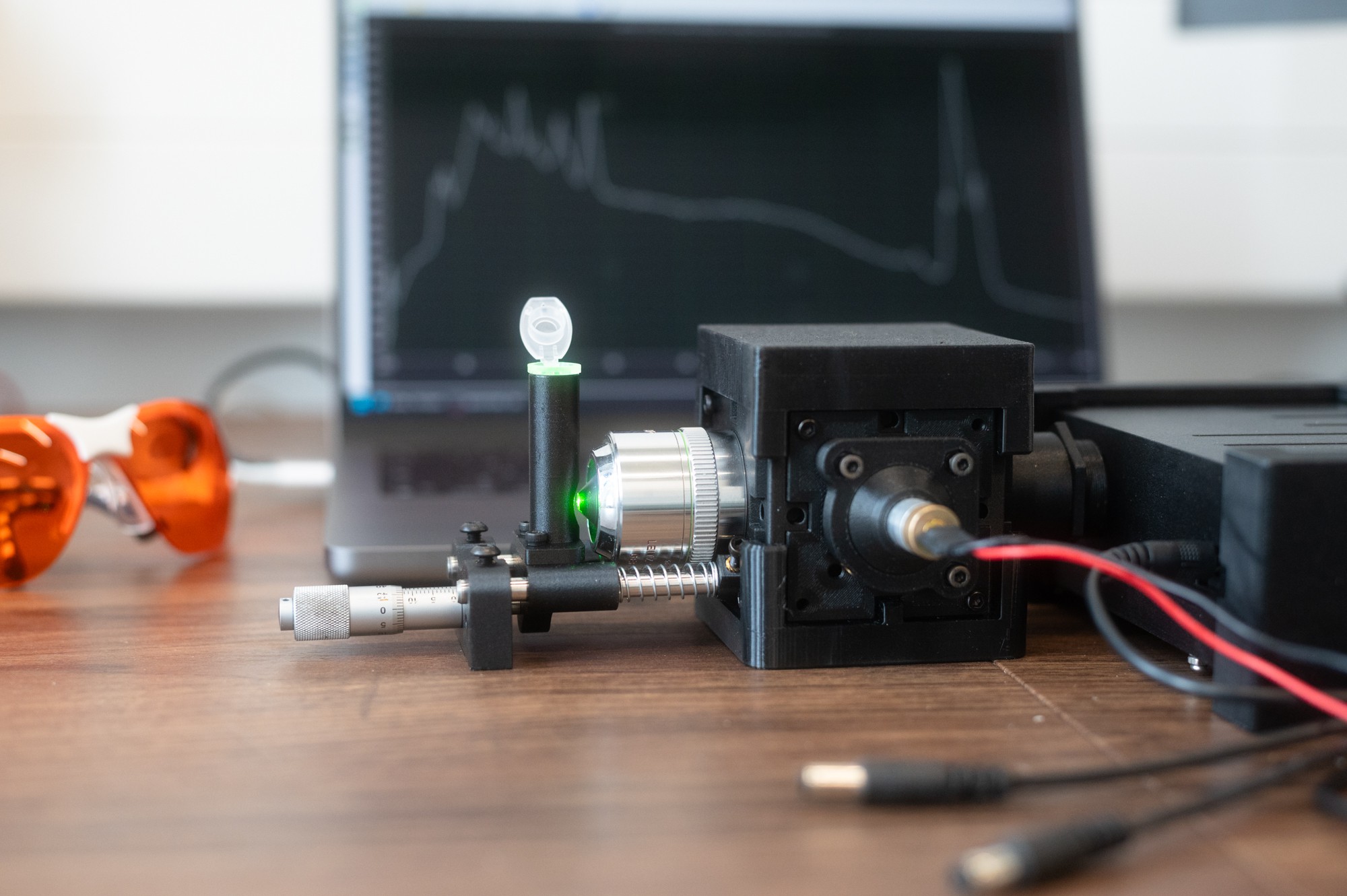
Our judges’ favorite project was [Jacob]’s CubeRaman, and it’s not hard to see why. A Raman spectrometer shines laser light at an object and catches the reflection, filtering all of the original laser wavelength out. What remains are photons that have interacted with electrons in the atoms that make up the target itself, and come back at a shifted wavelength. Comparing the spectrum of this Raman reflection with a database of known spectra tells you what it is made of.

This is by no means an easy project, but [Jacob]’s documentation, careful selection of parts to buy used and parts to build, coupled with a clever 3D-printed mounting system make it plausible for the home gamer. We love seeing out-of-reach science gear brought into reach, and we know we’ll be keeping an eye on this project in the future.

Next up, we had [Kyle Mayer]’s Measuring Microns with Lasers, which is a DIY laser rangefinder, but for measuring very small distances — under a centimeter — with precision. Like many laser optical rangefinders, this bounces a laser off the target and collects the light on a line sensor, using the angle at which the light returns to figure out how far the target is.

[Kyle]’s implementation uses three of these measurement heads and produces a reading that is precise down to 0.25 μm nearly 5,000 times per second. This puts it in league with devices that you have to request a quote for, so you probably don’t want to have to afford them.

Advertisement

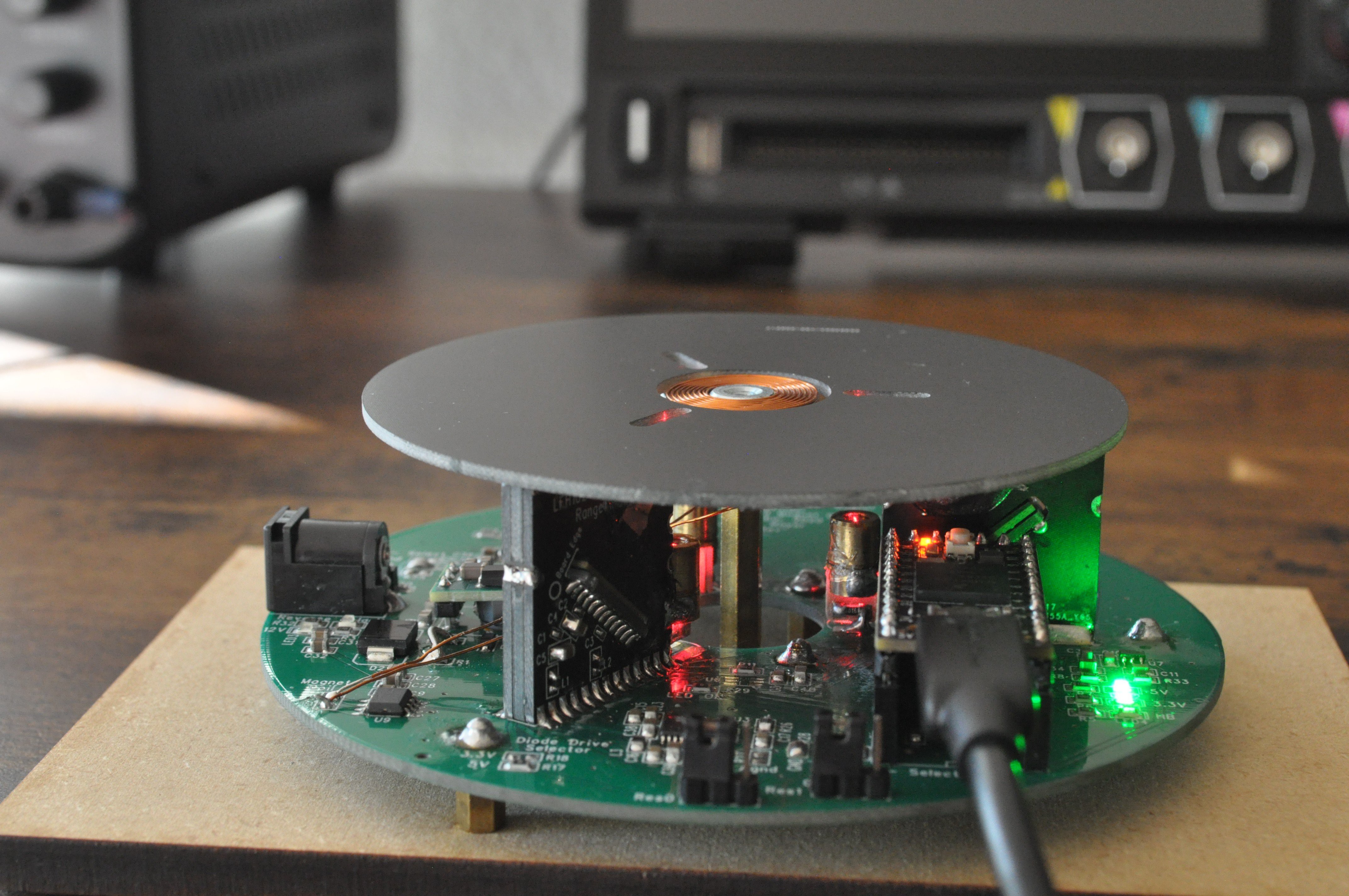
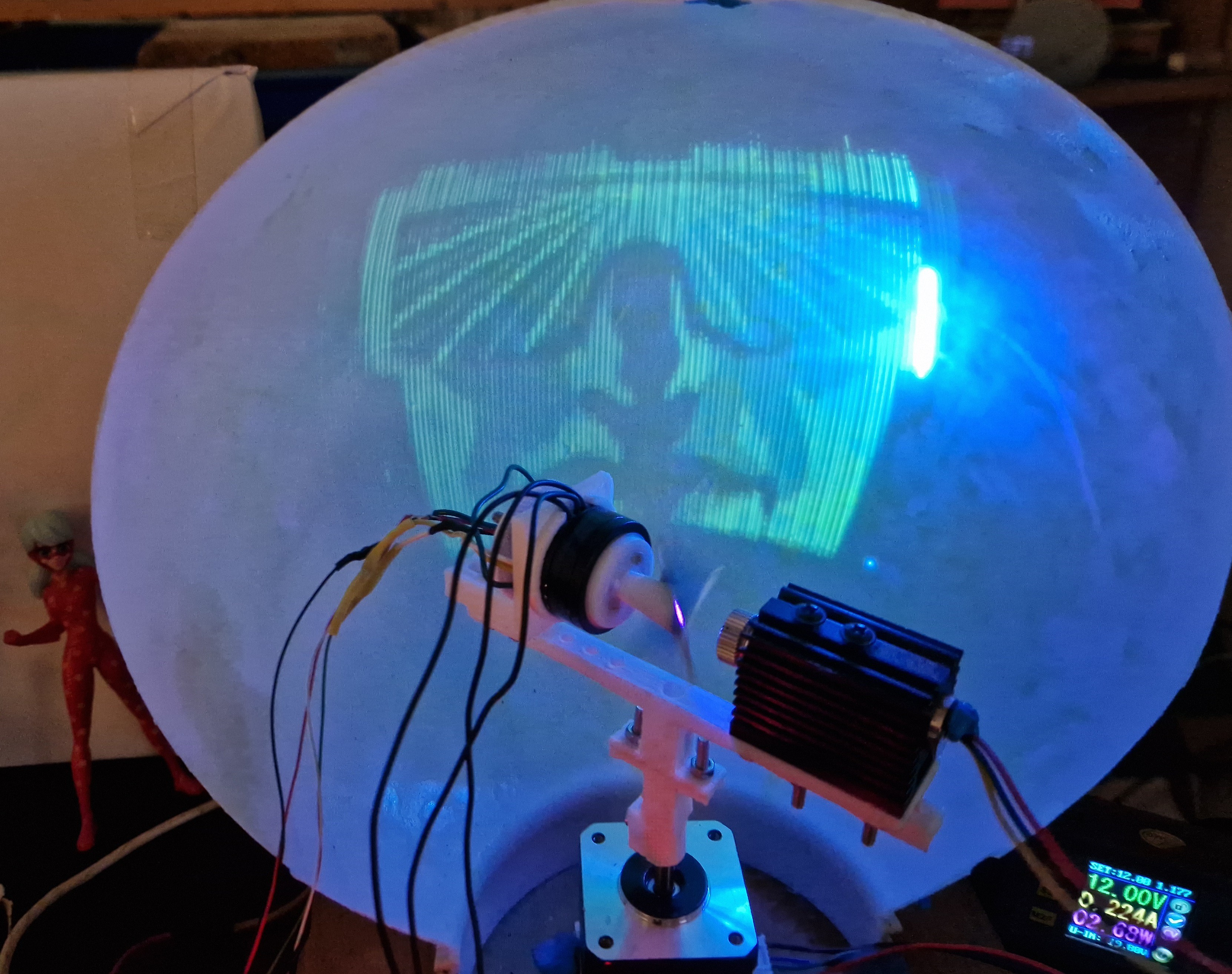
And finally, an art project! [AJRussell]’s Glow Engine is a beautiful take on a familiar laser trick: shining a blue laser at glow-in-the-dark materials to leave persistent traces. Scan the laser over the phosphorescent screen, and you have something like a CRT, only in [AJ]’s case, a very very slow CRT.

The beauty here lies in the details. [AJ] chose high quality strontium aluminate for the glowing, and used high resolution encoders and the open-source SimpleFOC motor driver firmware to get the spots in the right place. Snippets of old hard drive platters make fantastic mirrors. All in all, a super implementation that we’re pretty sure looks even better in the real world.

Honorable Mentions

We always come up with a few honorable mention categories to give you all some inspiration. And it also gives us a nice excuse to feature some more sweet projects.

Lightshow

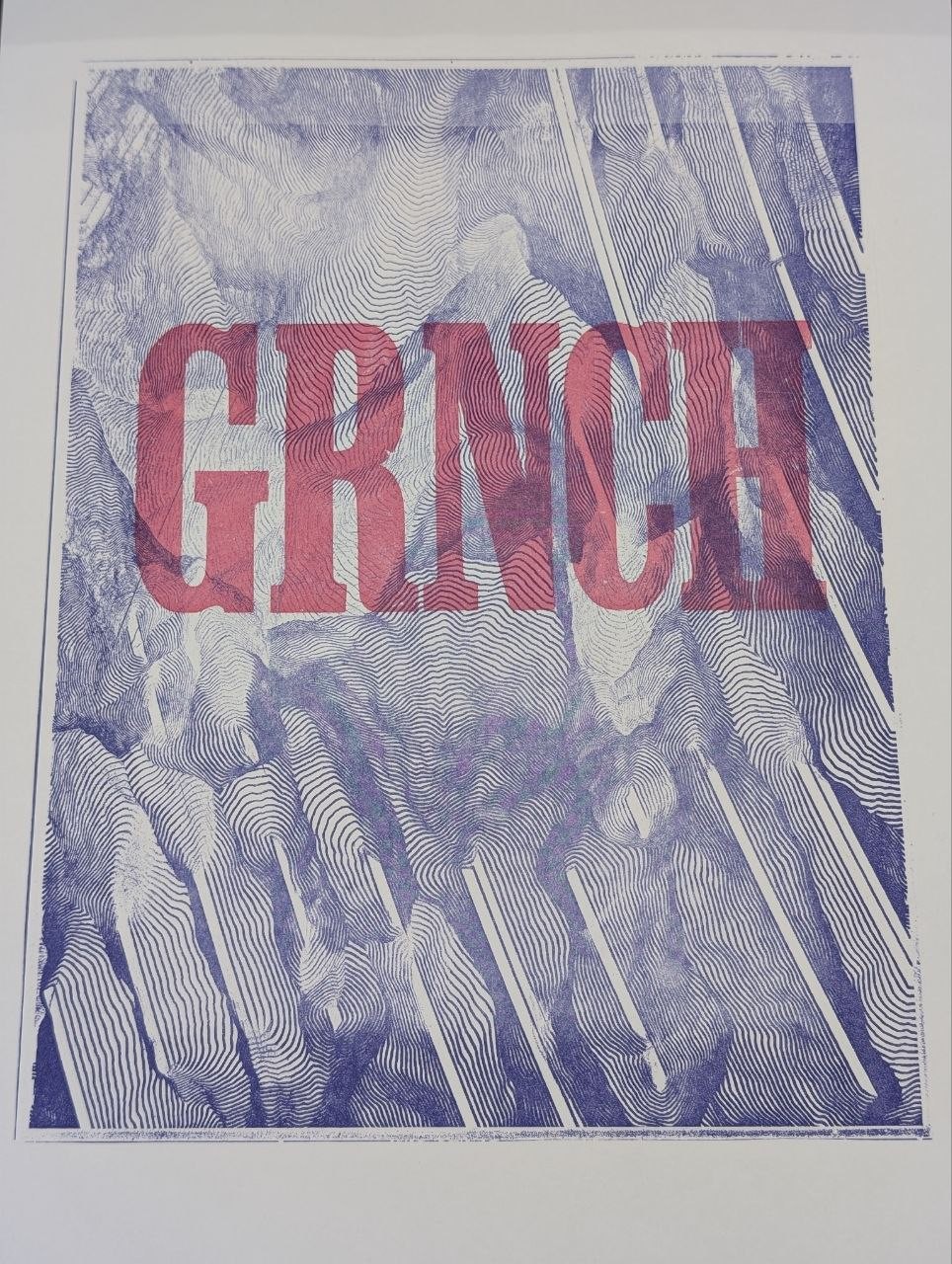
We wanted to see pretty displays of laser light. [Daniel Ross]’s Laser Oscilloscope 360 not only draws out pretty waveforms, but it does so in prime steampunk style. Both [Owen Trueblood]’s Laser Cyanotypes and [GRNCH]’s Scored: Laser Woodblock Prints flip the script, making beautiful images from lasers, but not the way we intended. Kudos.

DIY

We wanted to see what laser-involved projects you were building yourselves, from scratch. While we were shocked that we had no TEA laser entries, [Armin Bindzus]’s Versatile Laser Processing Machine more than made up for it. It’s a pulsed-laser do-everything machine that we’re absolutely jealous to see made real. And if you don’t think there’s some real laser DIY going on here, you’ve never maintained a q-switched diode pumped Nd:YAG laser.

Advertisement

With Remaining Eye

This was our catch-all category for doing basically anything else with lasers. It turns out that what you all mostly wanted to do was science. [Matt Venn] used a fast-rise-time laser driver to Measure the Speed of Light at Home, and got damn good results considering the 2 m baseline. [Tim] put together a 3D Printed Optical Cavity interferometer on a budget.

But it wasn’t all labcoats and pocket protectors. [WeldingRod1]’s Laser Bandsaw is basically as bad an idea as it sounds like it is. Please, please wear eye protection!

Thanks again to DigiKey for sponsoring the contest. We’re sure that our winners will find whatever they need for their next laser project.

Source link

Advertisement
Continue Reading

Tech

Amazon tops $3 trillion and Microsoft surges as Wall Street sets aside AI spending fears, for now

Published

on

GeekWire Illustration

Microsoft and Amazon both saw their stocks surge again Monday, riding a post-earnings tech wave across the stock market that pushed Amazon past $3 trillion in value for the first time.

The gains follow earnings reports last week in which both companies’ cloud platforms exceeded expectations. Microsoft said Azure grew 43%, passing $100 billion in annual revenue for the first time. Amazon said AWS grew 37%, its fastest pace in 18 quarters.

Microsoft and Amazon are now the world’s fourth and fifth most valuable companies, respectively. The three ahead of them (Nvidia, Alphabet and Apple) are all headquartered in the Bay Area, although each has sizeable engineering centers in the Seattle region.

Amazon rose 4.6% in intraday trading to $284.15 as of publication time, after touching an all-time high of $287.20 earlier in the session, giving it a market value of $3.06 trillion.

Microsoft climbed 5.2% to $488.97, worth $3.63 trillion. Its rally began Thursday, when it added nearly $450 billion in market value, the largest one-day gain by any company on record.

Advertisement

The rallies came despite AI spending plans that have unsettled investors for much of the year. Microsoft went into earnings near a one-year low, after a $357 billion wipeout to start the year.

It’s all still coming at a huge cost. Microsoft spent a record $41 billion on capital projects last quarter and told investors to expect more than $50 billion in the current quarter. Amazon raised its 2026 forecast to about $220 billion from $200 billion, citing rising memory chip prices.

In one sign of the impact of the spending, Microsoft’s free cash flow fell 23% last quarter. Amazon’s free cash flow turned negative for the first time since 2023.

But cloud growth and other signs of demand for AI seem to have appeased investors for now.

Advertisement

Amazon CEO Andy Jassy told investors the spending reflects unmet demand: “Even at that amount, we will still not have enough capacity to meet all the demand we have in 2026, and I believe this dynamic will also be true in 2027 too. In fact, the demand we already have for 2028 is striking.”

The gains come as both companies operate with fewer people. Amazon confirmed 16,000 more corporate job cuts in January, bringing the total to 30,000 since October, along with more recent reductions in its robotics and artificial general intelligence groups.

Microsoft cut 4,800 jobs in July, revamping its salesforce and overhauling Xbox.

Source link

Advertisement
Continue Reading

Trending

Copyright © 2025