A new NYT Connections puzzle appears at midnight each day for your time zone – which means that some people are always playing ‘today’s game’ while others are playing ‘yesterday’s’. If you’re looking for Sunday’s puzzle instead then click here: NYT Connections hints and answers for Sunday, May 24 (game #1078).
Good morning! Let’s play Connections, the NYT’s clever word game that challenges you to group answers in various categories. It can be tough, so read on if you need Connections hints.
What should you do once you’ve finished? Why, play some more word games of course. I’ve also got daily Strands hints and answers and Quordle hints and answers articles if you need help for those too, while Marc’s Wordle today page covers the original viral word game.
Advertisement
SPOILER WARNING: Information about NYT Connections today is below, so don’t read on if you don’t want to know the answers.
Latest Videos From
NYT Connections today (game #1079) – today’s words
(Image credit: New York Times)
Today’s NYT Connections words are…
Advertisement
BROW
CAP
LID
CYA
WHIT
ATM
PIN
JOT
LASH
LOL
SCRAP
SHIRT
STICKER
BALL
TIA
SHRED
NYT Connections today (game #1079) – hint #1 – group hints
What are some clues for today’s NYT Connections groups?
YELLOW: Free swag
GREEN: Small amount
BLUE: Text speak
PURPLE: Look for a bodypart
Need more clues?
We’re firmly in spoiler territory now, but read on if you want to know what the four theme answers are for today’s NYT Connections puzzles…
Sign up for breaking news, reviews, opinion, top tech deals, and more.
Advertisement
NYT Connections today (game #1079) – hint #2 – group answers
What are the answers for today’s NYT Connections groups?
YELLOW: COMMON PROMO ITEMS
GREEN: TINY BIT
BLUE: TEXTING ABBREVIATIONS
PURPLE: EYE____
Right, the answers are below, so DO NOT SCROLL ANY FURTHER IF YOU DON’T WANT TO SEE THEM.
Advertisement
NYT Connections today (game #1079) – the answers
(Image credit: New York Times)
The answers to today’s Connections, game #1079, are…
YELLOW: COMMON PROMO ITEMS CAP, PIN, SHIRT, STICKER
GREEN: TINY BIT JOT, SCRAP, SHRED, WHIT
BLUE: TEXTING ABBREVIATIONS ATM, CYA, LOL, TIA
PURPLE: EYE____ BALL, BROW, LASH, LID
My rating: Hard
My score: 1 mistake
My error today came because I thought I was being really clever and would get a “purple first” after connecting BROW, CYA, WHIT, PIN, thinking that they were all colors minus a letter — as in brown, cyan, white, and pink.
Crestfallen, I managed to link JOT, SCRAP and SHRED and took a lucky gamble with WHIT.
ATM, LOL, and TIA I knew as TEXTING ABBREVIATIONS, but didn’t realize that CYA was an abbreviated way of saying ‘See ya’ — although when I googled it the AI search response was that it meant “cover your ass”.
Advertisement
Yesterday’s NYT Connections answers (Sunday, May 24, game #1078)
BLUE: OBJECTS USED IN RITUAL PERFORMANCES DRUM, MASK, RATTLE, STAFF
PURPLE: POSSESSIVE ADJECTIVES PLUS A LETTER HERB, HISS, ITSY, MYA
What is NYT Connections?
NYT Connections is one of several increasingly popular word games made by the New York Times. It challenges you to find groups of four items that share something in common, and each group has a different difficulty level: green is easy, yellow a little harder, blue often quite tough and purple usually very difficult.
On the plus side, you don’t technically need to solve the final one, as you’ll be able to answer that one by a process of elimination. What’s more, you can make up to four mistakes, which gives you a little bit of breathing room.
It’s a little more involved than something like Wordle, however, and there are plenty of opportunities for the game to trip you up with tricks. For instance, watch out for homophones and other word games that could disguise the answers.
It’s playable for free via the NYT Games site on desktop or mobile.
A woman has credited her iPhone with saving her life after it automatically called emergency services when her car left the road and slid 330 feet down a mountainside.
The woman lost control of her vehicle on a winding road in scenic Denbighshire, UK. It then rolled down the hill before bursting into flames moments after she was able to escape.
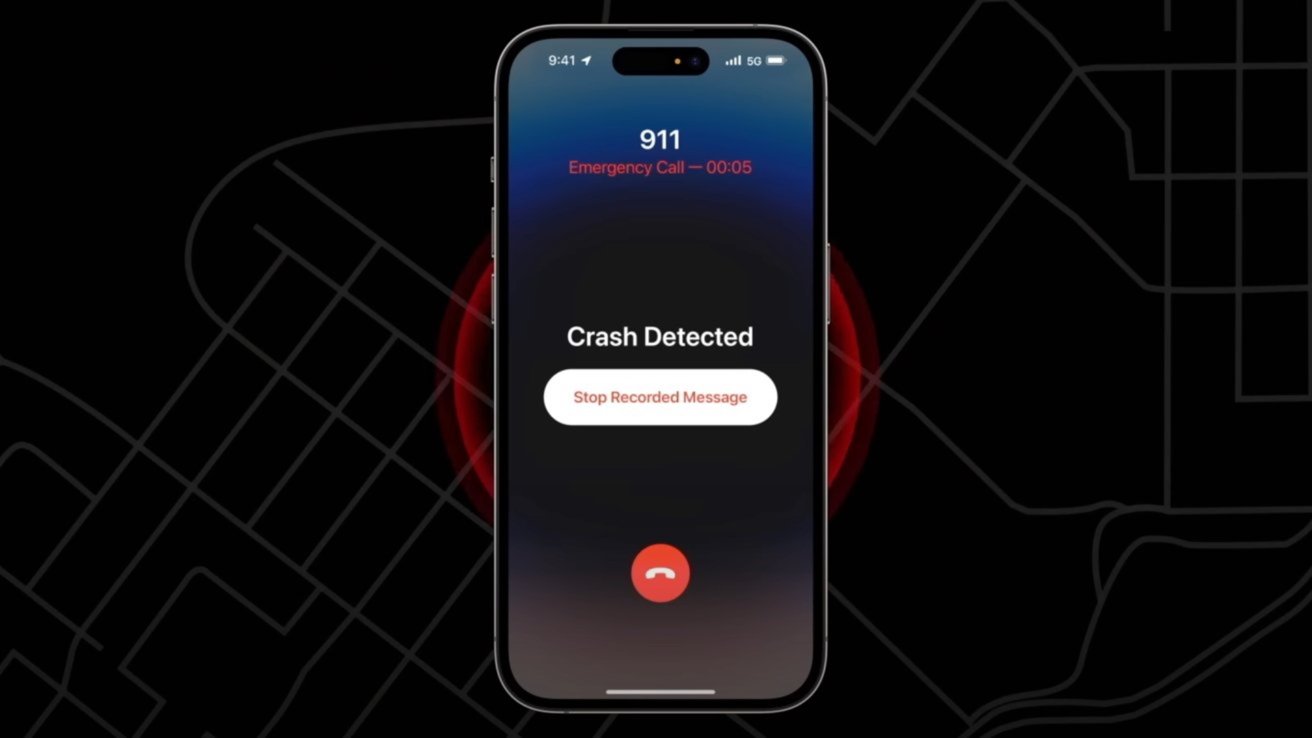
Emergency services arrived at the scene 20 minutes later, including a mountain rescue team and firefighters. Both had been alerted to the accident by the woman’s iPhone and its automatic Crash Detection feature.
“I’m grateful to Apple for what the iPhone did,” the woman told the BBC. “I don’t think that I would have been able to get help that quickly.”
Advertisement
Unfortunately, the rescue was just the beginning of a long road to recovery. The driver spent four months in the hospital and required multiple surgeries as a result of the crash. She was left with life-changing damage to her ankle and her spine.
The feature uses sensors to detect severe car crashes and then sounds an alarm and displays an on-screen alert for 10 seconds. If the alert is not dismissed, Crash Detection automatically places a call to emergency services.
What makes the feature so vital is its ability to send first responders right to the crash site. Crash Detection shares the device’s location and the device owner’s Medical ID if one has been set up.
Advertisement
Crash Detection has proven to be particularly important in crashes where the driver has been rendered unconscious. In these instances, Crash Detection has been able to summon emergency services long before they might otherwise be called.
Welcome back to TechCrunch Mobility — your central hub for news and insights on the future of transportation. To get this in your inbox, sign up here for free — just click TechCrunch Mobility!
Robotaxis are here! And yet, they’re not.
That contradiction neatly captures Waymo’s current reality. Anyone walking around San Francisco could reasonably declare that robotaxis have arrived. But arrival, even at scale, doesn’t guarantee permanence. Such is the dogged threat hanging over every company trying to commercialize autonomous vehicles.
Waymo paused operations in Atlanta, Dallas, Houston, and San Antonio because its robotaxis are struggling to deal with heavy rain and flooded roads — and specifically knowing when not to enter them. As I prepared to send this newsletter, we learned the company extended that to Austin and Nashville as well. It’s been a persistent problem for Waymo, which prompted the company to issue a recall last week.
Advertisement
In the same week, Waymo halted robotaxi operations on freeways in San Francisco, Los Angeles, Phoenix, and Miami as it works to improve performance in construction zones.
For now, the arrival of robotaxis is conditional. That doesn’t mean this conditional status will last forever, but it’s a reminder that launching commercially is not mission accomplished. Waymo — arguably the leader in commercial robotaxi ridership and fleet size — is in the thick of that process. For every new city it enters or capability it unlocks, a new edge case is discovered.
Situationship or corporationmaxxing?
I’m ditching my “Little bird” section this week to dive into SpaceX, its IPO, and the situationship in the Elon Musk business universe.
I typically don’t dedicate too much space in this newsletter to space. Heh. But the SpaceX IPO filing dropped this week, and the man at its helm is also deeply tied to Tesla. So, here we are, talking about space and, more specifically, how Elon Musk uses resources from one company to service another.
Advertisement
The interconnected nature of Tesla and SpaceX isn’t a secret; Tesla is a publicly traded company and does disclose financial transactions with other Musk-affiliated entities. This new IPO filing does the same and with a bit more detail. And now that Musk’s company xAI has merged with SpaceX, the IPO puts all of these transactions under one company.
For example, SpaceX purchased $506 million of Tesla’s commercial energy storage products, called Megapack, in 2025 — nearly a threefold increase from the previous year. SpaceX also bought $131 million of Cybertrucks last year. SpaceX paid Musk’s infrastructure firm, The Boring Company, $1 million to construct tunnels in Bastrop, Texas. Musk’s social media company X, which was acquired by xAI last year and has since merged with SpaceX, also spent $1 million leasing space from The Boring Company.
Then there is Tesla’s investment in xAI. Following SpaceX’s acquisition of xAI, that investment was converted into an equity interest in SpaceX.
These costs will likely be eclipsed by two future SpaceX-Tesla projects: building Terafab, a chip-manufacturing facility, and Macrohard, an AI platform the two companies are developing that will use autonomous agents to augment the work of humans.
Advertisement
All of this leads to my question for you. Will SpaceX and Tesla merge?
To participate in our polls, sign up here to get TechCrunch Mobility directly in your inbox!
For other SpaceX coverage, check out these stories:
Aboard, a Southern California-based startup developing extended-range electric travel trailers, raised $13 million in a pre-Series A round led by Ondine Capital and Llama Ventures. Fun fact: The company hired Richard Kim — an automotive designer known for his work on the BMW i3 and i8 and as co-founder of the defunct EV startup Canoo — as a consultant.
Quartermaster, an Arlington, Virginia-based startup developing a distributed sensing network for ships, raised $43 million in a Series A funding round co-led by First Round Capital and Quiet Capital.
May Mobility, an autonomous vehicle technology startup, formed a strategic agreement with Ecarx, an automotive tech company backed by Geely founder Li Shufu. Under the deal, Ecarx will supply May Mobility with thousands of purpose-built robotaxi vehicles. The companies plan to partner with a third party to initially deploy the AVs next year and scale to commercialization by 2028. The total value of the project is estimated to be about $750 million over its entire duration.
Scapia, an Indian travel booking startup, raised $63 million in a funding round led by General Catalyst, with existing investors Peak XV Partners and Z47 also participating.
Uber increased its stake and now owns 19.5% of German food delivery company Delivery Hero, Bloomberg reported.
Advertisement
Notable reads and other tidbits
Image Credits:Bryce Durbin
Bryan Reimer, a research scientist at MIT, shared his recent presentation on AI and how its future depends on human behavior, governance, and trust.
Lyftpublished a blog that lays out the company’s position on autonomous vehicles. In its view — and one that is similar to rival Uber — a ride-hailing service requires human drivers and robot ones. This makes sense politically; Lyft doesn’t want to rattle its human gig workers. It also reflects the realities of where robotaxis are, in terms of scale. The upshot: Robotaxis are not a part of daily life for most people in the United States.
Self-driving tech startup Nuro hired Michael Mancini as its chief financial officer. Mancini was previously CFO at Energy Recovery, Astranis Space Technologies, and Aerion Supersonic.
Stellantis, the automaker behind the Jeep and Ram brands, has tapped self-driving startup Wayve to bring hands-free driving to its vehicles in 2028. Meanwhile, Stellantis unveiled its $70 billion turnaround plan, which includes 11 new models for North America — and even some Chryslers!
Advertisement
Tesla’s Full Self-Driving (Supervised) driver-assistance software is now available in Lithuania. This is the second European country to approve its use. Reminder: Making FSD available in Europe is critical to Tesla’s and CEO Elon Musk’s ambitions. It’s also financially important for Musk, whose $1 trillion pay package is tied to hitting a number of product goals, including hitting “10 million active FSD subscriptions” by 2035.
A San Francisco doctor who sued Waymo because its identity-verification system misidentified him as a terrorist dropped the lawsuit after the company resolved the issue.
One more thing …
Image Credits:Kirsten Korosec
The last time I was in a Nissan Leaf was two years ago when I test drove a 2024 Nissan Leaf SV Plus, which cost $37,815 (including the destination fee). And at the time, I described the experience as a mixed bag. I recently got back in one, this time a 2026 Nissan Leaf Platinum+, priced at $42,635, including destination charges and some special add-ons like two-tone paint and the floor mat package.
This model, the third generation of the Leaf, had an improved EPA estimated range of 259 miles (and some versions go above 300 miles). But that wasn’t the first upgrade I noticed. This new Leaf had a lighter, more modern, dare I say upscale, interior cabin. I won’t quite say “sleek,” but it was enjoyable and a notable upgrade. (Notice the cool lighting at night in the picture above?) My version, which should be noted was the top trim, came with a wireless phone-charging pad, dimming panoramic roof, a heads-up display, and a long, curved 14.3-inch central screen.
Last time, I complained about the lack of tech for a vehicle priced above $30,000 — like a backup camera with high resolution. There are several notable improvements that come standard and correct my previous criticism, including a 360-degree camera, wireless Apple CarPlay or Android Auto, and adaptive cruise control. This time around, I was happy to get back in a Nissan Leaf.
A new Quordle puzzle appears at midnight each day for your time zone – which means that some people are always playing ‘today’s game’ while others are playing ‘yesterday’s’. If you’re looking for Sunday’s puzzle instead then click here: Quordle hints and answers for Sunday, May 24 (game #1581).
Quordle was one of the original Wordle alternatives and is still going strong now more than 1,400 games later. It offers a genuine challenge, though, so read on if you need some Quordle hints today – or scroll down further for the answers.
Enjoy playing word games? You can also check out my NYT Connections today and NYT Strands today pages for hints and answers for those puzzles, while Marc’s Wordle today column covers the original viral word game.
Advertisement
SPOILER WARNING: Information about Quordle today is below, so don’t read on if you don’t want to know the answers.
Latest Videos From
Quordle today (game #1582) – hint #1 – Vowels
How many different vowels are in Quordle today?
• The number of different vowels in Quordle today is 3*.
Advertisement
* Note that by vowel we mean the five standard vowels (A, E, I, O, U), not Y (which is sometimes counted as a vowel too).
Quordle today (game #1582) – hint #2 – repeated letters
Do any of today’s Quordle answers contain repeated letters?
• The number of Quordle answers containing a repeated letter today is 1.
Advertisement
Quordle today (game #1582) – hint #3 – uncommon letters
Do the letters Q, Z, X or J appear in Quordle today?
• No. None of Q, Z, X or J appear among today’s Quordle answers.
Split-tunneling and ad blocker arrived in beta across more NymVPN apps
A first phase of post-quantum security has also been deployed
A redesigned app is due soon, promising a “cleaner, simpler” interface
NymVPN has spent the past two months in shipping mode. Between March and April 2026, the privacy-focused provider pushed out a string of upgrades that touch nearly every part of its service.
In a recap covering the period, NymVPN confirmed that beta versions of split-tunneling and ad blocking are now live, alongside the first phase of a post-quantum security rollout built on what the team describes as a novel protocol. An innovative payment option has also gone live, letting users access the network without an account, a subscription, or any identifying details.
That’s a lot of ground covered for a service that only celebrated its first birthday in March, and it edges NymVPN closer to the feature set users expect from any best VPN contender, while keeping the anonymity-first design that sets it apart.
Split-tunneling and an ad blocker go wider
The most important addition of the period is split-tunneling, a feature long requested by NymVPN users who want to route some apps through the mixnet while letting others connect normally.
Beta builds rolled out across more Linux and Android devices earlier this month, after Mac users got it at the beginning of April and Windows aficionados gained access to the feature less than three weeks after that.
NymVPN just shipped post-quantum encryptionsplit tunnelingcustom DNSWhile governments built Digital ID, phone scanning, facial recognition and age verification.We’re not slowing down. Neither are they.https://t.co/8jxqxifsIvMay 20, 2026
Alongside it, a new in-app ad blocker is now in beta, too, but only on Android.
Advertisement
Nym has been clear that both features are still being refined, and the team has actively asked users to share feedback on how the betas behave in the wild.
Post-quantum security arrives in its first phase
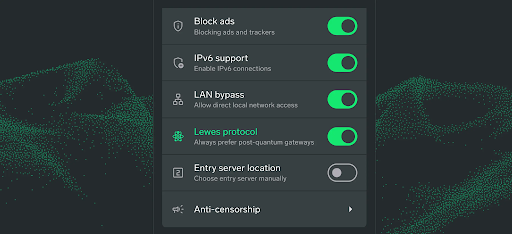
Arguably, the most technically significant change is the first phase of post-quantum encryption(PQE), using what Nym calls a novel Lewes Protocol.
PQE is available across all platforms for the Fast mode option.
Advertisement
(Image credit: NymVPN)
The move puts NymVPN among the small group of providers actively shipping protections against the “harvest now, decrypt later” threat, where adversaries store encrypted traffic today in the hope of breaking it with future quantum hardware.
Nym hasn’t yet detailed the full technical stack publicly, but framing this as a “first phase” suggests further hardening is on the way over the coming releases.
Advertisement
Pay as You Go ditches the account entirely
The other big release is Pay as You Go, a new way to access the Nym network using decentralized $NYM payments and zero-knowledge credentials.
There’s no account to create, no subscription to renew, and no identity tied to your usage. It remains one of the more unusual billing models in the VPN space.
A redesign and a market push are next
That’s a sneak peak of the redesigned NymVPN app (Image credit: NymVPN)
Looking ahead, Nym says a redesigned NymVPN app is “less than two weeks” away from launch, promising a cleaner and simpler interface without losing any of the underlying tech.
Advertisement
The company also plans to back the refresh with targeted advertising, a community referral program, and what it calls “guerrilla outreach” to users in countries dealing with internet censorship.
It’s a busy schedule, and one that reflects the more activist tone CEO Harry Halpin has been striking lately, including in his recent anti-Palantir manifesto.
For now, the takeaway is simple: in eight weeks, NymVPN has closed several long-standing feature gaps, added a genuinely forward-looking piece of cryptography, and made its most privacy-pure access option yet generally available.
If the redesign lands as promised, the next recap could be just as full.
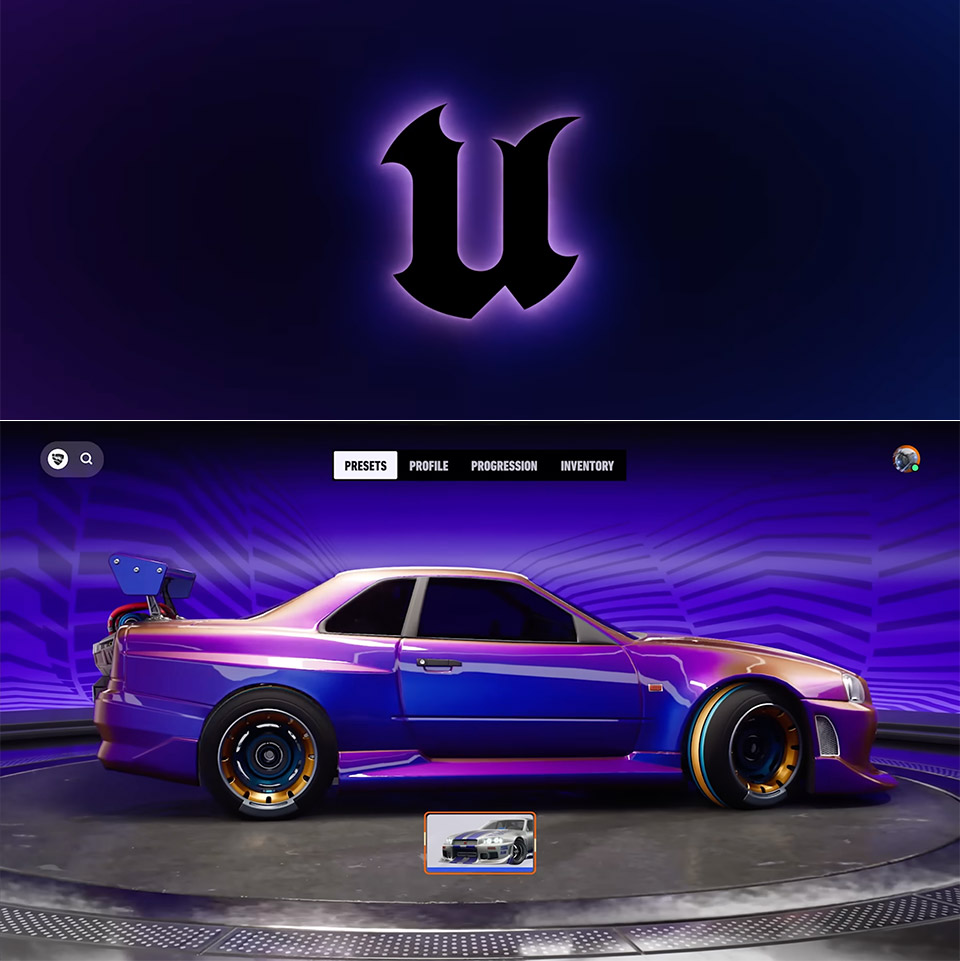
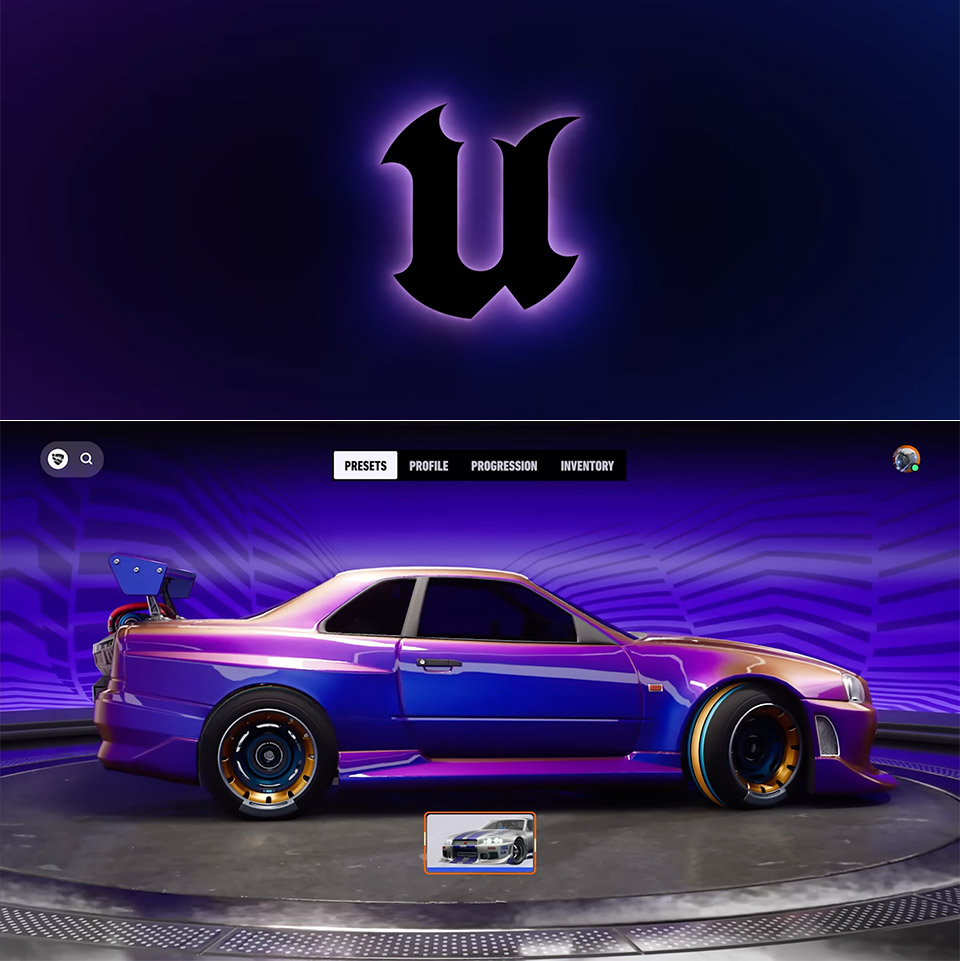
Fans gathered at the Rocket League Championship Series in Paris caught an unexpected glimpse of the future this weekend. A short teaser trailer rolled during the event and introduced an updated version of the game powered by Unreal Engine 6. Cars gleamed under the lights with sharper reflections and finer surface details while the arena itself looked more alive than before.
Smooth action filled every shot, and the camera raced across dramatic angles, bringing those boosts, flips, and goals to life in new and thrilling ways. When the trailer showed this flyover of the stadium, scores of spectators inside the venue erupted in cheers. The trailer ended with the new purple Unreal Engine 6 logo in the center of the screen.
Beyond Performance: The Intel Core i5-13420H processor goes beyond performance to let your PC do even more at once. With a first-of-its-kind design…
AI-Powered Graphics: The state-of-the-art GeForce RTX 4050 graphics (194 AI TOPS) provide stunning visuals and exceptional performance. DLSS…
Visual Excellence: See your digital conquests unfold in vibrant Full HD on a 15.6″ screen, perfectly timed at a quick 165Hz refresh rate and a wide…
Rocket League first launched in 2015 on an earlier version of Unreal Engine and has stayed there ever since. Moving the entire game to Unreal Engine 6 is a complete rewrite, not a little patch. The teaser kept its visuals simple and did not attempt to jam in a long list of new tools or code. That being said, the new cars and environments hinted to a slew of improvements, including better lighting, clearer models, and frame rates that will be much more consistent across consoles and PCs.
Psyonix and Epic had a huge decision to make: which game would be the first to use Unreal Engine 6. Given how popular Fortnite is, you’d expect them to lead with it, but they selected Rocket League instead. That’s a major matter because millions of people play Rocket League daily. You can also catch a brief look of Fortnite potentially receiving Unreal Engine 6 support, which makes sense given how tightly the two games are already linked. [Source]
McKinsey launched a free AI practice tool for interview case studies. It also tests candidates on how they work with its AI assistant Lilli.
McKinsey launched a free AI practice tool in April that gives candidates unlimited attempts at the quantitative case study they will face in their interview. The tool is available globally to applicants for entry-level business analyst and associate roles. The firm says it is designed to level the playing field for candidates who cannot afford expensive consulting coaches.
The consulting interview coaching industry charges anywhere from $200 to $500 per hour. McKinsey’s free tool lets candidates practise the same quantitative scenarios they will encounter in the real interview, as many times as they want. Marie Christine Padberg, McKinsey’s global talent attraction co-leader, told Business Insider the tool also addresses nerves: “Doing quantitative things is one thing, but doing it while somebody’s watching you is something else.”
The practice tool is one half of a broader AI integration into McKinsey’s hiring process. The other half is more consequential. Since January, the firm has been piloting the use of its internal AI assistant Lilli during final-round interviews for business school graduates.
Advertisement
Candidates in the pilot are asked to use Lilli to analyse a case study and refine their conclusions. Interviewers evaluate how applicants prompt the system, assess its outputs, and apply them to a specific client scenario. The test measures curiosity and judgment, not prompt engineering.
McKinsey is not testing whether candidates can avoid AI. It is testing whether they can work with it effectively. The distinction reflects how consulting work itself has changed. Consultants are now expected to move beyond analysis that clients can do internally and toward problem framing, judgment, and implementation.
The scale of AI inside McKinsey makes the hiring shift logical. CEO Bob Sternfels said at CES in January that the firm now has approximately 25,000 AI agents supporting its 60,000 human employees. Eighteen months ago, that number was 3,000. More than 75% of McKinsey employees use Lilli monthly.
McKinsey has also cut approximately 200 technology roles as AI automates non-client-facing operations. The firm shrank its overall workforce by more than 10% between 2023 and 2025. Entry-level roles have been most affected, precisely the positions the AI practice tool is designed to help candidates secure.
McKinsey’s approach codifies that shift into the interview itself. The firm is not asking candidates whether they can use AI. It is making AI fluency a condition of entry. CaseBasix, a consulting interview preparation firm, said BCG and Bain are likely to follow with similar AI interview components.
The broader pattern is consistent. Detroit’s automakers are cutting white-collar staff while posting AI roles. Salesforce eliminated 4,000 support jobs after deploying AI agents. McKinsey is simultaneously reducing its workforce and redesigning its hiring process to select for people who can work alongside the technology that is making others redundant.
The quantitative component is especially important, Padberg said, because “even in an AI-enabled workplace, consultants still need to understand how numbers connect and what they mean.” AI can generate analysis. It cannot yet determine whether the analysis is relevant to a specific client’s problem. That judgment gap is what McKinsey’s interview is now designed to test.
The class of 2025 and 2026 graduates are entering a job market where AI fluency is no longer a bonus skill. At McKinsey, it is now part of the entrance exam. The free practice tool makes preparation accessible. The Lilli interview makes the standard clear: if you cannot collaborate with AI under pressure, you will not get the job.
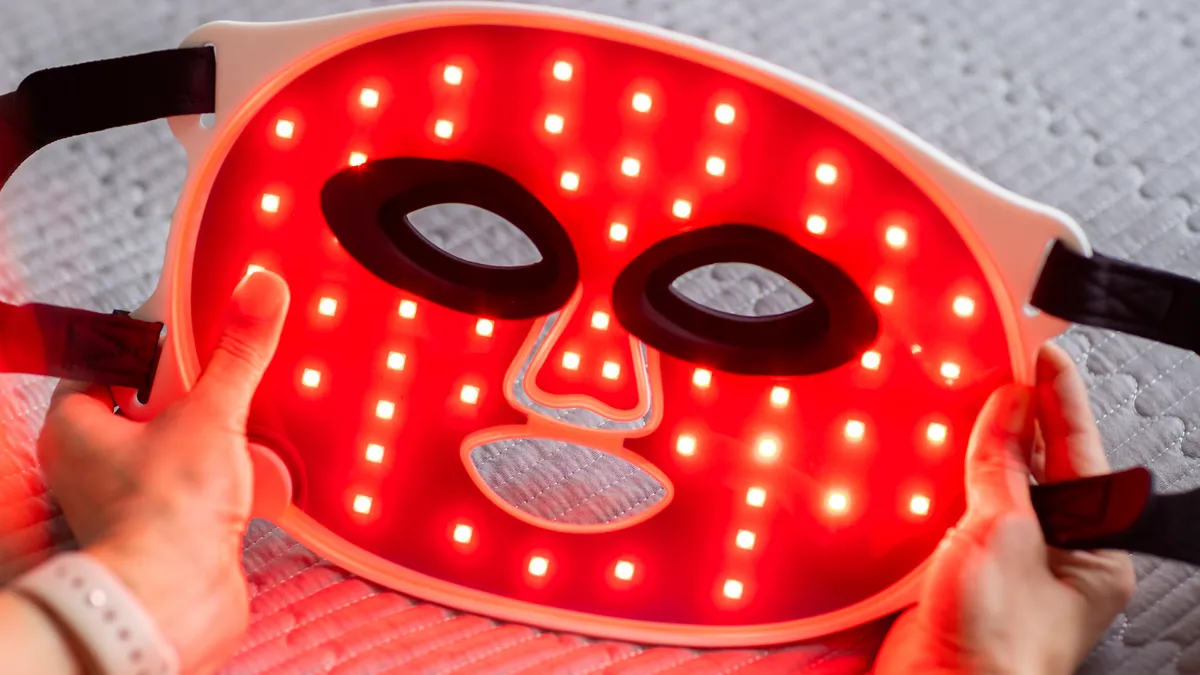
Red light therapy face masks are all the rage thanks to beauty and wellness influencers on social media. Also known as LED masks, they use red, near-infrared or blue light at different wavelengths with claims that they can improve your skin’s appearance, boost collagen production and, if they have blue light, target acne.
The best part is that you can use these masks at home without setting foot in an aesthetician’s office. However, these LED masks aren’t cheap and only some are FDA-cleared, while others aren’t.
If you’re going to invest in an LED mask, it’s important to know how to use it correctly and what to look for when choosing the best one for your needs. I spoke with a dermatologist and plastic surgeon to learn the best way to use your LED light therapy mask, as well as any risks and benefits to consider.
Advertisement
Where to include an LED mask in your skin care routine
When you use red light therapy during your skin care regimen is important to get the best results.
GaudiLab/Shutterstock
A skin care routine usually includes serums, creams, ointments and other topical products targeting your skin’s needs. If you’re using an LED mask, it’s important to know the best placement in your routine to get the most out of it.
Dr. Eleonora Fedonenko, the medical director and a dermatologist at Your Laser Skin Care in Los Angeles, told CNET that she recommends starting any LED mask treatment on a clean face, free of creams and serums. “If there is residue from makeup or sunscreen, it can block the light from getting to the skin and reduce the effectiveness of the session,” Fedonenko said.
Advertisement
Important considerations
When choosing an LED therapy mask, it’s important to opt for one that has FDA clearance, as this indicates the product has been tested for safety and efficacy. Fedonenko also recommends researching the company and verifying that it has done clinical studies regarding the wavelengths used.
“Red light should be between 630 and 660 nanometers, and near-infrared light should be between 830 and 850 nanometers since they’re the two wavelengths most commonly shown to promote collagen growth while reducing inflammation,” Fedonenko explains.
Using a red light therapy mask a few times a week should be enough to see improvement in your skin.
Anton Vierietin/ Shutterstock
Knowing how often to use an LED therapy mask is important since you don’t want to overdo it. Fedonenko recommends aiming for 10- to 20-minute treatments, three to five times per week.
“There is a timing that is correct depending on the power output of the device. For example, 10 minutes may suffice with a high-output irradiance mask and more with a low-output mask,” Fedonenko says. Irradiance refers to the amount of light reaching the skin.
Dr. Amy Bandy, a board-certified plastic and reconstructive surgeon, recommends an at-home red light therapy mask with an irradiance of approximately 20 to 50 milliwatts per square centimeter, stating, “This level of irradiance has been shown to be sufficient to deliver measurable results from home use while providing comfort and safety.”
Advertisement
Fedonenko notes that FDA-cleared devices usually have an irradiance of at least 30 mW/cm2. Try to avoid masks with light levels between 10-30 mW/cm2, because even though the light penetrates the skin, Fedonenko says it’s not strong enough to yield results, as it elicits little measurable cellular response.
Use caution with masks with irradiance levels above 100 mW/cm2, as these tend to be too strong, especially if you switch from a lower-intensity version. Fodenenko says,” Many of my patients have come to me with redness that continues due to their change from a lower-powered device to a higher-powered one, with the output being the cause and not due to frequency used.”
Fodenenko warns against using your LED mask daily because some people think doing more will speed up the process, when it can have the opposite effect. “Patients have come in with skin that was so tight and raw, they were using the mask every day in order to speed up their results,” Fedonenko says. Instead, it’s important to give your skin time to recover between red light therapy treatments because the light stimulates cellular repair.
Bandy agrees and says that frequent use and strong products can also cause damage. “If someone is treating themselves too frequently and/or simultaneously utilizing very harsh skin care products such as retinoids or exfoliating acids, the skin barrier may become damaged, which leads to further inflammation and irritation,” Bandy says.
Advertisement
However, it’s common for the skin to have some redness, dryness, itchiness or tightness when using an LED mask. If these symptoms don’t subside or get worse after a treatment, it’s best to seek medical guidance.
Precautions to take with LED masks
Be mindful of the type of red light therapy mask you’re using because it can cause other skin issues if it isn’t the right fit.
shisu_ka/ Shutterstock
One thing people may not consider with LED therapy masks is that the eyes need protection.
Advertisement
“The masks are worn near the face, and wearing them without goggles for long periods of time can cause eye fatigue,” Bandy says.
This is because the mask can cause light-induced headaches in those sensitive to light or those with certain eye conditions. It’s something to keep in mind if you have sensitive eyes or ocular conditions.
Fortunately, many LED masks have built-in goggles, so you should think twice before purchasing one that doesn’t. You should also ensure this part of the mask fits correctly before turning it on. If you still end up with a headache or sensitivity, stop using the mask.
Other non-eye-related signs you should take a break include peeling or acne on areas of the skin where you don’t normally experience breakouts or flaking. “Slow down the number of sessions and allow your skin time to heal,” Bandy says.
Advertisement
Signs the LED mask is working
If you’re new to using an LED mask, there are some ways to tell if it’s working on your skin. In general, you may start to see improvements within a few weeks. “These improvements include reduced inflammation, improved brightness and clarity of their skin and a better overall complexion,” Bandy says.
Smoother skin and reduced fine lines are common weeks after using an LED therapy mask because light therapy stimulates collagen production. Acne sufferers may notice fewer breakouts and improvement in hyperpigmentation. Those with rosacea or who deal with redness will notice their skin start to calm down. ”That’s surprising to them as they came in with the idea that they were there for skin aging concerns,” Fodonenko says.
However, if it’s been eight weeks and you notice no difference in your skin, Fodonenko says the device’s irradiance output may be the issue, so you may want to replace your current model with one that has a higher irradiance.
The verdict on LED masks
As with any product, you find yourself influenced to buy on social media, it’s still important to approach these trends with precaution. If you’re interested in adding an LED mask to your skin care regimen, make sure you do your research and choose an FDA-cleared product. This reassures you that it’s safe overall and tested for efficacy, so you know you’re getting your money’s worth.
Advertisement
Remember that it can also take time to see improvements, so if you don’t see results right away, give it several weeks to see any changes. If you notice your skin worsening, stop treatment and seek medical attention for further assistance.
Thursday California’s governor issued an executive order “directing state agencies to prepare workers and businesses for AI-driven workforce disruption,” reports San Francisco’s KQED. In a statement the governor said “This moment demands that we reimagine the entire system — how we work, how we govern, how we prepare people for the future.” The order mandates agencies to explore a range of policy options, including severance standards, expanded unemployment insurance, job retraining programs aimed specifically at white-collar workers, worker ownership models and a concept the governor called “universal basic capital,” giving all residents a stake in assets such as corporate stocks, bonds or wealth funds…
Tom Kemp, executive director of the California Privacy Protection Agency, applauded the fact that the order named data privacy as a consumer protection concern and highlighted the CPPA’s automated decision-making technology regulations, which he called “the nation’s most comprehensive.” Others are more skeptical. “Catastrophic job loss from AI is not inevitable, it’s a political choice,” Lorena Gonzalez, president of the California Federation of Labor Unions, AFL-CIO, wrote in a statement. However, Gonzalez noted one area of genuine agreement: the order’s emphasis on collective bargaining as a tool for protecting workers from AI displacement…
According to Stanford HAI’s 2026 AI Index, software developers ages 22 to 25 are among those most likely to see their skills made redundant earliest. This year, U.S. employment fell nearly 20% from 2024, even as headcount for older developers continued to grow. Following the job cuts announced at Meta, a union of Alphabet workers in the U.S. and Canada released a statement that suggests Silicon Valley’s own labor force may seek to organize… “It’s undeniable that our whole industry is being transformed by the corporate push to adopt new AI tools,” [Alphabet Workers Union-CWA Local 9009 said in a statement]. “It’s hard not to feel anxiety and fear when we can see more and more tech companies cutting huge portions of their workforce both in anticipation of replacing them with AI, and to fund their multi-billion-dollar bets on AI as the future of the industry…”
In February, AFL-CIO President Liz Shuler and Gonzalez delivered what amounted to an ultimatum to Newsom: regulate AI or lose labor’s support for any future presidential run. Shuler called a potential AI-driven economic collapse a coming “crisis.” In August 2025, Newsom announced a partnership with Google, Microsoft, IBM and Adobe to expand AI education in California schools and community colleges, a workforce preparation push that now looks like a precursor to Thursday’s more sweeping order. The article notes that after signing the bill the governor shared this comment on X.com. “California will pursue new policies that make sure working Californians — not just Big Tech — benefit from the wealth and breakthroughs coming out of this space.”
Advertisement
Newsom telegraphed Thursday’s order earlier this week, when he appeared at the Center for American Progress IDEAS Conference in Washington. “Businesses are going to make a fortune, and that’s why you cannot continue to have a payroll tax system that taxes jobs and then subsidizes automation.”
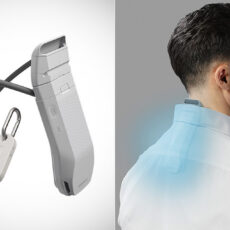
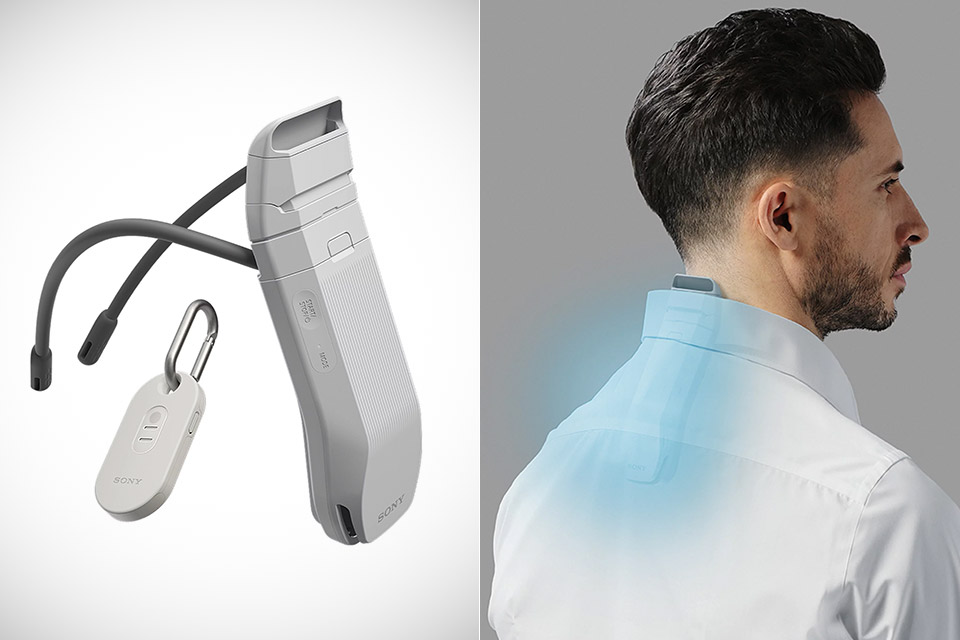
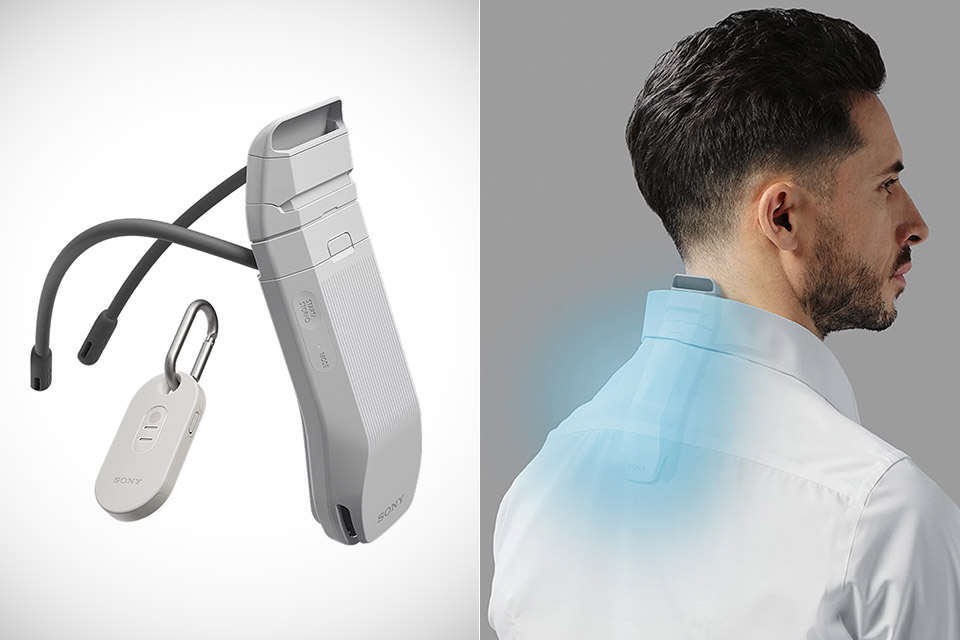
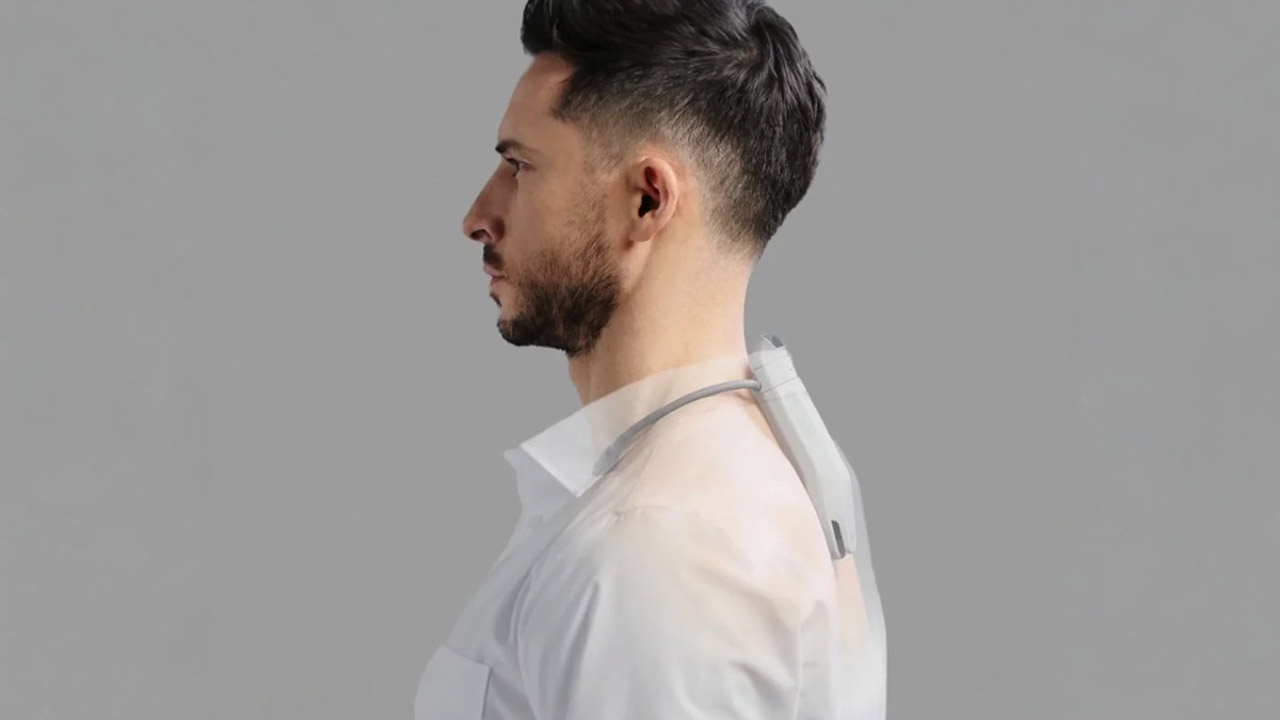
Sony refines its wearable cooler for stronger everyday comfort. Summer heatwaves push people to seek relief that travels with them, and Sony answers with the latest version of its REON POCKET series. Wearers place the REON POCKET PRO Plus around their neck so a stainless steel plate rests gently against the skin between the shoulders. Electricity passes through special materials inside to cool or heat that plate directly. Blood flow then carries the temperature shift across the body, delivering noticeable comfort without touching core body heat.
Users turn it on for congested commutes, stuffy offices, or chilly evenings when they just want to get through the day without bother. Sony focused on improving the fit so that it stays in contact on a consistent basis. They strengthened the tubing in the neckband to keep the device stable even when you’re walking or just pottering around, preventing those minor motions that can degrade performance. An adjustable vent now extends and points upwards, allowing heated air to escape and clear your collar or shirt.
Brushless Motor – Super Power: The combination of a three-phase brushless motor and a 5000mAh battery significantly improves the wind speed, power…
Scroll Switch – Customizable Wind Speed: This small fan adopts a scroll switch design, and the wind speed can be adjusted steplessly. The portable fan…
Fashionable Design – Metal Body: The body of this handheld fan is made with advanced oxidation technology, giving it a metal-like texture. Its smooth…
The technology has also advanced significantly, with the cooling plate now two degrees Celsius colder, allowing it to get the job done in a deeper way and increasing overall production by around 20%. The item has a sensor that monitors your skin’s temperature in real time. To top it off, a little independent unit clamps onto your bag or belt loop and reads the air and humidity in the room, sending the results back to the system.
Advertisement
Of course, the companion app now provides you with numerous additional possibilities to play with on your phone. In smart mode, you can specify a preferred temperature range, and the device will take care of the rest, keeping you at the proper temperature without your intervention. If you want to make a quick modification, you may utilize the physical buttons on the unit itself, eliminating the need to dig out your phone. There is no fan inside, so it remains silent enough to be used in offices, on trains, or in meetings.
The battery life is more than enough for a full day, as the lowest cooling setting can operate for up to 34 hours, while higher intensities will last slightly less, 27, 18, 10, or 5.5 hours at maximum, with smart cooling mode lasting 15 hours on average. A full charge will take a little more than three hours from zero. The total set weighs little over 9 ounces and is small enough to wear under everyday clothing, however it does show up a little under thin shirts, so keep that in mind.
Sony was the first to introduce wearable thermal devices to the Japanese market years ago, and they’ve been constantly enhancing the range with each subsequent release. This PRO Plus version improves stability and power while keeping the fundamental principle at its core. You’ll probably be able to acquire one in the United States this summer, as it will be available through Sony’s online store. Prices hover about $270, and the sensing tag is included in the kit. [Source]
If you don’t know where to start—and use—your HP coupon code, there’s a wide variety of options available at HP.com in terms of budget and use case, but my eye goes first to the high-end HP Omen gaming monitors, like the fantastic HP Omen Transcend 32. This 4K 240Hz monitor is a favorite among PC gamers, even among the huge amounts of OLED options out there. It can hit a peak brightness of over 1,000 nits in HDR, bringing scenes in games to life in vivid detail.
Or if you’re on the other side of the budget spectrum and just need something basic, we recommend checking out one of HP’s 27-inch 1080p monitors, such as the HP V27i G5, which typically retails for $209. It even comes with a 75Hz refresh rate, a small but appreciated bump over the standard 60Hz. We have HP coupon codes to help you save on all this tech and even more below.
$20 Off Your First Order With Our HP Promo Code
HP offers a $20 discount right off the top of your order if it’s your first time buying from HP.com. While you can’t use it in addition to the other coupons, it might be a better discount if you’re purchasing something less expensive. To get this HP promo code, your order has to be $65 or more though (before taxes and shipping), and it requires signing up for the HP newsletter.
This HP promo code is valid for a month after subscribing to the newsletter and is restricted to one per customer. If you aren’t planning to spend too much and it’s your first time buying from HP.com, this could be the way to go.
Advertisement
Top HP Coupons: Laptops for Work, School, and Everyday Use
Printers are super handy, but one of the most annoying and expensive investments you make for it is the upkeep of ink and toner. Well, the good news is that you can save up to 50% on ink right now! With HP Instant Ink, you can save time and money with this subscription service that automatically delivers ink only when you’re running low, with plans starting at less than $2 a month.
Join the HP All-In Plan Printing Subscription to Save
We all know printing is somehow one of the hardest at-home tasks we still have to do, with printers oftentimes not keeping up with the leaps and bounds contemporary technology has made. HP is hoping to change all of that. The HP All-In Plan is a convenient, stress-free printing subscription that fulfills your printing needs with just a monthly payment. The subscription includes a brand-new printer, automatic ink delivery, an option to add automatic paper delivery, and with live support. Plus, if your printer breaks or has an issue that support can’t fix, HP will send you a replacement the next business day for free. You can try the service for 30 days for free.
Save More: HP Smart Ink
At-home printers are such a huge headache. When all other home office tech seems to be living in 2087, clunky, difficult printers seem to be stuck in 1987, with constant jams, errors, and finicky ink. The HP Smart Tank printers are refillable, cartridge-free ink tank printers that deliver reliable, low-cost, high-volume printing that lasts for years. With these HP Smart Ink printers, you’ll no longer have to worry about refilling cartridges or constant low ink notifications. Welcome to the future.
Advertisement
Save 40% on Tech With the HP Student Discount
If you’re a student—or a parent to a student, teacher, school faculty, or university staff member—you’re in luck. HP is offering a serious 40% off discount on all kinds of tech, including laptops, desktop PCs, printers, and accessories. All stuff you’ll need for school, of course.
HP rebranded its laptops in 2024, introducing the OmniBooks into the world, including the premium HP OmniBook Ultra Flip. Powered by Qualcomm’s Snapdragon X chips and a killer OLED display, the OmniBook Ultra Flip would be a great laptop for college thanks to its long-lasting battery life, especially with a 40% discount for students or teachers.
It’s not just laptops though. The HP Education Program discount applies to desktop PCs, printers, and tons more qualifying products.
HP Military Discount: Get 40% Off the Latest Tech
HP offers more than just a standard military discount. The company’s exclusive military discount is extended to support active service members, veterans, and their families, but also healthcare workers and First Responders.
Advertisement
If you belong to any of those groups, the HP military discount will drop the retail prices significantly, whether you’re searching for a new laptop, PC, mouse, and many more select products at HP.com.
More HP Discounts on Gaming PCs and Free Games
HP’s high-performance gaming laptops and PCs are also included in this coupon code. HP has two brands of gaming laptops to choose from: the more affordable Victus and the higher-end Omen (both of which have been reviewed by me here). Finding a gaming laptop under $1,000 can be tricky, especially since you’ll want something that doesn’t use a 5-year old GPU and only 8 GB of memory. That’s why I’d avoid the cheapest Victus laptop here, and bump up to at least the Victus 16t-r100. That gets you an RTX 4050 and 16 GB of RAM, despite costing only $150 more.
Meanwhile, the higher-end Omen models get you access to the new RTX 50-series graphics cards, and the new multi-frame generation feature that’s got everyone talking. They also come with a 16-inch 1920 x 1200 screen with a 240Hz refresh rate, such as the Omen Max gaming laptop.






























































You must be logged in to post a comment Login