Connect with us
DAPA Banner

Tech

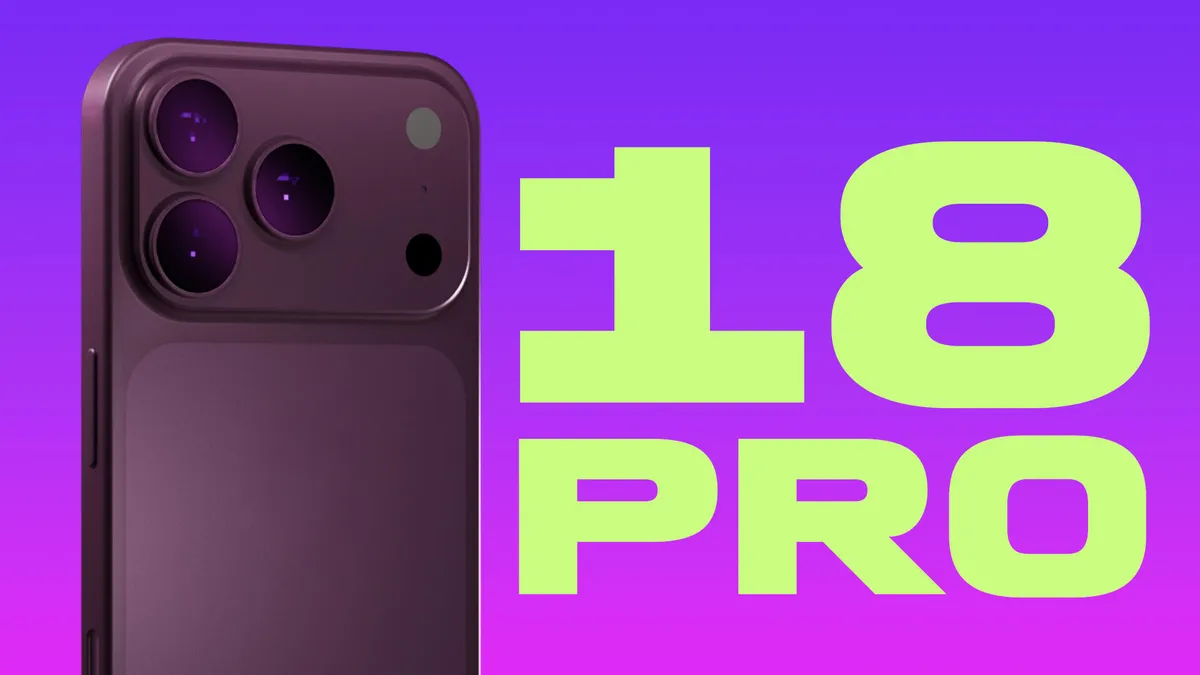
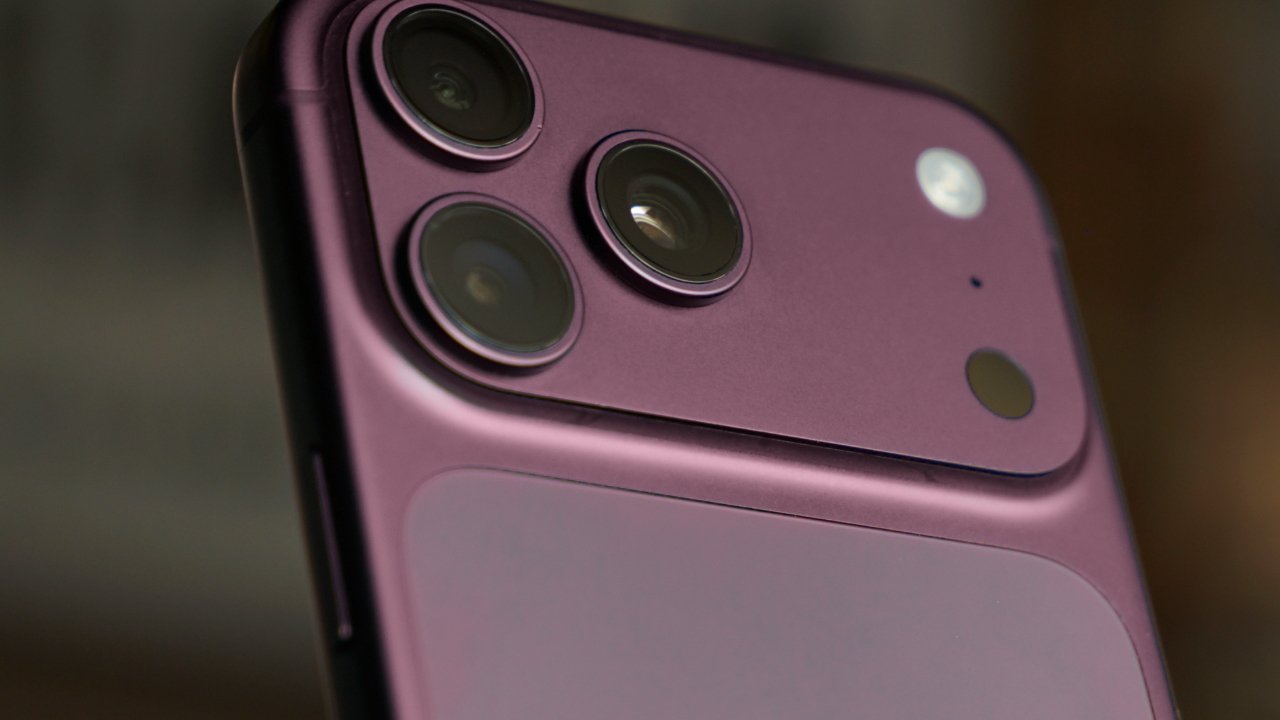
One Rumored Color for the iPhone 18 Pro? A Rich Dark Cherry Red

Published

on

Would you like some cheese with that iPhone? If a new rumor is true, the big new bold color for Apple’s next flagship phones will look more like red wine than bright orange.

The latest rumor comes from Macworld, which cites a leak from an unnamed source close to the supply chain. According to the leak, the upcoming iPhone 18 Pro and Pro Max will have a dark cherry color option. The source also said that those new flagships, as well as Apple’s first foldable phone, will launch in September. 

According to different reports over the past several months, the foldable might be named the Ultra, the Fold or even the iFlip.

Advertisement

Apple has not officially announced anything — not the iPhone 18 Pro or Pro Max, nor the foldable. There have been tons of rumors about specs and release dates, but nothing has been verified.

A representative for Apple did not immediately respond to a request for comment.

CNET is keeping up with all the latest iPhone 18 Pro rumors, including release dates, design, colors, specs and Apple’s first foldable (and don’t always believe your eyes).

Read more: I Turned My iPhone 17 Pro From Cosmic Orange to Pink

Advertisement

Apple is always changing colors for its top iPhone models. You can see all the colors over the years here.

The rumor about the iPhone 18 Pro coming in dark cherry doesn’t come out of the, ahem, blue. Bloomberg’s Mark Gurman reported several weeks ago that Apple was considering red as its new vibrant color. Last year, for the iPhone 17 Pro, the new breakout color was cosmic orange.

Macworld’s source also said that Apple is toying with two other colors for the iPhone Pro roster — light blue and a dark shade of gray. The source said Apple is also considering a silver variation of the current iPhone 17 Pro.

Macworld’s source listed these Pantone color codes as being used internally by Apple: Light Blue (Pantone 2121), Dark Cherry (Pantone 6076), Dark Gray (Pantone 426C) and Silver (Pantone 427C). Note the absence of a solid black hue, as a previous rumor suggested.

Advertisement

Foldable, not so colorful?

The Macworld source said the foldable might have fewer color options than the iPhone Pro 18 and Pro Max. Macworld said Apple engineers are experimenting with a classic silver-and-white model and indigo, like that of the deep blue of the iPhone 17 Pro.

Take it with a grain of salt, but Macworld’s source last year did confirm the cosmic orange that eventually was the iPhone 17 Pro color splash.

Source link

Advertisement
Continue Reading
Click to comment

You must be logged in to post a comment Login

Leave a Reply

Tech

Fixing A GameCube’s Dodgy Optical Drive With Fresh Capacitors

Published

on

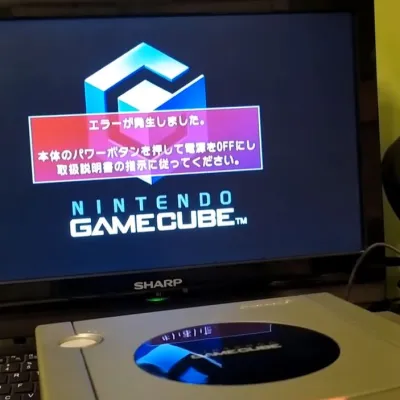
Generally when a game console with an optical drive stops reading discs the first thing that people do is crank on the potentiometer that controls the power to the laser diode to ramp up its output. While this can be a necessary solution to eke out a bit more life out of a clearly dying laser diode, this can actually massively shorten the lifespan of a good diode that’s just held back by bad capacitors. This is demonstrated by [Skawo] with a fix on a GameCube that stopped reading discs.

While it’s absolutely true that laser diodes have a limited lifespan, so do the capacitors and other components in the system. Thus, after tearing down this Japanese GameCube, [Skawo] accesses the optical PCB for some delicate plier-based capacitor surgery. One can absolutely question such violence, as well as the replacement mix of MLCC ceramics and a stray THT electrolytic capacitor, but the results after reassembly are obvious.

Without having to adjust the laser diode’s potentiometer, the game console now happily reads the game disc while the laser diode breathes a sigh of relief. Although all GameCube consoles will face the inevitable demise of their optical drives – barring a replacement optical pickup solution appearing – with this capacitor replacement solution it’s at least possible to stave off that undesirable time for a bit longer.

Advertisement

Source link

Advertisement
Continue Reading

Tech

SNK revives NeoGeo AES with modern upgrades and HDMI support

Published

on


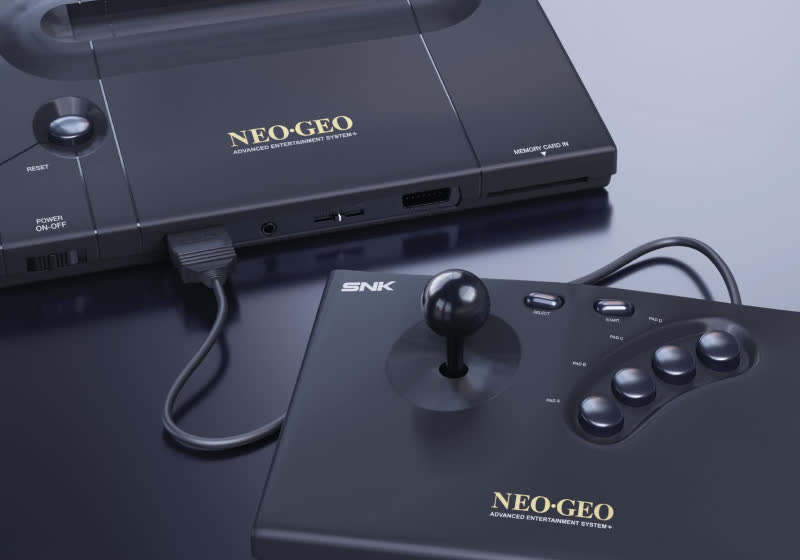
Set to launch on November 12, the NeoGeo AES+ will be available in Standard and 35th Anniversary editions priced at $249.99 / £179.99 / €199.99, with an Ultimate Edition bundle already listed through Plaion’s storefront. The exterior closely mirrors the 1990 model, but the internal changes are aimed at aligning…
Read Entire Article
Source link

Continue Reading

Tech

NYT Strands hints and answers for Saturday, April 18 (game #776)

Published

on

Looking for a different day?

A new NYT Strands puzzle appears at midnight each day for your time zone – which means that some people are always playing ‘today’s game’ while others are playing ‘yesterday’s’. If you’re looking for Friday’s puzzle instead then click here: NYT Strands hints and answers for Friday, April 17 (game #775).

Strands is the NYT’s latest word game after the likes of Wordle, Spelling Bee and Connections – and it’s great fun. It can be difficult, though, so read on for my Strands hints.

Advertisement

Source link

Advertisement
Continue Reading

Tech

Online Personalities and Comedians Overtake TV and Newspapers as Primary News Sources

Published

on

A new Ipsos poll finds Americans are increasingly getting news from online personalities and comedians instead of traditional TV or newspapers. The survey says nearly 70% get news online in a given week, versus 55% from TV and 25% from newspapers, with figures like Joe Rogan, Greg Gutfeld, Sean Hannity, and late-night hosts ranking prominently depending on political leanings. From the Hollywood Reporter: The poll, which was conducted in March, actually found the conservative politicians and cabinet members, including President Trump, were the top news influencers. When politicos were excluded, Joe Rogan led the list, followed by Fox News personalities Greg Gutfeld and Sean Hannity, and then TuckerCarlson and Ben Shapiro. The only three influencers to crack 10 percent were Trump, Rogan, and JD Vance. Among people who voted for Kamala Harris, the top news personalities were late night hosts, led by ABC’s Jimmy Kimmel, followed by CBS Late Show host Stephen Colbert, and Daily Show host Jon Stewart.

Just under 70 percent of respondents said they get their news online in a given week, compared to 55 percent for TV, and 25 percent for newspapers. […] Of traditional media outlets, TV dominated, with Fox News, the broadcast networks, and CNN topping the list of sources. Facebook, YouTube and Instagram were the most popular online news sources. “On these platforms opinionated personalities and comedians appear to drown out anyone who would fit in the traditional journalist category,” said assistant professor of practice and Jordan Center Executive Director Steven L Herman. “Even in the late 19th century and early 20th centuries, sensationalist and polarizing voices in print and later on air were among the most influential in the political landscape — such as political satirist Mark Twain and populist Father Charles Coughlin.”

Source link

Continue Reading

Tech

NASA restarts work to support Europe’s uncrewed trip to Mars after years of setbacks

Published

on

NASA of the European Space Agency’s (ESA) Rosalind Franklin rover, which is being sent to Mars. The current plan is to launch via a SpaceX Falcon Heavy rocket from Kennedy Space Center. The timing is still being worked out, but the space agency says this won’t happen until at least 2028.

This is a partnership between NASA and the ESA, with the European agency providing the rover, the spacecraft and the lander. The US will provide braking engines for the lander, heater units for the rover’s internal systems and, of course, assistance with the actual launch.

The rover will be outfitted with scientific instruments to look for signs of ancient life on the red planet. These include a state-of-the-art mass spectrometer and an organic molecule analyzer, which will come in handy as the vehicle collects samples at the Oxia Planum landing site.

This is a mission that has suffered years of delays for all kinds of wild reasons. It was actually first conceived . The rover mission was originally scheduled for 2009, after NASA came on board. Budget constraints forced NASA to drop out in 2012, so Russia signed on as the ESA’s launch partner.

Advertisement

During this period, the mission which . The ESA in 2022 after the country invaded Ukraine. This left the mission in doubt until 2024, when NASA .

However, the setbacks didn’t even end there. The Trump administration has repeatedly tried to end NASA’s involvement with the project, and many others, . The current proposal was made while the around the Moon, . Here’s hoping the launch actually happens in 2028.

Source link

Advertisement
Continue Reading

Tech

Uber will now send a courier to your door to return your shopping for $5

Published

on

Uber has launched a service that sends a gig worker to your door to collect items you want to return to a retailer, for $5 a pickup. The feature, called Return a Package, is available in the Uber Eats app across nearly 5,000 US cities and works with nine retail partners including Target, Best Buy, and Dick’s Sporting Goods. A courier arrives, takes the item, and delivers it back to the store. Uber One members pay $3.

The service is limited in ways that matter. Items must have been purchased through Uber Eats, must be worth more than $20, cannot exceed $100 in value or 30 pounds in weight, and must comply with the individual retailer’s return policy. Customers can send up to five packages per request. These constraints mean Return a Package is not a replacement for driving to a UPS Store or printing a shipping label. It is a convenience layer for a specific subset of purchases made through Uber’s own marketplace.

The returns problem

US retail returns totalled $850 billion in 2025, according to the National Retail Federation, with online purchases returned at roughly twice the rate of items bought in physical stores. Processing a single return costs retailers between $10 and $65 when accounting for shipping, labour, inspection, and restocking. Return fraud added another $103 billion in losses. For retailers, reverse logistics is an operational burden that scales with e-commerce growth and shows no sign of shrinking.

Uber’s pitch is that its existing courier network, the same fleet that delivers takeaway food and groceries, can handle returns as a natural extension of its logistics infrastructure. The marginal cost of adding a return pickup to a courier’s route is low if the courier is already in the area. The $5 fee covers Uber’s cut and the driver’s compensation for what is typically a short trip. For the customer, it eliminates the friction of packaging an item, finding a label, and visiting a drop-off point during business hours.

Advertisement

The 💜 of EU tech

The latest rumblings from the EU tech scene, a story from our wise ol’ founder Boris, and some questionable AI art. It’s free, every week, in your inbox. Sign up now!

The competitive landscape is crowded. UPS acquired Happy Returns from PayPal and is transitioning the service from FedEx Office locations to The UPS Store network, offering box-free, label-free returns at thousands of physical locations. Amazon handles its own returns through Whole Foods, Kohl’s partnerships, and its own locker network. FedEx and USPS maintain their own drop-off infrastructure. What Uber adds is the on-demand pickup element: no driving, no queuing, no leaving the house.

Uber’s logistics expansion

Return a Package builds on Uber Connect, a peer-to-peer package delivery service launched in 2023 that already lets customers send items to USPS, UPS, or FedEx locations via a courier. The new service adds the reverse direction: instead of dropping off a pre-labelled parcel, the courier collects an item and returns it directly to the retailer on the customer’s behalf.

Advertisement

This sits within a broader strategic push. Uber has been systematically expanding beyond ride-hailing and food delivery into logistics, autonomous vehicles, and fleet services. In the past year alone, the company has signed a $1.25 billion robotaxi deal with Rivian, begun robotaxi pilots with Wayve and Nissan in Tokyo, started testing autonomous ID. Buzz minibuses with Volkswagen’s MOIA in Los Angeles, and relaunched Motional robotaxis in Las Vegas. The returns service is less dramatic than any of those initiatives, but it serves the same strategic logic: every package that moves through Uber’s network strengthens the case for its courier infrastructure as a general-purpose logistics platform.

The financial case for expansion is strong. Uber’s delivery revenue hit $4.9 billion in Q4 2025, a 30% year-over-year increase, within total annual revenue of $52 billion and gross bookings of $193 billion. The company generated $10 billion in free cash flow for the full year. Uber does not need returns to be a major revenue line; it needs them to increase the frequency with which customers open the app and the number of tasks its courier fleet can fulfil per hour. Both metrics drive the unit economics that make its delivery business profitable.

The limits of convenience

The restriction to Uber Eats purchases is the most significant constraint. It means Return a Package does not help with the vast majority of online returns, those from Amazon, direct-to-consumer brands, or any retailer outside Uber’s marketplace. A customer who buys a blender from Target through Uber Eats can have it picked up; the same customer who buys the same blender from Target.com cannot. This limits the service’s utility and reinforces its role as a retention tool for Uber Eats rather than a standalone logistics product.

The $100 value cap and 30-pound weight limit further narrow the use case. High-value electronics, furniture, and appliances, categories with significant return rates, are excluded. The nine launch retailers cover a reasonable range of categories, from home goods to sporting equipment to pet supplies, but the absence of clothing retailers is notable given that apparel has the highest return rate of any e-commerce category.

Advertisement

Uber could expand both the retailer list and the eligibility criteria over time. The company’s track record with Uber Eats suggests it will. The grocery delivery service started with a handful of partners and now operates with tens of thousands of merchants. But for now, Return a Package is a feature, not a platform. It solves a real irritation for a narrow set of transactions and signals where Uber wants to go without yet delivering the broad platform capability that would make it a genuine threat to established reverse logistics providers.

The $5 price point is the most interesting element. It is low enough to be an impulse decision for most consumers, cheaper than the fuel and parking costs of driving to a store, and comparable to the cost of printing a label and scheduling a carrier pickup. If Uber can expand the service beyond its own marketplace and remove the value cap, it would have a legitimate consumer proposition in a market worth hundreds of billions of dollars that no one has made convenient yet. The infrastructure is already there. The question is whether the restrictions come off before a competitor, most likely Amazon, gets there first.

Source link

Advertisement
Continue Reading

Tech

Sam Altman’s ‘human verification’ company thinks its eye-scanning orbs could solve ticket scalping

Published

on

Sam Altman’s cryptocurrency turned identity verification startup Tools for Humanity is offering a new set of perks to people who scan their eyes at one of the company’s orbs. Among them, is a new tool called Concert Kit that could help bands and artists fight back against ticket scalping bots.

The new feature relies on the revamped World ID, the orb-based verification system that scans users eyeballs and faces to create a “proof of human” signature that lives on users’ mobile devices. “It’s basically like a little human passport for the internet that lets you prove on apps and websites that you are a real and unique human without revealing anything about yourself,” Tools for Humanity Chief Product Officer Tiago Sada tells Engadget.

Now, as more apps and services are starting to support World ID, that “human passport” can unlock some new abilities. Coupled with Concert Kit, it allows artists to designate a specific pool of tickets for “verified” humans only. The concept is a bit like how pre-sales currently work, with artists (or their teams) setting aside a specific number of tickets for people who have set up a World ID. Those folks can then use their World ID to get ticket codes for Ticketmaster, Eventbrite, AXS or other major ticketing platforms.

Because World ID is limited to actual, “verified,” humans the system won’t be susceptible to the same tactics that have enabled bots to ruin the ticket-buying process for so many, Tools for Humanity says. Artists are also in control of what level of verification they want to require from their fans. (The new World ID app will also allow people to set up an account with a selfie check if they don’t have ready access to an orb.)

Advertisement

Just how much of a dent Concert Kit will be able to make in the massive scalping bot problem that plagues the concert industry is less clear. So far, Bruno Mars is slated to use the solution on his upcoming world tour — no word on just how many of his tickets will be reserved for World ID-verified humans, though — and Concert Kit is available to other artists starting today.

Concert Kit is one of several new integrations and updates to World ID that Tools for Humanity announced at an event in San Francisco Friday. Tinder, which earlier this year started testing World ID as an age verification solution in Japan, will be rolling out support worldwide. In the US, Tinder’s integration won’t be for age verification, though. Instead, it will indicate whether there is an actual “verified” human behind a given profile.

Tinder profiles that verify with World ID will get a badge as an extra signal of authenticity.

Tinder profiles that verify with World ID will get a badge as an extra signal of authenticity. (Tools for Humanity)

On the enterprise side, Zoom and DocuSign are also adding support for World ID to help businesses verify that there is an actual person (and not a deepfake or bot) joining their video calls or signing important documents. Tools for Humanity is also introducing a standalone app for World ID that separates its identity verification tools from its existing crypto wallet app.

The updates are Tools for Humanity’s latest attempt to make their orb-based verification system, which has been widely mocked, more mainstream and perhaps a little less dystopian. (Elsewhere, orbs have begun appearing in some new places like a San Francisco Gap.)

Advertisement

On their part, Tools for Humanity seems aware that a lot of people aren’t ready to scan their faces at a bunch of orbs controlled by Altman just to “prove” they are humans. I asked Sada, Tools for Humanity’s Chief Product Officer, what he would say to people who think that the company is solving for the wrong problem: that really it should be up to ticketing platforms and dating apps and other services to strengthen their security and bot-fighting tools, rather than rely on their users to “prove” their humanness.

He said it was a “completely understandable question” and compared it to some people’s initial discomfort with things like Apple’s TouchID or FaceID. “Not everyone has to do it upfront, and that’s important,” he said. “It’s optional. If you want to have a World ID, you get access to that enhanced experience.”

Source link

Advertisement
Continue Reading

Tech

Mac Neo, iPhone Fold, and stealing from your iPhone, on the AppleInsider Podcast

Published

on

More rumors of the iPhone Fold, speculation about a Mac Neo, and why you shouldn’t be concerned at claims people can steal money from your iPhone, on the AppleInsider Podcast.

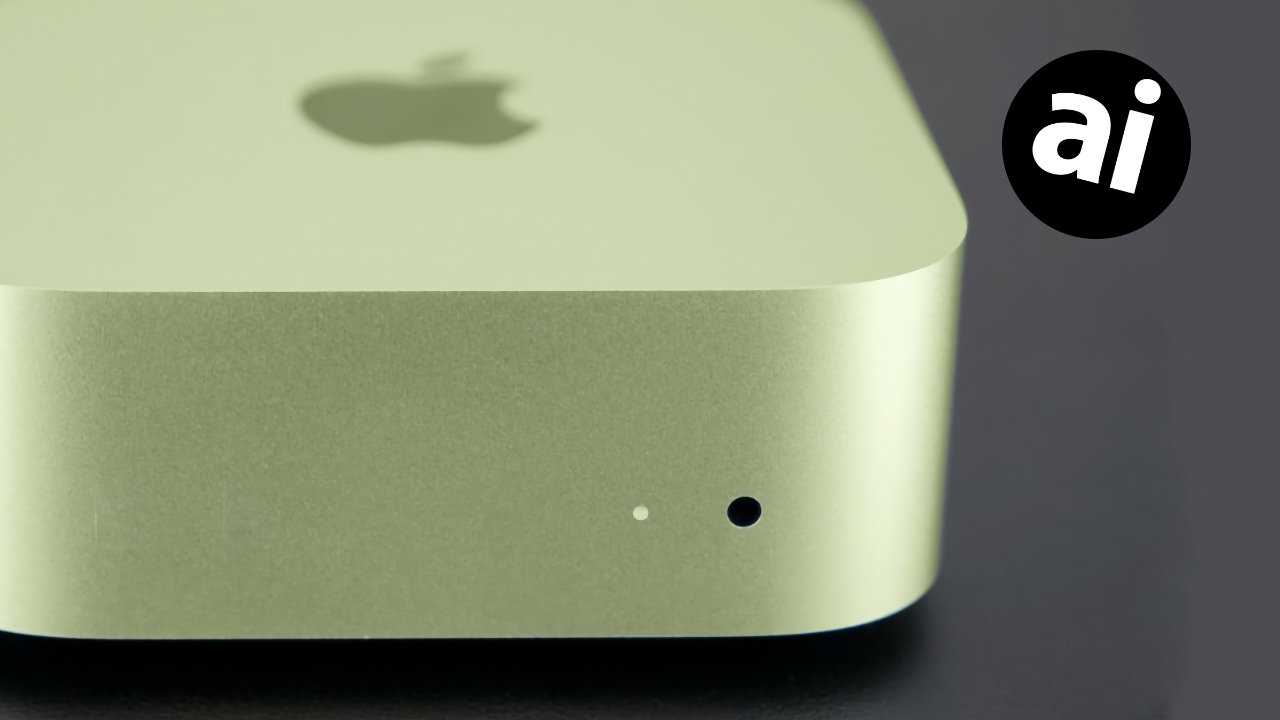
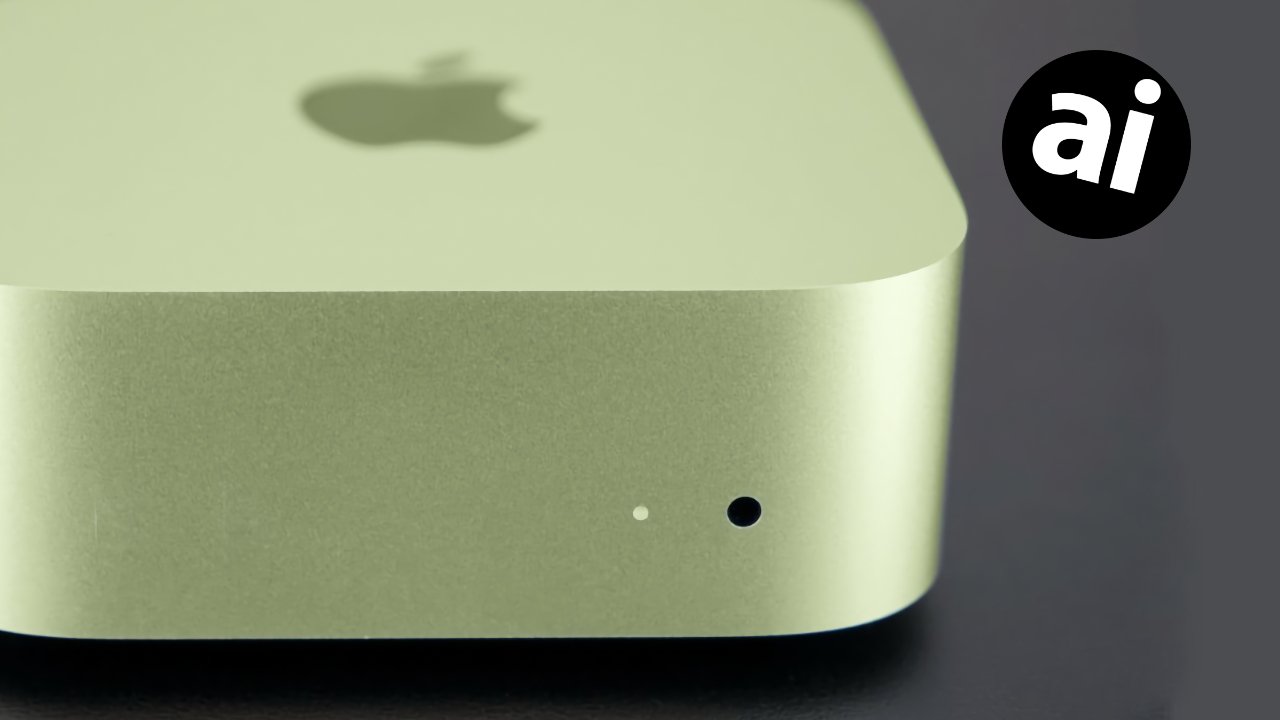
Close-up of a green Apple Mac mini on a dark surface, showing the front edge with a small status light and port, Apple logo blurred on top, ai logo inset.
There’s no Mac Neo yet, but there should be.

Maybe Apple will never make a tiny desktop Mac Neo, but it should and it has everything it needs to do it, from processors to the massive success of the MacBook Neo. True, the company does seem to be a little busy with the iPhone Fold, though.
Speaking of which, the on again, off again rumors about when the iPhone Fold will be released continue. Sorting out the new leaks from the rest of the echo chamber-like reports is becoming a full-time job.
Continue Reading on AppleInsider | Discuss on our Forums

Source link

Continue Reading

Tech

$500M US Warship Dismantlement Derailed By An Ill-Timed Computer Glitch

Published

on


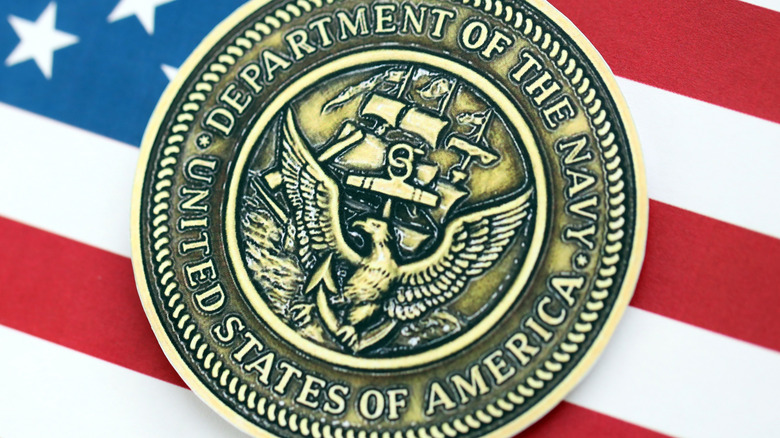
The Navy ship CVN-65, known as the USS Enterprise — not to be confused with other U.S. Navy ships that have been given the Enterprise name – is set to be dismantled. Serving from 1958 to 2012, CVN-65 was the Navy’s first nuclear-powered ship and is also the first ship of its kind to be prepared for full disassembly and disposal. Of course, it hasn’t fully earned the second accolade just yet, as there’s an issue with actually getting the process underway. Thanks to an apparent computer glitch at an inopportune time, the procedure and the bureaucracy behind it have gone to the courtroom.

The issue stems from the Navy’s alleged mishandling of the dismantlement contract in April 2025. The Procurement Integrated Enterprise Environment website, where companies bid for the rights to dismantle the ship, reportedly had issues on deadline day, leading to individuals getting locked out and enduring long loading times. This allegedly caused the likes of HII Shipcycle LLC. to fail to submit their bids before the deadline. HII requested leniency due to the issues, but was denied. As a result, the Navy awarded the $537 million contract to NorthStar Marine Dismantlement Services LLC., partnered with Modern American Recycling and Radiological Services, in May.

However, in August, EnergySolutions Federal Support LLC. and HII Shipcycle filed an appeal, claiming that they were wrongfully disqualified from bidding on the contract due to the Navy website’s glitches. Come February 2026, Judge Philip S. Hadji ordered that the Navy halt the NorthStar contract and reopen the bidding. Unsurprisingly, those at NorthStar weren’t so quick to let this ruling stand.

Advertisement

NorthStar is pushing back against the ruling

In the wake of Judge Philip S. Hadji’s ruling, the United States Navy released a statement to AL.com, explaining that it intends to fully comply with the decision and offer interested parties a chance to resubmit their contract bids. “The Navy is re-opening the solicitation via an Amendment that allows all Offerors in the competitive range to resubmit [final proposal revisions] to inform a new source selection decision,” the statement said. It added that the Navy expects a new contract to be delivered in June 2026.

Not long after the court decision on the dismantling contract, NorthStar predictably launched an appeal. The company legally challenged the ruling in March 2026, arguing that it unjustly halts its and the Navy’s efforts to dismantle the USS Enterprise. NorthStar was planning to move the ship’s hull to Mobile, Alabama, for deconstruction — despite previous opposition from the Mobile Chamber of Commerce – though this move is currently up in the air given the state of the contract.

Advertisement

Several things can happen to a U.S. Navy ship once it’s decommissioned, with dismantlement being quite a time-consuming and costly endeavor. In the case of the USS Enterprise, the already lengthy timetable — the project was scheduled to wrap up in November 2029 – likely extended much further. Time will tell who will ultimately land the contract and how long it will take to see this tenured ship completely torn down.


Advertisement

Source link

Continue Reading

Tech

Cosmic Orange is out, Dark Cherry rumored to be new hot iPhone 18 Pro color

Published

on

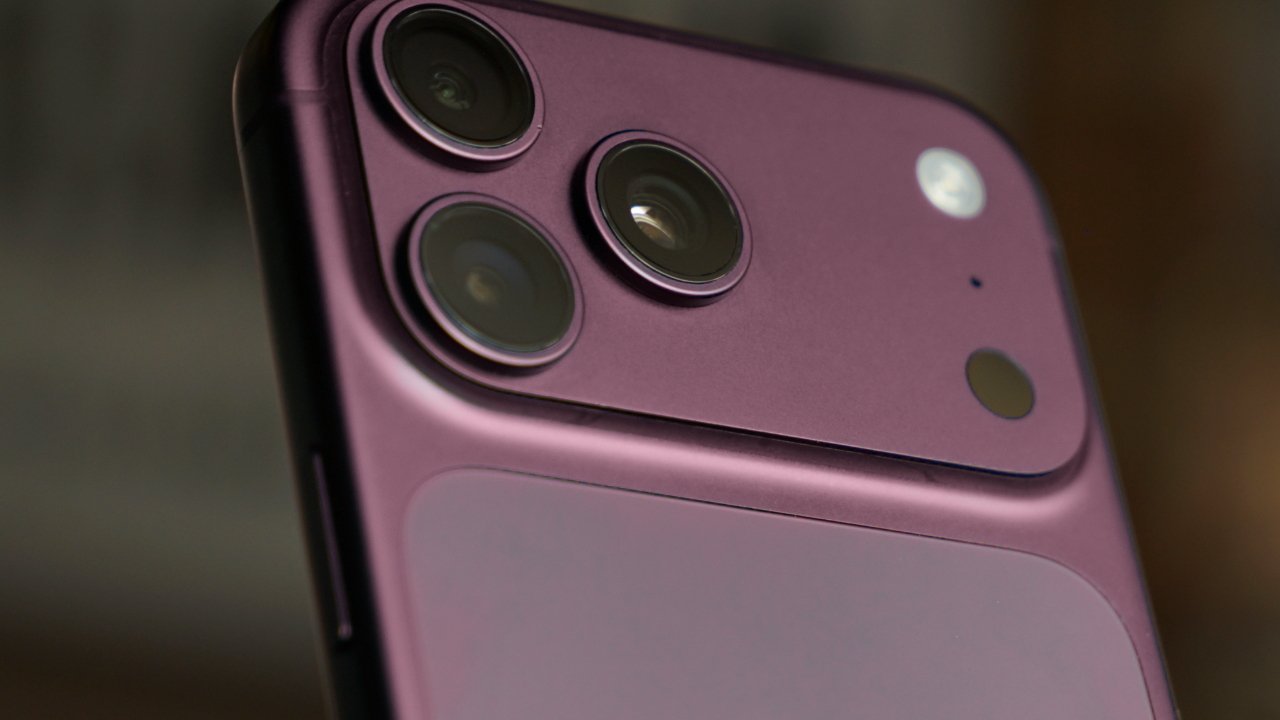
A new report claims to have details of the colors for the forthcoming iPhone 18 Pro, including that the signature one will be Dark Cherry.

Close-up of a purple smartphone's back, showing three camera lenses, a flash, and sensor dots on a smooth, metallic surface with softly blurred background.
Mockup of a Dark Cherry iPhone – original image credit: Wesley Hilliard, recoloring by William Gallagher

Apple did already go some way to getting rid of the horrible Cosmic Orange color, by making some iPhones turn pink instead. But reportedly, it’s now discarding the color entirely, in favor of a more appealing Dark Cherry.
Macworld claims to have a source that has provided the complete list of colors for the new iPhone 18 Pro and iPhone 18 Pro Max. That list is not very much different to previous rumors, especially concerning reports of Apple considering various shades of red.
Rumor Score: 🤔 Possible
Continue Reading on AppleInsider | Discuss on our Forums

Source link

Continue Reading

Trending

Copyright © 2025