The Polar Street X gets some of the basics right, with a rugged design, solid sleep tracking and a useful built-in flashlight, but too much of the experience feels underdeveloped for the price, particularly its GPS accuracy, heart rate reliability and limited smartwatch features. While its distinctive G-Shock-style look may appeal to some, stronger battery life, navigation and overall value can be found in rival watches from Garmin, Coros and others.
Likeable G-Shock-style look
A good mix of sports tracking features
LED flashlight is nice and bright
Misses out on Polar’s latest sensor technology
Limited smartwatch features compared to competition
Desperately needs a better companion app
Key Features
Advertisement
Review Price:
£219
Rugged city-ready design
Advertisement
Built to military-standard durability, the Polar Street X pairs a tough G-Shock-style look with 50m water resistance and a bright LED flashlight.
Broad sports tracking
Advertisement
The Polar Street X tracks over 170 sports, from running and cycling to gym sessions, with useful extras like FitSpark and FuelWise.
Useful navigation tools
Advertisement
Alongside built-in GPS, the Polar Street X offers breadcrumb navigation, back-to-start guidance and turn-by-turn support for outdoor workouts.
Introduction
The Polar Street X is a multisports watch that Polar says is made for hybrid athletes and people who live, work and train in the city.
So what makes the Street X a perfect fit for city-dwelling fitness fans over other watches? It’s built to military-standard durability, can track over 170 sports, and includes a built-in flashlight to make nighttime outings easier.
Advertisement
The Street X is a new watch line for Polar, but did it need to make it? I’ve been putting it to the test for two weeks to find out.
Advertisement
Design and screen
Uses bioplastic for case and bezel
AMOLED touchscreen
Built-in LED flashlight
The Street X is what I’d describe as a mix of a Casio G-Shock and Garmin’s Instinct watch. It wraps up a 1.28-inch, 416 x 416 resolution AMOLED display in a plastic shell that’s nicely weighted and, as mentioned, has been tested to military standards for durability. That means strong protection against drops and bumps. It’s also waterproof up to 50 metres depth, like most other watches around this price.
Image Credit (Trusted Reviews)
It’s not as hulking as your typical G-Shock watch, with the 45mm case size sitting in between the 40mm-50mm sizes that you can grab Garmin’s similarly rugged Instinct in.
There are five physical buttons dotted around the case, all with a textured finish to improve interactions with sweaty hands or gloves. They’re good-sized buttons, if maybe a little too encased in that shock and weather-resistant frame. It can make using them in a rush a bit awkward.
Advertisement
Advertisement
Image Credit (Trusted Reviews)
At the top of the case is an LED flashlight, a trendy feature for sports watches and marks the first Polar watch to include one. The flashlight is activated by the top-left button, where you can also adjust brightness or switch to red light mode for a less distracting, better penetrating light. It’s a bright flashlight that was useful for nighttime runs and for getting around a room without needing to hit the light switch.
There’s a 22mm silicone strap that’s available in three different colours, with a sliding pin mechanism to release it from the watch case. I wouldn’t say it’s the most comfortable strap I’ve worn on a sports watch. It sits quite snug, which means it stays well in place, but there were also a couple of occasions when I felt I needed to take it off to give my wrist a break.
Image Credit (Trusted Reviews)
That strap can also be replaced with one of Polar’s payment-enabled straps, which will cost you an additional £51 and adds the ability to make contactless payments.
The AMOLED screen, which is protected from scratches with Gorilla Glass 3, is a perfectly good quality AMOLED with good colour accuracy and overall sharpness. You can adjust the screen brightness, though I found that even at maximum, it felt a little dull compared to other watches I’ve tested at this price point. The screen responsiveness, while generally fine, does seem to experience slight lag at times, causing it to float between menus and modes.
Advertisement
Image Credit (Trusted Reviews)
Performance and software
Works with Android and iOS
Works with Polar Flow app
Displays notifications and music playback controls
Like other Polar watches, the Street X runs on Polar’s in-house operating system and can be set up using either the Polar Flow phone app or the desktop app. I did the former, which is relatively straightforward, aside from having to update the watch out of the box. That took about 20 minutes to complete.
Image Credit (Trusted Reviews)
The Polar Flow app dearly needs some love. It’s a very text-heavy app where data and insights aren’t particularly glanceable, and it all just seems a bit dated. Things are better on the watch, where that array of physical buttons and touchscreen makes it easy to get around a pretty straightforward user interface.
Something Polar lacks compared to Garmin is a rich array of smartwatch features. You can change watch faces, and while there are some nice options to pick from, most of the faces aren’t that exciting or memorable. You do have the ability to control music playing on your phone with controls well optimised for the touchscreen display. You can also simply view phone notifications and view some nicely detailed weather forecasts.
Advertisement
Advertisement
Image Credit (Trusted Reviews)
While this watch can share data with third-party apps like Strava, Komoot and TrainingPeaks, when it comes to storing data on the watch, there’s just 32MB to play with.
As a smartwatch, Polar is behind the competition not only in features, but in the execution of those features.
Tracking and features
Over 170 sports modes
Misses out on dual-band GPS and newer Polar Elixir sensor
Breadcrumb navigation with turn-by-turn support
The Street X seems to have everything in its locker to be a very capable and competent multisports watch. It can track sports such as running, cycling, and swimming, as well as indoor workouts like strength and circuit training. It has built-in GPS, a heart rate monitor to track effort levels and the ability to help you find your way or your way back home on a run in a new location.
Image Credit (Trusted Reviews)
Advertisement
What it doesn’t do is give you the best that Polar has to offer on those hardware and software fronts. You’re getting a multi-GNSS setup for outdoor activity tracking, instead of a newer dual-band one. You miss out on Polar’s Elxir sensor, which means missing Polar’s latest heart rate sensor technology. That also means missing out on an ECG sensor and its latest skin temperature sensor technology. You also don’t get full offline maps to view your surroundings in greater detail, either.
Some of Polar’s standout software features do make it in. Like its useful FitSpark workout suggestions, with running, cycling and fitness tests along with Fuelwise fueling reminders. This is to help make sure you don’t crash during endurance-like training sessions due to a poor fueling strategy.
Advertisement
Image Credit (Trusted Reviews)
Let’s deal with the outdoor tracking performance first. While plenty of multi-GNSS-based watches can still serve up strong tracking results, the Street X isn’t a good example of that. Given that this is a watch designed for training in the city and doesn’t include dual-band technology to improve performance around tall buildings, this feature feels like an odd omission.
On most of my outdoor tests, the GPS performed fine, but I also had some bad moments on routes that I’ve tested other multi-GNSS watches on that have performed better.
Image Credit (Trusted Reviews)
Advertisement
The Precision Prime optical heart rate sensor technology is, unfortunately, not a fantastic performer all the time, as I’ve found on previous Polar watches that included it. On some sessions, like indoor bike rides, it matched up pretty well with graphs generated from a heart rate monitor. Average and maximum readings looked good, too.
There were also times when graphs and, particularly, maximum heart rate readings were off compared to a chest strap heart rate monitor. Thankfully, you do have the option to pair an external heart rate monitor to improve the accuracy of heart rate data during workouts.
Image Credit (Trusted Reviews)
Missing out on offline maps isn’t the worst thing here, as the breadcrumb navigation and features like back to start mode are effective enough in offering assistance when you’ve got a bit lost or need some guidance.
Sleep tracking is a strength for Polar’s ecosystem, and that remains true on the Street X. Whether that’s the recovery insights or Polar’s own take on telling you how ready you are to train, the core data underpinning those insights felt good enough to make those recommendations and guidance worth taking on board.
Advertisement
Image Credit (Trusted Reviews)
Advertisement
Battery life
Up to 10 days battery life
Up to 35 hours GPS battery life
Uses proprietary charging cradle
The Street X features a 385mAh capacity battery that Polar says can go up to 10 days without its proprietary charging cable. Features like continuous heart rate monitoring and keeping the screen on 24/7 will lower that number a bit.
Image Credit (Trusted Reviews)
I found that the average daily battery drop was around 10%. When I switched to using the always-on display mode, the battery was closer to 3 to 4 days. The battery dropped by around 5% within an hour of switching to that more power-hungry mode.
Polar also quotes a 35-hour battery for GPS battery life, which can be extended to 170 hours when you switch the watch into its eco training mode. This reduces heart rate tracking and samples GPS positioning data less frequently. An hour’s worth of GPS use saw the battery drop by 5%. That works out to 20 hours, which is short of the promised 35 hours.
Advertisement
Should you buy it?
You want a sports watch with a G-Shock-style look
Advertisement
The Polar Street X has a design that will certainly appeal to fans of the durable yet lightweight appearance associated with one of Casio’s most iconic watch lines.
Advertisement
You want the best mid-range sports watch and smartwatch
The mix of performance and level of features here means the Street X simply doesn’t match up to rival watches.
Advertisement
Final Thoughts
Polar has made a watch that struggles to justify its place in an already crowded mid-range sports watch market.
While the Street X gets some of the basics right, including a rugged design, solid sleep tracking and a useful built-in flashlight, too many parts of the overall experience feel undercooked for the price. GPS performance is inconsistent, heart rate tracking isn’t always reliable, and the software and smartwatch features lag behind key rivals.
That leaves the Street X in an awkward position. It looks distinctive and will appeal to anyone who wants a sports watch with a more durable, G-Shock-style aesthetic, but once you start comparing it to what Garmin, Coros and others offer for similar money, its shortcomings become much harder to ignore. Better battery life, stronger navigation features and a more polished smartwatch experience are all available elsewhere.
Ultimately, the Street X feels like a watch with a few good ideas that hasn’t been fully backed up by the performance, hardware or software needed to make it stand out. For loyal Polar fans, there may still be enough here to like, but for most people shopping around this price, there are better all-around options in our roundups of the best fitness trackers and best smartwatches.
Advertisement
How We Test
We thoroughly test every smartwatch we review. We use industry-standard testing to properly compare features, and we use the watch as our primary device throughout the review period. We’ll always tell you what we find, and we never accept money to review a product.
Worn as our main tracker during the testing period
Heart rate data compared against dedicated heart rate devices
FAQs
Does the Polar Street X sync with Strava?
Yes, the Polar Street X can sync data to Strava and also offers a dedicated Strava Live Segments mode for Strava Premium subscribers.
Can you make payments with the Polar Street X?
Advertisement
Yes, you can make contactless payments with the Street X. You will need to purchase the optional payment strap to enable it, as they’re not directly supported from the watch.
The Sony Xperia 1 VIII is designed to “support the joy of everyday photography”, and promises healthy upgrades over its predecessor.
While we’ve noted everything that’s new with Sony’s flagship in our Sony Xperia 1 VIII vs Xperia 1 VII guide, we’re also interested to see how it measures up to the five-star Oppo Find X9 Ultra. Considering we hailed Oppo’s camera flagship as a “massive achievement and an absolute powerhouse”, the Sony Xperia 1 VIII has a lot to live up to.
We’ve compared the Xperia 1 VIII to the Oppo Find X9 Ultra and noted the main differences – plus any noteworthy similarities – between the two Android phones below.
Read on to see how the Xperia 1 VIII looks set to compare to the Find X9 Ultra. Once you’re done here, make sure you visit our round-ups of the best Android phones and best camera phones too.
The Sony Xperia 1 VIII is currently available for pre-order and will officially launch in mid-June. It comes in two size options, 256GB or 1TB, and has a starting RRP of £1399/€1499.
In comparison, the Oppo Find X9 Ultra is ready to buy now and has a slightly higher starting price of £1449.
Oppo Find X9 Ultra has a much larger battery
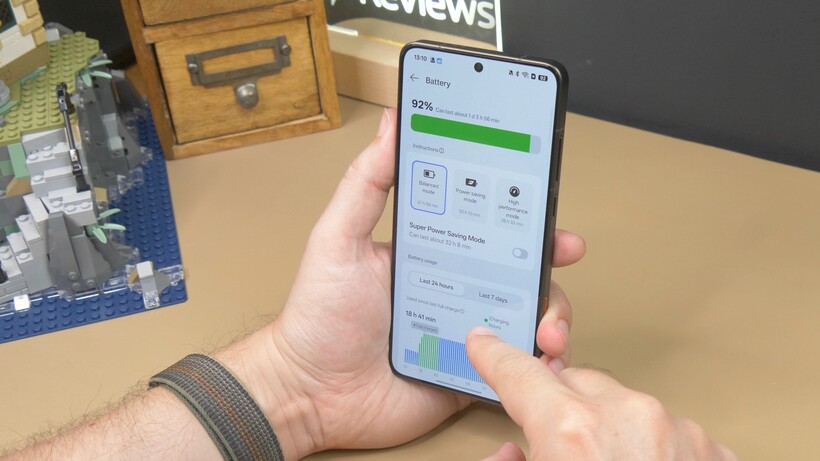
With a capacity of 7050mAh, the Oppo Find X9 Ultra boasts one of the largest batteries around, but what does that really mean in real-world terms? We found that on less demanding days without too much scrolling, the Find X9 Ultra ended days with around 60-70% battery remaining. Even on busy days with plenty of photography, playing demanding games and other general use, the phone rarely dipped beneath the 40% mark.
Advertisement
Battery on Oppo Find X9 Ultra. Image Credit (Trusted Reviews)
Advertisement
This means the handset can easily see you through a second day without needing a top-up, although this will depend on your personal usage.
In comparison, the Sony Xperia 1 VIII is fitted with a smaller 5000mAh battery – the same size as the Samsung Galaxy S26 Ultra. Despite the average size, Sony promises the phone should see two days of battery. We’ll have to wait until we review the handset to verify those claims, however it’s worth noting that Sony promised the same for the Xperia 1 VII and we found that, although it was possible, it wasn’t easy to reach day two.
Oppo Find X9 Ultra has five rear cameras
Both the Xperia 1 VIII and Find X9 Ultra’s headline feature is undoubtedly their camera set-up. As mentioned earlier, Sony promises that the Xperia 1 VIII is designed to help users capture “better photos” and “support the joy of everyday photography”.
The Xperia 1 VIII is fitted with three rear 48MP lenses, including a main, ultrawide and a new telephoto that’s four times larger than its predecessor’s own. All three lenses, according to Sony, should deliver low-light performance that’s comparable to a full-frame sensor, allowing for clear imaging even in dark environments.
Advertisement
Sony Xperia 1 VIII. Image Credit (Sony)
Otherwise, the Find X9 Ultra is fitted with four brilliant rear lenses, alongside a fifth “true colour” camera that keeps the white balance and tones aligned across the line-up. The four lenses include a 200MP main which boasts a massive f/1.5 aperture that takes in plenty of light, a 200MP 3x telephoto, a 50MP 10x periscope and a 50MP ultrawide.
Advertisement
We really didn’t have a bad word to say about the Find X9 Ultra’s cameras, with all lenses performing brilliantly. In fact, the 200MP 3x telephoto was an especially great performer, and one we expect you will use more than you might expect.
Rear of Oppo Find X9 Ultra. Image Credit (Trusted Reviews)
Overall, the Find X9 Ultra takes brilliantly detailed images across most lighting conditions, and easily challenges Apple and Google’s own flagships.
Both run on Snapdragon 8 Elite Gen 5
Unsurprisingly for flagship Androids, both the Xperia 1 VIII and Find X9 Ultra are fitted with Qualcomm’s top-end Snapdragon 8 Elite Gen 5 processor. While we’re yet to review the Xperia 1 VIII, we’ve reviewed plenty of phones sporting Snapdragon 8 Elite Gen 5 and have rarely been left disappointed. With this in mind, we expect the Xperia 1 VIII to perform well.
Gaming on Oppo Find X9 Ultra. Image Credit (Trusted Reviews)
Specifically within the Find X9 Ultra, we had very little complaints about the handset’s performance. Everything from scrolling to intensive gaming ran as smoothly as we’d like, with everything feeling slick and responsive.
Advertisement
Advertisement
Sony Xperia 1 VIII has a headphone jack and a newly designed speaker unit
Unlike the Find X9 Ultra, the Sony Xperia 1 VIII is fitted with a 3.5mm headphone jack which Sony explains enables high-quality audio support using wired headphones, thanks to sound quality inherited from Walkman.
Image Credit (Sony)
In addition, the Xperia 1 VIII boasts newly developed left and right speaker units which are promised to deliver “further advances in stereo performance”. Sony promises that the speakers reproduce voices and instruments with greater clarity and richness than before.
Oppo Find X9 Ultra has a larger display and is heavier
With a 6.8-inch display, the Find X9 Ultra isn’t quite as small as the 6.5-inch Xperia 1 VIII but it falls slightly shy of Galaxy S26 Ultra. Size aside, we hailed the Find X9 Ultra’s panel as a “treat”, thanks to its QHD+ resolution, LTPO-enabled 120Hz refresh rate and impressively thin surrounding bezel too.
Oppo Find X9 Ultra. Image Credit (Trusted Reviews)
Advertisement
Sony has more or less kept things the same with this year’s Xperia 1 VIII, with the phone sporting the same FHD+ panel as its predecessor. This certainly is no bad thing, as we concluded the Xperia 1 VII’s screen to be “difficult to fault.”
Early Verdict
It’s difficult to provide a conclusive verdict as we haven’t reviewed the Sony Xperia 1 VIII just yet. However, with Sony promising a larger telephoto lens, better sound quality and two-days of battery, the Xperia 1 VIII is undoubtedly an appealing option.
Advertisement
Even so, the Oppo Find X9 Ultra really impressed us. Not only does it boast one of the most complete camera set-ups around, but its mighty battery easily offers two days of battery while its 6.8-inch panel is a delight to use. Easily one of the best camera phones around, keen photographers and power users will struggle to find a better option than the Find X9 Ultra.
We’ll be sure to update this versus once we review the Xperia 1 VIII.
Looking for the most recent Mini Crossword answer? Click here for today’s Mini Crossword hints, as well as our daily answers and hints for The New York Times Wordle, Strands, Connections and Connections: Sports Edition puzzles.
Need some help with today’s Mini Crossword? It’s a pretty fun and easy one today. Read on for all the answers. And if you could use some hints and guidance for daily solving, check out our Mini Crossword tips.
If you’re looking for today’s Wordle, Connections, Connections: Sports Edition and Strands answers, you can visit CNET’s NYT puzzle hints page.
Apple is reportedly preparing one of the biggest Siri redesigns in years with iOS 27, but even after multiple delays, the company may still label the upgraded assistant as a beta product. According to reports from Mark Gurman of Bloomberg, internal test versions of iOS 27 already refer to the revamped Siri as a beta experience and include an option allowing users to leave the Siri beta entirely.
The move would be unusually familiar for longtime Apple users. When Apple originally introduced Siri in 2011, the assistant itself launched under a beta label before Apple quietly removed the branding in 2013. Despite that, Siri has continued to face criticism for lagging behind competitors in reliability, conversational abilities, and overall intelligence.
Apple’s AI catch-up strategy is taking longer than expected
The revamped Siri was originally expected to arrive in 2024 as part of Apple’s broader AI push. However, multiple reports now suggest the project has faced delays of nearly two years.
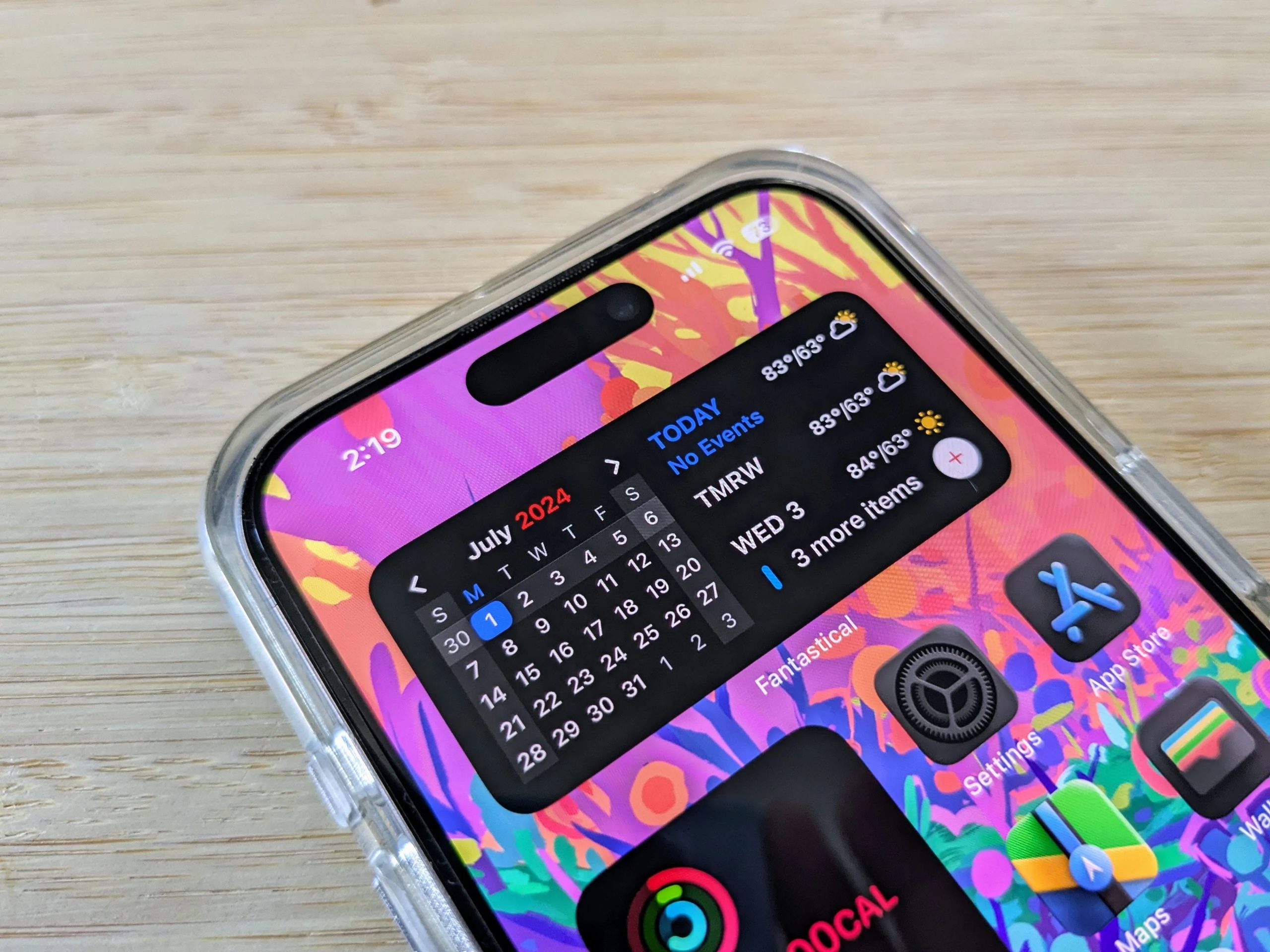
According to Gurman’s reporting, Apple is rebuilding Siri into a more advanced chatbot-style assistant capable of handling ongoing conversations, contextual memory, and deeper app integration. The redesign could also introduce a standalone Siri app, chat-style interactions similar to messaging apps, and integration with the Dynamic Island interface on supported iPhones.
Advertisement
Christine Romero-Chan / Digital Trends
The issue for Apple is timing. While Apple continues refining Siri, rivals like Google Gemini, ChatGPT, and other Android-based AI systems have already rolled out advanced conversational assistants with broader real-world capabilities.
That gap has increasingly made Siri feel outdated compared to competing AI products, especially as Apple continues marketing Apple Intelligence as a major part of the iPhone experience.
Why the beta label matters
If Apple officially launches the new Siri as a beta feature in iOS 27, it could serve two purposes. First, it gives Apple flexibility to continue refining the assistant publicly after launch while lowering expectations around bugs, hallucinations, or missing features. Second, it allows the company to release AI features sooner rather than waiting for a more polished final version.
Dimitri Karastelev / unsplash
The beta branding would also reflect the broader challenge Apple currently faces in AI. Unlike competitors that prioritize rapid deployment, Apple has historically focused more heavily on stability, privacy, and controlled rollouts.
Reports also suggest Apple is introducing stronger privacy controls into Siri’s AI experience, including optional auto-delete settings for conversation history.
What happens next
Apple is expected to reveal more about Siri’s redesign and its AI roadmap during WWDC next month. Developer beta versions of iOS 27 will likely be the first public look at the new Siri experience.
Advertisement
However, the larger question remains whether Apple’s slower, more cautious AI rollout can still compete in a market where rivals have spent the last two years aggressively pushing generative AI into mainstream consumer products.
For now, Siri’s overhaul appears less like a finished comeback and more like Apple finally arriving at the AI race – still mid-development.
If you’ve got a Bambu Labs printer, it’s usually pretty straightforward to keep an eye on it via the onboard display or the various apps the company has released. However, if you want a dedicated display somewhere remote from your printer, you might like this build from [Keralots].
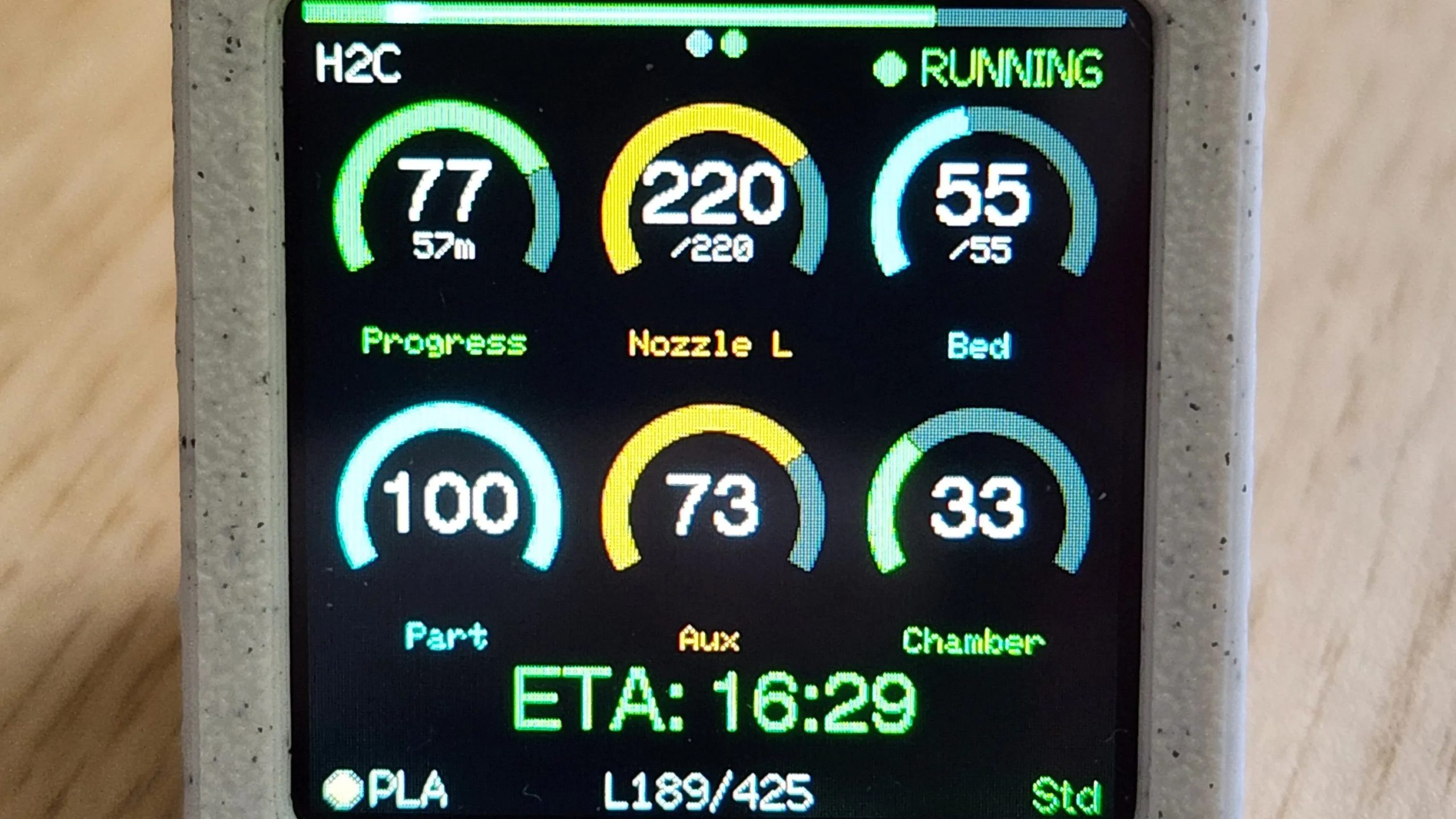
The project is based on an ESP32-S3 Super Mini, paired with a 1.54″ TFT display with a 240 x 240 resolution. It’s set up to talk to Bambu Labs printers over MQTT with TLS. It harvests status data and uses it to display a real-time dashboard with critical printer parameters display on arc gauges. There’s also plenty of live stats to pore over, as well as buzzer notifications if you want auditory alerts about what is going on. It’s possible to use with just about any Bambu Labs printer with a Bambu Cloud access token; otherwise, you can tinker with LAN Direct connections on certain models, but you might need to enable Developer Mode depending on your rig.
If you want to monitor your printer’s vital statistics at a glance, this project is a great way to do it. It breaks out the fundamental numbers in a clear and obvious fashion that’s a little easier to parse quickly compared to the interface of the official software. We’ve featured similar builds before, too. If you’re also paranoid about prints and using that to motivate you towards creating useful hardware, don’t hesitate to let us know on the tipsline.
Altra Running’s distinctive wide toe box and zero drop heel-toe design don’t facilitate marathon PRs or punchy 5Ks. But there’s a reason why Leonardo DiCaprio chose to wear all-weather Lone Peaks when playing Bob Ferguson in One Battle After Another. They’re comfortable, rugged, and the zero-drop design keeps you from getting tendonitis. Altras are the perfect shoe for surviving in an off-grid dystopian war, even if they’re not at the top of the list when it comes to the best running shoes.
Get Up to 50% Off at the Altra Running Sale
The Lone Peaks are iconic and instantly recognizable. But don’t worry, if you don’t want the exact model that Bob Ferguson has, the hiking version of the Lone Peaks is also on sale for $36 off. In fact, there are tons of different styles of men’s shoes right now, including up to 50% off select styles.
Save 20% on Select Altra Running Shoes
Maybe you’re investigating Altra running shoes because a more widely-known brand, like Brooks or Nike, has a toe box that’s just too small. In that case, Altra doesn’t exclusively make trail running shoes. The Fwd Via is Altra’s version of the Brooks Glycerin—the ultra-cushioned road running shoe. It’s also on sale, along with various running shoes at 20% off.
Unlock 15% Off: SMS Welcome Offer
One of the easiest ways to save at Altra running is to sign up for text messages from them. Once you sign up, you’ll receive an Altra SMS welcome offer that’s good for 15% off your next purchase. Once you receive it and you’re ready to buy, you’ll just need to input the Altra promo code at checkout, and click “Apply A Promo Code.” just know that the Altra promo code is valid for only 30 days after you receive and is valid for a one-time use only. (Plus, it’s not valid at any third party retail store or website.)
Advertisement
Get a 10% Altra Promo Code When You Sign Up
I have run in a model of the Altra Lone Peaks for a decade. Where I live is the unofficial trail running capital of the United States, and everyone sports a pair of these shoes while hiking or at the bar. It’s totally worth it to sign up for the loyalty program and get the Altra Running promo code. (I also do this with my children, who exclusively wear Salomons.) When you sign up for the Altra loyalty program, you’ll get 10% off as a thank you.
10% Off Altra Olympus 275
The Altra Olympus 275 for both men and women just may be the hottest trail running shoe of the season. The Altra Olympus 275 is best for technical trail and all-day trail running, with increased durability, protection, and lightweight construction to face the toughest trails. Plus, it has a custom-designed MATRYX one-piece woven upper that’s both lightweight and protective. A grippyVibram Megagrip outsole helps with traction on wet and dry surfaces to ensure that no matter what type of terrain or weather conditions you encounter on the trail, you’ll be set. Plus, when you sign up to be an Altra member, you’ll get 10% off your Altra Olympus 275 pair.
Score Free Standard Shipping on All Altra Orders
You can get free standard delivery in 5-7 business days (however, there’s no weekend delivery) for free when you order through Altra! If you need your shoes in a rush, there’s 2-day shipping (with no weekend delivery) for $16.95, and next-day delivery (Saturday and Sunday orders ship on Mondays) for $22.
B&H Photo is one of our favorite places to shop for camera gear. If you’re ever in New York, head to the store to check out the giant overhead conveyor belt system that brings your purchase from the upper floors to the registers downstairs (yes, seriously, here’s a video). Fortunately B&H Photo’s website is here for the rest of us with some good deals on photo gear we love.
Not sure what to get the tech or photography lover in your life this holiday season? A B&H gift card is a gift people on your list will actually want. B&H has tech for every person in your life, with hundreds of models of cameras, computers, projectors, and more.
Advertisement
How Do I Get Free Shipping at B&H?
One of the many perks of B&H Photo is their generous free shipping policy. Most orders at B&H over $49 qualify for free expedited shipping to the lower 48 states. The savings just keep coming, as most items totaling under $49 also qualify for free standard shipping in the contiguous US. If for some reason your order doesn’t qualify for free shipping, you can review alternative shipping options during checkout—full shipping policy details can be found here.
Best Times to Find B&H Promo Codes and Discounts
Like most retailers, B&H Photo offers some of their best deals of the year during Black Friday and Cyber Monday, but that doesn’t mean there aren’t other ways to save outside of this sale period. There’s still time to jump on extended holiday sales, with up to $300 24-hour camera discounts, and featured price drops across all accessories. While there may not be any B&H promo codes available at the moment, there are plenty of other ways to save at B&H.
Exclusive B&H Student Discounts
If you’re a student with an EDU email, sign up for B&H Photo’s student discount program, which offers free shipping on most orders and exclusive discounts.
Advertisement
Score Deals on Used and Refurbished Gear
B&H Photo also deals in used and refurbished gear. Deals (and conditions) vary, and I have never purchased a used item this way, but if you’re looking to save some money, that’s another way to go.
Trade-in Your Old Gear at B&H
The flip side of B&H Photos used deals is that you can sell your old gear. I put in my old Sony a7 II and was offered $210, which is more than I would have thought. Your offer is contingent on it matching the condition you claim, but if you’ve got gear you aren’t using anymore, this is a way to turn it into some extra cash.
An old-style graphics system as found on many 8-bit computers and on early PC graphics cards drew its characters by retrieving their bitmaps from a ROM. With a little sideways thinking, [GloriousCow] has exploited this process to make a CGA card perform graphical tricks it was never designed to do.
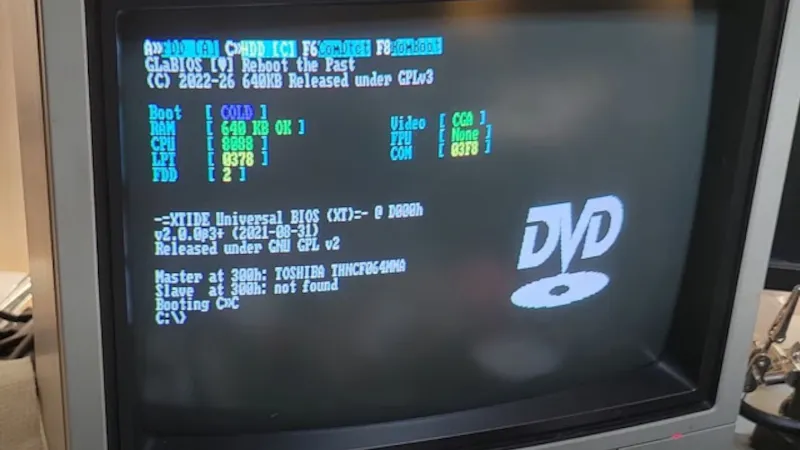
The CGA card clocks its character ROM continuously across the whole screen, even at the edges where nothing would normally be displayed. By placing the ROM in tandem with a Raspberry Pi Pico 2 they were able to use this ROM clocking as a synchronization signal, and inject whatever pixel data they chose.
The result is a CGA card that can display 60 Hz high-res graphics in text mode, albeit with a very retro one bit color depth. It can overlay the text and the graphics too, because the ROM is still present. One fun result of this is a bouncing DVD logo screensaver, on a DOS PC.
Advertisement
There’s a PCB and a promise of more, meanwhile we suggest you take a look at an impossible feat using a similar technique: NES Doom.
In this week’s “Sunday Reboot,” Liquid Glass gets an award, Tim Cook heads to China once again, and a wish for HomeKit to be more cat-friendly.
Sunday Reboot is a weekly column covering some of the lighter stories within the Apple reality distortion field from the past seven days. All to get the next week underway with a good first step.
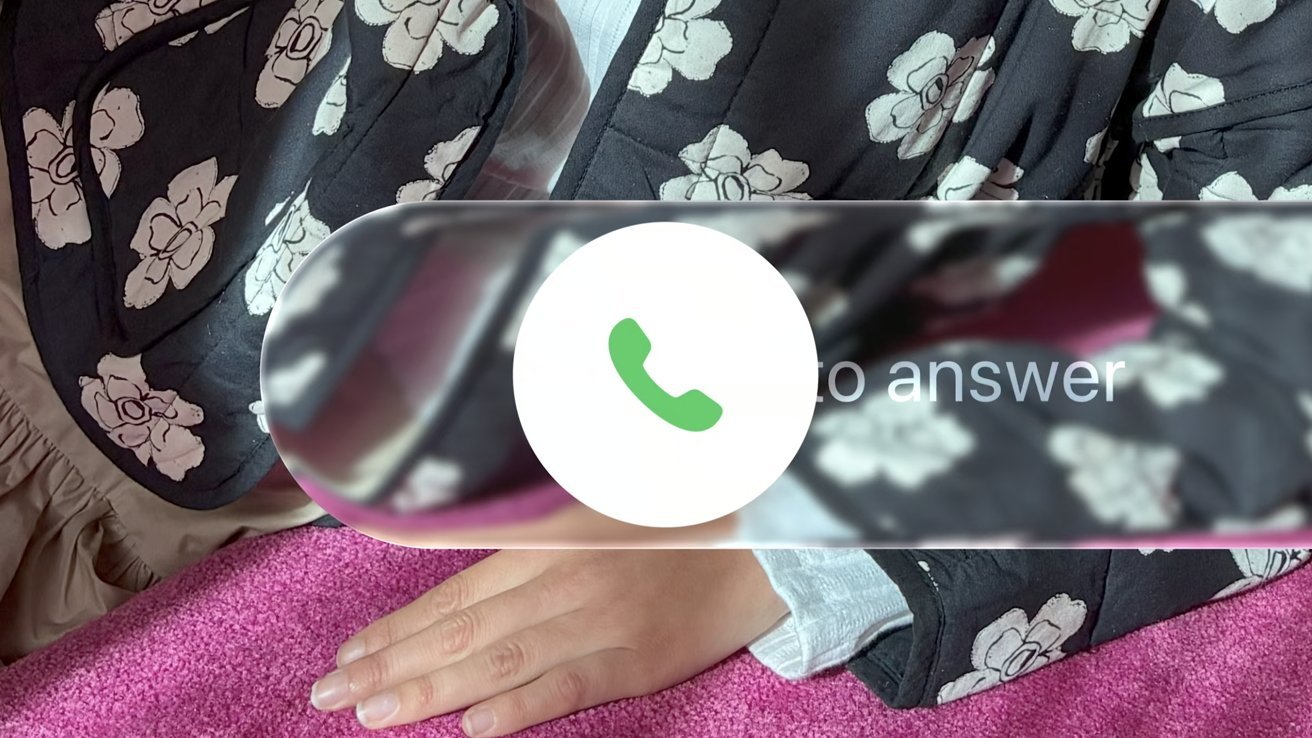
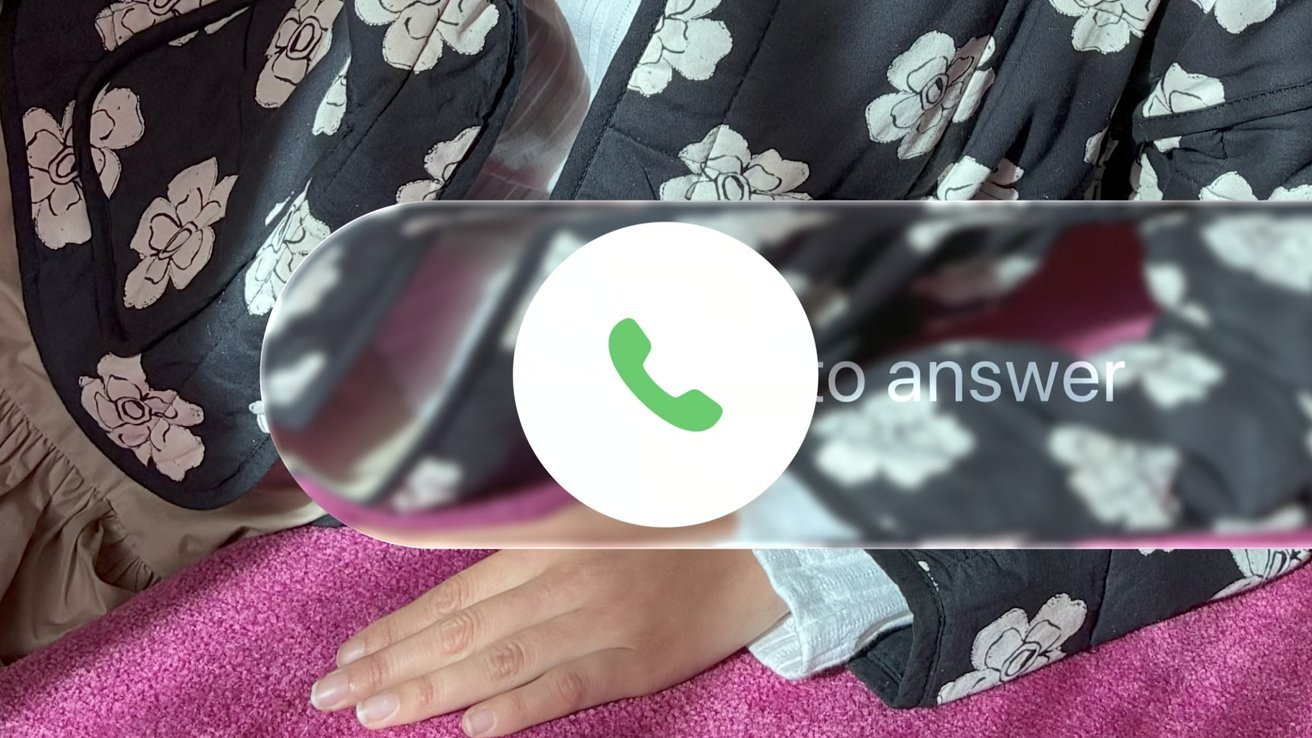
Since its introduction, Liquid Glass has been widely criticized for not being good enough for the perfection-seeking average user. It was an aesthetic that led to complaints that it was too transparent, or when it wasn’t transparent, that it wasn’t transparent enough.
Advertisement
It was a change that you either liked or hated, and that Apple worked to try and make people like.
Liquid Glass in iOS 26 – Image Credit: Apple
This is in part due to Apple having invested so much time in the design. So much so that you can expect it to hang around in the iOS 27 and macOS 27 generation, and be enhanced further.
While its user base has seemingly underappreciated Liquid Glass, it still got its dues from the experts. It received a Gold Cube honor at the 2026 Art Directors Club of New York Awards.
Advertisement
At a minimum, it means judges who know about the hard work and thinking that goes into design acknowledge what Apple has done. Even if there is a vocal contingent who dislike it.
No, it wasn’t the only thing Apple got a Gold Cube for, as it was honored for its Apple TV rebrand and a couple of ads too. But Liquid Glass getting a gong is a big thing for something that everyone complained about since the outset.
After a year of living with it, Apple’s reached a good place with the UI. As a modern interface, it’s an aesthetic that I can certainly live with, without much complaining.
When WWDC hits in June, Apple will certainly be making more changes, but it’s got a decent base to work from. Just hope it doesn’t go too nuts with it.
Advertisement
Tim Cook in China, once again
Current Apple CEO Tim Cook is enjoying his last few months in the hot seat, in preparation for the John Ternus era. While he can take his victory lap with ease, Cook is still the top man at the company for the moment, and so is still being called upon to do his CEO thing.
The latest is a headline that we have heard quite a few times before: Tim Cook has gone to China.
President Donald Trump and Apple CEO Tim Cook at a previous meeting
We’re all familiar with Apple executives visiting Asia for various reasons, and Cook has done so quite a few times already. He’s visited stores, talked to developers, and even took part in the recent anniversary celebrations there.
Advertisement
This time, it’s somewhat different. He’s gone there with a bunch of executives from other companies, as part of a group following U.S. President Donald Trump to the country.
Trump’s trip is one about trade, a hot topic that he wants to talk to Chinese President Xi Jinping about. Naturally, Trump needed to bring over a bunch of CEOS to emphasize the point of America being serious about business.
Cook’s travel on a US-sanctioned package holiday is still of benefit to Apple, despite really being more to support Trump’s high-level discussion. He has spent years building a working relationship with Trump to Apple’s considerable advantage.
At the very least, it will be a way to pacify Trump as Cook shifts from CEO to Executive Chairman in the fall. Cook will still be around, dealing with the political side of Apple on behalf of Ternus, who simply doesn’t have a history with Trump at all.
Advertisement
The Trump trip wouldn’t have been that productive for Cook at the time, but it’s one to help maintain a relationship for Apple’s future. At least while Trump is in charge.
Cat business and the need for HomeKit to adapt
As an Apple-focused site, it won’t surprise anyone that our team uses HomeKit and the Apple Home in various ways. We also know that cats rule the Internet, so if there’s an excuse to talk at length and to put photos of them up, we’ll take it.
On Friday, the two topics combined in a piece discussing the various ways one AppleInsider writer uses HomeKit with his collection of fluffy mischief missiles.
However, as usual, HomeKit is not playing that big a part here compared to what it could be doing. There’s some elements that can be HomeKit-powered, like cameras for monitoring and sensors for gates, but not the specialized stuff.
Advertisement
In Wesley’s case, that consisted of two product categories. One is an automatic pet feeder and the other is an automatic litter box.
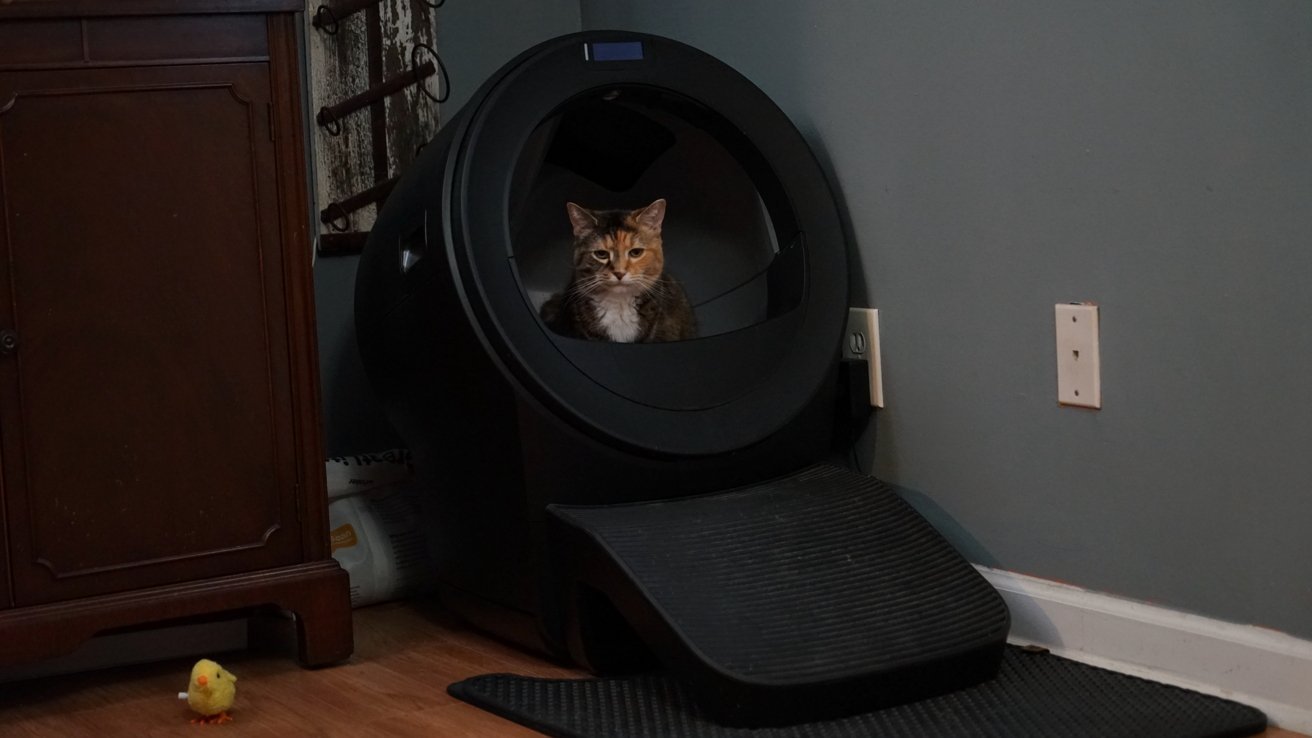
Wesley’s cat Harvie handling business in the Litter-Robot 5.
While I can’t talk much about the feeder, I can certainly enthuse about the benefits of an automatically-cleaning cat toilet. With four cats of my own, it’s something that makes the air clearer and the process of ejecting used litter considerably easier, as I have mentioned before.
That said, these sorts of products are not directly supported by HomeKit at all. There’s no specific product category for a cat toilet, so we are stuck relying on a companion app.
Advertisement
My wish is for Apple to open up HomeKit in WWDC to allow manufacturers to specify the controls and sensors that HomeKit can access on their hardware. To me, this does obviously mean enabling some functions for automatic litter boxes and other devices in HomeKit.
The hope is that hardware could be added to HomeKit regardless of whether there is existing support for particular product categories. Sure, Apple could more firmly define what is permissible to do with a litterbox in HomeKit in the future, but I just want to be able to have a “Clean it now” button in HomeKit.
Sure, I wouldn’t mind having the hall light flashing red if the litter box is “full” and needs cleaning. But really, just having the ability to put the basic controls into HomeKit at all would be great.
Last week’s Sunday Reboot discussed Apple’s chip troubles, trademarking oranges, and “Schmigadoon!” going fantastically in its life after Apple TV.
Word traveled quickly through gaming circles about a solo developer’s latest update to his ongoing effort. Mark runs the YouTube channel called I Make Games and has poured months into rebuilding Diablo 2 inside Unreal Engine 5. His project began as a way to test what the old game might feel like from a first-person viewpoint and has now grown to include smooth switching into third-person mode as well.
Recently released footage shows a barbarian careening all over Mount Arreat’s snowy peak, and guess what? This time, we get to view it from both first and third person perspectives. The character is destroying adversaries with the iconic Whirlwind skill we all know and love, while three guardian spirits known as the Ancients loom big ahead. Mark used AI to create the boss models, then rigged and animated everything with the engine’s rudimentary blueprint tools. The entire scene took around ten days to complete and captures the scale of the summit as well as the frenzied rate of potion consumption that longtime gamers are accustomed to. Switching camera angles creates a really realistic sense and allows you to see exactly what’s going on with the character’s gear and motions during the combat.
XBOX EXPERIENCE BROUGHT TO LIFE BY ROG The Xbox gaming legacy meets ROG’s decades of premium hardware design in the ROG Xbox Ally. Boot straight into…
XBOX GAME BAR INTEGRATION Launch Game Bar with a tap of the Xbox button or play your favorite titles natively from platforms like Xbox Game Pass…
ALL YOUR GAMES, ALL YOUR PROGRESS Powered by Windows 11, the ROG Xbox Ally gives you access to your full library of PC games from Xbox and other game…
We’ve previously seen several early videos that show us various aspects of the experience. A video shows the player walking through the monastery gate area before using a charge skill to crash into the fray. The inventory displays appear clearly, with all of the loot items dropped by killed foes, as well as one of the carver shaman enemies, which behaves exactly as it does in the original source material. You’ll also notice some modern tweaks, like as the ability to just climb over low obstacles or slide across surfaces without losing the fundamental fighting sense that we’re all familiar with. In testing, fireballs are shooting through the air, and teleport moves allow players to blink across gaps or even directly through some walls.
Mark is flying solo on this one, managing the most of the systems with blueprint scripting. He’s recreating environments like the rogue encampment and blood moor, taking great care and attention to get the lighting and details exactly perfect while maintaining the iconic gothic tone that we all know and love. Even the character meshes for Cain and Akara began as AI-generated models that he improved and altered. From the start, the intention was to keep the game as near to how it was in 2000 as possible while also providing the presentation refinement that today’s hardware demands. [Source]
Marshals, a new Yellowstone spinoff starring Luke Grimes as Kayce Dutton, is airing on CBS right now. You can also tune in with Paramount Plus. The Yellowstone sequel series sees Grimes’ former Navy SEAL join an elite unit of US Marshals to bring range justice to Montana, according to a synopsis from CBS.
The show includes Yellowstone actors Gil Birmingham as Thomas Rainwater, Mo Brings Plenty as Mo and Brecken Merrill as Tate. Spencer Hudnut is the showrunner of Marshals — formerly known as Y: Marshals — and Taylor Sheridan is an executive producer.
Advertisement
When to watch new Marshals episodes on Paramount Plus
Episode 12 of Marshals airs on CBS on Sunday, May 17. Viewing options for Paramount Plus customers vary by subscription tier. You can watch the episode live if you have Paramount Plus Premium, which includes your local CBS station. If you subscribe to Paramount Plus Essential, you can watch the installment on demand the following Monday, but not live on Sunday.
Here’s a release schedule for the next two episodes of Marshals.
Episode 12, The Devil at Home: Premieres on CBS/Paramount Plus Premium on May 17 at 8 p.m. ET/8 p.m. PT/7 p.m. CT. Streams on Paramount Plus Essential on May 18.
Episode 13, Wolves at the Door: Premieres on CBS/Paramount Plus Premium on May 24 at 8 p.m. ET/8 p.m. PT/7 p.m. CT. Streams on Paramount Plus Essential on May 25.
You can also watch CBS and the twelfth episode of Marshals without cable with a live TV streaming service such as YouTube TV, Hulu Plus Live TV or the DirecTV MyNews skinny bundle. In addition to offering a lower-cost option, Paramount Plus lets you watch the other three Yellowstone spinoffs: the prequels 1883 and 1923 and the sequel Dutton Ranch.
After a price increase in early 2026, the ad-supported Essential version runs $9 per month or $90 per year. The ad-free Premium version runs $14 per month or $140 per year. Paying more for Premium gives you downloads, the ability to watch more Showtime programming than Essential and access to your live, local CBS station.































































You must be logged in to post a comment Login