






Connect with us
DAPA Banner

Tech

Signs It’s Time to Tune Up Your Treadmill, Exercise Bike and Rowing Machine

Published

on

If you own fitness gear to work out at home, chances are you’ve invested in a large piece of cardio equipment, such as a treadmill or even an exercise bike. These types of machines are expensive, so it’s important to take care of them to help them last longer.

Depending on the machine you own, there are different ways to care for it. Knowing how to maintain and what to look out for will make this easier. Whether you own a treadmill or a rowing machine, there are ways to keep them functioning like new at no extra cost.

We spoke to a gym owner and personal trainer about maintaining gym equipment to take the guesswork out for you. If you own any of these machines, make sure you’re doing this to maintain them throughout the year. 

Advertisement

Treadmills: Don’t neglect the belt

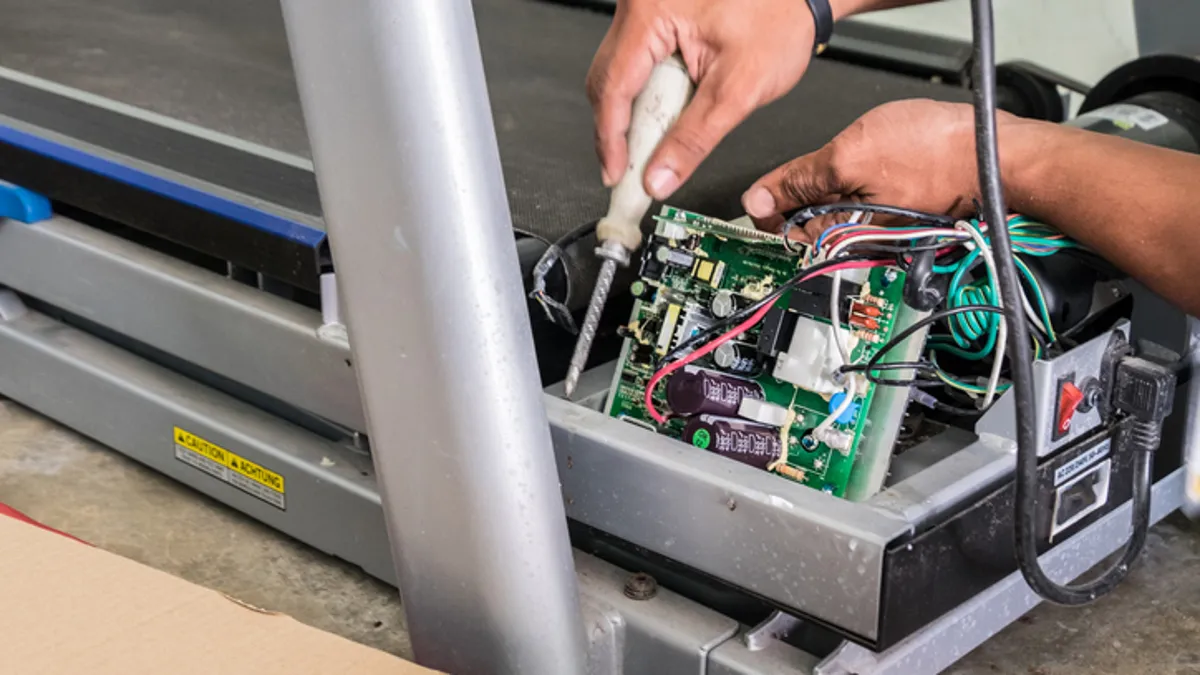
A close up of a treadmill belt

Make sure to keep your treadmill belt clean and well-maintained — epecially if you use the same sneakers for outdoor activities.

Svetlana Snezhkina/Getty Images

If you own a treadmill, you know that for it to run well, you want the belt to remain smooth whether you run, jog or walk on it. Marshall Weber, a certified personal trainer and owner of Functional Idaho Gym, recommends maintaining your treadmill on a monthly basis. This also depends on how often you and anyone else in your household use the treadmill during the week. Some signs a treadmill needs TLC include a belt that sounds or feels off.

“If you begin to notice that your belt from the machine is squeaky or you feel it slipping under your feet, that is a strong sign you need to do a little bit of upkeep, because a properly maintained belt should feel smooth,” Weber says. 

Advertisement

The good news is you don’t need to hire a professional to service your treadmill. To learn how to lubricate your treadmill, you can do it yourself by following a YouTube tutorial — just make sure it aligns with your manufacturer’s instructions. Peloton, for instance, offers its own treadmill maintenance tips

Keep it clean and dust-free

When cleaning your belt, don’t neglect the area underneath it. “Dust builds up under it, which people forget,” says Cara D’Orazio, a certified personal trainer, group fitness instructor and specialist in sports conditioning. Weber agrees, saying, “I recommend taking the incline all the way up, sliding a light towel under the belt and letting the machine run for a few seconds.” This will help remove the dirt hiding under the belt. 

Weber also advises keeping the treadmill clean after each use, especially if you use the same shoes outdoors as you do indoors, as they get dirty quickly.

Center the belt

If you maintain your treadmill regularly, you shouldn’t need to replace its parts often. You may, however, need to adjust your treadmill’s belt from time to time. “You need to check the belt tension and make sure it’s centered,” says Weber, because over time the belt may shift to the left or right side. D’Orazio adds, “Some parts like the belt might need replacing every few years, especially if it looks worn down or frayed on the edges.” 

Advertisement

If you notice any issues with the motor or other electrical parts of your treadmill, you may need to call the manufacturer to see if they offer repairs or replacements under your warranty.

Exercise bikes: Check your bolts

Woman riding an exercise bike indoors

If you own an exercise bike, make sure you’re checking the pedals and the resistance knob.

Cavan Images/Getty Images

If you own a Peloton Bike or a similar exercise bike, you should be maintaining it. Weber says air bikes like Watt bikes, which use a fan to create resistance, require a different type of attention than a spin bike that uses a weighted flywheel. 

Advertisement

“Generally, checking on bolts monthly and a good wipe down after use should suffice,” Weber recommends.

Ensure bike pedals are secure

You should also be testing and making sure your bike pedals are still secure and not coming loose. This is important if you wear clip-in shoes that latch onto the bike pedal cages. 

“If the bottom cleats look really worn down, you have trouble clipping in and out or if the pedal feels loose or doesn’t ‘grab’ the cleat good anymore, that could mean the pedal needs replacing,” warns D’Orazio. 

Don’t neglect the resistance knob

The resistance function or knob on a bike should be tested periodically to make sure it’s functioning correctly. “Once in awhile also check the resistance to make sure it still feels smooth,” D’Orazio advises. Signs an exercise bike needs repair or tuning include clicking sounds, resistance that doesn’t adjust properly or wobbling pedals.

Advertisement

“That usually means something needs tightening or replacing,” explains D’Orazio. If you notice anything unusual with the motor, contact your manufacturer. 

Rowing machines: Listen for odd noises

Man sitting on rowing machine in middle of living room

A rowing machine requires the least amount of maintenance but you should do monthly checks to make sure it’s still functioning well.

THEPALMER/Getty Images

If you own a rowing machine, you probably appreciate that this machine doesn’t take up as much space as an exercise bike or treadmill. Some designs even let you fold it up to save space. 

Advertisement

“Of all of the machines one can have, this one is the best because it requires the least amount of upkeep,” says Weber. He recommends giving your rowing machine monthly checks and wiping it down after each use. “If you hear any odd noises coming from the rail [the part where you sit] or the spin wheel [the internal mechanism], then it may need some attention.”

What may require replacing

If a rowing machine needs a part replaced, it could be one of a few things. “On a rower, you might have to replace the strap, handle or bungee cord after a few years,” D’Orazio says, adding, “If the seat doesn’t roll smoothly anymore, the rollers might need replacing too.” 

As always, check with the manufacturer first to see how they can help with these repairs, as they may be covered under your warranty.

Know your equipment’s warranty policy

Advertisement
Close up shot of a laptop and hand holding a smartphone next to it

Knowing your equipment’s warranty can save you money if you use it correctly.

d3sign/Getty Images

If you own any of these machines, it’s important to know your warranty in case you need a replacement part or a new machine altogether. It’s helpful to know what parts the manufacturer will replace for you and for how long. 

Based on CNET’s fitness equipment testing, below is an estimate of what a warranty can look like for an exercise bike, treadmill or rowing machine. 

Treadmills

Some treadmills have a lifetime warranty, but the warranty for parts, the frame, the screen (if applicable) and labor may vary. For example, NordicTrack offers a lifetime warranty, but limits it to 10 years for the frame, 2 years for parts and 1 year for the tablet. Other brands, such as Aviron, offer a 10-year or 20-year warranty (depending on a monthly or annual membership), and Peloton provides a 5-year warranty on the frame and motor, but only 1 year on the touchscreen and certain components. Peloton maintains the same policy across all its fitness equipment. 

Advertisement

You can also purchase additional coverage to extend your warranty with some manufacturers. The warranty will depend on the brand and manufacturer, so before purchasing, make sure you’re clear on its policy. 

Exercise bikes

The warranty length for exercise bikes also varies per manufacturer. Some, such as BowFlex, offer 10-year coverage for the frame and 3 years for the mechanical parts and electronics. Others, like Speediance, offer 2-year coverage for the screen and similar components, but 1 year for wear and tear on the seat or pedal replacement. You can purchase additional coverage to extend your warranty.

Rowing machines

Most rowing machine brands offer similar warranties but there may be some differences depending on the brand. Coverage for brands like Peloton and Hydrow only lasts 1 year but if it’s the least high-maintenance machine, as experts say it is, you may not need to worry about its longevity as much. 

Like treadmills and exercise bikes, most companies offer extended warranties for extra protection. 

Advertisement

Source link

Continue Reading
Click to comment

You must be logged in to post a comment Login

Leave a Reply

Tech

Nvidia's mythical N1 SoC surfaces on a real motherboard, and it's packing 128GB of LPDDR5X

Published

on


The long-rumored Nvidia N1 chip has been circulating in leaks and rumors for what feels like an eternity. But with a fresh leak, we may finally be getting our first proper look at it – and this time, it includes actual, high-quality images. From these, the product appears closer to…
Read Entire Article
Source link

Continue Reading

Tech

Blu-ray lives on as Verbatim and I-O Data pledge support with new drives and discs

Published

on


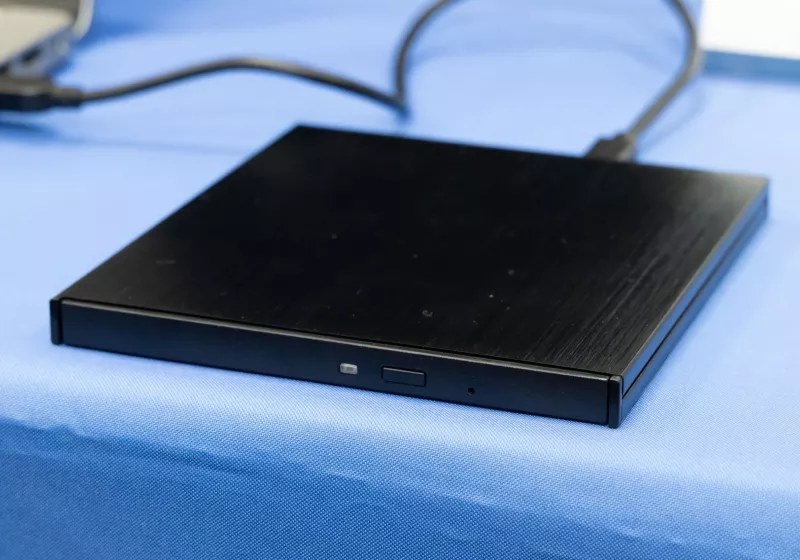
In an official announcement translated by Automaton West, the two firms recently confirmed plans to strengthen their partnership to maintain the supply of Blu-ray discs and players in Japan. Verbatim and I-O Data acknowledged that, despite the rise of digital distribution, individuals and businesses still use optical discs for recording,…
Read Entire Article
Source link

Continue Reading

Tech

Amphion Argon7LX at AXPONA 2026 Proves Finland Still Builds Speakers That Shame the Rest of Us (Quietly, of Course)

Published

on

Finland usually exports two things with authority: hockey players like Teemu Selänne and beverages that feel like a dare. High-end loudspeakers? Not so much — at least that was the assumption before Amphion Loudspeakers decided to quietly ruin that narrative.

First unveiled at High End Munich 2025, the new Argon X-Series which includes the Argon3X, Argon3LX, and Argon7LX, finally made its way to AXPONA 2026, giving us our first real chance to hear what all the quiet confidence was about.

No, Amphion doesn’t offer the same overwhelming breadth of models as the Danes who practically carpet-bombed this show with options, but that’s not really the point. What Amphion brings is focus: cleaner execution, refined engineering, and a sound that leans toward honesty over theatrics. With expanded U.S. distribution through Playback Distribution, these Finnish imports are no longer a niche curiosity.

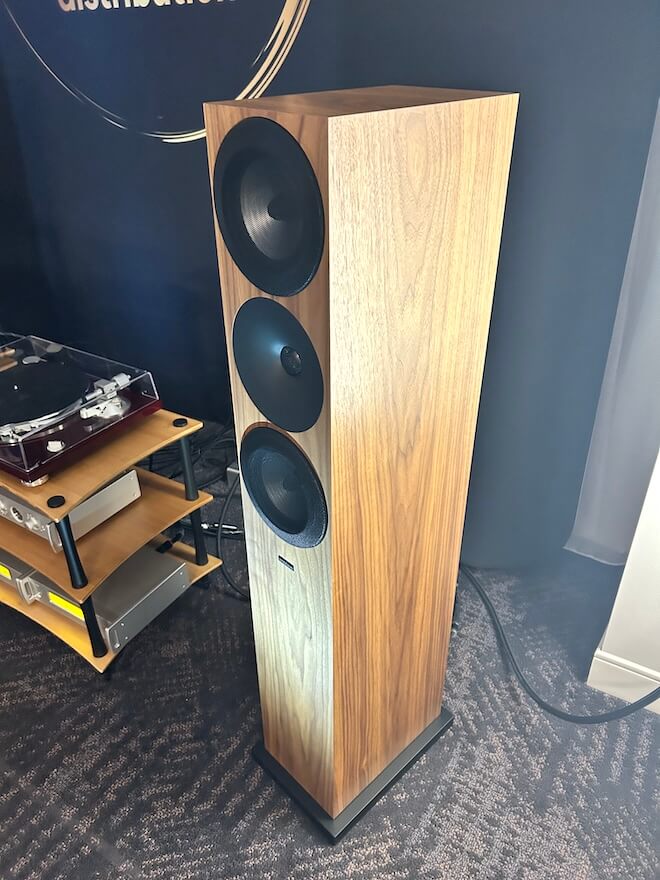
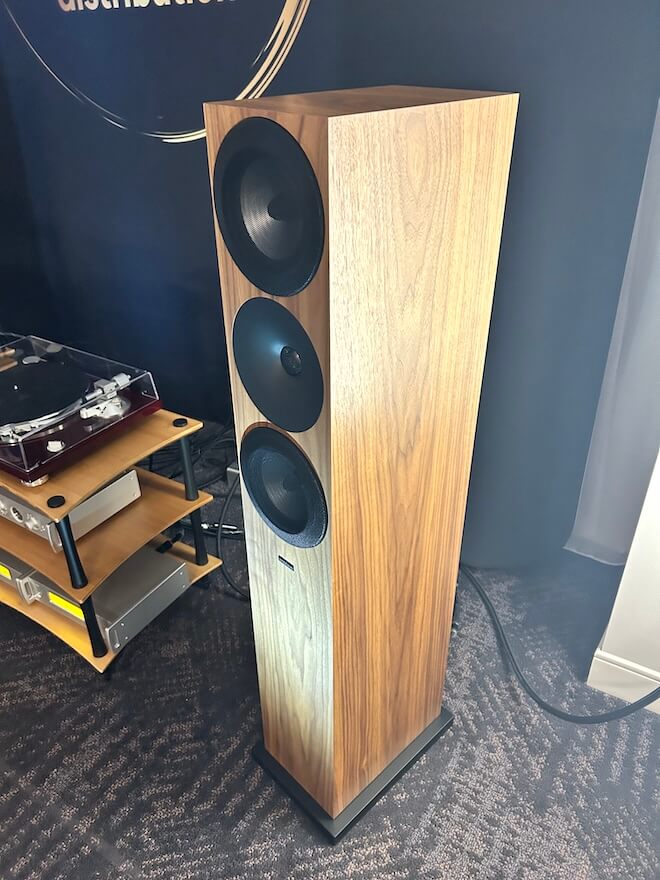
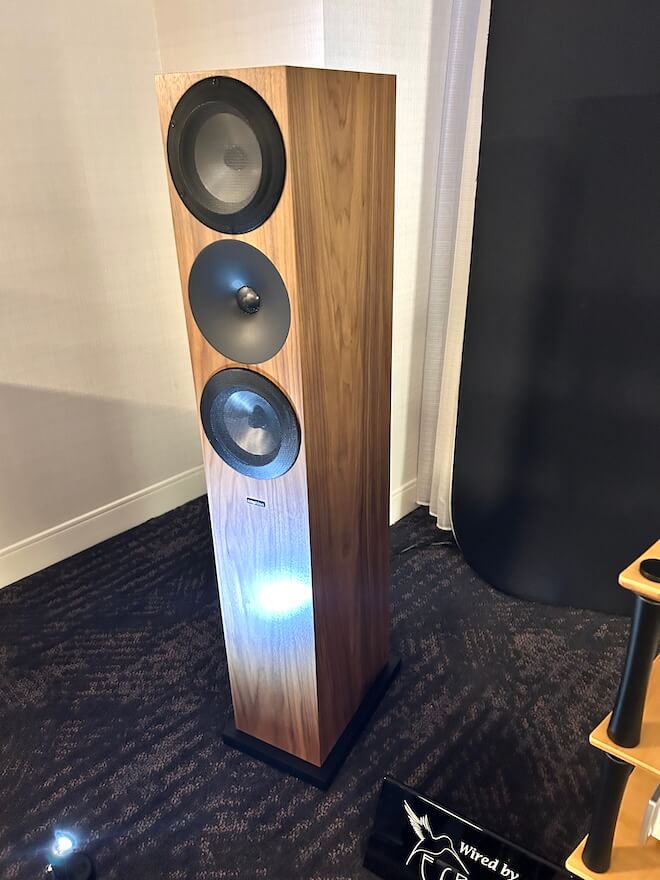
amphion-right-speaker-axpona-2026

Finnish Precision Meets Studio Credibility

For more than 25 years, Amphion Loudspeakers has taken a more restrained approach to speaker design. Instead of boosting bass or adding extra sparkle up top to grab attention in a quick demo, their speakers are built to play it straight. What you hear is closer to what was actually recorded, which means better recordings sound great and bad ones have nowhere to hide.

That same approach has carried into the pro audio world over the past decade, where engineers working with Billie Eilish, Beck, and Kendrick Lamar rely on Amphion studio monitors for mixing. Film composers such as Ali Shaheed Muhammad and Jussi Tegelman have adopted them as well, where consistency and accuracy matter more than sounding impressive for five minutes.

Advertisement

Amphion Argon7LX: What It Is and What Actually Changed

The Argon7LX is a floorstanding loudspeaker from Amphion Loudspeakers that sticks to a fairly straightforward concept on paper but executes it with a level of precision that’s anything but casual. It’s a two-way design using a passive radiator system, built around a newly developed 1 inch titanium tweeter and dual 6.5-inch aluminum woofers. That configuration is meant to deliver full range sound without relying on a traditional port, which helps keep the bass tighter and more controlled, especially in real rooms where things can get messy fast.

The biggest update here is the tweeter, and it’s not a cosmetic change. Amphion revised it to improve low level detail and clean up the top end without pushing things into fatigue. There’s more information, but it’s presented in a controlled way. The crossover has also been reworked and sits at 1600 Hz, which is relatively low, helping create a smoother transition between the tweeter and woofers. The result is better integration, so the sound doesn’t feel segmented across frequencies.

That carries into the soundstage. Imaging is stable, placement is precise, and nothing shifts around when the material gets more complex. The bass remains controlled, but the more noticeable change is how it connects with the midrange and treble. The overall presentation is more cohesive and consistent.

teac-stack-axpona-2026
amphion-system-turntable-axpona-2026

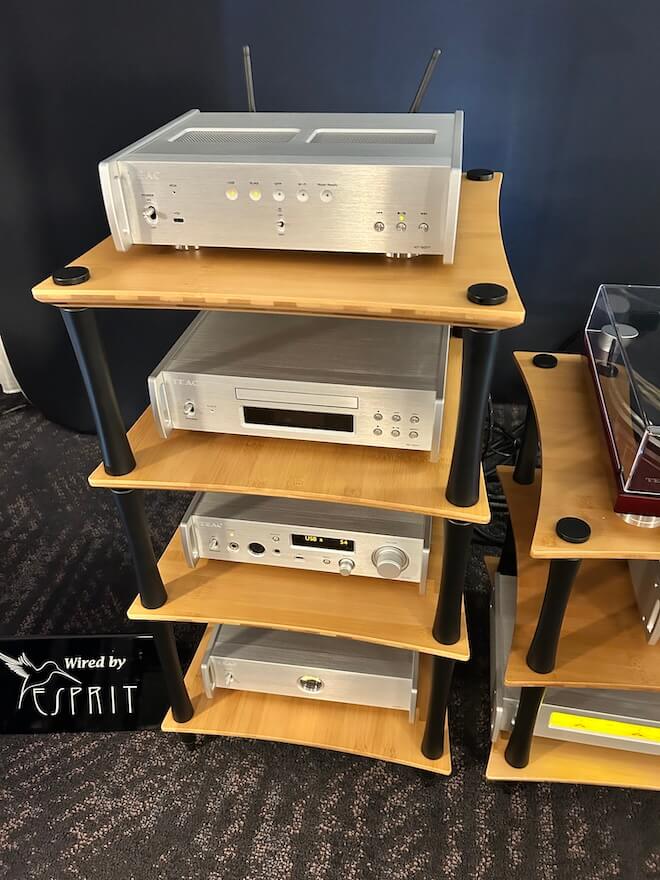
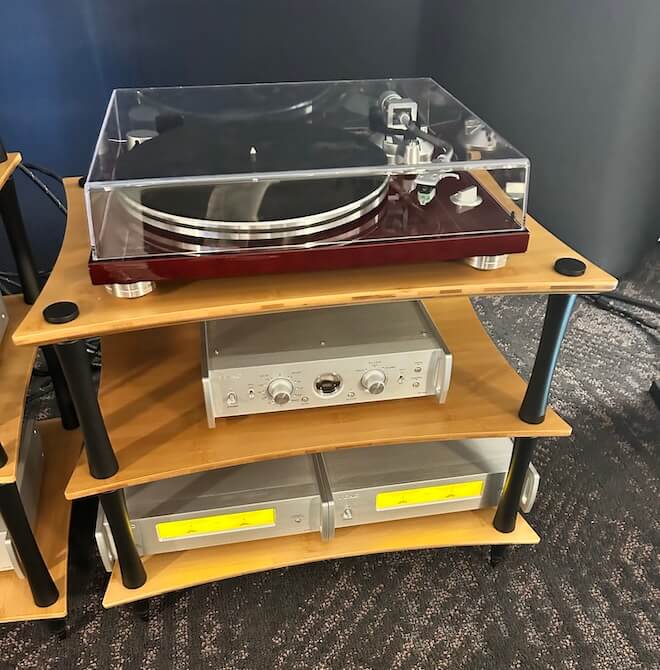
For the demo, Amphion Loudspeakers used two compact TEAC AP-507 power amplifiers, also distributed in the U.S. by Playback Distribution. Each amplifier delivers 170 watts per channel into 4 ohms and can be configured for stereo, bi-amp, or bridged operation, with higher output available in BTL mode. The pairing had no issue driving the Argon7LX to normal listening levels with control and stability, which is notable given the size of the amplifiers.

On the practical side, the Argon7LX is a 4 ohm speaker with a sensitivity rating of 91 dB, which means it’s not especially hard to drive but will benefit from an amplifier with solid current delivery. Amphion recommends anywhere from 50 to 300 watts, which gives you some flexibility depending on your setup.

Advertisement

Frequency response is rated from 28 Hz to 55 kHz at minus 6 dB, so it reaches low enough for most music without needing a subwoofer, while also extending well beyond the limits of human hearing on the top end.

Advertisement. Scroll to continue reading.

Physically, it’s a substantial speaker without being ridiculous. Just over 45 inches tall, under 10 inches wide, and weighing about 60 pounds each, it’s designed to fit into real living spaces without dominating them.

amphion-argon-7lx-speaker-left-axpona-2026

So how did it sound? Calm, controlled… and slightly judging you

I walked into the room expecting at least a small crowd and… nothing. A few seats open, plenty of space, almost suspiciously calm. This system had no business being that overlooked. My host didn’t rush anything, just handed me the reins. When I asked for electronic music, he cracked a slight smile and queued up a few tracks he clearly had ready. Finns get it. They’ll dismantle your penalty kill and still have time to argue about synth textures.

Right off the bat, the neutrality hits. No extra flavor, no “look what I can do” tuning. Just fast, clean, open sound that moves with real intent. Propulsive fits. The music had momentum, not just presence. It filled the room without feeling pushed, and there was an ease to it that made you stop thinking about the system and just let it run. Detail was there, but it didn’t feel dissected. More like everything was just… available.

Advertisement

The bass? Not trying to win any Texas BBQ competitions. This isn’t brisket dripping onto your plate. More like a perfectly trimmed filet—tight, controlled, and cooked exactly how it should be. You might want a little more heft if that’s your thing, but it never felt thin or out of place. There was even a hint of that club-like scale, just without the kind of low end that rearranges your organs and your plans for the next morning. Don’t forget to bring some protection.

For more information: amphion.fi

Source link

Advertisement
Continue Reading

Tech

xAI sues Colorado over AI law, calling it a threat to free speech

Published

on


The company frames the dispute not as a question of safety or bias mitigation, but as a First Amendment issue over who controls the information that large-scale AI systems generate.
Read Entire Article
Source link

Continue Reading

Tech

Slate Auto: Everything you need to know about the Bezos-backed EV startup

Published

on

In April 2025, a new company called Slate Auto came out of stealth and shocked the car industry. Not only was this startup focused on making an ultra-cheap, customizable electric pickup truck with funding from Jeff Bezos, but it had also been operating in secret for three years in Troy, Michigan — the backyard of major automakers like Ford and General Motors.

TechCrunch was first to the story, reporting in early April about the company’s existence, its involvement with the Amazon founder, and its curious and unique business model. The weeks between our report and Slate’s official coming out party in late April provided a whirlwind of news, with prototypes of the startup’s truck popping up around California.

Slate is an aberration in the U.S. EV sector, where bankruptcies, failed product launches, and pivots have become commonplace. And while its current backers, executive lineup, first product, and business model provide a compelling path forward, the road is still riddled with potential hurdles as it pushes toward production in late 2026. 

Here’s a timeline that charts out everything you need to know about Slate Auto, from its origin story and backers to its product, business model, and production plans.

Advertisement

Inside the EV startup secretly backed by Jeff Bezos

April 8 – After a year-long investigation, TechCrunch published a story revealing that a secretive EV startup called Slate Auto had been operating for three years with the financial backing of Jeff Bezos and LA Dodgers owner Mark Walter. 

Unlike other EV startups, Slate had been working on developing an extremely low-cost electric pickup truck that would start at around $25,000. This truck would be deeply customizable, leveraging the experience of many former employees from Harley-Davidson and Chrysler, two companies that have extensive accessories and aftermarket parts businesses.

Slate Auto’s pickup truck spotted in the wild

April 10 – One day later, a photo of a nondescript electric truck started circulating on the r/whatisthiscar subreddit, with Redditors speculating it could be Slate’s mystery EV

Techcrunch event

Advertisement

San Francisco, CA
|
October 13-15, 2026

TechCrunch was able to confirm the photo was, in fact, of a prototype of Slate’s truck parked outside the company’s Long Beach, California design center.

Advertisement

An EV that can change like a ‘Transformer’

April 21 – Slate began putting concept versions of the Slate EV on public streets to generate marketing buzz ahead of its planned launch event on April 24. Curiously, some of them appeared to be styled more like SUVs or hatchbacks, not just pickup trucks. 

TechCrunch was able to confirm the company had developed the EV to have “Transformer-like” modular capabilities, and that this stunt was a way to tease this customization.

The analog EV pickup truck that is decidedly anti-Tesla

April 24 – Slate made its debut at a launch event in Long Beach, California, where it revealed its customizable electric pickup truck. Slate also announced the truck would be available for under $20,000 — with the $7,500 federal EV tax credit. 

The base version of the truck was revealed to be very bare-bones, with just 150 miles of range, no power windows, no main infotainment screen, and not even any paint. Slate promised essentially everything about the truck would be customizable, even down to the number of seats and the overall silhouette. 

Advertisement

A former Indiana printing plant eyed for EV truck production

April 25 – TechCrunch reported that Slate had identified a former printing plant in Warsaw, Indiana as the location for its truck factory. The 1.4 million-square-foot facility was built in 1958 and had been dormant for around two years. 

Slate Auto crosses 100,000 refundable reservations in two weeks

May 12 – Slate confirmed to TechCrunch it had already surpassed 100,000 refundable $50 reservations for its affordable EV truck. It was evidence that the company’s ideas had caught on with a wide audience, despite no one knowing about Slate just two months prior. 

Slate Auto drops ‘under $20,000’ pricing after Trump administration ends federal EV tax credit

July 3 – The Trump administration pushed through a massive tax-cut bill that, among many other actions, set a September end-date for the $7,500 federal EV tax credit. That means Slate’s truck will no longer be able to lean on that credit to reach the “under $20,000” starting price the startup was touting. As such, Slate pulled that language from its website before the bill was even signed into law.

Why this LA-based VC firm was an early investor in Slate Auto

July 8 – Slate’s 2023 funding round included at least 16 investors — one of them being Bezos. While most of those investors have still not been identified, Los Angeles-based Slauson & Co. spoke to TechCrunch about why it threw in with the EV startup in that initial funding round, as well as Slate’s Series B.

Advertisement

Slate Auto appears on the TechCrunch Disrupt main stage

October 30 – Slate Auto CEO Chris Barman sat down for an interview on the main stage at TechCrunch Disrupt 2025, where she talked about Jeff Bezos’ involvement, the challenge of building an automaker from scratch, and how the company plans to make a marketplace for customization.  

Slate passes 150,000 reservations

December 16 – Despite EV growth cooling off in the U.S., Slate Auto crosses 150,000 refundable reservations for its truck and SUV, showing there is still serious interest in the vehicle despite the loss of the federal tax credit. And with fewer EVs set to come to the U.S., it appears that the startup will have very little competition at the low end of the market. 

2026 

A surprise CEO swap

 March 9 – Slate pulls a surprise and swaps in a new CEO: former Amazon Marketplace VP Peter Faricy. Former CEO (and Slate’s first hire) Chris Barman is staying with the company though, shifting over to a “President of Vehicles” role. Slate tapped Faricy to get the startup ready for its end-of-year commercial launch – starting with converting the reservation list into as many full orders as possible. 

Source link

Advertisement
Continue Reading

Tech

I spent 6 hours with Genshin Impact on the Galaxy S26 Ultra, and I can’t believe how far mobile gaming has come

Published

on

Mobile gaming is the future. At least, that’s what we’ve heard for the last decade. But it’s fair to say that plenty of us are still pretty skeptical about that notion.

It seemed that, for a while, the available technology was not making the leaps forward needed to deliver a satisfying gameplay experience in this alternative format. Console gaming excelled while mobile gaming fell behind.

Source link

Advertisement
Continue Reading

Tech

Dune 3 is coming sooner than its director originally planned

Published

on

Dune: Part Three is set for a December 18, 2026 release, confirming that Denis Villeneuve’s return to Arrakis is happening sooner than expected — and bringing his adaptation of Frank Herbert’s saga to a close. The third film is positioned as the conclusion to Villeneuve’s trilogy, following Dune: Part One (2021) and Dune: Part Two (2024), the latter of which crossed $700 million globally and significantly expanded the franchise’s audience.

The trailer for Dune: Part Three was released in March and it offers the clearest look yet at how the final chapter is being shaped. It shifts the focus away from Paul Atreides’ rise and toward the consequences of his rule. Paul is shown as an emperor dealing with political instability, resistance, and the long-term fallout of the empire built in his name. The scale remains, but the emphasis is more controlled — less about conquest, more about power and its consequences.

The trailer points to a clear shift in direction. Instead of continuing Paul Atreides’ rise, the film focuses on the consequences of his rule. Paul is shown as an emperor dealing with political instability, resistance, and the long-term fallout of the empire built in his name. The tone is more restrained and inward-looking, with a stronger emphasis on power, control, and the cost of both.

Villeneuve had planned to take a break after Part Two

Following the release of Dune: Part Two director Denis Villeneuve had stated several months ago that he planned to take a bit of a break between Dune: Part Two and its intended sequel, Dune: Messiah. However, coming off the immense success of Dune: Part Two earlier this year, which received rave reviews from both critics and casual moviegoers alike and earned over $700 million at the box office, it sounds like Villeneuve has thrown his original vacation plans out the window.

Advertisement

Speaking with Deadline, the French Canadian filmmaker revealed that he is going to go “back behind the camera faster” than he thought he would and that his “break” from Frank Herbert’s Dune world is already over. “I’m in the writing zone right now,” he said, referencing the script for Dune: Messiah. Villeneuve did not confirm the specific timeline he now has in mind for the sequel, but he did note that he is likely going to make Messiah much faster than he originally planned.

Paul Atreides walks through the desert in Dune: Part Two.
Warner Bros. Pictures / Warner Bros. Pictures

He spoke about the need for distance after completing two large-scale productions back-to-back and avoided committing to any timeline for a follow-up.

The response to Part Two changed that timeline

That plan shifted after Dune: Part Two’s critical and commercial success. The film’s performance reinforced the scale of audience interest in the franchise, and Villeneuve returned to writing sooner than initially expected.

Production on Dune: Part Three moved forward quickly, and the film is now in post-production. With Warner Bros. setting a December 2026 release, the gap between the second and third films is shorter than originally indicated.

The final chapter focuses on consequences, not conquest

dune-3-trailer-robert-pattinson
Dune 3 trailer / Warner Bros

Returning cast members include Timothée Chalamet, Zendaya, and Florence Pugh, with Anya Taylor-Joy expected to expand her role following her appearance in Part Two.

Villeneuve has described the film as distinct from its predecessors despite returning to the same world and characters — a continuation that closes the story rather than extending it further.

Advertisement

Source link

Continue Reading

Tech

The software that landed Apollo 11 on the moon is now free online

Published

on


The repository, posted by NASA’s Chris Garry and designated as public domain, contains two distinct programs: Comanche055, used onboard Apollo’s Command Module, and Luminary099, used in the Lunar Module.
Read Entire Article
Source link

Continue Reading

Tech

Latin America’s Central Banks Establish Digital Payments Used By Hundreds of Millions

Published

on

175 million people in Brazil now use its instant-payment system “Pix”, developed by the country’s central bank for real-time payments using QR codes or keys, and American Banker notes that the central banks of Argentina and Costa Rica also have developed their own widely used digital systems for instant payments.

Latin America has been able to build up sleek and effective payment systems in record time because it is not held back by legacy payment technology that isn’t built for instant money movement. In the likes of the U.K., U.S. and Europe, payment systems are built on infrastructure that is often decades old. The process of building new systems is therefore incredibly operationally complex. Money must continue moving, so these systems can’t just be “switched off.”

Emerging markets, such as those in Latin America, did not have to contend with legacy technology on the same scale. Many of these communities were cash dominant until recently, due to the high fees associated with card usage and the lack of banking infrastructure in rural regions. However, while many people didn’t have a local bank on their corner, they did have mobile phones… Through these digital channels, money moves instantly, via account-to-account transfers, QR codes and mobile wallets… Beyond this, real-time and traceable digital payments generate valuable cash-flow data that can transform credit underwriting for small and medium-size businesses, or SMEs. Historically, many SMEs in emerging and cash-reliant markets have struggled to access credit due to a lack of documented transaction histories, audited accounts or formal credit records…

Mexico is now poised to be the next success story. In Mexico, a third of people are unbanked, but 96% of the population owns a mobile phone. This creates the perfect launchpad for a digital-first payment system that can reach those historically excluded from traditional banking systems.
In fact, something already changed in 2025. Bloomberg reports that for the first time, digital payment transfers in the U.S.-to-Mexico remittance corridor exceeded cash transfers (with physical pickup locations like Western Union), according to Mexico’s central bank. It’s part of a Latin American market “worth more than $160 billion a year, roughly $62 billion of which goes to Mexico.”

And Mexico’s digitalization efforts will continue, according to the country’s president, who said at a March banking conference that digital payments will now be encouraged for gasoline and tolls.

Advertisement

Source link

Continue Reading

Tech

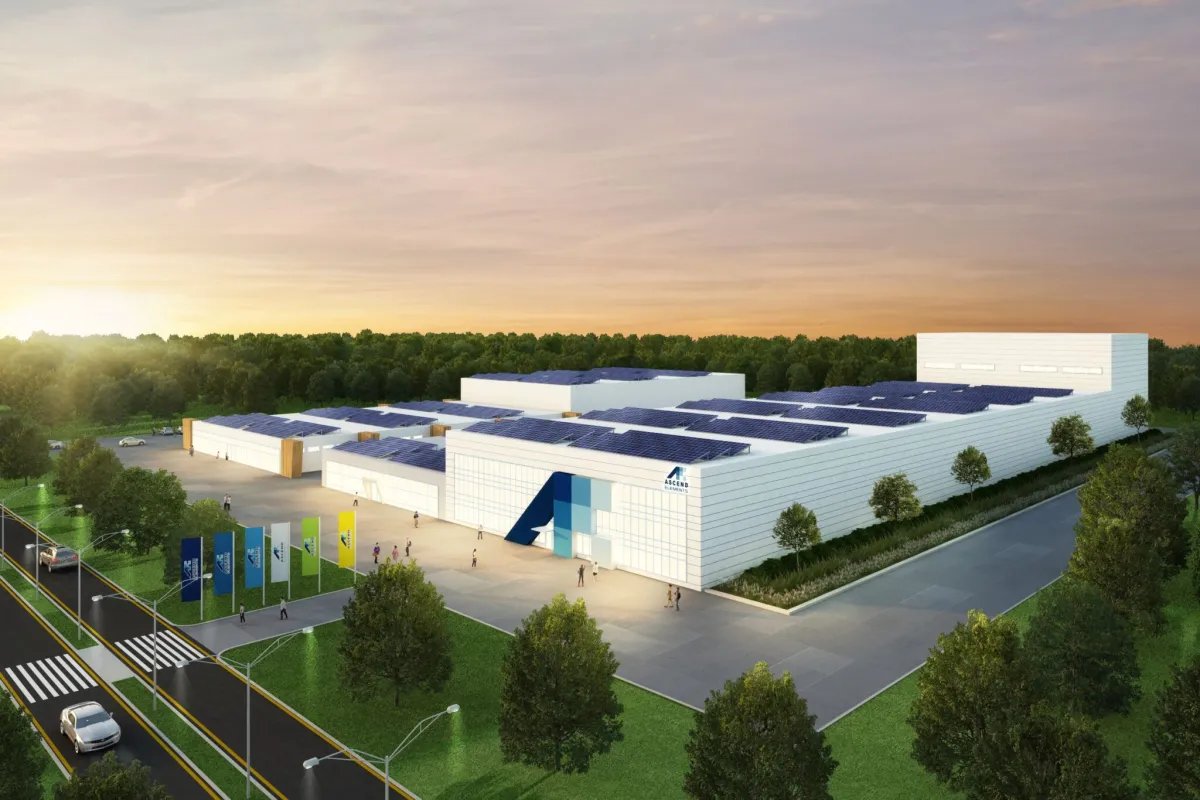
Battery recycler Ascend Elements files for bankruptcy

Published

on

Ascend Elements said on Friday it has started Chapter 11 bankruptcy proceedings in the U.S., a heavy blow to investors who had sunk nearly $900 million into the company. 

Linh Austin, Ascend’s CEO, announced the decision in a post on LinkedIn late Thursday night. He said the company faced “insurmountable” financial challenges.

Ascend’s filing comes amid a softening market for electric vehicles in the U.S. and was likely compounded by the Trump administration’s decision to cancel a $316 million grant intended for a Kentucky facility that was under construction. At the time, $204 million was disbursed, but Ascend had to look for additional capital to make up the shortfall.

The market for EVs in the U.S. has hit a rough patch recently. Though sales surged prior to the end of tax credits in September last year, they haven’t quite recovered. Analysts predicted that customers who might have bought this year pulled their purchases forward to take advantage of the credit, but it didn’t help assuage automakers’ fears.

Advertisement

Since then, several automakers have dialed back their plans for new EVs in the U.S. For example, Volkswagen said yesterday that it was ending production of the ID.4 at its Chattanooga, Tennessee, factory in favor of the gas-powered Atlas. 

Ascend has developed a process to extract valuable critical minerals from scrap and end-of-life batteries. It says its process limits the number of steps needed to transform shredded waste into precursor materials for new cathodes.

The company has been building a 1 million-square-foot facility in Kentucky that has been beset by lawsuits and delays, according to local reports.

Techcrunch event

Advertisement

San Francisco, CA
|
October 13-15, 2026

Like many battery-related startups, Ascend was entering a challenging and cutthroat industry. The largest market for battery materials is cells for EVs, but automakers have long lead times, and their specifications are known to change over time. Chinese manufacturers, which benefit from steady and generous state support, have been dominating the market and driving down costs.

Advertisement

Other recycling startups like Redwood Materials have pivoted to reusing some of the packs that flow through their sourcing network. The startup developed a way to incorporate a range of different pack types into larger, grid-scale batteries capable of powering data centers. The market for stationary storage has exploded in recent years, allowing Redwood to draw near-term revenue while continuing to build its recycling business.

Source link

Continue Reading

Trending

Copyright © 2025