














We’re now well past the point where it’s very difficult, and in some cases impossible, to tell AI-generated photos and videos from the real thing. That means it’s now important to treat everything you see online from untrusted sources with a big dose of skepticism.
A newly rolled out Google Earth feature has apparently made AI-generated misinformation even more of a problem — and it highlights the scary potential of the technology, as well as the need for stronger guardrails to block the efforts of those who will instantly try and find the most subversive and harmful ways to use a new product.
The feature is AI image generation in Google Earth, powered by the Nano Banana 2 model, and after a wave of inappropriate images were created and posted online, it’s now been pulled while Google works on some more robust protections against misinformation.
Latest Videos FromTechRadar
Google Earth’s new feature

It all started with the usual level of hype that Google builds around any new AI feature: the Nano Banana 2 image generation model that has already wowed us in the Gemini app would be available inside Google Earth on the web.
“Generate custom images to help you visualize history, create real estate plans, and more,” Google said. “For the first time, you can generate custom images using Google Earth’s satellite, aerial, and 3D imagery alongside Nano Banana, which creates concepts grounded in the real world.”
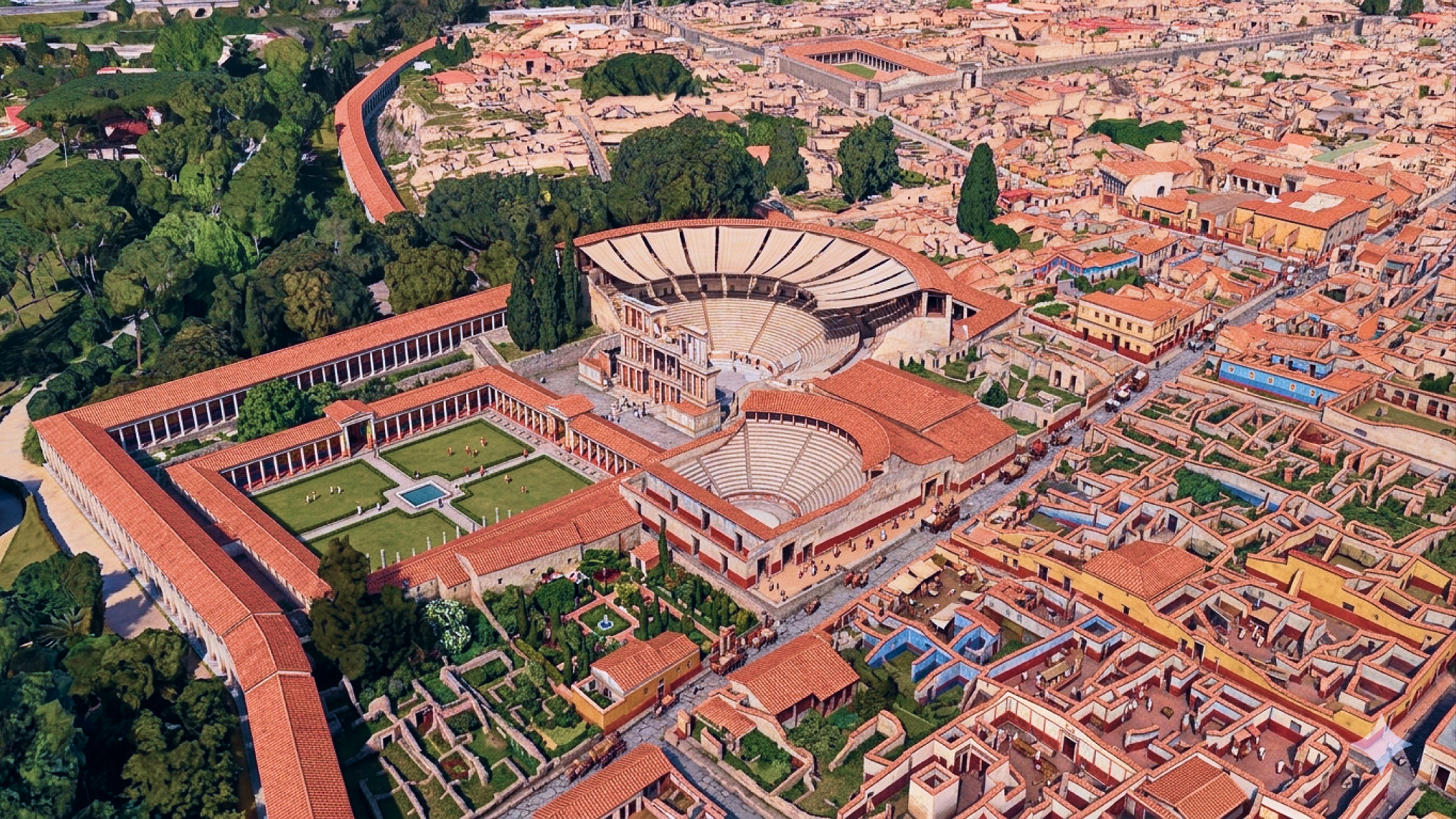
Google had examples of how it could be used too: create an infographic about the Statue of Liberty, visualize your dream home by the lake, see what your neighborhood might look like a hundred years from now, or imagine Pompeii just before it got buried by ash and rock from an erupting Mount Vesuvius.
All it took was a text prompt, and Google Earth would combine existing satellite and 3D data to create the AI image you were asking for. While the AI model wasn’t new, adding it to the accurate and authentic imagery already in Google Earth was.
What went wrong

Perhaps we should’ve seen this coming — and indeed some people did — but combining AI with the 3D data and satellite imagery of Google Earth didn’t work out quite as well as Google hoped. The new upgrade was quickly used to create all manner of deceptive images that were then widely shared online.
I’m reluctant to point you to them directly and give these fakes any more attention, but they’re not hard to find on social media. Think natural disasters, terrorism attacks, giant sinkholes, alien activity, and refugee populations all in places where they never actually were, thanks to AI.
Some of the images are clearly jokes, but many were produced deliberately to spread misinformation and confusion. That they were based on actual images sourced from Google Earth added extra credibility they wouldn’t otherwise have had. And that was enough for Google to remove the feature.
Google says a flood of images “that appear to violate our policies” mean that “we’re rolling back this feature in Google Earth while we work on implementing stronger guardrails”. The company added:.”It’s important to note that generated images didn’t appear in the main Google Earth experience for others to see and were watermarked as AI generated.”
Our AI-filled future

You don’t have to look for long online to find rather strong anti-AI sentiment building up among users, especially when it comes to image and video content. The general sentiment on Reddit is that there’s “zero use” to a feature like this, and that users are fed up with AI being “shoved down our throats”.
There are various obvious lessons to be learned here: firstly not everything needs to have an AI prompt box or an AI element to it, and if some tools are largely AI-free, that’s fine. Microsoft recently rolled back some of the AI it added to Notepad — an app where a big part of the appeal is its simplicity — after user complaints.
Secondly, before companies release any new AI features, they need to consider the worst-case scenarios in terms of how they’re going to be used. The internet as a collective is going to immediately try and stress test them in the most deceptive and unwholesome ways, and there need to be safety measures put in place around that.
Lastly, it’s never been more important to stick to sources of information that you know you can trust: not random social media accounts, but established publications that have policies around AI and its use. That’s one effective way you can tell the difference between what’s trustworthy and what isn’t.

Follow TechRadar on Google News and add us as a preferred source to get our expert news, reviews, and opinion in your feeds.

The best laptops for all budgets











































You must be logged in to post a comment Login