
Security teams log 54% of successful attacks and alert on just 14%. The rest move through your environment unseen.
The Picus whitepaper shows how breach and attack simulation tests your SIEM and EDR rules so threats stop slipping by detection.



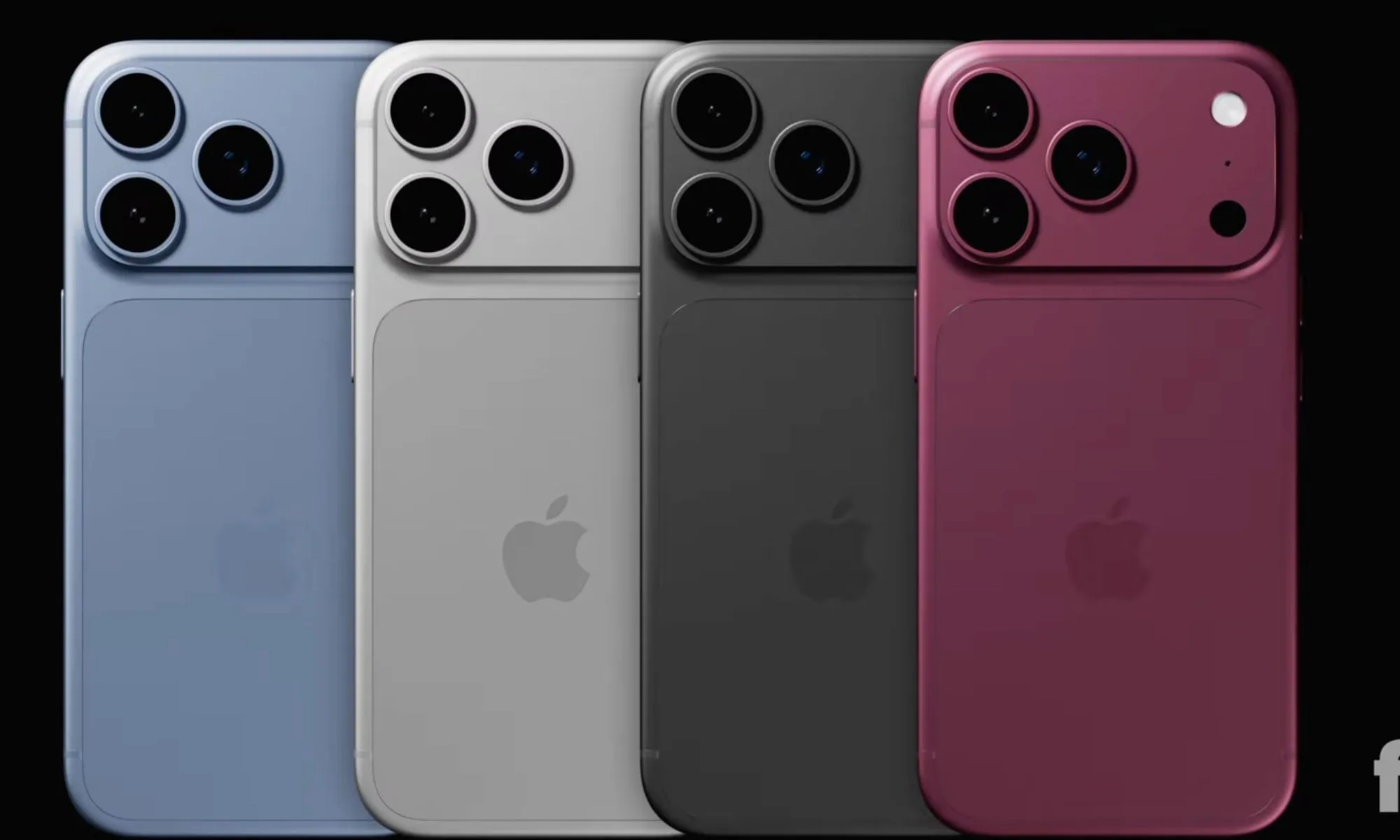
iPhone Pro fans who were hoping Apple would bring back a dark color option this year might not be happy after reading this.
According to a new leak from Weibo tipster Instant Digital, the iPhone 18 Pro could launch in just three colors: Dark Cherry, Light Blue, and Silver-Gray. You see? Black or dark gray is not on the list.
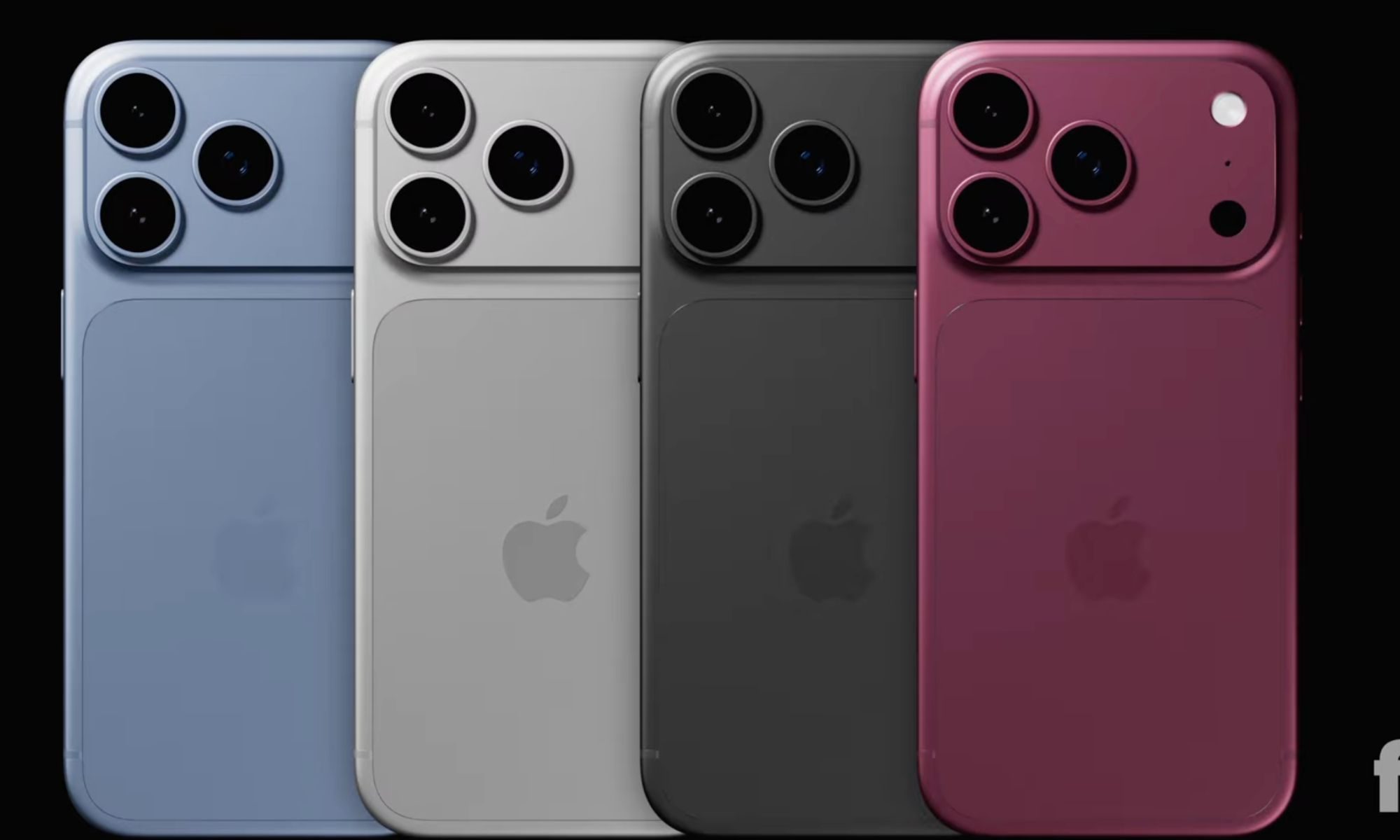
The three-color lineup would follow the same pattern as Apple’s iPhone 17 Pro. For those catching up, last year’s Pro iPhone launched with three options: Cosmic Orange, Deep Blue, and Silver, despite pre-launch rumors of up to five colors.
This new leak suggests Apple may be doing it again. Instant Digital characterizes Dark Cherry as the standout marketing color, taking the role that Cosmic Orange plays in the current lineup.
Light Blue might replace Deep Blue, and Silver-Gray would be similar to last year’s Silver, but with a potentially different shade (via 9to5Mac).
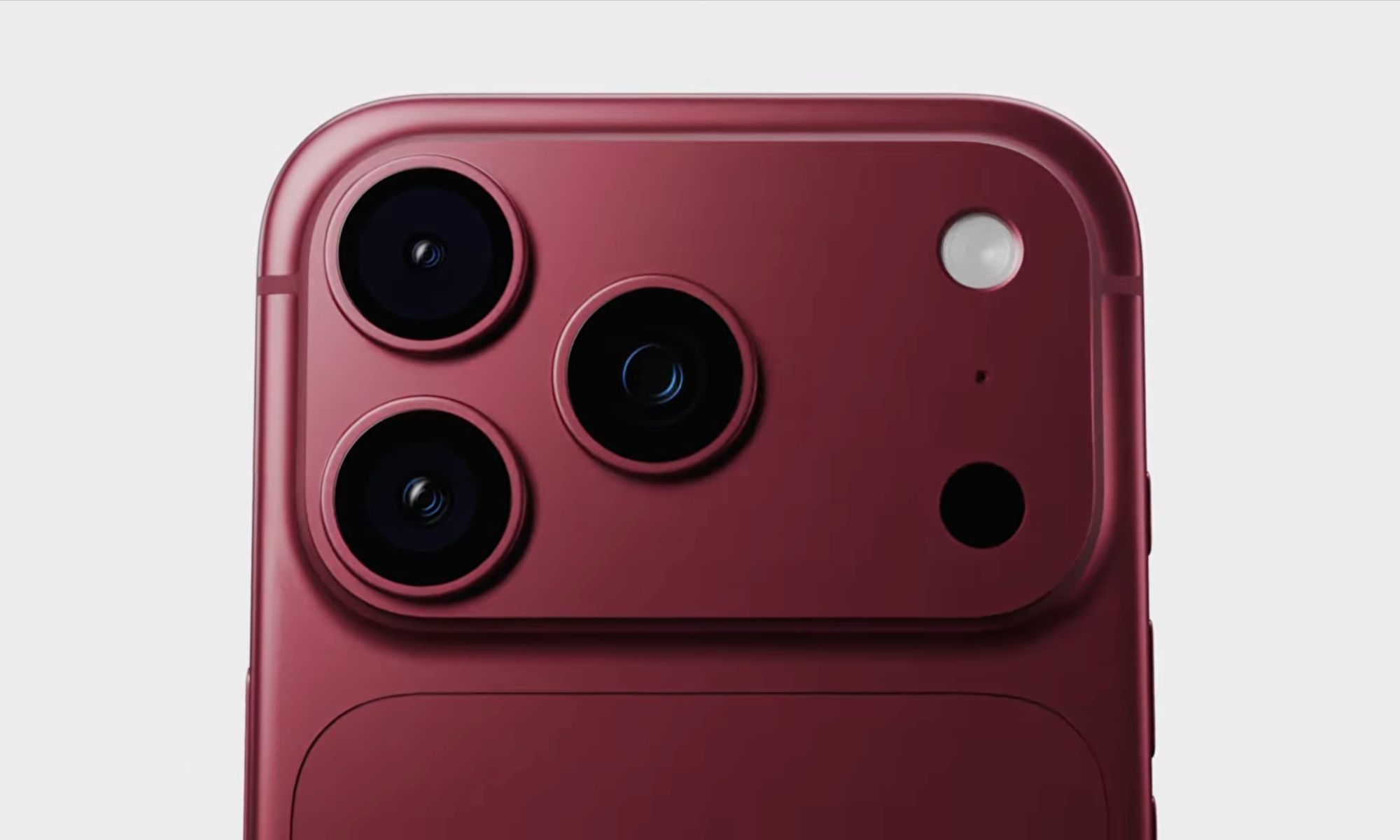
Not quite. iPhone 18 Pro color rumors have shifted considerably this year. In February, a Deep Red finish was tipped as the phone’s signature color. In retrospect, it could be referring to the Dark Cherry shade.
In April, a separate leak pointed to four new finish options. For me, the lack of consensus means the colors haven’t been decided yet, though Instant Digital’s track record lends this claim some weight.
Most recently, the drop-test footage of the iPhone 18 Pro surfaced on June 30 via a Tata Electronics data breach and showed the device in what appeared to be a gray colorway, which lines up with the Silver-Gray finish in the leak.
The absence of black has become a running sore point for iPhone Pro customers. The iPhone 17 Pro was the first Pro model in recent years to skip black entirely, and it looks like there’s no relief in sight for the 18 Pro either.
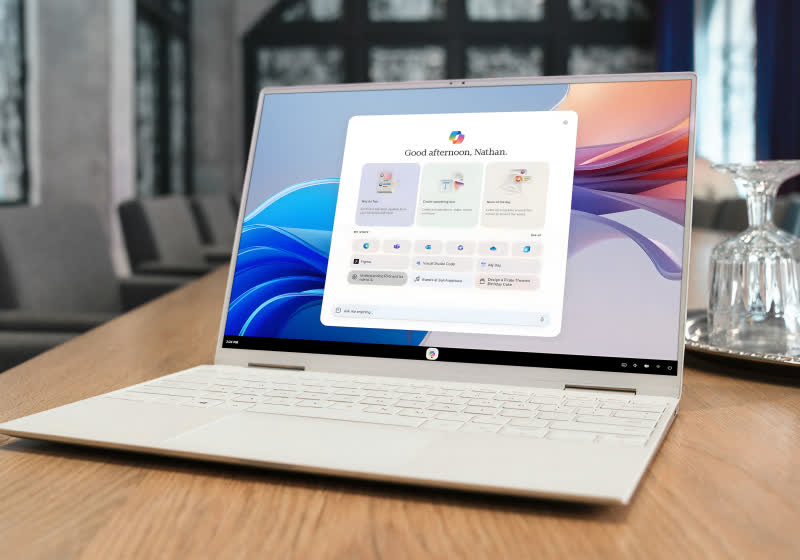
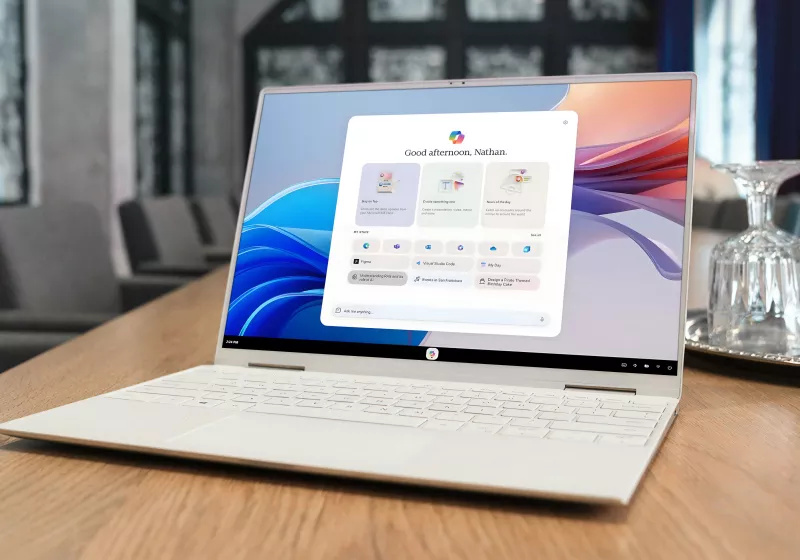
Back when Copilot was still a brand-new AI experience, Microsoft was already trying to turn the service into a cloud-based OS. That experiment appears to be long gone now, but Microsoft is apparently still trying to bring Copilot everywhere, despite stating otherwise.
Read Entire Article
Source link
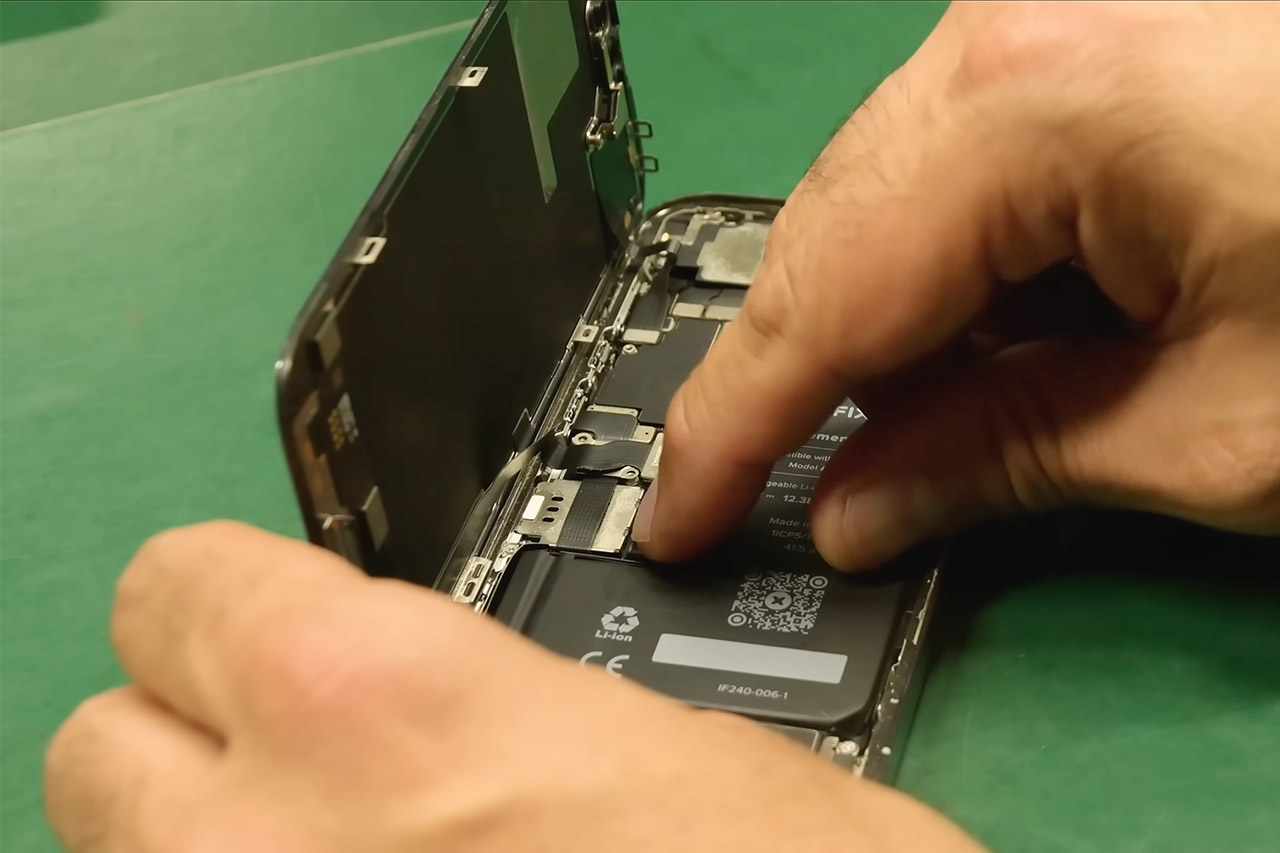
A visit by iFixit to one of China’s large battery production sites offers a rare look at how replacement batteries for iPhones actually get finished and tested. The team captured the work on video, showing lead teardown technician Shahram Mokhtari walking through the final assembly steps that turn a bare lithium-polymer cell into a complete, safe pack ready for installation.
The facility operates on a massive scale, manufacturing approximately 13 million battery cells per month. These cells begin life as a stack of dozens of ultra-thin layers that are sealed to extremely tight tolerances, ensuring that the chemistry inside remains stable and efficient throughout years of continuous use. Quality control tests are performed at each stage to detect any potential problems that could affect capacity, heat buildup, or long-term reliability, down to the smallest details that can make a significant difference.
Sale

When a finished cell reaches the assembly area, the true integration begins. Rows of blank battery management system boards, or BMS boards, are waiting to be programmed. A machine places a contact pin into each board and applies the firmware that protects the cell from damage. That software protects the battery from overcharging or overdischarge, monitors the temperature, and delivers correct health data to the phone. Without it, even raw cells cannot be trusted to function securely within an iPhone.
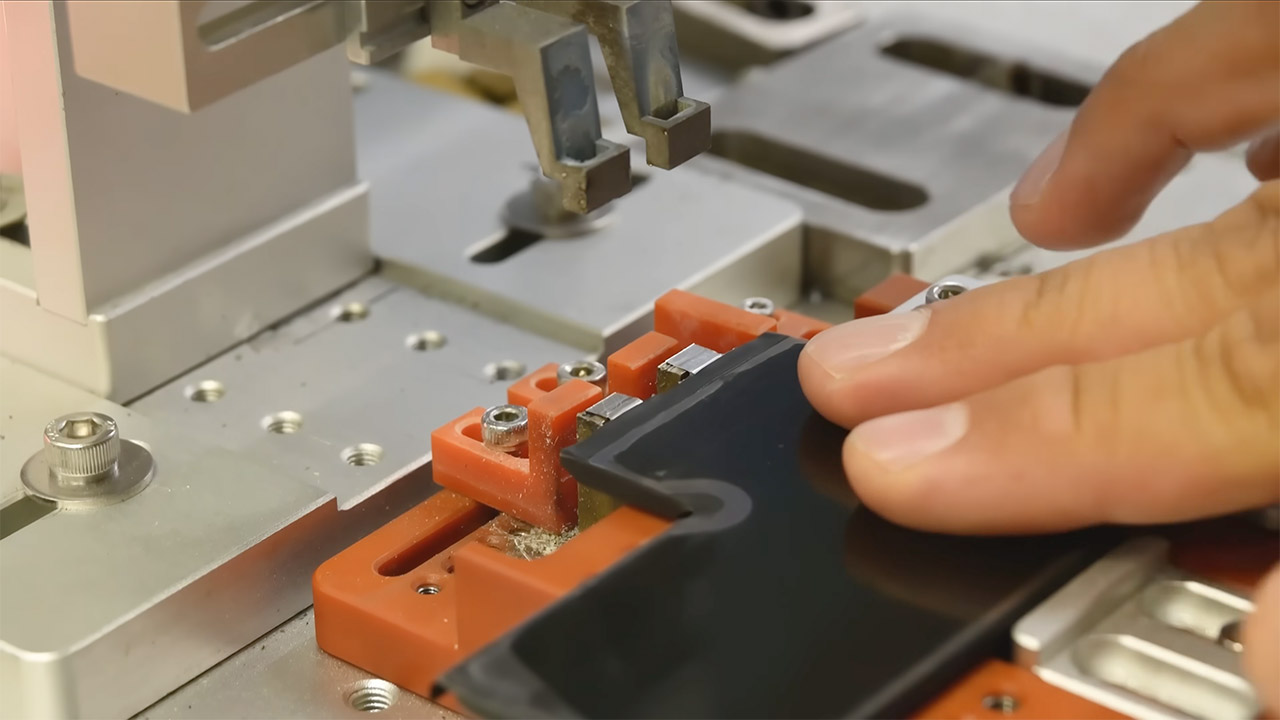
The next step is attachment, which involves a machine pressing a programmed BMS board and its flexible cable onto the bare cell extremely nicely. It’s critical that the connection is solid but small, as any misalignment at this step could come back to get you later when the battery needs to fit into an iPhone. Folding follows, with workers or machines folding the BMS board down twice to fit snuggly against the cell. The edges are wrapped with Kapton tape to prevent any exposed contacts from contacting and causing a short, and the sticker machine applies a little label that folds back on itself to keep the board in place and from shifting during handling or installation.
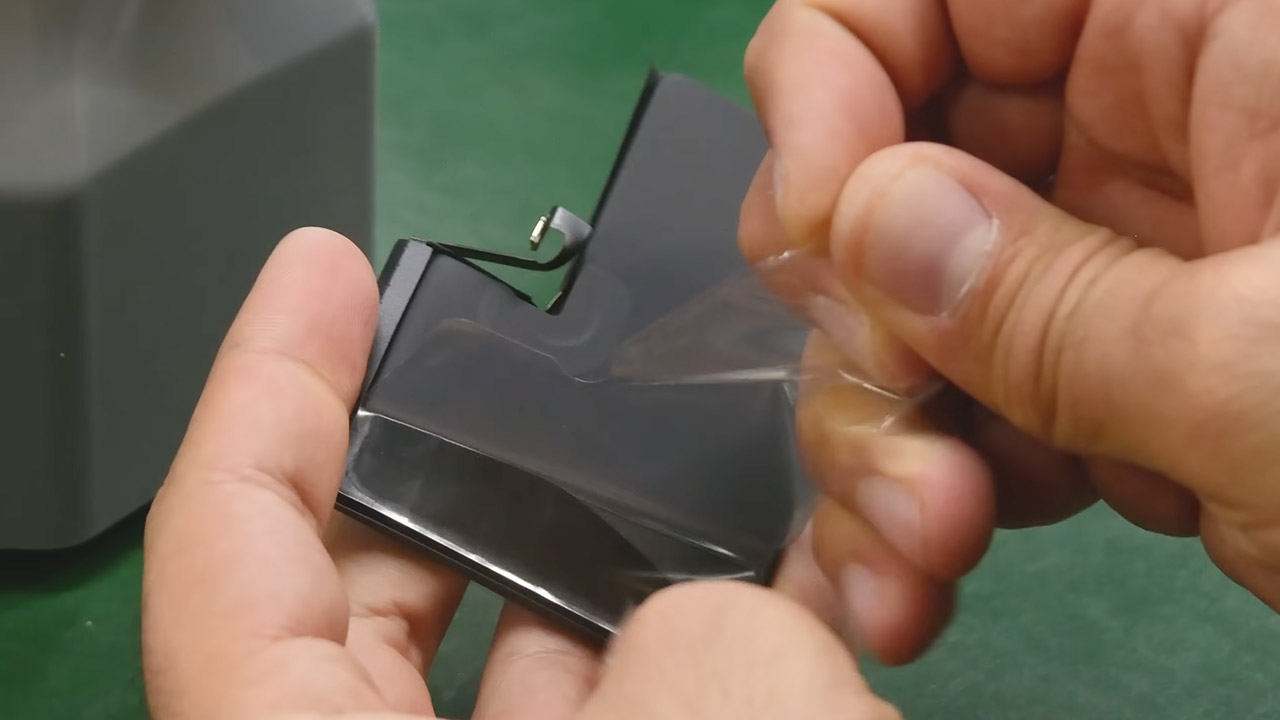
Now it’s time to remove the protective films that were applied to both sides of the cell during early manufacture. Those films have kept the surfaces pristine up until now. Removing them prepares the battery for the adhesive strips that will keep it securely in place within the iPhone case. Quality control must be nearly excellent at this time. A testing machine takes the battery through a variety of checks, including impedance, capacity, and overcurrent tests, and returns a simple pass or fail result. A pass indicates that the battery is in good working order and will behave as expected in a genuine device, whereas failed batteries are removed.
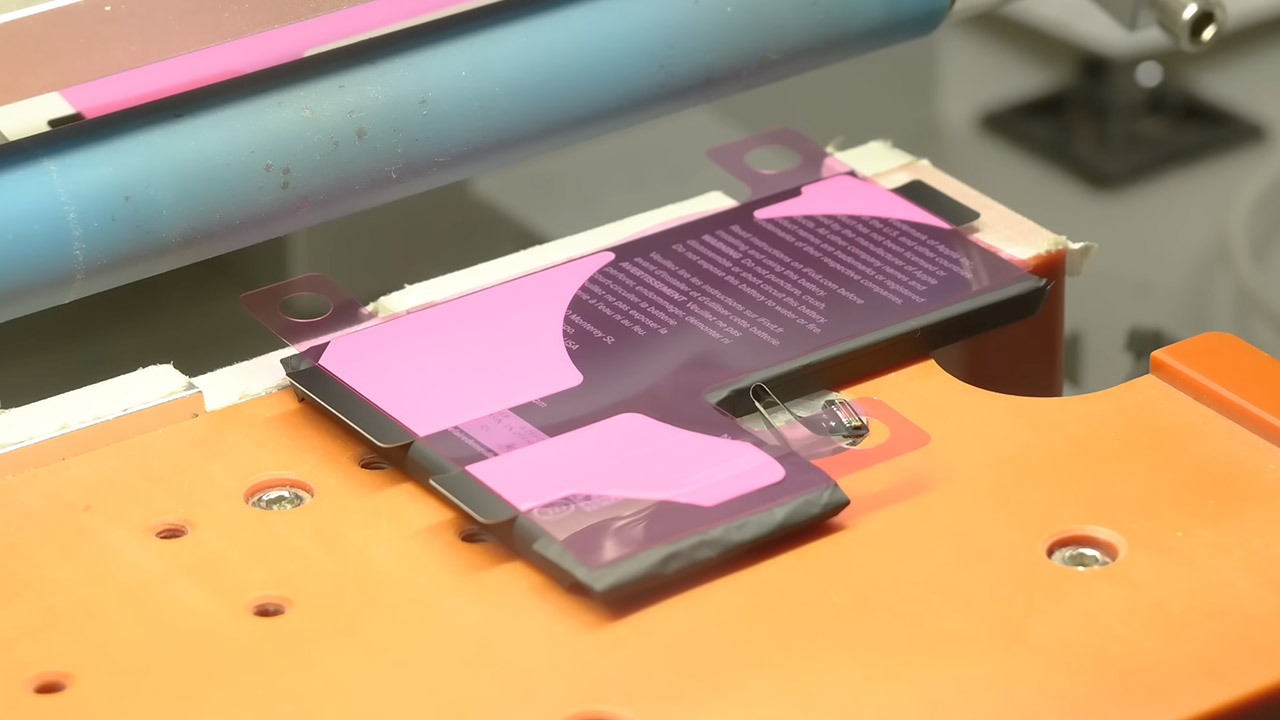
Mohktari then plugs the finished battery with a diagnostic tool. The screen displays all of the live data obtained directly from the BMS, such as the current charge level, condition of health, temperature, design capacity, and actual maximum capacity. It’s all the proof you need to know the battery will function correctly, just like a fresh new pack in a phone. The final step in preparation is to apply the adhesive pull strips that Apple uses to secure batteries inside iPhones. Those strips allow technicians to cleanly remove the old battery during a repair and secure the new one without adding excessive bulk. To ensure that everything works properly, the completed battery is inserted into an actual iPhone, which switches on without a hitch, demonstrating that the pack works from start to finish. Every step up to that point has been taken to ensure that the last bit happens as planned.


Anthropic says Claude Fable 5 won’t be accessible via Claude subscriptions after July 7, but it’s not a permanent change, and the company expects the model to return outside the usage-based plan soon.
Fable 5 was recently restored after the US government lifted export controls on Anthropic’s most powerful models, Fable 5 and Mythos 5.
As part of the redeployment, Anthropic said Fable 5 would be available globally on Claude.ai, Claude Code, Claude Cowork, and the Claude Platform.

However, Anthropic has restricted Claude Fable usage due to high demand, and plans to move the model to usage-based billing next week.
“For Pro, Max, Team, and select Enterprise plans, Fable 5 will be included for up to 50% of weekly usage limits through July 7, after which it will be available via usage credits,” Anthropic said in its original blog post.
That line led to concerns that Fable 5, Anthropic’s most powerful model, was becoming a permanent pay-to-play upgrade for regular Claude users.
However, a Claude Code lead engineer has now clarified that Fable is expected to return to subscriptions once Anthropic has enough capacity.
“I’ve heard a lot of questions about Fable’s availability on subscription plans,” the engineer wrote in a post on X. “While it will come off subscriptions after July 7th, we aim to restore Fable as a standard part of our subscriptions as soon as capacity allows, as we mentioned in our original blog post.”
In its announcement, Anthropic said it expects demand for Fable 5 to be “very high, and difficult to predict.”
The company said Fable 5 is fully available today on the Claude API and consumption-based Enterprise plans, but access on subscription plans is being handled more conservatively.
“For subscription plans, we’d rather give access sooner than later, so we’re rolling out more conservatively, in stages,” Anthropic said.
Anthropic also said that after the included subscription window ends, it aims to restore Fable 5 as a standard part of subscription plans “when sufficient capacity allows us to do so.”
For now, Claude users who rely on Fable 5 should expect usage-credit billing after the deadline, and there’s nothing you can do about it.

Security teams log 54% of successful attacks and alert on just 14%. The rest move through your environment unseen.
The Picus whitepaper shows how breach and attack simulation tests your SIEM and EDR rules so threats stop slipping by detection.
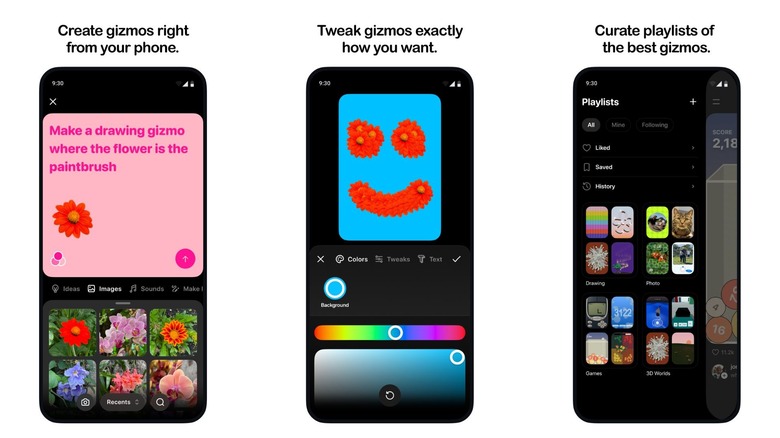
Vibe-coding right in your Pocket.
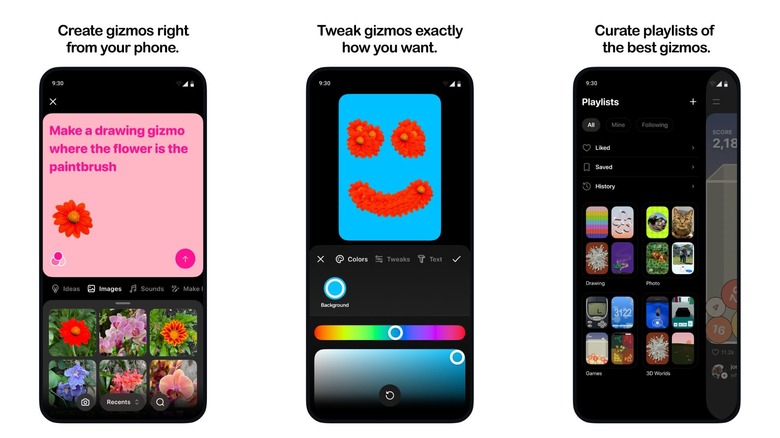
Meta appears to have soft-launched a new app called Pocket that’s aimed at getting people to vibe-code their own minigames. Mobile developer and reverse engineer Alessandro Paluzzi spotted Pocket and posted about it to X today, but reporting platform AppFigures told TechCrunch that the app has been available on both iOS and Android since June 29. Though the app is listed publicly, it’s not available in the US on any of the half dozen phone models associated with our Google accounts, and a help page on Meta’s site says “the Pocket app is not yet available everywhere.”
The company has not made any public announcement yet about the launch or where the app is being trialed. We’ve reached out for comment and will update this post if we receive a response.
#Meta is working on a new app called Pocket 👀
ℹ️ A new creative platform to make and share gizmos. pic.twitter.com/zFjMU5jj1U
— Alessandro Paluzzi (@alex193a) July 2, 2026
From cosmetic tweaks to a standalone app for AI slop, Meta has been going gangbusters on getting artificial intelligence into its services in the past year. TechCrunch suggested that Pocket may be the result of the company wholesale hiring the team behind of Gizmo, an app that used AI to create interactive experiences based on prompts from users, earlier this year. Pocket uses that exact same nomenclature, dubbing itself “a creative platform for making and sharing gizmos” in the app listing, and the Play Store shortcode of “com.facebook.gizmo” does little to dispel the notion either.


Claude Fable, the company’s most powerful model, is now available to all users, but early impressions are disappointing, as it appears to be nowhere near the original release.
When the Department of Commerce announced that it was lifting the ban on Claude Fable, I was holding my breath and counting seconds for the model to show up on Claude Code. I had also loaded up my usage-based credit wallet, just in case the model debuted as strictly usage-based.
To our surprise, Claude Fable shipped for everyone, including those with a $100 Max subscription, but there are multiple restrictions.
According to Anthropic, while Fable 5 is included in Max, Pro, and Team plans, it is heavily capped.
For example, you can use Fable for up to 50% of your weekly usage limits, which is not significant for such a powerful model. But it’ll get worse after July 7, as the model will transition entirely to a pay-to-play system via usage credits.
However, the real gut punch is the degraded performance, or as famously used in the AI community, the “nerfed” performance.
On Reddit, users are reporting that the restored Fable 5 feels weaker, or is simply being routed through stricter safety systems more often than before.
“The new guardrails are kicking in on way too many tasks and falling back to Opus 4.8,” one user wrote in a Reddit post. “This is not the model that got banned.”
The problem is not just limited to Claude desktop, as Claude Code is also struggling with similar issues.
One user said Fable “didn’t even let me search for dead code without switching to Opus,” while another said it was “very very obvious” when the fallback triggers because Claude tells the user and visibly shifts to Opus.
Another developer claimed the model was unusable for some systems-level coding work, saying that C, C++, Rust, Win32 API references, memory-related work, and files mentioning words like “security,” “vulnerable,” “unsafe,” or “hook” appeared to trigger a fallback or block.
Fable 5 may still be powerful when it actually handles the task, but the restored version appears to be far more sensitive to prompts, project files, and security-adjacent language.
However, BleepingComputer understands that the model itself has not been nerfed. Instead, it is likely that Anthropic is being extra careful with the safety guardrails, which is negatively affecting Fable’s daily use cases.
In fact, we observed that Fable is sometimes routed to Opus 4.8 even when the task does not appear to be a safety risk.
Anthropic has said that its updated safeguards rely on a large “safety margin,” which could explain the subpar experience some users are seeing with Fable.
Anthropic hasn’t acknowledged the reports of false positives yet, but it’s likely the company is aware of the problem and will address it in a future update.
Security teams log 54% of successful attacks and alert on just 14%. The rest move through your environment unseen.
The Picus whitepaper shows how breach and attack simulation tests your SIEM and EDR rules so threats stop slipping by detection.

Earlier this year we wrote about the ridiculous thin-skinned executives at Palantir suing a small independent Swiss online magazine, Republik, that had reported on the great lengths the company had gone to, trying to get the Swiss government to purchase Palantir’s surveillance technology. Palantir knew they couldn’t sue for defamation because, you know, everything Republik reported was true. Instead, they sued, trying to invoke a Swiss “right of reply” law, claiming that because Republik refused to publish the press release Palantir wanted to run in response to the reporting, the magazine had violated the law.
As we said at the time, this is the height of entitlement. Palantir doesn’t get to tell Republik how and what it must publish.
And, thankfully, a court has agreed. Zurich’s commercial court rejected 22 of 23 claims that Palantir made.
The data analytics company lost on 22 out of 23 counts of the suit. In a ruling on Friday, Zurich’s commercial court dismissed the majority of counterstatement requests filed by the company and its Swiss subsidiary finding that only a single passage in one article warranted a published response from the company.
While the court agrees that there is a “right of reply” law in Switzerland, it has limitations:
While Swiss media law allows the subjects of a story to request a right of reply, this has caveats: the right of reply has to be concise and stick to the facts of the story.
The one count that stuck: the court found that a single passage in just one article warranted a limited published reply from Palantir.
Also, the court told Palantir to pay Republik for its legal expenses wasted on this SLAPP suit:
The court on Friday ordered Palantir to bear 95% of the 9,000 Swiss francs ($11,300; £8,400) court costs and to pay Republik 9,900 francs in legal expenses.
Of course, this case was always less about the ‘right of reply’ than about making it clear to anyone who reports critically on Palantir that the company will go to war with them, seeking any legal theory, no matter how ridiculous, to tie them up in court — the textbook logic of a SLAPP suit. Republik has said that defending the case cost the small organization quite a lot in time and resources:
Balz Oertli, a journalist with WAV research collective, said: “We invested a great deal of effort into this case, and we are very pleased with the outcome.”
Anyway, given that Palantir seems really upset about Republik’s reporting, it sure would be a shame if you decided to go read this critical reporting of Palantir’s relentless attempts to win business from the Swiss government.
Filed Under: chilling effects, free speech, right of reply, switzerland
Companies: palantir, republik
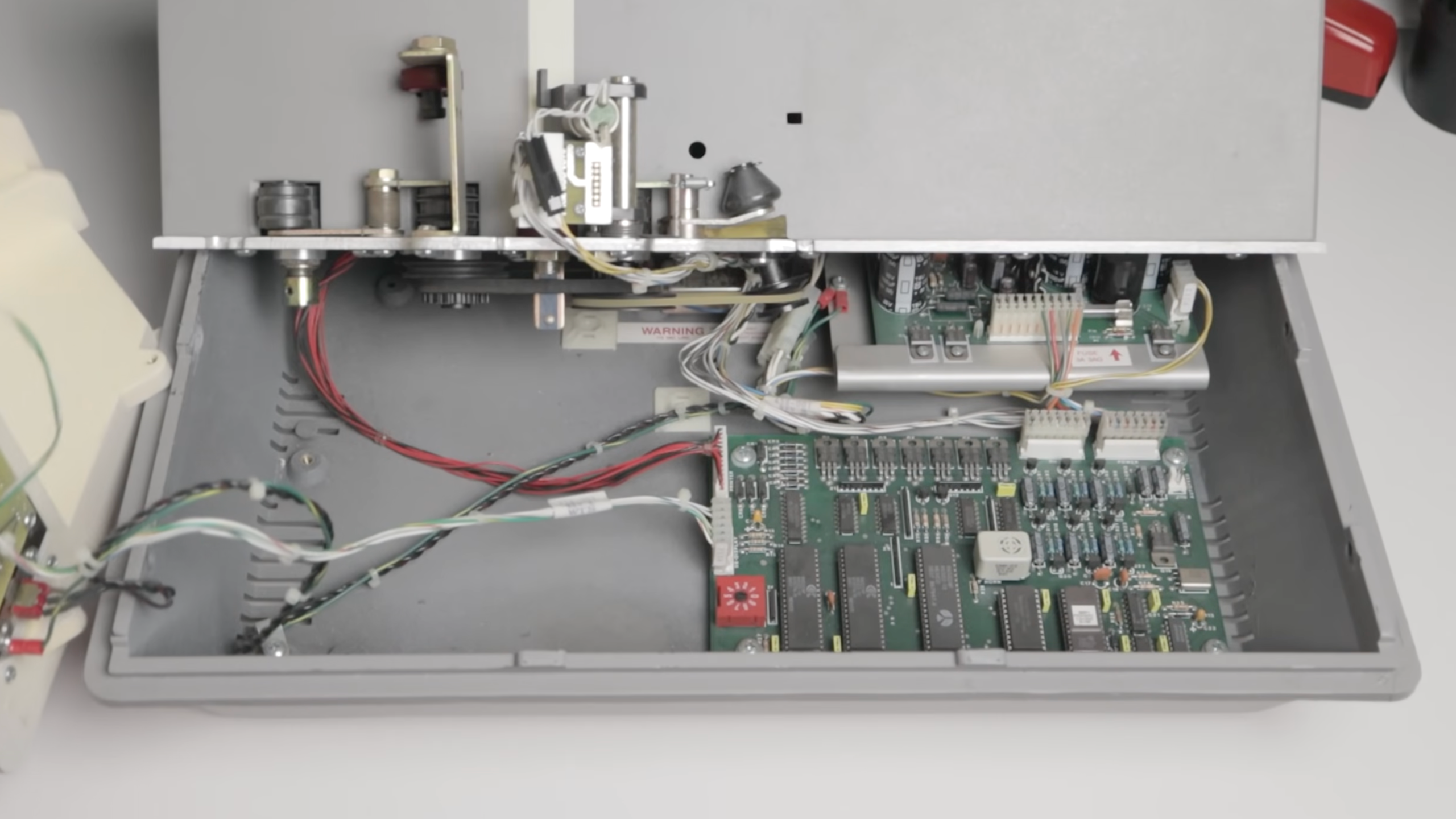
Many of us remember back in our school days taking tests and filling out answers on a Scantron sheet, those long rows of A, B, C, D, and E that had to be filled in with a #2 pencil. Ever wonder why it needed a #2 pencil, or what the point of using a Scantron was at all? That question is answered in the latest video from [SimonRetro], where he takes a look at the Scantron and how it works.
One of the more interesting things about the Scantron is that it’s such a standalone device. No software needed, no keypad to mess with just two rocker switches. The on/off switch is also the way you tell it to forget the last answer sheet and allow you to program in a new test. Upon booting, you feed in a Scantron sheet with some specific boxes filled in, and then it’s programmed and ready to take in and grade all the students’ answers. Opening up the Scantron reveals it’s pretty interesting inside: one control board with early-’90s-era chips. There’s also a lightbulb (no LEDs) shining through the six reading sections of the card, as well as an arrangement of belts and motors to move the card through the machine. The printer is a seven-pin printer used in conjunction with a pair of ink rollers to print out the results on the cards.
[SimonRetro] also went ahead and tried different ways to mark the sheets including pens, Sharpies, colored pencils, and different thicknesses of pencils besides the #2 to see which would and wouldn’t work in the Scantron. Thanks [SimonRetro] for exploring this machine from many of our childhoods and sharing its inner workings. Be sure to check out some of our other reverse engineering articles that explore how classic devices work.

GMKtec has detailed the EVO-X3, an AI mini PC workstation built around AMD‘s Ryzen AI Max+ 395 ‘Strix Halo’ processor.
The company is retaining the same silicon used in its predecessor, the EVO-X2, which AMD CEO Lisa Su personally signed as a mark of approval.
GMKtec has, however, made significant changes to the chassis, abandoning the flat square box typical of most mini PCs entirely.
The EVO-X3 trades the EVO-X2’s flat footprint for a tall, triple-fan tower that resembles a steel-wrapped graphics card more than a conventional mini PC.
Despite the added height, the footprint remains compact, comparable in size to a PS4 console sitting upright, with GMKtec saying the redesign balances performance, efficiency, and thermal stability across continuous professional workloads.
Reviewers had criticized the EVO-X2 mainly for build quality issues, citing a cheap-feeling case, difficult internal access, and persistent fan noise under load.
This probably informed the design changes on the EVO-X3, though whether the new chassis actually resolves those issues remains to be seen.
GMKtec crushed the expectations of enthusiasts when it snubbed AMD’s newer Ryzen AI Max+ 495 chip for the Ryzen AI Max+ 395 silicon.
The processor combines CPU, GPU, and a large NPU rated at 50 TOPS, comfortably above the 40 TOPS threshold required for Microsoft‘s Copilot+ designation.
The EVO-X3 will be available in two storage configurations — 2 TB or 4 TB — and both versions carry the same 128 GB of LPDDR5X-8000 memory.
The device will also feature two M.2 2280 PCIe Gen4x4 slots, allowing total storage to scale up to 8 TB on either configuration.
GMKtec bundles its proprietary Claw+Wrangler suite directly onto the EVO-X3, a local-inference toolkit built for one-click setup and round-the-clock AI agents.
The company claims the 128 GB memory configuration can run models as large as 235 billion parameters entirely on-device, and none of that inference relies on cloud servers, which means no per-token fees and no user data ever leaving the machine.
GMKtec lists pre-launch pricing at $3,600 for the 128 GB and 2 TB configuration, rising to $3,849 for the 4 TB version, both described as discounted early figures.
Early access registration opened on June 22, offering a further $20 discount, with the global launch and shipping date both set for July 6.
For comparison, the EVO-X2 launched at $1,999 with 64 GB of memory and a 1 TB drive, making the jump considerable even accounting for the EVO-X3’s larger memory and storage allowances.
It is even a higher jump from the EVO-X1, the model that began GMKtec’s mini PC lineage in late 2024, priced near $900 with a Ryzen AI 9 HX 370 processor.
This means GMKtec has roughly quadrupled its mini PC pricing within two years, a jump of close to 300% from the EVO-X1’s original $900 price point.
It is even a high jump from where GMKtec’s mini PC lineage began with the EVO-X1 in late 2024, a Ryzen AI 9 HX 370 machine priced near $900
The EVO-X3 will face direct competition from other Strix Halo devices carrying the same 128 GB memory ceiling, including the MINIX ER939-AI Pro and the ONEXStation.
Follow TechRadar on Google News and add us as a preferred source to get our expert news, reviews, and opinion in your feeds. Make sure to click the Follow button!
And of course you can also follow TechRadar on TikTok for news, reviews, unboxings in video form, and get regular updates from us on WhatsApp too.


Researchers have found a never-before-seen piece of macOS malware that combines a series of clever tradecraft to infect Macs with stealthy, custom-developed credential-stealing code.
The malware is delivered in two stages. The first is distributed in a disk image that masquerades as Maccy, a clipboard manager for Macs. It’s compiled as AppleScript that is notable for the way it delivers the second stage. The malware is named PamStealer because the Rust-written infostealer uses the Pluggable Authentication Modules interface built into macOS to validate the target’s login password before sending it to an attacker-controlled server.
The use of both disk image and AppleScript is common in malware for Macs. More unusual is the way PamStealer combines them to gain stealth. When the AppleScript is double-clicked, it’s opened in the macOS Script Editor, where the malicious functionality is buried deep within the file.
“Rather than relying on shell commands such as curl or zsh, the AppleScript executes a self-contained JavaScript for Automation (JXA) downloader that retrieves and stages the payload using native Objective-C APIs,” researchers from Jamf, a security firm for macOS users, wrote. “Combined with a Rust-based second stage and a password capture workflow that validates credentials locally through PAM, the result is a quieter execution chain than we typically observe in commodity macOS stealers.”
When a user, expecting to install a trustworthy clipboard manager, encounters the disk image, they’re prompted to press Command-R immediately after double-clicking it. This command executes malicious code inside the AppleScript directly. It also allows the execution to bypass com.apple.quarantine, a macOS attribute that provides warnings and restrictions when executable files have been downloaded from the Internet.
As Jamf explained:
PamStealer combines a recently emerging delivery surface with a less familiar payload. While the clickable .scpt and Script Editor lure build on tradecraft that is already gaining adoption across the macOS threat landscape, the malware distinguishes itself through a self-contained JXA dropper, a Rust-based second stage, and a password capture workflow that validates credentials locally through PAM before harvesting them. That second stage puts considerable effort into staying hidden, masquerading as Finder, encrypting its command-and-control traffic, and holding back prompts like the Full Disk Access request for as long as forty minutes so its activity does not line up with launch. Together, these behaviors illustrate how commodity macOS stealers continue to evolve, adopting quieter execution chains and native implementations that reduce traditional detection opportunities while remaining compatible with standard macOS features.
The first stage puts its payload inside an app bundle that impersonates real components built into macOS. The component changes from sample to sample of the malware. Finder.app under com.apple.finder.core or com.apple.finder.monitor, and a Software Update.app under com.apple.security.daemon, are two examples. In either case, they run hidden. They also display macOS’s genuine Finder.icns as its icon.

The idea of an AI-powered device that’s not a smartphone is weird, but not unheard of. According to a report from The Wall Street Journal on Wednesday, SpaceX has already shown investors an early prototype of one.
The report says that Elon Musk’s SpaceX — which includes the social media platform X and the artificial intelligence startup xAI — has developed a handset-like device that’s sleeker and slimmer than an iPhone and runs a proprietary operating system that integrates xAI’s own technologies. The device reportedly runs on a Qualcomm Snapdragon chip, a common feature in many Android phones today.
On Thursday, Musk publicly denied the existence of such a device, calling the claims “utterly false” in a post on X.
In February, Musk publicly stated that a phone was not being developed. Earlier, during an event last October, Musk said, “the idea of making a phone makes me want to die,” while adding, “if we have to make a phone, we will.” However, there’s enough rumored evidence to believe that such a device may exist, even if Musk refuses to call it a phone.
SpaceX began being publicly traded earlier this month. Whether we see a device with its branding remains to be seen, but it wouldn’t be too much of a surprise.
SpaceX did not immediately respond to a request for comment.
Artificial intelligence is already everywhere on our smartphones, but tech companies are racing to build entirely new AI gadgets. OpenAI and Jony Ive are said to be working on a screenless AI device that might be worn on your ear as an always-on assistant.
In a world saturated with “smart” and AI technologies, creating a new device running a different operating system would free Musk from the potential restrictions imposed by Apple and Google’s ecosystems. It could allow SpaceX and xAI to rely on their own technology rather than the big players.
And given Apple and Google’s stranglehold on the smartphone industry, breaking away from the phone format would also let SpaceX’s new device escape strict app store rules.
When shown to institutional investors, SpaceX reportedly said the device was in the early stages of development and that the design could change over time. Although it’s not called a “phone,” it’s logical to assume the device could connect to SpaceX’s Starlink satellite network for connectivity.
In fact, while a physical smartphone has been denied, a branded consumer mobile service is likely. Last week, The Financial Times reported that SpaceX is actively weighing a Starlink-branded retail mobile plan, directly competing with T-Mobile, AT&T and Verizon.




Weekend Open Thread: Staud – Corporette.com


The House | Manchesterism won’t survive the painful trade-offs unless it gets citizens on board


Strategy authorizes up to $1.25B in Bitcoin sales under new capital plan


Asia stock markets slide as tech shares slump


MAJOR BITCOIN & MARKET UPDATE!!!! (MUST WATCH ASAP!!!)


Anonymous researcher drops 0-day ‘exploitarium’ repo


Coinbase, Circle Deepen Crypto Stock Losses Despite Resilient S&P 500


Australia treasurer says alleged access of prime minister’s bank data ’incredibly concerning’


Kraken's xStocks Opens Bending Spoons IPO Registration to EEA Retail


FIH Pro League: India defeat Pakistan 7-1, register biggest win of campaign | Other Sports News


Bitcoin Sparks $600M Hourly Liquidations With $65,000 Set To Become Resistance


Bluekit phishing kit adopts browser-in-the-middle for login theft

Hyperliquid Named on Singapore MAS Investor Alert Register


Russian hackers now target Signal backup recovery keys


Tether (USDT) Passes Ether in Market Cap as ETH Drops Toward $1.5K


RTX holders must register wallets before token distribution begins


Broncos roster: OL Ben Powers (No. 74) entering final year of contract

The AI boom won’t burst all at once. It will pop in ‘rolling bubbles’: Macquarie


Claude Code turned every engineer into three. Now companies need more product thinkers


Silicon Valley paid to kill AI regulation, now it wants the rules back



You must be logged in to post a comment Login