






Connect with us

Tech

The Toyota RAV4 Plug-In Is Quicker Than These 4 Sports Cars

Published

on


The Toyota Rav4 Plug-In Hybrid is very definitely not a sports car, not by any stretch. It’s a competent crossover plug-in hybrid SUV that just so happens to be remarkably quick. Through the electric motor and its 2.4-liter four-banger it generates a total of 324 horsepower, which is surprisingly powerful for the average mom-mobile. As a result, it has a 0-60 time of 5.4 seconds.

Just under five and a half seconds puts the Rav4 Plug-In above a number of different sports cars from the past and present. Now, it’s not going to dust any contemporary Lamborghinis or Ferraris on the drag strip, but it can certainly hold its own in the acceleration department against some entry level sporty cars and quite a few cars from decades past.

Advertisement

Defining the terms, a bit “quicker” will be referring strictly to acceleration times. There’s no doubt your average sports car would have a faster lap time in racing just due to weights, suspension setups, and the fact that the Rav4 is very much not set up for racing, but that 0-60 sprint time still means something.

Advertisement

Toyota GR86

Looking at Toyota’s lineup, the Rav4 PHEV’s acceleration time puts it quicker than the fundamental ideal of a sports car, the GR86, which can reach 60 miles per hour in 6.1 seconds. Now, which one is more fun to drive? That’s a different question altogether. 

The GR86 loses in a drag race as it’s only rear-wheel drive compared to the Rav4 PHEV, which is all-wheel drive. It’s not a hard and fast rule, but all-wheel drive cars have a bit of an advantage off the line as all the wheels are assisting in grip, pushing and pulling the vehicle forward. The GR86 also comes standard with a six-speed manual transmission. That makes it more fun to drive, but slower to accelerate compared to the Rav4 Plug-In’s electronically controlled CVT. 

There’s also a power disparity. The GR86 puts out just 228 horsepower, almost 100 less than the Rav4. The Plug-In has clear mechanical advantages, resulting in the better acceleration that leaves the GR86 in the dust — at least in the race to 60 mph.

Advertisement

Ferrari Testarossa

Yes, you read that correctly. A new Rav4 Plug-In is quicker than a 1984 Ferrari Testarossa off the starting line. The ‘Rari does have a lot going for it though. It’s powered by a 4.9-liter flat-12 with four valves per cylinder, putting it somewhere north of a Swiss watch in terms of mechanical complexity. It’s also a mid-engine Ferrari with a top speed of 180 miles per hour. It’s not exactly a grocery getter like the Rav4 Plug-In. However (and this is a big “however”), the Testarossa has a 0-60 time of 5.8 seconds, according to Ferrari.

Now, there’s also a huge difference between “quickest” and “most desirable.” If you want to buy a Testarossa, you’re going to be spending in the neighborhood of $200,000, and oftentimes significantly more. You will also likely win every local car show. The 2026 Toyota Rav4 PHEV, on the other hand, retails for $41,500 and your local Toyota dealer probably has several dozen in stock.

Advertisement

Aston Martin DB7

The Aston Martin DB7 came at a vitally important time for the automaker. According to the automaker, both the DB7 and the new company ownership by Ford could be credited for keeping the company alive. The resulting car had a wacky engine and quite respectable performance specifications for the 1990s. It had a 3.2-liter inline-six with a supercharger that made a healthy 355 horsepower. That all translated to a top speed of over 160 miles per hour. It helped that the car looked great, too.

Advertisement

But, just by the virtue of being on this list, you can already see the bad news. With a 0-60 speed of 5.8 seconds, it might be touch faster than the aforementioned GR86, but it is slower than a new Rav4 PHEV. Of course, if you pull up to the grocery store in a classic Aston Martin, you’ll likely get swarmed by people wanting to take a picture. That is definitively not the case with a Rav4 Plug-In, even if it is a little quicker off the line.

Advertisement

C4 Chevrolet Corvette

The fourth generation Chevrolet Corvette looks like its going the speed of sound when it’s sitting still. Chevy’s marketing from the time called it one of the most advanced cars ever made, and the styling certainly looked the part. The electronics were modernized for the 1980s and the cockpit was given a fighter jet look. But under the big fiberglass hood was classic Chevy. It was powered by a 5.7-liter V8 that put out a somewhat pokey 205 horsepower when it first launched for the 1984 model year. 

Car and Driver tested one when it came out and found that it had a 0-60 time of a pretty sad 6.7 seconds. So the victory in the quickness department very much goes to the Rav4.  Really though, in which car would you rather listen to Van Halen’s “Panama” at an irresponsible volume? A 1984 Chevy Corvette with enough angles in the bodywork to make a geometry major have night terrors, or a Rav4 Plug-In? 

Advertisement

Methodology

For this list, we picked four performance cars that have slower acceleration times than the current Toyota Rav4 Plug-In Hybrid. For 0-60 metrics, we used times provided by the manufacturer and compared it to those listed on Toyota’s website. For the fourth generation Chevy Corvette, we used a 0-60 time gathered by Car and Driver during a review from the era. 

Advertisement


Source link

Continue Reading
Click to comment

You must be logged in to post a comment Login

Leave a Reply

Tech

A California Program Is Bringing Down the Cost of Heat Pumps by Buying Bulk

Published

on

When heat waves descended on California this summer, Shreyas Sudhakar, founder and chief executive officer of heat pump installation firm Vayu, took his chance.

Just 54 percent of homes in the state have central air-conditioning, but rising temperatures are making cooling a must-have. Sudhakar saw the hot weather as an opportunity to sign up multiple households to a heat pump “group-buy” scheme, offering them a chance to purchase technology that provides carbon-free heating and cooling at a discount. After advertising the venture online, he was flooded with queries.

Heat pumps often cost more than cooling-only air conditioners, which is why adoption hasn’t been more widespread in the US. But the group-buy approach offers would-be purchasers a bulk discount that can defray part of the cost. Group-buys also mean installers can line up a tidy string of jobs—a win-win potentially enabling whole neighborhoods to switch to heat pumps.

Along with heat pump marketplace VoltHub, Vayu launched the first California Heat Pump Group Buy last year. “Nobody, to our knowledge, had done it in California,” recalls Sudhakar. “We thought, ‘Let’s try it out.’” The program is available around Los Angeles and the Bay Area.

Advertisement

Air-source heat pumps run on electricity. They work by harvesting heat from outside air and distributing it indoors, or gathering excess internal heat and dumping it outside.

This isn’t exactly rocket science. Except, perhaps, to a former rocket propulsion engineer.

“I tell people this all the time,” laughs Sudhakar, who previously designed rocket engines at Blue Origin. “At the end of the day, it’s a bunch of pipes and a heat exchanger moving energy from one place to another.”

Among the first group of roughly 10 customers in the initial group-buy scheme was Naoya Kanai, a data scientist who lives with his wife and toddler in the Bay Area city of San Mateo. Kanai stumbled on the group-buy online and jumped at the chance, knowing that federal rebates for carbon-free appliances would soon disappear under the Trump administration.

Advertisement

“It was one of the most affordable ways to get a quality system,” he says of the program. Kanai recalls thinking, “I can really sell it to my spouse.”

Once households are signed up to the group-buy, Sudhakar and his colleagues work out what equipment they’ll need for each installation. Then, they shop around for deals from distributors so they can make offers to participants. “We’re looking for what is the best value across the entire group,” he adds. “Typically, we’re getting 15 to 30 percent discounts on the equipment.”

Kanai’s house is a two-story 1980s suburban home that has about 2,500 square feet of space. The new heat pump system cost roughly $14,500 and provides heating and cooling via ductwork that was already in place. Kanai says the flow of temperature-controlled air is much more comfortable and steady compared to his old gas furnace and air conditioner. He’s barely noticed this summer’s heat waves until going outside. “A lot of times we’ll step out the front door [and realize] ‘Oh, wow, it was actually really hot today.’”

Other group-buy programs are available across North America, with one of the oldest operational programs on Gabriola Island, British Columbia, a 58-square-kilometer land mass home to about 4,500 people. In 2010, a group called Energy Gabriola set itself up as a heat pump dealer via a distributor, so it could buy heat pumps in bulk and sell them at cost. This was possible because, until that point, there was no heat pump market or installation service on the island whatsoever.

Advertisement

Relying partly on volunteers, the group has installed more than 1,000 heat pumps to date, electrifying nearly half of the island’s households. “We think we’re the heat pump capital of Canada,” says Steven Earle, of Vancouver Island University, who is involved in Energy Gabriola.

Source link

Continue Reading

Tech

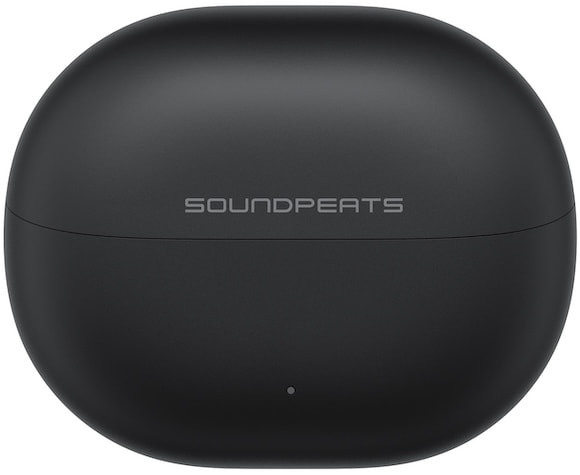
SOUNDPEATS Introduces UU2 (Pop Clip 2) Open-Ear Wireless Earbuds For Under $50

Published

on

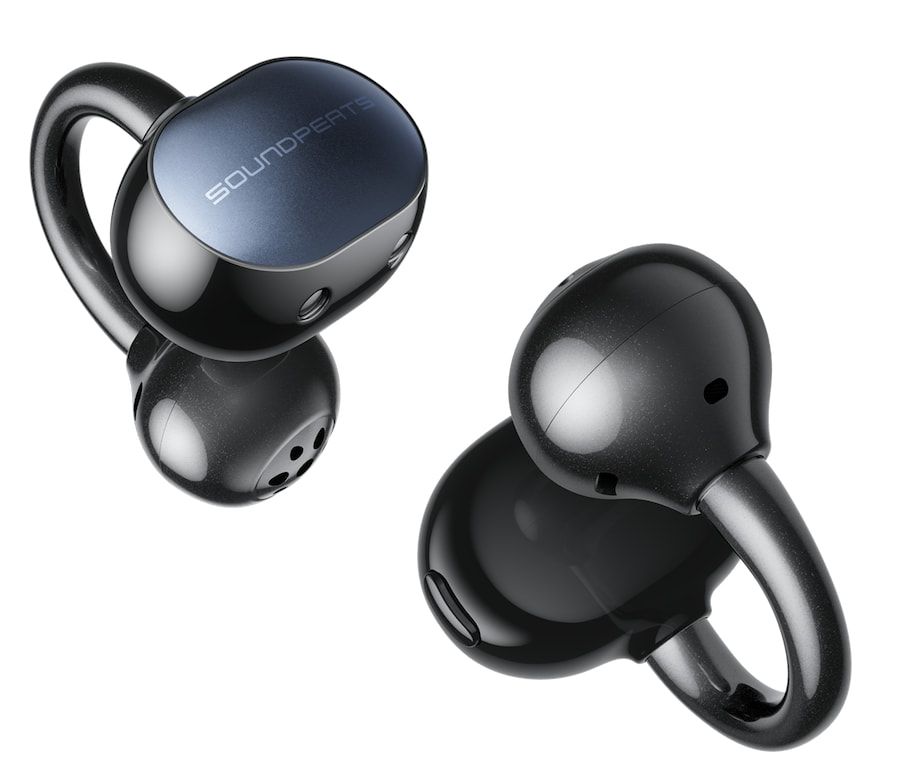
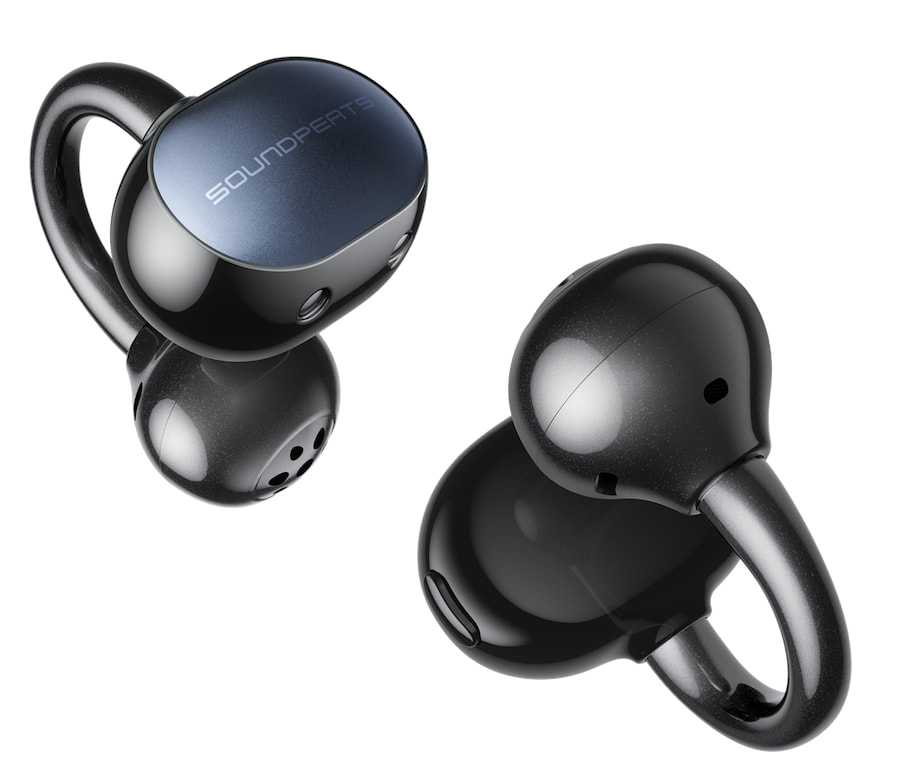
Wireless earbuds have spent years getting smaller, smarter and better sounding, but they still have one rather obvious problem: some people simply hate sticking them inside their ears. SOUNDPEATS has been moving further into open ear designs to address that issue, introducing the Pop Clip and Clip1 in 2025 and now following them with the UU2, also known as the Pop Clip 2, for 2026.

Instead of sealing the ear canal like a conventional true wireless earbud, the UU2 uses a clip-on design that wraps around the ear and directs its drivers toward the ear canal. The goal is a more secure and potentially more comfortable fit while still allowing users to hear what is happening around them.

That combination could make the UU2 particularly appealing to commuters, runners, office users and anyone who has never found traditional earbuds especially comfortable. SOUNDPEATS is also using the new model to push the concept forward with updated drivers, sound processing and wireless connectivity rather than simply changing how the earbuds attach to your head.

SOUNDPEATS UU2

soundpeats-uu2-open-earbuds

According to SOUNDPEATS, the UU2 open ear clip-on wireless earbuds are designed to elevate what listeners can expect from the category. Combining upgraded acoustic architecture with refined ergonomics, the UU2 is intended for listeners who want the comfort and environmental awareness of an open ear design without giving up engaging sound.

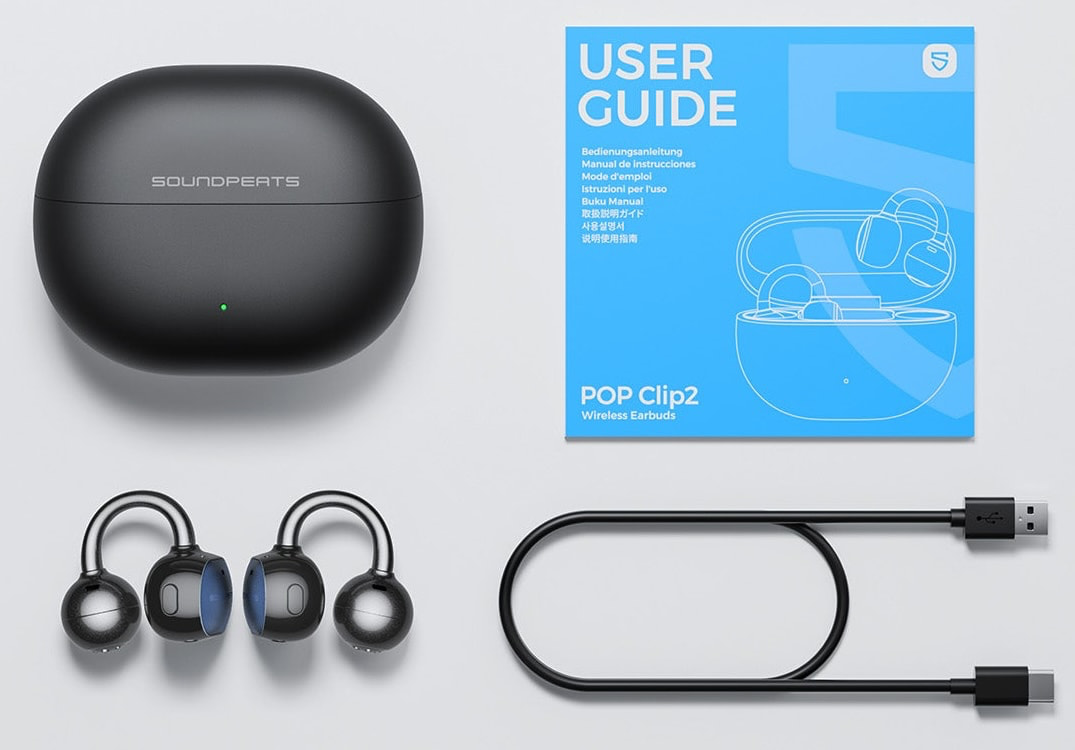
Naming Clarification: The SOUNDPEATS UU2 and POP Clip2 refer to the same product. Depending on the market, either name may appear on the product packaging. We will use the UU2 designation throughout this article.

Advertisement

As open ear earbuds continue to gain popularity for commuting, work, exercise and everyday use, many listeners still associate the category with compromised bass performance and reduced overall impact. Rather than accepting that as an unavoidable tradeoff, SOUNDPEATS designed the UU2 with a simple goal: deliver a fuller, more engaging listening experience while remaining comfortable enough for all day wear.

Open ear listening should not require users to choose between comfort and musical impact,” said Jason Yang, founder of SOUNDPEATS. “With the UU2, we focused on the two things listeners notice every day: fuller, more engaging sound and a lightweight fit designed for extended wear.”

12mm Titanium Driver Targets Better Bass

The UU2 incorporates a newly developed 12mm titanium coated dual magnet dynamic driver. SOUNDPEATS also includes its DynamicEQ technology, which adjusts low frequency performance in real time. According to the company, the combination is designed to produce deeper, more textured bass, wider dynamic range and a more balanced sound signature than listeners might expect from an open ear clip on design.

Advertisement

More Output Without Closing Off Your Ears

SOUNDPEATS says the UU2 also delivers higher maximum output than its previous clip on models, with up to a 6.8 dB SPL increase over the Clip1 and a 3.2 dB SPL increase over the Pop Clip. The additional output is intended to give music greater presence and impact, addressing one of the more common criticisms of open ear earbuds.

Rather than relying on the isolation created by traditional in ear earbuds, the UU2 leaves the ear canal open so listeners can remain aware of their surroundings. SOUNDPEATS is betting that the combination of greater output and improved bass performance can make that convenience less of an acoustic compromise.

Wearing Comfort 

The UU2 is also designed with extended wear in mind. Each earbud weighs approximately 5 grams and uses an updated U Bridge structure with a skin friendly coating intended to improve comfort and stability across a wider range of ear shapes.

Advertisement. Scroll to continue reading.
Advertisement

Because the clip on design leaves the ear canal open, it also reduces the pressure associated with traditional in ear earbuds. That could make the UU2 a better fit for long workdays, commuting, walking and other situations where listeners want to hear their music without completely tuning out the world around them.

soundpeats-uu2-inside-case

Up to 42 Hours With the Charging Case

The UU2 provides up to 10 hours of playback on a single charge, while the charging case extends total listening time to as much as 42 hours. For those moments when the battery is running low, a 10 minute quick charge provides up to two hours of additional playback.

Bluetooth 6.0, LDAC and Multipoint Support

The UU2 adds Bluetooth 6.0 with multipoint connectivity, allowing users to stay connected to two devices and switch between them as needed. Support for LDAC and Hi Res Audio Wireless certification enables higher quality wireless playback with compatible devices.

The SOUNDPEATS app adds further control with customizable EQ settings, firmware updates and other device management features.

Advertisement
soundpeats-uu2-case-closed

More Features

UU2 provides features designed to enhance everyday use.

  • Physical Buttons: To further improve ease of use, UU2 replaces touch controls with physical buttons. This supports more accurate operation while helping to reduce accidental inputs during movement.
  • AI-Supported Call Noise Reduction: AI-powered call noise reduction uses intelligent sensing and seamless switching to improve voice clarity for calls. The front mic in each earbud supports precise sound pickup, while the rear mic is designed to block wind noise. AI then provides the best balance for optimal call quality.
  • Privacy Mode: This feature reduces high-frequency sound leakage in quieter environments, making listening more considerate in shared spaces.
  • Charging Flexibility: Either earbud can be placed in either charging slot, with automatic left/right channel assignment once the case is closed.

Recognized for its innovative approach to open-ear audio, the SOUNDPEATS UU2 has received the VGP 2026 Summer Gold Award.

Comparison

SOUNDPEATS Model  UU2 (POP Clip2)
2026
Pop Clip
2025
Pearl Clip Pro
2025
Clip 1
2025
Price $49.99 $39.99 $59.99 $69.99
Fit Style Ear-clip Ear-clip Ear-clip Ear-clip
Controls Physical buttons Physical Button Touch sensors Touch sensors: the S logo, the driver, and the stem. 
Materials ABS+PC; 0.5 mm ultra-fine Ni-Ti memory alloy wire Soft silicone with a 0.6mm ultra-thin N-Flex Arch™ nickel-titanium alloy memory wire Liquid Silicon with  Nickel-Titanium Wire Soft silicone 0.6mm ultra-thin nickel-titanium alloy 
Surface Coating Nano-excimer skin-feel UV paint Not specified Liquid Silicone, Glossy Plastic Earbuds: Mixed matte and glossy plastic 
Charging Case: Smooth metallic shine or super-glossy plastic.
Drivers 12 mm dual-magnet dynamic driver (titanium-coated diaphragm) 10.8mm Dual-Magnet Driver & PU+LCP Composite Diaphragm 12mm dual magnetic drivers (PU + nickel-plated diaphragm) 12mm Dual-Magnet Dynamic Driver (titanium PVD coated) 
Frequency Response 20Hz-20KHz 20Hz-40KHz 20Hz-20KHz 20Hz-40KHz
Bluetooth  6.0 5.4 5.4 5.4 
Bluetooth Audio Codecs SBC / AAC / LDAC AAC / SBC AAC / SBC / LDAC SBC / AAC / LDAC
Bluetooth Multipoint Connection Yes Yes Yes Yes
Hi-Res Audio Yes Yes Yes Yes
DynamicEQ Algorithm Yes Yes Yes Yes 
Note: Not compatible with simultaneous use of LDAC or Dolby Audio 
Low‑Latency Game Mode Yes Yes Yes Yes
Microphones 2 per earbud 1 per earbud  1 per earbud 1 per earbud 
Wind Noise Reduction Yes Yes Yes Yes
Left/Right Agnostic Storage Yes Yes Yes Not Indicated
AI ENC Yes Yes Yes Yes
Privacy Mode Yes No Not Indicated Not Indicated
Single-Ear Use Yes Yes Yes Yes
Battery (Earbuds) 10 Hours 8 Hours 6 Hours 8 Hours
Battery (Total) 42 Hours 22 Hours 18 Hours 40 Hours
Fast Charging 10 min = 2h playback 15 min = 3h playback Not Specified 10 min = 2h playback
Charging Earbuds: 1.5h
Case: 2h
Earbuds: 1.5h
Case: 2h
Earbuds: 1h
Case: 1.77h
Earbuds: 1h
Case: 2h
Dedicated App Yes Yes Yes Yes
App Features EQ adjustment

Game mode toggle

DynamicEQ on/off

Voice prompt volume

Advertisement

Voice prompt language

Custom touch/button controls, etc.

EQ adjustment

Game mode toggle

Advertisement

Audio Modes

Battery Status

Find My Earbuds

Dual-Device Connection

Advertisement

Firmware Updates

EQ adjustment

Game mode toggle

Audio Modes

Advertisement

Battery Status

Find My Earbuds

Dual-Device Connection

Firmware Updates

Advertisement
EQ adjustment

Game mode toggle

Dolby Audio Toggle

LDAC High-Resolution Toggle

Advertisement

Touch Control Customization

Smart Wear
Detection & Settings

Water Resistance IPX5 IPX5 IPX5 IPX5
Earbud Dimensions 27.3 x 28.5 x 20.7 mm 26.8 x 25.4 x 22.4 mm 31.34 x 14.69 x x 29.05 mm 28.45 x 22.32 x 28.03 mm 
Case Dimensions 64.8 x 51.8 x 29.0 mm 60 x 45 x 28 mm 72.21 x 24.15 x 45.53 mm 71.5 x 49 x 35 mm 
Weight (Earbud) ~5 g 4.73 g 5.85 g 5 g 
Weight (Case+Earbuds) 47.7 g 46.73 g 46.8 g 55.5 g 
Colors Black Black Purple Black Purple
White Beige
Black 
soundpeats-uu2-accessories

The Bottom Line 

The SOUNDPEATS UU2 improves on the basic clip on earbud formula with a new 12mm titanium coated driver, DynamicEQ, LDAC, Bluetooth 6.0 and up to 10 hours of battery life. Its biggest appeal is simple: better sound without giving up the comfort and environmental awareness of an open ear design.

The UU2 is aimed at commuters, office users, walkers and anyone who finds traditional in ear earbuds uncomfortable or too isolating. It is not the only option in this growing category, but its feature set makes it a more ambitious alternative to basic open ear models.

Price & Availability

SOUNDPEATS UU2 (POP Clip2) are available for $49.99 at Amazon.

Advertisement

Source link

Continue Reading

Tech

Winbot W2S Pro Omni Robot Climbs Glass and Leaves the Edges Looking Finished

Published

on

Winbot W2S Pro Omni Robot Window Cleaning
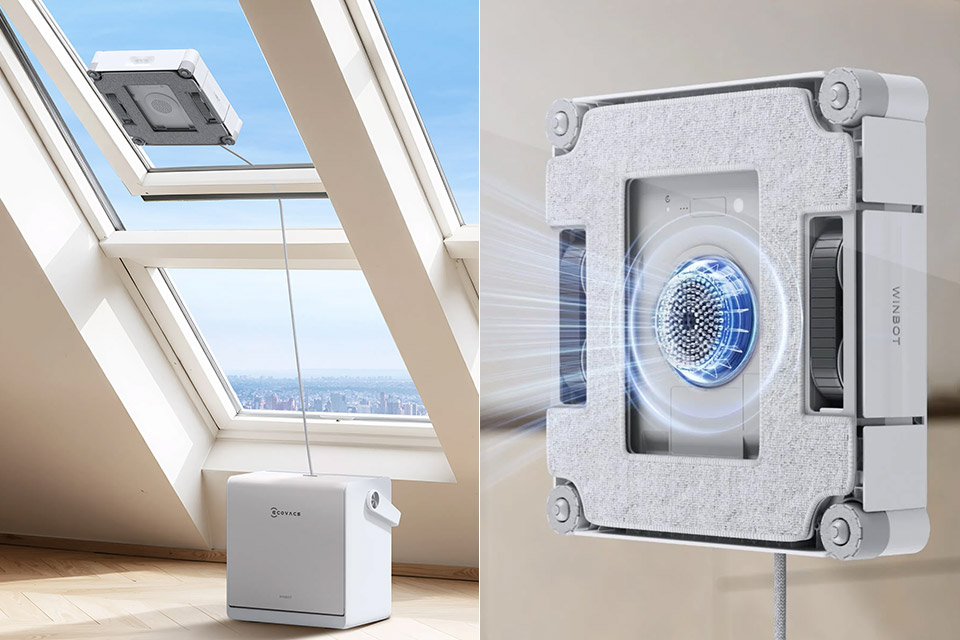
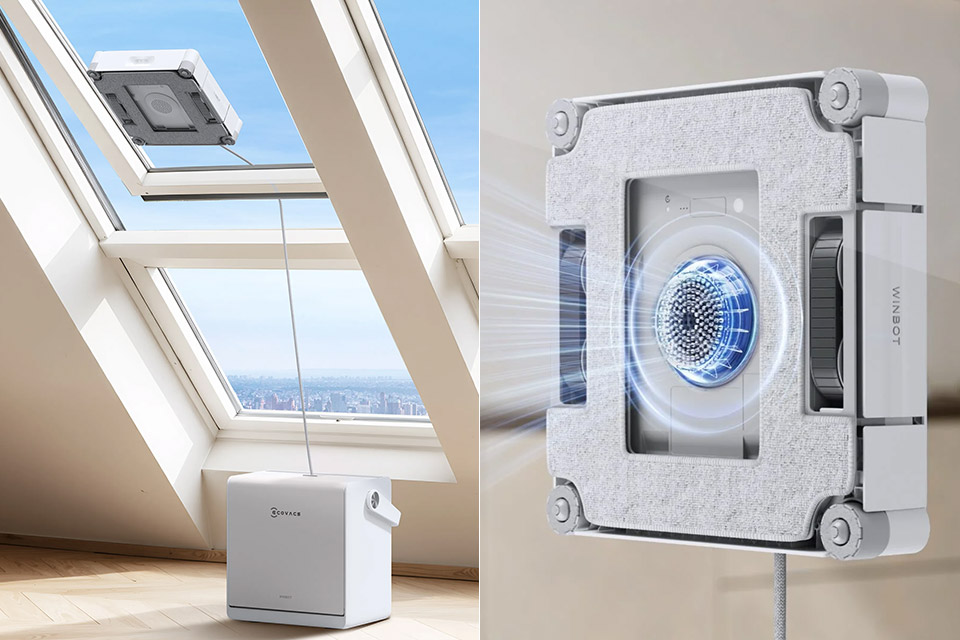
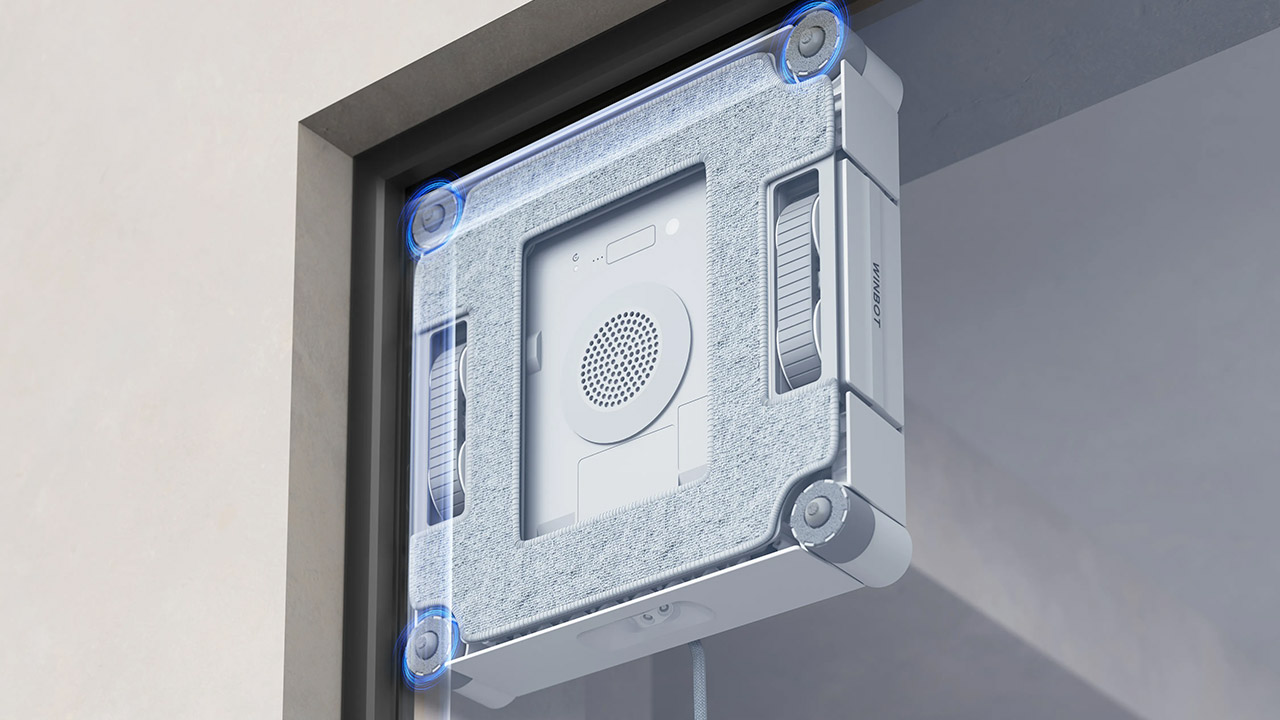
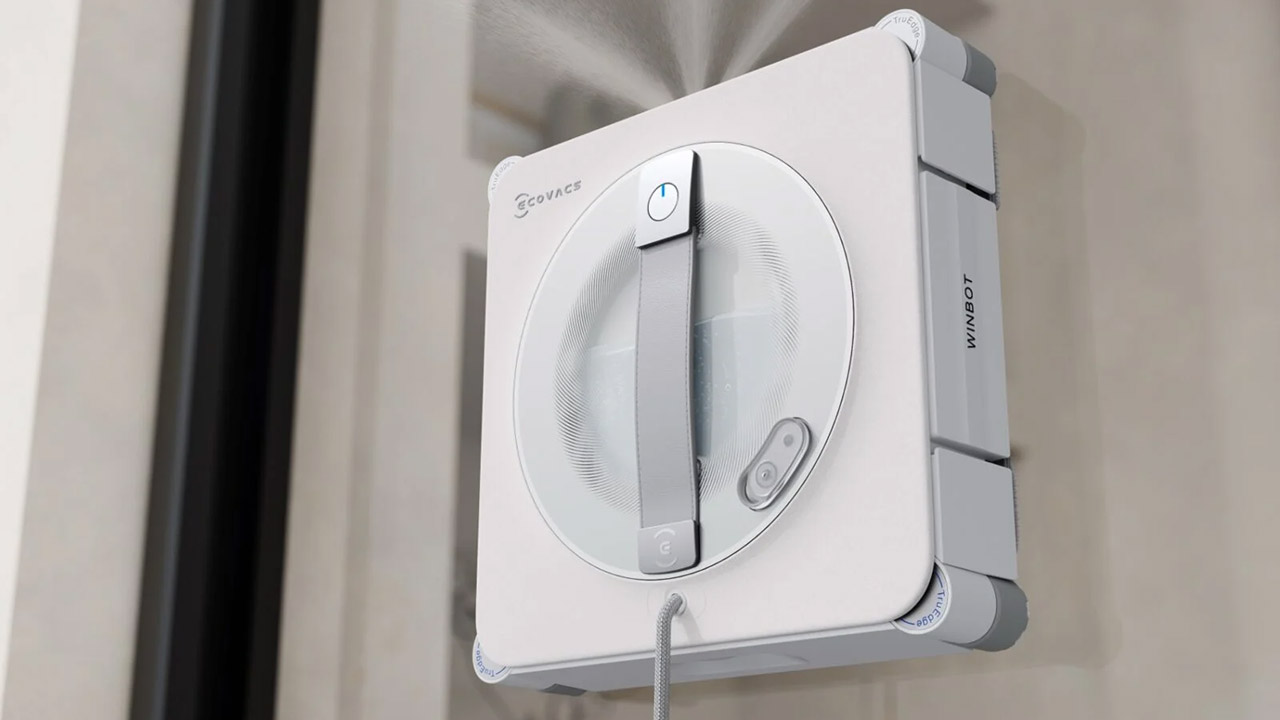
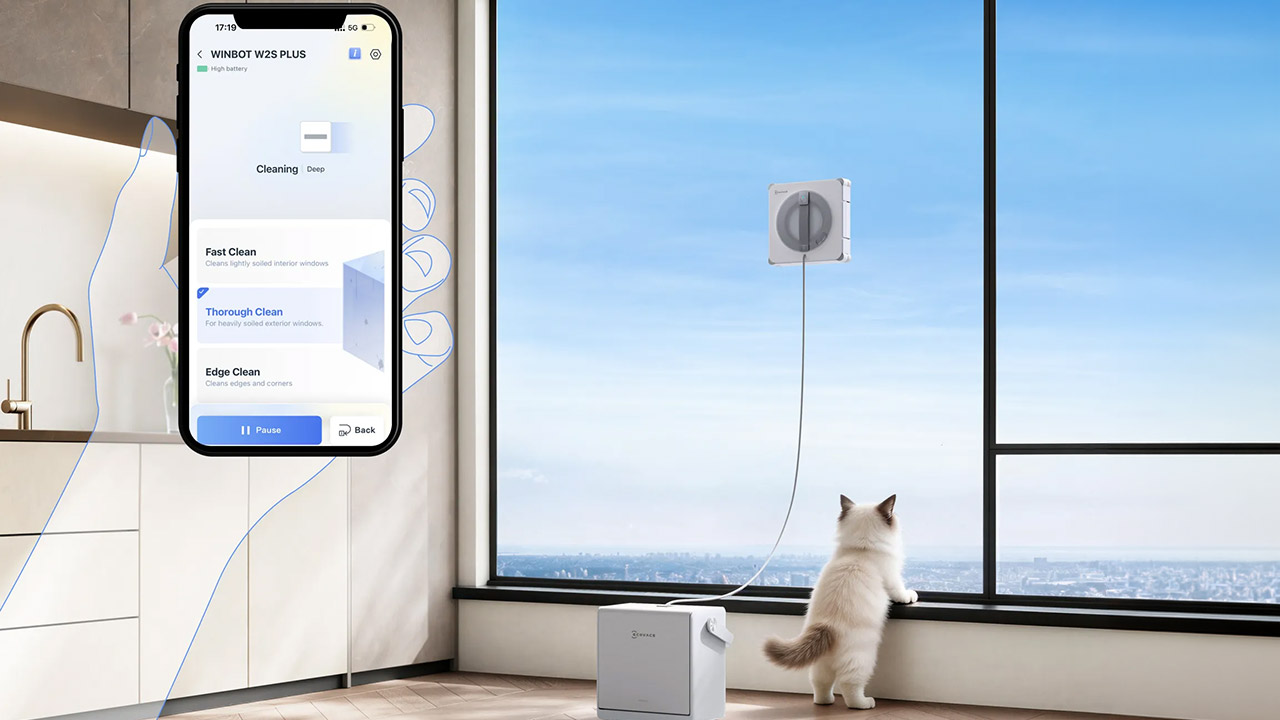
Robot vacuums solved floors years ago, while windows stayed stubborn. Tall panes, frameless panels, sliding doors, and mirrors still demand ladders, squeegees, and a weekend you would rather spend elsewhere. Ecovacs answered that gap with the Winbot W2S Pro Omni, a square climbing cleaner that sticks to vertical glass, sprays solution, scrubs edges, and returns to a portable station that cleans its own pad.


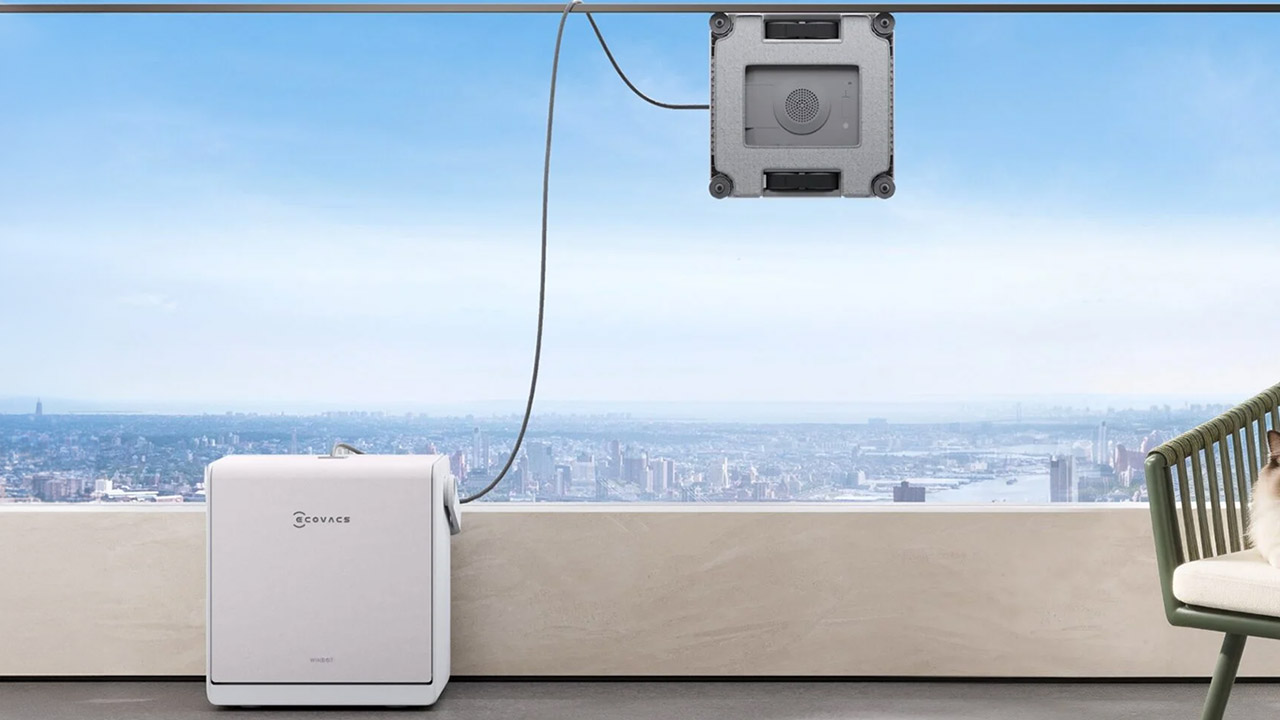
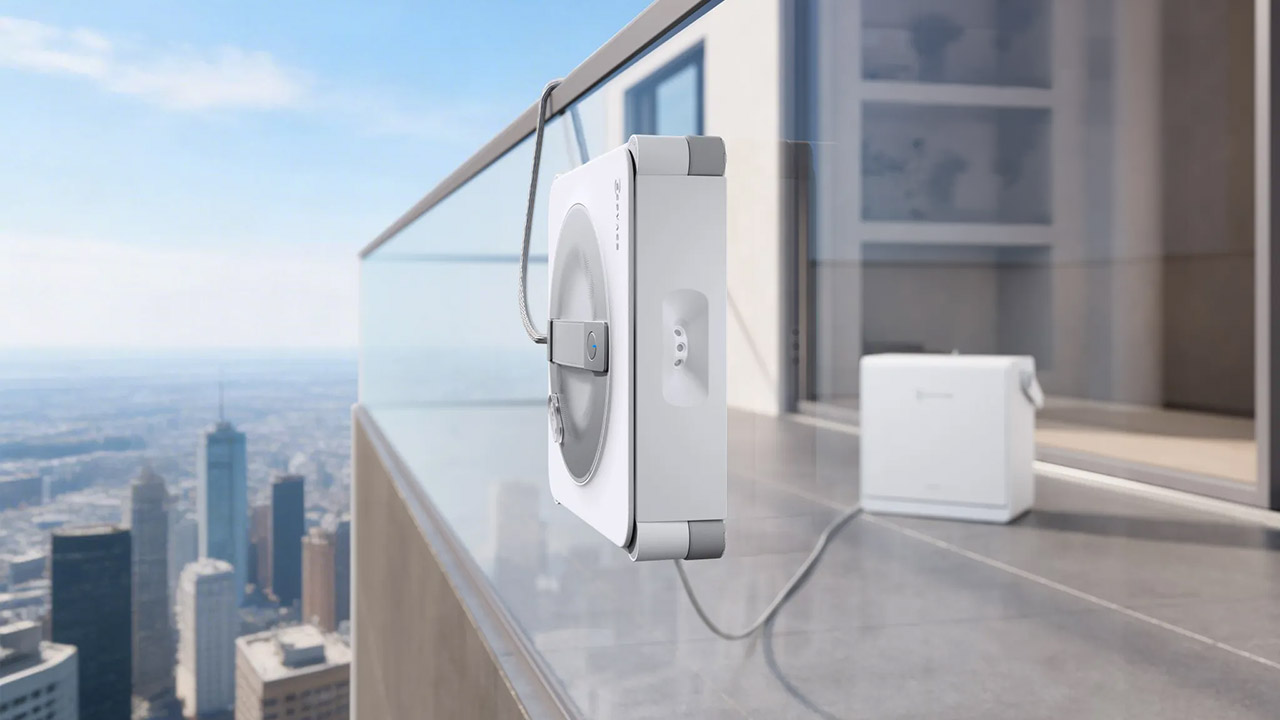
The machine comes in two parts: a small robot and a matching Omni station that work together. On one end is the robot, a nice tiny square that contains the microfibre pads, tank-style treads, and all of the sensors along its outside edges. The Omni station, located next to it, houses the battery, functions as a storage unit, serves as the control panel, and housing four scrubbers that clean the pad between uses. This item is designed to be used simultaneously; the station simply goes with the robot, so you don’t need an outlet right next to each window. When the job is completed, the two are connected by a cable that neatly retracts.

Sale


ECOVACS WINBOT W2 PRO Omni Portable Window Cleaning Robot with Multi-Functional Station, Charging While…
  • Dual Power Modes for Flexible Charging – WINBOT W2 PRO OMNI offers two power modes for flexible use: Battery mode and Plugged-in mode. Battery mode…
  • 6-in-1 Multifunction Station – WINBOT W2 PRO OMNI introduced the state-of-the-art window cleaning station – an all-in-one multi-purpose attachment…
  • 3 Nozzles Wide Angle Spray Technology – A fully upgraded 3 nozzles wide angle spray technology, together with the wet cloth ensure efficient and…

Winbot W2S Pro Omni Robot Window Cleaning
The suction power is rather impressive, reaching 10,000 pa. It can adhere to glass (including tall or frameless surfaces) and remain in place. The robot is equipped with a variety of sensors, including bump sensors, optocoupler edge detection, pressure sensors, and an inertial unit, to aid in direction determination. The system detects every edge, including those challenging pieces of free-standing glass that older models occasionally overlooked. When the robot reaches a border, it simply stops, turns around, and continues on without incident. One of the great features is the auto-lift on the felt pads, which allows for more freedom to clean around corners and reduces the possibility of dirt being pushed into them.

Winbot W2S Pro Omni Robot Window Cleaning
The TruEdge 2.0 system handles the tough element, which is getting into the corners. It has extremely dense felt bristles set in an eight-tooth radial design, allowing it to reach the last millimeter along the frames and corners for a thorough scrub. In addition, the robot is capable of making dedicated edge and corner passes. It has three pressurized spray nozzles on each side that lay down a fine film that loosens all dirt, rain markings, and bird droppings before wiping them away with the microfiber pad. With this, it can cover roughly 90% of the path without leaving any dry places. Ecovacs claims that when combined, it can clean approximately one square meter in 90 seconds and provides a 46 percent efficiency improvement over the previous model.

Winbot W2S Pro Omni Robot Window Cleaning
The station’s battery lasts about 110 minutes, which is adequate for a decent piece of glass. If you find that you need additional time, just plug the station into wall power and continue working on the larger tasks. A full tank of solution will cover several hundred square feet, depending on the mode you choose. You can select your normal cleaning modes (quick, thorough, heavy duty, zone, edge, and deep) using the station buttons, the Ecovacs app, or voice commands.

Winbot W2S Pro Omni Robot Window Cleaning
Ecovacs is concerned about your safety, therefore they developed an exceptional 12-tier solution that combines hardware and software. They’ve also added air-pressure adjustment, which acts in a fraction of a second when suction drops. If the robot begins to lose suction, this will be enough to keep it from sliding off. They also have power-off protection, which keeps it locked for more than 30 minutes, allowing you to retrieve it safely. If you’re concerned about it falling, there’s a one-meter safety rope and enough anchoring power to keep it tight (nearly 800 newtons should suffice), and the noise level is 66 decibels thanks to all the air ducts, vibration control, and insulation.

Winbot W2S Pro Omni Robot Window Cleaning
It costs $599.99 and will be available from Ecovacs and most high-street retailers from August 10, 2026. It’s in the mid-to-upper price range for window cleaning robots, but it has a lot of the top models’ better suction and battery life, as well as improved edge work and pad upkeep, which the mid-range machines lacked. Overall, it’s a useful tool that makes one of the most irritating household duties a little easier.

Advertisement

Source link

Continue Reading

Tech

Building a bicycle dropper seat post

Published

on

A recent addition to mountain bikes is the dropper seat post. This invention is in the vein of office swivel chairs, allowing the seat height to be adjusted with a simple handlebar mounted lever. They are rather fascinating inventions ranging in complexity from simple mechanical systems, to electronic monstrosities actuated by Bluetooth. Inspired by the panoply of possibilities, [kane components] set forth to create such a home-built dropper post. 

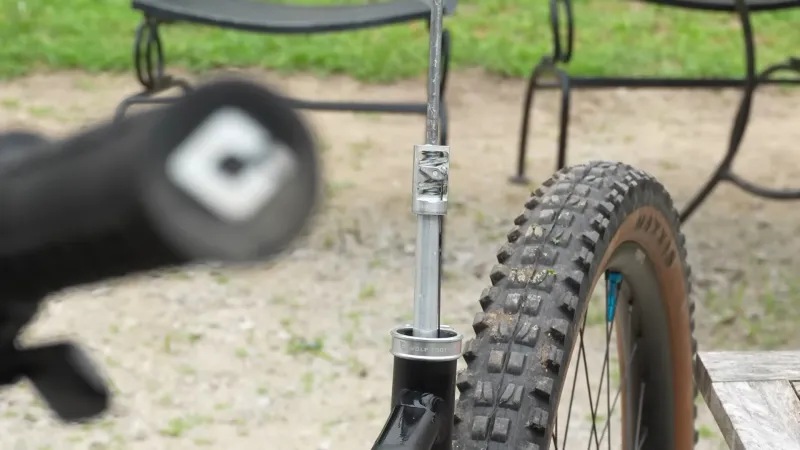
Inspired by woodworking bar clamps, [kane’s] design utilizing angled plates binding against a rail inside the dropper post. Two pairs of plates sitting at opposite angles resist opposite forces from either the rider sitting on the post, or the return spring. A simple cable actuated cam moves the plates to a nonbinding position when the lever is actuated, and springs return the plates to a binding rest-state. The return is handled by an air spring pressurized against a piston at the bottom of the shaft.

Though 3D printing could be used for a cursory test the mechanism, properly machined parts are needed to handle the loads running through a typical seat post. But instead of machining everything from scratch, [kane] reused the lower post and bushings from a broken post. To fit everything together, the lower post got thread milled so the entire mechanism can be threaded into the seat post as a replaceable cartridge. The upper telescopic section consists of aluminum tubing and a custom machined seat clam mechanism press-fit together.

As is the case with all engineering projects, a number of issues came forth once the dropper post made it onto a bike. Issues ranged from the cable pull causing the seat post to move slightly, to all manner of mechanical jamming. Filing down the ball end of the cable so it didn’t rub against the outer-housing of the seat post fixed that particular issue. The two-piece upper design also proved problematic with the press-fit having a bad tendency to come apart.

Advertisement

Despite these particular issues, did it end up working? No, not consistently. The binding mechanism does not consistently produce enough force to keep the dropper post from falling under a rider’s weight. Regardless, we really enjoyed following along with [kane] for the journey of creating such a mechanically complicated bicycle component!

To our surprise, this isn’t the first dropper post hack we have come across. So make sure to check out this bodge of a fix for a far more complex (and expensive) dropper next!

Source link

Advertisement
Continue Reading

Tech

Apple has run out of iPhone shapes, and Jefferies just cut it to sell

Published

on

Jefferies cut Apple from hold to underperform on Monday. That is the bank’s equivalent of a sell rating. It also cut its price target from $285.56 to $263.66.

Fortune’s Sebastian Herrera reported the call. The bank’s supply-chain checks produced three reasons. Apple has cancelled a rumoured all-glass iPhone, memory prices are surging, and there is little visible progress on AI.

The first of those is the one that matters. That handset was expected next year, for the iPhone’s 20th anniversary.

The cancelled phone is the argument

Jefferies put its reasoning plainly. “We believe this shows that introducing new form factors in the iPhone to drive higher [average selling price] is more difficult than expected.”

Advertisement

Average selling price is the lever Apple has pulled for a decade. A new shape justifies a higher number on the sticker. Cancel the shape and the lever goes with it.

That leaves the foldable iPhone, which Apple may reveal next month. Jefferies expects it to be the company’s only margin driver. Memory costs push the bank’s estimate to $2,199 for the 256GB version and $3,099 for the 2TB version.

Those are laptop prices on a phone. They are also an argument that the margin has to come from somewhere.

Memory is eating the hardware business

The cost of computer memory is why Apple raised prices on Macs and iPads. AI data centres are absorbing the supply. Tim Cook signed off his final earnings call with a warning about a “hundred-year flood” in memory chip pricing.

Advertisement

Most of the DRAM supply sits with three companies. Micron, SK Hynix and Samsung control it, a concentration Cook has lamented in public.

Apple has been looking for a way around that. The Wall Street Journal reported that it is testing memory from China’s CXMT. Buying Chinese memory chips at scale could draw objections from the White House.

Six sell ratings, and the last time was 2012

Bloomberg counts at least six firms now carrying sell-equivalent ratings on Apple. That matches a high last seen in 2012, shortly after the death of Steve Jobs.

Jefferies is not the first bank to move this summer. KeyBanc Capital Markets cut Apple to underweight in July, on iPhone demand.

Advertisement

Edison Lee, the Jefferies analyst behind the call, took the argument further on Bloomberg Tech. Apple, he told Ed Ludlow, is no longer the “king of the supply chain”.

The other side of the trade

Not everyone reads six sell ratings as a reason to sell. CNBC’s Investing Club published its counterpoint the same afternoon. Its headline told readers not to let a Wall Street downgrade scare them out of the stock.

Apple also disputes the AI leg of the case. Cook has framed the company’s on-device approach as a deliberate advantage rather than a gap.

“The ability to run some percentage of requests on-device is also very strategic, sort of a competitive weapon if you will,” he said.

Advertisement

Investors have been less patient. They were already running out of patience with Apple’s AI promises before this downgrade landed.

Ternus inherits the argument next month

John Ternus takes over as chief executive next month, succeeding Cook. Apple’s annual iPhone event is expected in early September. The foldable is expected with it.

He arrives with two demands running at once. One is the margin story. The other is product, and the company has spent the past year rebuilding the design team after a run of senior departures.

The quarter was fine. That is the point.

Apple’s July guidance put iPhone sales at mid-teens percentage growth this quarter. The iPhone is roughly half the business. That is a deceleration from 22% growth in the quarter just ended, and Apple warned that gross margins would come under pressure.

Advertisement

Growth at that rate is not a crisis, and Jefferies is not arguing that it is. The argument is narrower than the headline suggests.

If price rises have to carry the margin, the ceiling on what Apple can charge becomes the investment case. The only new shape left is a foldable starting at $2,199. That is a great deal of weight for one handset to hold.

Source link

Advertisement
Continue Reading

Tech

Revolut wins full French banking licence as EU push continues

Published

on

The fintech’s French entity becomes its second full EU banking hub.

Revolut has received a full banking licence in France, giving the fintech giant a second European Union hub.

Revolut Bank SA (RBSA) was granted the licence following a joint assessment by the Autorité de Contrôle Prudentiel et de Résolution (ACPR) – a part of France’s central bank – and the European Central Bank, with the decision formally adopted by the ECB Governing Council. The company, which claims more than 75m customers worldwide, said the move marks a “historic milestone” in its European journey.

The licence lands as Revolut deepens its roots across western Europe, its largest and fastest-growing region with about 30m customers, including close to 8m who joined in the past year. Ireland accounts for more than 3.4m of those customers.

Advertisement

Over the last year, the company has committed more than €1bn in regional investment, hired more than 600 people and confirmed a 2027 opening for its new western European HQ in Paris.

RBSA will progressively begin serving customers across Europe, starting with France, before Germany, Ireland, Italy, Portugal and Spain follow in later phases. Revolut’s Lithuanian entity, Revolut Bank UAB – which currently serves its Irish customers – remains the cornerstone of operations for the rest of the EEA under a dual-hub model, with both the SA and UAB bodies supervised by their local regulator and the ECB.

“This licence gives us the foundation to build the next generation of banking for more than 30m customers across western Europe,” said Nik Storonsky, founder and CEO of Revolut. “France has become a leading financial hub, supported by a dynamic financial ecosystem and a robust regulatory framework. It is the ideal platform to accelerate Revolut’s next phase of growth, bringing us one step closer to our ambition of becoming one of Europe’s largest and most trusted banks.”

Béatrice Cossa-Dumurgier, CEO for western Europe at Revolut, said: “This achievement reflects months of close collaboration with the ACPR and the European Central Bank, whose rigorous standards have helped us build the right foundations for long-term growth in the region. We are grateful for the constructive dialogue we’ve had throughout this process. Our focus now turns to execution.

Advertisement

“We’ll begin by serving customers in France before progressively expanding across western Europe, while accelerating the localisation of our products and services to better meet the needs of retail and business customers in each market.”

The French approval is the latest in a run of regulatory wins for Revolut this year. It finally secured its full UK banking licence in March after a five-year wait, applied for a US banking licence around the same time, and in July launched its first Asia-Pacific banking entity in Australia after receiving regulatory approval there.

Revolut now operates across 40 markets. The company reported its fifth consecutive year of profitability in March, with group revenues up 46pc in 2025 to $6bn, and is reportedly gearing up for a public listing around 2028 at a valuation of between $150bn and $200bn.

Don’t miss out on the knowledge you need to succeed. Sign up for the Daily Brief, Silicon Republic’s digest of need-to-know sci-tech news.
Advertisement

Source link

Continue Reading

Tech

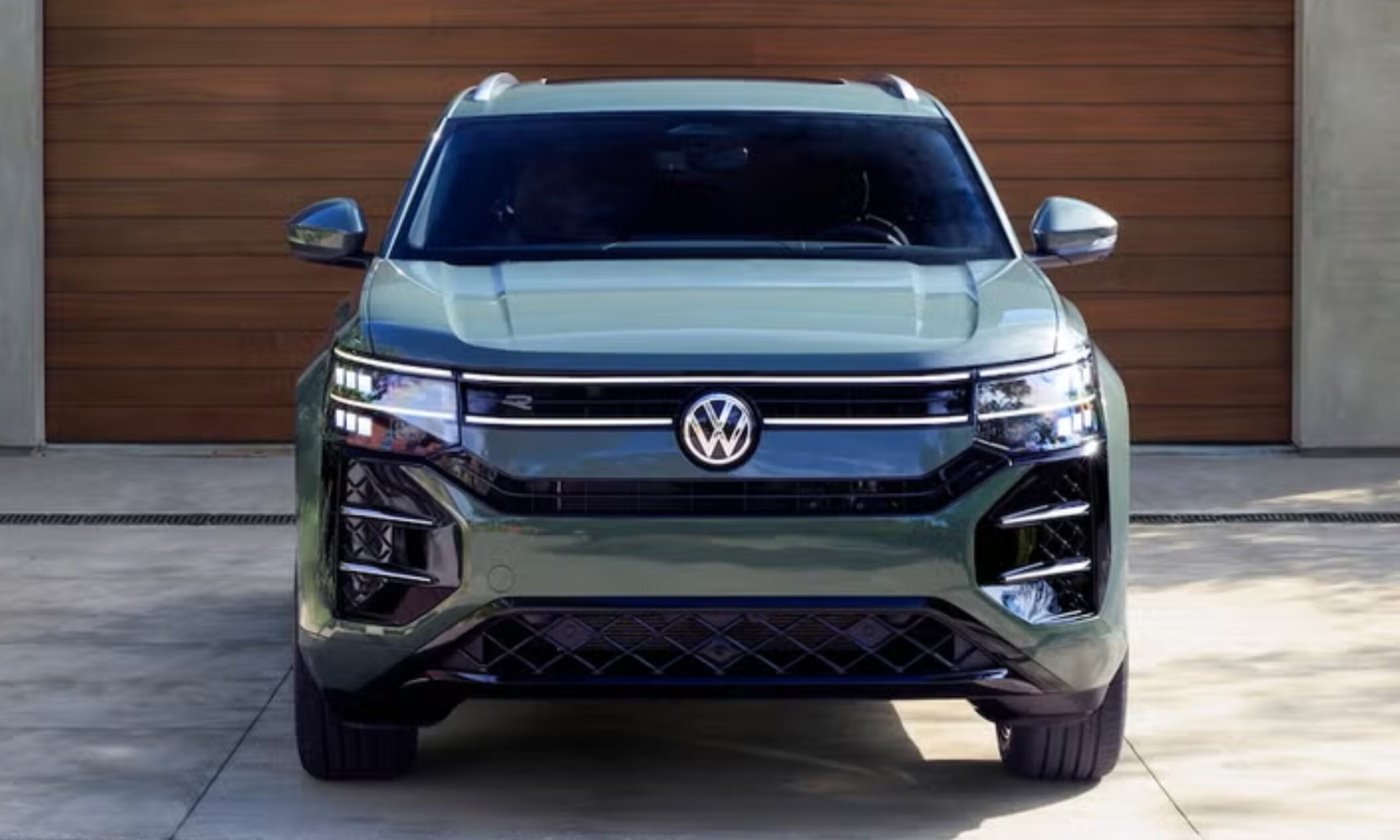
Volkswagen just gave the Atlas Cross Sport more power, more features, and more personality

Published

on

I’ve always thought the Atlas Cross Sport looked like an Atlas that didn’t quite find its personality; competent but a little forgettable. Volkswagen apparently agreed.

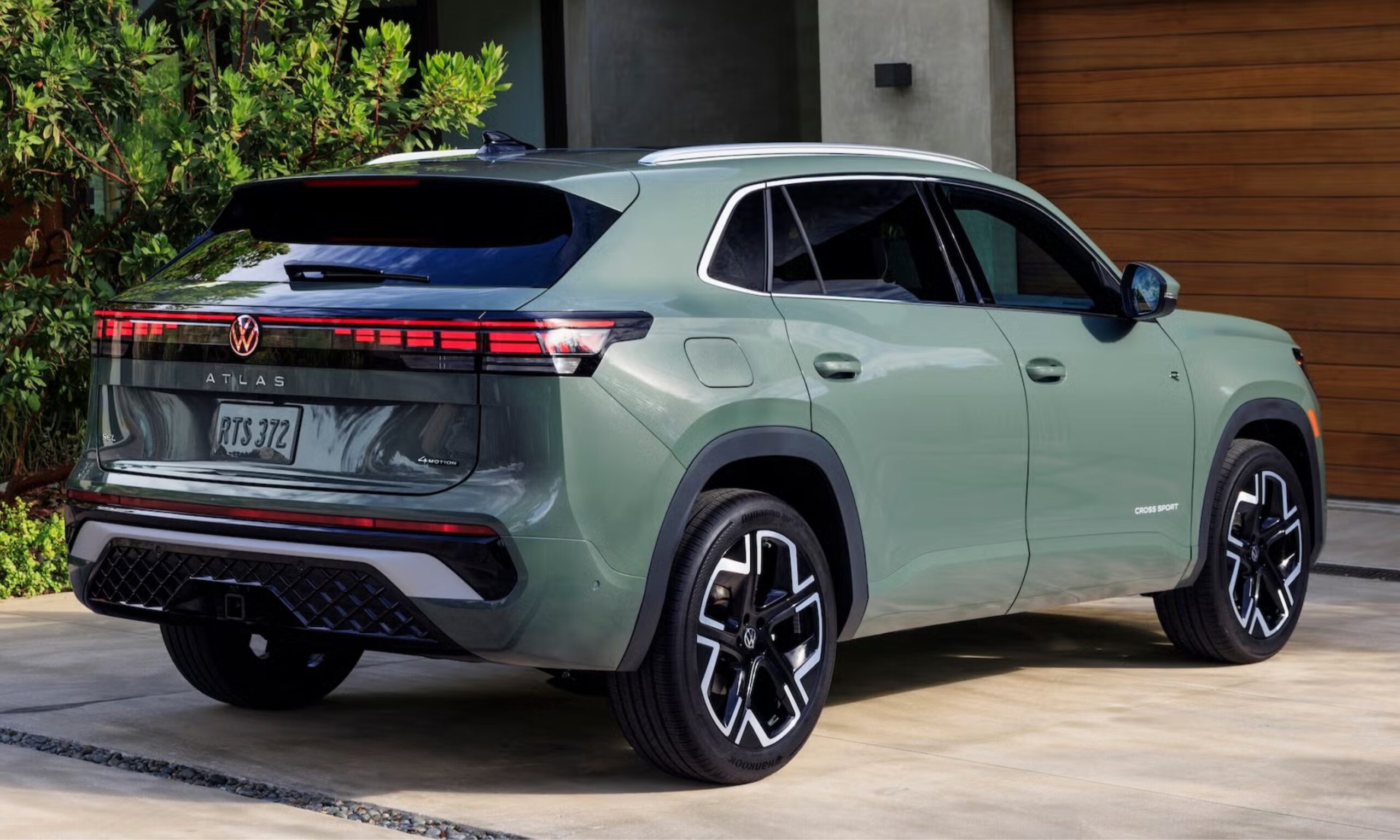
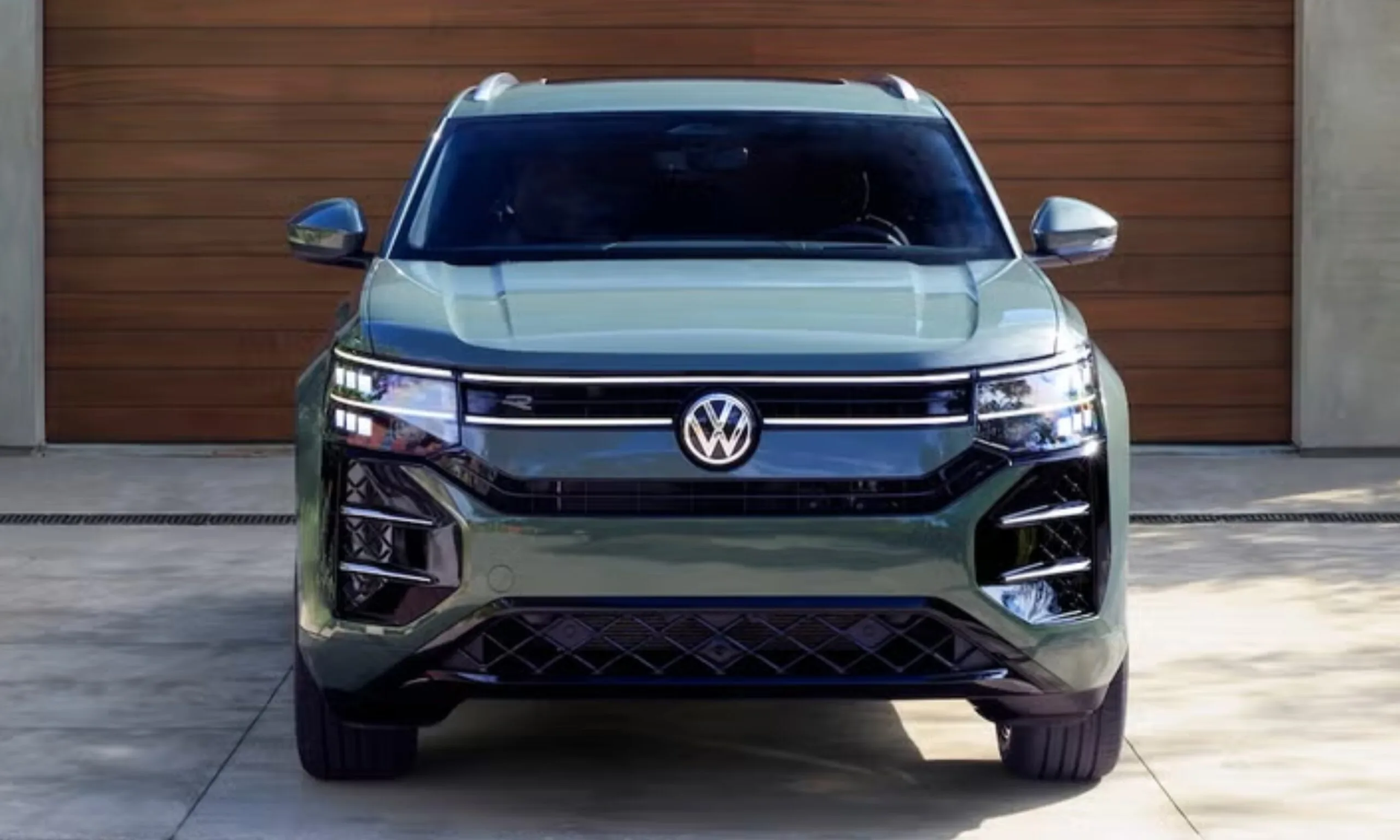
The automaker just revealed a fully redesigned 2027 Cross Sport. It now has a sharper exterior, a genuinely upmarket cabin, and, most importantly, more power under the hood. Further, it’s arriving early next year as the sportier five-seat alternative to the three-row Atlas.

So what actually changed on the outside and inside?

Based on an updated MQB Evo platform, the new Cross Sport measures around 4,968mm in length, over 127mm shorter than its three-row sibling. The lower stance and a sharply raked rear roofline give it a sporty look. 

Stacked LED headlights, an illuminated VW badge on every trim (except the base model), and a flush-mounted tailgate round out the exterior overhaul. Volkswagen is also offering three new paint colors, including a Blackberry Metallic option. 

Inside, you’ll get a wraparound dashboard loop, wood trim, contrast stitching, and ambient lighting that replace what used to feel like a fairly utilitarian cabin. Every trim now gets a reworked 12-way driver’s seat. Upper trims also add full-back massage for both front occupants.

Advertisement

What about the tech and the engine?

Following the global trend of larger screens, the 2027 Cross Sport gets a 15-inch infotainment display, which is standard on roughly 90% of the lineup, and a new physical dial for controlling volume and drive modes. There’s a 10.3-inch digital gauge cluster across the board as well.

Power comes from an updated turbocharged 2.0-liter four-cylinder, which now makes 282hp, a 13hp bump. The engine is paired with an eight-speed automatic and optional 4Motion all-wheel drive. 

While the pricing hasn’t been announced yet, I’m expecting the company to reveal more details as the launch approaches in early 2027. With the Atlas family making up roughly a third of Volkswagen’s US sales, this redesign carries real financial stakes beyond just refreshing an aging model. 

Source link

Advertisement
Continue Reading

Tech

Elon Musk’s giant Texas chip factory just got a $16.8 billion commitment, and its planned size is staggering

Published

on


  • SpaceX and Tesla commit $16.8 billion to build a gigantic Texas chip factory
  • TeraFab could cover more than 100 million square feet when fully built
  • Elon Musk claims TeraFab will reach 50 times the size of the Pentagon

SpaceX and Tesla have revealed more details in their plan to invest $16.8 billion in a massive semiconductor factory planned for Grimes County, Texas.

The facility, known as TeraFab, is expected to manufacture chips for several computing-intensive applications associated with both companies.

Source link

Advertisement
Continue Reading

Tech

Report: Analyst Shatters Expectations of an All-Glass iPhone

Published

on

If you were hoping for an all-glass iPhone, a new report from Barron’s might shatter that dream. The financial news source reports that Jefferies analyst Edison Lee believes development on an all-glass mobile device has come to a halt.

According to the report, Lee thinks the device was canceled because of “poor production yield,” or not enough defect-free units being successfully made during production.

An Apple representative did not immediately respond to a request for comment.

The device was rumored to launch in the fall of 2027 to celebrate the iPhone’s 20th anniversary, and Barron’s reports it could have cost an eye-watering $2,060.

Advertisement

Rumors of an all-glass iPhone began after Apple filed for a patent in 2019 on an electronic device with a “six-sided glass enclosure.” The device in the patent resembles an iPhone, with app icons on one side and a way to signal to others that you’re on a call on the other side. The device also has curved glass panels and seemingly no cutouts.

“We believe the plan was to extend the all-glass features to future iPhone Pro and Pro Max models, further raising their average selling price and margin,” Lee wrote, according to Barron’s.

For more on Apple, here’s what to know about iOS 27 and everything the company announced at its Worldwide Developers Conference in June.

Apple’s New Lease Program, NY Sues Kalshi and the Latest on Australian’s Social Media Ban | Tech Today

Source link

Advertisement
Continue Reading

Tech

What Distinguishes Fleetlines From Other Classic Chevy Sedans?

Published

on


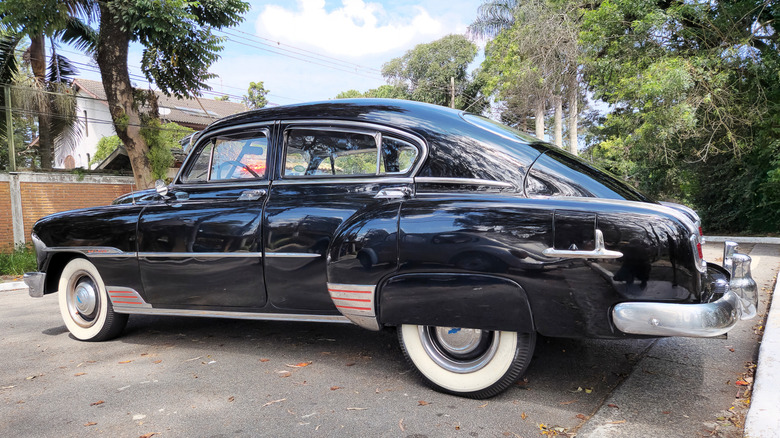
The distinguishing characteristic of the Chevrolet Fleetside is its fastback roofline. The Chevy Fleetside’s origin story goes back to the 1942 Chevrolet Aero-sedan, released right before Pearl Harbor. Then the U.S. auto manufacturers converted their production facilities to support the Allied war machine, with several automotive brands used in the U.S. military. The car resumed post-war production in 1948 as the Fleetline Aerosedan, which was shortened to Fleetline for the remainder of its life. The focus of this article will be on Chevrolet’s first modern post-war vehicle, the 1949-1952 Chevrolet, which was an all-new design that offered the Fleetline body style throughout its four-year run.

Chevrolet’s Engineering Department completely redesigned the 1949-1952 Chevy, while styling was done under the supervision of GM Design Chief Harley Earl. The Fleetline was an extremely successful body design, although this was not equally distributed between the four-door and two-door Fleetline models. While 171,595 of the four-door examples were sold during the car’s four years on the market, an incredible 851,137 of the two-door versions were sold. This trend led to the deletion of the four-door from the Chevy lineup after 1951, when only the two-door sedan would remain. 

Many of these Fleetline models would live on in different areas of the car culture, with some being customized and others being made into lowriders. The 1949-1952 Chevrolet Fleetline marked the end of the line for a fastback-styled Chevy — at least until the body style returned in a slightly different form during the 1960s, as exemplified by America’s best-selling car of 1965

Advertisement

How did the 1949-52 Chevrolet Fleetline perform?

While the sheetmetal and the chassis of the 1949-1952 Chevrolet Fleetline may have been new, that doesn’t mean that its engines were. Initially, there was a 216.5 cubic-inch “Thriftmaster” inline six-cylinder engine mated to a three-speed manual transmission that produced 90 horsepower in 1949 and was boosted to 92 horsepower for the remaining years of the run. The big news came in 1950, with the addition of a two-speed Powerglide automatic transmission. Adding Powerglide required an engine upgrade to a larger, 235 cubic-inch “Blue Flame” inline six that made 105 horsepower. Both engines breathed through a single-barrel carburetor. Braking was by hydraulic drum brakes at all four corners, while suspension was independent in the front with a live axle and leaf springs at the rear.

Performance stats for the 1949-1952 Chevrolet Fleetline were not great by today’s standards, but they were likely comparable to the Fleetline’s competitive set, with the Powerglide cars about a second slower than the manuals. Zero to 60 mph took between 20 and 22 seconds for the manual, with the quarter-mile taking a similar amount of time, with a trap speed of 60 mph or slightly more. Top speeds were somewhere between 80 and 85 mph.

Advertisement

The Chevrolet Fleetline was far from being one of the worst-looking Chevrolets ever made. It represented the final expression of fastback design language for a decade or so. It would take until the go-go 1960s were fully underway before GM would resurrect this mode of styling and adapt it to the muscle car era.


Advertisement

Source link

Continue Reading

Trending

Copyright © 2025