On today’s episode of You Asked, we cover what to do about an 83-inch TV that’s too bright, whether it’s time to upgrade a 10-year-old TV, and whether a calibration can extend the life of your OLED.
Is an 83-inch TV too bright?
Douglas Murray / Digital Trends
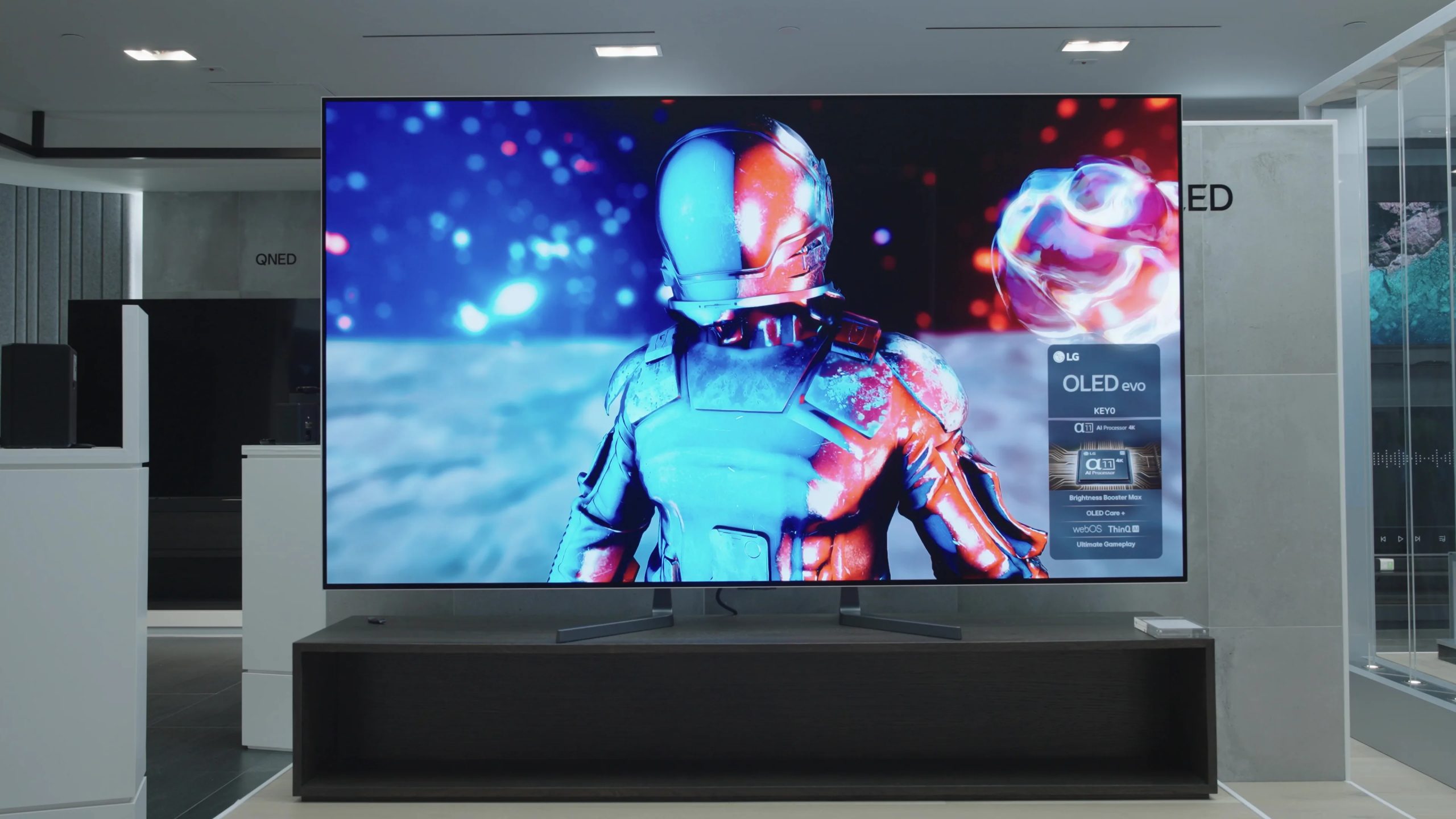
@msbgone asks: I went with an 83-inch TV, and it’s so bright that at times I have to close my eyes. I love the size, but man, being so bright is not always great, and I do not have it at max brightness. Also, when there are shows with flashing, wow, it can be a hard watch. So would I go smaller? Well, I’m not sure. Larger seems overall better in most cases.
Well, to answer your last question first: Yeah. Larger is usually better when you want to be fully immersed in what you’re watching. However, I would say there is such a thing as too large of a TV. Like, if you’re within 10–12 feet, 83 inches feels like a little bit of overkill.
At that distance, 65 inches should be fine. 77 inches is probably all you need. And both would save you a considerable amount of money versus an 83-inch TV. And I’m gonna assume you’re talking about an OLED TV in response to a recent episode of You Asked.
Anyway, I think if you’re finding the TV too bright and you aren’t at max brightness, there could be a few things at play.
Advertisement
One: Picture mode matters a lot. Especially in a Vivid or Dynamic mode, but even sometimes just in its Standard or Eco mode out of the box, you’re getting a cooler or more blue color temperature than you would in a Movie or Filmmaker mode. Those modes, movie and filmmaker, tend to give you a warmer color temperature that’s easier on the eyes regardless of where your brightness is set. So if you’re not in one of those modes, it’s worth making that change and getting rid of that harsh blue light that can cause a little more eye discomfort.
Another thing could be your Local Dimming setting. Set to High, it’s going to push the highlights a little harder and darken the shadows to create more contrast. If you were to lower that setting, while it would take away a bit from the higher contrast HDR experience, it would probably be another step toward lowering the brightness.
And the third thing: it could just be the size. If it’s too big, it’s too big and there’s just too much light coming at you at a close distance. So maybe going smaller would be the answer.
Should you upgrade a 10-year-old TV?
TCL Q671GTCL
@petekropf5335 asks: I need your help on if I would see a huge improvement buying a new low-cost TV versus my current 10-year-old TV. I currently have a 65-inch LG UH6150… that’s an LED TV if you didn’t know… Peter continues… It’s still working, but hard to see dark scenes in shows, and the ethernet / wireless have not worked in years. So I have not been able to update the TV. I was wondering if the picture quality would be worth it if I got a low-cost TV such as the TCL 75-inch Q671G or Hisense QD7N. When you have watched the same TV for a decade, it’s hard to know if the one I got has better picture quality than a cheaper new one. Any thoughts would be greatly appreciated. Thank you!
Hey Peter, before getting into the details, I would say straight up, yes, you’re due for a new TV. I know it’s a badge of honor for us to boast about how long we’ve had something and how well it’s aged, and how good of a value it is since you haven’t had to spend money on an upgrade in a decade. But at some point, if you do value picture quality and a lot of the quality of life improvements that have come in the last 10 years, it’s time to say a respectful farewell to the TV and upgrade. And this is coming from someone, me, who had the same LG LED TV in my living room from 2011 until 2023. I used a Roku streaming stick to keep up with the times and quickly access and update my favorite apps, but I was long overdue.
Advertisement
So, to you, I would say you can confidently upgrade and know that you’ll see a difference in picture quality and how quickly the TV operates and the smart TV interface.
In terms of the TVs you’re looking at upgrading to, I’m sure you’re well aware that as budget models, both have their compromises, but it really comes down to a few key differences, with a caveat I’ll mention at the end.
Hisense QD7NHisense
The TCL uses a VA panel, which will have better contrast, and that’s its biggest advantage.
The Hisense, on the other hand, is brighter and uses an IPS panel, which gives it a much wider viewing angle. But that comes at the cost of contrast.
So if you and your viewing party are primarily watching the TV from straight on and the room dimly lit, or better yet, just straight up dark, the TCL Q671G is probably the way to go. But if you’re in a brighter room or someone will be frequently watching TV from a side angle, I lean toward the Hisense.
Advertisement
The only potential flaw in this logic is this: in the United States, we have the TCL Q651G, which is what I’m basing my advice from. You’re talking about the Canadian Costco version, which is the Q671G. From what I can find, they’re pretty much the same, but just wanted to have that in there so you know in case you’re doing further research.
Can a calibration extend the life of your OLED?
Sony A8HDan Baker / Digital Trends
John Craig asks: I have a Sony A8G OLED that I bought after watching a Digital Trends review. It’s been great, and I still enjoy it even more than the newer Sony X90L, which was also a Digital Trends recommendation. Recently, the A8G seems to have lost some of its pop. I’ve tried adjusting some settings based on YouTube channel recommendations, but it still seems like it has lost some of its luster. My questions: Would getting a professional calibration be worthwhile at this point? Can the picture on an older TV be revitalized through those adjustments? Or is the OLED just fading with age?
Oh this is a good one John. First of all, I think that speaks volumes about OLED TVs and how even older models still turn out a superior image compared to newer LED TVs. Glad to hear you’re still enjoying your A8G.
As for your question though, if you’ve gone through the suggested advice, which is probably some of the same stuff I’d say, I’ll save you the time and say that a professional calibration is the next logical choice, but is it worth it?
If you can really tell that it’s lost some of its pop, and you would know better than anyone online because it’s YOUR EYES that have been on it for more than half a decade, then maybe it is too far gone.
Advertisement
Sony A8HDan Baker / Digital Trends
But a calibration from a professional can make a big difference. What a pro can do is adjust the TV to what best fits your room and viewing environment. Everything from color to black levels and brightness can be tuned to improve the image. And again, I think it would help.
But consider the price of the calibration and the age of the TV. That professional is probably gonna cost anywhere from 200 to 500 dollars… maybe more. It’s not cheap, but it is less expensive than a new Sony OLED. I’m just assuming you’re Team Sony since you have two of them and like the processing of the A8G.
Sony Bravia 8 OLEDZeke Jones / Digital Trends
At one point, I probably would’ve just recommended the Bravia 8 Mark 1 when it was on a bigger sale during the holidays, but a 65-inch model is nearly 2,000 dollars again, and that’s a lot more than it would cost you to get your current TV calibrated.
All that to say, I’d say go for the calibration if you want to see the improvement and put off buying a new OLED… OR… If you were to venture from Team Sony, check out the LG B5. At 65 inches, I’m seeing it for 1,000 dollars right now, and THAT might be worth it for a new OLED TV instead. I hope that helps.
A collection of YouTube channels are suing Apple under the provisions of the DMCA, with the company accused of scraping videos from YouTube and using them to train internal AI models.
Apple is accused of scraping YouTube to train its video AI models.
In a lawsuit filed on April 3 at the United States District Court for the Northern District of California, a trio of YouTube entities are suing Apple over allegations of copyright infringement. Apple is accused of violating the Digital Millennium Copyright Act (DMCA), all to collect footage to train its AI models. The class-action lawsuit is headed up by Ted Entertainment, owners of the h3h3Productions channels and podcast. Two golf channels accompany Ted Entertainment, with MrShortGameGolf and Golfholics also involved in the legal action. Continue Reading on AppleInsider | Discuss on our Forums
US Border Patrol agents are raising money by selling coins that commemorate last year’s wave of immigration enforcement “operations” across the country, along with other merchandise. The funds are for nonprofit organizations that list Border Patrol buildings as their address in IRS paperwork. At least two of the organizations have dedicated US Customs and Border Protection email addresses.
The front side of one coin for sale reads, “NORTH AMERICAN TOUR 2025,” along with the acronyms for US Border Patrol and the acronym for “fuck around and find out”—a phrase that was initially popularized by the far-right group the Proud Boys and has been used by various Trump officials. In the center, the coin depicts a gas mask, a riot control smoke grenade, and a pepper ball launcher. On the other side, the coin appears to have a portrait of Border Patrol’s now retired commander-at-large, Gregory Bovino, with his arm raised in a salute, along with the text “COMING TO A CITY NEAR YOU!” It lists seven cities, many of which actually saw federal enforcement surges in 2025: Chicago, Los Angeles, Memphis, Phoenix, Portland, Charlotte, and Atlanta.
The coin is for sale by Willcox Morale Welfare and Recreation, a nonprofit that the IRS most recently declared tax-exempt during the Biden administration and whose address on IRS paperwork matches that of the Willcox Border Patrol Station in Arizona. A request for comment sent to Willcox MWR’s dedicated CBP email address went unanswered.
Employees of the Department of Homeland Security, the parent agency for Border Patrol, are allowed to start private, not-for-profit employee associations within DHS, so long as they get formally recognized by the agency and follow certain rules. According to DHS policies, officially recognized groups can fundraise using government property and create merchandise with the agency’s name and logos–but they have to receive advance approval from the agency.
Advertisement
Willcox MWR is just one of several groups across the country that cater to Border Patrol agents and refer to themselves as MWRs, a reference to the US military’s “morale, welfare and recreation” programs. The groups tend to throw holiday events and retirement parties, and sometimes raise money for the families of agents going through hard times, including those not getting paid during the current shutdown.
Following the publication of this story, CBP spokesperson Hilton Beckham told WIRED that Willcox MWR and the other non-profits identified in our story had existed under previous administrations and had “received authorization to conduct limited commercial activities on CBP-occupied property.” Beckham said that the agency was in the process of updating its policies and procedures related to MWRs.
Many MWRs also sell customized medallions known as “challenge coins” that commemorate specific teams or events. While anyone, including CBP alumni, can design and sell coins, current DHS employees are not supposed to use government resources to sell ones that use the agency’s seals or logos without permission, or ones that the agency considers inappropriate or unprofessional.
Beckham, the CBP spokesperson, said, “CBP takes its branding and recognition policies seriously.” Beckham did not say whether the agency’s Publication and Branding Review Board, which is in charge of approving branded merchandise, greenlit “North American Tour” coin design.
Advertisement
Under Willcox MWR’s Facebook post about the “North American Tour” coin, someone named Juan Diego commented, “Sign up SDC BK5 MWR for 10.”
“Shoot us an email,” someone managing the Willcox MWR account replied, giving out what appeared to be a dedicated cbp.dhs.gov email address for the group.
SDC BK5 MWR, also a registered nonprofit, lists an address on its website that matches that of a government facility in Chula Vista, California. It says on its site that it was started by San Diego Sector Border Patrol agents and sells custom merchandise “designed to raise funds for morale and relief efforts.”
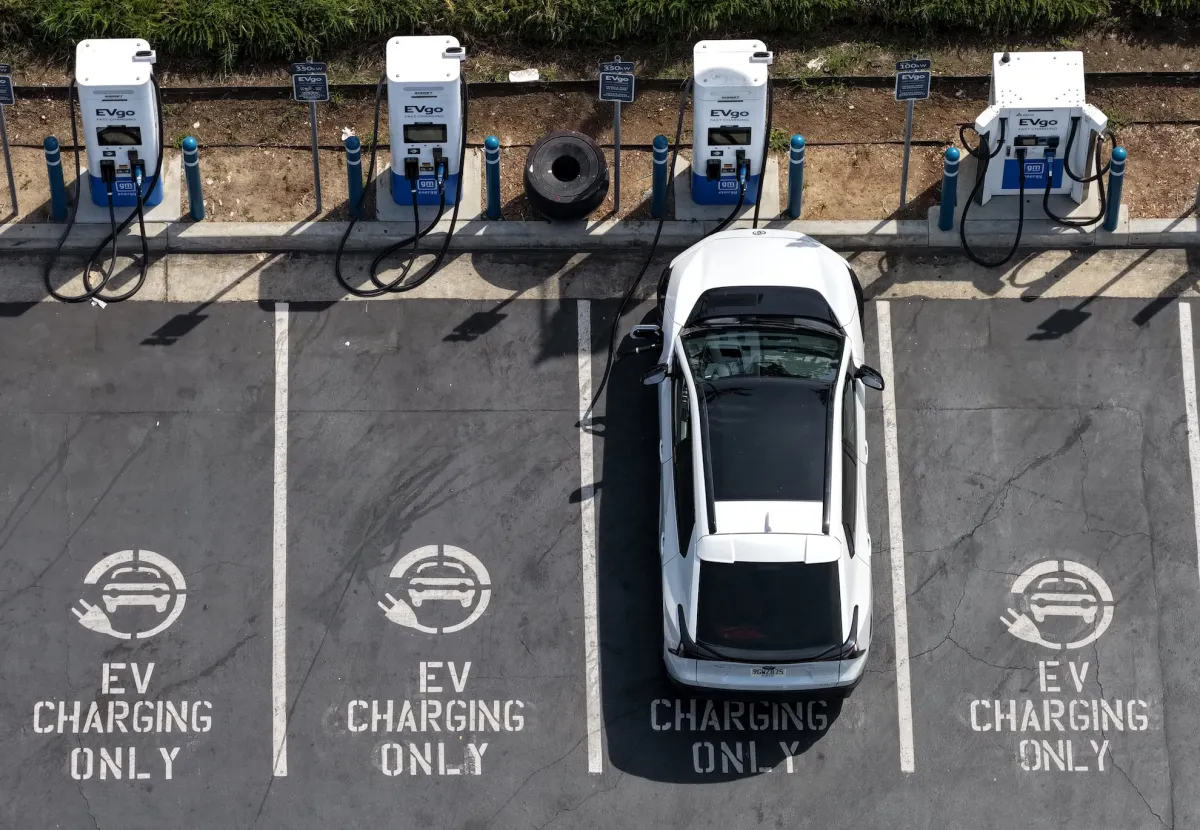
The most recent electric vehicle sales data provided a grim picture — at least for new EVs. Sales of new electric vehicles took a beating in the first quarter, falling some 28% year-over-year after the Trump administration axed the $7,500 consumer tax credit, according to Cox Automotive.
Used EVs are moving in the opposite direction. And a couple of accelerants have combined to supercharge those sales.
First-quarter used EV sales increased 12% compared with the same quarter last year, according to that same Cox Automotive report. There’s a bit of momentum over a shorter term too; used EV sales popped 17% between the fourth and first quarters.
The rising cost of gas — the average price is above $4 a gallon — has helped spur interest and sales of electric vehicles. But there’s another factor at play here as consumers seek out affordable options: an abundance of expiring leases, the Financial Times reported. EV leases were a popular choice in the early 2020s, and now that they’ve expired, hundreds of thousands of pre-owned EVs are entering the marketplace. And consumers are ready for them.
Advertisement
By the end of the year, EVs will account for 15% of all off-lease vehicles, double from 7.7% in the first quarter, the FT reported.
The ol’ economic principle of supply and demand remained steadfast; the surge of pre-owned vehicles helped push prices lower, giving those sales a further boost. That’s led to price parity — or close to it — with internal combustion vehicles. According to Cox Automotive, the average price of a used EV is $34,821 compared to $33,487 for the gas engine equivalent.
3D printing is a staple of the hacker community. From decorative items to rugged functional parts, almost anything you can think of, can be printed. [anurag.id] shows us some classic 3D printing hacks by converting his keyboard into a compact workstation.
Like any hacker project, the initial idea is small: he decides the knob on his mechanical keyboard is boring, so he designs some alternatives. First, one “retro style” knob. Then, like any good project, the scope creep begins. He makes another knob, and another… by the end he has 6 different designs! But don’t worry, the scope can get even bigger. He decides his ipad needs a good stand on his desk–and what better place to put it than on the keyboard? Now it’s starting to look like a real little workstation. Finally, as a finishing touch, he adds some magnetically-attached wrist rests for a compact, ergonomic workstation.
If you’re anything like me, a trip to the grocery store is a joy ride for the taste buds. As soon as I get home, I tear into my finds and determine what will take priority when the urge to snack or nosh strikes.
The result, unfortunately, is a sea of open bags that quickly lose their crunch and freshness. Chips and pretzels, for example, become stale, while bagged produce begins to wilt and brown.
While there are vacuum-sealed bags and accompanying air-removal devices, nothing compares to the efficiency and ease of a handheld sealer. These simple gadgets are designed to fuse the open ends of plastic containers using quick heat to prolong food’s shelf life and general tastiness.
Advertisement
My small cohort of bag sealers, ready for testing.
Joey Skladany/CNET
I tested two of the highest-rated models on Amazon to determine which deserves a permanent place in my kitchen. Here’s how they stacked up.
The devices
Upon opening each package, I was surprised to see that both models offer additional capabilities beyond sealing. Each uses USB-C for charging (with a cable included).
This cheaper bag sealer came to temperature almost immediately.
Joey Skladany/CNET
Special Features: Compact size, bag slicer, magnet
Advertisement
The good:
Compact size: This was preferred over Aedicce, which felt a bit too bulky. It also takes up less space in a drawer or shelf.
The sealing surface area: The compartment where you insert the bag edge is deeper, which makes the device easier to use.
No preheating: Unlike the Aedicce model, the BBDYOY heats up almost instantly.
The cutter: It’s sharper than the Aedicce and opens bags with ease.
Comes with two freebies: The company included two resealable, backpack-shaped bags, which are quite adorable for a kid’s school lunch.
The bad:
Instructions aren’t in English: While the illustrations were easy enough to decipher, the Mandarin characters can be a bit intimidating for anyone who considers themselves tech-averse.
Difficulty sealing foil-lined bags: It had trouble sealing bags with metalized film-lined interiors.
The Aedicce device took longer to heat up, but worked just as well once it did.
Joey Skladany/CNET
Special Features: Bag slicer, hanging hook/bottle opener, built-in light, magnet
The good
Multiple functions: Beyond sealing, this device hangs, opens bottles and provides an emergency light, giving customers more bang for their buck.
A stronger seal: While it takes longer to heat up, I did notice the seal was ever so slightly stronger than BBDYOY’s.
Power indicator light: You’ll know when the battery is running low, so it doesn’t die on you mid-use.
High-quality: It feels and looks more expensive than the BBDYOY model.
Both devices worked well for sealing plastic bags.
Advertisement
Joey Skladany/CNET
The bad
It’s somewhat pricey: At $16, it’s certainly a significantly higher investment than a standard bag clip.
Difficulty sealing foil-lined bags: It ran into the same issue as the BBDYOY and had trouble sealing this type of bag.
Both devices had trouble creating a tight seal on chip bags with a layer of vaporized aluminum.
Joey Skladany/CNET
Final thoughts
While both models worked well with fusing standard plastic, neither successfully sealed the metalized film commonly used in chip bags. My assumption is that this material is harder to melt and, ultimately, fuse together.
Though disappointing, it wouldn’t deter me from purchasing either product, as plastic clips can only do so much to keep open bags closed and free of air. That said, the aforementioned vacuum sealer will make any handheld device pale in comparison and should be the choice for bulky items or long-term freezer storage.
Both bag releasers I tested performed equally well, creating a tight clamp on plastic bags but struggling to seal anything with a layer of vaporized aluminum. So, you can’t go wrong with either option. Splurge a bit more for the Aedicce if you want extra tools, but the BBDYOY works just as well and fits in smaller spaces when not in use.
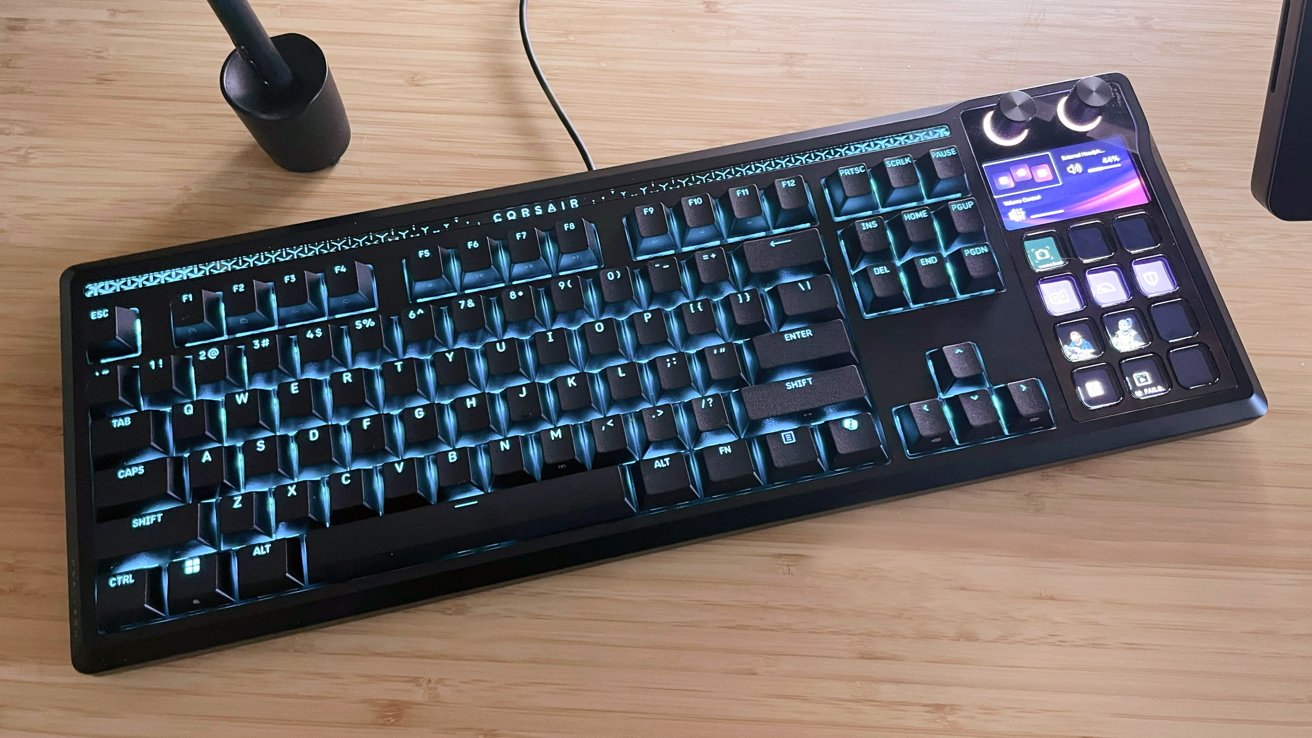
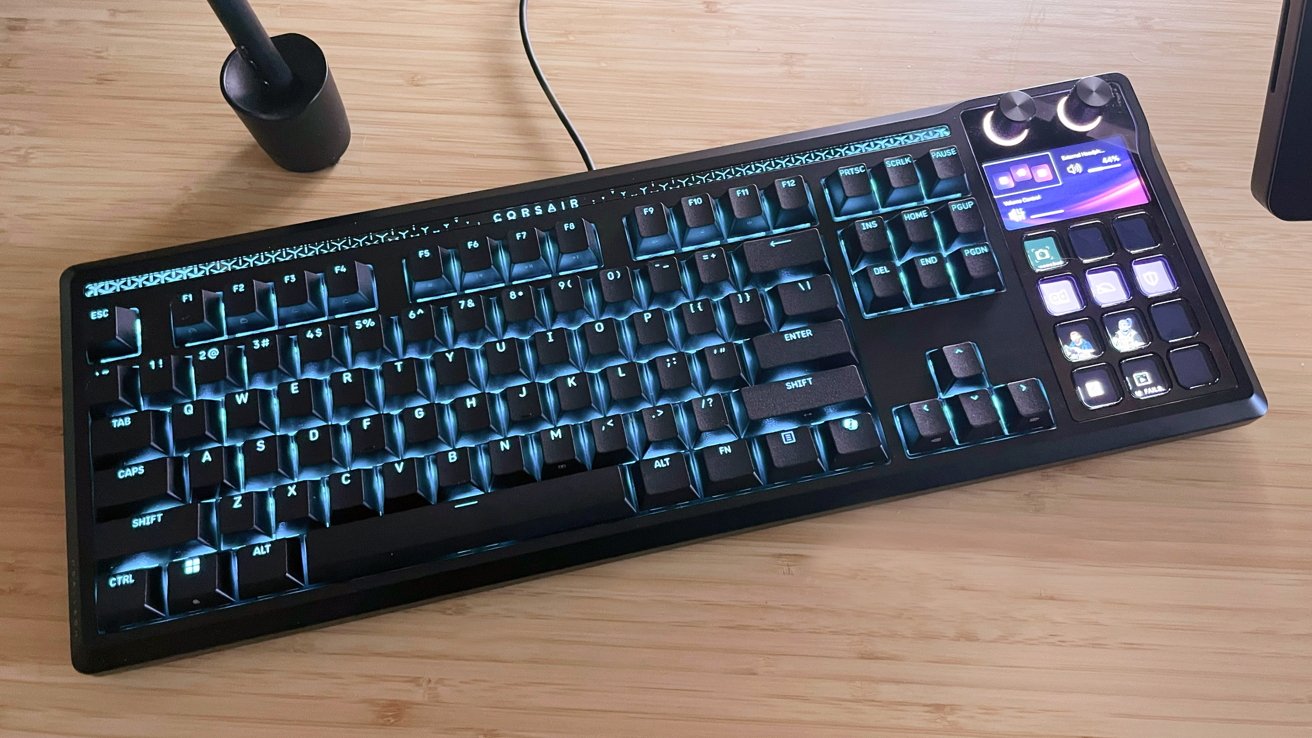
The Elgato Galleon 100 SD combines a keyboard with the Stream Deck, producing a two-in-one productivity-focused peripheral that Mac users should really consider.
Elgato Galleon 100 SD
Corsair subsidiary Elgato stands out as one of the leading manufacturers of peripherals and equipment tailored to the ever-growing market of streaming. From microphones to chairs to Stream Decks, Elgato is synonymous with top-tier equipment and streams across Twitch and YouTube. Its latest offering, the Galleon 100 SD, sees Elgato taking a leap of faith. One to fully integrate the functionality of its rock-solid Stream Decks into a sturdy mechanical keyboard for work and play, bringing an all-in-one experience to streamers and multitaskers everywhere. Continue Reading on AppleInsider | Discuss on our Forums
Across the region, facilities tied to water and power—including desalination plants—have been damaged or exposed to risk as Iranian strikes extend beyond traditional targets.
A single strike, however, is unlikely to shut off the gulf’s water supply. The system is designed to absorb isolated disruption, but sustained or multisite attacks would begin to strain supply far more quickly.
“In the Gulf, desalination is built with enough breathing room that losing one plant doesn’t immediately show up at the tap,” says Rabee Rustum, professor of water and environmental engineering at Heriot-Watt University Dubai.
In Kuwait, Iranian drone attacks have damaged two power and desalination facilities and ignited fires at two oil sites. Other sites, including Fujairah in the UAE, have been identified as potentially exposed.
Advertisement
“Striking desalination plants would be a strategic move, but it would also come very close to, and in some cases cross, a red line,” says Andreas Krieg, senior lecturer at the School of Security Studies at King’s College London.
Water infrastructure, Krieg explains, occupies a distinct category. “Water infrastructure is not just another utility. In places that depend on desalination, it underpins civilian survival, public health, hospital function, sanitation, and basic state legitimacy.”
Krieg notes that international humanitarian law gives special protection to civilian objects and to objects indispensable to the survival of the civilian population. “Which is precisely why attacks on water systems carry such grave legal and moral weight,” Krieg adds.
The incidents highlight a structural reality: Desalination is central to water supply in the gulf, and disruption carries immediate implications for daily life.
Advertisement
How the System Absorbs Disruption
At first glance, desalination appears vulnerable. Shut down a plant, and supply is reduced. In practice, the system is designed with layers of redundancy.
Plants operate across multiple locations, allowing output to be redistributed if one facility slows down. Water is also stored at different points across the network, including central reservoirs and building-level tanks, creating a buffer that delays disruption.
According to a statement to WIRED Middle East by Veolia, an environmental services provider whose technologies account for nearly 19 percent of desalination capacity in the region, “the region’s water supply is diversified thanks to a network of numerous facilities distributed along the coastline.”
The company adds that distribution systems are interconnected, allowing plants to “support and substitute for one another when necessary,” helping maintain continuity of service.
Advertisement
In the UAE, storage capacity typically covers around one week, while in other parts of the region it may be limited to two to three days, Veolia says.
In practice, this means the system can absorb disruption for a limited period. Once reserves are depleted, water supply depends on whether plants can continue producing enough water to meet demand.
The System That Produces Water
Unlike most regions, the Gulf does not rely on rivers or rainfall. It depends on a network of desalination plants along its coastline that convert seawater into potable water on a continuous basis.
Seawater is drawn into treatment facilities, filtered and processed either through reverse osmosis—forcing it through membranes to remove salt and impurities—or through thermal methods that evaporate and condense water. The resulting supply is distributed through pipelines, stored in reservoirs, and delivered to homes, hospitals, and industry.
Advertisement
This is not a flexible system. It is designed to operate continuously, producing water at a scale that sustains cities, industrial activity, and essential services. Gulf states produce roughly 40 percent of the world’s desalinated water, operating more than 400 plants across the region.
Dependence varies by country but is high everywhere. In the UAE, desalination accounts for 41 to 42 percent of total water supply, while in Kuwait, it provides around 90 percent of drinking water, and in Saudi Arabia, approximately 70 percent.
When Disruption Becomes Visible
For residents, disruption would not be felt immediately—water would continue to flow.
Rustum explains that buildings are supported by internal storage and pumping systems, meaning early changes in supply may not be apparent. In many cases, water pressure remains stable, even as the wider system adjusts.
Dr Michelle Ng turned a moment of loss into a new beginning for herself
On Jun 28, 2025, Dr Michelle Ng was 39 weeks pregnant, nine days away from giving birth.
That’s when she received an email from her previous employer, saying that they would pause her senior doctor incentives and deduct from her maternity pay to cover the commissions for doctors hired in her place.
She read the email twice. Then she went on to draft her resignation letter with conviction.
What happened next would transform Dr Michelle’s and her family’s lives. Within a few months, she would open ARTÉ by Dr M, an aesthetic clinic that had built a waiting list stretching to Feb 2026 before it even opened its doors in Dec 2025.
Advertisement
But that Jun morning, none of that was visible. All she could see was the uncertainty of her future with her four-year-old daughter and her soon-to-be-born son, a career ending where motherhood began.
This is Dr Michelle’s story—how she turned a moment of loss, on the brink of motherhood, into the start of something entirely new. Vulcan Post spoke with her and her husband, Vincent, to understand the challenges, the risks, and the decisions that led to ARTÉ by Dr M.
Facing “career suicide” for taking her maternity leave
An NUS Medicine graduate with dermatology rotations at public hospitals, Dr Michelle built a strong foundation in skin and facial anatomy. She is renowned for her ambidextrous injection skills, which are widely regarded as highly advanced.
Over more than a decade in the field, she moved between doctor-led and investor-owned clinics, generating S$200,000–S$300,000 in monthly revenue from her work alone, according to her husband, Vincent.
She joined her ex-employer in 2023. But when her second pregnancy came in early 2025, her employer’s support waned. At 12 weeks, tests confirmed a high-risk pregnancy. Despite mounting fatigue and medical complications, she continued showing up for her patients, even as her body signalled the need to slow down.
Advertisement
(Left): Dr Michelle Ng at the hospital when she was pregnant with her son last year; (Right): Dr Michelle Ng with her children./ Image Credit: ARTÉ by Dr. M
With lessons learned from her first pregnancy—when she had little time to bond with her first child after opting for half-day arrangements despite being fully entitled to maternity leave—Dr Michelle decided to take her full entitlement for her second child.
She took 16 weeks of government-paid maternity leave plus six weeks of shared parental leave (three weeks from her husband), totalling 22 weeks (about five months) to recover and spend time with her family.
However, upon applying for leave, she was told by her ex-employer that going on maternity leave for that long is “career suicide.” Dr Michelle was disheartened and lost all hope in her career, but she knew that she had to prove otherwise.
The final straw came nine days before her son’s delivery in Jul 2025. Her ex-employer sent an email informing her of the temporary pause of her senior doctor incentives during her maternity period, and any commissions paid to covering doctors in her absence will be deducted from her maternity salary.
The next day, between prenatal appointments and birth preparations, she drafted her response. Dr Michelle informed them that the deduction was not allowed under the relevant laws, tendered her resignation, and began her four-month notice period—sacrificing her remaining shared parental leave in the process.
Advertisement
That same day, her son Louis was born, and the idea of ARTÉ then slowly took shape.
Navigating motherhood & ambition
ARTÉ by Dr. M opened its doors in the middle of Dec 2025, but the journey tested Dr Michelle in every way.
In the lead-up, she navigated one of the most demanding periods of her life: caring for a newborn, managing postpartum recovery, and simultaneously building a clinic from the ground up.
She secured a unit at Millenia Walk, negotiated with her landlord, Pontiac Land Group, coordinated with medical suppliers, and oversaw a complex renovation—all within the span of just a few months.
Advertisement
Shortly after giving birth, Dr Michelle went on to build ARTÉ by Dr. M, overseeing the interior design and daily operations./ Image Credit: ARTÉ by Dr. M
Then, just as things began to take shape, another challenge surfaced.
Her long-term domestic helper left abruptly, leaving Dr Michelle scrambling to arrange childcare while keeping the clinic’s construction on track. On top of that, as with any major project, renovation delays arose, pushing ARTÉ’s opening back by a month from the original Nov 2025 target.
Watching her hold everything together through that chaos, her husband left his 13-year career in commodities to support her.
“I couldn’t bear to see her carry everything on her own,” he said. “The way she showed up for her patients during her maternity period, and for what she believes in. It made it clear to me that this was more than just a career. It was her calling, and she convinced me to give up my career to help her give her best for her patients.”
ARTÉ by Dr. M’s storefront and vast corridors./ Image Credit: ARTÉ by Dr. M
The couple’s capital investment exceeded S$1 million for equipment and renovation alone in the 1,600 sqft unit, with monthly operating costs averaging between S$60,000 and S$100,000.
“Many people commented that I was crazy to start a business as soon as I gave birth, but it was this belief that I told myself that I wanted ARTÉ to be a beacon of hope for all women that anything is possible even in the most demanding seasons of life,” Dr Ng recalled.
Advertisement
She runs the clinic supported by a team of four
ARTÉ by Dr. M specialises in non-surgical anti-ageing treatments with a focus on injectables (including botox, dermal fillers, and collagen stimulators), alongside lasers and Ultherapy Prime machines for skin lifting, tightening and rejuvenation.
Dr Michelle administering Ultherapy Prime machines and injectables to stimulate collagen./ Image Credit: ARTÉ by Dr. M
Dr Michelle is the clinic’s sole doctor, supported by a team of four.
Treatments led by her typically begin from S$800 up to S$2,000 per session, while non-doctor therapist treatments start from S$200. For patients looking for a more personalised approach, the clinic also offers customised programs tailored to individual needs and budgets.
Dr Michelle said transparency is a core principle of the clinic. “There are no hard-selling and no hidden fees,” she explained. Treatments are usually structured in three sessions, followed by a detailed review of progress.
The clinic’s reputation was evident even before its doors opened in Dec 2025: bookings were filled up to Feb 2026, reflecting the trust Dr Michelle had built with her patients over the years.
Advertisement
Beyond patient experience, Dr Michelle shared that ARTÉ represents a deliberate choice about how care should be practised. “The field has become increasingly commoditised, with price wars and the race to the bottom,” she said. More investors are setting up clinics with commercial priorities at the forefront, while medical risks become secondary to sales performance and treatment pricing.
“For us, every treatment, even for trials, is done with full intent, and we give our 100%,” she added.
“There are sacrifices that come with building something you believe in”
Today, Dr Michelle is not only an aesthetic doctor but also a speaker and trainer for leading global brands such as Merz, where she mentors and trains younger doctors.
She also has plans to grow ARTÉ meaningfully, guided by the same patient-centric principles on which it was built.
Advertisement
Dr Michelle and her family./ Image Credit: ARTÉ by Dr. M
Yet behind all this growth lies a reality she carries quietly. She sees patients six days a week, often skipping meals and returning home after her children have already fallen asleep.
She shared, “There are sacrifices that come with building something you believe in. I don’t always get the time I wish I had at home, but when I am present, I make sure I am fully there for my children.”
For Dr Michelle, ARTÉ’s growth isn’t just about scale or revenue—it’s about building something meaningful, even if it demands more from her personally.
“Every time I look at my clinic,” she added, “I see blood, sweat and tears. But I also see that despite everything, we chose to keep going and to build something we could stand behind.” She also hopes her story shows other women that maternity is not a setback to overcome, but a source of strength to draw from.
Since her ex-employer challenged her maternity entitlements, Dr Michelle has engaged lawyers and attended multiple legal meetings.
Advertisement
As a mother and doctor in an industry built on empowering women, I couldn’t stay silent and accept what felt wrong. That day, I chose to stand for what I believe in.
Dr Michelle Ng
The matter remains unresolved to this day, yet she continues to focus on her patients, her clinic, and inspiring other women to find strength in their own journeys.
Stormgate, a free-to-play, StarCraft-style RTS developed by Frost Giant Studios, relies on a third-party “game server orchestration partner” to run its online modes. Frost Giant told players on Discord that the provider had been acquired by an AI company, forcing a planned outage that will take Stormgate’s multiplayer modes offline… Read Entire Article Source link
A range of seemingly random apps in the App Store have been updated by Apple itself, though nothing has been shared about why, nor have there been changes in the codebases themselves.
VLC was updated by Apple to improve functionality
Apple has been known to push updates to apps in its App Store, though they’re usually to ensure legacy apps still work. On Monday, some users have noted both new and old apps have received an update direct from Apple. According to a report from MacRumors based on a Reddit post, the updates don’t appear to change anything about the app itself. The changes could be related to something on Apple’s backend, or a specific API, but it is unclear. Continue Reading on AppleInsider | Discuss on our Forums



















































You must be logged in to post a comment Login