
Business
March Jobs Market Report Opens Up Unexpected Investing Option



Manika is a macroeconomist with over 20 years of experience in industries including investment management, stock broking, investment banking. She also runs the profile Long Term Tips [LTT], which focuses on the generational opportunity in the green economy. Her investing group, Green Growth Giants, takes the theme a step further from LTT with a deeper dive into opportunities presented by the segment.
Analyst’s Disclosure: I/we have no stock, option or similar derivative position in any of the companies mentioned, and no plans to initiate any such positions within the next 72 hours. I wrote this article myself, and it expresses my own opinions. I am not receiving compensation for it (other than from Seeking Alpha). I have no business relationship with any company whose stock is mentioned in this article.
Seeking Alpha’s Disclosure: Past performance is no guarantee of future results. No recommendation or advice is being given as to whether any investment is suitable for a particular investor. Any views or opinions expressed above may not reflect those of Seeking Alpha as a whole. Seeking Alpha is not a licensed securities dealer, broker or US investment adviser or investment bank. Our analysts are third party authors that include both professional investors and individual investors who may not be licensed or certified by any institute or regulatory body.

Business
Is Spectrum Internet Down Again? Outages Plague Customers Again in 2026: Is Your Connection Down?
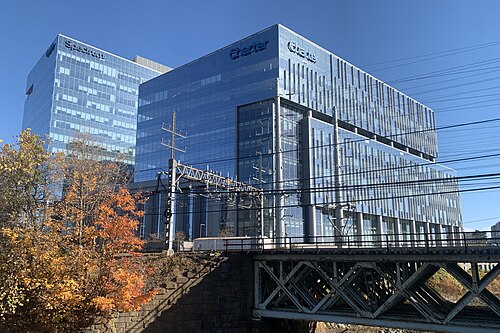
Frustrated Spectrum customers across the United States are once again asking, “Is Spectrum internet down?” as reports of service disruptions continue to surface in 2026, marking what some users on Reddit describe as the 17th outage of the year so far.

Charter Communications, the parent company of Spectrum, has faced a wave of connectivity complaints this year, with isolated and regional outages affecting internet, TV and voice services. While major national blackouts have not dominated headlines on April 7, real-time monitoring sites and social media reflect ongoing customer pain points, from prolonged downtime in specific neighborhoods to questions about reliability amid infrastructure upgrades and external incidents.
As of Tuesday evening, Downdetector.com showed no widespread national outage for Spectrum, with user reports hovering near baseline levels for broadband internet and Wi-Fi issues. However, scattered complaints persisted, including a user in an unspecified location reporting an outage since the previous afternoon with unclear restoration timelines from the company. Similar posts on X (formerly Twitter) highlighted day-two blackouts and calls for alternatives like Starlink.
Spectrum’s own support pages urge customers to check for outages via the My Spectrum app or by chatting with support. The company notes that services are typically restored within hours for many incidents, but frustration builds when communication lags. In one recent Reddit thread, a user detailed being offline from 4:34 p.m. one day until midday the next, attributing it to “maintenance” — a frequent explanation that leaves many unsatisfied.
Recent Incidents Highlight Pattern of Disruptions
Spectrum has dealt with several notable disruptions in early 2026. On April 2, thousands reported issues, with DownDetector spikes starting around 1:50 a.m. Eastern Time, primarily hitting broadband and Wi-Fi. Reports concentrated in metropolitan areas but extended to suburban and rural customers.
Just days earlier, an alleged criminal attack on fiber-optic lines in north Austin, Texas, near the Wells Branch neighborhood caused temporary outages for residential and business users. Spectrum confirmed crews worked to restore service, though not all customers regained connectivity immediately. Authorities investigated the incident as a deliberate cut to infrastructure.
In South Texas, a April outage tied to a third-party transport provider disrupted internet, voice and TV services in Corpus Christi, Laredo and the Rio Grande Valley starting around 4:45 p.m. A spokesperson said service was restored by 6:30 p.m., describing it as a short interruption.
Earlier in the year, a January 6 outage linked to Charter nodes affected customers and downstream partners internationally, including in New York, Washington D.C., Houston and even overseas locations like Japan, Australia and South Korea. The disruption lasted roughly one hour and 10 minutes in total.
These events occur against a backdrop of Spectrum’s ambitious network upgrades aimed at delivering faster speeds — up to 10 Gbps in some areas. While the modernization promises better performance long-term, it has contributed to headaches during transitions, alongside factors like weather, power issues, equipment failures and occasional vandalism.
Customer Frustration Mounts Amid Broader Challenges
Spectrum serves millions with cable internet, TV and home phone bundles, but reliability concerns have fueled churn. In 2025, the company lost hundreds of thousands of internet and TV customers amid price hikes and fierce competition from fiber providers and fixed wireless options. Charter reported continued losses into early 2026, prompting strategic shifts, including workforce adjustments and service revamps.
Users on forums and social platforms voice common gripes: slow restoration updates, repeated “maintenance” explanations and questions about compensation. Spectrum has pledged automatic refunds for outages longer than two hours and same-day technician visits for qualifying complaints received before 5 p.m. Yet many report mixed experiences with follow-through.
One X user on April 7 tagged Spectrum, noting an outage since the prior day with an estimated restoration time that had already passed, calling communication “really poor.” Another declared it “day 2 of complete internet outage” and eyed satellite alternatives.
Geoblackout and other trackers showed modest reports in the last 24 hours as of April 7, with some concentration in Florida, Texas and Michigan in recent days. Individual zip code checks via Spectrum’s tools or third-party sites like spectrumoutage.org remain the best way for users to verify local status.
How to Check and Troubleshoot Spectrum Outages
Spectrum recommends several steps when service drops:
- Verify an outage: Log into spectrum.net or the My Spectrum app and check the outage map or chat support with “Am I in an outage?”
- Power cycle equipment: Unplug the modem and router for 30 seconds, then reconnect. Check lights on the devices for error patterns.
- Test connections: Try a wired connection directly to the modem to isolate Wi-Fi issues.
- Monitor alerts: Enable push notifications in the app for area-specific updates. Sign up for storm or maintenance alerts via the Spectrum Storm Center.
- Contact support: Call 888-369-2408 (available 24/7) or visit a local store. For billing-related suspensions, payments can restore service within one to two hours.
If problems persist beyond two hours, customers may qualify for credits. Spectrum’s customer commitment page outlines these policies in detail.
Experts advise documenting downtime with screenshots of speed tests or app alerts, as this helps when requesting compensation.
What’s Next for Spectrum Customers?
Charter continues investing in its network to combat customer losses, including expanding fiber in select markets and enhancing Wi-Fi equipment. However, analysts note that competition remains intense, with providers like Google Fiber, AT&T and T-Mobile Home Internet gaining ground in many regions.
For now, customers in outage-prone areas are turning to mobile hotspots, public Wi-Fi or backup solutions while awaiting fixes. Spectrum has not issued a broad statement on April 7 activity, but its support resources emphasize proactive troubleshooting.
Users experiencing issues should first rule out local problems like router glitches or account billing holds before assuming a wider outage. With 2026 already seeing multiple incidents, many are watching closely to see if reliability improves as upgrades progress.
Spectrum officials have previously attributed some disruptions to external factors, including third-party providers and infrastructure tampering, while pledging faster response times.
As evening falls on April 7, the immediate picture shows no massive national meltdown, but the “again” in customer questions underscores a year of persistent challenges for one of America’s largest ISPs. Those relying on Spectrum for remote work, streaming or online schooling continue to hope for fewer interruptions ahead.
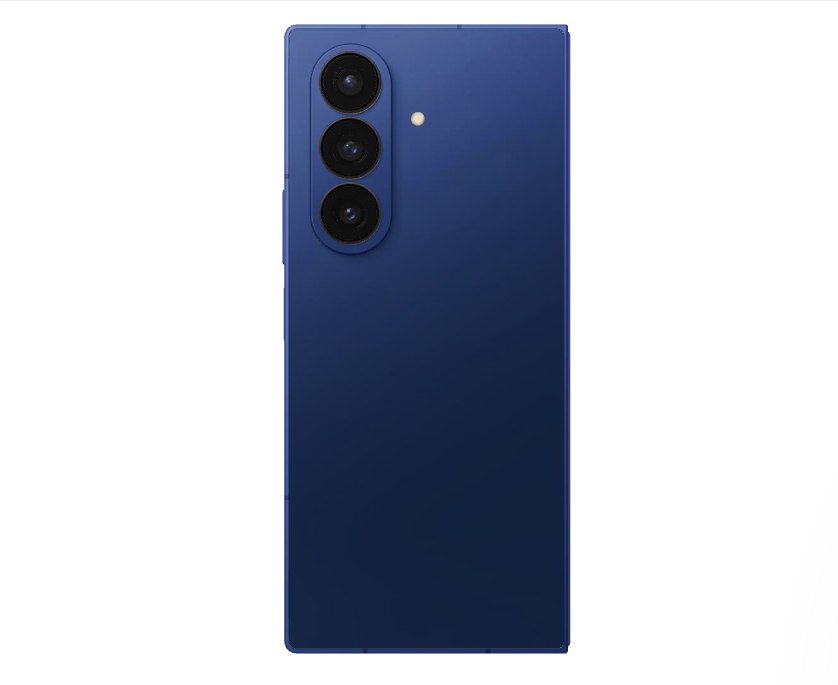
Samsung’s Galaxy Z Fold 7 and Google’s Pixel 10 Pro Fold represent the pinnacle of 2026 book-style foldables, pitting Samsung’s ultra-slim design and raw power against Google’s superior battery life, cameras and pure Android experience in a head-to-head battle that has divided reviewers and buyers since both devices launched last year.

Released in July 2025, the Galaxy Z Fold 7 starts at $1,999 and quickly became known as the thinnest and lightest mainstream foldable yet. Google countered in October 2025 with the Pixel 10 Pro Fold at a more accessible $1,799 starting price. As of April 2026, both phones have received software updates, real-world testing and direct comparisons that highlight clear trade-offs rather than a single outright winner.
The most striking difference is physical design. Samsung engineered the Z Fold 7 to feel as close as possible to a traditional slab phone. It measures just 8.9mm thick when folded and an astonishing 4.2mm when unfolded, weighing only about 215-216 grams. Reviewers consistently praise how pocketable and comfortable it feels for all-day carry, describing it as transformative for first-time foldable users who previously found the category too bulky.
In contrast, the Pixel 10 Pro Fold remains noticeably thicker and heavier — over 40 grams more than the Z Fold 7 in many measurements. While still an improvement over earlier Pixel Folds, it does not match Samsung’s refinement in this area. Many testers say the weight difference becomes evident during prolonged use, especially when holding the device unfolded for media consumption or multitasking.
Display quality is competitive but favors Samsung slightly for everyday versatility. Both offer roughly 8-inch inner folding panels with 120Hz adaptive refresh rates and high peak brightness reaching 3,000 nits or more. The Z Fold 7’s 6.5-inch cover display features a taller 21:9 aspect ratio that many find more usable for one-handed operation compared with the Pixel’s 6.4-inch outer screen. Crease visibility has improved on both, but Samsung’s panel often edges out in outdoor visibility and color vibrancy according to side-by-side tests.
Performance leans toward Samsung. The Galaxy Z Fold 7 is powered by the Snapdragon 8 Elite for Galaxy, an overclocked flagship chip that delivers superior benchmark scores and smoother gaming. Paired with 12GB RAM (or 16GB on 1TB models), it handles demanding tasks like video editing and heavy multitasking with less thermal throttling. Google’s Tensor G5 in the Pixel 10 Pro Fold prioritizes AI efficiency over raw speed; it includes 16GB RAM standard and excels in on-device machine learning features, but falls behind in sustained performance for graphics-intensive games.
Battery life tells the opposite story. The Pixel 10 Pro Fold packs a larger 5,015mAh cell and routinely delivers longer endurance, often lasting well into a second day of moderate use. The Z Fold 7’s 4,400mAh battery is adequate for most users but frequently requires topping up by evening, especially with the inner display active. Charging speeds are modest on both — 25W wired for Samsung and 30W for Google — with wireless options available.
Camera systems showcase the brands’ traditional strengths. Samsung equips the Z Fold 7 with a 200MP main sensor that captures highly detailed shots and offers strong zoom capabilities. Reviewers note excellent low-light performance and natural colors in many conditions. Google’s Pixel 10 Pro Fold relies on computational photography magic, delivering cleaner, more vibrant and consistently color-accurate images, particularly in challenging lighting. While the Pixel’s hardware specs appear lower on paper, its AI-driven processing often produces more pleasing results for casual shooters and content creators. Video recording and specialized features like audio sync also tilt toward Google.
Software and multitasking represent another key divide. Samsung’s One UI 8 on Android 16 provides extensive customization, advanced split-screen and multi-window features that power users love. The Z Fold 7 feels optimized for productivity, with seamless app continuity when unfolding. Google’s stock-like Android experience on the Pixel 10 Pro Fold offers cleaner navigation, faster updates and deeper integration with Gemini AI tools. However, it lacks some of Samsung’s foldable-specific optimizations for heavy multitasking.
Durability and build quality favor Google in one important area: the Pixel 10 Pro Fold carries a full IP68 rating for dust and water resistance, making it more suitable for outdoor or dusty environments. Samsung’s Z Fold 7 improves on previous generations but stops at IP67/IP48-level protection in some reports. Both devices have enhanced hinge durability, though foldables in general still require careful handling.
Pricing and value depend on priorities. At $1,799, the base Pixel 10 Pro Fold undercuts the Z Fold 7’s $1,999 entry point and includes more RAM by default. Higher storage tiers widen the gap, with 1TB models pushing Samsung closer to $2,400. Trade-in deals and carrier promotions can narrow the difference, but Samsung commands a premium for its refined design.
Early 2026 reviews and user feedback reflect the split. Many who prioritize portability, performance and a premium feel lean toward the Galaxy Z Fold 7, calling it the best foldable for most people. Others praise the Pixel 10 Pro Fold for better battery life, cameras in real-world scenarios, durability and the pure Google experience at a lower price. Some buyers switch between both, using the Samsung for its slim profile and the Pixel for travel or photography.
Long-term software support favors Google, which typically delivers seven years of updates. Samsung has closed the gap significantly but still trails slightly in promised platform longevity. Both receive regular security patches and feature drops.
For buyers deciding in April 2026, the choice boils down to lifestyle. Frequent travelers or those who value a phone-like folded experience and top-tier performance should consider the Galaxy Z Fold 7. Users who need all-day battery, excellent computational photography, stronger dust/water resistance and seamless AI features may prefer the Pixel 10 Pro Fold.
Neither device is perfect. Foldables remain expensive, crease visibility persists to varying degrees, and repair costs are high. Yet both represent meaningful progress in making the category more practical for everyday users.
As the foldable market matures, Samsung continues to lead on hardware refinement while Google differentiates through software intelligence and value. The Galaxy Z Fold 7 currently holds a slight edge in most head-to-head reviews for its overall balance, but the Pixel 10 Pro Fold wins converts with its strengths in battery, cameras and affordability.
Prospective buyers should test both in-store if possible, as the feel of a foldable in hand often decides the winner more than specs alone. With trade-in programs and potential summer sales approaching, now remains an excellent time to evaluate which 2026 flagship foldable better suits individual needs.

Form DEF 14A Target Hospitality Corp. For: 7 April
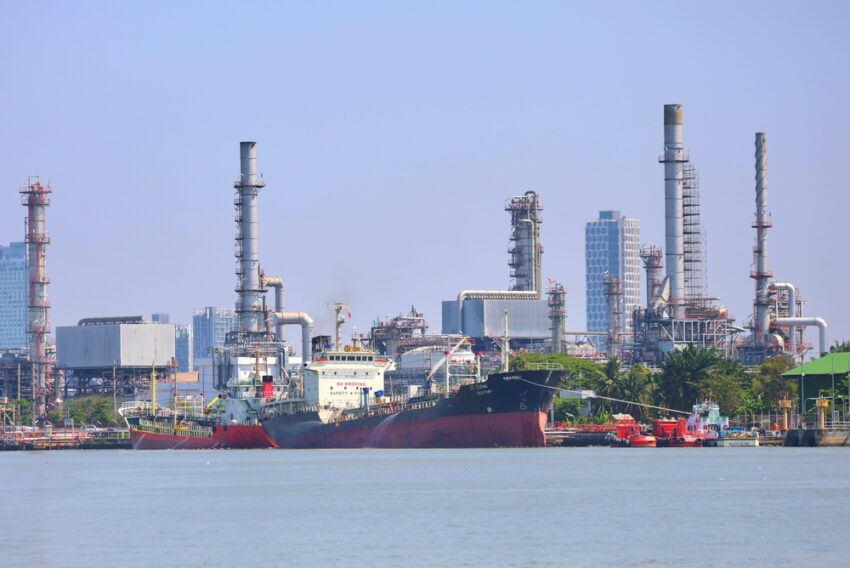
The price of oil climbed above $111 a barrel on Tuesday as mounting anxiety over stalled diplomatic efforts in the Gulf pushed energy markets higher and left equities treading water.
Brent crude gained 1.6 per cent to $111.57 in early Asian trading, extending a rally that has seen the benchmark surge more than 50 per cent since Iran’s effective blockade of the Strait of Hormuz, the chokepoint through which roughly a fifth of the world’s oil and liquefied natural gas once flowed freely.
The immediate catalyst was Tehran’s rejection of a US peace proposal on Monday. Iran instead issued its own ten-point counter-plan, relayed through Pakistan, according to state media. Washington’s deadline for agreement expires at 1am UK time on Wednesday, and President Trump has made no secret of the consequences, warning that failure to reach a deal would see Iranian infrastructure reduced to rubble.
For businesses already grappling with elevated input costs, the prospect of a further escalation is deeply unwelcome. The International Energy Agency has described the strait’s closure as the most severe supply disruption in the history of the global oil market, with Brent futures touching nearly $120 a barrel last month when regional energy assets came under attack.
Some commodity analysts have gone further still, warning that a prolonged conflict could drive prices as high as $200 a barrel, a scenario that would dwarf the energy shocks of the 1970s and inflict serious damage on margins across transport, manufacturing and retail.
Stock markets reflected the uncertainty. The FTSE 100, reopening after the Easter break, was effectively flat at 10,425, whilst bourses in Frankfurt and Paris managed only modest gains. In Tokyo, the Nikkei closed barely changed.
Vasu Menon, managing director of investment strategy at OCBC in Singapore, captured the prevailing mood, noting that any US strikes on Iranian power infrastructure would represent a marked escalation, raising the spectre of retaliatory action against Gulf energy facilities.
For UK firms with exposure to global supply chains, the next 24 hours could prove decisive. A deal would offer some relief to energy markets; a breakdown in talks would almost certainly send oil prices sharply higher and deepen the squeeze on an already stretched global economy.

Amy Ingham
Amy is a newly qualified journalist specialising in business journalism at Business Matters with responsibility for news content for what is now the UK’s largest print and online source of current business news.

The music giant behind acts such as Taylor Swift and Sabrina Carpenter gets an offer from Bill Ackman’s Pershing Square.

Form 8K Nuvalent Inc For: 7 April

OXLC Is A Mess – Here's Why I'm Bullish

Aroundtown buys back 8.7 million shares in early April
Bowman Consulting: Capturing Utility Growth Without Paying A Premium
Business
FTSE 100 Climbs Modestly to 10,461.88 on April 7 as Energy Stocks Lift UK Market Amid Global Tensions

LONDON — The FTSE 100 index edged higher Tuesday, reaching 10,461.88 points by mid-morning trading on April 7, 2026, as gains in energy and defensive stocks offset broader caution stemming from escalating geopolitical risks in the Middle East.

The blue-chip benchmark rose 25.59 points, or 0.25%, from the previous close of 10,436.29 set on April 2. It traded within a range of 10,399.45 to 10,487.67 during the session, according to data reported at 09:57:33 BST. All figures were delayed by at least 15 minutes as markets remained active.
The modest advance came as investors weighed fresh developments around U.S. President Donald Trump’s deadline for Iran to reopen the Strait of Hormuz, with oil prices fluctuating amid fears of supply disruptions. Energy giants such as Shell and BP provided support, benefiting from elevated crude benchmarks even as some analysts warned of potential demand destruction if conflict intensifies.
Banking and mining shares showed mixed performance, reflecting ongoing sensitivity to interest rate expectations from the Bank of England and global growth concerns. Defensive sectors including pharmaceuticals and consumer staples offered stability, helping limit downside on a day when European peers traded in a narrow band.
The FTSE 100 has displayed resilience in early April after a volatile first quarter marked by sharp swings tied to Middle East tensions. The index had recovered some ground following a period in March when it briefly erased all 2026 gains amid oil price spikes above $110 per barrel. Tuesday’s small uptick extended a pattern of cautious optimism as traders awaited clearer signals on monetary policy and diplomatic outcomes.
Analysts noted that the UK market’s heavy weighting toward energy, financials and materials leaves it particularly exposed to commodity cycles and geopolitical headlines. With Brent crude hovering near elevated levels, oil majors contributed positively to the index, counterbalancing any weakness in export-oriented or rate-sensitive names.
Broader market sentiment remained guarded. Investors continued monitoring Trump’s repeated warnings of potential strikes on Iranian infrastructure, including power plants and bridges, should Tehran fail to comply with the latest deadline. Such developments have kept volatility elevated across global equities, with the FTSE 100 oscillating around the psychologically important 10,400-10,500 zone in recent sessions.
Year-to-date performance for the FTSE 100 in 2026 has been uneven. The index enjoyed strong gains earlier in the year, briefly pushing toward record territory above 10,900 points in February before retreating sharply on conflict-related fears. By early April, it had clawed back some losses but remained below its 2026 peak.
Tuesday’s trading volume appeared moderate for a midweek session, consistent with lighter activity often seen when major U.S. markets are closed or when headlines dominate over corporate earnings. No major UK earnings releases dominated the calendar, shifting focus to macroeconomic and geopolitical factors.
Sector leaders on the day included energy firms riding the oil wave, while utilities and healthcare names provided a buffer. Conversely, some technology and consumer discretionary stocks lagged as risk appetite stayed restrained.
The pound sterling traded softer against the dollar, reflecting mixed UK economic data and global safe-haven flows. A weaker currency can support multinational earnings within the FTSE 100 when translated back to sterling, offering another tailwind for the index on export-heavy days.
Looking ahead, market participants await the next Bank of England policy decision and inflation readings. Expectations for gradual rate cuts have been tempered by persistent inflationary pressures linked to energy costs. Any dovish signals could further support equities, particularly rate-sensitive sectors like real estate and banking.
The FTSE 100’s composition — dominated by established multinational corporations — has historically provided a degree of insulation during periods of global uncertainty compared with more growth-oriented indices. However, its underperformance relative to U.S. benchmarks in recent years has prompted ongoing debate about UK market valuations and attractiveness to international investors.
Some strategists argue the index offers compelling dividend yields and undervalued cyclical stocks, particularly in banking and resources, should geopolitical risks ease. Others caution that prolonged Middle East instability could weigh on global growth and commodity demand, capping upside.
As of mid-morning Tuesday, the intraday high of 10,487.67 suggested buyers were testing resistance near recent swing levels, while the low of 10,399.45 indicated underlying caution. The 0.25% gain represented a measured step rather than a decisive breakout, aligning with choppy conditions seen across European bourses.
Broader European indices showed similar modest moves, with the STOXX 600 and CAC 40 trading in narrow ranges. Wall Street futures pointed to a potentially quiet open later in the day, pending any fresh headlines from Washington or Tehran.
For UK investors, the FTSE 100 remains a core benchmark for pension funds and passive strategies. Its performance carries significant implications for retirement portfolios given the index’s prominence in domestic savings products.
Tuesday’s data underscored the market’s ability to absorb geopolitical noise without sharp sell-offs, a resilience tested repeatedly since late February when tensions first escalated. Oil prices, while elevated, had not yet triggered the kind of sustained demand destruction feared by some economists.
Analysts will continue watching for signs of rotation between defensive and cyclical stocks as the week progresses. Corporate earnings seasons in the coming months could provide fresh catalysts, particularly from banking heavyweights and energy majors reporting on first-quarter results.
In the longer term, structural questions persist about the FTSE 100’s growth prospects amid slower UK economic expansion compared with the United States. Initiatives to boost domestic investment and listings have gained attention, though tangible shifts remain gradual.
As trading continued into the London afternoon, the index hovered near the 10,460 level. Investors appeared content with small gains while monitoring developments that could rapidly alter risk sentiment.
The session served as a reminder of the delicate balance global markets navigate between corporate fundamentals and headline-driven volatility. With the FTSE 100 closing the previous session at 10,436.29 after a 0.69% advance on April 2, Tuesday’s continuation suggested steady but unspectacular momentum.
Whether the index can sustain gains and push toward the upper end of its recent range will depend largely on de-escalation signals from the Middle East and domestic policy clarity. For now, the modest 0.25% rise offered a steady start to the trading week for UK equities.

Is Spectrum Internet Down Again? Outages Plague Customers Again in 2026: Is Your Connection Down?

Polygon Crypto Activates Giugliano Hardfork to Improve Transaction Finality

Putin Torn Apart For Ignoring Ukraine’s Easter Ceasefire Offer


-

 NewsBeat5 days ago
Steven Gerrard disagrees with Gary Neville over ‘shock’ Chelsea and Arsenal claim | Football
-

 Business4 days ago
No Jackpot Winner and $194 Million Prize Rolls Over
-

 Fashion4 days ago
Weekend Open Thread: Spanx – Corporette.com
-

 Crypto World6 days ago
Gold Price Prediction: Worst Month in 17 Years fo Save Haven Rock
-

 Business1 day ago
Three Gulf funds agree to back Paramount’s $81 billion takeover of Warner, WSJ reports
-
Crypto World7 days ago
Dems press CFTC, ethics board on prediction-market insider trades
-

 Sports3 days ago
India men’s 4x400m and mixed 4x100m relay teams register big progress | Other Sports News
-

 Business3 days ago
Expert Picks for Every Need
-

 Business5 days ago
Login and Checkout Issues Spark Merchant Frustration
-

 Sports7 days ago
Tallest college basketball player ever, standing at 7-foot-9, entering transfer portal
-
 Crypto World7 days ago
Bitcoin enters the public bond market as Moody’s gives a first-of-its-kind crypto deal a rating
-
Crypto World6 days ago
Bitcoin stalls below key resistance as technical signals skew bearish
-

 Tech5 days ago
Commonwealth Fusion Systems leans on magnets for near-term revenue
-

 Politics6 days ago
Starmer’s centre has collapsed, and the left was right all along
-
Business2 days ago
No Jackpot Winner, Prize to Climb to $231 Million
-

 Fashion7 days ago
Zara Turns Up the Heat With New Swimwear
-

 Fashion7 days ago
Tuesday’s Workwear Report: Tavira Sculpt Stretch Crepe Trousers
-
Crypto World7 days ago
AI Memory Rout Wipes 9% Off Nvidia Stock: Chart Says More Pain Ahead
-

 Crypto World6 days ago
Why It’s Partnering, Not Issuing
-
Tech7 days ago
AirPods Max 2 review: Familiar features & design, but needs more
You must be logged in to post a comment Login