
Business
Which One Gets Approved Faster?

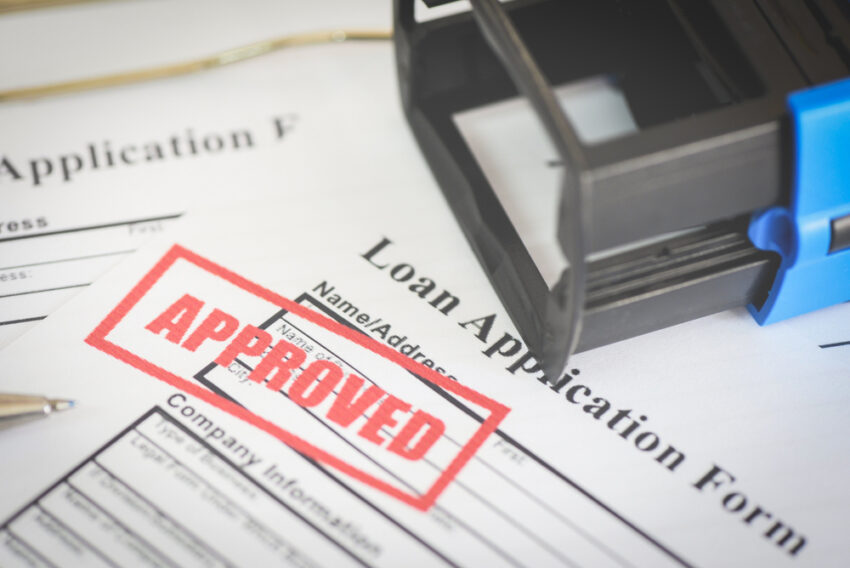
Cash-flow gaps hit hard: a supplier wants payment today, a bulk-buy deal expires tomorrow, and you need capital now—not “after the bank committee meets next month.”
In this guide, we compare secured and unsecured business loans through the lens that matters most when time is tight—approval speed. We’ll weigh speed against cost and risk, add fresh 2026 New Zealand data, and show you how to plug your own numbers into quick loan calculators (https://www.lendio.com/business-loan-calculator/) so you can judge the trade-offs in minutes.
What do “secured” and “unsecured” really mean?
A secured loan is backed by collateral; an unsecured loan is not.
With a secured loan, you pledge property, vehicles, or equipment. If you miss payments, the lender can sell that asset. Because the bank’s risk is lower, you often gain higher limits and lower interest.
An unsecured loan flips the trade-off. No asset changes hands, so the lender relies on your credit history and cash flow. To offset the extra risk, the cap typically sits below NZ$75,000 and the rate climbs.
In New Zealand, almost every option—secured or not—still carries a personal guarantee. If the business falters, the owner remains liable.
Collateral is the pivot point. It shapes every factor we explore next: paperwork, speed, cost, and risk. Keep that in mind as we move from application to funding.
The application journey: paperwork and proof
Unsecured loans: fast-track paperwork.
Most fintech lenders can move you from application to funding in the same day.
You upload recent bank statements, last year’s financials, and photo ID. Many platforms pull data straight from Xero or your online banking feed, trimming hours from the review.
Because no asset is on the line, there’s no need for property deeds, valuations, or PPSR registrations. Your credit profile carries more weight, so be ready for a hard check, but once the algorithm likes what it sees the provider can release funds within 24 hours.
Before you fill out a single form, Lendio’s loan calculators let you stress-test the cost of almost every funding type, from SBA or equipment loans to a simple line of credit. Adjust amount, term and annual rate, and the tool instantly displays the monthly payment, total repayment and a full amortization schedule so you can gauge the long-range bite of interest. With that baseline in hand, the marketplace can match you to more than 75 lenders in under a minute.
Lendio’s 2024 financing milestone notes that its single application takes about 15 minutes and some offers fund within 24 hours, so the figures you model mirror real same-week cash potential.
Seeing that repayment schedule upfront helps you decide whether the speed premium still fits your cash flow before you hit “Submit.”
A personal guarantee still appears in the fine print, yet it is often a one-page document you e-sign in seconds. No lawyer meetings, no valuer visits. With tidy books and solid credit, you can move from “Apply” to “Approved” before lunch.
Lendio business loan calculator interface screenshot
Next, see how the timeline stretches when collateral enters the file.
Secured loans: paperwork with extra weight.
Add valuations, legal filings, and title checks, and the wait extends to weeks.
Everything you prepared for the unsecured file still applies, but you add a second stack.
Proof of ownership comes first: title searches, valuations, and sometimes a fresh QS report for commercial property. Each document moves to a third-party professional, then back to the bank’s credit team. Days pass.
Lawyers draft security agreements. The bank registers its interest on the Personal Property Securities Register and waits for confirmation. If the asset already has a charge, expect back-and-forth to reorder priorities. Each hand-off adds calendar time.
Because the loan is larger, credit analysts comb through forecasts line by line. They stress-test cash flow, check covenants, and may ask for updated management accounts halfway through the review. You respond, they check again, legal teams sign off.
When approval lands, you sign a longer facility agreement, pay an establishment fee, and schedule settlement a few business days out. Collateral buys cheaper money, but the trade-off is paperwork measured in weeks, not hours.
Approval timelines: how long until the cash lands
Unsecured loans: money in your account before the coffee cools.
Most fintech lenders approve and fund within six business hours.
Digital platforms process your bank feeds and credit file the moment you click “Submit.” One 2026 industry review calls unsecured finance “the go-to for urgent or unexpected funding needs,” noting decision windows measured in single-digit hours, not days. MoneyHub’s New Zealand snapshot shows Prospa often wires funds the same day, while rivals promise settlement within 24 hours. For a retailer facing a Friday payroll crunch, that speed can be the line between calm and chaos.
Speed has limits. Most unsecured platforms cap loans around NZ$75,000 and expect clean credit. Yet when the amount fits and your books are tidy, unsecured funding behaves like a near-instant cash top-up rather than a traditional loan.
Secured loans: weeks of checks before wires move.
Collateral cuts the rate but stretches the calendar to 15–20 business days.
A bank credit officer first reviews your numbers, then hands the file to valuation specialists who inspect property, price vehicles, or count inventory. Only after those reports return does legal draft security documents and lodge a PPSR notice. Each baton change adds several days.
MoneyHub tracked timelines across the big four banks and found a secured application typically spans 15 to 20 business days from first meeting to approval, followed by another two or three days before cash clears. That can eat a full calendar month if anything needs clarification—and something usually does.
The gap matters. A seasonal retailer who waits four weeks may miss an entire spring campaign. That’s why many owners grab a small unsecured loan for the immediate need, then refinance into a cheaper secured facility once time pressure fades.
Interest rates, limits, and the real cost of speed
Money has a price, and collateral sets the sticker.
Secured loans: cheaper fuel, bigger tank.
Pledging an asset cuts risk for the lender, so they respond with lower rates and larger limits. Swoop’s 2026 global comparison shows secured deals often sit about 2–4 percentage points below unsecured offers. In practice, Kiwi firms secure property or machinery to borrow well north of NZ$200,000 and lock in multi-year terms that keep repayments gentle.
Unsecured loans: pay extra for the fast lane.
Skip collateral and you pay for convenience. Rates climb into double digits, and the ceiling hovers around NZ$50,000 to NZ$75,000. Terms shrink to one to three years (12 to 36 months), so monthly payments bite harder. That premium buys instant access and removes the risk of losing an asset. Clear the balance quickly—say, after a profitable product launch—and the math can still work. Stretch it out and interest costs add up fast.
Credit quality still matters.
Whatever route you take, the lender checks your personal and business credit files. Unsecured providers lean heavily on those scores, while banks may tolerate a few blemishes if the collateral is solid. Either way, tidy books and on-time tax filings shave points off the rate and speed every step.
Bottom line: secured finance is the long-haul ute, slower to load but cheaper per kilometre. Unsecured finance is the courier bike, pricier per trip yet perfect when time outranks price.
The trade-off between speed, cost, and risk
Unsecured loans hand you speed on a platter, but that platter is pricey. You avoid valuations and legal fees, yet pay higher interest and accept a lower ceiling. If cash flow slips, the lender enforces your personal guarantee.
Secured loans flip the equation. You wait longer and place an asset on the line, but you gain gentle rates and a funding pool big enough for the second delivery van or a new store fit-out.
Below is the balance in one glance. Keep it close while you weigh your next move.
| Factor | Unsecured (fast lane) | Secured (value lane) |
| Decision time | Hours to a few days¹ | Two to four weeks² |
| Typical limit | Up to ~NZ$75k | NZ$200k+ possible |
| Interest rate | Higher³ | Lower³ |
| Paperwork load | Light | Heavy (valuations, PPSR) |
| Asset at risk | Personal guarantee | Pledged collateral |
Sources: ¹ValiantCEO speed study; ²MoneyHub NZ bank benchmark; ³Swoopfunding rate comparison.
The matrix makes the choice clear. Need a small, urgent, short-term boost? Unsecured wins. Planning a larger, strategic move and can wait? Secured shines.
New Zealand lending landscape
Banks versus fintech: speed is the new battleground.
Walk into a branch and the clock starts ticking. MoneyHub’s March 2026 benchmark shows the big four banks take 15 to 20 business days to approve a secured loan, then another few days for settlement. That timeline suited an era of four-percent interest and extended planning cycles.
Across town, Prospa and other fintechs sell speed. The same MoneyHub review found Prospa often deposits cash within hours of signing. Digital pipelines pull your Xero data, price risk instantly, and email contracts on the spot. For owners juggling payroll or chasing a bulk-buy deal, that responsiveness can decide whether an opportunity lands or slips away.
The market now splits on time as much as price. Traditional lenders still win on cost for large, planned projects, but fintechs rule the “need it now” moment and continue to grow because of it.
Fintech and open banking promise 60-second underwriting
Open banking went live for Kiwi SMEs in late 2025. Now, instead of emailing PDFs, you grant a lender a read-only window into your live bank feed. The platform pulls six months of transactions in seconds, runs them through an AI model, and produces a risk score within about one minute.
Several fintechs claim that combining open data with machine learning cuts processing from ten days to ten minutes. Whether the reply is “yes” or a polite “not yet,” you gain certainty almost instantly—vital when a supplier discount expires at 5 pm.
Regulation once slowed lending, but technology is shifting the balance toward speed. As bank APIs mature and AI models learn local patterns such as seasonal tourism swings, unsecured approvals should approach real time, and even secured deals are set to drop from weeks to days.
Borrower checklist to shave days off approval
The quickest loan still stalls if your paperwork is messy. Spend one focused hour gathering five essentials:
- Latest management accounts and tax returns
- Ninety days of bank statements, exported straight from online banking
- Proof of ID plus NZBN details
- A one-page note that explains the loan purpose and repayment plan
- A screenshot of projected cash flow with the new repayments included
Store these files in one folder, clearly labelled and ready to upload. You will glide through unsecured checks and cut a week from secured underwriting because follow-up questions disappear.
Next, drop your numbers into the loan calculators. Adjust rate, term, and amount until the repayment fits. When the lender calls, you can speak in concrete figures rather than guesses—a signal that you know your business.
Finally, tidy your credit. Pay any overdue supplier invoice today, and keep personal card balances below thirty percent of the limit. A small lift in score trims interest and speeds approval, whether you secure the loan or not.
Decision guide to pick the right lane
Start with timing. If the opportunity is ticking—flash-sale stock, emergency payroll, or a burst pipe—speed rules. An unsecured online loan delivers cash in a day, costs more, but keeps your assets off the line.
Next, weigh the amount. Anything above NZ$100,000 usually needs collateral. Banks sharpen their pencils when property or equipment backs the deal, and the interest savings stack up over five years.
Third, scan your credit. Scores north of 700 unlock cheaper unsecured offers; dip below 600 and you will either secure the loan or pay steeper rates.
Finally, look at risk tolerance. Losing a building hurts more than paying a few extra points of interest. If that thought makes you queasy, lean unsecured and repay fast.
Sketch a quick grid with four boxes—Speed, Size, Credit, Risk. Circle your non-negotiables. The pattern that appears points you toward secured or unsecured funding without a spreadsheet.
Frequently asked questions
Is an unsecured loan always faster than a secured one?
Yes. With no collateral to value or register, most unsecured applications move from submission to funding within one business day. Secured deals require valuations, legal checks, and PPSR filings that stretch the timeline to weeks.
Will a secured loan ever beat an unsecured offer on speed?
Only if you already hold a pre-approved facility with the same bank and the collateral paperwork is on file. For brand-new applications, the extra documentation always slows things down.
How long should I budget for each option?
Plan on one to three business days for a clean unsecured file with a fintech lender. Allow three to four weeks for a secured loan through a major bank, and longer if the valuer’s diary is full.
Does applying for one hurt my chances with the other?
Multiple hard credit enquiries in a short window can lower your score, so pick the lane that best matches your priorities rather than applying everywhere at once.
Can I start with unsecured funding and refinance later?
Absolutely. Many owners take fast unsecured cash to seize an opportunity, then roll the balance into a cheaper secured facility once the dust settles. Just check the refinance fees to confirm the switch saves money.
What happens if I default?
With unsecured borrowing, the lender enforces your personal guarantee and can pursue personal assets through the courts. With secured borrowing, they claim the pledged asset first and may still chase any shortfall. Either way, missed payments damage your credit and strain future borrowing.
Wrapping up and keeping momentum
Business rarely waits. Remember the rule: unsecured loans win on speed; secured loans win on cost and capacity. Everything else—paperwork, risk, and credit scores—flows from that single trade-off.
Open the loan calculators, enter your numbers, and see which route supports your next move without straining cash flow. Gather the five documents we listed earlier, apply, and return to running the company.
Capital should fuel growth, not slow it. Choose the lane that matches your timeline, secure the funds, and move forward with confidence.

Business
Is Kuwait International Airport Open Today? Airport Remains Closed to Commercial Flights Due To Drone Strikes

KUWAIT CITY — Kuwait International Airport (KWI) stayed largely closed to regular commercial passenger traffic Monday as authorities continued safety assessments and repairs following a series of Iranian-linked drone attacks that damaged radar systems, fuel storage facilities and infrastructure since late February 2026.

The Directorate General of Civil Aviation (DGCA) and the Public Authority for Civil Aviation have suspended most operations, with no confirmed reopening date announced. Flight tracking sites and the official airport website showed virtually no scheduled arrivals or departures, displaying messages prompting travelers to contact airlines directly. Kuwait Airways has suspended all flights indefinitely from KWI, rerouting some operations through alternative hubs such as King Fahd International Airport in Dammam, Saudi Arabia.
The troubles escalated with multiple drone strikes reported in late February and early March, including attacks on March 28 that damaged radar systems and sparked fires at fuel depots. Additional strikes in early April targeted fuel tanks, causing large fires and further structural damage to Terminal 1 and runways. Officials described one incident as a “brazen attack” on critical infrastructure, with smoke visible from affected areas and emergency teams responding to contain blazes.
As of April 6, 2026, the airport has been effectively shut to standard commercial traffic for more than five weeks. Some limited cargo or military-related movements may continue under strict controls, but civilian passenger flights remain heavily disrupted or canceled. FlightStats reported excessive and increasing delays where any activity occurred, while Flightradar24 and other trackers showed near-zero commercial operations.
Travelers face significant chaos. Hundreds of passengers have been stranded or forced to rebook through neighboring countries. Kuwait Airways advised customers to check with local offices or the airport for updates, with many long-haul routes to destinations such as London, New York, Geneva and regional hubs either canceled or suspended. Some airlines have implemented hybrid ground-and-air transfer arrangements via Saudi Arabia to maintain limited connectivity.
The closures stem from both physical damage and precautionary airspace restrictions imposed amid heightened regional tensions involving the U.S., Israel and Iran. Kuwait’s airspace has been closed to most commercial civilian flights since late February, with air defense operations taking priority. Even after repairs, full resumption will require safety inspections, clearance of restricted airspace and confirmation that infrastructure meets international aviation standards.
Kuwait International Airport, one of the busiest in the Gulf with millions of passengers annually before the crisis, serves as a key hub for Kuwait Airways and several international carriers. The prolonged shutdown has sent shockwaves through regional travel, affecting tourism, business travel and expatriate movements in a country heavily reliant on foreign labor and oil-driven commerce.
Authorities have held cabinet-level meetings focused on aviation recovery, economic safeguards and coordination with international partners. Repair timelines remain unclear, with estimates ranging from several weeks to months depending on the extent of damage to radar, terminals, runways and fuel systems. No casualties were reported in the strikes, but the psychological and economic impact on travelers and the aviation sector has been significant.
Regional ripple effects include increased pressure on alternative airports in Saudi Arabia, the UAE, Bahrain and Qatar. Some carriers have added or expanded flights from those hubs to accommodate displaced passengers. Jazeera Airways and other low-cost operators have adjusted networks, with some launching or restarting routes that bypass Kuwait temporarily.
For passengers holding tickets involving KWI, airlines recommend checking flight status frequently and preparing for rebooking or refunds. Many have faced difficulties contacting customer service amid high call volumes. Travel insurance claims related to disruptions are expected to rise, while some governments have issued or updated advisories urging caution in the region.
The situation highlights the vulnerability of Gulf aviation infrastructure to geopolitical conflicts. Previous incidents, including temporary airspace closures and refueling interruptions, caused shorter disruptions, but the current series of drone attacks has caused more sustained damage. Smoke from fuel facility fires and reports of panic in terminals during incidents underscored the severity.
Kuwait’s government has activated emergency response protocols, with civil defense and military units involved in securing the site and supporting repairs. International aviation bodies are monitoring developments, though no formal global alerts beyond standard conflict-zone advisories have been issued.
As Monday progressed, scattered reports mentioned temporary refueling interruptions causing further delays on any limited departing flights, according to statements from the General Authority for Civil Aviation. However, the broader picture remained one of suspended operations rather than normal activity with delays.
Travelers planning trips to or through Kuwait are urged to contact their airlines well in advance and monitor official channels, including the Kuwait Airport website and Kuwait Airways updates. No immediate resumption of full services is expected, with some advisories suggesting the situation could persist into mid-April or beyond.
The prolonged closure has broader economic implications for Kuwait, a nation where aviation supports significant expatriate flows and business ties. Oil sector workers, medical tourists and family visitors have been particularly affected.
While exact repair costs and timelines remain undisclosed, officials emphasize that safety remains the top priority. Full operations will resume only after comprehensive assessments confirm the airport meets all required standards.
In the meantime, passengers are advised to explore alternative routes via neighboring Gulf states. Some carriers have offered flexible rebooking policies or compensation where applicable under international regulations.
The events at Kuwait International Airport serve as a stark reminder of how regional conflicts can rapidly disrupt global travel networks. As repairs continue and diplomatic efforts unfold, travelers and airlines alike await clearer signals on when normal operations might return to this vital Gulf hub.
Anyone affected by cancellations should retain all documentation for potential claims and stay updated through reliable sources. The situation remains fluid, with new developments possible as assessments progress.

Form 6K BTQ Technologies Corp For: 6 April


Bakers are seeking to capitalize on the high demand for protein fortified products.

Evercore ISI reiterates Procter & Gamble stock rating on commodity view

PetroChina: Positive On FY2025 Beat And Potential Catalysts


Skye Anderson to COO among personnel changes.


The popsicles offer 12 grams of protein.

Gatestone Institute senior fellow Gordon Chang joins ‘Mornings with Maria’ to break down China’s ties to Russia and Iran amid Strait of Hormuz tensions and warn of rising threats to US national security.
Unidentified, sophisticated drones flying over a handful of U.S. military bases could be a warning sign from China, Gordon Chang warned Monday, suggesting Beijing could target the American homeland if the U.S. becomes more involved in its conflict with Iran.
“The important point here is that we have had, last month, over four of our important military bases, foreign drones. These drones were large, they were un-hackable, they obviously were not recreational, so some foreign power — probably China, maybe Russia — was operating drones over our critical air force bases,” Chang said on “Mornings with Maria.”
“Really, right now, the United States needs to be able to defend its bases in the homeland because those drone flights were a warning to the United States of some sort,” he continued.
GORDON CHANG URGES US TO TREAT CHINA AS ‘ENEMY COMBATANT,’ WARNS SUBS OPERATING ‘VERY CLOSE’ TO US

Chinese President Xi Jinping applauds during the joint press conference of the China-Central Asia Summit in Xian, China, on May 19, 2023. (Florence Lo/Pool/AFP via Getty Images)
Chang suggested the drone activity could be an attempt to send President Donald Trump the message that, if U.S. forces escalate in the region, China could respond by potentially targeting bases on American soil.
That warning, coupled with a recent suspicious device left near MacDill Air Force Base in Florida — which Chang suggested may have been linked to China — highlights a growing threat, he warned.
IRAN STRIKES COULD SIGNAL LIMITS OF BEIJING, MOSCOW’S POWER AS US FLEXES STRENGTH

“The Coming Collapse of China” author Gordon Chang has consistently warned about the threat the U.S. adversary poses. (Fox Nation)
“We’ve really got to be concerned,” he said, later adding, “These are warnings that China intends to move on the U.S. in the American homeland.”
Chang also warned that Beijing’s actions should be viewed in the context of its growing alignment with other U.S. adversaries like Russia and Iran, as tensions continue to spill across multiple global fronts.
“China is supporting Russia in Ukraine, and China is supporting Russia in other matters as well… So they have a durable partnership, and anything that helps one of them is going to generally help the other, with the exception of the matter that you just raised,” he said, referring to the tension between higher oil prices benefiting Russia while raising costs for China.
“Generally speaking, the United States now faces a very powerful combination, and we shouldn’t be doing anything that fuels that combination,” he added.
GET FOX BUSINESS ON THE GO BY CLICKING HERE
Rep. Rich McCormick, R-G.A., discusses what is important to put in a reconciliation plan on ‘Maria Bartiromo’s Wall Street.’
Fox News Digital’s Michael Dorgan contributed to this report.

SYDNEY — With the grand finale of Australian Idol 2026 just days away, 18-year-old powerhouse vocalist Harlan Goode from Brisbane has surged as the clear favorite among fans and commentators to claim the season 11 title on Channel Seven.
The competition, which premiered Feb. 2 on Seven and 7plus, reaches its climax with live performances from the remaining top six contestants expected around April 13-14 at the Coliseum in Rooty Hill. Hosted by Ricki-Lee Coulter and Scott Tweedie, the season has featured judges Kyle Sandilands, Marcia Hines and Amy Shark delivering their signature mix of tough love and encouragement.

Goode, often praised for his mature tone, emotional depth and stage presence that evokes comparisons to Adam Lambert without imitation, has consistently wowed audiences and the panel with powerhouse ballads. Fan comments on the official Australian Idol Facebook page repeatedly declare him the “full package” and “superstar material,” with many predicting he will take the crown. “Harlan has to win based on talent,” one viewer posted, while others noted his youth gives him “his whole life ahead” to build a career.
The top six, announced in late March, include Goode alongside strong contenders Jacinta Guirguis, Kalani Artis, and others who have survived intense public voting rounds. Earlier, the top 12 featured diverse talents such as soul singer Charlie Moon from Perth, Kesha Oayda, Simela Petridis, Trè Samuels and more. Multiple eliminations narrowed the field through March, with public votes deciding most fates after the live shows began.
Kalani Artis has drawn significant attention for his smooth, distinctive style. YouTube comments on his “Don’t Dream It’s Over” performance during Aussie Week called him a potential “Australian Idol 2026” with a sound blending Harry Styles and Calum Scott. Some fans argue he “does not miss a key” and possesses his own identity. Jacinta Guirguis also features prominently in fan predictions for a top-three finish.
Season 11 has emphasized artist development more than past iterations, according to executive producer Joel McCormack. The show aims to launch sustainable careers rather than one-hit wonders, building on recent winners like Dylan Wright, who earned chart success and awards after his 2024 victory. The 2025 champion, Marshall Hamburger, a 19-year-old Queenslander, walked away with $100,000 and a recording deal; early signs suggest 2026’s winner could follow a similar path with strong original material potential.
Public voting has been fierce. After the top 12 performances, eliminations shook up expectations, sending some early standouts home despite strong judge feedback. By the top 10 and top 8 stages, viewer support proved decisive. Contestants like Simela Petridis advanced with judge saves or strong audience backing, highlighting the mix of vocal talent and fan engagement that defines Idol.
Judges have played a pivotal role. Sandilands, known for his blunt assessments, Hines with her legendary insight as a former Idol mentor figure, and Shark bringing contemporary pop credibility, have guided the field. Guest appearances added star power, but the core trio’s chemistry has kept the show engaging through auditions, knockouts and transformation week makeovers.
Goode’s journey began with a standout audition that earned him a fast pass into the top 12 in some reports, though details vary across coverage. His ability to deliver emotional, technically sound performances week after week has built a dedicated following. Fans on social media and fan groups frequently list him, Jacinta and Kalani as the likely top three, with debates centering on who commands the most votes in the final stretch.
The prize remains substantial: $100,000 cash plus a recording contract, offering the winner immediate industry access. Past contestants have leveraged the platform for tours, ARIA nominations and sustained careers. Producers stress this season’s focus on preparing artists for the road, with several top 12 members already demonstrating touring readiness in judge feedback.
As the finale nears, speculation fills social platforms. Some viewers predict an upset if a dark horse like Tre Samuels or a returning bottom-two survivor gains momentum. Others insist Goode’s consistent excellence makes him unstoppable. Betting sites have not yet posted formal odds for the 2026 finale, but informal fan sentiment heavily favors the young Brisbane singer.
The live grand finale will see the top contestants deliver signature hits and possibly original material before Australia votes one last time. Tickets were reportedly available for the April 13-14 shows, promising a high-energy night with studio audience and celebrity guests.
Australian Idol’s return to Seven has maintained strong viewership, capitalizing on nostalgia while introducing fresh voices. The 2026 season follows the 2025 win by Marshall Hamburger, whose post-show momentum included new singles and touring. Whomever claims victory this year steps into a franchise with proven star-making power — from Guy Sebastian’s enduring success to more recent alumni carving independent paths.
For now, all eyes remain on Harlan Goode. His vocal range, emotional connection and undeniable star quality have positioned him as the contestant to beat. Yet Idol history shows that public voting can deliver surprises, especially when multiple strong vocalists remain.
Jacinta Guirguis brings a compelling story and vocal fire that resonates with many. Kalani Artis offers a modern, genre-blending appeal that could capture younger voters. The final performances will likely decide whether Goode’s frontrunner status holds or if another talent rises in the decisive vote.
As the clock ticks toward the April finale, excitement builds across Australia. Fans are urged to vote via the official 7plus app or SMS when lines open. The winner will not only take home the title but launch what producers hope becomes a lasting music career.
With the top six delivering their best, the 2026 Australian Idol promises a memorable conclusion to another captivating season. Whether Harlan Goode fulfills fan predictions or another name is called on finale night, the competition has once again showcased the depth of Australian singing talent.


Companies developing prebiotics derived from perceived-as-natural sources.

Is Kuwait International Airport Open Today? Airport Remains Closed to Commercial Flights Due To Drone Strikes

Bitcoin climbs above $70,000 as more contrarian bottoming signs emerge

Blue Bloods Tragedies: Most Shocking Deaths

Smart energy pays enters the US market, targeting scalable financial infrastructure

Why Israel is blocking foreign journalists from entering

Bitcoin: We’re Entering The Most Dangerous Phase

BajajFinserv Update #equitymarket #financialfreedom #nbstocksnew#financeshorts #stockmarket#finance

Form15G is DEAD! Now FORM 121. #finance #trending #viral #explore #shortsfeed #education #ytshorts

The TRUTH about 1,000 XRP
-

 NewsBeat4 days ago
Steven Gerrard disagrees with Gary Neville over ‘shock’ Chelsea and Arsenal claim | Football
-

 Business4 days ago
No Jackpot Winner and $194 Million Prize Rolls Over
-

 Fashion3 days ago
Weekend Open Thread: Spanx – Corporette.com
-

 Crypto World5 days ago
Gold Price Prediction: Worst Month in 17 Years fo Save Haven Rock
-

 Business17 hours ago
Three Gulf funds agree to back Paramount’s $81 billion takeover of Warner, WSJ reports
-
Crypto World6 days ago
Dems press CFTC, ethics board on prediction-market insider trades
-

 Sports2 days ago
India men’s 4x400m and mixed 4x100m relay teams register big progress | Other Sports News
-

 Business5 days ago
Login and Checkout Issues Spark Merchant Frustration
-

 Tech6 days ago
EE TV is using AI to help you find something to watch
-

 Sports6 days ago
Tallest college basketball player ever, standing at 7-foot-9, entering transfer portal
-

 Politics7 days ago
Should Trump Be Scared Strait?
-
Tech6 days ago
Daily Deal: StackSkills Premium Annual Pass
-

 Tech7 days ago
Flipsnack and the shift toward motion-first business content with living visuals
-

 Sports7 days ago
Women’s hockey camp eyes fitness boost, tactics ahead of WC 2026 campaign | Other Sports News
-

 Crypto World7 days ago
U.S. rule change may open trillions in 401(k) funds to crypto
-

 Tech6 days ago
How to back up your iPhone & iPad to your Mac before something goes wrong
-

 NewsBeat7 days ago
Newscast – Scott Mills Sacked By BBC
-

 Politics7 days ago
Usha Vance: Disney Hats Over MAGA Caps?
-
Crypto World7 days ago
Valinor raises $25m to put private credit on-chain
-

 Business7 days ago
Functional benefits brewing in coffee innovation
You must be logged in to post a comment Login