


Connect with us
DAPA Banner

NewsBeat

Lyrid meteor shower to be visible in UK tonight as it hits peak

Published

on

Lyrid meteor shower to be visible in UK tonight as it hits peak

The Lyrid meteor shower is a burst of meteor activity occurring around mid to late April, the  Royal Museums Greenwich explains.

It continues: “The Lyrid meteor shower is associated with long-period Comet C/1861 G1 Thatcher.

“It is the oldest recorded meteor shower still visible today, and was first recorded in 687 BCE.”

Advertisement

The best time to see the Lyrid meteor shower in the UK

The Lyrid meteor shower is active between April 16 and 25 in 2026, but is set to peak tonight (April 22), according to the Royal Museums Greenwich.

The experts add: “The best time to see the shower is generally in the early morning of the peak day.

Advertisement

“Wait until after midnight when the radiant point, in the constellation of Lyra, will have risen in the East.

“The later in the morning you wait, the higher the radiant will rise and the fewer meteors will be hidden below the horizon.

“But the closer you get to sunrise, the brighter the sky is going to become, so plan accordingly!”

The Royal Museums Greenwich continues: “In 2026 the Lyrid meteor shower reaches maximum on April 22, two days before the First Quarter Moon, meaning the Moon won’t cause too much light pollution. 

Advertisement

“The best time to look for meteors during the peak will be after the Moon has set, from 2am onwards.

“By this point the Earth will have spun towards the cloud of debris, and it will be easier to spot Lyrid meteors. Then simply fill your view with the sky and wait.”


Stargazers may also be able to catch a glimpse of the Eta Aquariids, which will overlap with the Lyrid meteor shower.

The Eta Aquariids meteor shower will be active from April 19, but won’t reach its peak until May 5.

Advertisement

Best spots in the UK to watch the Lyrid meteor shower

The Royal Museums Greenwich said the main thing when trying to catch a glimpse of any meteor shower is to find a dark site, with an unobstructed view of the sky.

The museum added: “The number of meteors you actually see will depend on all sorts of things, from the time of night to the level of background light.

“A bright sky will drown out the fainter meteors making them much more difficult to see.”

The experts added lying on the ground or using a reclining deckchair was a “great way” of seeing as much as possible.

Advertisement

For those looking for the best spots in the UK to watch the meteor shower, visit Go Stargazing.


RECOMMENDED READING:


The website contains a map with all the top stargazing locations across the country.

Most of the locations on the map are classified as official dark-sky discovery sites.

Advertisement

Will you be heading out tonight to try and catch a glimpse of the Lyrid meteor shower? Let us know in the comments below.

Source link

Advertisement
Continue Reading
Click to comment

You must be logged in to post a comment Login

Leave a Reply

NewsBeat

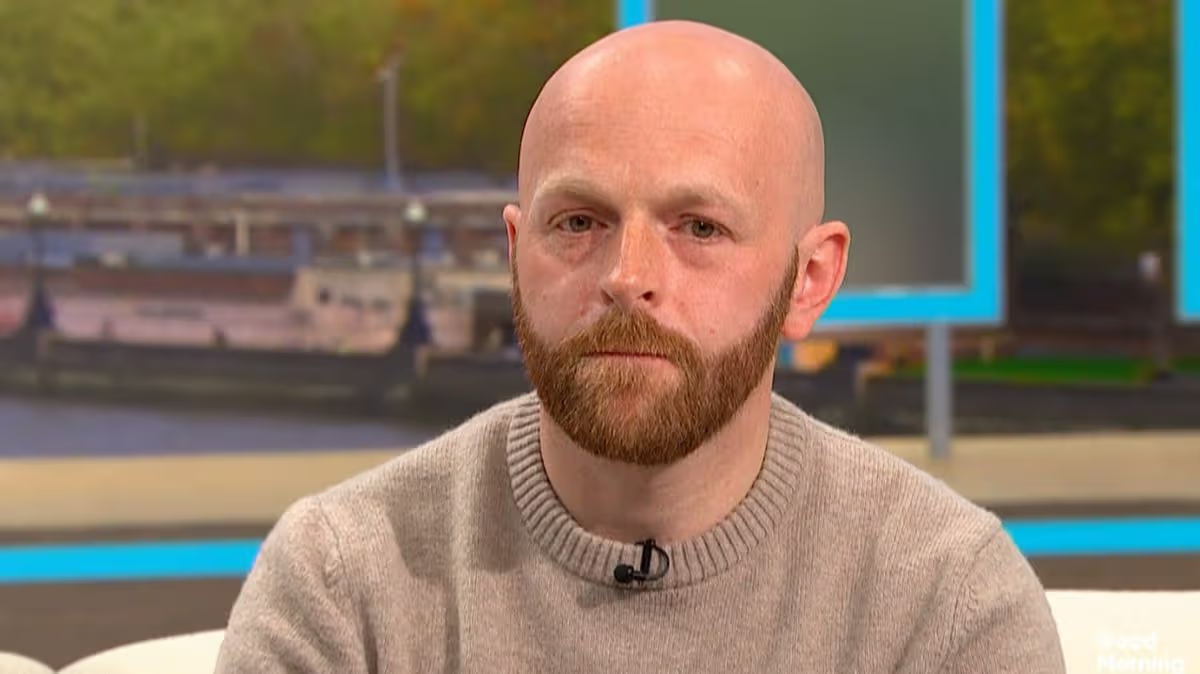
British man detained in India enduring ‘psychological torture’, say UN experts

Published

on

British man detained in India enduring ‘psychological torture’, say UN experts

The 10 experts are the UN Special Rapporteurs on torture, on freedom of religion or belief, on minority issues, on the promotion and protection of fundamental rights while countering terrorism, on the promotion and protection of the right to freedom of opinion and expression, on the situation of human rights defenders, and four members of the UN Working Group on Arbitrary Detention.

Source link

Continue Reading

NewsBeat

Tired Manchester City inch to the top and send Burnley back to Championship

Published

on

Tired Manchester City inch to the top and send Burnley back to Championship

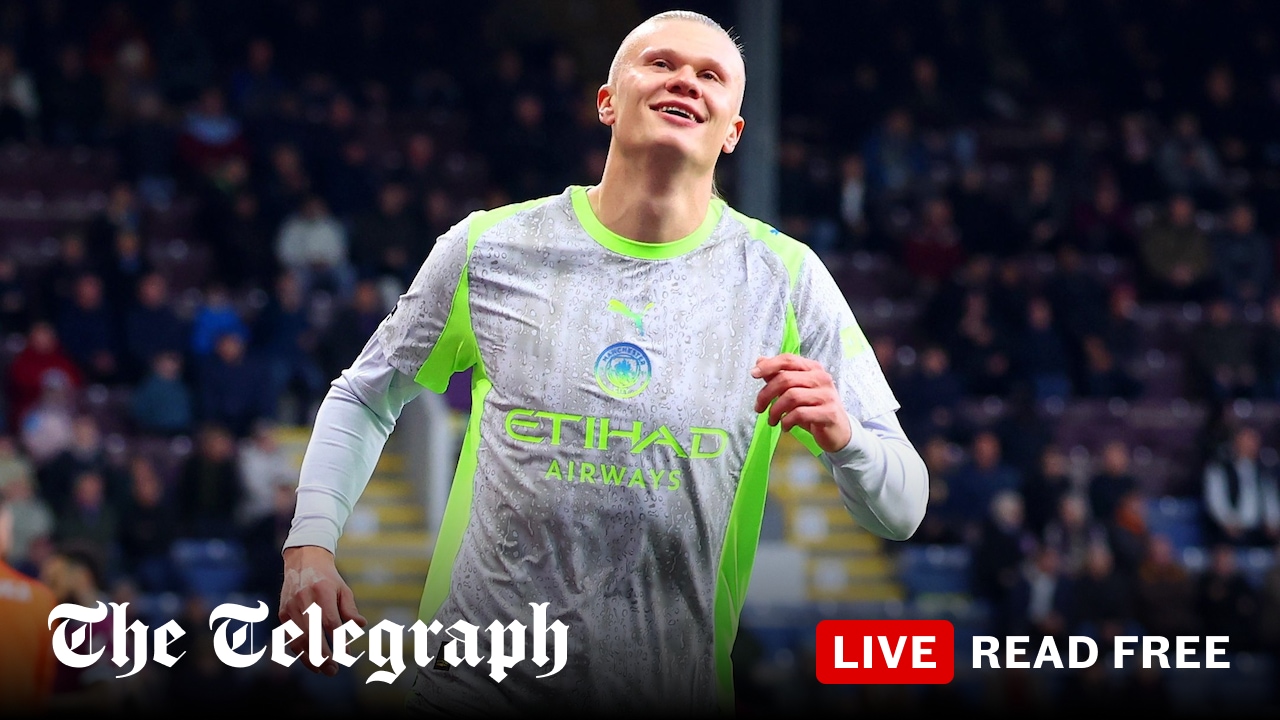
Manchester City have not been top of the Premier League since the opening weekend of the season but they will usurp Arsenal at the summit tonight with a win at Burnley.

Victory would put City top courtesy of a superior goal difference if they win by two goals or more, or on goals scored if they win by just the one.

The more realistic Arsenal fans tuning into watch will be hoping Burnley, who will be relegated by a City win at Turf Moor this evening, can simply keep the score down.

Advertisement

City’s 2-1 victory over Arsenal in Sunday’s entertaining duel between the country’s two best teams means the title race is now in their hands and could go to the wire.

Technically speaking, it is in Arsenal’s hands too because the two teams will be level on points and close enough on goal difference, but that measure should favour a City team full of firepower.

They have found form and tactical balance at just the right time: Marc Guehi has settled into the heart of their defence, Nico O’Reilly is flying at left-back, Rodri and Bernardo Silva are rolling back the years in midfield and an awesome foursome of Antoine Semenyo, Rayan Cherki, Jeremy Doku and Erling Haaland leads the attack.

The expectation is that City will reel off six more wins on their way to a seventh league title under Pep Guardiola while Arsenal fall away, but both contenders still have a lot of football to play.

Advertisement

Burnley lost 2-0 to Arsenal, 1-0 to Liverpool and drew 2-2 with Manchester United at Turf Moore, so Scott Parker’s team have been relatively competitive against the big teams at home, but this is an even harder task.

It is an unlikely outcome, but the title could be decided by goal difference so City will not relent should they get in front tonight. Rodri misses the game with a groin injury.

Full team news on the way shortly. 

Source link

Advertisement
Continue Reading

NewsBeat

Conductor Thomas Zehetmair to appear at Glasshouse and Middlesbrough

Published

on

Conductor Thomas Zehetmair to appear at Glasshouse and Middlesbrough

The conductor laureate of the Royal Northern Sinfonia and its former music director, will present a lead a programme of music by Jean Sibelius and Mendelssohn at The Glasshouse in Gateshead on Friday (April 24).

The concert, is part of a pair of performances celebrating Zehetmair’s long-standing partnership with the orchestra.

The programme includes Sibelius’ much-loved tone poem Finlandia, his Symphony No. 2, and Felix Mendelssohn’s Violin Concerto in D minor, composed when Mendelssohn was just 13 years old.

Advertisement

Mr Zehetmair said: “What a pleasure to return to my beloved North East.

“Two hugely popular and musically as well as historically important symphonic pieces frame a seldomly played jewel of a concerto.

“I look forward to performing this special programme and to meeting my friends again.”

He will take on the dual role of conductor and soloist, performing the Mendelssohn Violin Concerto from the violin.

Advertisement

The concert will conclude with Sibelius’ Symphony No. 2, known for its triumphant finale.

Another performance will take place at Middlesbrough Town Hall on Sunday, April 26, at 3pm.

Tickets for the Gateshead and the Middlesbrough concert are available through The Glasshouse website.

Advertisement

Source link

Continue Reading

NewsBeat

The Strait of Hormuz shows how everything is now about leverage

Published

on

The Strait of Hormuz shows how everything is now about leverage

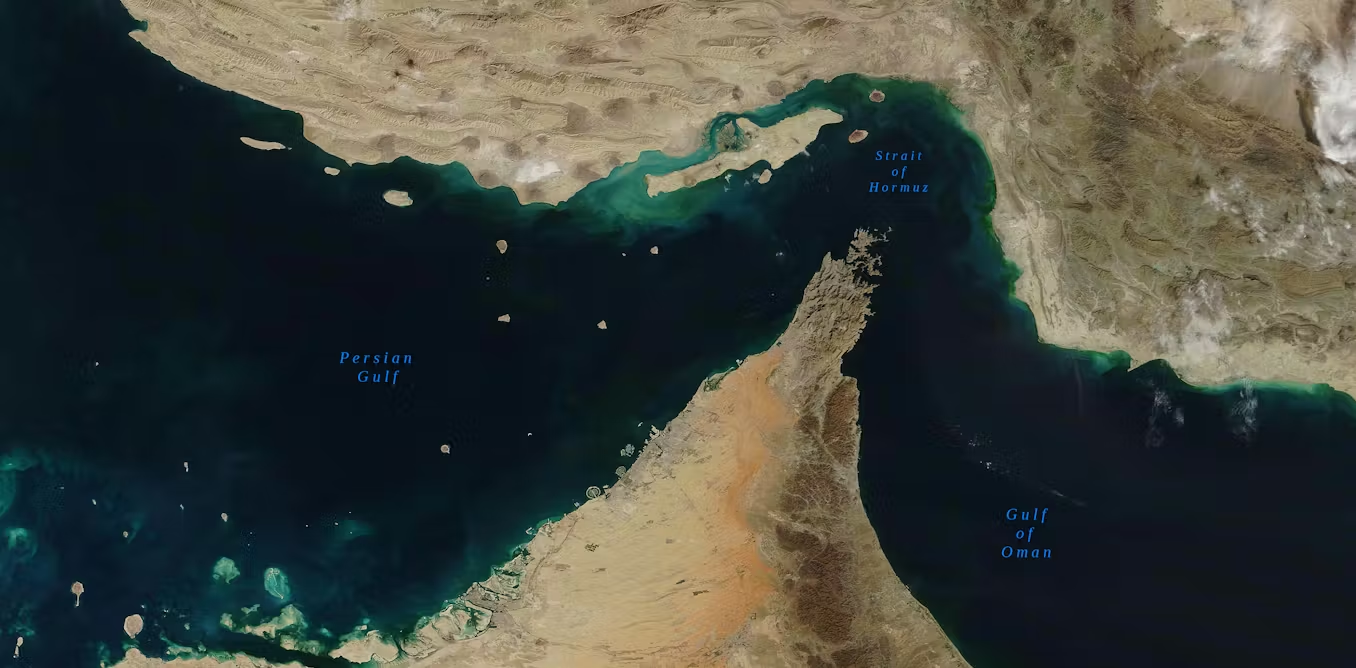
Iran’s military might was never going to be a match for the US and Israel. So instead it turned to the highly effective weapon it has at its disposal – geography.

Blocking off the Strait of Hormuz has shaken the global economy. It has doubled the price of a barrel of crude oil, which has a knock-on effect on the price the rest of the world pays for everything from fuel to heating and food to holidays.

It also made Donald Trump have a rethink. The world is now waiting to see what happens next in a stretch of water which carries around 20% of the world’s oil and liquefied natural gas.

For Iran, the Strait of Hormuz has been an extremely valuable geopolitical asset. And its surprisingly strong negotiating position demonstrates a classic principle of game theory, the mathematical study of strategic interactions.

Advertisement

This principle, sometimes referred to as Rubinstein bargaining, basically says that during a conflict, each side’s strength depends on two things: how badly off it would be without a resolution, and how impatient it is to get things resolved.

Iran will certainly be badly off if the war continues, using up its stockpiles of missiles and drones while its infrastructure gets bombed. But dictatorships can afford to be patient, crushing dissent if it arises.

For the US, continuing with the conflict means spending billions more taxpayer dollars on those bombs, while a blocked-off Strait of Hormuz risks more rises in the price of fuel paid by American motorists. With midterm elections coming up in November, perhaps the White House will lose patience quickly.

The Strait of Hormuz, then, has played an enormous role in the conflict so far. The US’s position is much weaker than first thought because of a stretch of water the world can’t do without.

Advertisement

Game theory suggests that to achieve a position of strength, countries and regions need to come up with their own version of the strait – something others need which will strengthen their negotiating position.

It doesn’t have to be a shipping route, of course. China’s version could be its global dominance in manufacturing. It would be very hard for most countries to live without the things China makes.

Sub-Saharan Africa’s strength is its natural resources, such as most of the world’s cobalt being mined in the Democratic Republic of Congo. In the future, it may also be able to leverage the fact it is the last continent with a young and growing population, while the rest of the world is rapidly ageing.

The EU’s strength, meanwhile, has been the size of its united single market. It has been able to leverage this market to get preferential treatment, protecting its produce and exports. It also managed to impose European standards on food and products across the world.

Advertisement

But the EU’s strength is by no means guaranteed. Most economic growth is now expected to come from the likes of China, India or Indonesia, weakening Europe’s negotiating position. Research suggests the only way to get some of this strength back is to integrate European markets even more, and to enlarge the EU further.

This is also why the UK will soon probably return to the European single market, one way or another. Brexit has considerably weakened the international negotiating position of both the UK and EU.

Strait and narrow

Having a version of the Strait of Hormuz seems especially important now that alliances and divisions have become much less clear. Old alliances and promises have lost a lot of their meaning.

The US has threatened to leave Nato, and said it would annex Canada and Greenland. Both it and Russia have jointly campaigned for the failed re-election of Viktor Orbán in Hungary.

Advertisement
A Russian oil tanker arriving in Cuba.
EPA/Stringer

But in a world without reliable alliances, all countries are interdependent. Supply chains are so interconnected that a small change in one country can have a major impact on the other side of the world. Oil tankers not moving near Iran could mean no pork sausages in UK grocery stores this summer.

In these circumstances, game theory tells us that success requires two things: not relying on a single partner, and offering something that others cannot do without. When everything is about leverage, power comes from being impossible to ignore.

The countries that will thrive in the next decades will be those which manage to establish their own version of the Strait of Hormuz. And make sure they never need to sail through anyone else’s.

Advertisement

Source link

Continue Reading

NewsBeat

Michelle O’Neill criticises ‘militarisation agenda’ after defence sector deal

Published

on

Belfast Live

The Northern Ireland Defence Growth Deal, launched by the UK Government, will see money invested in tech companies and start-ups to make it easier for them to enter the defence supply chain

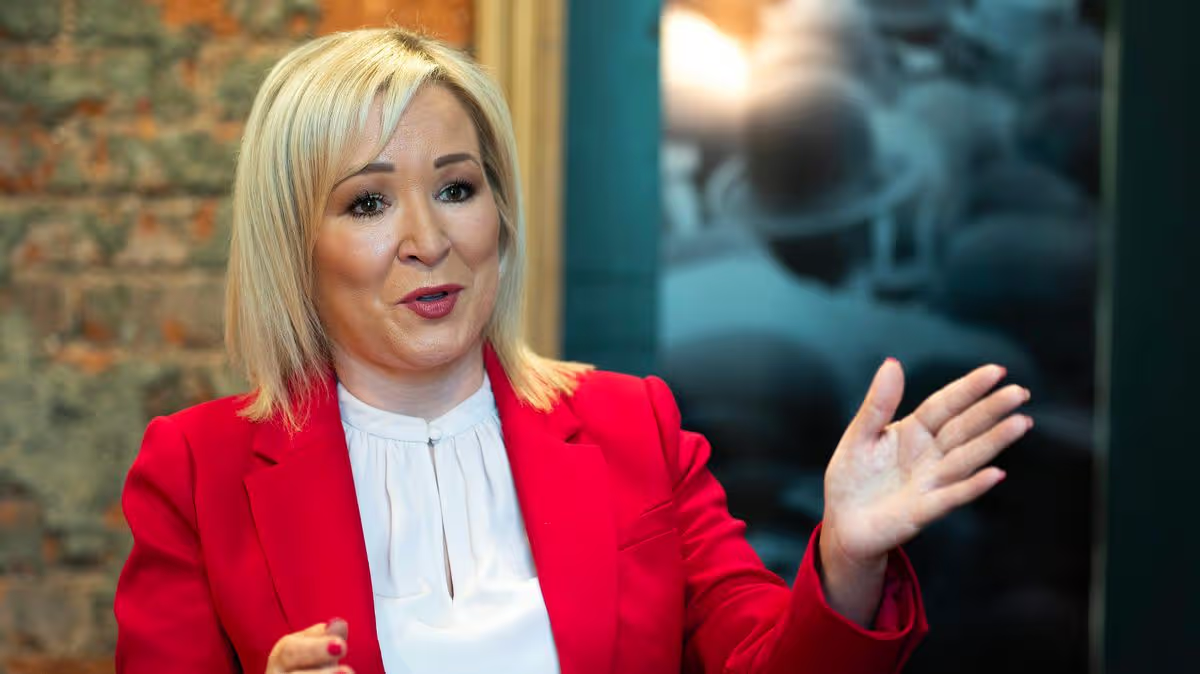
First Minister Michelle O’Neill has said she did not attend the launch of a £50 million boost for Northern Ireland’s defence sector because she does not support the “militarisation agenda”.

Advertisement

Ms O’Neill, the Sinn Fein vice president, said the money could have been spent in areas that are “really crying out for support”.

The Northern Ireland Defence Growth Deal, launched by the UK Government, will see money invested in tech companies and start-ups to make it easier for them to enter the defence supply chain.

The Government said the initiative will support hundreds of jobs.

Ms O’Neill and her party colleague Economy Minister Caoimhe Archibald did not attend the launch event in Belfast on Wednesday.

Advertisement

She told the Press Association: “I chose not to be there because I don’t agree with this as a policy choice.

“Obviously, this is a decision that’s been taken in London… a very clear political decision to prioritise a militarisation agenda, weapons of war over people is how I feel about it.”

The First Minister said she wanted to create jobs and opportunities for people in the local economy.

She added: “But this is a very distinct policy difference that I have with decisions being taken in London.

Advertisement

“I would much prefer, if I had £50 million, to be spending it in other areas that are really, really crying out for support right now, whether that be people through the cost-of-living crisis or our health service or education or child care.

“There are many competing challenges.

“I just don’t prioritise the militarisation agenda over all those other areas that I think need much-needed investment.”

For all the latest news, visit the Belfast Live homepage here and sign up to our daily newsletter here.

Advertisement

Source link

Continue Reading

NewsBeat

Manchester Piccadilly and Manchester Airport trains face disruption

Published

on

Manchester Piccadilly and Manchester Airport trains face disruption

Northern has said that the Manchester Piccadilly and Manchester Airport line is blocked due to an object on the overhead electric wires.

Services running to and from these stations maybe cancelled or delayed.

Trains between Manchester Airport

Advertisement

and Manchester Piccadilly are experiencing delays of up to 30 minutes, if running.

The knock-on impact has spread across the wider network, affecting multiple routes used by Bolton travellers, with disruption expected to continue until at least 5.30pm on Wednesday, April 22.

Advertisement

Services run by Northern , Transport for Wales and TransPennine Express have all been impacted.

Northern routes serving Bolton have seen delays and cancellations on services between Barrow-in-Furness and Manchester Airport, Blackpool North and Manchester Airport, and Crewe and Manchester Piccadilly.

Transport for Wales services linking North Wales, Chester and Manchester Airport have also been affected, alongside TransPennine Express routes connecting Manchester Airport with Edinburgh, Glasgow Central and Redcar Central.

A spokesperson for Network Rail said: “Network Rail staff are en route to site with further updates to follow.”

Advertisement

Passengers are being urged to check before they travel and allow extra time for their journeys.

To help ease disruption, some ticket restrictions have been lifted and alternative travel options are being accepted.

Northern passengers can use their tickets at no extra cost on Metrolink tram services between Manchester stations and the airport. Tickets are also being accepted on some Transport for Wales and TransPennine Express services.

Travellers heading towards Scotland are advised to use Metrolink services to connect between Manchester stations before continuing their journey, while those travelling into Manchester city centre can use trams or the Bee Network 43 bus service.

Advertisement

Passengers are advised to keep their tickets and journey details, as they may be eligible for compensation due to delays or cancellations.

The incident was first reported at 4.37pm, with the latest update issued at 5pm. Updates are being provided via National Rail Enquiries.

Source link

Advertisement
Continue Reading

NewsBeat

Sacked Morrisons manager Sean Egan says supermarket ‘threw me under the bus’

Published

on

Daily Mirror

Sean Egan became involved in an altercation with career criminal Daniel Kendall who spat in his face and became aggressive at the Morrisons in Aldridge, West Midlands

The long-serving Morrisons employee fired for challenging a violent shoplifter has hit out at the supermarket.

Advertisement

Sean Egan has claimed the company threw him under the bus “for doing the right thing” after he was dismissed following 29 years of service. The 46-year-old man became involved in an altercation with career criminal Daniel Kendall who spat in his face and became aggressive in the supermarket in Aldridge, West Midlands.

Kendall, who has more than 100 offences to his name, managed to flee with two bottles of Jack Daniel’s despite Mr Egan’s best efforts in December. Mr Egan, a married father from Wolverhampton, West Midlands, recognised Kendall as a prolific shoplifter who had targeted the supermarket previously.

Speaking today, Mr Egan said: “I dedicated my whole life to Morrisons, but they did not even take my 29 years of service into account and just threw me under the bus for standing up for what is right.”

READ MORE: Morrisons employee Sean Egan sacked after 29 years for tackling ‘abusive’ shoplifterREAD MORE: Jeremy Vine furiously defends Waitrose worker who tackled shoplifter

Advertisement

Social media users have applauded Mr Egan’s bravery and backed calls for Morrisons to reinstate the man, who started his career with the firm when he was just 17. Since the sacking, Mr Egan has been diagnosed with depression.

Speaking to the Daily Mail, he continued: “All I tried to do was the right thing by protecting myself, my customers and my company. And for that I’ve been treated worse than a criminal.

“My whole life imploded from the moment Kendal stepped into my store. I have been treated more harshly and unfairly than him because he’s not lost as much as I have. I’ve been deemed to be the bigger criminal than him.”

Advertisement

Kendall, a drug addict from Walsall, West Midlands, was sentenced to 42 weeks in prison over the Morrisons theft. His previous convictions include the theft of chocolate and coffee worth £90 from a Co-op supermarket store in Birmingham — and theft £390 in cash from an ATM in Walsall.

Mr Egan, who started work with the company behind the delicatessen counter while still at school, followed Morrisons’ protocol with a calm approach — a “deter-and-not-detain” policy — when dealing with Kendall initially. Kendall, though, became aggressive and spat at the man.

“I’m a proud man and have worked very hard for everything I’ve got. I’ve always paid my way and put a lot of effort into building a beautiful home,” Mr Egan added.

Advertisement

“For the first time in my life, I’m out of work and without money not because I did anything wrong but because I did something right. When they told me I was being sacked, my first thought was how am I going to survive? I’ve got bills to pay, a mortgage, two children and a partner. I feel humiliated and rejected.”

The Mirror has contacted Morrisons, which has said it prioritises its employees’ “health and safety” at all times, for further comment on the dispute. However, a spokesperson for the supermarket said: “We are continuing to take wide-ranging action to address the threat of shoplifting or violence in our stores.

“The health and safety of all colleagues and customers is of paramount importance to Morrisons. We have very clear guidance, procedures and controls in place to protect our colleagues and customers from the risk of harm, which must be strictly followed.

“These include detailed procedures for handling shoplifting incidents, which are in place to protect both the colleague involved and surrounding colleagues and customers, and which seek to de-escalate and calmly control the situation. We will not ask colleagues to put themselves at risk. As a responsible employer, our focus is entirely on taking the correct action to ensure health and safety is maintained at all times.”

Advertisement

Source link

Continue Reading

NewsBeat

Man dies after calling GP three times failed to get him the ‘urgent help’ he needed

Published

on

Daily Mirror

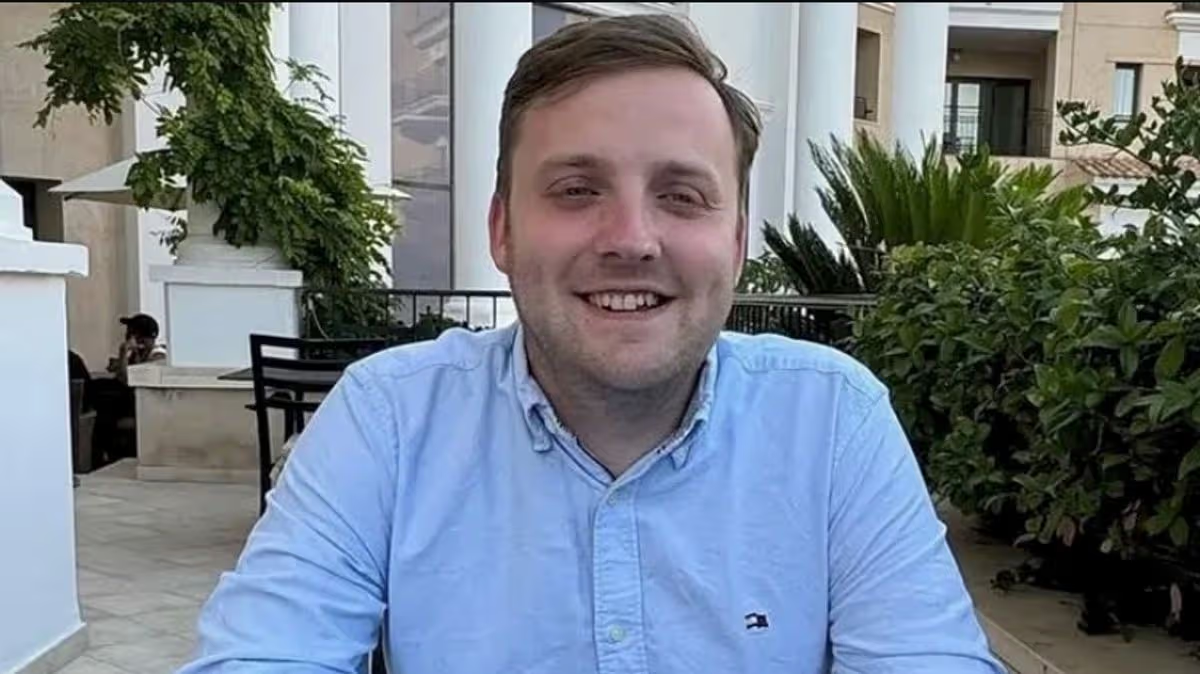
Joshua Haines, 30, was found dead at his home in Leeds three days after calling a GP three times to raise concerns he could be suffering from a form of diabetes

A man who repeatedly told a doctor he feared he had life-threatening diabetes died just days later from the condition after failing to get urgent medical treatment, an inquest heard.

Joshua Haines, 30, was found dead at his home in Leeds, West Yorks., three days after calling a GP three times on March 16, 2025. He had raised concerns about worsening symptoms and suggested he could be suffering from a form of diabetes, although he had no history of the illness.

But despite reporting severe dehydration, vomiting and slurred speech, the GP advised him to contact the non-emergency NHS number 111 rather than being seen in person. An inquest at Wakefield Coroner’s Court heard Mr Haines died from diabetic ketoacidosis – a life-threatening complication linked to undiagnosed type 1 diabetes.

Advertisement

READ MORE: Dad accused of shoplifting from IKEA after ‘stupid machine’ wrongly identifies himREAD MORE: Dad who died after Stockbridge Village chippy attack named as tributes pour in for ‘lovely fella’

Assistant coroner Naomi McLoughlin said there had been “missed opportunities” to get him “urgent medical help”, though she could not confirm these led to his death.

Speaking after the hearing, his sister Jessica Parker said: “We’re deeply disappointed and devastated. All we want from this is for no family to go through what we’ve had to go through.”

Advertisement

The inquest heard evidence from the Claire Lindsey of the Yorkshire Ambulance Service. She said that had Mr Haines’ symptoms been reported by the GP or himself, he would likely have been classed as a category two emergency. This would have meant an ambulance should have aimed to reach him within 40 minutes.

Senior paramedic Daniel Lawton said crews attending would likely have identified the condition, begun rehydration and taken him to hospital as an emergency. In further evidence, an investigating doctor said “red flags were missed” by the Extended Access service Mr Haines contacted.

Dr Saleh Majid, who spoke to Mr Haines on three occasions, said he initially believed the symptoms pointed to a stomach bug due to persistent vomiting. He said diabetes had been considered and agreed it could develop “out of the blue”, but added he could not assess “how far down the line he was” and did not “envisage it being at a life-threatening stage”.

Advertisement

Asked if he made mistakes, Dr Majid said: “I could have done things differently on reflection. I have had time to learn and reflect on this tragic case. Things will be done differently.”

Mr Haines, a surveyor, had been fast-tracked into management and was seen as a “rising star” with “exceptional ability”, his sister said. She previously told the inquest his death was preventable, adding: “His death has torn a hole through my heart. We cannot understand how he could die so suddenly.”

Peter Skelton, representing the family, urged the coroner to record a narrative verdict linking the missed opportunities to Mr Haines’ death and to consider a prevention of future deaths report.

Advertisement

He said: “The family are very serious that there have been some very serious failures of care with the most extreme of consequences: the needless death of a young patient. They are concerned that Dr Majid didn’t understand the full consequences and they question his competency.”

In her conclusion, Ms McLoughlin said she could identify missed opportunities – including the lack of a face-to-face appointment and no 999 call being made – but could not say whether they directly caused his death. She recorded that Mr Haines died between March 16 and 19 from diabetic ketoacidosis.

Source link

Advertisement
Continue Reading

NewsBeat

‘OG’ Storage Wars star Darrell Sheets dies aged 67 as fans pay tribute to ‘legend’

Published

on

Daily Record

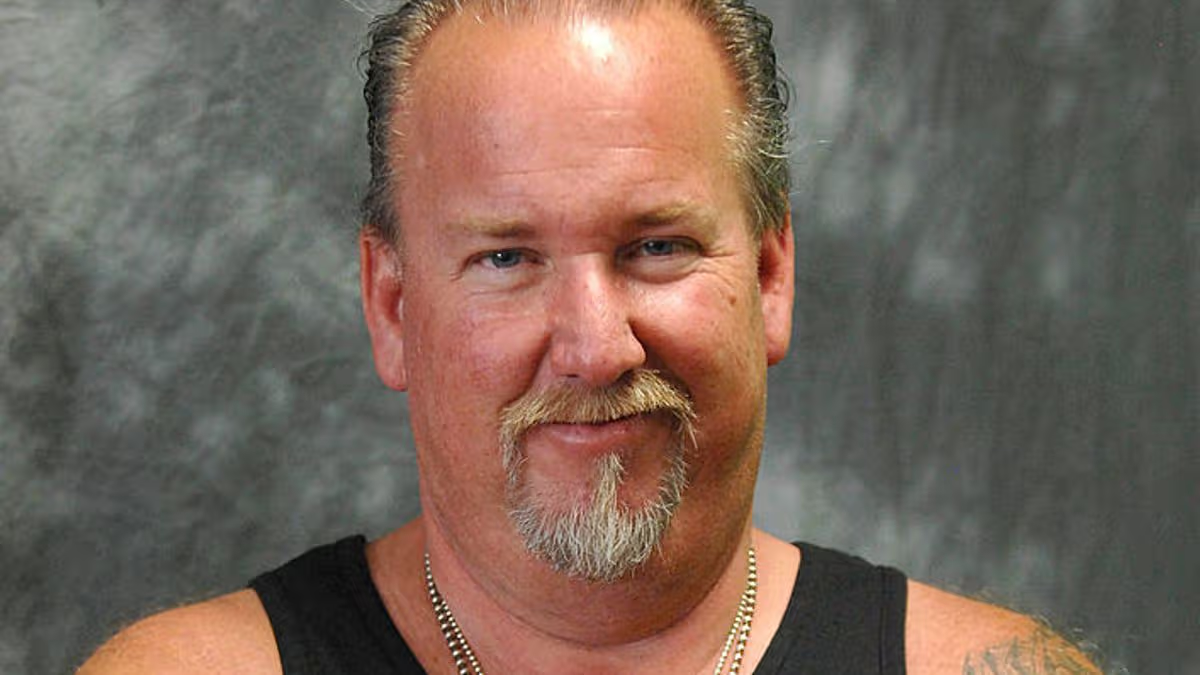
Storage Wars star Darrell Sheets has died aged 67

A beloved star of the American TV show Storage Wars has passed away at the age of 67. Darrell Sheets has been fondly remembered as ‘part of the OG crew’ by grieving fans paying tribute online.

Advertisement

According to TMZ, Lake Havasu Police in Arizona confirmed that Darrell had apparently died from a self-inflicted gunshot wound. His body was discovered at his home on Wednesday (April 21) at 2am local time.

After being pronounced dead at the scene, his body was taken to the Mohave County Medical Examiner’s Office. Prior to retiring to Arizona, Darrell had been a firm fan favourite on Storage Wars, featuring in 167 episodes of the hit show.

In Lake Havasu, he ran an antique shop called Havasu Show Me Your Junk. He had previously suffered a heart attack in March 2019, following which he underwent surgery.

Advertisement

Ensure our latest stories always appear at the top of your Google Search by making us a Preferred Source. Click here to activate or add us as your Preferred Source in your Google search settings.

A spokesperson for network A&E told TMZ: “We are saddened by the passing of a beloved member of our Storage Wars family, Darrell ‘The Gambler’ Sheets. Our thoughts are with his family and loved ones during this difficult time.”

Tributes flooded in on X, with one fan writing: “Oh no… RIP.. he was really great on the show and part of the OG crew.”

Another added: “Oh man! No way he was one of my favorites on that show,” while a third simply wrote: “RIP legend.”

Advertisement

During the show’s run, Darrell made one of its most profitable finds when he purchased a California storage unit for $3,600, which contained an extensive collection of original artwork by Mexican surrealist painter Frank Gutierrez. The pieces were later valued at approximately $300,000.

The Samaritans is available 24/7 if you need to talk. You can contact them for free by calling 116 123, email jo@samaritans.org or head to the website to find your nearest branch. You matter.

Source link

Advertisement
Continue Reading

NewsBeat

How Bafta helped elevate the video game to a respected art form worthy of celebration

Published

on

How Bafta helped elevate the video game to a respected art form worthy of celebration

To receive a nomination at the Bafta Game Awards is to be placed amongst the very best video games developed each year. This year’s ceremony saw 42 games nominated, demonstrating a wide range of gaming excellence. Among the nominees were designers, voice actors and composers, each contributing to the validation of video games as a cultural form.

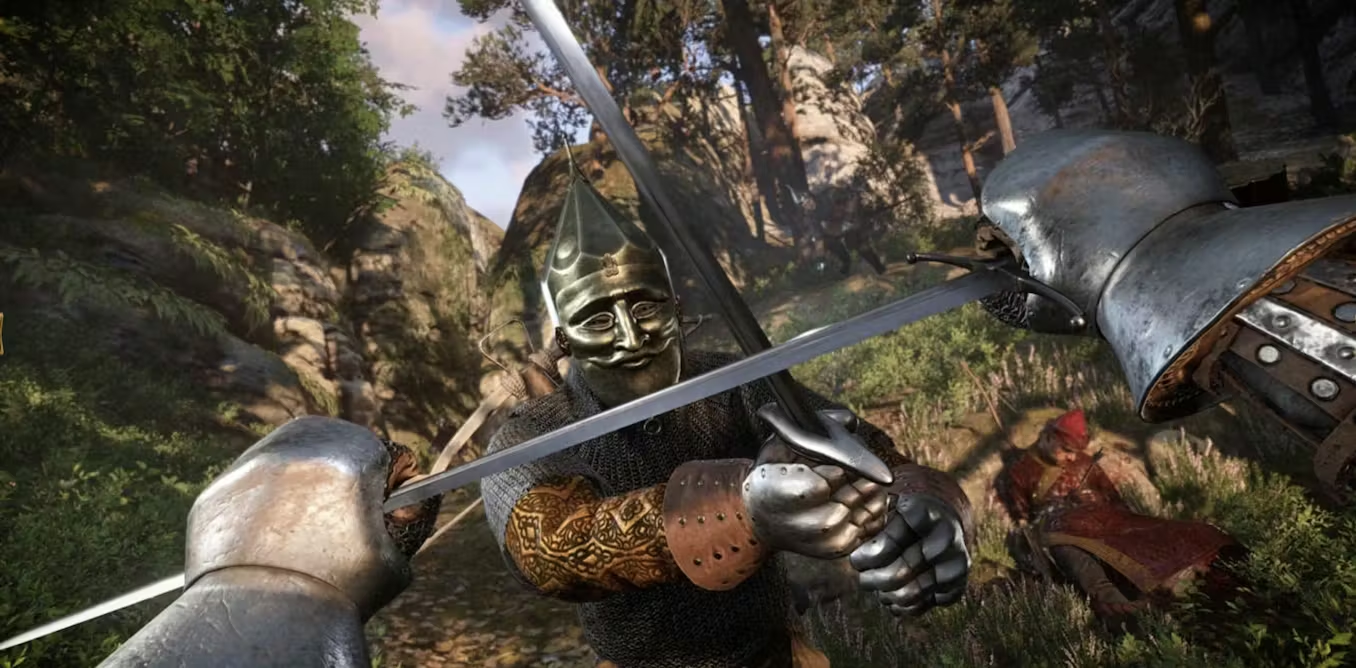
Now in their 22nd year, the awards took place on April 17 in London where outstanding achievement in animation went to Dispatch, with Lego Party awarded best family game, Kingdom Come: Deliverance 2 best narrative, and the coveted best overall game gong going to Clair Obscur: Expedition 33.

For the winners, awards can result in boosted sales. Clair Obscur: Expedition 33 saw more than 92,000 copies sold overnight following the awards. The win adds to the game’s overwhelming success story both economically and culturally since its release in April 2025. Such accolades not only translate to individual success, they also gain legitimacy for the game industry as a whole. So how can an awards show aid an entire medium?

Advertisement

Part of the answer lies in how awards shape cultural perception, not just commercial success. Regardless of their aesthetics and storytelling prowess, video games are still considered by many as being an example of “low culture”. The Bafta awards have been one way to challenge this perception, offering a prestigious arena for celebration and recognition.

The British Academy of Film and Television Arts is a British arts charity that has been in operation since 1947 with a mission to “advance the art and technique of film”. The first film awards were held in 1949, with TV awards introduced in 1955. Games first gained recognition within the respected Bafta tradition in 2004.

A video game can take years of work to develop and requires the collaboration of many creatives across a variety of disciplines. Writers, artists, animators, programmers, sound designers, voice actors and musicians are all part of the process.

Advertisement

Bafta runs initiatives such as scholarships, mentorships and programmes for young game designers. Celebrating video games with the annual awards show makes a statement that the medium is as worthy as film or television in terms of cultural contribution.

How does recognition impact the industry?

Legitimacy is often accompanied by economic support at a regional, national and international level. The more video games are considered culturally valuable, the more governments and art charities are interested in investing in them.

However, video game development is currently risky, with thousands of layoffs this year so far. Young graduates looking for an entry role may not find much available even with large developers like Epic Games which laid off 1,000 workers in March, attributed to a downturn in Fortnite engagement that began in 2025.

Advertisement

Initiatives to support studios entering the industry have increased in frequency and monetary value since 2015 with the creation of the UK Games Fund (UKGF). The support programme started with a £4 million prototype fund to help small developers produce working mock-ups of ideas to show investors. Funding is vital for the development of the industry as it allows creatives to take risks with the medium without risking their livelihoods.

Economic support initiatives create positive feedback loops where developers have the freedom to advance the art and technique of games and then see their work acknowledged through awards. This subsequently raises the profile of video games to funders.

This year the Baftas follow an increase to the funding available for British game studios from the UK government. As part of the opening of the London Games Festival – a week of talks and demonstrations from the UK games industry held every April – the Department of Culture, Media, and Sport announced a £30 million “power up” for the UK games industry.

Advertisement

Grants from the fund will be split into three categories. Up to £20,000 is available to invest in newly formed companies, with £100,000 for the prototyping of new games and £250,000 to aid with completing games and helping established studios expand.

The Bafta Game Awards have been a key part of the festival’s programme since its inception in 2016. The money, announced just as the best of global video games are being celebrated, will be used to support next generation of exciting young video game developers.

Source link

Advertisement
Continue Reading

Trending

Copyright © 2025