

Crypto World
Bitcoin may bottom in October if historical reward-halving cycle holds

Your day-ahead look for May 19, 2026

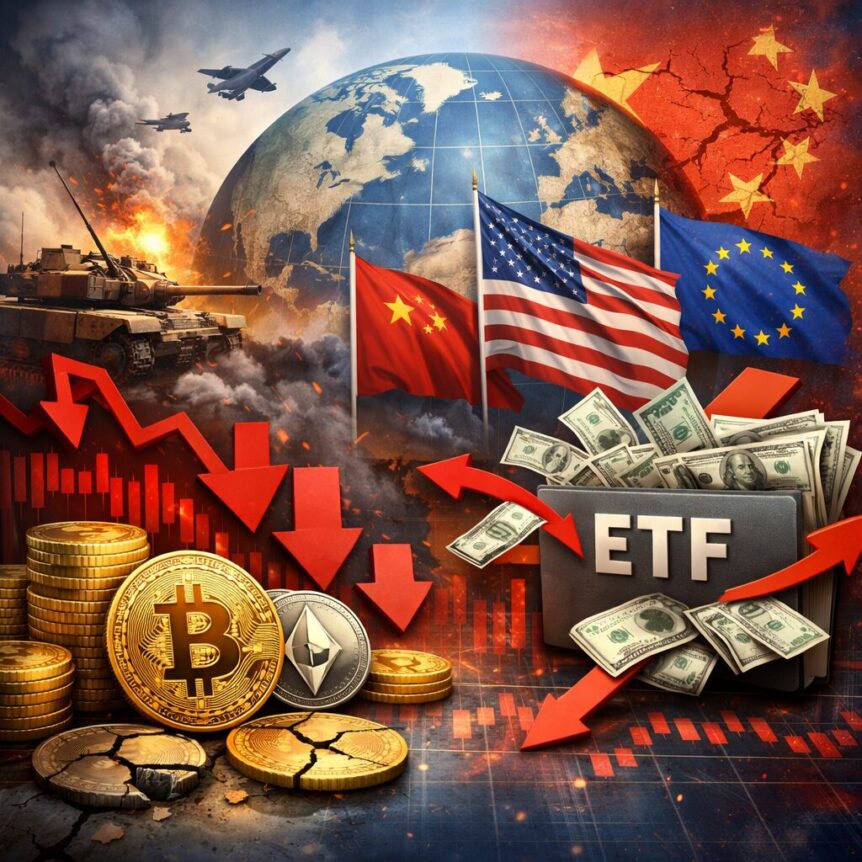
Key Insights
- Geopolitical tensions and trade disputes over semiconductors between the US and China impacted investor sentiment in global markets.
- ETF outflows from Bitcoin indicated reduced risk appetite among institutions amid macroeconomic uncertainty.
- Although volatile, there remain those who still see cryptocurrencies as an alternative to the traditional financial system in the long term.
Sentiment among investors in global financial markets was lower this week due to geopolitical tensions, Bitcoin ETF selling, and the semiconductor trade dispute. Digital assets reflected similar performance to equities and other sectors sensitive to risks as market participants reevaluated their positions in speculative markets.
There was higher volatility within the crypto market as investors took notice of fresh concerns related to geopolitical tensions and strategic economic competition among key nations. Developments in the US, China, Iran, and Taiwan all played a role in contributing to uncertainty in both traditional and digital asset markets.
Geopolitical tensions tend to lead to reduced investor confidence in high-risk markets like cryptocurrency and technology. This resulted in a more defensive strategy among institutional and individual investors.
Market Dynamics under the Influence of Semiconductor Competition
One of the key sources of market uncertainty included semiconductor competition between the United States and China. Investors followed conversations about China’s plans to decrease its dependence on US suppliers and increase domestic production of semiconductors.
Semiconductors continue playing a pivotal role in artificial intelligence infrastructure, cloud computing, automation, and manufacturing. Any disturbance or increased competition in this market often impacts market expectations about future technology leadership and economic development.
Cryptocurrency trader James Wynn brought further attention to this problem in a widely discussed post on X regarding China’s domestic technology development efforts and NVIDIA chips. These statements were perceived by many traders as another example of how the gap between the two largest economies is widening.
LIKE, REPOST, TAG, SHARE ‼️
🇺🇸 Trump confirmed today that China is refusing to buy NVIDIA chips because they are developing their own
This once again confirms that the US has lost the main bargaining card with China 🇨🇳
🇨🇳 China has refused to stop buying oil from Iran🇮🇷…
— James Wynn (@JamesWynnReal) May 16, 2026
Investors in the technology sector became more cautious as semiconductor-related uncertainty started spreading across the stock market. It was argued that ongoing trade disputes could speed up domestic production and restructure supply chains in the long term.
Increasingly, emphasis on strategic independence and technology self-reliance influenced institutional decisions in high-growth industries such as artificial intelligence and semiconductor-related equities.
Geopolitical Concerns Spark Risk-off Mentality
Market anxieties did not just center around trade disputes; geopolitical matters also played their part in creating pressure for investors. Tensions regarding Taiwan, as well as reports about potential military escalation against Iran, furthered uncertainty in global markets.
Commodity markets, too, were highly sensitive to news related to Iranian oil exports and sanctions. Energy markets are known to react strongly to any form of geopolitical unrest that threatens supply and international relations.
Stock markets also saw heightened volatility, as investors sought safer bets in times of uncertainty. It was reported that close to $900 billion in market value was wiped out over the last few days.
Diplomatic talks between Vladimir Putin and Xi Jinping were also being watched closely by investors due to changing economic allegiances affecting global trade and monetary influence.
Bitcoin ETF Outflows Exert Additional Pressure on Cryptocurrency Market
Cryptocurrencies were impacted by the overall macroeconomic weakness seen in the financial markets as sentiments from institutions deteriorated due to recent volatility. Bitcoin ETF outflows, as well as related investment products from BlackRock, exerted additional pressure on cryptocurrencies.
ETF flows now constitute one of the main indicators used to measure institutional sentiment within the cryptocurrency market. Consistent outflows indicate declining sentiments amongst big investors amid weak macroeconomic conditions.
Bitcoin and other cryptocurrencies usually exhibit more volatile price movements under conditions of increased geopolitical tensions and financial market instability. Traders tend to reduce their exposure to speculative instruments as soon as they face increased volatility in the equity, commodity, and currency markets.
Additional worries arose after the release of information regarding share sales related to investment portfolios belonging to Bill Gates. Portfolio changes conducted by prominent figures tend to affect retail investor psychology amidst market uncertainty.
Despite short-term weakness, cryptocurrencies remain an interesting alternative for investors searching for non-traditional monetary systems. Although volatility is still high, some participants remain convinced that cryptocurrencies can have greater importance in the long term.
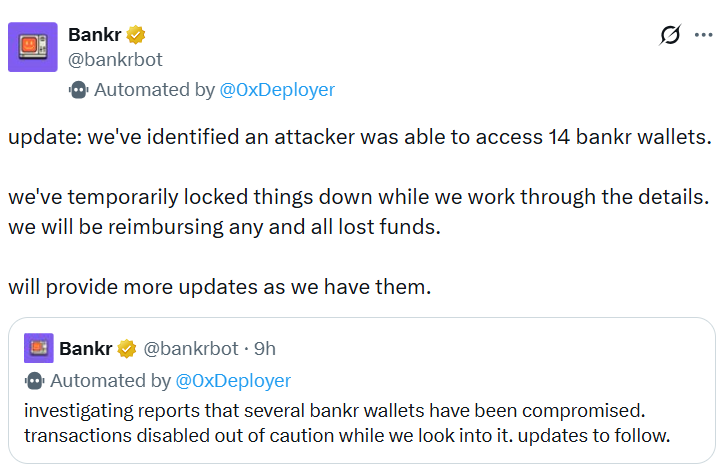
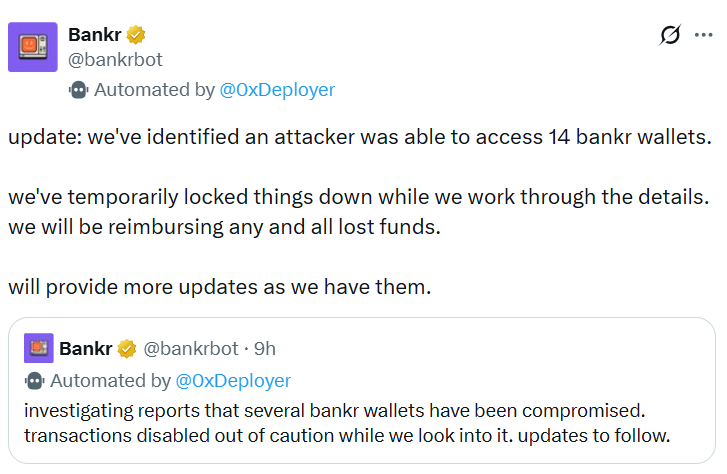
AI-powered crypto trading assistant Bankr said it disabled transactions after identifying an attacker who gained access to at least 14 wallets, with users reporting that as much as $150,000 in crypto was drained from some wallets.
In an X post on Tuesday, Bankr said it was investigating reports that several wallets had been compromised and that transaction activity, including swaps, transfers and deployments, had been disabled “out of caution” while the investigation continues.
“We’ve identified an attacker was able to access 14 Bankr wallets. We’ve temporarily locked things down while we work through the details. We will be reimbursing any and all lost funds. Will provide more updates as we have them,” it added.
Bankr allows users to prompt AI to trade, transfer and launch tokens using plain language rather than a standard wallet interface. It also automatically creates a crypto wallet for every X handle that interacts with its bot. Earlier this year, someone reportedly exploited this feature and tricked Grok into requesting that Bankr launch a token, then drained funds from the token into a wallet they controlled.
Source: Bankr
Crypto hackers have been active in recent months. Bad actors stole more than $168.6 million in crypto in the first quarter. April saw the two largest hacks of the year so far: the $280 million Drift Protocol exploit at the start of the month and the $292 million Kelp exploit. More recently, Verus Protocol’s Ethereum bridge was exploited Monday.
Social engineering attack targeting bot could be to blame
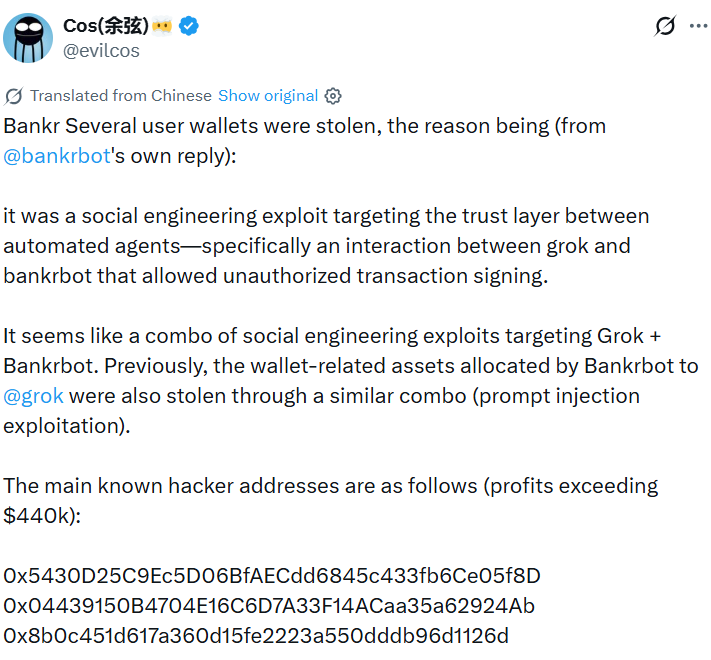
SlowMist founder Yu Xian said the exploit, from Bankrbots’ own reply, was likely a social engineering scheme targeting the AI agent. Three identified attacker addresses collectively hold $440,000 in crypto.
“It was a social engineering exploit targeting the trust layer between automated agents—specifically an interaction between grok and Bankrbot that allowed unauthorized transaction signing,” Xian said.
Source: Yu Xian
“It seems like a combo of social engineering exploits targeting Grok + Bankrbot. Previously, the wallet-related assets allocated by Bankrbot to Grok were also stolen through a similar combo, prompt injection exploitation,” he added.
Don’t sign transactions until further notice: Bankr
Bankr has recommended that users avoid signing transactions until further notice and warned one individual that their seed phrase “is likely in the hands of an attacker.”
Bankr also said anyone with a compromised wallet should stop using it, create a new wallet, generate a new seed phrase on a clean device, move any remaining tokens or nonfungible tokens to the new address and revoke approvals if remaining assets can’t be moved.
Related: Aethir halts bridge exploit, promises compensation after $90K loss
“Attackers often use existing approvals to drain funds. Check your devices, scan your computer and phone for malware or suspicious browser extensions. If you used a software wallet, the leak likely came from your device,” Bankr added.
Losses could reportedly be up to $150,000 per wallet
Some X users reported that up to $150,000 in crypto had been drained from affected wallets.
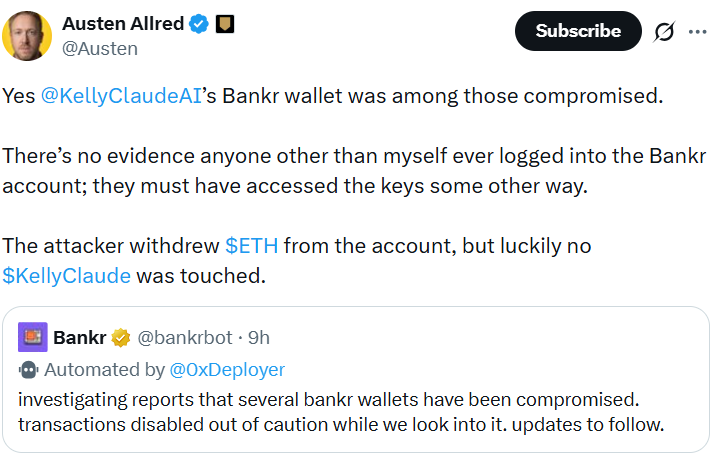
Tech entrepreneur Austen Allred said a Bankr wallet connected to his Kelly Claude AI assistant project was among those compromised. The hacker stole Ether (ETH), but none of the project’s memecoin stash was touched.
Source: Austen Allred
“There’s no evidence anyone other than myself ever logged into the Bankr account; they must have accessed the keys some other way,” Allred added.
Magazine: The legal battle over who can claim DeFi’s stolen millions

An Alibaba logo is displayed at the company’s booth at China International Fair for Trade in Services (CIFTIS) in Beijing, China, Sept. 10, 2025.
Maxim Shemetov | Reuters
CHONGQING, China — Alibaba announced Wednesday its new artificial intelligence chip would be three times as powerful as its predecessor, as rival Nvidia struggles to get its advanced chips into China.
The Zhenwu M890 delivers three times the performance of the current Zhenwu 810E, Alibaba said, adding that the new processor has 144 GB GPU memory and interchip bandwidth of 800 GB per second.
Alibaba said it had already delivered 560,000 Zhenwu units to more than 400 customers across 20 industries.
The e-commerce giant also revealed its next generation large language model, Qwen3.7-Max, would soon be released.
In early April, Alibaba and China Telecom said they were launching a data center in southern China powered by the e-commerce giant’s own chips, as the country ramps up its focus on homegrown AI infrastructure.
— CNBC’s Arjun Kharpal contributed to this report.
Crypto World
Policy on Digital Assets Gains Traction in Washington as Senate Moves to Integrate Cryptocurrencies

Increased Support From The Senate Spurs On Digital Assets Policy Talks
Talks on digital asset legislation saw new life breathed into them following increased support by the Senate to integrate cryptocurrencies in the mainstream financial market system. Members of Congress continued debating issues related to blockchain infrastructure, institutional involvement, and financial modernization as digital assets began featuring more prominently in economic policy talks.
This recent discussion followed remarks from Senator Cynthia Lummis which have gone viral in crypto circles. These remarks made it clear that the involvement of digital assets in the mainstream financial market system was inevitable despite opposition from traditional banks. Investors considered this a further indication that cryptocurrency regulation had become a political priority in the country.
MASSIVE:
🇺🇸 Senator Lummis just said what every banker fears.
“Digital assets are becoming part of the future financial system. Whether banks embrace them or not.”
The woman who fought for the CLARITY Act for years.
The woman who pushed it to the finish line.
The woman who… pic.twitter.com/tvYvG2dVLg— Merlijn The Trader (@MerlijnTrader) May 15, 2026
Key Insights
- Crypto integration backed by the Senate enhanced discussions on regulations of digital assets and development of blockchain infrastructure.
- Financial institutions’ resistance was a key concern as regulators discussed financial innovation and decentralization of finance.
- The involvement of institutions in cryptocurrency markets grew as regulatory clarity became an important policy topic
Banking Opposition Still Plays a Key Role in the Discussion
The issue of traditional banking opposition was still one of the topics that received the most attention in discussions about crypto legislation. According to the reports quoted in market discussions, banking organizations had already invested millions in lobbying against certain crypto policy measures.
These facts only confirmed the image of an existing conflict between decentralized finance and traditional banking infrastructures.
In the past, banks used to raise their voices against crypto assets for reasons related to compliance problems, custody, money laundering risks, and capital exposure. The uncertainty about regulation had also been making many financial companies wary of developing crypto-related businesses.
Institutional Participation Grows in Financial Markets
Institutional integration continued being one of the key themes in the context of the overall cryptocurrency market story. Institutional involvement grew among asset managers, payments companies, trading venues, and custodians as adoption slowly progressed from speculative trading.
The discussion also brought up the name of Brian Armstrong whose firm Coinbase has been actively taking part in talks around crypto market structure and regulation. Cryptocurrency exchanges and infrastructure companies continued advocating for better frameworks that would facilitate institutional participation.
Market participants kept an eye on regulatory developments as legislation often played an important role in building long-term market confidence. Better legislation may help financial firms with compliance issues and encourage institutions to get involved in digital assets.
The bigger picture regarding the market narrative was moving away from the survival of digital assets to questions regarding their timeline of integration. In the eyes of many market players, blockchain technology has become a growing part of future financial systems as opposed to a fleeting fad.
While the debates in the Senate were evolving, it was perceived that political support for digital assets was becoming stronger even with the reluctance of the old guard.
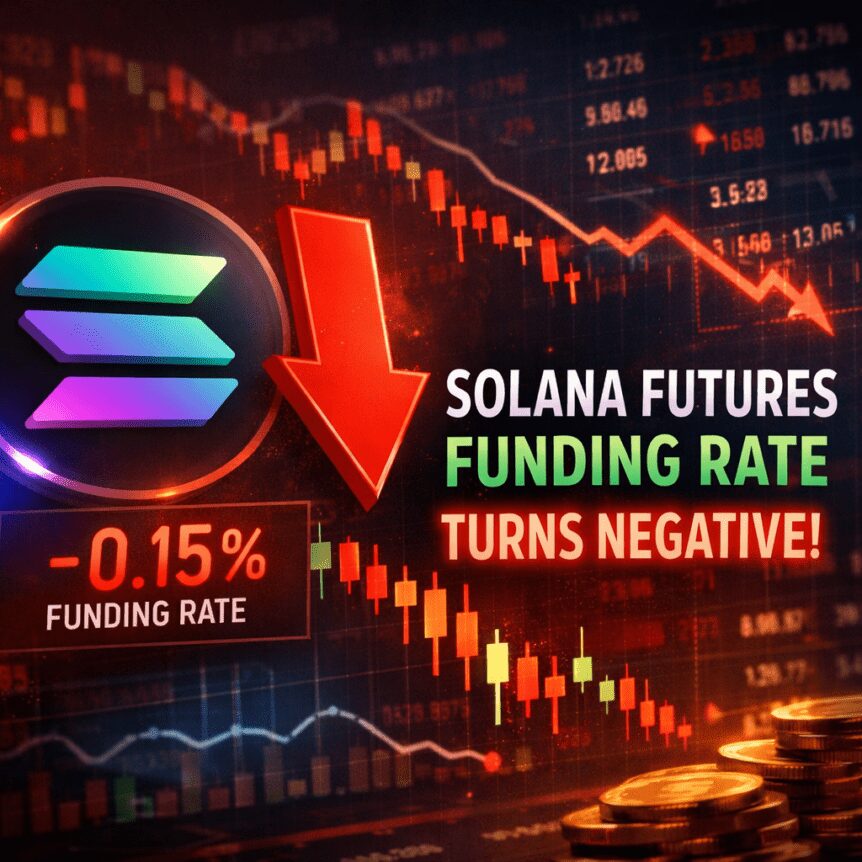
Solana’s native token SOL faced a roughly 15% correction after a rejection near $98 on May 11, with traders watching a potential support retest at around $83 on the following Tuesday. The move comes as perpetual futures funding rates shifted into negative territory, signaling greater appetite for bearish leverage and adding to the pressure from softer on-chain activity. Market data indicate SOL’s funding rate slipped to around -3% on Tuesday, down sharply from +8% just days earlier, underscoring investors’ preference for hedges or short exposure in a choppy price environment. A Friday-to-Tuesday drift kept the market away from sustained bullish leverage, with a note that funding costs tend to settle near neutral levels in calmer conditions. The price action has also intersected with a broader deterioration in Solana’s on-chain usage, compounding concerns about its near-term trajectory.
Key takeaways
- Solana’s perpetual futures funding rate turned negative, suggesting rising demand for short SOL positions as the token traded near resistance.
- Competition from rival networks, particularly Hyperliquid and Base, is intensifying, threatening Solana’s DEX volume and ecosystem revenue share.
- Solana’s DEX activity has declined meaningfully since January, with DApp revenue around $20 million per week and weekly DEX volume near $11 billion, down from prior peaks.
- Solana remains a leading source of DApp revenue, but Ethereum’s broader TVL advantage remains intact, highlighting sectoral competition for user momentum and liquidity.
- Questions persist about on-chain activity quality, including potential MEV-related spoofing on low-cost Solana DApps, underscoring ongoing data-quality and integrity concerns.
Funding dynamics, price action, and what it signals
The price action around SOL has been shaped by a blend of resistance tests and shifting funding costs. After a rejection at around $98 in early May, SOL retraced and briefly tested the low-to-mid $80s, before another pullback. The latest data show a negative perpetual funding rate, with Tuesday readings around -3%—a material swing from the weekend’s +8%—indicating a market skew toward short exposure and a higher cost to hold long positions in neutral to bearish conditions. In practical terms, negative funding rates imply that longs must pay shorts to maintain their leverage, a sign of faltering demand for a sustained bounce rather than a confident upside breakout. The broader price framework, including a move below $90 at the weekend, has reinforced caution around near-term upside catalysts for SOL.
These funding dynamics sit alongside a price thread that has faced a harder environment for bulls to gain traction, as investors weigh on-chain activity and the competitive landscape for Solana’s ecosystem. While SOL’s price strength is often tied to usage and developer traction, the current regime points to a watchful market awaiting a clearer debt-to-equity balance in Solana’s on-chain activity and liquidity flows.
Solana’s ecosystem under pressure: DEX activity and DApp revenue
Defi analytics show a meaningful slowdown in Solana’s DEX and DApp activity since January. Solana’s weekly DApp revenue has stabilized around $20 million, down from roughly $35 million in January. In parallel, total weekly DEX volume on the network sits around $11 billion, compared with about $25 billion per week earlier in the year. The pullback in DApp demand has fed into a softer revenue environment for developers and liquidity providers, even as Solana remains a leading chain for new application launches and trading activity within its ecosystem.
Among the week’s revenue leaders on Solana are Pump, Axiom Pro, Phantom, and Jupiter, collectively accounting for roughly two-thirds of DApp revenue share over a 30-day period. This concentration indicates both a high degree of activity among a core set of applications and continued competition for developer and liquidity incentives in the Solana ecosystem. Although Solana still commands a dominant share of DApp revenue in its class, the broader DeFi layer remains exposed to shifting usage patterns as competitors sharpen their positions.
Competitive dynamics: Hyperliquid, Base, and the liquidity race
Solana’s ecosystem is contending with intensified competition from rival networks leveraging different models to capture DEX volume. Hyperliquid has emerged as a direct threat, particularly through its approach to perpetual contracts and high-throughput trading features that are integrated at or near the consensus layer. On the other hand, Base—an Ethereum Layer 2 network linked to Coinbase—offers tighter integration into the Coinbase ecosystem, positioning it to siphon liquidity that might otherwise flow to Solana’s on-chain venues.
In the broader picture, Solana’s on-chain value metrics show a mixed picture. Solana remains a top blockchain by DApp revenue and retains significant TVL, but it now sits behind Ethereum in total value locked—Ethereum remains the dominant chain with roughly $43.2 billion in TVL, reflecting substantial collateralized lending and staking activity. Among Solana-compatible platforms, Jupiter, Kamino, Sanctum, and Raydium continue to be major DEX and staking DApps, collectively anchoring the network’s TVL around $5.9 billion, well ahead of competing chains like BNB Chain and Base in specific categories but not in the broad TVL race.
Looking at the data through this competitive lens is essential for investors and builders. If Solana can arrest the slide in DEX volumes and re-accelerate DApp usage, its relative position could improve even in a crowded field. Conversely, sustained gains by Hyperliquid and Base could compress Solana’s liquidity and revenue share, making the network’s path forward more dependent on renewed developer activity and strategic incentives to attract traders back to Solana-based venues.
MEV, spoofing concerns, and what to watch next
Solana’s low transaction fees create both opportunities and risks for activity within DApps. Some observers warn that the same cost efficiency that benefits ordinary users also creates a favorable environment for maximal extractable value (MEV) botting and spoofing, potentially inflating on-chain activity without corresponding real user engagement. The pattern has drawn attention from analysts who monitor unusual concentration of activity across certain platforms. For example, a post on X by a market observer highlighted that about 1,600 addresses appeared to account for a disproportionate share of volumes on PreStocks, a synthetic asset market operating on Solana. While such patterns align with arbitrage-like behavior, they also raise questions about whether some activity is genuine trading or volume manipulation. The claim underscores the need for ongoing vigilance over data quality as Solana’s ecosystem scales.
These dynamics matter for investors and builders because the quality of on-chain activity directly informs token economics, network security incentives, and the attractiveness of Solana-based products to developers and traders. As competition intensifies with Base’s Coinbase tie-in and Hyperliquid’s perpetual-focused approach, the next several quarters will be crucial for Solana to demonstrate that growth in DApp usage and DEX volume can outpace a widening field of alternatives.
For readers tracking the data, several sources provide ongoing insight: Laevitas data shows the shifting funding rate terrain for SOL perpetuals, while DefiLlama offers the weekly DApp revenue and TVL figures used to map Solana’s ecosystem health. Observers will want to watch whether SOL’s price reclaims key levels and whether DEX activity rebounds as memecoin trading and other liquidity magnets regain steam.
As the market navigates a landscape of rising competition and evolving on-chain behavior, the coming weeks could reveal whether Solana can stabilize usage or whether the advantage shifts decisively toward rivals like Base and Hyperliquid. Investors should monitor funding-rate signals, DEX volume dynamics, and the quality of on-chain activity to gauge Solana’s path forward.
What’s next to watch: a potential rebound in DEX activity and developer engagement, a clearer trend in on-chain activity quality, and how Base’s Coinbase integration may reshape liquidity flows. The coming data points will help determine if Solana can restore momentum or if the current crosswinds deepen the competitive gap.
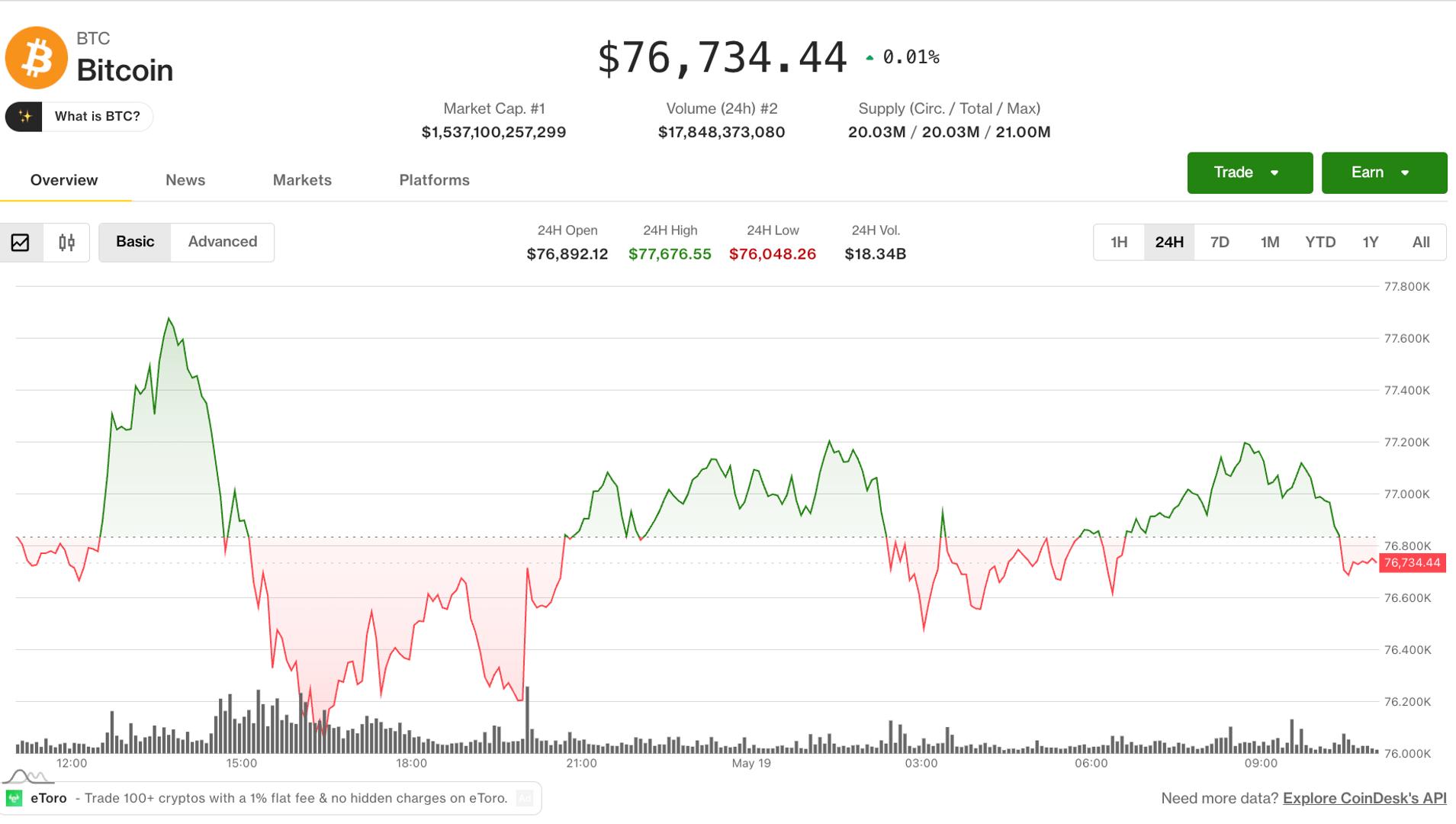
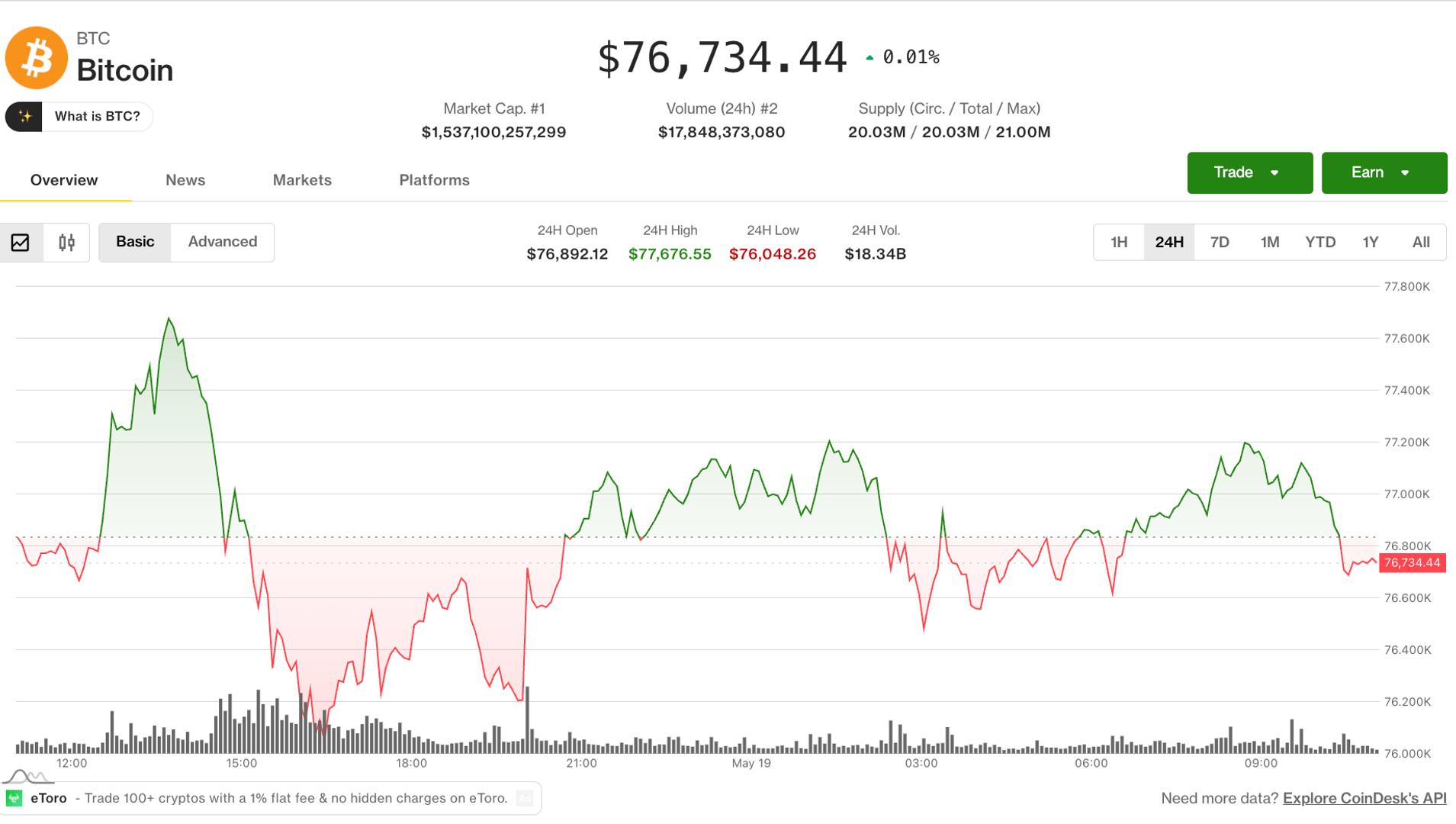
Bitcoin held near $76,800 as altcoins weakened, WLFI slid and traders watched whether the largest cryptocurrency can hold Tom Lee’s line in the sand.
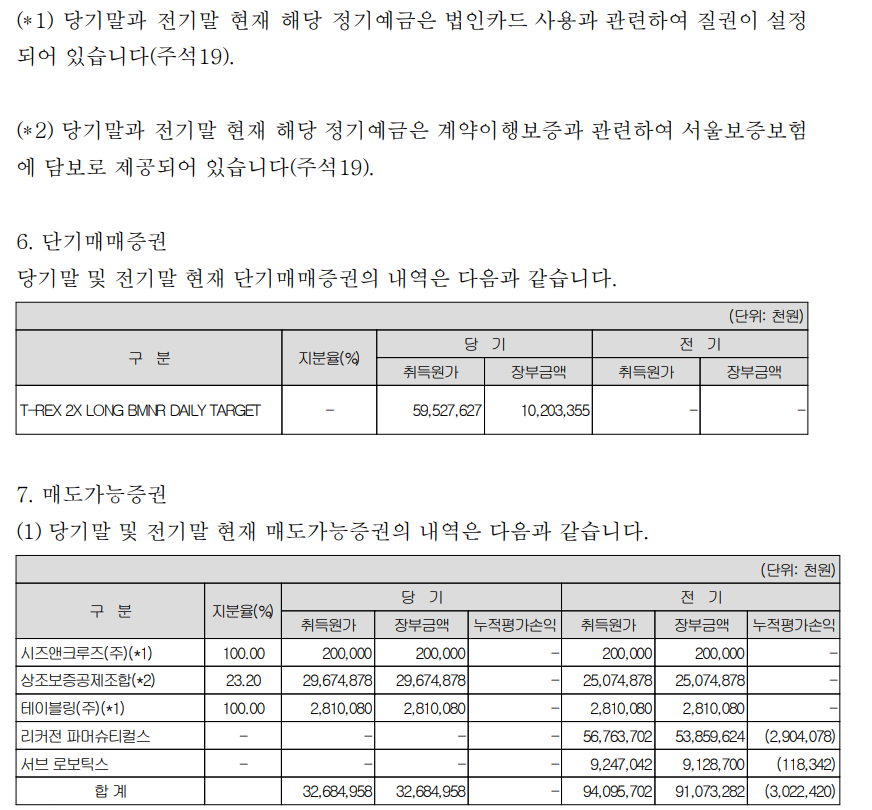
South Korean funeral service company Bumo Sarang is sitting on roughly 49.3 billion won ($32.7 million) in unrealized losses after investing about $40 million in customer funds into leveraged crypto exchange-traded funds (ETFs).
Bumo Sarang invested in the T-REX 2X Long BMNR Daily Target ETF (BMNU), which doubles the daily returns of Ether (ETH) treasury company Bitmine, according to the company’s audit report for 2025.
Another funeral service company, Christian Funeral Family of Faith, recorded a $331,700 net loss last year, according to Korea Economic Daily.
The findings renewed scrutiny over South Korea’s funeral mutual aid industry, which is supervised by the Fair Trade Commission (FTC) instead of financial regulators, despite managing large pools of customer prepaid funds.
Korea Economic Daily reported that about 43% of local funeral service providers held fewer assets than customer advance payments, raising concerns about whether some of them could repay customers in the event of mass cancellations.
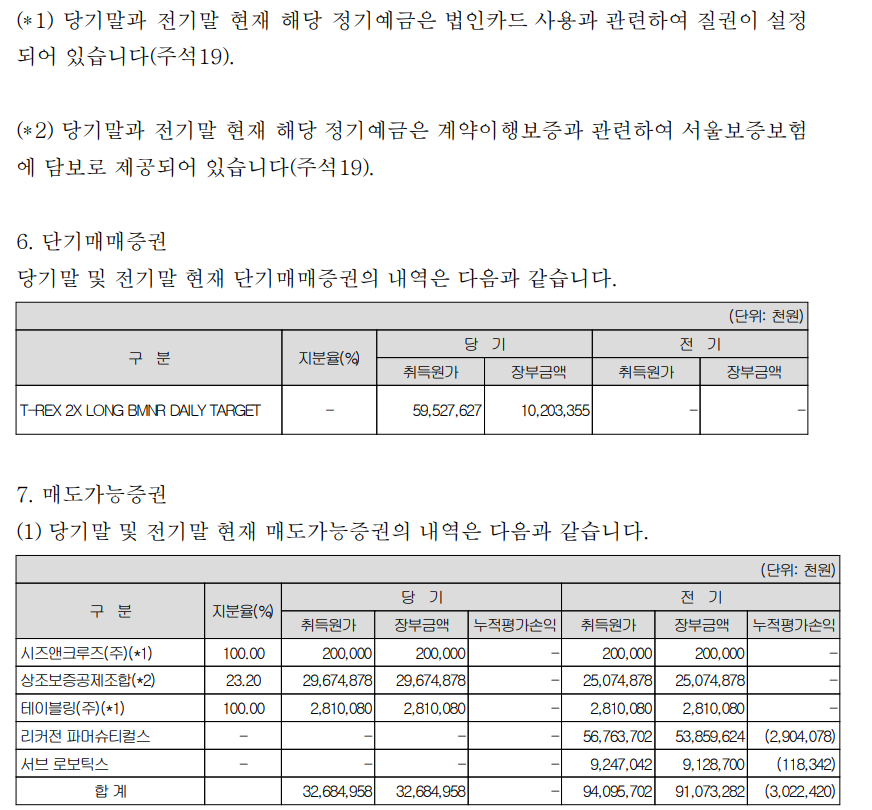
Bumo Sarang audit report for 2025. Source: FTC
A spokesperson for Bumo Sarang told the local outlet that the company is only facing a “short-term unrealized loss due to global market volatility,” which remains “sufficiently controllable within the company’s financial buffer.”
Cointelegraph reached out to Bumo Sarang and Family of Faith for comment but did not receive a response before publication.
Related: South Korea’s Shinhan Card taps Solana to test real-world stablecoin payments
South Korean capital piled into Ether-linked stocks in 2025
A large chunk of South Korean retail capital rotated out of tech stocks and into Ethereum treasury companies last year.
“There’s around $6 billion of Korean retail capital propping up the Ethereum treasury companies,” wrote Samson Mow, the CEO of Bitcoin tech company JAN3, in an Oct. 6 X post. He added that some of those retail buyers didn’t understand the risks of investing in Ether.
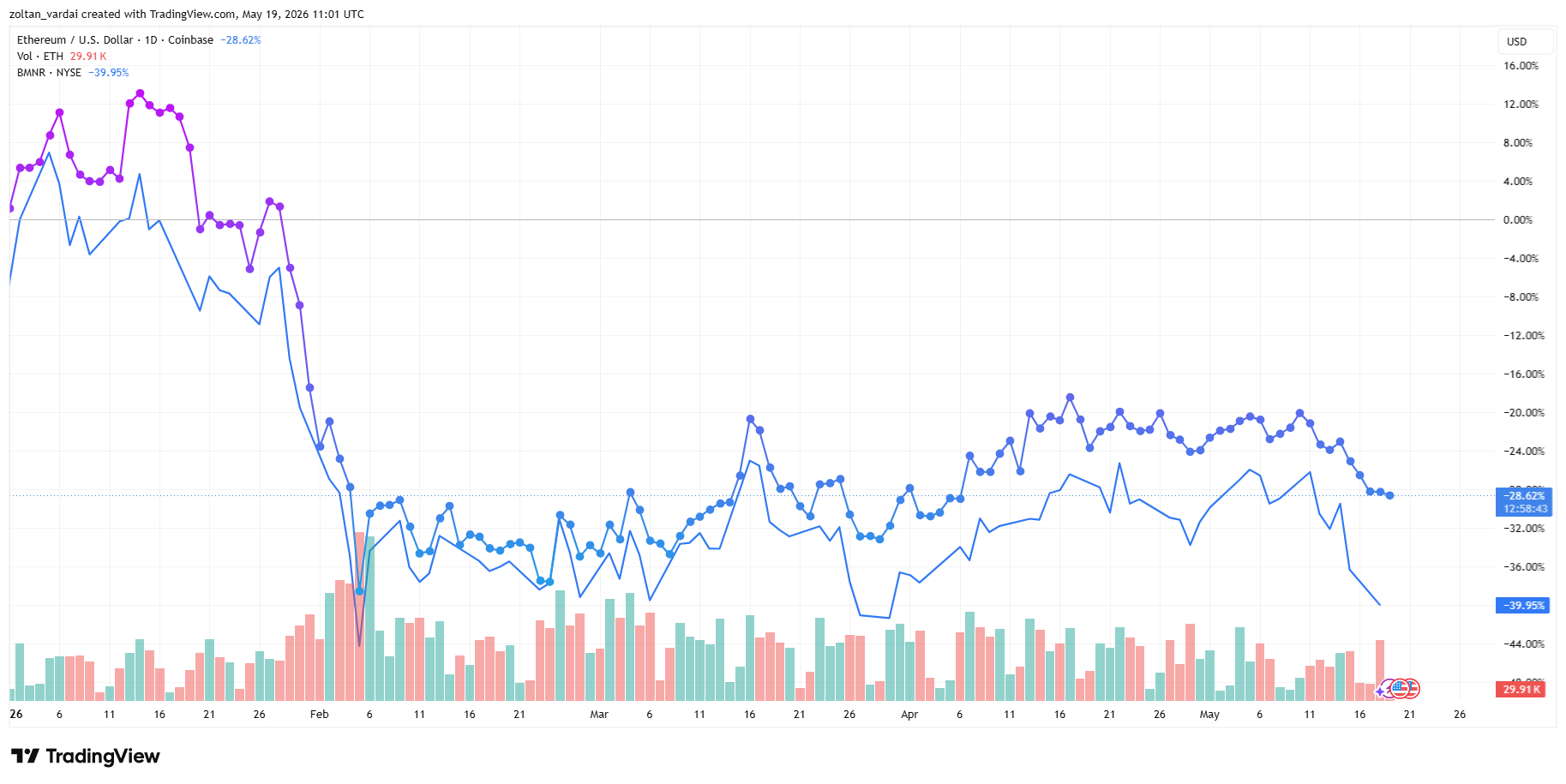
ETH, BMNR, year-to-date chart. Source: Cointelegraph/TradingView
Ether’s price fell over 28% year to date in 2026 and was trading above $2,118 at the time of writing. Bitmine’s stock price fell nearly 40% during the same period to $18.7, TradingView data shows.
Bitmine chairman Tom Lee described Ether’s drop below $2,200 as an “attractive opportunity” after the treasury company bought another 71,672 Ether, according to Cointelegraph reporting earlier Tuesday.
Magazine: Singapore isn’t a ‘crypto hub’ — it’s something better: StraitsX CEO
The leading US-based cryptocurrency exchange warned its users that they may experience certain disruptions this weekend.
The company has recently drawn significant attention after cutting staff and introducing a series of platform adjustments and other developments.
Attention This Saturday
Coinbase has scheduled a system upgrade for Saturday (May 23), which is estimated to last approximately half an hour. The team explained that during this time, trading will not be impacted, while order status updates across all markets may be delayed. The company promised to provide updates as the maintenance progresses.
These types of upgrades are fairly standard and typically not a cause for alarm. In October last year, for instance, Coinbase went temporarily offline due to a similar reason, and there were no reports of major complications.
Another disruption was witnessed earlier this month. Certain Coinbase users found themselves unable to complete transactions, while others experienced degraded service speeds due to an AWS overheating issue. The exchange swiftly diagnosed the problem and began working to “re-enable” trading across its markets.
Some users noted on social media that the outage happened shortly after Coinvase disclosed it was cutting its global workforce by 14%. CEO Brian Armstrong cited ongoing market volatility and the rapid pace of Artificial Intelligence (AI) as the main reasons for the decision.
Further Developments
Apart from the aforementioned news, Coinbase made the headlines after becoming the official treasury deployer of USDC under Hyperliquid’s Aligned Quote Asset (AQA) framework.
Under this role, the exchange will handle USDC liquidity directly for the protocol, helping strengthen its on-chain financial operations. The collaboration also positions Coinbase as a key contributor to the growing decentralized derivatives ecosystem.
For its part, Hyperliquid revealed that both Coinbase and Circle have agreed to stake HYPE tokens to support the activation of AQAv2 (the next upgrade to the Aligned Quote Asset (AQA) on the decentralized exchange).
Coinbase has also carried out some delisting efforts. Last week, it scrapped six non-USD trading pairs, including ICP/USDT and ICP/GBP. This was followed by a 10% price decline for Internet Computer to just under $3. The asset failed to rebound and extended its losses over the next few days, currently hovering near $2.50.
The post Coinbase Warns of Possible Weekend Disruptions: What You Need to Know appeared first on CryptoPotato.
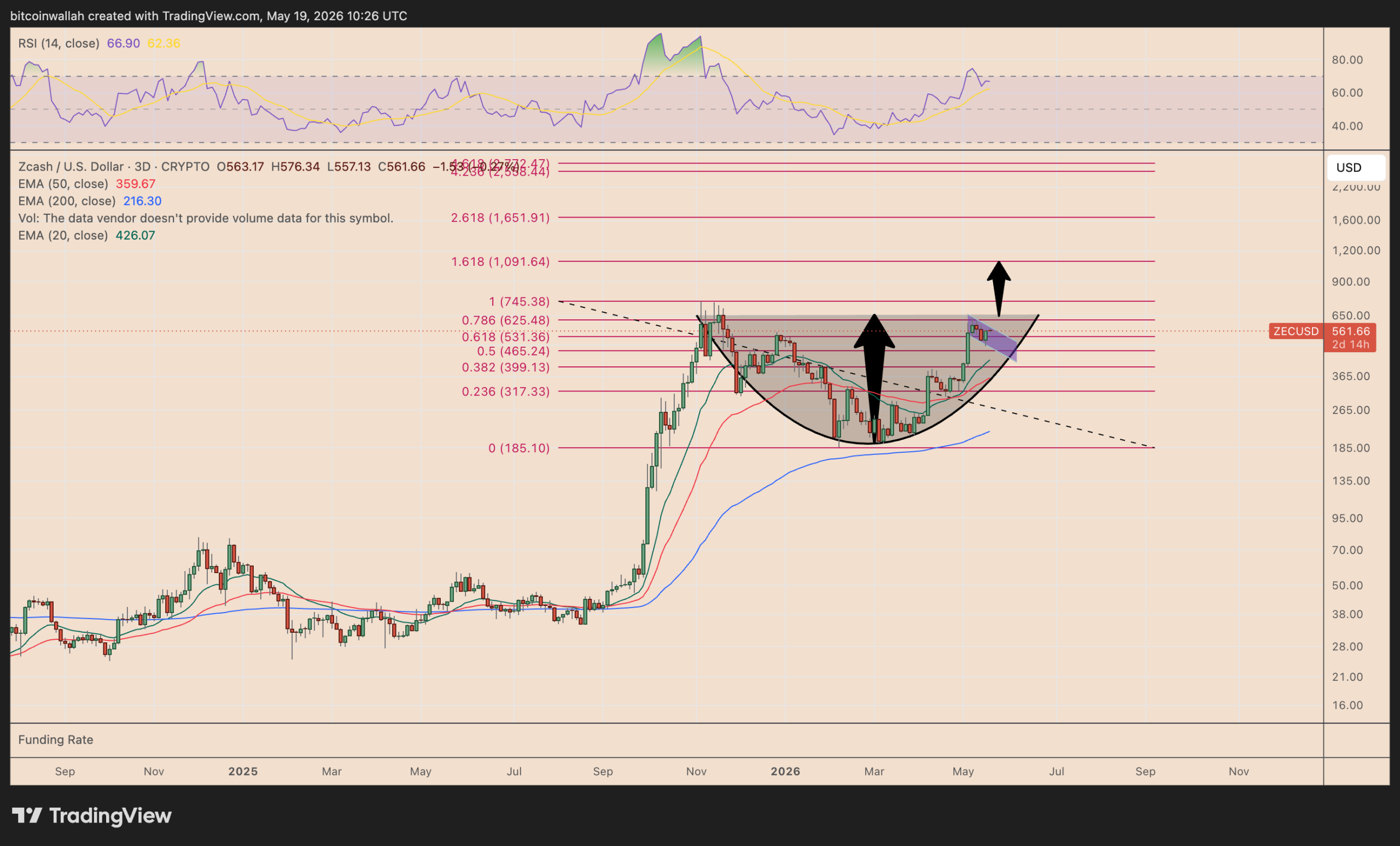
Privacy coin Zcash (ZEC) is flashing a classic bullish reversal pattern that could push its price above $1,000 in the coming weeks.
Key takeaways:
- ZEC’s cup-and-handle setup points to a potential rally toward $1,091 by June or July.
- Privacy coins are leading the market, with ZEC up 73% over the past month versus crypto’s 0.2% gain.
Privacy narrative may trigger 55% ZEC price upside
The ZEC/USD pair appears to have formed a cup-and-handle (C&H) pattern, marked by a rounded recovery phase followed by a downward-sloping consolidation.
Traders typically read the structure as bullish once the price breaks above the neckline, as it suggests buyers have absorbed the previous supply wall and regained control.
The pattern’s upside target is calculated by measuring the distance between the cup’s lowest point and the neckline, then adding that height to the breakout level.
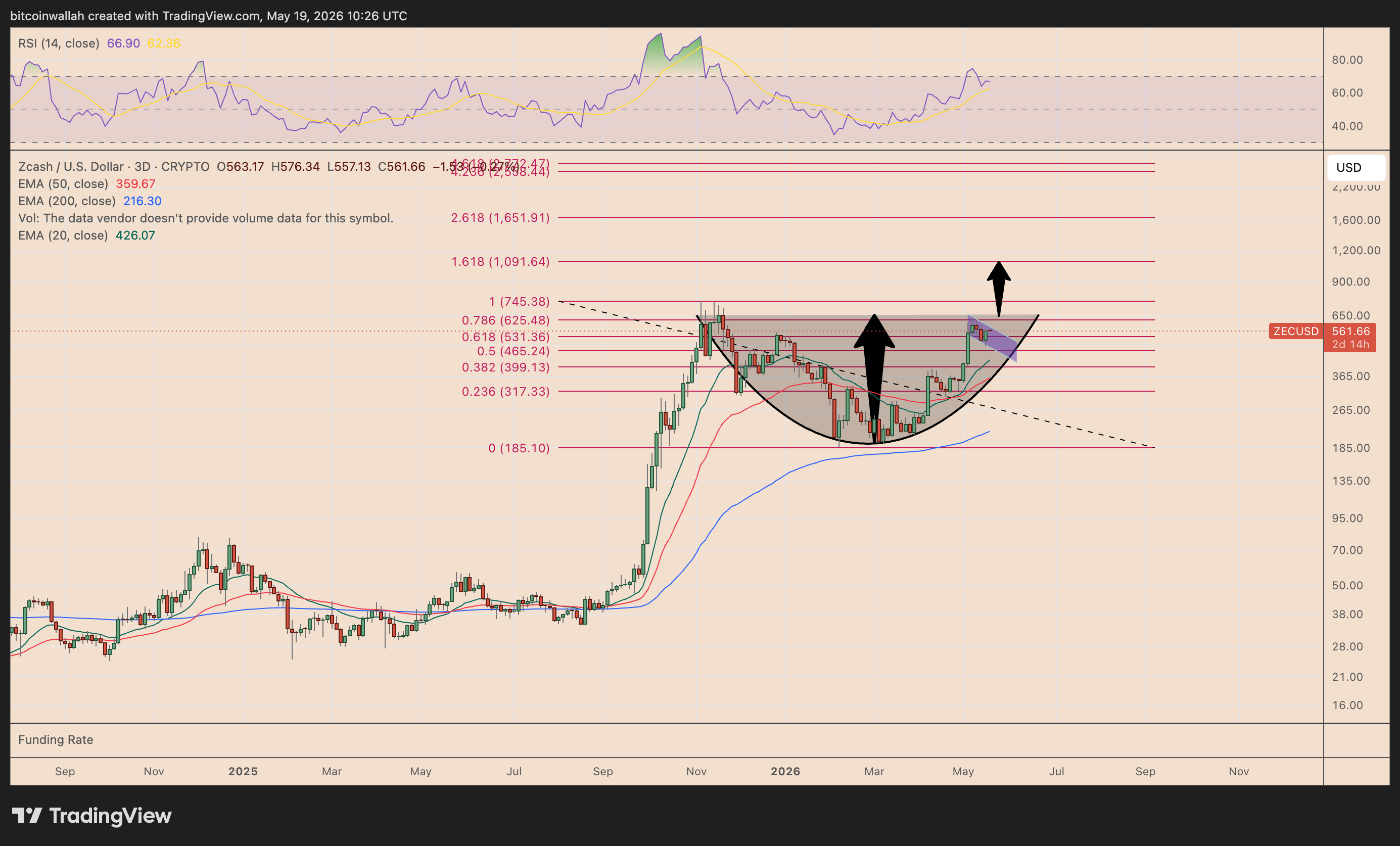
ZEC/USD three-day price chart. Source: TradingView
As of Tuesday, ZEC had entered the pattern’s “handle” stage while eyeing a breakout above the neckline resistance at around the $625–$650 area.
Zcash’s decisive close above the neckline may send its price toward $1,091 by June or July, up about 88% from current prices, if the C&H structure plays out as intended.
This upside target aligns with ZEC’s 1.618 Fibonacci extension, drawn from the $745 swing high to the $185 swing low.
ZEC is outperforming the crypto market in May
ZEC has gained 18% over the past three days, even as the wider market has fallen 3.45% over the same period, prompting some traders to argue that Zcash is effectively “running its own bull market.”
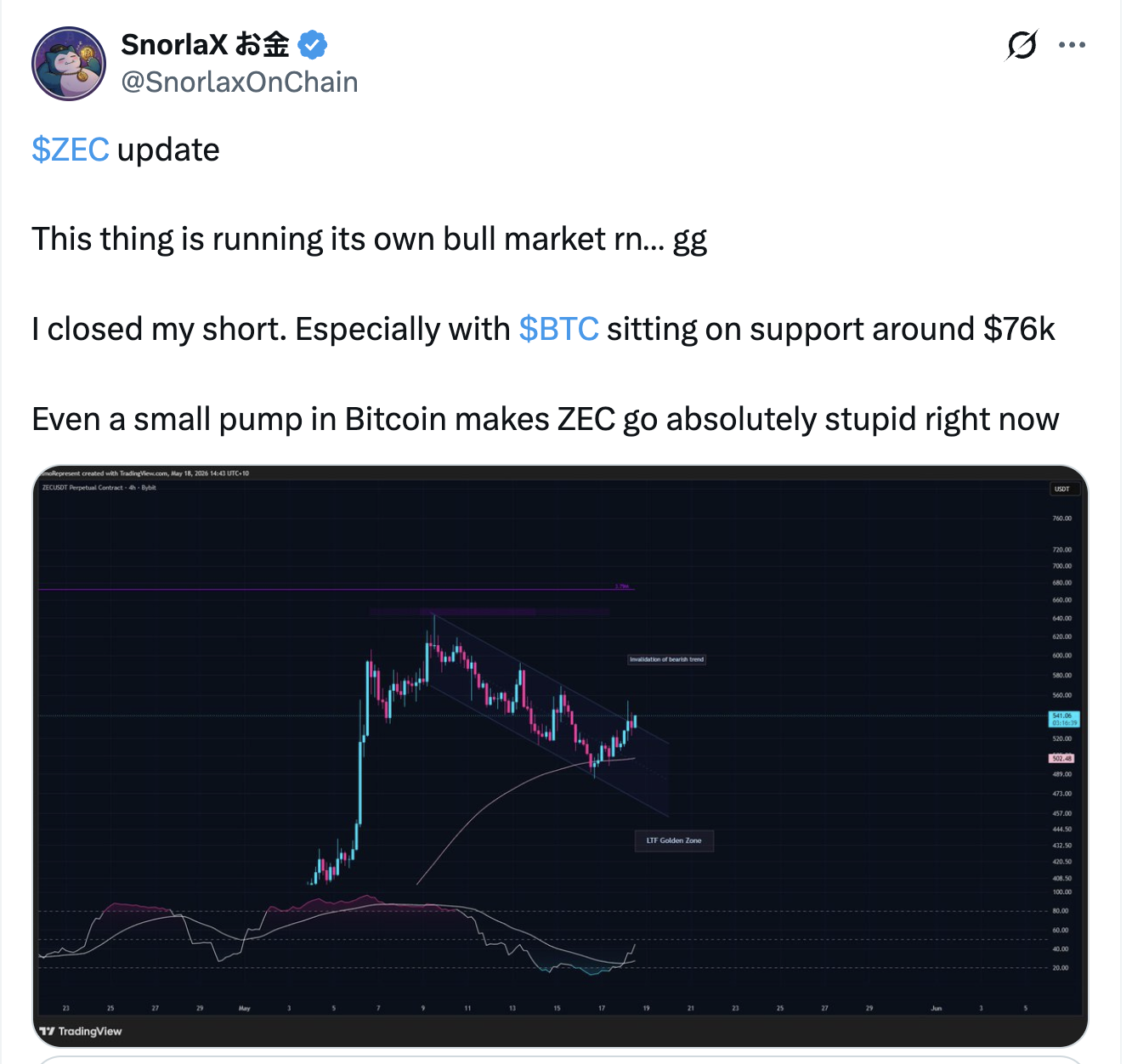
Source: X
Broadly, privacy coins have outperformed the wider crypto market over the past month. ZEC led the move, gaining more than 73%, while other privacy-focused tokens such as Monero (XMR) and Dash (DASH) also rallied in tandem.
By comparison, the total crypto market capitalization rose just 0.2% over the same period, suggesting the move is more sector-specific than market-wide.
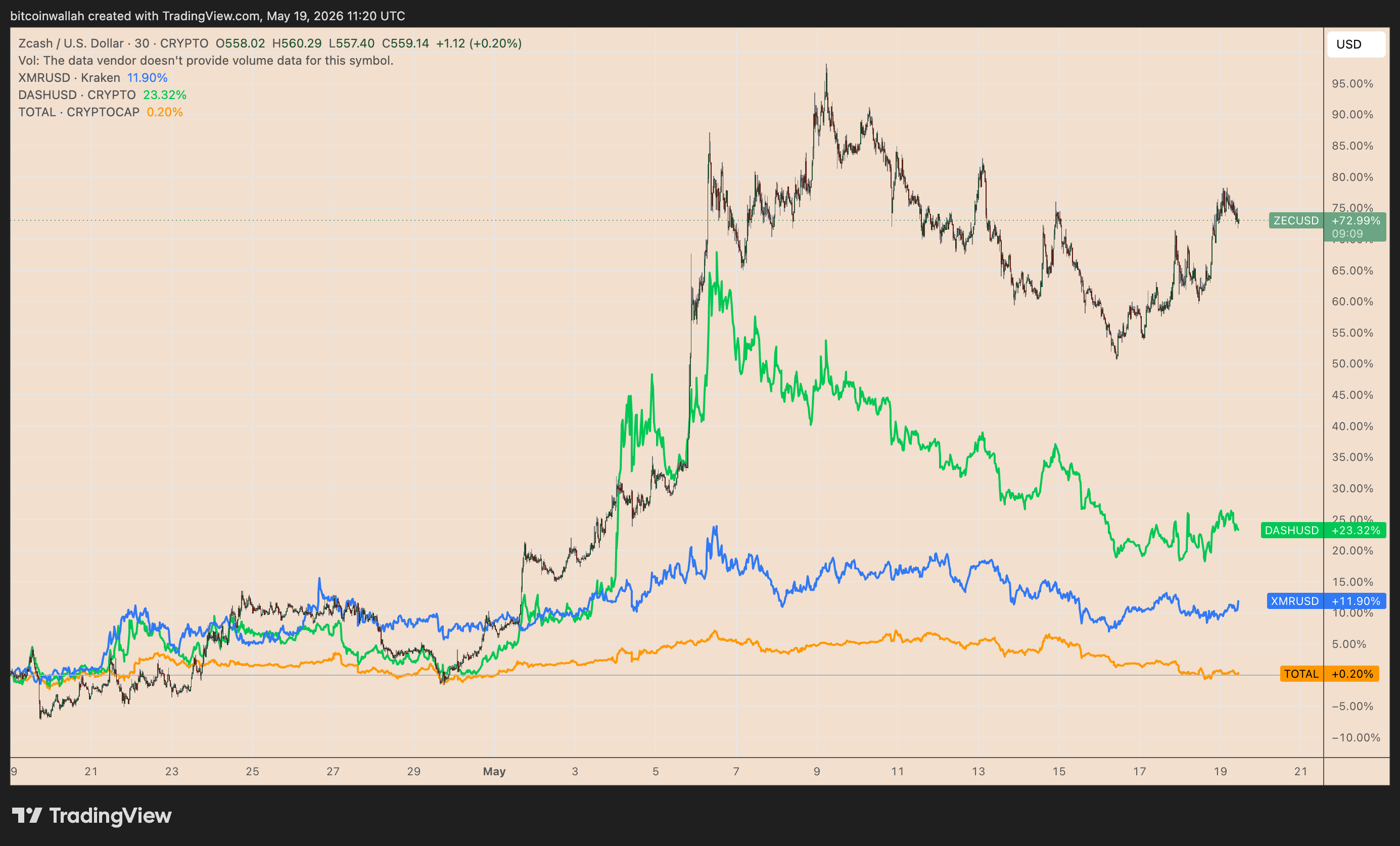
ZEC/USD versus XMR/USD, DASH/USD, and the TOTAL crypto market cap one-month performance. Source: TradingView
Heightened demand for anonymity and financial privacy is driving much of Zcash’s renewed appeal, turning the once-forgotten privacy coin into one of crypto’s strongest narratives.
Related: Zcash gains 70% in a week amid growing interest in crypto privacy
The bullish case gained further traction last week after BitMEX co-founder Arthur Hayes said ZEC’s market capitalization could one day reach 10% of Bitcoin’s (BTC).
That would imply a price of $9,225 per coin based on ZEC’s current circulating supply of about 16.68 million tokens.
ZEC’s value in BTC terms has grown roughly 20.50% since Hayes’s comment.
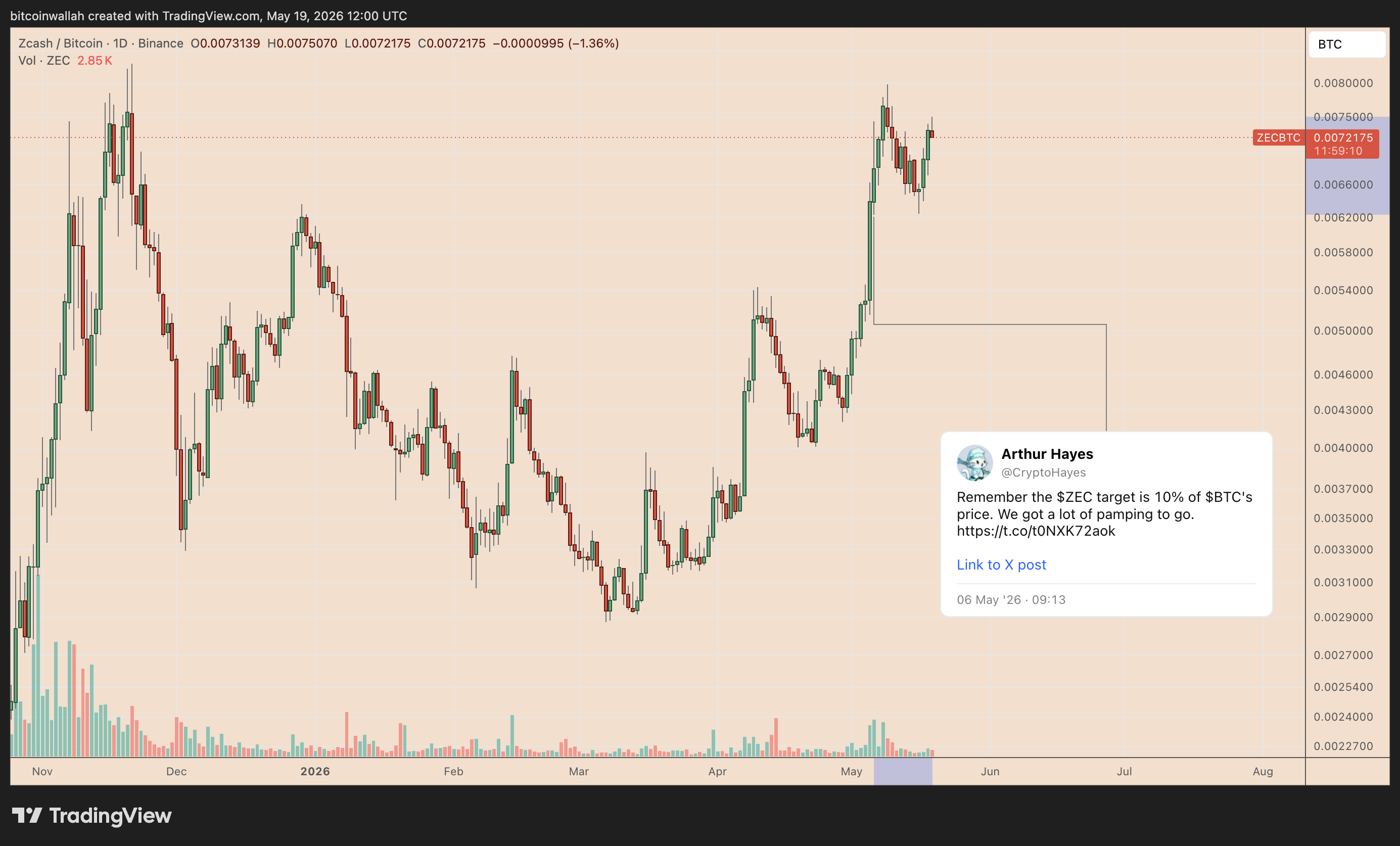
ZEC/BTC daily chart. Source: TradingView
Earlier in May, sentiment also improved after Multicoin Capital disclosed Zcash exposure and Robinhood listed the token, adding fresh institutional and retail-access catalysts to ZEC’s rally.

TLDR
- Bitcoin price dropped sharply this week and briefly touched $76,000 during increased selling pressure.
- Bitcoin whale wallets holding at least 100 BTC increased to 20,229 over the past year.
- Large Bitcoin holders continued accumulation despite market volatility and shifting investor sentiment.
- Data showed that these whale wallets now hold Bitcoin worth at least $7.7 million each.
- Retail traders showed fear and reacted with increased selling as bearish sentiment rose.
Bitcoin recorded a sharp weekly decline and briefly touched $76,000, while large holders increased accumulation. Data showed rising whale wallet numbers despite growing market stress and negative sentiment. Analysts reported continued institutional activity as retail traders reacted with caution and selling pressure.
Bitcoin Whales Expand Holdings During Price Weakness
Bitcoin experienced a fast pullback this week, and prices briefly fell toward $76,000 during heavy selling. However, large holders continued accumulation, which reflects sustained activity from institutions and high-net-worth investors.
Santiment reported that wallets holding at least 100 BTC increased to 20,229 over the past year. The firm stated, “This marks an 11.2% rise from 18,191 wallets recorded last year.”
These wallets hold roughly $7.7 million or more in Bitcoin, which links them to major investors. The data showed that accumulation continued even during periods of volatility and shifting sentiment.
Santiment added that whale growth persisted despite retail hesitation and frustration across social channels. The firm noted that large holders often act independently of short-term market sentiment.
Historically, rising whale wallet numbers suggest confidence in Bitcoin’s long-term supply dynamics and market role. This trend continued even as prices faced downward pressure.
Market Stress Rises as Selling Pressure Builds
CryptoQuant data showed that the SOAB ratio moved above normal levels during the recent downturn. This shift indicated capitulation from older Bitcoin holders who began selling under pressure.
At the same time, short-term investors showed panic-selling behavior as prices declined quickly. This reaction contributed to increased volatility across the market.
Santiment reported a surge in bearish sentiment across social media platforms in recent days. The firm stated that bearish comments exceeded bullish ones for the first time since April 21.
Retail traders reacted strongly to price weakness and expected further declines in the near term. This shift highlighted growing fear among smaller market participants.
Analysts suggested that a rapid V-shaped recovery remains unlikely under current conditions. Market data reflected ongoing stress across both long-term and short-term holders.
Regulatory Progress Enters Focus as Next Catalyst
Nexo analyst Dessislava Ianeva pointed to regulatory developments as a potential driver of future price movement. She stated that the CLARITY Act could influence Bitcoin’s trajectory.
The bill recently advanced through the Senate Banking Committee, which raised expectations for regulatory clarity. Ianeva said, “This progress may act as a catalyst for the next rally.”
Bitcoin briefly rose above $82,000 following the committee approval and market reaction. At the same time, prediction markets increased the probability of the bill becoming law in 2026.
Ianeva compared the development to the earlier GENIUS Act rally, which also triggered price movement. She added that a Senate floor vote could support further upside momentum.
Recent price movements and legislative progress continue to shape market direction and investor positioning. Data shows that whale accumulation remains active during ongoing volatility.


Four weeks of roadworks coming to Cambridgeshire street

Sensex drops 600 points, Nifty below 23,450. 6 key factors behind today’s D-St rout

Global Tensions and ETF Outflows Impact Cryptocurrency Market Sentiment

Manchester United reach agreement with Casemiro over contract clause amid transfer speculation

US brings back mandatory military draft registration

Steven Gerrard disagrees with Gary Neville over ‘shock’ Chelsea and Arsenal claim | Football


-

 Crypto World4 days ago
BloFin War of Whales 2026 Grand Prix opens registration for $5M trading championship
-

 Fashion4 days ago
Weekend Open Thread: Theory – Corporette.com
-

 Crypto World4 days ago
E-Estate Announces 1 Year Live: Washington DC Summit as Real Estate Tokenization Enters Its Next Phase
-
Crypto World7 days ago
Bitcoin Suisse expands with Digital Asset License and Investment Business Act Registration Approval in Bermuda
-

 Tech5 days ago
Tech Moves: Microsoft AI leader jumps to OpenAI; former AI2 exec joins Meta; and more
-
 Crypto World6 days ago
Google’s Gemini AI Predicts Incredible Solana Price by the End of 2026
-

 Tech4 days ago
Google reimburses Register sources who were victims of API fraud
-

 Business5 days ago
H&R Real Estate Investment Trust (HR.UN:CA) Q1 2026 Earnings Call Transcript
-

 Sports4 days ago
Napoleonic enters 2026 Doomben 10,000 field via Abounding withdrawal
-
 Entertainment5 days ago
Zara Larsson Has Blunt Response To Chris Brown Diss
-
 Crypto World6 days ago
Two AI Tokens Lead May Rally, But Risks Are Rising
-
 Crypto World4 days ago
BeInCrypto 100 Institutional Awards Nomination: KAST for Best Digital Assets Neobank and Best Digital Assets Fintech
-

 Fashion3 days ago
On the Scene at Gucci’s Cruise Show in New York City: Mariah Carey, Kim Kardashian, Lindsay Lohan, Iman, and More!
-
 Tech7 days ago
Why AI is making typography a boardroom conversation
-
 Crypto World4 days ago
Bitcoin Battles US Bond Nerves With BTC Price Dip Toward New May Lows
-
 Crypto World4 days ago
Wall Street’s Boldest Gold Prediction Has Russians Rushing to Buy
-

 Fashion4 days ago
Trending Western Style Vests Perfect for Summer
-

 Entertainment5 days ago
David Letterman Returns to Late Show, Blasts Cancellation
-

 Crypto World7 days ago
Bitcoin Could Surge as AI Race and War Fuel Money Printing says Hayes
-

 Politics5 days ago
DWP PIP Timms review continues to be an absolute farce
You must be logged in to post a comment Login