Connect with us
DAPA Banner
DAPA Coin
DAPA
COIN PAYMENT ASSET
PRIVACY · BLOCKDAG · HOMOMORPHIC ENCRYPTION · RUST
ElGamal Encrypted MINE DAPA
🚫 GENESIS SOLD OUT
DAPAPAY COMING

Business

Astera Labs Shares Surge 12.29% to $274.24 on Strong AI Momentum and Analyst Upgrades

Published

on

Nebius Group N.V.

NEW YORK — Astera Labs Inc. shares rose 29.98 dollars, or 12.29 percent, to $274.24 in morning trading on Wednesday, May 20, 2026, extending gains driven by continued investor enthusiasm for the company’s AI connectivity solutions.

The semiconductor company, which designs high-speed connectivity products for data centers and AI infrastructure, has seen strong performance following its fiscal first-quarter 2026 results released on May 5. Revenue reached a record $308.4 million, up 93 percent year-over-year and beating analyst expectations.

Non-GAAP earnings per share came in at $0.61, exceeding estimates of $0.54. The company highlighted robust demand for its Scorpio X-Series smart fabric switches and PCIe 6 retimers, positioning these products as key drivers for AI scale-up networking.

Astera Labs raised its full-year outlook and maintained strong guidance for the second quarter. The company continues to benefit from the rapid expansion of AI clusters and hyperscale data centers requiring high-bandwidth, low-latency connectivity.

Advertisement

Analysts have responded with multiple upward revisions. Recent price targets include levels as high as $297, reflecting optimism around Astera Labs’ leadership in PCIe 6 and CXL technologies critical for next-generation AI systems.

The company shipped its newly announced Scorpio X-Series 320-lane AI fabric switch and expanded its Scorpio P-Series PCIe 6 switch portfolio in early May. Management described these products as central to addressing the growing demands of rack-scale AI infrastructure.

Astera Labs reported strong sequential growth of 14 percent in the first quarter. Gross margins remained healthy, supported by a favorable mix of high-performance AI products. The company emphasized its expanding role in the $20 billion AI fabric switch market projected by 2030.

Trading volume on May 20 was significantly elevated as the stock broke to new intraday highs. The move reflected broad participation from both institutional and retail investors betting on sustained AI infrastructure spending.

Advertisement

Astera Labs focuses on semiconductor-based connectivity solutions for cloud computing, AI, and high-performance computing applications. Its portfolio includes retimers, PCIe switches, and CXL solutions that enable faster data movement within servers and across data center networks.

The company went public in March 2024 and has experienced substantial volatility typical of growth-oriented semiconductor names. Its market capitalization has grown rapidly amid the AI boom, with shares more than tripling from certain 2025 lows.

Astera Labs participates in major industry events and maintains close relationships with leading hyperscalers and AI system developers. Its technology supports the demanding requirements of large language model training and inference clusters.

The stock’s year-to-date performance significantly outpaced the broader semiconductor sector. Analysts cite Astera Labs’ technology differentiation and exposure to secular AI tailwinds as primary drivers of the rally.

Advertisement

The company continues to invest in research and development to maintain its competitive edge in high-speed connectivity. New product introductions, such as expanded Scorpio series offerings, target the evolving needs of next-generation AI servers.

Astera Labs reported solid cash generation and a healthy balance sheet in its most recent quarter. Management has expressed confidence in its ability to scale production and capture additional market share in the AI connectivity space.

As of mid-morning trading on May 20, shares maintained strong gains with active volume. The session contributed to Astera Labs’ position among the top-performing semiconductor stocks in 2026.

The company will participate in upcoming investor conferences during the second quarter of 2026, providing further opportunities to discuss growth strategy and technology roadmap.

Advertisement

Astera Labs operates from San Jose, California, and serves a global customer base. Its solutions address critical bottlenecks in data movement for AI training systems and high-performance computing environments.

Investor sentiment remains bullish, supported by recent analyst actions and strong quarterly execution. The stock’s performance continues to reflect expectations of robust long-term demand for AI infrastructure components.

Continue Reading
Click to comment

You must be logged in to post a comment Login

Leave a Reply

Business

T1 Energy Shares Surge 25.94% to $8.67 After Hedge Fund Discloses 10 Million-Share Stake

Published

on

T1 Energy Shares Surge 25.94% to $8.67 After Hedge Fund

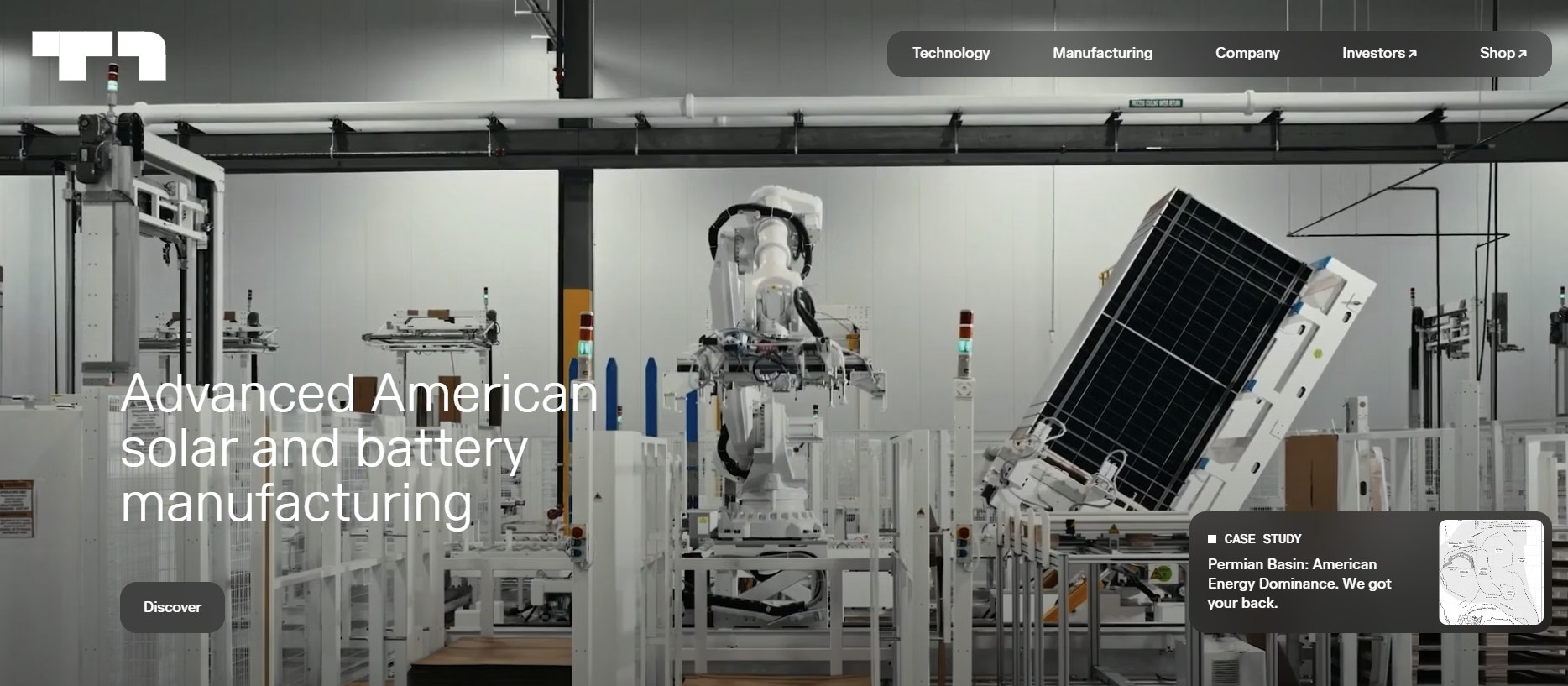
NEW YORK — T1 Energy Inc. shares jumped 1.78 dollars, or 25.94 percent, to $8.67 in morning trading on Wednesday, May 20, 2026, as investors reacted to a major hedge fund’s disclosure of a large new position in the solar manufacturing company.

The surge followed a 13F filing showing Situational Awareness LP acquired 10 million shares of T1 Energy during the first quarter of 2026. The disclosure, combined with ongoing positive sentiment around the company’s Q1 results, drove strong buying interest and elevated trading volume.

T1 Energy, a U.S.-based solar cell and module manufacturer, reported record quarterly results for the period ended March 31, 2026. The company achieved net income from continuing operations of $3.9 million and record Adjusted EBITDA of $9.1 million, marking a significant improvement from prior periods.

Management highlighted higher-than-forecasted production and sales at its G1_Dallas facility, favorable contract mix shifts, and lower third-party fees as key drivers of the profitability. The company maintained its full-year 2026 production guidance of 3.1 GW to 4.2 GW.

Advertisement

Construction on the 2.1 GW Phase 1 of its flagship G2_Austin solar cell factory is progressing on schedule. T1 expects to begin erecting structural steel in late May 2026, with initial cell production targeted for the fourth quarter of 2026.

In April 2026, T1 completed an upsized public offering of $160 million in 4.00% convertible senior notes due 2031, generating net proceeds of $174.7 million. These funds support remaining capital needs for G2_Austin Phase 1, with the company pursuing additional debt financing.

T1 Energy focuses on domestic solar manufacturing to meet growing U.S. demand for renewable energy components. Its facilities emphasize high-efficiency cells and modules, positioning the company in the expanding AI-driven data center power and utility-scale solar markets.

The company reported Q1 net sales of approximately $177.6 million to $755 million across various reports, reflecting strong execution at its operational Dallas facility. Analysts noted improving margins and operational efficiency as production ramps.

Advertisement

The stock has shown significant volatility in 2026, with sharp moves tied to production updates, financing announcements and institutional interest. The Situational Awareness stake disclosure added fresh momentum, drawing attention from retail and momentum traders.

T1 Energy operates in a competitive but supportive policy environment for U.S. solar manufacturing. The company benefits from domestic content incentives and Section 45X tax credits, subject to ongoing compliance measures.

Analysts maintain a generally positive outlook. Consensus ratings lean toward Strong Buy, with average price targets around $7.90, though recent trading has exceeded some earlier forecasts amid positive developments.

The broader renewable energy sector has seen renewed interest due to AI energy demand and policy support. T1 Energy’s focus on U.S.-made solar cells aligns with supply chain security priorities and domestic manufacturing goals.

Advertisement

Trading volume on May 20 significantly exceeded recent averages as the stock broke higher. The move reflected both institutional position disclosure and retail enthusiasm typical of high-momentum small-cap names.

T1 Energy continues advancing its growth strategy centered on expanding U.S. production capacity. Successful ramp of G2_Austin is viewed as a critical milestone for scaling operations and improving financial performance in 2027 and beyond.

The company faces industry challenges including commodity price fluctuations, competition from Asian manufacturers and policy uncertainties. Management has emphasized execution on construction timelines and cost control to navigate these factors.

As of mid-morning May 20, shares maintained strong gains. Market participants watched for follow-through momentum or potential profit-taking as the session progressed. The stock’s 52-week performance has been marked by substantial upside amid solar sector tailwinds.

Advertisement

T1 Energy will hold its next earnings call in early June or August for Q2 results. Investors will look for updates on G2_Austin construction progress, production guidance and financing developments.

The company’s market capitalization has grown significantly with recent share price appreciation. Strong institutional interest, as evidenced by the new hedge fund position, supports confidence in its long-term domestic solar manufacturing thesis.

T1 Energy remains focused on delivering shareholder value through operational excellence and strategic capacity expansion. The combination of record Q1 results and new institutional ownership fueled the sharp move on May 20.

Advertisement
Continue Reading

Business

Sinkhole shuts runway at LaGuardia Airport, delaying flights

Published

on

Sinkhole shuts runway at LaGuardia Airport, delaying flights

Airplanes are seen on the runway at LaGuardia Airport amidst mass travel delays, on March 28, 2026 in New York, New York.

Ryan Murphy | Getty Images

A sinkhole at New York’s LaGuardia Airport shut down a runway on Wednesday and is set to delay flights, local officials said.

Advertisement

The Port Authority of New York & New Jersey said it was conducting a daily inspection  of the airfield earlier Wednesday when “crews identified a sinkhole near Runway 4/22.”

“The runway was immediately shut down, and emergency construction and engineering crews are onsite to determine the cause and complete necessary repairs as quickly and safely as possible,” the Port Authority said in a statement.

It said travelers should expect delays and cancellations, with thunderstorms expected also expected to roll in Wednesday. Air traffic controllers routinely slow down flights or halt departures altogether during bad weather.

Weather was already delaying flights at all three major airports serving the New York City area and much of New Jersey, as well as in the Washington, D.C., area, the FAA said.

Advertisement

The disruptions come ahead of the busy Memorial Day travel period, with the runway closure adding to headaches at one of the country’s most congested airports.

About 20 Southwest Airlines arrivals will be delayed Wednesday, though weather is also playing a role, a spokesman said. Delta Air Lines said it has a weather waiver in place for flights in and out of New York City-area airports. Customers can rebook flights for no later than Sunday. Other major carriers didn’t immediately respond to requests for comment.

Choose CNBC as your preferred source on Google and never miss a moment from the most trusted name in business news.
Continue Reading

Business

Invitation Homes Is Compelling As Policy Fears Subside

Published

on

Invitation Homes Is Compelling As Policy Fears Subside

Invitation Homes Is Compelling As Policy Fears Subside

Continue Reading

Business

Jet2 issues up-beat statement on fuel supplies

Published

on

Business Live

The firm has been in talks with suppliers

(Image: PA)

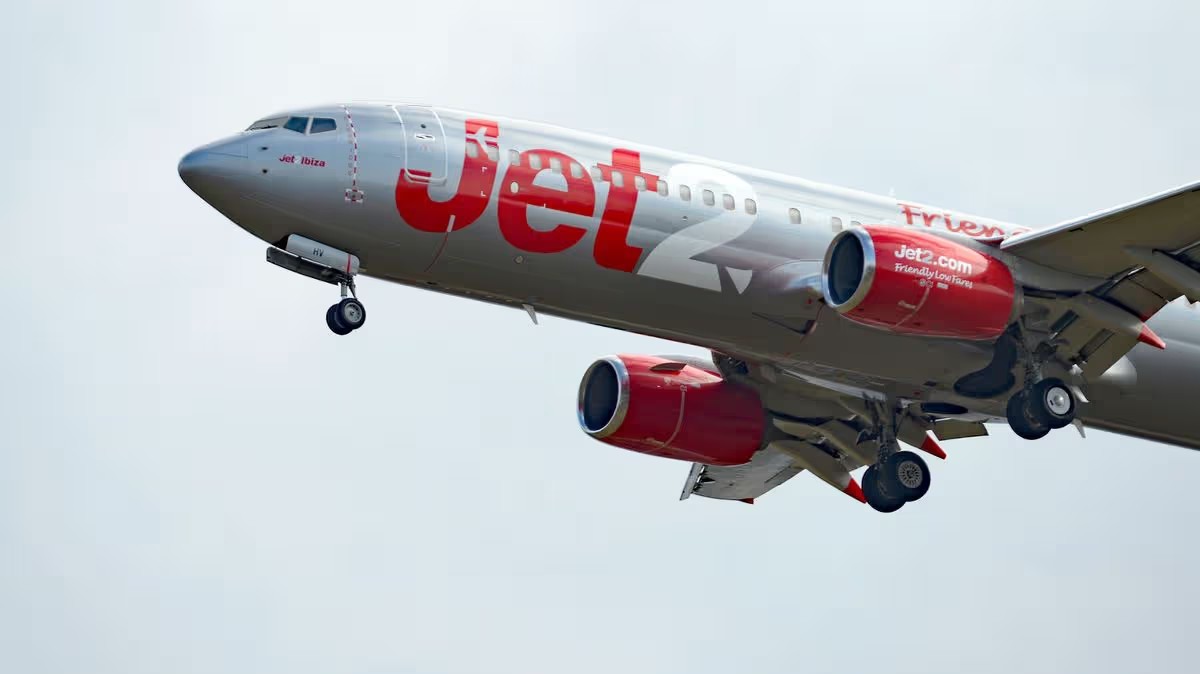
Low cost holidays and air travel firm Jet2 says it plans to operate its summer flights as normal, following talks with its fuel suppliers.

The Leeds Bradford Airport-based operator issued an update in which it reiterated it would not make fuel surcharges for passengers. Bosses say they have recently spoken to fuel suppliers who have reported increased production and additional imports from areas unaffected by the Middle East.

Jet2 also said holidaymakers will benefit from swift refunds should their flights or trips be cancelled. Steve Heapy, CEO of Jet2 said: “We are in regular dialogue with our fuel suppliers, and the current picture is one of increased production and imports, meaning we continue to look ahead with confidence. We have already been very clear about our plans to operate our schedule as normal this summer, and our message to holidaymakers is that summer is on.”

He added: “This confidence, on top of the incredible value that our award-winning holidays offer right now, means it is a fantastic time to get that well-deserved holiday locked in, and we know that many people are taking advantage of that right now. Everything is geared up and ready for a busy summer and we look forward to welcoming everybody onboard and creating fantastic memories with Jet2.”

Advertisement

The update came as the Government relaxed sanctions on Russian crude oil, allowing for the import of jet fuel and diesel refined in third countries, amid surging costs. A trade licence, which came into effect on Wednesday, permits the imports “indefinitely”.

The sanctions carve-out will be periodically reviewed as fuel prices rise due to conflict in the Middle East and effective closure of the Strait of Hormuz. The Government had previously announced the UK would block Russian oil refined in other countries in a bid to “further restrict the flow of funds to the Kremlin”.

Earlier this week, Ryanair boss Michael O’Leary said European airlines were sourcing their jet fuel from alternative countries to overcome the supply shock.

He said: “The conflict in the Middle East has created economic uncertainty and we still don’t know when the Strait of Hormuz will reopen. Despite this, Europe remains relatively well supplied with jet-fuel, with significant volumes sourced from west Africa, the Americas and Norway.”

Advertisement
Continue Reading

Business

Inside Serendipity’s store-level approach to itsu’s UK retail growth

Published

on

Inside Serendipity's store-level approach to itsu's UK retail growth

Bridging digital visibility and in-store performance across multi-site retail estates is one of the central challenges facing UK retailers seeking sustainable growth.

With footfall and shopper traffic declining (down 2.9% year-on-year in December), a critical challenge for multi-site operators is how to accurately measure and optimise digital performance at the level of an individual store, rather than just the brand as a whole.

With a retail portfolio of 77 stores nationwide, itsu, like other UK market leaders, has turned to external experts to address that question. Founded by Julian Metcalfe, itsu has built a reputation and a market-leading business on a simple belief: that people deserve convenient food that’s also high-quality and nutritious. Backing its ambition to help the UK “eat beautiful”, itsu shared plans to expand its restaurant and retail estate, targeting approximately 100 new outlets following investment by Bridgepoint Capital in 2021.

To support its commercial ambitions, itsu has appointed London-based retail growth specialist and digital marketing agency Serendipity. The partnership is designed to reach more customers through search-based discovery, while holding itsu’s long-standing position against fried-by-default convenience food; a stance the brand has built on since the late 1990s.

Across a complex physical retail estate where commercial outcomes vary by location, footfall, and live trading conditions, no amount of category-level visibility will move the needle on its own. Instead, this data-led, performance-driven digital strategy will focus on strengthening brand presence, driving retail and online sales, and creating clearer connections between digital engagement and real-world commercial performance.

Advertisement

The work spans SEO, content, paid media and advanced measurement, beginning with foundational technical SEO audits and the development of a content and search strategy to surface where visibility can be improved. From there, Serendipity will use itsu’s search infrastructure – keyword authority, audience data and content positioning – as the upstream signal, applying store-level measurement to convert that signal into till receipts.

Launching the work as a test-and-learn programme across local search, paid and organic channels, Serendipity will establish performance benchmarks across the full estate and build a data driven approach to identify growth opportunities and align with location specific user demand. Supporting this analysis is a measurement framework designed to clearly link online activity to real in-store behaviour at each site, rather than at brand level. The result will be a clearer view of how customers move between digital, physical retail and grocery channels. For itsu, that means a measurable line from digital spend back to commercial outcomes.

Rukshan Warnacula, founder of Serendipity, said: “At a time when eating well and sustainably matters more than ever for our communities and our planet, itsu continues to lead the way with Asian-inspired, healthier menus that support health and wellbeing. We’re proud to play a part in connecting people with food that is fresh, convenient and healthy.”

The methodology is built on a longer track record. Serendipity has worked with itsu’s grocery business for five years, a partnership that has delivered 60% UK gyoza category visibility, more than 900 top-three keyword positions across core category terms, and 23% of gyoza-related AI responses now referencing the itsu brand. The agency’s case study on the itsu grocery partnership lays out the category-level mechanics.

Advertisement

Rukshan Warnacula added: “Using our data-driven approach at a store level, this framework will equip itsu with insights into both store performance and growth opportunities across all locations.”

The appointment builds on Serendipity’s existing five-year partnership with itsu’s grocery business. The retail growth specialist has delivered 60% UK gyoza category visibility and more than 900 top-three keyword positions across core category terms for the brand.

Advertisement
Continue Reading

Business

Arm Holdings Shares Surge 15.38% to $257.46 on AI Momentum and Data Center Demand

Published

on

A screen displays the logo and trading information for GameStop on the floor of the New York Stock Exchange (NYSE) in New York City, U.S., March 29, 2022.

NEW YORK — Arm Holdings plc shares jumped 34.31 dollars, or 15.38 percent, to $257.46 in morning trading on Wednesday, May 20, 2026, extending a strong year-to-date rally driven by artificial intelligence and data center growth.

The British chip designer’s stock broke to new all-time highs above $250 after closing the previous session at $223.15. The move built on an April breakout and reflected continued investor enthusiasm for Arm’s expanding role in AI infrastructure.

Arm has gained more than 100 percent year-to-date in 2026, significantly outperforming many peers in the semiconductor sector. The rally has been fueled by strong royalty growth, demand for its architecture in data centers, and the company’s strategic shift toward selling its own chips.

In March 2026, Arm unveiled its first in-house AI chip, the AGI CPU, marking a major pivot after 35 years of primarily licensing designs. The company projected the new chip could generate $15 billion in annual revenue by 2031, driving significant share price gains at the time.

Advertisement

Arm reported robust fiscal fourth-quarter results in early May 2026, with revenue of $1.49 billion, up 20 percent from the prior year. The company highlighted strong demand for its data center solutions and maintained optimistic guidance amid the AI boom.

CEO Rene Haas has emphasized Arm’s growing presence in high-performance computing. The company’s architecture powers a wide range of devices, from smartphones to servers, with increasing adoption in AI accelerators and custom silicon for hyperscalers.

Analysts have responded with multiple price target increases. Recent upgrades include targets as high as $300, citing Arm’s potential in the data center and AI-driven CPU renaissance. Bernstein initiated coverage with an Outperform rating in mid-May.

Arm’s partnership ecosystem includes major technology firms. Its designs are foundational to chips from companies like Apple, Qualcomm, Nvidia and AMD. The company benefits from royalty-based revenue that scales with chip shipments.

Advertisement

The stock’s performance reflects broader AI infrastructure spending. Demand for energy-efficient computing has accelerated Arm’s role in servers and custom silicon for cloud providers and hyperscale data centers.

Trading volume on May 20 was elevated as the stock broke technical resistance levels. Chart analysts noted bullish patterns, including a multi-year base breakout and relative strength compared with the broader semiconductor index.

Arm faces ongoing regulatory scrutiny. Reports in May indicated the U.S. Federal Trade Commission is examining the company’s licensing practices, though no formal action has been confirmed.

SoftBank Group owns a majority stake in Arm. The Japanese conglomerate has supported the company’s growth strategy while monetizing portions of its holding through public markets.

Advertisement

Arm Holdings maintains a strong balance sheet and high gross margins, reported near 94 percent in recent quarters. The company continues investing in research and development for next-generation architectures.

The semiconductor industry has seen mixed results in 2026, but Arm has stood out due to its licensing model and exposure to multiple high-growth segments, including automotive, consumer electronics and infrastructure.

Investors monitor upcoming catalysts, including further AI-related announcements and quarterly results. Arm’s next earnings are expected to provide additional insight into royalty trends and data center momentum.

The stock’s valuation remains elevated compared with historical levels, with forward price-to-earnings multiples reflecting high growth expectations. Analysts balance this with Arm’s market position in the expanding AI ecosystem.

Advertisement

Arm continues expanding its partner network and ecosystem support. Developer events and collaborations with companies like Nvidia highlight its role in accelerated computing.

As of mid-morning May 20, shares maintained strong gains with active trading. The session contributed to Arm’s position as one of the top-performing large-cap technology stocks in 2026.

The company’s Cambridge, England headquarters oversees global operations. Arm employs thousands and licenses its intellectual property to more than 500 companies worldwide.

Market participants expect continued volatility as Arm navigates growth opportunities and competitive dynamics in the semiconductor industry. The stock’s performance remains closely tied to AI spending trends and technology adoption cycles.

Advertisement
Continue Reading

Business

SpaceX Reveals $18.7bn Revenue and $4.9bn Loss Ahead of Record-Breaking IPO

Published

on

SpaceX Reveals $18.7bn Revenue and $4.9bn Loss Ahead of Record-Breaking IPO

For more than two decades, SpaceX has been Silicon Valley’s most closely guarded balance sheet, a privately held empire of reusable rockets and orbiting broadband terminals whose numbers were the subject of feverish speculation but never confirmation.

On Wednesday, Elon Musk’s space and satellite group finally pulled back the curtain, and the figures suggest a company spending astronomical sums to chase an even bigger prize.

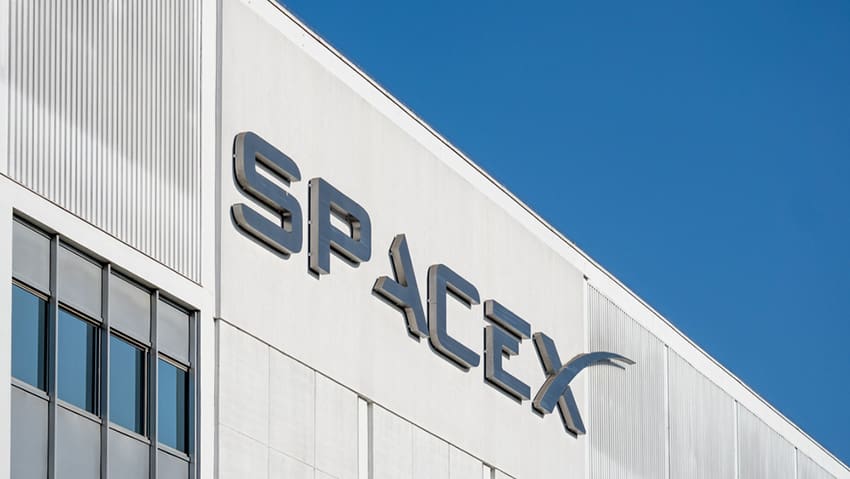
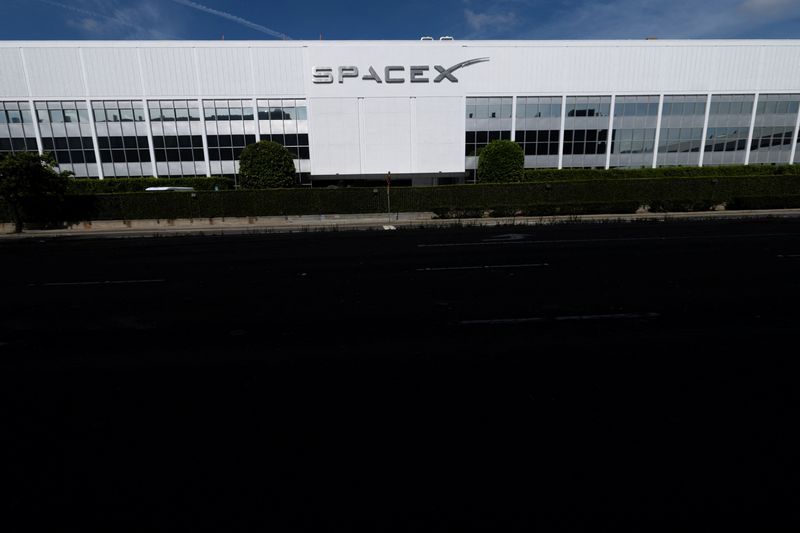
In a prospectus filed in preparation for a stock market debut that could rank as the largest in history, SpaceX disclosed revenue of $18.7bn (£14.7bn) for 2025, a 33 per cent leap on the previous year. But the headline numbers also laid bare the cost of Mr Musk’s ambitions. The Hawthorne-based group swung to a loss of more than $4.9bn, against a $791m profit in 2024, as capital expenditure nearly doubled to $20.7bn from $11.2bn the year before. Much of the increase, the company said, was funnelled into artificial intelligence development, satellite manufacturing and the build-out of its Starship programme.

The disclosure, lodged with the Securities and Exchange Commission, marks the first time the world’s most valuable private business has been forced to show its working. According to filings reviewed by CNBC, SpaceX is valuing itself at $1.25 trillion and could float as soon as next month, aiming to raise between $50bn and $75bn — a sum that would dwarf Saudi Aramco’s $29bn record listing in 2019.

For City watchers, the prospectus reads as a study in the trade-offs of frontier capitalism: vertiginous top-line growth bankrolled by equally vertiginous cash burn. Starlink, the satellite broadband arm that now serves several million subscribers worldwide and is fast becoming a fixture in rural Britain, drove the bulk of the revenue expansion. Launch services, including National Aeronautics and Space Administration and Pentagon contracts, contributed the rest. But the cost of staying ahead of rivals such as Jeff Bezos’s Project Kuiper has rarely been steeper. As we reported in October, bankers have been quietly pencilling in a valuation as high as $1.75tn once retail investors are factored in.

Advertisement

The group’s reach now extends well beyond rocketry. Following the acquisition earlier this year of xAI, the artificial intelligence venture behind the Grok chatbot, and the social media platform X, SpaceX has become something approaching a conglomerate of Mr Musk’s pet projects — a structure unpicked in our earlier analysis of the xAI deal. The integration costs of that combination help explain the swing into the red, but they also underline the strategic bet at the heart of the float: that rockets, satellites and large language models are converging into a single, vertically integrated infrastructure play.

A successful debut would all but guarantee that Mr Musk, already the world’s richest person, crosses the threshold to become its first trillionaire. It would also enrich a swathe of Wall Street institutions and long-serving employees whose paper fortunes have been locked up for the better part of a decade.

The flotation, if it lands as planned, looks set to unblock a pipeline of mega-listings that has been jammed since the 2021 boom went bust. Cerebras, the Californian artificial intelligence chip designer, kicked off what bankers are billing as a generational window last week, closing 68 per cent above its issue price on its Nasdaq debut and ranking as the biggest technology offering since Uber went public in 2019. Anthropic is understood to be sounding out advisers, while OpenAI, the maker of ChatGPT, is preparing to file confidentially in the coming weeks.

For all the excitement, the prospectus also signals the risks that come with putting a company of this profile into public hands. SpaceX’s fortunes are tied unusually tightly to a single founder, whose attention has been split across half a dozen ventures and whose political pronouncements have at times unsettled customers and regulators alike. Capital expenditure of $20bn-plus a year is not easily trimmed when Starship development and Starlink’s next-generation constellation depend on it. And the firm’s profit reversal will give pause to fund managers weighing a multi-billion-dollar punt on a stock with limited room for valuation expansion.

Advertisement

Mr Musk and a SpaceX spokesman did not respond to requests for comment. Whether public-market investors share the company’s view of its own worth will be settled in a matter of weeks. What is no longer in any doubt is the scale of the numbers, and the audacity of the bet.


Jamie Young

Jamie Young

Jamie is Senior Reporter at Business Matters, bringing over a decade of experience in UK SME business reporting.
Jamie holds a degree in Business Administration and regularly participates in industry conferences and workshops.

When not reporting on the latest business developments, Jamie is passionate about mentoring up-and-coming journalists and entrepreneurs to inspire the next generation of business leaders.

Advertisement
Continue Reading

Business

Bound for Mars, Elon Musk’s SpaceX unveils filing for blockbuster IPO

Published

on

Bound for Mars, Elon Musk’s SpaceX unveils filing for blockbuster IPO


Bound for Mars, Elon Musk’s SpaceX unveils filing for blockbuster IPO

Continue Reading

Business

OpenAI IPO 2026: ChatGPT Maker Prepares Confidential Filing With Goldman Sachs and Morgan Stanley

Published

on

OpenAI IPO 2026: ChatGPT Maker Prepares Confidential Filing With Goldman Sachs and Morgan Stanley

OpenAI, the San Francisco company behind ChatGPT, is preparing to file confidentially for an initial public offering within weeks, in what would rank as one of the largest flotations the artificial intelligence sector has ever seen and a defining moment in the global technology race.

According to two people familiar with the matter, the ChatGPT maker is working with Goldman Sachs and Morgan Stanley on the paperwork and is monitoring market conditions closely before pulling the trigger. The timing remains fluid, but a filing in the coming weeks could pave the way for a listing as early as September. The news, first reported by the Wall Street Journal and confirmed by Bloomberg, sent fresh ripples through a market already braced for a bumper year of technology debuts.

“As part of normal governance, we regularly evaluate a range of strategic options,” an OpenAI spokesperson said. “Our focus remains on execution.”

The most-watched listing in a generation

Few companies have generated as much speculation among bankers, fund managers and policymakers. OpenAI was valued at $730 billion in its most recent private funding round earlier this year, with secondary market trades reportedly pushing the implied valuation closer to $850 billion. A successful listing would dwarf the floats of Facebook, Alibaba and Saudi Aramco in dollar terms and crystallise the AI boom that ChatGPT triggered when it launched in late 2022.

It would also stand as a bellwether for the broader appetite for AI stocks at a moment when revenue multiples across the sector have stretched far beyond historical norms. CNBC reported separately that the company is targeting a public debut in the autumn, with the filing potentially landing within days.

Advertisement

For UK-based investors, founders and SME advisers, the proposed listing carries particular resonance. OpenAI has spent the past 12 months deepening its British footprint, recently signing a long lease on a King’s Cross headquarters as part of plans to more than double its UK workforce. The company has also brought former chancellor George Osborne on board to lead its international Stargate infrastructure programme.

A bumper year for tech mega-floats

OpenAI is not the only Silicon Valley heavyweight queueing up for the public markets. SpaceX, Elon Musk’s rocket and satellite group which has valued itself at more than $1 trillion in recent secondary trades, is widely expected to begin trading as soon as next month. Anthropic, OpenAI’s closest rival in the frontier-model race, has also taken preparatory steps towards a listing.

That trio alone could absorb a meaningful chunk of global IPO capacity in 2026, sucking liquidity away from smaller deals and intensifying competition between New York, London and Hong Kong for blue-chip listings. The implications for the City have not gone unnoticed: Zopa chief executive Jaidev Janardana recently argued that London’s IPO market could thrive as US political instability mounts, with British exchanges working hard to retain growth-stage technology companies.

Musk hurdle cleared, capacity questions remain

OpenAI’s push towards the public markets received a significant boost on Monday, when a federal judge and jury rejected a lawsuit brought by Mr Musk, an OpenAI co-founder turned vocal critic, that had sought to unwind the for-profit structure adopted by the company last year. Had the action succeeded, it would almost certainly have derailed any near-term flotation. With that legal cloud lifted, advisers can press ahead with due diligence and underwriting work.

Advertisement

The company will still need to convince public investors that it can sustain the breakneck infrastructure spending behind frontier models. OpenAI recently inked a $38 billion compute deal with Amazon, on top of multibillion-dollar commitments to AMD and Oracle, raising fresh questions about cash burn, energy availability and the long path to profitability.

What it means for SMEs

For Britain’s small and mid-sized businesses, the significance of an OpenAI IPO extends beyond the share-price headlines. A public OpenAI would be obliged to disclose far more about its commercial pipeline, pricing strategy, enterprise customer base and roadmap than is currently visible — information that procurement teams, technology buyers and competing UK AI start-ups can use to sharpen their own planning. It is also likely to embolden a wave of follow-on listings from smaller AI vendors keen to ride OpenAI’s slipstream, potentially creating new exit routes for British founders and venture capital backers

If the filing arrives on the timetable bankers are now sketching out, the autumn could mark the moment artificial intelligence formally graduated from private-market darling to mainstream public-market asset class. For SME owners weighing their own technology investments, the message is straightforward: the AI economy is about to become a great deal more transparent — and a great deal harder to ignore.


Jamie Young

Jamie Young

Jamie is Senior Reporter at Business Matters, bringing over a decade of experience in UK SME business reporting.
Jamie holds a degree in Business Administration and regularly participates in industry conferences and workshops.

When not reporting on the latest business developments, Jamie is passionate about mentoring up-and-coming journalists and entrepreneurs to inspire the next generation of business leaders.

Advertisement

Continue Reading

Business

Leeds’ North Star Coffee Roasters expand in city following investment

Published

on

Business Live

Next month will see the firm open new sites on George Street and in the Victoria Quarter

(Image: Shaun Flannery Photography Ltd)

The company said to be behind Leeds’ first coffee roastery is expanding into two new city centre locations following six-figure funding.

North Star Coffee Roasters plans to open sites on Great George Street and in the Victoria Quarter in an effort to target high-footfall locations. The loan funding from NPIF II – Mercia Debt Finance, which is managed by Mercia as part of the Northern Powerhouse Investment Fund II (NPIF II), will go towards fit-outs for the new shops.

Eight jobs are being created with the openings, which are due to take place next month. They will add to North Star’s existing sites at Leeds Dock and Sovereign Street, with its roastery in Armley.

The 13-strong B Corp firm also supplies coffee to about 1,200 subscribers and 350 wholesale customers. North Star first opened in the city in 2013 after founders Holly Kragiopoulos and husband Alex had met at Northumbria University and spent three months travelling around Kenya and Malawi working with coffee growers.

Advertisement

Ms Kragiopoulos said: “The new outlets will help us deliver on our growth and impact strategy. While addressing problems in the coffee supply chain, we are also doubling down on our physical stores. After 13 years building the business, we feel the time is right to showcase our brand in high-footfall areas.

“We also want to support job creation in Leeds and highlight the role of baristas. All our baristas receive a living wage and incredible training – we want to show it’s not just a ‘filler job’. Being a barista should be a respected profession, as it is in Australia and New Zealand.”

Gary Whitaker of Mercia Debt added: “Holly and Alex are passionate about quality and ethics. They have built a business they can be proud of and made a real contribution to the coffee scene – both in Leeds and in the wider coffee industry. We are pleased to be able to support North Star’s expansion.”

Sarah Newbould, senior investment manager at the British Business Bank, said: “Hospitality businesses like North Star Coffee Roasters play an important role in creating community spaces, supporting local employment and driving regional growth. It’s great to see NPIF II helping a business with such a strong regional reputation expand its presence even further across Leeds and create new opportunities within the local economy.”

Advertisement

Keiran Taylor of UHY BPR Heaton provided fundraising advice to the company.

Continue Reading

Trending

Copyright © 2025