

Politics
The House | Vital extradition protections have been lost in the new Crime & Policing Act



4 min read
A quiet change in the Crime and Policing Act 2026 has removed an important safeguard for British citizens convicted abroad without even knowing their trial had taken place.
This will arise where overseas courts try and convict people in their absence without their knowledge and then apply for their extradition.
In such circumstances, section 20 (5) of the Extradition Act 2003 previously required that where a UK court found the person had not deliberately absented themselves from the foreign trial, extradition could proceed only if there was a guaranteed right to a full retrial. If the foreign country refused to guarantee a retrial, then extradition was refused.
The Supreme Court ruling in the Merticariu case in 2024 confirmed this interpretation. Mr Merticariu was convicted in his absence of burglary in Romania, who then sought his extradition. However, their extradition request showed no evidence that he knew about the trial and had deliberately absented himself, or had waived his right to be present, no doubt because on the facts he had done neither.
He argued that if he were extradited, article 6 ECHR gave him an absolute and unconditional right to a retrial in Romania, not merely a right to apply for a retrial, and that it was for our courts, not the foreign court, to decide before permitting extradition whether he had such a right. The Supreme Court agreed, saying this was the effect of section 20 (5) of the 2003 Act so as to avoid ‘a flagrant denial of justice’ contrary to article 6.
Parliament has now reversed that position. The effect of section 246 of the 2026 Act is that extradition may proceed even where any retrial depends on the discretion of the State requesting extradition, a State which has already tried and convicted the person in their absence. The decisive assessment of whether a retrial is necessary is shifted away from our courts and left to foreign systems. Moreover, if the person to be extradited had a State appointed legal representative at their original trial – even if they were not aware of this and had had no contact with the lawyer – the 2026 Act will now deem them to have been present at the trial and so liable to face imprisonment without a retrial.
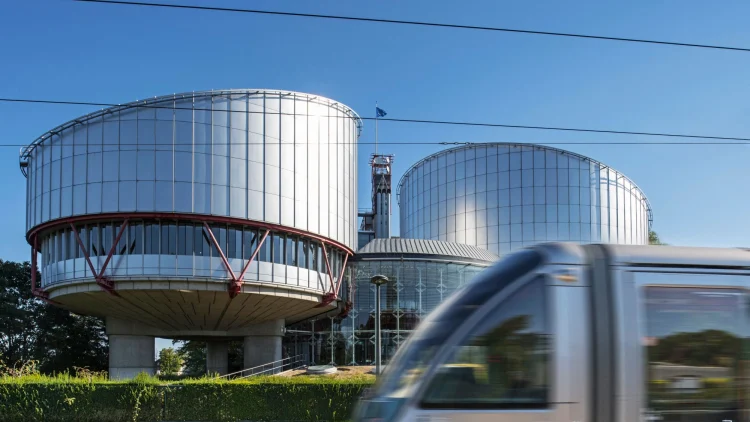
In the early hours of 19th March 2026, the House of Lords tried, but failed, to remove section 246 from the then Bill, so we now have the absurd situation that British citizens in that predicament will have to apply to Strasbourg to try to secure an injunction against extradition. The most our own courts will be able to do is rule section 246 incompatible with article 6 which will not itself prevent extradition. In other words, it will no longer be up to our own courts to determine if extradition should go ahead in these circumstances.
It is immensely disappointing that this Government has chosen to dilute fair trial protections in this country. The backstop of Strasbourg is at best a remote and uncertain remedy, beyond the reach of many in practice. It is a striking outcome that a government led by a longstanding human rights lawyer has chosen a course which relinquishes domestic oversight and leaves the fate of British citizens to be determined by foreign courts, with only a distant international remedy as a last resort (and only as long as we remain a member of the Convention of course).
Whilst the number of cases affected may be small, this is nevertheless something we may live to regret when one of our citizens needs shielding from a blatant abuse of process overseas and finds his or her fundamental rights and protections have been eroded.
Lord Carter of Haslemere is a consultant in the public law team of Kingsley Napley LLP and a former General Counsel at 10 Downing Street

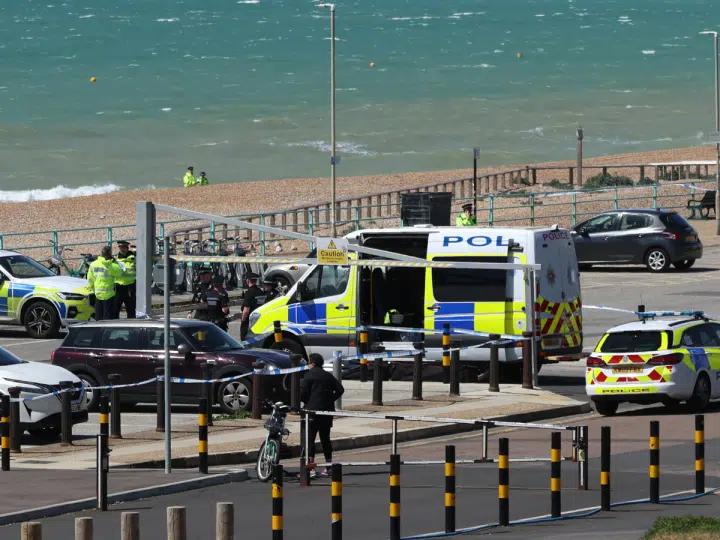

Sussex Police have identified the three sisters whose bodies officers recovered from the sea in Brighton. Originally from Uxbridge, the family now faces unimaginable grief after losing their daughters in such tragic and unexpected circumstances.
Jane Adetoro, Christina Walters, and Rebecca Walters – aged 36, 32 and 31 – died in the sea off Brighton beach. At this early stage, investigators have found no evidence suggesting third-party involvement or criminal intent.
Nevertheless, the police have not eliminated this possibility and are appealing for any witnesses in the area of Black Rock car park in Madeira Drive.
Someone called police at 5:45am on 13 May after spotting a person in the water. Emergency services then recovered the bodies of the two other sisters nearby.
Their father, Joseph, spoke to the BBC and said:
Jane, Christina, and Becky were more than daughters to me; they were my joy, my strength, and the beautiful light that filled our family with happiness and love.
Adding that this horrific tragedy has:
left an emptiness that words cannot heal.
Police formally name sisters recovered from the sea off Brighton beach.
Police have formally identified the three women whose bodies were recovered from the sea off Brighton beach earlier this month. The women were sisters from the Uxbridge area of London and have been named as…
— Brighton’s Official 1# Page (@imjustbrighton_) May 20, 2026
Joseph: “your spirits live on in our hearts every day.”
One theory in the police investigation of the death of these three sisters is reported to be that they potentially chose to go into the sea and, having not been familiar with the very real dangers due to seaweed and shale, “got into difficulty”.
However, police are actively pursuing multiple lines of enquiry and are now scouring CCTV footage to piece together the sequence of events that led to the sisters’ deaths.
The three women reportedly travelled from Brighton Palace Pier, where CCTV captured them, before heading towards Brighton Marina. They have also appealed for anyone in the area to contact them if they are aware of any information in connection to this mysterious and deeply concerning loss of precious life.
Thankfully, they are providing the family with support from specialist officers through their unimaginable grief.
Green Party MP for Brighton Pavilion, Sian Berry, told BBC Radio Sussex that the response has made her proud of the people of Brighton and said:
What I’ve seen since this tragedy first happened is the city just really pulling together and caring deeply about what happened to these women, while knowing nothing about their story.
Bella Sankey, City council leader in Brighton and Hove, has also shared her heartbreak at this news:
To learn today that these three beautiful women were sisters makes this troubling situation even more heartbreaking.
Three sisters found dead near Brighton Beach in England have been identified as their father shares a heartbreaking tribute remembering them as the “light” of the family. Read more #OnTheGrio: https://t.co/Elsal6AIho
— theGrio.com (@theGrio) May 21, 2026
Joseph: “You were deeply loved, and you will always be deeply missed”
According to the BBC, the father paid tribute to his daughters whose “presence made life more meaningful”, saying:
Each of you was unique and precious in your own special way.
Your smiles brightened dark days, your laughter brought comfort, and your presence made life more meaningful.
Though your time on earth was short, the impact you made will remain in our hearts forever.
You were deeply loved, and you will always be deeply missed.
The local community has understandably reacted with deep shock and grief to this traumatic news, with people rallying together to support one another through the tragedy.
Police continue to investigate the case and have not yet reached any final conclusions.
Chief Superintendent Adam Hays said the force would “leave no stone unturned” as officers work to establish exactly how the sisters lost their lives.
Featured image via Getty/Bryn Lennon
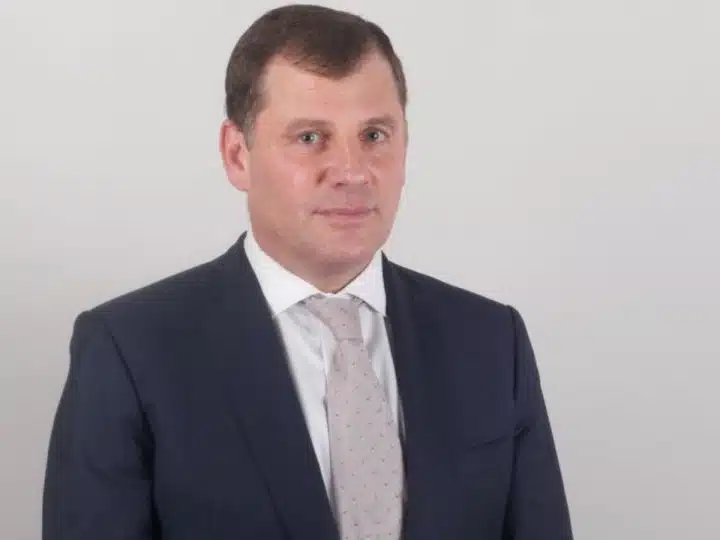

Last month, I uncovered excerpts from the “IDF diary” of Jonathan Kestenbaum, the former Israeli soldier and current Labour peer who was serving as a board member of Labour Together. But on May 18th, according to Companies House, Kestenbaum resigned as a director of the disgraced think tank.
Labour Together rebrands
The organisation has desperately been trying to rebrand this month. It has adopted a different name, “ThinkLabour”, and brand new website.
Alison Phillips, the organisation’s CEO, told journalist Peter Geoghehan yesterday:
ThinkLabour is a very different organisation today compared to Labour Together then and what was done does not reflect and represent what we stand for and how we operate today under my leadership.
However, ThinkLabour has the same company number as Labour Together Limited, still registered as operating on Companies House. Alongside Alison Philips, the active directors are registered as Mike Craven, appointed in March 2024, and new addition Nicholas Forbes, appointed on May 12th.
Kestenbaum’s diary
Although the relaunch was announced on May 14th, with ThinkLabour promising to be “a unique political organisation dedicated to helping Labour govern confidently”, Kestenbaum remained a director until the beginning of the following week.
In Kestenbaum’s written account of his Israeli military service, he describes:
chasing a nine-year-old boy who broke a 30-day curfew to try to retrieve bread from a gutter.
And:
rounding up a group of elderly Palestinians who slipped into a field at night to pick a bucket of tomatoes.
In one anecdote, he remembers detaining a group of teenage Palestinians and then being asked by another officer:
How many dogs have you brought?
Kestenbaum writes:
Once the man opposite you is a dog, anything goes.
In his diary, he refers to the Israeli state as “our country”, and a 1988 article in the international edition of the Jerusalem Post reports that Kestenbaum had “settled in Israel three years ago”. On Companies House, however, Kestenbaum’s nationality is listed solely as British. He now joins a long list of former Labour Together directors that includes Trevor Chinn, Morgan McSweeney, Josh Simons, although his positions at Five Arrows Limited and the JPMorgan Japanese Investment Trust are still extant.
Support from Ed Miliband and LFI
In 2010, Kestenbaum was nominated by the Labour Party hierarchy to the House of Lords. Ed Miliband, Labour leader at the time, is one of those reported to be eyeing Keir Starmer’s position, particularly if Andy Burnham loses the Makerfield by-election.
Like Starmer, Miliband is a long-time supporter of Labour Friends of Israel (LFI). At the lobby group’s 2011 annual lunch, Miliband declared:
I’m grateful to Israel, I respect Israel, I admire Israel and that is why I’m proud to be here to be [as] part of Labour Friends of Israel…
Under my leadership, I will ensure that the Labour Party remains a strong and steadfast friend of Israel.
Josh Simons
Labour Together has long been tainted by Morgan McSweeney’s concealing of over £730,000 in donations whilst serving as director, using the organisation as a vehicle to propel Starmer into power, but the think tank’s downfall has been accelerated by revelations that former director Josh Simons set private investigators on journalists reporting on McSweeney’s actions.
Geoghehan’s report yesterday revealed that McSweeney and Paul Ovenden, Starmer’s former head of communications, were told about Labour Together’s infamous “investigation” two years ago.
Simons has now resigned his parliamentary seat in order for Labour “saviour” Andy Burnham to have a clear run at Starmer. In the past, Simons has received donations from Mike Craven, a former press officer to Tony Blair and the second current Labour Together Limited director.
All the same cronies
Upon their launch, ThinkLabour said:
this is much more than a new logo or a change of name.
But on Companies House – for now, at least – they are still Labour Together Limited, with Simons, McSweeney, et al. amongst their alumni.
Featured image via the Devon Daily
By Em Colquhoun

Tube drivers in the RMT union have rearranged strike action that had been due on 19 and 21 May.
The union, which represents just under half of London’s underground network drivers, said:
At the 11th hour the employer has shifted its position allowing us to further explore our members concerns around the imposition of new rosters, fatigue and safety issues.
The dispute is not over and more strike action will follow if we fail to make sufficient progress.
In the absence of such progress, tube drivers will strike on Tuesday 2 June and Thursday 4 June.
The dispute concerns what the RMT calls the imposition of a “a fake four day week”.
RMT general secretary Eddie Dempsey previously said:
We have approached negotiations with TfL in good faith throughout this entire process. But despite our best efforts, TfL seem unwilling to make any concessions in a bid to avert strike action.
This is extremely disappointing and has baffled our negotiators. The approach of TfL is not one which leads to industrial peace and will infuriate our members who want to see a negotiated settlement to this avoidable dispute.
It appears that TfL has managed to drive a wedge between the RMT and Aslef, the other union representing tube drivers. Aslef believes that the shift changes are worth it for the extra days off. Meanwhile, the RMT regards the length of the working day as the sticking point. It cites fatigue and safety as primary concerns.
Featured image via Hans-Peter Merten / Getty Images
By The Canary
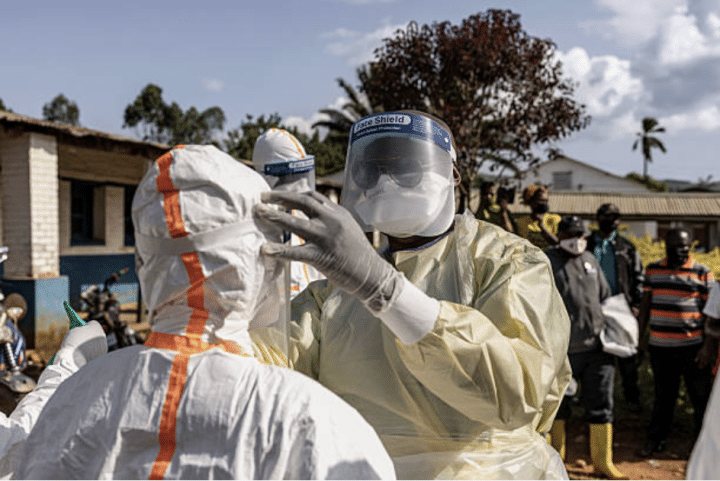

Less than a month before the start of the 2026 World Cup, the Democratic Republic of the Congo (DRC) national team has been stumped by another Ebola outbreak. As a result, the Congolese Federation has had to halt their preparation programme for the World Cup. In the interest of public safety, both FIFA and US health authorities are closely monitoring the situation. On 17 May, the World Health Organisation declared the Ebola outbreak a public health emergency.
Ebola put preparations on hold
Reuters reported that due to the threat of transmission, the team had to cancel the preparatory camp and farewell ceremony scheduled in the DRC capital, Kinshasa. Instead, these preparations will be held in Belgium to mitigate the risks. This change ensures the team can play in this year’s World Cup — the largest yet.
US authorities have adopted stringent health measures and advised people travelling from the DRC and Uganda to reconsider non essential travel. The measures they have adopted include special monitoring and examinations of anyone that has visited the two countries in the last 21 days.
The latest strain — otherwise known as “Bondibogio” — is responsible for more than 130 deaths and 600 suspected cases so far, according to the WHO.
DRC matches to go ahead as planned
For now, the team’s World Cup preparations will resume in Belgium, as they prepare for the scheduled matches against Denmark and Chile. Houston will be the team’s next pitstop which will host the team throughout the tournament.
The Houston Chronicle revealed that local authorities are coordinating with FIFA and national health authorities, developing special protocols applied during the Congolese national team’s stay. These measures also hope to allay public fears and prevent a state of panic and commotion during World Cup activities.
Despite these concerns, health experts suggest the chances of the virus spreading in the US are negligible — emphasising the effectiveness of newly developed preventive measures.
The crisis carries additional dimensions for the DRC national team, preparing to participate in its first World Cup since the 1974. They’ll be playing in a group that includes Portugal, Colombia and Uzbekistan, and despite complex health and logistical challenges testing their resolve, the team will no doubt give it their best shot.
Featured image via Michel Lunanga/Getty Images
By Alaa Shamali
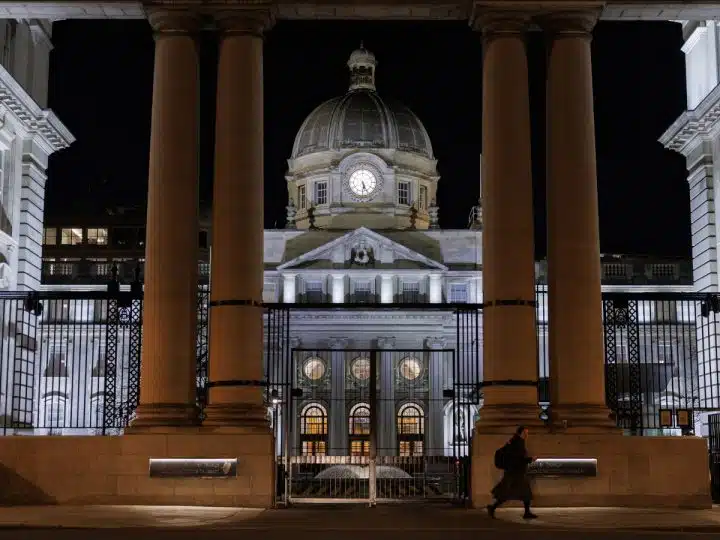

The coalition parties of Ireland’s government, Fianna Fáil and Fine Gael, have shamefully voted down a bill that would have imposed sweeping sanctions on the terrorist pseudo-state that uses the name ‘Israel’.
The Zionist mob running the Irish state were joined by allied Independent TD’s, resulting in a vote of 77–62 against the Sanctions Against the State of Israel Bill 2025.
Calls for ‘historical continuity’
Introduced in November 2025 by People Before Profit (PBP) TD Richard Boyd Barrett, the bill was at the second stage in the Dáil. It called for:
historical continuity with the previous application of economic sanctions against the apartheid state of South Africa.
This is in reference to the sanctions imposed by Ireland in 1987, which mandated a total ban on imports from the white-supremacist regime in South Africa.
The Zionist land thieves squatting on Palestine have gone far beyond even Pretoria’s crimes, with their genocidal assault on Palestinians, and killing sprees across West Asia. Yet the Irish government still refuses to sanction them.
Boyd Barrett’s proposals would have been similar to the legislation of 40 years ago, making it illegal to:
import goods or technology originating in the State of Israel
and to:
sell, supply, transfer or export goods or technology [to Israel].
Dealing in “transferable securities or money-market instruments” would have been forbidden, and no further technical assistance to the Zionist entity could have taken place.
Boyd Barrett challenges Martin’s cowardice
Boyd Barrett confronted Martin in the Dáil over his opposition to the bill, saying:
I’m getting reports from the flotilla organisers that Israel is shooting rubber bullets at boats, that there are Irish citizens on, who haven’t yet been kidnapped by this rogue regime.
Now, there would be uproar if Russia kidnapped people on the open seas, for example. We know there were sanctions immediately when they invaded Ukraine. There would be outrage, and yet this government hasn’t imposed a single sanction on the state of Israel, despite genocide, apartheid and now the seizure again of Irish citizens.
This is in reference to what can be seen in footage that the settler-colony’s thuggish security minister, Itamar Ben Gvir, has been proudly releasing. Ben Gvir has been a key architect of so-called ‘Israel’s’ rape and death camps, and the Gaza holocaust itself.
The footage It shows Ben Gvir taunting flotilla members now in ‘Israel’, who were abducted by the Israeli Occupation Forces (IOF). They are shown being tortured – held in stress positions outside in the hot sun, and in rooms under constantly flickering fluorescent lights. The IOF has kidnapped at least 11 Irish citizens.
One Irish woman, Catriona Graham, bravely shouts “Free, free Palestine” in the face of Amon Göth’s modern incarnation, only to be grabbed round the head and dragged to the floor.
Boyd Barret continued:
What crime does Israel have to commit before we’ll impose sanctions? Why is your government going to vote against the sanctions bill, when the flotilla organisers – and I’d say the majority of people in this country – are saying you should impose sanctions on this state for the crimes it’s committed.
Martin adopted his usual sulky, sullen demeanour when subjected to legitimate criticism, and claimed:
European sanctions against Russia are European. [They are not imposed by] individual member states. The same applies to Israel. What we haven’t been able to get is unanimity at European Union level in respect of Israel.
Zionists in Irish government failing flotilla heroes
The Taoiseach’s assertion is that Ireland, as an EU member state, cannot operate independently when it comes to economic measures against Tel Aviv. Instead, he says, the EU retains exclusive competence over commercial trade and international sanctions.
The much more convincing counter-argument is that Ireland’s obligations under the Genocide Convention trump EU law, meaning they must take all possible steps to prevent and punish genocide.
Whatever the risks involved for the Zionists occupying Ireland’s government, should they institute sanctions, they are nothing compared to those faced by the flotilla participants. These heroes sailed across 1000s of miles of treacherous waters, knowing they would almost certainly end up in the hands of genocidal torturers.
They did that to raise awareness of Palestinians’ plight. They did it to prove that Western governments care more about appeasing Zionist rapists and murderers, than they do about the wellbeing of their own citizens. By voting down the Sanctions against the State of Israel Bill 2025, Micheál Martin has given the best evidence yet of this fact.
Featured image via Dan Kitwood / Getty Images
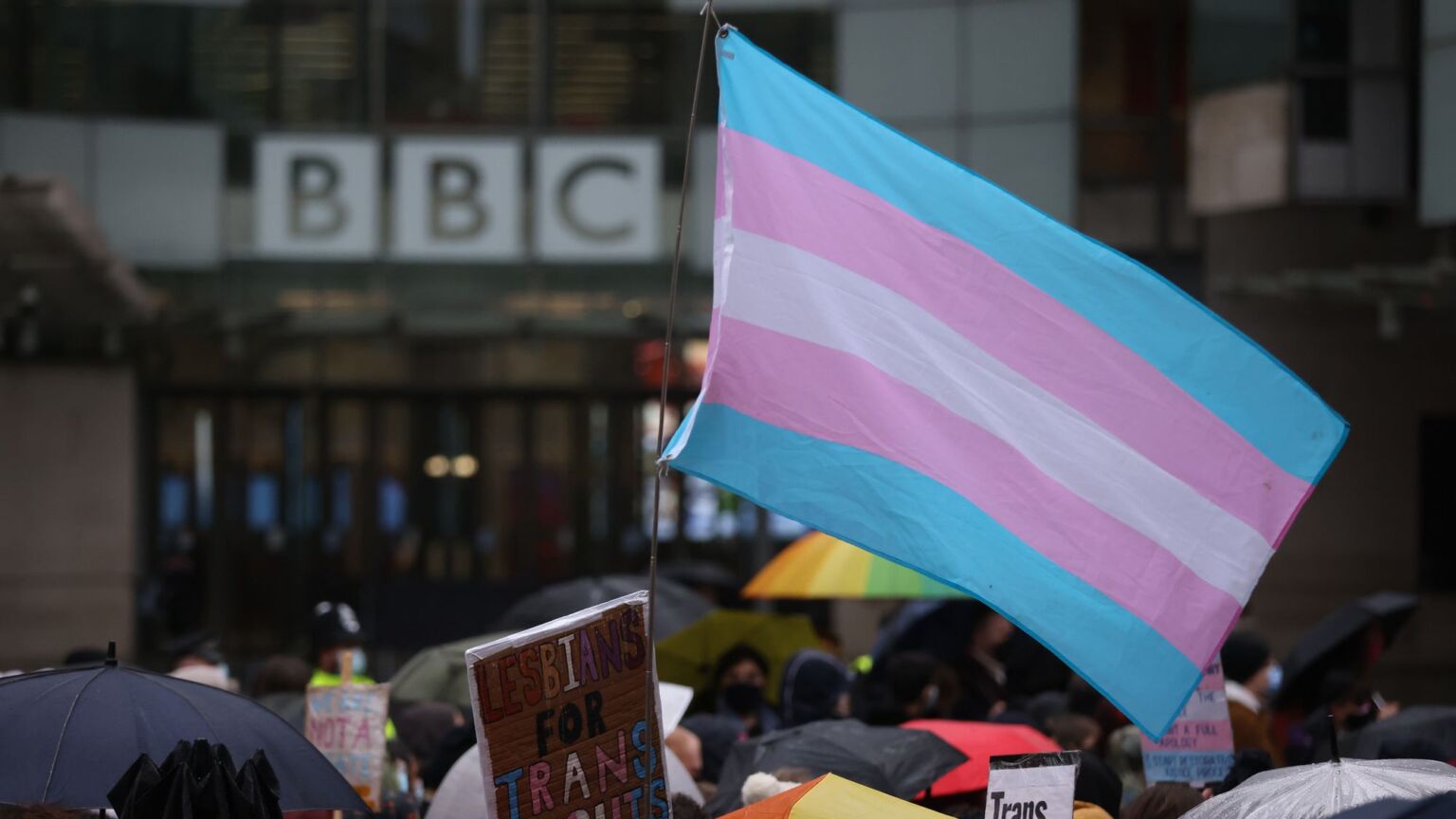
In an excoriating 10,000-word investigation, Burley, who spent 13 years at the BBC as a senior editor, describes how the corporation’s pursuit of younger audiences, its culture of intolerance, and its obsession with diversity and inclusion, transformed the national broadcaster into trans Pravda. Most shockingly, former director of news Fran Unsworth said she had been driven out by ‘progressive editorial issues’ and the bullying around them. What Burley has exposed is, of course, what many of us on the outside suspected. There have long been clues.
According to Burley, the problem began long before any of us would have given the question of trans ideology a fleeting thought. Beginning in 2011, the BBC funded Trans Media Action, the project that later became All About Trans. Senior staff were trained by trans activists and, by 2013, the BBC Style Guide was instructing journalists to toe the activist line.
Trans activism has poisoned everything from crime reporting to fictional drama at the BBC. Time and again, the BBC refers to bearded, violent sex offenders as though they were women, demanding audiences ignore not merely biology but also their own eyes. Last year, we learnt just how pervasive trans dogma was at the BBC. In November, a leaked memo from Michael Prescott, a former standards adviser to the BBC, revealed that a team of ‘specialist’ LGBT reporters had ensured gender-critical perspectives were kept off-air, resulting in a ‘constant drip feed of one-sided stories… celebrating the trans experience without adequate balance or objectivity’.
As a recent paper by Oxford academics Michael Biggs and Ace North demonstrated, BBC audiences have repeatedly been presented with a distorted picture of violence involving trans-identified people. The researchers found that ‘BBC News published more than four times as many articles on transgender victims as on perpetrators, contributing to perceptions of exceptional vulnerability’.
The scale of the BBC’s failure is difficult to overstate. Make no mistake: thanks in part to the corporation’s capitulation to trans activism, and the relentless stream of affirming coverage it pumped into British homes, there will now be young adults living with lifelong medical problems. Teenagers who were encouraged to interpret ordinary adolescent distress as evidence they had been ‘born in the wrong body’. They were even signposted by the BBC to discredited organisations like Mermaids. BBC programmes, like the 2014 documentary I Am Leo, treated a girl’s belief she was a boy not as something to explore cautiously, but as an identity to celebrate and affirm.
In the years since, the BBC has railed against misinformation. But it seems fair to ask, where was Marianna Spring – the original self-described ‘disinformation specialist’ – and the rest of the ‘Verify’ team when, earlier this year, the BBC referred to murderer Scarlet Blake as a ‘woman’?
Small steps back towards sanity are at least beginning to appear in BBC coverage. The recent decision to keep Girlguiding for girls might have still been headlined as a ban on ‘transgender girls’, but the article at least clarified that this meant ‘biological boys who identify as girls’. Remember, it’s less than 12 months since BBC News presenter Martine Croxall was disciplined for rolling her eyes and correcting the phrase ‘pregnant people’ to ‘women’, while less than three years ago the BBC’s complaints unit reprimanded journalist Justin Webb for pointing out that ‘transwomen’ are biological men.
New director general Matt Brittin will need a thorough purge before he brings peace to the institution. Ideological bias is now embedded, as the cub reporters who bullied more experienced journalists out have made the institution their home. Within BBC offices, it is still reported that a system of de facto gender self-identification operates, despite last year’s Supreme Court ruling. Given that the Beeb sets the cultural tone for the rest of the UK, it’s perhaps no surprise that so many businesses are treating this law as optional.
Today, the BBC’s hard-earned reputation for journalistic integrity and impartiality has not merely been tarnished. It has been shredded, and used to mop up the drool of swivel-eyed gender zealots. The public may begin to trust the BBC again when accuracy and impartiality are restored in reporting on the clash between women’s rights and the demands of gender ideology.
That means sex-based language should be used routinely and without embarrassment. But it goes beyond the trans issue. Trust will return when the immigration status of rapists is reported plainly. When claims of ‘genocide’ are tested against reality. The BBC will deserve public trust again only when its journalists remember that their duty is not to flatter activists or protect fashionable orthodoxies, but to report reality plainly, fearlessly and without apology.
Jo Bartosch is co-author of Pornocracy. Order it here.
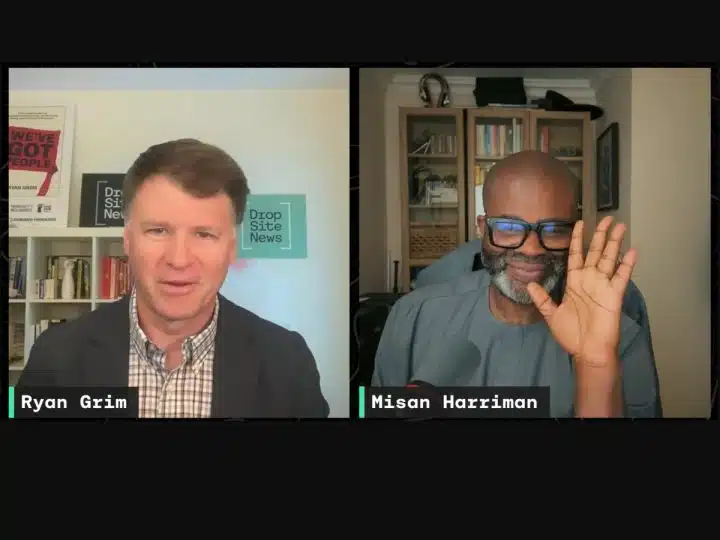

Photographer, activist and Oscar-nominated filmmaker Misan Harriman has said that anti-genocide activists must unite over Palestine and Sudan. Harriman was speaking to Drop Site News about the imperial horrors inflicted on both people.
The three-year war between UAE-backed Rapid Support Forces and the Sudanese government has displaced millions and killed up to 150,000 people. Israel’s genocide in Palestine has rightly received global attention. The brutal, under-reported war in Sudan deserves it too.
Drop Site senior reporter Ryan Grim asked Harriman on 19 May:
as somebody who has been trying to kind of draw attention to this conflict between the UAE backed RSF and then the Sudanese army in Sudan as it has unfolded for years now … what do you see as the kind of leverage points?
Harriman said:
[I] think it’s a coalition of voices that need to cut through, and I’ll be frank, the ethno-supremacist viewpoint of the lack of value that Sudanese lives have across the board.
The highly-regarded photographer said his work on Ukraine attracted interest from many humanitarian NGOs, but his work on Sudan had been taken up much less:
I think it’s really really important now for both activists and media professionals in your world, Ryan, to really figure out um the cadence and language that cuts through because it certainly hasn’t.
If you if you look at the biggest potential loss of life on this planet, it is only one country. It is Sudan.
Adding that the potential loss of life in Sudan could be “millions of children”:
I don’t think [Sudan] is being represented in the way that it could do. And that may well cut through to a lot of people.
Collective liberation, not white saviourism
Harriman said it was vital to get big names onboard, noting several globally known sports brands and teams were owned by UAE. But also that it was vital to avoid white saviour-type activism around African crises.
The renowned activist – who recently fell foul of pro-Israel propaganda himself – said that movements for solidarity and collective liberation around Gaza, Iran and other issues must also include Sudan:
It is all of these different talking points because if I think of a Sudan protest that I photographed, and I photographed many, they are tiny. They are absolutely tiny relative to Iran or Palestine or Black Lives Matter or women’s rights.
He urged the Palestine solidarity movement to bring in Sudan as part of their aims:
And I think some of these movements need to bring in Sudan into the Palestine movement, for example, and have this shared sense of collective liberation beyond posts on Instagram but actually within the actual direct action in the protest movement.
We need to see Sudanese leaders … talking about Gaza and then swiftly moving on to Sudan with well-armed information on what’s happening to the human beings there.
The three-year war has killed thousands and displaced millions. RSF, backed by the UAE, is fighting the Sudanese government. Gold interests and regional influence are at stake. Numerous foreign actors, including the UK, have caused the war to fester through active participation and/or outright passivity. Israel, too, is a major player in the war.
As the Canary has reported, the war in Sudan is theoretically between Arab-majority RSF and the Sudanese government. But foreign states pursuing their own interests are backing the combatants.
Egypt backs the government, alongside Russia, Turkey, Iran, Saudi Arabia, and Qatar. Israel has backed both sides at different times. RSF has killed Sudanese civilians in vast numbers. And some estimates say 150,000 people have died overall, with over 10mn displaced by fighting.
And Harriman is absolutely right to point out that we must all move beyond single or separate issue politics. As in Gaza, so in Sudan. It is a moral duty as journalists and activists to develop and sharpen our language, that we might bring more people with us in our opposition to genocide and neocolonialism.
Featured image via Drop Site News
By Joe Glenton
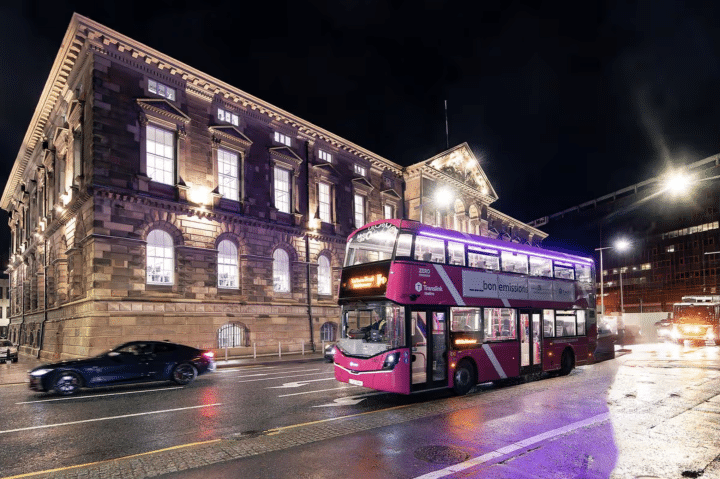

As cities around the world move towards expanded public transport free of fares, the north of Ireland is going backwards. The boss of Translink, the north of Ireland’s public transport operator, has told MLAs that he is targeting service cuts and an end to some fare discounts. Chris Conway blamed Stormont for failing to hold up its end of the deal in funding the public corporation.
Translink is funded by fare revenues and by subsidies from the Department of Infrastructure (DFI), the latter under a deal called the Public Service Agreement (PSA). Conway told a Wednesday May 20 Committee for Infrastructure meeting that:
Unfortunately this agreement has not been funded by DFI over the last couple of years. And actually subsidy per passenger is well below other regions in the UK and Ireland.
Stormont has been mandating concessionary fares, and repeated fare freezes, including one most recently in April 2026. The Infrastructure Minister Liz Kimmins said:
In the current context of rising fuel and oil prices, I do not believe it would be right to increase public transport fares and place further pressure on workers and families. Many people rely on buses and trains every day and keeping fares stable helps provide some certainty at a very challenging time.
Conway said five fare freezes in nine years had “cost us over 20 million pounds of revenue”. However, overall Stormont budget constraints mean no extra money has been available to Translink. So, it has not been able to cope with the resulting decrease in money coming in.
Forget balancing the books on public transport
Parties across the board have appealed to Keir Starmer for additional funding. Labour has provided some additional money, but not enough to meet the needs of one of the most impoverished regions under Westminster control.
Conway described Translink’s poor financial situation, saying:
We have made a loss of 23 million pounds in 25/26 financial year and we made a loss in the previous year as well. And as I said at the previous committee utilising our reserves to manage these losses is clearly not sustainable and Translink have highlighted this into previous committees.
Of course, it is misguided for government to expect public transport to be seen in this narrow way. That is – siloed off, purely looking at its own monetary flows in and out, without consideration of the wider benefits of public transport.
Running an inexpensive, high quality public transport system at a significant loss would still see society far better off overall. There would be less pollution and better health outcomes due to people walking more. In addition, there would be greater efficiency of movement due to less traffic on the roads. It would also ensure greater inclusion for marginalised groups, such as poor and disabled people.
That’s why places like Montpellier in France allow free travel across their entire bus and tram network. Meanwhile, in the north of Ireland, Translink are scrabbling around to find which services to cut to save a relatively measly £10 million.
Conway told the committee that “an equality screening process” is being conducted to minimise the impact on vulnerable groups. He said more lightly used services, such as those running Monday-Wednesday were likely to be hit. The CEO also said they were looking at reducing late evening services.
This is at a time when Belfast only recently introduced occasional night-time buses, the norm in many European capital cities. Those were brought in to help boost the night-time economy, another reason for having effective public transport.
Future of major rail upgrades uncertain
Social Democratic and Labour Party (SDLP) infrastructure spokesperson Justin McNulty described the effect cuts will have, saying:
This is a direct result of the Executive’s failure to properly invest in public transport and Translink in particular and now it will be the public that pay the price. Worryingly it will be the most marginalised who will be disadvantaged including students, disabled and elderly people, and rural isolated communities.
Conway was cagey when it came to how funding constraints would hit major capital projects, such as the All-Ireland Strategic Rail Review (AISRR). That project is a major upgrade to Ireland’s rail network that will run until 2050. The aim is to expand the network with around 700km of new track and decarbonise large swathes of it. Also, it aims to increase rail speeds to a relatively modest 200km/h.
The Translink boss said:
We also try to keep a small percentage [of capital budget] to keep the longer strategic projects going as well, even if it’s only a small amount of work to continue feasibility work.
So things like the All-Island Strategic Rail Review and electrification, we’d like to try and keep a small amount of our capital budget just to keep those projects going because that’s about an investment for future generations and we don’t want to cut that off. But it will all depend on how the capital budget is finally allocated, and that isn’t clear yet.
As HS2 fumbles and Translink scrimp around for crumbs, China storms ahead with a state-led model laying down vast amounts of high-speed rail. Meanwhile, Britain and Ireland continue with a failed, Americanised car-centric mentality. They also view public transport authorities like businesses that ought to be fixated purely on their own internal profits and losses.
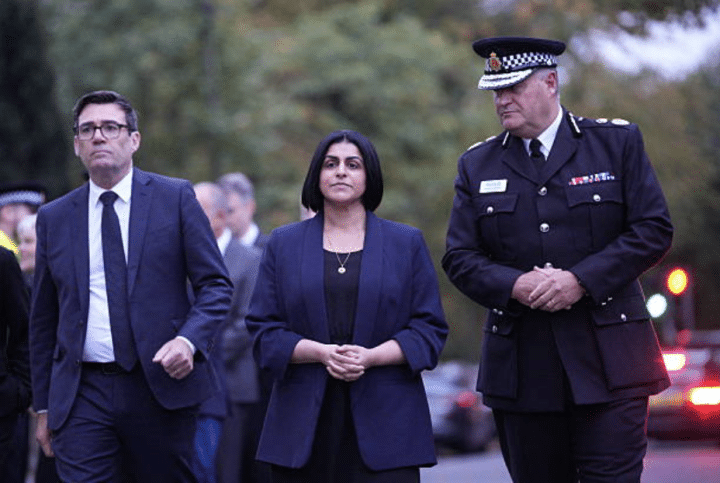

Allies of Greater Manchester mayor and Makerfield by-election hopeful Andy Burnham say he’s backing home secretary Shabana Mahmood’s racist changes to immigration.
The Makerfield area is dominated by far-right ‘Reform UK’ since the May 2026 local elections. Furthermore, Reform’s candidate is a barely-closeted extremist. Burnham’s associates say their man regards immigration is a “moral issue.”
Scrapping ‘leave to remain’
Mahmood’s planned changes include removing the current five-year ‘leave to remain’ for refugees. She also wants to force a ‘review’ of status every thirty months. At the same time, she intends to increase the length of residency required to be able to apply for “settled status” from five years to ten. She also plans to remove financial support for refugees. However, she still does not guarantee them the right to work.
An unnamed source fed the Guardian the classic Blairite-line that being “positive” about migrants can only happen if controls on immigration are strict:
We need to tell a positive story about the contribution of migration to our country, but we cannot do that unless people trust that the people they vote for have control over our borders.
Mahmood’s plan is not merely strict, though — it’s punitive, racist, and Trumpian.
More of the same
Burnham is clearly trying to win in Makerfield. Doing it by pandering to the racist views of Reform voters on immigration is wrong. Declining to put forward any significant changes to the deeply-hated regime he wants to replace is morally and politically bankrupt.
Copying Starmer’s attempts to ‘out-Reform Reform’ is doomed. Both may well cost him the Labour voters he still needs. This is especially risky as the Greens are standing.
Burnham is far more personable than the appalling — and boring — Keir Starmer and will hammer him if the pair contest a leadership election. But “same as before but with personality” means that even if he somehow wins, the UK will have no real change at all.
Featured image via
By Skwawkbox
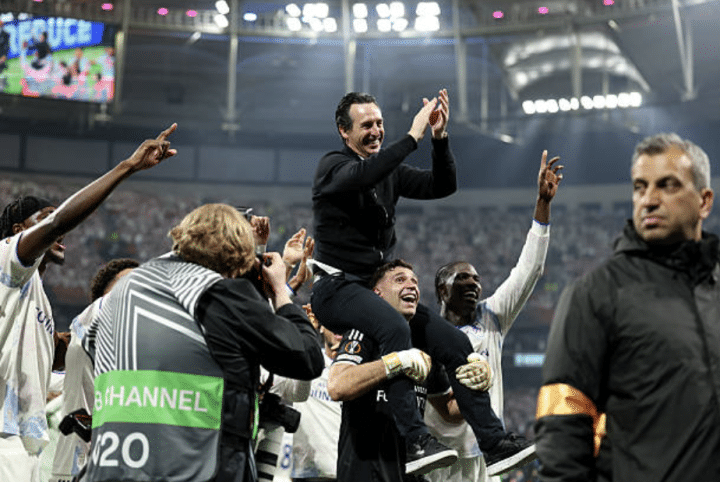

Aston Villa arrived in Istanbul and left as winners. Under Unai Emery, they dismantled Freiburg in a commanding victory — the latest chapter to the manager’s remarkable European record.
First half smackdown
Villa struck twice inside the opening half-hour. A perfectly struck volley, followed by a short corner routine created space, before a curling effort from the edge of the box left the goalie rooted.
Those moments of technique and craft changed the game. In an instant, Freiburg was left chasing shadows. The pattern was clear as Villa steered the match, strategising in real-time, and punishing Freiburg for their rare lapses.
Game management
After the break Villa showed no let-up. A smart near-post finish from a well-delivered cross put the result beyond doubt midway through the second half. From there, Emery shifted into efficient game management, protecting the lead and denying Freiburg a foothold.
A couple of near-misses hinted at what might have been. However, the scoreboard told the full story. Villa remained behind the wheel from the first to the last whistle.
Goalkeeper saves and set-piece threats came and went. However, Villa’s defensive shape and midfield authority kept the German side at arm’s length. Captain leadership in the middle of the park ensured the team’s rhythm never faltered.
King or Europa
This was more than a club victory. It is another feather in Emery’s already crowded cap. The manager — who has stood behind countless Europa League successes — now has another trophy in his prized collection. In doing so, Emery has cemented his reputation as the competition’s most successful modern coach. His meticulous preparation and tactical nous were on full display in Istanbul.
His influence goes beyond matchday. In three-and-a-half years he has reshaped Villa’s identity as a team that has harnessed domestic ambition and European poise.
The win rewrites the club’s recent history. Moreover, it stands out as Villa’s first major European trophy since the early 1980s and caps a season that secured a top-five Premier League finish and Champions League qualification. The victory is a statement of intent. Villa are no longer content with just making up the numbers, they are contenders on multiple fronts.
Off the pitch, celebrations are already planned. The club announced an open-top bus parade through Birmingham, a fitting response to a night that will be remembered by supporters for generations.
Standout performers
- Midfield control: The engine room dictated the game, recycling possession and breaking Freiburg’s rhythm.
- Clinical finishing: Two first-half strikes of high quality set the tone; the third removed any doubt.
- Defensive composure: When Freiburg threatened, Villa’s backline and goalkeeper responded with calm and crucial interventions.
These elements animated a performance that was both beautiful and brutally efficient.
For Emery, this is confirmation of his winning methods. For Villa, it’s the start of a new chapter. One where European nights are expected going forward, no longer out of the ordinary.
The club’s trajectory under its ownership and coaching team has been rapid and deliberate — promotion, consolidation, European qualification and now continental silverware. That arc has been completed in dramatic fashion in Istanbul.
Freiburg, meanwhile, will rue a night when they were simply outplayed. Their run to the final was admirable, but they met a side in peak form and a manager who knows how to win this competition.
This was a night of precision and personality. Villa’s goals were moments of individual brilliance stitched into a collective plan; Emery’s stamp was unmistakable. Istanbul will remember the scoreline, Birmingham will remember the parade, and Villa’s season will be measured from this point forward as the night they reclaimed a place among Europe’s achievers.
Featured image via the Canary
By Faz Ali

NYC and LA Are Teaming Up to Fight for EVs

WWE star arrested on battery charge 10 days before career-defining match

Jane Street Accused of Using Terra Telegram Channel Before UST Crash


![DO NOT Watch This BITCOIN Video In Public... [this is EXTREMELY BIG]](https://wordupnews.com/wp-content/uploads/2026/05/1779371664_maxresdefault-80x80.jpg)


-

 Crypto World6 days ago
BloFin War of Whales 2026 Grand Prix opens registration for $5M trading championship
-

 Fashion6 days ago
Weekend Open Thread: Theory – Corporette.com
-

 Crypto World6 days ago
E-Estate Announces 1 Year Live: Washington DC Summit as Real Estate Tokenization Enters Its Next Phase
-

 Tech6 days ago
Tech Moves: Microsoft AI leader jumps to OpenAI; former AI2 exec joins Meta; and more
-

 Tech6 days ago
Google reimburses Register sources who were victims of API fraud
-

 Crypto World7 days ago
Google’s Gemini AI Predicts Incredible Solana Price by the End of 2026
-

 Business6 days ago
H&R Real Estate Investment Trust (HR.UN:CA) Q1 2026 Earnings Call Transcript
-
 Entertainment7 days ago
Zara Larsson Has Blunt Response To Chris Brown Diss
-
 Sports6 days ago
Napoleonic enters 2026 Doomben 10,000 field via Abounding withdrawal
-
 Crypto World6 days ago
BeInCrypto 100 Institutional Awards Nomination: KAST for Best Digital Assets Neobank and Best Digital Assets Fintech
-
 Crypto World6 days ago
Bitcoin Battles US Bond Nerves With BTC Price Dip Toward New May Lows
-

 Fashion4 days ago
On the Scene at Gucci’s Cruise Show in New York City: Mariah Carey, Kim Kardashian, Lindsay Lohan, Iman, and More!
-
 Crypto World6 days ago
Wall Street’s Boldest Gold Prediction Has Russians Rushing to Buy
-

 Crypto World6 days ago
ICE and CME urge US regulators to curb Hyperliquid energy trading
-
 Politics7 days ago
DWP PIP Timms review continues to be an absolute farce
-

 Crypto World6 days ago
IREN closes $3 billion convertible notes deal amid AI infrastructure expansion
-

 Fashion5 days ago
Trending Western Style Vests Perfect for Summer
-

 Entertainment6 days ago
David Letterman Returns to Late Show, Blasts Cancellation
-
 Crypto World7 days ago
Lido Finance Selects Chainlink CCIP as the Official Cross-Chain Infrastructure for wstETH Security
-

 Fashion4 days ago
Amazon Sundays: Memorial Day Hosting
You must be logged in to post a comment Login