

Crypto World
MoonPay expands into tokenized assets and DeFi markets with new platform for banks

MoonPay is betting institutions want broader access to onchain financial products beyond simple crypto purchases.
The crypto payments firm said Thursday it started MoonPay Trade, a platform designed to connect banks, fintechs and enterprises to tokenized assets, decentralized finance (DeFi) protocols and stablecoin liquidity across more than 200 blockchains through a single integration.
The service is underpinned by Decent.xyz, the cross-chain routing startup MoonPay has acquired for a “high eight-figure” sum, a person familiar with the matter said.
The expansion comes as tokenization is gaining momentum across finance, attracting global banks and asset managers. Tokenized real-world assets — blockchain-based versions of stocks, bonds and funds — now exceed $33 billion in market value, tripling in a year, RWA.xyz data shows. Boston Consulting Group projected the market could grow to $18.9 trillion by 2033.
Large asset managers including BlackRock, Franklin Templeton and JPMorgan have already introduced tokenized funds on public blockchains, while stablecoins increasingly serve as settlement rails for payments and trading activity.
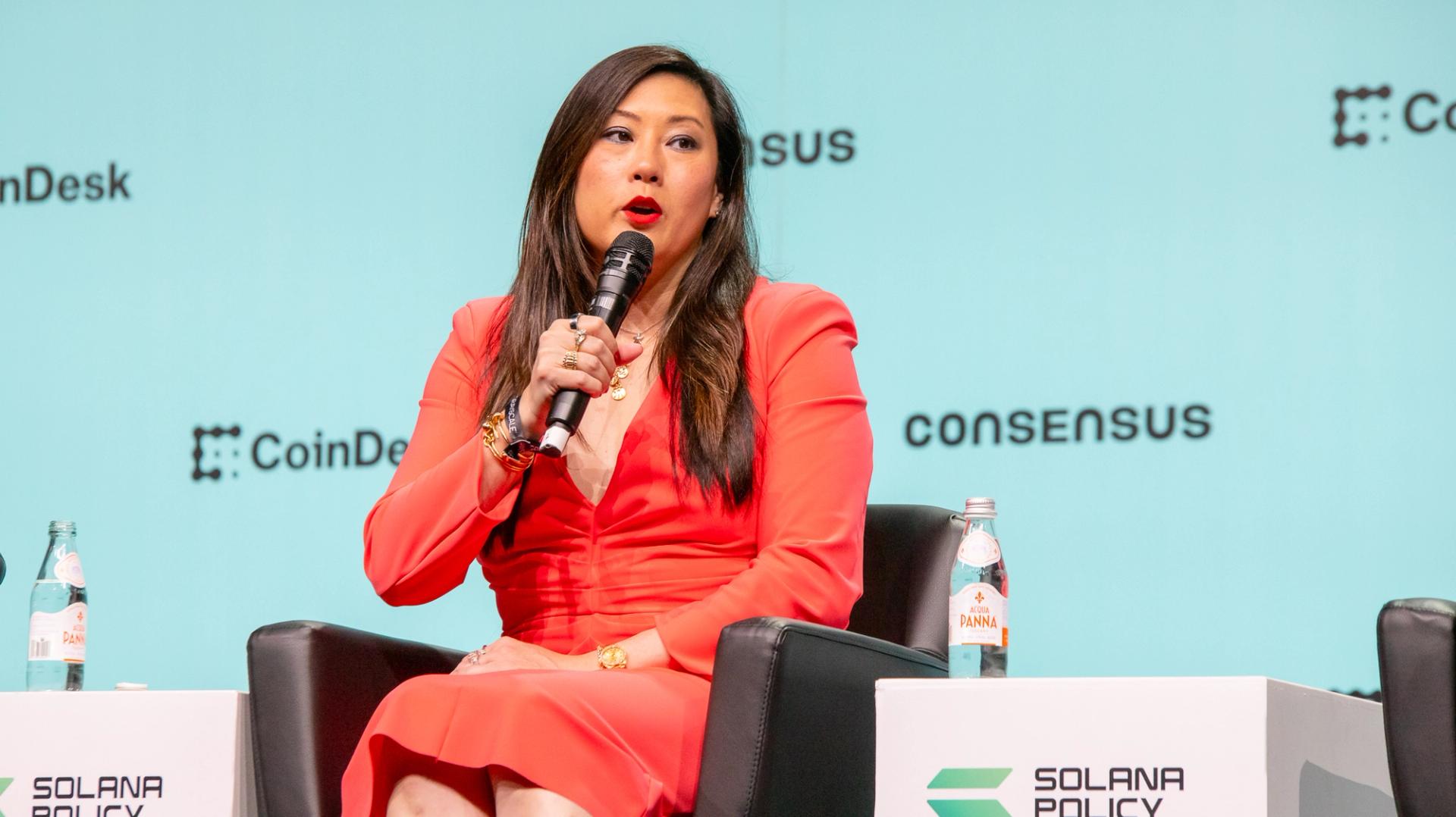
MoonPay Trade will serve as the execution arm for MoonPay Institutional, the company’s business focused on regulated financial firms and led by former acting CFTC Chair Caroline Pham.
“Every major financial institution is building a tokenized asset strategy,” Pham said in a statement, adding that the platform gives institutions access to onchain markets “with full compliance.”
MoonPay Trade supports tokenized fund subscriptions, collateral transfers and integrations with DeFi lending protocols such as Morpho, Aave and Maple Finance. Those protocols allow users to earn yield or borrow against digital assets directly on blockchain rails.
The firm has been on an acquisition spree as it expands from crypto payments into broader financial infrastructure.
Earlier this month, the company acquired Solana trading infrastructure provider DFlow, which processed more than $12 billion in trading volume in the first quarter. This year, it also bought security startup Sodot, following last year’s acquisitions of payments processors Meso and Helio.

Crypto World
Zcash (ZEC) Soars 27% Weekly: 3 AIs Debate Whether It Can Break Into the Top 10 in 2026
The recent price performance of the leading cryptocurrencies, including Bitcoin (BTC), Ethereum (ETH), Solana (SOL), Ripple (XRP), and many others, reflects the broader weakness in the market, reinforcing the outlook that we are currently in a bear cycle with no clear timeline for the next bull run.
However, some altcoins have managed to defy the overall decline. Zcash (ZEC) is a standout example, with its price exploding by 100% over the past month to over $650. Its market capitalization has surged past $11 billion, placing it as the 13th-biggest cryptocurrency. We asked three of the most widely used AI-powered chatbots whether the rally can continue and whether the asset has a chance to enter the prestigious top 10 club.
Yes, But…
According to ChatGPT, ZEC has a real shot, but such an ascent would require a very specific combination of market conditions, regulation, and narrative momentum.
The chatbot noted that privacy coins have surged in popularity lately and may become even more trending if some governments move with their CBDC plans or other centralized efforts. ChatGPT stated that the 10th position is currently held by Dogecoin (DOGE), whose performance relies heavily on speculation and social media hype.
“This is where Zcash enters the conversation. Unlike many speculative meme coins, Zcash operates within a niche that may become increasingly important over the coming years: financial privacy. Rising concerns around surveillance, wallet tracking, artificial intelligence, CBDCs, and stricter KYC requirements are pushing some investors to reconsider the importance of private transactions and censorship resistance,” it added.
Perplexity agreed that the asset can enter the elite club. According to its analysis, it will need two important things to happen at once: a strong ZEC-specific rally and either stagnant or weak performance from the coins currently above it.
The chatbot claimed that if privacy coins remain trending, the token would continue to attract capital from traders and investors. In conclusion, Perplexity said the outcome has “low-to-moderate probability” rather than the most likely one. The key signal to watch is whether ZEC can keep outperforming while the assets ranked 8-12, such as Tron (TRX), Dogecoin (DOGE), Hyperliquid (HYPE), and WhiteBIT Coin (WBT), stay flat or weaken.
It is important to note that HYPE has also defied the correction, with its price pumping by nearly 50% over the past week. With a market cap approaching $14 billion, the asset now sits noticeably closer to breaking into the top 10 club than ZEC.
The Rebels Rarely Win
While Google’s Gemini also highlighted ZEC’s price ascent, it claimed that becoming one of the 10 biggest cryptocurrencies this year is rather unlikely. It added that such success would depend heavily on the support of prominent industry figures, noting that BitMEX’s Arthur Hayes is among the few publicly backing the asset.
Gemini gave another rather unorthodox reason for ZEC not to enter the elite club. It said the top 10 is almost exclusively populated by massively viral assets with solid fundamentals that have become “institutionally friendly.” In comparison, “Zcash is built to be a rebel – and rebels rarely win popularity contests,” it argued.
The post Zcash (ZEC) Soars 27% Weekly: 3 AIs Debate Whether It Can Break Into the Top 10 in 2026 appeared first on CryptoPotato.


More than half of XRP Ledger nodes are still running outdated software, with just six days to go before a scheduled amendment activation.
XRP Ledger co-creator David Schwartz spent the weekend talking about a hard fork and downplaying, in his view, the probability of any contentious split in XRP’s consensus due to their slow upgrades.
The ledger’s so-called “fixCleanup3_1_3” amendment cleans up a series of issues affecting NFTs, permissioned domains, vaults, and a new lending protocol. It’s supposed to activate on May 27 but ideally should hold more than 80% support from trusted validating nodes for two weeks.
The release notes, published by the XRP Ledger Foundation, tell every server operator to upgrade to 3.1.3 immediately. Any node still running older code at activation risks becoming amendment-blocked.
Amendment-blocked nodes may not validate ledgers (ledgers are the XRP Ledger’s version of blocks), process transactions, or participate in consensus.
Schwartz on the difference between a fork and a fix
Concern about a chain split in the XRP community spilled into a long thread on May 18. A critic asked Schwartz how a contested 50/50 validator split would even achieve resolution.
First, Schwartz downplayed changes to voting power, saying, “anyone can create dozens of nodes just to game the voting scheme,” and rejecting any rudimentary governance proposals akin to one vote per node.
Indeed, annual costs for running a hosted XRP validating node can be as low as a few thousand dollars — a trivial expense for a motivated attack on the $83 billion blockchain.
Schwartz then walked through his view of the consensus math.
“The validator split doesn’t matter,” he said. “All that’s necessary is that each side have enough validators to create a functional unique node list (UNL) containing validators who agree to produce a ledger stream according to their preferred rules.”
UNL strips away the convention of one vote per node. Instead, XRP Ledger node operators modify their UNL on their node’s software to prefer certain validating nodes, although almost every user adopts two particular UNLs that the Ripple-backed XRP Foundation maintains, dUNL and XRPLF.
Anyway, pressed on what a plausible fork would actually require, Schwartz estimated, “Realistically, you need to find at least a half dozen people willing to run validators to have a plausible fork.”
The reassurance lands oddly. He downplayed fears of a chain split because forking XRPL only takes half a dozen people willing to spend a few thousands dollars.
The clock is ticking
On May 17, XRPL Foundation contributor Hussein Zangana, known in the XRP community as “Vet,” posted that only “40% of the network is updated.”
His dashboard showed less than 40% of 846 XRP Ledger nodes on the new version.
By May 18, RippleX head of engineering J. Ayo Akinyele put the figure at roughly 44% and by May 19, CoinGape reported about 46%.
With less than a week to upgrade, almost half of the network is in the wrong place.
Importantly, however, all 35 seats on the XRP foundation’s super-powerful dUNL have voted in favor of fixCleanup3_1_3.
CoinGape reported 100% support among these 35 validating nodes that actually count toward practical consensus, because again, almost all XRP users adopt the XRP Foundation’s dUNL as their UNL by default.
The slow movers seem to be nodes operated by exchanges, market makers, NFT marketplaces, DEX front-ends, and other operators running their own servers. They risk becoming amendment-blocked on May 27, until they upgrade.
Read more: David Schwartz says don’t invest in Ripple
Another upgrade problem for the XRP ecosystem
This isn’t the XRP Ledger’s first amendment scare over the last 12 months.
In February, the foundation disclosed a critical signature-validation flaw in its Batch amendment. That bug let an attacker execute inner transactions on behalf of arbitrary victim accounts without their private keys.
An emergency 3.1.1 release marked Batch and a companion amendment as unsupported.
Another signature flaw forced the same patch-and-resubmit cycle on the Permission Delegation amendment in September 2025. Fortunately, that earlier bug never reached mainnet or caused losses.
Unfortunately, the fixCleanup3_1_3 amendment exists in part because earlier amendments shipped with problems. Vet has framed the current activation as routine network hygiene rather than a contentious fork.
Schwartz conceded in the same thread that XRPL goes through technical hard forks more often than most public ledgers. Indeed, there have been 25 adopted amendments to the XRP Ledger since last year.
Got a tip? Send us an email securely via Protos Leaks. For more informed news and investigations, follow us on X, Bluesky, and Google News, or subscribe to our YouTube channel.
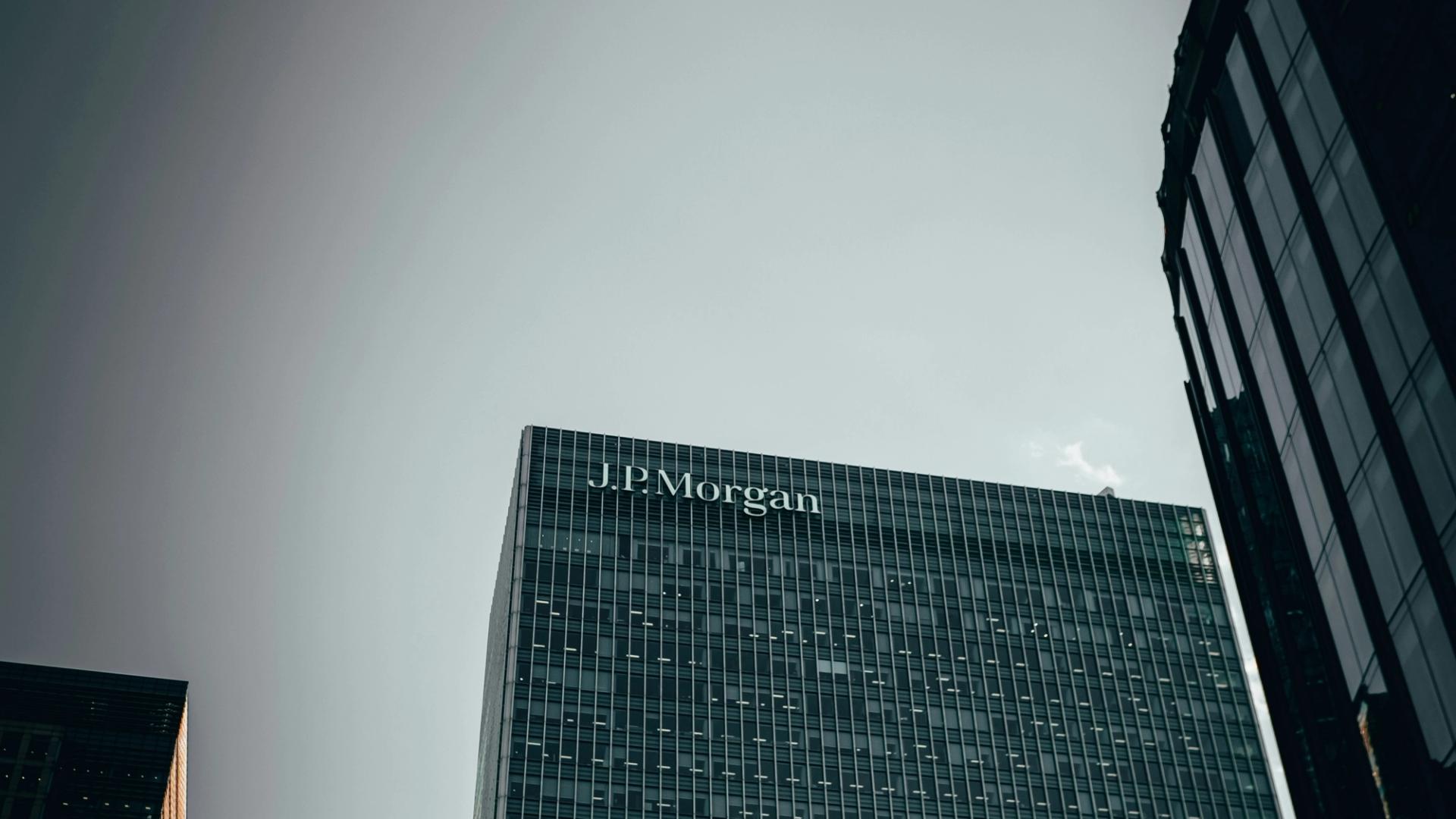
Tokenized money market funds still make up only around 5% of the stablecoin universe despite their ability to generate yield, Wall Street bank JPMorgan said in a Wednesday report.
The bank said crypto market participants continue to favor stablecoins because they have become the ecosystem’s default cash instrument for trading, collateral management, settlement, cross-border payments and liquidity management across centralized exchanges (CEX) and decentralized finance (DeFi) protocols.
According to the report, money market funds face a “structural regulatory disadvantage” because they are classified as securities, subjecting them to registration, disclosure, reporting and transfer restrictions that limit their ability to circulate freely within the crypto ecosystem.
“We doubt that tokenized money market funds would grow beyond 10%-15% or so of the stablecoin universe, unless there is a regulatory change that reduces the structural disadvantage arising from tokenized money market funds classified as securities,” wrote analysts led by Nikolaos Panigirtzoglou.
As a result, the bank’s analysts said demand for tokenized money market funds is largely confined to crypto-native investors seeking yield on idle cash and institutional investors looking to combine blockchain-based settlement and programmability with traditional investor protections.
Advocates of tokenized money market funds say the products combine the safety and yield of traditional cash-management vehicles with the speed and flexibility of blockchain networks.
By putting fund shares onchain, tokenized funds can enable near-instant settlement, 24/7 transfers, automated compliance and more efficient collateral management. Proponents also argue that tokenization can reduce operational costs, improve transparency and allow assets to move more seamlessly across trading, treasury and payments systems
Tokenized money market funds promise faster settlement and broader access, but they still face risks tied to liquidity, counterparty exposure, regulatory uncertainty and the underlying stability of the traditional assets backing the tokens.
These tokenized funds are likely to continue growing faster than stablecoins because of their interest-bearing nature, the analysts said, but it is unlikely they will expand beyond 10%-15% of the stablecoin market absent meaningful regulatory changes.
Regulators have offered only limited support so far. The bank pointed to a streamlined Securities and Exchange Commission (SEC) process introduced earlier this year to simplify the issuance and redemption of onchain money market funds. The report also highlighted emerging partnerships between traditional finance firms and crypto-native companies that allow institutions to use tokenized money market funds as off-exchange trading collateral while still earning yield.
Still, these developments are “marginal” and unlikely to overcome the broader regulatory disadvantages that prevent tokenized money market funds from matching the seamless utility of stablecoins across crypto markets, the report added.
Read more: Mike Cagney’s second act: Turning blockchain into Wall Street’s new plumbing
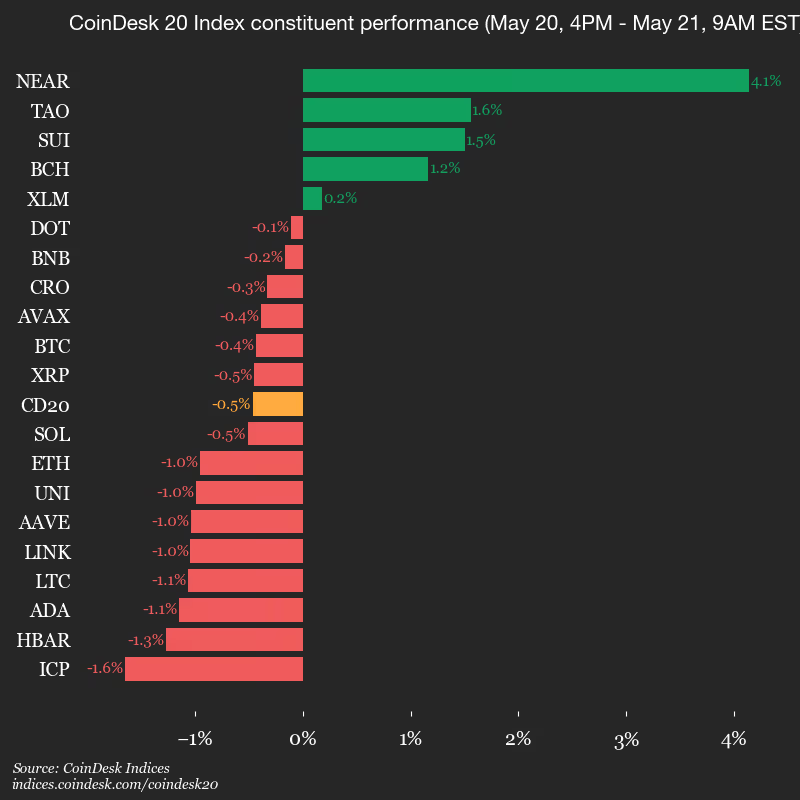
CoinDesk Indices presents its daily market update, highlighting the performance of leaders and laggards in the CoinDesk 20 Index.
The CoinDesk 20 is currently trading at 2062.9, down 0.5% (-9.64) since 4 p.m. ET on Wednesday.
Five of the 20 assets are trading higher.

Leaders: NEAR (+4.1%) and TAO (+1.6%).
Laggards: ICP (-1.6%) and HBAR (-1.3%).
The CoinDesk 20 is a broad-based index traded on multiple platforms in several regions globally.
Liquidators overseeing Terraform Labs’ bankruptcy have unredacted the Jane Street Group lawsuit that accuses the firm of using a secret Telegram chat to profit from Terra’s $40 billion collapse.
Appointed administrator, Todd Snyder, filed the lawsuit last February in a Manhattan court.
It accuses Jane Street, its co-founder Robert Granieri, and employees Bryce Pratt and Michael Huang of using insider information to front-run transactions and profit from Terraform Labs’ fallout.
Allegedly key to this was a Telegram group chat called “Bryce’s secret” set up by Pratt. The suit claims he used the group to relay information from various Terraform employees back to Jane Street.
At the time of filing, Jane Street claimed the suit was full of “baseless, opportunistic claims.”
Read more: Do Kwon sentenced to 15 years for Terra/Luna fraud
It said, “This desperate suit is a transparent attempt to extract money when it’s well-established that the losses suffered by Terra (UST) and Luna (LUNA) holders were the result of a multibillion-dollar fraud perpetrated by the management of Terraform Labs.”
The lawsuit was mostly redacted but now, many of these redactions have been removed. Protos has compared the documents to reveal what’s new.
The unredacted claims in Terraform Labs lawsuit
The first set of unredacted lines introduces the group chat “Bryce’s secret,” and notes that it was a secret message chain named after a former Terraform intern and then-current Jane Street systems developer.
It claims that the insider information allowed Jane Street to unwind hundreds of millions of dollars in potential exposure, “and then to short sell Terraform tokens to reap even more illicit profits.”
Unredacted lines claim Jane Street “made a killing.” The suit then claims that Jane Street, knowing it had used insider information, went on to delete all traces of the crypto wallet linking it to these trades.
Jane Street was allegedly ‘hungry for defi info’
We’re also now able to see the claim that Jane Street was “very hungry for…defi info,” and that it sold the entirety of its UST holdings. It then allegedly “took short positions in UST and Luna to profit from the crash it helped catalyze.”
Previously-redacted details about Pratt, Granieri, and Huang are then revealed. These note Granieri’s role in authorizing the alleged suspicious UST trades, and claim that he discussed the rescue of the Terraform ecosystem while learning material non-public information.
Pratt was allegedly involved in “acquiring and confirming information from Terraform and providing it to others at Jane Street.”
The suit also claims that Huang discussed decommissioning Jane Street’s wallet, was primarily responsible for executing relevant trades during UST’s 2022 depeg, and frequently received Pratt’s insider information.
Later unredacted lines claim that Pratt was encouraged by others at the firm to leverage his connections at Terraform.
Lawsuit says Pratt was allegedly ‘adding colour’
The newly-unredacted suit also claims that Jane Street staff discussed investing in Terraform and Luna Foundation Guard (LFG), and mulled over LFG’s $1 billion capital raise through an over-the-counter sale of LUNA.
Employees — who remain redacted — asked how this was achieved, and if the deal had “a four-year lock and 24 participants, with an average price of $51/luna?”
The suit claims Huang was skeptical of the $51 price, and added Pratt to the discussion to “add some colour.” The suit also alleges that Pratt said, “Pricing around $51 sounds right according to my sources.”
It adds that Pratt heard the raise was supposed to be $2 billion originally, and that the deal was supposed to be at a 40% discount before LUNA fell and various investors backed out.
Bryce’s secret is allegedly born
From here, unredacted lines claim that “Bryce’s secret” was made on February 22 with Pratt, Terraform Labs’ head of business development, and another unnamed Terraform employee.
In one discussion, the employee and Pratt allegedly discussed a potential investor in Terraform Labs with the firm’s head of business development.
The suit details that the two were initially coy about the investor, but eventually the unnamed employee revealed to the head of business development that it was “Jane Streeeeeeeet.”
This allegedly piqued the Terraform business head’s interest. The suit notes they asked Pratt “what are you guys looking to do, besides otc,” and “can u market make ust?”
Pratt then replies, “everything. Probably ya. If jump can legally do smtg we probs can too,” according to the suit.
The lawsuit claims these discussions were “the beginning of near-constant communications between Jane Street and Terraform between February and May 2022 that revealed material non-public information.”
In another instance, the lawsuit notes that, as Jane Street and Terraform negotiated a LUNA purchase deal, Pratt was tasked with drafting a “terra explainer” for Jane Street that would summarise its operations.
If Pratt was ever unsure about details, he would allegedly “ask [his] friends,” aka former Terraform Labs employees.
The suit also notes Pratt’s alleged insider knowledge was relied upon in March 2022 discussions about staking on Anchor. When the discussion shifts to shorting LUNA, Huang allegedly halts the discussion so Pratt can share his input, where he then appears to obtain more non-public information.
In March again, the lawsuit claims Pratt told Huang that crypto firm Celsius wanted to invest between $1-2 billion into LFG, but “Terra is probably going to say no.”
Pratt goes on to say that he doesn’t really know what Celsius does, and that “terra is super confused too.”
Pratt allegedly sought insider info at wedding
The lawsuit notes that on April 1, Pratt told Huang and a redacted individual that “if we can still get in on [Luna Foundation Guard]… it’s looking better and better.”
He added, “I am hopefully going to a wedding later this month which basically every Terra exec will be at, including obviously Do. Maybe I can talk to them there and see if we can do something :).”
Pratt also allegedly helped Jane Street understand non-public numbers surrounding the UST/LUNA mint-burn.
Read more: The high-profile LUNA investors — from prime ministers to beauty queens
This allegedly involved Pratt leveraging his relationship with Terraform Labs’ head of research to confirm outdated sources.
Huang allegedly told Pratt, “I’m like kind of mad this isn’t just in their docs,” to which Pratt allegedly responded, “On the other hand shouldn’t you be slightly pleased that you have an informational advantage :’).”
Pratt also apparently shared with Huang in that same chat that, based on the info provided by the research head, “Jump makes an absolute killing off of MEV in Terra and that MEV in general should be very high priority for us.”
Lawsuit says Jane Street explored hirings to learn more about Terra
The lawsuit says Terraform’s head of research “was both providing and seeking information” and by March 2022, wanted Jane Street to hire him. One Jane Street employee allegedly wanted to hire him to learn more about Terraform Labs’ inner workings.
Further unredacted lines note that Pratt tried to quash concerns that the firm’s wallet, positioned as the sixth largest, was a “red flag.”
The suit alleges he said, “estimates I’ve heard from trusted sources put [hedge fund] Alameda’s Anchor deposits somewhere north of $1B.”
He then supposedly added, “Despite us being the 6th largest wallet, I think it’s very unlikely that we’re the 6th largest depositor.”
Jane Street allegedly made suspiciously timely UST sales
The next batch of unredacted lines detail Jane Street’s purchases of UST.
According to the suit, Jane Street bought 10,000 UST on February 11, then one month later, another 10 million UST on Binance.
Afterwards, between April 1 and April 11, Jane Street is noted to have bought over 190 million UST on Binance. Altogether, the lawsuit says it owned ~$200 million worth of UST.
The suit then claims that it staked its UST with Anchor and began to earn 20% interest.
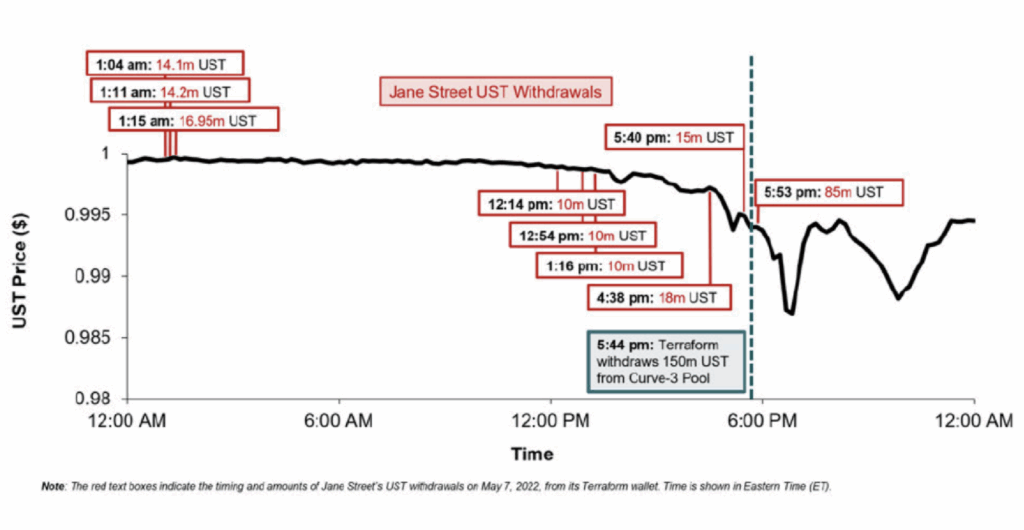
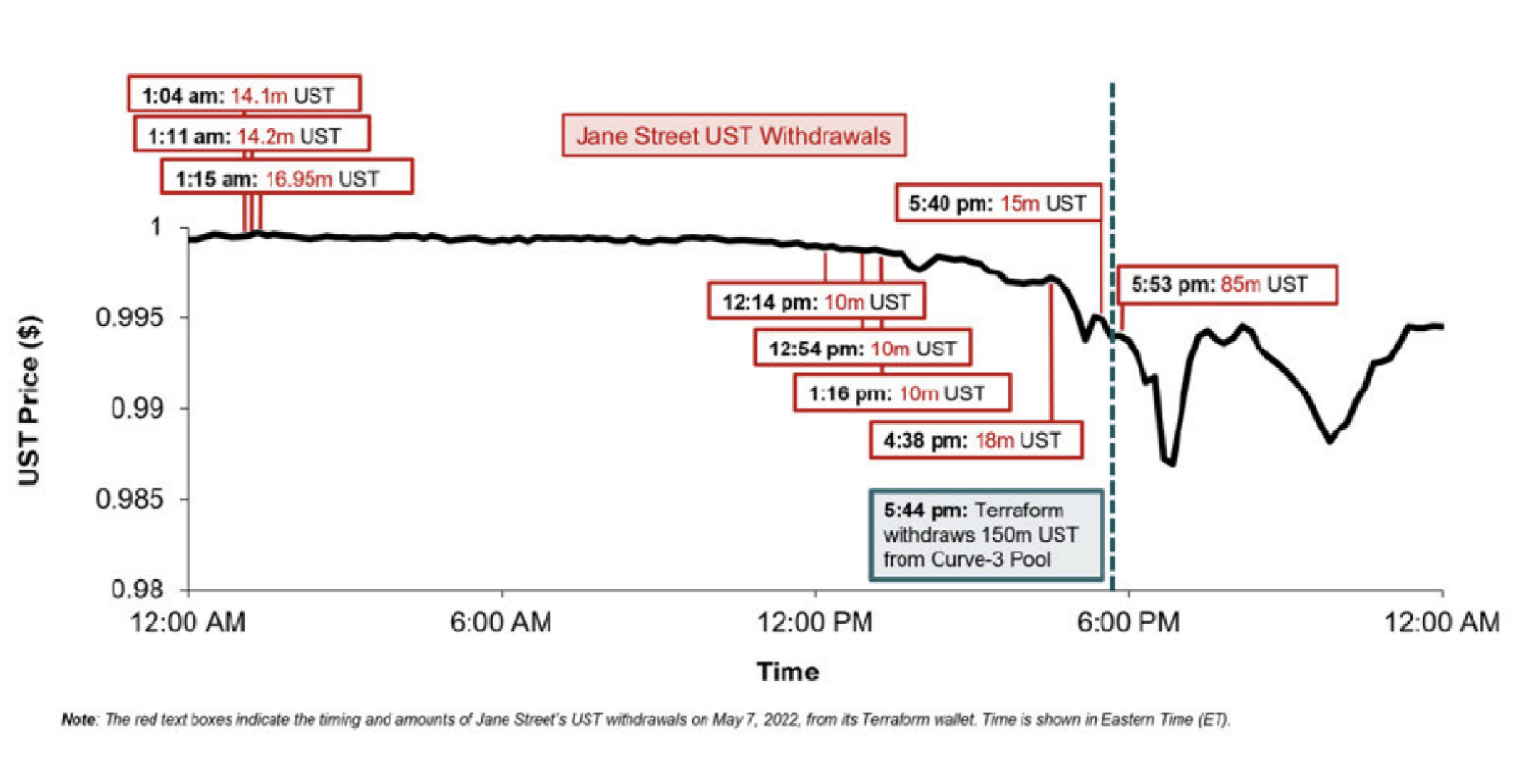
From here, unredacted sections detail the run-up to Terraform’s UST depeg and Jane Street’s unstaking and selling of UST. The suit reveals how Jane Street carried out a test sale of $8 million worth of UST to test the peg’s stability in late April.
It then held onto the rest of its UST until May 7, the day Terraform withdrew 150 million UST from the Curve3 liquidity pool without public disclosure.
Jane Street exited its entire $192 million UST position that day.
Read more: How Jump Trading allegedly manipulated UST into collapse
The unredacted suit claims, “Jane Street leveraged its material nonpublic information about Terraform’s ecosystem to sell its UST at the most opportune moment.”
“By selling all of its UST in one day, all effectively at its peg value of $1, Jane Street avoided the catastrophic losses that other investors, including the individual victims, suffered when UST collapsed to virtually $0 just days later.”
Lawsuit says Jane Street traders were nervous
The unredacted sections then go on to explain how Jane Street began to short UST and LUNA based on non-public information.
Pratt allegedly learnt through Terraform’s head of research that Jump Trading would help Terraform Labs restore its UST peg, which was, by May 9, trading below $0.80.
He allegedly learned this by asking, “Y jump not doing their shit.”
On May 9, Jane Street co-founder, Granieri, allegedly forwarded on non-public information to fellow Jane Street traders that he learned from Jump Trading’s founder Bill DiSomma and CIO Dave Olsen.
This included efforts from Jump Trading to help Terraform Labs, and Jump’s request to Jane Street to also help bail Terraform Labs out and restore its peg.
Read more: How did so many Jane Street traders wind up at FTX?
He supposedly learned that Jump Trading would only invest $100-200 million to help Terraform Labs, and alleged that it would need at least $2 billion, or $5 billion to be saved.
According to the lawsuit, Granieri said Jane Street would think about Jump’s request. Across that same day, and the next, the lawsuit claims Jane Street began shorting UST and LUNA for millions.
Also alleged in the suit is that some Jane Street traders were concerned about trading on insider information. It added that one supposedly said he “understood that [material non-public information] didn’t really exist in crypto.”
According to one unredacted line, “Jane Street unwound its short positions, pocketing over $19 million of profits on the UST short positions and over $115 million of profits on the Luna short positions.”
It had also allegedly placed another cheap option bet on LUNA that, if the UST depeg was ever restored, it would make Jane Street up to $180 billion by Huang’s estimates.
The suit then details that Terraform Labs’ head of research was eventually offered a role after the collapse of UST. It notes that he joined, but Jane Street staff were “unclear… whether he was also still working at Terraform at the time.”
Jane Street allegedly wanted to keep its ‘killer’ trades quiet
Redacted sections also show that Jane Street was praised by a group of skilled on-chain analytics experts in the weeks that followed for the “killing” it made on its trades.
Rather than revel in the praise, the lawsuit claims that Huang “expressed anxiety at having been caught.” He allegedly guessed that the firm’s admirers were “friends with exchanges and someone leaked them our wallets at some point.”
One unredacted section details how news of a wallet involved in the depeg began to spook Huang, and that he discussed “affirmatively stripping information that would connect them to this wallet.”
This was despite Jane Street’s name not being publicly linked yet.
Read more: Researcher ties Jane Street to notorious ‘Wallet A’ that helped depeg UST
The unredacted document goes on to claim, “While it never publicly touted its involvement in the scheme, Jane Street has also never denied that it reaped massive profits from the collapse of UST due to its sales based on insider information.”
Other previously-redacted sections of the document recount specific details around unjust enrichment, market manipulation, insider trading, and other securities violations.
Got a tip? Send us an email securely via Protos Leaks. For more informed news and investigations, follow us on X, Bluesky, and Google News, or subscribe to our YouTube channel.
Hong Kong’s first officially approved HKD-backed stablecoin, HKDAP, has completed a live transfer test on Ethereum involving three licensed firms.
Summary
- Anchorpoint Financial, OSL Group, and PantherTrade executed the test on Ethereum mainnet
- HKDAP is pegged 1:1 to the Hong Kong dollar (“at par”)
- Phased issuance is targeted by the end of Q2 2026
- The project operates under Hong Kong Monetary Authority licensing
The transfer of Hong Kong’s HKD-backed stablecoin on Ethereum (ETH) demonstrates the regulator’s willingness to adopt innovative DeFi tooling.
According to a May 21 report, Anchorpoint Financial, one of the China’s first entities to secure a stablecoin issuer license from the Hong Kong Monetary Authority (HKMA), has successfuly tested the stablecoin alongside OSL Group and PantherTrade, a licensed trading platform backed by Futu Holdings.
What does the HKDAP Ethereum test show?
The test confirms that HKDAP can be issued, transferred, and settled on a public blockchain without technical failure. This is not a sandbox simulation but a mainnet transaction, meaning the infrastructure is production-grade. That distinction matters because previous stablecoin pilots in Asia often remained confined to permissioned environments.
A spokesperson involved in the test said, “The successful mainnet transfer validates both the technical architecture and compliance framework for HKDAP ahead of issuance.” The quote underscores that regulatory approval and blockchain execution are being developed in parallel rather than sequentially.
Why is Hong Kong pushing a regulated stablecoin?
Hong Kong’s approach contrasts sharply with the fragmented regulatory posture seen in the U.S. and parts of Europe. By licensing issuers like Anchorpoint Financial and requiring full backing of reserves, the HKMA is attempting to create a compliant alternative to offshore dollar-pegged stablecoins.
The HKDAP model is explicitly pegged 1:1 to the Hong Kong dollar, positioning it as a regional settlement layer rather than a global reserve asset like Bitcoin (BTC) or a programmable ecosystem token like Ethereum. However, deploying it on Ethereum allows immediate interoperability with DeFi protocols, wallets, and exchanges.
OSL Group’s involvement is also notable. As one of Hong Kong’s few licensed digital asset platforms, OSL provides a regulated on-ramp for institutional users. PantherTrade, backed by Futu Holdings, adds another layer of distribution, potentially linking traditional brokerage clients with on-chain assets.
According to analysts, the timing is also strategic. With phased issuance expected by the end of Q2 2026, HKDAP could become one of the first fully regulated fiat-backed stablecoins in Asia operating on a public blockchain. That would place it in direct competition with existing dollar-pegged assets while offering regulatory clarity that many global stablecoins lack.
“Anchorpoint will issue the HKDAP (i.e. HKD At Par), a regulated Hong Kong dollar‑backed stablecoin, leveraging a business‑to‑business‑to‑consumer (B2B2C) model,” the joint venture said, adding that rollout will begin in the second quarter of 2026 and proceed in phases.
For context, stablecoins currently account for over $150 billion in circulating supply globally, with the majority denominated in U.S. dollars. Hong Kong’s move signals an attempt to localize that liquidity under its own monetary and regulatory system.


Blockchain.com said it confidentially filed paperwork with the U.S. Securities and Exchange Commission (SEC) for a proposed initial public offering (IPO).
The number of shares to be offered and the proposed price range have not yet been determined, according to an announcement on Thursday.
A confidential filing allows companies to begin the SEC review process before publicly disclosing financial details tied to the listing. The IPO remains subject to market conditions and completion of the SEC review process.
Blockchain.com is a cryptocurrency financial services company that offers a range of products tied to digital assets, including a crypto exchange, wallet services, institutional trading and lending products.
The company held talks last year about going public in the U.S. through a merger with the a special purpose acquisition company (SPAC), according to reports.
Crypto firms entered 2026 expecting a blockbuster year for IPOs after public debuts from companies including Circle (CRCL) and Bullish (BLSH) (the parent company of CoinDesk) helped reopen investors to digital-asset businesses last year.
But deteriorating market conditions, weaker trading volumes and disappointing post-listing performance from newly public companies like BitGo (BTGO) have since cooled investor appetite.
As a result, several major firms, including Payward, the parent company of crypto exchange Kraken, Ethereum app builder Consensys and hardware wallet maker Ledger, have either delayed or paused their IPO plans altogether while they wait for market conditions to improve.


- Aster price surged to $0.74 amid a 300% increase in 24-hour trading volume.
- Rally aligns with broader capital rotation into altcoins led by Hyperliquid.
- ASTER bulls need a close above $0.75 for continuation; a close below $0.65 would risk renewed selling.
Aster (ASTER) recorded modest gains, rising to near $0.74 as traders piled into multiple altcoins seen as offering higher profit potential amid Bitcoin’s ongoing struggle.
Although ASTER later pulled back from its peak, the move highlighted renewed speculative capital flowing into niche derivatives and decentralized perpetual markets.
ASTER price jumps amid 24-hour volume spike
The perpetual DEX protocol’s token may be benefiting from a broader rotation into altcoins and renewed interest in perpetuals-related listings, helping drive a triple-digit surge in daily trading volume.
Market data shows the ASTER token tested intraday highs near $0.74 before pulling back slightly amid profit-taking.

Before slipping to around $0.70, ASTER had climbed to levels last seen a week ago.
Bullish sentiment pushed 24-hour trading volume to roughly $256 million, up 300% from the previous day.
That surge in activity helped bulls lift the token higher before profit-taking trimmed gains. At the time of writing, ASTER was still up about 5% on the day.
Can ASTER mirror Hyperliquid rally?
Strength in high-beta altcoins may partly explain Aster’s rebound, with broader capital rotation into altcoins particularly visible among perpetuals-focused projects.
The standout performer has been Hyperliquid, whose HYPE token has surged more than 19% over the past 24 hours and 46% over the past week.
HYPE reached a new all-time high above $62 on Thursday amid growing institutional demand.
Asset manager Grayscale Investments was among the notable buyers, reportedly purchasing more than 115,700 HYPE during the session.
JUST NOW: $HYPE HITS NEW ATH ABOVE $62, MARKET CAP REACHES $15B
— The Wolf Of All Streets (@scottmelker) May 21, 2026
Liquidity and trader attention also appear to be flowing into Aster and related tokens.
The addition of a SpaceX pre-IPO perpetual contract with up to 5x leverage on Aster’s platform may have further fueled speculative inflows, as traders sought leveraged exposure to a headline-grabbing underlying asset.
Aster price forecast
The near-term outlook for ASTER depends on whether the recent volume-driven rally can sustain momentum or fade into a short-lived breakout.
Bulls will need to maintain buying pressure and push the price decisively above the $0.75 resistance level.
A strong, volume-backed close above that threshold could increase the likelihood of further gains as momentum traders and retail investors continue chasing upside.
On the other hand, fading buyer interest could open the door to renewed downside pressure.
A close below $0.65 may trigger additional selling as traders who entered during the spike begin rotating out, while short-term momentum traders turn bearish.
Key support levels to watch remain in the $0.65-$0.60 range, where previous intraday buyers established positions.

Bitcoin hovered near $77,000 on Thursday as traders weighed the prospect of a breakout after a period of tight range-bound action. With macro headwinds tempering risk assets broadly, analysts warned that the market may be poised for a meaningful move, but cautioned against piling into bearish bets while price action remains structurally constructive.
Key points:
- Bitcoin trades around the $77k mark, with technicians flagging potential for a 5% price move in the near term.
- Market sentiment shows risk for short bets as positioning has tilted against bears, according to data and commentary from traders monitoring the space.
- Macro factors — including a rally in crude oil above $100 and evolving U.S.-Iran tensions — continue to weigh on risk assets while bond yields drift lower on optimism of a potential deal.
BTC eyes a breakout as it clings to $77k
Price action has been notably constrained, with Bitcoin consolidating into a narrow corridor around the $77,000 level. Traders described clusters of liquidity around the $78,000 area and the $76.5k–$77k zone, positioning those levels as near-term magnets. In a rapid-fire view of the tape, one market analyst observed that the last several sessions have seen price sit between key hubs, suggesting a breakout could come into view once a decisive directional cue appears.
“Price has been in a pretty tight price range the past few days so expecting some larger 5%+ move to occur here soon again.”
That sentiment tracks with the general sense of looming volatility, even as most participants avoid taking outright contrarian bets right at the present moment. Several commentators have cautioned that any major squeeze could unfold quickly, given the current configuration of price clusters and leveraged exposure on both sides of the market.
Liquidity signals and risk signals in flux
Beyond price, liquidity metrics are painting a nuanced picture. Data from CoinGlass indicated that short positions captured a majority of losses across the broader crypto space over the 24 hours leading up to the report, underscoring a stubborn bid in the spot market and potential vulnerability for bearish bets when leverage remains elevated.
Analysts tracking order-book dynamics pointed to a paradox: as price rose, open interest on BTC appeared to waver. A prominent X analyst noted that open interest declined by more than 12,000 contracts during the period, a sign that some traders were retreating from positions despite a bullish backdrop. The takeaway for traders is clear — trimming risk in a bullish backdrop can be prudent if the market’s structure remains intact and key support holds.
“Bears on BTC are getting squeezed in real-time. While the price is going up, the Open-Interest has dropped by over 12K. This is exactly why you don’t short a bullish backtest.”
Despite the pressure on bears, another analyst emphasized that maintaining exposure around the latest support could be a rational stance as long as the market’s higher-timeframe structure remains intact. In that view, the most likely near-term scenario remains a hold above a pivotal zone around $74,000, with a sustained move higher contingent on new catalysts materializing in the broader macro backdrop.
Macro backdrop: oil, yields, and geopolitical currents
The broader risk market environment remained tethered to a suite of macro drivers. Crude oil prices re-entered triple digits, with WTI crude trading above $100 per barrel as headlines from the U.S.–Iran front circulated. Traders cited mixed reports on uranium enrichment and ongoing tensions over the Strait of Hormuz as the primary catalysts keeping oil supplies under scrutiny.
On the macro side, several dynamics intersected with crypto pricing. Earlier in the week, reports suggested a softer tilt in U.S. bond yields, with chatter that a potential Iran peace deal could feed into a broader risk-on posture if the trend holds. A well-known analyst highlighted that lower yields typically bolster risk assets, particularly if the improvement in risk appetite is sustained across major markets — including Japan.
“If those yields come down — risk-on assets to rally even higher.”
What this means for Bitcoin and the wider crypto complex is a delicate balance: investors want the safety net of lower yields to support asset prices, but any escalation in geopolitical risk or a renewed spike in energy prices could reintroduce caution. The current crosswinds suggest that near-term momentum will hinge on whether macro indicators align with a rising risk appetite or retreat back into treasuries and cash.
What investors should watch next
Several signals will shape the next leg for Bitcoin. If the price can decisively breach the cluster around $78,000 and sustain above that threshold, the path toward the next major psychological barrier could open up, potentially inviting a more durable rally. Conversely, a break below the critical $74,000 support could invite fresh rounds of volatility and liquidations as leverage re-enters the spotlight.
Traders will also be watching liquidity cues and open-interest dynamics to gauge the durability of any breakout. A shift in open interest away from longs, or a renewed spike in short-position pressure, could indicate that risk appetites are softening even as spot price climbs.
Beyond BTC, the market will stay attuned to developments on the macro stage — particularly oil price trajectories and any tangible progress in U.S.–Iran diplomacy that could influence yields and risk sentiment. Market participants will likely calibrate positions as new data points arrive, staying vigilant to abrupt shifts in the balance of risk and reward.
In sum, while the near term looks poised for potential volatility, the current configuration favors a cautious, technically grounded stance. The key levels around $77,000–$78,000 and the $74,000–$75,000 zone will be crucial in determining whether Bitcoin can cement a sustained breakout or retreat to consolidate further.
As the calendar advances, traders should monitor the evolving macro narrative alongside price action and liquidity signals to gauge whether this period marks merely a pause before a larger move or the onset of a fresh leg higher.


Hyperliquid’s HYPE is the outlier in crypto, rising 16.5% over the past 24 hours to a new record high.

F1 Prix-view: Can Antonelli continue hot streak in Canada?
A2P Calling: Robot Calls Can Save Billions?
Zcash (ZEC) Soars 27% Weekly: 3 AIs Debate Whether It Can Break Into the Top 10 in 2026


-
 Crypto World6 days ago
BloFin War of Whales 2026 Grand Prix opens registration for $5M trading championship
-

 Fashion6 days ago
Weekend Open Thread: Theory – Corporette.com
-

 Crypto World6 days ago
E-Estate Announces 1 Year Live: Washington DC Summit as Real Estate Tokenization Enters Its Next Phase
-

 Tech7 days ago
Tech Moves: Microsoft AI leader jumps to OpenAI; former AI2 exec joins Meta; and more
-

 Tech6 days ago
Google reimburses Register sources who were victims of API fraud
-

 Business6 days ago
H&R Real Estate Investment Trust (HR.UN:CA) Q1 2026 Earnings Call Transcript
-

 Sports6 days ago
Napoleonic enters 2026 Doomben 10,000 field via Abounding withdrawal
-
 Crypto World6 days ago
BeInCrypto 100 Institutional Awards Nomination: KAST for Best Digital Assets Neobank and Best Digital Assets Fintech
-
 Crypto World6 days ago
Bitcoin Battles US Bond Nerves With BTC Price Dip Toward New May Lows
-

 Crypto World6 days ago
ICE and CME urge US regulators to curb Hyperliquid energy trading
-
 Crypto World6 days ago
Wall Street’s Boldest Gold Prediction Has Russians Rushing to Buy
-

 Fashion5 days ago
On the Scene at Gucci’s Cruise Show in New York City: Mariah Carey, Kim Kardashian, Lindsay Lohan, Iman, and More!
-

 Politics7 days ago
DWP PIP Timms review continues to be an absolute farce
-

 Crypto World6 days ago
IREN closes $3 billion convertible notes deal amid AI infrastructure expansion
-

 Fashion5 days ago
Trending Western Style Vests Perfect for Summer
-

 Entertainment6 days ago
David Letterman Returns to Late Show, Blasts Cancellation
-
 Crypto World7 days ago
Lido Finance Selects Chainlink CCIP as the Official Cross-Chain Infrastructure for wstETH Security
-

 Politics5 days ago
Watch: far-right flag-fanatics run over victim, attack locals – Setup By the Left wing for your entertainment
-

 Fashion5 days ago
Amazon Sundays: Memorial Day Hosting
-

 Fashion6 days ago
Creative Ideas for Custom T-Shirts
You must be logged in to post a comment Login