Connect with us
DAPA Banner
DAPA Coin
DAPA
COIN PAYMENT ASSET
PRIVACY · BLOCKDAG · HOMOMORPHIC ENCRYPTION · RUST
ElGamal Encrypted MINE DAPA
🚫 GENESIS SOLD OUT
DAPAPAY COMING

Business

Roivant Sciences Ltd. (ROIV) Presents at Bernstein 42nd Annual Strategic Decisions Conference Transcript

Published

on

OneWater Marine Inc. (ONEW) Q1 2026 Earnings Call Transcript

Roivant Sciences Ltd. (ROIV) Bernstein 42nd Annual Strategic Decisions Conference May 29, 2026 8:00 AM EDT

Company Participants

Matthew Gline – CEO & Director

Advertisement

Conference Call Participants

William Pickering – Bernstein Institutional Services LLC, Research Division

Presentation

Advertisement

William Pickering
Bernstein Institutional Services LLC, Research Division

All right. Welcome, and good morning. Thank you all for joining us. My name is Will Pickering. I cover U.S. biotech at Bernstein. I have the privilege of sharing the stage with Matt Gline, CEO of Roivant. The company has had a remarkable run over the past year, certainly with brepo as the standout, but far from the only value driver. We’ll dig into that and the other assets over the next 50 minutes conference, I would also like to spend some time on bigger picture questions, the Roivant business model and Matt, your view as an asset hunter about the overall health of the biotech ecosystem today.

For those in the audience, please submit your questions through the Pigeonhole app so we can make this as relevant for you as possible.

Advertisement

Question-and-Answer Session

William Pickering
Bernstein Institutional Services LLC, Research Division

So with that as a preamble, Matt, how would you describe the evolution of Roivant over the past a few years into the company than it is today?

Advertisement

Matthew Gline
CEO & Director

Yes, thanks, and thanks for having me. It’s nice to be here. I appreciate the invitation. Thanks for all the work you guys have done on us. It’s been a fun early run here. So look, it’s always funny when I’m at a more generous event or just like ask to talk about Roivant because I feel like there’s so much complexity in our history in that we got our start as sort of a — whatever these words are all overused, sort of a Maverick outsider biotech company doing

Advertisement
Continue Reading
Click to comment

You must be logged in to post a comment Login

Leave a Reply

Business

Scott Bessent says US seized roughly $1 billion in Iranian crypto assets

Published

on

Bessent disputes Iran $14B sanctions claim as DNC talking point

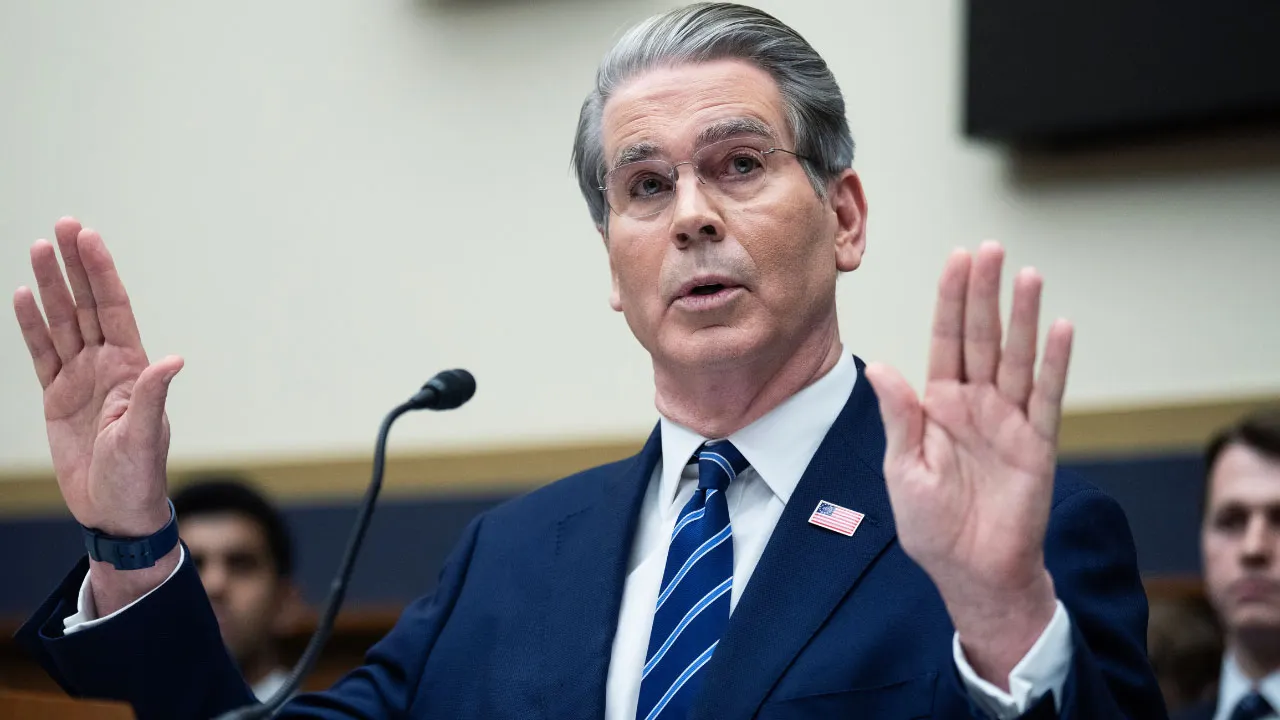
Treasury Secretary Scott Bessent said the Iranian economy is nearing a breaking point Friday, while announcing that the U.S. has seized roughly $1 billion in Iranian cryptocurrency assets.

“We have seized about a billion dollars of their crypto,” he told FOX Business. “Just outright grabbed the wallets.”

Advertisement

Joining “Kudlow” at the Reagan National Economic Forum, Bessent detailed the United States’ economic pressure campaign on Iran, known as “Operation Economic Fury,” which he said has sent the regime into “crisis.”

“I think between five and a half-six weeks of an incredibly successful military campaign and then Operation Economic Fury, where we have really cut them off…they are at the end of their tether now financially,” he said.

TRUMP’S IRAN CRACKDOWN ‘SUFFOCATING’ REGIME AS OIL WELLS COULD SHUT WITHIN DAYS, BESSENT SAYS

Bessent said roughly $1 billion in Iranian cryptocurrency assets has been seized by the U.S. Treasury Department. (Getty Images)

“I think 40 or 50% of the [Iranian] troops aren’t getting paid. Police aren’t reporting to the station. Inflation is probably over 200%. They’re having to give out food vouchers. They have turned off the internet.”

Advertisement

The effort, launched in March 2025, has crippled Tehran’s financial lifelines by seizing Iranian assets, freezing bank accounts and pressuring foreign governments to cut ties with the nation.

“We are working with our allies all over Europe to grab villas and houses and properties,” Bessent explained. “And this is money that’s stolen from the Iranian people.”

Bessent said the Iranian regime was siphoning $400 to $500 million every month and dividing the profits amongst dozens of leaders, before the Treasury Department intervened.

TRUMP CLAIMS IRAN ‘STARVING FOR CASH,’ ‘COLLAPSING FINANCIALLY’ AFTER EXTENDING CEASEFIRE

Advertisement
Scott Bessent sits next to Donald Trump

President Donald Trump speaks alongside Treasury Secretary Scott Bessent at the White House Digital Assets Summit at the White House on March 07, 2025, in Washington, D.C.  (Anna Moneymaker/Getty Images / Getty Images)

The Treasury secretary went on to address ongoing negotiations between the U.S. and Iran, highlighting the differences between the factions involved in the talks. President Donald Trump held a White House meeting Friday where he said he would make a “final determination” on Iran.

“We did not have regime change, but we changed the regime,” Bessent said. “The first level leaders were decapitated, the second level decapitated. So, we’re dealing with the third level.”

TRUMP SAYS IRAN’S SUCCESSION BENCH WIPED OUT AS ISRAELI STRIKE HITS LEADERSHIP DELIBERATIONS

“And it’s very tough because, on one side, we have a theocracy with the clerics. On the other side, we have a thug autocracy with the IRGC. And you’ve got to convince both sides,” he added.

Advertisement

Bessent also spoke about the “very big” mistake Iran made by attacking countries in the Persian Gulf, which he argued left the regime more vulnerable.

The IRGC has launched drone and missile attacks against all six GCC states.

IRAN IS ‘TRYING TO GIVE THE GLOBAL ECONOMY A HEART ATTACK’ BY CLOSING STRAIT OF HORMUZ, UAE MINISTER SAYS

Advertisement

“They made my job so much easier because before, many of our great GCC Gulf allies were a little less than transparent about their banking system, that, ‘Oh no, we don’t have any Iranian oil,’” Bessent said.

The Treasury secretary added that after the Iranian strikes, GCC states were more open to disclosing ties to Iranian-supplied oil.

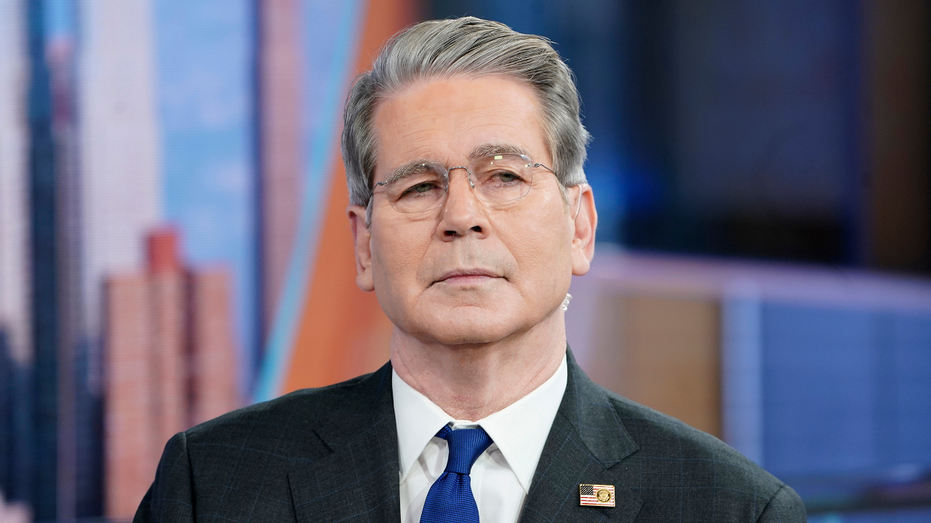
U.S. Treasury Secretary Scott Bessent listens on the set of "FOX & Friends" at Fox News.

U.S. Treasury Secretary Scott Bessent visits “FOX & Friends” at Fox News Channel Studios on November 12, 2025, in New York City. (John Lamparski/Getty Images / Getty Images)

CLICK HERE TO DOWNLOAD THE FOX NEWS APP

Bessent also said that young U.S. service members enjoy enforcing the U.S. naval blockade on Iranian ports in the Strait of Hormuz.

Advertisement

“They’ve done an incredible job,” he told FOX Business. “When I talked to General Caine and Secretary Hegseth, they said, ‘Look, these young people aren’t afraid. They want to fight… This is what they signed up for.’”

Continue Reading

Business

SoFi Shares Climb 7% on Continued Momentum from Record Q1 Results and Fintech Expansion

Published

on

Microsoft CEO Satya Nadella says the US tech giant plans to invest $3 billion in India on AI and cloud infrastructure over the next two years

NEW YORK — SoFi Technologies Inc. shares rose sharply in early trading Friday, gaining about 7% to $18.16 as investors continued to reward the digital banking platform for its strong first-quarter performance and accelerating growth in lending and membership.

The fintech company has maintained positive momentum following its April 29 earnings report, which showed record results across key metrics despite an initial market disappointment over unchanged full-year guidance. SoFi reported adjusted net revenue of $1.1 billion for the quarter ended March 31, up 41% from a year earlier. Net income more than doubled to $167 million from $71 million in the prior-year period.

Total loan originations reached a record $12.2 billion, with strong contributions from personal loans, student loans and home loans. Membership grew 35% year-over-year to 14.7 million, while products held by members increased 39% to 22.2 million. Adjusted EBITDA rose 62% to $340 million.

The results demonstrated SoFi’s successful diversification beyond its lending roots into a full-service financial platform that includes banking, investing, credit cards and insurance products. Cross-buy rates among members continued to improve, reflecting successful upselling strategies.

Advertisement

Analysts have highlighted SoFi’s path to sustained profitability and its ability to attract new customers in a competitive landscape. The company has emphasized its one-stop digital experience as a key differentiator from traditional banks.

SoFi’s deposit base has grown substantially, reaching over $40 billion, providing a lower-cost funding source for its lending activities. This shift has helped improve net interest margins and overall profitability.

The stock’s recent recovery reflects growing confidence that SoFi can deliver on its long-term targets despite macroeconomic uncertainties. Management has guided for continued revenue growth and margin expansion in 2026, with a focus on capital-light revenue streams.

SoFi has also expanded into new areas such as business banking and potential crypto-related offerings, positioning it to benefit from broader trends in digital finance. Reports of strategic moves, including potential acquisitions in the capital markets space, have added to investor optimism in recent sessions.

Advertisement

The company’s leadership, including CEO Anthony Noto, has expressed confidence in the platform’s scalability. Insider buying by executives in recent weeks has further signaled belief in future upside.

SoFi’s transformation from a student loan refinancing specialist to a comprehensive fintech player has taken years but appears to be gaining traction. The firm now serves millions of members who use multiple products, creating sticky relationships and recurring revenue opportunities.

Challenges remain, however. The company operates in a high-interest-rate environment that has cooled some lending demand, though SoFi has offset this through strong execution and product innovation. Competition from both traditional banks and other fintechs remains intense.

Valuation concerns have surfaced at times, with the stock trading at premiums that assume continued rapid growth. Yet many analysts maintain buy ratings, citing SoFi’s addressable market and technology advantages.

Advertisement

Friday’s trading volume was elevated as the stock broke above recent resistance levels. The move comes amid broader interest in fintech names showing resilience and profitability improvements.

SoFi has consistently met or exceeded the Rule of 40 benchmark, which combines revenue growth and profitability metrics. Its latest score of 72% underscores efficient scaling.

Looking ahead, investors will watch for updates on loan securitization activity, member engagement trends and any strategic announcements. The company’s next earnings report is expected in late July.

SoFi’s banking charter has provided regulatory flexibility and credibility, allowing it to expand product offerings more rapidly than some peers. Its focus on younger, tech-savvy consumers has driven above-average growth rates.

Advertisement

The broader economic picture, including potential Federal Reserve actions on interest rates, could influence SoFi’s lending volumes in coming quarters. Management has noted resilience even without assuming rate cuts in its planning.

Retail investor interest in SoFi remains high on social platforms, where the stock has a dedicated following. This base has contributed to periodic volatility but also sustained support during pullbacks.

From a technical standpoint, the stock has been working to establish a higher trading range after earlier 2026 weakness. Positive analyst commentary and sector rotation toward growth-oriented financial technology names have supported the rebound.

SoFi continues to invest in technology and marketing to boost brand awareness, which remains relatively low compared to legacy competitors. Successful campaigns have driven record member additions in recent periods.

Advertisement

The company’s diversified revenue mix — spanning net interest income, loan platform fees and financial services — provides stability. Non-interest revenue streams have grown in importance as SoFi reduces reliance on pure lending.

Risks include regulatory changes, economic slowdowns affecting consumer credit and execution challenges in new business lines. SoFi has built a strong risk management framework to navigate these factors.

Analysts project continued earnings growth in coming years as the company scales. Some price targets suggest significant upside if SoFi meets its ambitious targets for member and product growth.

The fintech sector has seen renewed interest as investors seek exposure to digital transformation in finance. SoFi stands out for its full-stack approach and progress toward GAAP profitability.

Advertisement

Friday’s gain adds to recent positive sessions, reflecting improved sentiment following the post-earnings digestion period. With a solid balance sheet and clear strategic direction, SoFi appears well-positioned for the remainder of 2026.

Market participants will continue monitoring macroeconomic indicators and company-specific developments. SoFi’s ability to sustain record-setting quarters will be key to maintaining investor confidence.

As one of the more prominent publicly traded fintechs, SoFi serves as a bellwether for the industry’s health. Its performance has implications for how investors view the sector’s growth potential in a maturing market.

The company’s focus on long-term value creation through technology and customer experience has resonated with growth-oriented investors. Continued execution could drive further re-rating of the stock in coming months.

Advertisement
Continue Reading

Business

Werewolf Therapeutics director Luke Evnin sells $66,200 in shares

Published

on


Werewolf Therapeutics director Luke Evnin sells $66,200 in shares

Continue Reading

Business

DoorDash: Great Business At A Good Price (NASDAQ:DASH)

Published

on

DoorDash: Order Acceleration Defies A Weaker Macro

This article was written by

Hi, I’m Wilmer, a 19-year old aspiring investor and writer with a passion for uncovering undervalued opportunities in the market. Currently serving my country as a military conscript. Previously as a highschool student, I specialized in economics, combining my studies with a keen interest in financial markets. Featured multiple times as a Weekly Pick on Simply Wall Street with over 50,000 readers. Focused on undervalued opportunities in tech and gaming. With an analytical approach to investing, I aim to identify undervalued stocks and explain why they present long-term opportunities. I write on Seeking Alpha to share my insights, develop my expertise, and engage with a broader community of investors. Through my articles, I hope to make complex financial concepts more accessible and help others make informed investment decisions.

Analyst’s Disclosure: I/we have no stock, option or similar derivative position in any of the companies mentioned, but may initiate a beneficial Long position through a purchase of the stock, or the purchase of call options or similar derivatives in DASH over the next 72 hours. I wrote this article myself, and it expresses my own opinions. I am not receiving compensation for it (other than from Seeking Alpha). I have no business relationship with any company whose stock is mentioned in this article.

Seeking Alpha’s Disclosure: Past performance is no guarantee of future results. No recommendation or advice is being given as to whether any investment is suitable for a particular investor. Any views or opinions expressed above may not reflect those of Seeking Alpha as a whole. Seeking Alpha is not a licensed securities dealer, broker or US investment adviser or investment bank. Our analysts are third party authors that include both professional investors and individual investors who may not be licensed or certified by any institute or regulatory body.

Advertisement
Continue Reading

Business

Mobilicom Limited (MOB) Q1 2026 Earnings Call Transcript

Published

on

OneWater Marine Inc. (ONEW) Q1 2026 Earnings Call Transcript

Operator

Good afternoon, everyone. My name is Chris Donovan, Mobilicom’s Head of Investor Relations. Welcome to Mobilicom’s First Quarter 2026 Earnings Results Conference Call. Joining me today are Oren Elkayam, Mobilicom’s Founder and Chief Executive Officer; and Liad Gelfer, the company’s Director of Finance.

Earlier today, Mobilicom issued a press release announcing its financial results and business highlights for the 3 months ended March 31, 2026. A copy of the release is available on the Investor Relations section of the company’s website. Before we begin, I would like to remind everyone that certain statements made during this conference call may constitute forward-looking statements within the meaning of the Private Securities Litigation Reform Act of 1995 and other securities laws. Forward-looking statements are based on management’s current expectations, beliefs and assumptions and are subject to risks and uncertainties that could cause actual results to differ materially from those described in these statements.

For a more detailed description of these risks and uncertainties, please refer to Mobilicom’s filings with the U.S. Securities and Exchange Commission, including the Risk Factors section of the company’s most recent annual report on Form 20-F and the subsequent reports furnished on Form 6-K. All forward-looking statements speak only as of the date of today’s call, and Mobilicom undertakes no obligation to publicly update or revise any forward-looking statements, except as required by applicable law. Following management’s prepared remarks, we will open the call for analyst questions.

Advertisement

As for the agenda today, there will be a brief introduction to Mobilicom for those joining

Continue Reading

Business

LeBron James Seeks Maximum Deal or Clear Roster Plan from Lakers in Contract Negotiations

Published

on

LeBron James

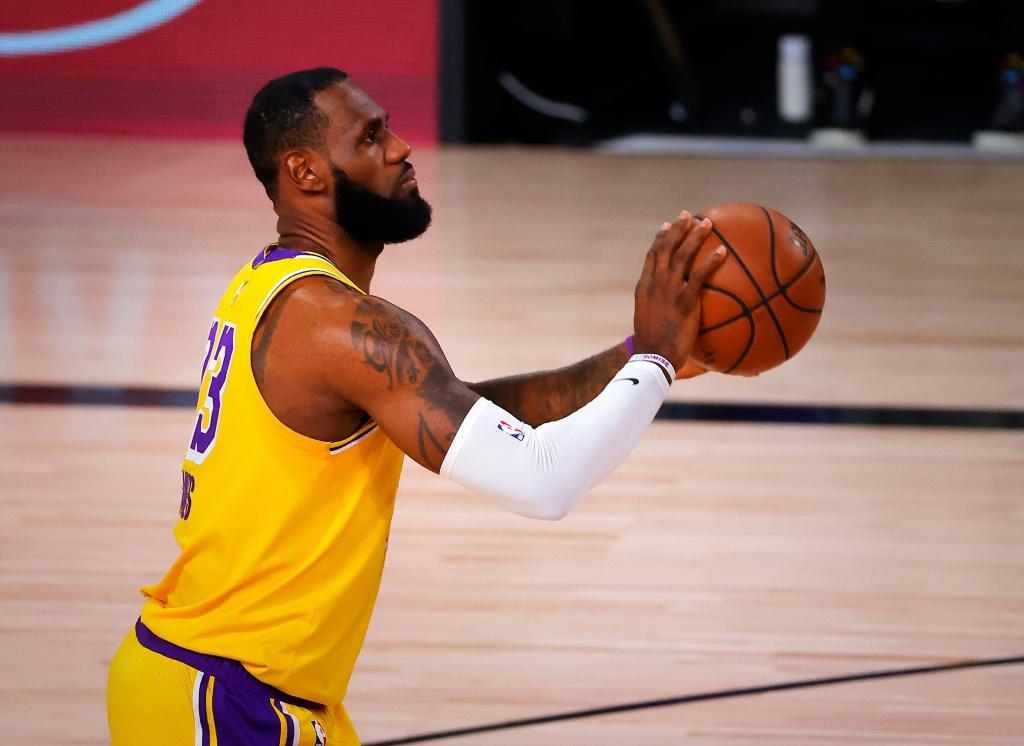
NEW YORK — LeBron James has signaled specific demands as contract negotiations with the Los Angeles Lakers loom, insisting on either a maximum salary offer or a detailed explanation of how any financial concessions would strengthen the roster for future championship contention.

According to ESPN’s Brian Windhorst, James and his representatives want transparency from the Lakers. If the organization does not extend a maximum contract, they expect a clear accounting of where the remaining salary cap space would be allocated and which players the team intends to pursue.

The request goes beyond personal compensation. At this stage of his career, James has emphasized building a competitive team around him. The 41-year-old superstar, entering his 24th NBA season, continues to perform at an elite level, making him one of the league’s most valuable veterans despite his age.

The Lakers have publicly expressed interest in retaining James, viewing him as a cornerstone of their franchise. However, the negotiations appear more complex than a simple extension. James’ camp is seeking assurances that any sacrifice on his part would directly translate into roster improvements aimed at elevating the team’s title prospects.

Advertisement

James has long prioritized winning over individual financial gain in the later years of his career. His willingness to take less than the maximum in previous contracts with the Lakers and other teams demonstrated a commitment to team-building. This time, he is reportedly seeking explicit details on how the Lakers plan to use any freed-up cap space.

The situation highlights the delicate balance the Lakers must strike. Retaining James provides continuity and star power, but committing significant long-term money to a player in his 40s carries risk. The organization must weigh his on-court impact against the need for roster flexibility to attract complementary talent.

James averaged strong numbers in the 2025-26 season, contributing significantly to the Lakers’ playoff appearance. His ability to impact games through scoring, playmaking and leadership remains unmatched among veterans. However, durability and long-term projections factor into contract discussions.

Windhorst’s reporting underscores that the conversation centers on strategic alignment. James wants to understand the Lakers’ vision for the roster if he accepts less than the maximum. This includes potential free agent targets, trade scenarios and draft assets that could bolster the supporting cast.

Advertisement

The Lakers face cap constraints common to teams with aging superstars. Balancing James’ salary with contracts for younger players and role pieces presents a challenge. General manager Rob Pelinka and the front office must navigate these dynamics while managing expectations from James’ side.

James’ agent, Rich Paul of Klutch Sports, has been instrumental in previous negotiations. The group’s emphasis on transparency reflects a businesslike approach to what has historically been a partnership built on mutual respect between James and the Lakers organization.

This offseason marks a pivotal moment for the Lakers. After years of contending with James as the focal point, the franchise must decide on its long-term direction. Retaining James could extend the current era, while a departure would accelerate a rebuild around younger talents like Austin Reaves and emerging prospects.

James has repeatedly expressed his desire to finish his career on his terms. His family’s presence in Los Angeles and business interests in the city add personal dimensions to the decision. Yet competitive success remains a driving force.

Advertisement

League-wide, veteran contract negotiations increasingly focus on roster construction rather than pure salary maximization. Players like James, with substantial off-court influence, wield leverage in shaping team strategies.

The NBA salary cap for the 2026-27 season is projected to rise, providing some relief for teams like the Lakers. However, luxury tax implications and repeater penalties could complicate long-term commitments.

James’ production last season defied typical age-related decline. His versatility allows him to adapt to various lineups, making him a valuable mentor and on-court asset. The Lakers would benefit from his presence while transitioning toward a more balanced roster.

Public sentiment among Lakers fans largely favors keeping James. His legacy with the franchise, including multiple championships, cements his status as one of the greatest to wear the purple and gold.

Advertisement

Negotiations are expected to intensify in the coming weeks as free agency approaches. The Lakers must present a compelling plan to satisfy James’ request for clarity. Failure to do so could prompt James to explore other options, though his preference appears to lean toward staying in Los Angeles.

The broader NBA landscape features several aging stars navigating similar situations. How teams manage veteran contracts will influence competitive balance in the Western Conference, where contenders are stacking talent.

James has transformed the Lakers since his arrival in 2018. Beyond on-court contributions, his presence elevates the franchise’s profile globally. Maintaining that influence while building sustainably poses the current challenge.

Analysts suggest the Lakers may offer a shorter-term deal with incentives tied to performance and team success. Such structures have become common for veteran players seeking both security and flexibility.

Advertisement

James’ camp has not issued public statements beyond the reporting from Windhorst. The focus remains on productive dialogue aimed at aligning incentives for the upcoming season and beyond.

For the Lakers, securing James represents continuity in a league trending toward youth and athleticism. His basketball IQ and experience provide intangible benefits that statistics alone cannot capture.

The situation also carries implications for other free agents. A resolution between James and the Lakers could influence the broader market as teams finalize their summer plans.

As discussions continue, all eyes remain on how the Lakers respond to James’ request for transparency. The outcome could shape the franchise’s trajectory for the next several seasons.

Advertisement

James enters this offseason with options. His career longevity and sustained excellence give him significant leverage. The Lakers, meanwhile, must demonstrate a clear championship blueprint to retain their superstar.

The coming days are likely to bring more clarity as both sides work toward an agreement that satisfies competitive and financial objectives. James’ demand for detailed roster explanations reflects a sophisticated approach to contract talks in the modern NBA.

Continue Reading

Business

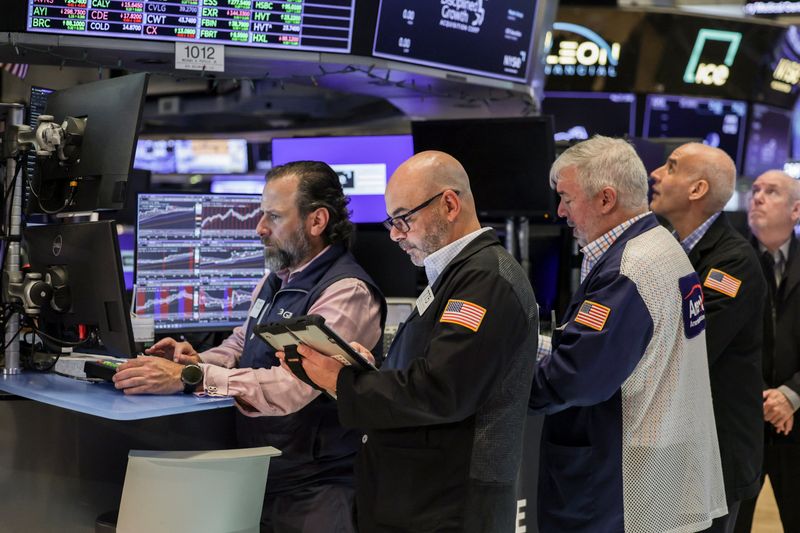
Wall Street hits new closing highs on tech strength, Middle East deal hopes

Published

on

Wall Street hits new closing highs on tech strength, Middle East deal hopes


Wall Street hits new closing highs on tech strength, Middle East deal hopes

Continue Reading

Business

How Spray Foam Insulation USA Helps Lower Energy Bills Year-Round

Published

on

How Spray Foam Insulation USA Helps Lower Energy Bills Year-Round

Most people think their heating or cooling system is the reason their energy bills are out of control. Usually, it’s the house itself.

Tiny gaps around attic beams. Drafts behind walls. Air is leaking through crawl spaces. In many homes, expensive heated or cooled air escapes nonstop while outside air sneaks in. Your HVAC system keeps working harder to catch up. That cycle burns money every month.

That’s why spray foam insulation has exploded in popularity over the last decade. It doesn’t just slow heat transfer like traditional insulation. It also seals air leaks.

Spray Foam Insulation USA has spent years fixing exactly these problems across the Tri-State area. The company started in 2015 with one trailer and has grown into a four-truck operation handling residential, commercial, marine, and industrial projects. Founder Jake Herman came from two decades in construction before building the business around one idea: making homes and buildings more comfortable while cutting energy waste.

“We walk into houses where the second floor is freezing in January and boiling in July,” Herman says. “A lot of homeowners think they need a new HVAC system. Then we seal the attic with spray foam, and suddenly the whole house feels different within a day.”

Advertisement

That change shows up on utility bills, too.

According to the U.S. Department of Energy, air leaks and poor insulation can account for major energy loss in homes. Some studies estimate that homeowners can reduce heating and cooling costs by 15% to 50% with properly installed insulation and air-sealing systems.

That’s a massive swing for something most people never even see behind their walls.

Why Traditional Insulation Falls Short

Fiberglass insulation became the standard for decades because it was cheap and easy to install. The problem is that air moves right through it.

Advertisement

Imagine wearing a thick winter sweater while standing in a wind tunnel. The material exists, but air is still flowing everywhere.

Spray foam works differently. Once applied, it expands into cracks, gaps, and hard-to-reach corners. That creates an air seal instead of just a thermal barrier.

Closed-cell spray foam also delivers one of the highest R-values per inch among common insulation materials. Higher R-values mean stronger resistance to heat flow.

In simple terms, less heat escapes in winter, and less hot air pushes inside during summer.

Advertisement

That matters more than ever in places like New York, where homeowners deal with freezing winters, humid summers, and brutal temperature swings in between.

“People don’t realize how much outside air is moving through their house until we test it,” says Herman. “We’ve had jobs in Nassau County where you could literally feel cold air coming through electrical outlets.”

Your HVAC System Stops Fighting a Losing Battle

Heating and cooling systems burn the most energy in most homes. When insulation fails, those systems run constantly.

That creates a chain reaction:

Advertisement
  • Higher utility bills
  • More wear on HVAC equipment
  • Uneven room temperatures
  • Poor humidity control
  • Constant thermostat adjustments

Spray foam helps stabilize indoor temperatures so the HVAC system doesn’t need to cycle nonstop.

One of the biggest differences homeowners notice is consistency. Rooms stop feeling wildly different from one another.

The upstairs bedroom that used to feel like a sauna in August becomes usable again.

The drafty living room near the garage no longer feels cold.

The basement gets less damp.

Advertisement

That consistency also improves efficiency because the system reaches target temperatures faster and maintains them longer.

The Department of Energy states that air sealing combined with insulation improvements can significantly reduce energy waste in a home’s thermal envelope.

Summer Savings Hit Harder Than Most People Expect

Most homeowners think insulation only matters in winter.

Actually, summer is when many people notice the biggest difference.

Advertisement

Sunlight beats down on roofs and exterior walls all day. Attics can reach temperatures above 130 degrees. That heat pushes downward into living spaces, forcing air conditioners to work overtime.

Spray foam creates a tighter thermal barrier that blocks much of that heat transfer.

“You walk into some attics in July and it feels like opening an oven,” Herman says. “After we spray foam the roof deck, those attic temperatures drop dramatically. Your AC isn’t fighting against that giant heat source anymore.”

That can lead to serious cooling savings over time, especially in homes with older attic insulation or poorly sealed ductwork.

Advertisement

In many houses, ducts run through unconditioned attic spaces. If those spaces get extremely hot, the cooled air traveling through the ducts warms up before it even reaches the rooms below.

Spray foam helps address that issue by controlling the attic environment.

It Also Helps With Moisture and Noise

Energy savings get most of the attention, but homeowners usually end up loving the side benefits too.

Closed-cell spray foam helps reduce moisture intrusion by acting as an air and vapor barrier in many applications. Less moisture can mean lower risk of mold, condensation, and damp odors.

Advertisement

Open-cell foam and Rockwool systems also help reduce sound transfer between rooms and from outside traffic.

That matters in crowded suburban neighborhoods, apartment buildings, mixed-use spaces, and homes near busy roads.

“One customer called us after we finished their project and said it was the first time they slept through the night without hearing trucks from the parkway,” Herman says. “That’s something people never expect from insulation.”

The Upfront Cost vs. Long-Term Savings Debate

Spray foam costs more upfront than fiberglass. There’s no way around that.

Advertisement

But homeowners often focus only on the installation price rather than long-term operating costs.

Cheaper insulation can keep generating monthly losses through wasted energy for years.

Spray foam is more like fixing the root problem.

Industry estimates suggest many spray foam projects pay for themselves within a few years through lower utility bills. Federal tax credits and energy-efficiency incentives can also offset some installation costs.

Advertisement

That changes the math considerably for many homeowners.

A More Comfortable House Changes Everything

The funny thing about spray foam insulation is that most people start the process thinking about money.

Then they end up talking about comfort.

The house feels quieter.

Advertisement

The temperature feels balanced.

The air feels less sticky in summer.

Cold drafts disappear.

Certain rooms finally become usable year-round.

Advertisement

That’s why demand keeps growing.

People are tired of fighting their homes every season.

“We always tell customers this isn’t just about insulation,” Herman says. “It’s about how your house feels every single day after the job is done.”

Advertisement

Continue Reading

Business

Tactical Battle Set for Budapest, Who Will Win?

Published

on

Kylian Mbappe is hoping for his first start at the Club World Cup when Real Madrid face his former side Paris Saint-Germain in the semi-finals on Wednesday

BUDAPEST, Hungary — Paris Saint-Germain and Arsenal will clash in the UEFA Champions League final Saturday at Puskas Arena in what many are calling a classic matchup of the competition’s best attack against its stingiest defense.

PSG enters the decider boasting the highest-scoring campaign in the tournament this season, while Arsenal have conceded just 0.43 goals per game. The narrative of unstoppable force versus immovable object has dominated pre-match discussion, yet both managers have demonstrated enough tactical versatility to suggest the final may unfold in more nuanced fashion.

Luis Enrique’s PSG side has shown it can dominate through open, high-scoring affairs or controlled, low-possession games. In their semi-final tie against Bayern Munich, PSG won the first leg 5-4 in an end-to-end thriller before shifting to a more compact approach in the return, securing progression with disciplined defending and efficient counter-attacks despite limited ball possession in the second half.

The French club is chasing back-to-back titles, aiming to become the first side since Real Madrid in 1989-90 to repeat as European champions. Luis Enrique, a two-time winner of the competition, has described his current squad as more mature and experienced than last season’s champions.

Advertisement

Arsenal, under Mikel Arteta, have built their campaign on defensive solidity, intelligent set-piece execution and clinical transitions. The Gunners evolved this season from a possession-heavy style to a more compact, risk-averse unit that punishes opponents’ mistakes. Summer additions, including Eberechi Eze, added unpredictability and physicality to the midfield.

Arteta’s side spent heavily last summer — more than $300 million on eight new players — to address previous squad depth issues that contributed to near-misses in the Premier League and early European exits. That investment has provided options that could prove decisive in Budapest.

Key tactical questions surround both lineups. For Arsenal, Arteta must decide on midfield configuration, with speculation around fitting Martin Odegaard, Eze and young Myles Lewis-Skelly alongside Declan Rice. Choices also exist at left back between Piero Hincapié and Riccardo Calafiori, and up front between the powerful Viktor Gyökeres and experienced Kai Havertz.

PSG’s starting XI appears more settled, assuming fitness for Achraf Hakimi. The attacking trio of Ousmane Dembélé, Bradley Barcola and others gives Luis Enrique multiple ways to break down organized defenses.

Advertisement

The Puskas Arena, with its passionate neutral crowd, provides a fitting stage. Both clubs have strong traveling support expected in the Hungarian capital, creating an electric atmosphere for the showpiece event.

This final represents contrasting paths to success. PSG has embraced fluid, attacking football with high technical quality. Arsenal has prioritized structure, resilience and exploiting transitions. Set pieces could play a major role for the English side, an area they have refined significantly this season.

Injuries have been a recurring theme. Arsenal learned costly lessons last season when a depleted squad fell to PSG in Europe. This year, greater depth aims to mitigate such risks, though fitness of key players like Bukayo Saka will be monitored closely.

The broader context adds stakes. For PSG, victory would cement their status among Europe’s elite and validate their project under Qatari ownership. For Arsenal, ending a long wait for the Champions League trophy would validate Arteta’s rebuild and the significant investments made to close the gap on traditional powers.

Advertisement

Both coaches bring strong pedigrees. Arteta, a former Guardiola disciple, has transformed Arsenal into consistent contenders. Luis Enrique has instilled balance and winning mentality in PSG, addressing past criticisms of falling short in decisive moments.

Public interest has reached fever pitch. Betting markets reflect the closeness of the contest, with many analysts predicting a tight affair potentially decided by individual brilliance or a single set-piece moment.

Weather in Budapest is forecast to be mild, favoring technical football and high pressing. Both teams have managed workloads carefully in recent domestic fixtures to ensure freshness for the final.

Supporters on each side express belief. PSG fans point to their scoring records and European pedigree. Arsenal supporters highlight tactical discipline, squad depth and the belief that this is their year to claim the biggest prize in club football.

Advertisement

The final also spotlights trends in the modern Champions League. Financial regulations and squad-building strategies have reshaped competition, rewarding teams that blend youth, experience and tactical adaptability. Arsenal’s heavy summer spending exemplifies one approach, while PSG’s continuity under Luis Enrique shows the value of incremental improvement.

Historical parallels exist, yet this matchup feels unique. Few finals have featured such clear stylistic contrasts paired with two coaches known for in-game adjustments and surprise selections.

As kickoff nears, focus remains on preparation details. Small decisions in team selection and early tactical setups could dictate the flow. Luis Enrique has the advantage of greater certainty in his preferred XI, while Arteta’s depth creates unpredictability that may unsettle PSG.

Beyond the pitch, the final carries commercial and cultural weight. Both clubs boast global fanbases, ensuring widespread viewership. The winner will dominate headlines and enter the history books as champions of Europe.

Advertisement

For Arsenal, this represents the culmination of years of progress under Arteta. Reaching the final validates their project. Winning it would mark a defining moment in the club’s modern era.

PSG, already champions, seek to join an exclusive group of repeat winners. Success would silence remaining doubters about their place among the continent’s aristocracy.

The “best attack versus best defense” framing captures attention, but football rarely follows simple scripts. Expect tactical surprises, moments of individual quality and the kind of tension that defines European finals.

Both teams have earned their place through impressive campaigns. PSG’s attacking records and Arsenal’s defensive metrics set high expectations, yet the true decider will be execution on the night.

Advertisement

As the football world turns its eyes to Budapest, anticipation builds for what promises to be a memorable occasion. One side will leave as champions. The other will reflect on a strong season while plotting the next step forward.

Saturday’s winner will write history. Whether through PSG’s attacking flair finding gaps in Arsenal’s defense or the Gunners’ organization and counters prevailing, the 2026 Champions League final is poised to deliver high drama.

Continue Reading

Business

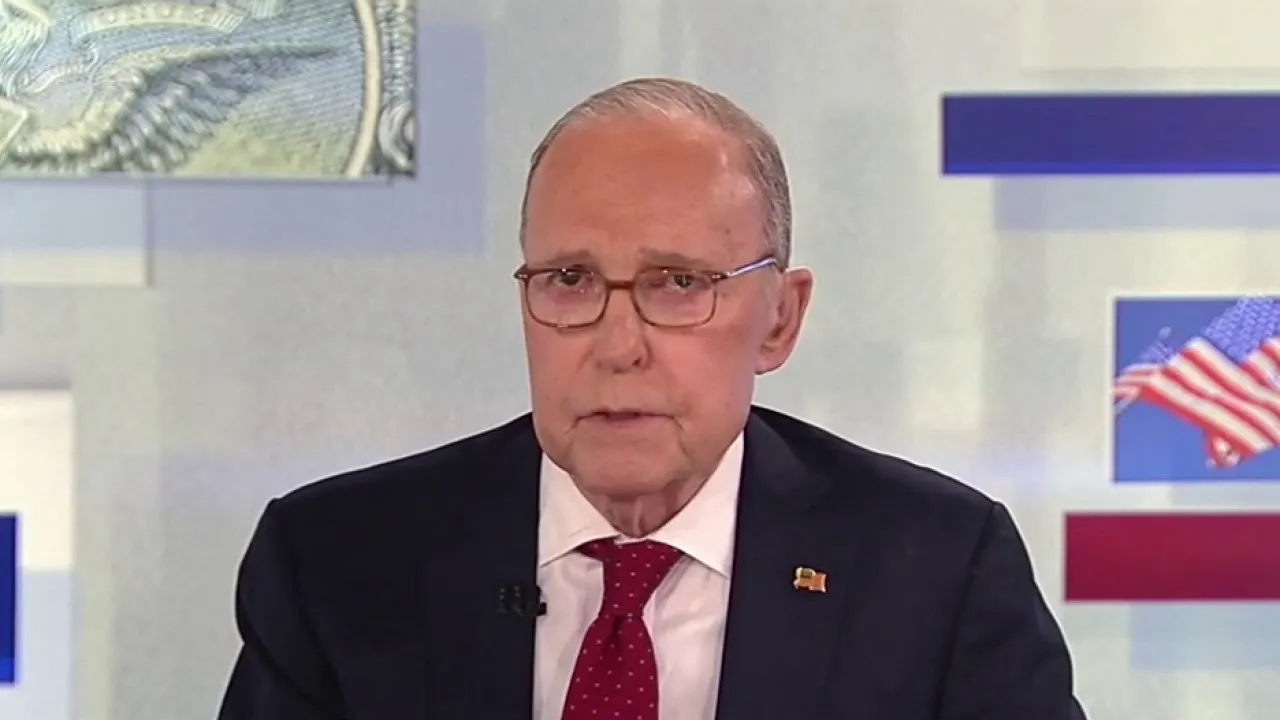
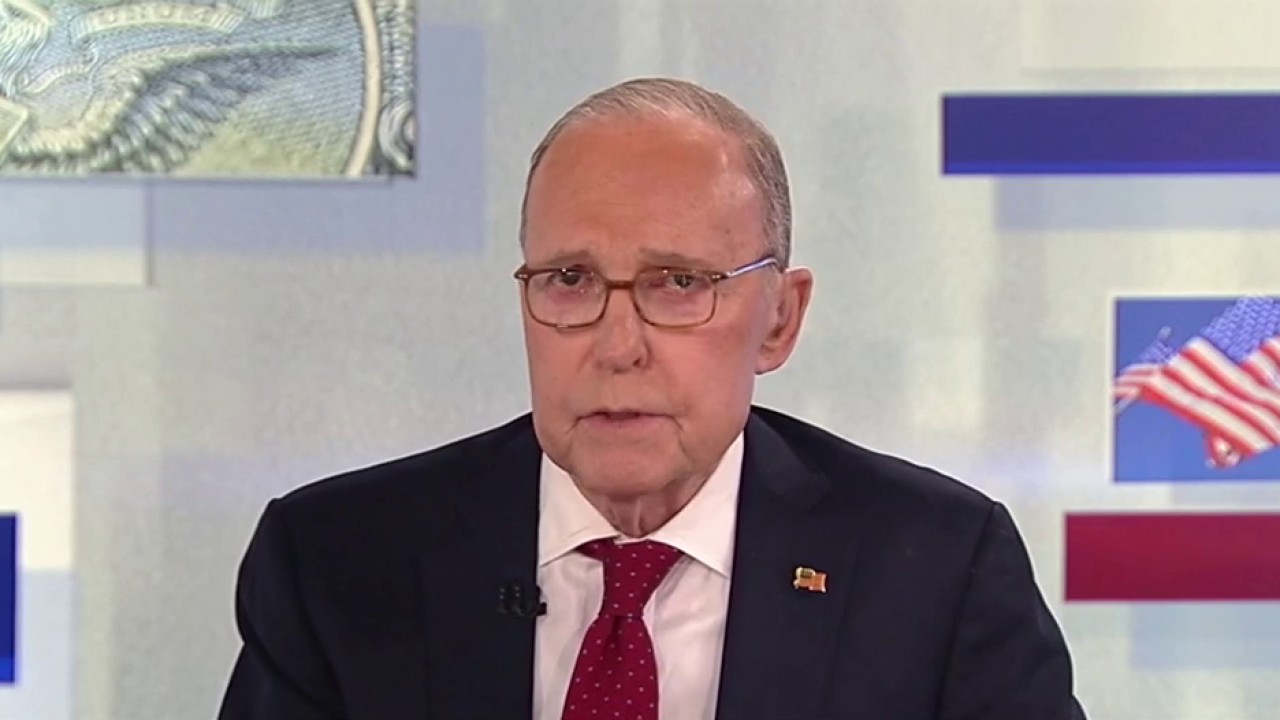
LARRY KUDLOW: Reaganesque and Trumpian optimism

Published

on

LARRY KUDLOW: Trump Was Right About Tariffs

People may forget that Scott Bessent is probably the strongest wartime Treasury secretary going all the way back, at least to World War II. Through his Economic Fury campaign, he has slowly but surely turned off Iran’s monetary and economic spigots.

Not only the blockade of Iranian ports, which has stopped their oil sales and revenues, but also his putting an end to their shadow banking system through aggressive use and modernization of the Treasury’s Office of Foreign Assets Control, or OFAC, he has closed down their offshore bank accounts not only by freezing the accounts, but increasingly by actually seizing them, especially the crypto accounts, really to the tune of approaching $1 trillion worth.

People forget that the Islamic Revolutionary Guard Corps owns half of Iran, and they live off the oil sales and they live off the businesses, and they’ve got the offshore accounts in the Gulf states and elsewhere. And Mr. Bessent has basically turned nearly all of that water off. And his campaign continues. 

Advertisement

Noteworthy also how all of these actions against our bitter Iranian enemy have strengthened the reserve currency value of the United States dollar, which is a long Trumpian policy fully supported by Mr. Bessent, shuttering bank branches, dismantling proxies, ending their shadow networks. It’s a crucial aspect of the successful American war to crush Iran. The most gruesome, gruesome Nazi type regime in some 100 years.

I talked to Mr. Bessent about all this at the Reagan National Economic Forum. While conducting financial war against Iran, Mr. Bessent has also managed to implement Trumpian economic policies, low tax rates, deregulation, “drill, baby, drill,” fair and reciprocal free trade. 

All of this has propelled our resilient economy and the temporary wartime bump-up in energy and gasoline prices has not really interfered much with that. Business is booming in America. In the year after signing the One Big Beautiful Bill Act, profits are soaring, stock markets are breaking records, consumers are still spending, and rock-bottom unit labor costs belie any long-term inflationary concerns.

Indeed, as Mr. Trump begins to negotiate with Iran, which is a matter not yet settled as of this reporting, both oil and gasoline prices have come down, along with long-term interest rates. 

Advertisement

It’s a sign of confidence in this American war and the conduct of the war, and a sign of confidence in our long term future economy and in the administration of Donald J. Trump and Scott Bessent. As we celebrate America’s 250th birthday here at the Reagan Library, both Reagan-esque and Trumpian optimism prevails. And with good reason.

Continue Reading

Trending

Copyright © 2025