ALBUQUERQUE, N.M. (AP) — Even as it battled the deadliest drug epidemic in American history, the U.S. Drug Enforcement Administration permitted hundreds of thousands of fentanyl pills to hit the streets of New Mexico between 2023 and 2025, according to three current and former DEA agents and government records reviewed by The Associated Press.
DEA agents repeatedly monitored shipments of fentanyl pills — but did not seize them — as federal prosecutors sought to bring bigger criminal cases against traffickers of a synthetic opioid that the White House last year designated a “ weapon of mass destruction.”
Agents and experts, however, said the tactic amounted to a gamble with public safety that potentially imperiled communities in and around Albuquerque and may have violated U.S. Justice Department rules intended to safeguard the public.
“We poisoned our community to make cases,” DEA Special Agent David Howell told AP in a series of interviews in New Mexico. “Through our own willful blindness, we get to say, ‘We don’t really know what happened to the drugs.’ But we 100% got people killed.”
Advertisement
DEA Special Agent David Howell, who filed a whistleblower complaint, poses for a portrait outside the U.S. district courthouse in Albuquerque, N.M., on Friday, June 12, 2026. (AP Photo/Susan Montoya Bryan)
Advertisement
DEA Special Agent David Howell, who filed a whistleblower complaint, poses for a portrait outside the U.S. district courthouse in Albuquerque, N.M., on Friday, June 12, 2026. (AP Photo/Susan Montoya Bryan)
Advertisement
Advertisement
Advertisement
Advertisement
The DEA has long contended it would not be plausible to seize every shipment of every drug. But the strategy of allowing staggering amounts of counterfeit painkillers to hit the streets shocked several veteran agents who spoke with AP.
Ridding the streets of illicit fentanyl, manufactured mostly in Mexican labs, became DEA’s top priority over the past decade as overdose deaths surged. At the same time, its lethality — a few milligrams can kill the average adult — upended time-tested tactics that had been used to combat drugs like cocaine and heroin. Those methods have included allowing drug transactions to be completed so agents might follow the narcotics through the supply chain. Fentanyl, however, is so dangerous that the U.S. Justice Department developed guidelines for agents in such circumstances, encouraging them to seize the opioid whenever “practicable.”
Albuquerque, which has a neighborhood so besieged by drugs it’s known as “War Zone,” and other regions in New Mexico remain at the epicenter of the fentanyl epidemic. While overdose deaths nationwide fell 14% last year, government data show New Mexico tallied a 21% spike.
Alex Uballez, who served as U.S. attorney in New Mexico from 2022 through last year, said authorities at times allowed drug shipments to go unseized as part of a broader effort to gather intelligence and build cases against major drug traffickers. He said the approach reflected his office’s limited resources and his belief that prosecuting larger organizations can have a bigger impact than interdicting every suspected drug transaction.
Advertisement
Sign up for Morning Wire:
Our flagship newsletter breaks down the biggest headlines of the day.
Advertisement
Last year, DEA recorded the largest fentanyl bust in its history in Albuquerque.
“The bigger fish are worth catching,” Uballez said, “and that will save more lives.”
Advertisement
The DEA said in a statement that “the investigative decisions at issue were lawful, reasonable under the circumstances and consistent with Department guidance.”
“Public descriptions suggesting that DEA knowingly permitted fentanyl to reach communities are false and fundamentally mischaracterize the facts,” DEA spokesperson Amanda Wozniak wrote in an email. She said the investigations involved court-authorized wiretaps “in which agents and prosecutors conducted real-time surveillance, intelligence gathering, and operational analysis targeting larger drug trafficking organizations.”
Advertisement
Tell our investigators
AP’s global investigative team accepts tips securely and confidentially. Choose the method that works best for you.
Advertisement
Precise intelligence on drug deliveries
In some cases, the DEA had such detailed intelligence about drug deliveries that agents were able to tally precise pill counts, according to reports reviewed by AP.
Advertisement
Agents, for example, deciphered coded chatter over cellphones and closely surveilled a transaction at a mobile home park in Albuquerque in June 2023, according to a 66-page report reviewed by AP. Agents wrote in the report that traffickers delivered 74,000 pills as part of that deal, a figure federal prosecutors later confirmed in a court filing.
Days earlier, another DEA report showed, investigators watched the same distribution ring deliver a spare tire hiding another suspected fentanyl shipment that similarly went unseized.
“We did nothing, but sit back and watch,” said Howell, who filed an official whistleblower complaint in 2023 to bring attention to what he thought was a tactic that risked public safety.
Advertisement
This June 12, 2026 photo shows a mobile home park where federal agents monitored, but did not seize, a shipment of fentanyl in Albuquerque, N.M. (AP Photo/Susan Montoya Bryan)
This June 12, 2026 photo shows a mobile home park where federal agents monitored, but did not seize, a shipment of fentanyl in Albuquerque, N.M. (AP Photo/Susan Montoya Bryan)
Advertisement
Advertisement
Advertisement
This photo provided by the U.S. Drug Enforcement Administration shows pills containing fentanyl which were seized by the DEA in New Mexico, on April 28, 2025. (DEA via AP)
This photo provided by the U.S. Drug Enforcement Administration shows pills containing fentanyl which were seized by the DEA in New Mexico, on April 28, 2025. (DEA via AP)
Advertisement
Advertisement
Advertisement
Months passed before federal authorities busted the traffickers, and Howell, who participated in the surveillance, said authorities today cannot account for the unseized shipments.
“It’s outrageous to put that many lives at risk in hopes of making a big case,” said Tristan Leavitt, president of Empower Oversight, a whistleblower advocacy group that has asked the Senate Judiciary Committee and Justice Department’s Office of Inspector General to investigate Howell’s claims.
A former DEA supervisor, speaking on condition of anonymity for fear of retaliation, said he and his Albuquerque colleagues allowed “millions” of pills to go unseized during a multi-state investigation last year.
Advertisement
Howell reported in his whistleblower disclosures that agents on that case permitted the delivery of at least 1.8 million fentanyl pills.
That investigation, the former supervisor and Howell told AP, culminated in the largest fentanyl bust in DEA history, a takedown announced in May 2025 by then-Attorney General Pam Bondi that resulted in the seizure of more than 3 million pills.
“The amount we ultimately seized was hitting the streets every month while that case was going on,” the former supervisor said, adding that the DEA could have dismantled the organization six months earlier.
The U.S. Attorney’s Office in Albuquerque did not answer questions about the unseized fentanyl shipments but, in a statement to AP, said the “conduct” Howell brought to light happened during the prior administration.
Advertisement
“The current leadership of this office is focused on aggressively investigating and prosecuting fentanyl trafficking and disrupting the criminal organizations responsible for distributing these drugs,” Tessa DuBerry, a spokesperson for the office, wrote in an email.
Uballez, the former U.S. attorney, said estimated pill counts “based on intercepted phone calls are not reliable.”
“I don’t think I’d contest that drugs are ‘walked,’” he said, referring to the law enforcement tactic of allowing contraband to go unseized to further an investigation. “How much and how frequently — and with what certainty — is incredibly difficult to answer in retrospect.”
To seize or not to seize
As fentanyl overdoses became an epidemic over the last decade, the U.S. Justice Department developed an internal playbook for combatting the deadliest drug ever to cross the Mexican border. The game plan coincided with a publicity campaign that warned Americans that “One Pill Can Kill,” a DEA effort to highlight fentanyl’s unique dangers.
Advertisement
Adopted in 2017, the department’s two-page “Fentanyl Protocols” called on agents to “seize or otherwise prevent the distribution” of fentanyl “as soon as practicable.” The rules, which have not previously been made public, said that “protecting public safety is paramount,” irrespective of whether seizures compromise investigations.
The Justice Department rewrote the rules in 2024 to afford law enforcement more discretion in such cases. The updated protocols say investigators “may exercise discretion in determining whether to take action to prevent the trafficking of fentanyl,” balancing public safety risks against “the benefits to be achieved through preserving the investigation.”
The DEA rarely discusses the tactic of allowing drugs to go unseized. Its agent manual describes taking drugs off the street as “the usual course of action” but adds “there may be instances where the investigative objectives can be better achieved by not doing so.”
The agency has long used “controlled deliveries” in which constant surveillance of the drugs — and often replacing them with fake narcotics — is followed by a takedown to recover them, according to current and former agents.
Advertisement
This photo, provided by the U.S. Drug Enforcement Administration, shows pills containing fentanyl which were seized by the DEA in New Mexico, on April 28, 2025. (DEA via AP)
Advertisement
This photo, provided by the U.S. Drug Enforcement Administration, shows pills containing fentanyl which were seized by the DEA in New Mexico, on April 28, 2025. (DEA via AP)
Advertisement
Advertisement
Advertisement
In interviews, several current and former agents likened the decision to permit fentanyl to hit the streets to the infamous “Operation Fast and Furious,” a 2011 gun-walking scandal in which straw buyers smuggled some 2,000 assault weapons into Mexico with the intent of tracing the firearms to cartel leaders.
Advertisement
The Bureau of Alcohol, Tobacco, Firearms and Explosives was savaged with bipartisan criticism after two of those guns surfaced at the scene of the fatal shooting of a Border Patrol agent, and the Justice Department explicitly forbid agents from allowing firearms to be trafficked.
Blowing the whistle
Howell became so unnerved by his agency’s failure to seize fentanyl that he began flagging overdose deaths that might have been caused by the very pills DEA permitted to flow to dealers. One of those cases included a 15-month-old toddler who died after ingesting burned fentanyl residue last year in Española, a New Mexico town ravaged by grinding poverty and addiction.
Howell, who joined DEA 19 years ago after a decade in the Navy, took his allegations to the U.S. Office of Special Counsel. The agency, tasked with protecting whistleblowers, initially found a “substantial likelihood of wrongdoing” and asked the Justice Department to investigate.
In early 2024, Howell told the Justice Department’s Office of Professional Responsibility that DEA agents had observed — yet not seized — separate deliveries of 150,000 and 50,000 fentanyl pills.
Advertisement
DEA and federal prosecutors, he added, “are placing themselves in a precarious position where they will not be able to prove that the fentanyl they could have stopped did not result in the death of a person.”
DEA Special Agent David Howell, who filed a whistleblower complaint, poses for a portrait outside the U.S. district courthouse in Albuquerque, N.M., on Friday, June 12, 2026. (AP Photo/Susan Montoya Bryan)
Advertisement
DEA Special Agent David Howell, who filed a whistleblower complaint, poses for a portrait outside the U.S. district courthouse in Albuquerque, N.M., on Friday, June 12, 2026. (AP Photo/Susan Montoya Bryan)
Advertisement
Advertisement
Advertisement
Advertisement
The Justice Department’s Office of Professional Responsibility found in 2024 that the DEA and U.S. attorney’s office had made reasonable decisions in deciding to allow drugs to go unseized and that their inaction posed no “specific danger to public health.”
The Office of Special Counsel, which critics say rarely pushes back on agency findings, deemed the Justice Department’s report reasonable.
Howell, meanwhile, paid a price after coming forward. The DEA relegated him to desk duty for more than a year and docked his performance evaluations, according to Howell and DEA records. Internal records also show prosecutors barred him from testifying in federal court, citing his “pattern of refusing to heed” admonitions to allow drugs to go unseized during long-term investigations.
Pointing to DEA’s own “One Pill Can Kill” campaign, current and former agents said they could not understand the watchdog’s finding that the tactics had not put the public in danger. They noted the drug is so dangerous it has to be handled in a specialized laboratory.
A three-year-old boy was allegedly thrown into a crocodile enclosure at Johnsons of Old Hurst zoo in Cambridgeshire and left with serious injuries after being attacked by at least one of the reptiles, but is now in a stable condition in hospital
Emma O’Neill Content Editor
12:28, 22 Jun 2026
Police have provided a significant update regarding the three year old boy who was allegedly thrown into a crocodile enclosure at a UK zoo.
The toddler, who sustained serious injuries after ending up inside the crocodile pen at Johnsons of Old Hurst in Cambridgeshire on Thursday, is now listed as stable in hospital.
Advertisement
A spokesperson for Cambridgeshire Police confirmed: “The boy is no longer critical and is in a stable condition in hospital.”
In the shocking incident, zoo staff managed to pull the boy from the enclosure before emergency services rushed to the scene. According to the BBC, the boy was attacked by at least one crocodile after entering the enclosure at the zoo near Huntingdon.
The youngster, who hails from Cambridgeshire, received treatment at the scene before being transferred to Addenbrooke’s Hospital in Cambridge.
Advertisement
Police confirmed that the crocodiles involved have neither been seized nor destroyed as enquiries into the circumstances surrounding the incident remain ongoing.
The incident unfolded at Johnsons of Old Hurst, a zoo and farm attraction near Huntingdon, at approximately 1.30pm on Thursday. A 30 year old man from Norfolk was subsequently arrested on suspicion of attempted murder in connection with the incident.
The suspect, who police believe had no prior connection to the child, has since been released on bail until September 18. Officers revealed that the man was assessed as not being fit for interview.
The BBC reported that the suspect is understood to have learning disabilities and had been visiting the attraction with carers. Onlookers described hearing screams before emergency services, including an air ambulance, descended on the location.
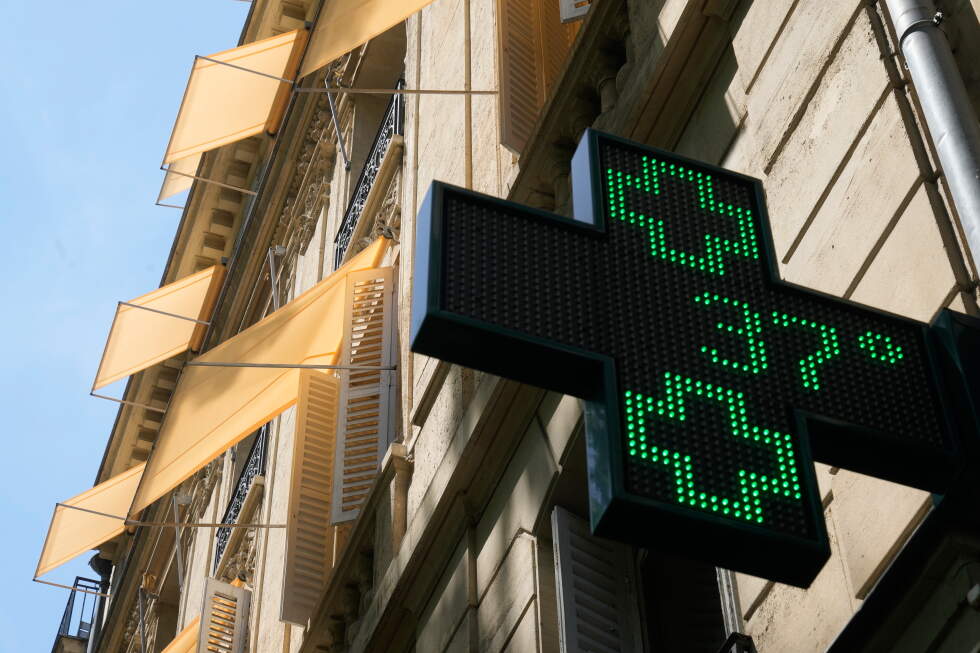
PARIS (AP) — France gritted its teeth Monday for a week of record-busting temperatures, sweltering under a grueling heat wave that combines daytime highs above 40 degrees Celsius (104 degrees Fahrenheit) and sleep-robbing sweaty nights.
The national weather service, Méteo France, said that most of the country — the largest in the European Union and second most populated — is entering what is described as a “plateau” of unrelenting heat-wave conditions that isn’t forecast to start easing before Friday at the earliest.
Multiple towns in western and central France, including the major port of Saint-Nazaire on the Atlantic seaboard, with an overnight low of 23.2 C (73.8 F), experienced their hottest night ever Sunday to Monday, Méteo France said.
Paris baked through its hottest night for a month of June, not getting below 24.2 C (75.5 F) — a half-degree hotter than the previous record from 2017. The weather service warned of even hotter nights.
Advertisement
“This will continue through the end of the week, with heat levels never before recorded across more than three-quarters of the country on Wednesday and Thursday.”
In a country without widespread air-conditioning, people, businesses and services tried to adapt as best they could. Hundreds of schools were closed on Monday and many hundreds more were canceling some classes, the education minister said.
Broadcasts on the Paris transport network urged commuters to hydrate. Medical specialists took to the airwaves to warn of the potentially deadly cocktail of drinking alcohol in extreme heat. Authorities cracked down on alcohol consumption in public. Multiple drownings were reported as people sought relief in rivers, despite warnings about currents and other dangers.
Human-caused climate change is tied to increasing extreme weather, and U.N. climate agency projections say the next five years should shatter more heat records.
Advertisement
A growing swath of France, spreading on Monday to more than half of its regions, was under a “red alert” for heat, with larger areas forecast to suffer highs busting past 40 C and nights not dropping below 20 C.
Advertisement
Sign up for Morning Wire:
Our flagship newsletter breaks down the biggest headlines of the day.
In the United Kingdom, the weather office also issued an “extreme heat” warning for much of southern England and parts of Wales from Monday until Thursday. It said temperatures could reach 38 C (100 F). The current record for a June day is 35.6 C (96 F), reached in 1976.
Advertisement
Over the last four years, more than 200,000 people across Europe died from heat-related causes, and most of the fatalities were preventable, the World Health Organization’s Europe office said this month. More above-average temperatures are expected this summer, which can cause heat exhaustion and life-threatening heat stroke.
There is a new list of items you should be carrying in your car this week
Neil Shaw Assistant Editor
12:20, 22 Jun 2026
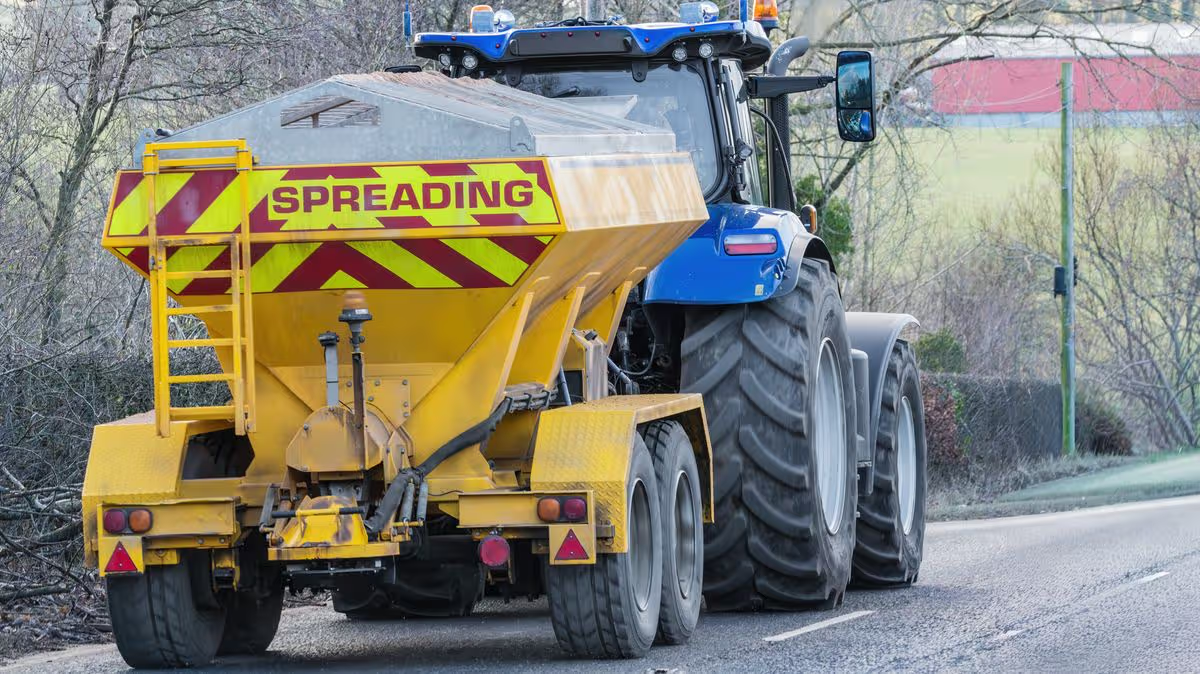
Gritters could be out in force on UK roads this week and drivers are also being advised to keep an umbrella in their cars. The AA said drivers could see gritters out on some roads this week with the potential for surfaces to soften or become sticky under the heat, with heavy traffic even causing them to rut in some places.
Edmund King, AA president, said: “The main risk for drivers is not that the road suddenly ‘melts’ everywhere, but that patches can become tacky or uneven. That can affect braking, steering and grip, especially for motorcyclists and cyclists, and can also throw up loose material.
Advertisement
“If drivers come across a softened or damaged surface, they should slow down, avoid harsh braking or steering, and leave extra space from the vehicle in front.”
The AA also warned that heat can put extra strain on vehicles, with under-inflated, damaged or old tires particularly likely to fail in hotter conditions. “Before a long journey, check tyre pressures, tread and sidewalls, and carry water in case you are delayed,” Mr King said.
“In these temperatures the advice remains never to leave passengers or animals unattended in parked cars even for short periods when the interior of the car can soon get as hot as an oven.”
It comes as the Met Office issues a red warning for extreme heat across the centre of the UK for Wednesday and Thuirsday.
Advertisement
RAC road safety spokesperson Rod Dennis said: “Red extreme heat warnings are rare and we urge everyone to take them seriously this week. Drivers whose vehicles don’t have effective air conditioning should strongly consider postponing any non-essential car journeys until the Met Office’s weather warnings are lifted and temperatures drop. If this isn’t possible, our best advice is to travel during cooler times of day. This is especially important for anyone travelling with vulnerable people, including young children and older adults, who are at greater risk from the intense heat. We’d also remind motorists never to leave pets inside a hot vehicle, as doing so can quickly become fatal.
“This week could end up being a record-breaking one for June – not just because of the heat, but also for the number of drivers breaking down. Our last busiest June was three years ago, but there’s every chance that could be eclipsed this week as temperatures soar. Today, we expect breakdown volumes to be around 20% higher than what’s normal for a Monday in late June.
“We ask anyone who breaks down to be patient while breakdown providers prioritise the most urgent roadside jobs. The heatwave will affect services right across the UK and while all patrols will be working incredibly hard to assist drivers, longer waits are more likely. Staying safe in the heat is paramount, so we strongly recommend packing an emergency breakdown kit (see below) and waiting in the shade wherever possible.
“There are simple steps motorists can take to reduce the risk of a breakdown in the first place, however. It begins with a few basic checks under the bonnet before setting out. Make sure oil levels are sufficient and top up if needed. Coolant should also sit between the ‘min’ and ‘max’ markers – if it isn’t, top it up yourself when the engine is cold and have it inspected by an RAC mobile mechanic or reputable garage as soon as possible.
Advertisement
“At these kinds of temperatures, road surfaces will soften, with darker patches of tarmac often the clearest indicator. Drivers may therefore see councils deploying gritting vehicles – a sight normally reserved for the winter – as applying a fine layer of granite dust can help maintain traction on melting roads. Motorists also shouldn’t be concerned if they spot water beneath their vehicle, as this is typically just condensation from the air conditioning system.”
RAC’s top tips to keeping your car cool in a heatwave
Don’t leave home without an emergency breakdown kit – see below
Park in the shade. This is a simple solution that’s often overlooked by drivers. But keeping your car out of direct sunlight is one of the best ways to keep the interior cool in the summer
Cover the seats with a blanket or jacket. If your vehicle has leather seats then the summer sun will transform the surface of the seat into a hotplate. Keep them cool by covering them up, especially if you have to park in direct sunlight
Learn how to use your car’s air conditioning system. Do you really understand how your vehicle’s air con or climate control system works? Check the owner’s manual to fully understand how it operates and what setting(s) you need to use to cool the car’s interior quickly and effectively in the summer
Carry water and soft drinks at all times. Keep a spare bottle of water and one or two soft drinks in your car at all times. Dehydration can impact your concentration and awareness levels, presenting a danger to drivers in hot weather conditions
Keep a cool bag/box in your car. This will keep drinks and snacks cool in a heatwave and ensure you can properly hydrate and have a refreshing, cool snack
Your emergency breakdown kit – what to carry with you in these temperatures
Plenty of water for the driver and all passengers – consider carrying a camping-style water carrier so you’ve always got plenty with you
Sufficientsnacks that won’t melt or go off in the heat – in a coolbox if you have one
Hats and umbrellas to shield from the sun
Sunscreen
Emergency medication if needed
A fully-charged mobile phone – and on smartphones, download and login to your breakdown service’s app, such as myRAC, to reach help as quickly as possible (this can also help your provider with locating your vehicle)
A means of keeping pets secure if you have to leave your car – and sufficient food and water for them
Incoming Manchester City manager Enzo Maresca finds a situation he cannot have expected with Jeremy Doku
World Cups come along once every four years, the birth of your first child is a once-in-a-lifetime event and – unfortunately – there is no premium on rent-a-gobs in a world where the more controversial or distasteful your view the more chance of it being amplified on the mainstream social media platforms.
Advertisement
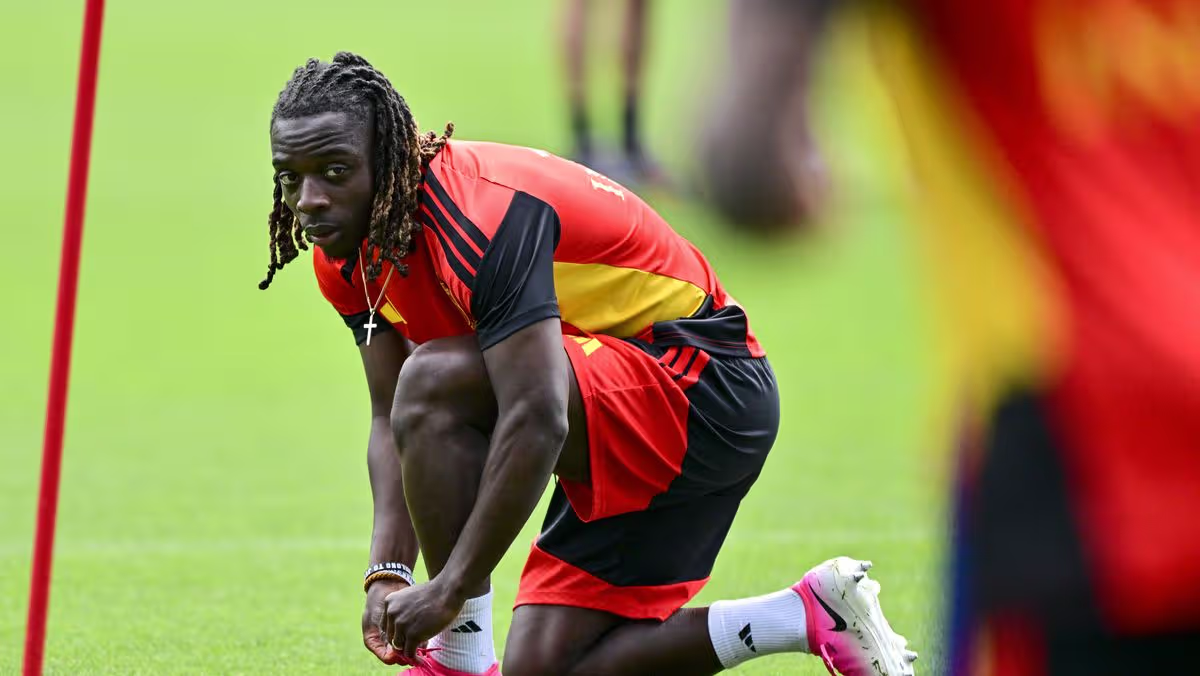
Jeremy Doku has found himself the latest footballer to be on the wrong end of bizarre and unfair criticism because major football tournaments attract the worst kind of opinions.
It is depressing enough that the content of the attack isn’t really worth regurgitating, but safe to say it isn’t even new. Rewind 10 years to when Pep Guardiola was ready to take over and there was another (also black, would you believe!) footballer who played for City who was getting a barrage of abuse.
Guardiola hadn’t been officially unveiled as City manager while England were embarrassing themselves with a dismal exit at the hands of Iceland, yet the new boss went out of his way to ring Raheem Sterling up and tell him to ignore the abuse that he was getting in the stands and on social media from people who couldn’t recognise talent when they saw it. Sterling was reassured that not only did Guardiola believe he could shine on the international stage but that regardless he was counted on at City.
That meant a lot to a young player who had struggled after an acrimonious move from Liverpool in a City side that had drifted during Manuel Pellegrini’s final year in charge, with Sterling not even holding a regular place at the Etihad by the end of his first year there as he headed off for Euro 2016. Despite a terrible tournament for all, he came back to Manchester with a bounce because of Guardiola’s words and became one of the best players in the Premier League.
Doku has not been criticised for his football yet the abuse, and the subsequent debate it has prompted, will still have cut through and stung. In what should have been one of the happiest moments of his life, some have chosen to assassinate his character over a football match.
The winger’s phone will almost certainly have lit up with support from teammates and friends – possibly Guardiola as well – and a message from incoming City manager Enzo Maresca would surely go down well. Even if the content of the messages shouldn’t need to be said, they will all be appreciated.
Whether it is now or weeks down the road, Maresca will have to address the situation with Doku to check in on how he is and the sooner that happens it could be better for the manager. In his task of replacing Guardiola, it is a dressing room that needs to be convinced by the new coach.
Advertisement
Doku shouldn’t have become a story in this World Cup, but now that he is Maresca could do worse than replicating one of Guardiola’s first moves at City.
This year, he has tried to come back three times, at Dubai, Miami and Barcelona, but each time he has been dealt with another setback. Now, however, with new coach Sir Andy Murray in his corner, he feels that he can compete once more with just a week before Wimbledon. Keep up to date with all the latest with our live blog below, with expert insight and analysis from Oli Gent at Devonshire Park.
Readers have been debating the free parking scheme launching in Peterborough city centre this summer, and whether it really is ‘free’ or just subsidised
A launch date has been confirmed for free parking in Peterborough city centre. Pending approval from Peterborough City Council’s Cabinet, complimentary parking at four council-owned car parks will begin on Monday, August 3.
Advertisement
The four sites will be: Bishops Road; Car Haven; Riverside; Pleasure Fair Meadow. Parking at these locations will be free from 3pm onwards.
The initiative was promised by Mayor of Cambridgeshire and Peterborough, Paul Bristow in his manifesto. The Mayor allocated £1.5 million in his budget to introduce free parking across both Peterborough and Huntingdonshire.
“I said I would bring free parking and it’s happening this summer,” Mayor Bristow said. “I made this pledge because I believe our city centre needs a lift.”
The objective of the complimentary parking scheme, which will operate as a time-limited trial, is to generate increased footfall to support local businesses, and increase the health and vibrancy of the evening economy. Several commenters noted that the free parking being discussed is located in Peterborough rather than Cambridge.
Advertisement
One reader, Feelgood66 simply states: “I go to Ely, no problem.”
While Freddly adds: “There is no such thing as ‘free’ parking, only subsidised parking. This is just another example of the burden that car and van drivers impose on households without cars.”
Rootintootinredux writes: “Free buses were announced this week, too. Costing the taxpayer nearly £100 per person per journey.”
Bobs26 feels: “An appalling misuse of money originally intended to improve bus services.”
Advertisement
Banallbikes thinks: “It’s a start, but all car parking should be free, and then more people will visit places and support the local economy.”
While over on our Facebook page, Tarnia P comments: “Only in Peterborough. There’s no way Cambridge City Council would let people park for free.”
Robert EH replies: ” All day free parking at Park and Rides, free parking at the supermarkets and retail parks. There is no space in Cambridge for mass parking in the centre.”
Simon W says: “That’s great. I’m sure the people of Cambridge love the idea of subsidising other people’s parking through their Council Tax given how reasonably priced it is to actually park in and around Cambridge itself. Crack on.”
Advertisement
Do you think that free parking will bring people into the town? Comment below or HERE to have your say.
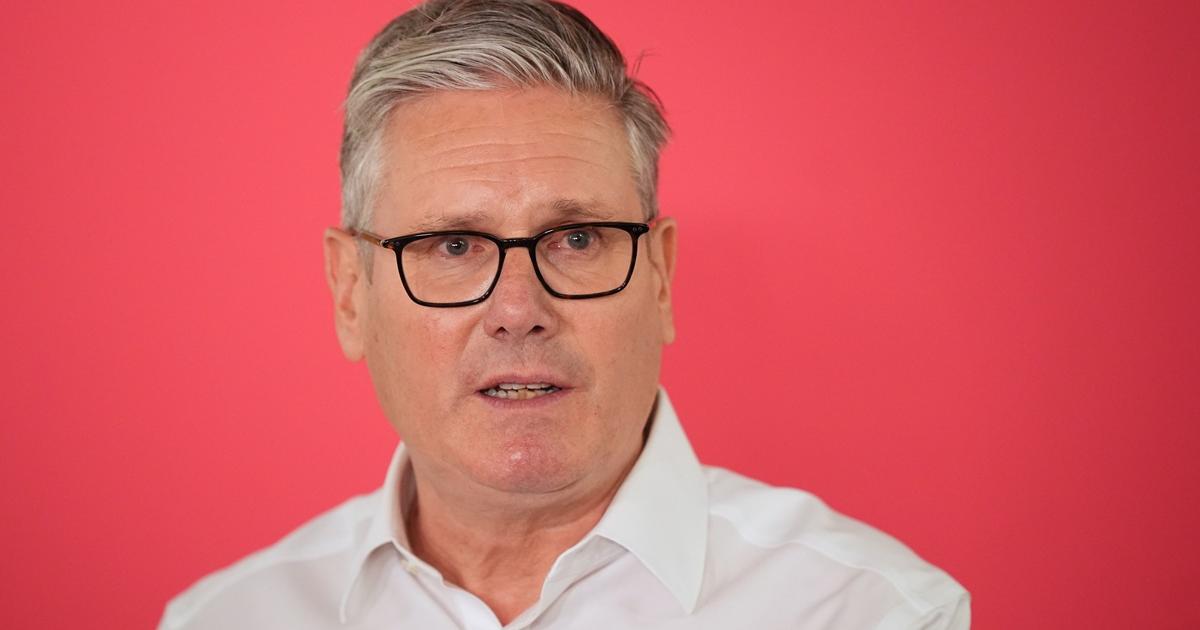
Keir Starmer officially resigned as leader of the Labour Party this morning while setting out a timetable for his departure as prime minister.
The PM gradually lost the support of his colleagues in the parliamentary Labour party over the last two years, following a series of unpopular policies, U-turns, and scandals engulfing some of his top team.
His premiership has come under particular pressure after his main rival, popular Labour politician Andy Burnham, won the Makerfield by-election last week.
Burnham was expected to challenge Starmer’s premiership in the coming days if he did not go of his own accord.
Advertisement
Starmer’s decision to voluntarily step down means Britain is on the way to its seventh prime minister in a decade.
But plenty of questions remain over just what happens next. Here’s what we know.
When Will The UK Get A New Prime Minister?
Starmer explained in his resignation speech that the National Executive Committee of the Labour Party will set out a timetable to make sure a new leader is in place by the start of September.
Advertisement
Nominations will open for the leadership on July 9, a week before parliament’s summer recess, and they will close on July 16.
If there is a contest, it will be completed by September 1 when MPs return to Westminster.
If there is not a contest, the UK could have a new prime minister by July 17.
Until his successor is in place – either once nominations close or after a summer contest – he will remain in post as prime minister, Starmer said.
Advertisement
Who Will Be The Next Labour Leader?
Andy Burnham is widely expected to replace Starmer as he has substantial backing across the Labour Party.
To be nominated as Labour leader and de facto prime minister, an MP needs the support of at least 20% (81 MPs) of the Parliamentary Labour Party (PLP).
Burnham is said to exceed that threshold with plenty of support from fellow MPs.
He announced on Monday that he would be running in the leadership contest.
However, there is nothing to stop other Labour MPs also throwing their hats into the ring if they also have 81 MPs backing them.
Advertisement
Wes Streetingquit as health secretary last month over frustrations with Starmer’s leadership, and previously insisted he would compete in any leadership contest.
However, he backed Burnham on Monday morning, effectively pulling out of the race.
Al Carns resigned as Armed Forces minister earlier this month too, and has heavily hinted he would run.
HuffPost UK heard foreign secretary Yvette Cooper has plenty of advocates too, especially among those who believe it’s time Labour had a female leader.
Other names have also been thrown into the mix, including former defence secretary John Healey, former deputy prime minister Angela Rayner and energy secretary Ed Miliband.
Will There Be A General Election?
Advertisement
Reform UK’sNigel Farage said it was time for a general election, writing on X: “If Labour thinks it can shove another professional politician into No.10, it has another thing coming.”
His party are leading in the polls and would likely win big if voters went to the ballot box right now.
There is no legal obligation for the government to snap general election.
The current parliamentary term does not have to end until the summer of 2029, five years on from when ex-PM Rishi Sunak called a general election.
Advertisement
The Conservatives swapped Boris Johnson for Liz Truss and then again for Rishi Sunak between 2019 and 2024 without going to a public vote.
Home Office minister Mike Tapp revealed he supported the idea of a general election on Sunday, writing on X: “If a change of leader is forced by its own Party then a General Election must be called.
“That would stop the constant churn and focus all politicians on delivery, instead of work place politics. These endless ‘house of cards’ games would end and the country would benefit.”
It would be at the discretion of Starmer’s successor to hold a general election.
Advertisement
What Happens To Keir Starmer Now?
Starmer will continue to act as prime minister until July 17 at the earliest and September 1, at the very latest.
He said he will focus on his family once leaving office, so he can be “the best husband I can, to my fantastic wife Vic, who has been a rock by my side through good times and bad.”
He continued: “And being the best dad that I can to my beautiful children, who are my pride and joy.”
Advertisement
He did not touch on whether he would stay on as the MP for Holborn and St Pancras, but tradition suggests he will – at least for the time being.
Quitting that position would trigger a by-election and risk causing further upheaval for the Labour Party.
Ex-prime minister David Cameron only stood down as the MP for Witney after his successor Theresa May was firmly in place in No.10.
Though May was ousted from office in 2019 but she continued to represent Maidenhead until she chose to stand aside in 2024.
Advertisement
Boris Johnson stayed on as a backbencher for Uxbridge and South Ruislip for a year after he was forced out of Downing Street.
After her short-lived spell in Downing Street, Liz Truss remained Norfolk MP until she lost to Labour at the general election.
Rishi Sunak is still the Richmond and Northallerton MP, almost two years after he lost the general election.
Listen to Commons People, the podcast that makes politics easy. Every week, Kevin Schofield and Kate Nicholson unpack the week’s biggest stories to keep you informed. Join us for straightforward analysis of what’s going on at Westminster.
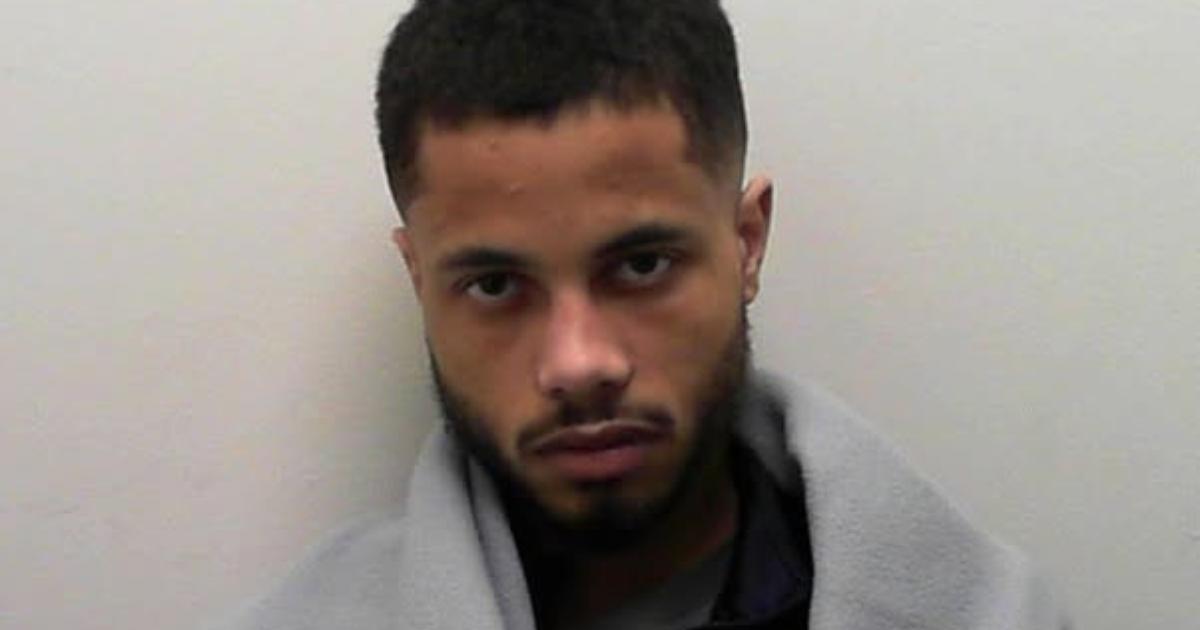
North Yorkshire Police have launched a hunt for 22-year-old Luke Downs from York after he breached his licence conditions.
This follows his release from prison, where he was jailed for possessing an offensive weapon.
RECOMMENDED READING:
Advertisement
“Extensive enquiries have been carried out to locate him but he remains wanted,” said a spokesperson for the force.
If you have seen Luke or have any information about his whereabouts, please call the police on 101, or if you wish to remain anonymous you can contact Crimestoppers on 0800 555 111 or online via their website.
If you have an immediate sighting of him or know where he is now, please call 999.
Please quote reference 12260107304 when passing on information.
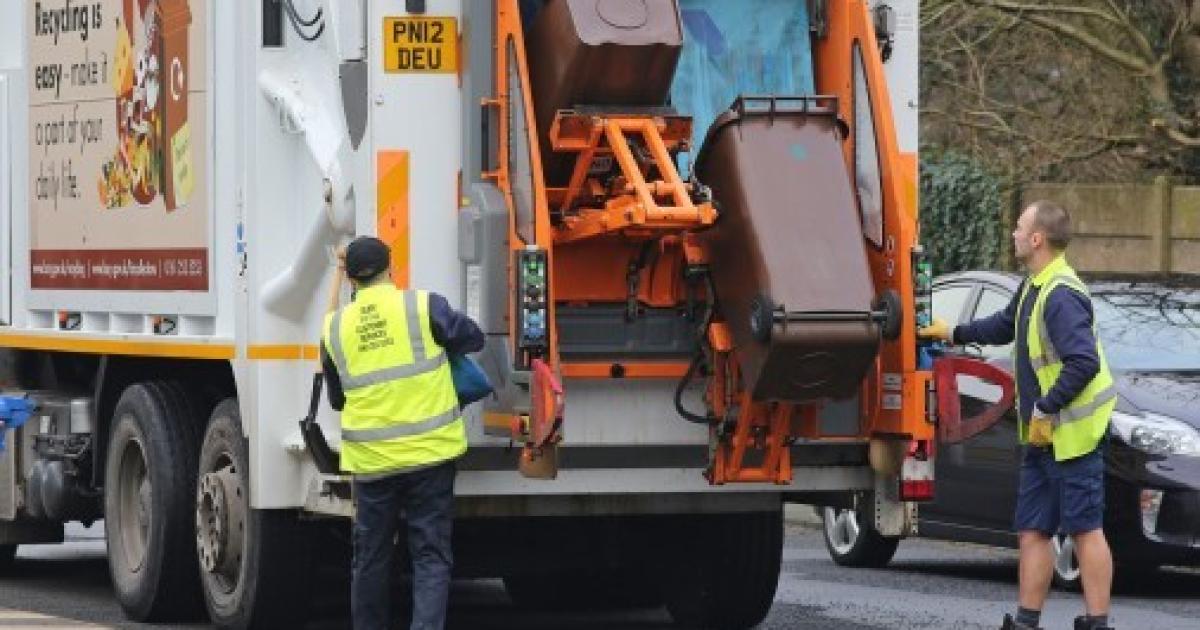
Residents are being advised that bin collection times will temporarily change this week to help protect waste collection crews during the spell of extreme heat.
From Tuesday 23 June to Friday 26 June, crews will begin collections earlier than usual, with a new start time of 6am.
The temporary change has been introduced to allow staff to carry out their work during the cooler parts of the day, reducing the risk posed by high temperatures.
Advertisement
Residents are asked to support crews by:
• Putting their bins out the night before their scheduled collection day
• Ensuring bins are ready for collection by 6am at the latest
• Leaving bins in an accessible and visible location at the kerbside
Advertisement
All collection days remain unchanged, and crews will continue to follow their normal routes.
Cllr Robert Morrisey, Bolton Council’s Executive Cabinet Member for Environmental Services, said: “This change is a short-term measure to ensure essential services can continue while prioritising the health and wellbeing of frontline staff during very hot weather.
“The council thanks residents for their cooperation and understanding during this period.”
An amber heat alert has been issued for Bolton and the rest of Greater Manchester as temperatures are set to rise reaching highs of 35C on Thursday.
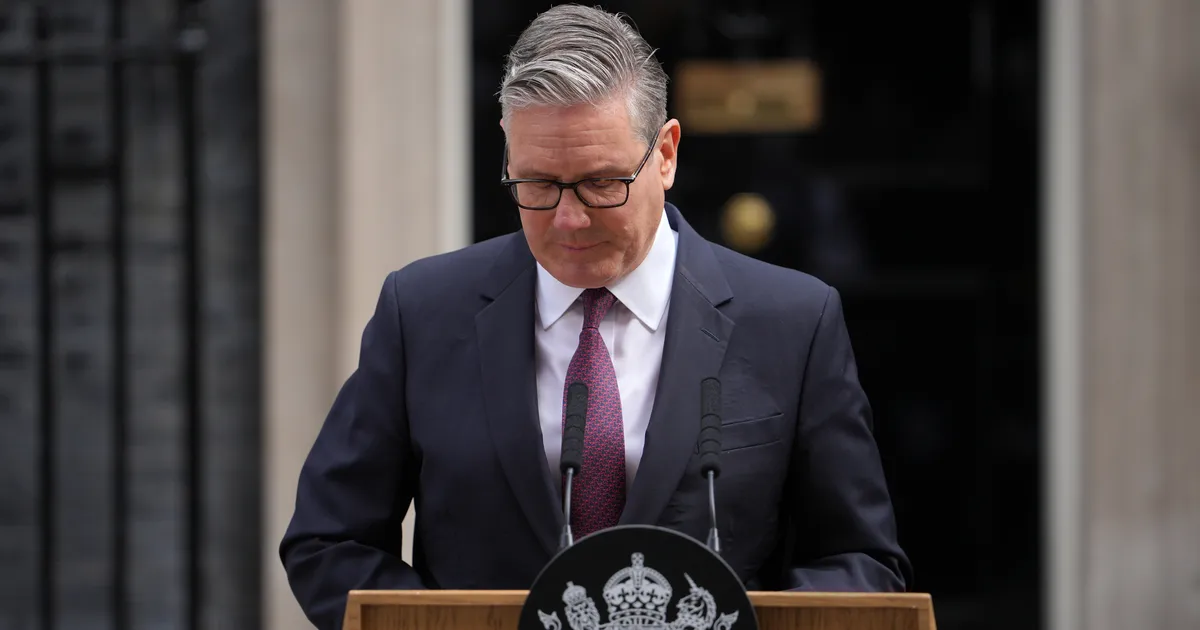
This morning, Sir Keir Starmer stepped out of Downing Street accompanied by his wife Victoria to cheers and applause from his team.
In his resignation speech, Sir Keir said he will resign as leader of the Labour Party, and he has informed the King of his decision.
He began to get emotional as he thanked his wife Victoria and spoke about his children who are his “pride and joy”.
Advertisement
What happens now that Sir Keir Starmer has resigned as Prime Minister?
Following Sir Keir’s resignation, a Labour leadership race will take place within the coming weeks.
Until the next Prime Minister is confirmed, Sir Keir will continue in the role.
The Party will choose its next leader and the next occupant of 10 Downing Street.
When it comes to entering the contest, Labour’s rules mean even getting onto the ballot can be a complex process, the Press Association says.
Advertisement
First, candidates must secure the backing of 81 Labour MPs, 20% of the party’s parliamentary strength.
They then need to receive nominations from either 5% of constituency Labour parties, or three affiliated organisations (which must include two trade unions) which represent 5% of affiliated membership.
Only after passing those two stages will candidates go before the party membership.
Sir Keir Starmer in profile
Who could be the next Prime Minister?
Andy Burnham’s decision to stand in the Makerfield by-election – giving up the Greater Manchester mayoralty to become an MP – suggests he believes he has the necessary backing from the parliamentary party to get onto the ballot.
Advertisement
Former health secretary Wes Streeting has repeatedly insisted he has the 81 names required to mount a leadership bid, and has spent the weeks since his resignation setting out his stall.
Former Royal Marines officer Al Carns, who quit as armed forces minister in a row over defence funding and the treatment of Northern Ireland veterans, has also hinted he would seek to enter a leadership race, although it is unclear whether the MP, who was only elected in 2024, has the supporters required to get on the ballot paper.
Has a UK Prime Minister resigned before?
Prime Ministers resigning is a regular occurrence in UK politics.
Advertisement
Labour PM Tony Blair resigned in 2007, while his successors David Cameron, Theresa May, and Boris Johnson all stepped down from their posts.
Boris Johnson was forced to resign after the partygate scandal, and other events turned the public and much of his own party against his premiership.
In 2022, Liz Truss became the UK’s shortest-serving PM after being in the role for just 45 days before she stepped down.
Who would you like to see be the next Prime Minister? Tell us in the comments below.













































You must be logged in to post a comment Login