
Business
S&P 500 Notches New All-Time High Near 7,665 as Wall Street Rallies on Falling Oil and Strong Earnings

U.S. stocks pushed to a fresh record Tuesday, with the S&P 500 climbing to an all-time high near 7,665 as falling oil prices, easing tensions in the Middle East and a strong corporate earnings season combined to lift Wall Street back into record territory for the first time since June.
The benchmark index advanced roughly 0.8% during Tuesday’s session, surpassing its previous closing record of 7,620.90, which had been set on June 2. The index rose 0.7% shortly after the opening bell to trade at 7,653 points, putting it on pace for its first new closing record in more than two months, before extending gains further as the session progressed. The move left the S&P 500 up approximately 11.4% for the year.
A rebound from summer turbulence
Tuesday’s record marks a notable turnaround after a stretch of volatility earlier in the summer, when nerves about the sustainability of artificial-intelligence-related spending briefly rattled markets and pulled the index away from its earlier highs. A strong second-quarter earnings season, combined with a rotation into different sectors and a rebound across technology stocks, has helped push the S&P 500 back toward record levels in recent weeks.
Much of Tuesday’s momentum built directly on a powerful session Monday, when the tech-heavy Nasdaq Composite surged 2.13%, the S&P 500 climbed 1.48%, and the Dow Jones Industrial Average advanced 1.32% to its own record close. Megacap technology stocks led that rally, with Amazon soaring 4.6% to surpass a $3 trillion market capitalization for the first time. Other major gainers included Microsoft, up 4.9%, Meta Platforms, up 6%, Alphabet, up 4.9%, Nvidia, up 2.9%, and Tesla, up 3.5%.
Oil prices and Iran diplomacy fuel investor optimism
A significant driver behind Tuesday’s gains came from falling oil prices, tied to growing optimism that diplomatic talks between the United States and Iran could soon resolve tensions surrounding the Strait of Hormuz, a critical global oil shipping corridor. Treasury Secretary Scott Bessent told CNBC early Tuesday that he believes a deal to reopen the strait could be reached soon, comments that helped ease investor anxiety over the potential for continued supply disruptions tied to the ongoing conflict.
Falling crude prices have also helped calm broader inflation concerns among investors, while U.S. Treasury yields pulled back Tuesday after climbing sharply the previous week, providing additional support for stocks trading at elevated valuations.
Earnings season continues to deliver
Tuesday’s rally also coincided with a busy stretch of corporate earnings reports that have generally exceeded Wall Street’s expectations. Investors were awaiting SpaceX’s first-ever quarterly earnings report as a public company, due after Tuesday’s closing bell, one of the most closely watched releases of the week given the scale of investor interest in the space and AI infrastructure company since its June initial public offering. SpaceX shares rose about 1% to $116 in Tuesday trading, though they remained well below the company’s $135 IPO price.
Other companies reporting strong results in recent sessions have included Caterpillar, whose record quarterly revenue tied to data center construction demand helped drive Monday’s broader market rally, and Palantir Technologies, whose blockbuster earnings and raised full-year outlook added further momentum to the technology sector’s rebound.
The stocks driving the rally
Among individual names fueling the S&P 500’s climb back to record territory, memory chip maker Micron has stood out as one of the year’s top performers, with shares up sharply as part of a broader surge in memory and semiconductor stocks tied to demand for AI infrastructure. Micron recently crossed the $1 trillion market capitalization threshold for the first time, reflecting the scale of investor enthusiasm surrounding companies positioned at the center of the AI buildout.
A historically frequent occurrence
Tuesday’s new high continued what has been a remarkably frequent pattern for the index throughout 2026. According to Charlie Bilello, chief market strategist at Creative Planning, the S&P 500 has now notched dozens of all-time highs so far this year, part of a broader historical trend in which the index has recorded more than 1,300 all-time highs since its inception in 1957, averaging a new record roughly once every 19 days. A year ago, the index stood near 5,900; five years ago, it was around 4,200; and a decade ago, it traded closer to 2,100, underscoring the scale of the index’s long-term climb even amid periodic bouts of volatility.
A note of caution ahead
Despite Tuesday’s record, some market strategists have flagged the coming months as historically challenging for stocks. According to Bank of America, the period spanning August through October has historically represented the S&P 500’s weakest three-month stretch of the calendar year, a seasonal pattern some investors are watching closely given the market’s current elevated valuations and continued uncertainty tied to both AI-related spending trends and the unresolved situation surrounding Iran and the Strait of Hormuz.
With SpaceX’s earnings due after Tuesday’s close and continued developments expected in the U.S.-Iran diplomatic talks over the Strait of Hormuz, investors are bracing for a stretch that could bring renewed volatility even as the market sits at fresh record highs. Additional earnings reports and economic data in the coming days, including Friday’s closely watched labor market report, are expected to further shape investor sentiment as Wall Street looks to build on Tuesday’s milestone heading into the historically softer late-summer trading months.

Shopify earnings loom: Can AI strategy offset Meta threat?


Originally acquired 80% stake back in 2024.
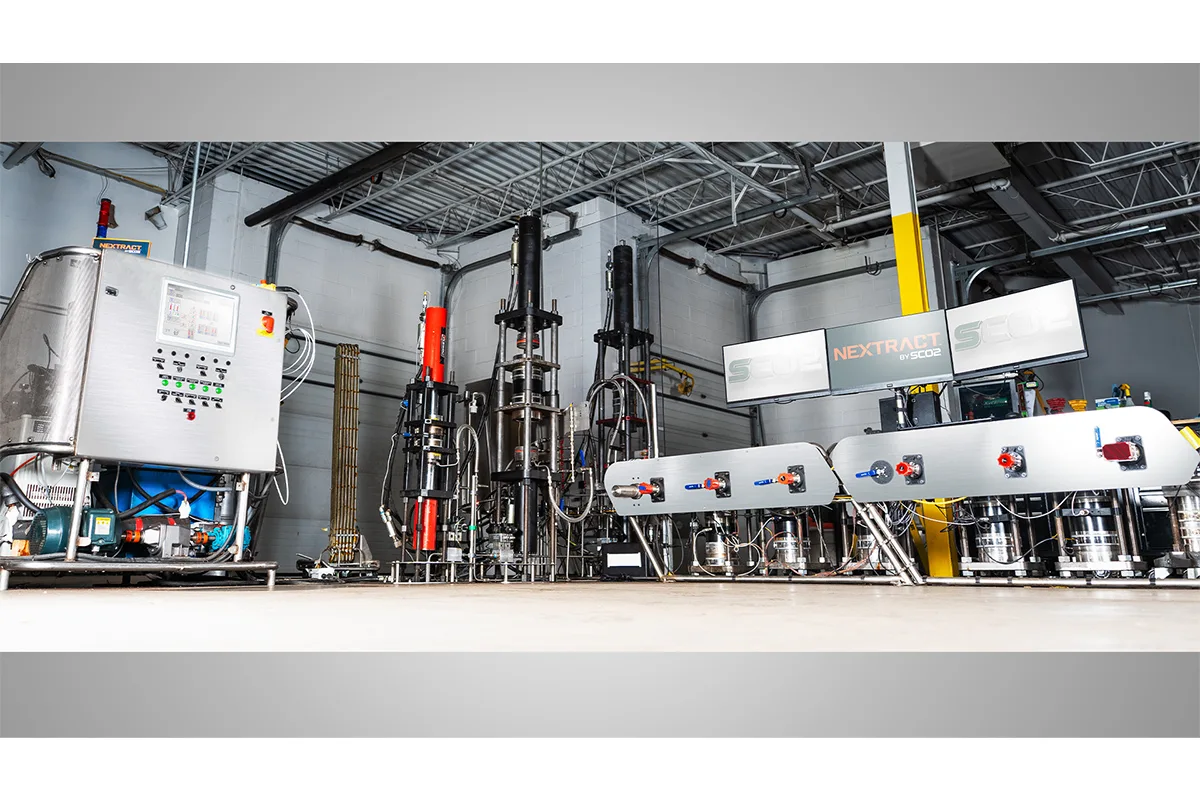

SCO2 converts byproducts and turns it into ingredient opportunity.
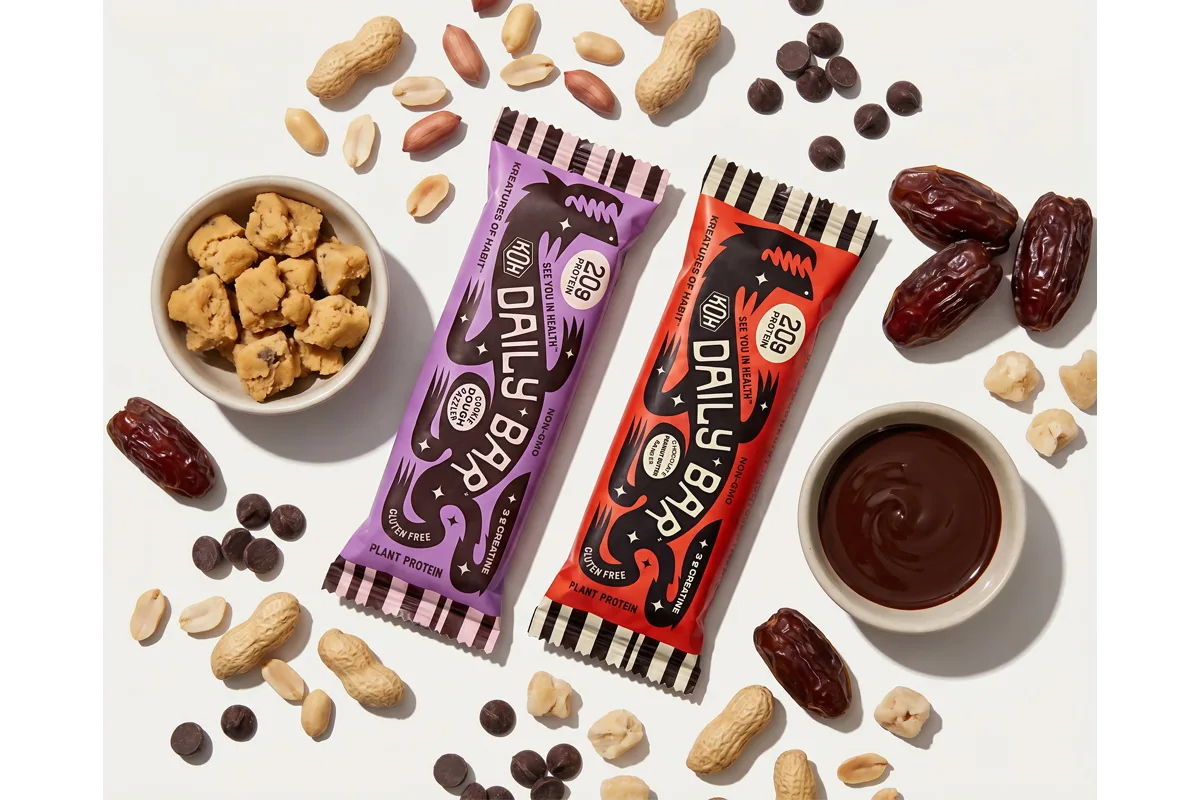

Entrepreneur is targeting active younger and older consumers.
Business
Trump Slams Exxon and Chevron for Making ‘Too Much Money’ Amid Soaring Iran War Oil Prices This Week
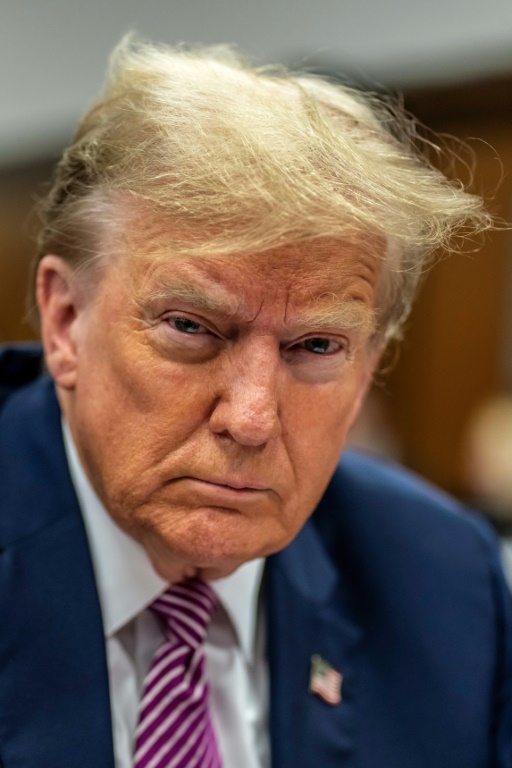
WASHINGTON — President Donald Trump lashed out at ExxonMobil and Chevron on Monday, accusing the two oil giants of making excessive profits from surging crude prices tied to the ongoing conflict with Iran and demanding they lower prices for American consumers.
Speaking to reporters at the White House during an executive order signing, Trump singled out both companies by name over their recently reported second-quarter earnings. “Chevron, too much money. ExxonMobil, too much money,” Trump said, adding that the companies “better cut the retail price, the consumer price” and return some of their profits to the public.
Record profits amid a supply shock
Trump’s comments followed second-quarter earnings reports last week that showed both companies posting sharply higher profits compared with the same period a year earlier. ExxonMobil reported earnings of $14.5 billion for the quarter, roughly double what it earned during the same period last year. Chevron reported $12 billion in quarterly profit, up from $2.5 billion a year earlier, marking a roughly 400% increase and the company’s highest quarterly earnings in at least six years. Combined, the two oil majors posted $26.5 billion in second-quarter earnings.
“They’re making too much money based on a shortage,” Trump said, framing the profits as a direct consequence of the supply disruption caused by the conflict rather than normal market performance. “I don’t like it.”
Oil prices surge as the Strait of Hormuz remains contested
The earnings windfall for both companies has come amid a dramatic run-up in oil prices since the United States and Israel launched coordinated strikes against Iran on Feb. 28. U.S. crude oil prices have climbed roughly 20% since the conflict began, with oil futures averaging around $92 per barrel from April through June, about 27% higher than the first quarter of the year. Iran has retaliated by attempting to choke off oil exports through the Strait of Hormuz, a critical global shipping corridor, triggering what has been described as the largest supply disruption in the region’s history.
Those higher crude prices have translated directly into pain at the pump for American drivers. Gasoline prices averaged about $4.10 per gallon nationwide on Monday, according to AAA data, nearly 40% higher than the $2.98 per gallon drivers paid on Feb. 27, the day before the war began.
Trump pressures companies to share profits
Trump was blunt in his demand that the oil companies pass along relief to consumers, drawing a direct comparison between the scale of their profit growth and what he argued they owed the public in return. “When you look at one company, where they made 12 times what they made the year before, they’re going to give some of that back to the public, and they better cut the retail price, the consumer price,” Trump said.
The president acknowledged the apparent tension between his criticism and his broader economic philosophy, noting his general support for free markets even as he pushed the companies to act. “I should be the last one to say it because I’m a big free enterprise guy,” he said, adding, “Nobody bigger.” Still, he made clear his frustration with the current situation. “I’ll say it loud and clear. I’m not happy about it,” Trump said.
A prediction of falling prices ahead
Despite his criticism of the oil companies’ current profits, Trump expressed optimism that prices would ease significantly once the conflict with Iran concludes, predicting that oil prices would “drop through the floor” when the war ends. His comments came as he separately addressed the state of ongoing negotiations with Iran, describing the current round of talks as Iran’s “last chance” to reach a deal and accusing Iranian leadership of being “unbelievably duplicitous” in recent discussions with Oman over safe navigation routes through the Strait of Hormuz.
Where the profits are going
According to reporting on the companies’ earnings, both ExxonMobil and Chevron directed their windfall profits primarily toward reducing existing debt rather than increasing share buybacks, a detail that stands somewhat apart from the more consumer-focused response Trump has called for. Neither company had issued a public response to Trump’s comments as of Monday, though shares of both companies dipped modestly following his remarks, with Chevron falling nearly 2% and Exxon trading slightly lower.
A politically charged issue
Trump’s public criticism of the oil industry echoes similar rhetoric used by his predecessor, former President Joe Biden, who also targeted oil companies over their profits during periods when inflation was weighing heavily on American consumers. The political stakes tied to gas prices appear significant for Trump as well: a Quinnipiac University poll found that 54% of voters blame the president “a lot” for the recent rise in gasoline costs, a finding that comes as the administration faces broader scrutiny over its handling of both the Iran conflict and its economic fallout ahead of November’s midterm elections.
Market context
Even as Trump criticized the oil companies’ profits, broader oil markets showed signs of easing Monday, with Brent crude, the international benchmark, falling nearly 5% to around $83 per barrel amid growing optimism that a diplomatic resolution to the Iran conflict may be within reach. That decline came the same day the Dow Jones Industrial Average closed at a record high, driven in part by falling oil prices and a broader rally in technology stocks.
With earnings season for the major oil companies now largely behind investors, attention is likely to shift toward whether Exxon and Chevron respond in any way to Trump’s public pressure, and whether ongoing diplomatic talks between the U.S. and Iran over the Strait of Hormuz produce the kind of resolution the president has suggested could send oil prices sharply lower. Until then, American drivers are likely to continue facing elevated prices at the pump, keeping pressure on both the White House and the oil industry as the conflict’s economic fallout continues to unfold.
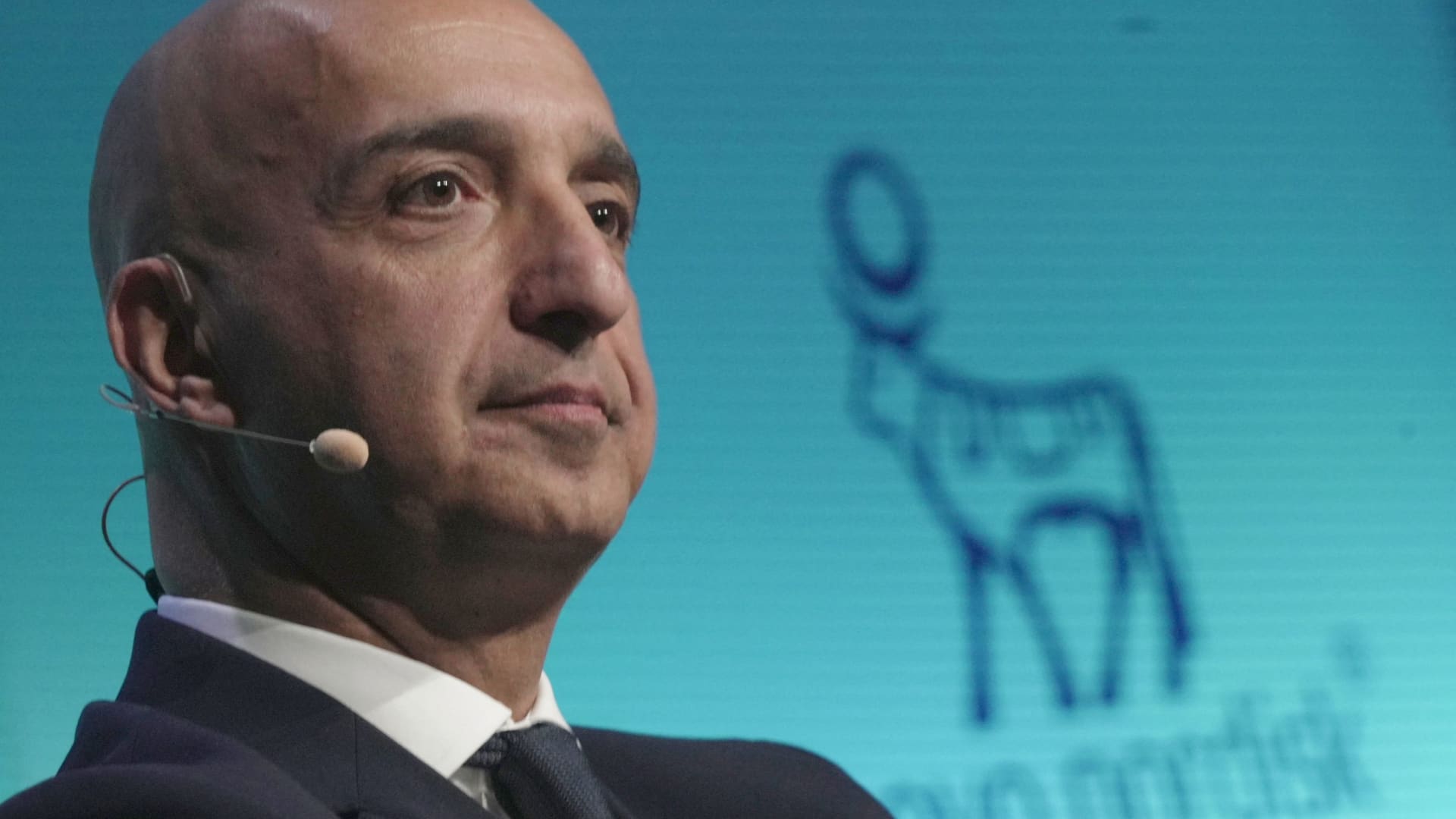
Novo Nordisk CEO Maziar Mike Doustdar waits for the start of the pharmaceutical company’s annual general meeting in Copenhagen, Denmark, March 26, 2026.
Tom Little | Reuters
U.S.-traded shares of Novo Nordisk dropped more than 5% on Tuesday after the Danish drugmaker released guidance that appeared to disappoint investors.
The company hiked its 2026 outlook, saying it expects adjusted sales to be down 6% to flat at constant exchange rates. Novo Nordisk previously said it anticipated adjusted sales would fall between 4% and 12%.
The drugmaker also said it expects adjusted operating profit to be in a range of down 6% to flat. It had previously anticipated that metric would drop between 4% and 12%, as well.
Notably, Novo also said it expects a sales decline in U.S. operations, citing current prescription trends for GLP-1 injections, “intensifying” competition and a negative impact from reduced obesity medicine coverage in Medicaid. The company also cited lower realized prices in the U.S., in part due to the landmark “most favored nation” drug pricing agreement it struck with President Donald Trump for its GLP-1s.
Novo Nordisk also announced key financial metrics for the second quarter and first half of 2026, ahead of an expected earnings release on Wednesday. Eli Lilly, its lead rival in the booming market for GLP-1 drugs, is also scheduled to post quarterly results on Wednesday.
The Danish drugmaker said second-quarter sales rose to 78.49 billion kroner ($12.09 billion), up 3% in constant currency. On an adjusted basis, sales climbed 7% during the period.
Novo said its newly launched pill version of its Wegovy weight loss drug raked in 3.22 billion kroner for the second quarter. That’s slightly below the 3.27 billion kroner that analysts were expecting for the period, according to StreetAccount.
The pill has now topped 5 million prescriptions since its launch in January, CEO Mike Doustdar said in a statement Tuesday.
“We think the lack of upside for Wegovy pill vs. models has stock down,” Jared Holz, Mizuho Securities healthcare sector specialist, said in an email to clients. “But in totality this is an improvement from earlier in the year in terms of trajectory.”
Meanwhile, adjusted operating profit rose 11% in constant currency to 33.39 billion kroner.
Those rollouts of the pill and a higher-dose version of the Wegovy injection have helped Novo Nordisk regain its footing in the GLP-1 market after Eli Lilly established a market share lead on the strength of its Zepbound and Mounjaro injections.


The bar features 10 grams of protein.
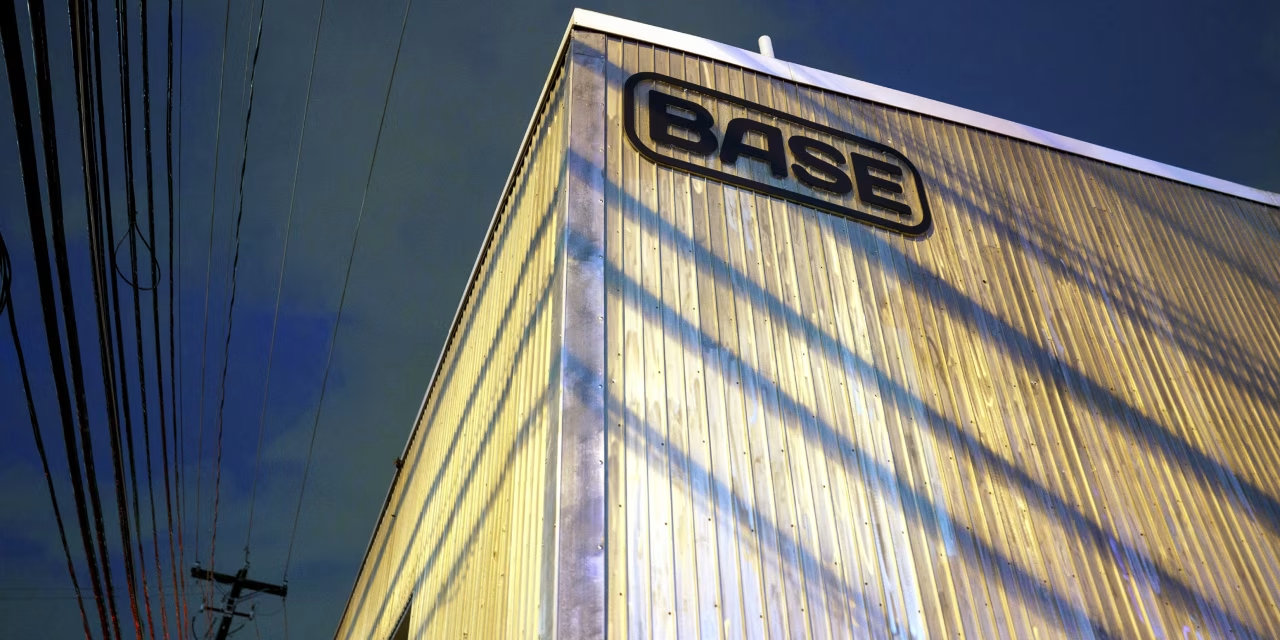
AUSTIN, Texas—Steps away from an old printing press, a fleet of industrial robots and dozens of workers assemble the building blocks of what a highflying startup hopes will be America’s next big power company.
Base Power is racing to build and install tens of thousands of batteries in residential backyards and become one of the country’s largest developers of battery storage. The three-year-old company just locked down a $1 billion funding round that brings its valuation to $13 billion. The company has raised more than $2.5 billion in all.
Copyright ©2026 Dow Jones & Company, Inc. All Rights Reserved. 87990cbe856818d5eddac44c7b1cdeb8
shares fell sharply and Bristol Myers Squibb’s BMY climbed, after media reports that the two drugmakers held merger talks.
London-listed shares in AstraZeneca were down 6.4% in European morning trading. Meanwhile, Bristol’s shares were up 5.5% in U.S. premarket trading.
Copyright ©2026 Dow Jones & Company, Inc. All Rights Reserved. 87990cbe856818d5eddac44c7b1cdeb8

Four years after the initial public offering (IPO), which had fetched Rs 21,000 crore, the government launched LIC’s offer for sale (OFS), looking to sell up to 6.5% stake. This in size compares with the upcoming mega IPO offerings of the NSE and Reliance Jio Platforms.
Through the two-day OFS, the government is selling up to 6.5 per cent stake or over 82.22 crore in the country’s largest insurer LIC at a floor price of Rs 382/share.
The issue comprises a base offer size of 2.5 per cent, with a green shoe option of 4 per cent.
The issue will open for retail investors on Wednesday.

Institutional investors put in bids for over 94.45 crore shares, at an indicative price of Rs 383.84/share. The bids are valued at Rs 36,400 crore at the indicative price bid.
Shares of LIC slid 7.86 per cent to close at Rs 391 on the BSE. Its market capitalisation stands at Rs 4.95 lakh crore.The floor price of Rs 382/share was set at a 10 per cent discount over Monday’s closing price of Rs 424.35 on the BSE.
At the floor price, the sale of over 82.22 crore shares, or a 6.5 per cent stake at the given floor price will fetch about Rs 31,000 crore to the disinvestment kitty.
The stake sale will help LIC achieve the minimum public shareholding requirement mandated by market regulator Sebi ahead of schedule.
Sebi had given LIC time till May 16, 2027, to achieve a minimum 10 per cent public shareholding.
At present, the government holds a 96.5 per cent stake in LIC.
It had earlier sold 3.5 per cent through an initial public offering (IPO) in May 2022 at a price band of Rs 902-949 per share, raising about Rs 21,000 crore.
In April 2026, the LIC board approved a 1:1 bonus issue.
So far in the current fiscal year, the government has mopped up Rs 21,082 crore through stake sale in seven public sector undertakings and remittances from SUUTI (Specified Undertaking of the Unit Trust of India).
Shopify earnings loom: Can AI strategy offset Meta threat?

Sam Bankman-Fried (SBF) Appeal Mandate Issued, Only One Strand of Hope Left
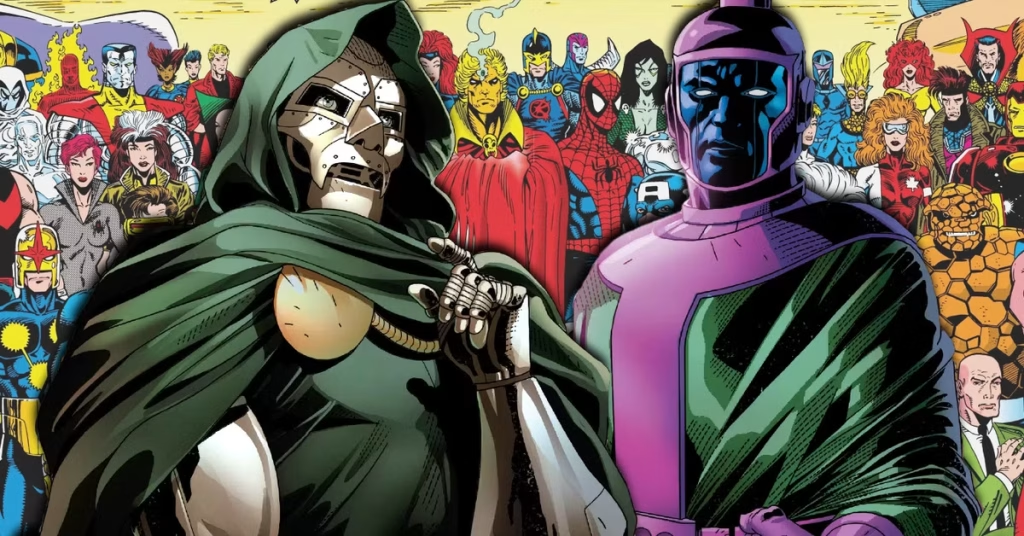
Destin Daniel Cretton Explains Why He Turned Down Avengers: Doomsday for Spider-Man: Brand New Day

Renter of Home in Anne Heche Crash Denies Settlement With Son

No Jackpot Winner as $257 Million Prize Rolls Over to $269 Million Monday Draw

Weekend Open Thread: Staud – Corporette.com

6 Money Rules That Can Make You Rich | Smart Financial Habits Everyone Must Know | Tamil Motivation

Bitcoin & Ethereum Price Analysis Today | Market Trend & Next Move | BTC & ETH Price Prediction 2026

The Biggest Professional Victim in Financial Audit History | Caleb Hammer Clips
-

 Business6 days ago
Why Trees Belong on the Risk Register
-

 Fashion4 days ago
Weekend Open Thread: Wit & Wisdom
-

 Politics4 days ago
Meta enters AI-training agreement with far-right ‘propaganda rag’ Newsmax
-

 Crypto World3 days ago
MicroStrategy Post-Earnings CLARITY Act Push Could Add New Catalyst for Its Stock
-

 Politics6 days ago
Reform UK betrays West Mids residents by running from party pledges
-

 Business7 days ago
Major shareholder moves on Canyon
-

 Crypto World4 days ago
XRP Ledger v3.3.0 brings five institutional features
-

 News Videos5 days ago
Bitcoin Enters the 3rd Stage of the Bear Market
-

 Politics2 days ago
Zack Polanski: an incitement to murder Nigel Farage?
-

 Crypto World7 days ago
Kraken Enables Retail Access to Jersey Mike’s IPO via Tokenized Shares
-

 Politics5 days ago
Luke Littler’s dominance sparks GOAT debate
-

 Sports5 days ago
Seema Kaliramna Wins Discus Throw Bronze, Takes India’s CWG Medals Tally To 17
-

 News Videos7 days ago
Claude: Build Financial Dashboards in Minutes (2026)
-

 Crypto World4 days ago
New York sues Kalshi over prediction market gambling
-

 Crypto World2 days ago
Crypto PAC spending tops $2M in Michigan House race
-

 Business7 days ago
Johnson & Johnson agrees to $5.5B settlement over talc cancer claims
-

 Business4 days ago
Trump Announces Hamas Disarmament Agreement as Iran Strikes Kuwait Air Base and US Attacks Pause Overnight
-

 Tech6 days ago
Gemini can now summarize the messiest comment threads in Google Docs
-

 Tech3 days ago
ESET tracks rise in malicious AI skills and adaptable malware
-

 NewsBeat5 days ago
Four people die trying to cross Channel in small boats
You must be logged in to post a comment Login