INDIO, Calif. — As the Coachella Valley Music and Arts Festival kicks off its 25th edition this weekend with sold-out crowds and desert heat, one metric stands out amid the buzz: Instagram follower counts among the more than 100 performing artists. Justin Bieber, headlining Saturday nights on April 11 and 18, commands the largest audience on the platform with approximately 293 million followers, dwarfing fellow headliners Sabrina Carpenter and Karol G.
Justin Bieber
Bieber’s dominance on social media reflects his enduring global appeal since bursting onto the scene as a teenager more than 15 years ago. The Canadian pop star, making his Coachella headlining debut, has maintained a massive Belieber fanbase that engages actively with his posts about music, family and personal milestones. His Saturday set at 11:25 p.m. is expected to draw huge crowds, with fans already camping out early at the main Coachella Stage.
Sabrina Carpenter, headlining Friday nights, follows as the second-most followed Coachella 2026 artist with around 49 million Instagram followers. The pop sensation, riding high from hits like “Espresso” and her “Man’s Best Friend” era, has seen explosive growth in recent years. Her Friday performance at 9:05 p.m., followed by a special midnight set from Anyma, is one of the most anticipated of the weekend. Carpenter first teased her headlining return after a memorable 2024 appearance, promising an ambitious production.
Karol G, the Sunday headliner and the first Latina artist to top the bill at Coachella, boasts roughly 71 million followers. The Colombian reggaeton and Latin trap star brings historic representation to the Empire Polo Club stage, closing out the festival at 9:55 p.m. Her set is expected to blend high-energy anthems with cultural pride, building on her strong 2022 Coachella performance.
Instagram follower data for Coachella performers varies by source and fluctuates daily, but Bieber’s lead is undisputed. Other notable acts trail far behind the headliners. Addison Rae, performing on Saturday, has built a substantial following from her TikTok roots and music career, estimated at over 34 million. Rising stars like Teddy Swims (around 9 million), Laufey (7.5 million) and KATSEYE (7.1 million) show strong growth but remain in the lower tiers compared to established superstars.
Advertisement
The disparity highlights how social media clout translates — or doesn’t always directly translate — to festival draw. While Bieber’s numbers dwarf others, artists like The Strokes, The xx, Armin van Buuren and Fatboy Slim bring dedicated niche followings that pack tents and stages regardless of raw Instagram metrics. Electronic acts such as Anyma, debuting his Æden project, and DJs like Afrojack draw passionate crowds through live energy rather than daily posts.
Coachella’s eclectic 2026 lineup spans genres, from pop and Latin to rock, indie, electronic and global sounds. First-time performers include Filipino girl group BINI and global act KATSEYE, both generating significant online buzz despite smaller follower bases. Japanese sensation Fujii Kaze is also making his debut, with fans sharing excitement across social platforms.
Industry observers note that Instagram remains a key driver for festival hype, ticket resales and sponsorships. Artists with massive followings like Bieber can amplify the event’s reach instantly with a single story or post. However, Coachella’s appeal has always extended beyond metrics — the experience of discovery, fashion moments and surprise collaborations often elevates lesser-known acts.
Bieber’s path to headliner status comes after years of personal and professional evolution. Recent stripped-down releases and a major comeback narrative have reignited interest, with fans eager to see how he translates his catalog to the desert main stage. Reports indicate high anticipation, with Beliebers traveling from around the world, including Brazil, to secure prime viewing spots.
Advertisement
Carpenter’s rise exemplifies Gen Z’s influence on pop culture. Her clever lyrics, viral marketing and theatrical performances have turned her into a streaming and social powerhouse. At Coachella, she is expected to deliver one of the most visually ambitious sets of the weekend, building on her promise from two years ago.
Karol G’s milestone as the first Latina headliner adds cultural weight. Her music resonates deeply across Latin America and beyond, and her Instagram presence mixes personal glimpses with high-production music content. The performance is poised to celebrate community and push boundaries in a space that has historically underrepresented Latin artists at the top.
Beyond the headliners, the festival features a mix of veterans and breakthroughs. The Strokes return with their signature rock energy, while The xx reunites for what many see as a pivotal live moment. Electronic favorite Armin van Buuren teams with Adam Beyer, promising high-octane sets. Soulful newcomer Teddy Swims and jazz-pop artist Laufey offer contrasting vibes across the sprawling grounds.
Social media engagement around Coachella 2026 has been intense since the lineup dropped in September 2025. Hashtags and fan edits flood feeds, with discussions often centering on set times, clashes and predictions for special guests. Livestream options on YouTube allow global audiences to follow along, further boosting artists’ visibility.
Advertisement
Analysts point out that follower counts provide only one snapshot. Engagement rates, demographic reach and platform algorithms play equal roles in influence. Younger acts like Addison Rae leverage cross-platform synergy from TikTok to Instagram, while legacy names maintain steady but less explosive growth.
For emerging artists, a Coachella slot can be transformative. Performances often lead to follower spikes, streaming surges and new opportunities. BINI’s historic set as the first Filipino group at the festival has already sparked pride and increased attention online. Similarly, KATSEYE’s global girl group concept draws international fans eager to witness their desert debut.
Coachella organizers emphasize community and discovery through the official app, where users can save favorites and build custom schedules. With two weekends — April 10-12 and 17-19 — the festival offers multiple chances to catch sets, though many fans attend both for varying lineups and experiences.
Weather, logistics and the iconic art installations add to the allure, but music remains the core. From late-night electronic showcases to daytime indie and pop performances, the bill caters to diverse tastes. Jack White’s added afternoon set on the Mojave Stage provides another rock highlight.
Advertisement
As the first weekend unfolds, real-time social media reactions will offer fresh insights into which performances resonate most. Bieber’s headlining slot, given his follower advantage, is likely to generate significant digital conversation, but Carpenter’s and Karol G’s sets could produce equally viral moments through creative staging and crowd energy.
The 2026 edition marks a milestone for the festival, blending established superstars with fresh global voices. While Justin Bieber leads in Instagram followers by a wide margin, the true measure of success at Coachella often lies in the live connection forged under the desert sky — moments that transcend follower counts and become festival lore.
Fans and critics alike will watch closely as the lineup delivers on its promise of unforgettable experiences. Whether through Bieber’s pop anthems, Carpenter’s clever pop spectacle or Karol G’s cultural celebration, Coachella 2026 underscores the power of music to unite across platforms, borders and metrics.
Some of Britain’s most prominent entrepreneurial voices are pressing the Treasury to introduce a targeted tax incentive designed to keep the proceeds of successful exits circulating within the domestic start-up ecosystem, rather than drifting into passive wealth management or overseas opportunities.
The proposal, which has been dubbed “repeat entrepreneur relief”, would allow founders who sell shares in their companies and reinvest the gains into a new venture within twelve months to defer capital gains tax indefinitely. The liability would only crystallise when the new shares were eventually sold without further reinvestment.
The idea has been put forward in various forms by the Founders Forum Group, Schroders and UK Private Capital as part of a recent Treasury consultation on the tax treatment of entrepreneurs. Each submission makes broadly the same case: that the UK’s tax framework does a reasonable job of supporting businesses as they grow, but does far too little to encourage founders to recycle their capital and experience once they have cashed out.
UK Private Capital, the trade body representing venture capital and private equity firms, argued there is a compelling rationale for aligning tax incentives with the post-exit phase, when founders hold significant capital, possess hard-won operational expertise and face decisions about where to base themselves and where to deploy their money next.
The Founders Forum Group, co-founded by Brent Hoberman and Jonnie Goodwin, drew a comparison with the American Qualified Small Business Stock scheme, under which founders pay no capital gains tax on gains of up to $10 million or ten times their original investment. The group described that exemption as a primary driver of the reinvestment culture that has long defined Silicon Valley, where exit proceeds are routinely funnelled straight back into the next generation of companies.
Advertisement
A survey conducted by the Founders Forum Group found that nearly nine in ten founders said such a measure would make them more likely to reinvest in the UK, with more than seven in ten describing the effect as significant.
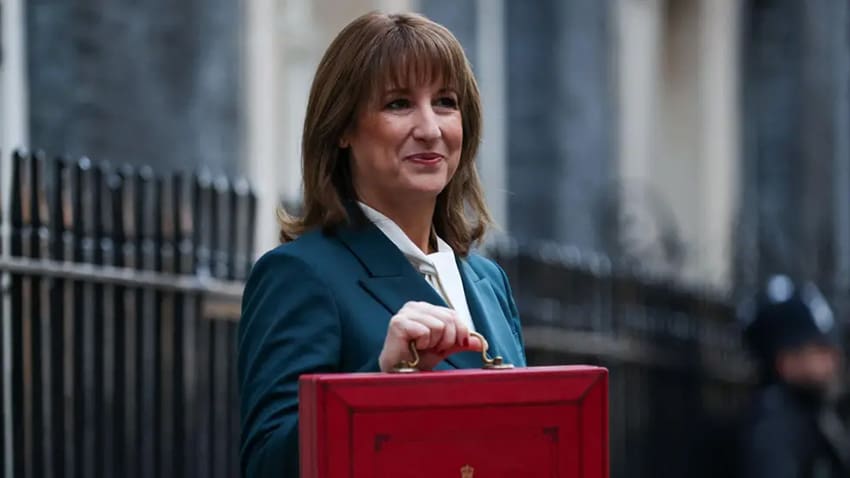
The lobbying comes at a sensitive moment for the government’s relationship with the entrepreneurial community. Since taking office, Chancellor Rachel Reeves has progressively increased the rate of business asset disposal relief, the levy formerly known as entrepreneurs’ relief, from its longstanding rate of ten per cent to fourteen per cent last year, then to eighteen per cent from this month. The standard capital gains tax rate remains at twenty-four per cent.
Many founders have argued that the increases make Britain a less attractive place to build and exit a business, though a number of tax analysts have countered that the previous relief was poorly targeted and did relatively little to encourage genuinely productive reinvestment.
The government has sought to balance these changes with fresh incentives at the earlier stages of the company lifecycle. In November, Reeves extended a package of measures making it easier for founders to offer equity to employees and raise capital, provisions that came into force last week.
Advertisement
A Treasury spokesperson pointed to these steps as evidence that the government has the right economic plan in place, highlighting changes to the enterprise management incentive scheme and venture capital tax schemes that are expected to support around £100 million of additional investment annually.
Whether the Treasury is willing to go further and address the post-exit gap that the lobbying groups have identified remains to be seen, but the volume of submissions suggests the argument for repeat entrepreneur relief is gathering serious momentum.
Jamie Young
Jamie is Senior Reporter at Business Matters, bringing over a decade of experience in UK SME business reporting.
Jamie holds a degree in Business Administration and regularly participates in industry conferences and workshops.
When not reporting on the latest business developments, Jamie is passionate about mentoring up-and-coming journalists and entrepreneurs to inspire the next generation of business leaders.
Changes at the top of Australia’s defence force have been announced by Prime Minister Anthony Albanese, including the appointment of the army’s first female chief of army.
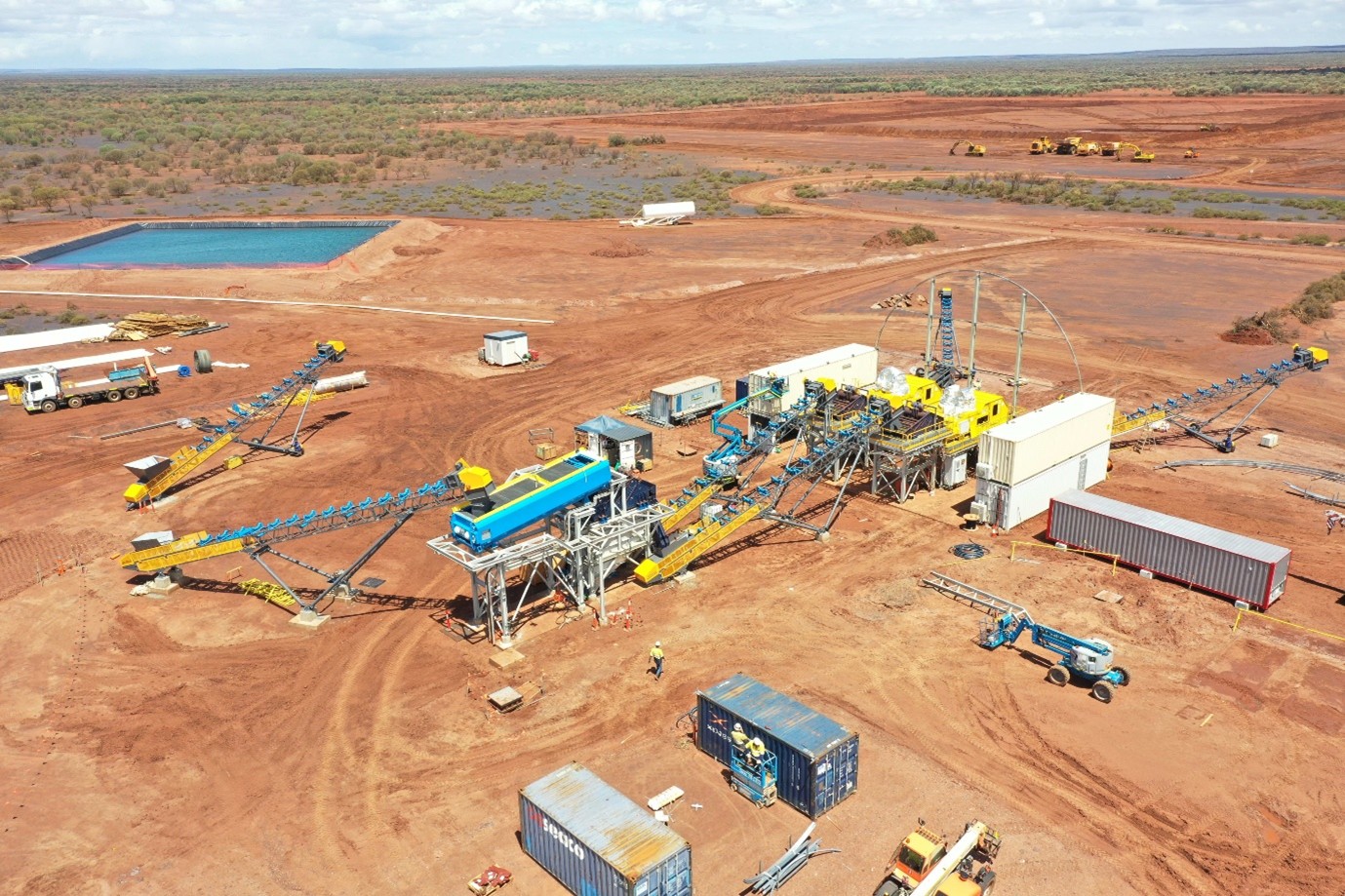
Japanese LNG producer Inpex will divert a condensate cargo from its Ichthys project off the WA coast to domestic refiners in the east, in a bid to support the nation’s fuel security.
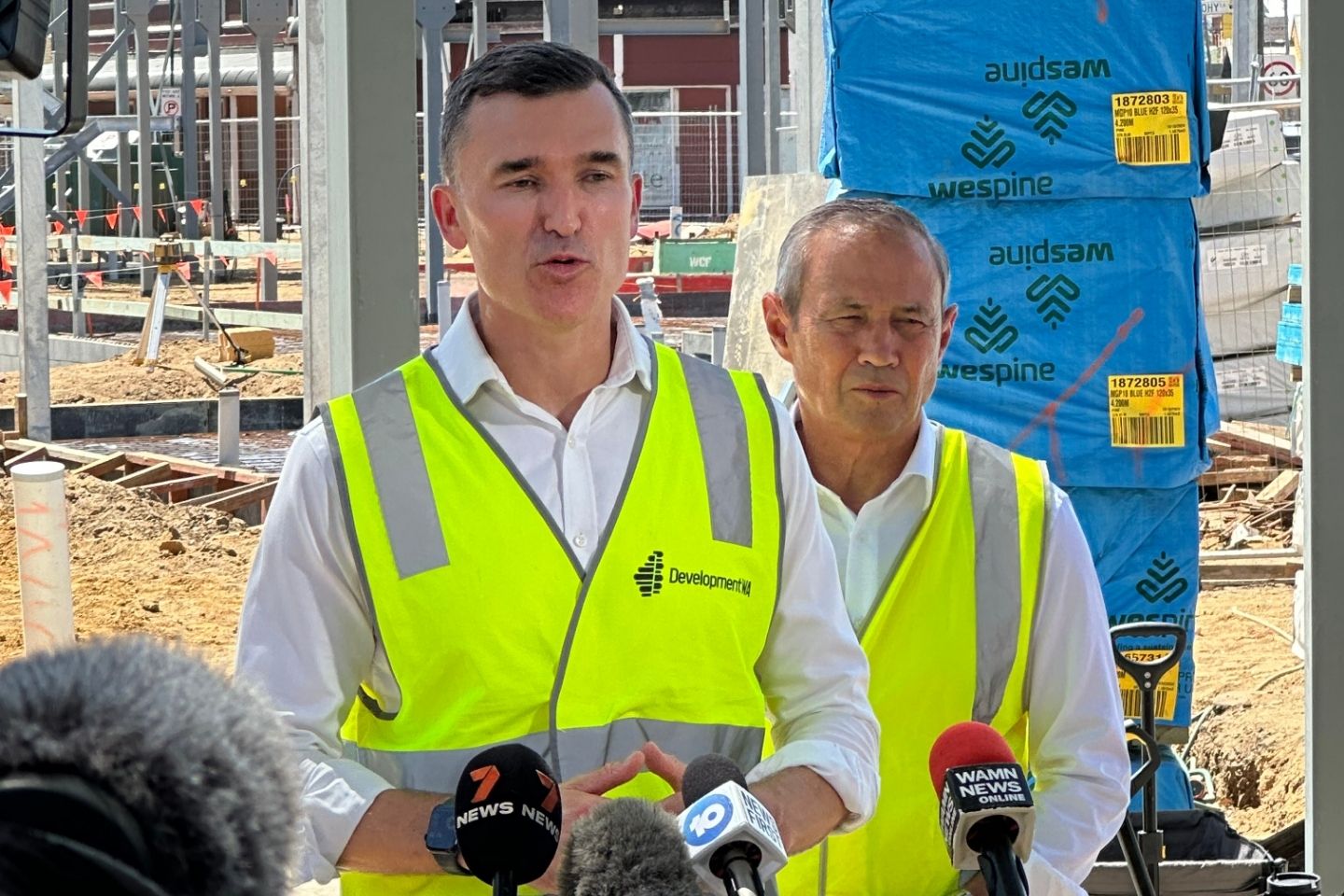
A further $1.5 billion will be spent on health infrastructure and the establishment of a new central coordination office as the Cook government pledges to “unlock” more than 900 hospital beds.
Leconfield Industrial Estate is key Cumberland ‘business cluster’
Ian Duncan and Local Democracy Reporter
04:00, 13 Apr 2026
The plans for two new buildings on a Cumbrian industrial estate (Image: ONE Environments via Cumberland Council planning application)
Two new buildings on a Cumbrian industrial estate could get the green light if the plans are approved this week.
Advertisement
Members of Cumberland Council’s planning committee are due to meet at The Civic Centre in Carlisle on Wednesday to consider the application for two sites at Leconfield Industrial Estate in Cleator Moor.
It is proposed that they would be for general industrial and ancillary office use with 6,356 square metres floorspace and associated car parking, hard and soft landscaping, infrastructure and biodiversity enhancements.
The planning application is being placed before the committee because the site exceeds two hectares in area.
It is recommended that members approve planning permission subject to planning conditions and agree a legal agreement to secure:
Advertisement
a Travel Plan monitoring fee of £6600;
a contribution of £74,032 towards the highway improvements at Moresby Road, Cleator Moor Road and Main Street; and
a contribution £30,039 towards the cost of junction improvement works at Cleator Moor Road and Overend Road.
According to the report Leconfield is an established industrial estate which comprises 17.6 hectares in area and is strategically located within Cleator Moor, between the town centre and the built-up area to the north-west.
It states: “It forms part of what is known as Cleator Moor Innovation Quarter (CMIQ), a ‘business cluster’ for the new nuclear and clean energy sectors, as a focus for collaboration, innovation and diversification.
“The estate currently accommodates some 20 industrial and warehouse units of varying sizes, a number of which are vacant.
“There are also several vacant or cleared plots. This established industrial estate has been in use since the 1940s and more recently has suffered from a period of decline.”
The application requests planning permission for two large buildings which will break down further into: Unit nine – four 658 square metre units, and Unit 12 – five 710 square metre units.
Advertisement
It adds: “The intention is for businesses to grow and move nearby within the wider estate into larger more self-contained accommodation. Plots nine and 12 will be ‘Grow On’ units and will cater for businesses in their growth stages and are sized accordingly.”
To find all the planning applications, traffic diversions, road layout changes, alcohol licence applications and more in your community, visit the Public Notices Portal.
India’s stock indices and its currency face reversal risks from last week’s relief-inducing firmness after the US threatened to blockade the Hormuz Strait following the breakdown of peace talks between the US and Iran, spotlighting the fragility of a truce that dictates oil prices and capital allocation.
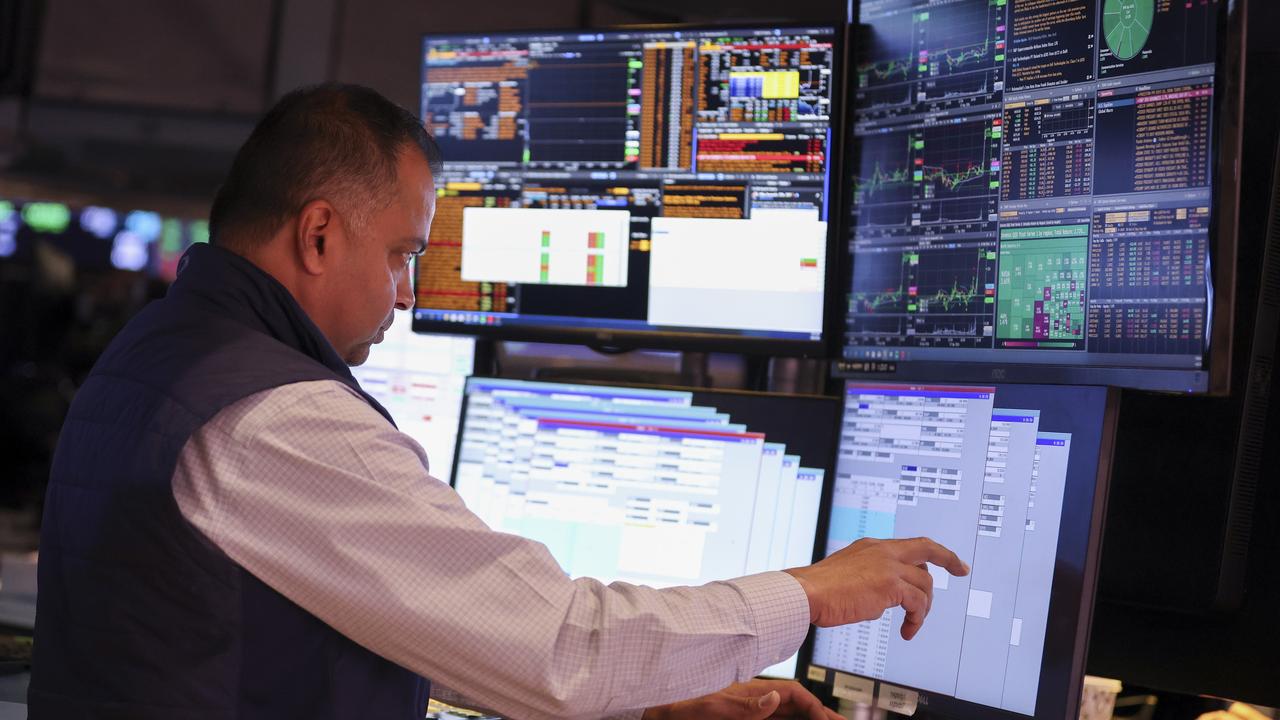
Last week’s stock market rebound—the best over a seven-day period since February 2021–hinges on the broad direction of oil prices in the aftermath of seemingly inconclusive talks in Islamabad, although Reuters cited shipping data to report the passage Saturday of three fully laden super-tankers through the Strait of Hormuz that accounts for a fourth of the global oil trade. “The market would see a gap down opening, though there should not be panic,” said Sham Chandak, head of institutional equities at Elios Financial Services.
“The market will take cues from oil prices, which are at the centre of this conflict.”
Last week, India’s equity indices climbed 6%, snapping a relentless six-week losing run, after the announcement of two-week truce. Oil slumped below $100 a barrel to $95.2 Friday, having climbed to nearly $120 in the immediate aftermath of the war.
Advertisement
For the currency, the bias would likely be weak, too. Stage-gated central bank curbs on speculative trading helped the rupee climb from record lows last week and those regulations could still provide the bulwark against a currency slide due to the oil prices, but the gains are expected to be capped if geopolitical concerns resurface.
Live Events
The rupee’s upside may be capped in the 92.40/$ to 92.50/$ range in the absence of a further retreat in oil prices. On the downside, the central bank is expected to step up intervention around the 94.80/$ level, which is the currency’s record closing low. ‘TENTATIVE’ “Most avenues for speculative trades have been shut, so the market is now largely left with hedgers and market makers. That does make liquidity thinner, but at this point, stability is more important,” said Anindya Banerjee, head of commodity and currency, Kotak Securities.Banerjee expects meaningful intervention by the central bank at levels beyond 94.50/$, as these levels are psychologically very significant.
The rupee depreciated 10% in FY26, from 85.75/$ in April to close at 94.83/$ on March 31. The currency deprecated more than 4% in March alone, after the war started.
To curb the pace of deprecation, the Reserve Bank of India (RBI) came up with two back-to-back circulars on March 27 and April 1, restricting arbitrage trades between offshore and onshore markets.
“Currently, the ‘tweet risk’ outweighs traditional risk concerns. Despite talks of a ceasefire, the absence of a definitive agreement continues to sustain uncertainty,” said Kunal Sodhani, head of treasury at Shinhan Bank India. “This is evident in crude oil prices, which remain elevated in the $95–$100 per barrel range instead of easing meaningfully.”
Advertisement
‘ALL ISN’T LOST’ To be sure, market participants across asset classes expect the two-week time window to be fully utilised to hammer out a solution that is reasonably durable. “The market is cognisant of the fact that the current ceasefire expires on April 22. So there is still time for the parties involved to negotiate,” said Elios’ Chandak.
Some expect short sellers to return, pushing stock prices lower.
“The markets are expected to react negatively to the failure of talks and that is likely to imbue volatility,” said A Balasubramanian, managing director and CEO, Aditya Birla Sun Life AMC. “But typically, these dialogues involve a lot of back and forth and a strong outcome can’t be expected in a single day of talks.”
Some of the large foreign banks are trying a clever ploy to soften the blow from Reserve Bank of India’s (RBI) sudden clampdown on speculative bets against the rupee.
They are understood to have passed off some of the arbitrage deals, which were hit by the recent regulatory directives, as transactions done to hedge the capital received from overseas parents, two persons told ET.
Arbitrage deals are cut to profit from price differences in the local foreign exchange forward market and the offshore market for non-deliverable forwards (NDFs).
Banks were forced to unwind these deals after the Indian regulator slapped a uniform limit of $100 mn on the net open position (NOP) a bank can have onshore.
Advertisement
However, some MNC banks are showing the capital that has come in earlier or flowed in recently from their head-offices as underliers for the onshore forward leg in the arbitrage deals. Thus, this buy-dollar forward contract with a proper underlier is shown as a transaction to cover the risk arising from a slide in the rupee – and not as any part of an arbitrage deal.
Live Events
Foreign banks function as branches in India which are part of the global books. The capital coming in as dollars or euros into an MNC bank’s India operations, are converted into rupees to support and grow the business here. “Technically, this may be a response to the NOP limit. But whether this explanation would stand regulatory scrutiny is unclear as RBI may tend to look into the timeline – when the capital came in, when the forward deals were struck, which of these are now claimed as hedges, how they were accounted for, etc. Also, are there communications between India and the HQ to back the explanation?” said another person.THE NDF DEALS When the rupee comes under pressure, banks cut arbitrage deals by buying dollar forward in India and selling dollar forward in the NDF market which has been flourishing in London, Singapore, Hong Kong, and New York since the ‘90s when foreign portfolio managers,hedge funds and others explored ways to bet on the USD-INR rate following partial convertibility of the rupee.
Typically, when geopolitical turmoil and sell off by foreign funds pulls down INR, the USD trades a little stronger (and INR quotes a tad weaker) in NDF compared to the onshore market. So, the USD-INR rate is higher in NDF than the forward USDINR rates in India. MNC and Indian banks cash in on this by buying USD in the onshore forward market, and simultaneously selling USD-INR in the NDF market. Forward contracts with tenures of one to three months are the most liquid.
RBI came down heavily as the banks with their arb deals were providing liquidity to hedge funds and other international speculators who were shorting the INR. When these players shorted INR, they went long on USD and therefore bought USD-INR forward contracts in NDF. Their counterparties were the Indian banks selling USDINR forwards in the NDF – the offshore leg in the two-legged arbitrage deals.
REGULATORY BYPASS The central bank, which rushed in with restrictions in two phases, had also taken an exception to the practice of corporates in India, who cannot access the NDF, using banks to enter the offshore market. Since USD-INR was slightly higher in NDF, large corporate exporters would sign forward deals with banks in India which did a backto-back deal in the NDF market to offer the companies rates that are very close to the NDF rate – thus, allowing clients to convert more rupees from their export proceeds. This partly shifted liquidity from the onshore to offshore market.
Advertisement
While a forex dealer or a corporate treasurer may find such company-bank-NDF deals kosher, legal practitioners would find them in violation of the central tenet of the Foreign Exchange Management Act: what cannot be done directly, cannot be done indirectly.





















































You must be logged in to post a comment Login