

Business
4 new Vedanta Group stocks to debut on D-St today. Brokerages reveal expected listing prices

The Anil Agarwal-led group had announced in April that each eligible shareholder would receive one share in each of the four companies for every Vedanta share held on the record date, in what is among India’s biggest corporate restructurings in the metals and mining sector.
Vedanta had fixed May 1 as the record date for the much-awaited demerger. While Vedanta shares have already adjusted for the restructuring, investors are now awaiting the listing of the four spun-off entities.
4 Vedanta stocks to undergo price discovery in special pre-open session
The special pre-open session will run from 9 am to 10 am today on the NSE and BSE, after which trading in these stocks will commence. According to exchange notices, shares of Vedanta Oil & Gas, Vedanta Power, Vedanta Aluminium, and Vedanta Iron & Steel will initially be placed in the Trade-to-Trade (T2T) segment, where all transactions are settled through compulsory delivery.Also read: How will Vedanta demerger impact dividend payouts for shareholders?

Here’s a closer look at the four companies listing today and what analysts expect their debut valuations and share prices on Dalal Street to be.
Vedanta Aluminium Metal
Vedanta Aluminium Metal is the largest aluminium producer in India, according to the company. It produced more than half of India’s aluminium at 2.42 million tonnes in FY25, according to its website. It operates a 5 MTPA alumina refinery in Odisha’s Kalahandi district, along with the world’s largest aluminium plant at Jharsuguda, Odisha with 1.85 MTPA capacity. It also operates Bharat Aluminium Company Limited (BALCO) in Chhattisgarh.
Vedanta Aluminium has a vision to double the existing production capacity to 60 lakh tonnes per annum, deep backward integration and structural cost advantages.
ICRA recently removed the long-term rating of Vedanta Aluminium Limited (VAML) from watch with developing implications, following greater clarity on the allocation of assets and liabilities under the ongoing demerger scheme of Vedanta Limited as well as the support framework across group entities. ICRA has also upgraded the rating and assigned a Stable outlook to the long-term rating.
Also read: At what price will each of the four new Vedanta companies list? Check cost of acquisition
Notably, Vedanta Aluminium Metal will likely list as the only large cap company among the four stocks today. Sunny Agrawal, Head of Fundamental Research at SBI Securities, said an investor can buy the shares of Vedanta Aluminium Metal on the back of robust capacity expansion of aluminium and strong LME Aluminium prices. He said that the fair value of Vedanta Aluminium Metal stands at Rs 489 apiece.
“Among the demerged businesses, Vedanta Aluminium stands out as the most attractive entity, with an expected listing valuation of Rs 400+ per share. This is supported by its strong contribution to group revenues and margins, along with favourable industry dynamics such as tight global supply, elevated aluminium prices, and ongoing capacity expansions driving volume growth,” said ICICI Direct in a report.
Vedanta Power
Vedanta Power has more than 4 GW of installed capacity in four strategic assets in Punjab, Andhra Pradesh, Chhattisgarh and Odisha. It has several long-term and mid-term Power Purchase Agreements (PPAs) with state utilities.
Its portfolio comprises Vedanta Power Talwandi Sabo Thermal Plant in Punjab (1,980 MW), Vedanta Power Meenakshi Energy, in Andhra Pradesh (1,000 MW), Vedanta Power Sakti, Chhattisgarh (600 MW operational with another 600 MW under commissioning), and Vedanta Power Jharsuguda Thermal Plant, Odisha (600 MW).
Also read: ICRA removes Vedanta from watch with developing implications
According to Agarwal from SBI Securities, the fair value of Vedanta Power stands at Rs 44 per share. For Vedanta Power, Emkay estimates a share price of around Rs 51.7 per share. Kotak Institutional Equities see the stock at Rs 60 per share, while Nuvama’s valuation implies a value of around Rs 47 per share. CLSA’s estimate corresponds to roughly Rs 35 per share.
Vedanta Oil & Gas
Vedanta Oil & Gas claims to be India’s leading private sector upstream player, as it aims to scale towards 300,000 to 500,000 barrels per day with an investment of $5 billion. “A little over a decade ago, Cairn was valued at $14.5 billion. “When we acquired Cairn, its market capitalization was half of the asset value. Today, Cairn has grown manifold, added many more reserves as well as a natural gas portfolio,” the company had said in a press release earlier this year.
Also read: Vedanta share price adjusts 63% as it trades ex-demerger. What’s next for 21 lakh shareholders?
Vedanta in May said that its average gross operated production for the full year stands at 87.2 kboepd. According to Sunny Agrawal, Head of Fundamental Research at SBI Securities, Vedanta Oil & Gas commands a fair value of Rs 42 per share.
Vedanta Iron & Steel
Vedanta Iron & Steel has operations spanning India and Africa, and is focused on iron ore exploration, mining and processing. It also produces high-quality steel, wire rods, TMT bars, pig iron, ductile iron (DI) pipes, ferro-silicon, cement and metallurgical coke.
According to Sunny Agrawal, Vedanta Iron & Steel commands a fair value of Rs 19 per share. The iron and steel business is likely to see little favour with investors as larger and more focused players make for a stronger investment case, according to experts.
Also read: 4 demerged units of Vedanta to make D-Street debut on Monday
(Disclaimer: Recommendations, suggestions, views and opinions given by the experts are their own. These do not represent the views of The Economic Times)


Speaking to ET Now, Kulkarni said the COVID-19 pandemic played a critical role in reshaping investment preferences. During the crisis, many households discovered that traditional assets such as real estate were not as easy to liquidate as they had once believed.
“People realised that liquidity has a cost. You had a house, but you could not sell it. Businesses were shut, salaries stopped for some people, and money was needed urgently. They realised that real estate was not easy to unlock as they had thought earlier.”
The experience prompted many investors to rethink how they allocated their savings. Mutual funds, with their ease of redemption and accessibility, emerged as a preferred alternative.
Technology Accelerated Financial Inclusion
Kulkarni credited technology for making investing simpler and more accessible than ever before. Digital platforms have dramatically reduced onboarding times, allowing investors to complete transactions within minutes.
“All these apps that are there in the market, and the ease with which integration has happened across onboarding and transactions, mean you can literally do everything within five minutes. That has been a big behavioural change.”
He noted that while technology was a powerful enabler, the real catalyst was investors’ growing appreciation for liquidity.
“Clients told us that when they needed money, they could redeem their mutual fund units immediately. In some cases, they could not even go to a bank to redeem a fixed deposit because branches were inaccessible. Those were the baby steps that fuelled the whole technology story and the idea of looking at mutual funds more positively.”
According to Kulkarni, serious money began flowing into mutual funds after investors witnessed these advantages firsthand, a trend reflected in the sharp acceleration of SIP growth since 2020.
Investors Are Asking Questions, Not Pressing the Sell Button
Market volatility over the past year has tested investor conviction, particularly among younger participants who entered the market after 2020. Yet Kulkarni believes the industry’s response has been encouraging.
“Ten years ago, if these kinds of choppy markets had existed, I can guarantee you the sell button would have been hit very often. Now investors do not hit the sell button immediately; they consult.”
He acknowledged that younger investors tend to react more quickly to market swings.
“It is the younger investor who is more adept at using fintech apps. They can buy or sell a mutual fund with the same ease with which they order an Uber. These are the people who get shocked quickly when volatility happens.”
However, he believes access to historical market data has helped investors stay invested through difficult periods.
“Today, you can show investors what happened in 2000, in 2008, and during COVID. Every time markets corrected sharply, the units accumulated at lower levels eventually generated strong returns when the recovery came.”
Communication Gap Remains a Challenge
Despite growing awareness, mutual fund participation remains relatively low. Kulkarni pointed to findings from SEBI’s Investor Survey 2025, which showed that while 63% of households are aware of securities market products, only 9.5% actively invest.
He believes the industry bears part of the responsibility.
“We are too technical in our conversations. We talk about ratios, abbreviations, and globally used terms. The retail investor does not understand that.”
Kulkarni argued that financial communication must become simpler and more localised.
“We are still largely communicating in English and to some extent Hindi. We are not communicating enough in Marathi, Bengali, Tamil, Kannada, Assamese, or other regional languages. People want simple answers. They want to know whether they can earn better returns than a fixed deposit and what kind of safety is involved.”
Smaller Cities Driving the Next Wave of Growth
While assets under management remain concentrated in major metropolitan centres, Kulkarni said transaction data paints a very different picture.
According to him, SIP registrations from cities beyond the top 30 urban centres are growing faster than those from major metros.
“Today, the number of SIPs coming from beyond the top 30 cities is outpacing SIPs from the top 30 cities. If you look at the number of investors and transactions instead of only AUM, you will see the real change happening.”
He added that wealth levels in cities such as Mumbai, Delhi, and Bengaluru remain higher, which explains their larger contribution to industry assets. However, participation is broadening rapidly across smaller towns and cities.
Patience Is Becoming the New Investment Theme
Kulkarni stressed that investor education remains central to maintaining confidence during volatile phases.
“Data is the truth. There are periods when SIPs may not generate returns for 15 or 18 months. At times, returns may even be negative. But when the cycle turns, those units accumulated at lower NAVs can suddenly deliver returns of 14% or 18%.”
He also highlighted the importance of adapting communication for younger audiences.
“Investors under 30 do not have the patience to listen to a 30-minute explanation. You have to communicate through short videos, reels, and concise messages that they can absorb quickly.”
Balancing Excitement With Long-Term Wealth Creation
The rise of speculative trading and digital assets has sparked concerns about over-financialisation among younger investors. Kulkarni acknowledged the risks but advocated a balanced approach.
“Many young investors made money when markets and digital currencies were rising rapidly, but they have also experienced losses of 30%, 40%, or even 50% in the current market.”
His advice is simple: separate excitement from long-term wealth creation.
“I tell young people to keep an excitement kitty. Use it for thrill and excitement. Travel, enjoy life, and spend on experiences. But also keep some money safe and invest it for the long term without looking at it every day.”
A Bullish Outlook for the Industry
Looking ahead, Kulkarni remains highly optimistic about the growth potential of India’s mutual fund industry.
Household participation in financial assets has already risen significantly over the past few years, and he believes the trend has much further to run.
“We were in low single digits in 2021 and have now reached low double digits. Can we reach 30% or 40% over the next ten years? Why not?”
He cited improving investor engagement, technological advancements, stronger distributor networks, and awareness campaigns by industry bodies as key drivers of future growth.
“Awareness is growing. Technology is enabling more people to invest. Distribution partners are engaging more closely with clients. I have never seen an industry so well positioned.”
Kulkarni concluded with a strong vote of confidence in the sector’s future.
“I am a super bull. Our industry will do exceedingly well.”


A long-term investor focused on quality growth stocks at a reasonable price. My investment objective is to identify market asymmetries with positive reward-to-risk. I invest in high-quality, wide-moat companies that generate strong cash flow and trade at a fair price relative to their value. Please feel free to subscribe to my channel to support its development.
Analyst’s Disclosure: I/we have a beneficial long position in the shares of UBER either through stock ownership, options, or other derivatives. I wrote this article myself, and it expresses my own opinions. I am not receiving compensation for it (other than from Seeking Alpha). I have no business relationship with any company whose stock is mentioned in this article.
Seeking Alpha’s Disclosure: Past performance is no guarantee of future results. No recommendation or advice is being given as to whether any investment is suitable for a particular investor. Any views or opinions expressed above may not reflect those of Seeking Alpha as a whole. Seeking Alpha is not a licensed securities dealer, broker or US investment adviser or investment bank. Our analysts are third party authors that include both professional investors and individual investors who may not be licensed or certified by any institute or regulatory body.

Wasatch Global Investors is a 100% employee-owned investment manager founded in 1975 and headquartered in Salt Lake City, Utah. Named after the nearby Wasatch Mountain Range, the firm brings unparalleled experience to U.S. and international micro-, small- and mid-cap investing with a culture that emphasizes collaboration, excellence and intellectual curiosity. Wasatch Global Investors is registered with the Securities and Exchange Commission under the Investment Advisers Act of 1940.
SYDNEY — The S&P/ASX 200 index climbed 170.8 points, or 1.98%, to close at 8,804.0 on Friday, marking its strongest daily gain in two months as investor optimism surged over a potential U.S.-Iran peace agreement that could ease geopolitical tensions and stabilize energy markets.
The benchmark Australian index posted its best performance since early April, with broad-based buying across sectors as global risk appetite improved. The All Ordinaries index rose 169.4 points, or 1.92%, to 9,006.1, reflecting widespread gains in mining, banking and energy stocks.
Market sentiment received a significant boost from reports of progress toward a ceasefire between the United States and Iran, including prospects for reopening the Strait of Hormuz. President Donald Trump’s comments on the potential deal helped ease fears of prolonged oil supply disruptions, sending crude prices lower and supporting risk assets worldwide.
Sector Leaders and Key Movers
Mining giants led the advance amid a rebound in commodity prices and improved global outlook. BHP and Rio Tinto posted solid gains as copper and iron ore futures strengthened on expectations of steadier demand. Energy stocks also recovered as oil prices retreated from recent highs, providing relief to companies sensitive to fuel costs.
The financial sector contributed meaningfully, with the major banks benefiting from a more positive economic backdrop. Commonwealth Bank, Australia and New Zealand Banking Group, Westpac and National Australia Bank all traded higher as bond yields stabilized and investor confidence returned.
Technology and consumer discretionary shares joined the rally, while defensive sectors like healthcare and utilities saw more modest gains. Small-cap stocks on the ASX 300 also performed strongly, indicating broad participation beyond the largest companies.
Global Context Fuels Local Gains
Wall Street’s positive close the previous session, driven by the same geopolitical developments and SpaceX’s record-breaking IPO, provided a strong lead for Asian markets. The S&P 500 and Nasdaq rose, while European bourses posted gains earlier in the global trading day.
The Australian dollar strengthened modestly against the U.S. dollar as risk sentiment improved, though it remained range-bound amid mixed signals from the Reserve Bank of Australia on future interest rate moves. Commodity-linked currencies benefited from the broader commodity price stabilization.
Analysts noted that while the one-day surge was impressive, markets remain cautious about the durability of the Iran-related optimism. Skepticism persists regarding the implementation and longevity of any agreement, with potential for renewed volatility if diplomatic efforts falter.
Economic Backdrop and Outlook
Australia’s economy has shown resilience amid global uncertainties, with strong employment data and moderating inflation providing a relatively supportive environment for equities. However, challenges remain, including a softening housing market and ongoing cost-of-living pressures for households.
The mining sector’s performance continues to anchor the ASX, given Australia’s role as a major exporter of iron ore, coal and liquefied natural gas. Any sustained recovery in Chinese demand or resolution of trade tensions could further support local shares.
Looking ahead, investors will monitor upcoming domestic economic releases, including inflation figures and retail sales data, alongside international developments. The Reserve Bank of Australia’s policy path remains a key focus, with markets pricing in limited near-term rate changes.
Broader Market Implications
Friday’s rally pushed the ASX 200 to its highest level in several weeks, helping recoup some recent losses tied to Middle East tensions. Year-to-date performance remains positive, though the index continues to navigate a volatile global environment marked by geopolitical risks, inflation dynamics and shifting monetary policies.
Corporate earnings season has provided mixed results, with resource companies generally outperforming amid commodity swings, while consumer-facing businesses face margin pressures. Dividend yields remain attractive for income-focused investors in the current climate.
Investor Sentiment and Strategy
Market participants expressed measured optimism following the session. “The relief rally on peace prospects provided a welcome lift, but sustainability depends on follow-through from diplomatic channels,” one Sydney-based fund manager noted in market commentary.
For long-term investors, the ASX continues to offer exposure to a diversified economy with strong resources and financial sectors. Diversification across sectors and careful monitoring of global cues remain essential strategies in the current environment.
Analysts recommend focusing on companies with strong balance sheets, pricing power and exposure to structural growth themes such as the energy transition and technology adoption. Valuation levels appear reasonable relative to historical averages for many quality names.
Looking Forward
As the new trading week begins, attention shifts to whether the positive momentum can be sustained. Key events include any further updates on U.S.-Iran negotiations and upcoming Australian economic indicators. Global markets, including SpaceX’s continued post-IPO performance, will also influence local sentiment.
The ASX 200’s strong close at 8,804 signals improving confidence but underscores the market’s sensitivity to international headlines. With the index showing resilience, investors will watch closely for confirmation of a sustainable uptrend amid ongoing global uncertainties.
This latest surge highlights the interconnected nature of financial markets and the potential for rapid sentiment shifts when major geopolitical risks ease. For Australian investors and companies, a more stable global backdrop could support further economic growth and market gains in the months ahead.

SpaceX surges past $2 trillion in Nasdaq debut, closes in on Amazon
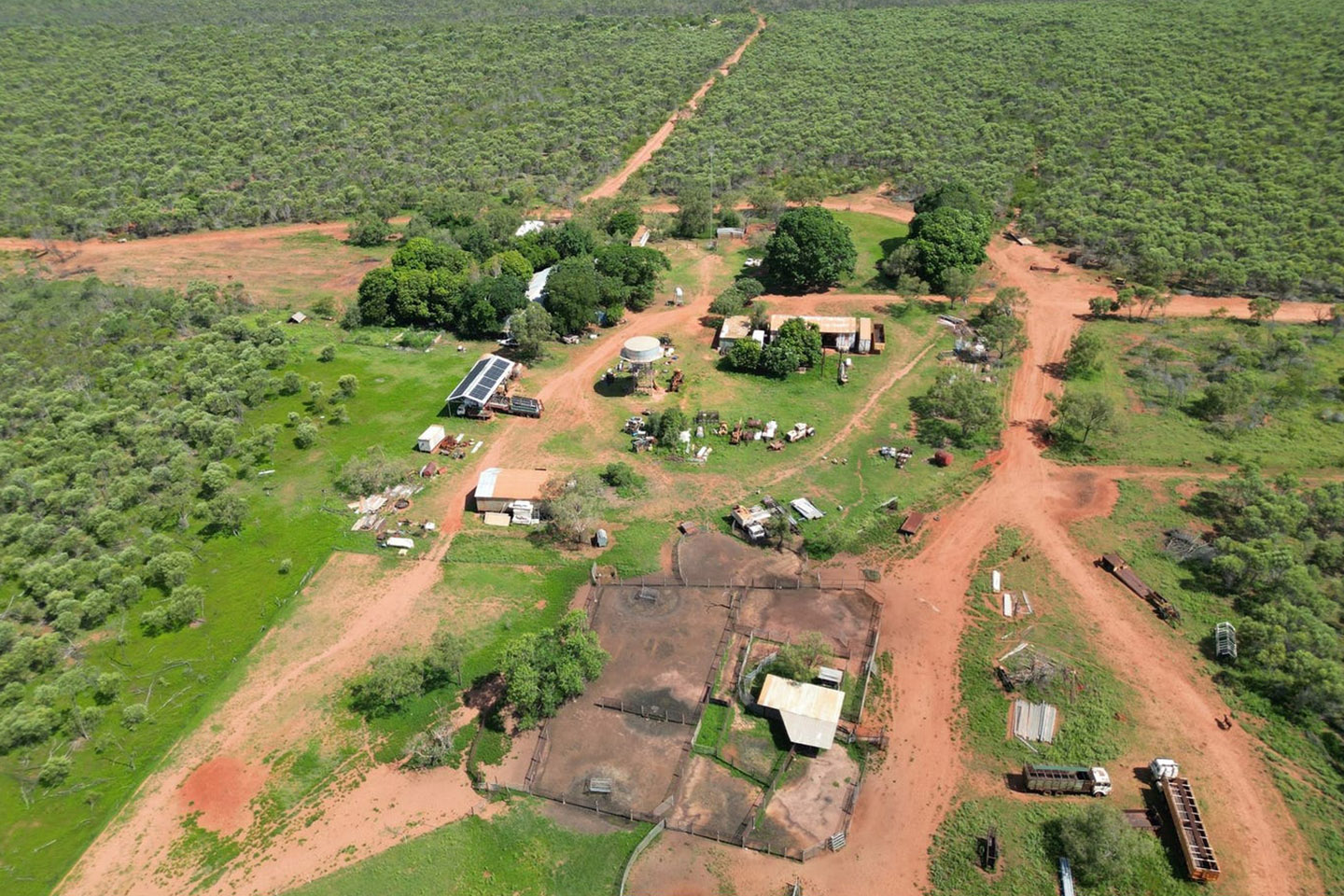
A 183,000-hectare privately-owned station in the west Kimberley has sold for a reported $15 million.
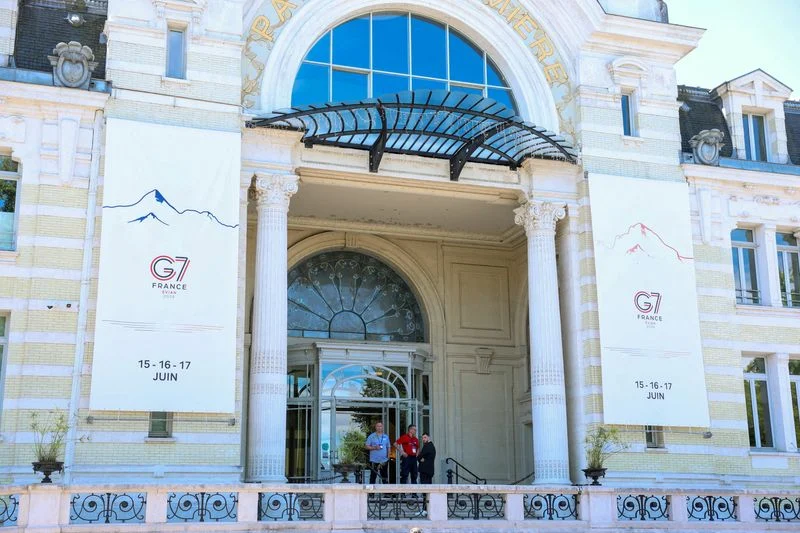

G7 leaders meet in France after U.S. and Iran declare agreement to end war
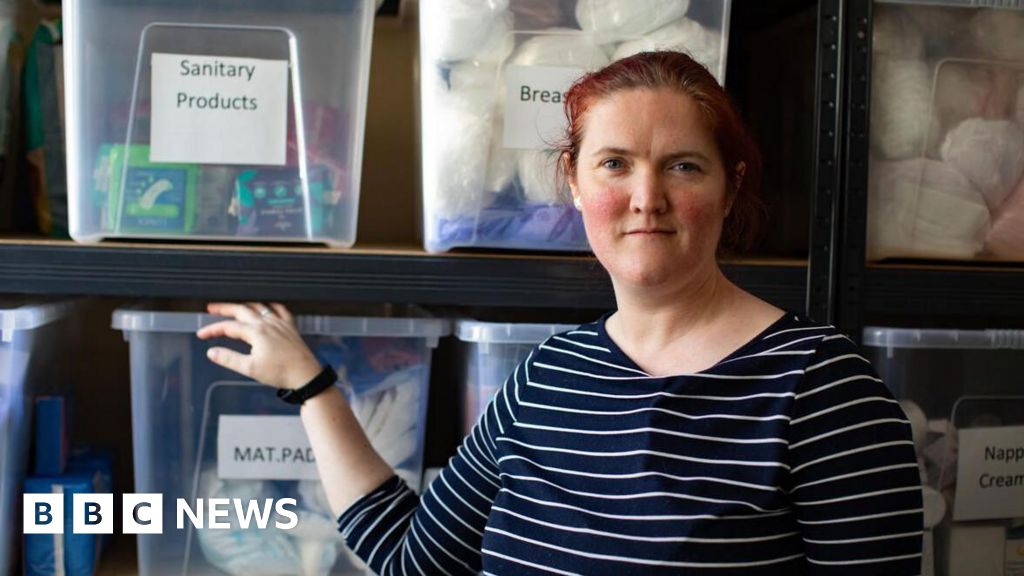
The founder says rising childcare costs mean many of those they help are in work but struggling.

Mining giant Hancock Prospecting has invested over $1 billion in SpaceX as part of its blockbuster IPO, which officially debuted on the Nasdaq this week as the largest capital raise in history.

Borrowers can finally expect relief from quickfire interest rate rises with the Reserve Bank poised to maintain the status quo for the first time in 2026.

Sweden stamp mark as World Cup dark horses with Tunisia pummelling

The Strait of Hormuz Has Been Closed for 100 Days. Why Aren’t Oil Prices Higher?

‘I’ve read eight books by Irish authors this year and this was the best’


-

 Crypto World4 days ago
Oppenheimer backs SpaceX as $70 billion retail frenzy builds
-

 Business15 hours ago
No Jackpot Winner as $257 Million Prize Rolls Over to $269 Million Monday Draw
-

 Crypto World4 days ago
Markets Rally as SpaceX IPO Looms Amid Iran Tensions and Inflation Surge
-

 Sports7 days ago
FIFA WC 2026 Group C: Morocco, Scotland challenge Brazil’s hunt for glory | FIFA World Cup 2022
-

 Fashion3 days ago
Weekend Open Thread: Tuckernuck – Corporette.com
-
 Crypto World7 days ago
Eli Lilly (LLY) Stock Surges 4% Following Breakthrough Sleep Apnea Trial Results
-
 Crypto World7 hours ago
Zimbabwe Requires Crypto Businesses to Register Annually Under New FIU Regulations
-
 Sports6 days ago
Bangladesh beat Australia after 20 years in ODIs, register only their second win over six-time world champions | Cricket News
-

 Entertainment6 days ago
The Ryan Gosling True Crime Thriller On Netflix That Gets Even Stranger, Stream It Now
-

 Tech2 days ago
NanoClaw integrates JFrog registries to secure AI agent downloads
-

 Tech3 days ago
This Week In Security: Microsoft On Microsoft, Register Your Domains, Linux On ARM, And FreeBSD Joins The File Cache Club
-

 Crypto World2 days ago
Bitget enters Argentina’s regulated crypto market through PSAV registration
-

 Politics4 days ago
Politics Home | Healey Resignation Is “Colossal Failure Of Government”, Says Former Labour Defence Secretary
-

 Tech5 days ago
‘This is Seattle’s position on AI’: City Council votes unanimously to pause big new data centers
-
 Entertainment4 days ago
Donnie Wahlberg & More Heat Up Las Vegas at Circa’s Barry’s Downtown Prime
-

 Sports4 days ago
First Time Since 1971: Australia Register Historic Low In ODI Cricket
-
 Tech4 days ago
Dutton Ranch star claims they ‘didn’t see any disruption’ on set following Chad Feehan’s exit from Yellowstone spinoff fueled by Taylor Sheridan clash rumors
-
 Tech4 days ago
Opendoor Ends India Operations, Fueling a Bigger Conversation About AI and Outsourcing
-

 Tech7 days ago
Nvidia and Hyundai deepen their robotics push around Atlas
-

 Politics4 days ago
Belfast burns, while Met chief points finger at Iran and Russia
You must be logged in to post a comment Login