

Business
Analysts Weigh Growth Prospects and Risks

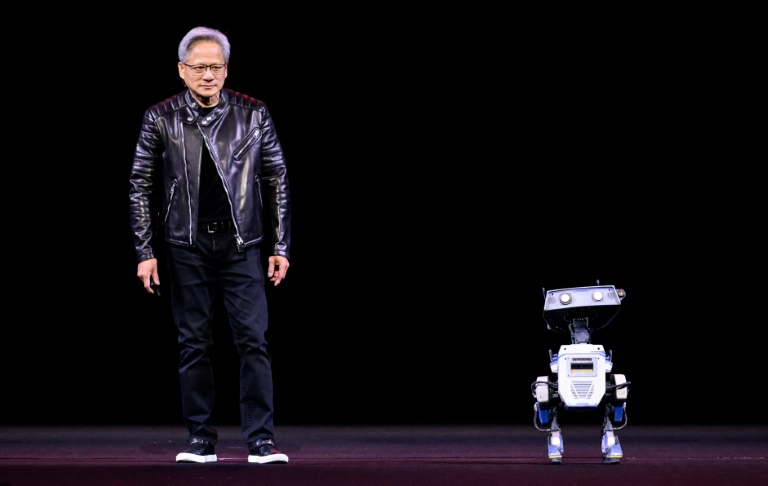
NEW YORK — Investors comparing Intel and Nvidia stocks in 2026 encounter two distinct paths in the semiconductor sector, with Nvidia maintaining dominance in artificial intelligence accelerators while Intel pursues a multi-year turnaround in foundry services and diversified chip production.
Both companies have posted strong results amid the AI boom, but differences in business models, market positioning and valuation create separate risk-reward profiles. Nvidia benefits from overwhelming market share in high-end GPUs, while Intel offers exposure to a broader portfolio and domestic manufacturing ambitions supported by government funding.
Performance and Valuation Snapshot
As of mid-June 2026, Nvidia shares have continued their strong run, driven by data center revenue exceeding expectations and robust demand for Blackwell and future architectures. The company’s CUDA software ecosystem and high margins have supported premium valuations, though some analysts caution that expectations are already high.
Intel has shown signs of stabilization, with improving data center trends and progress on its foundry roadmap. The stock trades at a lower multiple than Nvidia, reflecting execution risks but also offering potential upside if turnaround efforts gain traction. Government support through the CHIPS Act has provided tailwinds for Intel’s U.S. manufacturing expansion.
Nvidia remains the clear leader in AI training and inference hardware, with estimates suggesting it holds 80-90% market share in high-end accelerators. Explosive growth in data center revenue has been the primary driver, with customers including hyperscalers and enterprises building out AI infrastructure at scale.
The company’s full-stack approach — combining hardware, software and networking — creates significant competitive moats. Analysts frequently cite Nvidia as the best-positioned pure-play AI stock, though its elevated valuation leaves less margin for error if growth moderates or competition intensifies.
Recent product launches and strong backlog visibility have reinforced confidence, but supply constraints and customer diversification efforts by major clients remain watchpoints.
Intel is executing a broad recovery plan under CEO Pat Gelsinger, focusing on process technology leadership, foundry services and product innovation. The company has secured major funding through the CHIPS Act and announced customer wins for custom chips, including partnerships with Microsoft and others.
While trailing in the high-end AI GPU market, Intel is gaining traction in CPUs, inference accelerators and certain enterprise segments. Its diversified business — spanning client computing, data center, foundry and other areas — provides buffers against sector-specific downturns but also requires successful execution across multiple fronts.
Progress on 18A and future process nodes is critical, as is the ability to attract external foundry customers and improve profitability.
AI Market Dynamics and Capital Spending
The AI chip market continues expanding rapidly, with both companies benefiting from hyperscaler investments. Nvidia captures the majority of high-end training demand, while Intel positions itself for inference, CPUs and custom silicon opportunities.
Capital expenditure across the sector remains elevated as companies build out infrastructure. Nvidia’s vertical integration and software advantages give it an edge in immediate monetization, while Intel’s foundry ambitions aim for longer-term structural benefits supported by U.S. policy.
Risks and Considerations
Nvidia faces risks from potential AI spending slowdowns, increased competition and high valuation multiples. Supply chain concentration and customer efforts to diversify suppliers could pressure margins over time.
Intel contends with execution risks on its technology roadmap, historical market share losses and heavy capital requirements. Geopolitical tensions, regulatory scrutiny and cyclical memory pricing add layers of complexity for both companies.
Analyst Consensus and Price Targets
Wall Street maintains positive outlooks on both names, though Nvidia receives more unanimous Buy ratings due to its clear leadership position. Price targets for Nvidia reflect substantial upside potential tied to AI growth, while Intel targets incorporate successful turnaround scenarios.
Some analysts favor Nvidia for near-term momentum and market dominance, while others highlight Intel’s relative value and potential re-rating if foundry and process goals are met. Longer-term forecasts depend heavily on AI adoption rates and competitive differentiation.
Investment Framework for 2026
Nvidia suits investors seeking exposure to the leading AI infrastructure player with proven execution and high growth visibility. Intel appeals to those comfortable with higher execution risk in exchange for potentially attractive valuations and diversified semiconductor exposure.
A blended approach across both companies can capture varied aspects of the AI value chain while spreading risks. Dollar-cost averaging and regular portfolio reviews help navigate volatility inherent in the semiconductor sector.
Fundamental analysis — including revenue growth, margins, competitive moats and capital allocation — should guide decisions. Neither company is without challenges, but each possesses significant resources and strategic importance in the evolving technology landscape.
Broader Semiconductor Outlook
The semiconductor industry remains one of the strongest performing areas of the market, powered by AI, data center expansion and digital transformation. While Nvidia has captured much of the spotlight, Intel’s role as a key domestic manufacturer and broad technology portfolio gives it unique strategic relevance.
Trade policies, export controls and supply chain resilience continue influencing sector dynamics. Both companies are investing heavily in U.S. manufacturing capacity, aligning with national priorities for technology independence.
Conclusion and Investor Guidance
As 2026 progresses, Nvidia’s market leadership and Intel’s turnaround efforts will provide contrasting but complementary opportunities in the AI-driven semiconductor boom. Investors should align choices with their risk tolerance, time horizon and views on the pace of AI infrastructure buildout.
The sector’s long-term growth prospects remain robust, supported by secular trends in computing, automation and energy efficiency. However, near-term volatility around earnings, guidance and macroeconomic data is expected to continue.
Thorough due diligence and consideration of overall portfolio construction remain essential. While both companies are well-positioned in important technology areas, individual results will depend on execution and market conditions in the months ahead.
Market participants will parse quarterly updates and strategic announcements closely for signals of differentiation and sustained momentum. For now, the comparison between Intel and Nvidia highlights the diverse ways investors can participate in the ongoing transformation of computing and artificial intelligence.


The Gabelli Dividend Growth Fund Q1 2026 Commentary


Bashar is a financial analyst writing on Seeking Alpha, focused on growth stocks, contrarian setups, and market mispricing. His research looks for companies where consensus is missing a shift in earnings power, competitive positioning, or industry structure. Bashar does not invest personally in the stocks he covers.
Analyst’s Disclosure: I/we have no stock, option or similar derivative position in any of the companies mentioned, and no plans to initiate any such positions within the next 72 hours. I wrote this article myself, and it expresses my own opinions. I am not receiving compensation for it (other than from Seeking Alpha). I have no business relationship with any company whose stock is mentioned in this article.
Seeking Alpha’s Disclosure: Past performance is no guarantee of future results. No recommendation or advice is being given as to whether any investment is suitable for a particular investor. Any views or opinions expressed above may not reflect those of Seeking Alpha as a whole. Seeking Alpha is not a licensed securities dealer, broker or US investment adviser or investment bank. Our analysts are third party authors that include both professional investors and individual investors who may not be licensed or certified by any institute or regulatory body.
Business
Enliven Therapeutics, Inc. (ELVN) Discusses Updated Phase 1 ENABLE Trial Data for ELVN-001 in Previously Treated Chronic Myeloid Leukemia – Slideshow (NASDAQ:ELVN) 2026-06-12


Seeking Alpha’s transcripts team is responsible for the development of all of our transcript-related projects. We currently publish thousands of quarterly earnings calls per quarter on our site and are continuing to grow and expand our coverage. The purpose of this profile is to allow us to share with our readers new transcript-related developments. Thanks, SA Transcripts Team

The US has confirmed it will commence support activities, including stationing personnel at HMAS Stirling, later this year, as the full launch of SRF-West nears.
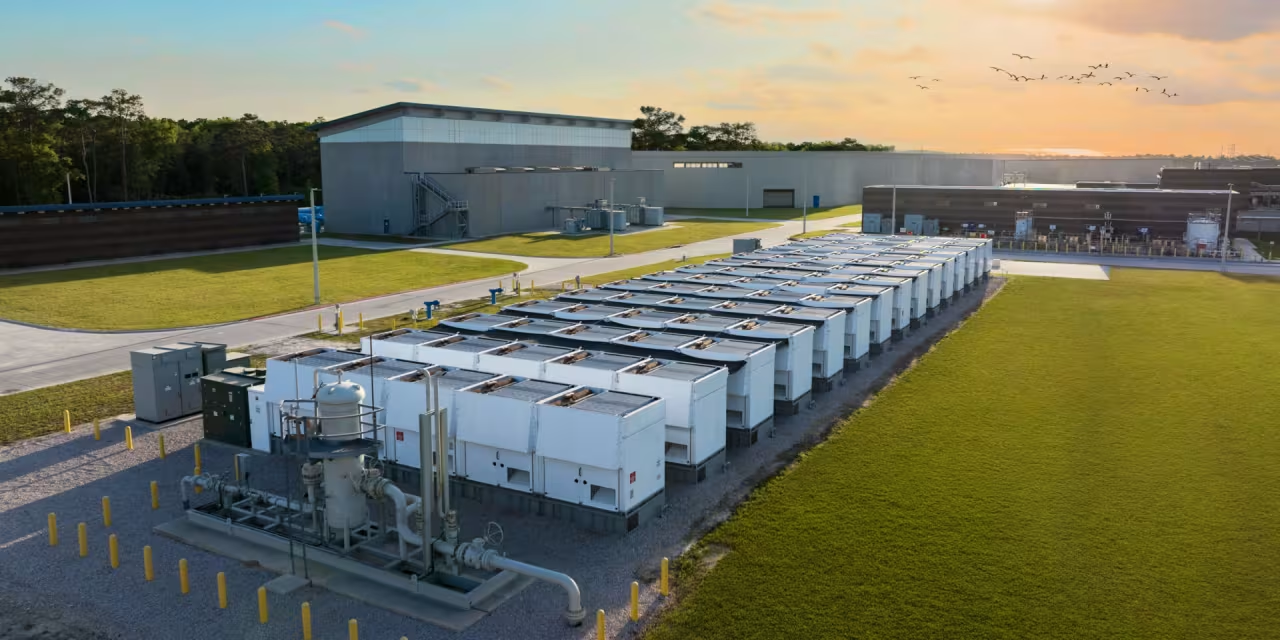
There’s a New Stock to Play the AI Power Boom, and It’s Down Today
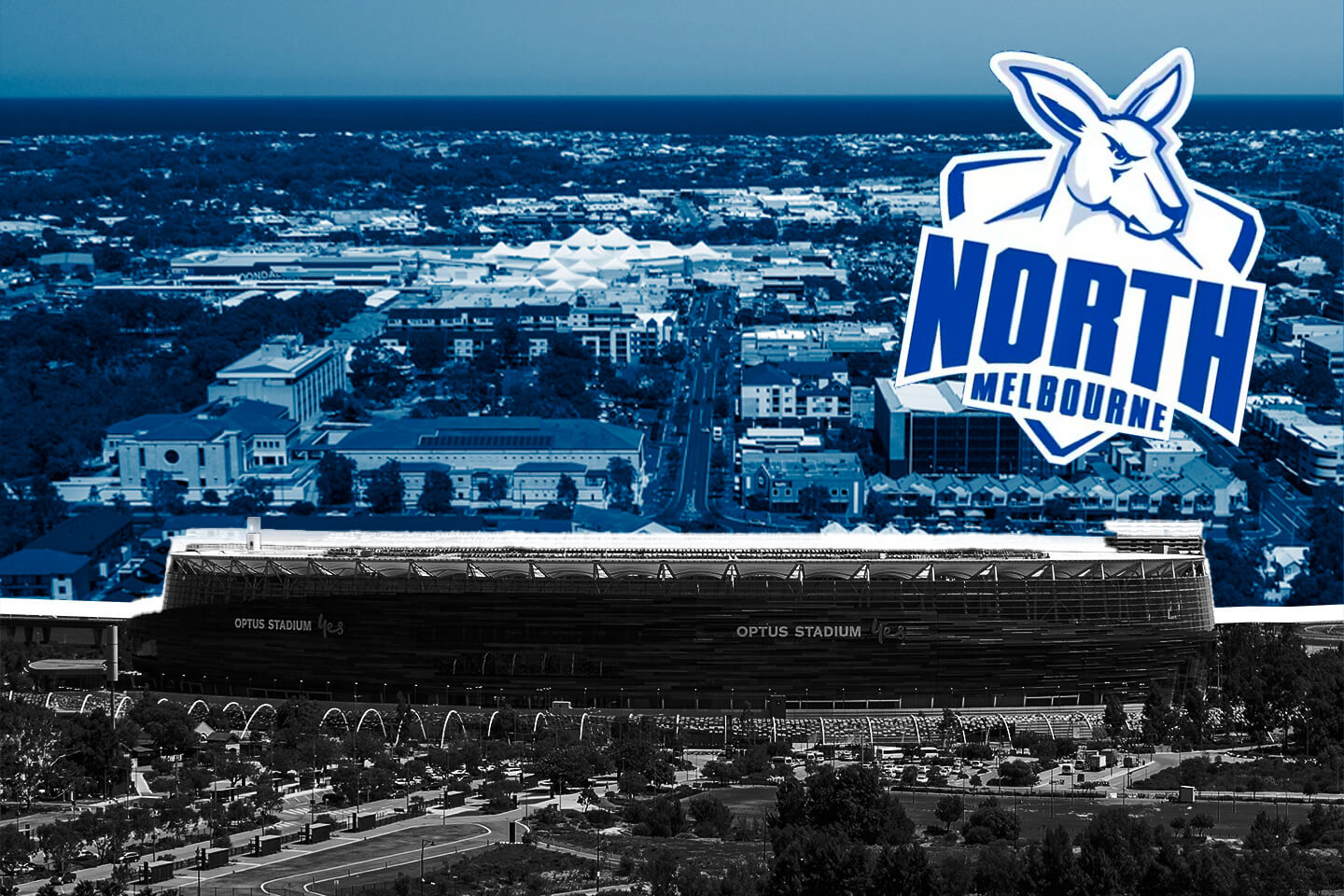
ANALYSIS: North Melbourne should use its three-year lucrative tourism deal with the state government to plan a permanent move to WA’s booming northern corridor.
Business
BPCL, HPCL, IOCL shares rally up to 4% as oil prices hit two-month low. What are experts saying?

HPCL shares gained 3.5% to their day’s high of Rs 379 on the BSE, while IOCL shares rallied 3% to Rs 138 per share. BPCL soared the most, up 4.5% to Rs 295.
US President Donald Trump said a deal with Iran could be reached as early as this weekend. In a post on Truth Social, Trump said he had called off the strikes after discussions with Iran were elevated to the highest levels of the Iranian leadership and received approval. He said key points of a proposed agreement had been approved “in both concept and great detail” by parties including the United States, Israel, Saudi Arabia, the UAE, Qatar, Turkey, Pakistan, Bahrain, Kuwait, Jordan and Egypt, among others.
Brent crude futures fell $1.21, or 1.3%, to $89.17 a barrel, while US West Texas Intermediate (WTI) crude dropped $1.23, or 1.4%, to $86.48 a barrel. Brent crude fell nearly 2% at the open to as low as $88.79 per barrel after settling at a two-month low in the previous session. US West Texas Intermediate (WTI) crude traded near $86 a barrel.
Downstream or oil marketing stocks usually come under pressure when oil prices rise as their input costs increase sharply while their ability to pass these costs on remains limited. These companies buy crude at higher prices, refine it and sell the end products, but pricing is often regulated, restricting full cost pass-through to consumers. As a result, margins get squeezed when product prices do not rise in line with crude.
What are experts saying?
Even if a deal is reached, analysts believe it could take several months for oil shipments through the strait to fully normalise and for damaged energy infrastructure to be repaired.

Last month, Saudi Aramco CEO Amin Nasser warned that disruptions in Hormuz could delay stability in global oil markets until 2027, with nearly 100 million barrels of oil supply per week potentially impacted. Saudi Aramco is the world’s largest oil producer.
Meanwhile, Morgan Stanley said the oil market was in “a race against time,” cautioning that the factors preventing crude prices from rising further may weaken if the Strait of Hormuz remains shut through June.The brokerage added that higher US crude exports and softer demand from China have so far helped prevent a deeper supply shock. However, it warned that an extended closure of Hormuz could tighten global supplies again if disruptions continue beyond what the US and China can comfortably absorb.
Iran has effectively enforced a blockade in the Strait of Hormuz since early March, requiring ships to obtain clearance before passing through the route or risk being targeted. The restrictions were imposed after US and Israeli strikes reportedly killed Iran’s Supreme Leader Ayatollah Ali Khamenei along with several senior leaders.
The Strait of Hormuz remains one of the world’s most critical oil chokepoints, with roughly 20% of global oil supply moving through the passage before the conflict. Iran’s blockade has sharply reduced crude exports from the Middle East, leading to what has been described as one of the largest supply disruptions in history.
Sensex, Nifty today: Catch all the LIVE stock market action here
(Disclaimer: Recommendations, suggestions, views and opinions given by the experts are their own. These do not represent the views of The Economic Times)

AMG Veritas Global Real Return Fund Q1 2026 Commentary
7 Industrial Stocks to Buy and 1 to Avoid
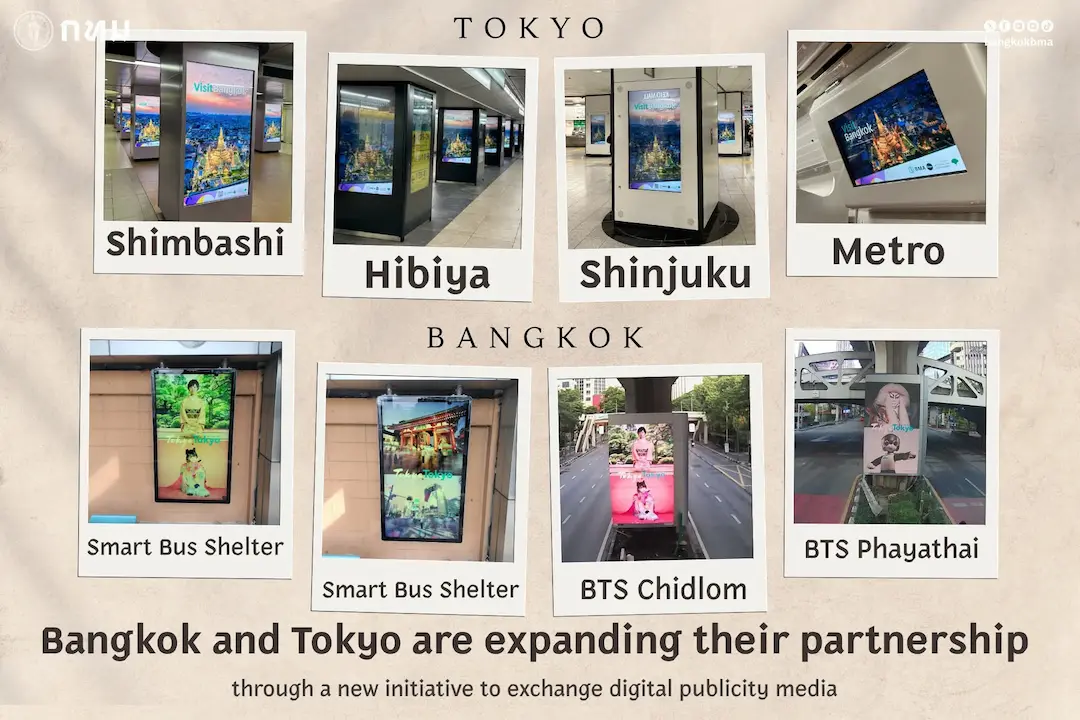
Bangkok and Tokyo are enhancing tourism cooperation with a reciprocal campaign showcasing attractions across major transit networks, aiming to boost tourism awareness and strengthen ties between the two capitals.
Key Points
- Bangkok and Tokyo are enhancing collaboration through a mutual tourism promotion campaign, leveraging public transportation and digital platforms to raise awareness and strengthen ties between the two cities.
- Bangkok’s campaign will run in Tokyo during early June, featuring attractions in high-traffic areas like Shimbashi and Shinjuku stations, as well as on Toei Subway trains.
- Concurrently, Tokyo’s promotions in Bangkok are displayed on BTS Skytrain LED screens and Smart Bus Shelters, increasing exposure to both cities’ tourism offerings, facilitated by a partnership between the Bangkok Metropolitan Administration and the Tokyo Metropolitan Government.
Bangkok and Tokyo are expanding cooperation through a reciprocal tourism promotion campaign that showcases both cities across major public transportation networks and digital advertising platforms. The project is expected to help increase tourism awareness while encouraging closer ties between the two Asian capitals.
Throughout the first half of June, Bangkok’s tourism campaign is being displayed at several high-traffic locations in Tokyo, including Shimbashi, Hibiya, and Shinjuku stations, as well as on advertising media inside Toei Subway trains. The campaign introduces Tokyo residents and visitors to attractions and experiences available in the Thai capital.
Tokyo’s tourism campaign is, at the same time, being promoted across Bangkok through BTS Skytrain pillar LED displays, more than 100 Smart Bus Shelter screens, BMA Q screens at all 50 district offices, and the city’s official social media channels. The campaign gives Bangkok residents and visitors greater exposure to Tokyo’s tourism offerings.
The exchange is being conducted through a partnership between the Bangkok Metropolitan Administration and the Tokyo Metropolitan Government, showcasing the distinct identities of both cities while promoting tourism and expanding cooperation between Bangkok and Tokyo.
Source : Bangkok and Tokyo Launch Joint Tourism Campaign
Other People are Reading

Why Financial Literacy Isn’t Enough (The Brain Science Nobody Teaches)

Man Utd acted on Casemiro transfer tip-off and could follow Bruno Fernandes’ advice next

The Gabelli Dividend Growth Fund Q1 2026 Commentary



-

 Fashion6 days ago
Weekend Open Thread: Evereve – Corporette.com
-
 Crypto World7 days ago
Jensen Huang Approves Samsung, SK Hynix, and Micron for NVIDIA (NVDA) HBM4 Memory Supply
-

 NewsBeat4 days ago
Alexander Zverev wins the French Open to finally earn a 1st Grand Slam title
-
 Entertainment5 days ago
The Best Mystery Series of All Time Is Surging on Streaming 30 Years After It Ended
-

 Crypto World4 days ago
Anatomy of the June crypto crash: Fed, Iran, Saylor
-

 Tech6 days ago
Suspicious Polyfill login prompts pop up on Toshiba, Muji websites
-
 Crypto World5 days ago
Senator Cynthia Lummis Calls CLARITY Act the Most Consequential Financial Legislation of This Generation
-

 Tech7 days ago
Microsoft launches MXC, an OS-level sandbox for AI agents, with OpenAI and Nvidia already on board
-

 Tech5 days ago
Microsoft unveils seven homegrown AI models in new bid for ‘long term self-sufficiency’
-

 Business7 days ago
(VIDEO) Justin Bieber Delivers Surprise Happy Birthday Serenade to Diners at Los Angeles Mexican Restaurant
-
 NewsBeat4 days ago
Alexander Zverev conquers demons and outlasts Flavio Cobolli to win French Open for first major title
-

 Business4 days ago
High Stakes for Wembanyama as New York Pushes for 3-0 Lead
-

 Tech6 days ago
Von der Leyen’s AI envoy pick draws conflict-of-interest fire
-
 Business5 days ago
The Pain Points Taking a Fragile Tech Rally Down a Notch
-
 Crypto World4 days ago
Eli Lilly (LLY) Stock Surges 4% Following Breakthrough Sleep Apnea Trial Results
-

 Tech7 days ago
Meta steals a tactic from Tesla and builds data centers in tents
-

 Tech6 days ago
Hackers now exploit SolarWinds Serv-U flaw to crash servers
-
Crypto World7 days ago
LBank Surpasses 25 Million Users Worldwide as AFA Partnership Continues to Drive Global Growth
-

 Crypto World5 days ago
Trump’s AI Ownership Plan Could Benefit Anthropic at OpenAI’s Expense
-

 Tech4 days ago
Notion restores access to Anthropic after service disruption
You must be logged in to post a comment Login