

Business
Bonus, dividends and stock splits: Bharti Airtel, Hero MotoCorp among 88 stocks turning ex-date this week. Do you own any?


As many as 88 companies, including Bharti Airtel, Hero MotoCorp, Abbott India, Info Edge and others, have fixed their record dates for corporate actions such as stock splits, bonus issues and dividends this week.
Investors must hold shares of these companies in their demat accounts on the respective record dates to be eligible for the announced corporate actions. The list remains tentative, as more companies may announce record dates for dividends, bonus issues and stock splits during the week.
Here is a day-wise list of corporate actions to watch out for:
July 20 (Monday)

Monday will see 12 stocks turn ex-record date for their respective dividends, while one stock will turn ex-record date for a stock split. Heavy engineering components maker Simplex Castings has fixed July 20 as the record date for its 1:5 stock split.
Graphite India will pay a final dividend of Rs 7 per share, with the record date fixed on Monday. Textile player KPR Mill will pay a dividend of Rs 2.5 per share. Other companies that have fixed Monday as the record date for their respective dividends include AccelerateBS India (Rs 0.1 per share), Aditya Infotech (Rs 1.64 per share), Fairchem Organics (Rs 1 per share), Happy Forgings (Rs 4 per share), NDR Auto Components (Rs 4 per share), Nelcast (Rs 0.7 per share), Nesco (Rs 7 per share), Pokarna (Rs 0.6 per share), Quest Capital Markets (Rs 2.5 per share) and SPR Auto Technologies (Rs 5 per share).July 21 (Tuesday)
Lead, lead alloys and plastic additives producer Pondy Oxides & Chemicals has fixed July 21 as the record date for its 2:5 stock split. Apart from this, eight companies have fixed Tuesday as the record date for their respective dividends.
These include Angel One (Rs 1 per share), Cholamandalam Investment and Finance Company (Rs 0.7 per share), Indo Borax & Chemicals (final dividend of Rs 10 and special dividend of Rs 30), Jaro Institute of Technology Management and Research (Rs 3 per share), Ksolves India (Rs 4 per share), Laxmi Organic Industries (Rs 0.3 per share), Punjab & Sind Bank (Rs 0.39 per share) and Rainbow Children’s Medicare (Rs 3.5 per share).
Also read: Wall Street’s chip index enters bear market! Is the AI bubble finally going bust?
July 22 (Wednesday)
Wednesday will see 11 stocks turn ex-record date for their respective dividends. Pressure cooker and kitchen appliances manufacturer Hawkins Cookers stands out with a hefty final dividend of Rs 140 per share, while mutual fund house Aditya Birla Sun Life AMC will pay a final dividend of Rs 25.5 per share.
Apart from these, nine other companies have fixed Wednesday as the record date for their respective dividends. These include Cosmo First (Rs 4 per share), Goodricke Group (Rs 2 per share), HEG Ltd (Rs 3.4 per share), Menon Bearings (interim dividend of Rs 2 per share), Ram Ratna Wires (Rs 2.5 per share), Sanco Trans (Rs 4.5 per share), Sarla Performance Fibers (Rs 2 per share), Thangamayil Jewellery (Rs 18 per share) and Wires & Fabriks (S.A.) (Rs 0.1 per share).
Notably, Triveni Engineering & Industries has also fixed Wednesday as the record date for the demerger of its power transmission business.
July 23 (Thursday)
Thursday will see 13 stocks turn ex-record date for their respective dividends. Credit rating agency ICRA Ltd stands out by rewarding shareholders with a final dividend of Rs 70 per share and a special dividend of Rs 35 per share, while welding and cutting equipment manufacturer Esab India will pay a final dividend of Rs 25 per share.
Apart from these, 11 other companies have fixed Thursday as the record date for their respective dividends. These include ABM Knowledgeware (Rs 1.25 per share), Afcons Infrastructure (Rs 2 per share), Banswara Syntex (Rs 1 per share), Bhagiradha Chemicals & Industries (Rs 0.15 per share), D.B. Corp (interim dividend of Rs 5 per share), Mangalam Worldwide (Rs 0.3 per share), Oriental Hotels (Rs 0.65 per share), Paushak Ltd (Rs 2.5 per share), Pidilite Industries (Rs 11.5 per share), Precision Camshafts (Rs 1 per share) and Sudeep Pharma (Rs 1.5 per share).
July 24 (Friday)
Friday will see 34 stocks turn ex-record date for their respective dividends, one stock for its stock split, and one company executing both a bonus issue and a stock split. Pharma heavyweight Abbott India stands out by rewarding shareholders with a dual payout — a final dividend of Rs 525 per share and a special dividend of Rs 131 per share.
Voltamp Transformers will pay a substantial final dividend of Rs 100 per share, while telecom major Bharti Airtel will distribute Rs 24 per share. Software and IT services player Sasken Technologies will pay Rs 13 per share. Intellect Design Arena has also lined up a double reward, offering a final dividend of Rs 4 per share and a special dividend of Rs 3 per share.
Apart from these, 28 other companies have fixed Friday as the record date for their respective dividends. These include Advanced Enzyme Technologies (Rs 1.35 per share), Bhageria Industries (Rs 2.5 per share), Birla Corporation (Rs 12.5 per share), Bombay Cycle & Motor Agency (Rs 5 per share), Chembond Chemicals (Rs 1.25 per share), Concord Biotech (Rs 7.55 per share), Cravatex Ltd (Rs 13 per share), Crompton Greaves Consumer Electricals (Rs 3 per share), Data Patterns (India) (Rs 10 per share), Divi’s Laboratories (Rs 30 per share), Elcid Investments (Rs 25 per share), Fiem Industries (Rs 40 per share), Hero MotoCorp (Rs 75 per share), Info Edge (India) (Rs 3.6 per share), Joindre Capital Services (Rs 2 per share), Jubilant Ingrevia (Rs 2.5 per share), Jubilant Pharmova (Rs 5 per share), Karur Vysya Bank (Rs 2.6 per share), Kirloskar Brothers (Rs 7 per share), Lakshmi Electrical Control Systems (Rs 3 per share), Mitsu Chem Plast (Rs 0.2 per share), Neuland Laboratories (Rs 34 per share), Nitta Gelatin India (Rs 7 per share), Nocil Ltd (Rs 1.5 per share), Orient Bell (Rs 1 per share), PDS Ltd (Rs 1.65 per share), Radico Khaitan (Rs 9 per share), Refex Industries (Rs 1 per share), Rishabh Instruments (Rs 2 per share), Shetron Ltd (Rs 1 per share), SIL Investments (Rs 2.5 per share), Siyaram Silk Mills (Rs 5 per share), Steelcast Ltd (Rs 0.54 per share) and Swelect Energy Systems (Rs 3.5 per share).
Moving beyond cash payouts, structural share adjustments will also close out the week. Kalind has fixed Friday as the record date for a dual corporate action: a 1:2 bonus issue along with a stock split, reducing the face value of shares from Rs 10 to Rs 2. Meanwhile, PS Raj Steels has also fixed Friday as the record date for its stock split, subdividing equity shares from a face value of Rs 10 to Rs 2.
(Disclaimer: Recommendations, suggestions, views and opinions given by the experts are their own. These do not represent the views of The Economic Times)


BTAL: Market Neutral Vs Recent Market Shocks
Business
Top 10 Countries With the Best AI Technology in 2026, From the U.S. to South Korea in the New Rankings

A wave of new global rankings released this year has attempted to answer one of the technology industry’s most closely watched questions: which countries currently lead the world in artificial intelligence. While methodologies vary across different research organizations, several consistent names continue topping the lists in 2026, spanning countries recognized for foundational model development, enterprise adoption rates and national AI governance strategies alike.
According to a synthesis of rankings drawing on the Stanford AI Index, the Tortoise Global AI Index and IMD’s Digital Competitiveness Rankings, the United States, China and Singapore currently lead global AI adoption in 2026, followed by the United Kingdom, Germany, Israel, South Korea, Canada, the United Arab Emirates and Japan.
United States. The U.S. remains the world’s dominant force in foundational AI research and development, home to leading labs including OpenAI, Anthropic and Google DeepMind, and continues attracting the largest share of global private AI investment. In the AI Readiness Index compiled by Oxford Insights, the United States posted the highest overall score of any country globally, at 87.03 out of 100, leading specifically in Innovation Capacity and Technology-Sector Maturity. Despite that dominance in building AI systems, the U.S. notably ranks outside the global top 20 in one key adoption metric, according to Visual Capitalist’s analysis of Microsoft usage data, with a smaller share of its working-age population using AI tools regularly compared with several smaller economies.
China. China continues to rank as the second-strongest AI power globally, distinguished by massive scale in AI education and research output. According to the Global AI Brain Race Report 2026, China maintains 107 universities recognized among the world’s top institutions for AI-related subjects, more than four times the 26 held by the United States, giving the country an unmatched academic talent pipeline even as its scores on measures of responsible AI governance and policy transparency trail significantly behind Western counterparts.
Singapore. Singapore has consistently ranked among the top three nations globally for both AI readiness and adoption, posting an AI Readiness Index score of 84.25, the second-highest in the world behind the United States. Singapore’s strength lies in its combination of strong government AI strategy, robust data infrastructure and high real-world usage, with Visual Capitalist’s adoption data showing 63% of the country’s working-age population actively using AI tools, the second-highest adoption rate of any nation after the United Arab Emirates.
United Kingdom. The U.K. rounds out the traditional top tier of AI leadership, posting an AI Readiness Index score of 78.88, driven by strong government policy frameworks and a mature technology sector. Alongside Canada, the U.K. has positioned itself at the forefront of international discussions on AI governance, contributing significantly to national and global frameworks aimed at guiding safe and responsible AI development.
Germany. Germany has emerged as one of Europe’s leading AI economies, benefiting from a strong industrial and manufacturing base that has accelerated enterprise adoption of AI tools across sectors including automotive and advanced manufacturing, helping anchor the country’s position among the world’s top 10 AI nations in 2026.
Israel. Despite its comparatively small population, Israel continues punching well above its weight in global AI rankings, driven by a dense concentration of AI startups, strong government-backed research funding and a technology sector deeply integrated with both defense and commercial AI applications.
South Korea. South Korea posted an AI Readiness Index score of 79.98, placing it among the world’s top five nations on that measure, supported by strong technology-sector maturity and substantial government investment in AI infrastructure and semiconductor manufacturing capacity that underpins much of the global AI hardware supply chain.
Canada. Canada ranks among North America’s top AI performers alongside the United States, posting particularly strong scores in Governance and Ethics, at 94.14, and Data Availability, at 93.15, according to the Oxford Insights index. Canada’s open-source AI research contributions, anchored by institutions including the University of Toronto, have proven especially influential globally, and the country has positioned itself as a leading voice in responsible AI deployment and governance discussions.
United Arab Emirates. The UAE has emerged as the world’s clear leader in practical AI adoption, with more than 70% of its working-age population using AI tools regularly, according to Microsoft usage data analyzed by Visual Capitalist, a rate significantly higher than any other country tracked. That real-world usage reflects the UAE’s aggressive national AI strategy and substantial government investment aimed at positioning the country as a global AI hub despite its comparatively small population and research base relative to countries like the U.S. or China.
Japan. Japan rounds out the top 10, drawing on a combination of advanced robotics expertise, strong corporate AI investment and government-backed initiatives aimed at integrating AI more deeply into the country’s manufacturing and aging-population healthcare sectors.
Beyond this top tier, several smaller European economies have posted standout enterprise AI adoption rates in 2026 despite not always ranking among the broader top 10 in overall AI capability. According to Eurostat data cited by Alice Labs, Denmark leads the European Union with a 42% enterprise AI adoption rate, followed by Finland at 37.8%, Sweden at 35%, Belgium at 34.5% and the Netherlands at 33.2%, all comfortably ahead of the broader EU27 average of 20%.
Researchers caution that no single ranking fully captures a country’s AI standing, since different indices weigh factors including research output, government policy, private investment, infrastructure readiness and real-world adoption differently. As one analysis from Core AI Dominance 2026 put it, AI leadership today is “multi-dimensional,” extending well beyond which country builds the most powerful foundational model to include which nations can most effectively translate AI research into responsible, widely adopted commercial and public-sector applications. With global AI investment continuing to accelerate and adoption rates climbing across both advanced and emerging economies, analysts expect the composition of these rankings to keep shifting in the years ahead as more countries roll out national AI strategies aimed at closing the gap with the current leaders.
Business
Soccer-With security lines and star-studded spectacle, World Cup prepares for final showdown

Soccer-With security lines and star-studded spectacle, World Cup prepares for final showdown

Hanizam/iStock via Getty Images

Dear Investors and Friends,
The NZS Growth Equity strategy (“strategy” or “portfolio”) had a gross return of +24.96% and a net return of +24.76% for the second quarter as compared to +14.79% for the Morningstar Global Target Market Exposure Index (the “Index”) over the same period. Year-to-date, the strategy generated a gross return of +14.03% and a net return of +13.63%, versus +11.00% for the Index.
*Since inception: January 1, 2020; returns as of June 30, 2026. One cannot invest directly in an index.
Performance Overview
Equity markets were strong in the second quarter of 2026. As we noted in our last quarterly letter, weakness in the first quarter provided some of the most attractive valuations in growth equities we had seen in some time. That starting point met seemingly insatiable demand for AI infrastructure, progress towards geopolitical stabilization, and generally positive earnings reports, which drove strength in the second quarter. The portfolio outperformed the index, primarily due to our overweight in Semiconductors, stock selection in areas like Software and Industrials, and our zero weight to Energy. The resilient and optional portions of the portfolio both carried their respective weight in terms of contribution to returns and outperformed.
Information Technology contributed the most to absolute returns, though Industrials and Communication Services also outperformed. Each of the top-five individual contributors to absolute returns were in the Semiconductor industry and, more importantly, in the AI infrastructure ecosystem. In addition to the improving outlook reflected in chips broadly, ARM Holdings (ARM) shares were further lifted by the company’s announced plan to develop its first in-house chip, a CPU for AI workloads. Lam Research (LRCX), which is a critical supplier of etching equipment used in the production of semiconductors, saw strengthening tailwinds to their outlook as some key chip manufacturing customers publicly committed to higher capital expenditures to expand capacity. ASML Holdings (ASML), Taiwan Semiconductor (TSM), and Marvell (MRVL) were also top-five contributors.
Only Real Estate and Healthcare contributed negatively to absolute returns, but Materials and Financials lagged. Intuitive Surgical (ISRG) was the top individual detractor to absolute returns in the quarter. While fundamentals remain solid for Intuitive Surgical, the stock’s multiple has not been immune from the broad de-rating in “quality growth” stocks we’ve seen outside of the AI ecosystem (see discussion below). Nintendo (NTDOY) was weak in the period after issuing forward guidance that disappointed due to the increasing costs of memory chips going into their gaming hardware. The other top-five detractors were Tyler Technologies (TYL), ON Semiconductor (ON), and CoStar Group (CSGP).
Portfolio Positioning
Over the quarter, the team actively added net basis points to Information Technology, Healthcare, and Communication Services and reduced exposure to Consumer Discretionary, Real Estate, and Financials. The portfolio remains overweight Information Technology, Industrials, and Healthcare.
Those familiar with our strategy may know a key part of our process concerns reassessment of optional positions that outperform their way into the “middle” of the portfolio. If the team determines that the range of outcomes has narrowed enough for promotion to a resilient position, we add capital; otherwise, we trim the position back to optionality. While we might leave incremental upside on the table, we believe this strict reduction in overactive stocks with wide ranging outcomes allows us to continue benefiting from further upside without letting risk run. This quarter, the portfolio had five positions that worked their way into the middle – a few even ran all the way through the middle in a single day. This situation is unusual and perhaps symptomatic of the volatility in the market. In the cases of ARM Holdings, Marvell, Lattice Semiconductor (LSCC), and Snowflake (SNOW), we trimmed the positions back to optionality. For example, Marvell rallied significantly after Jensen Huang extolled the company as “the next trillion-dollar company” on stage at Computex in Taiwan. While we agree it’s within the range of outcomes, in our view, Jensen’s statement only resulted in the market applying a higher valuation to a stock whose fundamental range of outcomes remained unchanged; thus, we trimmed Marvell. Quanta Services (PWR) also ran into the middle during the quarter, and we ultimately decided to add capital and promote the position to resilient, reflecting our view that the fundamental range of outcomes for Quanta’s business – a US provider of craft labor for electricity generation, transmission, and distribution infrastructure – has continued to narrow.
Elsewhere, NVIDIA (NVDA) was added back to the portfolio as a resilient position late in the quarter. NVIDIA had been a long-time holding in the portfolio before we exited in the third quarter of 2025. The stock has since lagged the broad surge in the AI semiconductor ecosystem as the market began contemplating budding risks to the GPU’s market share in AI compute. This scenario was our primary concern when we exited the position, but we now think the lowered valuation more than compensates for this type of risk. Further, NVIDIA’s growth relative to competitors indicates the GPU is actually taking share at present. Other new additions to the portfolio were optionality positions in ON Semiconductor, Descartes (DSGX), CATL, CrowdStrike (CRWD), Datadog (DDOG), Lumentum (LITE), and Axogen (AXGN). We also added materially to ASML, Amphenol (APH), Intuitive Surgical, and Axon.
Healthcare: Are investors going homeopathic?
A trend we’ve been discussing is the steep derating in what was previously considered the “quality growth” cohort. This group has historically traded at premium multiples for perceived uncorrelated durable growth, strong returns on capital, and high terminal value. Businesses within this cohort that haven’t been deemed “AI beneficiaries”, however, have seen their valuations cut significantly. Of course, part of this broad derating is simply tied to higher interest rate expectations weighing on valuations. But, given that higher interest rate expectations did not dampen all corners of the market (e.g., AI), it seems likely to us that there is another element at play – namely, capital being reallocated from quality growth to feed the AI behemoth. Some days you can almost hear the torrential rush of dollar bills. Why invest in a company that aims to compound earnings in the low-to-mid double digits per year when you can invest in companies whose stocks are going up 10% a week?! We’re of course being provocative with that statement and, to be fair, many of these left-for-dead compounders have simply not provided much earnings growth to compound (e.g., we’ve been waiting for a broad industrial recovery for years at this point). Further, AI has widened the perceived range of outcomes for many sectors – software, marketplaces, IT services, and insurance brokers, to name a few. In sum, regardless of whether we agree or disagree with the market, in most cases we understand the factors underlying the capital influx/efflux.
With that preamble, one sector that we’ve found increasingly attractive is Healthcare. Following the prolonged post-pandemic hangover, fundamentals have turned the corner and returned to growth. We also wonder if disruptive forces are actually more likely to have positive impacts on long-term industry growth. As an example, certain markets in the sector may be negatively impacted by the adoption of GLP-1s, but perhaps a larger number of markets stand to profit. The orthopedics industry could benefit at the margin from increased longevity and/or more patients meeting strict BMI cutoffs that many surgeons use for a hip or knee replacement. We are also intrigued by the longer-term potential for AI to assist in the front-end of the drug discovery process, which could improve trial success rates and lead to more drugs reaching production. This scenario would benefit suppliers of capital equipment, consumables, or services in drug manufacturing. The U.S. BIOSECURE Act was signed into law in late 2025 (with bipartisan support) and prohibits federal agencies and recipients of federal funds from procuring or using biotechnology equipment or services provided by designated “companies of concern”, primarily targeting China. In theory, this legislation could drive a period of increased U.S. demand for capital equipment and drug manufacturing services. Lastly, the Healthcare sector is somewhat uniquely untethered to the future of AI infrastructure capex – something that can no longer be said for anything closely tied to even broad macroeconomic outlook. We think this distinction makes the sector valuable from a portfolio construction perspective.
Given this combination of improving fundamentals, the potential for emerging tailwinds in the industry, and the potential portfolio construction benefits of including a sector uncorrelated to AI capex spending, we’ve been surprised by the extent of multiple compression in the Healthcare sector. Given this context, last quarter we incrementally added net capital to some of our existing holdings in the sector, including Intuitive Surgical, HeartFlow (HTFL), and Stryker (SYK), and we introduced Axogen and WuXi XDC (WXXWY) as optionality positions. Axogen provides nerve grafts used for peripheral nerve repair. Following BLA approval of their Avance nerve allograft and related positive momentum in insurance coverage, we think Axogen is highly asymmetric to a future where nerve repair becomes standard-of-care, including for patients undergoing a mastectomy or prostatectomy (PSA to look into Axogen’s tech if you or someone you know could benefit). WuXi XDC is a China-based Contract Research, Development, and Manufacturing Organization (CRDMO) focused on bioconjugates, an exciting research area that is rapidly developing new therapies. The aforementioned U.S. BIOSECURE Act provided us an attractive entry point into this rapidly growing business and will also keep a lid on position size given the range of outcomes. In short, we think a modestly higher dose of this “quality growth” sector is good for our portfolio’s health, and we’ve been incrementally expressing this view.
Team Update
We are excited to welcome Cecile Stone to NZS as an Investment Operations Associate. Cecile recently graduated from the University of Colorado Boulder Leeds School of Business and will support Nick Perez, our Director of Operations. Welcome to the team, Cecile!
Conclusion
Thank you to our investors for your continued trust, support, and insights. Interacting with our partners is a valuable part of our process. Please reach out to Alexandra Pope (alexandra@nzscapital.com) if you would like to connect and, as always, we appreciate any questions, comments, or ideas.
The NZS Team
Editor’s Note: The summary bullets for this article were chosen by Seeking Alpha editors.
Business
Poor Sleep Rewires the Aging Brain Differently by Age and Sex, New Binghamton University Study Finds

Poor sleep quality affects the brain’s internal communication networks in strikingly different ways depending on a person’s age and biological sex, according to a new study led by researchers at Binghamton University, State University of New York, with older women showing patterns that resemble the earliest, silent stages of Alzheimer’s disease.
The study, published in the journal Neurobiology of Aging under the title “Sleep quality is associated with default mode and salience network connectivity differently across age and sex,” analyzed brain scans from two large groups totaling more than 1,300 participants to examine how brain networks connect while at rest in people who reported poor sleep quality. The research was led by psychology graduate student Sepehr Gourabi and Associate Professor of Psychology Ian McDonough, both at Binghamton University, alongside co-authors Selene Tan, Matthew Cribbet and Jeanne Cundiff of the University of Alabama.
The findings revealed distinct patterns depending on a participant’s stage of life. In college-age adults, poor sleep quality was associated with overconnected brain regions involved in physical movement, a pattern researchers interpreted as a sign that younger bodies simply weren’t physically prepared to fall asleep. In older adults, generally defined in the study as those age 65 and above, that same movement-related connectivity pattern was reversed, with those regions showing under-connection. Instead, older adults with poor sleep exhibited hyperconnectivity in brain regions involved in cognition rather than movement.
McDonough summarized the overall pattern observed in older participants. “We discovered that the poorly slept older brain looks like it is suffering from a general breakdown in its sleep-regulation systems,” he said.
The most striking findings emerged among older women specifically. That group showed abnormal hyperconnectivity between the brain’s Default Mode Network, which governs internal thoughts and memory, and the Frontal Parietal Network, which supports sustained attention and working memory. According to the study, this pattern of excessive communication between the two networks was directly linked to poorer memory performance among the affected participants, and closely mirrors brain wiring patterns previously observed during the preclinical, symptom-free stages of Alzheimer’s disease, McDonough said.
Researchers said the underlying reasons behind these age- and sex-based differences remain unclear. One possibility is that older adults become habituated to a state of heightened arousal over time, or develop coping mechanisms that include greater willingness to use sleep-related medications. Another potential factor is rumination, a pattern of persistent overthinking often associated with anxiety or depression, though researchers noted that anyone can experience rumination depending on their individual circumstances, regardless of a formal mental health diagnosis.
McDonough offered a possible explanation for how this state of mental agitation could interfere with healthy sleep patterns. “One strong possibility is that people who have a lot of running thoughts right before bed are not in a calm state, but rather more of an agitated state,” he said.
The research also touched on the complex and still-debated relationship between depression and cognitive decline. McDonough noted that some prior studies have identified a link between depression and dementia, while other research has found that depression can sometimes closely resemble cognitive decline on the surface, with cognitive function improving once the underlying depression itself is treated.
A central unresolved question raised by the study involves the direction of causation between sleep and brain connectivity: do abnormal brain network connections cause sleep dysfunction in the first place, or does poor sleep itself lead researchers to observe those network abnormalities afterward? The study’s data offered a partial answer on this point, with researchers finding that hyperconnectivity between the Default Mode Network and Frontal Parietal Network was associated with worsening cognition over time, suggesting that cognitive consequences tend to follow sleep disturbances or increased connectivity between these networks, rather than preceding them, according to McDonough.
Researchers emphasized that growing scientific evidence continues to point toward between-network brain connectivity, particularly involving the Default Mode Network, as an early warning sign of declining brain health more broadly. Because of that connection, the study’s authors said getting sufficient, quality sleep remains an important factor in protecting long-term cognitive health across the lifespan.
The study’s authors offered different practical takeaways depending on a person’s age group. For younger adults, McDonough suggested that efforts specifically aimed at reducing physical and mental arousal before bedtime, such as journaling to help quiet racing thoughts, could prove helpful given the movement-related overconnectivity observed in that age group. For older adults, the researchers said the underlying mechanisms remain considerably less clear, given that heightened arousal does not appear to be the primary driver of the sleep-related connectivity changes observed in that population. McDonough recommended that anyone experiencing ongoing sleep problems consult with their physician for personalized guidance rather than relying solely on general recommendations.
Looking ahead, McDonough suggested that if abnormal brain connectivity changes do in fact precede sleep loss rather than simply result from it, then interventions specifically aimed at strengthening brain network function directly could represent one promising avenue for future treatment approaches. “If connectivity changes do precede sleep loss, then strengthening brain networks could be one solution,” he said.
The study adds to a growing body of research examining the relationship between sleep quality and long-term brain health, an area of increasing scientific interest given sleep’s established role in memory consolidation, cognitive maintenance, and the clearance of proteins associated with neurodegenerative disease. While the current findings stop short of establishing a direct causal pathway between poor sleep and conditions like Alzheimer’s disease, the researchers said the observed similarities between older women’s brain connectivity patterns and those seen in preclinical Alzheimer’s cases warrant continued investigation into how sleep-related interventions might eventually factor into broader efforts to protect cognitive health as people age.


Vasily Zyryanov is an individual investor and writer.He uses various techniques to find both relatively underpriced equities with strong upside potential and relatively overappreciated companies that have inflated valuation for a reason.In his research, he pays much attention to the energy sector (oil & gas supermajors, mid-cap, and small-cap exploration & production companies, the oilfield services firms), while he also covers a plethora of other industries from mining and chemicals to luxury bellwethers.He firmly believes that apart from simple profit and sales analysis, a meticulous investor must assess Free Cash Flow and Return on Capital to gain deeper insights and avoid sophomoric conclusions.While he favors underappreciated and misunderstood equities, he also acknowledges that some growth stocks do deserve their premium valuation, and its an investor’s primary goal to delve deeper and uncover if the market’s current opinion is correct or not.
Analyst’s Disclosure: I/we have no stock, option or similar derivative position in any of the companies mentioned, and no plans to initiate any such positions within the next 72 hours. I wrote this article myself, and it expresses my own opinions. I am not receiving compensation for it (other than from Seeking Alpha). I have no business relationship with any company whose stock is mentioned in this article.
Seeking Alpha’s Disclosure: Past performance is no guarantee of future results. No recommendation or advice is being given as to whether any investment is suitable for a particular investor. Any views or opinions expressed above may not reflect those of Seeking Alpha as a whole. Seeking Alpha is not a licensed securities dealer, broker or US investment adviser or investment bank. Our analysts are third party authors that include both professional investors and individual investors who may not be licensed or certified by any institute or regulatory body.

ICE officers to wear body cameras during vehicle stops, border czar says

Bellows withdraws from US Senate race as Maine Democrats regroup

At least six dead and 21 injured after 2 earthquakes in Peru
Business
Kanazawa University Blood Test Detects 90% of Early-Stage Pancreatic Cancers Missed by Standard Test
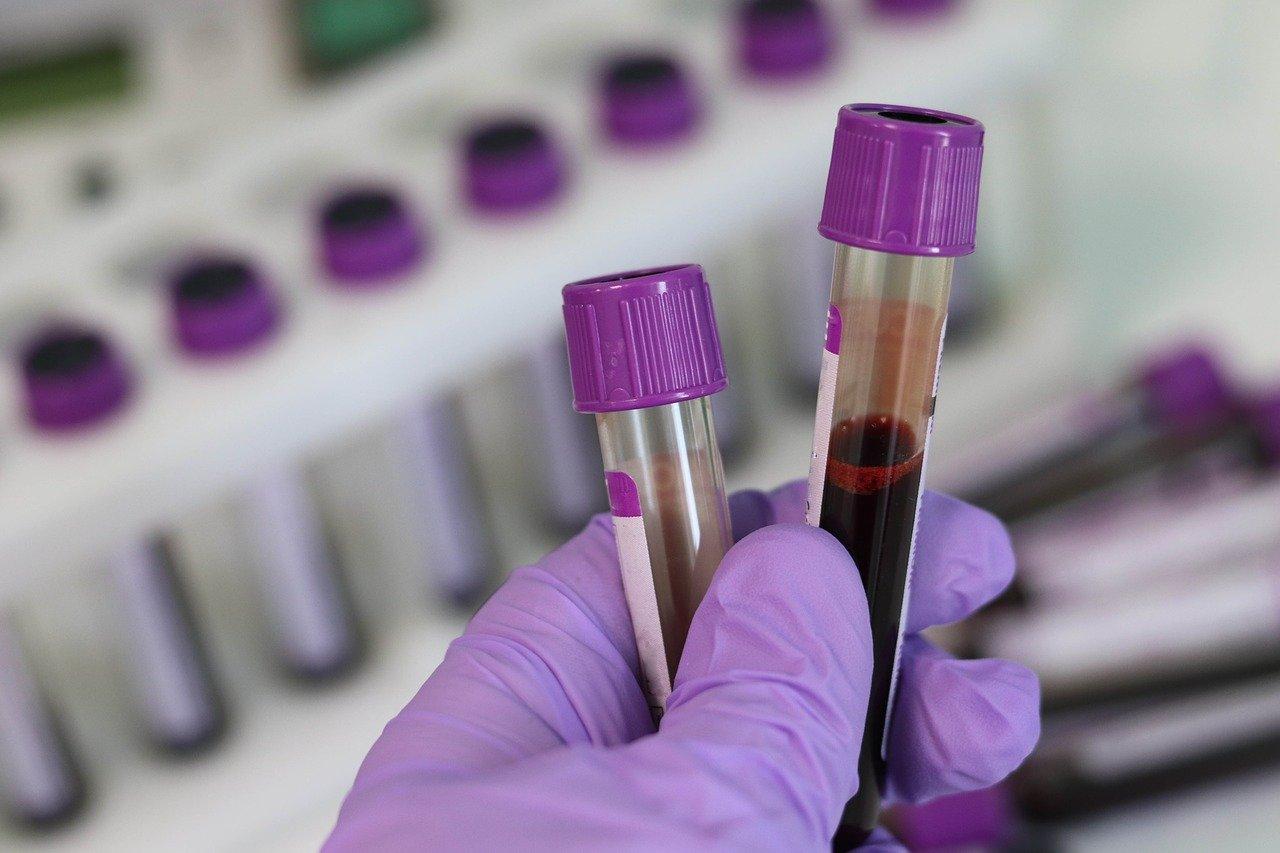
Researchers at Japan’s Kanazawa University have developed a blood test capable of detecting 90% of the earliest-stage pancreatic cancers, a finding that could significantly improve survival odds for a disease long considered one of the most difficult cancers to catch in time for effective treatment.
Pancreatic cancer remains notoriously hard to diagnose early, with symptoms typically emerging only after the disease has already advanced. In Japan, the five-year survival rate for the disease stood at just 8.5% between 2009 and 2011, according to data from the National Cancer Center. Surgery following an early diagnosis remains the only treatment offering a realistic chance at a cure, but early-stage cases currently account for only 2% to 3% of all pancreatic cancer diagnoses, meaning most patients are identified only after the disease has already reached an advanced, harder-to-treat stage.
To address that gap, a research team led by Dr. Taro Yamashita, dean of the Graduate School of Advanced Preventive Medical Sciences and a professor of gastroenterology at Kanazawa University’s Faculty of Medicine, previously developed a diagnostic test called Panregza, which combines analysis of gene expression patterns drawn from peripheral whole blood with measurement of the tumor marker CA19-9, a protein commonly used in existing pancreatic cancer screening. While Panregza had already demonstrated effectiveness in diagnosing advanced pancreatic cancer, researchers had not previously determined how well it could detect the disease at its very earliest stages, when treatment odds are dramatically better.
The new study analyzed 10 patients diagnosed with stage 0 or stage I pancreatic cancer, representing just 4% of a total pool of 253 patients, and compared their results against those of 104 healthy individuals. Researchers evaluated three separate diagnostic approaches: gene expression patterns from peripheral whole blood alone, the standard CA19-9 tumor marker test alone, and the combined Panregza test incorporating both measures.
Using a panel of 56 gene probes, the whole blood gene expression approach on its own detected nine of the 10 early-stage cancer cases, translating to a 90% detection rate. The standard CA19-9 test, by comparison, detected only one of the 10 cases, a 10% detection rate, highlighting a substantial gap in performance between the two methods when it comes to catching the disease at its earliest, most treatable point. The combined Panregza test, which blends both measures, landed between the two individual approaches, demonstrating 60% sensitivity alongside 93.3% specificity, meaning it was highly effective at correctly ruling out cancer in people who did not have the disease, even if its overall detection rate for early cases fell short of the gene-expression test used on its own.
“These findings indicate that gene expression analysis from peripheral whole blood is a highly effective method for detecting early-stage pancreatic cancer,” Yamashita said in a statement accompanying the research.
The stakes tied to catching the disease earlier are substantial. According to data from the Innovative Research and Development Center for Pancreatic Cancer at Kanazawa University Hospital, five-year survival rates reach 100% among patients diagnosed at stage 0 and 74.4% among those diagnosed at stage I, a dramatic improvement over the single-digit survival rates typically associated with pancreatic cancer diagnosed at more advanced stages. Researchers said that gap underscores the critical importance of developing tools capable of identifying the disease before symptoms emerge.
Explaining the biological basis behind the test, researchers noted that most of the cells analyzed in the blood samples are immune cells rather than cancer cells themselves, and that the presence of even a very small tumor appears to alter the gene activity of those immune cells, even during the disease’s earliest stages. That mechanism suggests the test can detect genetic changes associated with pancreatic cancer in the bloodstream even before a tumor grows large enough to be found through conventional imaging, and even before CA19-9 levels themselves begin to rise, a scenario in which standard blood-marker testing would typically still appear normal.
Outside experts reviewing the findings offered cautious optimism about the test’s potential impact. Dr. Ligresti, whose full name and institutional affiliation were not specified in initial coverage of the study, described the results as “a potential game-changer” in comments reported by Newsweek, while also cautioning that the trial involved a very small number of early-stage cases. “Although that’s a small trial, it fits in with the current research and thinking for sure,” Ligresti said, adding that the approach “requires further validation in larger, diverse populations” before it could be adopted more broadly in clinical practice. Ligresti also pointed to the test’s potential value for screening patients already considered at elevated risk for pancreatic cancer, saying a highly sensitive blood test of this kind “could revolutionize these efforts, allowing us to identify patients who are candidates for curative surgery before symptoms ever arise.”
The Panregza diagnostic kit is currently marketed commercially in Japan by Cubix Inc., building on research the Kanazawa University team has pursued for several years. An earlier version of the underlying blood messenger RNA screening system, developed by many of the same Kanazawa University researchers, was first published in the journal Cancer Science in 2019, establishing the foundational gene-panel approach that has since been refined and tested specifically for its ability to detect the disease at its earliest, most treatable stages.
Researchers cautioned that despite the promising early results, the current findings stem from a relatively small sample of just 10 early-stage patients, meaning larger, more diverse studies will be needed before the gene-expression approach could realistically be adopted as a widespread screening tool for the general population or even for high-risk groups specifically. Even so, the research adds to a growing body of scientific work focused on developing blood-based screening tools capable of catching notoriously hard-to-detect cancers, including pancreatic cancer, well before symptoms typically prompt patients to seek medical evaluation in the first place, a shift researchers say could meaningfully improve survival outcomes for a disease that has historically offered patients very little advance warning.

Recycling Laptops And IMacs Makes PC Building Fun And Affordable Again

BTAL: Market Neutral Vs Recent Market Shocks

Spectacular Smith Reacts After B2K Drops New Single ‘Mileage’


-
 NewsBeat3 days ago
London Mayor Sadiq Khan handed a peerage by Keir Starmer alongside 15 other Labour figures… just days before the PM leaves No10
-

 Fashion2 days ago
Weekend Open Thread – Corporette.com
-

 Politics1 day ago
The House | The City of London can help the new chancellor deliver growth in every postcode
-

 Politics4 days ago
Young campaigners urge incoming PM to act on outdoor junk food ads
-

 Crypto World4 days ago
CFTC blocks Kalshi from unwinding Michigan trades after court order
-

 Business4 days ago
Nvidia Stock Slips After Big Tuesday Rally as Huang Confirms Vera Rubin Chip Is Now in Production Today
-

 Crypto World1 day ago
Ripple Payments Joins MiCA With 14 Firms, Does It Mean Anything For XRP?
-

 Politics5 hours ago
Democrats look to World Cup watch parties to register thousands of voters
-

 Crypto World2 days ago
Ripple wins EU-wide access as ESMA adds it to MiCA register
-
 Entertainment4 days ago
Disney’s Most Ambitious Failed Star Wars Attraction Is Coming to SDCC
-
 Crypto World2 days ago
Two July Windows Left: The CLARITY Act’s Senate Fight and What Failure Means
-

 Business4 days ago
Palantir Shares Rise After Expanded Nvidia Partnership and Fresh Analyst Upgrades Ahead of Earnings Day
-

 Crypto World3 days ago
Injective Submits SEC Transfer-Agent Registration to Onchain Ownership Records
-

 Tech6 days ago
Get Your ESP32 Sunny Side Up With This Solar Dev Board
-

 News Videos5 days ago
XRP BOMBSHELL… XRP OMBOARDED FOR TRANSACTIONS!!!
-

 NewsBeat2 days ago
Registration is now open for March for Men with Kev 2026
-

 Tech5 days ago
Dark Secrets Emerge When Jailbreaking LLMs
-
 Sports4 days ago
New Cornerback Enters Vikings Trade Rumor Mill
-

 News Videos2 days ago
Money | Class 12 Economics | CBSE Board Exam 2026-27
-

 Business3 days ago
Banco Bilbao Vizcaya Argentaria, S.A. (BBVA) Discusses Global Macro Environment and Economic Outlook for Core Markets Transcript
You must be logged in to post a comment Login