

Business
BTS Stages Triumphant Comeback with ‘Arirang’ Album and Seoul Concert, Shattering Sales and Streaming Records


SEOUL, South Korea — After nearly four years of hiatus driven by mandatory military service, K-pop supergroup BTS made a blockbuster return in March 2026 with their fifth Korean-language studio album “Arirang” and a free, open-air comeback concert in central Seoul, drawing massive crowds, record-breaking sales and streams, and widespread acclaim as one of the most successful music events of the year.

The album, released March 20, 2026, via Big Hit Music under HYBE, marks BTS’s first full-group project since 2022’s “Proof” anthology and their first studio LP in six years. Featuring 14 tracks—including lead single “Swim” and collaborations with producers like Diplo, Tame Impala’s Kevin Parker, Mike WiLL Made-It and Ryan Tedder—the record blends introspective themes rooted in Korean identity with the group’s signature high-energy sound. Members RM, Jin, Suga, j-hope, Jimin, V and Jung Kook contributed significantly to songwriting and production, reflecting personal growth during their service period.
Commercial performance exceeded even high expectations. “Arirang” sold 3.98 million copies on its first day according to Hanteo Chart data, surpassing BTS’s previous first-day high from “Map of the Soul: 7” (3.38 million first-week sales) and achieving double-million status in hours. Pre-orders topped 4.06 million globally across more than 100 countries, with cumulative projections pointing to 6 million or more. The album claimed No. 1 on iTunes in over 80 countries and dominated charts worldwide upon release.
Streaming numbers were equally explosive. On Spotify, “Arirang” amassed 110 million global streams in its first day, claiming the platform’s most-streamed album of 2026 so far and the most-streamed K-pop album in Spotify history. Every track from the album occupied the top 14 spots on Spotify’s Global chart, with BTS surpassing 1 billion total streams in 2026 alone, making them the first K-pop act to hit that milestone this year. Lead single “Swim” quickly topped Melon’s TOP 100 in South Korea within an hour of release, while all album tracks entered the top 50.
The comeback culminated in the “BTS The Comeback Live: ARIRANG” concert on March 21 at Gwanghwamun Square, drawing an estimated 104,000 to 260,000 fans—described by organizers and media as potentially the largest public concert in South Korean history. The hourlong, Netflix-livestreamed event to 190 countries featured high-energy performances heavy on new material, emotional reunions and modified choreography to accommodate RM’s ankle injury from rehearsal. A drone show lit the Seoul sky with the members’ faces, and the city raised its terror alert level but reported no incidents amid orderly crowds.
Analysts hailed the event as a cultural and economic triumph. IBK Investment & Securities projected the “ARIRANG” world tour—set to launch April 9 in Goyang with 82 stadium shows across 34 cities through 2027—could generate at least 2.9 trillion Korean won (about $1.93 billion), potentially rivaling Taylor Swift’s “Eras Tour” record of $2.2 billion. The comeback is expected to boost Korea’s overall K-pop industry, which faced a 19% album sales drop in 2024 amid the group’s absence.
The return comes after all seven members completed military service, with the last discharges in 2025 paving the way for full-group activities. Solo successes during the hiatus—chart-topping projects from each member—fueled anticipation, but the full reunion delivered unmatched impact. Critics praised “Arirang” for artistic maturity while retaining commercial appeal, with The New York Times calling it a “raucous test of creative mettle” and a beacon of Korean soft power.
Fans, known as ARMY, mobilized globally, booking hotels in Seoul months in advance and driving viral social media buzz. The concert’s emotional weight was palpable, with members expressing gratitude for fan support during their break. “This is BTS 2.0 is only just beginning,” j-hope said onstage, encapsulating the fresh chapter.
Challenges included RM’s injury and the evolving K-pop landscape, where groups like Stray Kids and NewJeans filled the void, but BTS’s dominance proved undiminished. Netflix’s partnership extends to a two-part documentary “BTS: The Return” premiering March 27, offering behind-the-scenes glimpses, plus U.S. fan events like the March 23 Spotify showcase in New York.
As the world tour approaches, with screenings of early shows planned for global theaters, BTS’s 2026 resurgence has already rewritten records. From physical sales to digital dominance, the comeback reaffirms their status as global superstars, turning a long-awaited reunion into an industry-defining moment.

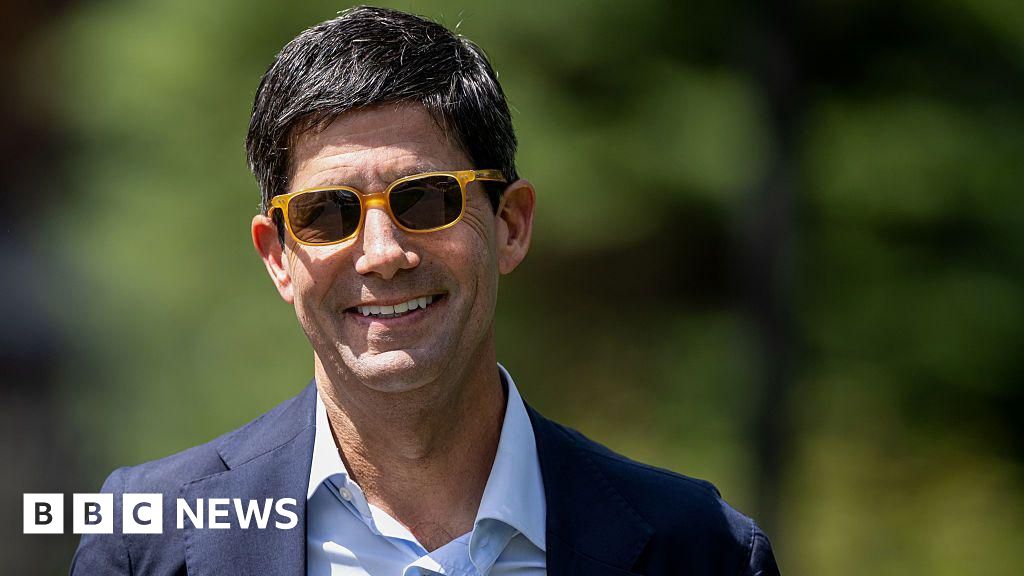
Kevin Warsh was confirmed by the narrowest margin since the role required a Senate confirmation vote.
Marchex earnings missed by $0.02, revenue fell short of estimates
Business
GameStop eBay Takeover Bid Crumbles as Rejection Leaves Slim Chance for Hostile Deal in 2026

NEW YORK — GameStop’s audacious $56 billion bid to acquire eBay appeared all but dead Wednesday after the online marketplace formally rejected the unsolicited offer, though CEO Ryan Cohen signaled he may not walk away quietly, leaving a narrow path for a prolonged proxy fight or sweetened proposal.

eBay’s board delivered a blunt dismissal Tuesday, calling GameStop’s non-binding proposal “neither credible nor attractive” in a strongly worded letter to Cohen. The rejection cited financing uncertainties, operational risks, leadership concerns and doubts about the combined company’s long-term growth prospects.
The drama began May 3 when GameStop, led by activist investor-turned-CEO Cohen, proposed buying eBay at $125 per share — roughly half in cash and half in GameStop stock. The offer valued the larger e-commerce platform at about $55.5 billion and represented a significant premium to recent trading levels. GameStop had quietly built a roughly 5% stake in eBay beforehand.
Cohen framed the deal as a transformative opportunity to create a retail powerhouse combining eBay’s global marketplace with GameStop’s physical stores and collectibles expertise. He envisioned cost synergies, authentication services through GameStop locations and a stronger challenge to Amazon in secondhand and specialty goods.
Financing questions emerged immediately. GameStop planned to fund the cash portion with its roughly $9.4 billion in cash and investments plus up to $20 billion in debt financing backed by TD Securities. Analysts quickly highlighted potential gaps, dilution risks for GameStop shareholders and challenges securing investment-grade ratings for the merged entity.
eBay’s swift rejection underscored those concerns. Chairman Paul Pressler emphasized the company’s strong standalone performance, recent strategic improvements and confidence in its independent path. The board, supported by financial and legal advisers, saw limited upside in partnering with a smaller, more volatile retailer still transitioning from its meme-stock era.
Market reactions reflected skepticism. eBay shares rose modestly on the initial bid news but stabilized after the rejection. GameStop stock, known for extreme volatility, swung on headlines but showed limited sustained gains, with investors wary of execution risks and potential shareholder dilution.
Cohen has a history of bold moves. As Chewy co-founder, he built a successful e-commerce model before taking the helm at GameStop and steering it toward cash preservation and digital transformation. His activist approach previously delivered results, but acquiring a company nearly four times larger presents unprecedented challenges.
In response to the rejection, Cohen has hinted at taking the fight directly to eBay shareholders. He previously indicated willingness to launch a proxy contest or hostile tender offer if the board remained unreceptive. However, success would require rallying institutional investors and navigating significant regulatory hurdles, including antitrust scrutiny over marketplace concentration.
Analysts remain divided on any remaining chances. Some see a low-probability scenario where Cohen raises his offer, secures additional backing or exploits eBay shareholder discontent over recent performance. Others view the bid as effectively over, predicting eBay will focus on its core business while GameStop pursues smaller acquisitions or organic growth.
The saga has captivated retail investors and meme-stock communities. Social media buzzed with memes, speculation and debates over Cohen’s vision versus practical realities. Supporters cheered the ambition; critics called it unrealistic or a distraction from GameStop’s core challenges in a declining physical retail environment.
Broader industry implications extend beyond the two companies. A successful combination could reshape secondhand markets, collectibles and e-commerce logistics. Failure highlights difficulties smaller players face in pursuing mega-deals amid high interest rates, regulatory caution and valuation gaps.
eBay has strengthened its position in recent years through marketplace enhancements, advertising growth and international expansion. The company reported solid results and returned capital to shareholders, reinforcing its board’s confidence in rejecting external pressure.
For GameStop, the episode underscores Cohen’s aggressive style. The company has amassed significant cash reserves, reducing debt and exploring new revenue streams like collectibles and digital initiatives. Yet its core video game retail business faces structural headwinds from digital downloads and competition.
Wall Street largely views the deal as a long shot from the start. Investment banks questioned the math, while governance experts flagged potential conflicts with Cohen leading the combined entity. Antitrust authorities would likely scrutinize any eventual agreement given eBay’s dominant position in online auctions.
As of mid-May 2026, no new proposals have surfaced. Cohen has engaged publicly, including lighthearted social media posts about selling items on eBay to “pay for eBay,” even briefly facing account restrictions before resolution. The theatrics keep the story alive but do little to resolve substantive financing and strategic concerns.
Observers note parallels to past activist campaigns. Cohen’s track record suggests persistence, yet eBay’s firm stance and superior size tilt odds heavily against completion. A white knight bidder or revised GameStop approach could emerge, but momentum has clearly shifted toward rejection.
The outcome carries lessons for corporate America. Unsolicited bids from cash-rich but smaller entities can generate headlines and short-term stock pops, yet closing requires credible financing, strategic alignment and board support — elements currently lacking here.
For now, the chance of the eBay-GameStop deal closing appears remote. Cohen may continue pressing, but eBay’s rejection marks a significant setback. Investors in both companies will watch closely for the next chapter in this unlikely saga, whether it ends in retreat, escalation or quiet withdrawal.

NEW YORK — eBay Inc. shares traded near $110 Wednesday as investors weighed whether to buy, sell or hold the stock in 2026 following robust first-quarter results and the swift rejection of GameStop’s unsolicited $56 billion takeover bid.
The online marketplace reported strong Q1 2026 performance on April 29, with revenue reaching $3.1 billion, up 19% year-over-year on an as-reported basis and 17% on a foreign-exchange neutral basis. Gross merchandise volume climbed 14% to $22.2 billion, while non-GAAP earnings per share hit $1.66, beating estimates by 5%. The company raised its full-year outlook, signaling confidence amid macroeconomic uncertainty.
eBay’s board formally rejected GameStop’s May 3 proposal for $125 per share — half cash, half stock — on May 12, calling it “neither credible nor attractive” due to financing uncertainties, operational risks and governance concerns. The decision removed immediate takeover premium but left shares elevated on solid fundamentals and potential for strategic alternatives.
Wall Street’s consensus leans “Hold.” Of roughly 30 analysts covering the stock as of mid-May, ratings split with about 14 Buy, 18 Hold and a handful Sell. The average 12-month price target sits around $106 to $115, implying modest downside or limited upside from current levels near $110. Highest targets reach $130; lowest dip to $65.
Positive drivers include eBay’s focus on recommerce, AI-powered tools, advertising growth and international expansion. First-party advertising revenue jumped 33% in Q1. The company continues returning capital aggressively, repurchasing $500 million in shares and paying $139 million in dividends during the quarter. Its Climate Transition Plan and investments in live commerce and authenticated goods position it for sustainable growth.
Challenges persist. eBay faces stiff competition from Amazon, emerging platforms and shifting consumer habits. Valuation concerns have emerged after the recent rally, with some analysts downgrading to Hold citing stretched multiples. Macro headwinds, including inflation and geopolitical tensions, could pressure GMV growth. The rejected bid introduces short-term volatility, though many view it as a distraction from core execution.
Technical signals remain mixed but lean positive in the short term. The stock has gained on three consecutive days as of May 12, supported by rising volume and buy signals from moving averages. Analysts project potential 3-month gains toward $128-$142 in optimistic scenarios, though broader 2026 forecasts range from $86 to $120 depending on the model.
For buyers, the case rests on eBay’s resilient business model and capital return program. At current levels, the dividend yield hovers near 2%, with consistent increases over seven years. Free cash flow generation remains healthy, supporting further buybacks or potential special returns. Long-term bulls highlight AI innovations and marketplace enhancements as catalysts for mid-single-digit growth.
Sellers or cautious holders point to limited organic growth potential and execution risks. Some models forecast only modest total returns through 2030 absent a major catalyst. The failed GameStop bid highlights governance and financing hurdles for transformative deals, potentially capping near-term multiple expansion.
Institutional ownership remains solid, though activist pressure could resurface if performance falters. Ryan Cohen’s GameStop has built a 5% stake and may pursue a proxy fight or revised approach, adding event-driven upside risk. However, eBay’s board has expressed strong faith in its independent strategy.
Broader market context favors selective buying in e-commerce. While growth stocks face rate sensitivity, eBay’s defensive qualities — established user base of 136 million active buyers and diversified revenue — provide ballast. International exposure, representing about 44% of revenue, offers diversification but also currency volatility.
Analysts recommend a balanced approach. Conservative investors might wait for pullbacks toward $100-$105 support levels before initiating positions. Growth-oriented traders could view current momentum as an entry point if Q2 guidance holds. Long-term holders benefit from the dividend and potential for strategic acquisitions, such as the pending Depop deal.
Risks include regulatory scrutiny on marketplace practices, intensifying competition in secondhand goods and potential economic slowdowns affecting discretionary spending. On the upside, successful AI integration, live commerce expansion and stronger advertising could drive beats and re-rate the stock higher.
Portfolio allocation matters. eBay suits income-focused or value-oriented accounts rather than high-growth aggressive strategies. Diversification across tech and consumer sectors mitigates single-stock risk. Options strategies or covered calls can enhance yield for moderate bulls.
As 2026 progresses, eBay’s trajectory depends on execution amid evolving retail dynamics. The company has proven resilient post-pandemic, consistently delivering when macro conditions stabilize. Whether the GameStop episode becomes a footnote or sparks renewed interest remains uncertain.
For now, the consensus tilts toward cautious optimism. Neither a screaming buy nor urgent sell, eBay offers a stable e-commerce play with capital return appeal. Investors should monitor Q2 results, any further takeover developments and macroeconomic indicators before committing capital. The stock’s fate in 2026 will hinge on whether fundamentals can sustain the post-bid glow or if valuation gravity pulls it lower.

Form S-3ASR Centuri Holdings Inc For: 13 May

Britain’s ambitions to lead the global race for driverless cars took a significant step forward today as the Government inked a formal partnership with Wayve, the London-headquartered artificial intelligence scale-up that has emerged as the country’s standard-bearer in autonomous vehicle technology.
The Memorandum of Understanding, signed between Wayve and the Department for Business and Trade, is designed to deepen collaboration on next-generation self-driving systems and underpin the company’s continued expansion on home soil, a notable vote of confidence at a time when many of Britain’s most promising tech firms have been lured across the Atlantic by deeper pools of capital.
For the SME and high-growth community, the deal is being read as a barometer of Whitehall’s willingness to back homegrown champions with more than warm words. Under the agreement, Government and industry will pool research interests around the responsible deployment of automated vehicles, with the explicit aim of converting Britain’s world-class AI research into commercial reality on its roads, in its factories and across its supply chains.
Officials hope the partnership will act as a catalyst for fresh investment, skilled employment and long-term growth across an automotive ecosystem that has been buffeted in recent years by the transition to electric vehicles, supply-chain disruption and intensifying competition from China and the United States. The signal to international investors, ministers insist, is unambiguous: the UK is open for business and intends to be the destination of choice for ambitious technology companies looking to scale.
Business Secretary Peter Kyle said the agreement demonstrated how the Government’s Modern Industrial Strategy was being put into practice. “This partnership with Wayve shows how government is backing high-growth British scale-ups through our Modern Industrial Strategy to turn world-leading research into real-world deployment,” he said. “By working hand-in-hand with innovative companies, we are accelerating self-driving technology while anchoring jobs, investment and manufacturing here in the UK, making Britain the best place to start, scale and grow a business.”
Alex Kendall, Wayve’s co-founder and chief executive, struck a similarly bullish tone. “I’m delighted to deepen our collaboration with the Department for Business and Trade. We share the Government’s ambition to drive economic growth through the development of the self-driving vehicle sector in the UK and globally,” he said. “Strengthening domestic capabilities will anchor high-value manufacturing in the UK, create thousands of skilled jobs across the supply chain, and support the future of the automotive industry. This is in addition to the transformative benefits to road safety to be gained from self-driving vehicles deployed at scale.”
Founded in 2017 and now one of Britain’s most valuable AI businesses, Wayve has established itself as a pioneer of so-called “embodied AI”, training vehicles to learn from experience rather than relying solely on hand-coded rules and high-definition mapping. The company’s investor roster reads like a who’s who of global capital, and its decision to keep its centre of gravity in the United Kingdom has become a touchstone for the broader debate about retaining home-grown intellectual property.
Science and Technology Secretary Liz Kendall described Wayve as “a true British AI success story, putting the UK at the forefront of self-driving technology.” She added that the agreement would “help secure high-skilled tech and advanced manufacturing jobs in this country” and send a clear signal that “the UK is the best place for ambitious tech firms to start up and scale up.”
The substance of the MoU is squarely aimed at moving automated vehicles beyond the prototype phase and into commercially viable services on British roads. Joint workstreams will cover safety assurance, large-scale simulation and the integration of full self-driving capability into production-ready vehicle platforms, areas where Britain has long held latent expertise but has often struggled to commercialise at pace.
The partnership also reinforces the Government’s ambition to position the UK as a global hub for automated vehicle manufacturing, strengthening domestic supply chains in artificial intelligence, systems integration and advanced automotive hardware. Wayve, for its part, has agreed to share insights from real-world trials with ministers and regulators, providing the empirical foundation for the rules and standards that will govern a national roll-out of self-driving services.
For an automotive sector in the throes of structural reinvention, the implication is significant. Closer collaboration between industry, Government and local partners is intended to revive and evolve British vehicle manufacturing, demonstrating that fast-growing companies can scale at home rather than relocating overseas in search of supportive policy and patient capital.
The announcement comes against the backdrop of the Modern Industrial Strategy, which Whitehall says has already crowded in private investment into priority growth sectors. The Government points to roughly £360 billion in investment commitments, £33 billion in export announcements and 120,000 jobs secured since publication, figures that ministers will be keen to translate into a wider narrative of economic renewal as the political cycle wears on.
For founders, investors and SME leaders watching from the sidelines, the lesson is straightforward enough. When Government and a scale-up of Wayve’s calibre line up around a shared industrial agenda, the message is that Britain intends to compete at the sharpest end of the technology frontier, and that the long-promised marriage between policy and enterprise may, finally, be moving from theory into practice.

Amy Ingham
Amy is a newly qualified journalist specialising in business journalism at Business Matters with responsibility for news content for what is now the UK’s largest print and online source of current business news.

LOS ANGELES — As 2026 unfolds, pop titans Taylor Swift and Olivia Rodrigo are on divergent paths that could reshape their dominance in the music industry, with Swift embracing a deliberate slowdown amid personal milestones while Rodrigo gears up for a high-stakes year anchored by a major new album and arena-conquering tour.
Swift, 36, remains one of the most powerful figures in music even during a relative breather. Sources confirm she has another record — widely speculated as TS13 — in the creative stages, but with no pressure for an imminent release. Insiders emphasize her focus on personal life, including wedding plans with Travis Kelce and enjoying a lighter chapter after the record-breaking Eras Tour.
The “Life of a Showgirl” era from late 2025 was intentionally designed as a fun, low-commitment project without plans for a full-scale tour. Swift has explicitly shut down immediate touring rumors, telling fans the Eras experience was once-in-a-lifetime. Instead, 2026 may feature special releases tied to her debut album’s 20th anniversary in October, vault tracks or limited vinyl drops rather than a blockbuster rollout.
Rodrigo, 23, is primed for a breakout year. Her third studio album, you seem pretty sad for a girl so in love, drops June 12, following lead single “Drop Dead,” which has already made strong chart impressions despite occasional competition from Swift’s catalog surges. The project promises new sounds and stories, with Rodrigo drawing inspiration from her time in London and exploring joyful yet bittersweet love themes.
The Unraveled Tour, announced in late April, spans 65 dates across North America, Europe and the UK from September 2026 into May 2027. Supporting acts include Wolf Alice, The Last Dinner Party and others. Multiple-night stands in major markets signal massive demand, positioning Rodrigo as a live force capable of filling arenas consistently.
Metrics highlight the contrast. Swift’s catalog continues generating enormous streams and cultural impact, with older tracks surging on playlists and viral moments. Her fanbase, Swifties, delivers unmatched loyalty and sales power even without new music. Rodrigo, however, benefits from Gen Z resonance and the freshness of a new era, building on the success of Sour and Guts.
Industry observers give Rodrigo the edge for raw activity in 2026. A June album release followed by a fall tour creates sustained visibility through summer promotions, festival appearances and media cycles. Swift’s lower profile may include Songwriters Hall of Fame honors or film projects, but lacks the chart battles and ticket frenzy expected from Rodrigo.
Both artists share songwriting prowess and emotional authenticity that connect across generations. Swift pioneered the modern pop storytelling model that Rodrigo has amplified with younger, angsty perspectives. Their occasional chart clashes — such as Swift blocking Rodrigo on certain sales tallies — fuel fan debates and media headlines.
Commercial projections favor Rodrigo for year-over-year growth. Her tour could generate tens of millions in revenue while introducing the new album to live audiences. Swift’s business empire — including catalog ownership, merchandise and brand partnerships — ensures steady dominance regardless of release cadence, but 2026 may not feature the chart-topping dominance of past eras.
Cultural impact remains Swift’s stronghold. Her influence extends beyond music into fashion, politics and social discourse. Rodrigo excels at tapping into Gen Z mental health and relationship narratives, potentially expanding her reach through acting pursuits or activism. Both drive streaming numbers, but Swift’s deeper catalog gives her staying power.
Challenges differ. Swift navigates expectations after historic success while prioritizing well-being. Rodrigo must deliver on high anticipation for her third album after two phenomenal debuts, avoiding sophomore slump narratives while scaling live production.
Fan communities amplify the rivalry. Swifties emphasize longevity and versatility; Livies highlight relatability and momentum. Social media polls and engagement often split by age demographics, with younger users leaning Rodrigo.
Broader industry trends support both. Streaming favors catalog depth (Swift advantage) while tours and new releases drive discovery (Rodrigo edge). 2026’s competitive landscape includes other major releases, but these two command disproportionate attention.
Rodrigo appears poised for the bigger “year” in traditional metrics — album sales, tour grosses and media saturation. Swift wins on sustained relevance and business scale, potentially setting up a massive 2027 return. The comparison underscores different career phases: veteran pacing versus rising star acceleration.
Ultimately, both elevate pop music. Fans benefit from their output regardless of who claims 2026 supremacy. As Rodrigo unleashes new music and fills arenas, Swift’s quiet creativity may yield gems that define the decade. The real winner is the audience witnessing two generational talents at work.

NEW YORK — VNET Group Inc. shares skyrocketed more than 30% in early trading Wednesday, surging to $11.74 as the Chinese data center operator announced a significant strategic investment that bolsters its balance sheet and accelerates growth in China’s booming AI infrastructure sector.
The Nasdaq-listed company, a leading carrier-neutral internet data center services provider, revealed that PJ Millennium I and II funds will acquire up to 650 million Class A shares from existing sellers at $1.4486 per share, equivalent to about $8.69 per American Depositary Share. The deal could give the new investors up to 38.1% ownership upon closing, expected in the fourth quarter of 2026, subject to regulatory approvals and other conditions.
Investor rights, lock-up agreements and voting pacts with founder Josh Sheng Chen aim to maintain stability and align interests. The transaction injects fresh capital and signals strong external confidence in VNET’s position amid surging demand for AI-ready data centers in China.
The move comes as VNET prepares to report first-quarter 2026 results on May 26. Analysts expect continued strength from wholesale data center demand and AI workloads, following robust 2025 performance where the company beat revenue guidance and projected 15.6% to 18.6% growth for 2026.
VNET has aggressively expanded capacity to meet hyperscale and AI-driven needs. Its wholesale segment utilization rates remain high, with significant pre-committed capacity signaling robust future revenue visibility. The company plans substantial capital expenditures of RMB 10-12 billion in 2026 to support new campuses and liquid-cooling infrastructure tailored for high-density AI computing.
China’s digital transformation and government push for technological self-reliance have created a tailwind for domestic data center providers. VNET’s carrier-neutral model offers flexibility to major cloud players and enterprises avoiding single-vendor dependency, positioning it well against competitors like GDS Holdings.
The strategic investment follows a turbulent period that included a discounted $137.7 million equity raise earlier in 2026, the resignation of former CFO Qiyu Wang and removal from Goldman Sachs’ Asia-Pacific Conviction List. Those events initially pressured the stock, but today’s announcement appears to have shifted sentiment toward growth optimism.
Volume spiked dramatically on the news, with shares changing hands at multiples of average daily levels. The rally erased recent losses and pushed the stock well above recent trading ranges, though it remains far below analyst price targets that average around $15-$18.
Wall Street has generally maintained constructive views. Jefferies and Bank of America have highlighted power reserve growth and AI demand as key positives. Consensus ratings lean Hold with upward revisions to targets reflecting improved liquidity and expansion plans.
VNET’s business model centers on providing colocation, managed hosting and cloud-related services through extensive facilities across China. Its focus on sustainable energy and advanced cooling technologies aligns with national carbon goals while addressing the intense power demands of AI training and inference.
Challenges persist in the sector. Regulatory scrutiny over data security, energy consumption and foreign investment remains a factor. Geopolitical tensions between the U.S. and China could impact technology supply chains, though VNET’s domestic focus offers some insulation. Leverage and capital intensity also require careful management, as evidenced by recent financing activities.
Broader market context supports the move. Global AI infrastructure spending continues its upward trajectory, with China emerging as a critical player despite export restrictions on advanced chips. VNET benefits from localized demand that is less exposed to U.S. sanctions compared to some peers.
For investors, today’s surge underscores the volatility inherent in Chinese tech names. While the strategic deal provides a catalyst, execution on capacity ramp-up and margin improvement will determine whether the momentum sustains. Upcoming earnings will offer fresh insights into utilization rates and AI contract wins.
Analysts project strong earnings growth over the coming years, with some forecasting EPS expansion exceeding 45% annually. Valuation remains attractive on forward metrics for a high-growth infrastructure play, though dilution from recent raises tempers immediate per-share gains.
The data center sector in China faces intense competition, but VNET’s scale, track record and now reinforced capital position provide competitive advantages. Management has emphasized disciplined growth, balancing expansion with financial prudence.
As trading continues, attention shifts to whether the stock can hold gains or if profit-taking emerges. Support levels from recent ranges and resistance near recent highs will be key technical markers. Longer-term, successful integration of new investors and delivery on 2026 guidance could pave the way for further rerating.
VNET’s story reflects larger themes in global technology: the insatiable appetite for compute power, the rise of AI infrastructure as a distinct asset class and the strategic importance of data sovereignty in major economies. For a company once known primarily as 21Vianet, the evolution into an AI-era enabler marks a significant chapter.
Investors considering exposure should weigh the high-growth potential against execution risks, regulatory variables and broader China macro factors. Today’s dramatic move highlights how quickly sentiment can shift on positive corporate developments in this dynamic sector.
Earnings call transcript: WSP Global beats Q1 2026 EPS forecasts, stock dips
Business
OpenAI chief Altman has over $2 billion stake in companies that dealt with OpenAI: court filing


OpenAI chief Altman has over $2 billion stake in companies that dealt with OpenAI: court filing

Vaibhav Sooryavanshi vs Sanju Samson

B&H Slashes MacBook Air to $829 in Limited Time Flash Sale

126m Money Puggy ist gespawnt #roblox

Manchester United reach agreement with Casemiro over contract clause amid transfer speculation

US brings back mandatory military draft registration

Steven Gerrard disagrees with Gary Neville over ‘shock’ Chelsea and Arsenal claim | Football


-
 Crypto World5 days ago
HarrisX Poll Found 52% of Registered Voters Support the CLARITY Act
-

 Fashion5 days ago
Weekend Open Thread: Marianne Dress
-

 Crypto World6 days ago
Upbit adds B3 Korean won pair as Base token gains Korea access
-
 NewsBeat7 days ago
NCP car park operator enters administration putting 340 UK sites at risk of closure
-

 Fashion2 days ago
Coffee Break: Travel Steam Iron
-

 Fashion3 days ago
What to Know Before Buying a Curling Wand or Curling Iron
-

 Tech4 days ago
Auto Enthusiast Carves Functional Two-Stroke Engine from Solid Metal
-

 Politics2 days ago
What to expect when you’re expecting a budget
-
 Business4 days ago
Ignore market noise, India’s long-term story intact, say D-Street bulls Ramesh Damani and Sunil Singhania
-

 Politics5 days ago
Politics Home Article | Starmer Enters The Danger Zone
-

 Tech3 days ago
GM Agrees To Pay $12.75 Million To Settle California Lawsuit Over Misuse Of Customers’ Driving Data
-

 Politics6 days ago
Simon Cowell Says He Was ‘Horrible’ To Susan Boyle During BGT Audition
-

 Entertainment7 days ago
Sarah Paulson Called Out For Met Gala ‘Hypocrisy’
-

 Entertainment6 days ago
General Hospital: Ric & Ava Bombshell – Ric’s Massive Secret Exposed!
-

 Crypto World7 days ago
Robinhood says Wall Street is building onchain
-

 Sports7 days ago
UEFA Champions League final schedule, teams, venue, live time and streaming | Football News
-

 Entertainment6 days ago
Why David Letterman Called CBS ‘Lying Weasels’
-

 Fashion7 days ago
The Best Work Pants for Women in 2026
-
 Sports7 days ago
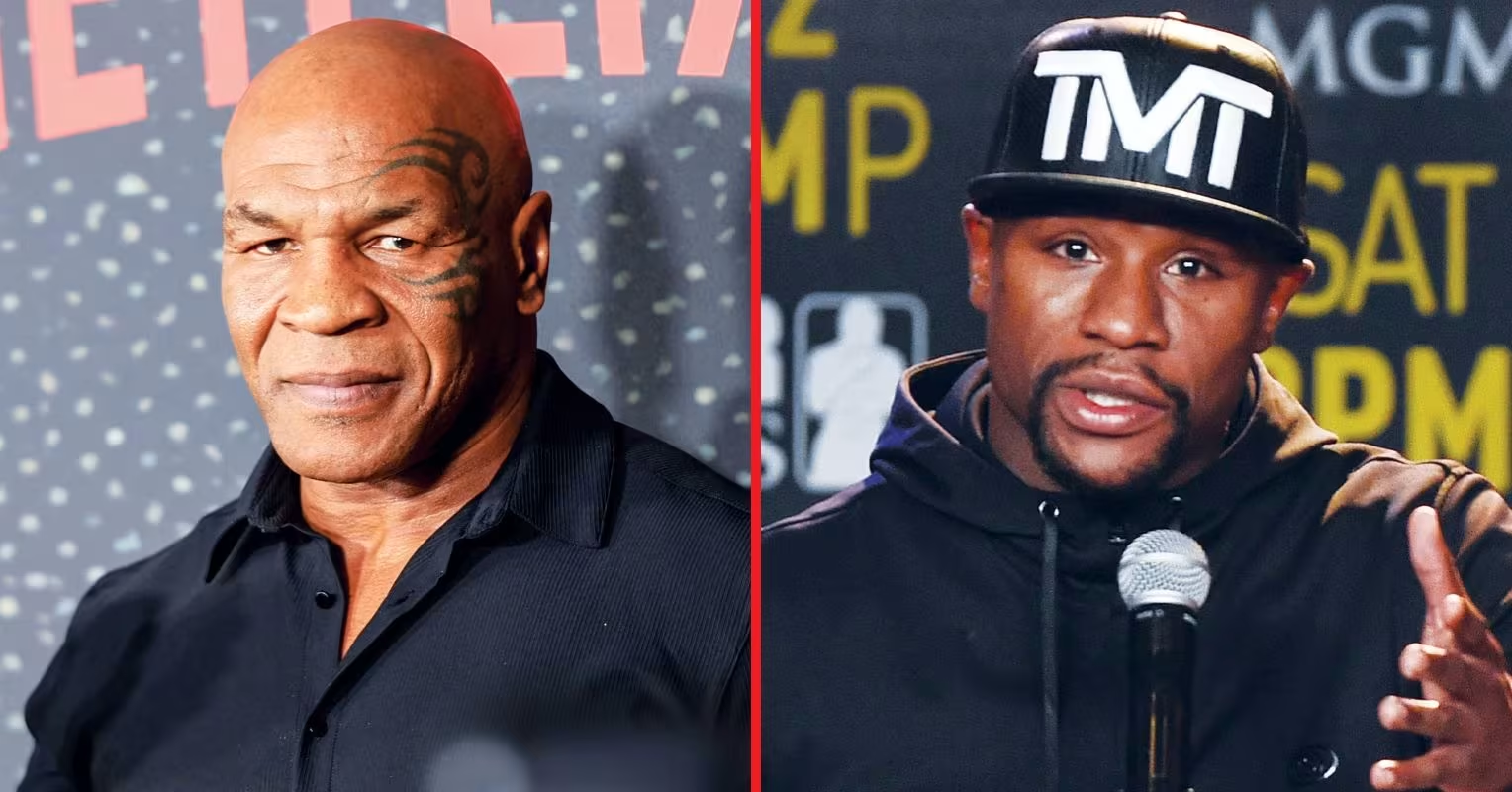
Mike Tyson speaks out on status of Floyd Mayweather fight
-
Entertainment7 days ago
Hayden Panettiere reveals she's estranged from mom, addresses brother Jansen's sudden death: 'I was floored'
You must be logged in to post a comment Login