TORRANCE, Calif. — Navitas Semiconductor Corp. shares have delivered explosive gains in 2026, surging hundreds of percent on enthusiasm for its gallium nitride and silicon carbide chips powering artificial intelligence data centers, yet Wall Street analysts remain divided on whether the stock is a buy, hold or sell at current elevated levels.
As of April 21, Navitas (NASDAQ: NVTS) traded near $15-16 after a sharp early-session rally, extending a remarkable run that has seen the stock climb more than 400% over the past year. The rally reflects investor bets on the company’s “Navitas 2.0” strategy, which shifts focus from lower-margin mobile charging to high-power applications in AI infrastructure, grid modernization and industrial electrification. Yet with the stock trading at a premium valuation and analysts’ average price targets well below current levels, the question of whether to buy or sell Navitas in 2026 elicits no consensus.
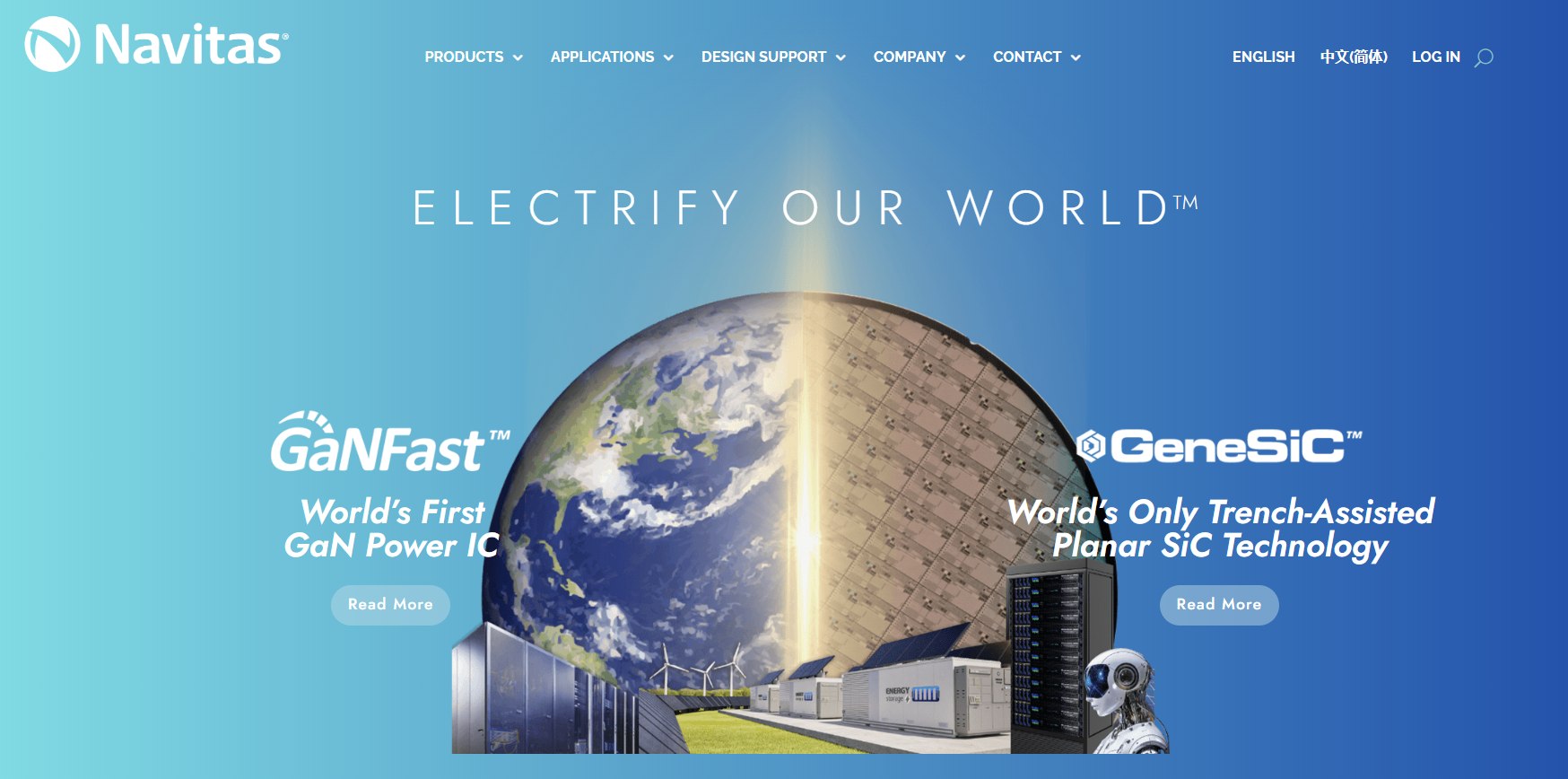
Navitas specializes in next-generation power semiconductors that offer superior efficiency, smaller size and better thermal performance than traditional silicon devices. Its GaNFast power ICs and GeneSiC SiC solutions address a critical bottleneck in AI data centers, where massive electricity consumption makes even modest efficiency gains highly valuable. The company estimates a $3.5 billion serviceable addressable market in high-power segments by 2030, with AI-related demand as the primary driver.
The strategic pivot has shown early progress. High-power applications now exceed 50% of revenue, while mobile has fallen below 25%. Management guided for a return to sequential revenue growth starting in the first quarter of 2026, with Q1 results scheduled for release after market close on May 5. Fourth-quarter 2025 revenue beat expectations at $7.3 million, and the company ended the year with a strong cash position and no debt, providing runway for continued investment.
Recent catalysts have fueled the rally. In March, Navitas launched new 1200V SiC MOSFET packages optimized for AI servers and energy infrastructure. At NVIDIA’s GTC 2026 conference in April, the company demonstrated an 800V-to-6V GaNFast power delivery board for the MGX platform and a high-efficiency 10kW all-GaN solution. On April 13, the appointment of semiconductor veteran Gregory M. Fischer to the board added governance credibility as Navitas scales operations.
Despite the momentum, risks abound. Navitas remains unprofitable, posting adjusted losses as it invests heavily in growth. Analysts project continued revenue pressure in 2026 due to the business mix transition, with some forecasting declines before a sharp rebound in 2027. Consensus ratings lean toward Hold, with an average 12-month price target around $6.78 to $7.60 — implying significant downside from current levels near $15-16. Targets range from as low as $3.50 to a high of $13.00.
The valuation debate centers on execution versus potential. Bulls highlight Navitas’ technological edge, patent portfolio and alignment with the AI megatrend. Successful conversion of design wins into volume shipments could drive meaningful revenue inflection starting late 2026 or 2027. Optimists see the stock as a long-term winner for patient investors willing to endure near-term volatility and margin pressure.
Bears counter that the current price already bakes in substantial optimism. With a high price-to-sales multiple and no near-term profitability in sight, any delay in AI-related ramps or margin improvement could trigger sharp pullbacks. Competition in the GaN and SiC spaces is intensifying from larger players, and broader semiconductor cyclicality adds another layer of risk. Some forecasts suggest the stock could trade in a range between roughly $3 and $9 through the end of 2026 under conservative scenarios.
Q1 2026 earnings on May 5 will provide the next major test. Investors will scrutinize revenue trends, gross margin progress, operating expenses and any updates on design-win conversions or AI customer engagements. Management has emphasized gradual improvements in gross margins and bottom-line results alongside renewed top-line growth. Positive surprises could sustain momentum; misses or cautious guidance might cool enthusiasm.
Broader market context also matters. Enthusiasm for AI infrastructure stocks has lifted many names in the semiconductor supply chain, but elevated valuations leave limited room for error. Geopolitical tensions, interest rate movements and energy costs could indirectly influence demand for efficient power solutions.
For individual investors, the decision hinges on time horizon and risk tolerance. Long-term believers in the AI power story may view dips as buying opportunities, especially given Navitas’ strong cash position and debt-free balance sheet. Shorter-term traders might prefer to wait for clearer signals of profitability or revenue acceleration before committing capital at current levels.
Technical indicators show strong momentum in recent sessions, with the stock breaking out on high volume. However, overbought readings suggest potential for near-term consolidation or pullbacks. Options activity reflects elevated implied volatility, consistent with expectations for significant moves around earnings.
Navitas operates with a lean team of roughly 190 employees and benefits from strategic foundry partnerships, including efforts to expand U.S.-based manufacturing. Its CarbonNeutral certification and focus on sustainability add to the appeal for ESG-minded investors. Yet as a smaller player, it faces execution risks in scaling production to meet potential hyperscaler demand.
The company’s long-term roadmap targets compound annual growth exceeding 60% in its addressable market. If Navitas captures even a modest share while improving margins, the upside could be substantial. Conversely, prolonged transition challenges or competitive pressures could weigh on the stock for an extended period.
As April 21 trading continued with strong gains, the narrative around Navitas remained one of high risk and high reward. The stock’s dramatic 2026 performance has rewarded early believers but also attracted profit-taking and skepticism from valuation-focused investors.
Ultimately, whether to buy or sell Navitas Semiconductor in 2026 depends on individual conviction in the AI infrastructure thesis and tolerance for volatility. Wall Street’s Hold consensus and low average price targets suggest caution at current prices, but bullish voices see the potential for outperformance if execution aligns with ambitious goals.
With Q1 results approaching and the AI buildout accelerating, the coming months will offer fresh data points to assess whether Navitas can translate technological promise into sustainable financial results. Investors should weigh the compelling long-term story against near-term transitional pressures before making portfolio decisions.





























































You must be logged in to post a comment Login