




Connect with us

Business

D-Wave And Quantum Computing: Taking Profits On The Pair, Waiting For The Next Gap (QBTS)

Published

on

Senior tennis players greeting each other after a game of tennis

This article was written by

I am a stock analyst with over 20 years of experience in quantitative research, financial modeling, and risk management. My focus is on equity valuation, market trends, and portfolio optimization to uncover high-growth investment opportunities. As a former Vice President at Barclays, I led teams in model validation, stress testing, and regulatory finance, developing a deep expertise in both fundamental and technical analysis. Alongside my research partner (also my wife), I co-author investment research, combining our complementary strengths to deliver high-quality, data-driven insights. Our approach blends rigorous risk management with a long-term perspective on value creation. We have a particular interest in macroeconomic trends, corporate earnings, and financial statement analysis, aiming to provide actionable ideas for investors seeking to outperform the market.

Analyst’s Disclosure: I/we have no stock, option or similar derivative position in any of the companies mentioned, and no plans to initiate any such positions within the next 72 hours. I wrote this article myself, and it expresses my own opinions. I am not receiving compensation for it (other than from Seeking Alpha). I have no business relationship with any company whose stock is mentioned in this article.

Seeking Alpha’s Disclosure: Past performance is no guarantee of future results. No recommendation or advice is being given as to whether any investment is suitable for a particular investor. Any views or opinions expressed above may not reflect those of Seeking Alpha as a whole. Seeking Alpha is not a licensed securities dealer, broker or US investment adviser or investment bank. Our analysts are third party authors that include both professional investors and individual investors who may not be licensed or certified by any institute or regulatory body.

Advertisement
Continue Reading
Click to comment

You must be logged in to post a comment Login

Leave a Reply

Business

YouTube Tightens Binge-Eating Ad Rules as Korean Mukbang Stars Lose Revenue, Cut Videos

Published

on

Tzuyang

SEOUL — YouTube’s tighter advertising rules on eating-disorder and binge-eating videos have cut ad money for some Korean mukbang and diet creators and pushed others to delete large parts of their archives.

Mukbang — eating broadcasts that often show very large meals — grew from Korean live streams into a global format. The latest enforcement wave treats some of that footage, and some diet vlogs, as content that vulnerable viewers might copy.

Tzuyang, a mukbang host with more than 10 million subscribers, recorded a line that Korean outlets treated as a weather vane. Filming at Sinpo International Market in Incheon, she said, “Eating a lot is apparently no longer the trend these days.” She added, “From now on, I’ll be a YouTuber who eats in moderation.” The Korea Times rendered a close version: “I heard eating a lot isn’t the trend these days” and “I’ll try to be a YouTuber who eats a reasonable amount from now on.” Herald Business noted she then continued a familiar large-portion video.

Smaller channels took direct hits. Salbbaejo, also styled Salppaejo or Salbaejo in English reports, a creator with about 440,000 subscribers, posted that monetization was suspended. “I don’t know which videos will be flagged, so I’ve also stopped uploading,” the creator said, according to Herald Business. The same post said YouTube had tightened binge-eating and eating-disorder rules and was applying them to channels with related uploads.

Advertisement

Diet creator Miso, with about 100,000 subscribers, received a guideline-violation notice and chose to delete 339 of 667 videos — more than half the channel — while appealing, Herald Business and SBS reported. Miso told Korea Times that older clips included specific weight figures and weight-loss routines that could be risky for some viewers to copy.

YouTube’s published advertiser-friendly updates state that content which “focuses on eating disorders and shares triggers like guides around binging, hiding, or hoarding food or abusing laxatives will not receive ad revenue.” The company said educational or documentary videos, and survivor accounts that mention those behaviors without promoting them, “won’t be impacted by this change.” Community guidelines have long barred content that promotes or instructs eating disorders; recovery and educational context can stay up with age gates or resource panels.

SBS summarized the platform’s position as not a blanket ban on educational, documentary or ordinary meal videos. Enforcement so far, that report said, has landed mainly on diet-experience and extreme weight-loss channels; it was not confirmed that large-portion stars such as Tzuyang had been sanctioned.

Titles, thumbnails, descriptions and tags are part of the review, Korea Times reported. A video that looks like a restaurant tour in the frame can still fail if the packaging sells a binge.

Advertisement

That distinction is why the industry is nervous. Tzuyang is known for feats such as 121 plates of conveyor-belt sushi. Hibab, or Heebab, holds a Korea Record Institute mark for 10 bowls of jjajangmyeon in 25 minutes. Neither was listed in the Korean coverage as formally demonetized this week. Their catalogs sit close to the line YouTube now draws between a lot of food on camera and “imitable” binge behavior.

YouTube’s eating-disorder work is not new. A 2023 blog post said the company would prohibit content featuring imitable disordered behaviors, including severe calorie restriction and purging, after talks with groups such as the National Eating Disorders Association. Ads and community rules were later aligned so that trigger-style how-tos would not earn money. U.K. researchers at the Centre for Countering Digital Hate said in July 2026 that recommendations to a simulated 13-year-old still included harmful diet videos, though at a lower rate than in 2024. A YouTube spokeswoman told the BBC then: “The wellbeing of our viewers is our top priority.”

For Korean creators, the immediate problem is cash flow. Demonetization stops ads on a whole channel or on flagged videos. Deleting hundreds of clips erases years of search traffic. Halting uploads, as Salbbaejo did, freezes the habit that algorithms reward.

Mukbang was never only comedy. Viewers use it as companionship, as food porn, as a substitute meal. Public-health researchers have argued that watching extreme intake can normalize binge patterns. Creators argue they are performing, not prescribing. YouTube’s text sides with imitation risk when the video looks like a method.

Advertisement

What remains allowed, on the company’s own pages, is a meal that is just a meal, a documentary that does not teach restriction, a recovery story that does not offer a how-to. What is being squeezed is the hybrid that made Korean food YouTube travel: a smiling host, a table that should feed six, a title that boasts the count.

Tzuyang’s “moderation” line does not rewrite the catalog. It does mark the moment the biggest name in the genre said the trend had moved. Salbbaejo’s community post and Miso’s 339 deletions show what the policy looks like when a channel is already in the penalty box. YouTube has not issued a Korea-specific ban on mukbang. It has said binge guides and hoarding-as-content will not be paid. The creators now have to decide whether their next upload is a dinner or a dare.

Continue Reading

Business

Raymond James says CN, CPKC stock traffic beats 3Q estimates

Published

on


Raymond James says CN, CPKC stock traffic beats 3Q estimates

Continue Reading

Business

Beaten-Down AI & Growth Stocks Analysis | Seeking Alpha

Published

on

Beaten-Down AI & Growth Stocks Analysis | Seeking Alpha

Read Steven Cress’ Article on Seeking Alpha

Bundle the Alpha Picks and Quant Growth & Income Portfolios Now!

This transcript was generated by AI. It is not curated or reviewed and is provided for convenience and information purposes only. The accuracy and completeness of the transcript are not guaranteed.

Nicole Benjamin: Hey, everybody. It’s Nicole Benjamin, your host here at Seeking Alpha, to bring to you another episode of The Weekly Grade. And joining us for today is none other than VP of Quantitative Strategy here at Seeking Alpha, Steven Cress himself, the wonderful guy behind a lot of the amazing products you see on site, our Alpha Picks portfolio, our Pro Quant portfolio, and our newest Quant Growth and Income portfolio. So follow him back on Seeking Alpha. Make sure you check out his articles, see if there’s anything that might be in there for you. And Steve, thank you so much for joining us today.

Advertisement

Steven Cress: Hey, thank you very much for organizing it.

NB: Absolutely. Now, I wanna jump right in. Today, we are talking about Pagaya Technologies and an AI-powered fintech holding. It’s considered a quant strong buy on the site, and this is despite experiencing significant pullback from its recent peak. So how does Pagaya’s network model convert loan volume and institutional power growth into operational leverage without requiring this aggressive marketing spend?

SC: Well, they’re doing a great job on it. As you can see by our factor grades, on the right-hand side, they are a very profitable company, so they’re managing to do it. And actually, you can see that profitability grades increased to B plus from a B six months ago, so the trend is going in the right direction. So this means that their revenue and earnings are converting to profitability, so their leverage has been applied well, and they’re taking leverage off the table and turning that into profits. You can see analysts are very positive as well. When you look at these factor revision grades, it has improved to an A.

That means analysts are taking their estimates up from where they previously were and at a much faster pace. You could see actually six months ago compared to the sector, it had a D grade, which meant analysts’ revisions were lower than other companies for this sector. But their fortunes have turned around, profitability has improved, and analysts are actually taking their revisions upwards. So in the last ninety days, as a matter of fact, we have had eight analysts take up their earnings estimates and zero have taken it down. So that’s really positive.

Advertisement

And for the upcoming quarter, which is November sixth, you’ve also had eight analysts revise up their estimates and zero have revised it down. So lots of positives on that front. You could see looking at the quant rating history, we did have a strong buy, and then we got slightly negative on it for a while. That was probably when we saw the momentum grade drop to an F and the revisions grade drop to D. So I want to sell and stay to hold for quite a period of time. But a couple months ago, we went into the buy territory and the strong buy, and it’s obvious from the improvement in the factor grades why. So currently, the company is it’s in the IT sector. It’s a software company.

It ranks two out of one hundred and sixty-six companies that we cover in software, and their long-term EPS growth rate is tremendous. It’s at a six hundred percent difference in terms of its growth compared to this sector. ROE, as I said is improving as well. If you actually look at the ROE growth rate, it is a forty-three percent growth rate in their ROE versus the sector at seven percent. And from a valuation standpoint, the company looks really attractive as well. It has an A plus grade on value, and its multiple is dirt cheap. It’s currently at a multiple of five point five times versus the IT sector at a multiple of twenty-three times.

So it’s literally at a seventy-six percent discount. Now, what I, I like today and what you led with is there has actually been a pullback in the stock. It is well off its fifty-two-week high. The stock currently is eighteen dollars and seventy-three cents. The fifty-two-week high was thirty-eight dollars. But we’re inter– we’re entering sort of an interesting type of year. Typically, most people know September is seasonally weak. But what also happens is with stocks that are well off their fifty-two-week highs, many institutions try to clear their books out of their losers by the end of October. So sometimes weak stocks that are hovering around that fifty-two-week low, they’ll remain low.

Today, this company’s got a market cap of one point seven billion, so it’s a really small cap. There’s a seller out there despite the strong fundamentals, despite that analysts are taking their estimates up. Notably, there are other strong buys out of the stock. If you look at the consensus from Wall Street analysts, they have a strong buy on it, and the consensus of Seeking Alpha contributors is a strong buy, as well as the quant. So that’s sort of the trifecta. You have three independent research sources all indicating strong buy on the stock right now. So it looks very timely. I’d say take advantage and be opportunistic of the pullback.

Advertisement

Institutions, of course, as I mentioned, they tend to clear some of their losers out by the end of October. That’s when their calendar year ends. So could remain weak for a little bit longer, but you wanna take advantage of that.

NB: All right. Well, I wanna jump right over Steve and talk about some of the products we have here on site, our Pro Quant portfolio, our Alpha Picks portfolio, and our newest Quant Growth and Income portfolio. And in this side-by-side comparison, the Pro Quant portfolio, Alpha Picks, and QGI, how should investors be evaluating the trade frequency, asset universe, and the rebalancing cadences when deciding which of these quantitative strategies will be a great match for their investment objectives?

SC: I’m glad you brought it up. So all three of these products are designed to be really user-friendly. Individuals don’t always have a lot of time. To do the research on their own. Even though Seeking Alpha’s premium site will rank all the stocks, and you could see if they’re strong buy, buy, or sell, it’s still a lot of research. So these products help bring forward our top strong buys. But it does it at a different pace. Some people like to be really aggressive, some individuals don’t like to be aggressive. So the Pro Quant portfolio was designed for long-term capital appreciation, but for people who like a high frequency of ideas.

So the portfolio is always fixed at thirty stocks, but it rebalances weekly, which means, on average, every week you have two to three new ideas coming out. So for individuals that like that pace of ideas, the Pro Quant portfolio would be the product. For individuals who want long-term capital appreciation, but not quite that high frequency of having to get new ideas every week, Pro Alpha Picks spreads it out to only two ideas a month. So on the trading date closest to the first of the month and the fifteenth of the month, an individual or subscriber would receive those emails. So you only get two new ideas a month as opposed to two to three a week with the Pro Quant portfolio.

Advertisement

And then for the Quant Growth in Income, that’s actually focused on people that want a combination of capital appreciation and income generation. So the common thread with that fixed portfolio of thirty stocks is every single one of them pays a dividend. So it’s got a nice little yield, and many investors like to have that yield. We refer to that as more of the all-weather type of product. So it may not have quite the performance of a PQP or an Alpha Picks, but it’s more of a steady eddy. So three different portfolios for three different risk appetites.

NB: Right. Well, I also wanna bring up some stats here that we have about these portfolios. And just considering what’s on the screen, all of these portfolios are demonstrating significant total return over their respective market benchmarks. So in an environment where rate expectations and sector rotations create this short-term price volatility, how does sticking strictly to the factor grades prevent losses during these market pullbacks?

SC: Well, I wouldn’t say that factor grades prevent losses. Typically, when you hit periods that are really volatile, stocks with strong fundamentals actually do sell off quite a bit because when anxiety is high and sentiment is more fearful, people tend to take profits in stocks, and they’ll go to safe haven sectors or safe haven asset classes such as cash or consumer staples or utilities. However, you can dull that downward volatility on your portfolio by d– with diversification. So a good approach I often refer to is having a barbell approach.

You wanna be able to focus on stocks that offer that upside potential and also be opportunistic when the prices decline, but you also wanna have that income generation on the other side of the barbell, and that helps to sort of minimize any downward volatility. Companies that tend to pay a dividend, you get paid to wait, so the stocks typically do not come off as much as in a volatile period. So we have a combination of both together in that barbell approach, where you’re focusing on both capital appreciation and income generation. It tends to really smooth out any downward pressure that’s created by volatility.

Advertisement

NB: All right, Steve. Well, thank you so much. I wanna jump over and wrap things up there. For everybody that’s listening in, go ahead and click the follow button on Steve’s page. Go read his article, see if there’s something in there that might be right for you. And then just for some housekeeping, past performance is no guarantee of future results. Content is offered for information purposes only. Unless stated otherwise, any and all individuals participating in the video are third parties that include both professional investors and individual investors who may not be licensed or certified by any institute or regulatory body.

Unless stated otherwise, the views or opinions expressed may not reflect those of Seeking Alpha as a whole. The accuracy and completeness of content shared cannot be guaranteed. Seeking Alpha does not take account of your objectives or financial situation and does not offer any personalized investment advice. Seeking Alpha is not a licensed securities dealer, broker, US investment advisor, or investment bank. Thank you so much.

Read Steven Cress’ Article on Seeking Alpha

Bundle the Alpha Picks and Quant Growth & Income Portfolios Now!

Advertisement
Continue Reading

Business

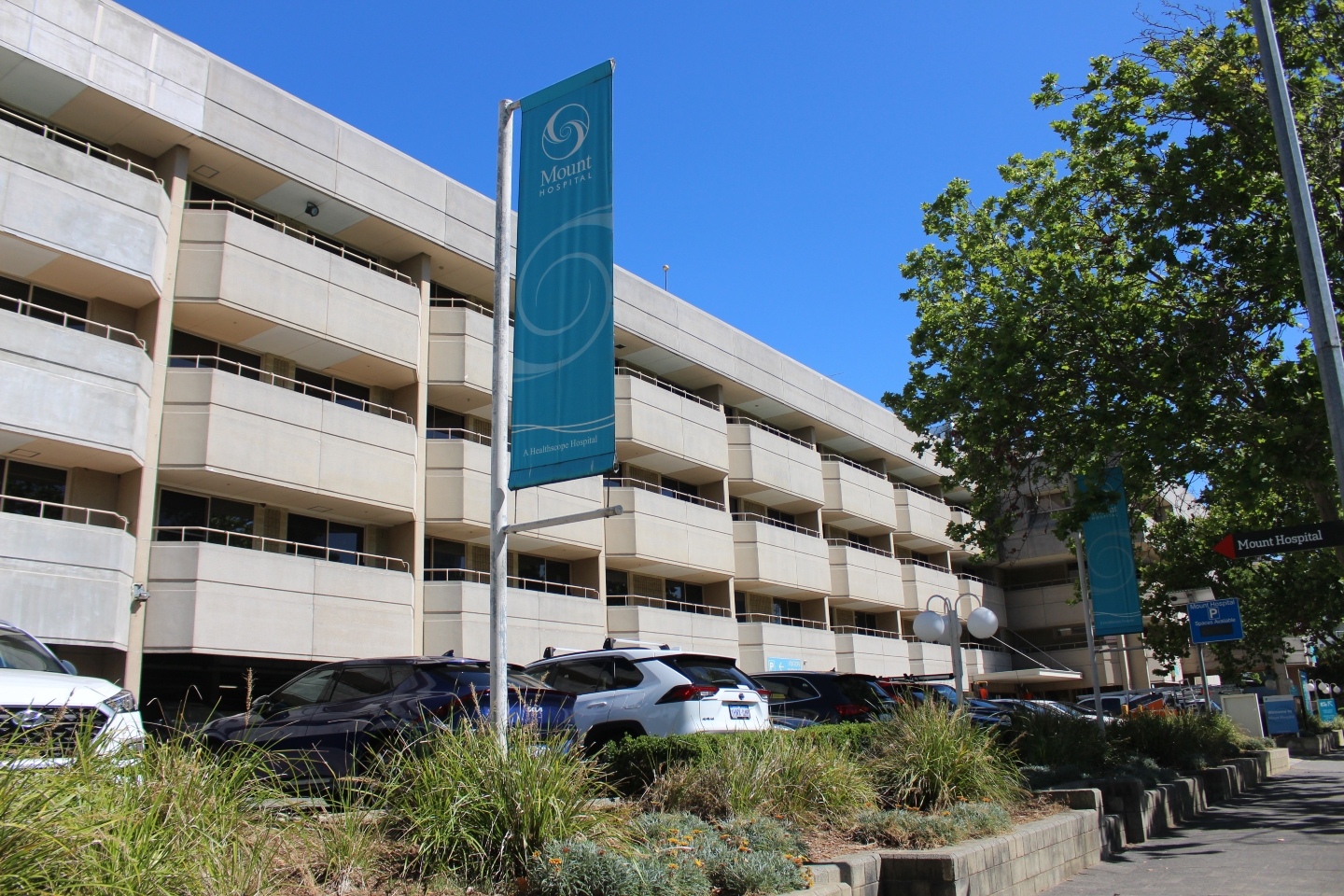
Bethesda Health Care completes takeover of Healthscope's Mount Hospital

Published

on

Bethesda Health Care completes takeover of Healthscope's Mount Hospital

The private healthcare provider is set to formally acquire Healthscope’s Mount Hospital on Thursday, after the state government and Bethesda struck a deal earlier this year to ensure the facility’s viability.

Continue Reading

Business

Virtus SGA U.S. Large Cap Growth Q2 2026 Commentary

Published

on

Virtus Large Cap Growth SMA Q2 2026 Portfolio Update

Virtus Investment Partners provides investment management products and services to individuals and institutions. We operate a multi-manager asset management business, comprising a number of individual affiliated managers, each with a distinct investment style, autonomous investment process and individual brand. We clearly understand the responsibility we have to our clients and we are committed to their success as investors.
For important disclaimers, go to https://www.virtus.com/social-media-guidelines. Note: This account is not managed or monitored by Virtus, and any messages sent via Seeking Alpha will not receive a response. For inquiries or communication, please use the firm’s official channels.

Continue Reading

Business

M&S, New Look and Sainsbury’s join textile recycling project

Published

on

Business Live

M&S, New Look, Sainsbury’s and Oxfam have partnered with Circle-8 on The Circuit, a textile recycling project aiming to develop pathways to recover and sort non-reusable textiles for conversion into fibres for new clothes.

A clothing rack of colourful coats

A clothing rack of colourful coats(Image: Grant Thornton)

M&S, New Look, Sainsbury’s and Oxfam have joined forces to create a system that transforms discarded clothing into new raw materials.

The retailers and charity have announced a partnership with Circle-8, a start-up that has developed a model bringing together retailers, recovery organisations, recyclers, manufacturers and digital innovators to recycle end-of-life garments. The initiative, named The Circuit, will seek to establish pathways where old textiles can be sorted and pre-processed into future raw materials.

Advertisement

The goal is to forge new routes through which non-reusable textiles can be recovered, sorted and ultimately converted into new or emerging fibres for making fresh clothing. The scheme’s first phase, due to commence in January, will unite retailers and partners at Oxfam’s facility in Batley, West Yorkshire.

There they will explore automated textile sorting, develop reporting frameworks to enhance traceability, identify circular material opportunities and forge relationships with recyclers. The consortium will also develop the operational frameworks required to scale up the system so it can function on a large scale.

Additionally, it will seek to support the advancement of both mechanical and chemical recycling processes to recover materials for regional and global textile manufacturing.

As part of the scheme, Oxfam will play a crucial role in separating reusable and non-reusable textiles as well as operating the automated textile sorting equipment, the partners said. This follows findings from waste campaign group Wrap, which discovered that 1.4m tonnes of textiles were thrown away across the UK in 2024, with approximately half estimated to consist of non-reusable materials.

Advertisement

A report from Parliament’s Environmental Audit Committee also estimates that 30% of worn clothes are resold in the UK while the remainder are sent overseas, often ending up in massive waste dumps in countries such as Ghana and Pakistan.

Rachel Cosgrove-Pearce, retail director at Oxfam, said: “Oxfam has been giving clothes a second life for almost 80 years, and our experience tells us that keeping clothing in use for as long as possible is one of the most effective ways to reduce fashion’s impact on our planet. But we also urgently need better solutions for textiles that can no longer be worn or reused.

“Developing the infrastructure to recover valuable fibres from end-of-use textiles is an important part of building a fashion system that uses fewer virgin resources and creates less environmental harm, and The Circuit brings together the expertise and investment needed to move this forward at scale.”

More broadly, the group stated that the project would seek to bolster the wider UK economy through job creation and manufacturing opportunities. The retailers also stressed that developing a more circular fashion industry would demand greater collaboration across the sector.

Advertisement

Ben Smith, managing director of Sainsbury’s Tu Clothing, said: “Creating a more circular future for textiles will take collaboration and innovation across the whole industry.

“The Circuit is an exciting opportunity to work alongside partners from across the value chain to explore how post-consumer textiles generated here in the UK can be given a new life as valuable raw materials.”

Katharine Beacham, head of sustainability and materials in fashion at M&S, said: “(We) believe the most sustainable clothing is clothing that is worn and loved for longer. However, when textiles reach the end of their usable life, we need better solutions to recover and recycle the materials they contain.”

Cyndi Rhoades, chief executive of Circle-8 Textile Ecosystems, said: “The retailers who help build circular textile value chains today will be best positioned to influence and benefit from them tomorrow. Through The Circuit, we’re powering the relationships, infrastructure and commercial frameworks needed to make that possible.”


Advertisement
Continue Reading

Business

Rocket League Down? Players Report Server Issues as #RocketLeagueDown Trends Wednesday on Social Media

Published

on

Rocket League Down? Players Report Server Issues as #RocketLeagueDown Trends

Players of “Rocket League,” the vehicular soccer game developed by Psyonix and published by Epic Games, began reporting connectivity problems Wednesday, with outage-tracking service Downdetector logging a spike in user complaints starting at 11:37 a.m. Eastern time and the hashtag #RocketLeagueDown trending on social platform X as affected players compared notes on the disruption.

Downdetector’s official account posted an alert shortly after the spike began, asking users how the outage was affecting them and directing them to submit detailed reports through the platform. As of the alert, the scope, cause and expected duration of the disruption had not been detailed in any official statement from Psyonix or Epic Games.

“Rocket League,” first released in July 2015, has remained one of the most consistently popular multiplayer games in the years since its debut, combining elements of soccer with rocket-powered vehicle combat across competitive online matches. The game transitioned to a free-to-play model in September 2020, a shift that coincided with a notable server outage of its own at the time, when the game’s servers went down within roughly an hour of the free-to-play version going live, an incident that drew widespread criticism from the gaming community at the time given Epic Games’ scale and resources.

Server reliability has remained a recurring point of frustration among segments of the Rocket League player base in the years since. Complaints about inconsistent ping times, packet loss and general server performance have circulated periodically on platforms including Steam’s community discussion boards, with some longtime players describing persistent connectivity issues that predate Wednesday’s reported outage by several years.

Advertisement

Not every reported connectivity issue necessarily reflects a problem on Psyonix’s own servers. Independent outage-tracking services that monitor Rocket League’s status have noted that isolated reports can sometimes stem from a player’s own internet connection, device or local network configuration rather than a broader, service-wide outage affecting all users simultaneously. Multiple monitoring services checked in the days leading up to Wednesday’s reported spike had shown no significant ongoing issues with the game, with one service reporting typical volumes of fewer than one outage report per day over the prior month, suggesting Wednesday’s spike in complaints represented a departure from the game’s recent baseline level of reported problems.

Players experiencing issues are typically advised by these same monitoring services to first rule out problems on their own end before assuming a broader outage is underway, including checking their internet connection speed, restarting their gaming device or console, and confirming that both the Rocket League client and the underlying Epic Games Launcher, which the game continues to run through even after its transition away from Steam-exclusive distribution in past years, are fully updated to their latest versions. For players seeking to confirm whether a reported issue reflects a broader outage rather than a problem isolated to their own setup, official channels, including the Epic Games status page and Psyonix’s own social media accounts, are generally considered more authoritative sources than crowdsourced outage trackers alone, which can occasionally lag behind or imprecisely characterize the true scope of a still-developing technical issue.

Epic Games, which acquired Psyonix in 2019, operates a broader ecosystem of connected services, including the Epic Games Launcher and Epic Games Store, that can occasionally experience their own independent technical issues separate from any specific game built on top of that infrastructure. Because Rocket League relies on Epic’s underlying account and launcher systems even for players accessing the game through other storefronts, disruptions to Epic’s broader account services have, in some past incidents, produced symptoms that affected Rocket League access even when the game’s own dedicated servers remained functional.

Downdetector, the platform that first flagged Wednesday’s disruption, aggregates user-submitted problem reports alongside automated monitoring signals to identify spikes in complaints for a given online service, generating alerts when reports exceed typical baseline levels for that platform and time of day. The service has become a widely used first stop for gamers and other internet users seeking to quickly confirm whether a disruption they are personally experiencing reflects a broader, service-wide issue rather than a problem confined to their own device or connection.

Advertisement

As of the most recent available information, neither Psyonix nor Epic Games had issued a detailed public statement specifying the root cause of Wednesday’s reported disruption, and it remained unclear whether the issue was affecting all platforms and regions equally or was concentrated among a specific subset of players. Given Rocket League’s continued popularity and its large, active online player base years after its original release, even a relatively brief service disruption tends to generate significant attention on social media, as reflected in Wednesday’s trending hashtag, with affected players likely to continue monitoring both Downdetector and official Psyonix and Epic Games channels for updates on when normal service is expected to be fully restored.

Continue Reading

Business

(VIDEO) Two RAF Pilots Eject With Minor Injuries After Hawk T2 Crashes Near Valley on Anglesey

Published

on

Two RAF Pilots Eject With Minor Injuries After Hawk T2

ANGLESEY, Wales — Two Royal Air Force pilots ejected from a Hawk T2 training jet that crashed shortly after takeoff from RAF Valley on Wednesday, police and the air force said.

North Wales Police said the crew of the T2 Hawk were being treated for what were thought to be minor injuries after the aircraft came down in the Pencarnisiog area of Anglesey. The force said there were no reports of wider damage or other injuries and asked the public to stay away. Helicopters from the Coastguard and the Wales Air Ambulance were sent to the scene near the base. BBC Wales reported the pilots were taken to Birmingham for treatment, where two air ambulances later landed at Queen Elizabeth Hospital, home of the Royal Centre for Defence Medicine.

A Royal Air Force spokesperson said: “An incident involving an RAF T2 Hawk aircraft, flying out of RAF Valley, occurred near Anglesey. An investigation is underway and we will not comment further at this time.”

Video circulated on social media, including a clip posted by Breaking911, showed a training jet in trouble after leaving the runway. Eyewitnesses described fire on takeoff, two bangs consistent with ejection seats, and orange parachutes.

Advertisement

Pete Bennett told North Wales Live he watched the aircraft leave the ground. “I knew straight away that it was in trouble – right on take-off there was an orange flame and as it accelerated it was basically on fire,” he said. “As it gained altitude the flame disappeared but it was clearly in trouble. It climbed at an aggressive pitch… It pitched twice violently in the air and then there were two clear loud bangs. The pilots ejected and both parachutes opened.”

In a longer account carried by The Aviationist, Bennett said the jet “rolled to starboard and then slowly descended and crashed maybe a mile, hopefully in a field. There was a huge wall of fire and black smoke. The aircrew came down around half way between the runway and where the plane crashed, which I’m guessing was around a mile inland from RAF Valley.”

A North Wales Police spokesman said: “Local officers are currently in attendance to reports of an incident involving an RAF training aircraft in the Pencarnisiog area of Anglesey, alongside colleagues from the Royal Air Force, North Wales Fire and Rescue Services, Welsh Ambulance Service University Health Trust and Helimed. Two pilots are being treated for what are thought to be minor injuries and at this stage there are no reports of any wider damage or injuries. Please avoid the area until further notice.”

BBC Wales quoted Defence Secretary Wes Streeting on X: “An investigation is under way. My thoughts are first and foremost with the pilots. We will provide further updates in due course.”

Advertisement

RAF Valley, on the west coast of Anglesey, is the home of No. 4 Flying Training School and the Hawk T2 fleet used to train fast-jet pilots before they move to types such as the Typhoon and F-35. The Prince of Wales was based there as a search-and-rescue pilot from 2010 to 2013. The Hawk T2 is a two-seat advanced trainer built by BAE Systems.

Police and the RAF have not named the crew or said whether they were instructors, students or a mixed pair. Liverpool Echo cited The Telegraph as reporting the jet was believed to have been flown by trainee crew. Official statements did not confirm that.

Cause was not announced. Investigators typically examine engines, flight data, maintenance records and the takeoff path. Witnesses described flame on the roll and a violent pitch before ejection. Those observations are not findings.

The wreckage burned in a field. Images showed a smoke column. Aviation outlets said a Jupiter HT1 helicopter from Valley was airborne after the crash, consistent with search-and-rescue practice at the station. Fire crews worked the site. Police kept roads clear.

Advertisement

Hawk T2 ejections are uncommon enough that they trigger a formal inquiry. The seats did what they are designed to do: get two people out before the airframe hit. Police described the injuries as thought to be minor. Transfer to Birmingham puts them at the military medicine center used for service personnel.

RAF Valley sits close to villages and the coast. A crash a mile inland still puts metal and fire near homes. Officers said no one on the ground was reported hurt. That is the first public measure of how the afternoon ended, not a final accident report.

The air force limited its comment to the type, the base and the fact of an investigation. Until that inquiry reports, the public record is a Hawk T2 out of Valley, two parachutes, a field fire, and two pilots under care.

Advertisement
Continue Reading

Business

Snack flavor fusion | Food Business News

Published

on

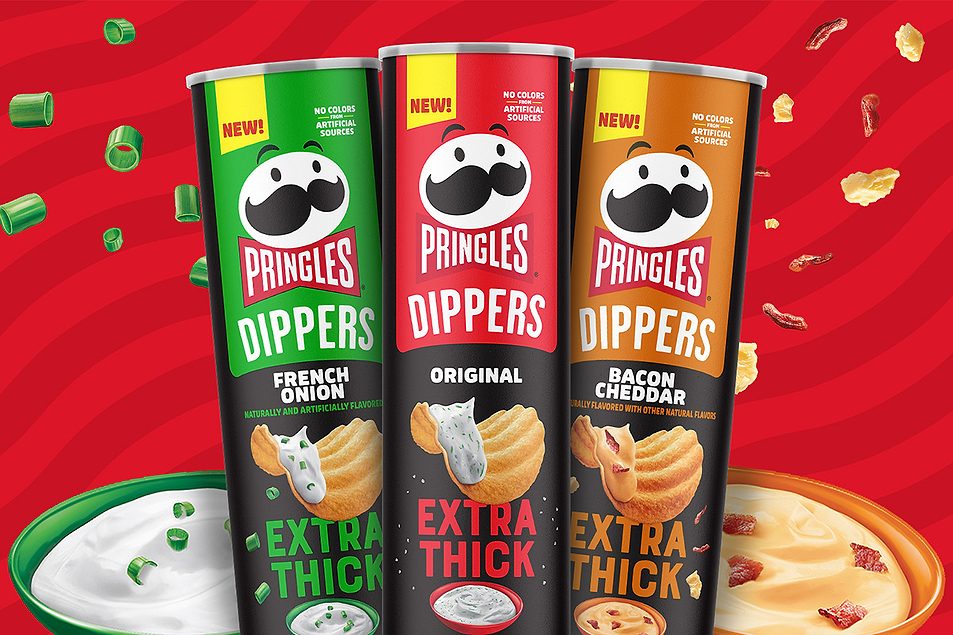
Mars launches dippable Pringles | Food Business News

KANSAS CITY — Consumers want more sensory impact from every bite they take. Many are leaning into flavor to tantalize their tastebuds. It’s not about making flavor extreme, rather it’s about making flavor more interesting. A familiar flavor invites. An unexpected twist gives consumers a reason to keep eating and talking about it.

“Snacks may be small, but consumer expectations for them are anything but,” said Anna Lada, senior marketing specialist at Flavor Producers, a Glanbia company. “People increasingly want a snack to deliver a full experience, whether that means comfort, excitement, discovery or simply a moment of indulgence in the middle of the day. Flavor is one of the most immediate ways to create that experience.”

People are gravitating toward flavors with more dimension. Many want a characterizing flavor balanced with one or more of the five basic tastes of bitter, salty, sour, sweet or umami.

“They do not just want chocolate, for example,” Lada said. “They want chocolate layered with sea salt, espresso, toasted nuts, warm spice or chili. Even familiar flavors are being asked to work harder.”

Advertisement

Ryan Kukuruzovic, director of culinary and executive chef, Wixon Inc., said, “Consumers no longer judge a snack by a single flavor note. They expect the experience to unfold. The most successful products today build layers of flavor and begin with the familiar. This may be followed by brightness, heat, cooling notes and texture to keep each bite interesting.”

Mars Inc., Chicago, is offering that layering of flavor in its new Pringles Dippers, a line of potato crisps intended for scooping dip. The company described the seasoning as “bold” cheddar cheese flavor with “smoky” bacon notes.

The Dippers line also includes a savory french onion offering, a blend of sweet, caramelized onion notes reminiscent of the classic sour cream chip dip.

Leaning on memory and emotion

Advertisement

Nostalgic flavors continue to trend in both sweet and salty snacks. Classic Americana resonates because the flavors are connected to memory and emotion.

“Nostalgia is less about recreating the past and more about reconnecting consumers with positive memories,” Kukuruzovic said. “The opportunity today is taking those familiar flavors and presenting them in a way that feels contemporary. Whether that’s through premium ingredients, global culinary influences or unexpected pairings, consumers want the comfort of recognition with enough innovation to make the experience feel new.

“Peanut butter and jelly, s’mores, birthday cake, orange cream, banana pudding, cookies and cream, and root beer remain incredibly relevant across snack categories. On the savory side, ranch, buffalo, dill pickle, honey butter, cinnamon sugar and cheddar continue to evolve through premium seasonings, regional inspirations and more sophisticated flavor layering.”

planters fall flavors.jpg

Hormel Foods is leaning into nostalgia with its seasonal Planters maple brown sugar almonds and apple cider donut cashews.

Advertisement

| Photo: Hormel Foods Corp.

The flavors aren’t simply returning. They’re being reimagined for today’s consumer.

“Lean into comfort classics to appeal to the emotional factor that snacking provides, but rediscover and redefine these flavors with a new twist,” said Rachael Jarzembowski, marketing manager at Wixon Inc. “Consumers are interested in familiar but new to the category flavors. Cross-category flavor borrowing delivers novelty with familiarity.”

Lada added, “The most successful nostalgic concepts preserve the recognizable heart of the flavor, then update it through a more sophisticated ingredient, a global influence, a contrasting taste or an unexpected texture.”

Nostalgia gets consumers to take the first bite. A fresh twist gives them a reason to take the second.

Advertisement

“This is particularly relevant for younger consumers,” Lada said. “We also are seeing renewed interest in flavors that feel homemade or rooted in traditional comfort, including brown butter, toasted marshmallow, maple, caramelized sugar, warm cinnamon, vanilla and roasted nuts. These flavors can feel familiar without feeling childish, which gives them broad generational appeal.”

Hormel Foods Corp. took the approach with its new seasonal Planters products. The line includes apple cider donut cashews and maple brown sugar almonds.

Fusing flavors

Consumers also are interested in familiar flavors put into a different context. Borrowing tastes and experiences from other categories can offer innovation that feels fresh yet comfortable.

Advertisement

“Snacks are showcasing a variety of flavors inspired by soda, desserts, comfort foods, etc.,” Jarzembowski said. “Think cherry cola, root beer, churro, tres leches or even cheese pizza.”

Kukuruzovic added, “The most compelling flavor fusions today aren’t built around novelty for novelty’s sake. They’re built around contrast.”

The contrasts can include sweet balanced with heat, bright citrus against rich umami and creamy notes layered with fermentation or smoke.

“Some combinations generating strong interest include mango serrano, yuzu chili crisp, blackberry chipotle, brown butter miso, black garlic honey, pineapple gochujang, tamarind chile lime, hot honey mustard and salted tahini chocolate,” Kukuruzovic said. “These combinations create a familiar starting point while giving consumers an experience they haven’t had before.”

Advertisement

Mission Foods is offering its new protein tortilla-style chips in chile limón and jalapeño flavors. The grain-free tortilla-style chips come in sea salt and hint of lime flavors.

“Our better-for-you line has always been about giving people trend-setting options that fit their lifestyle and taste great,” said Sathish Mohanraju, vice president of sales and marketing for Mission Foods. “We’re always listening to our customers. Protein and fiber are two things people are trying to get more of, and snacks are a great place to do it.”

pringles mingles.jpg

Pringles is highlighting the “swalty” trend with its new Sweet & Salty Pringles Mingles snack puffs.

| Photo: Mars, Inc.

Jarzembowski said, “When it comes to spicy flavors, innovators are moving beyond chili to introduce greater flavor complexity. As consumers seek more intense, layered taste experiences, brands are experimenting with different heat profiles, often paired with sweetness. Expect more intricate and layered flavor combinations designed to intrigue the taste buds, including sweet heat combinations complemented by salty, sour or smoky notes.”

Advertisement

Global flavors continue to be a strong source for innovation. They offer opportunities for exploring more adventurous tastes by pairing them with a more familiar flavor profile or format.

“Snack brands are fusing complementary flavor profiles from different cultures or providing a popular global flavor in an unusual application typically associated with another global cuisine,” said Sydney Byrne, marketing manager, Sensient Flavors & Extracts. “Think crab Rangoon empanada bites or churro chips.

“A growing flavor trend within the snack category is the sweeter side of snacking. In fact, many traditional bakery items are looking at bite-size formats to provide a snack-style sweet option. This snack-sized approach implies a more permissible indulgence, enabling snackers to enjoy just a few bites without canceling their commitment to larger health goals.”

Bimbo Bakeries USA has long been committed to the mini approach, particularly with seasonal and limited-time offerings. For example, this fall the company introduced Entenmann’s apple cider donut holes.

Advertisement

Apple with a twist has been showing up in new applications. Graeter’s Ice Cream introduced apple strudel ice cream. It was inspired by the traditional southern Bavarian dessert and hit the market just in time for Oktoberfest. It features cinnamon ice cream with baked apples, icing drizzle and cinnamon pastry pieces.

“Remember that flavor does not operate in isolation,” Lada said. “Texture, aroma, color, format and even the name of the flavor all shape the experience. A seasoning described simply as spicy creates a very different expectation than one described as tangy mango with smoky chili and lime. Specificity helps consumers imagine the bite before they ever taste it.”

Continue Reading

Business

Trump reveals millions of dollars’ worth of share deals in big tech and AI

Published

on

Donald Trump gestures to someone off camera. He is wearing a navy blue suit jacket, white shirt and a reddish-striped tie.

US President Donald Trump has disclosed millions of dollars’ worth of stock market trades made during July, including in firms from Elon Musk’s SpaceX to tech and AI giants such as Microsoft.

According to official documents, between $6.5m (£4.8m) and $31m worth of stock in Microsoft was sold on behalf of Trump, while they show purchases of between $165,000 and $400,000.

Across more than 1,000 trades, shares were bought and sold in AI company Nvidia and software firm Palantir, a contractor with the US defence department and Immigration and Customs Enforcement (ICE), the filing shows.

A White House spokesperson said Trump’s stock and bond portfolio is independently managed by third parties.

Advertisement

The spokesperson told the BBC: “Neither President Trump nor any member of his family has any ability to direct, influence or provide input regarding how the portfolio is invested or when investments are bought or sold.

“There are no conflicts of interest.”

According to the filing, thousands of dollars’ worth of stock was also bought and sold in SpaceX, the rocket, satellite and AI company led by Musk – who was once in charge of the US Department of Government Efficiency.

SpaceX listed its shares on the US-based Nasdaq stock market in June.

Advertisement

Its share price has fluctuated since then, sharply declining in July and August, but it is currently trading 14% higher than its stock market debut.

Shares were also bought and sold in Tesla, Musk’s electric vehicle-maker, on behalf of Trump.

Trump has previously publicly disclosed thousands of stock market trades since he returned to the White House in January last year.

Advertisement
Continue Reading

Trending

Copyright © 2025