
Business
Earnings call transcript: Mitchell Services Q3 2026 sees stock rise




NEW YORK — Alphabet Inc. Class C shares slipped modestly in early Monday trading on April 20, 2026, falling $1.92, or 0.57%, to $337.48 as Wall Street braced for the tech giant’s first-quarter earnings report later this week and weighed the long-term costs of its aggressive artificial intelligence infrastructure buildout.

AFP / Robyn Beck
The parent company of Google closed Friday at $339.40 after posting a solid 1.99% gain for the session, but opened the new week with light selling pressure. The modest decline came against a backdrop of renewed geopolitical tensions in the Middle East that sent oil prices higher and contributed to a cautious tone across broader markets.
Alphabet (NASDAQ: GOOG) has delivered strong performance over the past year, with shares up more than 120% in the trailing 12 months, driven largely by momentum in Google Search, accelerating growth at Google Cloud and investor enthusiasm for its Gemini AI models. Yet concerns about elevated capital expenditures — projected as high as $185 billion for 2026 — have created periodic volatility as investors question the near-term impact on margins and free cash flow.
Analysts expect Alphabet to report first-quarter revenue of approximately $107 billion when it releases results after the market close on April 29, reflecting continued double-digit growth. Earnings per share are forecast around $2.61 to $2.76. Investors will pay particularly close attention to guidance on cloud performance, AI monetization progress and any updates to the full-year capital spending outlook.
“Alphabet continues to execute well on the top line, but the market is laser-focused on whether the massive AI-related investments will start pressuring profitability in a meaningful way,” said one technology sector analyst who declined to be named because he was not authorized to speak publicly. “The stock has pulled back from its February highs, creating what some see as an attractive entry point ahead of earnings.”
Google Cloud has been a standout performer, with recent quarters showing revenue acceleration fueled by demand for AI infrastructure and enterprise adoption of Gemini-powered tools. The segment’s growth has helped offset any softness in advertising amid economic uncertainty, though advertisers continue to navigate shifts in digital spending patterns.
The company’s heavy investment in data centers, custom AI chips known as TPUs, and networking equipment reflects CEO Sundar Pichai’s commitment to maintaining leadership in generative AI. Alphabet raised its 2026 capital expenditure guidance earlier this year to between $175 billion and $185 billion, far exceeding previous expectations and nearly double the amount spent in 2025. While executives have emphasized that these outlays are already driving increased usage and revenue, some investors worry about accelerated depreciation and higher energy costs squeezing operating margins.
Recent partnership announcements have bolstered confidence. Alphabet expanded collaborations with chipmakers, including discussions with Marvell Technology for new AI accelerators and continued work with Broadcom on TPUs. The company also secured long-term supply agreements and deepened ties with enterprises through Google Cloud, including deals involving energy infrastructure to power its expanding data center footprint.
Antitrust scrutiny remains a persistent overhang. Google faces ongoing appeals in U.S. cases where it was found to have illegally monopolized online search and advertising technology markets. Potential remedies could include changes to default search deals or data-sharing requirements, though the company has successfully fended off some related lawsuits from news publishers and others. In Europe, regulators continue to examine compliance with the Digital Markets Act, adding another layer of regulatory risk.
Despite these challenges, Alphabet’s core business demonstrates remarkable resilience. Google Search benefits from AI overviews that enhance user engagement, while YouTube and other advertising platforms show steady demand. The company’s “Other Bets” segment, which includes Waymo’s autonomous driving efforts, continues to incur losses but represents long-term optionality in emerging technologies.
Alphabet’s balance sheet remains fortress-like, with substantial cash reserves that provide flexibility for both investments and potential shareholder returns. The company pays a modest dividend and has engaged in share repurchases, though the scale of AI spending has tempered expectations for aggressive buybacks in the near term.
Monday’s trading volume remained relatively light as many investors positioned themselves ahead of the April 29 earnings release. Broader market sentiment was influenced by weekend developments in U.S.-Iran tensions, which raised energy costs and prompted some rotation out of growth stocks. Technology shares, including other mega-cap names, showed similar early softness.
Wall Street consensus remains largely bullish on Alphabet. Several firms, including TD Cowen and KeyBanc, have raised price targets in recent weeks, with some calling for $375 or higher. The average target suggests meaningful upside from current levels, assuming the company can demonstrate that its AI bets are translating into sustainable competitive advantages and revenue growth.
For retail investors, the current dip near $337 offers a reminder of Alphabet’s sensitivity to macro headlines and spending concerns, even as fundamentals appear solid. The stock trades well above its 200-day moving average but remains below the all-time highs reached earlier in 2026.
Looking beyond the immediate earnings horizon, analysts will scrutinize several metrics: cloud revenue growth rate, the contribution of AI products to search and advertising, progress on cost discipline, and any commentary on the competitive landscape against rivals like Microsoft, OpenAI and Amazon.
Pichai and Chief Financial Officer Ruth Porat are expected to highlight how AI investments are creating an “expansionary moment” for Search and unlocking new opportunities across the business. At the same time, they will likely address the timeline for these expenditures to generate returns and any potential impact on 2026 free cash flow.
The upcoming report arrives at a pivotal time for the broader AI trade. While enthusiasm for generative AI remains high, questions about ROI timelines and infrastructure costs have led to periodic pullbacks across the sector. Alphabet’s ability to articulate a clear path from heavy spending to profitable growth could reassure investors and support a post-earnings rebound.
In the longer term, Alphabet’s vast data advantage, global reach and engineering talent position it strongly in the AI era. Gemini models have shown rapid improvement, with integration across products helping to drive usage. Waymo continues to expand robotaxi services in select cities, offering another potential growth vector.
Regulatory risks, while real, have not derailed the stock’s upward trajectory over the past year. Shares have climbed substantially even after adverse court rulings, reflecting confidence that remedies may prove less severe than feared or that appeals could mitigate impacts.
As trading continued Monday morning, the modest 0.57% decline appeared more like routine consolidation than a fundamental shift in sentiment. With earnings just days away, many market participants were holding positions rather than making aggressive moves.
Alphabet Inc., with a market capitalization still among the world’s largest, continues to navigate the dual challenges of executing on its ambitious AI vision while managing regulatory and macroeconomic crosscurrents. The slight dip to $337.48 on April 20 served as a quiet pause before what could be a defining week for one of tech’s most influential companies.
Investors will watch closely not only for the headline numbers but for forward-looking commentary that either validates the heavy spending or raises fresh questions about its pace and returns. In a year defined by AI infrastructure wars, Alphabet’s next chapter may hinge on proving that its massive bets will pay off handsomely for shareholders.

Google is rolling out new features that are sure to help you with your ongoing and upcoming trips.
From helping find the cheapest flights there is and booking restaurants or other places to helping them purchase items that they forgot to pack, Google is putting its platform front and center of traveling in 2026.
Google Brings New AI Travel Features
Google shared in its latest blog post that it is upgrading its apps and experiences to deliver more travel assistance features to users, with AI taking center stage in this rollout.
First, Google is adding several features to enjoy under its AI Mode, the dedicated AI-only experience on the platform’s search engine, as all outputs will appear as a singular AI-generated write-up instead of separate search results.
Users may now ask AI Mode, under the Canvas tool, to create a custom trip plan for them, and users may specify their preferences, schedule, things or places to consider, and more.
Under AI Mode, users may also ask Google to book their restaurants for them by telling the platform that they need a table for a specific number of people and the type of cuisine they prefer. According to Google, it will help users find openings and reservations in real-time.
Enjoy Your Trips with Google
Apart from being able to book restaurants and building a custom trip plan for your upcoming vacation, Google also said that it will help you find the items you need but forgot to pack.
This feature is also added right into Google Search’s AI Mode, and when using this feature, users only need to describe the things or items they want AI Mode to find.
For example, if the user forgot to bring sunscreen, AI Mode can help find a store that sells sunscreens.
Not only can Google find a store for them to purchase, but its agentic feature can also go ahead and call the store to find out if there are actual stocks at the said location before suggesting it for users to visit.
Originally published on Tech Times


Analysis-Once shunned, activist investors dig in to win in Japan
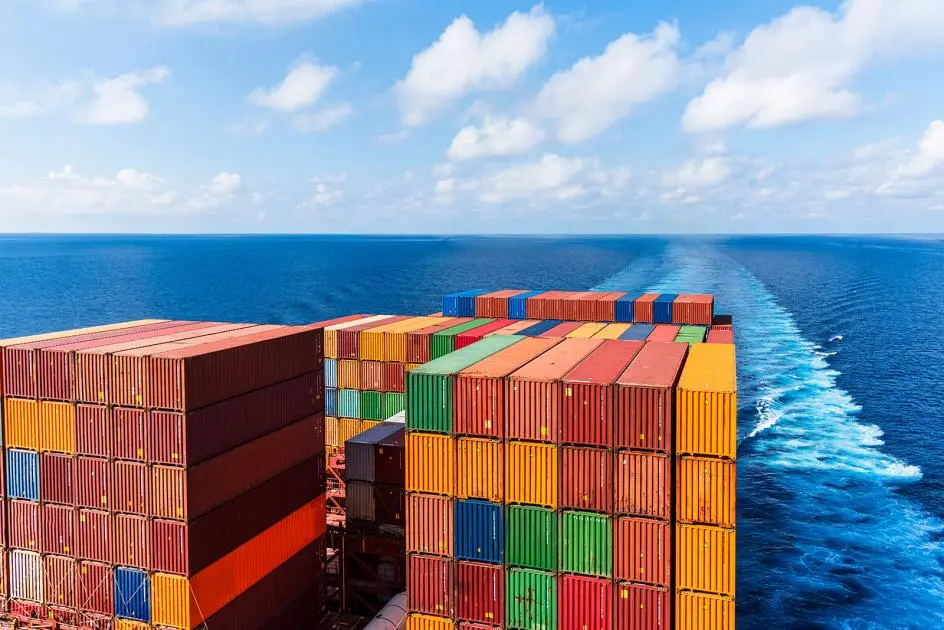
In 2025, Thailand-U.S. trade surpassed $110 billion, highlighting strong ties but exposing trade barriers. Key issues include automotive standards, pharmaceuticals, and agricultural access as both countries negotiate a trade agreement.
Key Points
- Trade between Thailand and the U.S. exceeded $110 billion in 2025, reflecting strong economic ties.
- Key trade barriers of concern for Washington include U.S. automotive standards, approval for pharmaceuticals and medical devices, and increased access for American agricultural products.
- Ongoing negotiations aim for a reciprocal trade agreement, emphasizing the removal of non-tariff barriers in prioritized sectors.
Economic Growth in Trade Relations
Trade between Thailand and the United States escalated past US$110 billion in 2025, demonstrating the deepening economic relationships between the two nations. However, this impressive trade figure conceals a myriad of trade barriers that the U.S. government is pressing Thailand to resolve. Key areas of concern highlighted by Washington include the recognition of U.S. automotive standards, expedited approval processes for pharmaceuticals and medical devices, and broader access for American agricultural products in the Thai market. Despite the optimistic trade figures, these unresolved issues pose significant challenges in the bilateral trade landscape.
Ongoing Negotiations and Commitments
The latest report from the Office of the United States Trade Representative (USTR) emphasizes the dual nature of the trade relationship, revealing both the opportunities for growth and the challenges that must be navigated. As discussions continue, the focus remains on establishing a reciprocal trade agreement that aims to promote broader trade liberalization. Following a joint statement issued by both parties in October 2025, Thailand has made several commitments to address U.S. concerns. Among these, the foremost commitment prioritized by the U.S. is the elimination of non-tariff barriers in key sectors such as automotive, pharmaceuticals, and medical devices.
Conclusion and Future Outlook
The evolving trade landscape between Thailand and the U.S. signifies a crucial partnership that holds the potential to enhance economic growth for both nations. However, the realization of this potential depends on Thailand’s willingness to address and resolve the trade barriers highlighted by the U.S. The commitment to eliminate non-tariff barriers is a vital step toward creating a more favorable trade environment. As both countries work together to finalize agreements and strengthen their relationship, they will pave the way for a future marked by increased trade efficiency and mutual benefits.
Source : Trade between Thailand and the…
Other People are Reading
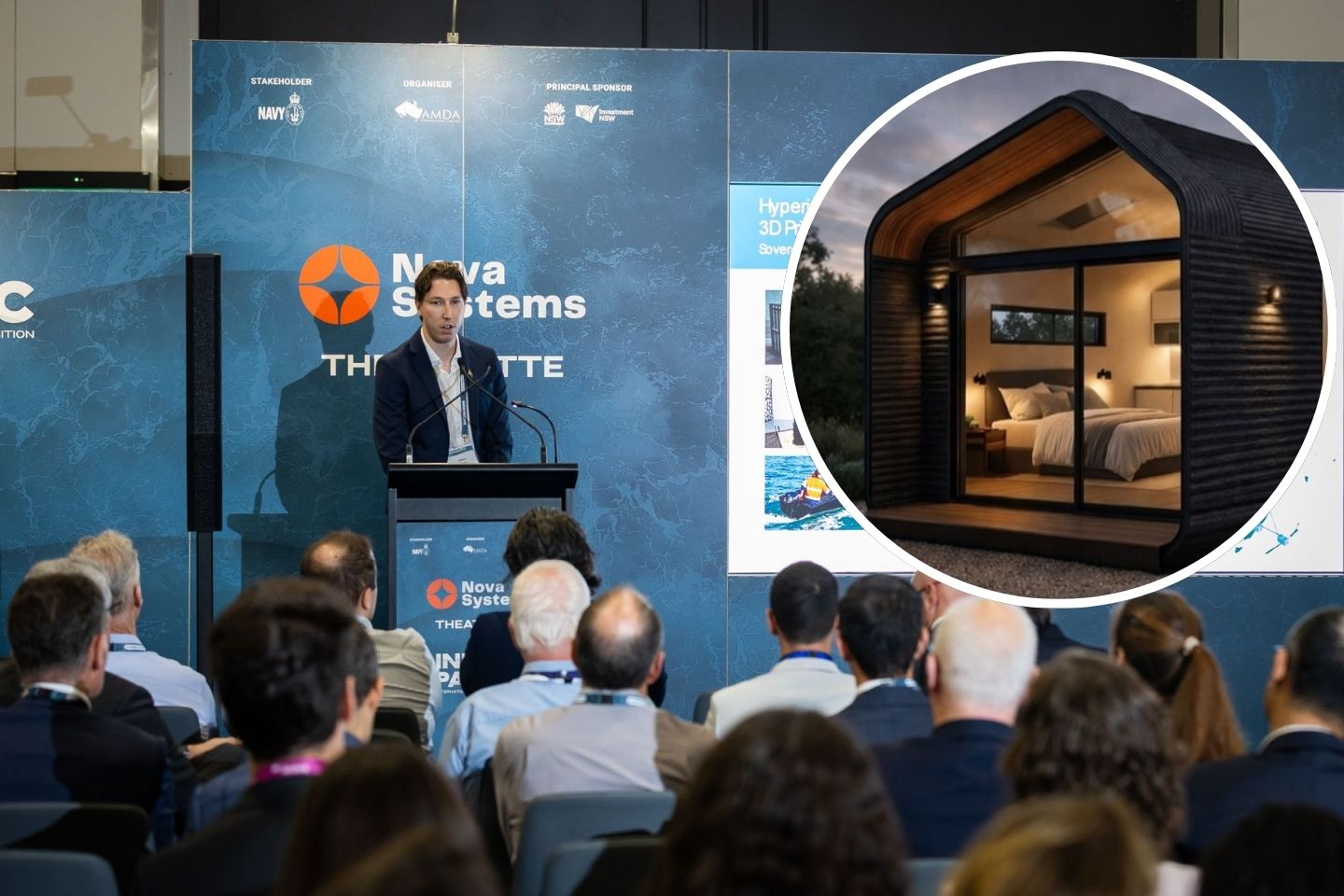
A Perth company founded by a 24-year-old and already famed for its ability to print an entire boat hull in a day will turn its attention to housing, with the first-ever 3D printed home from entirely recycled plastic in the southern hemisphere.
Hyperion Systems revealed today it inked a deal with Fremantle-based residential property builder Little Castles Small Homes for the construction of the first modular 3D printed tiny home built out of entirely recycled plastic.
The home will be built using Hyperion Systems‘ TitanCell mobile 3D printing unit, which is housed inside either a 20-foot or 40-foot shipping container, and can be deployed in under 24 hours, print up to 30 kilograms per hours.
Capable of 3D printing parts up to 10-metres in length and dubbed a ‘factory-in-a-box’, the self-contained, industrial scale 3D printing unit is transportable and can be immediately operated on-site or managed remotely.
The technology combines custom-built hardware with proprietary software and pellet-based plastic feedstock – either new or recycled – and offers integrated machining capabilities, allowing parts to go from design to final product in a single setup.
In this particular case, the feedstock will be entirely recycled plastic.
Hyperion Systems founder and chief executive Joshua Wigley, who started the company at just 24, said the contract represented a major milestone in sustainable construction and advanced manufacturing in Australia.
Now 28-years-old, Mr Wigley said core components for the tiny homes will be manufactured in modular sections at Hyperion’s facility in Henderson, before the final fit-out and completio nby Little Castles on-site.
“We will be using recylced polymers as our base feedstock and through the intellectual property we have developed in-house we will be able to print the core structure for a tiny home in around 48 hours,” he said.
The entirely recycled polymer build will be termite resistent and have beneficial thermodynamic properties.
“This build will mark the first 3D printed polymer house in the Southern Hemisphere, positioning Western Australia at the forefront of innovative, sustainable housing solutions,” Mr Wigley said.
“This project represents a breakthrough in how we think about construction. By using recycled plastics and advanced manufacturing techniques, we are not only reducing material waste but also significantly improving production speed and labour efficiency.”
Hyperion must meet all relevant Australian building codes as part of the contract, ensuring safety, durability and compliance while advancing circular economy principles.
It’s those codes, practices and norms Mr Wigley hopes to not only satisfy, but surpass.
“By accelerating build times and freeing up skilled labour to focus on more traditional home builds, the technology offers a pathway to delivering more housing at scale,” he said.
Little Castles Small Homes director Mark Hughes said he was excited to the involved in the first residential use of Hyperion’s technology.
“We’re not juts building a tiny home differently; we’re shaping how homes should be built into the future,” he said.
“More sustainable, more considered, and making better use of what we already. It’s about creating spaces and proving that smaller homes can still deliver a higher standard of living.”
The contract with Little Castles is the latest in a string of wins for Hyperion and Mr Wigley, who was last year named Young Innovator of the Year at the Indo Pacific International Maritime Exhibition’s pitch fest and awards.
Adding to the $40,000 won from that award, in July, Hyperion was awarded some $385,000 in a matched funding grant through the federal government’s innovation growth program, aimed at helping to commercialise its technology.
Since its 2022 inception, the company has 3D printed Australia’s first boat hull, a 3-metre vessel completed in just 36 hours; built the country’s largest 3D printed structure – a public artwork at Kalgoorlie TAFE; installed a robotic 3D print system for design students at Griffith University; and secured a Henderson warehouse to position itself alongside defence and subsea businesses within the Australian Marine Complex.
The company has already secured backing from Perth businessman David Budge, who co-founded 3D metal printing firm Aurora Labs Ltd, and is now the Hyperion’s chief technology officer.
Seasoned chief executive and entrepreneur Tim Dean, founder of Credi, has taken the role of commercial lead at Hyperion.
Perhaps one of its biggest wins yet was its technology’s marriage with another WA upshoot, maritime autonomy software and hardware developer Greenroom Robotics.
The pair agreed to collaborate to create and test 3D-printed unmanned surface vehicles for naval use.
The boats would be designed and manfuctured by Hyperion, with Greenroom integrating its GAMA software solution to the final vessel to make it autonomous.
Hyperion is also partnering with the University of Western Australia to focus on transforming decommissioned subsea plastics from oil and gas infrastructure into high-quality pellets for feedstock.
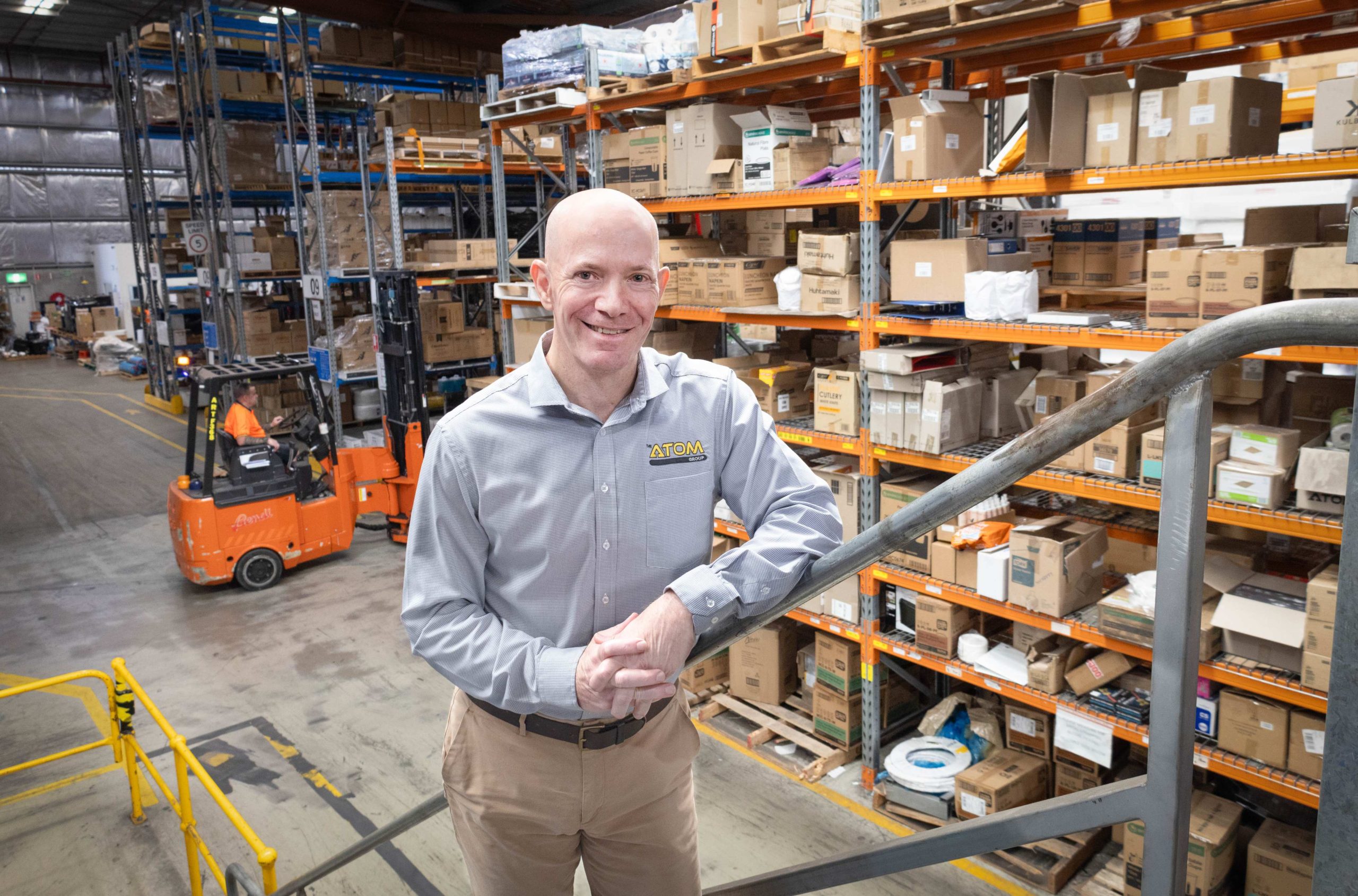
A business described as the ‘Bunnings of the mining industry’ is targeting $1 billion in annual revenue.
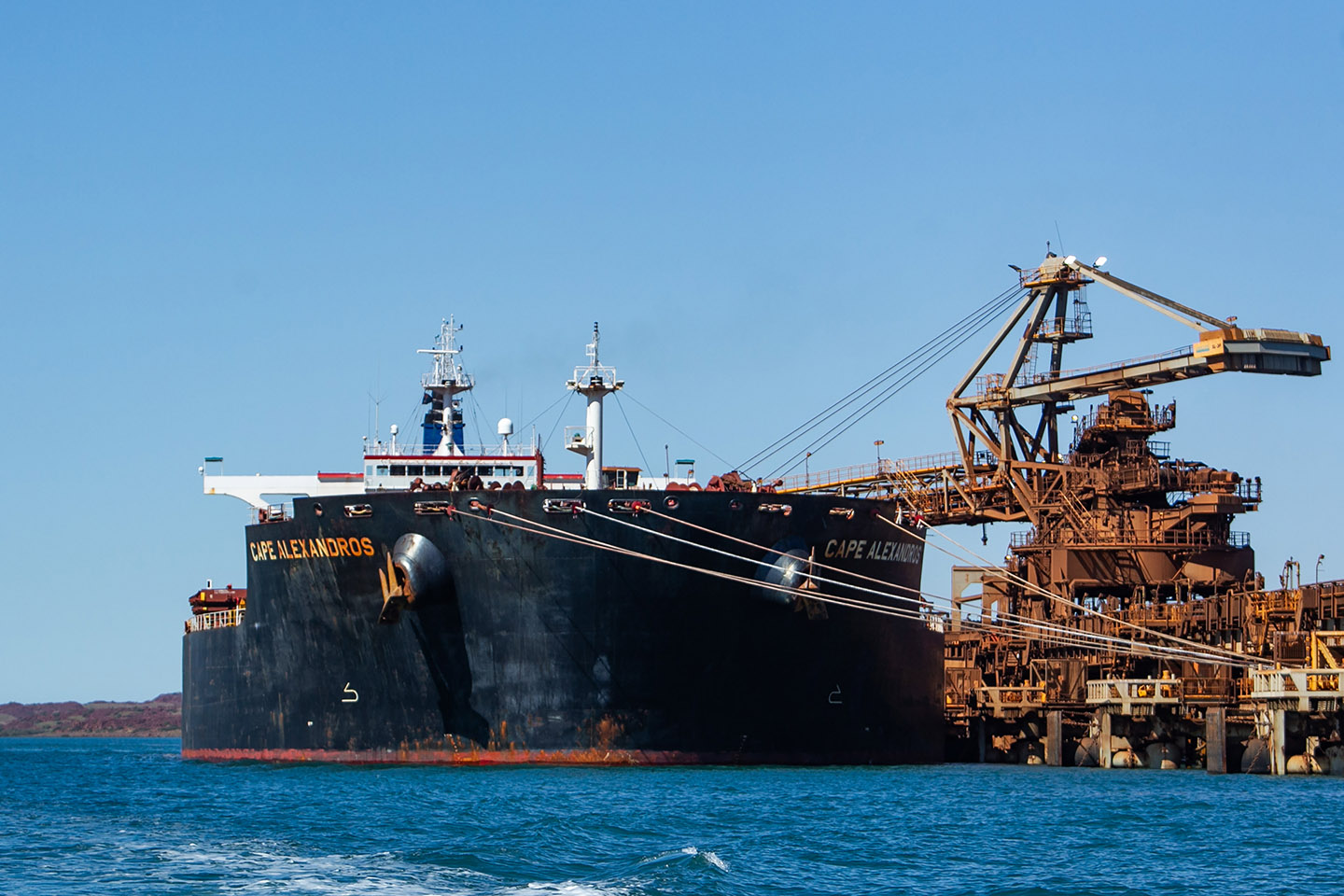
Fuel price spikes and supply chain disruptions caused by war in the Middle East are yet to weigh on Rio Tinto’s operations.
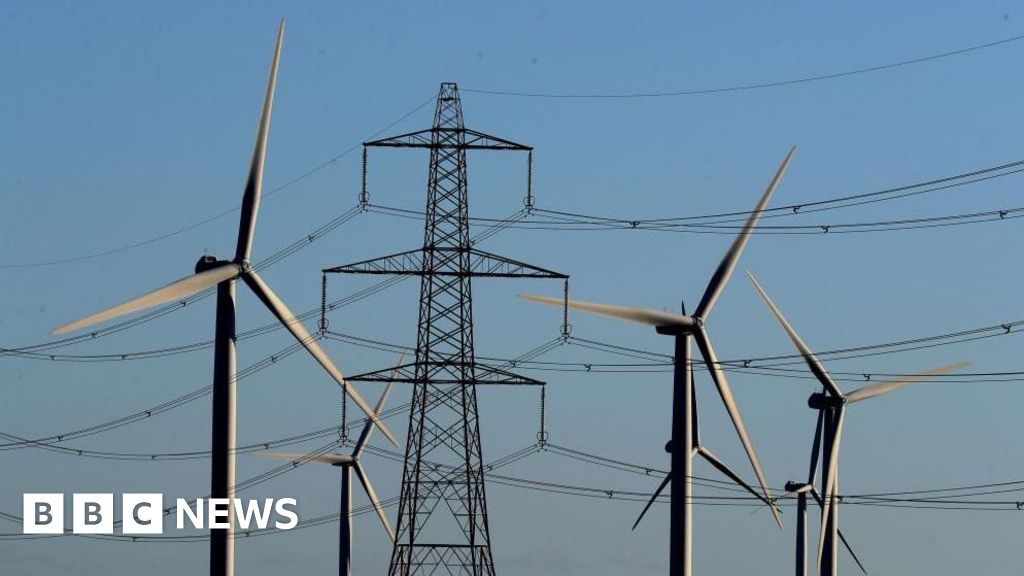
The war in the Middle East has brought renewed attention to Britain’s vulnerability to energy price shocks.

The Nikkei was up 1.07% at 59,453.44, as of 0147 GMT, while the broader Topix inched 0.14% higher to 3,782,43.
An uneasy ceasefire between the United States and Iran frayed after the U.S. announced the seizure of an Iranian cargo ship, drawing vows of retaliation from Tehran. Iran said over the weekend it would skip a second round of negotiations, though a senior official later told Reuters the country may yet send delegates to talks expected in Islamabad.
In Japan, chip-related shares climbed, with Tokyo Electron and Advantest up 4.3% and 1.79%, respectively.
Kioxia Holdings jumped 5.3% and technology investor SoftBank Group gained 4.23%.

“The market might be too optimistic about the aftermath of the war. There is a concern about the impact of the disruption of the supply chain,” said Takamasa Ikeda, senior portfolio manager at GCI Asset Management.
“There may be a big correction of the stock market in the summer if the impact of the supply shortage surfaces.” Ikeda noted that tightened supply of helium, a key component in cable productions, could weigh on Japan’s high-performing fibre optic cable makers, including Fujikura and Furukawa Electric.
Fujikura rose 5% on Tuesday, while Furukawa gained 3.5%.
In other stock movements, Nojima surged 10.2% following reports that the electronics retailer plans to acquire Hitachi’s consumer appliances unit, Hitachi Global Life Solutions, for more than 100 billion yen ($630.32 million).
Hitachi shares edged 0.3% higher.
Banking shares declined, with Mitsubishi UFJ Financial Group and Mizuho Financial Group down 0.26% and 1%, respectively.
Toyota Motor lost 2% in early trade.
Of the more than 1,600 stocks traded on the Tokyo Stock Exchange‘s prime market, 39% rose, 56% declined and 4% remained unchanged.
Business
Oil Price Today (April 21): Crude oil dips below $95 despite Iran war ceasefire ending this week. Here’s why

Despite lingering tensions, market participants are now focusing on the possibility that talks this week could extend the current ceasefire or even lead to a broader agreement. However, risks of renewed conflict and supply disruptions remain.
Crude oil price on April 21
Brent crude futures fell 95 cents, or 1%, to $94.53 at 0003 GMT. U.S. West Texas Intermediate crude for May dropped $1.54, or 1.72%, to $88.07. The May contract expires on Tuesday, while the more actively traded June contract declined $1.09, or 1.3%, to $86.37. A senior Iranian official indicated that Tehran is considering joining peace talks in Pakistan, following diplomatic efforts by Islamabad to ease the U.S. blockade, a news report by Reuters stated.
On Saturday, Iran tightened its grip over the strait in response to the U.S. blockade, reportedly firing at several vessels and declaring the route closed. The blockade has emerged as a key obstacle to Tehran’s return to peace negotiations, with the current two-week ceasefire due to end later this week.
Where are prices headed?
Market movements remain highly reactive to developments, with oil prices swinging on shifting signals from both sides rather than any clear improvement in supply conditions. The intermittent movement of vessels through the strait highlights the deep uncertainty surrounding the world’s most critical energy chokepoint. Even if tensions ease, a full recovery in oil flows is expected to take several months, experts warn.Macquarie noted that even if tensions ease, oil prices are likely to stay supported in the $85 to $90 range, with a gradual climb towards $110 as flows through the strait normalize. It also warned that if disruptions persist through April, Brent could spike to as much as $150 per barrel.
Analysts generally believe the market may be entering a phase of structurally higher prices. With the ceasefire seen as temporary, a return to pre-conflict levels of $70 to $75 could take time. In the near term, prices are expected to move within a band of $80 to $85 on the downside and $95 to $100 on the upside.
Nuvama Institutional Equities added that an extended closure of the strait, which handles roughly 20 million barrels per day, could drive crude prices into the $110 to $150 range.
(Disclaimer: Recommendations, suggestions, views and opinions given by the experts are their own. These do not represent the views of The Economic Times)

BTC Slips Amid Iran Flareup

“Hopefully He Can Join Me”: Novak Djokovic Makes His ‘Virat Kohli Wish’ Public

PlayStation To Require Age Verification For Messages and Voice Chat



-

 NewsBeat7 days ago
Trump and Pope Leo: Behind their disagreement over Iran war
-

 Fashion3 days ago
Weekend Open Thread: Theodora Dress
-

 News Videos6 days ago
Secure crypto trading starts with an FIU-registered
-

 Sports4 days ago
NWFL Suspends Two Players Over Post-Match Clash in Ado-Ekiti
-

 Crypto World7 days ago
SEC Proposes Certain Crypto Interfaces Don’t Need to Register as Brokers
-

 Business2 days ago
Powerball Result April 18, 2026: No Jackpot Winner in Powerball Draw: $75 Million Rolls Over
-

 Crypto World3 days ago
Russia Pushes Bill to Criminalize Unregistered Crypto Services
-

 Politics7 hours ago
Gary Stevenson delivers timely reminder to register to vote as deadline TODAY
-

 Politics3 days ago
Palestine barred from entering Canada for FIFA Congress
-
 Business4 days ago
Creo Medical agree sale of its manufacturing operation
-

 Politics2 days ago
Zack Polanski demands ‘council homes not luxury flats for foreign investors’
-

 Crypto World3 days ago
Russia Introduces Bill To Criminalize Unregistered Crypto Services
-

 Tech2 days ago
Auto Enthusiast Scores Running Tesla Model 3 for Two Grand and Turns It Into Bare-Bones Go-Kart
-

 Tech5 days ago
‘Avatar: Aang, The Last Airbender’ Leaked Online. Some Fans Say Paramount Deserves the Fallout
-

 Tech6 days ago
Microsoft adds Windows protections for malicious Remote Desktop files
-

 Crypto World6 days ago
X Launches New Cashtag Feature for Stocks and Crypto: X
-

 Sports7 days ago
Younger Than Sachin Tendulkar: Vaibhav Sooryavanshi Set To Make Historic India Debut
-

 Entertainment6 days ago
Prince Carter Brings Fans Front Row and Backstage at Boys 4 Life Tour
-
 Entertainment6 days ago
Dave Portnoy Slams Dianna Russini: ‘Makes Zero Sense’
-
 Crypto World6 days ago
Bitcoin surpasses halfway mark in current halving cycle
You must be logged in to post a comment Login