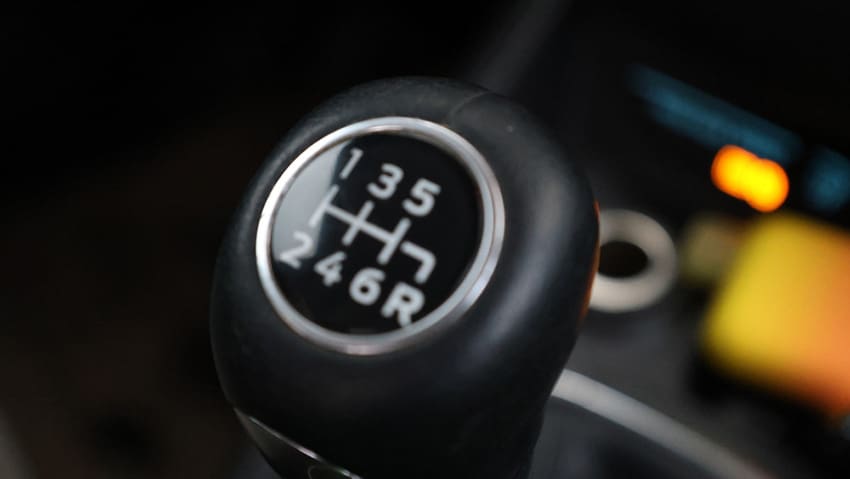
The traditional gear stick, that small, mechanical talisman of British motoring, is being quietly stripped out of new car ranges, and according to fresh forecasts it will be all but extinct by the end of the decade. The diesel engine, long the workhorse of the company car park, is heading for the same exit door.
Analysts at Vehicle Data Global (VDG) say the manual gearbox will disappear from mainstream UK showrooms inside the next three years, well ahead of the 2030 ban on the sale of new petrol and diesel vehicles. Their argument is not sentimental; it is, as the report puts it bluntly, “hard economics”. Electric cars almost universally use single-speed automatic transmissions, and as the EV share climbs, manufacturers are increasingly reluctant to carry the research, development, certification and tooling overheads needed to keep manual variants on the price list for a shrinking pool of buyers.
For the UK’s small and medium-sized businesses, many of which still run mixed fleets of combustion and electrified vehicles, the implications are more than nostalgic. The transmission and fuel choices on offer over the next 36 months will reshape how SMEs specify company cars, train drivers, calculate residual values and plan capital expenditure on vans and pool vehicles.
The numbers behind the obituary
A market-wide review earlier this year found that just 23 per cent of new cars on UK forecourts now have a gear stick, down from roughly two-thirds a decade ago. Where buyers still have a genuine choice between manual and automatic on a petrol or diesel model, only 34 per cent opted for the manual in 2025, a sharp fall from 55 per cent as recently as 2019.
Diesel’s slide has been even more dramatic. Fewer than one in 20 new cars registered in 2026 (4.8 per cent) is a diesel, down from one in two just over a decade ago, according to the latest SMMT registration data. The reputational fallout from the 2015 emissions scandal, tightening clean-air zones and the rise of plug-in hybrids and pure EVs have all combined to push diesel out of the mainstream — a shift Business Matters has tracked in detail in its coverage of how British drivers are sending a “clear signal” in support of electric cars as petrol and diesel sales nosedive.
Ben Hermer, operations director at VDG, summed up the manufacturers’ calculus. “The moment is fast approaching when the economics of maintaining a manual transmission option don’t add up, given the R&D, certification and other overheads involved in developing and refining gearboxes, even if there remains some demand in the market,” he said. “Based on current trend data, between 5 and 10 per cent of cars will theoretically still be manual by 2030. But manufacturers will be looking hard at whether maintaining manual gearbox programmes for a shrinking share of the market makes economic sense.”
Analysis by CarGurus shows the squeeze in real time: just 67 of the 292 new models sold by the UK’s top 30 manufacturers are currently offered with a manual option, down from 197 models in 2016.
What it means for SME fleets and company car schemes
For finance directors and operations managers running small fleets, three practical consequences stand out.
First, residual values for manual diesels are likely to soften faster than the wider market as supply of replacement parts thins and used-buyer appetite narrows. Owner-managers approaching a vehicle refresh in 2027 or 2028 should not assume that today’s resale benchmarks will hold.
Second, driver training and recruitment policies will need a refresh. Auto-only licence holders cannot legally drive a manual car, and as Business Matters has previously reported in its business owner’s guide to volatile fleet costs in 2026, grey-fleet and pool-car policies are already a hidden compliance risk for many SMEs. With automatic-only learners now the fastest-growing segment of new drivers, employers will need to widen their definition of an “eligible driver”, or accept a shrinking talent pool.
Third, capital allowances, benefit-in-kind treatment and total-cost-of-ownership models will tilt sharply in favour of electrified vehicles. The 2030 ban is no longer a distant policy threat; it is a 36-month operational deadline that intersects directly with vehicle replacement cycles. SMEs that delay their transition planning risk being forced into a depleted second-hand market for manuals and diesels just as supply dries up.
Learners are already voting with their feet
The driving school sector is a leading indicator. Figures from the Driver and Vehicle Standards Agency, set out in the DVSA Annual Report and Accounts 2024-25, show that of the 1,839,753 practical driving tests taken in 2024/25, some 479,556, 26.1 per cent, were in automatics. That is up from 23.4 per cent the previous year, 19.2 per cent in 2022/23 and a mere 6.9 per cent a decade earlier.
In other words, automatic tests have moved from fewer than one in 14 examinations ten years ago to more than one in four today, and trade body projections suggest the figure could touch a third by 2027.
Despite the popular belief that they are easier, pass rates in automatics remain stubbornly lower than for manuals: 43.9 per cent versus a 48.7 per cent overall average in the last fiscal year. The catch, of course, is that an auto-only licence is a one-way door. Holders are legally barred from manual cars, which can sting when hiring abroad in markets where stick-shift rentals still dominate and automatic surcharges remain steep.
The models still flying the flag
For motorists, and fleet buyers, who still want a third pedal, the choice is narrowing but not yet bare. Dacia leads the field, offering manual transmissions across its entire six-strong combustion range (only the Spring EV is auto-only). Ford, Hyundai, Kia, Skoda and Volkswagen all still field five or six manual options, while Porsche keeps a manual 911 in the catalogue as a halo product. Jaguar, Honda, Lexus, Mercedes-Benz, Mini, Tesla, Land Rover and Volvo no longer offer a single manual variant in the UK.
Even Seat has thinned its line-up, with Ateca production ending in the past month. The direction of travel is unambiguous.
For SME owners weighing their next purchase, the message from VDG, the SMMT data and the DVSA’s own statistics is consistent: the era of the manual diesel, the so-called “motorway mile-muncher” beloved of sales reps under New Labour’s generous tax regime, is closing fast. The businesses that plan now for an auto-only, increasingly electrified fleet will be the ones least exposed when the showroom shutters finally come down on the gear stick.
Jamie Young
Jamie is Senior Reporter at Business Matters, bringing over a decade of experience in UK SME business reporting.
Jamie holds a degree in Business Administration and regularly participates in industry conferences and workshops.
When not reporting on the latest business developments, Jamie is passionate about mentoring up-and-coming journalists and entrepreneurs to inspire the next generation of business leaders.






















































You must be logged in to post a comment Login