







Connect with us
DAPA Banner

Business

Is Imam Khomeini International Airport Open Today? Airport Remains Largely Closed

Published

on

Tehran Imam Khomeini International Airport

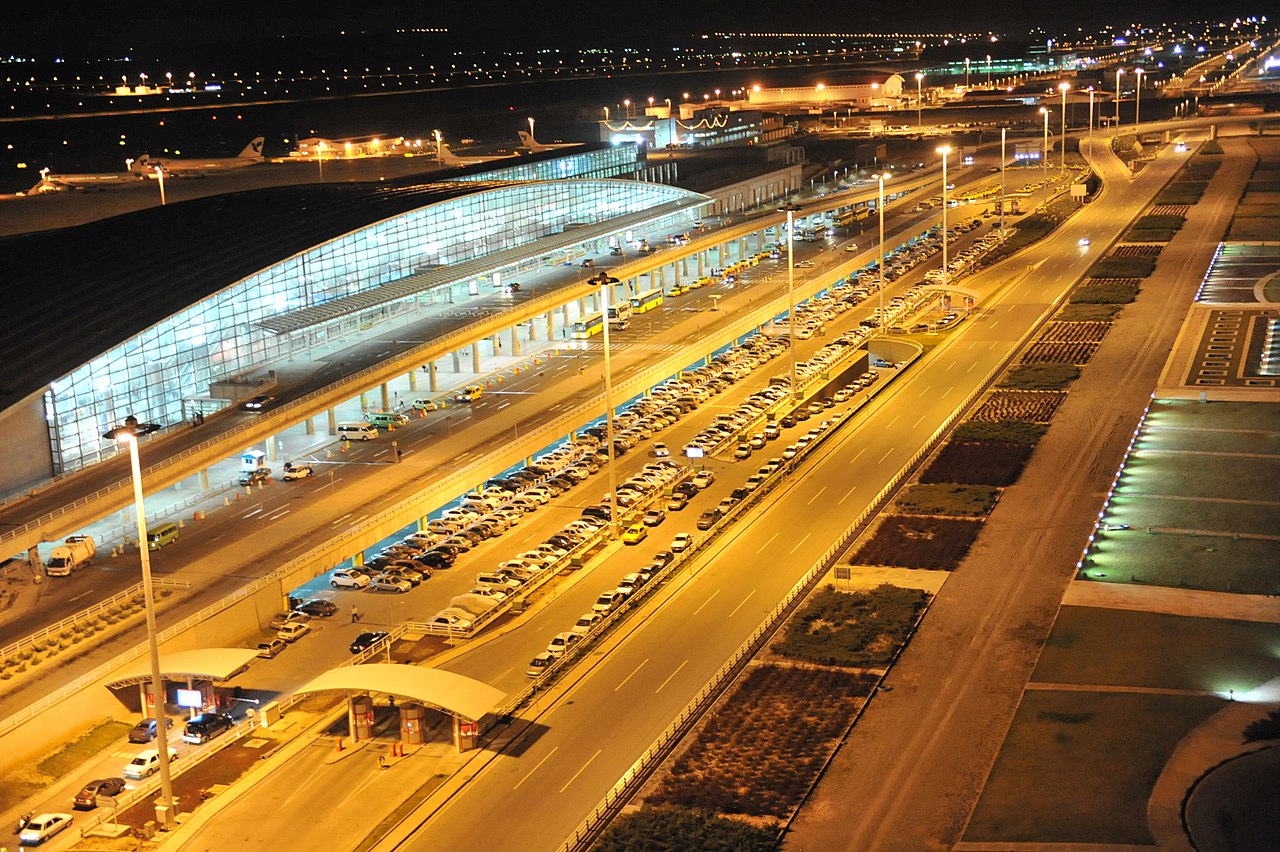
TEHRAN — Imam Khomeini International Airport (IKA), Iran’s primary gateway for international flights located about 30 kilometers south of Tehran, continues to face severe restrictions and effective closure to normal commercial passenger traffic as of March 21, 2026, due to the ongoing military conflict involving Iran, the United States and Israel.

Tehran Imam Khomeini International Airport

Flight tracking platforms including Flightradar24, FlightAware and FlightStats show minimal to no regular scheduled activity at the airport today. While some sources list isolated departures or arrivals — such as potential cargo or limited repatriation flights — the vast majority of commercial services remain suspended. FlightStats departures page displays only sporadic or no results for March 21, with search filters yielding “1 result” or none in many queries. Trip.com’s live status indicates heavily reduced schedules, with forecasts of near-100% on-time performance rendered moot by the low volume of flights.

The airport has been effectively shuttered for routine civilian operations since early March, following Israeli strikes on Iranian military infrastructure, including reported damage to radar facilities near IKA. Satellite imagery and reports from March 3 confirmed destruction of a radar dome adjacent to the airfield, contributing to airspace insecurity. Mehrabad International Airport (THR), Tehran’s domestic hub, sustained direct hits, with claims of multiple aircraft destroyed, further compounding disruptions.

Iranian airspace remains heavily restricted or closed to most civilian overflights, with NOTAMs and advisories limiting operations. Airlines have broadly suspended services to and from Iran, including major carriers like Qatar Airways (limited to one daily Doha-Tehran rotation under special permissions), Turkish Airlines, Pegasus and others extending cancellations through at least late March or into spring. Mahan Air has operated occasional long-haul flights, such as to Shanghai, but these appear exceptional rather than standard.

The conflict, now in its third week, has triggered widespread airspace closures across the Middle East. Neighboring countries including Iraq, Kuwait, Bahrain and parts of the Gulf have imposed full or partial bans, forcing reroutes and cancellations numbering in the thousands. Aviation Week reported ongoing short-term suspensions and capacity cuts, with Iranian carriers like Mahan Air filing interim schedules amid restrictions. International airlines have avoided Iranian airspace entirely in most cases, citing safety risks from missile exchanges and air defense activity.

Advertisement

Authorities have prioritized limited repatriation and essential flights. Some regional carriers maintain minimal services under special permissions, but passengers face significant hurdles. Travel advisories from multiple governments urge against non-essential travel to Iran, with warnings of unpredictable disruptions, potential further strikes and challenges in obtaining updates.

The airport’s official channels and the Civil Aviation Organization of Iran have not issued a reopening timeline. Earlier statements emphasized safety amid “current developments,” echoing broader regional alerts. Unlike Jeddah’s King Abdulaziz International Airport or Riyadh’s King Khalid, which have maintained more consistent operations, Tehran’s hubs remain among the most impacted.

Travelers with bookings are advised to contact airlines directly rather than heading to the airport. Rebooking, refunds or waivers are available under force majeure clauses for many tickets. Ground alternatives, such as land borders with neighboring countries, offer limited options but require visas, security checks and awareness of regional instability.

The situation underscores the vulnerability of Gulf and Middle Eastern aviation to geopolitical shocks. With U.S. and Israeli operations continuing to target Iranian assets and Iran responding with missile barrages, experts anticipate prolonged restrictions. Flight data from March 20-21 shows empty skies over much of Iranian territory on live maps, a stark contrast to pre-conflict busyness when IKA handled dozens of daily international arrivals from Europe, Asia and the Middle East.

Advertisement

As the conflict shows no signs of immediate resolution, Imam Khomeini International Airport stands as a symbol of the broader aviation chaos gripping the region. Passengers should monitor official airline apps, Flightradar24 or GACA-equivalent sources for any changes. For now, normal commercial flights remain off the board, leaving the airport quiet amid heightened military vigilance.

Continue Reading
Click to comment

You must be logged in to post a comment Login

Leave a Reply

Business

Abu Dhabi Investment Portfolio: 6 stocks surge up to 110% in FY26, 3 fresh Q3 picks

Published

on

The Economic Times

The equity portfolio of the Abu Dhabi Investment Authority (ADIA), managed through its global funds, has recorded a 7% gain so far in FY26, rising from Rs 3,774 crore in March to Rs 3,910 crore as of March 20, 2026. As of the December 2025 quarter, the portfolio includes holdings in 26 publicly listed Indian companies.Despite this modest overall growth, performance has been uneven: six stocks have delivered strong gains in the 30–110% range, while the majority have posted negative returns. The top four laggards have declined between 30% and 47% during FY26 to date. Additionally, three new stocks were added in the December 2025 quarter: Strides Pharma, Indigo Paints, and Tenneco Clean Air. (Data Source: ACE Equity, Trendlyne)

Continue Reading

Business

Alibaba: Shockingly Bad Q3, Yet Astoundingly Good Buy (Rating Upgrade)

Published

on

Alibaba: Shockingly Bad Q3, Yet Astoundingly Good Buy (Rating Upgrade)

Alibaba: Shockingly Bad Q3, Yet Astoundingly Good Buy (Rating Upgrade)

Continue Reading

Business

Rupee on shaky ground, touches fresh low of 93.73

Published

on

Rupee on shaky ground, touches fresh low of 93.73
The Indian rupee plunged as much as 110 paise on Friday, recording its steepest single-day rout since late 2022, after oil surged amid an unrelenting barrage of attacks by either side on respective energy installations in West Asia. It slumped to a historic low of 93.73 amid a report that New Delhi paid a significant price premium for its Thursday oil supplies before the unit closed at 93.71/$.

The pace of decline was rather quick, seemingly compensating for the Thursday trading holiday in Mumbai, with traders saying that market estimates of the central bank’s short dollar positions and sustained sales of Indian equity assets by overseas investors further pressured the rupee, which has lost more than 2.5% since the start of the Iran war.

The Reserve Bank of India (RBI) sold dollars at multiple levels on Friday, but traders said its interventions were aimed only at moderating the pace of depreciation, not reversing the pronounced downward trend.

“If the current trends continue, the rupee could weaken toward 94/$ to 95/$ levels, but the outlook remains highly fluid,” said Lakshmi Iyer, Group President, Investments, Bajaj Finserv. “Up until now, we have already seen reasonable intervention from the central bank, but beyond a point, the currency has to reflect the market equilibrium.”

Advertisement

The rupee had closed at 92.63/$ on Wednesday, LSEG data showed.


“With sustained FPI outflows and geopolitical uncertainty, the market is still searching for stability, and calling a firm range right now would be like throwing darts in the dark,” Iyer said.

One-Way Ticket

The rupee opened at 92.89/$ on Friday and consistently declined, crossing the 93/$ mark in the first hour of the day.
Traders said the RBI sold dollars at all key levels, 92.90/$, 93/$ and 93.50/$.

“There has been no positive news for the rupee since the war started, and though such a large fall wasn’t expected, it is understandable,” said Anil Bhansali, Head of Treasury at Finrex Treasury Advisors. “Importers are buying dollars to hedge their positions at almost all levels because they expect the currency to decline further, and at the same time, exporters have largely stopped hedging.”

Bhansali expects the rupee to trade in the range of 93.25/$ to 94.25/$ on Monday, as crude oil prices continue to stay above $100 a barrel.

Advertisement

Crude Oil India Basket stood at $156 per barrel on March 19, Petroleum Planning and Analysis Cell (PPAC) data showed, implying that India is paying a premium of $46 per barrel.

Brent crude prices are trading at $110 per barrel.

Reuters reported that Tehran attacked an oil refinery in Kuwait on Friday even as Tel Aviv vowed to avoid further attacks on Iran’s South Pars gasfield, a day after an Iranian retaliatory strike on Qatar caused damage that could cripple natural gas supplies for multiple years.

“Geopolitical tensions and their impact on crude prices will influence rupee levels. At the onset of the West Asia crisis, the rupee was expected to be between 93/$ to 94/$,” said Sameer Karyatt, MD and Head of Trading at DBS Bank. “But continuation in the conflict and upward pressure on crude oil prices are likely to guide the rupee towards the 94.50/$ to 95/$ range,” he said.

Advertisement

Rising crude oil prices fuel inflationary pressures and widen India’s current account deficit by increasing the import bill. They also weigh on economic growth by raising input costs for businesses and reducing consumption demand.

Continue Reading

Business

Potential Red Sea Route Disruption Could Push Oil Even Higher Amid Houthi Threat

Published

on

Stocks Little Changed After Fed Decision

As the Middle East conflict continues to disrupt energy flows via the Strait of Hormuz, RBC Capital Markets strategists are watching for any signs that the Houthis may enter the fray, imperiling the alternative Red Sea export route.

For now, the Houthis have stayed on the sidelines, unlike in 2019 when they targeted the East-West pipeline and joined the Iranian strike on Abqaiq following the termination of exemptions for importers of Iranian oil by the U.S., the commodity strategy team said.

“If the Yemeni group does become an active participant, we think it would materially alter risk perceptions about the Red Sea exports,” they wrote.

Continue Reading

Business

Mutual fund NFOs: Six funds open for subscription, all passive in nature. Check details

Published

on

The Economic Times

Six new funds are open for subscription now and all are passive in nature. Here is a detailed breakup (Source: ACE MF)

Continue Reading

Business

As New Mexico investigates, questions are raised about Epstein’s links to the powerful

Published

on

As New Mexico investigates, questions are raised about Epstein’s links to the powerful


As New Mexico investigates, questions are raised about Epstein’s links to the powerful

Continue Reading

Business

US drones deployed to Nigeria alongside troops for intelligence, training

Published

on


US drones deployed to Nigeria alongside troops for intelligence, training

Continue Reading

Business

Is Kuwait International Airport Open Today? Airport Remains Closed Amid Regional Conflict

Published

on

Kuwait International Airport

KUWAIT CITY — Kuwait International Airport (KWI), the primary gateway for the State of Kuwait, remains fully closed to commercial passenger traffic as of March 21, 2026, with no immediate reopening date announced amid escalating regional security tensions and physical damage from recent drone strikes.

Kuwait International Airport

The Directorate General of Civil Aviation (DGCA) has suspended all incoming and outgoing flights since early March, following a series of incidents attributed to the broader Middle East conflict involving Iran, Israel, the United States and allied nations. Authorities cited damage to critical infrastructure — including Terminal 1, portions of the runway, fuel depots and the airport’s radar system — as the primary reason for the indefinite closure.

Official flight status pages on the Kuwait International Airport website show no arrivals or departures scheduled for today. A search for flights on March 21 returns the message: “Unfortunately, we cannot find a flight. Please try a new search.” The arrivals and departures sections remain blank, last updated early this morning with no active listings. Flight tracking services like Flightradar24 and FlightStats report excessive delays or no operations, with current weather data available but no flight activity indicated.

The closure stems from multiple reported attacks. Sources indicate a drone strike late last week targeted the radar facility — the third such incident since March 2 — prompting authorities to halt operations for safety assessments and repairs. Falling debris from an intercepted drone earlier in the month caused structural damage to Terminal 1 and minor injuries to airport staff, according to aviation reports. While no major catastrophe occurred, the cumulative impact has rendered normal commercial service impossible.

Kuwait Airways, the national carrier, has postponed all flights indefinitely “due to the current situation in the region and in the interest of passenger and aircraft safety.” Chairman Abdulmohsen Al-Faqaan stated the airport infrastructure is “fully ready for operation” in principle but cannot be used while airspace restrictions persist and repairs continue. The airline has implemented rebooking policies, though options for immediate later dates remain limited.

Advertisement

Kuwait’s airspace, along with that of several neighbors including Iraq, Bahrain and parts of the Gulf, faces severe restrictions. Much of the regional airspace is either closed or heavily limited, forcing airlines to reroute or cancel services. Some Gulf carriers have shifted operations to alternative hubs like Dammam in Saudi Arabia for limited Kuwait-bound traffic.

The DGCA has prioritized repatriation efforts for Kuwaiti citizens stranded abroad. A comprehensive plan allows registered passengers with confirmed Kuwait Airways bookings to be airlifted to a designated Saudi airport before crossing into Kuwait by land. Registration deadlines passed earlier this month, with revised schedules distributed to affected individuals. Passengers are urged not to travel to the airport and to contact airlines directly for updates.

Travel advisories warn of major disruptions. Experts estimate repairs to runways, terminals and fuel systems could take several weeks, depending on the extent of damage and supply chain access amid the conflict. No official timeline for resumption has been released, leaving travelers uncertain. Social media and news outlets report ongoing suspension of normal operations, with hashtags like #KuwaitAirportClosed trending as passengers seek alternatives.

For those needing to enter or exit Kuwait, limited options exist. The land border with Saudi Arabia remains open in some capacities, allowing ground travel to nearby airports like Dammam or Jeddah for connecting flights. However, this requires appropriate visas and coordination, posing challenges for many expatriates and visitors.

Advertisement

The situation reflects wider aviation impacts from the regional crisis. Neighboring countries have experienced temporary airspace closures, though some — like the UAE — have reopened after brief precautionary measures. In Kuwait, the combination of physical infrastructure issues and security concerns has prolonged the shutdown.

Authorities emphasize passenger safety as the top priority. The DGCA continues structural evaluations and coordination with international partners for repairs. Aviation experts note that reopening will require verification of radar functionality, runway integrity and fuel supply security before any commercial flights resume.

Travelers with upcoming plans involving Kuwait should monitor official sources: the Kuwait International Airport website (kuwaitairport.gov.kw), Kuwait Airways flight status page and DGCA announcements. Airlines recommend checking directly for rebooking, refunds or waivers.

As the conflict shows no immediate signs of de-escalation, the closure underscores the vulnerability of Gulf aviation hubs. For now, Kuwait International Airport stands silent, its runways empty as the nation navigates one of its most significant aviation disruptions in recent history.

Advertisement

Passengers are advised to avoid heading to the airport and to seek real-time updates from carriers. The situation remains fluid, with potential changes dependent on regional developments and repair progress.

Continue Reading

Business

F&O Talk | Nifty grapples with dead cat bounce syndrome as pullbacks get sold. Sudeep Shah on Olectra, IDBI, 4 more stocks

Published

on

F&O Talk | Nifty grapples with dead cat bounce syndrome as pullbacks get sold. Sudeep Shah on Olectra, IDBI, 4 more stocks
Domestic frontline indices ended with gains on Friday, led by strong action in IT, auto and metal stocks though weakness in banks and financials capped the gains. The broader Nifty rose 112.35 points, or 0.49%, to close at 23,114.50, while the 30-share Sensex gained 325.72 points, or 0.44%, to settle at 74,532.96.

Global cues remain negative with the Iran-Israel war entering the fourth week. The energy prices remain elevated with Brent hovering near the $113 a barrel mark. For domestic markets, persistent FII outflows and rupee weakness remain a growing concern.

Fear index India settled at 22.81 on the NSE in the last session, mildly up by 0.04%.

Analyst Sudeep Shah, Vice President and Head of Technical & Derivatives Research at SBI Securities, interacted with ETMarkets regarding the outlook for the Nifty and Bank Nifty, as well as an index strategy for the upcoming week. The following are the edited excerpts from his chat:

Advertisement

Q: Nifty ended mildly negative at 0.2% WoW, narrowing its losses through Friday gains as the bull started emphatically but lost momentum towards the end. Was it short covering or do you see the trend continuing next week as well?

Markets have little tolerance for uncertainty—and the ongoing escalation in West Asia since February 28 has kept risk appetite firmly in check. Since the onset of the conflict, the Nifty has corrected sharply by over 2000 points, reflecting the sustained pressure from global cues and risk-off sentiment.
The price action during this phase has been telling. The index has witnessed three distinct dead cat bounces, each met with aggressive selling at higher levels—clearly underscoring the firm grip of bears on the market. Every pullback has been sold into, highlighting a lack of conviction among buyers. While Nifty managed to end the current week on a flat note, the underlying weakness continues to persist.
Volatility remained elevated throughout the week. The index staged a sharp recovery of nearly 900 points in the first three trading sessions, only to see all gains completely erased on Thursday-marking the sharpest single-day decline since June 4, 2024. Ultimately, Nifty ended the week on a muted note, extending its losing streak to four consecutive weeks.
Sectorally, the pain has been most visible in Automobile and Banking stocks, which were the key outperformers prior to the conflict. These sectors have borne the brunt of selling pressure, largely driven by sustained FII outflows, with foreign investors offloading a massive ₹81262 crore in the ongoing March series. Given their heavy exposure to these sectors, FII selling has amplified the downside momentum.

A major overhang for the markets has been the sharp surge in crude oil prices. Brent crude once again spiked to $114.3 per barrel during the week before witnessing a marginal cooling off. Simultaneously, concerns around gas shortages and supply disruptions have intensified, with key energy commodities witnessing steep price increases since the start of the conflict. Elevated energy prices continue to pose a risk to inflation dynamics and corporate margins, thereby weighing on equity markets.

From a technical standpoint, the trend remains decisively negative. The index is currently trading below its all the crucial moving averages, and the formation of a bearish candlestick with a long upper shadow indicates persistent selling pressure at higher levels. Adding to the caution, the weekly RSI has slipped to 30.22, marking its lowest level since the COVID-led market correction—signalling deeply oversold conditions, yet without a clear reversal trigger.

Advertisement

Q: What levels will be important for Nifty this week and how should one trade?

For Nifty, the 22,850–22,800 zone will act as immediate support. A sustained breach below this level could accelerate the decline towards 22,500. On the upside, the 23,420–23,460 zone is likely to act as a stiff resistance, with any pullback expected to face selling pressure in this band.

Q: Market’s lackluster performance can be attributed to Nifty Bank, which has delivered its third worst performance in March in the past 20 years, declining by nearly 11%. What do Bank Nifty charts suggest and how to trade?

For the fourth consecutive week, the banking benchmark index Bank Nifty ended on a negative note, underscoring sustained weakness and persistent selling pressure in the banking space. Most notably, on the weekly chart, the index has formed a small-bodied candle with a long upper shadow, which clearly reflects selling pressure emerging at higher levels and a failure to sustain intraday and weekly recoveries.

Furthermore, for the second straight week, Bank Nifty has closed below its 100-week EMA, which is a crucial long-term trend indicator and reinforces the bearish undertone. On the daily timeframe, the index continues to remain under pressure, as it has been trading consistently below its 200-day EMA for the past ten trading sessions. This prolonged stay below the long-term moving average highlights a loss of medium-term trend strength and indicates that rallies are being sold into.

Momentum indicators also remain firmly biased towards the downside. Both the daily and weekly RSI are placed in bearish territory and are sloping downward, suggesting weakening momentum and limited scope for any meaningful upside in the near term.

Advertisement

Going forward, the zone of 54,300–54,400 is expected to act as a key resistance area for the index. As long as Bank Nifty trades below the 54400 mark, the broader outlook is likely to remain negative. In such a scenario, the index may continue its downward trajectory and test the immediate support near 52,200, followed by the next important support around 51500 in the

Q: Auto sector is another top loser and its prospects are tied to oil prices and inflation. In light of the Iran-Israel war, do you expect more correction, or is a bottom visible?

Nifty Auto staged a strong rebound in line with the broader market, bouncing from the 24,230–23,850 zone, a region that had previously acted as strong resistance during June–August 2025. However, the pullback proved short-lived as the index encountered stiff resistance near the 25,700–25,750 zone and eventually closed lower.

Notably, after facing rejection around the 28,720–28,820 zone between February 11–26, 2026, the index has corrected nearly 14%, confirming a double-top neckline breakdown in the process.

Technically, the index continues to trade below its key short and long-term moving averages, indicating a weak underlying trend. Momentum indicators also remain bearish. The RSI has failed to sustain above the 40 mark despite multiple attempts, while the MACD remains below both the zero line and the signal line. Additionally, a rising ADX suggests strengthening bearish momentum.

Advertisement

Going ahead, the 25,200–25,300 zone is likely to act as a crucial resistance. As long as the index remains below this level, the broader trend is expected to stay negative. On the downside, the 24,200–24,100 zone serves as a key support, and a decisive breach below this range could trigger further downside in the index

Q: Fed has left policy rates unchanged and has indicated a single rate cut of 25 bps this year. This comes as a blow to the tech sector which is already reeling under the AI threat. What is your take on the sector and any preferred stock to buy?


Since peaking at 40,301 on 3rd February, the Nifty IT Index has corrected sharply by nearly 28%, reflecting a combination of global macro headwinds and a deeper structural concern around AI disruption.

While a stronger dollar typically acts as a tailwind for IT companies due to higher export realizations, this time the benefit has been overshadowed. The core issue lies in the growing perception that AI poses a fundamental threat to traditional IT services, especially in areas like low-end coding, maintenance, and repetitive back-office functions. Markets have been quick to price in this risk, leading to sustained selling pressure.

Advertisement

That said, it’s important to note that leading IT companies are not standing still. Firms like Tata Consultancy Services, Infosys, and HCLTech have been actively investing in AI capabilities, building proprietary platforms, and integrating AI-led solutions into their service offerings. However, this transition is gradual in nature, the benefits are unlikely to reflect immediately in earnings and may take a few quarters to materialize meaningfully.

From a technical standpoint, the setup remains weak. The index continues to trade below its key short- and long-term moving averages, indicating a sustained downtrend. The MACD line remains well below both the signal line and the zero line, reinforcing bearish momentum. Although the pace of decline has moderated recently, there are still no clear signs of base formation or trend reversal.

Given this backdrop, it would be prudent to avoid bottom fishing at this stage. A more sensible approach would be to wait for signs of stabilization, such as sustained price strength, improving momentum indicators, or evidence of earnings resilience driven by AI adoption, before considering fresh exposure to the sector.

Advertisement

Q: India VIX is up 68% in a month and volatility is expected to remain high going ahead. How should one navigate this phase?


With India VIX surging 68% in a month, investors should prioritize capital protection. Focus on disciplined position sizing, avoid aggressive leverage, and stick to high-quality stocks. Use rallies to reduce risk, maintain higher cash levels, and wait for volatility to cool before taking directional bets.

Q: Olectra, JBM Auto and Jai Prakash Power Ventures were big gainers this week, while Chennai IDBI Bank, Bandhan Bank and BPCL have been big losers. What should investors do with them?


Olectra Greentech

The stock has witnessed a strong rebound from the lows of 865. However, it remains in a broader downtrend since October 2025, and it is still premature to classify the current move as a trend reversal. For any meaningful upside traction, the stock needs to sustain above the 980–975 zone.

Advertisement

JBM Auto

The stock rebounded sharply from its key support zone of 490–470 earlier this week. That said, it continues to face resistance near its previous swing high of 615–620. Unless this zone is decisively breached, the current pullback cannot be considered a confirmed trend reversal.

Jaiprakash Power Ventures

The stock has delivered a downward-sloping trendline breakout on the daily chart, supported by a rise in volumes. Momentum indicators are turning constructive. RSI is trending higher, and the DI+ is comfortably above DI- on the ADX, indicating bullish undertones. The stock needs to hold above the 14.5–14 zone to sustain the move. However, being a penny stock, it warrants a cautious approach.

Advertisement

IDBI Bank

The stock witnessed a sharp gap-down of nearly 17% on 16th March and has continued to drift lower since then. RSI remains weak at around 25, highlighting persistent bearish momentum. As long as the stock trades below the 80–82 zone, the broader trend is likely to remain negative.

Bandhan Bank

The stock has corrected nearly 17% from its recent high of 190 recorded on 26th February. It continues to trade below key moving averages, while the MACD remains below both the zero line and signal line, indicating sustained weakness. The trend is likely to stay bearish as long as the price remains below 165–167.

Advertisement

BPCL

The stock Bharat Petroleum Corporation slipped below its 200-day EMA on 9th March and has been under pressure since. It has corrected nearly 26% from its high of 390 on 27th February. A rising ADX points to strengthening bearish momentum. As long as the stock trades below the 307–310 zone, the overall trend is expected to remain weak.

(Disclaimer: The recommendations, suggestions, views, and opinions given by the experts are their own. These do not represent the views of The Economic Times.)

Continue Reading

Business

Fuel Shortage Cripples Taxi Services at Bangkok’s Suvarnabhumi Airport

Published

on

Fuel Shortage Cripples Taxi Services at Bangkok's Suvarnabhumi Airport

A severe fuel shortage is crippling taxi operations at Suvarnabhumi Airport, leaving half the registered fleet out of service and prompting drivers to decline long-distance fares.

The crisis has led to growing frustration among passengers, many of whom face extended waiting times and limited transportation options. Airport authorities are urging immediate intervention to address the issue, as the shortage threatens to disrupt travel plans and tarnish the airport’s reputation as a key regional hub.

Key Details:

Advertisement
  • Only about 2,500 of 5,000–6,000 registered taxis are currently operating according to a Bangkok Post report, with SUV taxis — popular with families and travellers with heavy luggage — among the hardest hit.
  • Most airport taxis run on LPG or NGV (natural gas), and the crisis is not about fuel costs but availability, due to distribution bottlenecks and hoarding despite government assurances of adequate oil reserves.
  • Drivers are limiting themselves to short trips or morning-only shifts to avoid running out of fuel mid-journey.
  • The shortage is linked to the ongoing Middle East war, which has disrupted supply chains and caused hundreds of service stations to run dry regularly.
  • The taxi association is preparing proposals to the government, including a shift from traditional meters to app-based fare calculation.

Why It Matters:
The disruption poses a significant challenge for travellers at one of Southeast Asia’s busiest airports, and highlights how global fuel supply instability can have direct, localised impacts on everyday transport services.

SUV Taxis Disappearing at Suvarnabhumi

SUV taxis are disappearing at Suvarnabhumi Airport primarily due to a severe fuel shortage, not high fuel prices. Large SUV and van-type taxis, which are preferred by families and travelers with bulky luggage, are increasingly suspending services because drivers cannot reliably refuel, especially for long-distance trips like those to Pattaya.

  • Drivers fear running out of fuel mid-journey with no guarantee of finding a refill, prompting them to avoid long trips altogether.
  • The Suvarnabhumi Taxi Coordination Association reports that only about 2,500 of the 5,000–6,000 registered taxis are currently in service, with many drivers halting operations or adjusting schedules to work only in the morning when fuel is more accessible.
  • The issue affects LPG (liquefied petroleum gas) and NGV (natural gas for vehicles) taxis, which are common in Bangkok for cost and environmental reasons.
  • The association has called on the government for intervention, including proposals to shift to app-based fare systems, but action is pending a fully empowered administration.

As a result, availability of SUV taxis has significantly declined, making it harder for passengers to find suitable vehicles for long-distance travel from the airport.

File picture : Airport taxi during Covid crisis

Advertisement
Continue Reading

Trending

Copyright © 2025