Connect with us
DAPA Banner
DAPA Coin
DAPA
COIN PAYMENT ASSET
PRIVACY · BLOCKDAG · HOMOMORPHIC ENCRYPTION · RUST
ElGamal Encrypted MINE DAPA
🚫 GENESIS SOLD OUT
DAPAPAY COMING

Business

Perth tech firm Innovaero boosts board ahead of IPO

Published

on

Perth tech firm Innovaero boosts board ahead of IPO

Perth-based aerial technology company Innovaero is planning to raise up to $50 million to accelerate the development of its military drones and pursue other programs.

Continue Reading
Click to comment

You must be logged in to post a comment Login

Leave a Reply

Business

Bank of America to hire nearly 4,000 interns and recruits this summer

Published

on

Bank of America to hire nearly 4,000 interns and recruits this summer

Bank of America on Wednesday announced that it will be hiring nearly 4,000 summer interns and full-time recruits from campuses this summer as the nation’s second-largest bank looks to bring new talent into its workforce.

The firm said in a release that the hiring plans are reflective of Bank of America’s deliberate and ongoing approach to recruiting high-performing talent from more than 500 colleges and universities to support the bank’s clients and drive its long-term growth.

Advertisement

“Our approach to hiring is intentional and long term,” said Sheri Bronstein, chief people officer at Bank of America. 

“We focus on attracting the best talent with the right skills, potential, and a strong career mindset – and we invest in growing that talent through long-term careers that meet the needs of our clients and drive responsible growth,” Bronstein added.

BANK OF AMERICA’S LEGACY OF BUILDING THE AMERICAN DREAM

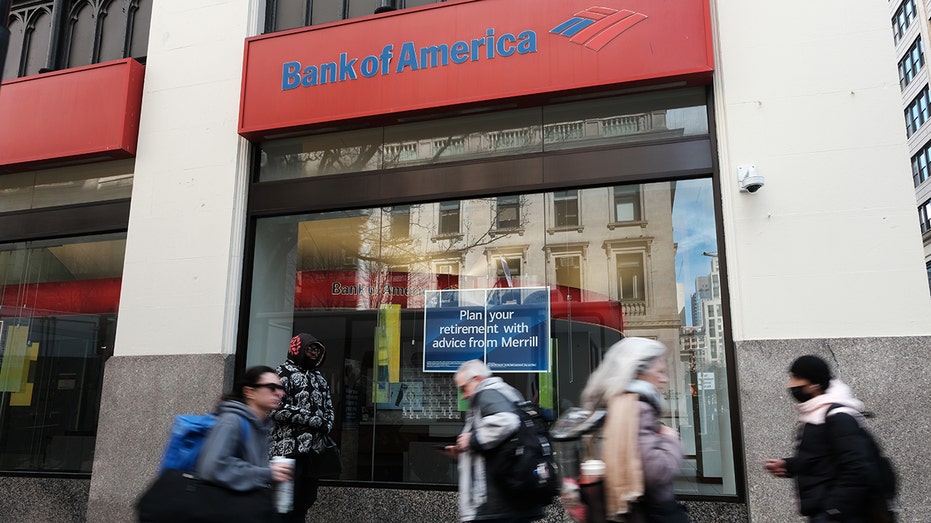
Bank of America

Bank of America announced new plans to hire entry-level workers from colleges and universities around the country. (Spencer Platt/Getty Images)

Bank of America’s announcement noted that the financial services provider remains committed to other previously-announced initiatives aimed at hiring entry-level workers.

Advertisement

The bank’s military veteran program has resulted in over 20,000 hires to date, the bank said. It added that it is also continuing to hire from community colleges around the country and its other early career programs to meet the evolving needs of the firm’s global client base.

WHY 529 PLANS REMAIN A POWERFUL TOOL FOR COLLEGE, TRADE SCHOOL SAVINGS

Ticker Security Last Change Change %
BAC BANK OF AMERICA CORP. 52.40 -0.08 -0.15%

Last fall, Bank of America said that it aims to hire another 10,000 more individuals with military backgrounds over the next five years – adding to the more than 20,000 hires dating back to 2015 and raising the new goal to 30,000 from that time.

Its September 2025 announcement also said it planned to move forward with 8,000 new hires from community colleges over the next five years, doubling its annual hires from 800 to 1,600 in that period of time.

Advertisement

BANK OF AMERICA TO AWARD $1B IN STOCK TO NEARLY ALL EMPLOYEES THROUGH SHARING SUCCESS PROGRAM

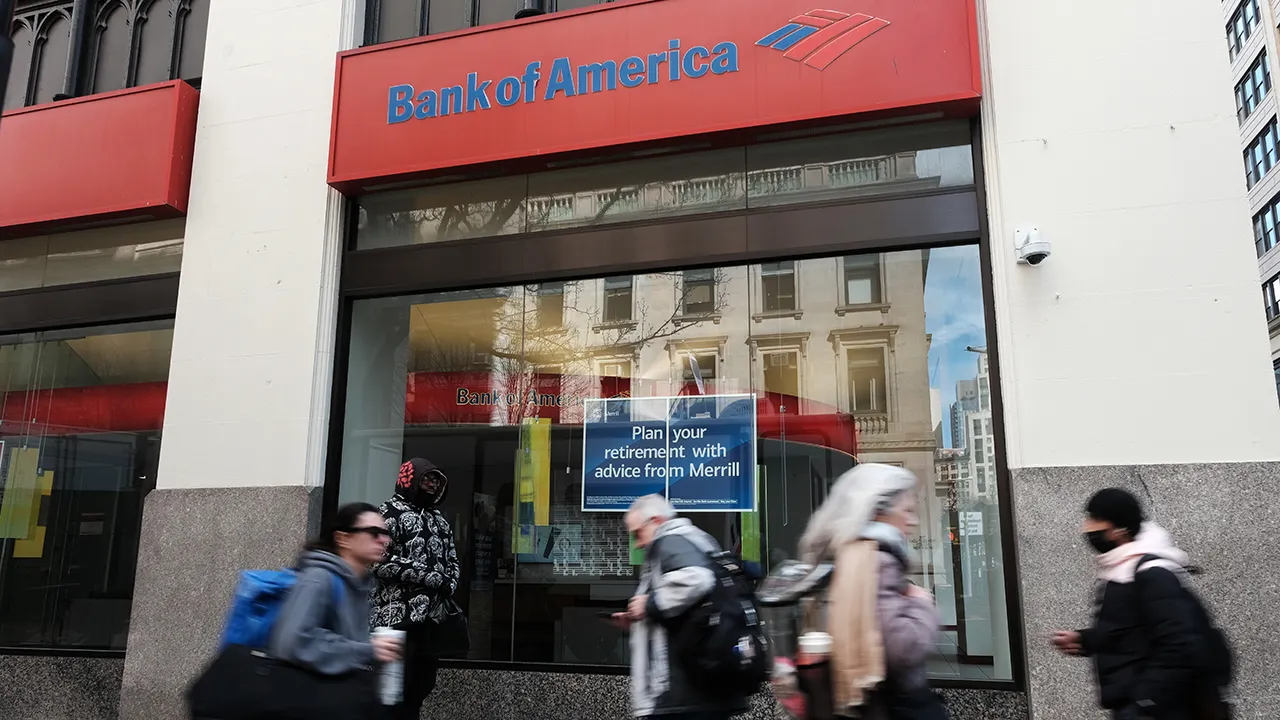
Signage at a Bank of America branch in New York

Bank of America is continuing its efforts to hire military veterans as well as students and graduates from community colleges. (Michael Nagle/Bloomberg via Getty Images)

Bank of America also said in September that it plans to invest in 700 jobs within its network of financial centers in new growth markets, including Alabama, Idaho, Louisiana and Wisconsin. 

The jobs would support the opening of 26 financial centers over the next 18 months and 37 financial centers in those states in 2027.

GET FOX BUSINESS ON THE GO BY CLICKING HERE

Advertisement

The company also announced Wednesday it has donated $2 million to purchase FIFA World Cup tickets for members of the U.S. military, veterans, first responders and their families to see games across the tournament for free.

Continue Reading

Business

Form 13D/A FONAR CORP For: 3 June

Published

on


Form 13D/A FONAR CORP For: 3 June

Continue Reading

Business

IDT Corporation (IDT) Q3 2026 Earnings Call Transcript

Published

on

OneWater Marine Inc. (ONEW) Q1 2026 Earnings Call Transcript

Operator

Good evening. Welcome to the IDT Corporation’s Third Quarter Fiscal Year 2026 Earnings Conference Call. [Operator Instructions] Please note, this conference call is being recorded.

I will now turn the call over to Bill Ulrey of IDT Investor Relations. Bill, you may begin.

Advertisement

Bill Ulrey
Vice President of Investor Relations & External Affairs

Thank you, John. In today’s presentation, IDT’s Chief Executive Officer, Shmuel Jonas; and Chief Financial Officer, Marcelo Fischer, will discuss IDT’s financial and operational results for the 3 months, ended April 30, 2026.

After their remarks, they will take your questions. Any forward-looking statements made during this conference call, either in their remarks or during the Q&A that follows, whether general or specific in nature, are subject to risks and uncertainties that may cause actual results to differ materially from those, which the company anticipates. These risks and uncertainties include, but are not limited to, specific risks and uncertainties discussed in the reports that IDT files periodically with the SEC. IDT assumes no obligation either to update any forward-looking statements that they have made or may make or to update the factors that may cause actual results to differ materially from those that they forecast.

In their presentation or in the Q&A session, IDT’s management may make reference to non-GAAP measures, including adjusted EBITDA, adjusted EBITDA margin, non-GAAP earnings per share, NRS’ Rule of 40 score and adjusted net cash provided by operating activities. Schedules provided in the IDT earnings release reconcile these non-GAAP measures to the nearest corresponding GAAP measures.

Advertisement
Continue Reading

Business

Autodesk, Inc. (ADSK) Presents at Bank of America 2026 Global Technology Conference Transcript

Published

on

OneWater Marine Inc. (ONEW) Q1 2026 Earnings Call Transcript

Q1: 2026-05-28 Earnings Summary

EPS of $2.99 beats by $0.15

 | Revenue of $1.93B (18.43% Y/Y) beats by $41.97M

Autodesk, Inc. (ADSK) Bank of America 2026 Global Technology Conference June 3, 2026 7:00 PM EDT

Company Participants

Janesh Moorjani – Executive VP & CFO

Advertisement

Conference Call Participants

Tomer Zilberman – BofA Securities, Research Division

Advertisement

Presentation

Tomer Zilberman
BofA Securities, Research Division

Good afternoon, everyone. My name is Tomer Zilberman, and I lead coverage of the vertical software and back office applications sector here at Bank of America. I’m very excited to be closing out Day 2 of our conference with Janesh Moorjani, CFO of Autodesk. Janesh, first of all, thank you for being with us. And I know you want to read a safe harbor statement and say some other words before we start.

Advertisement

Janesh Moorjani
Executive VP & CFO

Well, this is the most important announcement of the day. We may make forward-looking statements during the course of this presentation. Please refer to our SEC filings for information on risks and other factors that may cause our actual results to differ materially from these statements. So now that we’re all a little bit safer. But thank you for having us, Tomer. We appreciate it. And thank you for picking up coverage. I want to thank Koji as well. I see him in the audience there. Terrific working with him. And we appreciate the partnership with BofA.

Advertisement

Question-and-Answer Session

Tomer Zilberman
BofA Securities, Research Division

So big shoes to fill after Koji. Maybe to start with a high-level question, Janesh. For the investors that are newer to the story, Autodesk has went through several business model transitions over the last few years. So if you could just kind of remind us what they are — what the impact was for the business over the last few years? And really how does it position you appropriately for AI and Agentic?

Advertisement
Continue Reading

Business

Ford unveils first-ever Bronco Filson for outdoor enthusiasts

Published

on

Ford unveils first-ever Bronco Filson for outdoor enthusiasts

Ford Motor Co. and outdoor apparel brand Filson unveiled the first-ever Bronco Filson on Wednesday, a premium off-road SUV designed for outdoor enthusiasts.

The new model brings together Bronco and the Seattle-based outfitter, known for its durable outdoor gear. The Bronco Filson combines a specially tuned 3.0-liter EcoBoost V6 engine, outdoor-inspired design elements and the quietest cabin ever offered in a Bronco, according to Ford.

Advertisement

“Our owners – whether it’s our owners or Filson’s owners – share the same level of interest in brands like ours, where there’s a high degree of capability, while at the same time being able to have tremendous durability,” Dave Rivers, head of Ford Enthusiast Brands, told FOX Business. “I think it’s the power of our two brands coming together because we have a shared love of the outdoors, we have a shared love of American craftsmanship.”

FORD TEAMS UP WITH OUTDOOR OUTFITTER FILSON TO LAUNCH NEW BRONCO SUV

The 2027 Ford Bronco Filson drives along a dirt trail.

The 2027 Ford Bronco Filson drives along a dirt trail. (Ford Motor Company)

The Bronco Filson comes standard with Ford’s Sasquatch off-road package, which includes 35-inch tires, front and rear locking differentials and Fox shocks. 

The SUV also features Ford’s Terrain Management System with G.O.A.T. (“Goes Over Any Type of Terrain”) modes, as well as Trail Turn Assist and Trail 1-Pedal Drive for enhanced off-road capability.

Advertisement

Rivers said the V6 engine is expected to be one of the vehicle’s biggest draws.

“I would say the three-liter engine is going to be just remarkable in this product,” he said. 

Ford said the Bronco Filson will be the quietest Bronco ever built due to improved airflow, acoustic glass and enhanced seals that reduce wind and road noise. The SUV delivers nearly 20% less perceived wind noise than the 2021 Bronco, according to the automaker.

“[Customers] might be most surprised by…how much quieter it is than maybe what they’ve been used to on other Broncos – Just a tremendous reduction in overall noise levels,” Rivers added. “I think it’s just going to add to that overall enjoyment of the vehicle.”

Advertisement

FORD RECALLS OVER 179,000 BRONCO AND RANGER VEHICLES OVER SEAT DEFECT

Inside, the Bronco Filson features quilted leather seats, Filson-inspired materials, ventilated front seats, heated rear seats and an upgraded Bang & Olufsen (B&O) audio system.

The SUV also includes removable cargo bags, door-mounted saddlebags for outdoor gear and a digital rearview mirror that maintains visibility even when the cargo area is packed. Ford said the mirror includes a washer system to help keep the camera lens clear.

Advertisement

“We know that our owners – they spend a ton of time in the outdoors,” Rivers said. “They fly fish, they might hunt and fish and camp, and so we’ve given them as an option two removable storage bags in the rear compartment of the vehicle.”

Additional features include power running boards that automatically deploy when the doors are opened.

HOW CUTTING ONE COSTLY HABIT COULD SAVE SMALL BUSINESSES THOUSANDS ON FUEL: EXPERT

The 2027 Ford Bronco Filson First Edition is shown here.

The 2027 Ford Bronco Filson First Edition is shown here. (Ford Motor Company)

Ford will also offer a limited-run Bronco Filson First Edition with exclusive Iron Sands Copper Metallic paint, unique badging and a serialized console plaque.

Advertisement

The Bronco Filson will be built at Ford’s Michigan Assembly Plant. Orders are expected to open this fall, with the SUV set to arrive in showrooms in early 2027. Ford has not yet announced pricing.

A Bronco Filson Tour showcasing the SUV’s design, materials and capability is scheduled to begin in July.

GET FOX BUSINESS ON THE GO BY CLICKING HERE

Ford and Filson previously collaborated on the Bronco x Filson Wildland Fire Rig concept vehicle in 2020, which supported wildfire conservation efforts through the National Forest Foundation.

Advertisement
Continue Reading

Business

Nasdaq Advances Modestly to 27,123 as Tech Resilience Offsets Rate and Economic Concerns

Published

on

The Nasdaq logo is displayed at the Nasdaq Market site in Times Square in New York

NEW YORK — The Nasdaq Composite rose 29.19 points, or 0.11%, to close at 27,123.09 on Wednesday, extending a pattern of selective buying in technology and growth-oriented stocks even as broader market sentiment remained cautious amid ongoing uncertainty over interest rates and economic data.

The modest gain came as investors navigated mixed signals from recent inflation readings and corporate earnings reports. While some high-profile technology names provided support, gains were limited by rotation out of recent outperformers and profit-taking in overvalued segments.

The session highlighted the Nasdaq’s continued sensitivity to monetary policy expectations. With the Federal Reserve maintaining a data-dependent approach, traders adjusted positions based on the latest consumer spending figures and inflation metrics that showed progress but not enough to guarantee aggressive rate cuts.

Technology shares, which make up a significant portion of the Nasdaq, delivered mixed results. Semiconductor and software companies with strong artificial intelligence exposure generally outperformed, while some consumer internet and retail-related names lagged. The index’s slight advance reflected a balance between optimism about long-term innovation trends and near-term caution over valuation levels.

Advertisement

Major constituents such as Nvidia, Microsoft and Broadcom contributed positively, supported by continued demand for AI-related infrastructure. However, these gains were tempered by weakness in other areas, including certain consumer discretionary and communication services stocks facing margin pressure from higher borrowing costs.

Market breadth was relatively narrow, with advancing issues slightly outnumbering decliners on the Nasdaq exchange. Trading volume remained average, indicating no major shift in conviction but rather tactical adjustments ahead of more significant economic releases later in the week.

This performance fits within the Nasdaq’s broader trajectory in 2026. The index has delivered solid year-to-date returns, driven primarily by enthusiasm around artificial intelligence applications and resilient corporate earnings in the technology sector. However, periodic pullbacks have occurred as investors reassess valuations and the pace of economic growth.

Analysts note that the current environment features a divergence between mega-cap technology leaders and smaller growth companies. While the largest names benefit from strong balance sheets and pricing power, many mid-tier firms face challenges from elevated interest rates that increase financing costs and slow expansion plans.

Advertisement

Federal Reserve officials have emphasized patience in recent communications, signaling that further evidence of cooling inflation is needed before considering rate reductions. This stance has kept bond yields elevated, creating a challenging backdrop for growth stocks that rely on discounted future cash flows.

Despite these headwinds, several positive undercurrents supported the Nasdaq’s modest gain. Strong demand for cloud computing services, continued investment in data centers, and healthy order books for semiconductor equipment provided fundamental backing for technology valuations.

Looking ahead, investors will focus on upcoming wholesale inflation data and weekly jobless claims figures. These releases could influence expectations for the Fed’s path forward. Additionally, several major companies are scheduled to report earnings, offering insights into consumer demand and corporate spending trends.

The technology sector’s performance remains central to the Nasdaq’s direction. Artificial intelligence continues to drive capital expenditure across industries, creating sustained revenue opportunities for hardware providers, software developers and cloud infrastructure firms. Companies demonstrating clear return on AI investments have been rewarded with premium valuations.

Advertisement

Broader market context includes steady economic growth above 2% annualized in recent quarters. Consumer spending has held up better than expected, supported by a still-solid labor market. However, higher borrowing costs have constrained housing activity and certain capital investments, creating an uneven recovery pattern.

International factors also played a role. European markets showed mixed performance amid regional political developments, while Asian indices closed mostly lower. The U.S. dollar’s modest strength against major currencies added some pressure on multinational technology firms with significant overseas revenue exposure.

Volatility measures remained contained, suggesting investors are not overly concerned about near-term downside risks. This stability reflects the market’s adaptation to a higher interest rate environment compared to the ultra-low rate period of previous years.

Sector rotation continues as a key theme. Capital has periodically shifted toward more defensive areas such as healthcare, utilities and consumer staples, while technology experiences bouts of profit-taking. This dynamic is typical during periods of economic transition and policy uncertainty.

Advertisement

For individual investors, the Nasdaq’s movement underscores the importance of diversification and a long-term perspective. While daily fluctuations generate attention, the index’s performance over multiple years has been driven by innovation, productivity gains and corporate adaptability.

Analysts recommend focusing on companies with strong competitive advantages, robust free cash flow and clear growth runways. Those with exposure to secular trends such as artificial intelligence, cloud computing and digital transformation are viewed favorably by many strategists, though valuations require careful scrutiny.

The current market environment highlights the maturing of the technology sector. Once considered purely growth-oriented, many leading technology companies now generate substantial cash flows and maintain disciplined capital allocation strategies, appealing to both growth and value investors.

As the trading week progresses, attention will shift toward upcoming economic indicators and corporate guidance. Any surprises in inflation or labor market data could prompt repricing of rate cut expectations and influence technology stock performance.

Advertisement

The Nasdaq’s modest advance on Wednesday demonstrates resilience in the face of mixed signals. While not a strong directional move, it reflects underlying confidence in the long-term potential of innovative companies even as near-term policy uncertainty persists.

Looking further into 2026, many market participants expect continued volatility but overall upward bias if economic growth remains solid and inflation continues moderating. Technology’s central role in productivity enhancement across industries provides a strong fundamental backdrop for the Nasdaq Composite.

Investors will continue monitoring Federal Reserve communications closely. Any indication of earlier or more substantial rate cuts could provide significant support for growth stocks, while persistent inflation might extend the period of elevated rates and pressure valuations.

For now, the Nasdaq’s close at 27,123.09 reflects a market balancing optimism about innovation with realism about the current policy environment. The technology-heavy index remains a key barometer for investor sentiment toward the future of the digital economy.

Advertisement

As summer approaches and corporate earnings seasons wind down, focus will increasingly turn to second-half growth prospects and the Fed’s policy trajectory for the remainder of the year. Wednesday’s modest gain suggests investors are maintaining cautious optimism rather than rushing toward either extreme.

Continue Reading

Business

INNIO prices upsized IPO at $27 per share on Nasdaq

Published

on


INNIO prices upsized IPO at $27 per share on Nasdaq

Continue Reading

Business

Fed’s Warsh inherits economy increasingly squeezed by inflation

Published

on

Fed's Warsh inherits economy increasingly squeezed by inflation
Federal Reserve Chairman Kevin Warsh inherits an economy bolstered by an AI investment boom but pinched by rising prices from the Iran war, a Fed survey showed on Wednesday, setting up a fight over an interest rate hike when he runs his first policy meeting in two weeks.

Most U.S. regions experienced higher inflation from late April to late May due to energy-related costs tied to the Iran war “with spillovers into shipping, packaging, groceries, and fertilizer,” according to the Beige Book, a roundup of qualitative economic data from the Fed’s 12 regional banks.

“Overall, there were reports ‌of increased credit card usage, fewer ⁠retail visits, ⁠and stronger demand for necessities,” the report found, sobering signals for an economy that has long been sustained by consumer spending.

Across sectors, the report pointed to a stagflationary combination of weakening consumer demand and rising cost pressures, an unwelcome scenario for any new Fed chair, particularly one picked by a president who has said he expects his new chief central banker to deliver an interest rate cut.

Advertisement

In a sign of the strain that surging gas and other prices are exerting on average families, one contact told the Kansas City Fed: “Middle-income households are squeezing more life out of every dollar before deciding to spend it.”


Navy Federal Credit Union chief economist Heather Long said the report’s findings were “the latest warning sign that inflation is quickly turning into a sticky problem…New Fed Chair Kevin Warsh has to come out at the June meeting showing his firm commitment to containing inflation.”
Some of Warsh’s colleagues are already portraying the fight against inflation as gaining urgency. “I am increasingly concerned that higher interest ⁠rates could be ‌necessary later this year,” Dallas Fed President Lorie Logan said on Wednesday, noting that inflation is stubbornly high even as AI investment continues to boom.

Interest-rate futures show traders see about a 75% chance the Fed will increase its policy rate by a quarter of percent to the 3.75%-4.00% range by the end of this year, versus ⁠about a 25% probability for no change.

The Beige Book offered fresh evidence that AI is fueling what it characterized as overall “moderate” U.S. economic growth, with nine of the Fed’s 12 regional banks citing data center construction as driving demand for investment as well as labor.

But it was also rife with examples of inflationary pressures and pullbacks in spending in other sectors.

Advertisement

With higher gas prices, consumers are shifting towards hybrid cars or buying fewer new cars altogether, it found. Fewer empty shipping containers are being exported as shippers hold them back due to expectations of weak domestic demand.

Higher energy costs have also increased fertilizer prices. New York apple growers anticipated a much smaller harvest later this year because fertilizer has become too expensive to use.

Manufacturing firms told the Richmond Fed that demand had weakened due to consumer caution, and one equipment producer in the plastics industry said its customers were delaying capital investments due to expected oil shortages.

In the West, tourism-related demand was solid for specific events like concerts and corporate gatherings, the San Francisco Fed said. But demand ‌at “value-oriented venues” declined as consumers cut back on driving and weekend trips.

Advertisement

SOME YOUNG WORKERS SEE HIRING SLOW Warsh replaced Jerome Powell as Fed chief in late May just as many central bank policymakers were starting to get more nervous about inflation, which has reaccelerated in recent months due to the U.S.-backed war with Iran. Inflation has been above the Fed’s 2% target for more than five years.

Inflation by ⁠the Fed’s targeted measure jumped to 3.8% in April from 3.5% in March, while the labor market, which looked to be faltering last year as the Fed cut rates in response, has appeared to stabilize. Economists polled by Reuters expect the unemployment rate to remain at 4.3% when May jobs data is released Friday.

Warsh has embraced the idea that artificial intelligence is a disinflationary force that potentially allows the Fed to cut rates.

On Wednesday, Logan argued that the size and timing of AI-driven productivity gains are uncertain, but the boost to demand has already arrived, adding to upward price pressure that is already too high.

Advertisement

Other Fed policymakers have expressed similar views.

In the Beige Book, several Fed districts reported that increased use of AI has slowed hiring for early-career workers, a potential structural change to the labor market that a rate cut would not solve.

Several districts reported that defense-related activity and rising data center demand were supporting hiring in manufacturing.

But more broadly, most regions continued to see a low-hire, low-fire environment with workers reluctant to change jobs.

Advertisement

Wage growth was modest to moderate, the Beige Book said.

In a hint of additional inflation pressures to come, Fed banks reported “more frequent wage adjustments and cost-of-living increases to manage increasing fuel and other household cost pressures.”

Continue Reading

Business

India plans to scrap capital gains tax on FPI investments in government securities

Published

on

India plans to scrap capital gains tax on FPI investments in government securities
New Delhi: India is set to scrap capital gains tax on investments in government securities by foreign portfolio investors (FPIs) in an effort to shore up overseas capital inflows into the country as the Centre seeks to mitigate the effects of the Iran war on the economy, said people familiar with the matter.

The Cabinet, in a meeting chaired by Prime Minister Narendra Modi on Wednesday, approved the promulgation of an ordinance to amend the Income Tax Act to pave the way for this exemption, the people said. A notification is expected soon after the President gives her assent to the ordinance.

More measures are expected to encourage capital flows.

Foreign investors are currently subject to 12.5% long-term capital gains (LTCG) tax on listed shares and bonds held for more than 12 months. They also pay a 20% withholding tax on interest earned from government bonds. The government had ended the concessional 5% rate available to them in 2023.

Advertisement
Screenshot 2026-06-04 061908Agencies

Industry Demand

The government had used the ordinance route in 2019 to cut the corporate tax rate to encourage private investment.
Market participants have been urging a reduction in LTCG tax and withholding tax on interest earned on government bonds amid sustained capital flows out of India.
The latest move comes in the backdrop of foreign portfolio flows turning negative and the rupee weakening sharply against the dollar with the West Asia conflict continuing.
Regulators are expected to initiate further measures to complement the government’s efforts to make the Indian markets attractive for foreign capital, said one of the persons cited above.

In the calendar year so far, exits by FPIs add up to a net Rs 2.47 lakh crore, more than double the Rs 1.04 lakh crore they pulled out in calendar 2025. The rupee hit an all-time low of 96.965 to the dollar on May 20 but has since rebounded as the Reserve Bank of India has stepped up support and oil prices eased after renewed US-Iran peace efforts.

(With inputs from Anuradha Shukla & Jatin Takkar)

Continue Reading

Business

RBI calls off T-Bill auction on higher-yield demand

Published

on

RBI calls off T-Bill auction on higher-yield demand
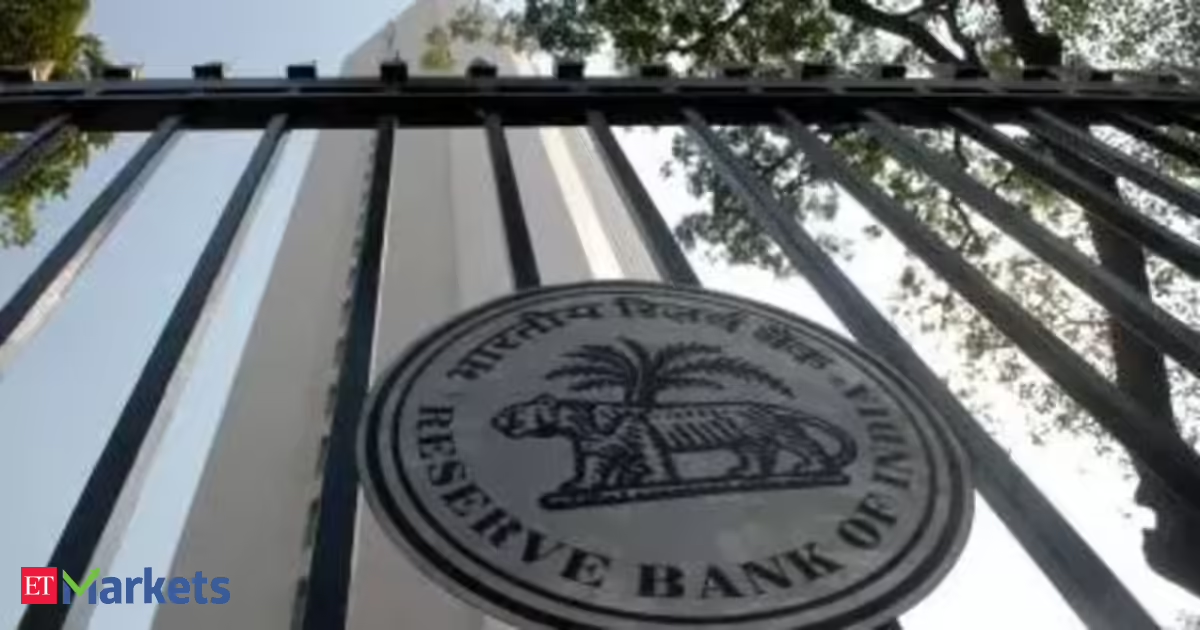
Mumbai: The Reserve Bank of India (RBI) Wednesday withdrew its treasury bill auction of 182-day and 364-day totalling ₹12,000 crore, with some dealers saying the central bank seemed unwilling to pay high yields bid by participants.

The cancellation of the auction, which effectively curtails the supply of government securities, lent support to bond prices. The yield on the benchmark 10 year government bond fell three basis points from an intraday high of 7.04% to 7.01%, and ended at 7.02% on Wednesday.

“The bids for yields on the T-bill could have been higher than the comfort level of the RBI,” said a trader from a private sector bank, explaining a possible reason for the RBI cancelling the auction.
The 91-day T-bill had an average yield of 5.54% on Wednesday, versus 5.52% last week. The 182-day t-bill and 364-day t-bills had average yields of 5.67% and 5.87% respectively last week.
Another trader said that it could also be a function of high cash balance with the government after the RBI dividend.


The RBI approved a record dividend of ₹2.86 lakh crore in late May, for the 2025-26 fiscal year.
The central bank is set to auction the 10 year 2036 paper for ₹34,000 crore on Friday, along with announcing its monetary policy decision.

Continue Reading

Trending

Copyright © 2025