

Business
Rubio says US cannot allow any Ebola cases to enter the country




That’s almost as big as America’s subprime-mortgage market in 2006, just before it took down the world economy. The difference, the ECB said: Private credit represents 4.7% of U.S. GDP today, whereas $1.5 trillion in subprime mortgages represented nearly 11% of the economy back then.
The ECB, which looks after financial stability in the eurozone, said banks in the single-currency area have much less exposure to private credit than they did to U.S. subprime mortgages before the global financial crisis. That could change if private credit balloons as a source of funding for the artificial-intelligence industry, it said.
European insurers stand to lose much more than banks in a private-credit downturn, the ECB found, mostly from associated losses in public markets.


The equity market is a powerful mechanism as daily fluctuations in price get aggregated to incredible wealth creation or destruction over the long term. Pacifica Yield aims to pursue long-term wealth creation with a focus on undervalued yet high-growth companies, high-dividend tickers, REITs, and green energy firms.
Analyst’s Disclosure: I/we have a beneficial long position in the shares of TRIN either through stock ownership, options, or other derivatives. I wrote this article myself, and it expresses my own opinions. I am not receiving compensation for it (other than from Seeking Alpha). I have no business relationship with any company whose stock is mentioned in this article.
Seeking Alpha’s Disclosure: Past performance is no guarantee of future results. No recommendation or advice is being given as to whether any investment is suitable for a particular investor. Any views or opinions expressed above may not reflect those of Seeking Alpha as a whole. Seeking Alpha is not a licensed securities dealer, broker or US investment adviser or investment bank. Our analysts are third party authors that include both professional investors and individual investors who may not be licensed or certified by any institute or regulatory body.
Business
Buy or Sell Oracle Stock in 2026? Analysts Weigh AI Cloud Surge Against High Valuation Risks

NEW YORK — Oracle Corp. shares have delivered strong gains in 2026, driven by accelerating demand for its cloud infrastructure and artificial intelligence services, leaving investors to debate whether the current premium valuation still justifies buying more shares or if it is time to take profits amid growing competition and elevated expectations.
The database and enterprise software giant has emerged as a major beneficiary of the global AI boom, with its Oracle Cloud Infrastructure (OCI) experiencing rapid adoption by companies seeking high-performance computing resources for large language models and data analytics. As of late May 2026, Oracle stock has risen substantially year-to-date, outperforming broader market indices and reflecting investor confidence in the company’s transformation from a traditional software firm to a leading cloud and AI infrastructure provider.
Oracle reported robust fiscal third-quarter 2026 results in March, with cloud revenue growing more than 50 percent year-over-year. Total revenue reached $14.3 billion, while remaining performance obligations — a key indicator of future revenue — hit record levels. The company raised its full-year guidance, citing strong enterprise demand for its multicloud and AI offerings.
Bull Case: AI and Cloud Leadership
Supporters of buying Oracle stock point to its strategic positioning in the AI infrastructure market. The company has formed significant partnerships with major technology players, including a landmark collaboration with OpenAI to provide dedicated cloud capacity for training and inference workloads. Oracle’s focus on high-performance, cost-efficient cloud solutions has attracted large enterprises seeking alternatives to dominant hyperscalers.
Analysts highlight Oracle’s database dominance as a key competitive advantage. Its Autonomous Database and Exadata Cloud@Customer offerings allow seamless migration of mission-critical workloads to the cloud while maintaining strict security and compliance standards. This “bring your own license” model has proven particularly appealing to large organizations with substantial existing Oracle investments.
Chief Executive Safra Catz has emphasized the company’s ability to deliver both growth and profitability. During recent earnings calls, Oracle executives noted strong backlog growth and improving margins in its cloud segment, suggesting the business is reaching an inflection point where investments begin translating into sustained free cash flow expansion.
Valuation Concerns and Bear Case
Critics argue that Oracle’s rapid stock appreciation has pushed valuations to levels that leave little margin for error. The stock trades at a forward price-to-earnings multiple significantly above its historical average, reflecting high expectations for continued cloud acceleration. Some analysts caution that any slowdown in AI capital spending or delays in customer migrations could trigger a sharp correction.
Competition remains intense. Microsoft Azure, Amazon Web Services and Google Cloud continue to invest heavily in AI infrastructure, while specialized providers challenge Oracle in specific workloads. The company must also navigate complex geopolitical dynamics, particularly around data sovereignty and export restrictions affecting its international growth.
Oracle’s heavy capital expenditure commitments for data center expansion represent another risk factor. While these investments support future growth, they pressure near-term free cash flow and could limit flexibility if economic conditions deteriorate.
Analyst Perspectives
Wall Street remains generally bullish on Oracle, with the majority of covering firms maintaining Buy or Outperform ratings. Average price targets suggest moderate upside from current levels, though some firms have recently trimmed targets citing valuation concerns.
Analysts at firms such as Morgan Stanley and Goldman Sachs have highlighted Oracle’s improving competitive position in cloud infrastructure and its ability to win large enterprise deals. However, others recommend a more cautious approach, suggesting investors wait for pullbacks before adding to positions.
The stock offers a modest dividend yield, providing some income support for long-term holders. Oracle has also maintained an active share repurchase program, demonstrating confidence in its intrinsic value.
Strategic Initiatives and Outlook
Oracle continues expanding its cloud regions globally while investing in sovereign cloud solutions to address data residency requirements. The company’s acquisition strategy, including key deals in cybersecurity and application software, aims to create a more comprehensive enterprise technology stack.
Looking ahead to the remainder of 2026, investors will watch Oracle’s ability to convert strong backlog into recognized revenue and its progress in expanding margins. The company’s fiscal fourth-quarter results, expected in June, will provide important signals about the sustainability of its growth trajectory.
Broader industry trends remain supportive. Global enterprise spending on cloud and AI infrastructure is projected to grow significantly through the end of the decade, driven by digital transformation initiatives and generative AI adoption across sectors.
Investment Considerations
For investors considering Oracle stock in 2026, the decision largely depends on time horizon and risk tolerance. Long-term believers in the company’s cloud and AI strategy may view current levels as reasonable given growth prospects. Shorter-term traders might prefer waiting for a more attractive entry point following any market volatility.
Diversification remains important. Many portfolio managers recommend pairing Oracle with other technology and software names to balance exposure across the sector. Regular monitoring of quarterly results, customer win announcements and competitive developments is essential.
Oracle’s transformation story demonstrates the potential for established technology companies to successfully pivot toward high-growth areas. Its combination of legacy strength in databases and new momentum in cloud and AI creates a compelling long-term narrative, though the stock’s elevated valuation requires careful consideration of execution risks.
As the year progresses, Oracle’s performance will likely continue reflecting broader sentiment toward artificial intelligence infrastructure spending and enterprise technology investment. Whether the stock represents a buy or sell opportunity ultimately depends on individual assessment of the company’s ability to sustain its recent momentum while delivering on ambitious growth targets.


My investing journey began at 15, sparked by a deep curiosity for markets and shaped by my father’s career in finance. What started as a fascination with Warren Buffett’s annual letters quickly evolved into a full-time passion for value investing, mental models, and understanding how great businesses create long-term value. I’ve spent years independently studying financial statements, building DCF models, and analyzing companies through both fundamental and behavioral lenses. While I’m still early in my professional path, I’ve been immersed in the world of investing for nearly a decade. From dissecting shareholder letters to reverse-engineering business strategies, I’ve developed a disciplined, fundamentals-first approach grounded in long-term thinking. I focus on identifying mispriced quality companies and understanding what makes certain business models resilient across cycles. I write on Seeking Alpha to share insights, test ideas in public, and contribute to a community of investors who value clear thinking over hype. My goal is to provide thoughtful, research-backed commentary, whether on under-the-radar compounders, Growth/GARP stocks, or misunderstood tech platforms. Above all, I invest with conviction, patience, and a relentless drive to keep learning.
Analyst’s Disclosure: I/we have a beneficial long position in the shares of MU either through stock ownership, options, or other derivatives. I wrote this article myself, and it expresses my own opinions. I am not receiving compensation for it (other than from Seeking Alpha). I have no business relationship with any company whose stock is mentioned in this article.
Seeking Alpha’s Disclosure: Past performance is no guarantee of future results. No recommendation or advice is being given as to whether any investment is suitable for a particular investor. Any views or opinions expressed above may not reflect those of Seeking Alpha as a whole. Seeking Alpha is not a licensed securities dealer, broker or US investment adviser or investment bank. Our analysts are third party authors that include both professional investors and individual investors who may not be licensed or certified by any institute or regulatory body.

Illinois farmer Chris Gould discusses how fertilizer prices, still 50% above pre-war levels for liquid nitrogen, impact his operations.
Grape plants sold at several Costco locations in California may pose a serious threat to California vineyards and agriculture after inspectors discovered an invasive insect known for spreading a deadly grapevine disease.
The San Joaquin County Agricultural Commissioner’s Office said inspectors discovered the glassy-winged sharpshooter on grape plants sold at Costco stores in Stockton, Lodi, Manteca and Tracy. The plants were supplied by a wholesale nursery in Fresno County.
The insect spreads the bacterium that causes Pierce’s disease, which kills grapevines and can also damage almond, citrus and ornamental plants. Officials said the pest feeds on more than 250 plant species and poses a significant threat to California’s grape industry, vineyards and home gardens.
THE $1,600 LETTUCE: CALIFORNIA GROWERS WARN OF ‘MASTER PLAN’ STRANGLING FAMILY FARMS

The affected grape plants may carry glassy-winged sharpshooter, an invasive insect which may kill grapevines. (Getty Images / Getty Images)
County officials said the food supply is not affected and Costco was not responsible for the issue because the infestation originated with the nursery supplier.
Officials said the county is working with Costco Wholesale and state and local partners to identify affected plants and prevent the pest from spreading further.
Residents who purchased grape plants from the affected Costco stores between April 21 and May 19 are being urged to contact their county agricultural commissioner’s office.
POPULAR COSTCO PATIO SWINGS RECALLED AFTER INJURIES LINKED TO DANGEROUS FALL HAZARD

A Costco store in Alhambra, California, US, on Thursday, June 27, 2024. Various locations in the state have been selling the affected grape plants. (Eric Thayer/Bloomberg via Getty Images / Getty Images)
The San Joaquin County Agricultural Commissioner’s Office advised residents to isolate the plants and keep them away from other vegetation. Officials also advised residents not to place the plants in the ground, move them to another location or dispose of them in trash or compost bins.
If possible, officials recommended placing the plants inside sealed double trash bags until an inspection can be arranged.
Residents in San Joaquin County can contact the agricultural commissioner’s office at 209-953-6000 or StocktonAg2@sjgov.org to schedule an inspection. Agricultural inspectors will examine the plants and nearby vegetation, and if the pest is found, officials will remove and safely dispose of the plants. Inspectors may also place monitoring traps on affected properties.

Officials say the glassy-winged sharpshooter feeds on more than 250 plant species, including grapevines, citrus and almond plants. (Getty Images / Getty Images)
GET FOX BUSINESS ON THE GO BY CLICKING HERE
California’s Pierce’s Disease Control Program works to slow the spread of the glassy-winged sharpshooter through inspections, trapping, treatment programs and research efforts designed to protect vineyards and other crops statewide.
The California Department of Food and Agriculture did not immediately respond to FOX Business’ request for comment.

Good packaging is often overlooked in business, but it plays a much bigger role than most people think. It is not just about wrapping a product and sending it out the door.
It affects cost, customer satisfaction, branding, and even how often people buy from you again. For many small and growing businesses, improving packaging can bring real and measurable benefits without needing huge changes elsewhere in the company.
When a product is sent out in poor packaging, it often arrives damaged or looking unprofessional. That can quickly lead to refunds, complaints, and bad reviews. On the other hand, well-designed packaging builds trust from the moment the parcel lands on a customer’s doorstep. It sends a clear message that the business cares about quality, right through the whole buying experience. Even simple improvements like stronger materials or better fitting boxes can make a noticeable difference.
Why packaging choice matters for everyday shipping
One of the most practical upgrades a business can make is improving its choice of postal boxes. These are not all the same, even if they look similar at first glance. The right size, strength, and design can reduce movement inside the box, which helps protect the product during transport. This means fewer damaged items and fewer replacement costs, which can save money over time. It also helps businesses look more professional, especially when customers receive clean, well-packed deliveries that feel organised and reliable.
Good postal boxes also help with storage and packing speed. If a business uses standardised sizes that fit its products well, staff can pack orders faster and with less waste. This is especially useful during busy periods when every minute counts. It also reduces the need for extra filler, which cuts down on cost and improves efficiency in the packing process. Small changes like this often have a bigger impact than expected.
How packaging materials affect cost and customer experience
The type of packaging materials used is just as important as the box itself. Businesses often focus only on the outer packaging, but what goes inside matters too. Bubble wrap, paper fill, air cushions, and protective wraps all play a role in keeping products safe. Choosing the right combination can help prevent damage while keeping costs under control.
However, it is not just about protection. Packaging materials also affect how customers feel when they open their order. A neat, well-packed parcel creates a better first impression. It can even make the product feel more valuable. On the other hand, messy or excessive packaging can feel wasteful and cheap. Many customers today are also more aware of environmental impact, so using recyclable or reduced packaging materials can improve a brand’s reputation.
Businesses that take time to balance protection, appearance, and sustainability often see better customer feedback. It is a simple shift, but it can improve repeat purchases and word-of-mouth recommendations. In a competitive market, those small details matter more than many realise.
Improving brand value through smarter packaging
Packaging is also a powerful branding tool. It is often the only physical interaction a customer has with a business, especially in online retail. That moment when a parcel is opened can shape how the brand is remembered. Clean design, consistent colours, and thoughtful presentation all help build a stronger identity.
Investing in better packaging can also reduce long-term operational problems. Fewer returns, fewer complaints, and fewer damaged goods all help improve efficiency. Over time, this creates a smoother system where staff spend less time fixing issues and more time focusing on growth.
Even small businesses can benefit from making these changes early. It is easier to build good habits from the start than to fix problems later when order volumes increase. Packaging is often seen as a cost, but in reality, it is an investment that supports every part of the customer journey.
Final thoughts on smarter packaging choices
At the end of the day, packaging is more than just a box and some filler. It is part of how a business presents itself to the world. Better choices lead to fewer problems, happier customers, and a stronger brand image. From postal boxes that protect products properly, to carefully chosen packaging materials that balance safety and presentation, every detail plays a part.
Businesses that take packaging seriously tend to stand out for the right reasons. They look more professional, run more smoothly, and build stronger relationships with customers. Suppliers such as Bestbuyenvelopes make it easier for companies to access reliable packaging options that support growth without overcomplicating the process. In a competitive market, those small improvements can make a big difference over time.

Housing and Urban Development Secretary Scott Turner joins ‘Mornings with Maria’ to discuss rising mortgage rates, cutting housing regulations and the Trump administration’s push to boost affordable homebuilding.
Americans around the country continue to face a tight housing market and a new report breaks down the hottest rental markets with summer fast approaching.
An analysis by Zillow finds that the majority of the nation’s most in-demand rental markets will be found in the Northeast and California this summer – though there are several notable exceptions.
“In Zillow’s hottest rental markets, the math is simple: More people want to live there than there are homes to rent – whether for access to amenities, strong job markets or family ties, renters are competing over a limited supply,” said Kara Ng, senior economist at Zillow.
“The U.S. built more new units in 2024 than any year in the past half-century, but that boom largely bypassed the Northeast and coastal California, which is exactly why rental competition there is so intense,” Ng said.
THESE 5 CITIES ARE SEEING BIG HOME PRICE CUTS
“Markets that missed out on the list aren’t necessarily lacking demand; they just did a better job bringing new supply online,” Ng added.
Here’s a look at the 10 hottest rental housing markets in the U.S. for summer 2026, according to Zillow, based on the annual rent growth, vacancy rate forecast and the Zillow Observed Rent Index (ZORI):
Providence, Rhode Island

Zillow’s list of hottest rental housing markets was led by Providence, Rhode Island. (Jonathan Wiggs/The Boston Globe via Getty Images)
- Annual rent growth: 5%
- Vacancy rate forecast: 5.1%
- ZORI: $2,154
New York, New York

A view of the New York City skyline. (iStock)
- Annual rent growth: 4.5%
- Vacancy rate forecast: 4.3%
- ZORI: $3,406
San Francisco, California

The Golden Gate Bridge and residential areas by the Pacific Coastline in San Francisco, California. (Tayfun Coskun/Anadolu via Getty Images)
- Annual rent growth: 5.4%
- Vacancy rate forecast: 4.3%
- ZORI: $3,206
ONE TYPE OF PROPERTY IS QUIETLY SAVING AMERICANS THOUSANDS OF DOLLARS
Hartford, Connecticut

Downtown Hartford, the capital of Connecticut. (Brad Horrigan/Hartford Courant/Tribune News Service via Getty Images)
- Annual rent growth: 3.9%
- Vacancy rate forecast: 4.3%
- ZORI: $1,940
Los Angeles, California

A view of the Los Angeles skyline. (Simonkr)
- Annual rent growth: 2.4%
- Vacancy rate forecast: 4.5%
- ZORI: $2,892
Chicago, Illinois

Visitors walk around Cloud Gate, otherwise known as “The Bean,” in Millennium Park in Chicago. (Armando L. Sanchez/Chicago Tribune/Tribune News Service via Getty Images)
- Annual rent growth: 5.7%
- Vacancy rate forecast: 5.3%
- ZORI: $2,219
Boston, Massachusetts

A view of the Boston skyline. (Ron Dahlquist/Design Pics Editorial/Universal Images Group via Getty Images))
- Annual rent growth: 2.5%
- Vacancy rate forecast: 6.3%
- ZORI: $3,184
THESE 8 US HOUSING MARKETS FAVOR BUYERS
Milwaukee, Wisconsin

The skyline of Milwaukee, Wisconsin. (Al Drago/Bloomberg via Getty Images)
- Annual rent growth: 4.1%
- Vacancy rate forecast: 3.8%
- ZORI: $1,540
Virginia Beach, Virginia

Virginia Beach, Virginia, made Zillow’s list of the hottest rental housing markets in the U.S. for summer 2026. (iStock)
- Annual rent growth: 4.8%
- Vacancy rate forecast: 4.1%
- ZORI: $1,843
San Jose, California
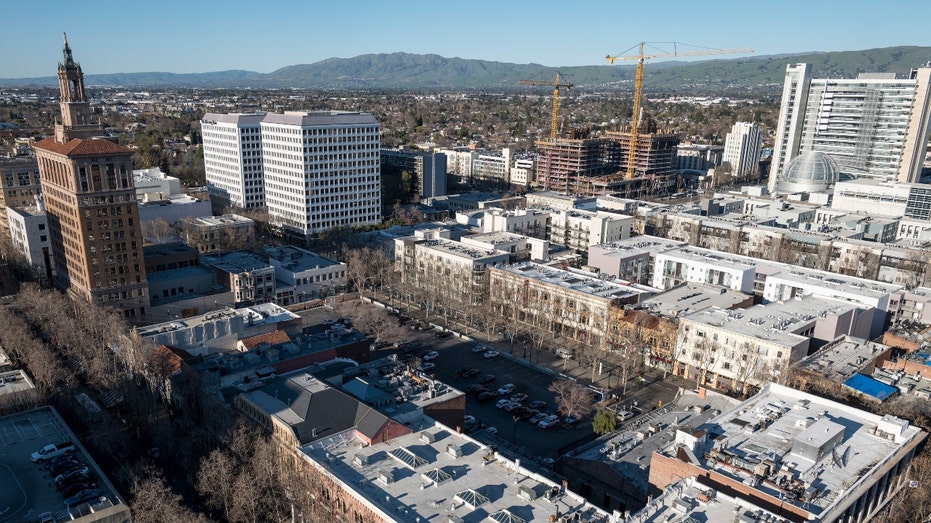
The Bank of Italy building, left, in downtown San Jose, California. (David Paul Morris/Bloomberg via Getty Images)
- Annual rent growth: 4.1%
- Vacancy rate forecast: 4.9%
- ZORI: $3,534


New, simpler formulation expected to lift soft demand for traditional loaf bread.
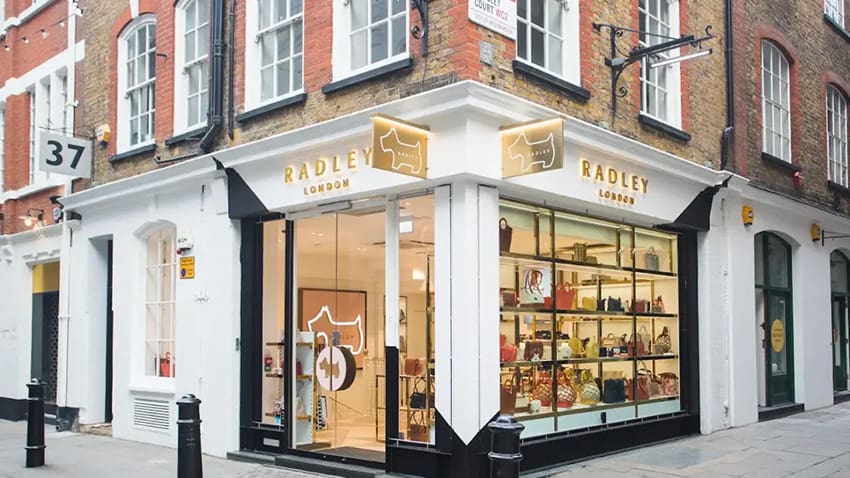
Gordon Brothers, the Boston-based turnaround investor that snapped up Poundland for a pound last summer, has bagged another high-street name, adding the British handbag and accessories brand Radley to a growing stable of distressed retail assets, in a transaction that will cost 42 staff their jobs.
The deal, completed through a pre-pack administration brokered by restructuring specialists at FTI Consulting, secures Radley’s intellectual property, most notably the brand itself, its design archive and the Scottie dog logo that has been a staple of British gift-giving for more than two decades. Crucially, however, the transaction does not include the company’s 21 UK retail outlets, leaving the future of those shops, and the jobs attached to them, hanging in the balance.
In a statement confirming the appointment, FTI Consulting said: “The administration appointment follows a sustained period of challenging economic conditions for the retail environment, including declining customer demand and increasing operating costs, all of which have had a negative impact on trading.”
A founder-led label that ran out of road
Founded in the 1980s by Australian-born designer Lowell Harder from a market stall in Camden, north London, Radley grew into one of the more recognisable mid-market British accessories brands of the past 25 years, building a footprint across the UK, continental Europe and the United States. It was acquired by mid-market private equity house Freshstream in 2016 and, after a difficult post-pandemic trading period, was put up for sale earlier this year.
The numbers behind the auction tell their own story. For the year to 26 April 2025, Radley posted a pre-tax loss of £5.5 million, a sharp deterioration on the £1.7 million loss recorded the previous year. Turnover slipped to £65.8 million from £72 million, with the group blaming the closure of unprofitable US stores and “softer international wholesale performance” for the top-line decline.
The board had warned in its full-year accounts that consumer headwinds — chiefly elevated energy bills and a wave of households remortgaging onto materially higher interest rates — created “material uncertainty” over the company’s ability to continue as a going concern, even as directors expressed hope of trading through to 31 October 2026. In the event, the cash ran out faster than the forecast.
Gordon Brothers’ British shopping list
For Gordon Brothers, Radley is the latest brick in a fast-growing UK retail portfolio that increasingly resembles a curated index of distressed Great British high-street names. The 122-year-old firm — headquartered in Boston, with more than 30 offices worldwide, first made its name in the UK by acquiring Laura Ashley out of administration in 2020, before flipping the homeware and fashion label on to New York-based Marquee Brands in January 2025.
Last summer it bought Poundland from Warsaw-listed Pepco for a symbolic £1, embarking on a brutal restructuring that has so far seen 149 stores shuttered and roughly 2,200 jobs cut as the discount chain refocuses on lower price points. More recently the firm also scooped up the womenswear label LK Bennett out of administration, adding yet another well-known British label to a portfolio that is starting to look strikingly similar to the kind of brand-licensing platforms favoured by US peers Authentic Brands and Marquee.
According to its own statement on the transaction, Gordon Brothers intends to run Radley as an “asset-light” business, leaning on wholesale partnerships and licensing deals to extend the brand into adjacent categories such as watches, jewellery, eyewear and beauty gifting, while pushing harder into international markets.
A wider warning for the British high street
The Radley pre-pack lands in a market that, while quieter than the carnage of 2024, remains acutely fragile for mid-market specialists caught between value retailers and luxury houses. Data published by the Centre for Retail Research shows that even as headline administration numbers have eased from last year’s peak, the cumulative drag of higher wage costs, increased employer national insurance contributions and stubbornly cautious consumer spending continues to expose brands without scale, pricing power or a defensible online proposition.
For owners and management teams running SMEs in adjacent categories, the lessons from Radley are uncomfortably familiar: a strong heritage brand and loyal customer base are necessary but not sufficient conditions for survival when wholesale channels weaken, US expansion misfires and refinancing windows narrow. Pre-pack administrations, controversial though they remain, are increasingly the mechanism of choice for preserving brand equity while shedding loss-making stores and legacy obligations, a route that has now been travelled, in quick succession, by Laura Ashley, LK Bennett and Poundland under Gordon Brothers’ stewardship.
Whether Radley’s Scottie dog can be re-energised under a wholesale-and-licensing model, and whether any of those 21 displaced UK stores can be saved by other operators, will be the next test of both the brand’s resilience and Gordon Brothers’ increasingly assertive playbook for rescuing British retail.

Amy Ingham
Amy is a newly qualified journalist specialising in business journalism at Business Matters with responsibility for news content for what is now the UK’s largest print and online source of current business news.

“This is a big win and now we can go ahead with the aggressive recovery process,” a DGGI official told ET.
The DGGI had issued show-cause notices alleging tax evasion of around ₹1 lakh crore against about 80 online gaming companies and casinos. Gaming companies approached various high courts challenging the tax demands. The Supreme Court later transferred pleas from nine high courts to itself.
The top court’s ruling on Wednesday validates the revenue authorities’ stance.
Senior officials from the revenue department said they will study the judgment.

The revenue department remains open to engaging with industry stakeholders on concerns regarding penalties and interest following the Supreme Court ruling, the official added.
In the original show-cause notice issued to Gameskraft in 2022, the DGGI had sought GST dues of about ₹21,000 crore for the period between 2017 and 2022, along with interest and penalties, in one of the largest tax demands ever raised.This became a template for similar proceedings initiated against several online gaming operators.
The verdict is expected to impact major gaming companies including Gameskraft, Dream11, Mobile Premier League, Games24x7, Junglee Games and Delta Corp, several of which are facing ongoing GST investigations or disputes.

Erling Haaland drops emotional Pep Guardiola statement amid Man City exit
Private-Credit Risks Look Manageable, Says ECB

5 Things to Know About Yi He, First Crypto Boss on Fortune’s Most Powerful Women List


![PSquare - Taste the Money (Testimony) [Official Video]](https://wordupnews.com/wp-content/uploads/2026/05/1779914517_maxresdefault-80x80.jpg)


-

 Crypto World6 days ago
Blockchain.com files with SEC for U.S. IPO
-

 Fashion5 days ago
Holiday Weekend Open Thread – Corporette.com
-

 Crypto World6 days ago
Bitcoin Accumulation Weakens as BTC Realized Losses Hit $600M
-

 Tech2 days ago
Microsoft’s quiet Claude Code retreat and the real cost of enterprise AI
-

 Crypto World4 days ago
Robinhood crypto COO Tanya Denisova exits
-

 Business5 days ago
Dell Technologies DELL Stock Surges 15% on AI Server Momentum and Analyst Upgrades in 2026
-

 Business3 days ago
NYT Strands Answers May 24 2026 Revealed for Puzzle No. 812 Theme Summer Essentials
-

 Politics5 days ago
Makerfield: a tale of two social-media histories
-

 Crypto World5 days ago
Space X IPO Is ‘Bad News’ for Tech Stocks: But What About Bitcoin?
-

 Business6 days ago
Trump Invests $1M-$5M in Kura Sushi USA Chain With 27 California Locations
-

 Crypto World6 days ago
MicroStrategy’s Saylor Says Miners No Longer Set Bitcoin Price, Another Force Has Taken Over
-

 Tech6 days ago
WhatsApp ads could make Irish debut after discussions with DPC
-
 NewsBeat6 days ago
Charity run by Reform leader Malcolm Offord accused of ‘law breaking’ over Scottish registration
-
Tech9 hours ago
The Samsung pay deal is the moment Korean unions changed register
-

 Crypto World5 days ago
AI infrastructure race heats up as IREN pitches full-stack strategy, WhiteFiber lands $160M deal
-
 Tech5 days ago
A 0.12% parameter add-on gives AI agents the working memory RAG can’t
-
 Crypto World2 days ago
Nvidia (NVDA) CEO Calls on Super Micro to Strengthen Export Controls Amid Smuggling Probe
-

 Tech6 days ago
You Can Now Add ChatGPT To PowerPoint
-

 Tech2 days ago
Westone Audio and Etymotic Acquired by Fidelity Collective in Major IEM Market Move
-

 Sports6 days ago
2026 CJ Cup Byron Nelson leaderboard: Brooks Koepka finds putting stroke in Round 1
You must be logged in to post a comment Login