

Business
Sensex drops 600 points, Nifty below 23,450. 6 key factors behind today’s D-St rout

The Sensex declined more than 600 points to slip below the 74,600 mark, while the Nifty 50 fell over 190 points to trade below 23,450. This came as India VIX, which measures market volatility, rose more than 1% to hover near 18.93 in morning trade.
Shares of Tata Steel, Zomato-parent Eternal, Bharat Electronics (BEL), Bajaj Finance, M&M, Maruti Suzuki, Power Grid, Hindustan Unilever, UltraTech Cement, SBI, Bajaj Finserv, and Tech Mahindra declined up to 2%, emerging as the top losers on the Sensex. Bucking the trend, TCS and Infosys traded with marginal gains. The bearish sentiment was broad-based, with the Nifty Midcap 100 and Nifty Smallcap 100 indices dropping around 1% each.
All sectoral indices traded in the red, with the Nifty FMCG, Nifty Auto, Nifty Realty, and Nifty Metal indices falling more than 1% each. Around 1,879 stocks declined on the NSE, while 598 advanced and 83 remained unchanged.
“While fourth-quarter earnings continue to underscore the resilience of domestic economic momentum, market focus is increasingly pivoting toward mounting inflationary pressures. Concerns over potential earnings downgrades for Q1FY27 are gaining traction, driven by higher-than-anticipated WPI readings, the gradual pass-through of elevated fuel prices, and persistently firm bond yields,” said Vinod Nair, Head of Research at Geojit Investments.

Key factors dampening the sentiment on Dalal Street today:
1) Rupee weakens to a fresh low, inches closer to 97
Rupee continued its free fall against the US dollar, hitting a fresh lifetime low of 96.8650 on Wednesday and eclipsing its previous all-time low of 96.6150, which it had hit yesterday. The currency is down 6% since the Iran war began in late February.
Rupee’s weakness comes as elevated crude oil prices and continued pressure on capital flows kept the currency under stress, said Jateen Trivedi, VP Research Analyst of Commodity and Currency at LKP Securities. “Sustained higher crude prices are increasing concerns over India’s import bill and widening trade deficit, which is keeping sentiment weak for the rupee,” he said.“Market participants continue to prefer dollar buying and rupee selling as a hedge against ongoing volatility and external sector pressure. The broader trend remains weak, with the rupee expected to trade in a range of 96.25–97.00 in the near term,” according to the analyst.
2) Bond yields remain high
The 30-year US Treasury yields rose to 5.20% late on Tuesday, their highest level since 2007. Yields on the benchmark 10-year bonds, which have an impact on the mortgage rates, meanwhile, surged to their highest level in over a year to about 4.67%. While the bond yields have slightly cooled down on Wednesday morning, the yields remain elevated.
High bond yields typically make bonds attractive to investors, which in turn can lead to some downturn in equity markets.
3) Iran-US conflict
US President Donald Trump told lawmakers at the White House that the country will “end the war very quickly” with Iran. “There’s so much oil out there, they’re going to come plummeting down..We’re going to end that war very quickly. They want to make a deal so badly…You are going to see oil prices plummet. They’re going to come down. There’s so much oil out there, they’re going to come plummeting down,” he said at a press conference. This came after he threatened Iran, saying the US may launch new attacks if Tehran fails to agree to some of the terms of the peace deal.
Meanwhile, US Vice President JD Vance said that the Iran conflict will not become a “forever war”. “We’re going to take care of business and come home,” he said during a White House briefing.
Iran, however, scaled up its threats. “With lessons learned and knowledge we gained, return to war will feature many more surprises,” Iran’s Foreign Minister Seyed Abbas Araghchi said in a post on X.
4) Oil prices hold above $110/barrel
Brent crude declined marginally but remained above $110 per barrel. WTI Crude, meanwhile, hovered above $104 per barrel. Oil prices continued to remain elevated above $100 per barrel level amid the prolonged blockade over the Strait of Hormuz, a narrow 33-kilometre waterway connecting the Persian Gulf with the Gulf of Oman that handles over 20% of the world’s daily oil and gas shipments.
5) FII selling resumes
Foreign investors remained net sellers of Indian equities on Tuesday, selling shares worth Rs 2,457 crore on Dalal Street. This comes after a three-session buying streak during which FII bought Indian shares worth Rs 5,240 crore.
However, foreign investors have mostly remained bearish on Indian markets this month so far, remaining net sellers of Indian equities in eight out of 12 sessions so far in May.
6) Global market crash
Dalal Street accompanied its global peers, which only declined sharply. In Asia, South Korea’s Kospi crashed more than 2% while Japan’s Nikkei fell around 1.5%. Hong Kong’s Hang Seng and China’s Shanghai Composite dropped around 0.5% each.
Wall Street closed in the deep red yesterday, with tech-heavy Nasdaq declining 0.9% and S&P 500 falling 0.7%. European markets, however, closed mixed on Tuesday, with the UK’s FTSE and Germany’s DAX closing in the green with marginal gains.
What lies ahead?
Technically, the 23,400–23,300 zone remains a crucial support band for the bulls, and a decisive breach could drag Nifty toward 23,100–23,000, said Rajesh Palviya, Head of Research at Axis Direct. “On the upside, unless Nifty reclaims 23,750 decisively, momentum is likely to remain capped, while only a sustained move above 23,900–24,000 would meaningfully improve the near-term outlook,” he said.
Going ahead, Nifty’s failure to move above the recent breakdown area of 23,800 – 23,900 will keep the bias corrective, and the index will consolidate with downward bias in the range of 23,200 – 23,900, said Bajaj Broking. It added that the benchmark index needs to start forming higher highs and higher lows on a sustained basis in the daily chart and a move above the breakdown area of 23,800 – 23,900 to signal a pause in the recent downtrend.
(With inputs from agencies)
(Disclaimer: Recommendations, suggestions, views, and opinions given by experts are their own. These do not represent the views of The Economic Times)



A statement released by the White House May 17 said China agreed to buy $17 billion in US ag products.
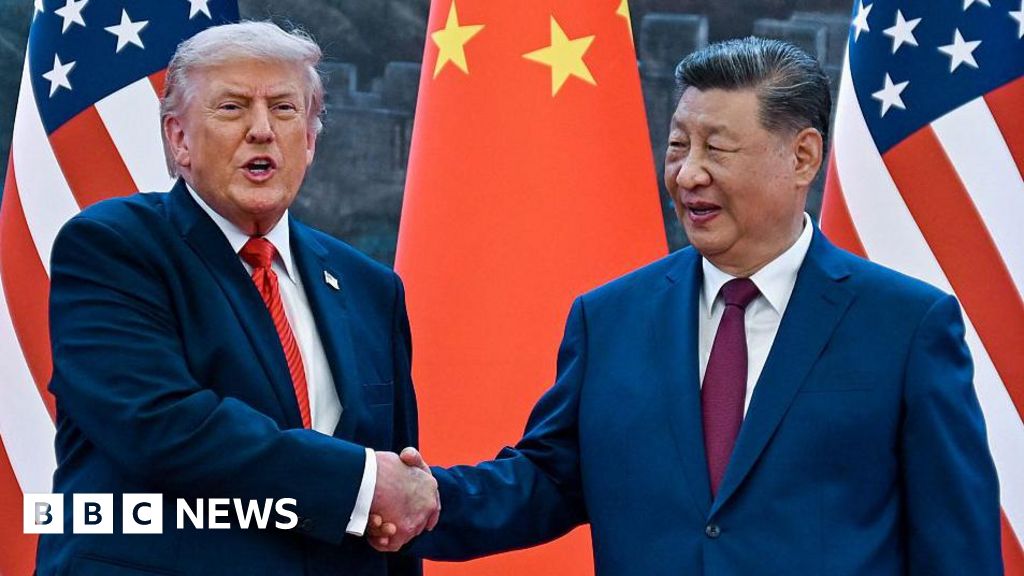
The two sides will also work towards an extension to the tariffs truce they agreed in October, China’s Commerce Ministry said.

NEW YORK — The Dow Jones Industrial Average tumbled 372.92 points, or 0.75%, to close at 49,313.20 on Tuesday, extending recent losses as investors rotated out of high-valuation technology stocks and grappled with signs that interest rates may stay elevated longer than expected.
The blue-chip index gave back some of its recent record-setting gains, with selling pressure intensifying in the afternoon as major technology and growth names dragged broader sentiment lower. The S&P 500 fell 0.68% while the Nasdaq Composite posted a steeper decline of 1.12%, reflecting concentrated weakness in the so-called Magnificent Seven stocks that have powered much of the market’s advance this year.
Tuesday’s decline came amid a mix of factors weighing on investor confidence. Stronger-than-expected retail sales data raised fresh questions about whether the Federal Reserve will feel comfortable cutting rates in the near term. Persistent inflation in services and shelter costs continues to complicate the central bank’s path toward easing, with several Fed officials signaling a cautious approach in recent speeches.
Technology shares bore the brunt of the selling. NVIDIA, Apple, Microsoft and other heavyweights all finished lower as investors took profits following months of rapid gains. Concerns about stretched valuations, potential regulatory scrutiny on Big Tech, and moderating AI spending enthusiasm contributed to the pullback. Defensive sectors such as utilities, consumer staples and healthcare outperformed, a classic sign of risk-off sentiment.
“This market has been running on AI optimism and expectations of rate cuts, but reality is starting to bite,” said Quincy Krosby, chief global strategist at LPL Financial. “When you see the Dow underperforming the broader indices on a down day, it often signals caution among institutional investors.”
The Dow’s drop erased some of its impressive 2026 run, though the index remains up more than 8% year-to-date. Tuesday’s move marked the largest point decline in several weeks and highlighted the market’s vulnerability to shifts in rate expectations and sector rotation.
Bond yields rose modestly, with the 10-year Treasury yield climbing to 4.41%. Higher yields pressure stock valuations, particularly for growth companies whose future cash flows are discounted at higher rates. The U.S. dollar strengthened against major currencies, adding further pressure on multinational corporations.
Economic data released Tuesday showed mixed signals. While retail sales beat expectations, manufacturing activity in the New York region contracted more than forecast. Upcoming inflation readings and the Fed’s next policy decision will be closely watched for clues about the timing and pace of monetary easing.
Analysts remain divided on the near-term outlook. Some view the current pullback as healthy consolidation after an extended rally, creating buying opportunities in quality names. Others warn that persistent inflation and geopolitical risks could keep volatility elevated through the summer months.
“Markets are digesting the reality that rates may not fall as quickly as hoped,” said David Russell, global head of market strategy at TradeStation. “That doesn’t mean the bull market is over, but it does suggest more selective stock picking going forward.”
The decline in the Dow was broad, with 25 of 30 components finishing in the red. Boeing, Goldman Sachs and UnitedHealth Group were among the worst performers. Only a handful of defensive names, including Procter & Gamble and Verizon, managed small gains.
International markets showed similar caution. European stocks closed mostly lower, while Asian markets were mixed overnight. Oil prices eased slightly amid demand concerns, trading around $62 per barrel for West Texas Intermediate crude.
For individual investors, Tuesday’s session served as a reminder of the market’s sensitivity to macroeconomic developments. Financial advisors recommend maintaining diversified portfolios and avoiding emotional decisions based on daily movements. Long-term investors with strong fundamentals in their holdings have historically weathered such periods well.
Home Depot shares also faced pressure amid concerns about a slowing housing market, while Caterpillar and other industrial names reflected caution about global growth. The performance of these cyclical Dow components underscored broader worries about economic resilience.
Looking ahead, investors face a busy calendar. Key inflation data, retail earnings from major chains, and speeches from several Fed officials will provide fresh input on the monetary policy outlook. Any signs of cooling inflation could ease selling pressure, while hotter readings might intensify rate concerns.
Despite Tuesday’s decline, many strategists maintain a constructive view on U.S. equities. Corporate earnings growth remains solid, particularly in technology and financials, while the economy continues to expand at a moderate pace. The combination of resilient growth and eventual rate cuts still supports a positive backdrop for stocks over the medium term.
The Dow’s drop below the psychologically important 49,500 level may attract bargain hunters, but analysts caution that sustained momentum will require clearer signals from the Fed and positive developments on the inflation front.
As markets digest Tuesday’s moves, focus shifts to whether this represents a healthy correction or the start of a deeper pullback. With the S&P 500 still near record highs and the Dow holding most of its 2026 gains, many see the current environment as a normal pause rather than a trend reversal.
For now, investors are advised to stay focused on company fundamentals and avoid overreacting to daily swings. The Dow’s performance remains a key barometer for broader market health, and its recent volatility underscores the complex interplay between monetary policy, economic data and corporate earnings in 2026.
Wall Street will continue monitoring developments closely as the week progresses, with particular attention on upcoming inflation figures that could set the tone for the remainder of May.

The company’s revenue from operations came in at Rs 814.6 crore, a 17.6% increase from Rs 693 crore posted in the corresponding quarter of the previous financial year. EBITDA rose 17% to Rs 204 crore, while margins were flat at 25% during the quarter under review.
The Visa & Consular business reported revenue of Rs 471.7 crore in Q4FY26, registering a 7% year-on-year increase compared with Rs 440.8 crore in the corresponding quarter last year.
Revenue from the Digital Business rose 36% year-on-year to Rs 342.8 crore during the quarter, compared with Rs 252 crore in Q4FY25. The growth was mainly driven by strong traction in the business correspondent and loan distribution segments.
During Q4FY26, the company commenced Cyprus visa operations in Kazakhstan, strengthening its presence in the CIS region and expanding access to visa facilitation services for applicants.
The company also launched Slovakia visa application services in Beirut, Lebanon, and Nairobi, Kenya, further expanding its footprint across the Middle East and Africa while supporting Slovakia’s diplomatic outreach efforts.
In another key development, the company partnered with IACCIA to offer trade document attestation services across 17 centres in India. The initiative aims to simplify and accelerate trade documentation processes for Indian businesses engaged with the 22 Arab League countries.BLS International is a global technology-enabled services provider that partners with governments and diplomatic missions across the world. The company mainly focuses on outsourced services such as visa processing, passport issuance, biometric enrolment and citizen e-governance solutions.
“Looking ahead, BLS International remains strategically focused on strengthening long‑term government partnerships, accelerating the scale‑up of technology-driven solutions, and pursuing disciplined, sustainable growth across global markets, while continuing to create long‑term value for all stakeholders,” the management said.
Also read: IPO investors brace for 73 lock-in expiries worth $34 billion in three months. Will your portfolio be impacted?
BLS International shares are down 11% since the start of 2026 and about 28% over the last one year.
(Disclaimer: Recommendations, suggestions, views and opinions given by the experts are their own. These do not represent the views of The Economic Times)

Law firms have shifted their thinking on AI from ‘when’ to ‘how’ in the past 18 months.


The company is launching a snack collaboration between Mother’s Cookies and Nerds.
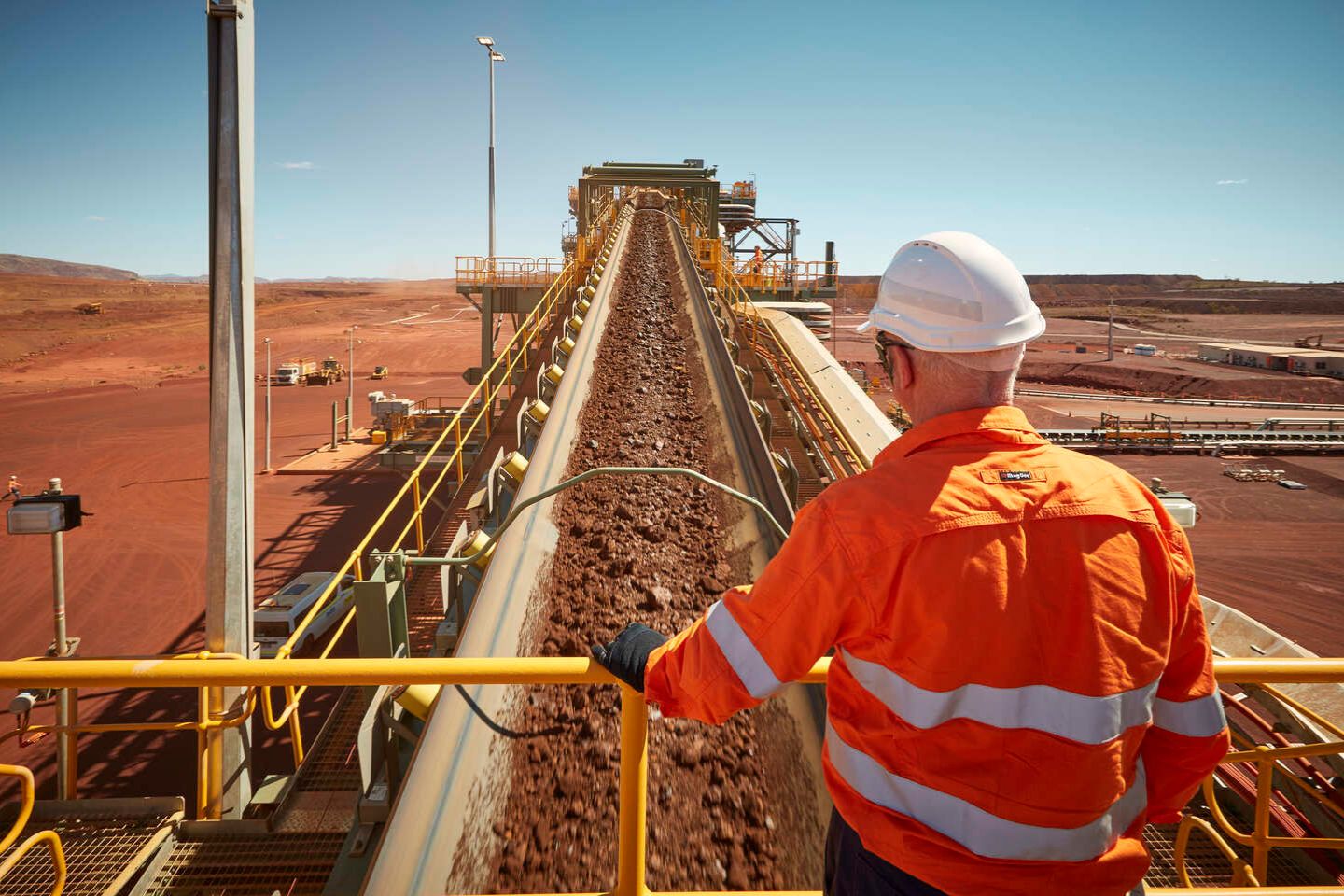
Against the expectations of many, including the WA government, the outlook for iron ore prices is rosy.

The AI bots are coming and the young are booing, not applauding


The beverage is formulated to support gut health.
Available for over a year
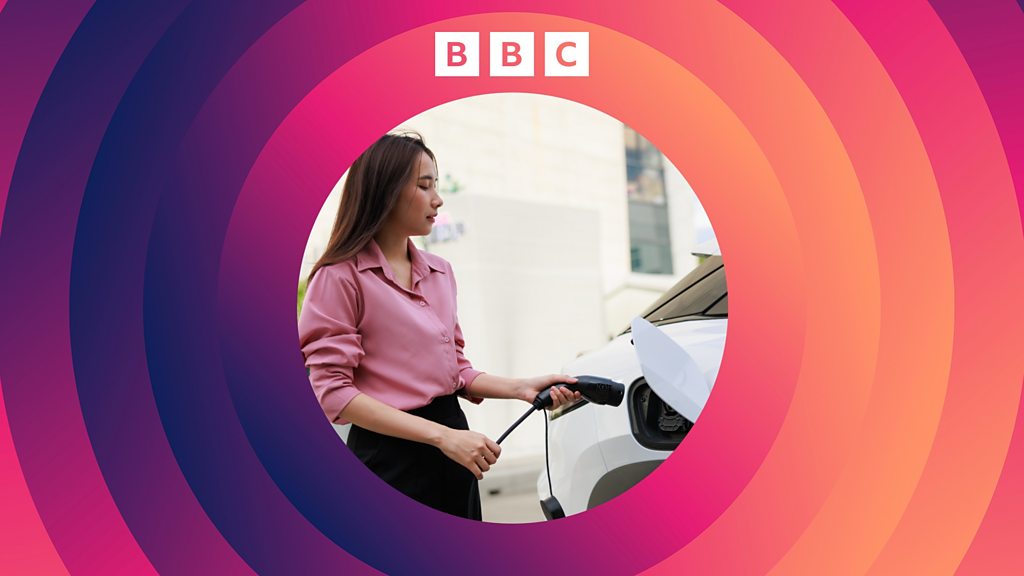
Electric vehicle sales are soaring in Thailand and Vietnam. What’s behind the boom? And will it help the climate?
Thais and Vietnamese are switching to electric cars in huge numbers – attracted by government subsidies and a more exciting range of EVs.
Jobs in the car industry are also up in both countries as a new generation of manufacturers compete for domination of the emerging electric market.
But can the pace of growth last? Will the boom in electric cars reduce the chronic air pollution in cities like Bangkok? And will it help Thailand and Vietnam reduce their carbon emissions?
In this edition of The Climate Question, Host Jordan Dunbar chats to Ember’s Asian Energy Analyst, Lam Pham and Bloomberg’s Thailand Reporter, Patpicha Tanakasempipat.
Got a question or comment? Email us at theclimatequestion@bbc.com
Production team: Nik Sindle, Diane Richardson, Melanie Stewart-Smith
Production Coordinator: Brenda Brown.
Sound Mix: Jack Graysmark and Tom Brignell.
Editor: Simon Watts.

What Is Lowe’s MrBeast Workshop For Kids & How Much Does It Cost?

BBC Belfast-based crime drama fans are calling ‘excellent’ – as good as Line of Duty

China promises to buy more US ag products

Manchester United reach agreement with Casemiro over contract clause amid transfer speculation

US brings back mandatory military draft registration

Steven Gerrard disagrees with Gary Neville over ‘shock’ Chelsea and Arsenal claim | Football


-

 Crypto World4 days ago
BloFin War of Whales 2026 Grand Prix opens registration for $5M trading championship
-

 Fashion5 days ago
Weekend Open Thread: Theory – Corporette.com
-

 Crypto World4 days ago
E-Estate Announces 1 Year Live: Washington DC Summit as Real Estate Tokenization Enters Its Next Phase
-

 Tech5 days ago
Tech Moves: Microsoft AI leader jumps to OpenAI; former AI2 exec joins Meta; and more
-

 Crypto World6 days ago
Google’s Gemini AI Predicts Incredible Solana Price by the End of 2026
-

 Tech4 days ago
Google reimburses Register sources who were victims of API fraud
-

 Business5 days ago
H&R Real Estate Investment Trust (HR.UN:CA) Q1 2026 Earnings Call Transcript
-

 Sports4 days ago
Napoleonic enters 2026 Doomben 10,000 field via Abounding withdrawal
-
 Entertainment6 days ago
Zara Larsson Has Blunt Response To Chris Brown Diss
-
 Crypto World6 days ago
Two AI Tokens Lead May Rally, But Risks Are Rising
-

 Crypto World4 days ago
BeInCrypto 100 Institutional Awards Nomination: KAST for Best Digital Assets Neobank and Best Digital Assets Fintech
-

 Fashion3 days ago
On the Scene at Gucci’s Cruise Show in New York City: Mariah Carey, Kim Kardashian, Lindsay Lohan, Iman, and More!
-
 Tech7 days ago
Why AI is making typography a boardroom conversation
-
 Crypto World4 days ago
Bitcoin Battles US Bond Nerves With BTC Price Dip Toward New May Lows
-
 Crypto World4 days ago
Wall Street’s Boldest Gold Prediction Has Russians Rushing to Buy
-

 Fashion4 days ago
Trending Western Style Vests Perfect for Summer
-

 Entertainment5 days ago
David Letterman Returns to Late Show, Blasts Cancellation
-

 Politics5 days ago
DWP PIP Timms review continues to be an absolute farce
-

 Crypto World4 days ago
ICE and CME urge US regulators to curb Hyperliquid energy trading
-

 Fashion7 days ago
Five Sandals I’m Loving for Summer
You must be logged in to post a comment Login