

Business
Top 10 London Stock Exchange Stocks to Consider Buying in 2026 for UK Exposure

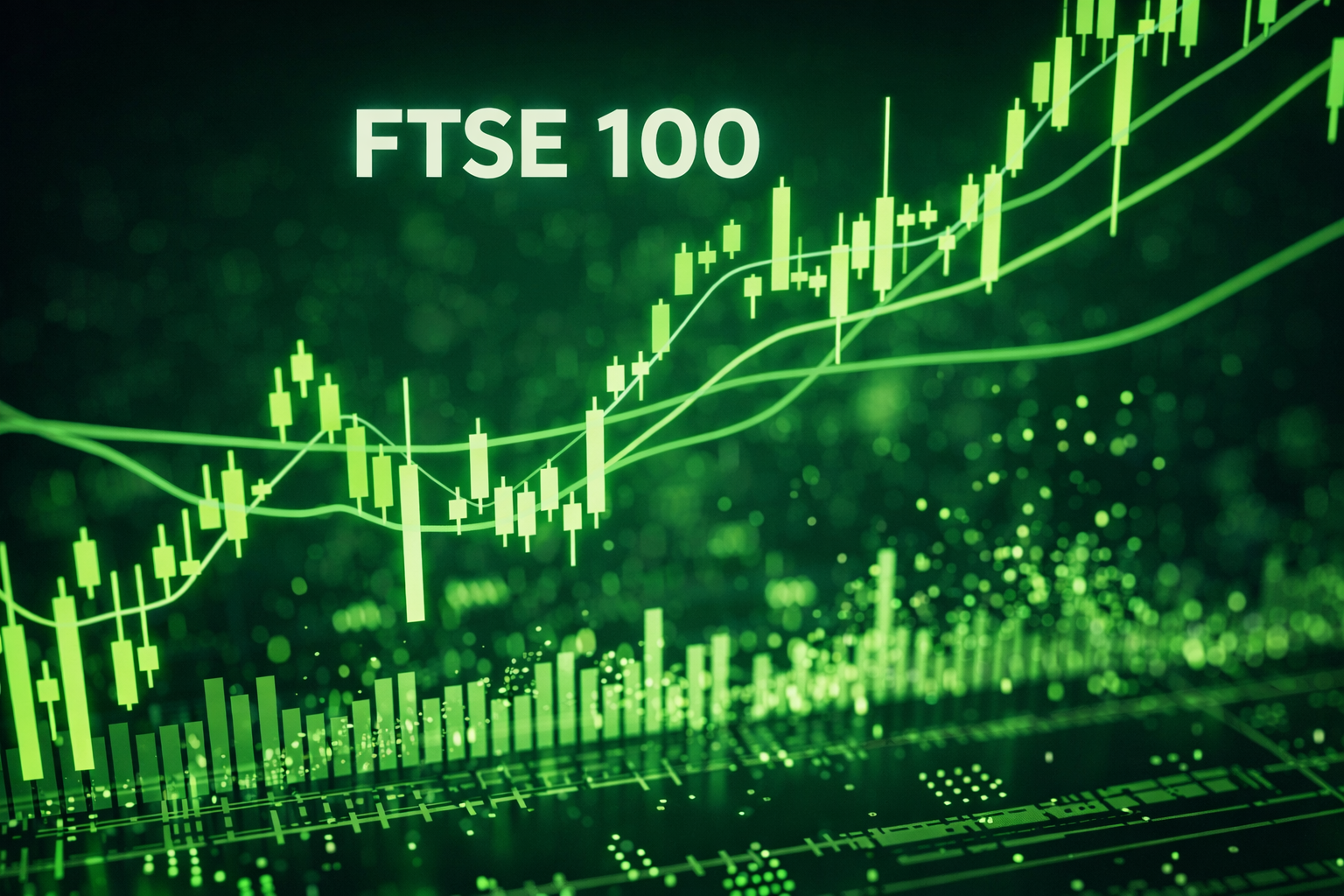
The London Stock Exchange has seen renewed momentum in 2026, with the FTSE 100 surpassing the 10,000-point milestone early in the year and maintaining gains amid corporate earnings resilience and policy support. As of early June, the index hovers near record levels, driven by strength in pharmaceuticals, energy, defense and financials.
Investors are drawn to LSE-listed companies offering dividend yields, global revenue streams and exposure to structural themes like AI, energy transition and healthcare innovation. Here are 10 notable stocks on the London Stock Exchange drawing analyst attention for the remainder of 2026.
1. AstraZeneca (AZN): The pharmaceutical leader remains the UK’s most valuable company, with a market capitalization exceeding £230 billion. Its oncology and rare disease pipeline, combined with strong global sales, positions it for continued growth.
2. HSBC Holdings (HSBA): As one of Europe’s largest banks by assets, HSBC benefits from international operations and rising interest rate environments. Its Asia-Pacific focus provides diversification and exposure to emerging market recovery.
3. Shell (SHEL): The integrated energy major balances traditional hydrocarbons with accelerating renewables and low-carbon solutions. Robust cash flows and shareholder returns make it attractive in a volatile commodity landscape.
4. Unilever (ULVR): The consumer goods giant, home to brands like Dove and Lipton, offers defensive qualities and emerging market exposure. Operational efficiencies and portfolio optimization support steady performance.
5. BAE Systems (BA.): A defense industry powerhouse, it gains from geopolitical tensions and increased global spending. Strong order books in aircraft, submarines and electronics underpin long-term visibility.
6. Rolls-Royce Holdings (RR.): The engineering leader has transformed its civil aerospace and defense businesses, delivering strong returns amid aviation recovery and power systems demand.
7. GlaxoSmithKline (GSK): Focused on vaccines, specialty medicines and consumer healthcare, GSK maintains a robust pipeline and attractive dividend profile, appealing in a healthcare-driven market.
8. BP (BP.): The energy firm advances its transition strategy while maintaining upstream production. Dividend commitments and strategic investments provide income and growth balance.
9. RELX (REL): The information and analytics provider delivers consistent growth through its scientific, risk and legal divisions, benefiting from digital transformation trends.
10. 3i Group (III): The private equity and infrastructure investor stands out for strong portfolio performance and capital deployment opportunities in a recovering economy.
These selections represent a balanced mix of FTSE 100 heavyweights with proven track records. The LSE ecosystem supports high liquidity, particularly in flagship indices, with many companies boasting global operations that mitigate purely domestic risks.
The UK market backdrop features moderating inflation, Bank of England rate adjustments and fiscal measures aimed at growth. After a strong 2025 performance, the FTSE 100 has continued its upward trajectory, though sector rotations favor quality names with resilient earnings.
Pharmaceutical giants like AstraZeneca and GSK provide defensive healthcare exposure amid aging populations and innovation. Energy names such as Shell and BP navigate the transition while generating substantial cash returns. Financials and industrials, including HSBC and BAE Systems, tap into international and security themes.
Consumer staples via Unilever and information services through RELX add stability. Rolls-Royce and 3i Group offer cyclical upside tied to aerospace recovery and investment activity. Many deliver attractive dividends, enhancing total returns in a lower-rate environment.
International investors access LSE stocks via direct trading, depositary receipts or ETFs tracking the FTSE 100 or broader indices. Corporate governance enhancements and share buyback programs have improved shareholder appeal.
As of June 2026, sentiment remains constructive despite short-term volatility from global factors. Recent performers include names like JD Sports, Softcat and IG Group, highlighting breadth beyond mega-caps.
Risks include currency movements affecting exporters, geopolitical developments and slower domestic growth. Valuations in several sectors remain reasonable compared to global peers, supporting selective buying.
Analysts anticipate further FTSE 100 progress toward 11,000 points, contingent on earnings delivery and macroeconomic stability. Diversification across these 10 stocks, or broader index exposure, helps manage volatility while capturing UK market strengths.
The LSE continues to evolve with new listings and technology integrations, broadening opportunities. Companies demonstrating strong capital allocation, innovation and international reach are best positioned for 2026 success.
Investors should monitor upcoming earnings, policy announcements and global trade dynamics. Professional financial advice is crucial, as individual stock performance can vary significantly and past results do not predict future outcomes.
In summary, LSE-listed companies offer compelling opportunities in 2026 for those seeking quality, income and growth in a mature market. From AstraZeneca’s scientific leadership to Shell’s energy balance, these names embody the resilience and global reach that define the UK equity story. As the FTSE maintains momentum, disciplined investment in such leaders can provide balanced participation in Europe’s financial hub.

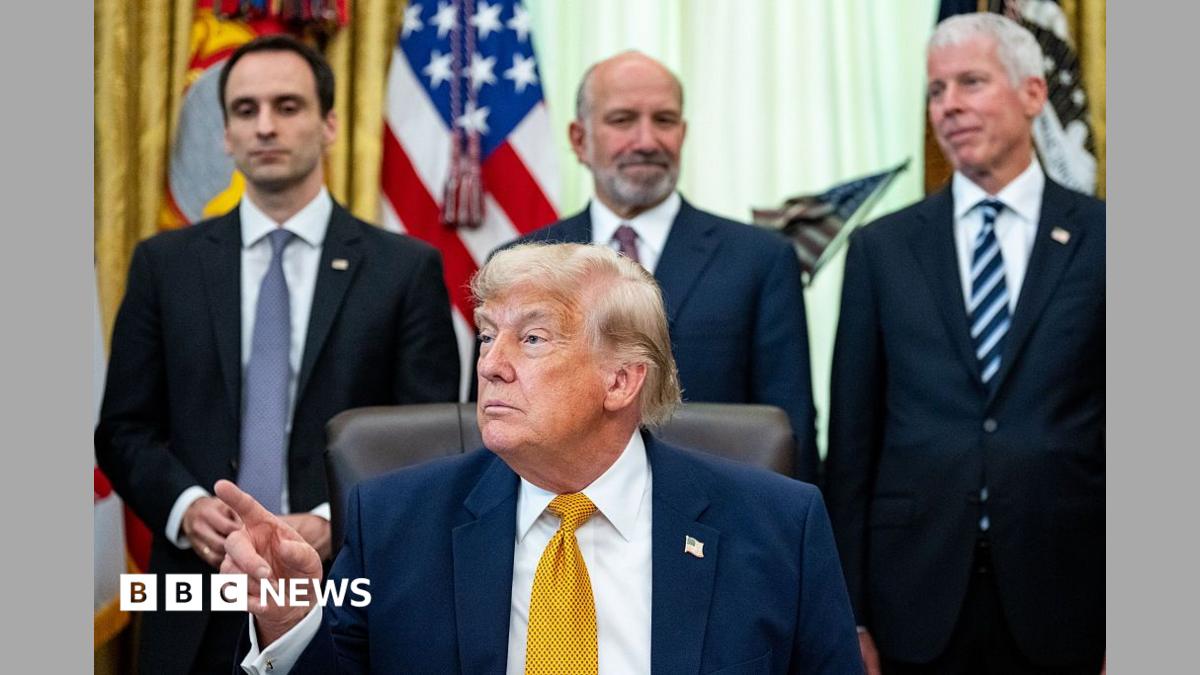
Trump Media & Technology Group, which owns Truth Social, is launching a paid service to give Wall Street firms high-speed access to its most influential posts, though it is not clear if the paid service will include President Trump’s posts.
Launching 1 August, instant updates will be delivered from key accounts, it said.
The company behind the app hopes it will create a steady new source of money for the firm which is currently loss-making.
It is likely aimed at financial traders who want to see market-moving news fast. Trump’s social media posts often cause sudden swings in global markets, especially when he writes about trade and tariffs. For firms, a delay of even seconds can be costly.
Until now, banks and traders had to monitor the app manually. The new system will send posts directly to paying clients.
”Markets already move on Truth Social posts“, said Kevin McGurn, the interim boss of Trump Media, adding that the service will create a steady profit.
The service will run 24 hours a day, seven days a week.
The company, which launched its social media app in 2022, said some firms have been copying its data for months without permission.
McGurn warned that Trump Media will soon block these methods, forcing firms to buy the official feed instead.
While other social media networks already sell data, the move highlights the unique overlap between Trump’s private business and his public role as president.

Fresh signs of cooling U.S. inflation revive demand for Treasuries, pushing yields down.
June producer price index falls 0.3%. Ex-food and energy, PPI rises 0.2%. Both measures come below WSJ consensus forecast. The data follow yesterday’s softer-than-expected consumer price index.
Yields had been rising as U.S.-Iran tensions escalate and oil prices rise above $80 a barrel, but the soft inflation drags them below yesterday’s settle. Markets reprice the outlook for monetary policy, reducing odds of a Fed hike this year.
Business
Gold Prices Sink 1.41% Below the Key $4,000 Mark as Stronger Dollar and Fed Rate Fears Weigh on Bullion

Gold prices fell sharply Thursday, dropping $56.95, or 1.41%, to $3,990.63 an ounce, pulling the precious metal below the closely watched $4,000 threshold as a strengthening U.S. dollar and rising expectations for tighter Federal Reserve policy weighed on the traditional safe-haven asset.
The decline marked a notable shift after gold had spent much of the week trading in a narrow range just above $4,000, with prices hovering around $4,050 to $4,070 an ounce earlier in the session as investors weighed a mix of softer inflation data against escalating military tensions between the United States and Iran. Gold futures had opened Thursday at $4,068.90 per troy ounce, up 0.4% from Wednesday’s close, before the metal’s price steadily eroded through the trading day.
The pullback came even as geopolitical risk in the Middle East remained elevated. The United States has continued striking Iranian military sites for a fifth consecutive day, with the back-and-forth exchanges between the two countries leading once again to the closure of the Strait of Hormuz and the reimposition of a U.S. naval blockade on Iranian ports. Roughly one-fifth of the world’s oil and natural gas supply has historically moved through the strait, and the renewed military escalation has kept energy markets on edge even as the U.S. has said it remains open to negotiations aimed at reopening the waterway.
Despite that backdrop of geopolitical uncertainty, which would typically support demand for gold as a safe-haven asset, Thursday’s price action instead reflected the dominant influence of shifting interest rate expectations and a firmer dollar. A batch of stronger domestic economic data released Thursday, including a jump in the Philadelphia Federal Reserve’s regional manufacturing index to 41.4 for July and a decline in weekly jobless claims to 208,000, added to the case that the U.S. economy remains resilient, reducing the urgency for the Federal Reserve to cut interest rates in the months ahead.
Federal Reserve Chair Kevin Warsh has repeatedly signaled a cautious, inflation-focused stance in recent public remarks, reaffirming that the central bank has “no tolerance” for persistently elevated inflation. That messaging has kept markets guessing about the central bank’s next move, with the Fed having held its benchmark rate steady at a range of 3.50% to 3.75% at its June meeting in a unanimous 12-0 vote. The Fed’s so-called dot plot, which tracks individual policymakers’ rate projections, revealed a divided committee: of the 18 officials who submitted projections, nine indicated they expect at least one rate increase before year-end, eight projected no change, and just one projected a rate cut. Notably, Warsh himself did not submit a projection, a decision widely interpreted as a deliberate signal of his own uncertainty about the path ahead.
Market pricing for the Fed’s upcoming meetings has fluctuated in recent days alongside incoming economic data. As of Thursday, traders had scaled back expectations for a rate hike at the Fed’s September meeting, with the implied probability falling to around 44%, down from about 50% a day earlier, according to data tracked by Trading Economics. That shift followed Wednesday’s producer price report, which showed U.S. wholesale prices unexpectedly declined in June for the first time in nearly a year, driven largely by lower energy costs, while core producer prices rose a softer-than-expected 0.2%. That report followed Tuesday’s cooler-than-expected consumer inflation data, both of which had initially helped support gold prices earlier in the week by easing concerns over additional Fed tightening.
Even so, the market continued to price in a meaningful chance of further rate increases given the inflationary pressure created by rising oil prices tied to the ongoing conflict in the Strait of Hormuz. Higher interest rates typically weigh on gold because the metal pays no yield, making it less attractive relative to interest-bearing assets like Treasury bonds when borrowing costs rise.
Thursday’s decline adds to a broader pullback gold has experienced since reaching a record high earlier this year. The metal’s price has fallen roughly 28% from its January peak amid a more hawkish shift in Fed rate expectations, even as several of the structural forces that drove gold’s earlier rally, including sustained central bank buying, ongoing fiscal expansion concerns and reserve diversification away from the U.S. dollar by foreign central banks, remain largely intact. China’s central bank has continued its extended gold-buying streak, a trend analysts have cited as providing a longer-term floor for prices even amid short-term volatility.
Wall Street forecasters have adjusted their outlooks for gold accordingly. Goldman Sachs cut its year-end 2026 price target for gold to $4,900 in June, down from a prior forecast of $5,400, citing the shift away from anticipated rate cuts and fading demand for gold-backed exchange-traded funds. The bank has said that if the Federal Reserve does ultimately deliver a rate hike, gold prices could fall further, potentially toward the $4,400 range by year-end. JPMorgan, meanwhile, has set a more conservative fourth-quarter target of $4,500. Both banks, despite the downward revisions, have maintained that gold’s longer-term structural case remains intact given continued central bank demand and broader concerns about fiscal deficits weighing on confidence in paper currencies.
The pullback in gold was echoed in markets overseas. In India, one of the world’s largest gold consumers, futures contracts on the Multi Commodity Exchange fell alongside international prices Thursday, with the benchmark contract dropping roughly half a percent in early trading before extending losses further into the session. Silver prices also declined in tandem with gold across both international and Indian markets.
With the Federal Reserve’s next policy meeting scheduled for July 28-29, investors are likely to remain highly sensitive to incoming economic data in the weeks ahead, particularly inflation readings and any further developments in the Strait of Hormuz conflict that could shift the delicate balance between safe-haven demand and rising Treasury yields that has largely defined gold’s trading pattern throughout July.
Stripe and buyout firm Advent International made a joint takeover bid for PayPal PYPL Holdings in a deal that would value the fintech company at around $53 billion, according to people familiar with the matter.
The approach was made in recent days, they added. Stripe and Advent proposed paying $60.50 a share for PayPal, the people said, about a 30% premium above PayPal’s closing price Friday.
Copyright ©2026 Dow Jones & Company, Inc. All Rights Reserved. 87990cbe856818d5eddac44c7b1cdeb8

UBS managing director and senior portfolio manager Jason Katz joins ‘Varney & Co.’ to give his outlook on the markets in the second half of the year.
Mortgage rates rose this week to the highest level in nearly a year, mortgage buyer Freddie Mac said Thursday.
Freddie Mac’s latest Primary Mortgage Market Survey, released Thursday, showed the average rate on the benchmark 30-year fixed mortgage climbed to 6.55% – the highest level since August 2025 – from last week’s reading of 6.49%.
The average rate on a 30-year loan was 6.75% a year ago.
SILICON VALLEY ELITE SHIFT RECORD WEALTH TO BUILD FLORIDA’S NEW ‘TECH CAPITAL’

The average rate on the benchmark 30-year fixed mortgage climbed to 6.55% this week, according to Freddie Mac. (Paul Bersebach/MediaNews Group/Orange County Register via Getty Images)
MEDIAN US HOME PRICE PROJECTED TO HIT $1 MILLION BY 2050 — RIGHT AS MILLENNIALS RETIRE
“Purchase application demand has weakened recently, but housing affordability is more favorable and housing inventory continues to rise, thus the backdrop for prospective homebuyers is modestly improving,” said Freddie Mac chief economist Sam Khater.
The average rate on a 15-year fixed mortgage rose to 5.93% from last week’s reading of 5.82%.

Mortgage rates are affected by several factors, including the Federal Reserve and geopolitics. (Daniel Acker/Bloomberg via Getty Images)
Mortgage rates are affected by several factors, including the Federal Reserve and geopolitics. Though mortgage rates are not directly affected by the Fed’s interest rate decisions, they closely track the 10-year Treasury yield. The 10-year yield hovered around 4.57% as of Thursday afternoon.
“June CPI data showed headline inflation cooling to 3.5% and core inflation easing to 2.6%, both below expectations and a welcome sign for rate-watchers,” said Realtor.com senior economist Hannah Jones. “However, the conflict in the Middle East flared up once again this week, pushing oil prices and Treasury yields higher. Since mortgage rates tend to track the 10-year Treasury yield, they’re likely to follow suit as long as oil markets stay jumpy.”
HOME SELLERS COULD BOOST OFFERS BY THOUSANDS WITH THIS SURPRISING PAINT COLOR
The latest mortgage data comes as conditions in the housing market have improved somewhat for buyers, many of whom have been on the sidelines as tight inventory has supported higher home prices and mortgage rates have held relatively steady.

The average rate on a 15-year fixed mortgage rose to 5.93% from last week’s reading of 5.82%. (Daniel Acker/Bloomberg via Getty Images)
Realtor.com recently released a midyear update to its 2026 housing market forecast that estimates home price growth will slow to 1.2% this year, a rate that’s slower than the original forecast for the year and is below the current pace of inflation. That means home prices would be effectively declining in real, inflation-adjusted terms.

FOX Business correspondent Grady Trimble reports as millions are traveling for America’s 250th birthday, setting record numbers despite increased airfare and gas prices on ‘Varney & Co.’
The IRS this week announced changes in the amount taxpayers may deduct in gas used per mile while operating a vehicle for business for the remainder of the year amid higher gas prices.
The tax collection agency noted that the change “results from recent increases in the price of fuel” and will allow for larger mileage deductions for business, medical and moving expense purposes.
Under the revision, the standard mileage deduction rate for business will increase to 76 cents per mile, up from 72.5 cents a mile.
Deductions for medical and moving purposes will also rise to 23.5 cents per mile, rising from the previous rate of 20.5 cents.

Gas prices surged this spring and early summer due to the Iran war. (Ariana Drehsler/Bloomberg via Getty Images)
The IRS’ changes to the mileage deduction are effective starting this month, retroactive to July 1, 2026.
The Journal of Accountancy noted that the IRS’ revision is the first midyear adjustment of the standard mileage rate since 2022.
Gas prices surged following the outbreak of the Iran war, which disrupted the flow of oil from the Middle East through the Strait of Hormuz and has contributed to higher gasoline prices at the pump.
DOJ AND FTC PRESS STATES TO TARGET ANY ILLEGAL ACTIVITY CONTRIBUTING TO HIGH GAS PRICES

The IRS increased the mileage deduction rate for businesses, medical transport and moving expenses. (J. David Ake/Getty Images)
Data from AAA shows that the national average cost of a gallon of gasoline was $3.943 as of Thursday. That’s up from $3.16 a gallon a year ago, which represents an increase of 24.7% over the past year.
There has been some relief for drivers in recent weeks, as the average price of gas is down from $4.044 a gallon a month ago.
Gas prices have been a major factor in inflation rising this year, with the latest consumer price index (CPI) data showing gas prices are up 26.7% compared with a year ago.
BESSENT WARNS GAS STATIONS ‘WE’RE WATCHING’ AS TRUMP DEMANDS IMMEDIATE PRICE CUTS

Gas prices are up nearly 25% from a year ago, AAA data shows. (David Paul Morris/Bloomberg)
That rise is despite CPI inflation data showing a 9.7% decline in gas prices in the month of June as energy flows through the Strait of Hormuz picked up, but further declines will be needed to offset the large increases seen in the first few months of the conflict.
Headline CPI was up 3.5% in June, well above the Federal Reserve’s target rate of 2%, which has cast doubt on the ability of the central bank to cut interest rates this year if inflation remains persistently above target.
Business
Micron Technology Shares Fall 3.2% to $875 as Memory Chip Stocks Extend Their Steep Multi-Day Selloff
Shares of Micron Technology fell another 3.2%, or $28.90, to $875.38 on Thursday morning, extending a punishing stretch for the memory chipmaker that has now wiped out more than a quarter of its value from the record highs it reached earlier this year.
Thursday’s decline followed an even steeper drop Wednesday, when Micron shares tumbled 8.02%, falling from $983.12 to $904.28 in a session that saw the stock swing nearly 12% between its intraday low of $873.63 and high of $978.40. Trading volume surged alongside the losses, with roughly 54 million shares changing hands Wednesday, well above the company’s average daily volume of about 44 million shares, a signal that some analysts flagged as a sign of elevated risk in the stock’s near-term trajectory.
The stock has now fallen in six of its last ten trading sessions, a stretch that has produced a cumulative decline of more than 21% over that period. Micron shares remain down roughly 30% from the 52-week high of $1,255 they touched earlier this year, even as the stock trades well above its 52-week low of $103.38 and remains up sharply over the past 12 months, reflecting the extraordinary volatility that has characterized the memory chip sector throughout 2026.
Several factors have converged to pressure Micron and its peers across the memory chip industry in recent sessions. Chinese memory chip maker ChangXin Memory Technologies, known as CXMT, announced plans for an $8.5 billion initial public offering, a development that has intensified investor concerns about rising competition from Chinese rivals in a market Micron has long dominated alongside South Korea’s Samsung Electronics and SK Hynix. At the same time, reports have circulated that the U.S. government is considering new export restrictions on high-bandwidth memory products, adding another layer of uncertainty for a company that has increasingly relied on HBM chips to supply the artificial intelligence data center buildout.
Broader worries about cooling demand in the personal computing and mobile device markets have also weighed on sentiment, with some analysts revising earnings forecasts downward amid concerns about reduced capital expenditure plans and general macroeconomic uncertainty across the technology sector. The pullback in Micron shares this week has coincided with a broader retreat across the memory chip complex, including sharp declines in SanDisk, Western Digital and South Korea’s SK Hynix, as investors have grown more cautious about the sustainability of the current AI-driven memory upcycle after a period of extraordinary gains.
The selloff has not been confined to the United States. South Korea’s central bank raised its benchmark interest rate this week for the first time since January 2023, a move that triggered a sharp selloff in the country’s stock market, with the Kospi index tumbling and both Samsung Electronics and SK Hynix posting steep declines. That regional weakness has continued to spill into U.S. trading, reinforcing the pressure on Micron shares as investors globally reassess valuations across the memory and broader semiconductor sector.
Despite the recent slide, Wall Street’s overall view of Micron remains notably bullish. According to data compiled by stock analysis platforms, the average 12-month price target among analysts covering Micron sits above $1,460, implying substantial upside from current levels, with the average rating characterized as “Strong Buy.” KeyBanc Capital Markets analyst John Vinh, who visited Asia to assess conditions across the technology supply chain, raised his price target on Micron to $1,750 following that trip, one of the more bullish calls on the stock heading into the recent pullback.
Analysts at Barclays have also pointed to Micron and SK Hynix as two AI memory stocks that could see substantial further gains, citing continued strength in underlying demand for high-bandwidth memory products used in artificial intelligence infrastructure. Micron’s most recent quarterly results, reported for the period ended in late May, showed revenue rising 346% year-over-year to $41 billion, easily beating both revenue and earnings guidance, with non-GAAP gross margin climbing to 85% from 39% a year earlier. The company’s guidance at the time implied continued growth and margin expansion in the quarters ahead, underscoring the disconnect between Micron’s recent operating performance and the sharp pullback in its share price.
Not all analysts share that optimism, however. Some market commentators have cautioned that Micron’s stock has become one of the more speculative names trading in the current environment, with billionaire investor Warren Buffett recently warning more broadly that the stock market has increasingly been shaped by speculative trading rather than long-term investing, a dynamic some observers have specifically tied to the erratic price swings seen in Micron shares in recent weeks.
Technical indicators on Micron shares have also turned more cautious in recent sessions. The stock has shown sell signals from both its short- and long-term moving averages, according to technical analysis platforms, with resistance levels identified in the range of roughly $955 to $1,012 that would need to be reclaimed to reverse the current bearish trend. A sell signal first triggered in late June has been followed by a decline of more than 25% in the stock through Thursday’s session.
Micron’s next scheduled earnings report is expected in late September, leaving investors with several weeks to assess how the current mix of geopolitical risk, competitive pressure from Chinese manufacturers and shifting sentiment around AI infrastructure spending will play out before the company’s next opportunity to update its outlook. In the meantime, Micron executives are scheduled to participate in the KeyBanc Capital Markets Technology Leadership Forum, an appearance that could offer investors additional insight into the company’s near-term demand trends and capital spending plans as the memory chip sector continues to navigate one of its more turbulent stretches of the year.

Cheryl Casone reports on June retail sales, which came in line with expectations at +0.2% month-to-month. Initial jobless claims were better than estimated at 208K, while continuing claims also beat forecasts at 1.805 million.
Ikea shoppers in Charlotte and Austin will soon have fewer options for home design consultations and pickup services.
The Sweden-founded retail giant is closing its South Charlotte and Austin-Domain, Texas, “Plan & order point with Pick-up” locations on Aug. 30, 2026, according to notices posted on the company’s website.
The smaller-format sites allow customers to get help with planning kitchens, rooms and business spaces, while also offering pickup services.
Both locations will remain open for planning appointments until their closure dates, according to Ikea.
7-ELEVEN DETAILS PLANS TO CLOSE 645 STORES

Ikea shoppers in Charlotte and Austin will soon have fewer local options for home design consultations and pickup services. (Brandon Bell/Getty Images)
Ikea said the closures are part of its strategy to build a “more affordable, accessible, and sustainable future” in the U.S.
“We continue to test, explore, and develop new ways for customers to meet Ikea, while investing in home delivery, pick-up services and our online experience,” the retailer said.
Customers with current kitchen, room or business planning projects at either location can finish them before the closure date.
AMERICAN MALL RETAILER WARNS IT MAY CLOSE UP TO 15 MORE STORES THIS YEAR

Ikea said the closures are part of its strategy to build a “more affordable, accessible, and sustainable future” in the U.S. (Brandon Bell/Getty Images)
They can also transfer their projects to another Ikea store or work with an online remote planner, according to Ikea.
Ikea noted that Charlotte-area customers can still shop at the full-size Ikea Charlotte store at 8300 Ikea Blvd. or online at IKEA.com.
Austin-area customers can visit Ikea Round Rock or the Ikea location inside Best Buy South Austin. They can also shop online.
COSTCO ISSUES WARNING NOTICE FOR PLANT DUE TO INVASIVE INSECT INFESTATION CONCERN

Customers with current kitchen, room or business planning projects at either location can finish them before the closure date. (Brandon Bell/Getty Images)
GET FOX BUSINESS ON THE GO BY CLICKING HERE
Ikea launched the format in early 2023 as part of a broader push to make shopping more convenient and accessible, according to The Street.
The retailer now has about 32 “Plan & order point with Pick-up” locations across 14 states.
FOX Business reached out to Ikea for comment.
Business
SK Hynix ADR Plunges Nearly 8% to $162 as Wild Post-IPO Volatility Continues to Rattle Wall Street Investors
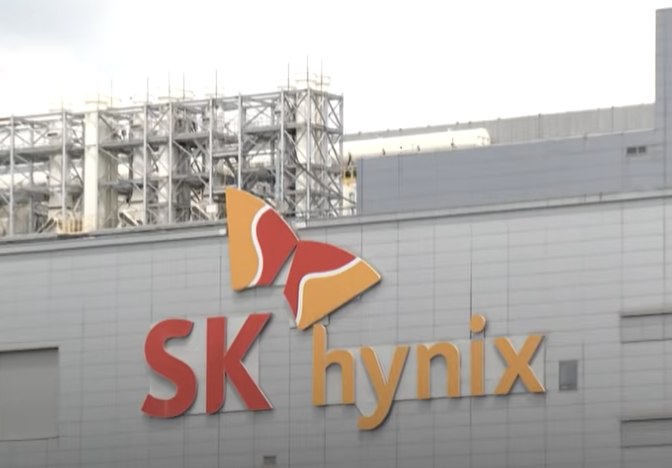
Shares of SK Hynix’s American depositary receipts tumbled 7.94% Thursday morning, falling $14.01 to $162.44, extending one of the more volatile stretches Wall Street has seen from a newly listed stock as the South Korean memory chipmaker continues to whipsaw investors just over a week after its blockbuster Nasdaq debut.
Thursday’s decline followed a previous close of $176.46 and adds to a dizzying sequence of swings that has defined SK Hynix’s trading since it began listing its ADRs on the Nasdaq on July 10. The stock jumped 13.1% on its opening day, only to fall 9.32% the following Monday to $152.35, before surging 27% Tuesday to $193.92, then sliding roughly 5% Wednesday to $184.50, and now dropping again sharply Thursday. The pattern has left the ADR trading well below both its recent peak and its debut-week highs, even as it remains above its initial public offering price of $149.
The volatility has coincided with an even sharper rout in SK Hynix’s Seoul-listed shares. South Korea’s Kospi index tumbled again Thursday, extending a sharp selloff that saw the benchmark fall further after chip stocks overshadowed a wave of otherwise strong regional earnings reports. On the Korean exchange, SK Hynix shares slid more than 11% Thursday to 1,847,000 won, reversing the prior session’s sharp rally, according to data tracked by Investing.com. That decline followed an even more severe drop earlier in the week, when SK Hynix’s Seoul-listed shares plunged 15.4% on Monday, marking the largest single-day fall in the company’s history, according to data from LSEG.
Market analysts have described the swings as a natural, if severe, adjustment following an unusually strong run-up in the stock ahead of and immediately after its U.S. listing. Hebe Chen, a market analyst at Vantage Global Prime, characterized the pullback as investors working through the aftermath of an overheated rally. “SK hynix is trading through the hangover after the dopamine rush, as the excitement that powered the rally gives way to a much harsher reset in expectations,” Chen told Bloomberg earlier this week.
Several structural factors specific to the ADR listing have contributed to the stock’s outsized swings. Analysts have pointed to the relatively thin available float of the newly listed shares, along with a persistent premium the U.S.-listed ADRs have carried relative to SK Hynix’s Korean shares, as key drivers of the volatility. One market strategist, identified only as Yoo in reporting on the listing, attributed part of the initial selloff to the mechanics of the offering itself, describing it as additional share issuance that increased the overall supply of stock available to investors. Yoo added that the pullback reflected a correctional period for the stock domestically in South Korea, rather than a fundamental shift in the company’s outlook, and expressed confidence that shares would likely move in the right direction over the coming six to 12 months despite near-term turbulence.
The rise of newly launched leveraged trading products tied specifically to SK Hynix has further amplified the stock’s day-to-day price swings. Several exchange-traded funds designed to double the daily returns of SK Hynix’s ADR, including products from Direxion, GraniteShares and ProShares, all launched in the days surrounding the company’s Nasdaq debut. These daily-reset, leveraged instruments are designed only for short-term trading and can mechanically amplify intraday volatility in the underlying stock, according to disclosures from the fund providers, which warn that such products can lose money even when the underlying stock rises over periods longer than a single trading day.
Despite the sharp swings, some market observers have downplayed concerns that the volatility reflects any deterioration in the broader artificial intelligence hardware investment story. Phillip Wool, chief research officer at Rayliant Global Advisors, described the recent weakness across Asian AI hardware names as more of a portfolio rebalancing exercise than a sign of waning enthusiasm for the sector. He said the selling “doesn’t really speak to any sort of reduction in the excitement about AI hardware,” adding that AI-related investment was broadening beyond semiconductors in ways that should continue to benefit memory suppliers like SK Hynix over time.
SK Hynix’s core business fundamentals have remained strong even amid the stock’s volatility. The company is one of the world’s dominant suppliers of high-bandwidth memory chips used in AI accelerators, a market where demand has continued to outpace available supply. Analysts at Korea Investment have projected DRAM average selling prices could rise roughly 30% quarter-over-quarter in the company’s upcoming earnings report, expected around July 23 in Korea, with NAND prices potentially climbing about 50% over the same period, even as some analysts have trimmed longer-term operating profit estimates to account for the timing of full-scale HBM4 production, now expected in the third quarter rather than the second.
The broader memory chip sector has moved largely in tandem with SK Hynix this week, with Micron Technology and SanDisk both posting sharp declines alongside the Korean chipmaker’s swings, reflecting how closely intertwined sentiment has become across the AI-driven memory trade. Western Digital’s upcoming earnings report, scheduled for July 29, is expected to serve as the next major checkpoint for the group, offering investors additional insight into hyperscaler capital spending commentary that could help determine whether the broader AI memory investment thesis remains intact heading into the second half of the year.
For now, market watchers say the central question for SK Hynix’s ADR is less about the company’s underlying demand outlook and more about whether the stock can stabilize following its historic debut, with traders closely monitoring whether shares can hold key technical levels as the newly listed security continues finding its footing in U.S. markets.

Form 4 Clover Health Investments Corp For: 16 July

Argentina players privately stunned by Thomas Tuchel’s defensive approach
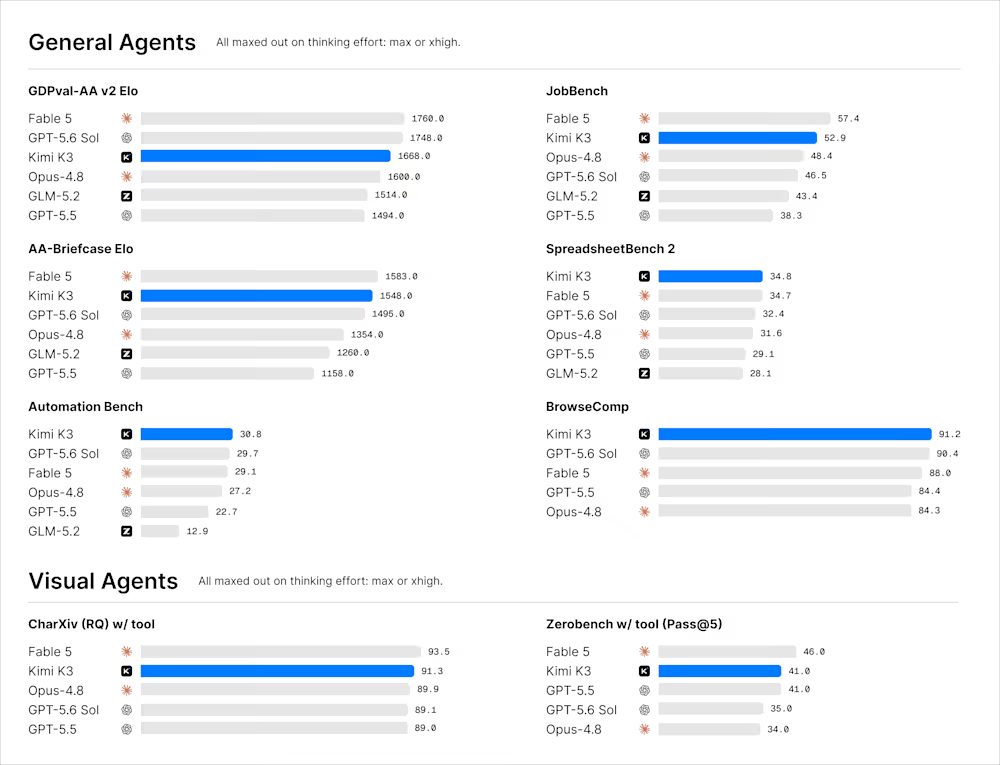
China’s Moonshot AI releases Kimi K3, the largest open-source model ever, rivaling top U.S. systems

Tom Hiddleston hopes he ‘honoured’ the people of Pompeii in documentary


-

 Fashion6 days ago
Weekend Open Thread: Nutriplenish Leave-In Conditioner
-
 NewsBeat7 hours ago
London Mayor Sadiq Khan handed a peerage by Keir Starmer alongside 15 other Labour figures… just days before the PM leaves No10
-

 Sports7 days ago
Super Eagles star Moses Simon opens up on Liverpool transfer regret
-

 Business19 hours ago
Nvidia Stock Slips After Big Tuesday Rally as Huang Confirms Vera Rubin Chip Is Now in Production Today
-

 Crypto World21 hours ago
CFTC blocks Kalshi from unwinding Michigan trades after court order
-

 Politics1 day ago
Young campaigners urge incoming PM to act on outdoor junk food ads
-

 News Videos2 days ago
XRP BOMBSHELL… XRP OMBOARDED FOR TRANSACTIONS!!!
-

 Tech3 days ago
Get Your ESP32 Sunny Side Up With This Solar Dev Board
-
 Entertainment1 day ago
Disney’s Most Ambitious Failed Star Wars Attraction Is Coming to SDCC
-

 Tech2 days ago
Dark Secrets Emerge When Jailbreaking LLMs
-
 Sports1 day ago
New Cornerback Enters Vikings Trade Rumor Mill
-
 Tech3 days ago
Cloudflare Precursor Watches Your Mouse and Keyboard To Decide If You Are Human
-

 News Videos3 days ago
how to make coin bank box with cardboard #scienceproject #money #diy #shorts
-
 Entertainment1 day ago
Vicki Gunvalson Defends Discussing Heather Dubrow’s Money
-
Crypto World2 days ago
Ripple, Coinbase, Circle Join Linux x402 Foundation to Help Shape AI Payments
-

 Business2 days ago
ACCC warns AI could lift insurance costs in risk-prone areas
-

 NewsBeat1 day ago
Watch: Is Donald Trump facing a popular backlash on immigration?
-

 Sports22 hours ago
Michigan officials not expected to discuss AD Warde Manuel at Thursday meeting
-

 Business2 days ago
Subaru recalls 541,000 vehicles over federal safety sticker mistake: NHTSA
-

 Business2 days ago
AI blueprint looms as PM examines 'lessons from abroad'
You must be logged in to post a comment Login