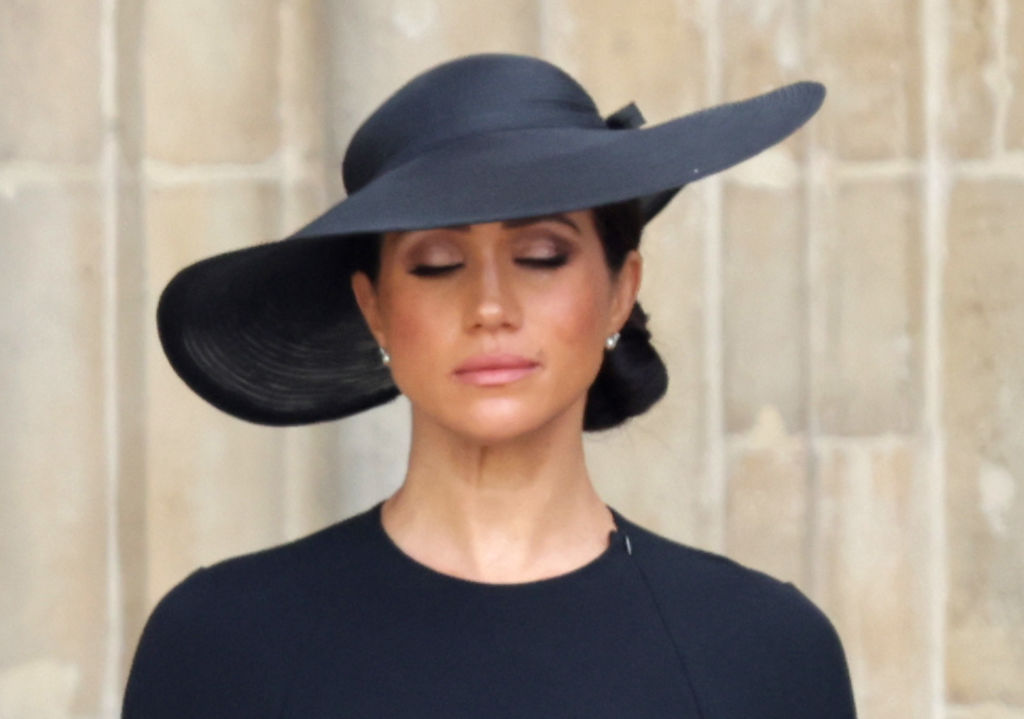
LOS ANGELES — Meghan Markle has sparked intense speculation and renewed royal watchers’ interest after reposting a pair of astrology memes on her Instagram Stories on April 25, 2026, hinting that the “hardest seven years” of her life may finally be coming to a close as the planet Uranus exits Taurus.
Meghan Markle IBTimes US
The Duchess of Sussex, a Leo, shared content from astrology accounts that directly referenced the astrological transit and its impact on fixed signs including Taurus, Leo, Scorpio and Aquarius. One post featured two men dancing joyfully with the caption: “Taurus, Leo, Scorpio & Aquarius ending the hardest seven years of their lives on April 25.” Another horoscope post spoke to themes of exhaustion, questioned self-worth and the relief of emerging pressure.
Many fans and commentators immediately interpreted the posts as a subtle but pointed reference to the intense media scrutiny, public backlash and family tensions that began shortly after her 2018 wedding to Prince Harry and escalated dramatically with the couple’s 2020 decision to step back from royal duties.
Astrological Context and Timing
Astrologers note that Uranus, the planet associated with sudden change, disruption and liberation, spent approximately seven years in Taurus from 2018 to 2025 before shifting into Gemini. This long transit is said to bring upheaval to areas ruled by Taurus, including stability, values and public image — themes many observers link to Markle’s experience in the royal spotlight.
Advertisement
The timing aligns closely with major milestones in Markle’s public life: her wedding in May 2018, the birth of her children, the Netflix series, the Spotify podcast deal, the Oprah interview, the release of “Spare” and ongoing legal battles. For a Leo like Markle, the transit is believed to have challenged identity, creativity and recognition.
Public Reaction and Interpretation
The reposts quickly went viral, with royal gossip accounts, astrology enthusiasts and mainstream media dissecting every word. Supporters celebrated what they saw as a message of hope and renewal for the Duchess. Critics accused her of vague posting or using astrology to indirectly address ongoing controversies.
Some observers connected the post to recent media appearances and business ventures, suggesting Markle feels a shift toward calmer waters after years of intense coverage. Others noted the irony of a celebrity known for privacy concerns using social media to share such personal reflections.
Advertisement
Seven Years of Headlines
Since marrying into the British royal family, Markle has been one of the most discussed figures in global media. The period has included landmark moments — the couple’s explosive interview with Oprah Winfrey, their relocation to California, the launch of Archewell, Netflix projects and children’s books — alongside persistent tabloid scrutiny, lawsuits and public debates about race, privacy and family dynamics.
The “seven-year” reference resonates because it roughly spans from her engagement announcement through the present. Many royal commentators view the Uranus transit narrative as a metaphorical farewell to that turbulent chapter.
Markle’s Current Focus
Advertisement
Markle has maintained a relatively lower public profile in recent months while focusing on family, brand initiatives and selective projects. She and Prince Harry continue raising their two children in Montecito, California, and have expanded their philanthropic and media endeavors.
The Instagram Stories posts mark one of her more personal shares in some time, as she typically uses the platform for lifestyle, wellness or brand-related content. The move has reignited conversations about her relationship with the press and public perception.
Astrology’s Role in Celebrity Culture
Celebrities frequently turn to astrology for guidance or subtle messaging, and Markle’s posts fit into a broader trend. In 2026, interest in astrological transits remains high, with many public figures sharing similar content during major planetary shifts. Uranus in Gemini is expected to bring innovation, communication breakthroughs and adaptability — qualities supporters hope will define Markle’s next phase.
Advertisement
Royal experts remain divided on whether the posts signal genuine optimism or continue a pattern of cryptic communication. Some see it as empowering self-reflection; others view it as calculated engagement with her audience.
What Lies Ahead
As Uranus settles into Gemini, astrologers predict faster-paced change, new ideas and greater flexibility for affected signs. For Markle, this could translate to smoother professional projects, reduced media intensity or renewed focus on personal goals.
Whether the posts truly herald the end of a difficult era or simply reflect an interest in cosmic timing, they have once again placed Markle at the center of public conversation. Fans and critics alike will watch closely for signs of this new chapter unfolding in her work, family life and public presence.
Advertisement
The viral reaction underscores the enduring fascination with the Duchess of Sussex. Seven years after stepping onto the global stage as a royal bride, Meghan Markle’s latest social media activity suggests she believes the stars — and perhaps her own path — are finally aligning for something brighter.
OAKLAND, Calif. — Elon Musk’s long-running legal battle with Sam Altman and OpenAI officially reached the courtroom Monday as jury selection began in a federal case that could reshape the artificial intelligence industry and determine billions of dollars in potential damages.
Elon Musk
The high-profile civil trial, Musk v. Altman, centers on Musk’s allegations that Altman, OpenAI President Greg Brockman and the company betrayed OpenAI’s founding mission as a nonprofit dedicated to benefiting humanity. Musk claims the shift toward a for-profit model enriched Altman and others at the expense of the original charter he helped establish.
U.S. District Judge Yvonne Gonzalez Rogers is presiding over the case in Oakland federal court. Jury selection started Monday morning, with opening arguments expected Tuesday. The liability phase is projected to last through mid-May, followed by a remedies phase if Musk prevails. Musk is seeking damages estimated between $79 billion and $134 billion, which he has pledged to donate to charity if successful.
Core Allegations and Defense
Musk’s lawsuit accuses Altman and Brockman of breaching a charitable trust, unjust enrichment and other claims stemming from OpenAI’s transition to a capped-profit structure and its multibillion-dollar partnership with Microsoft. He argues he was misled when contributing early funding and resources, believing the organization would remain open-source and nonprofit.
Advertisement
OpenAI and Altman strongly deny the claims, portraying Musk’s suit as an attempt to hinder a competitor to his own xAI venture. They argue OpenAI’s evolution was necessary to attract talent and capital required to compete in the rapidly advancing AI field, and that Musk himself proposed for-profit elements in early discussions.
In a pretrial ruling last week, Judge Gonzalez Rogers dismissed Musk’s fraud claims at his own request to streamline the case, but allowed the core breach of charitable trust and unjust enrichment allegations to proceed to trial. Several other claims had been dismissed earlier.
High-Profile Witnesses Expected
The trial promises dramatic testimony from Silicon Valley’s biggest names. Musk, Altman, Brockman and Microsoft CEO Satya Nadella are all expected to take the stand. Former OpenAI executives, including onetime CTO Mira Murati, may also testify. The proceedings will delve into private emails, texts and founding documents that reveal the often messy personal and professional dynamics behind OpenAI’s creation in 2015.
Advertisement
Court filings already released have exposed colorful and sometimes unflattering details, including internal disagreements and strategic maneuvers. The case has captivated the tech world as a proxy battle for the soul of artificial intelligence development.
Broader Stakes for AI Industry
The outcome could have significant implications beyond the personal feud. A victory for Musk might force OpenAI to restructure or pay massive restitution, potentially slowing its commercial ambitions. A win for OpenAI would validate its current hybrid model and strengthen its position against rivals like xAI, Anthropic and Google.
Legal experts describe the case as complex, blending contract law, fiduciary duties and questions about charitable missions in rapidly evolving tech sectors. The nine-person jury will face the challenge of weighing technical details against broader ethical arguments about AI safety and profit motives.
Advertisement
History of the Feud
The dispute traces back to OpenAI’s founding, when Musk served as a co-founder and initial funder alongside Altman and others. Musk left the board in 2018 amid disagreements over direction and later launched xAI as a direct competitor focused on “understanding the universe.” He has repeatedly criticized OpenAI’s partnership with Microsoft and its closed-source approach.
This marks Musk’s latest attempt at litigation. Previous suits were withdrawn or partially dismissed, but the current federal case survived key challenges and is headed for a full jury trial.
Public and Industry Reaction
Advertisement
The trial has drawn intense media attention and social media commentary. Supporters of Musk view it as a stand against corporate capture of AI, while Altman’s backers see it as sour grapes from a rival. Tech executives are watching closely, with many expressing private concern about the precedent it could set for governance in fast-moving industries.
Both sides have spent heavily on legal teams, with high-powered attorneys on display in pretrial hearings. The case is expected to generate weeks of headlines as witnesses testify and private communications become public record.
What Happens Next
After jury selection, the trial moves quickly into substantive arguments. The schedule calls for court sessions Monday through Thursday, aiming to conclude the liability phase by mid-May. If the jury finds in Musk’s favor on any claims, Judge Gonzalez Rogers will then determine appropriate remedies in a separate phase.
Advertisement
Regardless of the final verdict, the proceedings are likely to expose more internal workings of OpenAI and the personal rivalries shaping the AI race. For Musk and Altman — two of the most influential figures in technology — the courtroom battle represents the culmination of years of public and private tension.
As jury selection continues Monday, all eyes in Silicon Valley and beyond remain fixed on the Oakland courthouse, where the future direction of one of the world’s most valuable and consequential companies may be decided.
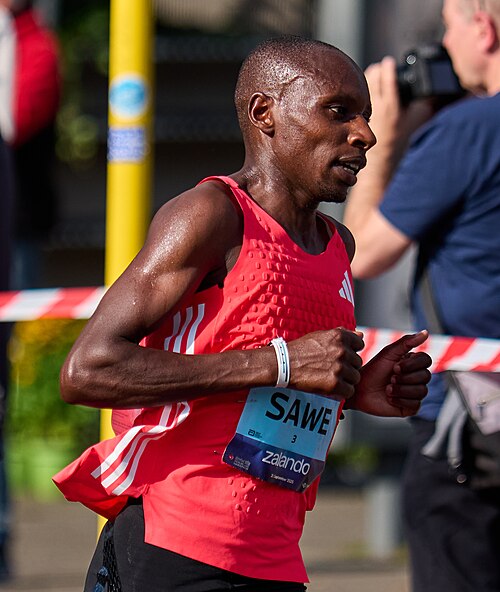
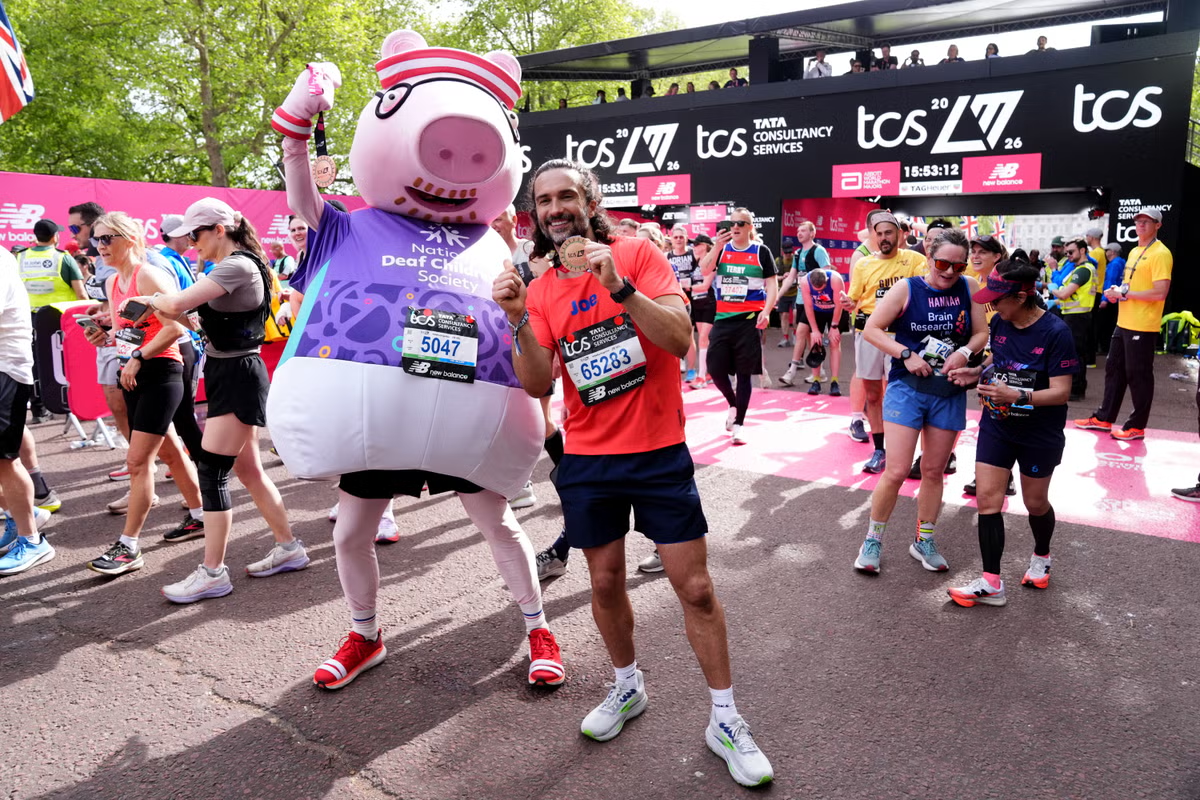
LONDON — Kenyan runner Sabastian Sawe made history Sunday by becoming the first athlete to break the two-hour marathon barrier in an official race, clocking an astonishing 1:59:30 to win the 2026 TCS London Marathon and etch his name permanently into the sport’s record books.
Sabastian Sawe
The 31-year-old defended his title on the fast, flat London course in ideal cool and calm conditions, surging away in the final miles to shatter the previous world record and deliver one of the greatest performances in distance running history. Ethiopia’s Yomif Kejelcha finished second in 1:59:41, while Uganda’s Jacob Kiplimo took third in 2:00:28 — producing the deepest men’s marathon field ever assembled.
“This is unbelievable. I came here to make history,” Sawe said moments after crossing the finish line on The Mall, his face a mix of exhaustion and pure joy. “The pacemakers were perfect, the crowd carried me. Running under two hours in a real race — this is something I dreamed about since I was a boy.”
Sawe’s performance eclipsed the previous world record of 2:00:35 set by the late Kelvin Kiptum in Chicago in 2023. It also bettered his own London course record from 2025. The victory marks his fifth consecutive marathon win and solidifies his status as the undisputed king of the distance.
Advertisement
Perfect Conditions Fuel Record Attempt
Organizers could not have asked for better weather. Temperatures hovered in the low 50s Fahrenheit with light winds — textbook conditions for fast times on the point-to-point course that starts in Blackheath and finishes in front of Buckingham Palace. More than 59,000 runners participated in the 46th edition of the world’s most iconic mass-participation marathon.
A large pack stayed together through the halfway mark in just over 59 minutes before accelerations began whittling it down. Sawe made his decisive move after 35 kilometers, dropping all but Kejelcha and Kiplimo. The final 7 kilometers became a masterclass in pacing and mental strength as Sawe pulled away to etch his name alongside legends like Eliud Kipchoge.
Advertisement
In the women’s race, Ethiopia’s Tigst Assefa defended her title in commanding fashion, clocking 2:15:41 to break her own women-only world record. Kenya’s Hellen Obiri took second in 2:15:53, with Joyciline Jepkosgei earning bronze in 2:15:55. All three dipped under 2:16, highlighting extraordinary depth on the women’s side.
A Meteoric Rise
Sawe’s journey from rural Kenya’s Rift Valley to marathon immortality has been remarkably swift. After excelling on the track and in half marathons, he made his full marathon debut in Valencia in 2024 with a stunning 2:02:05 — the second-fastest debut ever. He then won London in 2025 and Berlin later that year before delivering Sunday’s historic performance.
Trained by Italian coach Claudio Berardelli, Sawe blends traditional Kenyan high-altitude training with modern sports science. His tactical intelligence, devastating surges and mental toughness have become trademarks. Rivals now openly acknowledge he has raised the ceiling of what is possible in the marathon.
Advertisement
Significance of the Sub-2 Breakthrough
While exhibition races had previously seen times under two hours, Sawe’s 1:59:30 is the first ratified performance under the barrier in a legitimate competition with verified timing, doping controls and World Athletics rules. It validates years of progress in training methods, nutrition, shoe technology and pacing strategies.
Sports scientists say the achievement represents a new era. The psychological barrier of two hours had stood for decades. Sawe’s run proves human limits continue expanding, much as Roger Bannister’s sub-four-minute mile did in 1954.
British and Wheelchair Highlights
Advertisement
British interest centered on strong showings from home athletes. Mahamed Mahamed led the British men in 10th overall with 2:06:14, while Eilish McColgan was the top British woman in seventh. In the wheelchair races, Switzerland’s Catherine Debrunner claimed her fourth London title.
Looking Ahead
Sawe’s victory caps a remarkable rise and sets a new standard for the marathon. Eyes now turn to future Abbott World Marathon Majors and the Olympics. With his perfect record and the two-hour barrier broken, the Kenyan star appears poised for further dominance.
For the tens of thousands who ran London on Sunday, the day will be remembered as the moment the impossible became reality on one of running’s grandest stages. Sawe’s 1:59:30 run will be debated and celebrated for years to come — proof that barriers exist to be broken when talent, preparation and courage align perfectly.
Advertisement
As the sun set on The Mall and finishers continued streaming across the line, the 2026 London Marathon entered the history books as the day distance running took its boldest leap forward yet.
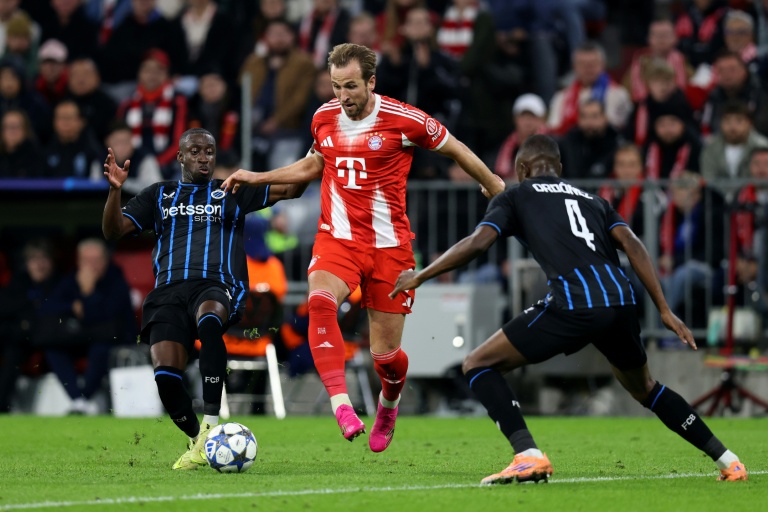
MAINZ, Germany — FC Bayern Munich produced one of the most remarkable comebacks of the 2025/26 Bundesliga season Sunday, storming back from a three-goal deficit to defeat 1. FSV Mainz 05 4-3 in a thrilling Matchday 31 encounter that showcased the champions’ never-say-die mentality.
Trailing 3-0 at halftime after goals from Dominik Kohr, Armindo Sieb (Nebel) and Sheraldo Becker, Bayern looked headed for a rare defeat. Instead, the Bavarians unleashed a devastating second-half response, with Nicolas Jackson pulling one back before Michael Olise, Jamal Musiala and Harry Kane delivered a dramatic turnaround in front of a stunned crowd at the MEWA Arena.
The victory keeps Bayern firmly on course in their title defense while dealing a severe blow to Mainz’s hopes of climbing the table. The match will be remembered as a classic Bundesliga thriller that highlighted both the attacking brilliance of the champions and the defensive vulnerabilities that occasionally surface even in dominant teams.
Advertisement
How the Comeback Unfolded
Mainz shocked the visitors with an aggressive start. Kohr opened the scoring in the 15th minute, capitalizing on a set piece. Nebel doubled the lead in the 29th minute with a clinical finish, and Becker made it 3-0 just before halftime, leaving Bayern coach Vincent Kompany with plenty to address during the break.
Whatever Kompany said at halftime clearly worked. Jackson gave Bayern hope with a goal shortly after the restart. Then Olise produced a moment of individual brilliance in the 73rd minute, curling a stunning strike into the top corner that reignited the comeback. Musiala leveled the score in the 80th minute with a composed finish, and Kane completed the remontada just three minutes later, slotting home the winner.
Bayern’s second-half performance was a masterclass in attacking football. The speed of their transitions, clinical finishing and relentless pressing overwhelmed a tiring Mainz side that had given everything in the first half.
Advertisement
Kompany’s Impact and Bayern’s Character
Since taking over, Kompany has instilled a winning mentality that refuses to accept defeat. This comeback victory — coming from three goals down — perfectly embodies that spirit. Players like Olise, Musiala and Kane showed why Bayern remains the benchmark in German football despite occasional wobbles.
Harry Kane, in particular, continues his remarkable form since joining from Tottenham. His winner took his Bundesliga tally even higher and reinforced his status as one of the world’s premier strikers. Musiala’s growing influence in midfield and Olise’s flair on the wing provided the creative spark the comeback required.
Mainz’s Valiant Effort
Advertisement
Despite the defeat, Mainz can take pride in their first-half display. They executed a perfect game plan early on, pressing high and exploiting spaces behind Bayern’s defense. For 45 minutes, they looked capable of a famous upset. The second-half collapse, however, exposed the gap in squad depth and experience against the league’s elite.
Broader Bundesliga Implications
The result keeps Bayern on top of the table as they chase another Meisterschale. With several games remaining, the champions appear determined to finish the season strongly. For Mainz, the loss adds pressure in their battle to avoid the lower reaches of the standings.
This match joins a growing list of memorable Bayern comebacks, echoing historic remontadas that have defined the club’s modern era. Fans on social media quickly dubbed it one of the season’s highlights, with clips of Olise’s wonder goal and Kane’s winner going viral within minutes of the final whistle.
Advertisement
What the Players Said
Post-match reactions captured the drama. Kompany praised his team’s character: “This is what we work for every day — the belief that we can turn any situation around.” Kane was more understated, simply saying, “We kept going, and it paid off.” Mainz coach Bo Svensson acknowledged the second-half dominance of Bayern but took positives from his side’s early performance.
Looking Ahead
Bayern now turns its focus to the remaining fixtures and a potential deep run in other competitions. Their ability to recover from difficult positions bodes well for the business end of the season. For Mainz, the task is to regroup quickly and secure vital points in the coming weeks.
Advertisement
Sunday’s match at the MEWA Arena will be remembered as a textbook example of Bundesliga entertainment — early shock, dramatic fightback and a result that reinforces Bayern’s status as the team to beat. As the 2025/26 season enters its final stretch, moments like this remind fans why the league remains one of the most exciting in world football.
The British Retail Consortium, Food and Drink Federation, Recruitment and Employment Confederation, and UK Hospitality write to Government
Alan Jones Press Association Industrial Correspondent
08:29, 27 Apr 2026
UK Hospitality signed the letter to Government(Image: PA)
Four trade bodies say proposals for guaranteed hours under the Employment Rights Act could threaten quality jobs.
Advertisement
The British Retail Consortium, Food and Drink Federation, Recruitment and Employment Confederation, and UK Hospitality jointly wrote to the Government warning that the measure could result in diminished opportunities and worse conditions for workers.
They put forward amendments to the policy which they believe would prevent “the double whammy of increasing unemployment and fewer young people entering the labour market”.
The letter stated: “Across our sectors, concern is deep and growing that the current approach risks stripping flexibility from the labour market at precisely the wrong moment.
“With demand already weakened, poorly designed guaranteed hours measures could become a tipping point, pushing employers to reduce hiring, limit hours or withdraw flexible roles altogether, denying work to those who need it most, or moving to less secure, more casual models of engagement.”
Advertisement
A Government spokesperson responded: “We will only achieve a thriving economy once people have a wage they can count on, which is why we’re giving greater certainty to over half the UK’s workforce through our Employment Rights Act.
“We will ensure people can have the security they need by giving eligible workers the right to guaranteed hours, and we will work closely with workers and employers on how the measures are implemented.”
Global IT spending has been revised sharply upward — from $6.15 trillion in February to $6.31 trillion in just two months — and the driver is almost entirely AI. That is the assessment of John-David Lovelock, Chief Forecaster at Gartner, who told ET Now that AI-optimised servers and hyperscaler data centre buildouts are adding significant sums to technology investment forecasts worldwide.
“We are building the foundation for what we need to run AI large language models and agents in the future,” Lovelock said, noting that enterprise networking equipment spending has also risen as a direct knock-on effect of the hyperscaler expansion.
India’s opportunity in managed services
Despite overall IT services growth running at a modest 3–4%, Lovelock sees a genuine opportunity opening up for India. As CIOs globally shift their internal teams away from routine, commoditised work toward strategic AI initiatives, a labour gap is emerging — and managed services providers are well placed to fill it.
Advertisement
The next phase of that opportunity, he said, lies in managed services providers building AI and agentic automation into their offerings, creating a new layer of cost efficiency for global clients. India, with its deep services talent base, is well positioned to capture this demand.
The uncomfortable reality for services firms
But Lovelock did not shy away from the structural challenge facing Indian IT. The industry is at a crossroads, he said — and the dynamics are unfavourable for pure services players compared to software companies.
Live Events
When a software firm invests in AI, clients reward it with larger contracts for richer features. When a services firm does the same, clients expect the efficiency gains to be passed back to them in the form of lower prices. “Services firms spend money to bring in AI-enabled delivery and they are rewarded with smaller contracts,” Lovelock said plainly. That asymmetry is a structural headwind the entire global services industry — not just India — must navigate.
India does not need to win the data centre race
On the question of India’s participation in the AI infrastructure buildout, Lovelock offered a reassuring perspective. Unlike cloud computing, where data centres need to be close to end users due to latency constraints, AI delivery can tolerate the delay involved in distance. This means India does not need to match the United States — which accounts for over 50% of global AI spending — in mega data centre construction to remain relevant.Having local data centres would help India build its own large language models and domain-specific AI, but it is not a prerequisite for benefiting from and contributing to the global AI economy.
Advertisement
Margins under pressure near to mid-term
For IT companies broadly, Lovelock warned that margins will face significant pressure in the near to medium term. The industry is still in an investment phase — overbuilding data centre capacity ahead of demand — and many companies are offering AI products, services, and tokens at reduced prices or free to build user bases. A clear, standardised path to monetising that infrastructure has yet to emerge, and the means of doing so vary widely across companies. The broader message: the AI era creates real opportunity for India’s IT sector, but the business model of services delivery is being fundamentally disrupted — and firms that do not embed AI into how they work, not just what they sell, risk being left behind.
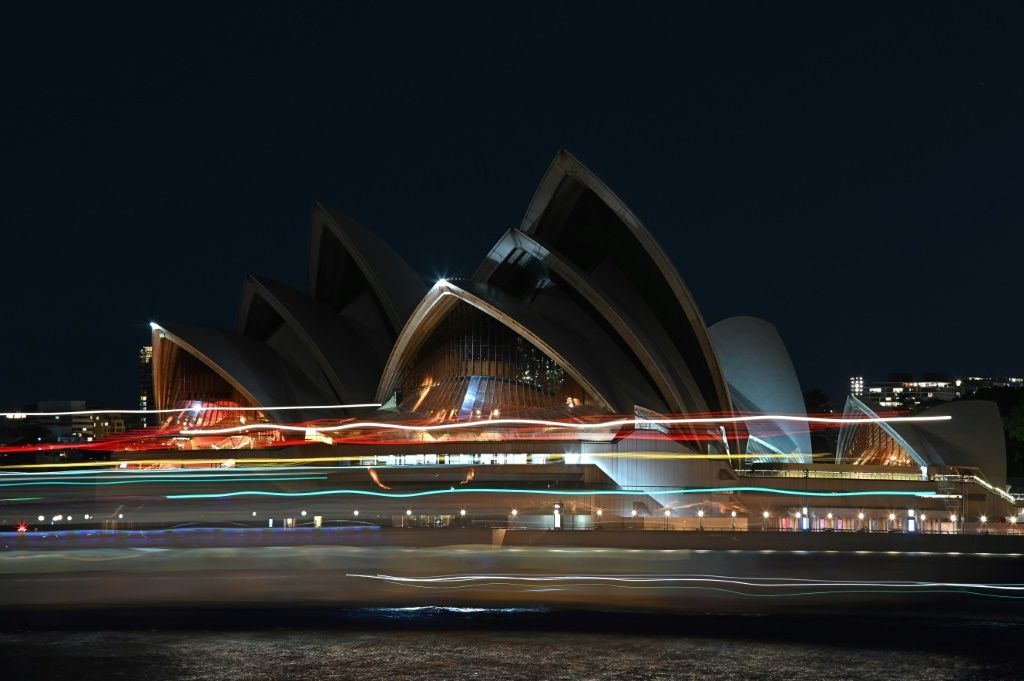
SYDNEY — Australia’s $12.6 trillion residential property market is showing clear signs of divergence and moderation in early 2026, with house prices falling in Sydney and Melbourne while resource-driven cities like Perth and Brisbane continue to post strong gains amid persistent supply shortages and shifting interest rate pressures.
Sydney AFP / Steven Saphore
The latest data from Cotality released in April reveals national dwelling values rose a modest 0.7% in March, bringing first-quarter growth to 2.1%. While this marks continued appreciation, the pace has slowed noticeably from late 2025, reflecting higher borrowing costs, cost-of-living pressures and growing buyer caution in the country’s two largest markets.
Sydney home prices fell 0.2% over the first three months of the year, while Melbourne recorded a 0.6% decline. Together, these two cities — which account for roughly 55-60% of the national market — are exerting downward pressure on the broader index. Median house prices now stand at approximately $1.295 million in Sydney and $828,000 in Melbourne.
In contrast, Perth surged 7.3% in the March quarter, Brisbane rose 5.1%, Adelaide gained 3.6%, and smaller capitals like Darwin, Hobart and Canberra also posted positive growth. This “two-speed” dynamic has become a defining feature of the 2026 market, driven by differing economic conditions, migration patterns and housing supply levels across states.
Factors Driving the Split
Advertisement
Economists point to several key influences. Western Australia and Queensland continue to benefit from strong resources sectors, population inflows and relatively affordable entry points compared to the eastern seaboard. Perth’s median dwelling value is approaching $1 million after years of rapid appreciation, yet demand remains robust due to tight inventory.
Sydney and Melbourne, however, are feeling the pinch of higher interest rates and stretched affordability. The Reserve Bank of Australia’s rate settings have curbed borrowing capacity, particularly for buyers in premium segments. Lower-quartile properties in these cities have held up better, while higher-end homes have seen noticeable softening.
A federal first-home buyer scheme expansion has also contributed to price pressure at the lower end of the market. Cotality data shows eligible homes rose 6.7% in the six months following policy changes — nearly double the growth in higher-priced segments — raising concerns the initiative may be inflating entry-level prices rather than purely improving access.
National Outlook and Forecasts
Advertisement
Major banks and forecasters have moderated their 2026 predictions. Commonwealth Bank now expects national dwelling price growth of around 5% this year and 3% in 2027, down from previous estimates. ANZ forecasts capital city prices to rise 2.8% in 2026 and 2.1% in 2027, citing higher rates and affordability constraints.
Despite the cooling, fundamentals remain supportive in many areas. Record-low rental vacancy rates continue driving investor interest, while net overseas migration sustains demand. However, new housing supply is gradually increasing, which could help ease pressure later in the year and into 2027.
Rental Market Remains Tight
The rental sector shows little sign of relief. National median rents continue climbing, with some regional areas in South Australia seeing year-on-year increases of 12.5%. Vacancy rates hover near historic lows, exacerbating affordability challenges for tenants and adding fuel to political debates ahead of the federal budget.
Advertisement
Challenges and Policy Implications
Housing affordability remains a critical issue heading into the 2026 federal budget. Experts urge policymakers to prioritize boosting supply, protecting rental stock and removing barriers to downsizing rather than measures that could further inflate prices. Calls for tax reform, planning system overhauls and incentives for build-to-rent projects are growing louder.
First-home buyers face particular hurdles, with the national median property price hovering near $908,000-$933,000. Only about 30% of properties fall below $700,000, intensifying competition in the affordable segment.
Regional Variations Offer Opportunities
Advertisement
Buyers and investors are increasingly looking beyond the traditional east coast hotspots. Perth, Brisbane and Adelaide offer stronger growth prospects in the near term, though analysts warn that rapid gains could moderate as affordability constraints spread. Regional markets have also shown resilience, with some areas outperforming capitals due to lifestyle shifts and remote work trends.
What Lies Ahead
The Australian real estate market in 2026 is transitioning from the boom conditions of recent years to a more balanced — yet still challenging — environment. While national values continue inching higher overall, the widening city-by-city and segment-by-segment gaps suggest a period of selective growth rather than uniform appreciation.
Prospective buyers may find improved negotiating power in Sydney and Melbourne, particularly at the upper end, while investors seeking yield and growth potential are eyeing western and northern markets. For sellers, timing and pricing strategy will be crucial in a market that rewards realism over optimism.
Advertisement
As the year progresses, interest rate decisions, federal budget measures and global economic signals will play key roles in shaping the trajectory. For now, Australia’s housing market remains resilient but clearly cooling, offering both opportunities and risks for participants across the spectrum.
AUSTIN, Texas — Two people were shot and injured Sunday night outside the popular Sam’s BBQ restaurant in East Austin, prompting a large police response and leaving the suspect still at large Monday as detectives continue to interview witnesses and search the area.
Austin Shooting: 2 Injured in East Austin Outside Sam’s BBQ; Suspect Still at Large
Austin Police Department officers responded to multiple 911 calls reporting shots fired around 8:26 p.m. in the 2000 block of East 12th Street near Chicon Street. Upon arrival, they found two victims suffering from gunshot wounds outside the beloved East Austin barbecue landmark. Both were transported to area hospitals with non-life-threatening injuries.
No fatalities have been reported, and authorities described the incident as isolated with no immediate threat to the broader public. East 12th Street between Chicon and Alamo streets remained closed for several hours as crime scene investigators processed the area.
Busy Night in Vibrant Neighborhood
Advertisement
The shooting occurred in a bustling section of East Austin known for its food scene, nightlife and cultural vibrancy. Sam’s BBQ, a longtime neighborhood staple at 2000 E. 12th St., had been hosting events earlier in the day, and nearby businesses including the Austin Daiquiri Factory were active on a busy Sunday evening.
Witnesses described hearing multiple gunshots followed by chaos as people sought cover. Police have not released detailed descriptions of the victims or the suspect. Detectives are reviewing surveillance footage from the area and interviewing those present at the time of the incident.
The suspect fled the scene on foot, and no vehicle description or suspect sketch has been released. APD urged anyone with information to contact detectives or Austin Crime Stoppers. A reward for information leading to an arrest may be offered.
Community Reaction and Safety Concerns
Advertisement
East Austin residents expressed shock and frustration over yet another violent incident in the rapidly changing neighborhood. Longtime locals noted the area’s transformation from a historically working-class and minority community to a hub for new development, restaurants and nightlife. Some voiced concerns about rising crime amid gentrification pressures.
Sam’s BBQ owners and staff have not issued a public statement, but the restaurant is a beloved institution known for its smoked meats and community ties. The shooting’s proximity to the establishment has drawn extra attention from both patrons and local media.
Austin Police Chief has characterized the event as isolated and urged calm while the investigation proceeds. No connections to other recent incidents have been reported.
Broader Context of East Austin Violence
Advertisement
While Austin remains one of the safer major cities in Texas, sporadic shootings in East Austin have raised ongoing community discussions about public safety, policing strategies and socioeconomic factors. City leaders have invested in violence interruption programs and increased patrols in high-activity areas, but incidents like Sunday’s continue to test those efforts.
This latest shooting comes amid a busy weekend in the city, with various events drawing crowds to East Austin venues. Officials reminded residents to remain vigilant, especially during evening hours in entertainment districts.
Investigation Ongoing
Austin Police continue to gather evidence and seek tips from the public. Anyone with video footage, eyewitness accounts or other information is encouraged to contact APD or Crime Stoppers anonymously. Updates will be released as they become available.
Advertisement
The two victims are expected to survive, according to preliminary hospital reports, though their conditions were not detailed publicly. Family members have not been identified, and police are withholding names pending notification.
As East 12th Street reopens and the neighborhood returns to its usual rhythm, the search for the suspect remains active. Authorities emphasize that this appears to be a targeted or isolated dispute rather than a random act of violence, though the full motive has not been determined.
For now, the community around Sam’s BBQ and surrounding blocks is processing another instance of gun violence in a city that continues to grapple with growth, change and safety concerns. Police ask for patience as detectives work to bring the suspect into custody and provide answers to those affected.


















































You must be logged in to post a comment Login