








Connect with us
DAPA Banner
DAPA Coin
DAPA
COIN PAYMENT ASSET
PRIVACY · BLOCKDAG · HOMOMORPHIC ENCRYPTION · RUST
ElGamal Encrypted MINE DAPA
🚫 GENESIS SOLD OUT
DAPAPAY COMING

Business

Who Is the Greatest Rapper? Debate Rages On in 2026

Published

on

Spotify and the major music company Universal have inked a new deal

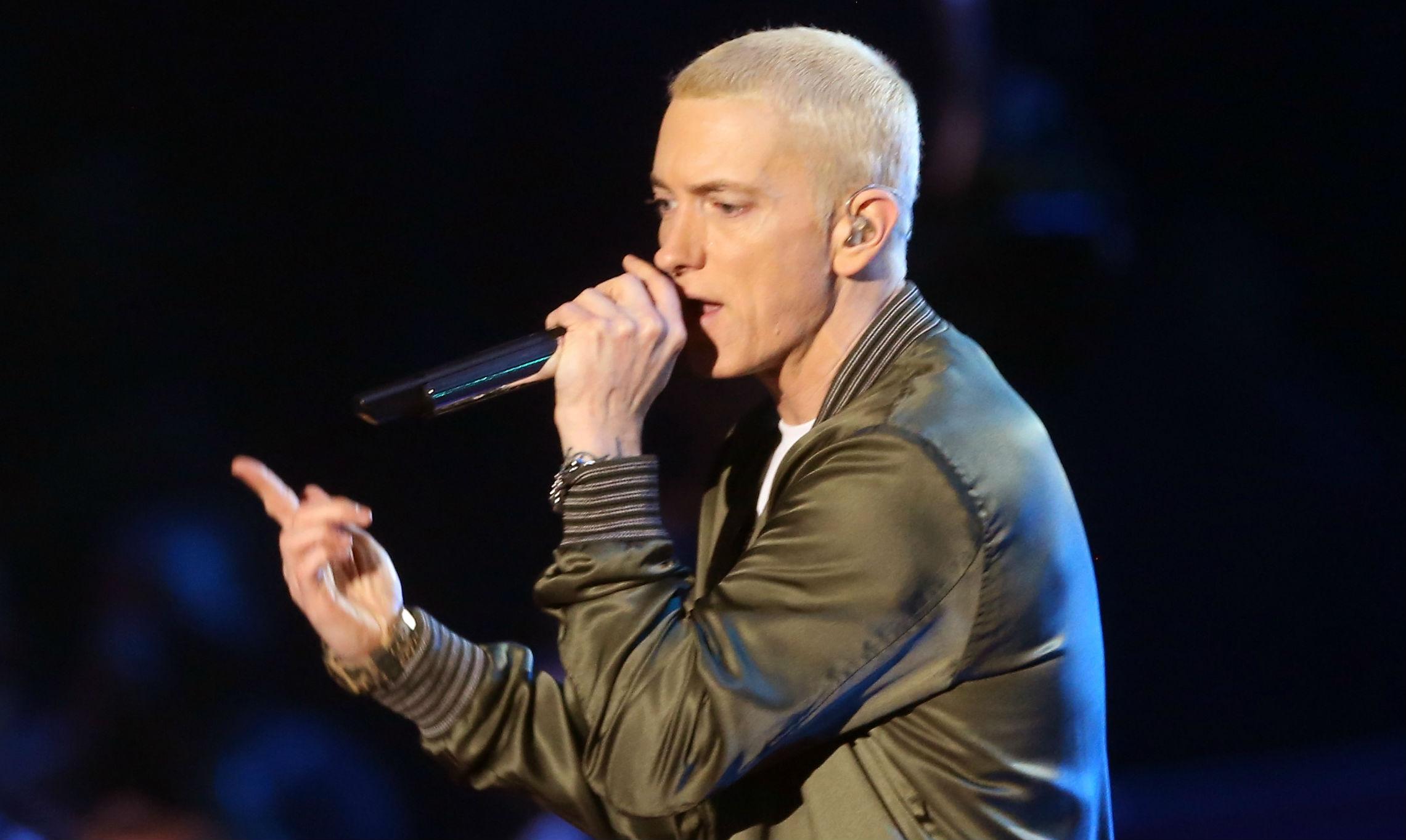
DETROIT — More than two decades after Tupac Shakur’s death and nearly 30 years into Eminem’s career, the question of who is the better rapper continues to spark passionate arguments among music fans, critics and hip-hop historians. In 2026, with streaming numbers, cultural impact and technical skill all part of the conversation, the Eminem vs Tupac debate remains as alive and divisive as ever.

Both artists transformed rap music in their eras. Tupac, the West Coast revolutionary killed in 1996 at age 25, became a voice for the marginalized and a global symbol of resistance. Eminem, the Detroit MC who exploded onto the scene in 1999, brought unparalleled technical skill, emotional vulnerability and commercial dominance to the genre. Deciding which one is “better” depends heavily on the criteria — lyrical complexity, cultural influence, emotional depth, commercial success or lasting legacy.

Lyrical Skill and Technical Ability

Eminem is widely regarded as one of the most technically gifted rappers ever. His multisyllabic rhymes, internal schemes, breath control and ability to switch flows mid-verse remain unmatched for many fans. Songs like “Rap God,” “Technical Difficulties” and tracks from “The Eminem Show” showcase a level of wordplay and speed that few artists have approached.

Tupac’s strength lay in raw emotion and storytelling. While not always the most technically complex, his delivery carried urgency and authenticity. Tracks like “Dear Mama,” “Changes” and “California Love” blended social commentary with personal vulnerability in ways that resonated deeply with listeners. Tupac’s ability to paint vivid pictures of street life, systemic injustice and personal struggle gave his music a poetic power that transcended technical rap metrics.

Advertisement

Critics often note that Eminem wins on pure skill while Tupac wins on soul and impact. “Eminem is a technician. Tupac was a revolutionary poet,” said hip-hop journalist and author Soren Baker. “They excelled in different areas, which is why the debate never dies.”

Cultural Impact and Legacy

Tupac’s influence extends far beyond music. He became a cultural icon whose words continue to inspire activism, art and social movements decades after his death. His image, quotes and music appear regularly in protests, films and academic studies. Tupac’s ability to articulate the pain and hope of marginalized communities gave him a lasting societal impact that few artists achieve.

Eminem shattered barriers as a white rapper in a Black genre, achieving unprecedented mainstream success while maintaining credibility in hip-hop circles. He brought rap to audiences that previously ignored the genre and influenced a generation of MCs with his confessional style and dark humor. Eminem’s commercial dominance — selling more than 220 million records worldwide — opened doors for countless artists.

Both have shaped modern rap in profound ways. Tupac’s storytelling and activism inspired Kendrick Lamar, J. Cole and countless conscious rappers. Eminem’s technical innovation and emotional honesty influenced artists like Joyner Lucas, NF and many underground MCs.

Advertisement

Commercial Success and Streaming Era

Eminem leads significantly in pure sales and streaming numbers. His catalog continues to generate hundreds of millions of streams annually, with tracks like “Lose Yourself,” “Stan” and “Till I Collapse” remaining staples in playlists and workouts. Tupac’s estate has also seen strong streaming performance, but Eminem’s active career and consistent releases give him an edge in modern metrics.

However, Tupac’s impact feels more timeless to many fans. His music still sounds urgent and relevant in 2026, while some of Eminem’s shock-value content from earlier albums has aged less gracefully for newer generations.

Expert and Fan Perspectives

Hip-hop legends remain split. Snoop Dogg has praised both artists but often highlights Tupac’s cultural significance. “Pac was a revolutionary,” Snoop said in a recent interview. “Marshall is a technician. Different beasts.”

Eminem has spoken respectfully about Tupac, naming him as one of his biggest influences and covering his songs in the past. In interviews, Eminem has acknowledged the debt he owes to Tupac and other 90s legends.

Advertisement

Fan debates on platforms like Reddit, X and YouTube remain heated. Polls frequently show Tupac winning among older fans who value storytelling and activism, while Eminem dominates among younger audiences who prioritize technical skill and wordplay.

The Subjectivity of “Better”

Ultimately, declaring one rapper definitively better than the other misses the point of artistic appreciation. Music resonates differently with each listener based on personal experiences, values and tastes. Tupac spoke to the pain of systemic oppression and street life. Eminem spoke to inner demons, addiction and working-class struggles.

Both artists used rap as therapy, protest and entertainment. Both pushed boundaries and faced criticism for their content. Both left permanent marks on hip-hop culture that continue to influence new generations.

In 2026, with hip-hop more global and diverse than ever, the Eminem vs Tupac debate serves as a celebration of the genre’s richness rather than a zero-sum competition. Their combined legacies have helped shape modern rap into the dominant cultural force it is today.

Advertisement

As new artists emerge and streaming numbers continue to climb, the conversation evolves but never fades. For many fans, the answer is simple: there is no single greatest rapper. There are only great rappers who moved us in different ways at different times.

Whether you prefer Tupac’s revolutionary fire or Eminem’s technical brilliance, both deserve recognition as all-time greats who expanded what rap could be. The debate itself keeps their music alive and relevant, ensuring new generations discover and argue over their catalogs for decades to come.

In the end, hip-hop wins whenever fans passionately discuss its legends. And in the case of Eminem and Tupac, that conversation remains as vibrant and entertaining as their music itself.

Advertisement
Continue Reading
Click to comment

You must be logged in to post a comment Login

Leave a Reply

Business

Oracle Stock Edges Higher Today, Stabilizing After Worst Week Since the Dot-Com Bust on AI Debt Worries

Published

on

Air Products Shares Jump 9 Percent on Strategic Pivot Away

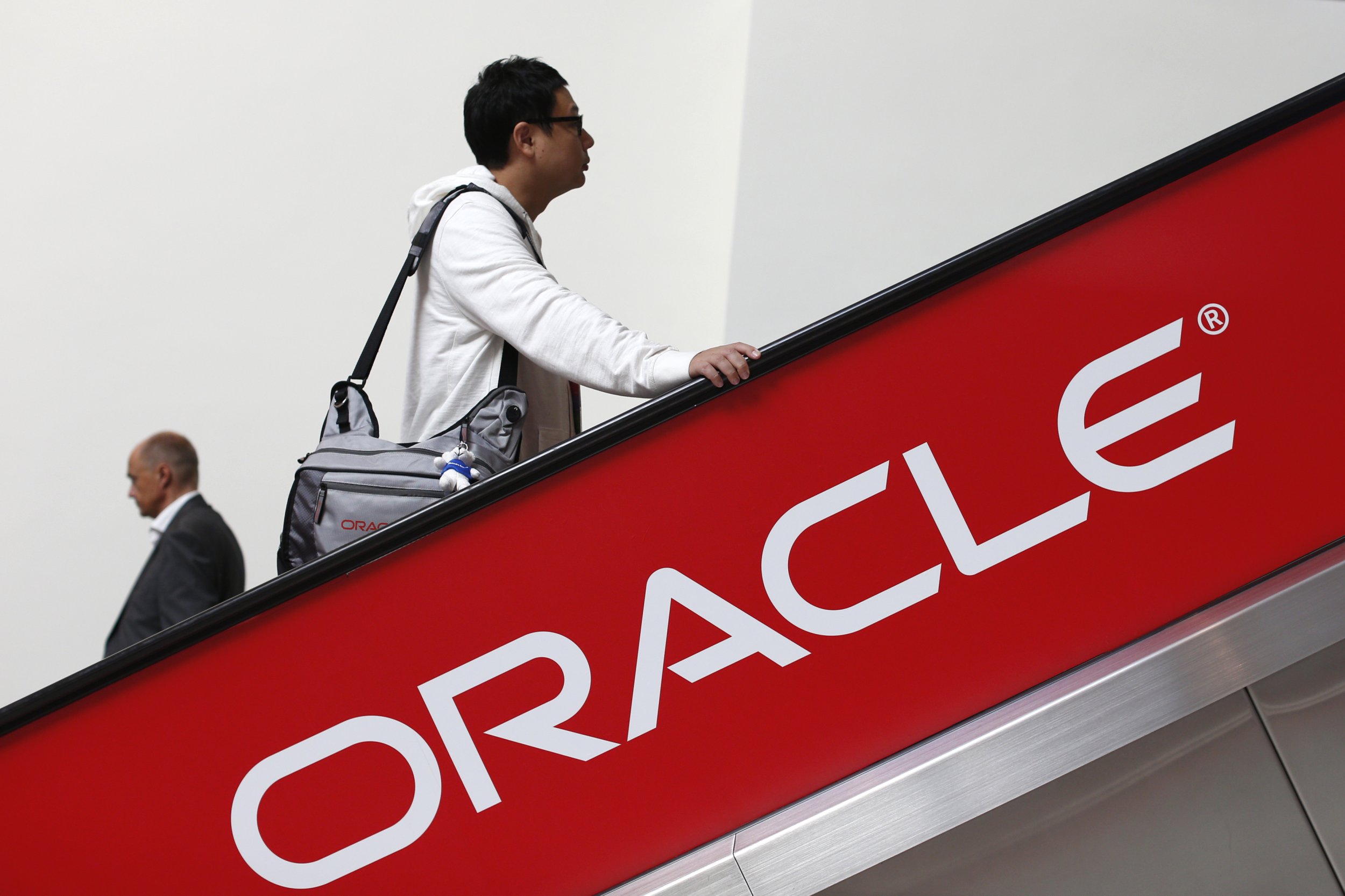
Oracle shares ticked higher Tuesday, offering a modest reprieve after the software giant suffered its steepest weekly decline in roughly 25 years amid mounting investor anxiety over the scale of its debt-fueled bet on artificial intelligence infrastructure.

Shares of the Austin, Texas-based company were trading at $148.37 as of 10:34 a.m. EDT, up 61 cents, or 0.41%, on the day. The slight gain follows a brutal stretch in which the stock fell 19% over five trading sessions last week, declining at least 2.6% on each individual day, marking Oracle’s worst weekly performance since a 20% plunge in August 2001, during the depths of the dot-com bust.

The selloff traces back to Oracle’s fiscal fourth-quarter earnings report, released June 10. The headline numbers were strong: Oracle beat Wall Street expectations on both earnings and revenue, with adjusted earnings per share of $2.03 against analyst estimates of $1.96, while revenue climbed 21% year-over-year to $19.18 billion, also topping the $19.10 billion consensus. Cloud revenue, the segment most closely tied to Oracle’s AI ambitions, surged 47% to nearly $10 billion for the quarter. Despite those beats, shares dropped roughly 10% in extended trading that evening after Oracle disclosed plans to raise an additional $20 billion through debt and equity financing on top of amounts already announced, bringing total planned fiscal 2027 financing to around $40 billion, following a fiscal 2026 in which the company had already raised $43 billion in debt and $5 billion in equity to fund its rapidly expanding data center footprint.

That spending has continued to weigh on sentiment in the weeks since. Oracle’s capital expenditures jumped 162% in fiscal 2026 to nearly $56 billion, while the company posted negative free cash flow of almost $24 billion for the year. By the end of May, Oracle’s total debt stood at roughly $130 billion, and the company has indicated that net cash outlays for capital expenditures in fiscal 2027 could reach approximately $70 billion, not including $20 billion to $25 billion in prepayments expected from customers. Oracle is racing to bring data center capacity online alongside cloud rivals Amazon, Microsoft and Google, despite lacking the ability to sell as complete a technology stack as some of those larger competitors.

Advertisement

Much of Oracle’s long-term bull case rests on its enormous backlog of contracted future business, known as remaining performance obligations, which stood at roughly $638 billion as of the most recent quarter. Bank of America analysts, who recommend buying Oracle shares, have noted that more than half of that backlog comes from a single customer: OpenAI. That concentration has become a growing point of concern among some investors, particularly amid separate reports that OpenAI could push back its long-awaited initial public offering to 2027, a development that rattled sentiment across AI-linked software and infrastructure stocks more broadly last week. At one point during the selloff, Oracle’s total market capitalization actually fell below the size of its own backlog, an unusual dynamic underscoring just how skeptical some investors had become about translating that contracted demand into near-term profit.

Adding to the unease, Oracle disclosed in its annual report that its workforce shrank 13%, a reduction of roughly 21,000 employees, to about 141,000 workers in fiscal 2026, with the company recording $1.84 billion in associated restructuring costs tied in part to a broader push to integrate artificial intelligence tools into roles previously handled by sales, marketing and other staff. Vice Chairman Jeffrey Henley also drew attention after disclosing a $63.7 million sale of company shares on June 24, adding to investor unease about insider activity even as the company pursues additional equity issuance that could further dilute existing shareholders.

Leadership changes have also factored into the broader narrative around the stock. Oracle co-founder and chairman Larry Ellison was notably absent from the company’s most recent earnings call, leaving dual chief executives Clay Magouyrk and Mike Sicilia, along with recently hired finance chief Hilary Maxson, formerly of Schneider Electric, to field analyst questions. As Oracle shares have retreated, Ellison has slipped on rankings of the world’s wealthiest people, falling behind Google co-founders Larry Page and Sergey Brin, Amazon founder Jeff Bezos and Dell Technologies founder Michael Dell.

Wall Street’s reaction to the turmoil has been mixed even as the stock attempts to stabilize. Citic Securities downgraded Oracle to “Add” from “Buy” with a $200 price target as the selloff deepened, while RBC raised its own price target to $190 but maintained a cautious “Sector Perform” rating, citing uncertainty over whether Oracle’s data center capacity is coming online quickly enough to match its massive backlog. BNP Paribas has flagged that fiscal 2027 capital expenditures could climb as high as $80 billion to $100 billion under the company’s Stargate data center initiative, a figure that has stoked further concern about free cash flow and debt sustainability. Evercore, which maintains a buy rating on the stock, struck a measured tone in a recent note to clients, writing that financing and the pace of equity issuance are likely to remain the central investor debate in the near term.

Advertisement

Not every recent headline has been negative. Real estate developer Related Digital and investment firm Blackstone announced they had secured funding for a $16 billion Oracle data center site in Michigan, a sign that institutional capital remains willing to back the company’s infrastructure ambitions even amid the broader stock turmoil. Jefferies has also maintained a Buy rating on the shares in recent days, reflecting a continued, if narrower, base of Wall Street support for the stock even after its dramatic decline.

Oracle stock remains down roughly 23% over the past year, well off its 52-week high of $345.72 and trading closer to its 52-week low of $134.57. Tuesday’s modest uptick offers little more than a pause in what has otherwise been one of the more turbulent stretches of the company’s recent history, with the central question hanging over the stock largely unchanged: whether Oracle’s massive, debt-fueled bet on artificial intelligence infrastructure will ultimately translate its enormous contracted backlog into sustainable profit, particularly given how heavily that backlog remains concentrated in a small number of large AI customers.

Continue Reading

Business

First fully electric BMW X5 debuts as South Carolina plant expand

Published

on

First fully electric BMW X5 debuts as South Carolina plant expand

BMW on Tuesday announced the completion of its $1.7 billion investment in South Carolina, where the German carmaker will produce fully electric vehicles. 

The luxury auto brand said it had completed the expansion of a plant in Spartanburg and the construction of another in Woodruff.

Advertisement

The company also unveiled its fifth-generation BMW X5, which will be the first fully electric BMW assembled in the United States, starting later this year. At least five more fully electric models are scheduled to be assembled in the U.S. by 2030.

CHINA MOVES TO BAN FEATURE COMMONLY SEEN ON TESLA VEHICLES OVER FEAR OF TRAPPED PASSENGERS

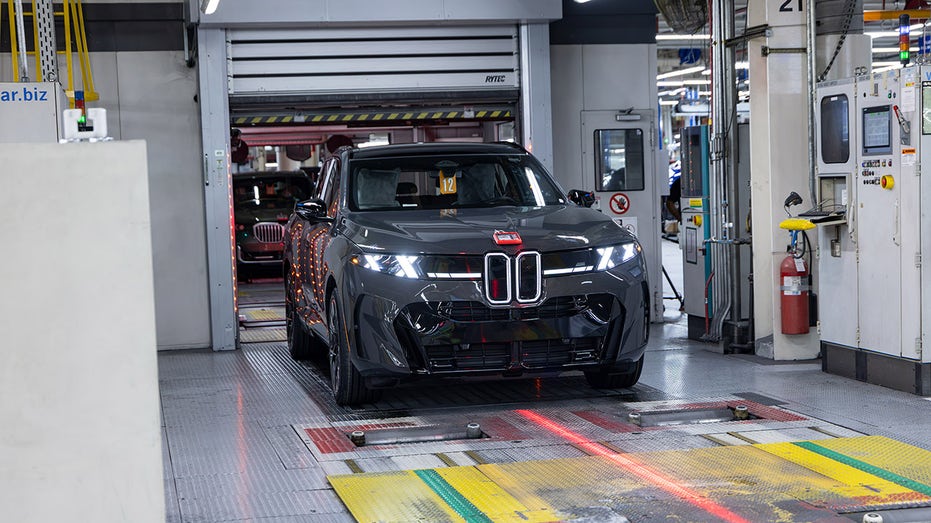
The BMW iX5

BMW unveiled the BMW iX5 on Tuesday, the first fully electric vehicle in its fleet, at one of its South Carolina plants. The German automaker said it has completed its $1.7 billion investment in two production plants in the state. (BMW / Fox News)

“When we announced our investment plans for South Carolina in 2022, we made a clear commitment to the future of the BMW Group in the United States,” said Milan Nedeljković, member of the board of management of BMW AG. “Today, we are delivering on that commitment. The completion of our investments in Plant Spartanburg and Plant Woodruff demonstrates our confidence in the United States and reinforces South Carolina’s role at the center of BMW Group’s global operations.”

The main plant in Spartanburg was established more than three decades ago and has assembled 7.3 million BMW vehicles since 1994, the company said. Nearly 3 million BMWs have been exported from the United States, valued at over $113 billion.

Advertisement

BMW RECALLS NEARLY 200K VEHICLES DUE TO FIRE RISK, SAYS OWNERS SHOULD PARK OUTSIDE

The BMW iX5

The BMW iX5 seen on the production floor in Spartanburg, South Carolina. (BMW / Fox News)

In 2025, 412,799 BMW X models were assembled at Plant Spartanburg, with roughly half of those exported to nearly 120 countries, BMW said.

On June 16, the European Parliament voted to approve cutting duties on many U.S. goods imports. 

BMW marked Tuesday’s milestone with a “Home of X” event in Spartanburg while unveiling the new BMW X5.

Advertisement

The X5 will be the first offered with five drivetrain options, the company touted: internal combustion, battery electric, plug-in hybrid electric, diesel, and hydrogen fuel cell.

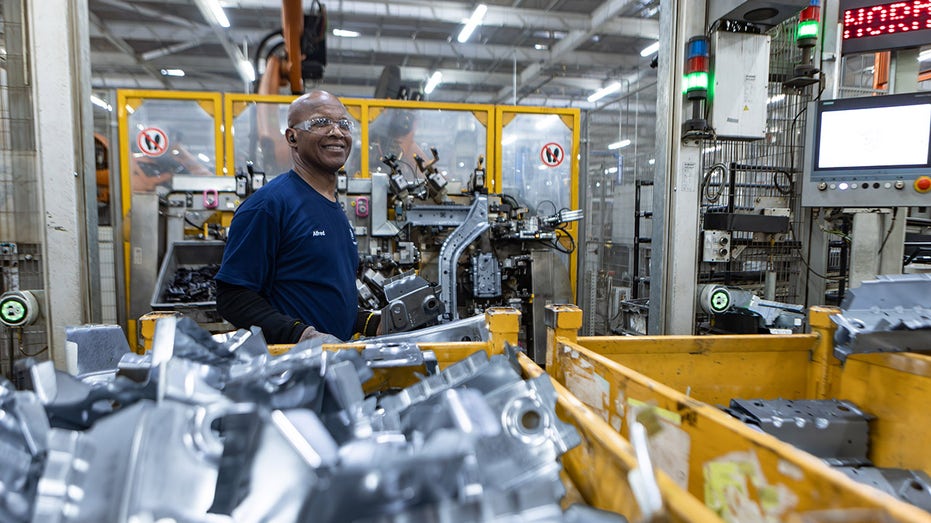
A BMW plant worker.

A BMW plant worker seen at the luxury auto brand’s Spartanburg, South Carolina plant. (BMW / Fox News)

GET FOX BUSINESS ON THE GO BY CLICKING HERE

“The new BMW X5 demonstrates our belief that innovation and customer choice go hand in hand,” said Sebastian Mackensen, president and CEO of BMW of North America. “Our customers both in the U.S. and around the world will love the new BMW X5 – and our technology-open approach puts them in the driver’s seat to enjoy the performance and premium experience that define BMW, regardless of which drivetrain they choose.”

The company said its operations in the U.S. support more than 120,000 jobs and contribute more than $43.3 billion annually to the U.S. economy.

Advertisement
Continue Reading

Business

NAC: I Wouldn’t Chase Returns Now After Such A Strong Run Higher (NYSE:NAC)

Published

on

NAC: I Wouldn't Chase Returns Now After Such A Strong Run Higher (NYSE:NAC)

This article was written by

I have rebranded to embrace my working-class and public school roots. This is a testament for how successful investing can be life changing.I have worked in Financial Services for over 15 years. I have a Bachelors in Finance, where I was a scholarship Division 1 athlete (tennis). After working in NY for three years, I relocated to North Carolina for my MBA and I am fortunate to split my time between Charlotte & Asheville.I keep my portfolio up-to-date and take pride in writing about funds, stocks, and sectors I actually invest in. I know my followers appreciate this approach.My strategy: Invest in quality, diversify, add at the right times, and focus on the long run. Chasing risk, trying to get “rich” quickly, or following advice you don’t understand are all pitfalls I made. That experience was a great teacher and I hope to help others learn what I have along the way.Broad market: DIA, VOO, QQQM / TDIV, RSPSectors/Non-US: XLE / IXC; IDU / BUI, FEZ / EZU, SCHF, BBCA, FLGB, FLJP, EWYMetals: CEF, SGOL, SLV, XMEStocks: JPM, MCD, WMT, MAADebt: Municipal bonds from NCI also contribute to the investing group CEF/ETF Income Laboratory where I specialize in macro analysis. Features of CEF/ETF Income Laboratory include: managed income portfolios (targeting safe and reliable ~8% yields) making use of high-yield opportunities in the CEF and ETF fund space. These are geared toward both active and passive investors of all experience levels. The vast majority of holdings are also monthly-payers, for faster compounding and steady income streams. Other features include 24/7 chat, and trade alerts. Learn more.

Analyst’s Disclosure: I/we have no stock, option or similar derivative position in any of the companies mentioned, and no plans to initiate any such positions within the next 72 hours. I wrote this article myself, and it expresses my own opinions. I am not receiving compensation for it (other than from Seeking Alpha). I have no business relationship with any company whose stock is mentioned in this article.

Seeking Alpha’s Disclosure: Past performance is no guarantee of future results. No recommendation or advice is being given as to whether any investment is suitable for a particular investor. Any views or opinions expressed above may not reflect those of Seeking Alpha as a whole. Seeking Alpha is not a licensed securities dealer, broker or US investment adviser or investment bank. Our analysts are third party authors that include both professional investors and individual investors who may not be licensed or certified by any institute or regulatory body.

Advertisement
Continue Reading

Business

Disney $50M class action settlement covers YouTube TV subscribers

Published

on

Disney $50M class action settlement covers YouTube TV subscribers

Disney is set to pay out a $50 million settlement in a class action lawsuit that alleged the entertainment giant broke antitrust and consumer protection laws by pushing prices for streaming subscriptions higher.

The settlement follows a 2022 federal class action lawsuit that was filed by YouTube TV and DirecTV Stream subscribers who claimed the company engaged in anticompetitive conduct to raise the prices of streaming services’ live TV plans due to its control over in-demand programming, such as ESPN and Hulu.

Advertisement

The class action suit, known as Biddle v. Disney, alleged that Disney limited the ability of rivals to offer lower-cost streaming services because of the company’s requirement that streaming platforms include ESPN in basic channel packages as part of its carriage agreements. Plaintiffs alleged that contributed to higher consumer prices across the streaming platforms.

Disney has denied wrongdoing, and no court has determined the company violated the law. The company agreed to the settlement without admitting liability.

DISNEY CEO UNVEILS ENTERTAINMENT GIANT’S NEW 3-PILLAR GROWTH PLAN

Disney+ logo

Disney reached a settlement agreement in the class action suit over its impact on streaming bundle prices. (Patrick T. Fallon/AFP via Getty Images)

Who is eligible for the Disney settlement?

Consumers who had paid subscriptions to YouTube TV or DirecTV Stream between April 1, 2019, to March 31, 2026, are eligible to receive a share of the settlement fund.

Advertisement

For DirecTV subscribers, eligibility covers DirecTV Stream, DirecTV Now and AT&T TV Now plans within the covered period.

A similar case involving Disney’s impact on streaming subscription prices involving FuboTV was filed covering a seven-year period. However, FuboTV plaintiffs haven’t reached a settlement with Disney, so they aren’t eligible at this time.

DISNEY REPORTEDLY SHELVES ESPN SPINOFF TALKS IN MAJOR CALL UNDER NEW CEO

Ticker Security Last Change Change %
DIS THE WALT DISNEY CO. 98.63 -0.16 -0.16%

How much are settlement payments?

Settlement payments will vary based on how long a subscriber was paying for a YouTube TV or DirecTV Stream subscription during the period covered by the settlement.

Advertisement

They will also be determined based on the number of eligible claims received, after subtracting attorneys’ fees.

The court will hold a final hearing to approve the settlement on Jan. 14, 2027, and shortly after that the payments will be issued to eligible claimants.

DISNEY LAYS OFF 1,000 EMPLOYEES ACROSS TV AND FILM UNDER NEW CEO

Sunday Ticket in Los Angeles

DirecTV Stream subscribers in the covered period can file a settlement claim. (Stefanie Keenan/Getty Images for NFL SUNDAY TICKET on DIRECTV)

How to file a claim

Subscribers who are eligible for the settlement can submit a claim form to receive a pro rata cash payment that’s proportional to the duration of their YouTube TV and/or DirecTV Stream subscription.

Advertisement

Before filing the claim, an eligible member of the class will need the unique ID printed on the notice they received through the mail or email. If an individual didn’t receive the notice or lost it, they may contact the settlement administrator for assistance.

GET FOX BUSINESS ON THE GO BY CLICKING HERE

There is no requirement to submit receipts or subscription documentation when filing a claim, and eligible customers will certify the start and end dates of a subscription under penalty of perjury.

The deadline to submit claim forms is Sept. 8, 2026, for claims submitted online or via mail. Eligible members wishing to submit a claim or read more information may find it at the Biddle v. Disney claims website here.

Advertisement
Continue Reading

Business

The Quiet Powerhouse Driving the UK Economy

Published

on

The Quiet Powerhouse Driving the UK Economy

There is no shortage of admiration for Britain’s fastest-growing businesses, and nor should there be.

The entrepreneurs who disrupt industries, scale at speed and pull in investment embody much of what makes British enterprise so widely admired. They are a reminder that innovation, ambition and resilience remain alive and well in every corner of the economy.

At the Lloyds British Business Excellence Awards, we celebrate those firms with pride. They represent the future. But if we are to build that future properly, we must also give due credit to the businesses already carrying so much of the economy today.

Britain’s mid-market is, in many respects, our economic backbone. These are the companies that have made the difficult passage from start-up to sustainable enterprise. They have moved beyond proving an idea and into the far harder work of building something that lasts, creating thousands of jobs, investing in people, supporting supply chains and contributing in real terms to regional and national prosperity.

The numbers bear this out. Mid-sized firms make up roughly 0.5 per cent of UK companies yet account for around a quarter of private-sector employment and close to a third of economic output, contributing some £1.3 trillion in turnover. They rarely command the headlines in the way unicorns or venture-backed scale-ups do. Yet their contribution is, frankly, immeasurable.

Advertisement

Every year, the awards give us the privilege of meeting businesses that show exactly what sustainable success looks like.

Take Net World Sports, recognised as Lloyds Mid-Size Business of the Year. From its base in North Wales, it has grown into a global sporting goods business, exporting British innovation around the world while creating high-quality employment and investing continually in its people and infrastructure. Its story is a reminder that world-class companies are being built in every region of the UK, not just the major cities.

Or consider Travel Counsellors, whose steady growth over more than three decades has shown that putting people and relationships at the heart of a business is not simply good culture, it is good business. Its continued success illustrates how mid-market firms build resilience through trust, loyalty and long-term thinking.

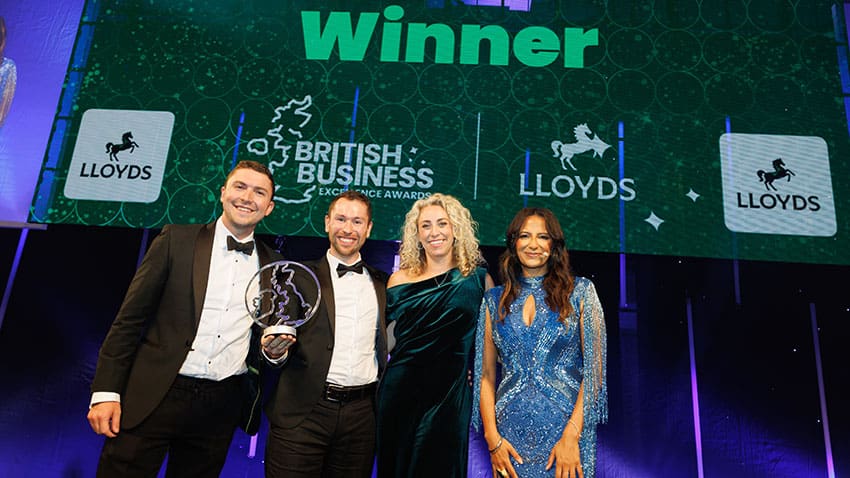
More recently, Tropic Skincare, winner of the Lloyds Mid-Market Business of the Year (pictured), has demonstrated that rapid commercial success and purpose-led leadership are not mutually exclusive. Under Susie Ma’s leadership, the company continues to scale while holding firm to an unwavering commitment to ethical sourcing, sustainability and the empowerment of thousands of independent ambassadors across the country.

Advertisement

Realise Training Group, recognised for Mid-Market Growth, shows another side of Britain’s economic success. By training more than 16,000 learners a year and employing hundreds of people, its expansion directly strengthens the UK’s workforce and productivity, delivering social impact alongside commercial returns.

These businesses may operate in very different sectors, but they share something fundamental. They have moved beyond merely building successful companies. They are building institutions.

Taken together, Britain’s mid-market firms employ millions of people. They invest in apprenticeships, nurture future leaders, adopt emerging technologies and support thousands of suppliers across every nation and region of the UK. They are often the anchor employers in their local economies, providing stability in uncertain times while continuing to invest for the future. Importantly, they have mastered one of the hardest disciplines in business: longevity.

That contribution is finally being recognised at a national level. A government-backed council to champion the country’s “unsung” mid-sized businesses is now giving the sector a more unified voice on issues from planning and infrastructure to the persistent skills shortage. It is a welcome acknowledgement that, much like the small and medium-sized firms so often described as the backbone of our economy, the middle of the market has been underserved by the national conversation for too long.

Advertisement

At the Lloyds British Business Excellence Awards, we celebrate organisations at every stage of that journey, from ambitious start-ups to established market leaders, as this year’s line-up of finalists makes clear. What unites them all is excellence.

Excellence is not measured by valuation or headline growth alone. It is reflected in leadership, culture, innovation, resilience, customer commitment and the positive impact a business has on its people and communities.

Britain’s future will not be built by one type of business alone. It will be built by ambitious start-ups becoming scale-ups, scale-ups becoming established enterprises, and established mid-market businesses continuing to innovate, invest and inspire the next generation. That is why supporting the entire business lifecycle matters.

Because while tomorrow’s unicorns will undoubtedly shape future headlines, it is Britain’s mid-market businesses that power our economy every single day. They may not always be the loudest voices in British business. But they are, without question, among its strongest.

Advertisement

Entries close for the 2026 Lloyds Business Excellence Awards on July 3rd.


Sarah Austin

Sarah Austin

Sarah Austin, founder and Director of the Lloyds British Business Excellence Awards, champions British entrepreneurship, inspiring businesses to start and stay in Britain. She tirelessly supports women in business, fostering innovation, resilience, collaboration, sustainable growth, opportunity, ambition, leadership, and lasting economic prosperity across communities, empowering future generations of entrepreneurs nationwide.

Advertisement
Continue Reading

Business

Nike (NKE) Q4 2026 earnings

Published

on

Nike (NKE) Q4 2026 earnings

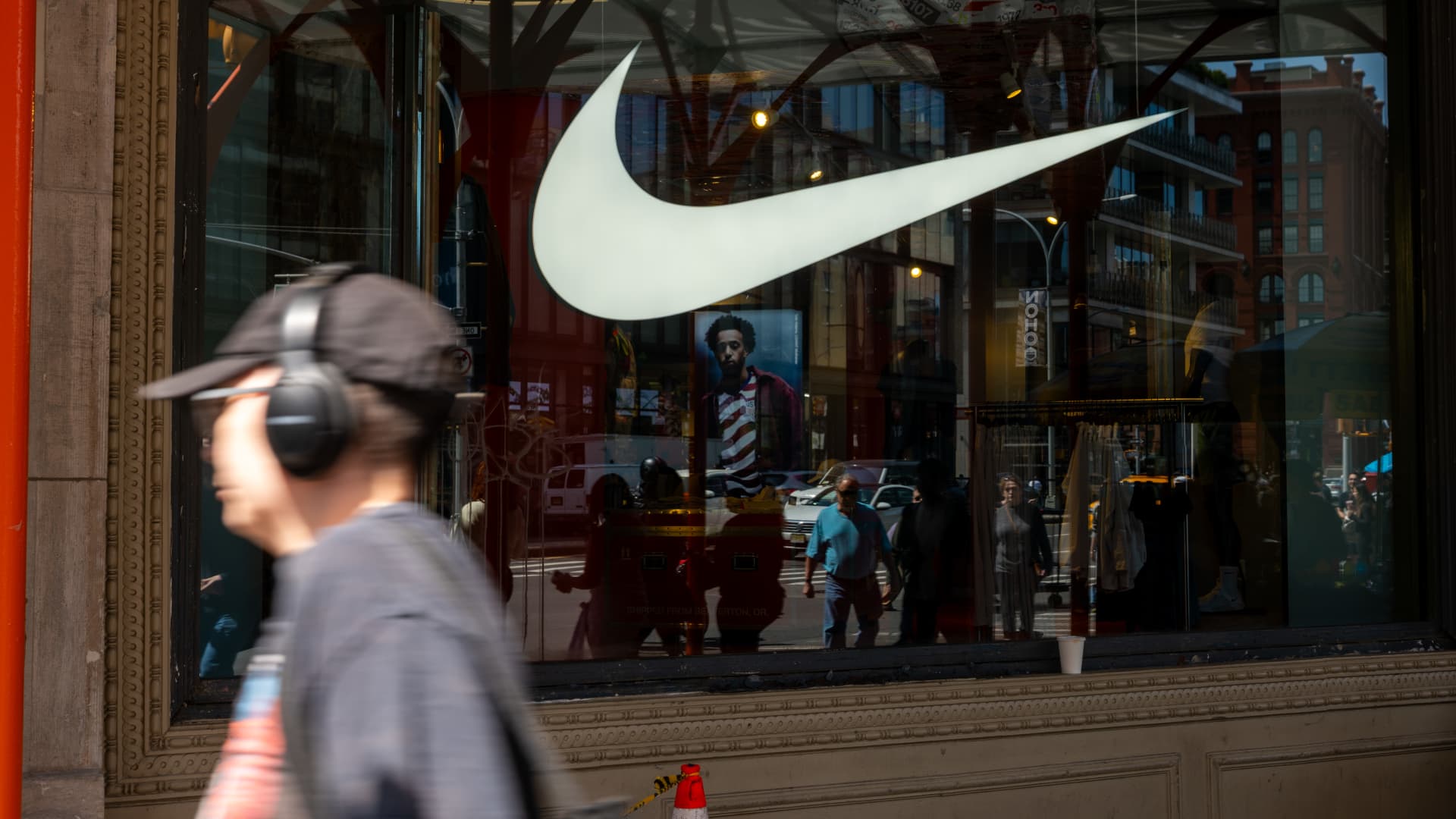
The iconic Nike swoosh design is displayed in a window of the athletic company’s new store on Broadway in Manhattan on April 24, 2026 in New York City.

Spencer Platt | Getty Images

Nike is set to report fiscal fourth-quarter results after the bell Tuesday as the shoe retailer struggles to regain sales growth and turn around its business under CEO Elliott Hill.

Advertisement

The company previously said it expected sales to fall for the rest of the calendar year, while projecting a decline of 2% to 4% in its fiscal fourth quarter. That expectation was well under Wall Street estimates of an increase of 1.9%.

Still, Nike said last week that its results will include an unexpected benefit from tariff refunds that was “not contemplated in the company’s previously provided guidance.”

Chief Financial Officer Matt Friend said on the earnings call for the fiscal third quarter that Nike expects sales to fall by a low single-digit percentage for the rest of the calendar year, led by growth in North America but offset by a big drop in China. The company’s gross profit margin also took a hit last quarter due to higher tariffs in North America.

In its fiscal third quarter, Nike reported steady growth in North America with a 3% sales increase, while its Greater China market saw revenue sink 7% to $1.62 billion for the quarter.

Advertisement

Here’s what analysts are expecting from Nike for its fiscal fourth quarter, according to a survey of analysts by LSEG:

  • Earnings per share: 13 cents expected
  • Revenue: $10.86 billion expected

For the full fiscal year, analysts are expecting revenue of $46.27 billion and earnings per share of $1.51. They’re also projecting revenue of $46.47 billion for the next fiscal year ending in May 2027.

The earnings come as Hill has been trying to reposition Nike for growth amid slumping sales. The company previously warned its turnaround would not be linear as certain parts of the business improve at different rates.

Hill previously said that the parts of the business that Nike initially focused on turning around are beginning to see “momentum.”

The turnaround effort is also placed against a backdrop of macroeconomic uncertainty, with tariffs, the war in the Middle East, soaring gas prices and more. Friend said on the third-quarter earnings call with analysts that Nike could face unexpected impacts from the broader backdrop, including volatility from rising oil prices and lowered consumer confidence.

Advertisement

“We are focused on what we can control,” Friend said at the time.

In April, Nike instituted a sweeping round of layoffs, cutting 1,400 roles across the organization in its second workforce reduction of the year.

Last week, the company announced a planned CFO transition, with former Pfizer executive David Denton taking over for Friend effective Aug. 17.

Still, Nike has seen a boom from the World Cup, hosted across North America this summer. While it’s not an official sponsor, the company saw its advertisements massively outpace sneaker rival Adidas and gain significant traction across social media.

Advertisement

Nike will host a conference call with analysts at 5 p.m. ET.

Choose CNBC as your preferred source on Google and never miss a moment from the most trusted name in business news.
Continue Reading

Business

Tonix: 'Hold' Based On Tonmya Payer Expansions And MDD Trial Initiation

Published

on

Tonix: 'Hold' Based On Tonmya Payer Expansions And MDD Trial Initiation

Tonix: 'Hold' Based On Tonmya Payer Expansions And MDD Trial Initiation

Continue Reading

Business

Premier Forest Products reports surging revenues through acquisition and organic growth

Published

on

Business Live

The Newport headquartered business is expecting revenues to reach £200m next year

Terry Edgell and Neil Davies of Premier Forest Products.

Premier Forest Products has reported surging revenues through its strategy of acquisition and organic growth.

Over the last year the Newport headquartered business has made a number of key acquisitions, including timber engineering specialist National Timber Systems and multiple former Arnold Laver sites from National Timber Group England.

Advertisement

These additions have further strengthened Premier Forest’s capabilities across timber distribution, manufacturing, and logistics. The business, one of the UK’s leading independent timber and timber processing groups, said that audited revenues for its last financial to the end of April this year are expected to come in at £125m, while for its current 2026/27 year revenues are expected to rise significantly to £200m.

The company said it has delivered this growth despite continued economic pressure across the sector including fiscal changes, rising operational costs and ongoing geopolitical instability impacting global trade.

Head count has grown from 400 employees to almost 800 across the group following the acquisitions, while the HR function has doubled in size to support workforce development. It has also strengthened its senior leadership team through a series of strategic appointments and promotions, including the promotion of Neil Davies from chief financial officer to chief financial and operating officer.

Alongside commercial performance, Premier Forest said its environmental, social and governance (ESG) commitments are increasingly influencing customer relationships and procurement opportunities.

Advertisement

The business continues to expand programmes around its corporate parenting scheme with a new cohort joining the group in July, its prisoner rehabilitation scheme, military covenant commitments and employment support initiatives, with these projects now forming an important part of major framework discussions and tender opportunities. It also recently expanded banking facilities with HSBC which will support continued investment and ensure the business remains agile for future acquisition opportunities as the market evolves.

Terry Edgell, co-founder and chief executive of Premier Forest Products, said: “The market has remained difficult for many businesses, particularly with ongoing fiscal pressures and the wider impact of geopolitical uncertainty on trading conditions.

Our approach has been to continue investing in infrastructure, in systems, in capability and most importantly in people so we are ready to capitalise when markets strengthen again.

“ESG and social value are no longer secondary conversations, they are central to how major organisations select partners. What’s important for us is that these initiatives are authentic and embedded into the culture of the business, not simply box-ticking exercises.

Advertisement

“We’ve built strong momentum over the last year, but ultimately our success comes down to our people. It is the talent within the organisation that drives Premier Forest forward.”

Mr Davies said: “Premier Forest has continued to evolve rapidly, with the business delivering significant growth over the last year through strategic acquisitions, expansion across key markets, and continued investment throughout the group. This progress has further strengthened our market position and created a broader, more resilient platform for future development.

The next 12 months will be an important period for the business as we continue integrating our recent acquisitions, strengthening operations across the group, and building on the momentum we have created.

“With a growing national presence, an expanding customer base, and continued focus on operational excellence, the business is well positioned to support further sustainable long-term growth.”

Advertisement
Continue Reading

Business

Kawhi Leonard’s Trade to Toronto Raptors Stalls Over Clippers Demand for Untouchable Young Star

Published

on

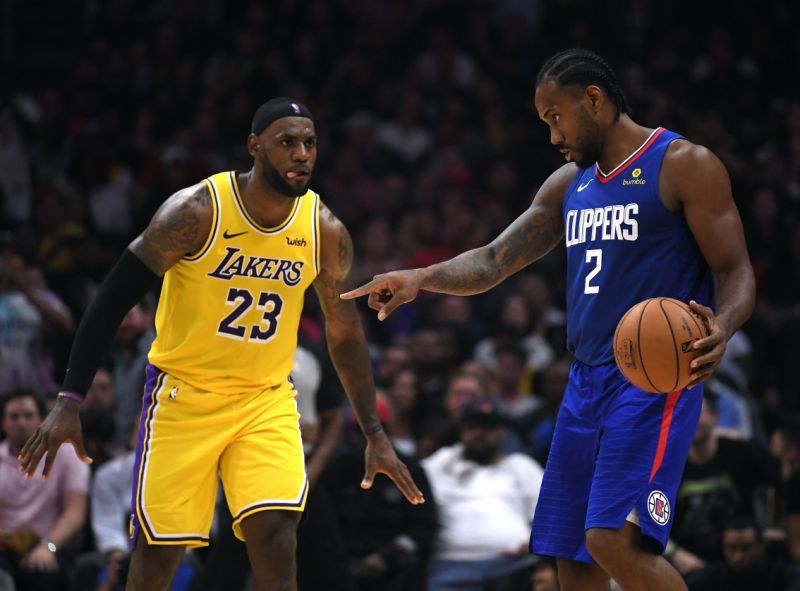
LeBron James defends Kawhi Leonard during Lakers vs. Clippers NBA 2019-20 season opener.

TORONTO — A deal that would send Kawhi Leonard back to the Toronto Raptors appears increasingly likely, but the Los Angeles Clippers and Raptors remain stuck on one central sticking point: which of Toronto’s young players will be included in the return package.

Leonard, the two-time NBA champion and former Raptors Finals MVP, has reportedly told teams he will only sign a contract extension with Toronto if traded, a stance that has significantly narrowed his market and given the Raptors meaningful leverage in negotiations with Los Angeles. ESPN’s Shams Charania reported that a trade could happen as soon as Monday, while NBA insiders have separately confirmed that the Clippers and Raptors are “seriously engaged” in discussions that have stretched on for more than a week.

The core obstacle, according to Sportsnet’s Michael Grange, centers on the Raptors’ refusal to include two specific players in any potential deal. Grange reported that second-year wing Ja’Kobe Walter would not be part of any package Toronto offers, adding that rookie Collin Murray-Boyles is similarly considered off-limits.

“Plenty of noise around Leonard/Clippers/Raptors potential deal, but my understanding is second-year wing Ja’Kobe Walter would NOT be part of any deal the Raptors might make, per sources,” Grange wrote. “It almost goes without saying prize rookie Colin Murray-Boyles is off limits also.”

Advertisement

Murray-Boyles, the No. 9 overall pick in the 2025 NBA Draft, emerged as one of the league’s most promising rookies last season, averaging 8.5 points, 5.0 rebounds and 1.9 assists while earning a spot on the All-Rookie Second Team and establishing himself as one of the NBA’s better young defenders. He raised his game further during Toronto’s playoff series against the Cleveland Cavaliers, reinforcing the Raptors’ view of him as a potential long-term cornerstone. Given that Los Angeles is parting with its best remaining player, the Clippers naturally view Murray-Boyles as the centerpiece they would want in return, but Toronto has made clear that asset will not be on the table.

Walter, the No. 8 pick in the 2024 NBA Draft, has also shown steady growth across his first two professional seasons. He started five of Toronto’s seven playoff games against Cleveland this past season and averaged 11.1 points during that postseason stretch, building on a regular season in which he finished as the only Raptor attempting at least three 3-pointers per game while shooting 40% from beyond the arc. Walter remains ineligible for a contract extension until next offseason and is expected to come off Toronto’s bench next year, but his demonstrated trajectory has been enough for the Raptors to shield him from trade discussions as well.

With both Murray-Boyles and Walter ruled out, reporting indicates the most frequently discussed trade framework would send forward Brandon Ingram, guard Gradey Dick and draft compensation to Los Angeles in exchange for Leonard. Ingram, an All-Star for Toronto last season who averaged 21.5 points, 5.6 rebounds and 3.7 assists, is under contract for just two more seasons, giving the Clippers a high-production piece with future financial flexibility. Dick, 23, struggled through a down season averaging just 6.0 points but remains viewed as a high-upside shooter who some analysts believe could thrive in a different system in Los Angeles.

Despite Ingram’s inclusion, the Clippers reportedly view that offer as lopsided in Toronto’s favor. Los Angeles remains far more interested in extracting Murray-Boyles specifically, but with the Raptors holding firm, the two sides have yet to find common ground on what would satisfy both franchises. Some reporting has floated an alternative package built around Walter, Ingram and a future first-round pick as potentially the best offer the Clippers could realistically extract from Toronto, though that scenario has not been confirmed as an active proposal and would still leave the final decision in Los Angeles’ hands on whether to accept terms that exclude its preferred target.

Advertisement

Leonard’s situation carries additional complexity beyond the trade framework itself. He is entering the final year of his contract, worth more than $50 million, and the NBA is separately investigating whether Leonard and the Clippers circumvented the salary cap through a sponsorship agreement tied to the now-defunct company Aspiration. Should the league determine wrongdoing occurred, Leonard’s contract could potentially be voided altogether, adding a layer of uncertainty that looms over any trade discussion regardless of which assets ultimately change hands.

Even setting aside that investigation, Leonard’s age and recent injury history have shaped how aggressively the Raptors are willing to negotiate. Now 35 and coming off a season in which he averaged a career-best 27.9 points, 6.4 rebounds, 3.6 assists and 1.9 steals across 65 games while shooting over 50% from the field and 38% from three-point range, Leonard remains an elite offensive talent when healthy. But his extensive injury history over the past several seasons has tempered how much young, controllable talent Toronto is willing to surrender for what could ultimately amount to a single fully healthy season before Leonard’s career winds down.

Leonard previously spent one season with the Raptors in 2019, leading the franchise to its first and only NBA championship before departing that summer to join the Clippers. His tenure in Los Angeles has since been marked by a pattern of disappointing playoff results and recurring injury setbacks, a history that has fueled speculation about a potential homecoming as Toronto looks to elevate itself back into legitimate championship contention.

For now, with the Raptors unwilling to part with either of their most promising young building blocks and the Clippers unconvinced that the offers on the table represent fair value for their franchise player, the two sides remain at an impasse even as both have continued engaging in what league sources describe as serious, ongoing negotiations. Whether Toronto’s leverage, rooted in Leonard’s stated preference to sign an extension only with the Raptors, ultimately forces Los Angeles to accept a deal built around Ingram, Dick and draft compensation rather than Murray-Boyles or Walter will likely determine whether this blockbuster trade comes together in the days ahead or stalls out entirely as free agency proceeds elsewhere around the league.

Advertisement
Continue Reading

Business

Emma Jones Marks First Year as UK Eyes Toughest Late Payment Regime

Published

on

Emma Jones CBE, the renowned founder of Enterprise Nation and one of the UK’s most vocal champions of small businesses, has been appointed as the new small business commissioner. She will take up the role on 23 June, succeeding Liz Barclay, who completes her four-year term at the end of this month.

A year into the job, Britain’s Small Business Commissioner is about to be handed real teeth, and she intends to use them.

Emma Jones CBE has marked her first anniversary as the UK’s Small Business Commissioner, capping twelve months of hard campaigning on behalf of the country’s 5.5 million small firms with the prospect of the most far-reaching shake-up of payment law in a generation. Since taking up the role, the Enterprise Nation founder has trained her attention on speeding up payment times, putting digital tools to work for small traders, and protecting the cash flow that keeps the nation’s smallest businesses alive.

The timing is no accident. Her milestone arrives just as the government’s Commercial Payments Bill, also referred to as the Small Business Protections Bill, completes its passage into Parliament. The legislation is designed to give Britain the toughest late payment regime in the G7 and, crucially, to convert the Office of the Small Business Commissioner (OSBC) from a mediation service into a genuine enforcement body with the power to investigate and to fine.

For anyone who has run a small business, the problem it targets needs little explanation. Late payment drains an estimated £11 billion from the economy every year, and the human cost behind that figure is what Jones returns to again and again.

“Having started, scaled, and sold businesses myself, I know first-hand how draining it is to chase the money you have already rightfully earned,” she said, reflecting on her first year. “This year, our small but mighty team has focused heavily on reducing the hours business owners waste on non-productive tasks so they can reinvest that energy back into growth.”

Advertisement

She is blunt about the scale of the drag. “Late payment isn’t just an administrative inconvenience, it is a massive barrier to excelling,” she said. Joint research from the Department for Business and Trade and the OSBC, she noted, shows UK small businesses lose a staggering 133 million hours of staff time every year purely chasing overdue invoices, an average of 86 hours for every affected firm. “This is time stolen directly from product development, training, and expanding operations. As we look to the year ahead, the new legislation represents a monumental shift. It gives us the teeth we need to end this culture of delay and unlock the full potential of our small business community.”

Jones has spent her opening year reshaping how the OSBC reaches and supports small firms. Acting as an independent advocate for micro-businesses and SMEs squeezed by large corporate supply chains, her office has clawed back £1.5 million for small businesses caught out by late payment, building on the Commissioner’s wider track record of recovering money owed to suppliers.

On the digital front, she has published fresh guidance alongside a payment pledge signed by major UK eCommerce marketplaces including eBay, Temu, PayPal and SumUp, and produced AI advice tailored to small firms. Behind the scenes, she has worked closely with the Department for Business and Trade and research partners to lay the groundwork for the incoming Bill, drawing on international best practice to shape it.

Cultural change has been a constant theme. More than 600 businesses across the UK have now signed up to the Fair Payment Code, among them HSBC, Barclays, NatWest, Nationwide, Heathrow Airport, Amey, Kier, AXA, Boeing, BT and Welsh Water. Jones has also grown the office’s social media reach and launched an interview series, ‘Get the money moving’, with leading voices in the fair payment space. In person, she has met more than 5,000 people and run monthly SME Safaris, sending civil servants out to meet founders in their real trading environments.

Advertisement

The year ahead will be defined by readying the business community for the Commercial Payments (Late Payments) Bill now making its way through Parliament. The government has billed the package as the toughest crackdown on late payments in over 25 years, and the detail bears that out.

Under the reforms, the Commissioner will gain powers to investigate the persistent poor payment practices of larger businesses, adjudicate disputes outside the court system, and levy financial penalties on repeat offenders that could run into tens of millions of pounds. The OSBC will also be able to act on anonymous complaints, shielding small suppliers from the threat of corporate retaliation when they speak up.

Two further measures go to the heart of the cash flow problem. Large companies will be capped at a maximum of 60 days’ payment terms when dealing with smaller suppliers, and statutory interest of 8% above the Bank of England base rate will apply automatically to overdue invoices, stripping away a firm’s ability to contract out of late fees. The new powers for the Commissioner were confirmed when the Bill was introduced to Parliament, alongside the wider crackdown on firms that pay late.

Before the legislation takes effect, Jones is focused on keeping the quality of casework and support high, welcoming more firms onto the Fair Payment Code, and exploring a future in which the office covers some of its own costs while positioning the UK as a global leader in the shift to a prompt payment economy.

Advertisement

After a year of persuasion, in other words, the Commissioner is preparing for a year of enforcement. For the 5.5 million small businesses she represents, the difference could be measured in both hours and pounds.


Amy Ingham

Amy is a newly qualified journalist specialising in business journalism at Business Matters with responsibility for news content for what is now the UK’s largest print and online source of current business news.

Advertisement
Continue Reading

Trending

Copyright © 2025