
Crypto World
Bybit Funds Malaysia’s Dual-Licensed Hata Crypto Platform


Bybit has led an $8 million Series A for Hata, a dual-licensed digital asset exchange operating in Malaysia, marking a notable push into Southeast Asia’s evolving crypto regulatory landscape. The round, which followed Bybit’s earlier $4.2 million seed investment, is aimed at boosting liquidity, expanding the user base, and developing additional digital asset products as Hata scales in the country.
Hata operates under licenses from Malaysia’s Securities Commission and the Labuan Financial Services Authority, enabling it to offer trading and custody services for digital assets within the Southeast Asian nation. Since launching in 2023, the platform reports more than 209,000 registered users and processed 1.04 billion Malaysian ringgits (about $225 million) in transaction volume in 2025, underscoring growing demand for compliant onshore crypto access.
Ben Zhou, Bybit’s co-founder and CEO, described Malaysia as strategically important, noting its digitally engaged population and long-term potential for asset adoption across Southeast Asia. Bybit itself sits among the world’s largest crypto exchanges by trading volume, with CoinMarketCap ranking it as the fifth-largest platform globally.
Beyond Southeast Asia, Bybit has deepened its commitment to the Middle East. In March, the firm named Derek Dai as the new country manager for the MENA region to spearhead expansion and partnerships, despite ongoing regional tensions. The executive said the Middle East is emerging as a key crypto market, with Bybit targeting expanded access to local currencies, including the UAE dirham, and closer collaboration with banks and payment providers in the coming months.
Related reading: Rwanda swats Bybit’s P2P platform offering franc-to-crypto trading
Key takeaways
- Bybit-led $8 million Series A fuels Hata’s growth in Malaysia, with prior seed funding of $4.2 million contributing to its onshore expansion agenda.
- Hata operates under dual licensing from Malaysia’s Securities Commission and the Labuan Financial Services Authority, enabling trading and custody of digital assets in-country.
- Malaysia’s regulatory push includes a Digital Asset Innovation Hub sandbox and a broader three-year roadmap from Bank Negara Malaysia to explore asset tokenization and cross-border settlement.
- Bybit’s regional strategy extends beyond Malaysia into the Middle East, with a dedicated MENA leadership and plans to broaden local currency access and banking partnerships.
Malaysia’s regulatory sandbox as a testing ground for digital assets
The fundraising comes amid a broader regulatory push in Malaysia to create a structured framework for digital assets. In June, Malaysia unveiled the Digital Asset Innovation Hub as a regulatory sandbox, allowing fintechs and digital asset firms to pilot use cases such as programmable payments, ringgit-backed stablecoins, and supply chain financing under central bank oversight. The aim is to test and refine practical applications of tokenized finance within a controlled environment before wider market rollout.
That same month saw notable industry activity, with a Crown Prince-owned telecom company launching a ringgit-backed stablecoin called RMJDT on the Zetrix blockchain within the sandbox framework. These developments illustrate Malaysia’s intent to balance innovation with consumer protection and regulatory clarity as the sector matures.
Bank Negara Malaysia (BNM) has signaled a longitudinal, three-year plan to explore asset tokenization, including pilots for tokenized deposits, stablecoins, and cross-border settlement via its Digital Asset Innovation Hub. The central bank has formed an industry working group co-led with the Securities Commission Malaysia to coordinate use cases and address regulatory and legal considerations as the market evolves.
What Bybit’s regional push means for investors and users
Bybit’s investment in Hata aligns with a wider pattern of exchanges pursuing onshore hubs that offer regulated access to digital assets while expanding liquidity and product depth. For investors, the Malaysia-focused funding round signals confidence in a credible regulatory pathway that could attract more institutional liquidity and user adoption as the market scales. For users, the move could translate into more competitive trading options, improved custody solutions, and a broader suite of asset offerings under compliant standards.
The Middle East leg of Bybit’s expansion strategy further broadens the firm’s geographic footprint at a time when regional crypto markets are intensifying activity despite ongoing geopolitical headwinds. With Dai at the helm in MENA, Bybit aims to broaden UAE dirham access and foster partnerships with banks and payment providers, potentially unlocking smoother onramps for retail and institutional participants alike.
Analysts familiar with the space note that the regulatory sandbox in Malaysia could become a proving ground for cross-border tokenization concepts, while Bybit’s regional expansion could accelerate the adoption cycle in the MENA region. If these efforts translate into measurable liquidity improvements and broader product offerings, they could set a precedent for other exchanges looking to operate vertically integrated, licenced platforms in emerging markets.
What to watch next
In the near term, observers should monitor how Hata leverages the fresh funding to enhance liquidity and user growth, and whether subsequent regulatory milestones in Malaysia unlock additional onshore listings and product pilots. In the Middle East, the pace of collaborations with banks and payment providers will be a key indicator of Bybit’s ability to convert strategic commitments into practical access for users and merchants. Finally, Malaysia’s regulatory sandbox activity—alongside the central bank’s tokenization roadmap—will shape the broader environment for digital assets and could influence how exchanges approach onshore operations in the region.



A whale who made $44.61m on leveraged ETH in two months has topped up a long to 30,000 ETH around $2,288, turning profits into even more high‑gear risk.
Summary
- Leveraged Ethereum whale that booked $44.61m in profit over two months has boosted its long to 30,000 ETH
- Address added 12,000 ETH at $2,286.9, pushing its average entry to $2,288.3 as price bounced from a sharp pullback
- Position has just flipped back to unrealized profit, highlighting rising conviction — and risk — in ETH leverage markets
A leveraged Ethereum (ETH) whale that has earned $44.61 million in profit over the past two months is increasing its bet on the asset, adding 12,000 ETH to a long position after a brief price drop and lifting its exposure to 30,000 ETH.
On‑chain analyst ai_9684xtpa reported on X that the address stepped in at an average price of $2,286.9 per ETH, bringing its blended entry to $2,288.3 and nudging the trade back into “a floating profit state” as the market stabilized.
The trader’s recent performance has drawn attention across derivatives desks, with prior tracking from Weex and PANews showing the same whale using 15x leverage on Hyperliquid and similar venues to ride Ethereum’s rallies and reversals since February.
According to a Weex report, one of the whale’s earlier legs involved opening a 4,000 ETH long worth about $9.06 million at an entry of $2,264.1 using 15x leverage, part of a sequence of trades that turned an unrealized loss into tens of millions in realized profit in roughly eight weeks.
Binance‑hosted summaries of ai_9684xtpa’s data note that when the trader previously closed a 113,000 ETH long, it locked in approximately $44.6 million in profit while still leaving tens of thousands of ETH on the table for future upside.
The current 30,000 ETH position translates to roughly $68.6 million in notional exposure at the latest entry, and significantly more when leverage is factored in, putting the whale among the larger single‑account risk concentrations in Ethereum perpetuals.
Similar activity has been seen in other large accounts.
KuCoin recently highlighted a BIT‑linked whale running a 15x ETH long with an entry around $2,148.7 as part of a $216 million cross‑asset leverage book, while a Matrixport‑linked entity tracked by crypto.news was previously found holding about $300 million in combined ETH and Bitcoin longs with an estimated $26 million in unrealized profit.
Those positions underline how aggressively some institutional and semi‑institutional traders are using double‑digit leverage around Ethereum’s current range, amplifying both potential upside and liquidation risk as funding rates and open interest rise.
For spot and options traders, the latest move by ai_9684xtpa’s whale serves as a live sentiment gauge.
After Ethereum’s recent pullback pushed many whales’ unrealized profit rates negative, on‑chain analytics firms such as CryptoQuant flagged growing pressure on large holders, with some warning that a cluster of forced unwinds could accelerate any further downside.
Instead, at least some of the biggest players appear to be leaning into the volatility, using fresh margin to defend and extend long exposure near the $2,300 mark — a line in the sand that may now serve as a de facto risk pivot for the broader ETH market.
In a previous crypto.news story on Matrixport‑linked whale leverage, Ethereum’s behavior under concentrated long risk was framed as a test of how resilient the asset’s new derivatives‑driven market structure really is when a few large addresses choose to press their advantage rather than de‑risk.


Nasdaq drops 1% and the S&P 500 0.6%, but Bitcoin near $75k and Ethereum around $2.3k show crypto holding up better than U.S. tech — at least intraday.
Summary
- Nasdaq falls 1%, S&P 500 drops 0.6% and Dow slips 0.27% as U.S. stocks extend a choppy April
- At 9 a.m. EST, Bitcoin trades near $75,325 and Ethereum around $2,318, both up from early‑morning lows despite equity weakness
- Coinbase stock remains volatile after a steep year‑to‑date slide, underscoring how listed crypto proxies still trade like high‑beta tech
U.S. equities opened the week on the back foot, with Gate’s TradFi desk reporting that the Nasdaq fell roughly 1%, the S&P 500 dropped nearly 0.6% and the Dow Jones Industrial Average slid about 0.27%, adding another red session to a bruising April for risk assets.
The move comes on top of a first‑quarter backdrop in which the Nasdaq was already down 7.1% year‑to‑date, the S&P 500 off 4.6% and the Dow lower by 3.6%, according to a recent Gate recap that blamed “geopolitical and energy‑driven headwinds” for the worst quarter in a year.
Yet by 9 a.m. EST on April 20, the two largest cryptocurrencies were showing more resilience than U.S. tech benchmarks, with Bitcoin changing hands at about $75,324.58 and Ethereum at $2,317.80, both modestly higher than their early‑morning prints despite the equity wobble.
Data compiled by Yahoo Finance shows Bitcoin opened Monday at $73,820.11, down 2.5% from Sunday’s $75,723.69, before rebounding above $75,240 by 7:35 a.m. EST, a swing that left BTC up roughly 1.9% off the lows even as futures pointed to a weaker Nasdaq open.
Ethereum followed a similar pattern, starting the day at $2,263.49 — 3.7% below its Sunday level — and then climbing back to about $2,307.37 by mid‑morning, putting spot ETH slightly above the $2,300 “line in the sand” highlighted in recent derivatives and liquidation analysis.
Fortune’s daily crypto dashboard puts the 9 a.m. Ethereum price at $2,317.80, roughly $730 higher than a year ago, underlining how the asset’s 40.3% year‑on‑year gain sits awkwardly next to a Nasdaq that is negative on the year.
That divergence has revived the debate over whether Bitcoin and Ethereum are finally decoupling from growth equities or simply lagging broader risk‑off moves.
In a prior crypto.news story on Ethereum liquidation risk, on‑chain and derivatives data suggested that a break below $2,040 could trigger up to $1.4 billion in long liquidations, a reminder that even if spot ETH looks steady against the S&P on some days, leverage still binds crypto tightly to macro shocks.
Listed crypto proxies, meanwhile, remain firmly in the equity bucket.
Coinbase stock closed at $206.33 on April 17, up 3.26% on the day but still nursing a 28.5% year‑to‑date drawdown to around $263.26 earlier this month as Barclays downgraded the shares on softer trading revenue, according to MEXC’s summary of the exchange’s latest earnings.
For traders watching both screens, Monday’s tape offered a neat snapshot.
The Nasdaq’s 1% slip and S&P 500’s 0.6% drop kept pressure on high‑beta tech, but Bitcoin above $75,000 and Ethereum near $2,300 showed that crypto can, at least intraday, shrug off modest equity weakness — even as history and recent crypto.news coverage of correlated sell‑offs suggest that a deeper stock‑market break would quickly test that independence.


Four of Japan’s largest financial institutions have begun a major blockchain trial to digitally manage government bond collateral. The experiment aims to make trading Japanese government bonds possible around the clock, both at home and abroad.
The move could reshape how one of the world’s largest sovereign debt markets handles collateral across borders and time zones.
A Four-Way Partnership
Mizuho Financial Group, Nomura Holdings, Japan Securities Clearing Corporation, and Digital Asset announced the joint experiment on Monday. They will use the Canton Network, a blockchain platform built specifically for institutional finance and capital markets. The clearing house is a wholly-owned unit of Japan Exchange Group, the country’s main stock market operator.
The project will check whether blockchain can handle bond ownership transfers across multiple account managers. It will also test real-time collateral exchanges between clearing houses, institutional investors, and their clients. Japanese government bonds will keep their legal status as registered securities throughout the testing period.
Japan’s Financial Services Agency formally approved the trial under its Payment Innovation Project back in February. Regulators will also review whether Japanese laws need to be changed to allow full blockchain-based bond trading. The four partners plan to finish their work by the end of September, according to Nikkei.
The Canton Network already hosts similar projects from global financial giants like JPMorgan and Goldman Sachs. The US clearinghouse, DTCC, is also using the same network to tokenize American Treasury bonds. Japan’s move brings one of Asia’s most important safe-haven assets into the same global financial ecosystem.
Why It Matters
Collateral management usually requires complex coordination across institutions, different computing systems, and multiple legal jurisdictions worldwide. Moving the process on-chain could cut paperwork, reduce settlement delays, and free up capital for major banks. Japanese officials hope the experiment will strengthen Tokyo’s competitive position in the fast-growing global digital asset race.
The post Japan’s Big Banks Take Government Bonds On-Chain appeared first on BeInCrypto.


Trump news today includes a rare public rebuke of a sitting cabinet member, as President Trump told The Hill that Energy Secretary Chris Wright is “totally wrong” on gas prices, the Washington Examiner reported, insisting prices will fall below three dollars per gallon “as soon as this ends,” referring directly to the war with Iran.
Summary
- Wright told CNN’s Jake Tapper on Sunday that sub-three-dollar gas “might not happen until next year,” handing Democrats an attack line on one of the administration’s biggest midterm vulnerabilities.
- Trump responded to The Hill: “No, I think he’s wrong on that. Totally wrong,” tying price relief entirely to the end of the Iran conflict.
- The exchange surfaced the same day oil surged over 5% as the Hormuz closure resumed, making Wright’s 2027 timeline the more credible market forecast.
Trump news today delivered a public contradiction of one of his own cabinet members on one of the most politically sensitive economic questions of the 2026 midterm cycle. Energy Secretary Chris Wright appeared on CNN’s State of the Union Sunday and told Jake Tapper that US average gas prices might not return below three dollars per gallon until 2027. Within hours, Trump called him “totally wrong” in a phone interview with The Hill.
“No, I think he’s wrong on that. Totally wrong,” Trump told The Hill’s Julia Manchester. Asked when prices would fall, Trump said: “As soon as this ends,” referring to the war with Iran.
Wright’s comment was economically honest. The Strait of Hormuz has been effectively closed since late February. Brent crude traded above $94 on Monday. A 2027 timeline for meaningful price relief reflects what the physical market currently signals. But politically, it handed Democrats an attack line and contradicted the administration’s broader messaging that the war’s costs would be short-lived.
Wright told Tapper that prices had “likely peaked” and that the US “will get back there, for sure,” referring to three dollars per gallon. He framed sub-three-dollar gas as “pretty tremendous in inflation-adjusted terms,” attempting to reframe the target as a premium outcome rather than a baseline expectation. The 2027 caveat is what created the problem.
US average gas prices have been elevated since February. Polls have consistently shown that most voters blame Trump for the increases, making energy costs a direct electoral liability heading into November. A full year or more of elevated prices, which Wright’s timeline implies, is not a message the administration can absorb in the current political environment.
Wright also told Tapper that the Strait of Hormuz is “not safe” right now, an assessment that accurately describes Monday’s situation but sits in tension with the administration’s broader optimism about imminent deal-making.
The Gas Price Reality Underneath the Dispute
Before the war, Brent crude traded below $75 per barrel. On Monday it was trading above $94. That roughly $20 gap flows directly into wholesale gasoline, diesel, jet fuel, and any consumer good that depends on transportation. California gas prices exceeded five dollars per gallon in March when crude hit its war-peak above $114. The current level, while below the peak, remains substantially higher than the pre-war baseline that voters remember.
Trump’s framing, that prices fall “as soon as this ends,” sets an expectation the physical market cannot deliver instantly. Even if a ceasefire were signed today, the market requires weeks or months for shipping normalization, inventory rebuilding, and crude-to-retail price transmission to occur. Wright’s timeline is a more accurate description of that reality. Trump’s is a political assertion.
What This Means for Oil and Crypto Markets
The gas price dispute reflects the central macro tension the conflict has created for both energy and crypto markets. For oil bitcoin dynamics, elevated crude prices directly suppress Federal Reserve rate cut expectations, which is one of the key macro tailwinds that institutional Bitcoin demand has been pricing in through 2026. Every week oil holds above $90 extends the period in which that tailwind is absent.
A genuine ceasefire deal that reopens Hormuz would drive oil toward the pre-war $65 to $75 range, remove the inflation ceiling on Fed policy, and create the macro conditions analysts have associated with Bitcoin recovering toward $100,000. Wright’s 2027 gas price timeline is effectively a forecast that those conditions remain at least a year away. Trump’s contradiction is a political statement, not a market forecast, and the oil market on Monday is pricing Wright’s read, not Trump’s.


A ChatGPT outage struck thousands of users globally Monday, TechRadar reported, with Downdetector recording a spike from under 1,000 reports to over 5,000 within roughly 30 minutes of disruptions first appearing around 10:05 AM ET, as OpenAI confirmed on its status page it was investigating the issue across ChatGPT, Codex, and the API Platform.
Summary
- OpenAI’s status page stated: “Impacted users are currently unable to access ChatGPT, Codex and API Platform,” attributing the disruption to “degraded performance” across login, conversations, voice mode, and image generation.
- The UK recorded over 7,600 Downdetector reports at peak, more than four times the roughly 1,700 seen in the US, raising questions about OpenAI’s geographic infrastructure load distribution.
- Downdetector reports began dropping within about an hour as service partially restored, though OpenAI’s status page continued showing the issue as under investigation at the time of publication.
A ChatGPT outage on Monday produced one of the sharpest Downdetector spikes the platform has recorded, going from near-zero reports to over 5,000 within approximately 30 minutes. The disruption was unusual in that it did not affect all users identically: some experienced complete login failures, others could log in but could not load conversations, and some found Codex affected while the main ChatGPT interface appeared functional for them. That variation is consistent with an infrastructure layer failure rather than a single-point outage.
OpenAI acknowledged the issue quickly, posting on its status page that it was investigating “degraded performance” across nearly every core feature. “We are investigating the issue for the listed services. Impacted users are currently unable to access ChatGPT, Codex and API Platform,” the company stated.
The status page showed a “Partial Outage” designation, though the scope of affected features and regions made it functionally closer to a full disruption for many users. OpenAI’s updates ran approximately 30 minutes apart during peak reporting, a cadence that users and enterprise clients have previously criticized as insufficient during active incidents.
The pattern on Downdetector, a flat line through Sunday night and early Monday morning followed by an almost vertical spike, is the signature of a sudden systemic failure rather than a gradual degradation. Business users on the API Platform were among those affected, with OpenAI noting issues for customers who had recently added new seats or upgraded accounts.
ChatGPT serves hundreds of millions of users. At that scale, any outage affects not just individual users but the downstream applications, business tools, and workflows built on the API. OpenAI’s enterprise revenue now accounts for 40% of its $2 billion monthly revenue, making uptime a direct factor in client retention and expansion contract negotiations.
The Regional Imbalance and Infrastructure Question
The UK bearing over 7,600 Downdetector reports against roughly 1,700 in the US is a data point worth examining. A geographic imbalance of that magnitude, European users seeing more than four times the disruption rate of American users at peak, suggests the failure may have originated in or propagated through a specific infrastructure region rather than being uniformly distributed across OpenAI’s global footprint.
OpenAI has not disclosed the geographic breakdown of its infrastructure or how load is balanced across regions. The company’s ongoing data center expansion, including a $60 billion facility in Abilene, Texas in partnership with Oracle, is focused primarily on US-based capacity. If European users route requests through US-hosted infrastructure, a localized US failure could manifest more severely in Europe due to latency and routing differences.
What This Means for AI Reliability and Crypto Markets
For the AI bubble debate, infrastructure reliability at scale is a material concern. OpenAI is seeking a $300 billion infrastructure partnership, has confirmed $2 billion in monthly revenue, and is expanding enterprise sales aggressively. A visible outage during a week already defined by major global market volatility produces exactly the kind of SLA pressure that enterprise contract renewals will be negotiated around.
For AI tokens and the broader AI infrastructure investment market, each high-profile outage confirms the scale of adoption that makes reliability so consequential, while simultaneously underscoring the engineering complexity that makes building at that scale more expensive and difficult than base-case investor assumptions. OpenAI restoring service within approximately one hour is a positive operational data point. The absence of any root-cause disclosure and the regional imbalance leave material questions open.
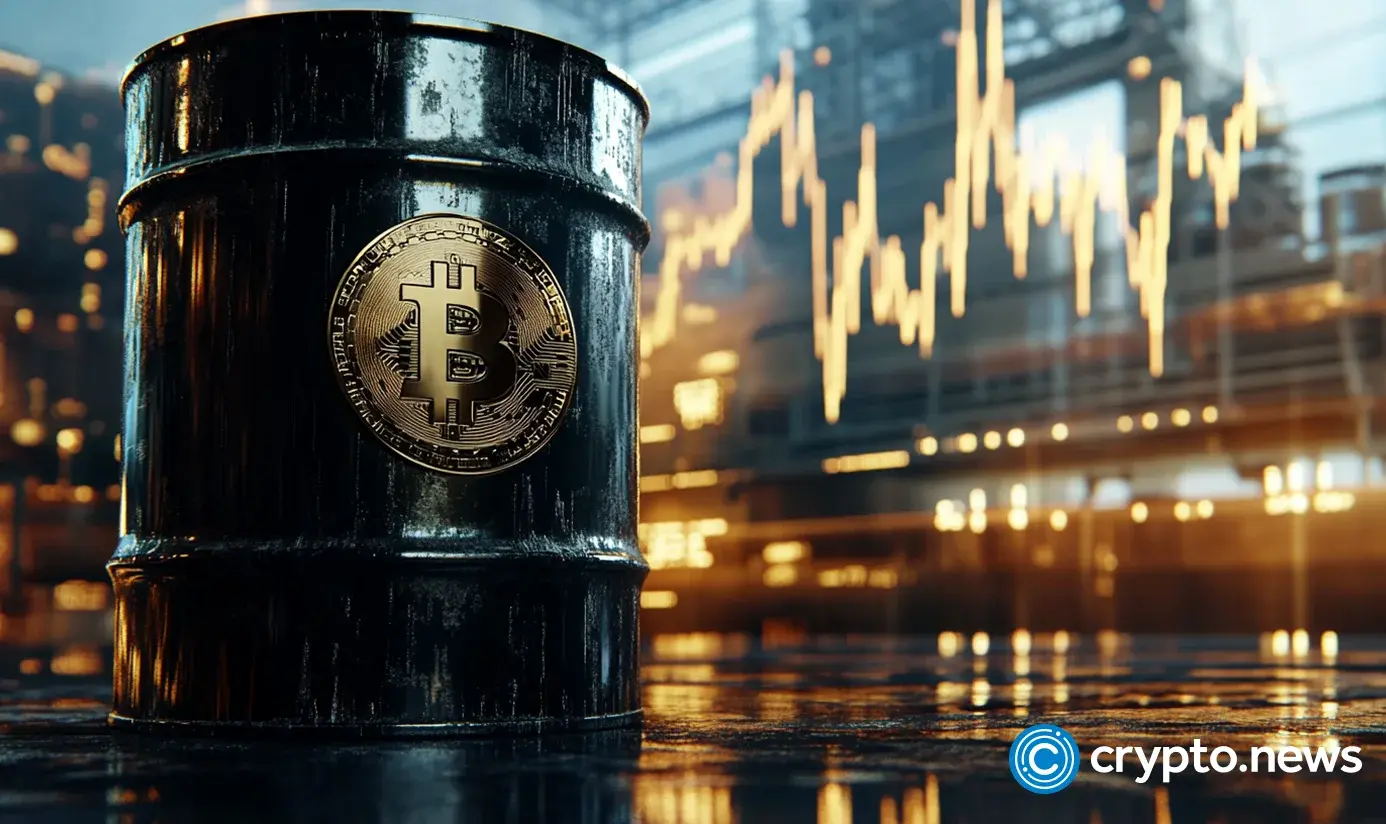
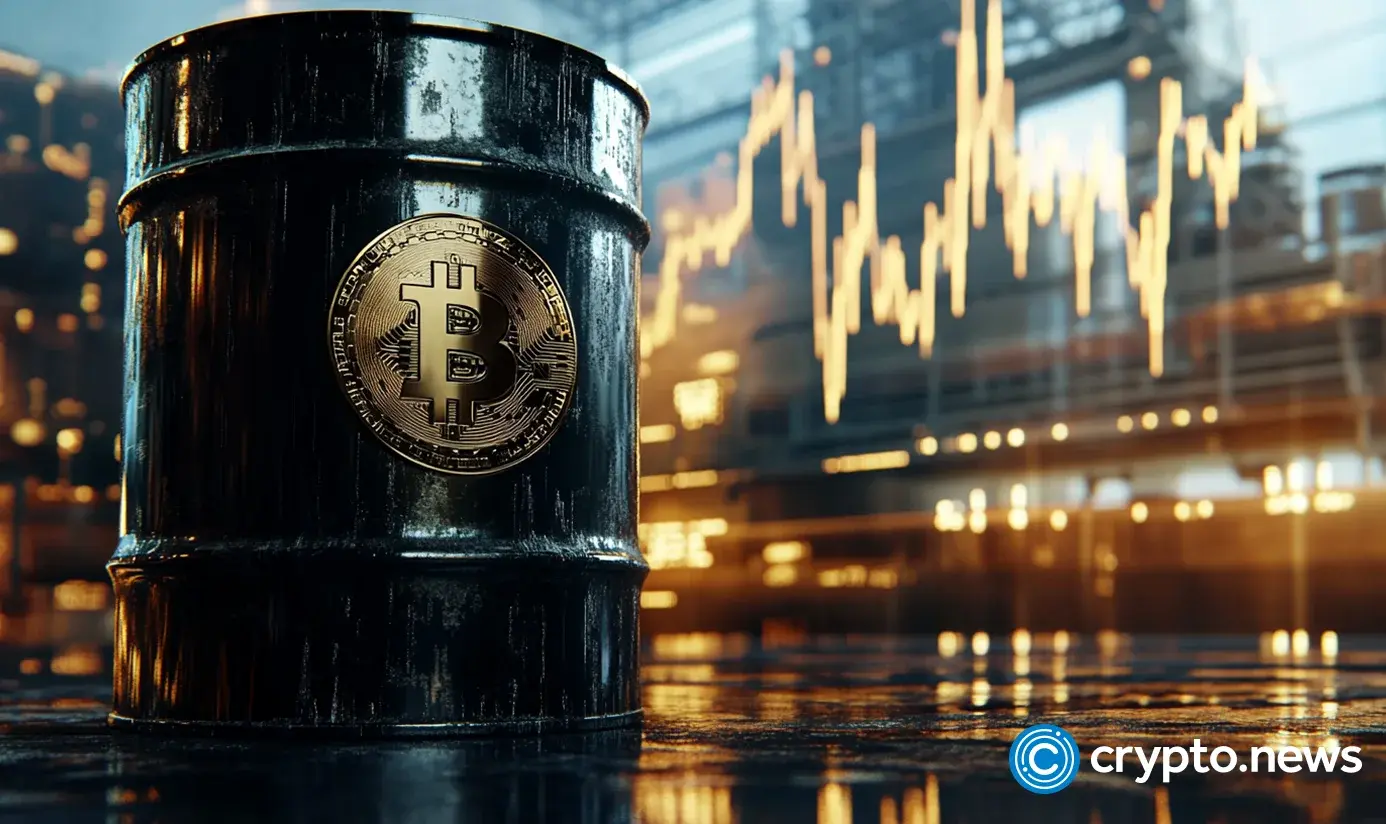
The crude oil price benchmark Brent reached $94.57 per barrel Monday morning, up more than 5% from Friday’s close, as CNBC reported that Kpler maritime data recorded essentially zero tanker crossings of the Strait of Hormuz on Sunday, with shipping advisory firm Ambrey telling all vessels to abort any planned transit immediately upon receiving an Iranian VHF warning.
Summary
- WTI crude rose 5.6% to $88.54 per barrel, fully reversing Friday’s 9% drop that had followed Iran’s brief announcement that the strait was completely open.
- Kpler showed no oil tankers crossing the strait Sunday, while Windward counted at least 13 vessels that turned back Saturday when Iran reimposed restrictions.
- ADNOC CEO Sultan Al Jaber put the cumulative supply loss at nearly 600 million barrels blocked over approximately 50 days, a figure that does not normalize quickly under any short-term ceasefire.
The crude oil price benchmark Brent is pricing a near worst-case scenario on Monday: a strait effectively closed for nearly 50 days, a ceasefire expiring Wednesday, no Iranian delegation confirmed for Pakistan talks, and a US seizure of an Iranian vessel the IRGC has promised to retaliate against. WTI crude at $88.54 reflects a global energy picture in which 10 to 11 million barrels per day of supply remains blocked.
“Markets are trading in a world where there is plenty of spin, statements, and speculation, but very little information of substance,” UBS Global Wealth Management chief economist Paul Donovan wrote in a Monday morning note. He described the reversal from Friday’s 9% fall to Monday’s 5% recovery as driven entirely by diplomatic signals rather than any change in physical supply conditions.
Shipping advisory firm Ambrey issued guidance Monday telling vessels to abort any planned Hormuz transit immediately on receiving VHF warnings from Iranian forces, effectively advising commercial operators to treat the strait as closed until further notice.
The Kpler figure of near-zero tanker crossings Sunday is the clearest indicator that the physical market remains severely disrupted regardless of diplomatic statements. Windward counted at least 13 vessels that turned back Saturday when Iran declared the strait closed again after the IRGC fired on two India-flagged vessels attempting to transit.
The brief Friday window of vessel movement reflected genuine commercial pent-up demand from weeks of closure and represents the entire operational achievement of the ceasefire: one day of elevated transit activity before the IRGC resumed firing. Oil market participants have made clear they require sustained certainty of safe passage before normalizing tanker operations. One day of traffic followed by renewed attacks does not meet that threshold.
ADNOC CEO Sultan Al Jaber called for Hormuz to be returned to the world “exactly as it was,” noting that almost 600 million barrels had been blocked over 50 days. That cumulative figure represents roughly six days of total global oil consumption and cannot be recovered by any single diplomatic announcement.
Why Brent Remains Below Its War Peak
Brent at $94.57 is well below the $114 to $166 range it reached at the height of the conflict in March. Several factors have moderated the price from those extremes. The IEA coordinated a release of 400 million barrels from emergency reserves in mid-March, representing approximately four days of global consumption. The US temporarily suspended its embargo on 30 Russia-linked petroleum tankers, adding supply from an alternative channel. China entered the conflict with substantial strategic reserves, providing a buffer for the world’s largest oil importer.
The result is a market priced for a sustained partial closure rather than a complete and permanent catastrophe. Every credible diplomatic signal drives Brent lower. Every escalation pushes crude toward the $100 level that analysts identify as the threshold above which global growth assumptions begin to shift materially. Monday’s $94.57 sits in the middle of that range, reflecting neither resolution nor full escalation.
What the Crude Oil Price Level Means for Crypto
For oil bitcoin market dynamics, Brent at $94.57 puts crude in the range where energy inflation expectations most directly suppress Federal Reserve rate cut prospects, removing the key macro tailwind that institutional Bitcoin demand has been pricing in through 2026. Every week oil holds above $90 extends the period in which that tailwind is absent.
The Hormuz tollbooth model Iran briefly operated during the ceasefire, charging tankers one dollar per barrel in Bitcoin, created a structural demand narrative for BTC that partially offset the macro risk-off pressure: if oil transactions could be denominated in crypto, the asset gained a functional role in global energy settlement. That narrative disappears entirely when the strait is fully closed with no toll system in operation, which is where Monday’s market finds itself.


South Korea’s Kospi set a new all-time intraday high on Tuesday, breaking the record it made in late February. The index then gave back some of those gains later in the morning as investors took profits.
The rally shows that investors are looking past the US-Iran war and focusing on strong memory chip earnings.
Samsung and SK Hynix drive the gains
The Kospi climbed as much as 2.2% to reach 6,355 in early trade on Tuesday. That topped the previous record peak of 6,347, which the benchmark had set on 27 February. The index later pared its advance, trading at 6,326, still up 1.73% on the day.
Samsung Electronics rose more than 2% and briefly touched 220,000 won, its highest level since February. SK Hynix jumped 3.86% to 1.21 million won and hit a new intraday record of 1.217 million. The chipmaker will report its first-quarter earnings on 23 April, a move that has fuelled strong buying interest.
AI infrastructure expansion is driving strong demand for high-performance memory chips across all major global markets. Supply shortages are also pushing up prices for standard memory products across the global industry this year.
Mixed picture across Asia
Japan’s Nikkei 225 rose more than 1% to trade near 59,500, led by technology and chip shares. Hong Kong’s Hang Seng was little changed at 26,363, while Shanghai’s Composite slipped 0.15% on the day. Australia’s S&P/ASX 200 fell 0.29% in early trading, bucking the broader regional trend on Tuesday.
The US-Iran ceasefire deadline falls on Wednesday, with talks set to resume in Pakistan amid easing tensions.
The post Kospi Hits New Record as Chip Stocks Rally on AI Demand appeared first on BeInCrypto.
Crypto World
XRP Price Prediction: $1.55 Target Could Ignite Markets While Pepeto Looks Like The Smarter Entry
The XRP price prediction turns on one level right now. Ripple bulls are defending $1.42 after the token lost the key $1.46 zone over the weekend per The Coin Republic, and a reclaim of $1.46 would reopen the path to $1.55 to $1.57 in the near term.
Analysts still tilt the outlook to the upside, but the gap between the forecast and the tape is the exact signal that defines every cycle. While the market argues over which way XRP breaks next, one presale has been pulling capital straight through the macro fog. Pepeto just topped $9.29 million at $0.0000001865 with a Binance listing drawing closer by the hour.
Pepeto’s Binance Listing Edges Closer As The XRP Price Prediction Waits On A $1.46 Reclaim
Analysts see XRP drifting inside a band between $1.35 and $1.46 until bulls reclaim the upper line, then a push toward $1.55 to $1.57 unlocks per The Coin Republic. A break below $1.42 sends the next stop to $1.37, with $1.31 a low-probability flush scenario.
The XRP price prediction carries real structural support, with XRP ETF inflows rising last week and daily volume holding while Bitcoin rejected $78,000 and slipped below $74,000 per Bitcoin.com News. But no wallet ever built generational wealth buying XRP after the forecast confirmed. The returns always go to buyers who picked the right project while $1.41 support held and extreme fear froze everyone else.
Pepeto Built What No Other Presale This Cycle Can Match
Headlines rotate every hour, but the wallets that printed real gains keep those records on record forever. Shiba Inu turned fractions of a cent into portfolio sizes most salaries will never match, delivering a 49,000,000% return inside weeks. Traders who arrived two days late caught a very different number.
Pepeto is building the same pace regardless of where the XRP price prediction settles. Chatter across X, Telegram, and Reddit gets louder every day, matching the buildup ahead of every major meme listing the market has seen.
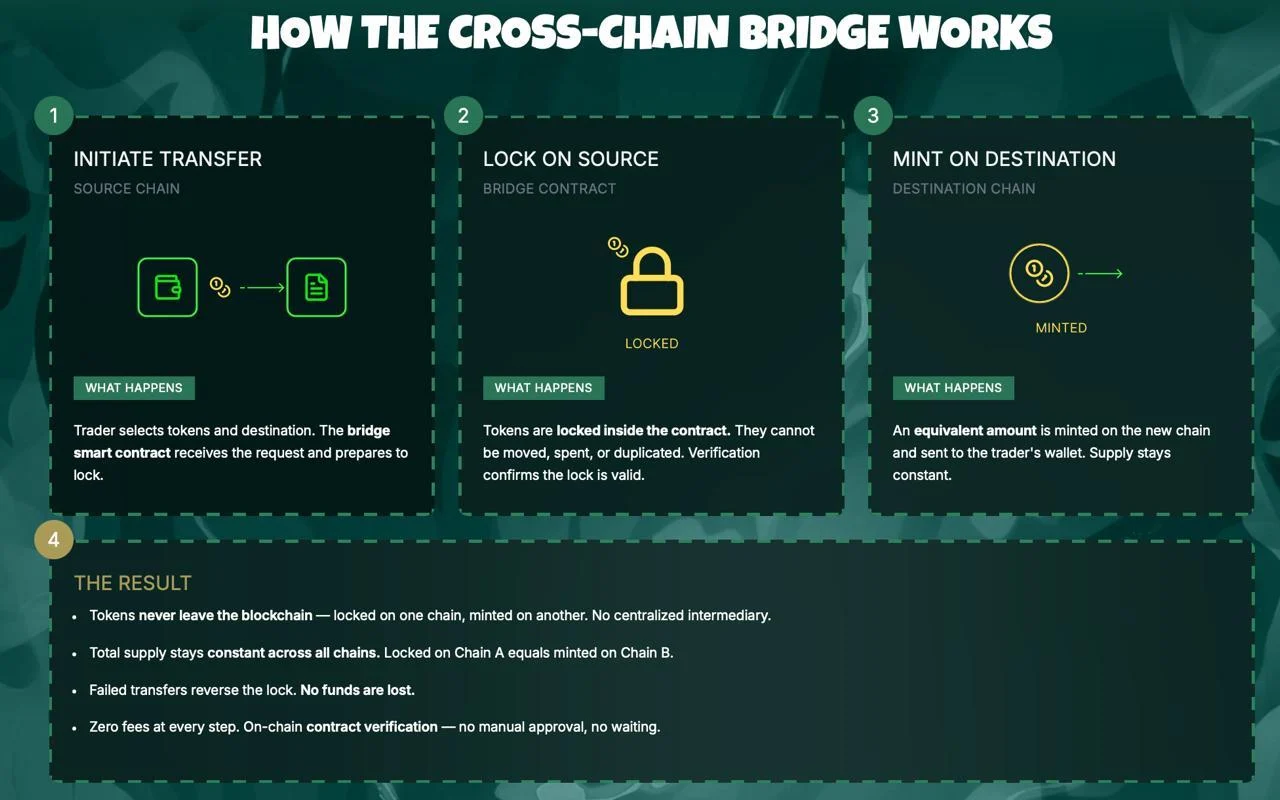
The difference is clean. Shiba Inu had no utility and shed 93% once the hype cooled. Pepeto is built to do the opposite. Its scanner flags unsafe code before any wallet sends funds, PepetoSwap handles trades across three chains at zero cost, and the bridge moves tokens between Ethereum, BNB Chain, and Solana with no gas charge. SolidProof audited every contract before the presale opened. A former Binance team member runs the exchange while the builder who lifted Pepe to $11 billion from nothing leads development. Staking at 181% APY keeps positions compounding while the Binance listing pulls closer.
“Nothing in crypto commands more attention than the meme coin space, but tokens without real products will not survive 2026. Pepe was only the start. Pepeto is the full vision I always carried, and with a senior Binance engineer on the team, the exchange is running at institutional grade,” said the architect behind the original Pepe coin.
XRP (XRP) Price At $1.42 With $1.40 Support And $1.55 As The Breakout Target
XRP (XRP) trades at $1.42 per CoinMarketCap on April 20, down 1.16% over 24 hours after the token lost $1.46 over the weekend per The Coin Republic. Support sits at $1.40 as the main defense line, with $1.37 below and $1.31 marking the deeper flush only if a much stronger catalyst arrives.
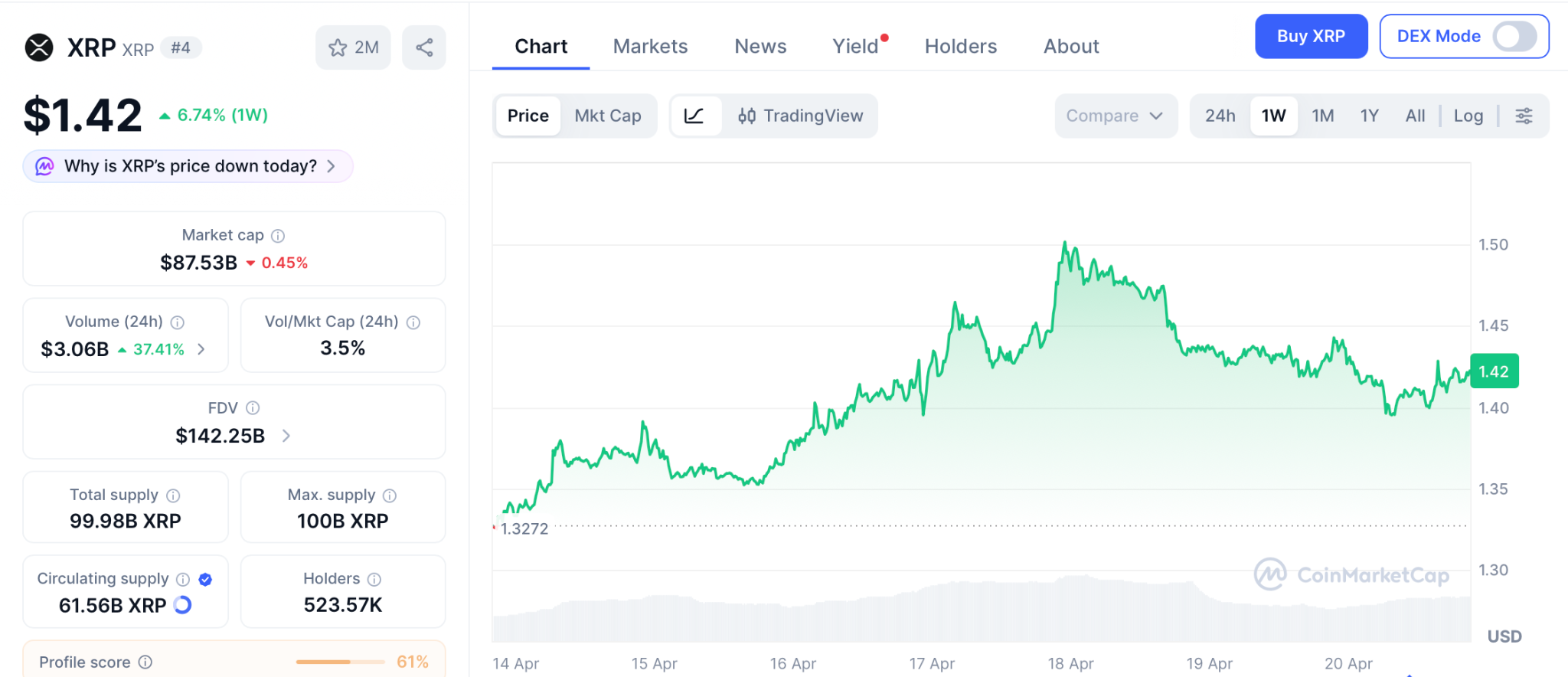
Seven spot XRP ETFs carry $1 billion in combined AUM and the XRP-to-Bitcoin ratio looks close to bottoming, both factors keeping demand active through the Iran-driven sell-off. Standard Chartered runs a $2.80 target while Grok maps a $10 ceiling, but returns from an $85 billion base cannot match what a presale priced in millionths of a cent produces.
Conclusion
The XRP price prediction has analysts and inflows pointing past $1.55 once $1.46 clears. News confirms big capital is still flowing in. But returns from an $85 billion cap cannot match what a presale priced in millionths of a cent delivers.
When XRP finally hits $1.55, every outlet will publish the headline. Presale math produces far bigger multiples. Placing $1,000 into Pepeto today buys about 5.36 billion tokens, which at a listing of $0.00005 works out to $268,000, a target analysts anchor to the old Pepe all-time high on the same supply.
The wallets sitting on Pepeto at presale pricing carry the most one-sided return setup this cycle will produce, and the Pepeto presale is where that entry still sits open before the Binance listing flips on a higher price.
Click To Visit Pepeto Website To Enter The Presale

FAQs
What is the XRP price prediction for 2026 after bulls defended $1.40 support?
The XRP price prediction targets $1.55 to $1.57 per The Coin Republic if bulls reclaim $1.46, with $1.37 and $1.31 the downside levels if support breaks. Seven spot XRP ETFs carry $1 billion in combined AUM.
Is XRP or Pepeto the better buy right now before the next rally?
Pepeto is the standout presale this cycle because it pairs a SolidProof audit, zero-fee exchange, cross-chain bridge, and contract scanner built by the Pepe cofounder and a senior Binance engineer. The presale holds $9.29 million at $0.0000001865 with 181% APY and a confirmed Binance listing.
Disclaimer: This is a Press Release provided by a third party who is responsible for the content. Please conduct your own research before taking any action based on the content.


pin up Casino – bu jonli dilerlar bilan o‘yinlar va real vaqtda translyatsiyalar uchun eng yaxshi onlayn kazino. Pin Up sayti sizga keng tanlovli o‘yinlar, jumladan, ruletka, blackjack, poker va boshqalarni taklif qiladi. Pin Up uz saytida siz o‘z hisobingizni ochishingiz va pin up скачать bo‘limidan foydalanishingiz mumkin.
Pin Up Casino jonli dilerlar bilan o‘yinlar uchun maxsus bo‘limga ega, unda siz real vaqtda o‘yinlarni tomosha qilishingiz va ishtirok etishingiz mumkin. Bu bo‘lim pin up saytida joylashgan bo‘lib, unda siz turli xil o‘yinlarni topishingiz mumkin, jumladan, ruletka, blackjack, poker va boshqalar. Pin Up sayti sizga o‘yinlarni o‘ynash uchun qulay sharoitlar yaratadi, shu jumladan, yuqori sifatli video translyatsiya va tezkor to‘lovlar.
Siz pin up uz saytida pin up скачать bo‘limidan foydalanishingiz va o‘z hisobingizni ochishingiz mumkin. Pin Up Casino sayti sizga keng tanlovli o‘yinlar va xizmatlarni taklif qiladi, shu jumladan, jonli dilerlar bilan o‘yinlar, sport bahslari va boshqalar. Pin Up sayti sizga o‘yinlarni o‘ynash uchun qulay sharoitlar yaratadi, shu jumladan, yuqori sifatli video translyatsiya va tezkor to‘lovlar.
Jonli dilerlar bilan o‘yinlar xususiyatlari
Pin Up Casino jonli dilerlar bilan o‘yinlar uchun alohida e’tibor beradi. Pin Up Uzbekistan o‘yinchilari uchun jonli dilerlar bilan o‘yinlar juda qulay va o‘ynash uchun qiziqarli. Agar siz Pin Up Casino da o‘ynashni xohlasangiz, Pin Up скачать bo‘limiga o‘ting va o‘yinlarni boshlang.
Pin Up Casino jonli dilerlar bilan o‘yinlarining asosiy xususiyatlari quyidagilardan iborat:
| Blackjack | Yuqori sifatli | Ha | Roulette | Tez | Ha | Baccarat | Oddiy | Ha |
Bu xususiyatlarning barchasi Pin Up Casino da mavjud.
Pin Up Casino da jonli dilerlar bilan o‘yinlarning afzalliklari
Pin Up Casino da jonli dilerlar bilan o‘yinlar juda ko‘p afzalliklarga ega. Masalan, o‘yinchilar jonli efir orqali o‘yinlarni tomosha qilishlari va jonli dilerlar bilan muloqot qilishlari mumkin. Shuningdek, Pin Up Casino da o‘yinlar yuqori sifatli ta’mirlashga ega, bu o‘yinchilar uchun o‘yinlarni o‘ynashni juda qulay qiladi. Agar siz Pin Up Casino da o‘ynashni xohlasangiz, Pin Up uzbekistan saytiga o‘ting va o‘yinlarni boshlang.
Real vaqtda translyatsiyalar va ularning afzalliklari
Pin Up Uz saytida jonli dilerlar bilan o‘yinlar haqida gap ketayotganda, real vaqtda translyatsiyalar alohida e’tiborni tortadi. Pin Up скачать bo‘lgan foydalanuvchilar uchun bu xizmat juda qulay, chunki ular o‘z sevimli o‘yinlarini real vaqtda tomosha qilish va o‘ynash imkoniyatiga ega bo‘ladilar. Pin Up Uzbekistan foydalanuvchilari uchun bu xizmat maxsus ahamiyatga ega, chunki ular o‘z uyida yoki qulay joyda o‘tirib, real vaqtda o‘yinlarni tomosha qilish va o‘ynashlari mumkin.
Pin Up saytida real vaqtda translyatsiyalar juda sifatli va tezkor amalga oshiriladi, bu foydalanuvchilar uchun juda muhim. Pin Up saytida jonli dilerlar bilan o‘yinlar haqida ma’lumot olish uchun foydalanuvchilar Pin Up Uz saytiga tashrif buyurishlari kifoya, chunki u yerda barcha kerakli ma’lumotlar va ko‘rsatmalar mavjud. Shu bilan birga, foydalanuvchilar Pin Up saytida o‘z hisoblarini yaratish va pul mablag‘larini kiritishlari mumkin, bu ularning o‘yinlarni o‘ynash va real vaqtda translyatsiyalarni tomosha qilish imkoniyatini yanada kengaytiradi.
Pin Up Casino da jonli dilerlar bilan o‘yinlar qanday o‘ynash kerak
Pin Up Casino da jonli dilerlar bilan o‘yinlar o‘ynash uchun, avvalo, sizga pin up uz saytiga kirish kerak. Saytga kiring va “Jonli o‘yinlar” bo‘limiga o‘ting. Ushbu bo‘limda siz turli xil jonli o‘yinlarni, jumladan, Blackjack, Roulett, Baccarat va boshqalarni topasiz. O‘yinlarni o‘ynash uchun, sizga o‘yin uchun mo‘ljallangan stolni tanlash kerak. Stolni tanlaganingizdan so‘ng, siz o‘yinni boshlash uchun “O‘yinni boshlash” tugmasini bosing.
Pin Up Uzbekistan saytida jonli dilerlar bilan o‘yinlar o‘ynash uchun, sizga quyidagi qadamlarni bajarish kerak:
- Pin Up uz saytiga kirish
- “Jonli o‘yinlar” bo‘limiga o‘tish
- O‘yin uchun mo‘ljallangan stolni tanlash
- “O‘yinni boshlash” tugmasini bosish
Pin Up Casino da jonli dilerlar bilan o‘yinlar o‘ynash juda oson va qulay. Siz faqat o‘yinni tanlash va o‘yinni boshlash tugmasini bosish kerak. Pin Up Uzbekistan saytida siz turli xil jonli o‘yinlarni topasiz va ularning har birida siz jonli dilerlar bilan o‘yin o‘ynash imkoniyatiga ega bo‘lasiz.
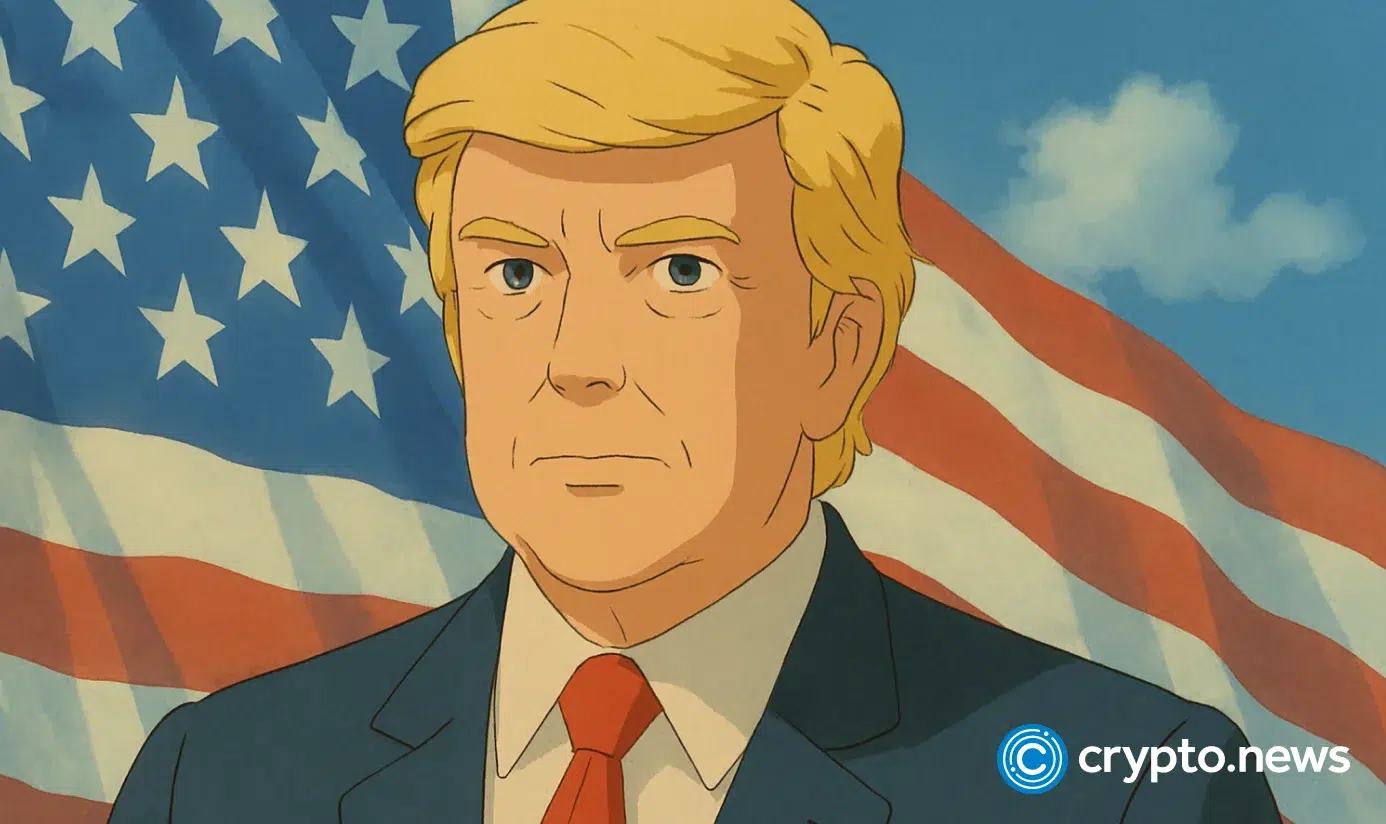
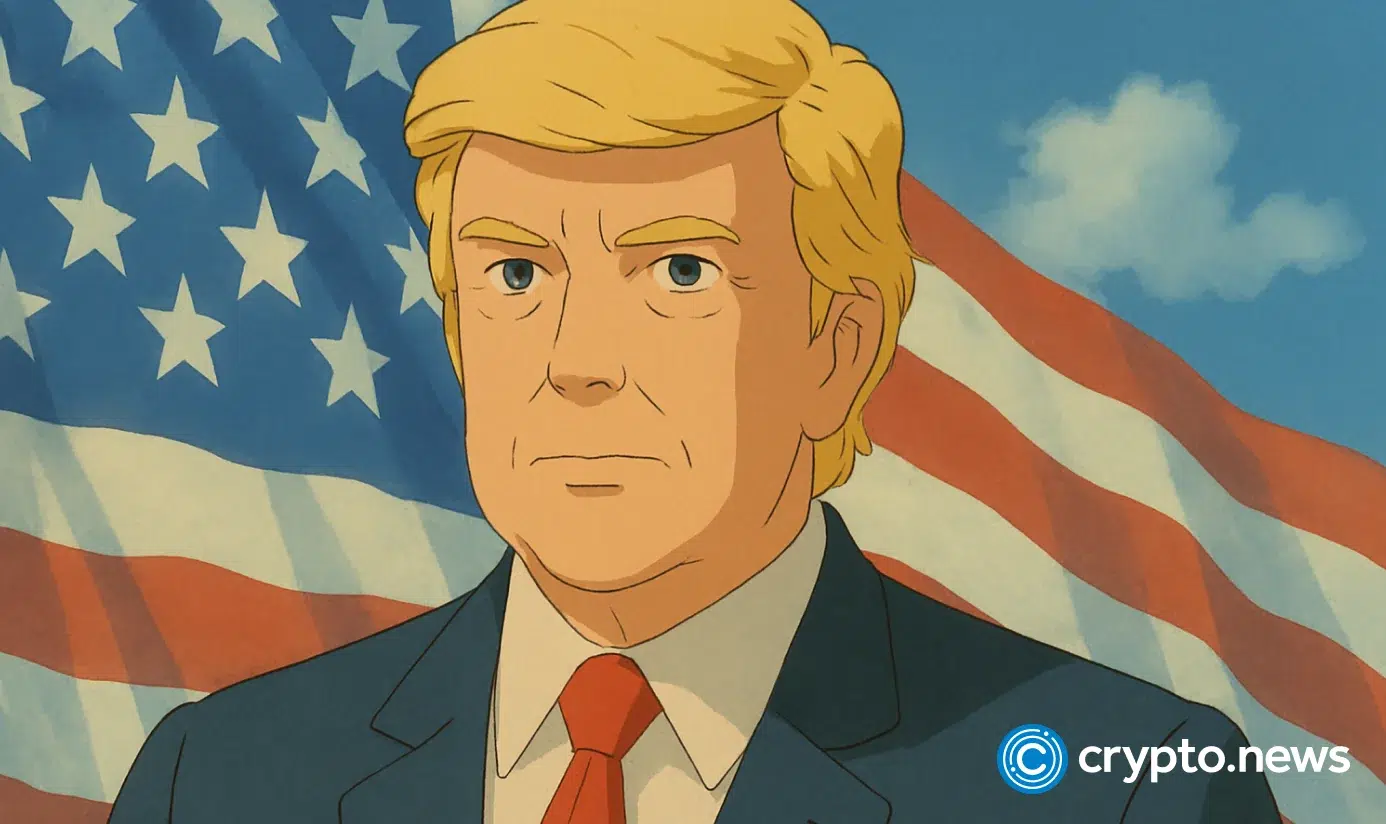
The Trump Iran deal under negotiation includes a proposal to unfreeze $20 billion in Iranian assets in exchange for Tehran surrendering its stockpile of highly enriched uranium, CNN reported, according to two US officials and two additional sources briefed on the talks, placing Trump on the verge of the very kind of financial concession to Iran he spent years denouncing Obama for making.
Summary
- The US initially offered $6 billion in unfrozen assets; Iran countered with $27 billion; the $20 billion figure represents the current negotiating midpoint under a broader three-page framework to end the war.
- Trump posted on Truth Social that “no money will exchange hands in any way, shape, or form” shortly after the Axios report published, without specifically addressing the frozen assets proposal.
- Trump repeatedly attacked Obama’s 2016 arrangement involving a $400 million cash delivery to Iran, calling it a “disaster” and describing the broader nuclear deal as “catastrophic” as recently as April 2 of this year.
The Trump Iran deal framework, as described by sources to CNN and Axios, involves a three-page plan with one central financial term: the United States would release $20 billion in frozen Iranian funds in return for Iran handing over its stockpile of highly enriched uranium. That uranium, which includes approximately 450 kilograms enriched to 60% purity, has been the hardest sticking point in every round of negotiations.
The financial concession would mirror, at a larger scale, the exact arrangement Trump spent years attacking Barack Obama for making. Trump called the Obama nuclear deal “catastrophic” and “disastrous,” singled out the $400 million cash delivery to Tehran in 2016 as “ransom,” and repeated that criticism as recently as April 2 this year, saying “I terminated Barack Hussein Obama’s Iran nuclear deal. A disaster. Obama gave them $1.7 billion in cash.”
According to Axios, the broader framework also includes a US demand that Iran agree to a 20-year moratorium on nuclear enrichment. Iran countered with five years. Mediating countries including Pakistan, Egypt, and Turkey are trying to close the gap between those positions. The uranium custody question, specifically whether Iran would transfer the stockpile to a third party or simply place it under international inspection, also remains unresolved.
White House spokeswoman Anna Kelly said “productive conversations with Iran continue, but we will not negotiate via the press.” A US official told Axios that Iran has “moved, but not far enough,” adding that while Iran clearly wants the financial relief and sanctions removal, it has not been willing to fully abandon its nuclear program.
The deal, if reached, would require significant political cover for Trump domestically. Conservative hawks including members of his own coalition have already pushed back on the financial terms. Senator Lindsey Graham told Fox News that Trump had spoken directly with Iranians and that things got “sporty” on one call.
Why This Directly Contradicts Trump’s Past Position
The political irony is sharp. When Obama’s team released $400 million to Iran as part of a prisoner exchange that coincided with the nuclear deal’s formal implementation, Trump called it a “hostage payment” and used it as a central campaign attack. The frozen asset unfreezing under Obama’s broader nuclear framework released tens of billions more through sanctions relief, which Trump also condemned.
The $20 billion figure now under discussion is fifty times the payment Trump described as evidence of Obama “bribing” Iran. The administration’s internal framing is that the exchange is different because it is tied to full nuclear disarmament rather than a deal that permitted enrichment to continue. Critics, including Republicans who supported Trump’s original criticism of Obama, argue the structural logic is identical.
What a Deal Would Mean for Crypto Markets
The nuclear deal scenario has been described by analysts as the single largest positive catalyst available to crypto markets in 2026. A genuine agreement that permanently closes Iran’s enrichment program, unfreezes the Strait of Hormuz, and removes the war premium from oil prices would drive Brent toward the $65 to $70 pre-conflict range, remove the inflation ceiling suppressing Federal Reserve rate cut expectations, and create the macro conditions most closely associated with Bitcoin recovering toward $100,000.
The ceasefire hopes template from April 8 showed exactly how quickly those conditions can reprice: oil fell 13% and BTC surged to $72,700 within hours of that announcement. A permanent deal would be categorically larger in market terms. The $20 billion asset question is a domestic political problem for Trump. For crypto markets, it is the price tag on the scenario they have been pricing since February.

Which stands a better chance against lava: money or love?#peppapig #peppa #mineceaft

Conor Bradley fears expressed as Liverpool legend tips Northern Ireland star to ‘slot back in’ after injury

Trade between Thailand and the United States exceeded US$110 billion in 2025



-

 NewsBeat7 days ago
Trump and Pope Leo: Behind their disagreement over Iran war
-

 Fashion3 days ago
Weekend Open Thread: Theodora Dress
-

 News Videos6 days ago
Secure crypto trading starts with an FIU-registered
-

 Sports4 days ago
NWFL Suspends Two Players Over Post-Match Clash in Ado-Ekiti
-

 Crypto World7 days ago
SEC Proposes Certain Crypto Interfaces Don’t Need to Register as Brokers
-

 Business2 days ago
Powerball Result April 18, 2026: No Jackpot Winner in Powerball Draw: $75 Million Rolls Over
-

 Crypto World3 days ago
Russia Pushes Bill to Criminalize Unregistered Crypto Services
-

 Politics6 hours ago
Gary Stevenson delivers timely reminder to register to vote as deadline TODAY
-

 Politics3 days ago
Palestine barred from entering Canada for FIFA Congress
-
 Business4 days ago
Creo Medical agree sale of its manufacturing operation
-

 Politics2 days ago
Zack Polanski demands ‘council homes not luxury flats for foreign investors’
-

 Crypto World3 days ago
Russia Introduces Bill To Criminalize Unregistered Crypto Services
-

 Tech2 days ago
Auto Enthusiast Scores Running Tesla Model 3 for Two Grand and Turns It Into Bare-Bones Go-Kart
-

 Tech5 days ago
‘Avatar: Aang, The Last Airbender’ Leaked Online. Some Fans Say Paramount Deserves the Fallout
-

 Tech6 days ago
Microsoft adds Windows protections for malicious Remote Desktop files
-

 Crypto World6 days ago
X Launches New Cashtag Feature for Stocks and Crypto: X
-

 Sports7 days ago
Younger Than Sachin Tendulkar: Vaibhav Sooryavanshi Set To Make Historic India Debut
-

 Entertainment6 days ago
Prince Carter Brings Fans Front Row and Backstage at Boys 4 Life Tour
-
 Entertainment6 days ago
Dave Portnoy Slams Dianna Russini: ‘Makes Zero Sense’
-
 Crypto World6 days ago
Bitcoin surpasses halfway mark in current halving cycle
You must be logged in to post a comment Login