
Crypto World
Coinbase Lists First GBP Stablecoin as UK Push Accelerates

Coinbase listed Tokenised GBP (tGBP) on April 22, making it the exchange’s first British pound-backed stablecoin available to users globally.
The tGBP stablecoin is issued by FCA-registered BCP Technologies and fully backed 1:1 by cash and short-term UK government bonds.
Why the tGBP Stablecoin Matters for the UK
The listing gives UK users a way to hold and transfer value in their local currency on the Coinbase exchange without converting to dollar-pegged stablecoins.
That removes foreign exchange friction for British traders and businesses.
Keith Grose, Coinbase’s UK lead, wrote that locally denominated stablecoins are essential for the country’s role in the on-chain economy.
Users can now buy, sell, convert, send, and receive tGBP through the Coinbase app and Coinbase Exchange.
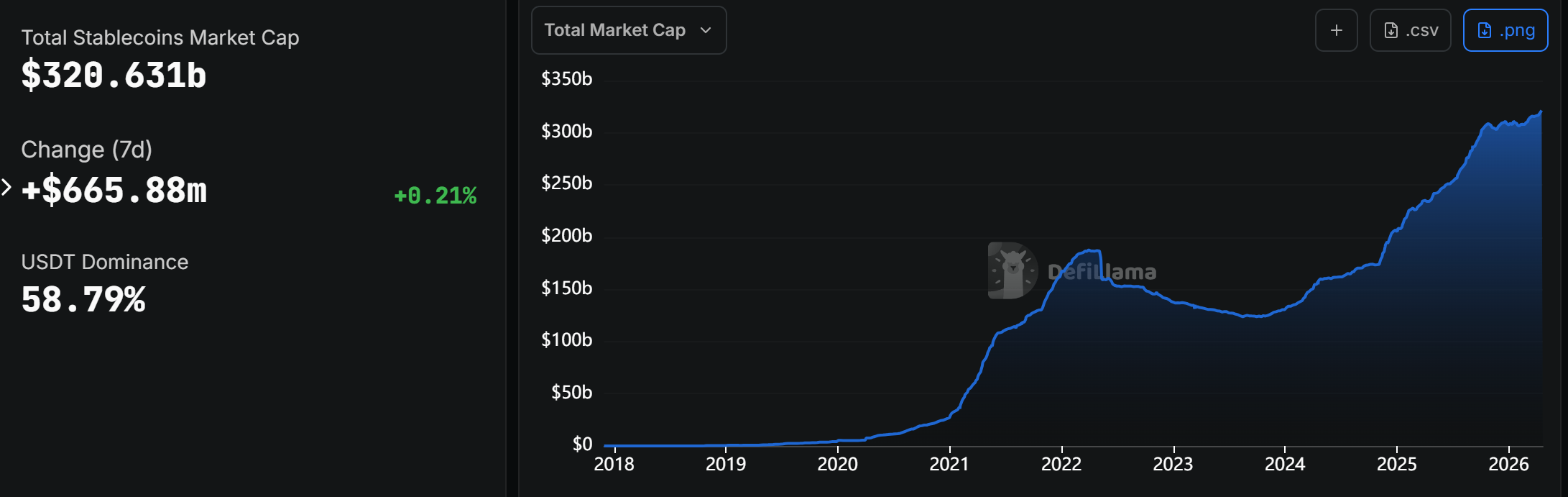
The broader stablecoin market has grown past $320 billion in total capitalization.
In 2025 alone, stablecoins settled over $30 trillion in transactions, with usage largely uncorrelated to crypto price swings.
Industry Leaders Back the Move
Coinbase CEO Brian Armstrong endorsed the listing, calling stablecoins “the best form of money.”
Polygon Foundation CEO Sandeep Nailwal offered a broader warning about adoption timelines.
“Countries slow to adopt stablecoins will face the same problem as late internet adopters,” he wrote.
Nailwal noted that cross-border payments still cost 6% and take days, while stablecoins settle in seconds for fractions of a cent.
The UK’s regulatory framework for stablecoins remains in development, with full implementation expected by late 2026.
Whether tGBP gains meaningful traction may depend on how quickly the FCA finalizes those rules.
The post Coinbase Lists First GBP Stablecoin as UK Push Accelerates appeared first on BeInCrypto.

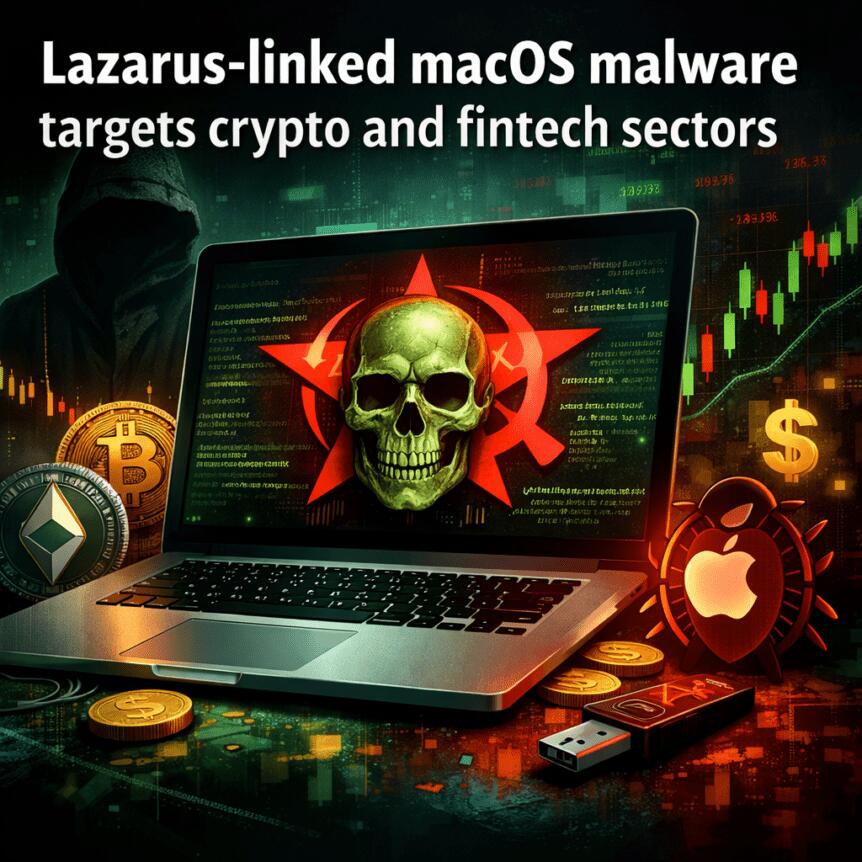
Security researchers have linked a fresh macOS malware campaign to the Lazarus Group, the North Korea-linked hacking outfit responsible for some of the crypto sector’s most consequential losses. The campaign, tracked by researchers as the Mach-O Man kit, is deployed through the ClickFix social-engineering framework that targets a broad spectrum of firms, including crypto companies.
According to Mauro Eldritch, an offensive security expert and founder of threat-intelligence outfit BCA Ltd., the Mach-O Man campaign leverages convincing calls to lure victims into executing commands that quietly pull down the malware in the background. The tactic enables attackers to bypass conventional security controls and slip into credentials and broader corporate environments, a pattern documented in a Tuesday report that cites the Any.run macOS analysis sandbox as a primary source of insight.
The operation culminates in a stealer payload designed to harvest a wide range of sensitive data, from browser extension data and stored credentials to cookies and macOS Keychain entries. Once collected, the information is zipped and exfiltrated through Telegram, after which the toolkit performs a self-deletion routine using the system rm command to erase traces without requiring user confirmation.
The emergence of Mach-O Man fits into a broader narrative around Lazarus’ evolving targeting beyond purely crypto-native incidents, underscoring the risk to corporate networks and supply chains alike. The group has long been associated with some of the industry’s largest heists, including the $1.4 billion attack on the Bybit exchange in 2025, cited as the era’s largest cryptocurrency breach to date.
For context, researchers emphasize that Lazarus has continued to widen its toolkit and attack surface in recent months. In April, the group was tied to AI-enabled social-engineering campaigns that breached Zerion by gaining access to team members’ sessions, credentials and private keys. The Zerion incident illustrated how attackers can blend social engineering with credential theft to reach privileged accounts and sensitive assets. Further coverage on that event is available from Cointelegraph.
Key takeaways
- Mach-O Man, a macOS malware kit attributed to Lazarus by researchers, is distributed via ClickFix social-engineering campaigns that reach traditional businesses and crypto firms alike.
- The final payload acts as a stealer, extracting browser data, credentials, cookies and macOS Keychain entries, with data zipped and exfiltrated through Telegram before the kit self-destructs using rm to erase traces.
- Victims are lured into fake Zoom or Google Meet calls, where they are prompted to run commands that trigger malware installation and deeper access, bypassing typical endpoint protections.
- The Lazarus operation continues to broaden its target scope beyond crypto-native companies, aligning with broader industry observations of the group’s expanding playbook and infrastructure access.
- Contextual benchmarks include the Bybit hack in 2025 and the Zerion breach in April, illustrating a pattern of high-stakes intrusions that blend phishing, social engineering and credential theft.
Mach-O Man: unraveling the attack sequence
At the core of the Mach-O Man campaign is a staged social-engineering flow centered on convincing calendar invites for popular virtual-meeting platforms. Victims receive a prompt that resembles a legitimate meeting notification, prompting them to join a so-called “Zoom” or “Google Meet” session. In the guise of a routine setup, victims are then steered to execute commands that quietly download and install the Mach-O Man components in the background. This stealthy delivery pathway helps attackers sidestep many traditional controls and allows credential harvesting to proceed with limited user friction.
Once the stealer is deployed, the toolkit targets data of high value to attackers. It raids browser extension data, stored credentials, cookies and Keychain entries, among other sensitive locally stored information. The extracted material is packaged into a zip archive and sent to the operators via Telegram, a channel chosen for its speed and relative resilience against standard enforcement actions. Following data exfiltration, the malware deploys a self-deletion routine, removing the entire kit from the host using the rm command—effectively leaving minimal traces and complicating post-incident forensics.
Context and implications for the crypto security landscape
The Lazarus Group’s alleged involvement in Mach-O Man extends a well-documented pattern of sophisticated, long-running campaigns that intensify the risk profile for crypto firms and their ecosystems. The group has become a persistent thorn in the side of exchanges, wallet providers and project teams, with past operations demonstrating a capacity to scale beyond traditional targets and adapt to evolving defense postures.
Bybit’s stunning $1.4 billion breach in 2025 stands as a benchmark for the scale of Lazarus-driven intrusions, underscoring not only the capital at risk but the potential for cascading effects across liquidity, market making and user trust. In parallel, the Zerion incident in April showcased how AI-augmented social engineering can accelerate the theft of credentials and private keys by exploiting legitimate team workflows and authorized sessions. The combination of social engineering with credential access remains among the most challenging vectors for defenders to preempt, particularly on macOS environments where threat actors have previously found gaps in application controls and user vigilance. Related reporting on Lazarus-linked activity continues to surface across industry coverage.
Defensive lessons and what to watch next
Mach-O Man reinforces the need for macOS-specific defense postures that blend user-education, application-control policies and robust-measurement of endpoint behavior. Key mitigations include enforcing least-privilege execution, deploying application allowlists, monitoring for anomalous download-and-execute sequences triggered from trusted apps, and tightening the wing of endpoint detection to catch command-and-control-like behaviors associated with staged infection chains. Given that the exfiltration route leverages Telegram, security teams should review outbound intelligence on uncommon channels used for data transfer and consider network-level constraints that challenge rapid egress of sensitive information.
For practitioners, the takeaway is clear: even as crypto-specific threats remain high-profile, attackers are expanding their targeting to encompass traditional businesses and cross-sector networks. This broadening of Lazarus’ reach increases the potential attack surface for exchanges, custodians and infrastructure providers alike, reinforcing the case for comprehensive, cross-platform threat intelligence integration and rapid response playbooks that can pivot as new malware kits surface. Any.run analysis provides a technical backdrop for understanding the Mach-O Man kit’s behavior and evolution.
As the industry absorbs these developments, observers will be watching for how defenders adapt to macOS-focused campaigns and whether new variants of Mach-O Man emerge with enhanced evasion techniques or more aggressive data-collection capabilities. The convergence of social engineering, credential theft and automated self-deletion marks a troubling trend—one that demands renewed emphasis on user education, secure access controls and vigilant incident-response strategies.
Readers should keep an eye on any updates about Lazarus’ tactics across platforms, especially as security teams track potential shifts in the group’s tooling, command channels and preferred data-exfiltration methods. The coming weeks may reveal whether Mach-O Man is a standalone spike or part of a broader, ongoing shift in the threat landscape facing the crypto ecosystem.
Crypto World
Ethereum Price News: Bitmine ETH Treasury Tops 4.98M Tokens, Pepeto Delivers the Viral Meme Energy ETH Misses
Ethereum price news on April 22 handed the bulls their sharpest read in months. Bitmine Immersion Technologies disclosed a 4.98 million ETH treasury worth roughly $11.5 billion with 101,627 tokens bought last week alone, the heaviest seven day stack of 2026 per CoinDesk, while ETH is marked at $2,410 with a 4.38% 24 hour gain.
Institutional treasuries stacking while the price reclaims levels is the footprint that has preceded every historic leg higher on ETH. Yet while most of the order book watches the $2,410 grind, $9.29 million is already inside a presale directed by the builder of the original Pepe with a confirmed Binance listing ahead, and Pepeto is the rare setup layering real utility onto the viral meme coin energy ETH no longer carries.
Bitmine chairman Tom Lee flagged clear evidence that the recent crypto correction is closing, citing ETH’s rebound and broader tape strength, per CoinDesk. The 101,627 ETH accumulated last week pushed the firm’s stack to 4.98 million tokens, roughly 4.12% of Ethereum’s 120.7 million supply, with 3.33 million of those tokens staked through the MAVAN validator infrastructure.
Spot ether ETFs strung together five positive sessions this week per CoinMarketCap as the Fear and Greed Index lifted to 33 from 29. Every prior Ethereum bull cycle launched on this profile, with corporate treasuries quietly soaking up supply while retail focus sat on other names.
Ethereum Price News Meets Pepeto: A Presale Carrying Viral Meme Lineage
Pepeto: Live Exchange Tools Paired With 100x Arithmetic and Pepe Bloodline
Bull markets on ETH consistently lift memecoins, and presale tickets ride the hardest. ETH near $2,410 is firm with 219% of upside to the Standard Chartered $7,500 mark, but a measured climb and a 100x listing day outcome sit in completely different categories.
Pepeto fills that gap. The exchange is running while round pricing holds, so wallets funding today enter live software the same hour the ticket clears. Swaps carry no fees across supported tokens, and token transfer between Ethereum, BNB, and Solana costs zero when pushed through the cross chain router.
All tools inside the platform are active now, well ahead of listing day. The builder who guided Pepe to its $11 billion cycle peak on raw community momentum leads the project alongside a SolidProof cleared code stack and a booked Binance listing. Ethereum’s own 2014 crowdsale priced ETH near $0.31 and converted early buyers into millionaires over the cycle that followed. Pepeto carries that same early stage profile, now paired with the viral meme DNA ETH itself never had.
Staking pays 179% APY on compounding cycles, and with $9.29 million committed at $0.0000001865, every stage tightens the window. The second trading opens, today’s level vanishes.
Ethereum (ETH) Price Holds $2,410 as Bulls Reclaim $2,400 and Memecoins Queue to Outpace Majors
Ethereum (ETH) is marked at $2,410 on April 22 per CoinMarketCap, a 4.38% 24 hour gain after the chart reclaimed $2,400 on fresh corporate demand. ETH is carving higher lows above the $2,200 zone per ZebPay analysis. A confirmed break over $2,400 opens $2,500, then $3,200, and places the Standard Chartered $7,500 target inside practical reach.
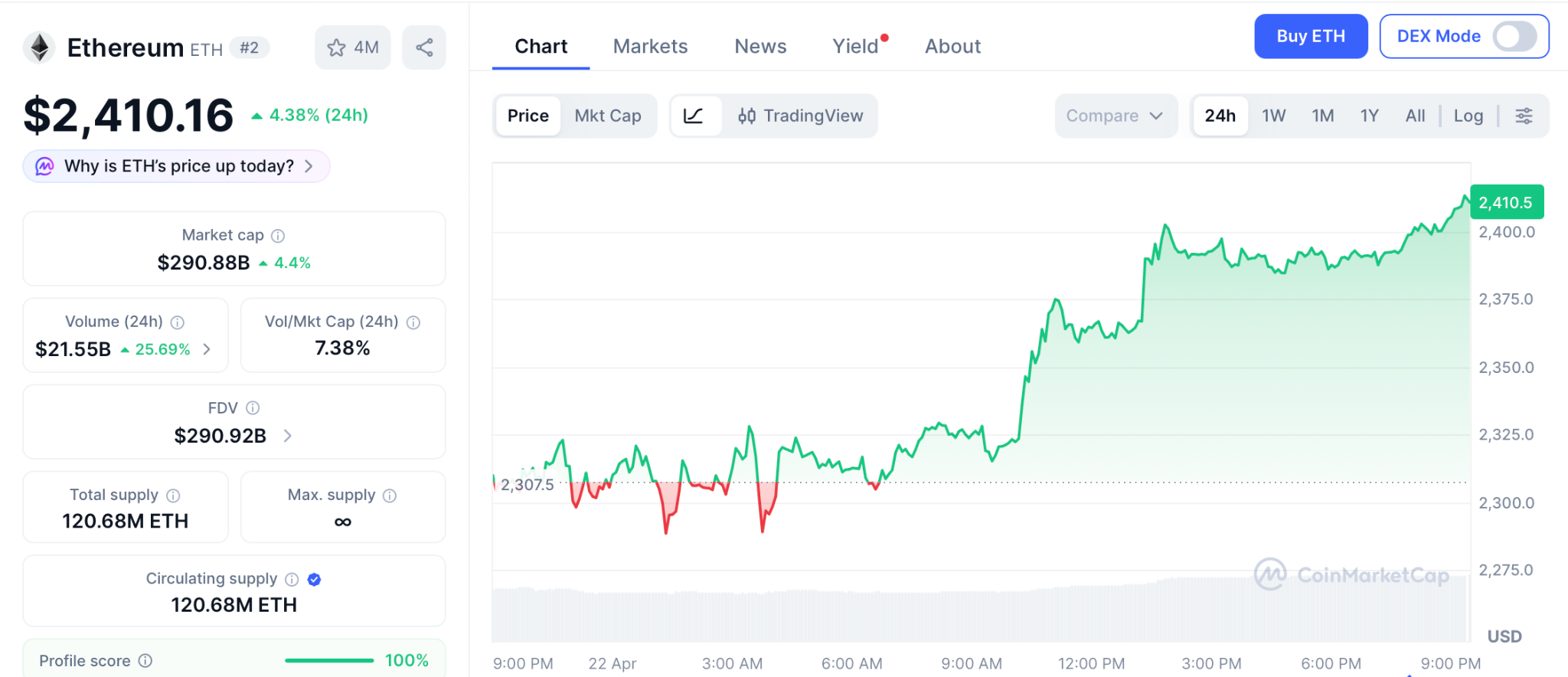
$2,200 anchors the technical base, with a rising trendline from the $1,800 low still intact. Across every prior cycle where ETH cleared a one month peak, memecoins and presales stacked multi x moves on top.
Even a clean run to $7,500 caps ETH gains at 219% across several months, while presale pricing in fractions of a cent maps a different multiplier when the rotation fires.
Closing Thoughts
Ethereum price news now places ETH above $2,410 with Bitmine absorbing 101,627 tokens in one week and corporate treasuries giving the chain a real structural bid, the sharpest read the network has seen in months. From a $285 billion asset, that upside is meaningful for patient books but nothing close to the magnitude that redraws a wallet.
Pepeto is the separate trade because a live exchange paired with round stage pricing produces what ETH at this scale cannot reproduce, and that is precisely why $9.29 million landed inside the round while the rotation was still forming, capital that read the listing outcome long before the wider crowd filed in.
That same pattern is the one Ethereum buyers who entered at $0.31 in 2014 followed, walking out with seven figure positions by the 2021 cycle. Pepeto is where that profile gets built this cycle, with the Pepe builder at the helm, real meme energy wired in, and a Binance listing already booked. Rounds are closing out fast, and every hour that ticks against the bell tightens the window before this entry disappears.
Click To Visit Pepeto Website To Enter The Presale

FAQs
What signal is Ethereum price news flashing for ETH in April 2026?
Ethereum price news shows ETH marked at $2,410 after reclaiming $2,400 on April 22, while Bitmine reported a 4.98 million ETH treasury worth $11.5 billion with 101,627 ETH bought last week per CoinDesk. Spot ETH ETF flows ran positive for five straight sessions per CoinMarketCap.
Which is the top crypto to buy with proven utility and viral meme energy right now?
Pepeto is the top crypto to buy today because the project runs a live SolidProof cleared exchange with zero fee swaps and a cross chain router, built by the Pepe builder. The round pulled $9.29 million at $0.0000001865 with 179% APY staking and a booked Binance listing ahead.
Disclaimer: This is a Press Release provided by a third party who is responsible for the content. Please conduct your own research before taking any action based on the content.


Blockstream CEO Adam Back, the British cryptographer and inventor of Hashcash, said it’s “flattering” that people think he’s Satoshi Nakamoto and was probably the result of his being a little too “talkative” on the cypherpunk mailing list that started it all.
Back was speaking in a fireside chat with Cointelegraph at the recent LONGITUDE event in Paris, co-hosted by crypto exchange OKX, with discussions centered on crypto regulation, market structure and the growth of stablecoins.
Adam Back denies renewed suggestions that he invented Bitcoin
“It is flattering in some sense that they think you could have done it,” Back told Cointelegraph, reflecting on the widely publicized New York Times article on April 8 that suggested he is Satoshi, a claim he has denied.
Back said there is a logical reason people think he’s Bitcoin’s creator. “The problem for me is I was very talkative on the mailing list,” he said, referring to the 1992 Cryptography Mailing List, where Satoshi later introduced the Bitcoin white paper in October 2008.
“So anytime anyone was talking about electronic cash, I was right there, I was the reply guy with something to say about it,” he said.

Back said the mystery behind Satoshi is an “interesting question” that he and others in the industry have pondered but never answered.
Prior to the fireside with Back, the event also featured three panels covering the role of traditional financial institutions in Web3, the need for clearer regulation and the pace of stablecoin adoption, alongside a separate fireside chat with OKX Europe CEO Erald Ghoos.
MiCA is “extremely beneficial,” but brings risks to innovation
Crypto industry executives said recent moves to regulate the industry have been positive for improved clarity, but regulatory fragmentation and overregulation could hurt innovation.
In an onstage interview, Ghoos shed light on the Markets in Crypto-Assets (MiCA) regulation, a framework with which OKX Europe was deemed fully compliant in January 2025.
“I think MiCA is extremely beneficial for the industry,” Ghoos said, explaining that it has helped to build trust in crypto.

“Now it is a fully regulated asset class, which is very important,” Ghoos said, adding that industry participants will be “vetted and held up to the highest standards.”
However, he warned that the “regulatory burden” could slow innovation across Europe.
“Right now, because there is such a big and heavy regulatory overhead for startups, I do fear even more that the innovation and the great entrepreneurship that we have in Europe will start to shift to other jurisdictions around the world,” he said.
CertiK CEO Ronghui Gu said the lack of a unified global framework is a pain point for the industry.
“For developers, for crypto companies in different regions, they are still under different compliance frameworks,” Gu said.
Commenting on the proposed US CLARITY Act, which has been delayed largely because of unresolved issues around stablecoin yields impact on the banking system, Gu said that while the bill aims to bring structure, “many terms are not that clear to be honest, and a little bit vague.”
“I think different firms have different interpretations and so on,” he added.

“But I would say it definitely gives a much more friendly environment to crypto companies, to developers,” he added.
Cardano Foundation CEO Frederik Gregaard said he is “very confident” the CLARITY Act will pass soon, adding: “You feel the vibration from the policymakers saying we are going to adopt this,” he said.
“They are super stoked about it,” Gregaard added.

“When this passes, from the non-TradFi adoption, you are going to see 100X,” Gregaard said, arguing that “classical industries” have been waiting for clarity before embracing the technology.
US Senator Thom Tillis of North Carolina said on Monday that he does not expect the Senate Banking Committee to mark up the legislation, also known as the CLARITY Act, in April and has recommended that Senate Banking Chair Tim Scott schedule it for next month.
Payments industry does a good job of “almost faking” real-time payments
Mastercard’s senior vice president for blockchain and digital assets, Christian Rau, said that stablecoins are “very well suited for payment purposes” during a panel with Stella Development Foundation chief business officer Raja Chakravorti and Ethereum Foundation enterprise lead Matthew Dawson.
“They don’t come with the volatility of other digital assets, given that they enjoy regulatory clarity in a lot of the world,” Rau said.
Rau said the traditional payments industry does a “good job of almost faking real-time payments.”
“When I tap my card, it says transaction approved or payment made…it’s authorization, clearing, and settlement,” he said.
“A lot of the things that work arguably very well today, they still come with time delays, costs, and so forth,” he added.
Related: How Mastercard plans to settle card payments with stablecoins
Meanwhile, Stella Foundation’s Chakravorti pointed to the roughly $317 billion in stablecoin circulation, which is up about 50% from last year, adding that he is starting to see some short-term cooling.
“Although to be clear, over the last two quarters, that’s started to slow down a little bit,” calling it a positive sign as it suggests parts of the underlying infrastructure are starting to mature.
“I think this next transition is local stablecoins, because people are now very focused on creating that opportunity in their economy as super important,” he said.
Chakravorti pointed to the “last mile” as one of the biggest hurdles for adoption, referring to the challenge of turning digital assets into something “workable” inside local financial systems.
“I think it is the absolute key, ultimately, that is where all the friction lies within this system,” he said.
Magazine: Adam Back says current demand is ‘almost’ enough to send Bitcoin to $1M
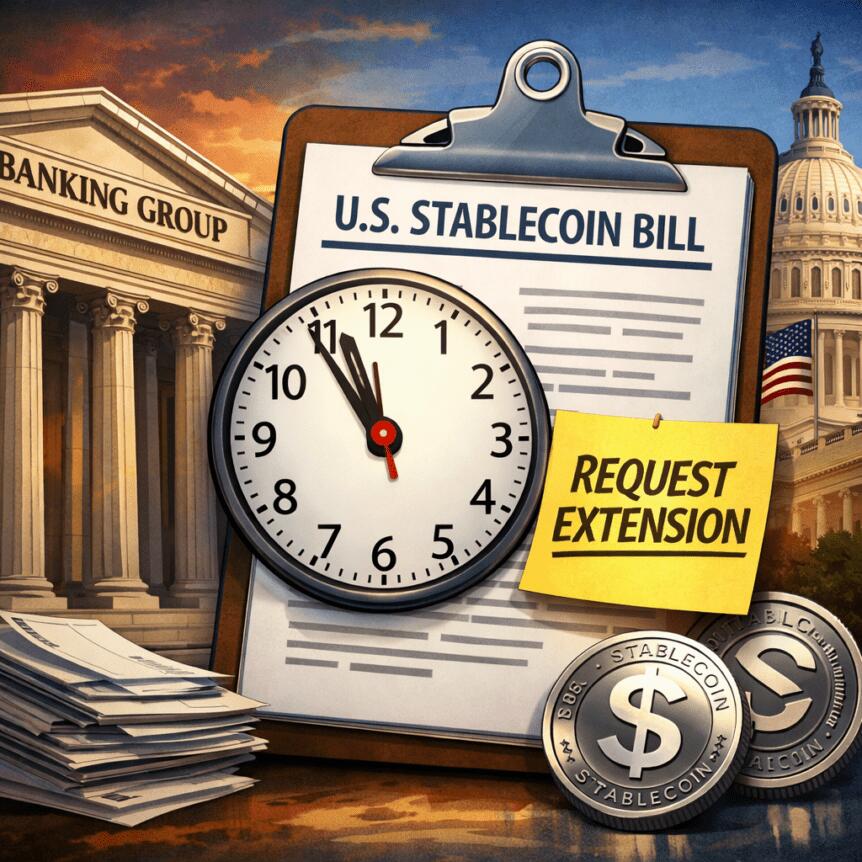
The American Bankers Association (ABA) has urged US government agencies overseeing a forthcoming stablecoin payments framework to extend the public-comment window, signaling that the regulatory process could slip by as much as two months. The request highlights how the GENIUS Act’s implementation hinges on cross-agency rulemaking and the content of the OCC’s forthcoming rule.
In a letter to the Treasury Department, the Federal Deposit Insurance Corporation (FDIC), FinCEN and the Office of Foreign Assets Control (OFAC), the ABA asked for a 60-day extension to submit feedback on proposed rules associated with the GENIUS Act, which was signed into law in July 2025. The ABA argued that the agencies’ final rules will be substantially influenced by the OCC’s rulemaking, and that meaningful public comment is not feasible until the OCC’s content is known.
“The FDIC has stated explicitly in its notice that it ‘has endeavored, in many areas, to align this proposed rule with the OCC’s proposed rule, to the extent relevant,’ and specifically invites comment ‘on the extent to which the primary Federal payment stablecoin regulators should further align in their final rules to promote consistency of regulations applicable to all PPSIs subject to the GENIUS Act,’” the ABA wrote. “Meaningful comment on that question is impossible without knowing the final content of the OCC’s rule.”
Following its enactment, GENIUS-based implementation has shifted to regulators such as the FDIC and the Treasury, which must finalize their own regulations. Under the statute, final rules can trigger enactment 120 days after their issuance or 18 months after enactment, whichever comes first.
Beyond the GENIUS Act, the ABA is engaged in broader policy debates over crypto market structure and the treatment of stablecoin yields. The association recently challenged a White House report that argued banning stablecoin yields would have a negligible impact on banks. The policy dialogue gains urgency as lawmakers in the US Senate consider advancing a separate crypto-market framework known as the CLARITY Act, which previously passed the House of Representatives but has yet to secure traction in the upper chamber. Reports indicate ongoing scheduling considerations by Senate leadership and committee chairs, underscoring continued regulatory uncertainty in this space.
Key takeaways
- The ABA seeks a 60-day extension for public comments on GENIUS Act rulemaking, citing alignment needs with OCC’s forthcoming rule.
- ABA officials argue that meaningful comments depend on the OCC rule’s final content, creating a sequential regulatory dependencies problem across federal agencies.
- GENIUS Act implementation remains tied to a clear regulatory timetable: final rules can trigger enactment within 120 days or within 18 months of enactment, whichever occurs first.
- Debates over stablecoin yields and market structure persist, with the CLARITY Act’s fate in the Senate contributing to ongoing policy uncertainty for banks, exchanges and stablecoin issuers.
- The discussion illustrates heightened cross-agency coordination challenges and signals potential impacts on licensing, supervision and compliance workflows for crypto firms and traditional banks alike.
GENIUS Act rulemaking and interagency alignment
The ABA’s advocacy centers on the interaction between the OCC’s forthcoming stablecoin rule and parallel proposals from the FDIC, FinCEN and OFAC. The core concern is regulatory coherence: should the agencies align their final rules to ensure consistent treatment of all primary Federal payment stablecoin issuers (PPSIs) under the GENIUS Act? The ABA’s position reflects a broader industry demand for predictable, harmonized standards that reduce compliance fragmentation across banking and payments regimes.
From a regulatory design perspective, the unfolding process underscores how a landmark act can produce a multi-year, multi-agency rulemaking odyssey. Agencies argue that alignment is essential to avoid a patchwork of rules that could complicate risk management, AML/KYC controls and supervision of cross-border payment flows. The ABA’s request emphasizes practical consequences for institutions drafting governance, risk and compliance programs that must adapt to evolving standards across several federal agencies, particularly in the payments and stablecoin spheres.
Implementation timing and policy uncertainty in the US framework
The GENIUS Act’s path to effectuation depends on final rule content from multiple agencies. The statute allows enactment 120 days after final regulations are issued or 18 months after enactment, whichever comes first. This construct creates a two-front timeline: (1) regulatory finalize-and-publish cycles at the OCC and sibling agencies, and (2) the practical deployment of supervision and oversight for PPSIs and stablecoin-related payment systems. The ABA’s letter is a bid to ensure that the public comment process is not artificially constrained by uncertainties about the OCC’s final rule.
In parallel, the policy dialogue around crypto market structure remains active. The CLARITY Act—previously advanced in the House and now awaiting movement in the Senate—continues to shape expectations about how yield-bearing stablecoins may be treated within the broader licensing, capital adequacy and consumer-protection regimes. Observers note that even as individual provisions may differ between the House and Senate, the underlying concern is the same: how to balance market innovation with robust oversight and systemic risk mitigation. Senate discussions, including inputs from lawmakers such as North Carolina Senator Thom Tillis, indicate a careful, incremental approach rather than an immediate, sweeping reform.
Regulatory coordination, enforcement and the broader policy context
The GENIUS Act episode illustrates a broader regulatory coordination challenge facing the US financial system as it engages with stablecoins and digital-asset payments. Agencies are weighing alignment on core issues such as KYC/AML controls, cross-border settlement risk, consumer protection and the resilience of payment rails. The interplay between the OCC’s forthcoming rule and the final versions from the FDIC, FinCEN and OFAC has practical implications for bank partners, fintechs and crypto firms that rely on or interact with PPSIs.
From a compliance and enforcement perspective, the ongoing harmonization effort could affect licensing trajectories, supervisory approvals and ongoing audits. Institutions may need to adapt policies to reflect a shared regulatory baseline, reducing the risk of conflicting interpretations across federal authorities. The evolving framework also has cross-border relevance, as global policymakers seek coherence between the United States’ approach and regional regimes—such as the European Union’s MiCA framework—and other jurisdictions evaluating similar stablecoin and payment-token regulations. While the current focus is domestic, observers are watching how interagency coordination and alignment will influence international cooperation, information sharing and enforcement coordination in the longer term.
According to Cointelegraph reporting, the public comment process remains a critical mechanism for industry input, and the ABA’s push for more time signals the stakes attached to regulatory predictability for banks, financial institutions and crypto market participants alike. The outcome of OCC deliberations and the extent of cross-agency alignment will likely shape the early implementation milestones of the GENIUS Act in the months ahead.
Closing perspective: as regulators refine the architecture of stablecoin payments, institutions should prepare for a period of intensified scrutiny and evolving standards. The next developments to watch include the OCC’s final rule content, how other agencies respond to it, and the progress—or stalling—of the CLARITY Act in the Senate, all of which will guide licensing, risk management and compliance strategy for market participants.
Kraken says it filed 56m 2025 crypto tax forms, most under $50, and is urging Congress to create a de minimis exemption and let users defer tax on staking rewards until sale.
Summary
- Kraken says it filed 56 million digital asset tax forms with the IRS for 2025, with roughly one‑third under $1 and nearly three‑quarters under $50.
- The exchange is urging Congress to create a de minimis exemption for small crypto payments and to let taxpayers choose when to recognize staking rewards as income.
- Kraken argues current rules create “massive friction for ordinary users” and misalign tax timing with how staking actually works on-chain.Kraken says it filed 56 million digital asset tax forms with the IRS for 2025, with roughly one‑third under $1 and nearly three‑quarters under $50.
Kraken is using this tax season to put hard numbers behind a long‑running complaint: the US treats trivial crypto transactions like serious taxable events.
According to figures shared with CoinDesk and outlined in its US tax center materials, Kraken generated roughly 56 million crypto transaction tax forms for the 2025 tax year under new Infrastructure Act reporting rules.
The kicker is the distribution. Kraken says about 18.5 million of those transactions — roughly one‑third — involved amounts under $1, around 74% were for trades or payments under $50, and only 8.5% exceeded the $600 reporting threshold that normally triggers IRS information returns like Form 1099‑MISC.
Under current IRS guidance, each swap or spend is potentially a taxable event, regardless of size.
Kraken’s own tax guide notes that “most crypto activities are treated as either ordinary income or a capital gain,” and that trading, NFT purchases, staking rewards, and airdrops “are not tax exempt,” forcing users to track cost basis and fair market value even for micro‑purchases.
Kraken is now asking Congress to step in.
The exchange is calling for a statutory de minimis exemption on everyday crypto payments — essentially a minimum dollar amount beneath which gains and losses would not be taxable — and wants that threshold indexed to inflation so it doesn’t erode over time.
At the same time, Kraken wants lawmakers to fix what it sees as a broken approach to staking rewards.
Revenue Ruling 2023‑14 currently requires taxpayers to include staking rewards in gross income when they gain “dominion and control,” i.e., at the moment they’re credited, even if the holder doesn’t sell tokens and the price later dumps.
Kraken argues that rule both complicates reporting and creates mismatches between paper income and actual liquidity. It is asking Congress to let taxpayers elect between two options: treat staking rewards as ordinary income at receipt (the status quo) or defer recognition until sale, effectively taxing them as part of capital gains when the position is exited.
Practically, the exchange says, this would align US policy more closely with how staking works in DeFi and on centralized platforms like Kraken, where rewards accrue continuously and are often re‑staked rather than cashed out. Unless Congress moves, though, US users face another year where buying a sandwich with crypto generates a line item for the IRS — and staking into a validator can mean owing tax on tokens they never sold.

If you’re looking for a reliable and exciting online casino experience in Australia, ozwin casino is definitely worth considering. With its user-friendly interface and wide range of games, Ozwin Casino has become a popular choice among Australian players. But what really sets it apart is its impressive collection of bonus offers, designed to give you a head start in your gaming journey.
One of the most attractive features of Ozwin Casino is its no deposit bonus, which allows you to try out the casino’s games without risking your own money. This is a great way to get a feel for the casino and its games, and it’s a fantastic opportunity to win real money without making a deposit. With Ozwin Casino’s no deposit bonus, you can receive up to 100 free spins to use on selected games.
But that’s not all – Ozwin Casino also offers a range of other bonus offers, including deposit matches and reload bonuses. These can help you to boost your bankroll and give you more opportunities to win big. And with Ozwin Casino’s ozwin casino login process, you can easily access your account and start playing in no time.
So why choose Ozwin Casino for your online gaming needs? For starters, its ozwin no deposit bonus is one of the most generous in the industry, giving you a chance to win real money without making a deposit. And with its wide range of games, including slots, table games, and live dealer games, you’ll never be bored. Plus, its user-friendly interface makes it easy to navigate and find the games you love.
So what are you waiting for? Sign up for Ozwin Casino today and start taking advantage of its impressive range of bonus offers. With its ozwin casino 100 free spins no deposit bonus, you can get started right away and start winning real money. And with its easy-to-use interface and wide range of games, you’ll be hooked from the very first spin.
Don’t miss out on this amazing opportunity to win big and have fun. Sign up for Ozwin Casino today and start playing with its impressive range of bonus offers. Remember, with Ozwin Casino, you can always ozwin login and start playing in no time.
Exclusive Welcome Package for New Players
Get ready to experience the ultimate gaming thrill at Ozwin Casino Australia! As a new player, you’re in for a treat with our exclusive welcome package. This is your chance to claim a whopping 100 free spins and a no deposit bonus of AU$20, just for signing up!
How to Claim Your Exclusive Welcome Package
To get started, simply follow these easy steps:
1. Sign up for a new account at Ozwin Casino Australia by clicking on the “Ozwin login” button and filling out the registration form.
2. Verify your account by clicking on the verification link sent to your email address.
3. Log in to your account and navigate to the “Ozwin no deposit bonus” section.
4. Claim your exclusive welcome package by clicking on the “Ozwin no deposit bonus codes” button.
5. Receive your 100 free spins and AU$20 no deposit bonus instantly!
What’s more, our welcome package is designed to give you a head start in your gaming journey. With 100 free spins, you can try out our range of popular slots and get a feel for the action. And with AU$20 in no deposit bonus funds, you can take your pick from our selection of table games, including blackjack, roulette, and more!
So, what are you waiting for? Sign up now and get ready to experience the ultimate gaming thrill at Ozwin Casino Australia!
Regular Promotions and Tournaments for Existing Members
As an existing member of Ozwin Casino, you’re already enjoying the best online gaming experience in Australia. But, we’re always looking for ways to reward your loyalty and keep the excitement going! That’s why we’re excited to introduce our regular promotions and tournaments, designed specifically for our valued members.
Weekly Bonuses
Every week, we’ll be offering exclusive bonuses to our loyal members. These bonuses can be used to play your favorite games, including slots, table games, and live dealer games. To claim your weekly bonus, simply log in to your Ozwin Casino account and check your email for the latest offers.
Don’t miss out on these amazing opportunities to boost your bankroll!
Some of the weekly bonuses you can expect include:
50% match bonus up to $100 on your first deposit of the week
20% cashback bonus on all losses from the previous week
10% bonus on all deposits made during the week
Tournaments and Leaderboards
We’re also excited to introduce our new tournaments and leaderboards, designed to challenge and reward our most loyal members. These tournaments will be held regularly, with prizes ranging from cash to free spins and other exclusive rewards.
To participate in our tournaments, simply log in to your Ozwin Casino account and check the tournament schedule. You can also track your progress on our leaderboards, which will be updated in real-time.
Slot Tournaments: Compete against other players to win cash and prizes
Table Game Tournaments: Show off your skills and win big in our table game tournaments
Leaderboards: Climb the ranks and win exclusive rewards
By taking part in our regular promotions and tournaments, you’ll not only have more fun but also increase your chances of winning big. So, what are you waiting for? Log in to your Ozwin Casino account now and start playing!
How to Claim and Redeem Your Ozwin Casino Bonus
Before you can start playing with your Ozwin Casino bonus, you need to claim it. Here’s a step-by-step guide on how to do it:
- Log in to your Ozwin Casino account using your ozwin login credentials.
- Go to the “My Account” or “My Bonuses” section and look for the bonus you want to claim.
- Click on the bonus to open its details page.
- Read the bonus terms and conditions to ensure you understand the requirements and restrictions.
- Click the “Claim” or “Activate” button to receive your bonus.
Now that you’ve claimed your bonus, here’s how to redeem it:
- Make sure you meet the bonus wagering requirements, which are usually specified in the bonus terms and conditions.
- Choose the game you want to play with your bonus funds.
- Start playing and earn points or credits, depending on the game.
- Once you’ve met the wagering requirements, you can withdraw your winnings or use them to play more games.
Some important notes to keep in mind:
- Ozwin Casino no deposit bonus codes are usually available for new players, so make sure to check the website for any available codes.
- Ozwin Casino login Australia is available 24/7, so you can access your account and claim your bonus at any time.
- Ozwin Casino no deposit bonus is a great way to try out the casino and its games without risking your own money.
- Ozwin bonus codes are usually available for a limited time, so make sure to check the website for any available codes before they expire.
By following these steps, you’ll be able to claim and redeem your Ozwin Casino bonus and start playing with your free funds. Remember to always read the bonus terms and conditions carefully to ensure you understand the requirements and restrictions.
pin up casino Azərbaycanın ən populyar və məşhur qızıllı qalasıdır. Bu qızıllı qalası ən yaxşı və müraciət etdikdən sonra ən yaxşı oyunları təklif edir. Pin Up casino Azərbaycanın oyunçuları üçün ən yaxşı məhsul və xidmətləri təqdim edir.
Pin Up Giriş
Pin Up casino ən yaxşı və müraciət etdikdən sonra ən yaxşı oyunları təqdim edir. Qızıllı qalası ən yaxşı və müraciət etdikdən sonra ən yaxşı oyunları təqdim edir. Qızıllı qalası ən yaxşı və müraciət etdikdən sonra ən yaxşı oyunları təqdim edir.
Pin Up Casino Oyunları
- Slotlar
- Table oyunları
- Live casino
- Video poker
Pin Up casino Azərbaycanın oyunçuları üçün ən yaxşı və müraciət etdikdən sonra ən yaxşı oyunları təqdim edir. Qızıllı qalası ən yaxşı və müraciət etdikdən sonra ən yaxşı oyunları təqdim edir. Qızıllı qalası ən yaxşı və müraciət etdikdən sonra ən yaxşı oyunları təqdim edir.
Pin Up Casino Xidmətləri
Pin Up casino Azərbaycanın oyunçuları üçün ən yaxşı və müraciət etdikdən sonra ən yaxşı oyunları təqdim edir. Qızıllı qalası ən yaxşı və müraciət etdikdən sonra ən yaxşı oyunları təqdim edir. Qızıllı qalası ən yaxşı və müraciət etdikdən sonra ən yaxşı oyunları təqdim edir.
Pin Up casino Azərbaycanın oyunçuları üçün ən yaxşı və müraciət etdikdən sonra ən yaxşı oyunları təqdim edir. Qızıllı qalası ən yaxşı və müraciət etdikdən sonra ən yaxşı oyunları təqdim edir. Qızıllı qalası ən yaxşı və müraciət etdikdən sonra ən yaxşı oyunları təqdim edir.
Pin Up – Azərbaycanın ən yaxşı kazinosu Rəsmi sayt
Pin Up casino, Azərbaycanın ən yaxşı və məşhur qızıllı qalasıdır. Rəsmi saytından istifadə etmək, pin up casino tərəfindən təqdim olunan əlaqədar və mürəkkəb xidmətləri təmin etmək üçün necə necə lazımdır. Pin Up casino rəsmi saytından istifadə etmək, istifadəçi tərəfindən qazanma şansını artırır və daha yaxşı oyunlarla mürəkkəb oyunlar oynayaraq məlumatları saxlayır.
Pin Up casino rəsmi saytının təqdim etdiyi mürəkkəb və əlaqədar xidmətlərindən istifadə etmək, istifadəçilərinə daha yaxşı və daha mürəkkəb oyunlar təmin edir. Pin Up casino rəsmi saytından istifadə etmək, istifadəçilərinə qazanma şansını artırır və daha yaxşı və daha mürəkkəb oyunlarla mürəkkəb oyunlar oynayaraq məlumatları saxlayır.
Pin Up casino rəsmi saytından istifadə etmək, istifadəçilərinə qazanma şansını artırır və daha yaxşı və daha mürəkkəb oyunlarla mürəkkəb oyunlar oynayaraq məlumatları saxlayır. Pin Up casino rəsmi saytından istifadə etmək, istifadəçilərinə qazanma şansını artırır və daha yaxşı və daha mürəkkəb oyunlarla mürəkkəb oyunlar oynayaraq məlumatları saxlayır.
Pin Up casino rəsmi saytından istifadə etmək, istifadəçilərinə qazanma şansını artırır və daha yaxşı və daha mürəkkəb oyunlarla mürəkkəb oyunlar oynayaraq məlumatları saxlayır. Pin Up casino rəsmi saytından istifadə etmək, istifadəçilərinə qazanma şansını artırır və daha yaxşı və daha mürəkkəb oyunlarla mürəkkəb oyunlar oynayaraq məlumatları saxlayır.
Pin Up casino rəsmi saytından istifadə etmək, istifadəçilərinə qazanma şansını artırır və daha yaxşı və daha mürəkkəb oyunlarla mürəkkəb oyunlar oynayaraq məlumatları saxlayır. Pin Up casino rəsmi saytından istifadə etmək, istifadəçilərinə qazanma şansını artırır və daha yaxşı və daha mürəkkəb oyunlarla mürəkkəb oyunlar oynayaraq məlumatları saxlayır.
Crypto World
Best Crypto to Buy Now: Bittensor (TAO) Lands Institutional Push, Uniswap Ships AI Platform, and Pepeto Eyes 268x
The best crypto to buy now does not sit and wait for macro clarity, and this week proved it again. Barry Silbert publicly flagged “a meaningful step forward for institutional participation in Bittensor” on April 20 per Coinpedia, Uniswap Labs rolled out its full Developer Platform with an AI toolkit days earlier, and Bitcoin broke past $76,000 on April 21 as U.S. Iran talks turned constructive per TradingKey.
While large caps ride institutional signals and protocol catalysts, Pepeto quietly cleared $9.29 million raised with a confirmed Binance listing and every tool already running on mainnet. The gap between those two stories is where smart capital is already positioning.
Barry Silbert posted publicly on April 20 that a new structure for Bittensor subnet tokens marks “a big moment” and “a meaningful step forward for institutional participation,” per Coinpedia. The Bittensor subnet ecosystem now sits near $1.5 billion in cumulative value, and Q1 2026 network revenue printed $43 million per CCN.
Uniswap’s Developer Platform landed in the same window with AI native tools, new liquidity provider endpoints, and revamped documentation. Bitcoin then broke $76,000 on April 21, and that move triggered $217 million in total liquidations with short positions alone accounting for $140 million per TradingKey. A confirmed Binance listing on an audited presale rewrites portfolios faster than either institutional signal or exchange product launch.
Top Entries Today and Where the Biggest Returns of This Cycle Are Being Set
Pepeto: A Live Exchange Running While Most Platforms Ship Roadmaps
Most crypto projects market clarity and ship noise. Pepeto, considered the best crypto to buy now, does the opposite. The exchange is operating right now, the signals actually guard wallets, and nothing sits parked behind a future release date. Presale holders are already routing trades through real market conditions rather than test environments.
PepetoSwap clears every rotation with no fee taken, so nothing gets skimmed on the way out. Assets move between Ethereum, BNB Chain, and Solana through the multi chain bridge with zero gas cost. Before any token lists on the platform, the contract screener checks every line for exploit triggers and drain patterns, and SolidProof verified the full codebase.
Former Binance leadership engineered the exchange side, and the cofounder who took the original Pepe coin to an $11 billion cap without any product behind it leads the token build.
The 268x projection runs from $0.0000001865, staking pays 179% APY compounded every day, and the Binance listing narrows from “coming” into “imminent.” This is where a single listing event reshapes what a small entry does across the rest of the cycle, and $9.29 million of verified capital already sits inside.
Bittensor (TAO) Price at $247 as Grayscale Lifts AI Fund Weighting to 43%
Bittensor (TAO) trades near $247 per CoinMarketCap, holding its $247 support zone after a 20% reset linked to Covenant AI’s April 16 exit. Grayscale raised TAO weighting to 43.06% in its AI Fund, the firm’s largest single asset reallocation on record per CoinGecko.
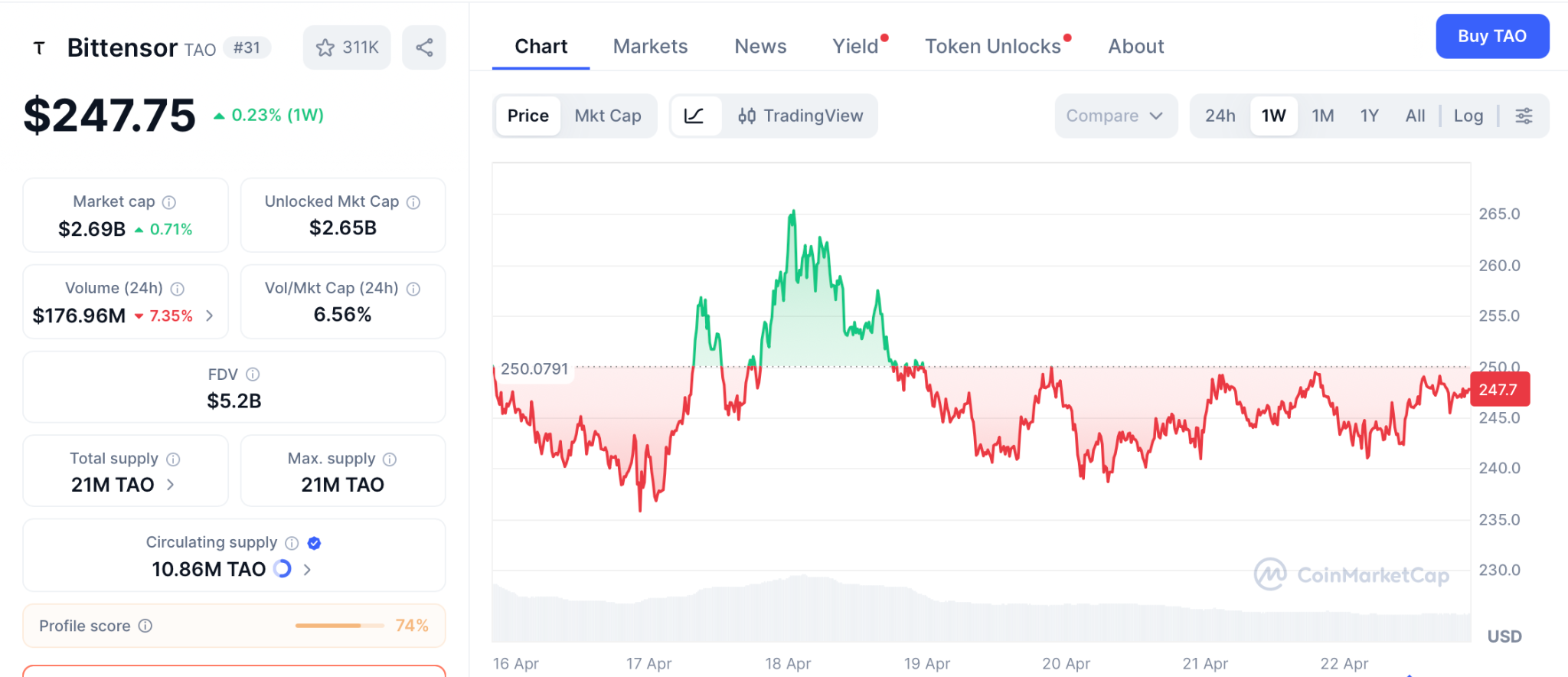
Q1 2026 network revenue hit $43 million, and Grayscale plus Bitwise filed Spot TAO ETF applications on April 2 with an SEC decision expected by August 2026.
Price targets sit between $360 and $410 for end of April per CryptoTimes if institutional flows extend, roughly 40% to 59% upside. Real on paper. But nothing close to what presale pricing delivers on listing day.
Uniswap (UNI) Price at $3.40 as AI Developer Platform Goes Live
Uniswap (UNI) trades near $3.40 per MetaMask with a $2.19 billion market cap. The Developer Platform rollout added AI native tooling, fresh liquidity provider endpoints, and updated documentation. The UNIfication vote passed in December 2025 turned on the fee switch, and ongoing burns trim UNI supply alongside DEX volume.
Analyst targets at $5 deliver UNI holders 53% upside if DEX volumes recover. Pepeto at $0.0000001865 pointed at $0.00005 is 268x, full stop.
Conclusion
April made one thing obvious. Capital rotates the second an institutional catalyst prints, and the ceiling stays hard for tokens already priced in the tens of billions. An entry sitting on a live exchange with a confirmed Binance listing does not lean on subnet tokens or AI toolkit releases to keep its return profile intact. That gap is what separates Pepeto from every other ticker chasing this rally.
Shiba Inu minted millionaires out of wallets holding a plain ticker with nothing underneath it. Pepeto is loading that same viral force on top of an exchange already running live, a signed SolidProof audit, and a confirmed Binance listing that gets closer by the hour. Large holders already inside this presale know exactly what they are holding, and capital of that size does not park unless the path ahead reads clean.
Hesitation at this price is what traders look back on as the mistake that defined the cycle. With buying pressure this thick and the Binance listing this near, the Pepeto window counts down in days, possibly hours, and the wallets still waiting for a cheaper floor become the ones watching someone else collect the gains this cycle.
Click To Visit Pepeto Website To Enter The Presale

FAQs
Why is Pepeto the best crypto to buy now over Bittensor (TAO)?
Pepeto is the best crypto to buy now because its confirmed Binance listing sets a 268x catalyst from $0.0000001865 to $0.00005, backed by the creator of Pepe coin and a SolidProof audit. Bittensor (TAO) at $247 targets $360 to $410 per CryptoTimes, roughly 40% to 59% upside across weeks.
How does Pepeto beat Uniswap returns for buyers entering today?
Pepeto targets 268x from $0.0000001865 via a confirmed Binance listing while Uniswap (UNI) at $3.40 targets 53% toward $5. Pepeto’s 179% APY compounds positions every day regardless of DEX flow conditions, and the presale has already passed $9.29 million in verified capital.
Disclaimer: This is a Press Release provided by a third party who is responsible for the content. Please conduct your own research before taking any action based on the content.


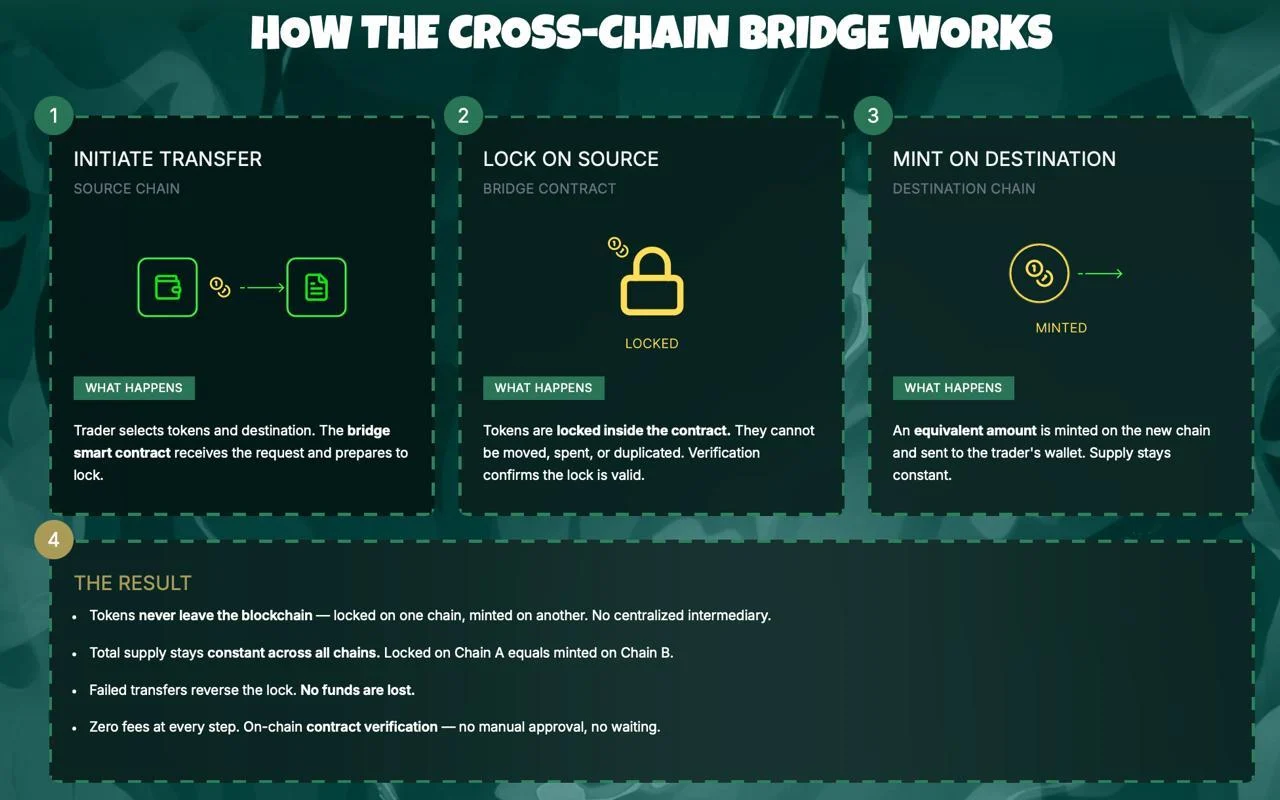
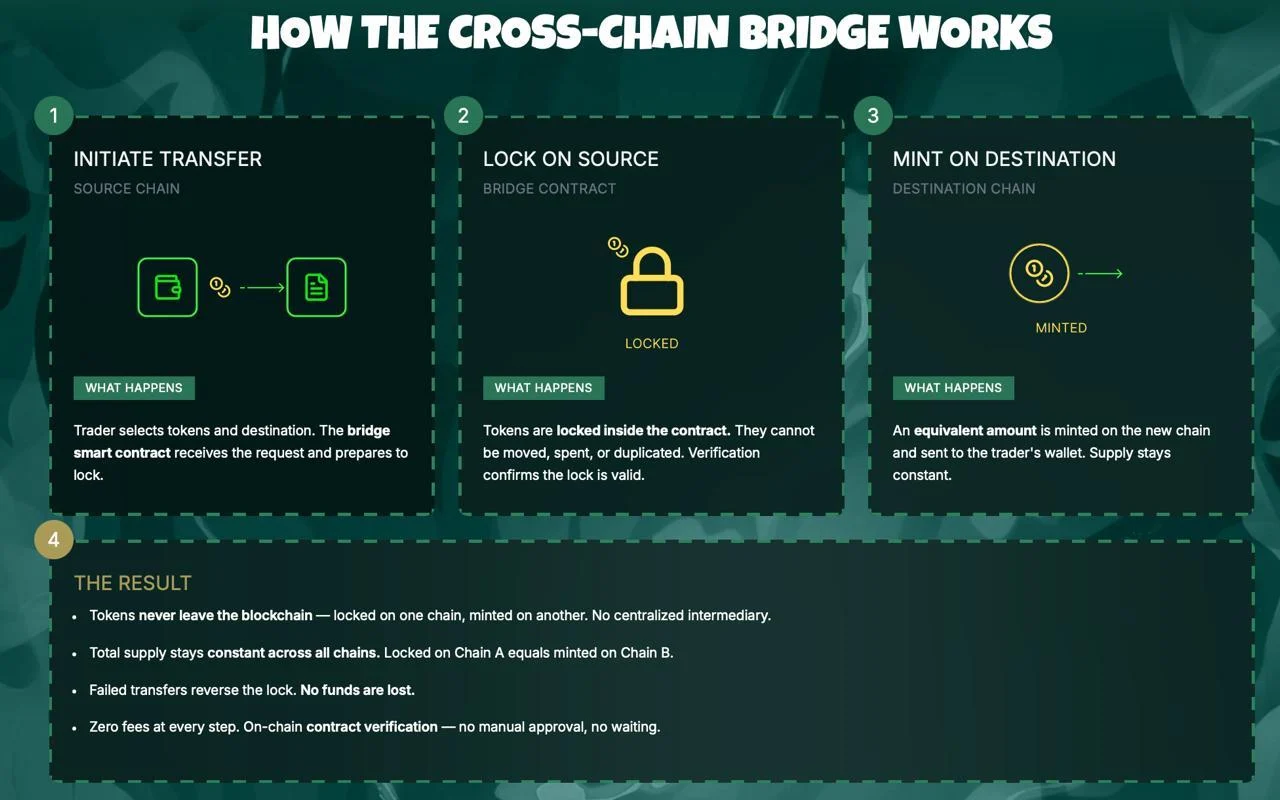
A $290 million exploit on KelpDAO’s cross-chain bridge on April 18, attributed by LayerZero to North Korea’s Lazarus Group, sent shockwaves through DeFi and erased more than $13 billion in total value locked across protocols within 48 hours.
Summary
- Attackers drained 116,500 rsETH worth approximately $290 million from KelpDAO’s LayerZero-powered bridge on April 18 in 2026’s largest DeFi exploit to date.
- LayerZero has attributed the attack with preliminary confidence to North Korea’s Lazarus Group, specifically its TraderTraitor subunit.
- The fallout triggered over $13 billion in outflows from DeFi platforms including Aave, which froze rsETH markets on both its V3 and V4 deployments.
Attackers drained 116,500 rsETH, worth approximately $290 million, from KelpDAO’s LayerZero-powered cross-chain bridge on April 18, in what CoinDesk has called 2026’s largest DeFi exploit to date. LayerZero, whose infrastructure underpinned the bridge, said in a statement Monday that “preliminary indicators suggest attribution to a highly sophisticated state actor, likely DPRK’s Lazarus Group.”
KelpDAO Hack Triggers $13 Billion DeFi Meltdown
The attack worked by compromising two remote procedure call nodes that LayerZero’s verifier relied on to confirm cross-chain transactions, then flooding backup nodes with junk traffic to force failover to the poisoned endpoints. Once the verifier signed off on a fabricated transaction, the bridge released $290 million in rsETH to an attacker-controlled address. The malware then self-destructed, wiping binaries and logs to frustrate forensic investigation. As crypto.news reported, the exploit triggered over $10 billion in outflows from Aave alone, with the lending protocol’s total value locked dropping from $45.8 billion to $35.7 billion as users scrambled to exit. UPI reported that more than $13 billion was wiped from total value locked across DeFi platforms in the two days following the breach.
LayerZero and KelpDAO Trade Blame Over Security Configuration
A dispute has erupted over who bears responsibility for the vulnerability that made the attack possible. LayerZero said KelpDAO had chosen to operate a 1-of-1 decentralized verifier network configuration, a single point of failure it had repeatedly warned against, and announced it would no longer sign messages for any application using that setup. KelpDAO pushed back, telling CoinDesk its configuration followed LayerZero’s own documented defaults and that the compromised validator was part of LayerZero’s own infrastructure. As crypto.news documented, independent security researchers including a Yearn Finance developer found that LayerZero’s public deployment code ships with single-source verification defaults across every major chain, undercutting the firm’s claim that KelpDAO had deviated from guidance.
What the Hack Means for DeFi Security and Institutional Confidence
The KelpDAO exploit is the second major DeFi breach linked to Lazarus in April alone, following the $285 million Drift Protocol attack on April 1, bringing the group’s total DeFi haul for the month to over $575 million. The attacker has since begun laundering the stolen funds, routing assets through Arbitrum and into Tron-based stablecoins, as crypto.news has tracked. Jefferies has warned that marquee hacks of this scale could temporarily slow Wall Street’s appetite for tokenization projects, as institutions reassess the security risks embedded in DeFi bridge infrastructure. LayerZero said it has confirmed zero contagion to other applications running multi-verifier configurations, but has forced a protocol-wide migration away from single-validator setups.
LayerZero said it is working with KelpDAO, the Security Alliance, and law enforcement agencies to trace the stolen funds, though the attacker’s use of privacy tools has significantly complicated recovery efforts.
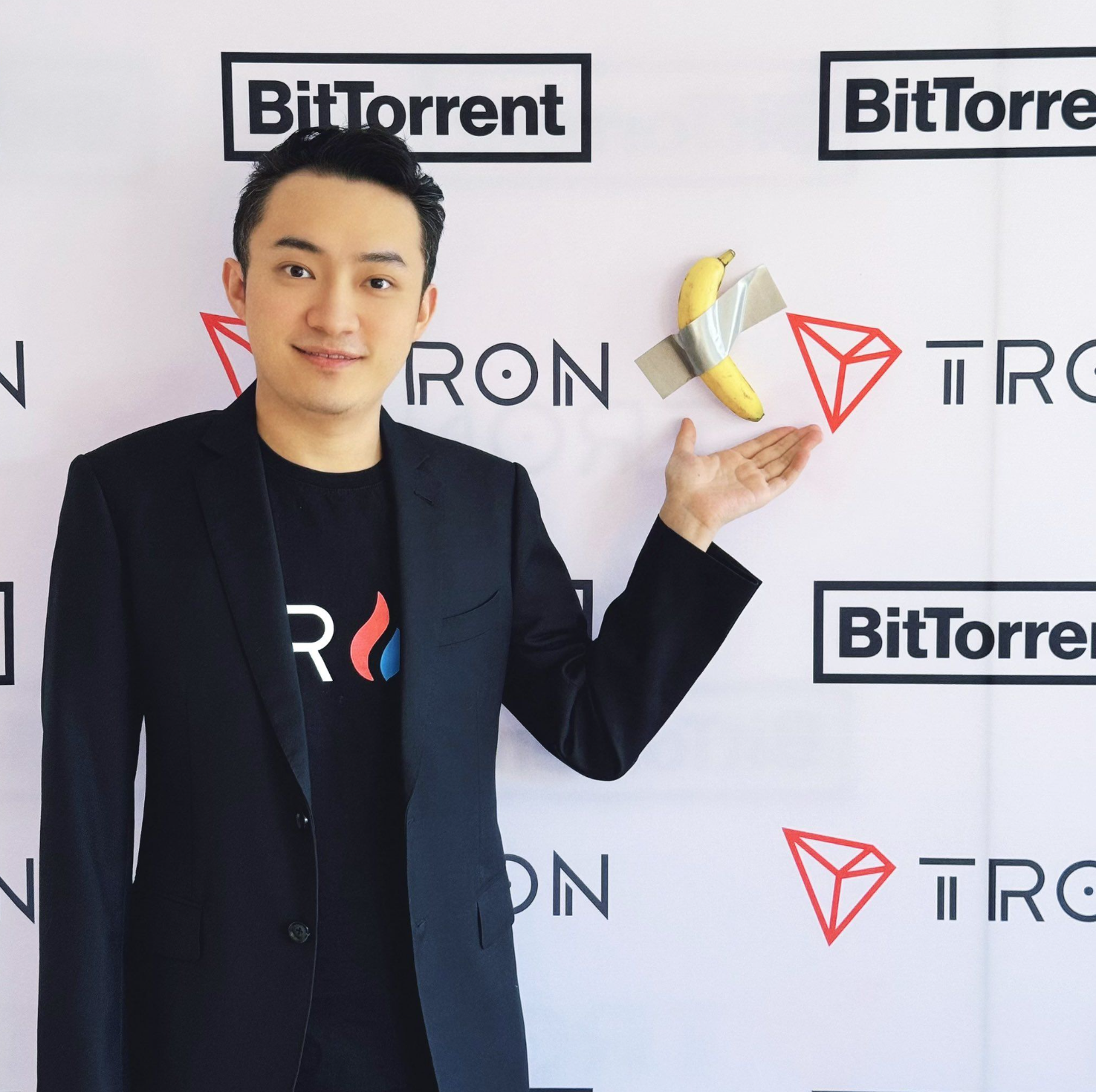
Tron founder Justin Sun filed a 52-page fraud lawsuit against World Liberty Financial (WLFI) this week. Eric Trump quickly fired back.
The complaint lists seven causes of action, including fraud in the inducement, conversion, and unjust enrichment. Sun invested $45 million in the Trump family-backed project.
Trump and Witkoff Reject Sun’s Claims
Eric Trump took aim at Sun’s infamous $6.2 million banana artwork purchase, calling it more ridiculous than the lawsuit itself.
“The only thing more ridiculous than this lawsuit is spending $6 million on a banana duct-taped to a wall. We are incredibly proud of the @worldlibertyfi team…,” President Donald Trump’s son commented.
Justin Sun purchased the viral art piece Comedian, a banana duct-taped to a wall, for $6.2 million at Sotheby’s in November 2024.
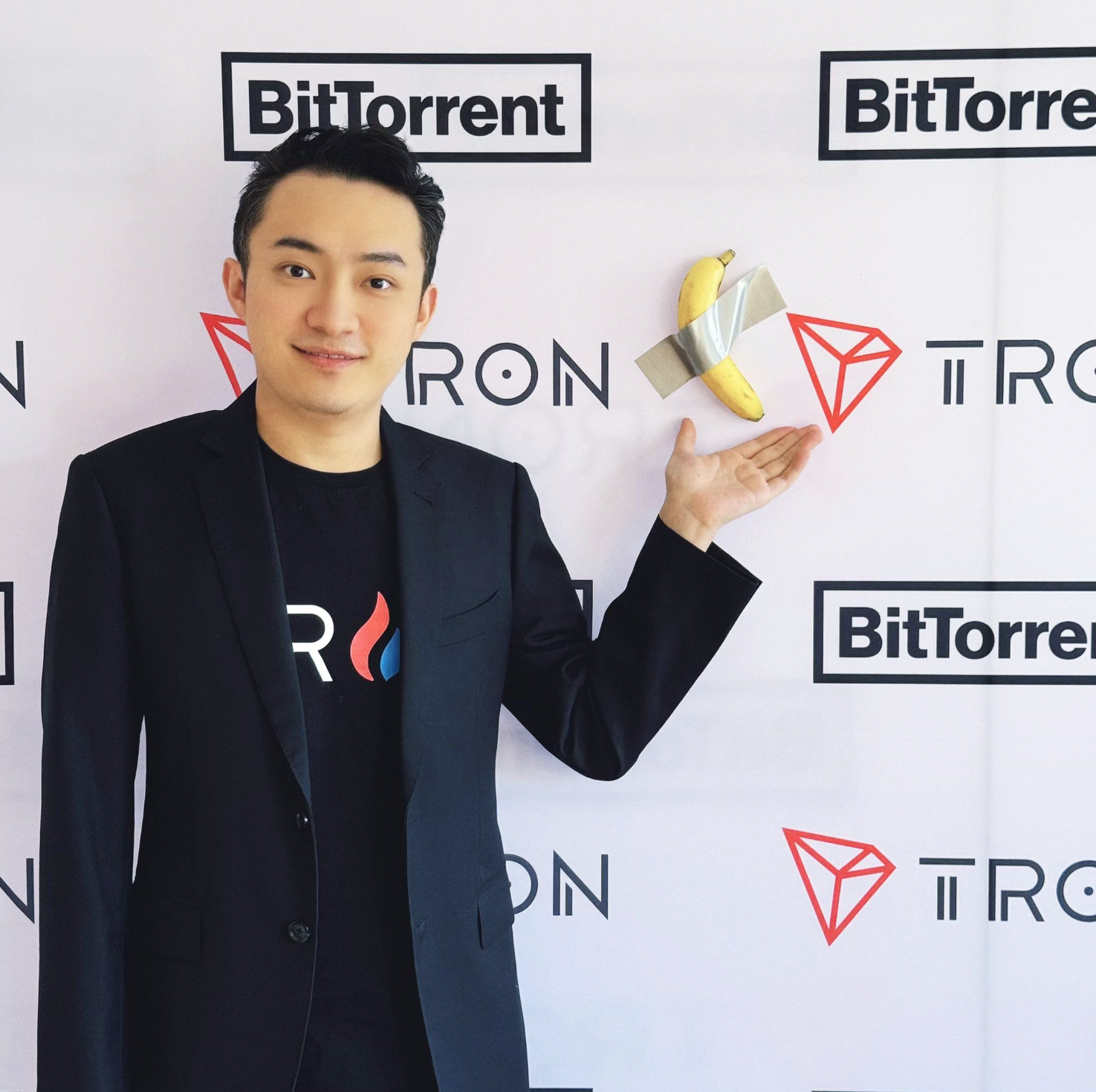
Zach Witkoff, WLFI co-founder, called the lawsuit a “desperate attempt to deflect attention from Sun’s own misconduct.” He said the project expects the case to be thrown out promptly.
WLFI allegedly froze 595 million of Sun’s unlocked tokens in September 2025. A smart contract update had introduced a blacklist function.
His frozen position reportedly lost more than half its value as the token declined.
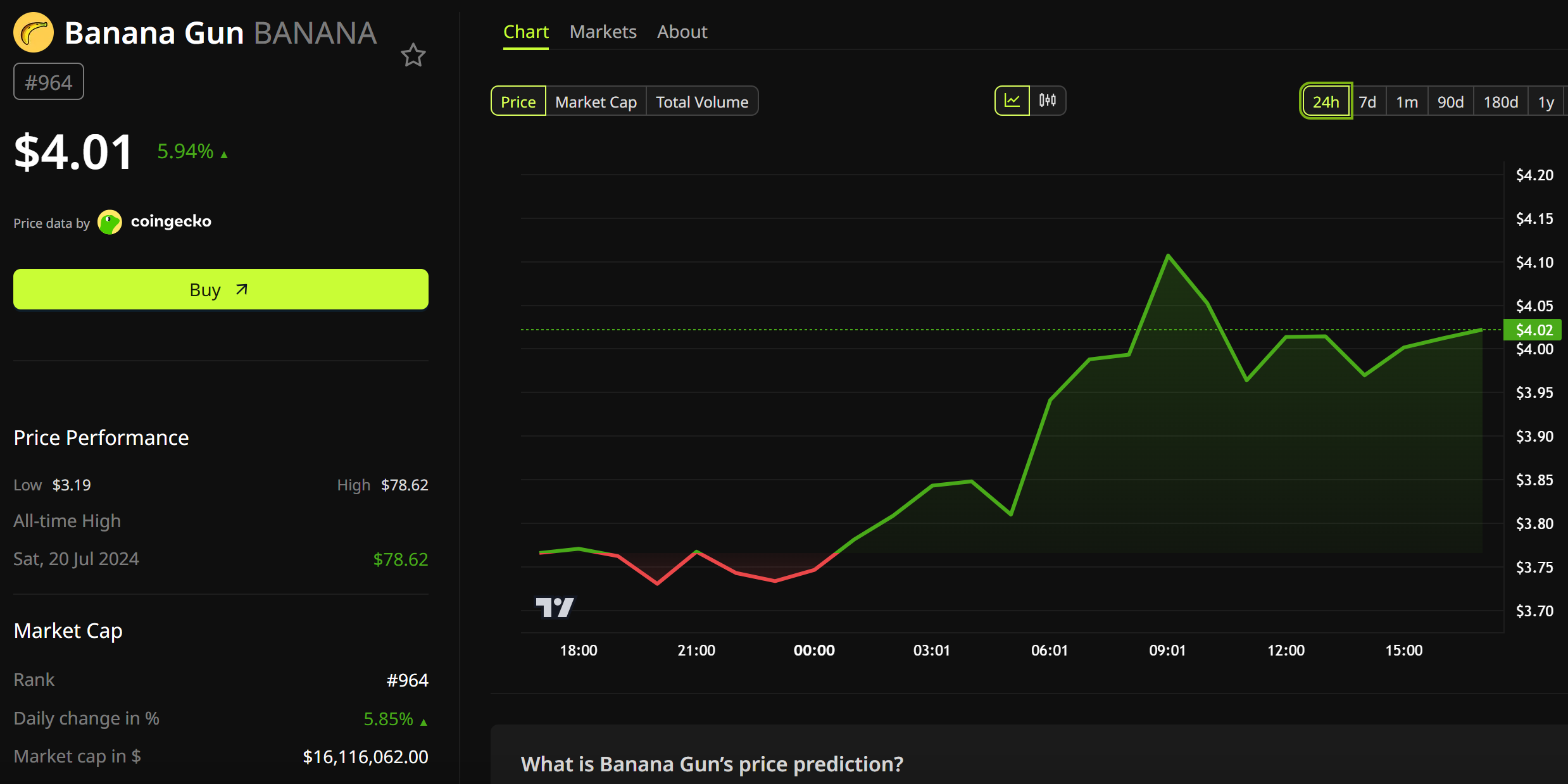
Banana Gun (BANANA) price is up by almost 6% on the news, to trade for $4.01 as of this writing.
Critics Draw Parallels to Past Failures
Bitcoin advocate Simon Dixon compared WLFI to collapsed platforms like Celsius Network and FTX. He alleged the project uses its illiquid token to mint its own stablecoin. Dixon claimed insiders then earn yield from US Treasury debt.
“So World Liberty Financial allegedly uses its illiquid token WLFI (like CEL did with Celsius and FTT did with FTX) to mint its own stablecoin, allowing it to buy U.S. Treasuries and earn millions in yield from U.S. government debt, while the co-founder’s father (Witkoff) negotiates a nuclear deal in the war that his co-founder’s father (President Trump) started after tearing up the last Iran deal. The Trump and Witkoff families are using a token to earn yield on the debt the U.S. government is incurring from the Iran war. Let that sink in. Follow the money,” wrote Dixon.
A viral thread from self-described Web3 ambassador Peter Girnuz detailed alleged insider allocations and governance manipulation. Witkoff denied any association with Girnuz.
Follow us on X to get the latest news as it happens
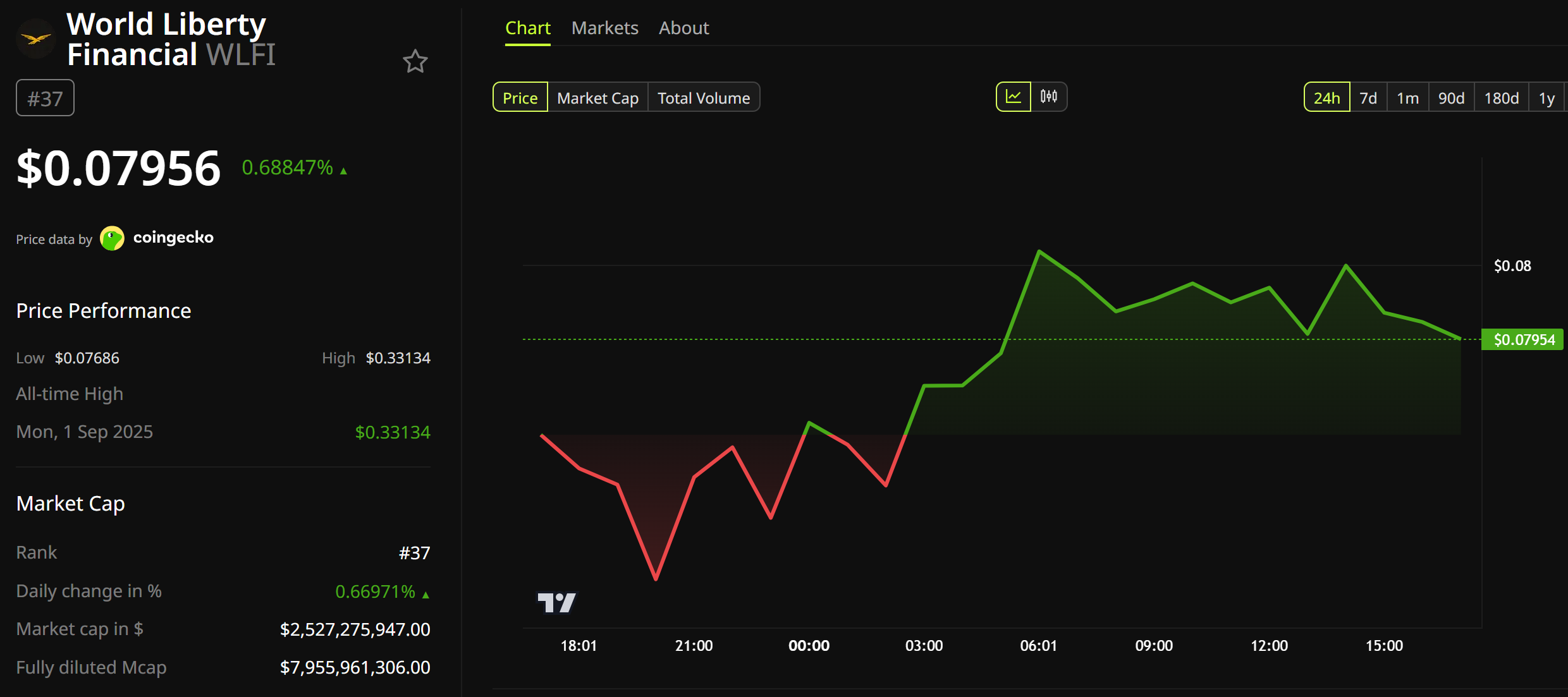
WLFI trades near $0.079 at the time of writing, down roughly 74% from earlier highs and almost 1% in the last 24 hours.
The post Eric Trump Sparks 5% Meme Coin Surge With Fresh Justin Sun Attack appeared first on BeInCrypto.

New Zealand’s economic recovery delayed but not derailed, finance minister says

Lazarus-linked macOS malware targets crypto and fintech sectors

Tina Knowles Drops A Telling Comment On Solange Post

Manchester United reach agreement with Casemiro over contract clause amid transfer speculation

Steven Gerrard disagrees with Gary Neville over ‘shock’ Chelsea and Arsenal claim | Football

US brings back mandatory military draft registration


-

 Sports6 days ago
NWFL Suspends Two Players Over Post-Match Clash in Ado-Ekiti
-

 Fashion5 days ago
Weekend Open Thread: Theodora Dress
-

 Politics5 days ago
Palestine barred from entering Canada for FIFA Congress
-
Entertainment3 days ago
NBA Analyst Charles Barkley Chimes in on Ice Spice McDonald’s Fiasco
-

 Business3 days ago
Powerball Result April 18, 2026: No Jackpot Winner in Powerball Draw: $75 Million Rolls Over
-

 Tech4 days ago
Auto Enthusiast Scores Running Tesla Model 3 for Two Grand and Turns It Into Bare-Bones Go-Kart
-

 Politics4 days ago
Zack Polanski demands ‘council homes not luxury flats for foreign investors’
-

 Crypto World5 days ago
Russia Pushes Bill to Criminalize Unregistered Crypto Services
-

 Politics2 days ago
Gary Stevenson delivers timely reminder to register to vote as deadline TODAY
-
 Business6 days ago
Creo Medical agree sale of its manufacturing operation
-

 Business16 hours ago
Rolls-Royce Voted UK’s Most Iconic Trade Mark as IPO Register Hits 150
-

 Politics7 hours ago
Disabled people challenge government SEND proposals over segregation concerns
-

 Politics7 hours ago
Making troops accountable for war crimes threatens US alliance, ex-SAS colonel warns
-

 Crypto World5 days ago
Russia Introduces Bill To Criminalize Unregistered Crypto Services
-

 Politics8 hours ago
Starmer handler McSweeney to be dragged from shadows by Foreign Affairs Committee
-

 Politics8 hours ago
Zack Polanski responds to home secretary’s taser threat
-
Politics8 hours ago
Wings Over Scotland | How To Get Away With Crimes
-
 Crypto World4 days ago
Kelp DAO rsETH Bridge Hack Drains $292M as DeFi Losses Top $600M in Two Weeks
-

 Politics5 hours ago
‘Iran is still a nuclear threat’
-

 Tech7 days ago
Ford EV and tech chief leaving automaker
You must be logged in to post a comment Login