

Crypto World
Important for Ripple (XRP) Traders: Rare Bottom Signal Emerges


Ripple (XRP) continues trading within a narrow range between around $1.30 and $1.38 despite several failed breakout attempts.
Santiment has identified a rare XRP signal as traders remain under increasing pressure.
High-Potential Rebound Zone
According to on-chain analytics platform Santiment, the average XRP trader active over the past 30 days is currently down 47%, as many investors are reportedly selling at the bottom during the recent market decline.
Santiment found that XRP’s 30-day Market Value to Realized Value (MVRV), a metric used to measure average trader returns, has now dropped to its lowest level since December 2020. MVRV readings historically tend to return toward 0%, which makes the current level an indication that the crypto asset may be in an extreme undervalued zone.
As per the analysis, the sharp decline is indicative of a growing fear and frustration among traders following XRP’s retracement, which has erased more than half of its market value since last summer. Santiment said XRP’s strong rally during late 2024 and early 2025 led many traders to enter positions near local highs before momentum weakened and repeated selloffs pushed short-term holders into heavy losses.
Despite the decline, the findings reveal that some long-term investors remain optimistic due to expectations surrounding regulatory progress, speculation about a potential XRP ETF, and Ripple’s broader adoption narrative. Santiment added that deeply negative MVRV zones like the current one have historically appeared when retail traders capitulate, often creating conditions where even minor positive catalysts can trigger strong recoveries.
Additionally, fear around the crypto asset has climbed to unusually high levels on social media. The ratio of bullish to bearish comments has dropped to just 1.1 positive comments for every 1 negative comment as traders grow more cautious about XRP’s outlook.
Santiment observed that similar periods of fear and skepticism have historically acted as contrarian signals for XRP, as many weaker holders tend to exit the market during sharp downturns. The platform added that previous moves into this “FUD zone” were often followed by price stabilization or short-term rebounds.
Rising Speculative Momentum
At the same time, fresh data from CryptoQuant pointed to growing speculative activity around XRP perpetual futures on Binance, even though the token itself has continued hovering near $1.34. The analytics firm said XRP’s volume imbalance reading climbed to roughly 0.54, which means that perpetual contract trading volumes are now significantly higher than during earlier periods of quieter market activity.
According to CryptoQuant, this suggests more traders are returning to short-term leveraged positions. The platform also noted that XRP’s Z-Score rose to nearly 0.95, meaning current trading activity is approaching one full standard deviation above its usual average.
CryptoQuant added that the indicator had spent an extended period in negative territory before recently moving back into positive levels, which points to a gradual improvement in trader risk appetite and renewed speculative participation in the market.
The post Important for Ripple (XRP) Traders: Rare Bottom Signal Emerges appeared first on CryptoPotato.


TLDR:
- WLD surged 15.72% in 24 hours, trading at $0.3813 while most altcoins posted losses on the same day.
- Whale transactions hit 64 in one day, marking the highest level of 2026 according to Santiment on-chain data.
- Oku Trade integration into World App launched swap competitions, pushing trading volume up 266% to $768 million.
- New wallet creation reached 379 in a single day, setting a 2026 record as retail interest in WLD accelerated.
Worldcoin (WLD) recorded a 15.72% price gain in 24 hours, trading at $0.3813 on a broadly red market day. On-chain data from Santiment showed whale transactions, active addresses, and new wallet creation all reaching their highest or second-highest levels of 2026.
Trading volume climbed 266% to $768 million. Open interest in WLD futures rose to $281 million from $217 million the previous day.
Whale and Retail Activity Reach Record Levels in 2026
Santiment data recorded 64 whale transactions within a single 24-hour window. That figure marked the highest whale activity for WLD so far in 2026.
Active addresses also jumped to 1,309 during the same period, which ranked as the second-highest reading of the year.
Network growth, measured by new wallet creation, reached 379 addresses in one day. This figure also set a 2026 record for the project.
Together, these three metrics rising at once pointed to growing participation from both large and small investors.
However, Santiment noted that the spikes appeared tied to the price surge itself. The data provider flagged the activity as potentially FOMO-driven rather than organic accumulation. That distinction matters when assessing whether the engagement will persist beyond the rally.
Still, the convergence of whale moves and retail interest in a short window is relatively uncommon. When both groups enter a market simultaneously, it can reflect broader shifts in sentiment around a project.
DeFi Integration and AI Narrative Drive WLD Momentum
The immediate catalyst behind the price move was the integration of DeFi aggregator Oku Trade into the World App.
The aggregator routes transactions through Worldchain and launched weekly swap competitions. Winners can earn up to 100 WLD per competition round.
According to BSCNews, the competition mechanics encourage repeat swap behavior from participants. That pattern showed up directly in spot volume figures, which more than tripled over the prior session. The structural incentive behind the volume spike differs from purely speculative buying.
Beyond the DeFi integration, WLD also benefits from its positioning within the AI narrative. Worldcoin is a crypto and digital identity project co-founded by OpenAI CEO Sam Altman. The project uses biometric verification through Orb devices to build a global proof-of-personhood system.
As AI adoption accelerates through 2026, concerns around bots, fake identities, and AI-generated content have grown. That backdrop keeps WLD relevant in news cycles tied to AI fraud and digital identity.
On a day when Bitcoin sat near $76,006 and Ethereum traded around $2,072, WLD stood out as one of the few assets posting gains across the broader altcoin market.

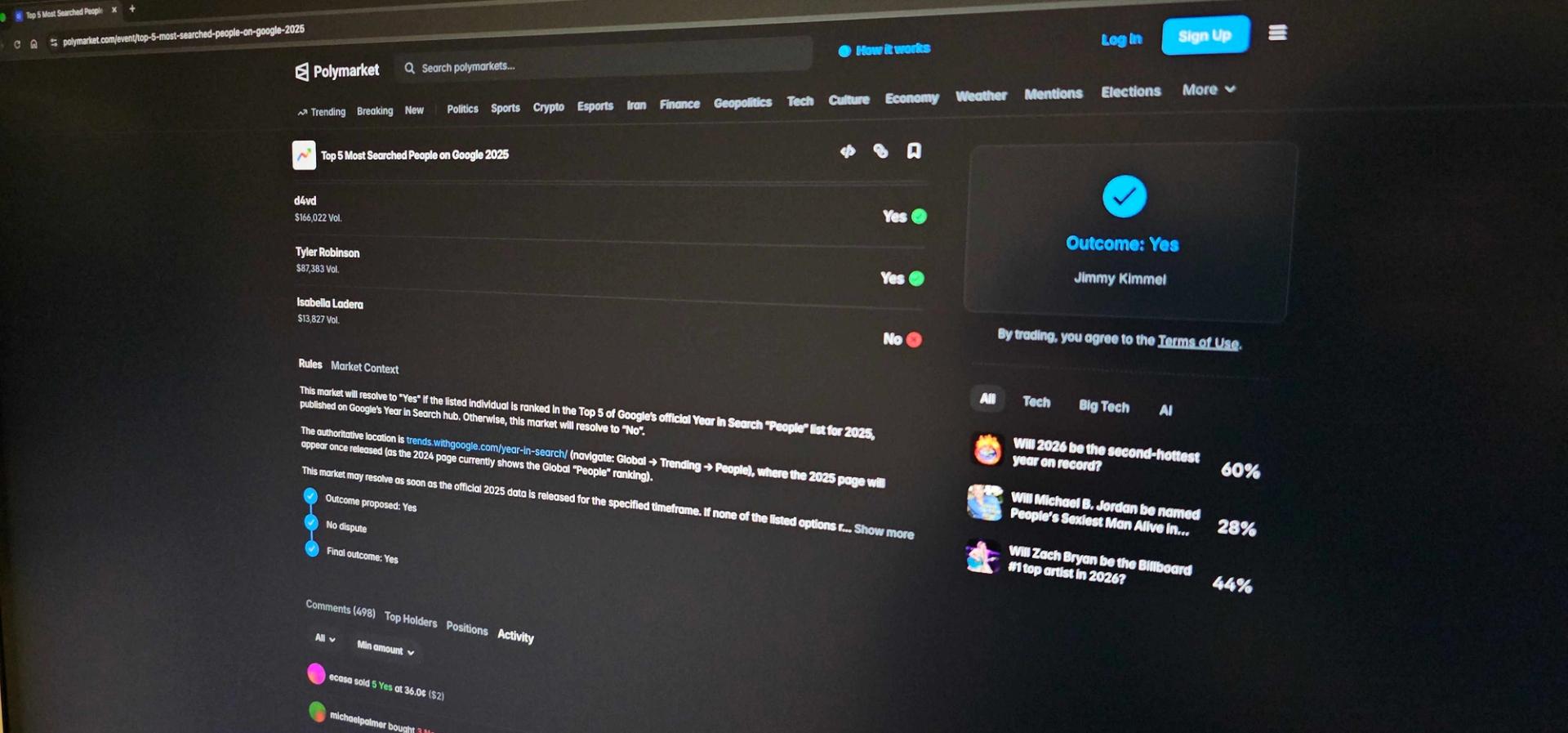
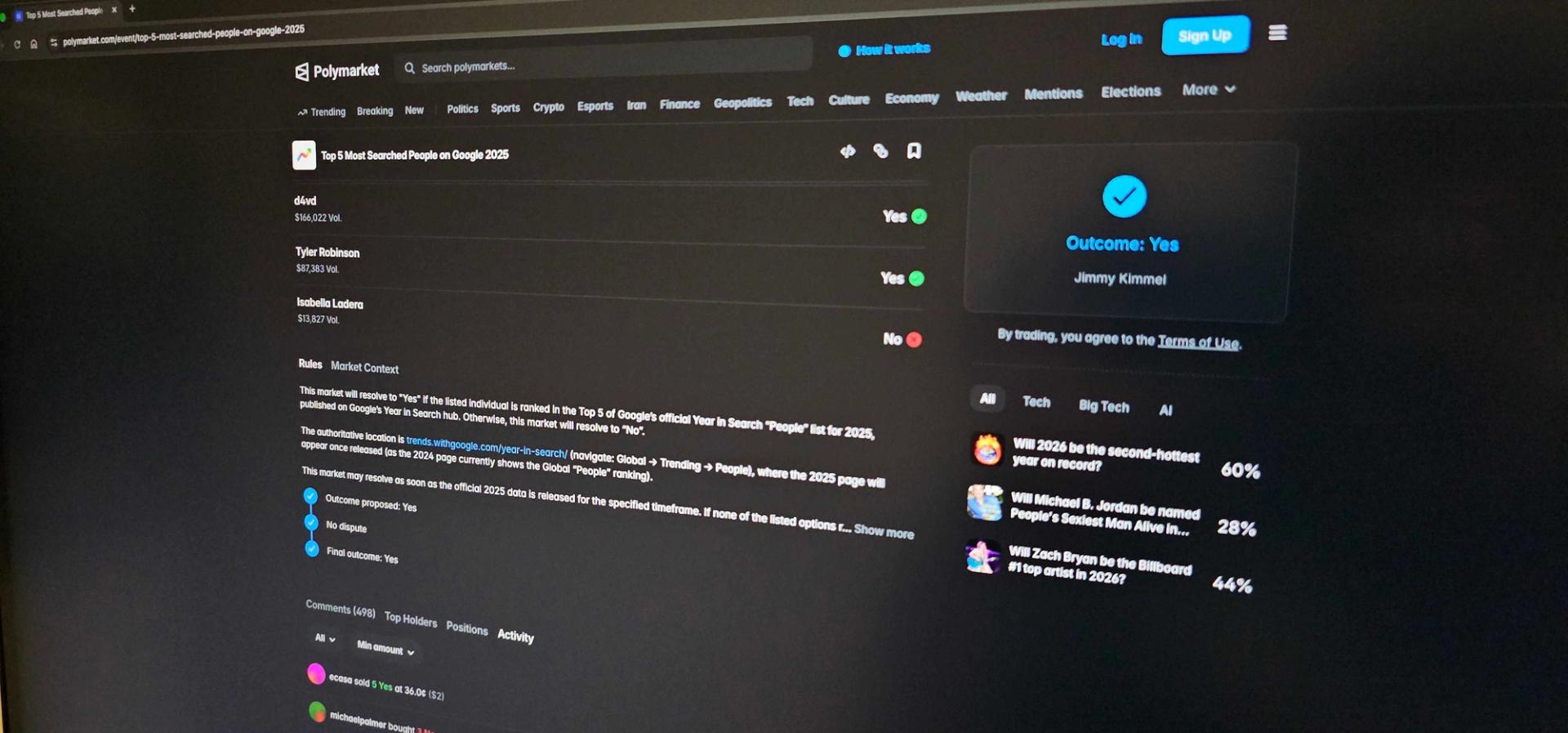
A Google security engineer, Michele Spagnuolo, was arrested and charged over alleged insider trading by placing bets on Polymarket about what Google users were searching, U.S. officials alleged on Wednesday.
According to a complaint unsealed by the U.S. Attorney’s Office for the Southern District of New York, Spagnuolo used “material nonpublic information” to place bets on who would appear on Google’s list of most-searched for individuals for 2025, after Polymarket began offering these markets last fall.
Spagnuolo allegedly used an internal Google tool to track who the most-searched-for individuals were and transferred some $3.8 million in USDC to a Polymarket address, said the complaint, which was signed by FBI Special Agent Brandon Racz.
The account, which used the username “AlphaRaccoon,” bet that D4vd (a rapper recently charged with murdering a 14-year-old girl) would be one of the most-searched for individuals in late November. Spagnuolo allegedly accessed Google’s internal tool, which showed D4vd trending, a few hours before the AlphaRaccoon account placed the bet.
The user AlphaRaccoon moved 5 million USDC.e from their Polymarket account to a wallet, before moving the funds through a swapping service and a privacy tool, the complaint said. Some of the funds were ultimately moved to an account at a payment processor in Italy, which had been opened by someone using Michele Spagnuolo’s government identification card.
“Unlike the counterparties to his trades, Spagnuolo knew the outcome of these wagers before the trading public did because he had accessed Google’s confidential, commercially valuable internal data,” the complaint said. “Spagnuolo personally profited more than approximately $1,200,000 from his trades based on nonpublic information. Once he won, Spagnuolo then took deliberate steps to conceal his unlawful use of nonpublic information by attempting to obscure the source and ownership of his unlawful proceeds.”
Spagnuolo is being charged with commodities fraud, wire fraud and money laundering, according to the complaint.
Wednesday’s charges mark the second major arrest of someone who allegedly traded on Polymarket using insider information, following an earlier arrest of a U.S. Army soldier who allegedly bet on the Nicolas Maduro raid he was part of.
Crypto World
Cash App Goes Live With Fee-Free USDC Transfers, Framing Stablecoins as a Path to Bitcoin


Cash App, the payments platform owned by Block, the financial technology company co-founded by Jack Dorsey, launched support for sending and receiving USDC on Wednesday, offering fee-free stablecoin transfers across four blockchain networks with no separate wallet or crypto setup required. Users… Read the full story at The Defiant


Banca Sella said it became the first Italian lender to secure a crypto services license from the Bank of Italy under the European Union’s Markets in Crypto-Assets (MiCA) regulation.
The private bank, which has 50 billion euros ($54 billion) in assets under management and more than 3.1 million customers, said it completed a formal 40-day notification process, clearing it to roll out crypto services to clients later this year.
“Being approved as a crypto-asset services provider will enable Banca Sella to launch in 2026 a solution dedicated to the custody, transfer and receipt of digital assets aimed at selected categories of customers,” the bank said in a website statement.
While the bank’s initial retail crypto plans were routed through its mobile-banking venture, Hype. This new corporate-facing infrastructure relies on a compliance partnership with blockchain intelligence firm Chainalysis and an internal digital asset pilot initially built alongside Fireblocks.
Sella joins the roughly 20 major European banks offering crypto asset services under MiCA, including Germany’s Commerzbank and LBBW, France’s Société Générale FORGE and Spain’s BBVA.
The bank is among the founders of Qivalis, a group of 37 European banks aiming to issue a euro-denominated stablecoin this year.
Sella said it is involved in EU tokenization of deposits and payments projects such as Pontes and Appia projects, which are aimed at bolstering the bloc’s financial autonomy.
“The evolution of payments toward instant, interoperable, and programmable models – also driven by the tokenization of currencies and assets – is redefining financial infrastructures at European and global level,” said Andrea Tessera, the bank’s managing director of digital banking.
Crypto World
Crypto’s biggest exchanges back push for token disclosure standards as industry courts institutional capital


Coinbase, Kraken, Binance.US and more than 40 crypto firms launched an industry alliance Wednesday backing standardized token disclosures, an effort to bring stock market-style transparency to digital asset markets where investors often have limited visibility into what they are buying.
The Transparency Alliance, organized by Blockworks, will use the company’s Token Transparency Framework as a shared benchmark for evaluating token projects. Founding members include some of the largest exchanges and infrastructure providers in crypto, including Coinbase, Kraken, Binance.US and MEXC; custodians Anchorage Digital, BitGo and Copper; market makers GSR, FalconX and Auros.
“When investors buy a stock, they understand what they own. When they buy a token, they do not,” Blockworks co-founder Jason Yanowitz told CoinDesk. “Critical information is often scattered, incomplete, or unavailable.”
A total of 44 protocols have completed Token Transparency Framework filings since the standard launched in June 2025, including Morpho, Jupiter, Spark and dYdX.
The framework includes two filing types: a one-time disclosure for new token launches, modeled loosely on an S-1 registration filing, and a continuously updated filing for mature protocols. Both cover items such as entity structure, insider token allocations, market maker agreements, exchange listing terms and buyback programs.
“The exchanges recognize that crypto is entering its institutional phase, and that token markets need a unified disclosure infrastructure to support serious capital flows,” Yanowitz said.
Blockworks has also discussed the framework with staff at the Securities and Exchange Commission and Commodity Futures Trading Commission, Yanowitz said.
“It’s clear that regulators want better classification, better disclosure, and more market integrity in crypto,” he added.
The framework is free for issuers and platforms, with Blockworks instead monetizing data, research and software products built around the ecosystem.
The initiative is not intended to police speculation. Memecoins and experimental tokens will remain part of crypto culture, Yanowitz argued, but investors should still understand what they are buying.
“It’s not our job to decide if a token is ‘good’ or ‘bad,’” Yanowitz said. “There will be tokens that do disclosures and tokens that don’t do disclosures.”
Its long-term impact, however, may depend on whether participating firms move beyond endorsement and normalize disclosures around the information investors have historically struggled hardest to obtain: insider allocations, liquidity arrangements, and listing terms.
“The market can decide what it values, but it should not have to decide in the dark,” Yanowitz said.
Crypto World
Ethereum Price Prediction: ETH Faces $1.8K Risk Unless Bulls Reclaim This Critical Level
Ethereum is trading at $2,080 and grinding lower into a zone where the technical picture is bleak on the surface, but quietly building something more interesting beneath the surface.
The 100-day moving average sits just above as a lost reference point; the ascending channel floor is on the verge of a breakdown, yet the 4-hour chart is sketching out what may be a genuine bullish reversal pattern.
Whether it develops into something real or simply unwinds into another leg lower is the central question heading into June.
Ethereum Price Analysis: The Daily Chart
On the daily chart, the price has continued to drift lower since the mid-May rejection from the $2.4K area. ETH is now trading at $2,080, with the 100-day moving average sitting just above at approximately $2.2k, which is close enough to be relevant but is acting consistently as resistance. The ascending white channel’s lower boundary is barely holding, and the RSI has deteriorated into the 35–40 range, indicating selling pressure without yet reaching an oversold extreme.
The $1.8K demand zone is now the primary downside reference, sitting roughly $280 below.
This distance could be covered quickly if the channel floor were to fail. A recovery above the 100-day moving average, on the other hand, is the minimum requirement to stabilize the daily structure. Further above, reclaiming $2,400 would genuinely change the mid-term narrative for Ethereum. Until one of these scenarios happens, the daily chart is simply a map of tightening support with shrinking room for error.

ETH/USDT 4-Hour Chart
The more interesting development is on the 4-hour chart, where a potential inverse head-and-shoulders pattern has been forming over the past week. The left shoulder printed near $2.1k, the head formed at the low around $2k, and the price is currently carving out what appears to be the right shoulder near $2.8k.
The neckline sits at approximately $2.15k, and the pattern’s measured move, should the neckline break, projects a rebound at least toward $2.25k, but could move further higher toward the key $2.4K supply zone once more.
The pattern is unconfirmed and needs to be treated as such.
A right shoulder that holds above the $2k support zone and then drives a 4-hour close above the $2.15K neckline would be the trigger. This would represent the first technically meaningful reversal signal since the correction began in early May. A failure of the right shoulder, however, would lead to a drop below $2k, invalidate the setup entirely, and open a potential path toward the $1,800 zone below.

On-Chain Analysis
Ethereum’s exchange reserve currently stands at 14.8M ETH. This figure places current sell-side availability near its lowest level in the past few years. The current reserve level has been reached despite the price sitting at $2k. This means that the drawdown from $4.8k has not produced the kind of exchange inflows that would indicate mass capitulation or distribution by long-term holders.
Yet, the modest uptick from 14.4M in early May to 14.8M is worth monitoring. A continued rise would suggest holders are beginning to move supply back onto exchanges at current levels, which could add selling pressure to an already fragile price structure. However, for now, the reading remains historically thin, and the implication is that when buyers eventually do step in, they will find an order book with less available supply than at almost any point in recent history, which could make a recovery more likely.

The post Ethereum Price Prediction: ETH Faces $1.8K Risk Unless Bulls Reclaim This Critical Level appeared first on CryptoPotato.
Crypto World
Market Movers: Memory Chip Giants Hit $1 Trillion as Goldman Sees S&P 500 Reaching 8,000
Key Highlights
- Micron Technology jumped 19.3% to $895.88 following a UBS price target increase to $1,625, elevating its valuation beyond $1 trillion
- SK Hynix achieved a $1 trillion market capitalization milestone as memory chip valuations doubled during Q1
- Marvell Technology climbed more than 5% before its earnings release, benefiting from its AI networking and custom chip exposure
- Abercrombie & Fitch exceeded profit forecasts with $1.47 EPS while revenue came in marginally below expectations
- Goldman Sachs elevated its S&P 500 year-end projection to 8,000, citing AI sector earnings as a primary catalyst for roughly 50% of anticipated gains
May 26 brought significant market action across Micron Technology, SK Hynix, Marvell Technology, Abercrombie & Fitch, and Goldman Sachs. The trading session featured notable movements in AI memory manufacturers, retail sector updates, and optimistic market forecasts.
Below is a comprehensive analysis of each major development.
Micron Technology Rallies 19% on UBS Upgrade
Micron Technology delivered an exceptional trading performance with one of its strongest single-day gains. Following UBS’s dramatic price target revision from $535 to $1,625, shares climbed 19.3% to close at $895.88.
This substantial rally propelled Micron’s valuation past the $1 trillion threshold for the first time in company history. UBS analysts pointed to extended customer contracts, constrained memory supply, and escalating artificial intelligence demand as primary catalysts behind their bullish stance.
AI infrastructure deployments require substantial quantities of DRAM, NAND flash, and high-bandwidth memory solutions for training and operating advanced language models. Market analysts anticipate that ongoing memory supply constraints will support elevated pricing power and expanded profit margins for semiconductor manufacturers.
SK Hynix Achieves Historic $1 Trillion Valuation Milestone
SK Hynix reached the $1 trillion market capitalization benchmark for the first time during the same trading session. The stock advanced 9.3% as institutional interest in AI-focused memory manufacturers intensified.
Reuters data indicated that memory chip valuations doubled throughout the first quarter. Industry analysts project additional price appreciation during the current quarter.
The Korean semiconductor giant has emerged as a primary beneficiary of expanding AI infrastructure investments. Its specialized high-bandwidth memory products power Nvidia’s cutting-edge AI processing units.
The simultaneous achievement of trillion-dollar valuations by both Micron and SK Hynix signals an evolution in investor perception of AI opportunities. Memory technology has emerged as a recognized constraint in AI data center expansion efforts.
Marvell Technology Gains Momentum Before Earnings Report
Marvell Technology advanced over 5% on May 26, reaching approximately $207 per share. The semiconductor company specializes in custom processors, optical networking infrastructure, and data center interconnect solutions.
Market participants await the company’s upcoming financial results to determine whether performance can justify recent valuation expansion. Advanced networking capabilities and rapid data transmission infrastructure represent essential components of contemporary AI data center architecture.
Marvell offers investors diversified exposure to AI infrastructure growth beyond dominant chip manufacturers. Custom semiconductor solutions and optical connectivity are gaining strategic importance as data center requirements escalate.
Abercrombie & Fitch Delivers Strong Earnings Despite Revenue Shortfall
Abercrombie & Fitch announced adjusted earnings of $1.47 per share, surpassing analyst consensus of $1.28. Net revenue reached $1.11 billion, falling marginally short of projections.
Shares advanced despite the revenue miss as market participants emphasized the earnings beat and management’s reaffirmed annual guidance. The outcome demonstrates evolving retail market dynamics, where profitability and forward outlook carry greater weight than revenue figures alone.
Goldman Sachs Elevates S&P 500 Forecast to 8,000
Goldman Sachs increased its year-end S&P 500 projection to 8,000 from the previous 7,600 target. The investment bank anticipates S&P 500 earnings of $340 for 2026 and $385 for 2027.
Goldman analysts indicated that AI infrastructure businesses will contribute approximately half of this year’s aggregate earnings growth. This forecast reinforces the bullish market narrative despite persistent consumer spending headwinds.
Space Sector Stocks Surge on SpaceX Speculation
Rocket Lab, AST SpaceMobile, and Redwire all posted gains amid speculation surrounding a possible SpaceX public offering, NASA lunar program developments, and short-covering activity.
Certain market analysts have highlighted elevated valuations within the sector, drawing parallels to the electric vehicle speculation bubble. Nevertheless, the space industry remains among the most actively traded speculative segments currently.
The trading session underscored continued market focus on three dominant investment themes: AI memory technology, AI infrastructure buildout, and high-growth space exploration stocks. Across these sectors, valuations and investor expectations maintain upward momentum.
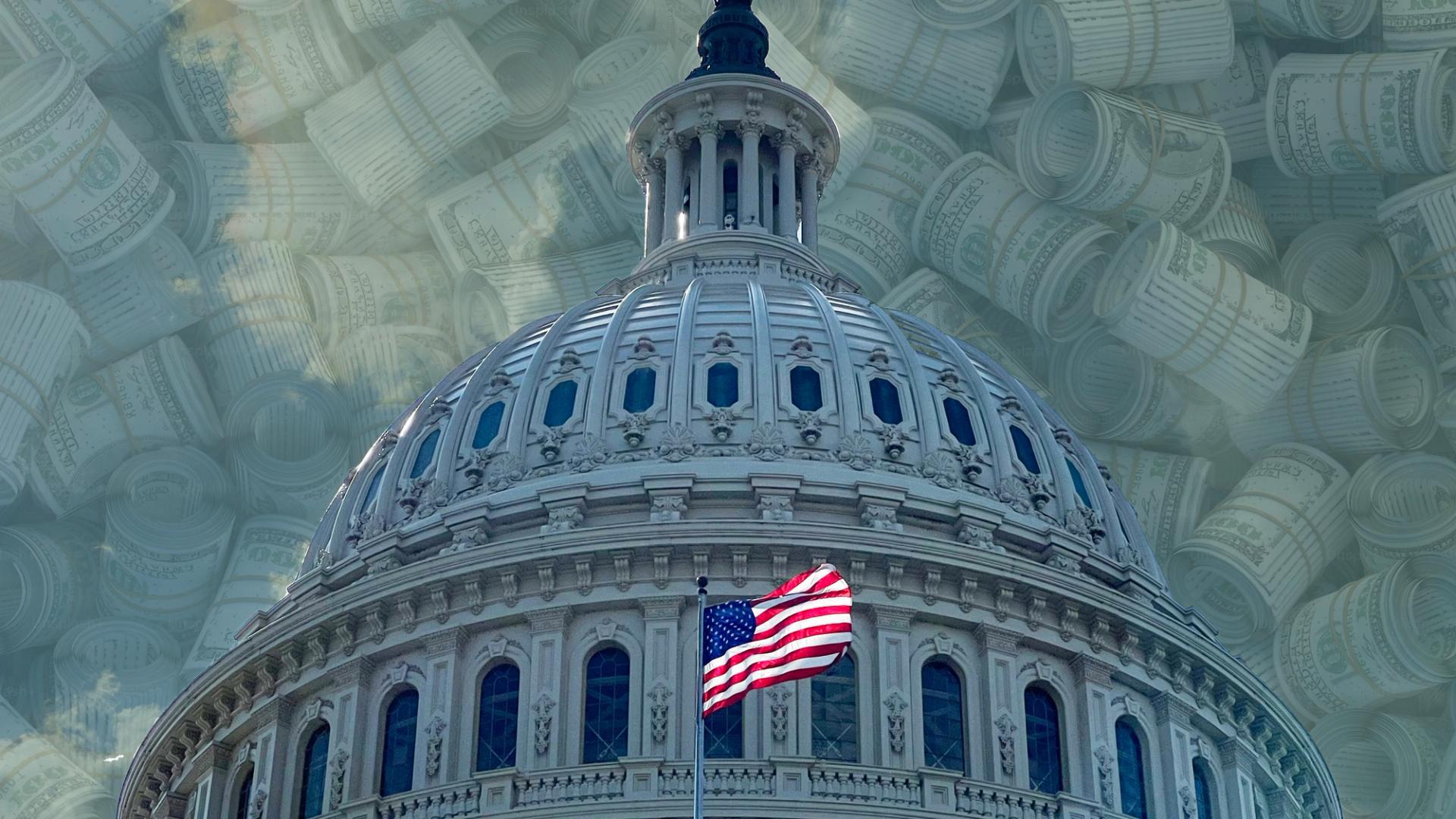
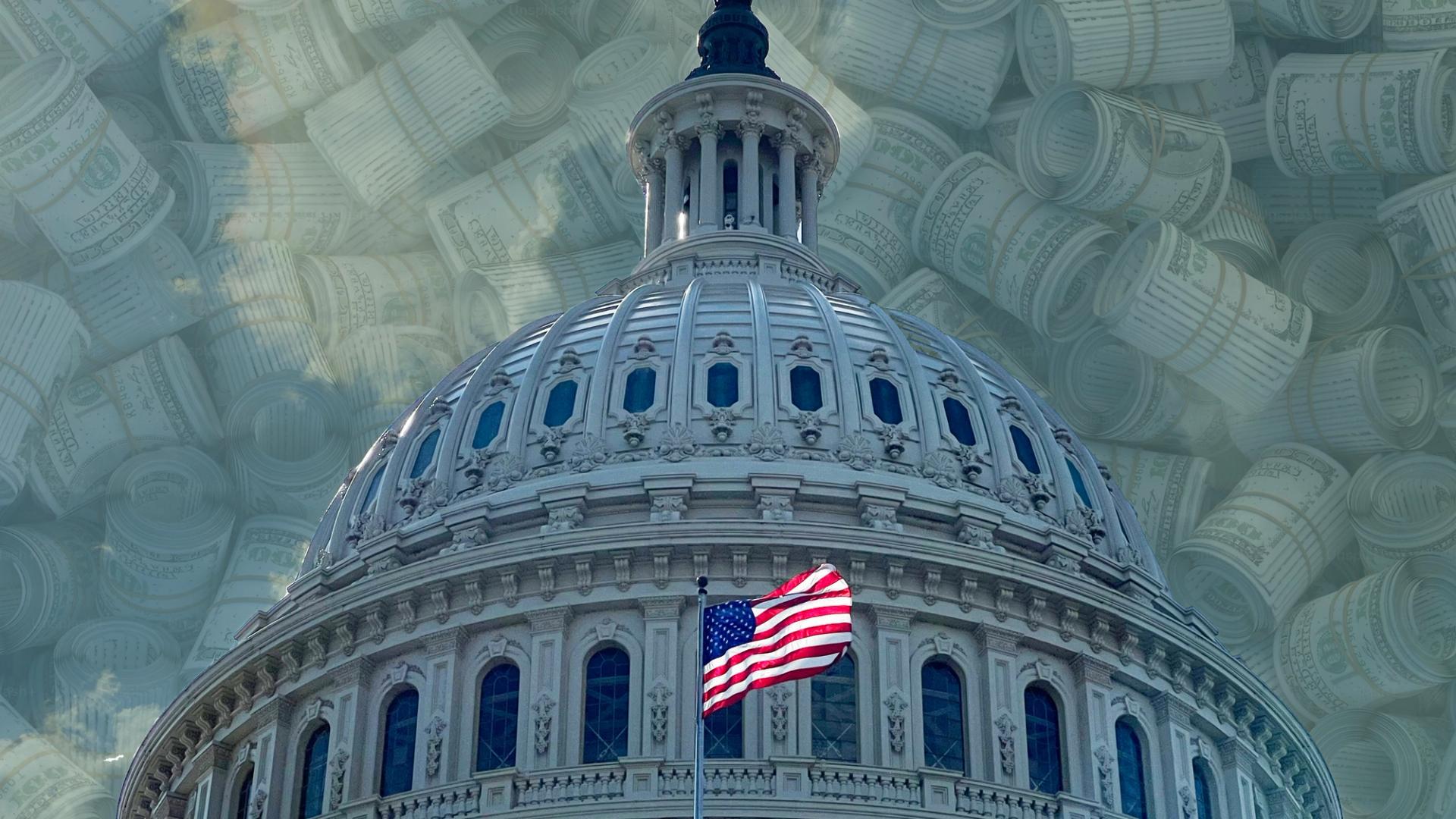
The U.S. cryptocurrency industry has flexed its campaign-finance might to help dethrone veteran incumbents and elevate new allies in Texas and other states as the congressional midterm season approaches full velocity, though the arrival of new political action committees may put the sector’s meticulous bipartisanship in question.
Fairshake is still an unrivaled channel for millions of old-fashioned U.S. dollars to steer primary elections, but other crypto super PAC names have crept into the conversation, getting louder in the wake of this week’s Texas primaries. And the collective crypto spending is already contributing to real consequences for the next Congress.
The most recent Texas runoff bouts illustrated the widening reach of the crypto industry in politics, with Fairshake targeting and helping oust a longtime Democrat member of the House of Representatives, crypto critic Al Green, and one of the new PACs throwing weight behind a Republican Senate candidate. The Fellowship super PAC, associated with Tether and Cantor Fitzgerald, backed Texas Attorney General Ken Paxton’s trouncing of the incumbent Republican with $500,000.
Though House races are often won or lost on funding in the hundreds of thousands of dollars, Fairshake spent $6.5 million to get U.S. Representative Christian Menefee advanced in place of Green. The Blockchain Leadership Fund (established recently with inaugural donations from Anchorage Digital and Chainlink) also endorsed and donated to Menefee, who won Tuesday’s unusual runoff of two incumbents pitted against each other by redistricting and is expected to win November’s general election in his Democratic-dominated district.
Across the Texas primaries, Fairshake also backed a list of Republicans seeking House seats, including Alex Mealer ($453,000), Tom Sell ($426,000), Carlos De La Cruz ($607,000) and Jon Bonck ($348,000) — turning in dominant wins in districts generally considered likely to come out for Republicans later this year.
But eliminating Al Green, a fixture on the House Financial Services Committee, is seen by crypto insiders as a major win. Green was a critic of the hazards the industry could pose to consumers, and he voted against crypto policy legislation while also co-sponsoring a bill seeking to ban President Trump from his personal crypto business interests.
Southern wins
The Texas successes join a recent Fairshake sweep from the $20 million it spent supporting candidates in Kentucky, Alabama and Georgia primaries. Two of the Republicans in those states were also backed by Fellowship: U.S. Representative Andy Barr in his Kentucky race for Senate and U.S. Representative Barry Moore’s campaign for Senate in Alabama, which still faces a runoff.
However, the industry has also seen setbacks — most notably in Illinois, where Fairshake spent more than $10 million trying to defeat Lt. Gov. Juliana Stratton on her way to her Democratic primary victory in March, meaning a crypto-crossed candidate is likely to arrive in the Senate next year.
For a crypto industry that maintains some two dozen distinct policy organizations in the lobbying and advocacy space and is continually establishing new ones, the dominance of a single super PAC has been noteworthy. However, it doesn’t really come from any unifying sentiment across the sector, but from the fact that a trio of core crypto businesses have been willing to devote so much money to politics — primary backers Coinbase, Ripple and a16z.
Those who run Fairshake have routinely declined to answer questions about its decision-making and strategy since the fund’s early days, and a spokesperson declined to comment for this article. But the mega PAC now has a significant record to demonstrate its strategy, which has involved carefully seeking a balance of Republican and Democratic candidates to throw its support behind. The organizers set up two affiliate PACs to operate through: Protect Progress (for Democrats) and Defend American Jobs (for Republicans). And those arms have sought to bolster primary election wins, especially in districts or states in which one party is dominant and the primary will essentially decide who will win the November general election.
The party balance may be tilting this year, though, judging from the greater funding of the Republican affiliate in the most recent Federal Election Commission filings. But even if its backing of GOP candidates becomes more heavily weighted, Fairshake has illustrated its goal has nothing to do with traditional political ideology and everything to do with friendly crypto policy. It buys ads for its favored candidates, using whatever political messaging helps the particular Republican or Democrat get elected — almost never mentioning crypto.
The crypto industry’s campaign funding isn’t lost on the members of Congress currently trying to hash out digital assets policy, including the Senate’s bipartisan effort to advance the Digital Asset Market Clarity Act that represents the leading policy goal of crypto lobbyists. But the strategy to build crypto support in both parties on Capitol Hill is not the apparent aim of a couple of the other PACs.
Republican lean
The brothers atop Gemini, Tyler and Cameron Winklevoss, set up the Digital Freedom Fund with $21 million to support Republican candidates and President Donald Trump’s crypto agenda, though the PAC hasn’t yet burst onto the political scene.
And the new Fellowship PAC, established with about $11 million — far short of an originally pledged $100 million — has solely contributed Republican support in several races. All but two of Fellowship’s chosen Republican candidates boast Trump’s personal endorsement, with the remaining two in crowded fields in which the president didn’t make a pick. The PAC’s alignment with the president’s politics was hinted in the first press release touting its foundation in support of what the administration had begun enacting in crypto policy. However, its chairman claimed it’s not dead-set on GOP support.
“Fellowship will also be providing bipartisan support,” Jesse Spiro, the super PAC’s chairman, said on stage at Consensus Miami 2026 earlier this month. “It’s not partisan. In that sense, it’s going to be candidates that support innovation in the U.S., that support crypto, that support the ecosystem.”
What’s less certain is the nature of its backing. Though foreign firms can’t engage directly in U.S. elections, the fund was associated with Tether since its beginnings, when an anonymous press release promised it would be a $100 million campaign-finance giant that championed transparency. Since then, a Tether executive, Spiro, emerged as its chairman, but its treasurer and its major opening contribution were from Cantor Fitzgerald, Tether’s U.S. financial partner that manages the stablecoin leader’s reserves.
So far, the millions in ads it’s bought for Republicans (the most, $629,000, going to Barr in Kentucky) has run through Nxum Group, a firm co-founded by Tether U.S. CEO Bo Hines (a former crypto adviser for Trump). Nxum has launched a number of ads across the country, and some of those produced by the fledgling political firm have apparently leaned into AI video production.
Spiro didn’t respond to messages seeking comment. The PAC’s federal filings indicate it may have spent the bulk of its opening funds.
The industry’s Republican emphasis outside of Fairshake comes at a time the party is beset by midterm election math. The declining popularity of Trump in the polls has dragged down the party’s already tenuous chances to keep its House majority next year. It’s possible that Republicans backed by the industry in this year’s races will find themselves in the congressional minority next year, and less able to direct crypto policy.
Betters at prediction markets platform Kalshi (whose own regulatory fate could be influenced by these political outcomes) put the Democrats at a 77% chance to win the House majority. They suggest the Democratic Party’s tougher road to win enough Senate seats put its chances for a majority in the upper chamber at 46%.
Hewing to the industry’s early strategy to support candidates from both parties, the Blockchain Leadership Fund backed by Anchorage Digital and Chainlink has so far had a modest beginning, focused on smaller, organic contributions directly to candidates’ own campaigns.
Its chairwoman, Jennifer Holdsworth, told CoinDesk that the fund was “proud to endorse several candidates who won their primaries yesterday.” She said the outcome made clear that “voters want leaders who will keep digital asset innovation, jobs and opportunity here at home.”
Anchorage Digital also contributed funds to Fellowship. Kevin Wysocki, head of policy at the crypto bank, said its engagement with both PACs is meant to reflect its “commitment to investing in bipartisan policy outcomes.”
“Crypto’s largest legislative wins — including the enactment of the GENIUS Act — have come from the thoughtful leadership of lawmakers on both sides of the aisle,” he said in a statement to CoinDesk.
Other crypto interests, the Solana Policy Institute and Multicoin Capital, have partially backed a separate PAC — the Sentinel Action Fund. Sentinel pitched an aggressive $8 million spending campaign against Ohio Democrat Sherrod Brown’s attempt to return to the U.S. Senate, where he’d previously run the Senate Banking Committee and stymied crypto legislation. More recently, it’s supporting Republican Mike Rogers’ Michigan Senate run with almost $900,000 in spending.
But none of the other PACs is remotely approaching the scale of Fairshake, which had boasted $193 million in spending power before the election season began. It’s not only the top crypto campaign fund but a leading super PAC across all U.S. industries and political organizations.
With U.S. House veteran Green going down in flames this week, a Fairshake spokesman, Geoff Vetter, called it proof that “anti-crypto hostility carries consequences.” It’s a message the industry’s money is spelling out clearly, even as lawmakers who are up for election this year continue to work on (or oppose) crypto legislation.
TLDR:
- Banca Sella completes Bank of Italy notification, becoming Italy’s first MiCA-compliant crypto bank.
- The bank plans to launch digital asset custody and transfer services for select clients by end of 2026.
- Banca Sella is a founding member of Qivalis, a 37-bank European consortium developing a euro stablecoin.
- While Europe advances under MiCA, the US Clarity Act remains stalled, leaving American banks without clear crypto rules.
Banca Sella has completed the notification process with the Bank of Italy, making it the first Italian bank cleared to offer cryptocurrency-related services. The group plans to launch digital asset custody and transfer services for selected clients by the end of 2026.
This move places Banca Sella ahead of other Italian financial institutions in embracing regulated crypto offerings under Europe’s MiCA framework.
Crypto Custody and Transfer Services Launching in 2026
Banca Sella confirmed its intention to offer digital asset custody and transfer services before the end of 2026. The services will initially target specific categories of customers, according to the group’s official press release.
The bank has already built substantial technological infrastructure and blockchain expertise over recent years.
Andrea Tessera, Managing Director of Digital Banking at Banca Sella, spoke directly to this shift. “The evolution of payments towards instantaneous, interoperable and programmable models, also favored by the tokenization of money and assets, is redefining financial infrastructures at European and global level,” he stated. Banca Sella’s new services are designed to sit squarely within this transformation.
The bank has also been part of the Bank of Italy’s Fintech Milano Hub pilot program since 2022. This participation reflects a long-standing commitment to digital finance well before regulatory clarity arrived. That head start now positions the bank as a clear industry leader in Italy.
Banca Sella’s compliance with MiCA gives it a competitive edge over peers still awaiting regulatory direction. MiCA, the European Union’s comprehensive crypto regulation, provides a clear legal framework for crypto asset service providers.
Operating within this structure allows Banca Sella to move forward with confidence and legal certainty.
Qivalis Consortium and Broader Tokenization Strategy
Beyond custody services, Banca Sella is also a founding member of the Qivalis consortium. The group brings together 37 European banks with a shared goal of launching a euro-pegged stablecoin. This collaborative effort adds another layer to the bank’s digital asset strategy.
Qivalis represents a coordinated push by European banks to develop a stablecoin anchored to the euro. Such an initiative could reshape retail and institutional payments across the continent. Banca Sella’s role as a founding member reflects its long-term commitment to the space.
The bank is also monitoring the Eurosystem’s Pontes and Appia projects, both managed by the European Central Bank.
These initiatives further connect Banca Sella’s strategy to broader European financial infrastructure developments. Staying close to ECB-led projects keeps the bank aligned with regulatory and monetary trends.
Meanwhile, the United States continues to lag behind on crypto banking legislation. The proposed Clarity Act remains stalled in Congress, with approval prospects for the year looking uncertain.
Europe, through frameworks like MiCA, is setting the pace for regulated crypto adoption within traditional banking.
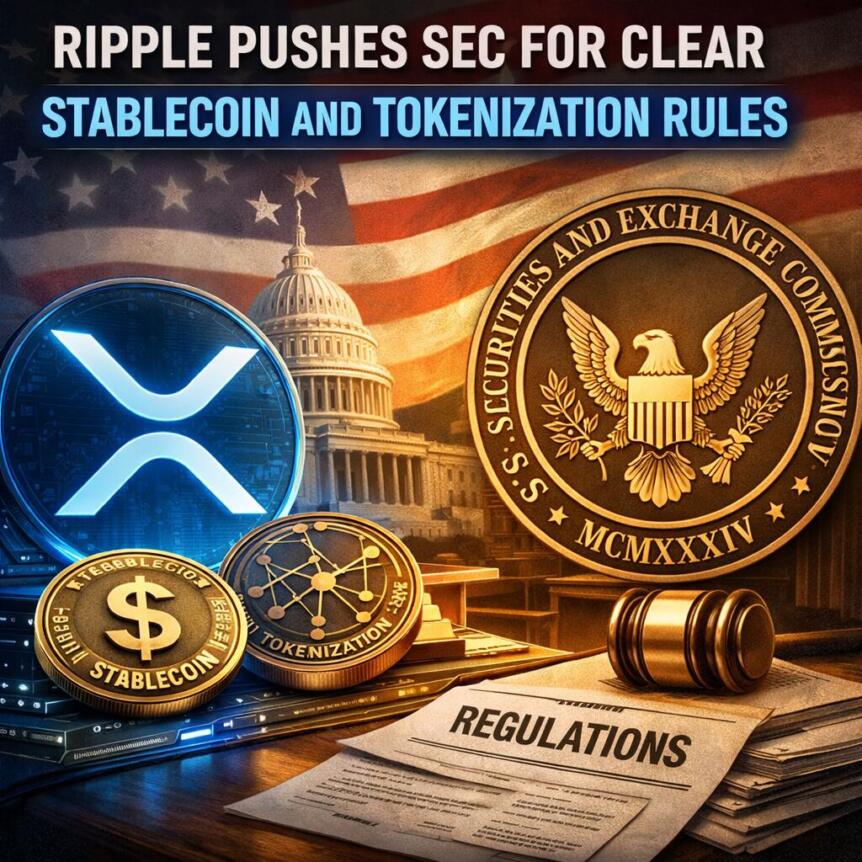
Ripple has moved its crypto policy agenda back to the SEC through a new Crypto Task Force letter. The company asked regulators to clarify stablecoin treatment, crypto non-security rules, and tokenized securities records. The proposal adds pressure on Washington to turn recent digital asset guidance into workable market rules.
Ripple Pushes Stablecoin Rule Changes
Ripple asked the SEC to update broker-dealer capital rules for payment stablecoins. The company focused on Rule 15c3-1, which governs net capital requirements for broker-dealers. It said the rule needs clearer treatment for stablecoins used as collateral on balance sheets.
The letter also addressed Rule 15c3-3, which covers customer protection and custody duties. Ripple wants the SEC to define qualified payment stablecoins under that framework. The request aims to help firms custody client stablecoins without unclear compliance exposure.
Ripple also challenged the current haircut treatment for stablecoins. It argued that some stablecoins deserve a 0% haircut when issuers support direct mint-and-burn arrangements. However, Ripple limited that request to stablecoins with strong issuer and broker-dealer links.
XRP Non-Security Status Remains Central
Ripple also asked the SEC to clarify how crypto assets classified as non-securities should receive market treatment. The company said that assets beyond Bitcoin and Ethereum need clear treatment when they meet marketability standards. This point keeps XRP near the center of the broader policy debate.
The request follows years of legal and regulatory pressure around XRP. However, recent policy shifts have reduced some uncertainty around major crypto assets. Ripple now wants that shift reflected in SEC staff guidance and broker-dealer rules.
Ripple also cited the SEC’s crypto activity FAQ as an area needing updates. The company wants the FAQ to account for non-securities that qualify as readily marketable assets. That change could support clearer balance sheet treatment for more digital assets.
Tokenized Securities Proposal Targets Market Records
Ripple also urged the SEC to recognize on-chain registries for tokenized securities. The company wants a regulated digital transfer agent to maintain the official legal record. This approach could reduce disputes between blockchain records and traditional ownership systems.
The proposal targets a key issue in tokenized finance. Firms can face uncertainty when legal ownership records differ from on-chain balances. Ripple said an authoritative on-chain registry could reduce those conflicts during market stress.
The letter also fits a wider shift in U.S. crypto policy. Regulators have advanced new categories for digital commodities, stablecoins, digital tools, and digital securities. Therefore, Ripple wants final guidance that supports tokenization, custody, and payment settlement.
Regulatory Clarity Builds Around Digital Assets
The SEC Crypto Task Force has increased dialogue with crypto firms this year. Ripple’s letter followed a prior meeting with Commissioner Hester Peirce and task force members. The company used the follow-up to turn policy discussions into specific rule requests.
The broader market has also moved toward real-world asset tokenization. Banks, exchanges, and payment firms now test tokenized settlement and blockchain-based records. Ripple has positioned RLUSD, XRP, and its payments network within that transition.
The company’s request also connects with ongoing legislative efforts in Washington. Ripple has supported clearer rules through measures such as the CLARITY Act. Its latest letter now asks the SEC to align agency guidance with that wider policy direction.
Trump’s primary challenges to his Republican foes make GOP nervous in run up to midterms

Wells Fargo CEO sees mid-teens growth in investment banking, trading
Worldcoin Surges 15% as On-Chain Activity Hits 2026 Highs Amid DeFi Integration


-

 Crypto World6 days ago
Blockchain.com files with SEC for U.S. IPO
-

 Fashion5 days ago
Holiday Weekend Open Thread – Corporette.com
-

 Crypto World6 days ago
Bitcoin Accumulation Weakens as BTC Realized Losses Hit $600M
-

 Tech2 days ago
Microsoft’s quiet Claude Code retreat and the real cost of enterprise AI
-

 Crypto World5 days ago
Robinhood crypto COO Tanya Denisova exits
-

 Business5 days ago
Dell Technologies DELL Stock Surges 15% on AI Server Momentum and Analyst Upgrades in 2026
-

 Business3 days ago
NYT Strands Answers May 24 2026 Revealed for Puzzle No. 812 Theme Summer Essentials
-

 Politics5 days ago
Makerfield: a tale of two social-media histories
-

 Crypto World5 days ago
Space X IPO Is ‘Bad News’ for Tech Stocks: But What About Bitcoin?
-

 Business6 days ago
Trump Invests $1M-$5M in Kura Sushi USA Chain With 27 California Locations
-

 Crypto World6 days ago
MicroStrategy’s Saylor Says Miners No Longer Set Bitcoin Price, Another Force Has Taken Over
-

 Tech6 days ago
WhatsApp ads could make Irish debut after discussions with DPC
-
 NewsBeat6 days ago
Charity run by Reform leader Malcolm Offord accused of ‘law breaking’ over Scottish registration
-
Tech10 hours ago
The Samsung pay deal is the moment Korean unions changed register
-

 Crypto World5 days ago
AI infrastructure race heats up as IREN pitches full-stack strategy, WhiteFiber lands $160M deal
-
 Crypto World3 days ago
Nvidia (NVDA) CEO Calls on Super Micro to Strengthen Export Controls Amid Smuggling Probe
-
 Tech5 days ago
A 0.12% parameter add-on gives AI agents the working memory RAG can’t
-

 Tech2 days ago
Westone Audio and Etymotic Acquired by Fidelity Collective in Major IEM Market Move
-

 Tech6 days ago
You Can Now Add ChatGPT To PowerPoint
-

 Sports6 days ago
2026 CJ Cup Byron Nelson leaderboard: Brooks Koepka finds putting stroke in Round 1
You must be logged in to post a comment Login