

Crypto World
Quant (QNT) extends gains toward $80, testing breakout resistance



Key takeaways
- Quant (QNT) extends its rally toward $80, supported by rising whale and retail demand.
- A breakout above the $80 resistance could set the stage for a potential rise toward $100.
Quant (QNT) has extended its recent gains towards the $80 mark on Thursday, testing the potential breakout from a long-standing resistance trendline.
The cryptocurrency’s bullish technical outlook is supported by rising leverage-based activity from large wallet investors, or whales, with a daily close above $80 paving the way for a possible rally toward the $100 target.
Whale and retail demand fuel Quant’s steady recovery
Quant’s steady short-term recovery is being driven by growing demand from both retail and large-wallet investors.
CryptoQuant data reveals an increase in the average order size of executed orders in the leverage market, indicating heightened whale activity. Additionally, the 90-day cumulative volume difference between buy and sell orders reflects a clear buy dominance, further supporting bullish sentiment.
CoinGlass data shows that QNT futures Open Interest (OI) has surged to $17.61 million, up significantly from $16.96 million on May 1.
This steady recovery in QNT futures is now approaching the peak of $38.27 million reached on September 21, indicating continued investor interest and positive market sentiment.
Technical outlook: Will Quant reach $100?
The QNT/USD 4-hour chart is bullish as Quant is up by 7% in the last 24 hours. It is currently trading at $78, above the 200-day Exponential Moving Average (EMA) near $77.52.
The Moving Average Convergence Divergence (MACD) histogram is positive, with the MACD line crossing above its signal and both moving above zero, signaling strong bullish momentum.
The Relative Strength Index (RSI) hovers around 64, indicating firm bullish momentum, though edging closer to overbought territory as price approaches higher resistance levels.
If the rally continues, a decisive close above the descending trendline break level near $77.89 would confirm a breakout from the triangle pattern on the daily chart.
Such a breakout could pave the way for a rally toward the $88.30 swing high, followed by the 127.2% Fibonacci extension level at $101.14.

However, if the bears regain control of the market, they would encounter initial support at the 50-day EMA near $72.03.
A deeper pullback would target the 50% retracement level around $68.79, with further support found at the former rising trendline region near $67.86 and the 38.2% retracement near $66.86.


Coinbase announced that it is expanding support for USDC on Hyperliquid by becoming the official treasury deployer of USDC under Hyperliquid’s Aligned Quote Asset (AQA) framework.
The company said the move aims to strengthen USDC’s position as the primary stablecoin used across on-chain capital markets.
USDC Strengthens Grip on Hyperliquid
In the latest press release, Coinbase stated that concentrating liquidity around USDC could improve market efficiency by allowing capital to move more freely across trading venues with fewer conversions. Users will continue to have access to USDC through Coinbase’s fiat on- and off-ramps and its wider global network.
The AQA framework was originally introduced by Native Markets as part of its efforts to build a stablecoin platform for Hyperliquid users. Coinbase said it will now assume the role of AQA deployer, while Native Markets has agreed to terms giving Coinbase the right to acquire the USDH brand assets.
According to the announcement, USDH markets will remain operational for now but will gradually be phased out over time. Coinbase also revealed that USDH remains fully backed and that users can continue converting USDH to USDC without fees or redeeming for fiat during the transition period.
Meanwhile, Native Markets will continue handling those conversions and redemptions.
“Since launch, Hyperliquid has seen rapid growth and quickly became a predominant onchain trading network. Coinbase has invested in supporting builders on HyperEVM by supporting stablecoin liquidity. We’re excited to further our support of the ecosystem and see USDC’s continued growth on Hyperliquid.”
Next Phase
In a separate post, Hyperliquid revealed that Circle will serve as the technical deployer overseeing Cross-Chain Transfer Protocol (CCTP) services and native cross-chain infrastructure, while both Circle and Coinbase have committed to staking HYPE tokens to support AQAv2 activation.
The announcement also noted that, as the treasury deployer, Coinbase is expected to share the majority of the reserve yield revenue with the protocol. Hyperliquid further indicated that a future network upgrade will transition canonical outcome markets under HIP-4 to using USDC as the quote asset.
Since its debut in November 2024, Hyperliquid has established itself as a major player in on-chain crypto trading, particularly in perpetual futures markets. The platform gained further institutional attention earlier this week when 21Shares launched the first ETF designed to provide exposure to its native token, HYPE.
The post Coinbase Becomes Official USDC Treasury Deployer on Hyperliquid appeared first on CryptoPotato.
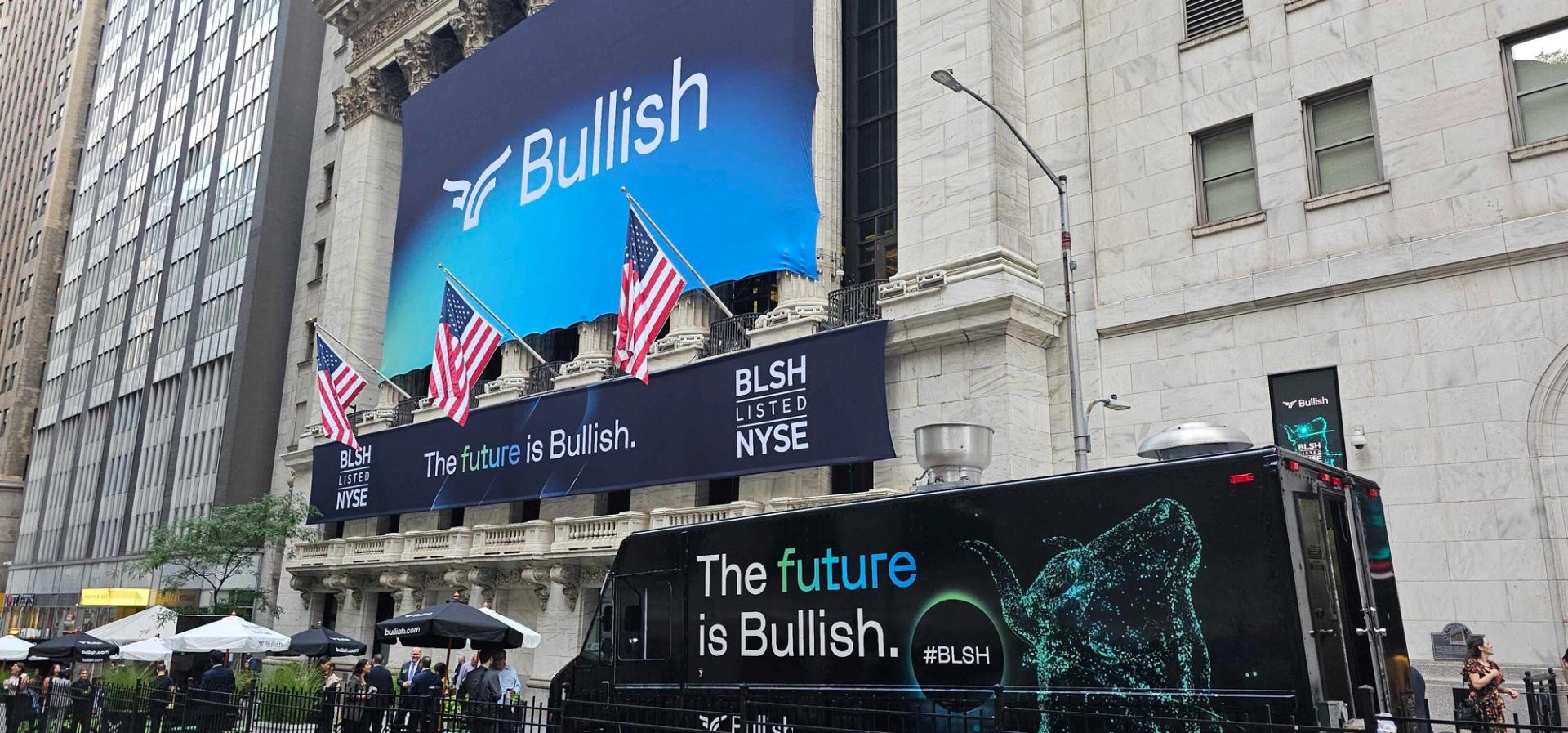
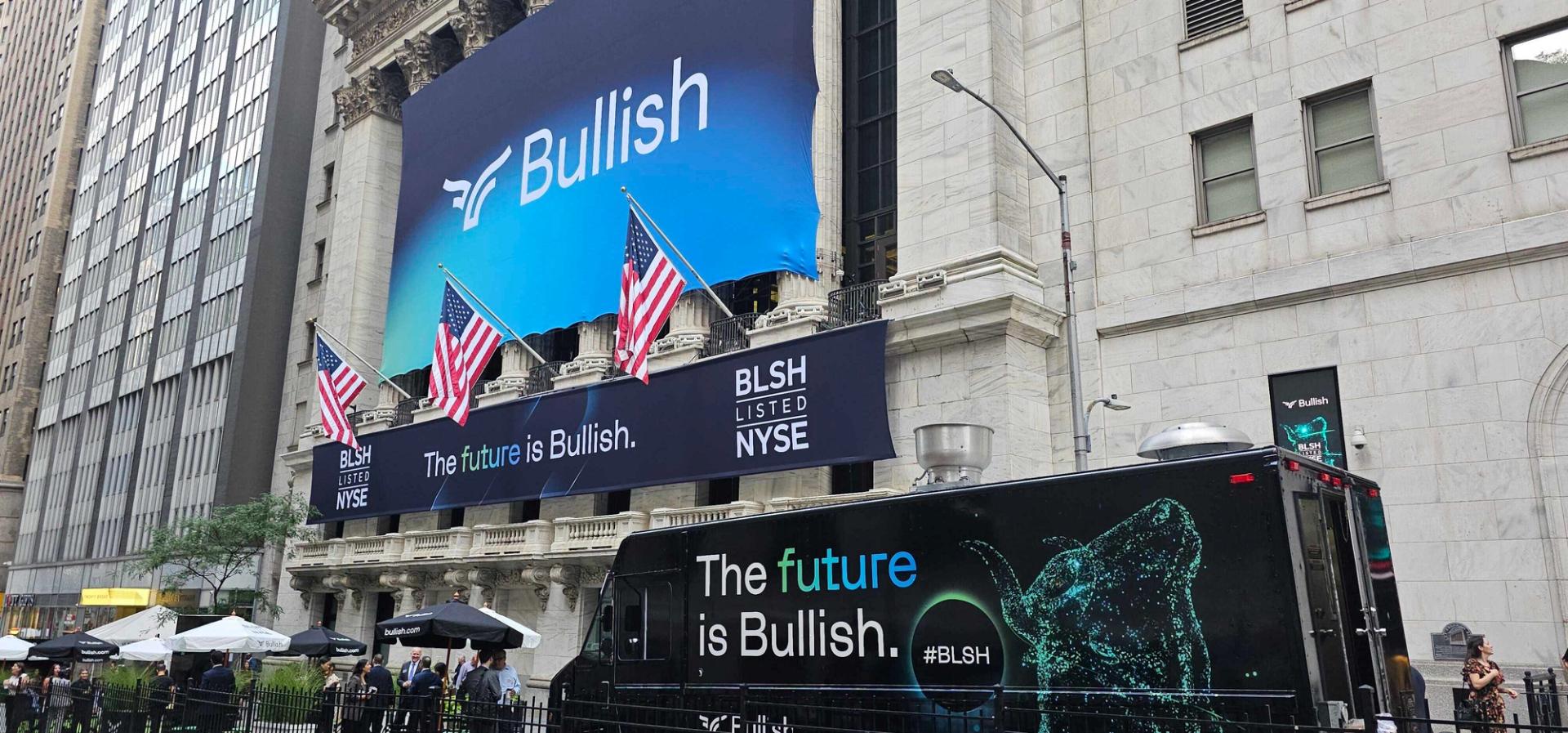
The company also missed bottom-line forecasts. The shares fell before rebounding as the broader market advanced.
North Korea (DPRK) state-affiliated hackers and threat actors were responsible for more than $2 billion in crypto losses in 2025, a 51% year-over-year increase, despite fewer attacks carried out by the group, according to cybersecurity company CrowdStrike.
DPRK hackers represent the “largest” threat group targeting cryptocurrency users, as measured by the dollar amount of assets stolen, according to the company’s 2026 Financial Services Threat Landscape report. Crowdstrike added:
“Stolen proceeds are almost certainly laundered to fund the regime’s military programs. Compared to 2024, DPRK-nexus adversaries conducted fewer campaigns but achieved significantly higher returns by prioritizing high-value targets.”
The DPRK hackers and scammers focused on targeting Web3 projects and cryptocurrency exchanges because the stolen funds could be “cashed out” and transferred with a greater degree of anonymity than in the traditional financial system, CrowdStrike said.

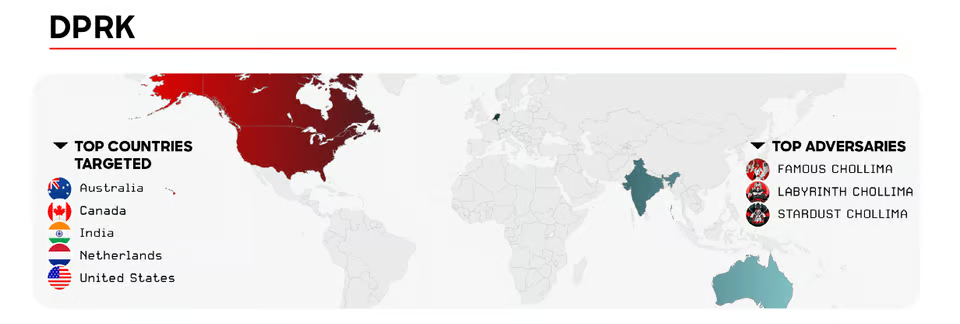
The countries most targeted by DPRK hackers. Source: CrowdStrike
The report highlights the growing threat of state-affiliated hacking groups targeting cryptocurrency users and industry companies through cybersecurity threats and social engineering scams designed to steal funds and sensitive information.
Related: US sentences ‘laptop farmers’ tied to North Korean IT worker scheme
North Korean hackers infiltrate crypto projects online and offline
In April, the Ethereum Foundation, the organization that oversees development of the Ethereum ecosystem, identified 100 DPRK-backed hackers and threat actors who infiltrated crypto projects.
Typically, these threat actors are remote hires; however, in April 2025, the Drift Protocol decentralized crypto exchange was infiltrated and compromised by DPRK-affiliated technology workers, who met with the Drift Protocol development team.
The Drift Protocol team said that they met the threat actors during a “major” cryptocurrency industry conference and built a working relationship with them over six months.

Source: Drift Protocol
During the collaboration, the hackers deployed malware, which compromised Drift Protocol developer machines and caused $280 million in losses.
“It is important to note that the individuals who appeared in person were not North Korean nationals,” the Drift team said, adding, “DPRK threat actors operating at this level are known to deploy third-party intermediaries to conduct face-to-face relationship-building.”
During that same month, Onchain sleuth ZachXBT also documented a group of North Korean information technology (IT) workers who were making $1 million per month working at technology companies.
Magazine: North Korea denies crypto hacks, Upbit’s bank tests Ripple: Asia Express
The Crypto Market Structure Bill, CLARITY Act, passed the Senate Banking Committee on Thursday. The vote sends the crypto market structure bill toward a full Senate floor test and resets risk profiles for altcoin holders.
Three tokens stand out as direct beneficiaries with profiles that fit the bill’s grandfather clauses, decentralization tests, and DeFi protections. Meanwhile, XRP, Solana, and Hyperliquid each align with the mechanics that the legislation favors.
XRP Lands a Path Out of SEC Limbo
XRP, the native asset of the Ripple network, sits closest to the bill’s grandfather clause. That language fast-tracks commodity status for tokens with approved or pending ETF products, sidestepping the full mature-blockchain test.
Historically, secondary-market XRP sales have drawn SEC scrutiny. The bill ends that exposure for tokens meeting the new commodity definition.

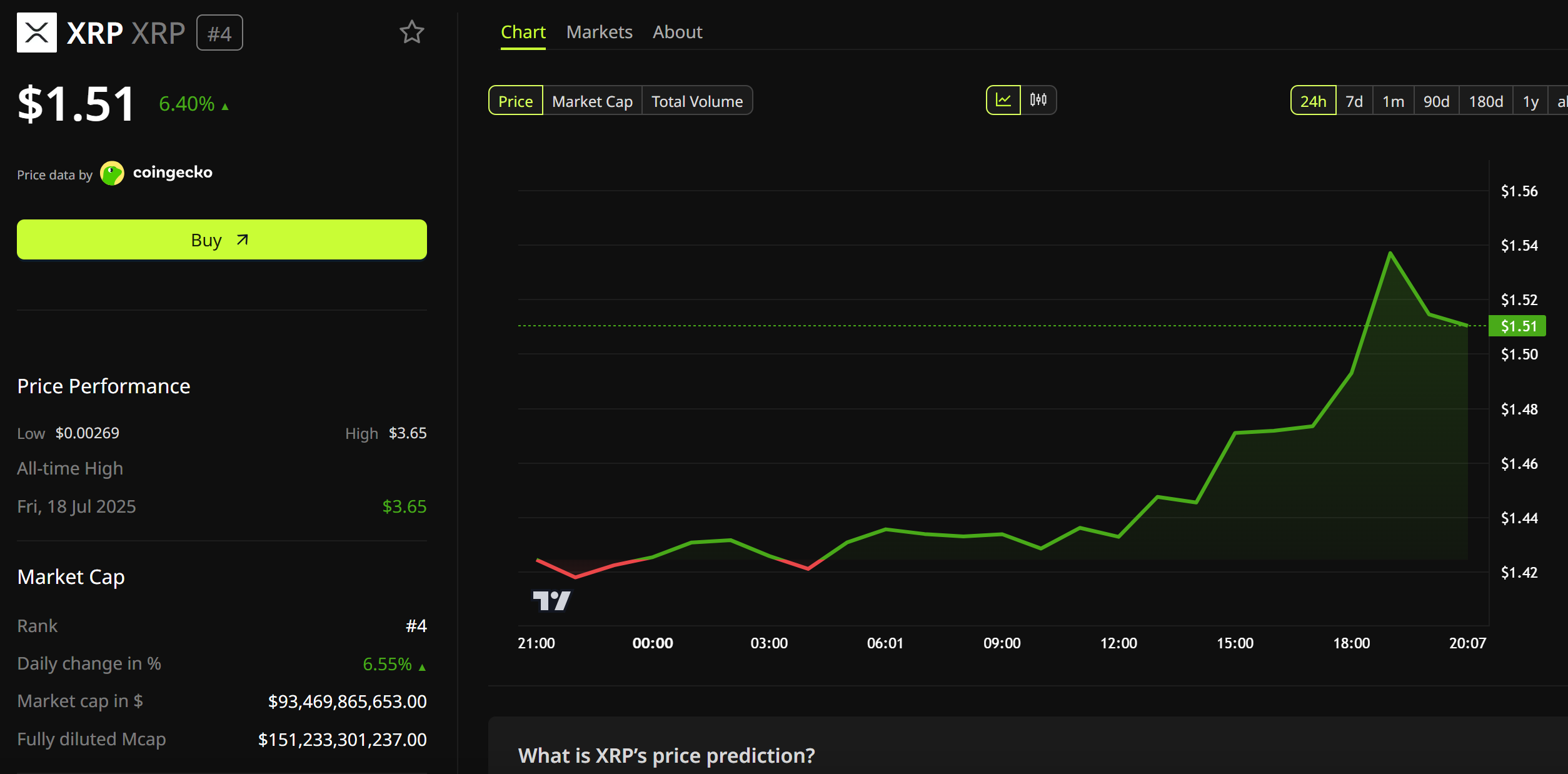
It explains why the token is up by almost 7% in the last 24 hours, to trade for $1.51 as of this writing.
“CLARITY Act talks just took a BIG step forward. Sen. Warner confirms progress after Republicans accepted key changes. Translation: regulation is aligning… and that’s exactly what XRP has been waiting for. The rails are being built,” one user noted.
Solana Anchors the DeFi Safe Harbor Case
Solana (SOL) qualifies as a mature blockchain under the bill’s decentralization thresholds. The token also benefits from DeFi safe harbors that shield non-custodial developers, validators, and liquidity providers from broker registration.
The chain runs the largest DeFi ecosystem outside Ethereum by transaction volume. Perpetuals, staking products, and tokenized real-world assets concentrate activity onshore.
Institutional rotation through SOL ETFs and staking yields gains a regulatory floor the broader market has lacked.
Unlike XRP, however, the Solana price is up only by a modest 1.68%, and was trading for $92.70 as of this writing.
Hyperliquid Already Reacted To the CLARITY Act
Hyperliquid (HYPE) operates a fully on-chain perpetuals exchange on its own layer one. That architecture maps directly onto the bill’s DeFi safe-harbor provisions.
These provisions protect non-custodial protocols from broker and dealer registration requirements while preserving anti-fraud enforcement.
HYPE trades at $43.86 as of this writing, recording gains of up to 12% in the last 24 hours.

Meanwhile, BitGo’s custodial support has expanded institutional access.
HYPE carries no legacy SEC entanglements and strong product-market fit in one of crypto’s highest-volume sectors. The token gains room to grow as US capital re-enters DeFi rails.
However, the bill still requires reconciliation with the House version and a 60-vote Senate floor passage.
Senators have already piled more than 100 amendments onto the markup. Language around stablecoin yield or DeFi treatment could still reshape the upside for each token.
The post 3 Altcoins That Benefit Most From the CLARITY Act and Why appeared first on BeInCrypto.


Gemini Space Station (Nasdaq, GEMI) shares climbed roughly 9% to $5.73 in after-hours trade on Thursday after the listed crypto exchange reported a 42% jump in first-quarter revenue and a $100 million strategic investment from Winklevoss Capital.
The firm also posted a narrower net loss of $109 million for the period ended March 31, while operating expenses grew 73% on stock-based compensation, severance, and credit card costs.
Gemini Q1 2026 Earnings Show Revenue Diversification
Services revenue and interest income climbed 122% from a year earlier to $24.5 million, making up 49% of the top line versus 31% in Q1 2025. Credit card revenue led the move, jumping nearly 300% to $14.7 million, with cumulative cardholders passing 123,700 over the trailing four quarters.
Spot trading revenue, by contrast, slipped 27% to $17.2 million on quarterly volumes of $6.3 billion, down from $13.5 billion a year earlier. Monthly transacting users reached 589,000, up 17% year-over-year.
Winklevoss Capital Anchors $100 Million Bitcoin Bet
Winklevoss Capital bought 7,142,857 Class A shares at $14 each, settling the transaction in bitcoin (BTC). The purchase price sits more than 2.5 times above where GEMI closed Wednesday at $4.92, framing the deal as an insider vote of confidence after a difficult run in public markets.
We believe the market has significantly undervalued Gemini, and that this investment will allow us to set up the company for its next phase of growth.
Tyler Winklevoss, CEO of Gemini
The investment also follows the firm’s April 29 Derivatives Clearing Organization license from the CFTC, which lets Gemini handle settlement and risk internally for an expanded derivatives suite alongside its in-house predictions market.
Costs Climb Ahead of Cash Injection
Total operating expenses rose 73% to $144.5 million, including $24.2 million in stock-based compensation and $6.5 million in severance tied to a Q1 reduction in force. Adjusted EBITDA improved modestly to negative $59.9 million.
Cash and equivalents finished the quarter at $215.6 million, down from $252.2 million at year-end, before the bitcoin-funded capital injection settled in May. Management hosts its Q1 earnings call on May 15.
The post Gemini Stock Climbs 9% as Q1 2026 Earnings Show 42% Revenue Jump appeared first on BeInCrypto.
Crypto World
Bitcoin’s recent $80,000 breakout was led by something other than U.S. spot buyers, data show


The rally was led by leveraged traders and not U.S.-based spot buyers. Hence, its. sustainability is being questioned.


Bitcoin’s $79,000 defense proves that the Coinbase discount is driven by stablecoin volatility rather than a lack of institutional demand.


Tokenization has been the narrative of 2026. Executing on that narrative is trickier, but proponents say the benefits are massive if they pull it off.


Lido’s Network Expansion Committee chose Chainlink CCIP to bridge its staking token across chains, citing security lessons from $3 billion in cross-chain bridge exploits.

TLDR
- The Senate Banking Committee advanced the Clarity Act in a 15-9 vote with two Democrats joining Republicans.
- The bill would split crypto oversight between the SEC and the CFTC and set rules for exchanges and brokers.
- Lawmakers rejected several Democratic amendments related to sanctions, ethics, and anti-money laundering measures.
- A DeFi safe harbor amendment passed 18-6 after support from a bloc of Democrats and Republicans.
- The Clarity Act will merge with the Agriculture Committee version before heading to the full Senate.
The Senate Banking Committee approved the Digital Asset Market Clarity Act in a 15-9 vote on Thursday. Sens. Ruben Gallego and Angela Alsobrooks joined 13 Republicans to move the bill forward. The measure now heads toward a merger with the Senate Agriculture Committee text before a floor vote.
Clarity Act Clears Committee With Bipartisan Support
Lawmakers advanced the Clarity Act after months of cross-party negotiations and revisions. Chair Tim Scott said the bill ends a “regulatory gray zone” for crypto firms. He added that the framework would protect consumers and keep innovation in the United States.
Sen. Cynthia Lummis called the proposal “the hardest piece of legislation” of her career. She said the bill fits new digital assets into an older regulatory system. The text splits oversight between the SEC and the CFTC and sets rules for exchanges, brokers, and custodians.
The committee rejected several Democratic amendments during the markup session. Sen. Elizabeth Warren opposed the bill and called it “a bill written by the crypto industry.” She argued that the draft weakens securities law protections that date to 1929.
Warren also warned that the bill allows banks to increase crypto exposure. She linked that risk to practices before the 2008 financial crisis. Republicans voted down her amendments in 11-13 votes.
Ethics, Sanctions, and DeFi Debates Shape Vote
Democrats raised concerns about illicit finance and stablecoins during the hearing. Sen. Jack Reed said Iranian actors use stablecoins to buy drone components. He sought authority for regulators to block foreign illicit stablecoin flows, but the amendment failed.
Sen. Chris Van Hollen cited estimates that over $150 billion moved through illicit wallets last year. He proposed penalties for releasing DeFi protocols designed for money laundering. Republicans rejected his measure and said current criminal laws already cover such conduct.
Ethics issues tied to President Donald Trump also shaped debate. Van Hollen proposed barring elected officials from crypto business ties. Sen. Bernie Moreno opposed the amendment and said it belonged in the Judiciary Committee, and the panel defeated it 11-13.
A key vote came on Lummis Amendment 122 regarding DeFi safe harbors. The committee adopted the amendment 18-6 after a technical revision. Warner, Cortez Masto, and Alsobrooks joined Republicans to support the compromise language.
Earlier, Chair Scott limited the number of amendments under committee rules. He later reinstated selected proposals to secure bipartisan backing. By the final vote, Gallego and Alsobrooks provided the Democratic support needed for the 15-9 outcome.


Which Garden ‘Weeds’ Do You Actually Need To Remove?

OTC Markets Group: Will Most Likely Be Ignored For A While Longer (Downgrade)
Coinbase Becomes Official USDC Treasury Deployer on Hyperliquid

Manchester United reach agreement with Casemiro over contract clause amid transfer speculation

US brings back mandatory military draft registration

Steven Gerrard disagrees with Gary Neville over ‘shock’ Chelsea and Arsenal claim | Football


-
 Crypto World7 days ago
HarrisX Poll Found 52% of Registered Voters Support the CLARITY Act
-

 Fashion6 days ago
Weekend Open Thread: Marianne Dress
-

 Fashion3 days ago
Coffee Break: Travel Steam Iron
-

 Fashion4 days ago
What to Know Before Buying a Curling Wand or Curling Iron
-

 Tech5 days ago
Auto Enthusiast Carves Functional Two-Stroke Engine from Solid Metal
-

 Politics3 days ago
What to expect when you’re expecting a budget
-
 Business5 days ago
Ignore market noise, India’s long-term story intact, say D-Street bulls Ramesh Damani and Sunil Singhania
-

 Politics6 days ago
Politics Home Article | Starmer Enters The Danger Zone
-

 Tech4 days ago
GM Agrees To Pay $12.75 Million To Settle California Lawsuit Over Misuse Of Customers’ Driving Data
-

 Crypto World5 days ago
PROS explodes 48% as Upbit and Bithumb listings ignite demand
-

 Crypto World5 days ago
CZ says US crypto rivals tried to block Trump pardon
-

 Sports7 days ago
Bayern Munich vs PSG UEFA Champions League SF2 live match time, streaming | Football News
-

 Entertainment6 days ago
YNW Melly Denied Bond Again Ahead Of Double Murder Retrial
-

 Tech3 days ago
GM agrees to $12.75M California settlement over sale of drivers’ data
-
Crypto World6 days ago
The Hantavirus Danger: Can a Potential Outbreak Spark a New Meme Coin Frenzy?
-

 Politics7 days ago
David Attenborough ‘Overwhelmed’ By Love Shown Ahead Of 100th Birthday
-
Tech7 days ago
The Most Exciting Apple Products In The Pipeline For 2026 And Beyond
-

 Sports6 days ago
After Waka Waka, Shakira now drops first teaser for FIFA WC 2026 song | FIFA World Cup 2022
-

 Crypto World6 days ago
Kraken Parent Seeks OCC Charter, Signaling Regulated Banking Access
-

 Crypto World7 days ago
Here’s Why Cristiano Ronaldo and Taylor Swift Lost Millions of Followers on Instagram
You must be logged in to post a comment Login