

Crypto World
Senator Warren Questions OCC Over Ineligible Crypto Trust Charters

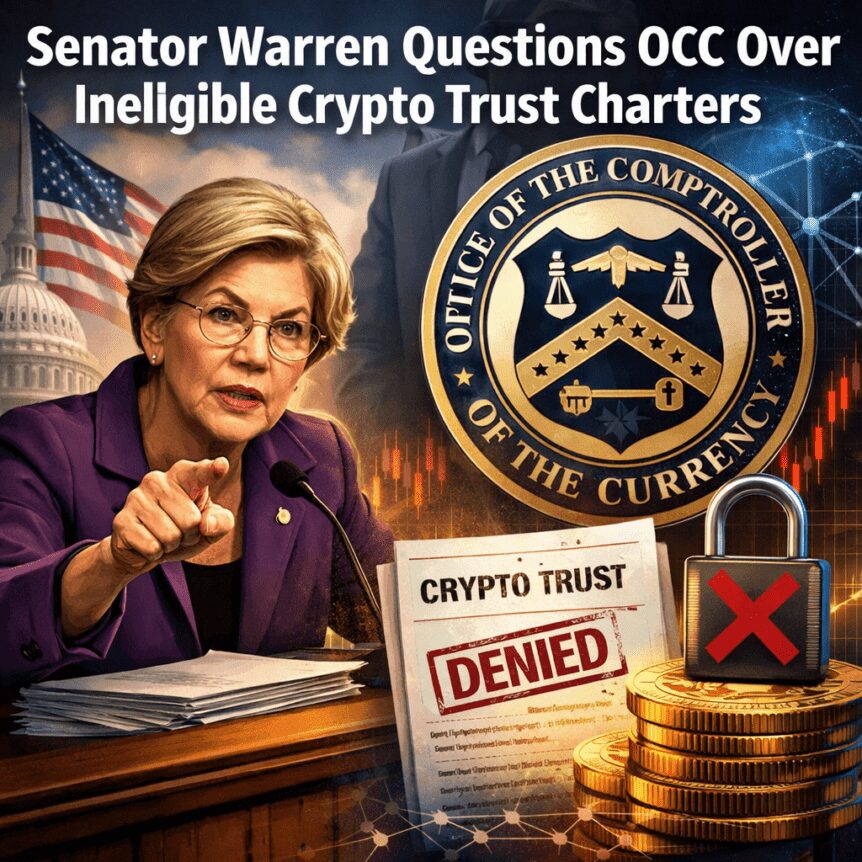
Massachusetts Senator Elizabeth Warren has publicly challenged a key federal regulator over the expansion of crypto-related custody services under a banking charter. In a letter to OCC Comptroller Jonathan Gould, Warren contends that the Office of the Comptroller of the Currency has approved at least nine national trust charters for crypto companies that appear to exceed the narrow activities permitted by law under the National Bank Act. The dispute spotlights how the line between crypto custody and traditional banking is being negotiated in U.S. regulation, with potential implications for consumer protection, bank safety and soundness, and the separation of banking from commerce.
Warren said she expects the OCC to disclose the full set of charter approvals or conditional approvals issued since December 2025, including entities such as Coinbase, Crypto.com’s parent company, Ripple, Stripe, BitGo, Circle, Fidelity Digital Assets, Protego Holdings, and Paxos, along with communications between OCC officials and U.S. President Donald Trump, his family, or White House staff. She frames these applicants as effectively crypto banks pursuing regulatory arbitrage—seeking to reap the benefits of a national trust charter while avoiding the safeguards that accompany conventional bank charters. The senator warned that the approach could undermine consumer protections, threaten banking system stability, and blur the boundary between banking and commerce.
Cointelegraph requested comment from the OCC regarding the letter and the broader use of national trust charters for crypto firms; the publication reported that the OCC did not immediately respond to a request for comment. The exchange underscores the sensitivity of the issue as regulators weigh how to apply traditional banking laws to a rapidly evolving crypto custody landscape.
Separately, Kraken’s parent company Payward filed an application with the OCC on May 8 for a national trust charter. If approved, the Payward National Trust Company would provide fiduciary custody and related services primarily for digital assets. A national trust charter permits custodial and fiduciary activities without engaging in deposit-taking or commercial lending, potentially placing such firms under a different regulatory posture than traditional banks and LLCs offering standard depository services.
The evolving custody framework matters not just for a handful of firms pursuing charters, but for the broader crypto ecosystem that interacts with traditional financial infrastructure. National trust charters are designed to enable certain non-depository fiduciary activities while permitting services akin to trust and custodial functions. However, critics argue that granting crypto-focused fiduciary authority outside a full banking license can reduce the visibility of risk controls and oversight that are central to conventional bank regulation. Warren’s letter questions whether these charters align with the National Bank Act and whether the OCC’s approach creates a pathway for crypto participants to offer bank-like services without the corresponding safeguards.
Key takeaways
- The OCC faces congressional scrutiny over its approval of national trust charters for crypto firms, with Senator Elizabeth Warren requesting the full list of approved or conditionally approved applications since December 2025.
- Naming specific entities—including Coinbase, Crypto.com’s parent company, Ripple, Stripe, BitGo, Circle, Fidelity Digital Assets, Protego Holdings, Paxos—and noting potential communications with Trump and White House officials, Warren frames these actions as efforts to expand crypto custody beyond traditional banking safeguards.
- A national trust charter enables fiduciary custody and related services without mandatory deposit-taking or commercial lending, raising questions about regulatory parity and oversight concentration for crypto custody providers.
- Kraken’s Payward applied for a national trust charter on May 8, signaling growing industry interest in a custody-focused charter that could shape how exchanges and other crypto firms interact with the U.S. banking system.
- The developments occur amid broader policy debates on crypto regulation in the United States, including discussions around the CLARITY Act and potential alignment or friction with international frameworks like the EU’s MiCA, as lawmakers consider how to ensure consumer protection and financial stability while fostering innovation.
National trust charters and the regulatory boundary
A national trust charter is designed to authorize a bank-like fiduciary role—allowing a chartered entity to provide custodial and other fiduciary services—without engaging in the full spectrum of depository or commercial lending activities typically associated with traditional banks. In practice, holders of such charters may operate under a lighter regime for certain activities, while remaining subject to specific fiduciary standards, anti-money laundering (AML) and know-your-customer (KYC) requirements, and periodic supervisory examinations. Critics, however, argue that extending trust-like powers to crypto firms risks creating regulatory gaps if supervisory expectations and capital or liquidity standards diverge from those applied to conventional banks.
The tension highlighted by Warren’s letter centers on whether OCC’s approvals were appropriately scoped and whether the underlying activities of the named entities truly fit within the narrow confines of permissible banking-related fiduciary services. By demanding the full record of approvals and communications, Warren signals concern about potential regulatory arbitrage—where firms might tailor activities to fit a charter category that offers favorable oversight or fewer constraints than a traditional bank charter would entail. The inquiry also raises questions about whether these charters would adequately address issues such as consumer protections, prudential risk management, and the treatment of stablecoins and other crypto assets under a federated U.S. banking framework.
The OCC’s stance on crypto-related charters is part of a broader U.S. regulatory mosaic that includes federal and state authorities, as well as policy debates on how best to supervise digital assets that interact with banking rails. The landscape is further complicated by ongoing legislative proposals and executive actions that aim to clarify which activities qualify for a banking or trust charter and how AML/KYC regimes should be tailored to crypto custodians. The outcome of these debates will influence how crypto firms structure their custody offerings and whether they seek full depository charters, specialized trust charters, or other regulatory designations.
Policy context and enforcement dynamics
The current episode sits at the intersection of hotly debated policy questions about how to regulate crypto custody and whether existing banking laws adequately address the unique risk profiles of digital assets. Senator Warren has been a persistent critic of what she views as regulatory policy that could entangle public institutions with private crypto interests or create incentives for polices with perceived conflicts of interest. In parallel, she has advocated for provisions in the crypto market structure framework, including elements of the CLARITY Act, to inject greater clarity and safeguards into the regulatory process. Her comments also reflect broader concerns about the potential influence of political relationships on regulatory outcomes, an issue she has highlighted in relation to firms linked to former President Trump and the crypto industry.
From a regulatory oversight perspective, the situation underscores the challenge of applying a consistent framework to crypto custody providers that seek to operate as banks or trust entities without the typical deposit-taking license. Regulators are weighing how to ensure robust AML/KYC controls, clear fiduciary responsibilities, and resilience against operational and cyber risks, while not stifling innovation or driving activity offshore. The discourse also intersects with international policy trends, including the European Union’s MiCA framework, which aims to harmonize crypto regulation across member states and establish distinct regimes for issuers, service providers, and stablecoin arrangements. How U.S. regulators position charters for crypto custodians in relation to MiCA-style frameworks and cross-border supervision will have implications for global banking relationships and correspondent banking access for crypto firms.
The governance and enforcement dimension is also evolving as individual institutions pursue charter applications in a climate of heightened scrutiny. Kraken’s bid illustrates that incumbent and new-entrant firms alike view a national trust charter as a pathway to formalize custody services under U.S. supervisory reach. Yet supervisors will need to articulate how such charters align with supervisory expectations, risk controls, and capital adequacy standards appropriate for fiduciary activities tied to digital assets. The interplay of these factors will likely shape future licensing decisions, capital planning, and AML/KYC program design across the crypto custody ecosystem.
Impact on industry, compliance, and regulatory strategy
For crypto platforms, the potential availability of national trust charters could alter the calculus of risk management, product design, and customer onboarding. Exchanges and custodians may pursue custody-focused offerings that emphasize fiduciary services, while limiting exposure to deposit-taking activities. This could influence the way stablecoins and other crypto assets are integrated with traditional payment rails, banking partners, and settlement mechanisms. However, as Warren’s inquiry suggests, there remains a critical need for clear, publicly available disclosures that delineate the scope of each charter approval, the activities authorized, and the corresponding compliance expectations.
From a compliance perspective, the prospect of a growing cohort of crypto firms operating under national trust charters raises questions about consistency of supervision across institutions, the applicability of AML/KYC standards, and the monitoring of fiduciary risk in asset custody. Regulators may need to establish or reinforce supervisory benchmarks, including governance requirements, stress testing for custody operations, cyber risk controls, and incident reporting protocols. The outcome will influence how banks and non-bank financial institutions interact within the U.S. financial system, including access to correspondent banking relationships and participation in integrated custody ecosystems for institutional clients.
For policymakers and industry watchers, the developments emphasize the importance of a coherent policy framework that can adapt to the evolving use cases of digital assets while maintaining robust consumer protections and market integrity. The discussion around national trust charters intersects with ongoing debates on licensing criteria, cross-border regulatory alignment, and the extent to which crypto firms should bear the same or equivalent regulatory burdens as traditional financial institutions. Observers will be watching how the OCC responds to Warren’s requests, what additional disclosures or safeguards emerge, and whether any charter approvals will be conditioned or restructured to reduce potential risks to the financial system.
Closing perspective
As regulators confront the rapid expansion of crypto custody activities, the balance between fostering innovation and maintaining rigorous oversight remains delicate. The current episode illustrates how congressional scrutiny, agency policy, and industry initiatives are converging around the question of what constitutes appropriate banking and fiduciary authority for digital asset firms. The next steps—including OCC responses to requests for full charter records, the fate of Kraken’s charter application, and any clarifying legislative or regulatory actions—will shape the regulatory landscape for crypto custody and its integration with traditional financial infrastructure.

The decentralized finance (DeFi) applications network Flare has taken another step in making XRP Finance (XRPFi) accessible for XRP holders. This time, the blockchain is announcing an integration with the crypto wallet provider, D’CENT Wallet, providing direct access to institutional-grade yield vaults.
According to a press release sent to CryptoPotato, the integration between Flare and D’CENT Wallet is part of a new coalition named the XRP Alliance. The Alliance involves other crypto platforms, including Doppler, Banxa, and Squid. This collaboration is geared toward facilitating the development of XRPFi.
D’CENT Wallet Integrates XRPFi
The integration into D’CENT Wallet does not require any new chain, wallet, or gas token – XRP holders can access the vaults directly from their hardware wallets using two signatures on the XRP Ledger (XRPL). This flow is enabled by Flare Smart Accounts.
The vaults in question are the Monarq XRP Yield Vault (MXRPY) and earnXRP curated by on-chain strategy curator Clearstar. Monarq launched MXRPY last week in partnership with Flare and vault infrastructure provider Upshift. The vault offers both on-chain and off-chain yield sources. Users can access both vaults directly from D’CENT.
As a hardware wallet provider, D’CENT serves at least 720,000 users across the U.S., UK, Canada, Japan, and South Korea, accounting for billions of XRP in storage. The latest development makes the wallet one of the first to offer a native path from XRP custody to DeFi yield.
Single Flow, No Intermediary Needed
As Flare serves as the programmable layer for XRP within the Alliance, Flare Smart Accounts turn XRPL signatures into minted FXRP deposited into vaults in a single flow. FXRP is the Flare representation of XRP. When depositing from D’CENT Wallet, each XRPL transaction includes encoded instructions in its memo field, and the Flare Data Connector relays a proof of that transaction to the Smart Account system.
The flow requires two XRPL signatures from the D’CENT device; the first reserves collateral on Flare and identifies the desired vault, while the second sends XRP to the Core Vault on XRPL. The second signature also triggers the minting of FXRP and automatic deposit into the chosen vault. This process is fully non-custodial and requires no intermediary taking custody.
“D’CENT is one of the most widely used hardware wallets in Asia, particularly in Korea. For XRP holders using it, security has always come first — and yield has meant going elsewhere. This integration changes that. D’CENT users can now earn on their XRP without moving it off the device they already trust. That’s what production-grade XRPFi looks like,” commented Flare co-founder, Hugo Philion.
The post XRP Holders Gain New Yield Opportunities Through Flare-D’CENT Partnership appeared first on CryptoPotato.
Cardano’s native cryptocurrency is among the many altcoins posting serious price declines over the past week.
Some market observers believe the asset could still see another pullback in the near term, arguing that a final dip may be necessary before it builds enough momentum for a decisive rebound.
How Much Lower?
ADA has slipped by nearly 10% over the last seven days, currently trading at roughly $0.25. Its market capitalization now stands at just over $9 billion, making the asset the 16th-largest cryptocurrency. Recall that earlier this month, it held the 14th position, but it has since been overtaken by LEO Token (LEO) and Zcash (ZEC), whose valuations remained relatively stable amid the recent market volatility.
Several analysts expect Cardano’s token to tumble further. X user Sssebi, who is usually quite bullish, predicted that ADA could continue to drop if Bitcoin (BTC) does the same.
“Considering that ADA got rejected exactly at the upper trendline of the descending channel, we can assume that it will also retest the bottom of the channel around $0.22,” they stated.
At the same time, the analyst suggested this could be “the last dip before pump.”
Alpha Crypto Signal also observed ADA’s price performance and argued that the recent rejection at the neckline indicates that sellers remain in charge. According to the analysis, losing the support region at around $0.25 could open the door for “another leg down with increased bearish momentum.” On the other hand, reclaiming this zone could invalidate the pattern and favor the bulls.
The Bullish Signals
Not long ago, the popular analyst Ali Martinez emphasized the importance of the $0.25 support zone for ADA, noting that the token posted an 88% rally after maintaining that level at the start of 2023. He also referenced September that year, when the price once again held the same support before exploding by 243%.
Certain factors, such as the whales’ activity and the amount of tokens stored on exchanges, are worth observing as well. The analytics platform Santiment recently revealed that wallets holding at least one million ADA have increased their total holdings to 25.09 billion coins, representing over 67% of the circulating supply.
This development highlights the strong conviction within this cohort of investors, raising the question of whether they know something others don’t. In any case, their actions could encourage smaller players to follow suit and distribute fresh capital into the ecosystem.
Moving on to exchange netflows, where over the past several days, outflows have consistently surpassed inflows. This signals that investors have abandoned centralized platforms in favor of self-custody methods, thereby reducing immediate selling pressure.

The post Cardano (ADA) Price Predictions: Final Dip Before Pump or a Slide Into Freefall? appeared first on CryptoPotato.
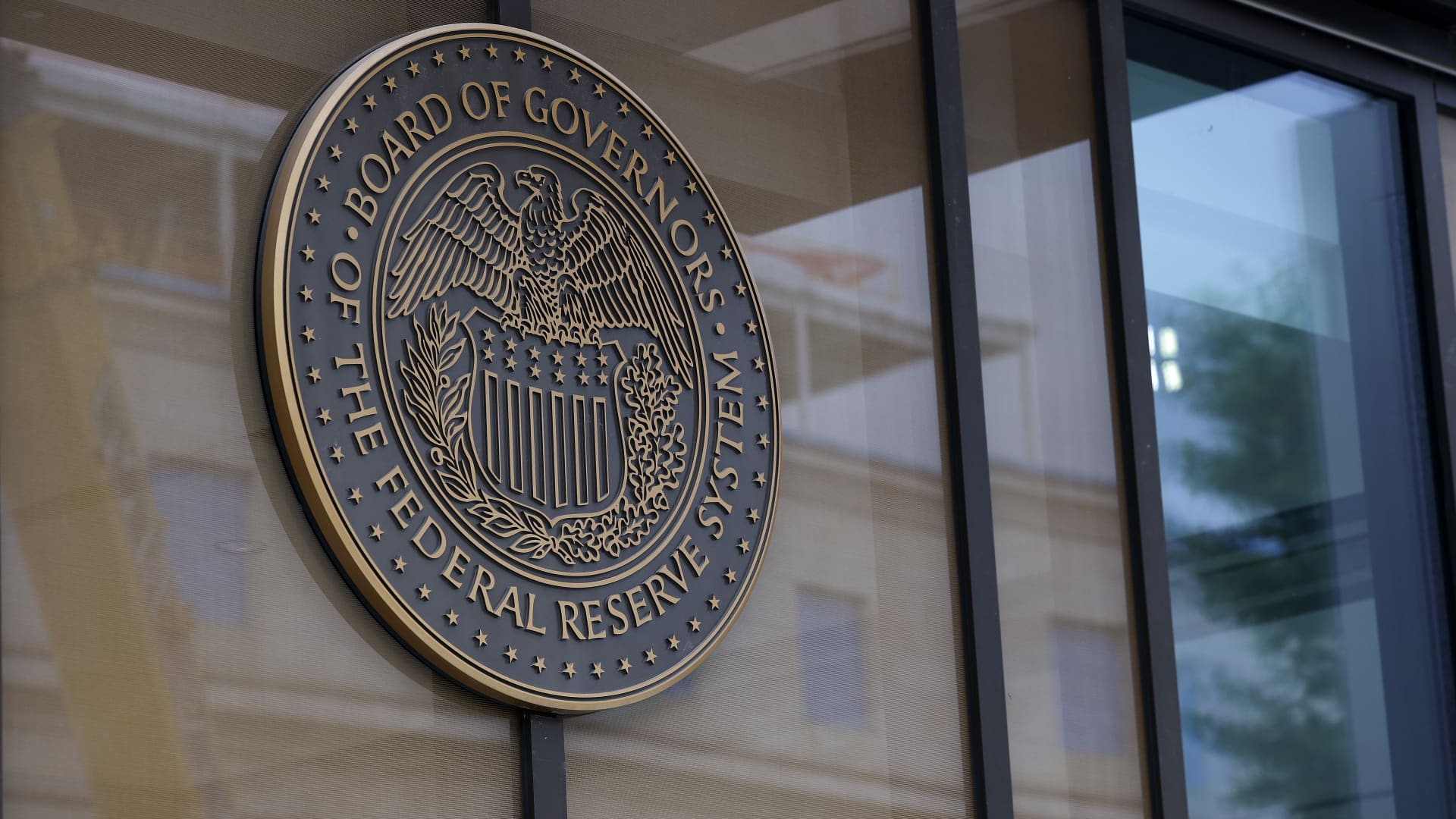
The Federal Reserve logo is seen on the William McChesney Martin Jr. Building in Washington, Sept. 16, 2025.
Kevin Dietsch | Getty Images
While President Donald Trump made his pick for chair of the Federal Reserve with interest rate cuts in mind, his appointee may preside over the first rate hikes since 2023.
That’s according to traders on prediction market platform Kalshi, where there’s a rising likelihood the Fed will move to increase rates in the next year.
Traders place 64% odds on the next interest rate hike coming by July 2027. They also think there’s a 43% chance tighter policy happens as soon as this year.
Odds of a rate hike have jumped in the last 24 hours in reaction to ballooning yields on U.S. Treasurys, concern that inflation will continue to march higher and as oil prices show no signs of materially falling in the midst of the unresolved Iran war. Traders previously assigned just 50-50 odds that a rate hike would come in the first half of 2027.
Incoming Federal Reserve Chair Kevin Warsh during a Senate Banking, Housing, and Urban Affairs Committee confirmation hearing in Washington, April 21, 2026.
Graeme Sloan | Bloomberg | Getty Images
“Who’s actually in the monetary-policy driver’s seat? We’d argue that it’s the Bond Vigilantes,” Yardeni wrote.
But Wolfe Research chief investment strategist Chris Senyek in a Tuesday note said the moves in the bond markets might force a resolution to the war in the Middle East, potentially easing inflation pressures.
“We believe the U.S. Treasury market has been signaling persistent inflation and this week was the final straw,” he said. “Our sense is that there is potential for bond vigilantes to push yields higher in [an] attempt to push the Trump Administration to come to a quick resolution on Iran.”
Traders on Polymarket assign 35% odds that there is a rate hike in 2026.
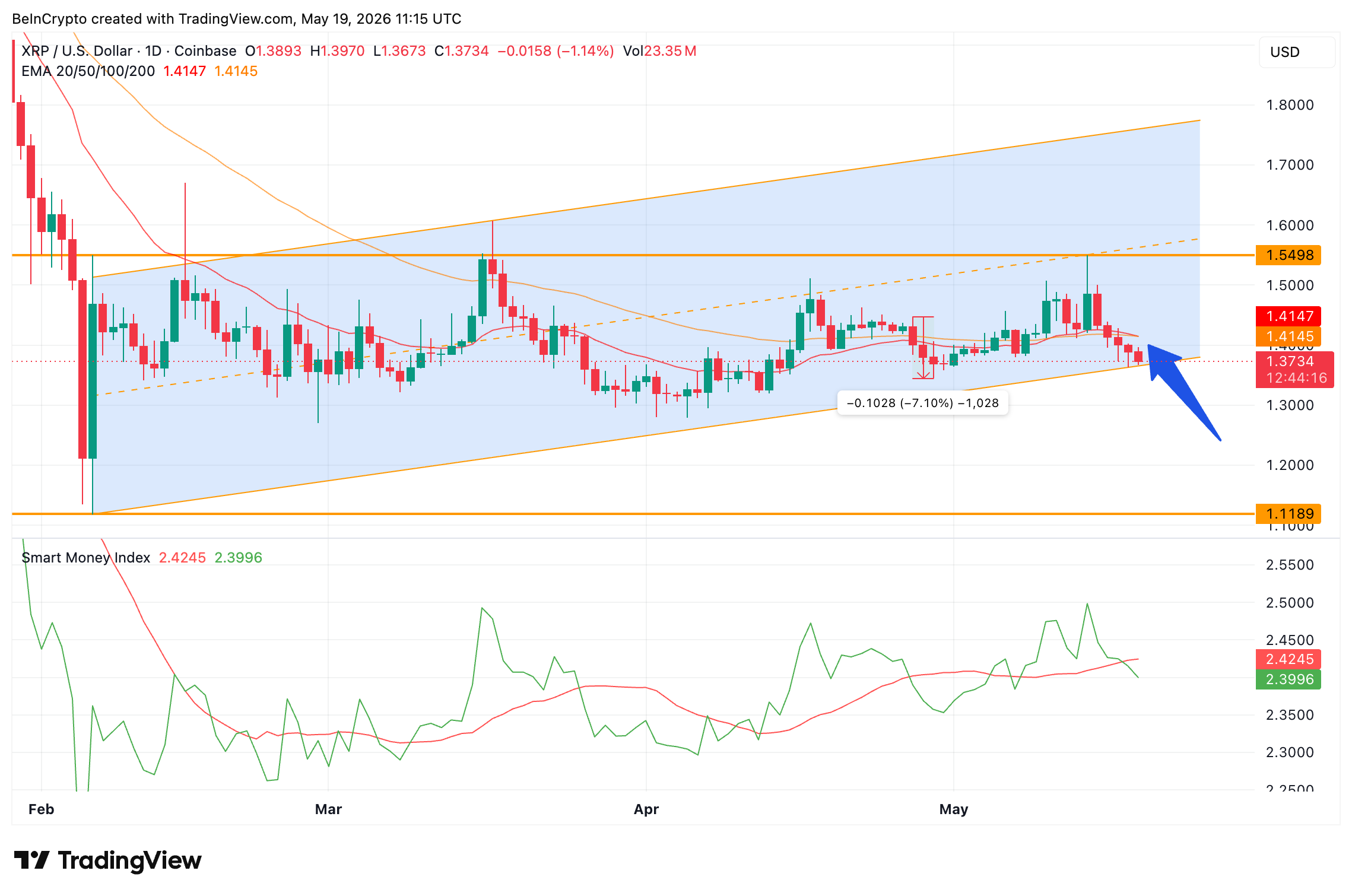
XRP price sits less than 1% above the floor of a three-month rising channel, after smart money’s quiet exit on May 17 triggered a chain of bearish technical signals.
The last time smart money bailed this way, in late April, XRP slid 7%. With whales now distributing and retail still selling, the bull channel’s lower edge has rarely looked this exposed.
Smart Money’s Exit Triggers a Triple Bearish Setup
The Smart Money Index, a gauge that estimates informed investor intent, fell below its signal line on May 17. The last time this happened was in late April, when XRP slid roughly 7% over the course of a few days.
The exit lined up with a fresh weakness in the moving averages. The EMA crossover setup shows the 20-day Exponential Moving Average (EMA), a trend indicator that weighs recent price action more heavily than older candles, has touched the 50-day EMA and is about to close beneath it.
A confirmed bearish cross would mark short-term momentum flipping bearish for the first time in months.
Want more token insights like this? Sign up for Editor Harsh Notariya’s Daily Crypto Newsletter here.
The third signal is the structure itself. XRP has traded inside a rising channel since February 6. It is an upward-sloping band that has hosted every rally and pullback for over three months. The recent slide from the May 14 peak has pushed price back to the channel’s lower edge.

Three bearish signals firing at the channel’s floor leave the breakdown as the path of least resistance. The breakdown happens unless on-chain demand steps in to absorb the supply.
XRP Whales Sell as Exchange Inflows Show Retail Joining the Exit
The on-chain picture reinforces what smart money has already done. The cohort holding between 10 million and 100 million XRP began increasing its share of supply on April 19, climbing from 16.81% to a peak of 17.63% on May 12. The accumulation stopped there.
Since the May 12 peak, the same cohort has trimmed its share to 17.37%, with no meaningful pickups during the slide. The data suggests XRP whales built positions for the rally (ended on May 14) and are now possibly distributing into any bounce that holds the channel.

Glassnode’s Exchange Net Position Change, a metric that tracks the daily flow of coins into and out of exchanges, has been positive almost without break for the past month. Positive readings indicate more coins arriving on exchanges than leaving, which typically signals supply being prepared for sale.
The May 17 reading of 9.14 million XRP marked the lightest single-day inflow since April 24, hinting that selling pressure may be easing. However, the figure remains firmly positive, meaning retail has not yet flipped to net buying.
Without a streak of negative readings, the channel’s lower edge stays exposed.

XRP is down 24% year to date and 3.5% over the past month, red across every meaningful window. With whales reducing supply, smart money already gone, and retail still selling on net, the price chart becomes the decider.
XRP Price Levels That Decide the Channel’s Fate
XRP price needs to avoid a daily close beneath $1.36 to keep the bull channel intact. The current price sits roughly 1% above that floor, making the channel’s fate a single session’s work either way.
A close below $1.36 would confirm the breakdown and open the path to $1.27, the next horizontal support. A 7% slide from the current price lands almost exactly at that level. This matches the precedent set by the late-April Smart Money Index crossover.
For any rebound to carry strength, XRP must first reclaim $1.48.
The next level is $1.56, where any bounce can face stiff resistance. The upper channel boundary of the bullish channel sits well beyond the current setup and is not in play for now.

The pattern nuance worth flagging is that rising channel structures often deliver false breakdowns before resuming the trend. A clean daily close beneath $1.36, paired with sustained positive exchange net position readings, would confirm that smart money’s exit really did doom the channel.
The $1.36 floor separates a defended channel from a recovery push toward $1.48, with a 7% slide that would carry XRP to $1.27.
The post Smart Money is Leaving XRP: Will Ripple’s Altcoin Dump? appeared first on BeInCrypto.


21Shares says strong early flows into its new Hyperliquid ETF reflect growing investor demand for around-the-clock access to crypto and traditional assets.
Japan’s Financial Services Agency has finalized rules allowing foreign-issued trust-type stablecoins into its payment system, with the changes published on May 19, 2026, and effective June 1.
The decision reshapes how global stablecoins enter Asia and arrives as Washington advances its own crypto legislation.
What Japan’s New Stablecoin Rules Actually Mean?
A trust-type stablecoin is a digital token fully backed by reserves held in a trust structure, redeemable at par with a fiat currency. Japan’s updated framework now lets qualifying foreign versions act as regulated payment instruments.
Until now, foreign-issued stablecoins faced real regulatory friction inside Japan. Regulators often classified many of them as securities or left them in a gray zone that blocked everyday payment use.
The reform, published under Prime Minister Sanae Takaichi, reclassifies qualifying foreign trust-type stablecoins as Electronic Payment Instruments under the Payment Services Act. That single change integrates them into Japan’s formal financial rails.
Follow us on X to get the latest news as it happens
At its center sits a rigorous equivalence standard. Foreign issuers must prove their home jurisdiction matches Japanese rules on licensing, auditing, anti-money laundering controls, and same-currency reserves to limit exchange-rate risk.
Domestic intermediaries carry the first responsibility for verifying compliance. Major local players are already preparing, with SBI VC Trade exploring licensed services involving global stablecoins such as USDC.
In this way, the June 1 start date will be closely watched. Success could accelerate inflows of global capital and unlock new payment applications, from remittances to tokenized settlement systems.
How the United States CLARITY Act Fits the Scene?
Across the Pacific, the United States is advancing its own crypto framework. The Senate Banking Committee recently moved the CLARITY Act forward with a bipartisan vote of 15 to 9.
The Digital Asset Market Clarity Act seeks to define regulatory jurisdiction between the SEC and the CFTC. It also builds on the earlier GENIUS Act to address stablecoin-related issues directly.
One key compromise involves yield. The bill generally prohibits passive, deposit-like interest on payment stablecoins while still allowing activity-based rewards for users.
“Congress has an opportunity, before this bill advances further, to close the loophole tightly and ensure that any prohibition on stablecoin interest is airtight — applying not just to issuers but to exchanges, affiliates, and any intermediary delivering the same economic return through a different corporate wrapper,” said Jeane Vidoni, CEO of Penn Community Bank.
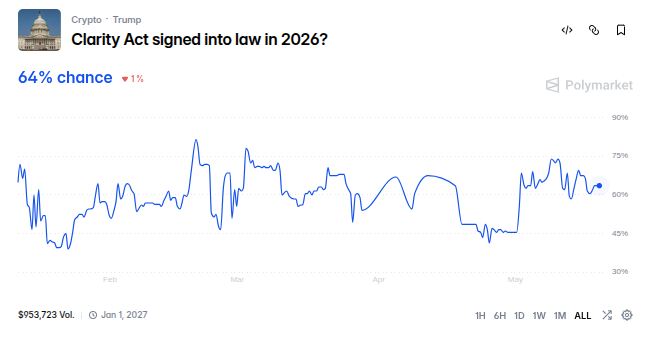
Analysts are cautiously optimistic. Alex Thorn of Galaxy Digital estimates the chance of the CLARITY Act becoming law in 2026 at roughly 65% to 75%, up from earlier near-even odds. Meanwhile, traders on Polymarket assign a 64% probability that the bill will become law in 2026.

Together, both stories point in the same direction. Japan’s regulatory refinement and America’s legislative push highlight a maturing global stablecoin ecosystem moving steadily from early experimentation toward real, structured integration.
For issuers and intermediaries, this dual momentum signals that clarity is finally arriving, one jurisdiction at a time. Regulated frameworks on both sides of the Pacific could unlock cross-border payments, institutional adoption, and more transparent, inclusive financial systems worldwide.
Subscribe to our YouTube channel to watch leaders and journalists provide expert insights
The post Japan is Adopting a Reverse CLARITY Act With Foreign Stablecoins appeared first on BeInCrypto.
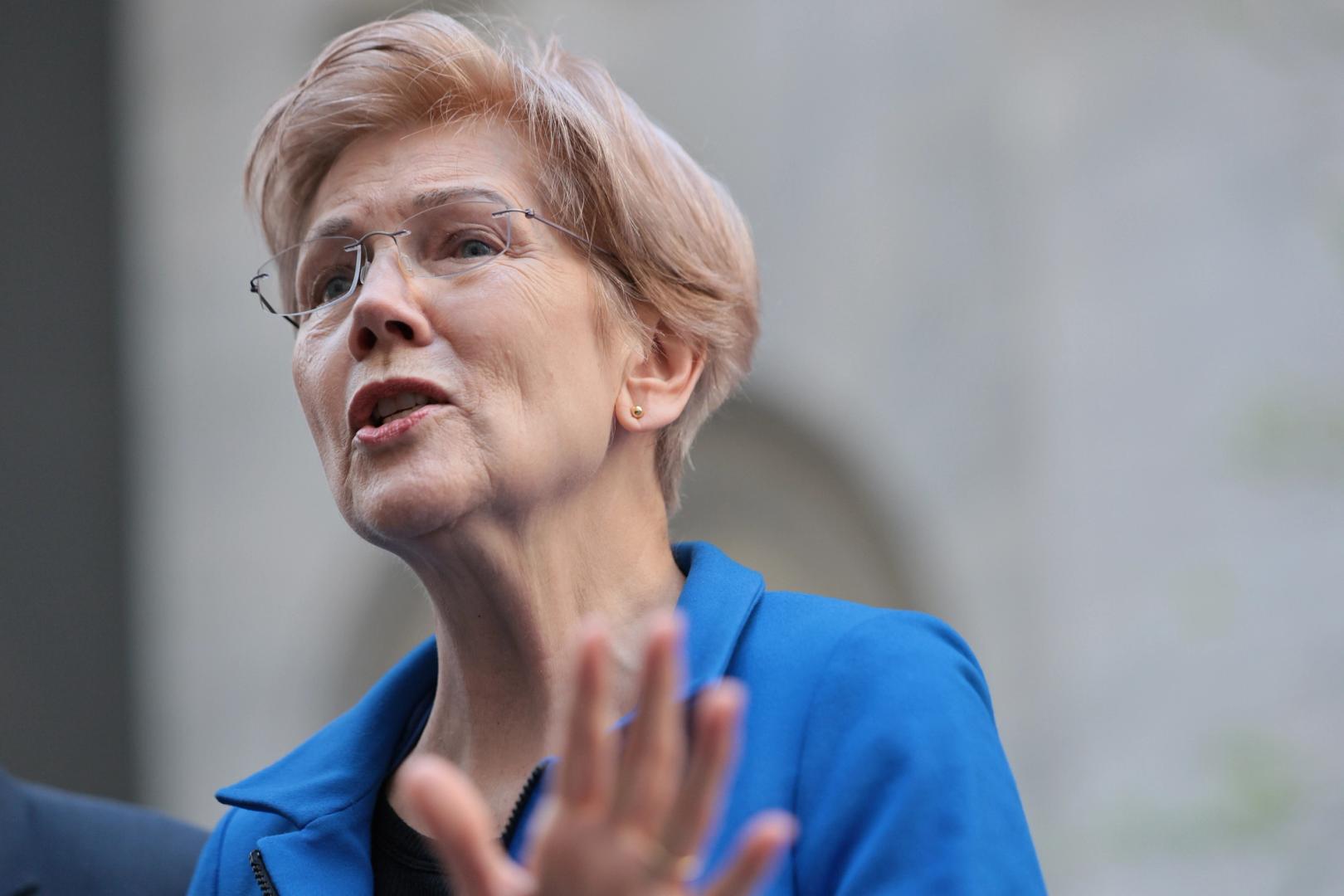
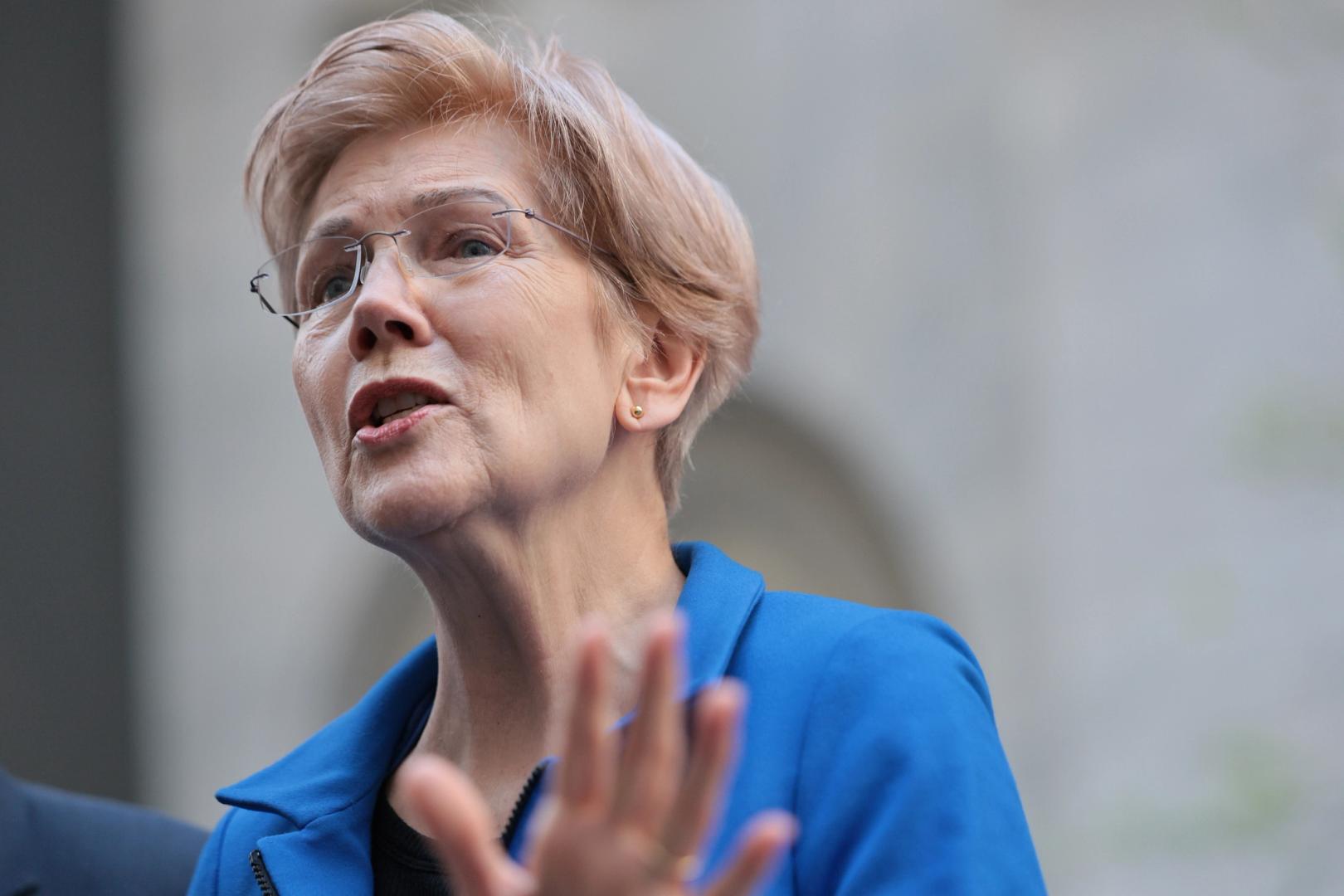
The Senate Banking Committee’s top Democrat sent a letter to the Office of the Comptroller of the Currency questioning the charters of nine crypto firms.

TLDR
- The SEC is preparing a framework to allow tokenized stocks to trade on crypto platforms under lighter regulatory requirements.
- The proposal would let third parties issue tokens that track stock prices without approval from the underlying companies.
- Token holders would not receive shareholder rights such as voting power or dividend payments.
- Tokenized stocks would trade continuously on blockchain networks without traditional market-hour restrictions.
- Market data shows the tokenized equities sector has reached about $1.4 billion in total value.
U.S. regulators are preparing a new framework that could allow blockchain-based stock trading on crypto platforms. The plan focuses on tokenized securities and aims to ease compliance requirements for certain providers. Bloomberg reported that the U.S. Securities and Exchange Commission may release the proposal within days.
SEC Outlines Structure for Tokenized Stocks Framework
The SEC is developing an “innovation exemption” to support tokenized securities trading under lighter rules. The proposal would allow platforms to offer digital stock representations without full registration compliance. Sources familiar with the matter said the agency could introduce the framework as early as next week.
The structure allows third parties to issue tokens that track publicly traded shares without company approval. These tokens would reflect stock prices but would not represent direct ownership in the underlying firms. As a result, holders would not receive voting rights, dividends, or participation in corporate decisions.
The tokens would operate on blockchain networks and trade continuously across global crypto platforms. This system would remove traditional trading hour limits and reduce settlement delays. However, the SEC has not issued an official comment on the reported framework.
Market Activity Grows as Institutions Advance Tokenized Stocks
Market data shows that tokenized equities continue to expand in scale and activity across platforms. Data from RWA.xyz indicates the sector holds about $1.4 billion across more than 2,200 assets. The total value increased by about 30% over the past 30 days, while monthly transfer volume reached $3.24 billion.
The number of token holders also rose by 25% within a month to about 265,000 users. These figures reflect rising participation in blockchain-based financial products. Meanwhile, trading platforms continue to develop infrastructure to support this growth.
The Depository Trust & Clearing Corporation plans to begin limited tokenized asset trades in July. It also aims to expand the program into broader production use by October. The DTCC processes most U.S. securities transactions, and its entry supports operational development in this space.
Exchanges and Regulators Align on Digital Trading Systems
Nasdaq secured SEC approval in March for a rule change supporting tokenized share trading. The framework ensures that investors retain traditional ownership rights through regulated structures. The New York Stock Exchange also received approval in April to build a platform for continuous onchain settlement.
Intercontinental Exchange, which owns the NYSE, partnered with crypto exchange OKX to support this effort. The collaboration focuses on integrating blockchain systems with established trading infrastructure. These developments show coordinated steps between exchanges and regulators.
SEC Chair Paul Atkins has emphasized the need for updated regulatory approaches to digital markets. He stated that existing rules were designed for systems with fixed hours and human intermediaries. He said regulators should “write rules instead of enforcing outdated frameworks” to guide emerging technologies. The Senate Banking Committee recently advanced legislation related to crypto market structure. Lawmakers continue to work on clearer guidelines for digital asset regulation.

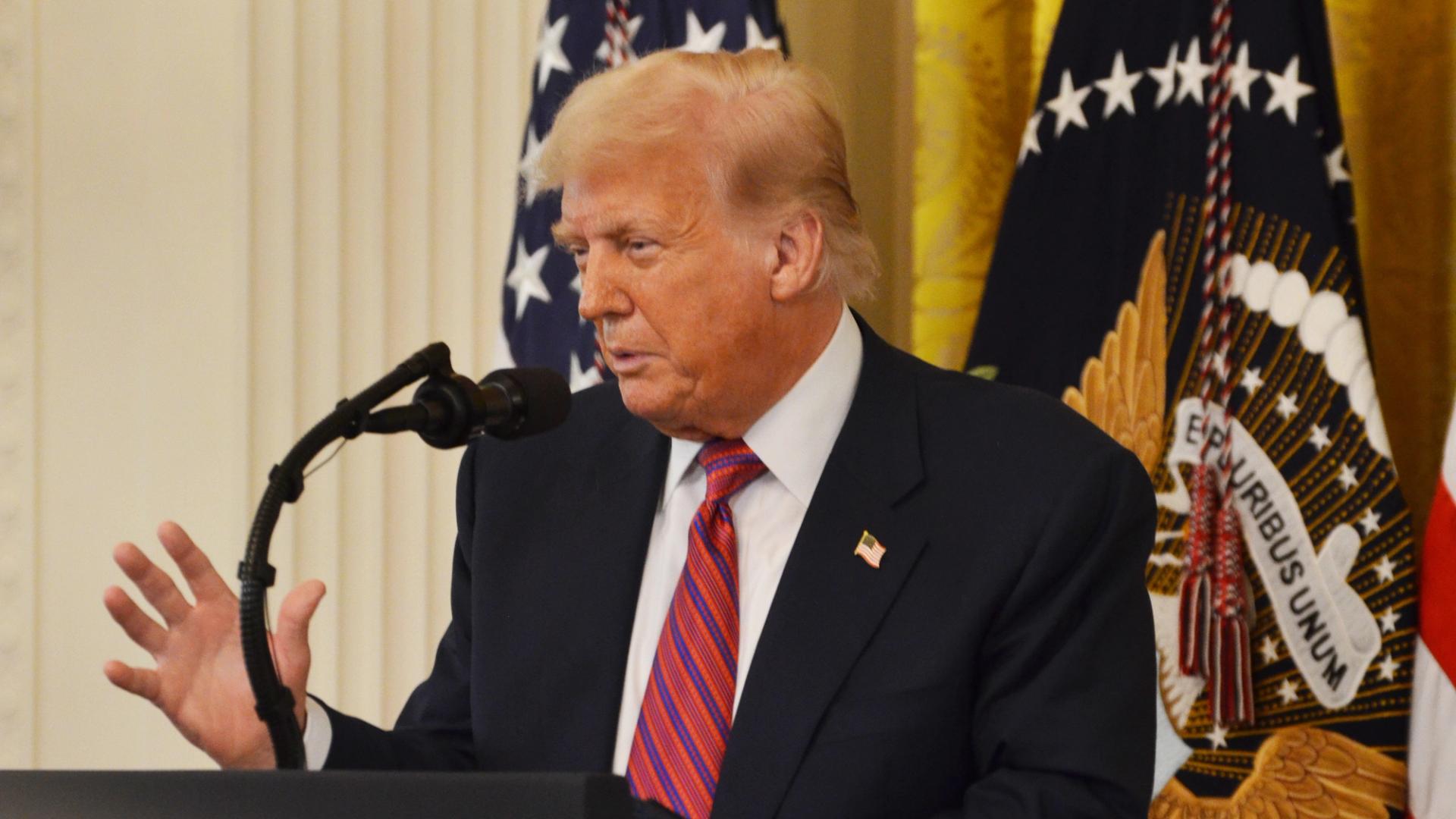
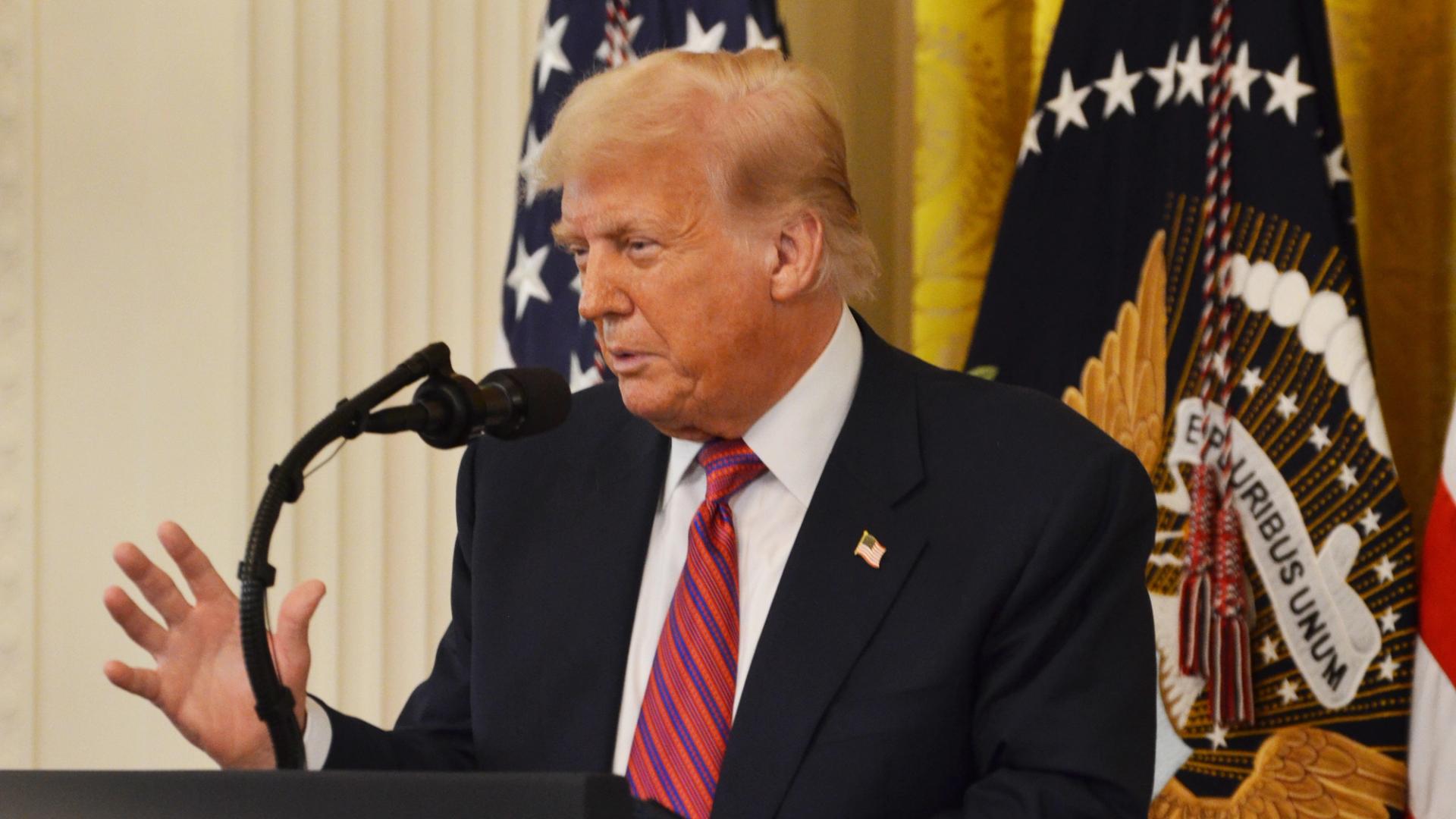
Donald Trump’s executive order asks the Fed to review how depository institutions may be granted access to payment services, an area the crypto industry is deeply involved with.

Wego integrates stablecoin payments through Triple-A partnership
Wego, the travel marketplace that says it is the leading travel app in the Middle East and North Africa, has added support for stablecoin payments via a partnership with payments firm Triple-A. The move lets customers complete bookings with supported stablecoins while Wego receives settlement in local fiat currencies, a setup that aims to bridge consumer demand for crypto payment options with merchant needs for predictable settlement.
The integration reflects growing interest among travel platforms in digital-asset rails for cross-border payments, where card declines, interchange fees, and foreign-exchange frictions can undermine booking completion. Wego said the new option will be available for flight and other travel bookings, with the payments conversion, compliance checks and custody handled by Triple-A.
How the flow works and what it changes
Under the arrangement, a traveler pays in a supported stablecoin at checkout. Triple-A processes the incoming digital-asset payment, runs the necessary anti-money laundering and know-your-customer checks, converts the stablecoins, and settles the merchant in traditional local currencies. From the merchant perspective, the integration preserves Wego’s existing settlement structure while adding an alternative payment rail for customers.
Triple-A positions itself as a licensed global payment institution with registrations and licenses across jurisdictions, including the United States, Singapore, and European oversight, and it says it supports more than 1,000 enterprise customers and reaches roughly 700 million digital currency owners. Those institutional capabilities are central to the value proposition: merchants gain access to crypto-native demand without taking on custody or foreign-exchange exposure.
Market context: why travel is an early use case
Travel is an inherently cross-border industry, making it a natural candidate for alternative payment rails. Card declines are more common for international transactions, and many consumers in regions with limited card penetration prefer nontraditional payment methods. Stablecoins, which are designed to maintain a peg to a fiat reference, reduce the volatility issues that otherwise complicate merchant acceptance of cryptocurrencies.
Payments providers and travel platforms have been experimenting with crypto rails for several years, ranging from direct acceptance to tokenized loyalty and payment orchestration. Wego’s approach follows a broader trend of using intermediaries to convert crypto payments into fiat before settlement, a model that reduces operational complexity for travel sellers while tapping crypto demand.
Implications for bookings, merchants and consumers
One immediate operational aim of the integration is to improve booking completion rates in markets where card acceptance is constrained or where international transactions have elevated decline rates. By offering a native crypto checkout, travel platforms may reduce friction for customers who already hold stablecoins and prefer to use them for everyday purchases.
For merchants, the key advantage is access to new payment demand without assuming custody or FX risk. Third-party processors like Triple-A handle conversion and compliance, which can shorten the path to offering crypto payment options while maintaining existing back-office processes.
However, wider adoption depends on consumer education, merchant economics, and regulatory clarity. Travel platforms will need to assess the incremental cost of accepting crypto-derived payments versus other digital rails and the potential lift in conversions.
Regulatory and compliance considerations
Payments that originate in digital assets remain subject to evolving regulation. Triple-A emphasizes compliance through AML and KYC controls and its cross-jurisdictional registrations. That compliance layer is crucial for travel companies that operate across multiple countries and for regulators scrutinizing stablecoin flows.
Policymakers in several regions are increasingly focused on stablecoins, covering issues such as reserve backing, consumer protections, and cross-border settlement. Travel companies integrating these payment options must monitor regulatory developments and ensure their partners maintain transparent custody and conversion practices.
Outlook
Wego’s partnership with Triple-A illustrates how travel companies are experimenting with crypto payments while limiting exposure to volatility and custody complexity. If the integration improves conversions in target markets, it could encourage other travel platforms to pursue similar arrangements. At the same time, broader merchant acceptance will hinge on clear economics, consumer demand, and a stable regulatory environment for stablecoins.
As the travel sector continues to globalize its payment stack, intermediaries that can combine compliance, liquidity and local settlement may play an increasingly important role in connecting crypto-native customers with traditional merchants.
Disclosure: This article is based on statements and data provided by the companies involved. Quotes attributed to Wego and Triple-A were included in their public announcement.

Intel may be forcing PC makers to buy its newer 18A chips by cutting off the old ones

Huge police presence as Piccadilly Gardens cordoned off for ‘suspected stabbing’

Self-swab DNA test kit adverts banned over misleading claims

Manchester United reach agreement with Casemiro over contract clause amid transfer speculation

US brings back mandatory military draft registration

Steven Gerrard disagrees with Gary Neville over ‘shock’ Chelsea and Arsenal claim | Football


-

 Crypto World4 days ago
BloFin War of Whales 2026 Grand Prix opens registration for $5M trading championship
-

 Fashion4 days ago
Weekend Open Thread: Theory – Corporette.com
-

 Crypto World4 days ago
E-Estate Announces 1 Year Live: Washington DC Summit as Real Estate Tokenization Enters Its Next Phase
-
Crypto World7 days ago
Bitcoin Suisse expands with Digital Asset License and Investment Business Act Registration Approval in Bermuda
-

 Tech5 days ago
Tech Moves: Microsoft AI leader jumps to OpenAI; former AI2 exec joins Meta; and more
-

 Crypto World7 days ago
Bitcoin Suisse expands with Digital Asset License and Investment Business Act Registration Approval in Bermuda
-
 Crypto World5 days ago
Google’s Gemini AI Predicts Incredible Solana Price by the End of 2026
-

 Tech4 days ago
Google reimburses Register sources who were victims of API fraud
-

 Business4 days ago
H&R Real Estate Investment Trust (HR.UN:CA) Q1 2026 Earnings Call Transcript
-

 Sports4 days ago
Napoleonic enters 2026 Doomben 10,000 field via Abounding withdrawal
-
 Entertainment5 days ago
Zara Larsson Has Blunt Response To Chris Brown Diss
-
 Crypto World6 days ago
Two AI Tokens Lead May Rally, But Risks Are Rising
-

 Fashion3 days ago
On the Scene at Gucci’s Cruise Show in New York City: Mariah Carey, Kim Kardashian, Lindsay Lohan, Iman, and More!
-

 Crypto World4 days ago
BeInCrypto 100 Institutional Awards Nomination: KAST for Best Digital Assets Neobank and Best Digital Assets Fintech
-
 Tech7 days ago
Why AI is making typography a boardroom conversation
-
 Crypto World4 days ago
Wall Street’s Boldest Gold Prediction Has Russians Rushing to Buy
-

 Entertainment7 days ago
The Young and the Restless: Phyllis & Victor Both Crash in Huge Twist!
-
 Crypto World4 days ago
Bitcoin Battles US Bond Nerves With BTC Price Dip Toward New May Lows
-

 Fashion4 days ago
Trending Western Style Vests Perfect for Summer
-
 Crypto World7 days ago
Bermuda to Transition ‘Key’ Financial Services to Stellar Blockchain
You must be logged in to post a comment Login