
Related: Katie Holmes Wore the Most Unexpected Denim Color — And It‘s a Moment
Advertisement



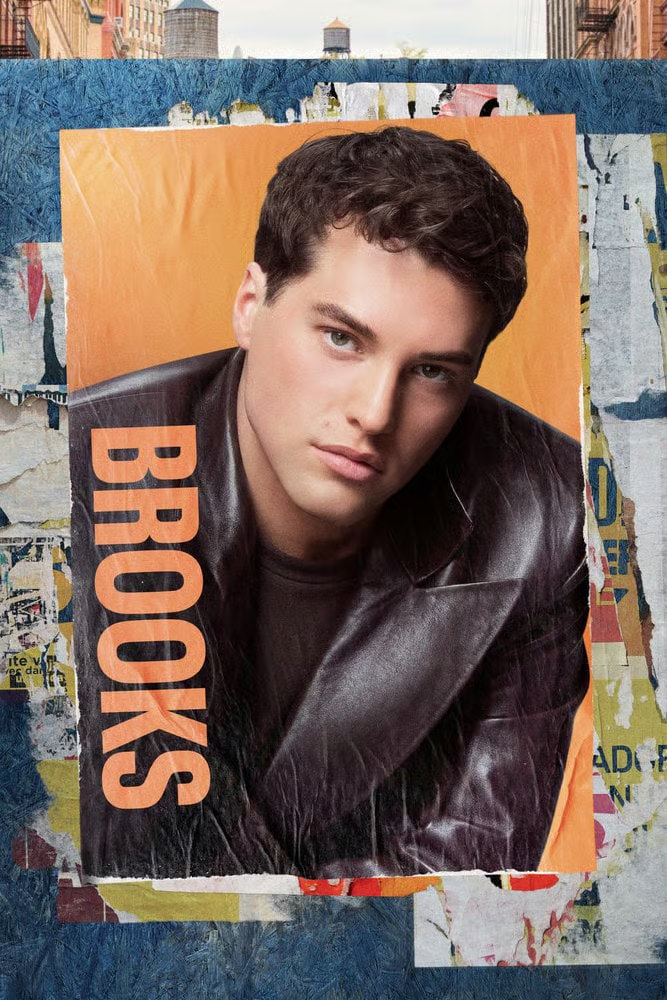
Brooks Marks, star of Bravo’s “Next Gen NYC,” is gearing up for season 2 of the popular reality show. During a new interview, Brooks, the son of “The Real Housewives of Salt Lake City” star Meredith Marks, is revealing what he’s learned most about himself since stepping in front of the camera.

“Oh, I mean, I’ve learned that I really hate confrontation,” Brooks told PEOPLE in May 2026. “I feel like I knew I did, but I never recognized how intense my hatred of confrontation was and to the point that it was almost hurting me and making situations deeper than they needed to be.”
Indeed, during season 1 of the reality show, Brooks bumped heads with his co-star, Charlie Zakkour, after the latter made suggestive comments about hooking up with Brooks’ younger sister, Chloe. The uncomfortable situation, however, helped Brooks develop a tougher exterior.
“And so I feel like it’s helped me overcome that and become a more confrontational person and made me more direct as well, which I’m grateful for,” he said.

In a separate interview with Us Weekly, Brooks confirmed that the new batch of episodes, airing on Bravo June 24, will showcase his relationship with his boyfriend.
“I think you’ll see more about my relationship life in season 2,” he said, adding that it’ll be a bit different for his partner, Kade, since he isn’t in the spotlight.
“My boyfriend isn’t really in the public, so it’s definitely a new world for him,” Brooks said. “I love keeping that sacred but, at the end of the day, I signed up for reality TV.”
According to Brooks, being part of the Bravoverse means baring your soul—even if it’s frightenining.
“It’s all about showing every aspect of our lives,” he said. “I hope that it shows other people what a great relationship can look like.”
In addition to Brooks, season 2 of “Next Gen NYC” will feature returners Ariana Biermann, Riley Burruss, Emira D’Spain, Ava Dash, Gia Giudice, Georgia McCann, Charlie Zakkour, Shai Fruchter, and Hudson McLeroy. The new season will also feature newcomers Rowan Henchy, Liam Obergfoll, and Kendall White.
According to a previous report from The Blast, the new season will be packed with drama as the cast navigate their personal relationships and address scandalous headlines.
“Eager to carve out their own identities, they’re determined to make it on their own terms while also navigating the pressure to curate the right vibe, the right circles, and a feed that keeps up with the life they’re chasing. In a world driven by image, ambition, and constant visibility, they quickly learn that making it is one thing — holding onto it, and each other, is another,” the show’s synopsis reads.
Brooks isn’t the only child of a “Real Housewives” cast member part of the “Next Gen NYC” cast.
Gia is the daughter of “RHONJ” star Teresa Giudice, while Arianna and Riley are the daughters of “RHOA” alum Kim Zolciak and Kandi Burruss.
While they grew up in front of the cameras, Kandi previously admitted to giving her daughter a bit of advice on navigating the world of unscripted television.
“Well, I just told her don’t be on there [and] say anything that you ain’t going to stand behind. You got to make sure you keep it honest on this show,” Kandi said. “And even if you say something they don’t like, just own it and keep it pushing.”
Riley, meanwhile, opened up about her first season on the show last year and said she was “proud” of how she handled herself.
“I think the thing I’m most proud of is how well I articulated myself [throughout the whole season]. At first, I thought that I didn’t do as great. In the moment, you’re emotional, you’re not really realizing how it’s going,” Riley shared.
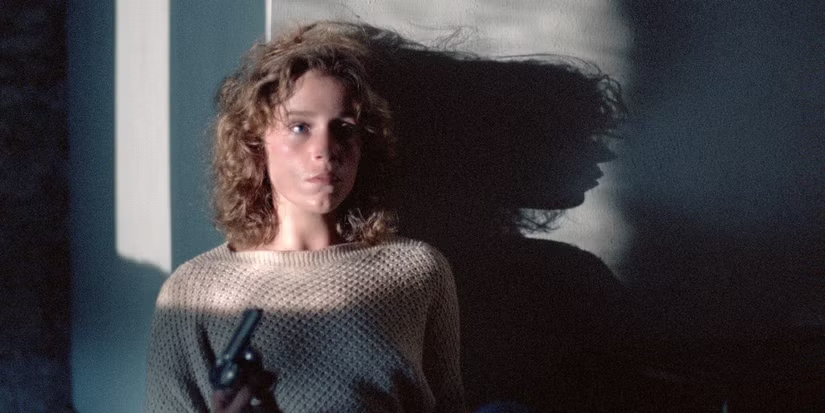
Sometimes the version of a film that audiences first see isn’t the one the director actually intended. Several factors, including studio interference and runtime constraints, can often shape a movie into something more digestible but less complete. The director’s cut, when it exists, is an attempt to reclaim that lost vision.
With that in mind, this list looks at the most striking cases where the filmmaker’s preferred version was a significant step up from the theatrical release. In some cases, these alternate versions merely add interesting material or improve upon the existing version by adding more details, fleshing out characters, or maybe even reframing the action. In others, they completely transform the movie itself, resulting in something that feels entirely different.

“You’re not that smart, Marty.” In the Coen brothers‘ feature debut, a bar owner (Dan Hedaya) hires a private investigator (M. Emmet Walsh) to kill his wife (Frances McDormand) and her lover (John Getz), setting off a chain of misunderstandings and escalating violence. It’s a noirish, brutal story shot through with delectably dark humor. The original theatrical version is already a tightly wound thriller, but the director’s cut trims and refines key moments.
Unusually, this is an instance where the director’s cut is actually shorter than the original, in this case by 2 minutes and 35 seconds. It nixes some short filler scenes and unnecessary shots and adds in a few extended shots, and also changes one of the songs in the soundtrack. This version shows how small adjustments, like slight edits and subtly restructured sequences, can significantly improve a movie’s flow.

“I am a golden god!” This gem from Cameron Crowe follows William Miller (Patrick Fugit), a teenage journalist who goes on tour with a rising rock band in the 1970s. It’s a funny, touching story populated by complex and vivid characters. The DVD release came with a director’s cut that adds a whopping 40 minutes of additional footage, which most fans consider to be the definitive version.
This extra runtime gives the movie a lot more room to breathe. Characters like Elaine Miller (Frances McDormand), Russell Hammond (Billy Crudup), Penny Lane (Kate Hudson), and even the band members themselves gain additional scenes that make them feel more even human and layered. It really adds to the immersion (while also making certain gags even funnier). This cut is less polished than the theatrical release, but that’s part of its charm.

“I’m not locked in here with you. You’re locked in here with me!” Zack Snyder‘s name is the first that comes to mind when you think “director’s cut,” most famously with regard to Justice League. However, his preferred version of Watchmen is also superior to the original release. Based on the legendary comics by Alan Moore and Dave Gibbons, the movie follows a group of retired vigilante superheroes investigating the murder of one of their own.
The “Ultimate Cut” version adds a full 53 minutes of content, including the Tales of the Black Freighter animated sequence. This version is truer to the source material and adds new layers to the story, giving us more insight into the characters’ psychology. Sure, casual viewers may find this longer cut overwhelming, but diehard fans are likely to find it more satisfying.

“We’re asking people we don’t know to risk their lives.” Justice League sees Batman (Ben Affleck) recruiting Wonder Woman (Gal Gadot), Aquaman (Jason Momoa), The Flash (Ezra Miller), and Cyborg (Ray Fisher) to stop the alien conqueror Steppenwolf (Ciarán Hinds) from collecting the Mother Boxes and transforming Earth into a wasteland. Notoriously, the movie was heavily reshaped by Joss Whedon after Snyder stepped away during post-production, with most fans disappointed in the theatrical release.
The Snyder Cut quickly became a Holy Grail among fans, who clamored for its release. Their wishes were granted in 2021, when HBO Max released Snyder’s preferred version, which includes many scenes that Whedon had removed. These add some much-needed world-building and generally expand the film’s mythology. Fans and critics alike preferred this cut, though it’s admittedly pretty long at 242 minutes (the theatrical cut is just 120). The Snyder Cut is among the rare cases when the director’s cut is an outright different movie, and it’s for the best.

“You have to look with better eyes than that.” One of James Cameron‘s most underrated movies, The Abyss centers on a team of underwater oil drillers recruited by the U.S. Navy to investigate a sunken submarine, only to encounter something far more mysterious beneath the ocean’s surface. Unfortunately, the original theatrical release was heavily trimmed due to production problems and studio concerns about runtime, weakening the film.
Cameron’s preferred Special Edition was eventually released in 1993, and it’s dramatically better than the theatrical cut. This version is 26 minutes longer and restores some crucial scenes, while also adding great new special effects. It lets the awe and mystery of the underwater environment settle in more deeply instead of constantly rushing toward the next plot beat. Overall, this cut feels much more immersive.

“They mostly come at night… mostly.” Another banger from Cameron. The original release of Aliens is already a masterclass in tension and action, but the director’s cut enriches it even further. It’s 20 minutes longer, with improved pacing and fan-favorite moments like the sentry gun scenes. Other additions expand the colony’s early moments and the buildup to the disaster. Most importantly, though, this version adds a lot of material involving Ripley’s (Sigourney Weaver) daughter.
We learn that Ripley’s daughter Amanda (Elizabeth Inglis) grew old and died while Ripley was in hypersleep. She was just 10 years old when they last saw each other. This information changes the emotional meaning of the entire movie and makes Ripley’s relationship with Newt (Carrie Henn) vastly more powerful. All in all, this cut adds more emotion and melancholy to the action-packed spectacle.

“We’re all in it together, kid.” Terry Gilliam‘s oddball masterpiece features Jonathan Pryce as Sam Lowry, a low-level bureaucrat in a dystopian society dominated by surveillance, endless paperwork, and more than a little absurdity, as he becomes entangled in a case of mistaken identity. The studio-mandated version attempted to impose a more conventional, optimistic structure on the film. The director’s cut rejects this entirely, embracing the story’s darker, more surreal trajectory.
In this version, which was only released in its full director’s preferred iteration in 1999, the satire becomes sharper, and the story ends on a decidedly bleak note. This movie is not meant to be reassuring, so forcing a happy ending to it was a nonsensical creative decision. The studio version undermines Brazil‘s central idea by pretending the nightmare can simply be outrun. Gilliam’s cut, by contrast, offers no escape.

“What man is a man who does not make the world better?” Audiences’ expectations for Kingdom of Heaven were sky-high, with many hoping it would be a thrilling historical epic like Gladiator. However, the theatrical release drew mixed reviews, with many criticizing its pacing and lack of depth. Released a few months later, the director’s cut totally transformed the movie’s reputation. It adds 45 minutes of footage and, critically, significantly deepens the main characters’ motivations.
We get emotional subplots, fuller backstories, and even more visceral action scenes. In the original, the protagonist Balian (Orlando Bloom) feels passive and underwritten, but the director’s cut helps explain his crisis of faith and his grief over his wife’s death. It makes his gradual evolution from blacksmith to reluctant leader much more impactful, going from being a one-note figure to a genuinely conflicted hero.

“I slipped.” Once Upon a Time in America was meant to be Sergio Leone‘s swan song, a sweeping crime opus charting David “Noodles” Aaronson’s (Robert De Niro) rise within the criminal underworld. Sadly, it suffered one of the most infamous studio edits in film history, with its theatrical release drastically restructured and shortened. It chopped the director’s 269-minute version down to a meager 139 minutes, jettisoning so much crucial material.
Needless to say, Leone’s preferred cut is in another league compared to the studio version. It dramatically deepens the relationships between the central gang members, especially Noodles and Max (James Woods). Pacing-wise, Leone’s version allows scenes to unfold slowly, where the theatrical cut tries to force them into a more conventional gangster-film rhythm. The slowness of the director’s cut is essential because the film is fundamentally about time: how decades reshape people, friendships, cities, and dreams.

“I’ve seen things you people wouldn’t believe.” Ridley Scott strikes again. His preferred cut of Blade Runner finally came out in 1992, improving the movie in several important ways. Most notably, it leans heavily into the ambiguity of Deckard (Harrison Ford) being a replicant. It does so by removing the protagonist’s voice-over narration and the studio-mandated “happy ending” and adding in the unicorn dream sequence.
The latter scene is perhaps the most famous addition because it radically deepens the film’s central mystery. Indeed, it implies that Deckard’s memories may themselves be artificial. As a result, instead of reassuring the audience, the director’s cut of Blade Runner leaves viewers suspended in uncertainty. That unresolved tension is central to why the film became such a landmark work of science fiction. It restores the movie to the philosophical noir poem it was always meant to be.
By Chris Snellgrove
| Published

Enterprise was the last show from the Golden Age of Star Trek, and it was very different than the series that had come before. This new show wasn’t afraid to be weird and wild, which is why it had both a smoking hot Vulcan lady in a catsuit and an ongoing excuse to have the actors strip down to their undies and massage each other (seriously, every D-Con chamber scene looks like a vintage Cinemax skin flick). Its characters were also much rougher around the edges, which is why characters like Trip Tucker get to be believably flawed compared to more polished characters like Commander Riker or Captain Picard.
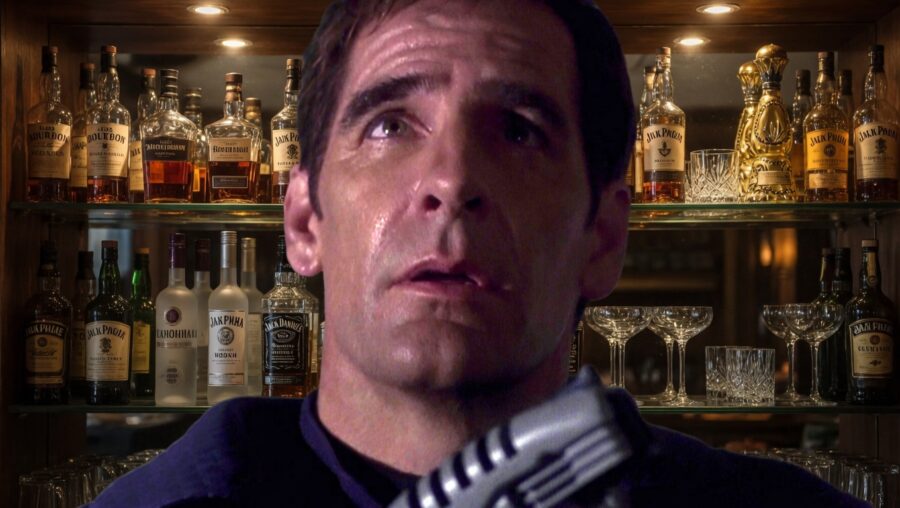
In Enterprise, Trip gets into some crazy hijinks, including getting tied up and stripped down while chasing tail on an alien sex planet. As it turns out, though, some of the character’s onscreen misadventures may have taken inspiration from the actor’s own drunken hijinks. While filming the very first episode of Enterprise, Trip Tucker actor Connor Trinneer crashed a Paramount party, abused the open bar, and stole four entire bottles of alcohol from the bar. The next day, he worried about losing his job when he got what every drinker dreads: a surprise phone call from his big boss!

On Enterprise, Connor Trinneer plays Trip Tucker, the friendly chief of engineering. With his southern drawl and amiable demeanor, Trip is one of the warmest members of the entire crew. But he was still rough around the edges, often clashing with the Vulcan T’Pol as part of their compelling “will they, won’t they” dynamic. He also loves to party, which sometimes gets him in trouble. On one occasion, he gets pregnant after hooking up with an exotic alien. On another occasion, he and Reed were so horny on the planet Risa that they followed two alien women into a club’s basement; the “ladies” shapeshift into men, tying up and robbing the Starfleet officers.
Trinneer was always good at bringing his character’s exploits to life. One possible reason for this is that the actor has had a few of his own drunken misadventures over the years. The most notorious of these happened when he was filming “Broken Bow,” the very first episode of Star Trek: Enterprise. The night before some important scenes were scheduled for filming, Trinneer discovered a party on the Paramount lot. The party had nothing to do with Trek; instead, it was a party held to appeal to would-be foreign advertisers. Regardless of who the party was for, though, Trinneer attended and discovered that it had the one thing every boozehound loves to find: free alcohol!

On the special features for the Season 1 Enterprise Blu-rays, Connor Trinneer revealed that not only did he crash this particular party, but he also took major advantage of the free hooch. Once he got drunk enough, he decided to keep the party going in the most brazen way. That is, he snuck behind the bar and stole four entire liquor bottles, bringing them all home with him! It really was theft, too: not only was he not an invited guest, but nobody was authorized to walk away with the alcohol behind the bar. But he wasn’t too worried at the time. After all, what’s the worst that could happen?
The next day, the worst did happen: Trinneer got a phone call from Rick Berman. Now, Berman wasn’t just any bigwig. He was the executive producer overseeing the entire franchise and, effectively, the man in charge of all things Star Trek. For the actor, this was like getting a phone call from his boss’s boss’s boss. Like many of us would in his place, Trinneer assumed he was in trouble and thought that he was about to get fired. Understandably, he was full of regret because, as far as he knew, he was about to lose a life-changing acting gig because of a drunken workplace crime.

As it turns out, though, Rick Berman knew absolutely nothing about Connor Trinneer’s hijinks from the night before. The executive producer was simply calling the actor with news about his Enterprise character. The character’s real name was Charles Tucker, but he was originally going to go by the nickname “Spike.” When Berman called Trinneer, he just wanted him to know that the producers had decided that the character’s nickname was going to be “Trip” instead.
Relief flooded through Trinneer when he discovered the reason for Berman’s call. He had gotten away with it! Not only did he crash a party and get wasted for free, but he came home with plenty of extra alcohol. Considering that he kept his cool and kept his job, he even had a reason to pour himself a glass and celebrate. Of course, you could say that Rick Berman got his own revenge: years later, he killed off Trinneer’s character for no real reason, a decision that the Enterprise fandom still mourns to this day.

Us Weekly has affiliate partnerships. We receive compensation when you click on a link and make a purchase. Learn more!
It’s no secret that Kelly Rutherford has mastered luxe dressing with approachable, fashion-forward pieces that we constantly use for inspiration. Just in time for summer, her latest look included a dreamy white dress that’s at the top of our wish lists, and it’s one we found a surprisingly similar version of for under $40.
The Tributaries actress posted on Instagram, posing in a lightweight white midi dress that gives off total New York City rich mom vibes. She paired it with black cat-eyed sunglasses, a Hermès Birkin bag, ballet flats and leather watch. But let’s face it: Her dress is the main center of attention. While we don’t know exactly where Rutherford snagged hers, we’re willing to bet it cost triple the price of this budget-friendly style.
Get the Prettygarden Summer Puff-Sleeve Maxi Dress for $39 at Amazon! Please note, prices are accurate as of the publishing date but are subject to change.
The PrettyGarden summer maxi dress has a smocked bodice, squared neckline and puffed sleeves, just like Rutherford’s choice. Our Amazon pick even has a smocked bodice that’s both bohemian and flattering due to its figure-hugging texture. The only minor difference is the tiered, lined skirt, which if you ask Us, adds an additional luxe detail to the piece. Oh, and it has pockets! No one will know it’s not the exact same dress as the A-lister’s.

Not blue, not white! Katie Holmes stepped out in New York City rocking retro purple jeans. Unconventional, yes, but so incredibly chic. The pants gave Holmes’ style a vintage flair, and we found the fun look for 30% off on Amazon. In an iconic head-turning outfit, Holmes paired purple jeans with a simple black cardigan, […]
Though this flowing midi dress style can be dressed up or down, Rutherford showed an especially chic way to elevate the piece with timeless neutral accessories that streamline look. The combination is undeniably polished, especially with her ballet flats. However, we could also see the dress worn casually with a pair of white sneakers and a denim jacket.
The dress style is also perfect for a vacation to the tropics; wear it with buckled sandals and a woven raffia crossbody bag, and you’re ready to hit the boardwalk. Jewelry like pendant necklaces, bangle bracelets or charm drop earrings will also add a delicate feel to the look, which can easily transition from day to night.
Clearly, Rutherford’s on the right path with her midi dress. Savvy shoppers are also fans, including one reviewer who deemed it as “very attractive” and said they “receive many compliments” while wearing it. Another consumer in her 40’s shared that the style is “comfy, good quality and affordable,” noting that it looked equally wonderful on both her and her teenage daughter. Sounds like a win to Us!
With its flattering, elevated details and versatility, it’s easy to see why a flowing midi dress like Rutherford’s style is a must-have for summer. The piece takes minimal effort to style, and can easily be dressed up or down depending on your needs. Plus, our pick’s light feel, opaque base and pockets are ideal for wearing in warmer weather, especially during long stretches of time. Consider this your new summer uniform.
Get the Prettygarden Summer Puff-Sleeve Maxi Dress for $39 at Amazon! Please note, prices are accurate as of the publishing date but are subject to change.
Looking for something else? Explore more summer dresses here and don’t forget to check out all of Amazon’s Daily Deals for more great finds!

It seems like every time we open Instagram, another influencer is telling Us that something we love wearing is suddenly uncool. We’ve decided to stop paying attention, especially when it comes to the debate about Bermuda shorts. Not everyone wants to rock booty-baring options, and after seeing how Selma Blair styled her denim pair, we’re totally sold on […]

Fans of Jason Statham ironically chose to shelter in place when they were presented with an opportunity to watch his latest action-thriller, Shelter. The movie grossed just $53 million worldwide against a reported budget of $50 million, emerging as his lowest-grossing release since Operation Fortune: Ruse de Guerre, which was released in 2023. That film, a crime caper directed by Statham’s longtime collaborator Guy Ritchie, grossed $49 million worldwide against a $50 million budget. Over the years, even Statham’s non-franchise titles have become more expensive. There was a time, however, when he was knocking out modestly produced action movies that routinely turned a solid profit.
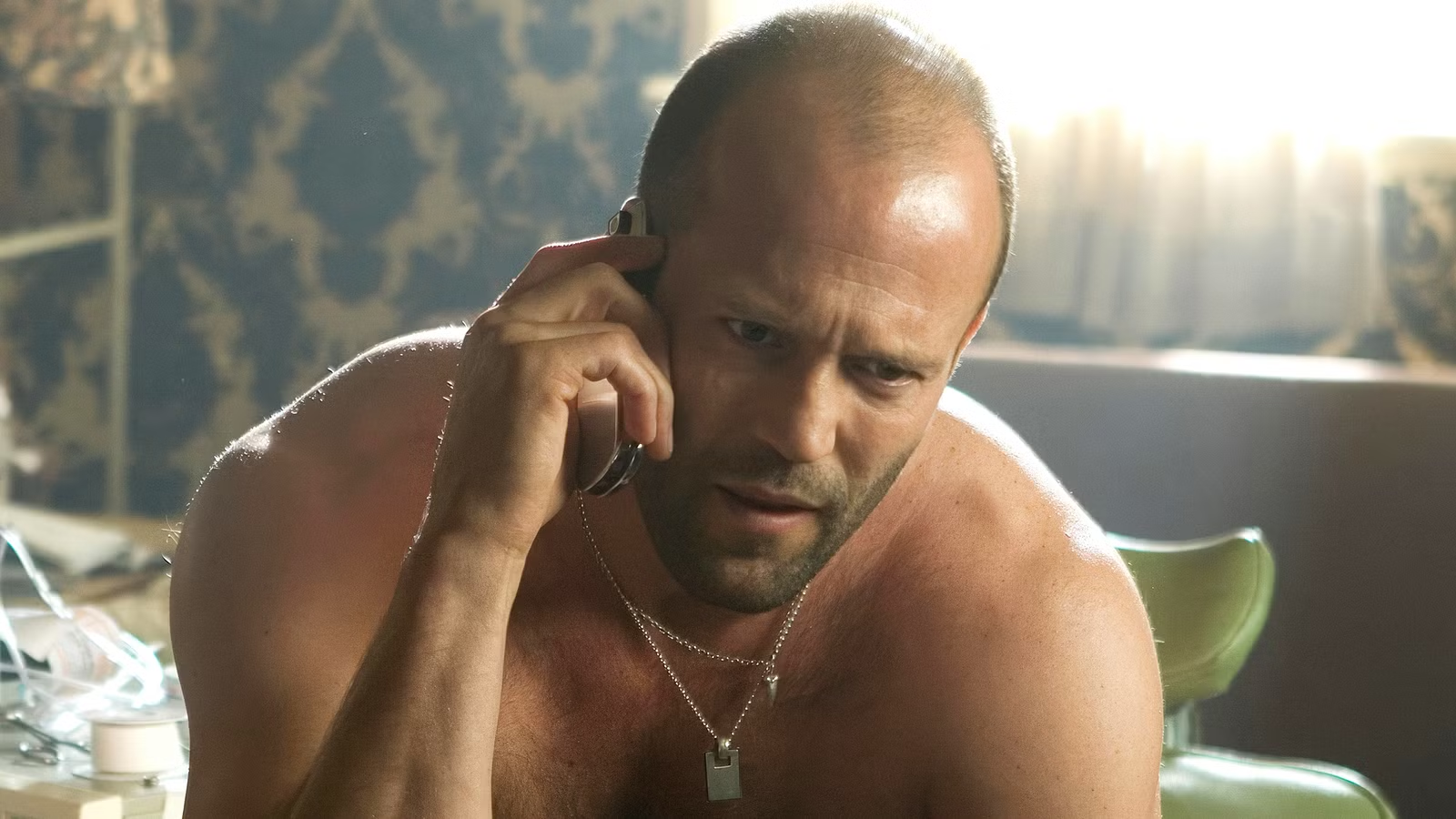
One of his earliest and most beloved action hits turns 20 this year. The movie is currently streaming on Peacock in the United States, but it won’t hang around on the streamer for much longer. The film in question was directed by Mark Neveldine and Brian Taylor, who’ve since split up. It stood out in the crowd for the filmmakers’ energetic aesthetic and Statham’s committed performance as an assassin who must constantly keep his adrenalin up or risk death. It also featured Amy Smart and Dwight Yoakam in supporting roles, and was successful enough to spawn a sequel.
We’re talking, of course, about Crank. Produced on a reported budget of $12 million, the film grossed more than $40 million worldwide. It now holds a 62% critics’ score and a 71% audience score on the aggregator website Rotten Tomatoes, where the consensus reads, “Crank‘s assaultive style and gleeful depravity may turn off casual action fans, but audiences seeking a strong dose of adrenaline will be thrilled by Jason Statham’s raucous race against mortality.” The movie was followed by a sequel titled Crank: High Voltage, which was released in 2009. The sequel holds a 64% critics’ score on Rotten Tomatoes, but it grossed $34 million worldwide against a reported budget of $13 million. Statham will next star in Viva La Madness, the new film directed by Ritchie and likely set for a 2027 release. Meanwhile, you can check out Crank on Peacock, but keep in mind that it’ll be removed from the platform on June 1. Stay tuned to Collider for more updates.

August 31, 2006
88 minutes

By TeeJay Small
| Published

Consumers of a certain age may have distinct memories of an analog era, before Netflix, Steam, and the App Store shifted every purchase to digital home streaming. Before online retailers were all the rage, GameStop was the premier destination for video games, consoles, and a wide range of Nintendo merchandise. Now, it seems like GameStop is officially preparing to enter the digital era (only about a decade and a half too late,) as Variety reports the business has made a $56 billion bid to acquire eBay. The unsolicited bid has not yet resulted in a sale, though it did drive eBay stock prices up by a margin of 4 percent.
The details of the acquisition are fairly straightforward, if a little unexpected. If and when the sale goes through, GameStop will purchase a 100 percent stake in the online auction outlet, valuing eBay at over $55 billion. Half of the money from the sale will be paid out in cash, and the other half will be covered by GameStop stock shares. The video game retailer also plans to procure a $20 billion loan from TD Bank in order to ensure it has enough cash on hand.
Currently, eBay’s board has expressed that it will “carefully review and consider” the offer, though consumers are a bit skeptical. For now, there’s no word on how the sale would impact either business or if eBay would simply become liquidated as a digital sales outlet for GameStop. If this is the case, GameStop will surely have its work cut out for it, since Steam and other digital game sellers have an insurmountable lead.
Of course, as Variety notes, current GameStop CEO Ryan Cohen has been working tirelessly to bring the corporation into the 21st century. Since taking over in 2021, Cohen has added hundreds of millions in net income, all without taking a salary or any cash bonuses. Instead, Cohen receives most of his pay through stock options, so he’s got a serious vested interest in pumping GameStop stock wherever possible. If anyone is capable of handling this transition, he seems primed for the responsibility.
The major question that hangs over this acquisition is, why eBay? Surely it would be cheaper for GameStop to build its own digital library, or even acquire a lesser-known IP and scale to size. The auctioning and bartering system eBay uses isn’t wholly unique to their platform, and the service has already begun to wane in popularity throughout the 2020s. For now, we’ll just have to wait and see if there’s a larger financial play at hand. And perhaps do so while streaming video games directly from the PlayStation Store.
:max_bytes(150000):strip_icc():format(jpeg)/Daniel-Dae-Kim-Lost-051626-8262c138c53a4a41a1e28a7fa0176d90.jpg)
“As actors, we could say goodbye to each other in those final scenes,” the star recalled in a new interview.
:max_bytes(150000):strip_icc():format(jpeg)/bond-tout-aa6266c443b047b2971c54ec56ed1684.jpg)
Denis Villeneuve’s hunt for a new 007 is heating up.
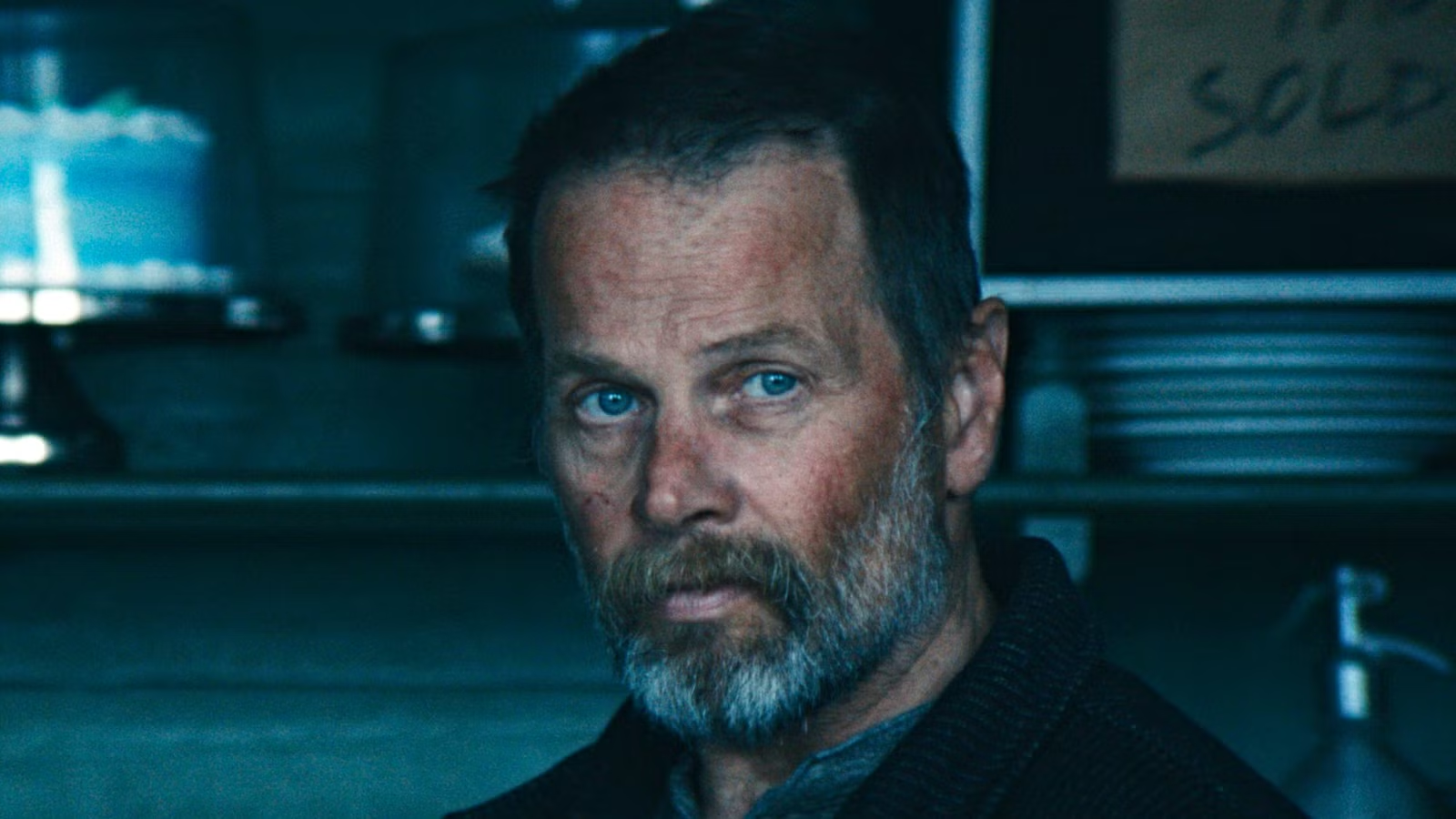

Apple TV has become one of the world’s go-to streaming services for the best sci-fi shows, but the platform also offers a host of other originals for fans of all genres. One of Apple TV’s biggest properties that first drew people to the platform back in 2020 was Ted Lasso, which is finally set to return with Season 4 this summer after going on a three-year hiatus. Another Apple TV series that was on the air even before Ted Lasso was See, which was led by Jason Momoa, who returned to the platform last year to star in one of the biggest passion projects of his career, Chief of War. The show was met with praise from both critics and audiences, hailed as the perfect blend of other historical epics like Shōgun and Game of Thrones.
Last year, Apple TV returned to the sci-fi genre to deliver one of its most memorable hits in Pluribus, which hails from Breaking Bad creator Vince Gilligan. Pluribus is the second-best sci-fi show Apple TV has ever released, following only behind Severance, which stars Adam Scott and is directed by Ben Stiller. After a three-year wait, Severance returned to Apple TV at the start of 2025 for its second season, and the show was picked up for Season 3 on the day of its Season 2 finale. It’s still unclear at this time when Severance Season 3 is going to be released, though — it’s been well over a year since Season 2 concluded, and production on Season 3 seemingly won’t begin until later this summer. Before Severance’s inevitable return, fans can’t stop watching the show, which has led it back into the Apple TV global top 10 in more than 15 countries around the world.
Severance follows a group of employees who work at a mysterious place called Lumon Industries, but they’ve opted to undergo a procedure that completely severs their work lives and personal lives, making the memories of each completely inaccessible to their counterparts. The show may not be hard sci-fi — there are no futuristic spaceships or vaporizing laser guns — but it’s quite dystopian in its version of how it portrays corporate America. Written and created by Dan Erickson, Severance is like a Black Mirror episode come to life over multiple seasons.
Check out the first two seasons of Severance on Apple TV, and stay tuned to Collider for more updates and coverage of Season 3.

February 17, 2022
Apple TV
Dan Erickson, Mark Friedman
Anna Ouyang Moench, Wei-Ning Yu

The scripts for season 2 of Off Campus are already written — so why is there a chance there could be “adjustments” following several surprise book changes?
“We have all eight scripts written,” creator Louisa Levy exclusively told Us Weekly before the show premiered on Wednesday, May 13. “We’ve given [two] to the actors but the writers’ room is done.”
Levy noted that filming would be happening soon.
“We’re getting ready to dive into production and we’ve got a season mapped out,” she noted. “We know what we want to do — and we’ve got some fun things in store. I’ll just say … book fans are going to be really excited.”

Prime Video’s Off Campus follows different love stories at Briar U — but which couples end up together in the books? Based on the Off Campus book series by Elle Kennedy, the show follows an elite ice hockey team — and the women in their lives — as they “grapple with love, heartbreak, and self-discovery […]
While the scripts have been completed, Levy didn’t rule out changes, adding, “They’re written. It doesn’t mean that we can’t make adjustments. But we do have the plan, we have the map [for the season]. But I’m pretty sure that fans are going to be really excited about it.”
Based on the Off Campus book series by Elle Kennedy, the show follows an elite ice hockey team and the women in their lives as they “grapple with love, heartbreak and self-discovery — forging deep friendships and enduring bonds while navigating the complexities that come with transitioning into adulthood,” read the official synopsis.
Hannah (Ella Bright) and Garrett’s (Belmont Cameli) love story took center stage in season 1 — with several key moments from their book, The Deal, swapped for an updated version. At the same time, the show set up Allie (Mika Abdalla) and Dean (Stephen Kalyn) as the next possible leads despite them being featured in the third book in the series.
“It’s definitely great to have the blueprint of this fabulous book series to start with, but adapting for a TV show is a little bit different,” Levy told Us. “We need to keep the audience’s focus in a different way.”
Levy broke down the approach from page to screen.


“We have a lot of stories told in different ways. We have eight episodes instead of the whole book,” she noted. “So we really started with the things that were super nonnegotiable — that without those things it wouldn’t be Off Campus.”
She continued: “From there, we added as many of the book moments as we could. We dropped them in like Easter eggs, and we just really spent time taking one’s inside character and externalizing them.”
Off Campus is currently streaming on Prime Video.

By Robert Scucci
| Published

Have you ever wondered why everybody in The Simpsons is yellow? There are some fun theories out there, like the entire town of Springfield suffers from radiation poisoning, or that Homer is yellow because of cirrhosis due to drinking heavily. But in order for those theories to work, we need to ask ourselves why all the cousin-marrying residents of Shelbyville are also yellow, and why Homer’s alcoholism would make the rest of his family yellow. The real reason The Simpsons are yellow is actually the result of a brilliant hunch from Georgie Kovacs Peluce, one of the colorists over at Klasky Csupo.
Originally, The Simpsons shorts were going to be black and white, until the fledgling animation studio told Simpsons producer James L. Brooks they would mock up some colored character designs free of charge. There were several iterations and permutations of the characters before they were ever seen on screen, some of which used the traditional peach and tan tones that other animated series use. Peluce had something else in mind, and took it upon herself to design the characters with yellow skin, and, in Marge’s case, blue hair. This initial concept was met with pushback for looking “freakish” by some reps at Gracie Films, Brooks’ production company, but Brooks, Groening, and some of their associates fell in love with it because they knew it would pique viewer curiosity.

It’s hard to imagine a world in which The Simpsons didn’t exist, but the world wasn’t always like that. Back in 1987, a few short years before Simpsons mania conquered the world, the “nuclear” family was nothing more than a rush job by creator Matt Groening, who was approached by James L. Brooks to produce a show based on his Life in Hell comics, an intellectual property that the cartoonist didn’t feel comfortable selling the rights to. Instead, he quickly whipped up a cartoon family based on his own, pitched The Simpsons to Brooks, and we’d first meet Homer, Marge, Bart, Lisa, and Maggie through short-form animated skits on The Tracey Ullman Show.
Groening, being totally inexperienced in television at this point in his career, figured that his drawings would be animated in black and white, but the animation studio behind the shorts, Klasky Csupo, had something else in mind. According to Stupid TV, Be More Funny: How the Golden Era of the Simpsons Changed Television – and America – Forever, it was the animation studio that encouraged The Simpsons shorts to be colored in the first place. They were asked to animate everything in black and white as a cost-cutting measure, until Gabor Csupo insisted on trying colored versions as well, offering to do the extra work for free.

Several iterations of the Simpson family were mocked up, but one version from Georgie Kovacs Peluce stuck out more than the rest. Georgie’s design involved yellow skin and blue hair, something that “didn’t look like anything that had come before,” and the design won over Brooks and Groening. The logic was simple: while people were channel surfing, they’d feel more inclined to stop dead in their tracks if they saw a cartoon family that looked so unique.
Back in those days, home viewers didn’t have a lot of options, often switching back and forth between ABC, NBC, CBS, and the new and struggling Fox network. In essence, the desired reaction would involve somebody watching one of the other networks flipping through the channels during a commercial break, catching a glimpse of the Simpson family, saying “what the hell is this?” and ending up watching the whole short.

Peluce’s instinct paid off because that’s exactly what happened, and it was only a matter of time before The Simpsons took the nation by storm, eventually becoming the longest-running animated show in television history. And to think, we almost got a black-and-white version that probably would have been squashed before anybody even knew who they were.
The Simpsons can be streamed on Disney+.







BloFin War of Whales 2026 Grand Prix opens registration for $5M trading championship
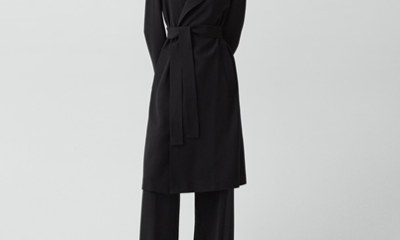

Weekend Open Thread: Theory – Corporette.com


Coffee Break: Travel Steam Iron


E-Estate Announces 1 Year Live: Washington DC Summit as Real Estate Tokenization Enters Its Next Phase


What to Know Before Buying a Curling Wand or Curling Iron


What to expect when you’re expecting a budget


Auto Enthusiast Carves Functional Two-Stroke Engine from Solid Metal


Tech Moves: Microsoft AI leader jumps to OpenAI; former AI2 exec joins Meta; and more


GM Agrees To Pay $12.75 Million To Settle California Lawsuit Over Misuse Of Customers’ Driving Data


CZ says US crypto rivals tried to block Trump pardon

GM agrees to $12.75M California settlement over sale of drivers’ data
Bitcoin Suisse expands with Digital Asset License and Investment Business Act Registration Approval in Bermuda


Pakistan to enter Chinese capital market as war inflation bites


Google’s Gemini AI Predicts Incredible Solana Price by the End of 2026


Bitcoin Suisse expands with Digital Asset License and Investment Business Act Registration Approval in Bermuda


Sky News Presenter Says Keir Starmer Is Not Waving But Drowning


H&R Real Estate Investment Trust (HR.UN:CA) Q1 2026 Earnings Call Transcript


Amazon Sundays: Spring Glassware & Vases


Google reimburses Register sources who were victims of API fraud
Prime Video’s Forgotten but Brilliant 2-Part Horror Anthology Is a Perfect Binge


You must be logged in to post a comment Login