Connect with us

NewsBeat

Descendant of Echo’s founder retraces his footsteps

Published

on

Descendant of Echo's founder retraces his footsteps

“It’s been a bit of a pilgrimage,” said Carolynne Frost, from Shepparton in Victoria. “I just feel it is important for my family to understand what he did.”

Carolynne Frost, from Victoria in Australia, visiting the Echo's former office in Priestgate, Darlington, where her great-great-grandfather started the paper in 1870Carolynne Frost, from Victoria in Australia, visiting the Echo’s former office in Priestgate, Darlington, where her great-great-grandfather started the paper in 1870

Bell’s legacy

John Hyslop Bell, a Scotsman from Dumfries, was invited to Darlington in 1869 by the Pease family, who for several years had endured virulent attacks from the weekly newspaper, the Darlington & Stockton Times, which was owned by their implacable opponent, Henry King Spark.

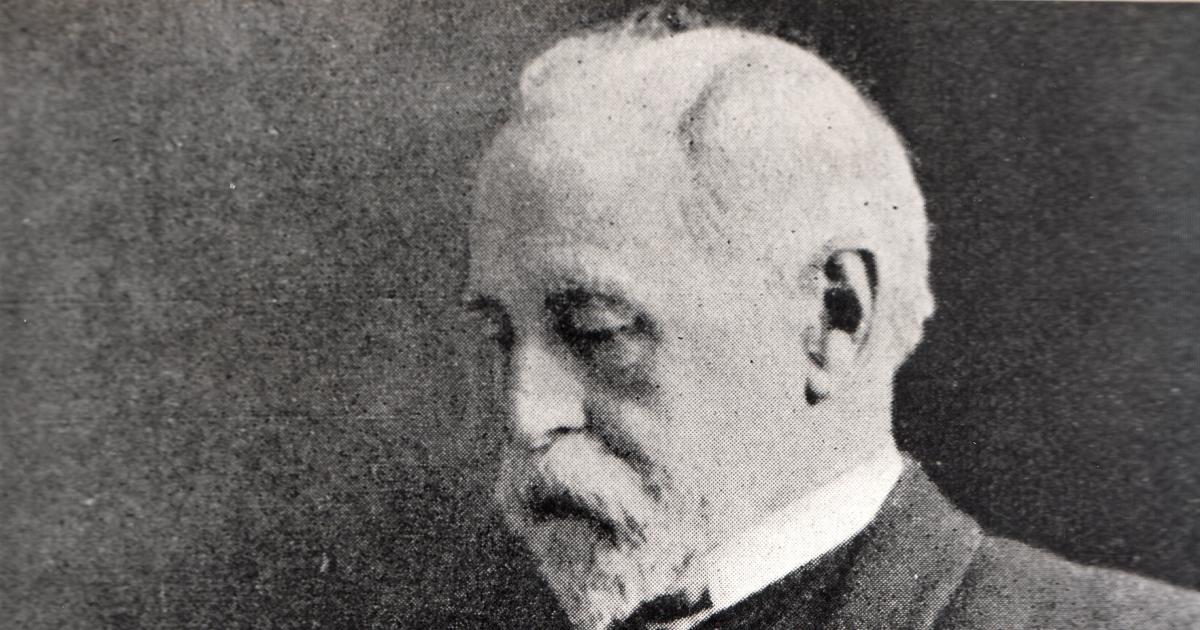
John Hyslop Bell, the founding proprietor of The Northern Echo

The Peases tasked Mr Bell with setting up a daily regional newspaper that would blow the little local weekly out of the water.

Mr Bell was one of the leading newspapermen in the North East, having worked as a Parliamentary reporter in London in his youth before joining a paper in Sunderland in 1855. It had merged with other Liberal papers to form the South Durham & Cleveland Mercury, based in Hartlepool, which he edited and co-owned.

Advertisement

This experience was vital to the Peases, as was his politics – they wanted their new paper to promote their Liberal views.

The corner of Priestgate and Crown Street in Darlington where Mr Bell set up the Echo in a former boot and shoelace factoryThe corner of Priestgate and Crown Street in Darlington where Mr Bell set up the Echo in a former boot and shoelace factory

Mr Bell set the paper up in an old boot and shoe lace factory on the corner of Priestgate and Crown Street, publishing its first edition on January 1, 1870.

Stead on board

His biggest move, though, came in April 1871 when he discovered a 22-year-old from Embleton with a moral fire burning in his belly and he appointed him as the paper’s second editor. This was WT Stead, whose frenetic energy made the new paper the voice of the Durham coalfield and gave it an international reputation – the government of Bulgaria passed a vote of thanks to it.

William Thomas Stead.

Stead went on to, in controversial circumstances, play a major role in getting the 1885 Criminal Law (Amendment) Act passed which raised the age of consent for girls from 13 to 16 and is regarded as the world’s first child protection piece of legislation. Stead, of course, was the most famous British person to die when the Titanic went down in 1912 as he was sailing to New York to address a peace conference with the US president.

Advertisement

The former shoelace factory in Priestgate, Darlington, in which the Echo was first published on January 1, 1870The former shoelace factory in Priestgate, Darlington, in which the Echo was first published on January 1, 1870

It is through Stead that we learn that Mr Bell was more than just the proprietor of the paper in its early days.

End of an era

Bell remained in charge of the paper until he suddenly quit in 1889, probably because the Peases, like the Liberal Party, were bitterly divided over Irish Home Rule.

He then seems to have fallen on hard times because in 1894 an appeal went out to Liberals to raise £3,000 (worth about £350,000 in today’s values, according to the Bank of England’s Inflation Calculator) for him in recognition of his services to the party.

Many leading Liberals, including the Peases, donated, spurred on by Stead, who wrote a long piece in his magazine, the Review of Reviews, about Mr Bell’s attributes.

Advertisement

Stead said that Mr Bell “never forgot that a newspaper, even though a little one, must be a fighter”.

He said: “Mr Bell has always used his pen and his paper to promote the cause of labour, the cause of peace, and the case of woman.” (This must refer to how, in its earliest editions, the Echo supported women getting the vote in Parliamentary elections.)

And Stead added: “True to his creed, Mr Bell refused to make his newspaper a tout for the tipster and the gambler, and for many years The Northern Echo shared with the Leeds Mercury the distinction of being the only organs which refused to publish the odds on the racecourse.”

John Hyslop Bell, founder and proprietor of The Northern Echo from 1869 to 1889. The maiden name of his mother, Margaret, was Hyslop

Later years

After giving up on newspapers, Mr Bell and his wife, Alice, and their six children, lived in Seaton Carew where he became a Justice of the Peace.

Advertisement

In 1894, he toured India on behalf of the Purity Association advocating against prostitution, and in 1897 he returned and become the coroner for Stockton. This led to him in 1914 conducting the inquests into the 138 people killed when three German warships unexpectedly bombed Hartlepool at the start of the First World War.

Bombardment of Hartlepool – bombed buildings in 1914.

Mr Bell retired in 1919 and died, aged 88, in his home – called St Fillians – in Stockton. He was buried in Darlington’s West Cemetery, and Carolynne, his great-great-grand-daughter, visited his grave.

She also went in search of his son, her great-grandfather, Ernest Hyslop Bell, who is also buried there.

Carolynne Frost, from Victoria in Australia, visiting the Echo’s former office in Priestgate, Darlington, where her great-grea-grandfather started the paper in 1870

Ernest was born in Darlington in 1875. He attended Barnard Castle School (Carolynne went for a look at that) but really rose to prominence in the 1920s due to a legal case that is still discussed today.

Advertisement

Ernest was a senior figure in Barclays Bank which, in 1923, invested in Lever Brothers to help the soap manufacturers start buying palm oil from Nigeria. Ernest left the bank to head up the new operation which quickly diversified into wider trading.

In 1929, Lever Brothers (now called Unilever) merged their African operations and offered Ernest a massive £30,000 “golden parachute” to leave.

However, the company then discovered that Ernest had been privately speculating in a cocoa cartel in Nigeria – a line of trade Levers were also involved in – and so withdrew the parachute.

The case came to court, Ernest arguing that he would never have invested his own money in this way if he knew Levers would object, and Levers counter-arguing that his cartel could have been operating against their interests.

Advertisement

Eventually, in 1931, the House of Lords decided that Ernest was due his money. Today, Bell v Lever Bros is still regarded as an important contract law case that helps define the concept of “common mistake”.

With his settlement, Ernest bought an agricultural estate in Suffolk.

He died in Kirkbymoorside in 1941 and was buried in West Cemetery.

His son, John, served on minesweepers in the Second World War and then, in 1949, emigrated to Australia, taking his nine-year-old son, Antony, with him.

Advertisement

Antony, now 88, is Carolynne’s father, and she will be reporting her findings from Durham back to him.

At least one mystery remains. In Ernest’s later years, after his first wife had died, he remarried Clarissa Hogg, who was much younger than him. They didn’t have any children and, after more than 60 years as a widow, she is believed to have died in Darlington as recently as 2006 – can anyone tell us anything about her?

ANOTHER mystery: where was John Hyslop Bell’s house in Stockton? His obituary says it was called “St Fillians” but, knowing what journalists are like when it comes to accuracy, it could have been “St Fillans”.

Fillan was a 6th Century Irish missionary who travelled to Scotland to convert the heathens to Christianity. He became known as St Fillan the Stammerer and today there is a village called St Fillans on the banks of Loch Earn in Perthshire.

Advertisement

Is this how Mr Bell’s Stockton home got its name?

Source link

Advertisement
Continue Reading
Click to comment

You must be logged in to post a comment Login

Leave a Reply

NewsBeat

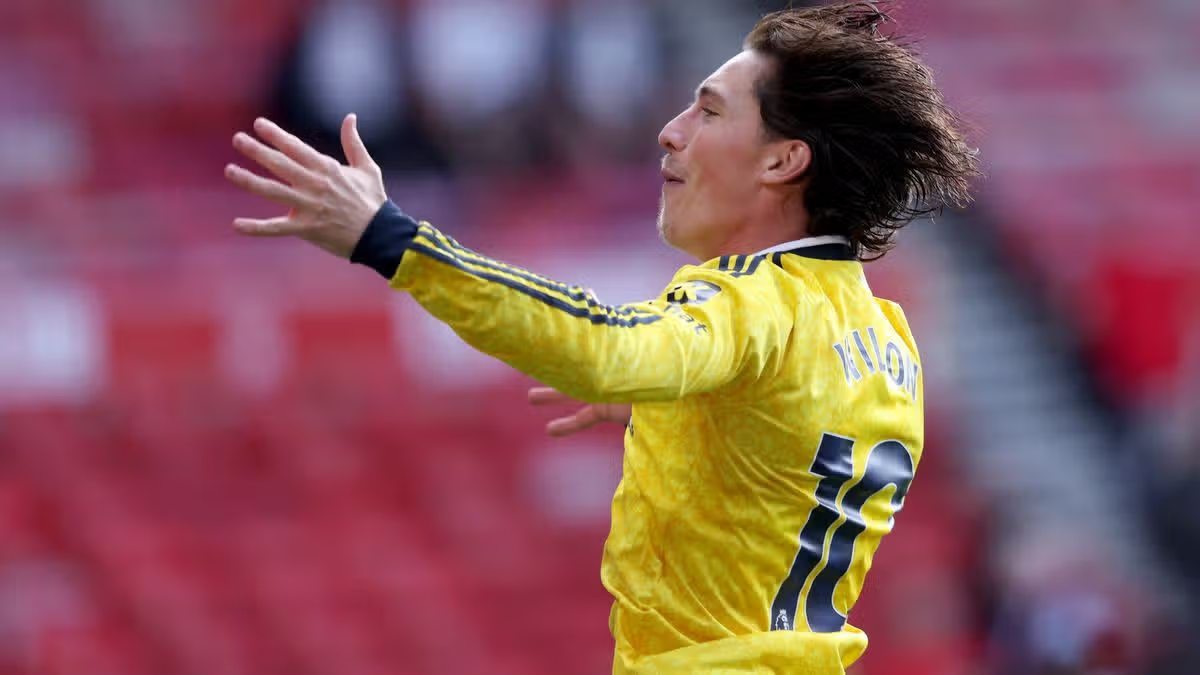
Transfer news LIVE: Arsenal FC get huge Alvarez boost; Man Utd done deal; Chelsea target; Liverpool latest

Published

on

Transfer news LIVE: Arsenal FC get huge Alvarez boost; Man Utd done deal; Chelsea target; Liverpool latest

The summer window is set for a thrilling finale as Arsenal, Chelsea, Manchester United, Liverpool and Tottenham all push for some major signings during the final week. Arsenal have been given a huge new boost over Julian Alvarez, who may now be open to a Premier League return as the Gunners reportedly plot an offer that would see Viktor Gyokeres head to Atletico Madrid. Arsenal also remain interested in Victor Osimhen, having received a fresh update regarding Kenan Yildiz.

Source link

Continue Reading

NewsBeat

Irreverent, funny and powerful, Lewis Capaldi is finally back in Manchester

Published

on

Manchester Evening News

Lewis Capaldi’s 5-star Wythenshawe Park debut saw a pitch-perfect 16-song set list featured all the favourites, including Someone You Loved, Grace, Forget Me, Heavenly Kind of State of Mind and Hollywood

With his trademark irreverent humour and powerful vocals, Lewis Capaldi has finally made his Wythenshawe Park debut and quickly proved his show was worth the three-year wait.

Advertisement

Telling the crowd it was ‘great to be back’ in Manchester, the Glaswegian singer-songwriter’s set offered up all the tracks fans had turned out to see, bouncing from old classics to his newest offerings. The pitch-perfect 16-song set list featured all the favourites from his two albums and handful of EPs, including Someone You Loved, Grace, Forget Me, Heavenly Kind of State of Mind and Hollywood.

Between tracks, Capaldi ribbed the crowd and, in his typical fashion, took the piss out of himself. He declared his song catalogue ‘the perfect soundtrack for being depressed to’ – and when you take it at lyric level alone – you can perhaps be forgiven for agreeing with him.

Click here for the latest on Manchester’s food & drink scene, gigs and more in our CityLife newsletter

One of his songs is literally about his death, after all.

Advertisement

But Capaldi’s seemingly happy go lucky nature, always laughing, always joking, often at his own expense, means you can’t help but feel positive about life when listening to him. And this set the tone for his entire show as he headlined Saturday’s Live from Wythenshawe Park show.

No song embodies this quite as perfectly as Capaldi’s defiant 2025 hit Survive, a personal favourite I’ve returned to time and time again when times have been tough and which came as part of his encore. When you’re standing among tens of thousands of people bellowing out the lyrics ‘I swear to God I’ll survive, if it kills me to’, you can’t help but feel like, with the right level of stubbornness, you can take on the world.

The theme of the song was reflected in some of the night’s serious notes as well, though, with Capaldi speaking of his struggles with his mental and physical health. He had to cancel a previous performance in Wythenshawe Park in 2023, along with other tour dates, because of this.

The decision followed an emotional performance at the Glastonbury Festival in June 2023 where he struggled with his voice and experienced increased Tourette’s syndrome tics.

Advertisement

He told the Manchester crowd: “I had to take a break from music a couple of years ago because mentally and physically I wasn’t doing very well, but I’m really glad to say I feel great now and I feel happy. So, feeling great now, but unfortunately this is a song about my death, so please enjoy.”

Before launching into the emotional track On The Day That I Die.

Capaldi opened his set by promising gig-goers a ‘fun’ night before going on to quite resoundingly deliver. He perfectly blended the best of his music with a level of entertainment and interaction few performers manage quite so effortlessly.

At one point, lights cut to a dark and sombre close up of Capaldi performing an intense guitar riff, before, with his characteristic cheekiness, he stuck his tongue out at the camera.

Advertisement

Ever the master of crowd engagement, he gave fans plenty of opportunities to belt out his tracks with him, regularly turning the mic towards them – a challenge everyone present happily took up with gusto. At one point, he also dipped into a few verses of Katy Perry’s Teenage Dream, delivering a version that was, frankly, better than the original.

It seemed like every Scot in Manchester had turned out to see and support their countryman, with Scottish accents and flags in abundance in the crowd. Cries of ‘Glasgow’ echoed across the field at regular intervals.

The gig kicked off two support acts to warm up gig-goers. Quiet Man played a thoughtful set, before wowing the audience with a beautiful rendition of One Day Like This by Greater Manchester’s-own Elbow, acknowledging band’s the local significance.

Manchester-favourite Loyle Carner was up next to rev up the crowd with his unique mixture of hiphop and poetic rap. Touching moments saw the London-born singer perform a track he sings to his children at bedtime and speak on emotional openness and his desire to be a better father to his son.

Advertisement

As the night came to the end, Capaldi thanked the ‘beautiful’ Manchester audience before leaving fans with something to get excited about – the promise of new music to come. With three gigs to go, he said he would be back in the studio at the end of his tour working up a ‘brand new album’.

Source link

Continue Reading

NewsBeat

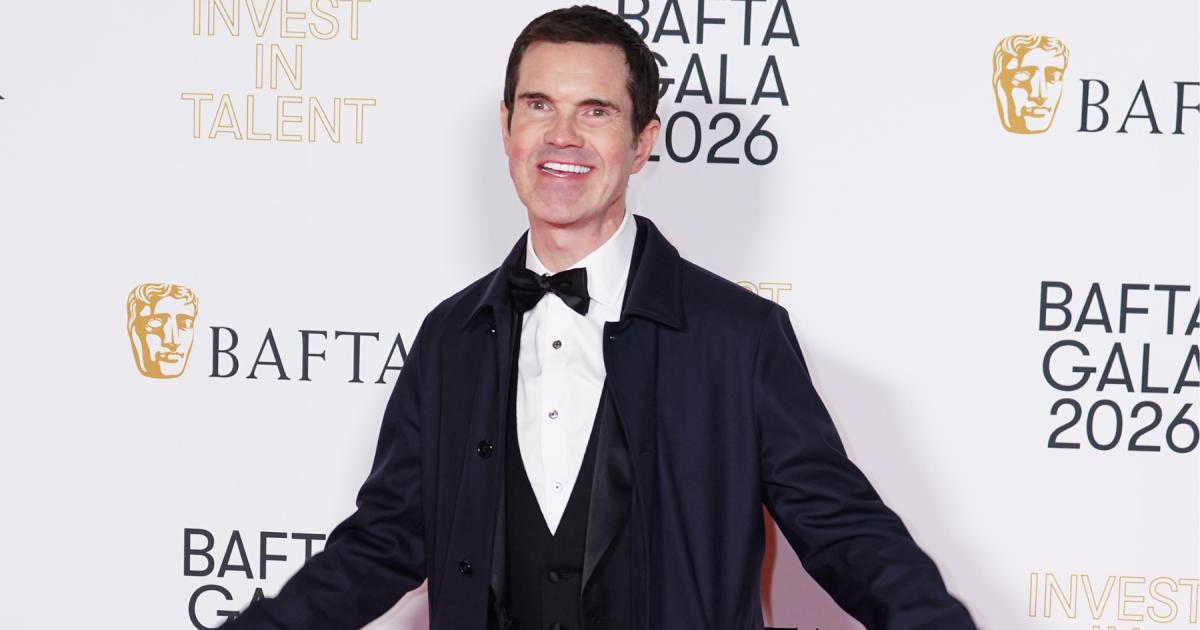
Top Gear reboot may be hosted by Jimmy Carr, reports

Published

on

Top Gear reboot may be hosted by Jimmy Carr, reports

The BBC show was originally hosted by Jeremy Clarkson, James May and Richard Hammond until their departure in 2015.

Hosting duties for the motoring show were later taken over by Freddie Flintoff, Paddy McGuinness, and Chris Harris.

However, in 2022, Flintoff was involved in a serious crash while filming for Top Gear, resulting in a pause in production.

Advertisement

In recent months, it has been reported that the BBC has plans to bring Top Gear back, and now it has been suggested that Carr will be the first host.

Jimmy Carr in talks to host new Top Gear, reports

Comedian Carr is said to be in talks about the new series of the car show, according to The Sun.

A source told the publication, “Production has their sights set on Jimmy; he’s the ideal host to take the show into a new era and revive Top Gear.

“He’s keen to work on something mainstream after spending so many years fronting comedy panel shows.

Advertisement

“He’s a real car buff, too, so it would be a passion project.

“Casting directors are now working to find talent to join him in the new-look ensemble.

“Bosses are considering a woman and online celebrities to complement Jimmy.”

Newsquest has reached out to the BBC for a comment.

Despite The Sun’s reports, the BBC previously told Newsquest that Top Gear will remain off air, at least for now.

Advertisement

Recommended Reading


A BBC Studios spokesperson told Newsquest: “The Top Gear brand continues to thrive across digital, publishing, and global formats.

“As a commercial producer, we’re always exploring new ways to develop the brand and reach audiences by leveraging such iconic IP – but there’s no update on the TV show at this time.”

Would you like to see Top Gear return to screens? Let us know in the comments.

Advertisement

Source link

Continue Reading

NewsBeat

The American Dream lands north of the border: US citizens head to Scotland in their droves after being won over by everything from the lifestyle to ‘warm people’… and a chance to find love

Published

on

Scottish football fans made their mark on American singles as they partied in Boston during this year's World Cup

Scottish football fans made a splash in America as the friendly Tartan Army travelled between cities – drinking them dry – before their early exit from this year’s World Cup.

Their good humour and sense of fun has led many to ponder whether the grass is greener on the other side of the Atlantic.

Fans in Boston conquered the hearts of the city’s women, even leading to some proclaiming that their ‘faith in men was restored’ after partying with their kilt-clad visitors late into the night.

And while Scotland is known for its Irn-Bru, bagpipes and kilts, its appeal stretches far wider than these symbols.

Advertisement

Americans who made the move have revealed the whimsy and wonder of the land whose national animal is a mythological monster. 

But there are also practical differences which have led many of them to call it the ‘best decision of their lives’.

From the community feel of the pubs to the unrivalled sense of humour and sharp tongue of the locals, they became infatuated by the warmth of the Scots.

However, Americans also warned of the culture shocks, such as differences in the weather and unique Scottish phrases – or even the number of roundabouts.

Advertisement

Scottish football fans made their mark on American singles as they partied in Boston during this year’s World Cup

Jason Sorensen is an American who moved to Scotland in 2025 and now makes YouTube videos about living in the Scottish Highlands

Jason Sorensen is an American who moved to Scotland in 2025 and now makes YouTube videos about living in the Scottish Highlands

Mother-of-three Lua Rodriguez Murphy, who married a Scot after meeting at the hotel she worked at in Las Vegas, visits a scenic lookout in the Scottish Highlands

Mother-of-three Lua Rodriguez Murphy, who married a Scot after meeting at the hotel she worked at in Las Vegas, visits a scenic lookout in the Scottish Highlands

Advertisement

Kath, an American content creator, reacted to some of the online commentary about Scottish people being in Boston for the World Cup.

She posts videos on her account @Kath4994675 and said she moved to Scotland after university having never visited before and not knowing anyone.

Kath said: ‘Americans experiencing Scottish people for the first time is so funny to me, like people in Boston saying “let’s keep their plane tickets so they are not allowed to leave”.

‘Like, yeah I know how awesome they are, that is why I moved over here and never looked back.

Advertisement

‘Everyone is like: “Kath, when are you moving home?”, and I’m not moving back to the States. I am good right here in Scotland.’

She said one of the surprising culture shocks was the amount of roundabouts which are on the roads compared to in the US.

Kath explained: ‘I did a lot of driving this weekend. More so than I have ever done since moving to Scotland and I was absolutely astonished by how many roundabouts there are.

‘One day driving around Edinburgh, Dunfermline, there were 20-plus roundabouts. Insane. Back home, where I’m from in the States, I drive on a roundabout maybe once a month. Here they are every five seconds. Its crazy.’

Advertisement

And rather than bemoaning the Scottish weather, Kath said she likes living somewhere ‘where the weather sucks for the majority of the year’.

She added: ‘Because then you wake up on that odd spring, summer day, really rare, and it is gorgeous outside.

‘You feel giddy, you feel childlike wonder, awe, it feels magical. You are just not going to get that feeling living in Miami.’

Another creator called Caelan shared some of his favourite Scottish phrases, as well as those which don’t sound right with an American voice.

Advertisement
Content creator Kath moved from the US to Scotland after finishing university and says she has 'never looked back'

Content creator Kath moved from the US to Scotland after finishing university and says she has ‘never looked back’

Caelan shared some Scottish phrases which he said do not sound right in his American accent

Caelan shared some Scottish phrases which he said do not sound right in his American accent

Caelan grew up in the US but is half-Scottish and half-American – and he has now recently moved to Scotland.

He shared one of his favourite Scottish phrases: ‘Where are yous off to the now’.

Advertisement

Caelan said: ‘It translates to where are you off to now, but I love that you in the sentence is unnecessarily made plural and “the” is unnecessarily put in front of “now.” It adds that extra level of whimsy or Scottishness.’

In another video, he shared some of the Scottish phrases which he said do not sound right in an American accent.

He said: ‘Cannae be bothered, Dinnae ken, any phrase which is an English word that is written in Scots, I probably shouldn’t say. But I love saying them. I just wanted to feel included.

‘I definitely do say scran, or skint, or grim, I think it is ok because it is already a word we use in the States.’

Advertisement

Kourtnee Monroe, an American model living in Scotland, has also compiled a list of culture shocks which she described as a New Yorker living there.

She said: ‘Everything closes early (especially Sundays). 24hr Tesco is great but lots of businesses close by 6pm.

‘As a New Yorker, it’s wild not being able to pop out at midnight for snacks. You won’t believe how many places I’ve been to find out they were closed for the night.’

Ms Monroe added: ‘Kids have so much freedom! This one genuinely shocked me. You will see young children walking home alone or playing outside in the dark.

Advertisement

‘That level of safety and independence? Never see that in America.’

And, like many Americans, Ms Monroe pointed out the benefits of paid holidays.

She said: ‘Speaking of freedom, paid holiday is standard, not a luxury in Scotland. In the US, zero paid vacation is still legal. In Scotland, people use their time off without guilt.

But in another video, she admitted that she missed the ‘Mind your business mindset’ of New Yorkers.

Advertisement

Ms Monroe said: ‘You can see the most unhinged things on Earth in the city and most people just notice and keep it moving.

‘Nobody misses a step. It’s a collective agreement to just mind your business (unless there’s danger of course.’

One of the biggest differences between the two countries was the amount of roundabouts in Scotland, content creator Kath said

One of the biggest differences between the two countries was the amount of roundabouts in Scotland, content creator Kath said

American model Kourtnee Monroe traded her life in bustling New York City to move to Scotland

American model Kourtnee Monroe traded her life in bustling New York City to move to Scotland

Advertisement

Applications for British citizenship by US residents reached a record of 9,300 last year, more than double the figure of those moving just four years ago.

As Donald Trump remains a polarising figure to some, a survey by property technology firm Goodlord has found that a disproportionate number of the newcomers shunning Trump’s America are settling in the homeland of his own Scottish mother, Mary Anne MacLeod.

Author and former comedian Christian Dean Lange, 63, was born in Montana and has lived in Los Angeles for the past 25 years.

But he decided to move to Scotland with his Scottish-born wife Lesley this year. The two met when she was general manager of a nightclub in the States.

Advertisement

Christian said: ‘It was last year that I got the lawyers in Glasgow and started the process.

‘It was quite a few factors that made me quit America. My wife had moved back here because she got homesick and couldn’t put up with the politics over there anymore.

‘And I was still working, so I stayed because that’s where all my work was. And then once I retired, it was always my plan to move here. It just happened a little bit sooner than I had thought.’

Christian admits that he also got fed up with American politics.

Advertisement

He explained: ‘I chose Scotland over America because it’s a lot less angry here. It’s gotten so nasty in America and I was living in Florida for the past few years, which is very Trump centric.

‘I was the only one in my neighbourhood that didn’t have a Trump sign in their yard during the election. There is a big gun culture and I’d even joke as part of my set that I was arrested once for not having a gun in my car.

‘In Tennessee, the views are also pretty extreme.’ 

Christian Dean Lange moved to Scotland with his wife from Los Angeles, California, this year

Christian Dean Lange moved to Scotland with his wife from Los Angeles, California, this year

Advertisement
The author cited politics, retirement and the spirit of the Scottish people as reasons for moving

The author cited politics, retirement and the spirit of the Scottish people as reasons for moving

Christian had considered moving elsewhere but Scotland won his heart because the quality of life was better – and cheaper.

He said: ‘We went to New Zealand because I had done a tour there and loved it. It’s a beautiful country. But it’s just so insanely expensive to immigrate there.

‘The cost of living is cheaper here in Scotland, a more attractive prospect than elsewhere in the world. We also lived in Ecuador for a couple of years but, you know, it’s really the quality of life here in Scotland which is just fantastic.

Advertisement

‘America has become such a hustle society. Everybody seems to want to turn their hobbies into jobs and then have side hustles. And because things have gotten so expensive, nobody can really afford to not work all the time.

‘I understand I’m retired, and that makes things a bit different. But even when I wasn’t retired, I still had to work more than I would have here.

‘And the scones are so much better here too.

‘I just love the fact that there’s so many little, coffee shops and cafes that you can go to and it’s just so, so much nicer.

Advertisement

‘The pubs here are so completely different than bars in America. You go to a bar in America to get drunk. And here it’s more of a community thing.’

Healthcare was also a big factor in his decision-making process.

Christian said: ‘It also was cheaper for me to put a few grand into the NHS to come here. I had to do that as part of the process.

‘So the last whole year I lived in America with insurance was 2024 and it was $895 a month for health insurance. Americans complain about the long waits you have here in Britain to see a doctor. Well, you have the same waiting in America. You just have to pay much more for it.

Advertisement

‘When I was here last year, going through the lawyers and getting everything lined up to immigrate here, I had to go into the hospital. I had a little chest problem, and they couldn’t have been nicer.

‘And it’s still hard for me to go into the surgery here and and not show an ID. It’s just so much easier. You’ve got to pre-pay in America.

‘You got to show ID, you’ve got to show all kinds of different forms of identification.’

It seems a lot of Christian’s friends in the US are envious of his lifestyle in Scotland.

Advertisement

He said: ‘A lot of people saw Scotland during the World Cup too. Scotland was brilliant. A lot of my friends on Facebook sent me messages saying how jealous they are when I post pictures or something.

‘They are going, “oh, you’re so lucky”, but it’s still a process to go through. It’s not, it wasn’t easy.’

The move has helped his writing too, with Christian saying: ‘I have an urban fantasy novel out called In the Play of Shadows which is a lot of Celtic mythology. Scotland is a beautiful place to be. I really don’t want to live anywhere else.

‘I’ve been all over the world. I’ve been to most countries when I was performing, and this is my favourite place on Earth.

Advertisement

‘I was born and raised in Montana, so the weather is very similar. I prefer coolness. So, I mean, it is a little weird that it is August and it appears that summer is over but I like the weather. Rain makes everything green.’

Marketing manager Jason Sorensen said he had a ‘calling’ to emigrate to the UK and ended up settling in Scotland.

He travelled on a skilled worker visa in 2021 and lived in London before moving to Scotland in 2025.

Mr Sorensen traded the bustling and sunny San Francisco Bay for the rugged Scottish Highlands, saying it is the ‘best decision I have ever made’.

Advertisement

He said: ‘From my personal experience, I can hand on heart tell you that the Scots are the warmest, friendliest, nicest, most gregarious people.

‘I have been welcomed more warmly by more people, and had a frankly, far more positive experience here than I had in certain parts of the United States.

‘I love the US, it’s a great country. But there is no question about what you saw with the Tartan army in Boston. That wasn’t an act. That’s how the Scots are, just wonderful human beings who love to have a good time.’

Describing what makes the country attractive for prospective Americans, he agreed that healthcare was a large pull factor.

Advertisement
Jason Sorensen said he felt a 'calling' to emigrate to the UK and ended up settling in Scotland

Jason Sorensen said he felt a ‘calling’ to emigrate to the UK and ended up settling in Scotland

‘If you’re born and raised in the US and you’ve never experienced single-payer healthcare, it’s quite an eye-opener, ‘ he said.

‘It is a significant advantage over the United States.’

The 46-year-old added: ‘There is a different culture regarding firearms.

Advertisement

‘I personally have nothing against firearms, and you can have countries and cultures where firearms are an integral part of the culture. Switzerland is an excellent example.

‘However, the way in which American culture deals with firearms, the numbers speak for themselves. But I believe that speaks to larger societal issues.

‘There is a better attitude towards firearms overall over here.’

Mr Sorensen also criticised the US ‘hustle culture’ and said he preferred the opportunities for work-life balance provided in the UK.

Advertisement

He added: ‘America is the best place in the world to make money and Europe is the best place in the world to spend that money.

‘There is, in my view, a better balance of work and life. Being able to have a life where it’s not just constant grind, grind, grind, grind until there’s nothing left of you.

‘In the UK, you still have to work hard. It’s very important to be a net contributor economically, especially as an immigrant.’

Mr Sorensen said as the world continues to change – with hotter temperatures and technology meaning more people can work from anywhere – Scotland will become an increasingly popular destination for those wishing to leave the US behind.

Advertisement

He said: ‘England and Wales have been absolutely devastated by drought this year.

‘Well, I live in the far north of Scotland where it’s actually been very, very pleasant.

‘We’re on the same latitude as southern Norway here.

‘So as climate bands shift, you’re going to have people looking at where to go to find some buffer against what’s coming over the next 50 years and is already here.

Advertisement

‘And in America alone, there are 2.5million people with some level of Scottish descent. And statistically speaking, some of these people are going to be interested in finding out more about where they come from.

‘If you’re coming from America, American history only goes back realistically to about the middle of the 17th century.

‘Whereas if I leave my house and I walk for 20 minutes, I can be in the middle of a stone circle from the Bronze Age.

‘We don’t have anything like that in America. That just doesn’t exist.

Advertisement

‘And if you’re the type of person that’s searching for deeper meaning, some sort of deeper connection to family, clan, heritage, land, you know, where you come from, where your ancestors come from, then that will draw a lot of people here.’

Lua Rodriguez Murphy, 36, met her Scottish husband while he was holidaying at the hotel she worked at in Las Vegas.

After they got engaged, the couple decided to move in together in Glasgow where they now live with their three children.

Lua Rodriguez Murphy moved from Las Vegas to Glasgow, and has been revealing the biggest 'culture shocks' she has faced since the move in a series of TikTok videos

Lua Rodriguez Murphy moved from Las Vegas to Glasgow, and has been revealing the biggest ‘culture shocks’ she has faced since the move in a series of TikTok videos

Advertisement

Ms Rodriguez Murphy, originally from California, makes candid videos about adjusting to life in Scotland as an American.

Asked what the best thing about living in Scotland was, she said it was ‘hands down, the people.’

She said: ‘Everyone is so chatty, and welcoming and easy to talk to. And so, so funny! Scottish humour truly is something else.’

Ms Rodriguez Murphy also feels that when it comes to education, Scots do it better.

Advertisement

She added: ‘Scotland is a nation where a first-class, world-leading education is accessible to all. I’m grateful that my children will be able to go to college for free.

‘Student debt is so hard to pay off in the US and it really discourages people from pursuing a career because it’s so expensive and the interest in loans are so high.’

However, she believes Americans take the lead when it comes to customer service.

She added: ‘I think Americans go above and beyond when it comes to keeping a customer happy. I also feel Americans are so enthusiastic and great at entertaining.

Advertisement

‘Basketball games, baseball games, pep rallies and entertainment are all so much better back home. They love getting the crowd involved, handing out prizes, doing dance cams, cheerleading and more!

‘Even at the university level, college stadiums are filled to the brim with people watching young athletes play. Which I don’t think is very common here.’

Source link

Advertisement
Continue Reading

NewsBeat

India rescues 2 people from Panama-flagged cargo ship after distress alert

Published

on

Jury says The New York Times defamed Alabama player

NEW DELHI (AP) — A search and rescue operation was underway Sunday off India’s eastern coast after a distress alert and loss of contact with a Panama-flagged ‌vessel carrying 24 crew.

Two crew members from the cargo ship MV Ocean Winner were rescued late Saturday while three ships were deployed to conduct surface searches for the remaining crew members in a joint operation by the Indian Coast Guard and Indian Navy.

The two crew members were undergoing medical treatment while their ranks and identities were being verified, said Sarbananda Sonowal, India’s Minister of Ports, Shipping and Waterways.

MT Aisopos, a commercial vessel in the vicinity, was asked to help search for the ship in distress, which was carrying 20 Chinese nationals, three Myanmar nationals and one Bangladeshi among the crew, the coast guard said.

Advertisement

The cargo ship sank in the Bay of Bengal Saturday about 276 miles (444 kilometers) from the Paradip coast of eastern Odisha state, the Press Trust of India news agency reported.

The ship was carrying iron ore from Paradip Port to China, Sonowal said in a post on X.

Advertisement

Source link

Continue Reading

NewsBeat

Australia thrash Bangladesh in second Test as Starc takes 10 wickets

Published

on

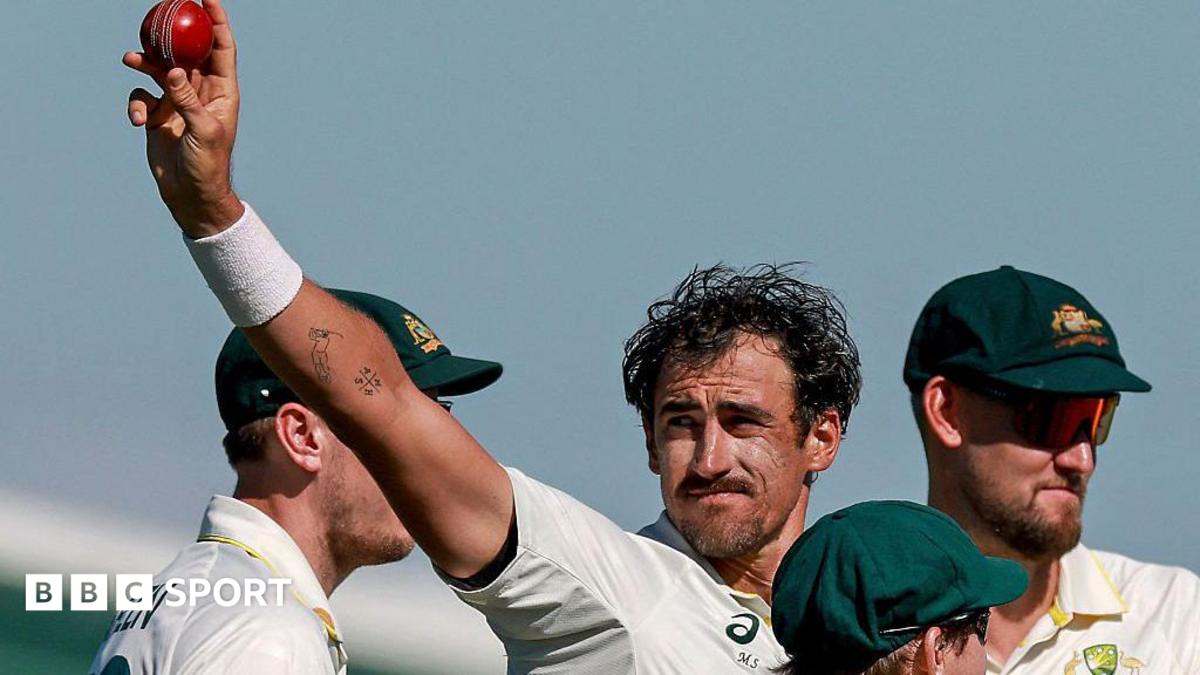
Australia cricketer Mitchell Starc celebrates his 10th wicket in the match by holding the ball up

Second Test, Mackay (day two of five)

Bangladesh 64: Starc 6-12 & 95: Shanto 31; Starc 4-39, Cummins 3-10, Lyon 3-25

Australia 210: Green 62; Shoriful 7-48

Australia win by an innings and 51 runs

Advertisement

Mitchell Starc took 10 wickets in the match as Australia bounced back from last week’s shock defeat by Bangladesh to win the second Test by an innings and 51 runs and draw the series 1-1.

The visitors were skittled for 95 in 38.3 overs with Starc taking four wickets and Nathan Lyons and captain Pat Cummins three each, as Australia wrapped up victory just after tea on the second day at the Great Barrier Reef Arena in Mackay.

Starc finished with match figures of 10-51, following his 6-12 in the first innings as Bangladesh struggled to 64 all out.

Last Sunday’s nine-wicket defeat for the world’s top-ranked side in Darwin was widely seen as one of Test cricket’s greatest upsets.

Advertisement

“A lot of things went right these couple days and a lot of things went wrong last week,” said Cummins, 33, who took 3-10 in the second innings.

“We needed to bounce back, and it was a great couple of days from the lads. I thought everyone was sharp. It was a great start and we didn’t really let up after that.”

Earlier in the day, Australia added 45 runs to their overnight total as they were bowled out for 210 with Cameron Green top scoring with 67 and Lyon adding an unbeaten 32 to give them a first-innings lead of 146.

Left-arm paceman Shoriful Islam was the pick of the bowlers with 7-48.

Advertisement

The visitors’ second innings got off to a poor start, losing both openers inside eight overs as they slumped to 24-3.

They then collapsed in the middle session, struggling to 95-8 by tea before Lyon wrapped up victory by taking the final two wickets in three balls.

“Much better week. We knew we weren’t at our best, or what we expect of ourselves, in Darwin,” said 36-year-old Starc, who was named Player of the Match and Series after taking 12 wickets at an average of 12.08.

“What we expect of ourselves this week is what we got, particularly with the ball and the wicket that aided us with the ball.”

Advertisement

Starc has now moved to 10th on the all-time Test wicket list with 445, 126 shy of Lyon’s haul in sixth place.

Australia next Test series is a three-match tour of world Test champions South Africa in October.

Source link

Advertisement
Continue Reading

NewsBeat

‘A winter run left me dead on a mountainside’

Published

on

'A winter run left me dead on a mountainside'
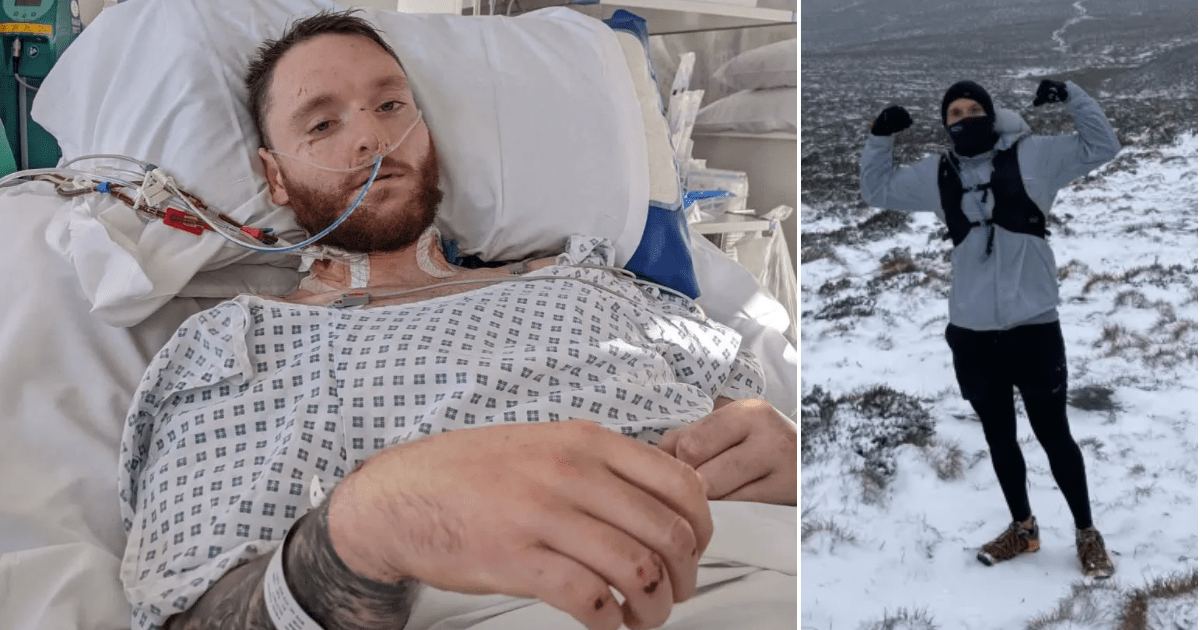
Tommy was fit, healthy and 26 when he started out on his 30-mile run (Picture: Supplied)

Tommy Price remembers nothing of the day he was found face down in the snow on a mountain with no heartbeat.

He doesn’t remember getting dressed in his leggings, jacket, snood and beanie that morning, or running 28 miles of a 30-mile route over Skiddaw and Great Calva in the Lake District.

He doesn’t remember his legs freezing up or trying to skid down a rocky path until his backside bled in 2022.

Tommy was fit, healthy and 26 when he and his friend Max set out to run the legendary fell-running trail the Bob Graham Round in Cumbria on a grey, snowy January morning. A former basketball player and bodybuilder, he was in excellent physical condition and had plenty of mountain running experience when they set off.

Advertisement

‘I can’t remember anything of the run. The mountain rescue doctor said it was like a Word document that doesn’t have autosave when there is a power cut.

‘He thinks I will never remember the day of the accident,’ says Tommy, now 31. His last memory is of parking up in Keswick.

It was 0°C in Cumbria that day, but between minus 15°C and minus 20°C higher up with the wind chill. Tommy and Max had also run through a river, making them much colder, he tells Metro from his home in Huddersfield.

‘Max later told me that as I was running up Blencathra I started dropping to my knees and saying I couldn’t carry on. He kept picking me up and I kept saying I wanted to turn around. That’s when the hypothermia set in. I was delirious.’

Advertisement

As Max ran back and forth trying to keep himself warm while helping his friend, Tommy’s legs stopped working and he started sliding down the mountain, ‘ripping my bum open’. Later, doctors told him he was lucky not to need skin grafts.

Ask Metro


Use AI to go deeper into the stories you care about – powered by Metro and trusted publications.

Advertisement

With their mobile phones out of battery, they were about a mile from a farm when Tommy’s legs seized up and he could go no further. Max wrapped him in an emergency survival bag before running downhill to call 999 and Mountain Rescue.

Tommy on the day he did his run (Picture: Supplied)

‘When they got to me, my survival bag was empty and I was 100 metres up the mountain, face down in the snow. They rolled me over and started doing CPR. Then another responder came and gave me the defibrillator.

‘They gave me three electric shocks and I was in ventricular fibrillation, so I had no heartbeat. My heart wouldn’t work because I was too cold.

‘It was a bit of a shock for them to find a dead person on the mountain. I think they thought they would give me a Snickers and walk me back down.’

With Max kept safe and warm in a rescue van below, Keswick Mountain Rescue Team volunteers Donald Ferguson and Jonny Hume did everything they could to save Tommy.

Advertisement

Team doctor John Ferris later said that becoming so cold before his heart stopped probably helped save Tommy’s life, as the freezing temperatures protected his brain and other organs from permanent damage.

Rescuers carried out manual CPR for an hour and a half before paramedics were able to use a LUCAS machine, which provides mechanical chest compressions, as Tommy was flown by helicopter to the Royal Victoria Infirmary in Newcastle, where life support had been prepared.

As they arrived, the machine ran out of battery and Dr Ferris had to resume manual CPR.

‘I think everybody thought I wasn’t going to make it,’ says Tommy. ‘John Ferris said that in the taxi home from the hospital, after he left me there, he rang Dr Les Gordon, consultant anaesthetist at University Hospitals of Morecambe Bay and team doctor for Langdale and Ambleside Mountain Rescue Team, who said there was a slim chance that I would survive – because nobody survives profound hypothermia.’

Advertisement
everybody thought I wasn’t going to make it,’ says Tommy, who was in an induced coma for five days and spent three weeks in hospital (Picture: Supplied)

Profound hypothermia is a life-threatening medical emergency in which the body’s core temperature falls below around 28°C, causing the body’s vital functions to begin shutting down.

At hospital, Tommy was placed on an ECMO machine, a form of advanced life support that temporarily takes over the function of the heart and lungs by pumping blood outside the body, adding oxygen, removing carbon dioxide and returning the blood to the patient, allowing the organs time to rest and recover.

Meanwhile, Max contacted his friend’s family, who were told he had suffered a cardiac arrest and had been taken to hospital. By the time a police officer arrived at his parents’ home to deliver the news, they were already preparing to travel to Newcastle. They gathered at Tommy’s bedside alongside his brothers, David and Gareth.

‘The doctors told them the risks of ECMO. They said, “It will save his life, but it could also kill him.” It was torture for my family because if I survived, they didn’t know if I would have brain damage,’ explains Tommy.

‘They did a CT scan on the third day to see if I had any blood clots in my brain and there was nothing. The doctor said that was a good sign, but the only way to find out was when I woke up. It was a waiting game.’

Advertisement

He regained consciousness after five days in an induced coma. He doesn’t remember waking up – his earliest memory was of a male nurse feeding him water using a sponge.

A keen runner, Tommy admits he was scared he would never walk again (Picture: Supplied)

‘I had a tube down my throat so my swallow reflex was weird. It was very sore. And I remember my brother David feeding me a grape, but I was sick straight away.’

At first, Tommy assumed he had been in a car crash until his family and Max explained what had happened. There was no brain damage.

‘I was scared that I would never walk again, but I was relieved I had survived. Doctors suggested I might need mobility aids around the house.

’I had nerve damage in my hands and feet so I couldn’t grip or pinch anything.

Advertisement

‘I could just about brush my teeth, but I had no strength in my hands. I couldn’t tie my shoelaces, open a can of pop, turn on the shower or drive. I could use my phone, but it took me a long time to write a text message.

‘It was like being a baby again. I needed a lot of help. My parents didn’t know if I would ever recover.’

The nerve damage, which felt like constant pins and needles, is permanent, although the symptoms have disappeared and he has regained full mobility. The only lasting effect is that his hands become cold much more quickly than before.

After three weeks, Tommy left hospital. Remarkably, just nine months after his heart stopped on the mountainside, he completed the London Marathon in three hours and 10 minutes, raising £10,000 for Keswick Mountain Rescue.

Advertisement

Psychologically, Tommy says he has been left unscarred.

‘I just don’t let it get me down,’ he says matter-of-factly.

Tommy holding his dog Pluto, after he had just finished the London Marathon, nine months after the accident (Picture: Supplied)

‘I look at life positively. It has changed my outlook a little bit. I’m not scared of death. It happens. People don’t believe me when I tell them I’ve died before.’

He’s since returned to fell running with gusto, although he avoids doing it in bad weather. A year after his accident, Tommy completed a 120km race in the Brecon Beacons and has entered other ultra-endurance events.

‘I think my fitness kept me alive. The month before my accident we did a 56-mile run and I completed an Ironman that summer, so I was at peak fitness. I’m the fittest I’ve ever been now,’ he adds.

Advertisement

Tommy has since set up his own dog-walking business, which sees him cover around 100km every week.

‘I can’t thank John Ferris, Jonny and Donald enough. They saved my life – and they are all volunteers. If it weren’t for them, I wouldn’t be here today.’

Source link

Advertisement
Continue Reading

NewsBeat

Paul Merson makes feelings clear on Harry Wilson and James Trafford’s Leeds United debuts

Published

on

Wales Online

Wales international Harry Wilson made his full debut for new club Leeds United at Nottingham Forest

Paul Merson says Harry Wilson is a good signing for Leeds United but says his debut left plenty of room for improvement.

Advertisement

The Whites began their season with a 1-0 win over Nottingham Forest on the road, with Anton Stach’s late goal the difference at the City Ground. It gave Daniel Farke’s men the perfect start to the campaign, one in which they’ll hope to kick on from.

Merson, though, believes supporters should remain calm, pointing out the performance left plenty to be desired, while offering as assessment of two of their new signings.

“Great result for Leeds but don’t get carried away, it wasn’t great,” he said.

On Wilson, who penned a free-transfer deal with the Elland Road club after a successful stint with Fulham, Merson feels his set-play prowess could help his new club this season. He felt his bow for his new employers wasn’t anything to write home about, however.

Advertisement

“He did all right, he wasn’t great,” Merson added.

“A couple of good balls in, he scored a goal that was offside. He did all right for his debut. First real game. I think he’s a good signing for them, anybody on a free is a good signing. Because I don’t see them opening up teams every week, and I think you need that set play.”

One player he was particularly impressed with was James Trafford.

Trafford kept his first clean sheet for the club after a big-money move from Manchester City in the summer. Merson believes the stopper has a confidence about him that will hold Leeds in good stead.

Advertisement

Merson said: “I think Trafford, big fan of Trafford, though he had that composure, he’s got confidence about him, comes out for balls at the right time, didn’t look panicky.

“What a bonus for Leeds, you always need a good goalkeeper, he’ll save you points, made a couple of good saves today, just when the pressure was on he’d come out, collect the ball, no dramas. Just done what it said on the tin.”

Farke was happy with all his debutants against Forest, including Tarik Muharemovic, who also made his bow.

“I am very happy because they have big boots to fill,” Farke said.

Advertisement

“Trafford is a good player but he hasn’t played that many Premier League games, Tarik too. So they both shined and showed why we agreed to sign them, but the whole group was excellent today.

“Wilson too was excellent. The vibe and mood is good around the place.”

Source link

Advertisement
Continue Reading

NewsBeat

The desperate race to contain Ebola in DR Congo as deadly outbreak reaches 100 days

Published

on

The desperate race to contain Ebola in DR Congo as deadly outbreak reaches 100 days

One hundred days into the Ebola outbreak in the Democratic Republic of Congo (DRC), the response is still struggling to keep pace as the virus overwhelms the systems trying to contain it.

The death toll has accelerated sharply in recent weeks, with roughly half of the more than 2,500 deaths recorded in the past 20 days. It is the deadliest ever outbreak in the DRC, as well as the fastest growing anywhere, with more than 5,000 confirmed infections in just over three months.

Ebola has now been detected in an area bigger than France, while more than half of deaths happen outside treatment centres. It suggests many are dying in their communities without receiving care, aid agencies have warned, allowing the virus to continue to spread before cases are detected.

Around four in five new infections are also being detected outside known chains of transmission, meaning the epidemic continues to shift beyond the reach of existing surveillance. “This epidemic continues to spread, moving faster than the response can keep up,” Dr Javid Abdelmoneim, international president of Médecins Sans Frontières (MSF), says.

Advertisement

This Ebola outbreak, caused by the rare Bundibugyo strain for which there is little recognised treatment and no cure, has surpassed the total number of cases recorded during the DRC’s previous worst outbreak, which lasted two years from 2018 to 2020. It is also spreading significantly quicker than the worst Ebola crisis ever, the West African Ebola outbreak of 2014 to 2016, which killed more than 11,000 people. That outbreak took a year to reach 2,000 deaths.

It is leaving almost two children a day orphaned, with at least 180 children who have lost both parents or primary caregivers, according to Save the Children. They face increased risks of trafficking, exploitation, violence, forced recruitment by armed groups and severe psychological distress.

Video Player Placeholder

As it grows “exponentially”, the response is only “covered for the next weeks, and very soon funding will run out,” the United Nations’s Senior Ebola Coordinator Julien Harneis adds at a press briefing into the weekend.

International pledges to help the response have exceeded the amount requested, he said, but less than half of the money has actually been disbursed. Response efforts have been hampered by conflict, displacement, weak health infrastructure and abrupt cuts to global aid, such as the decimation of the United States Agency for International Development (USAID) last year.

Dr Manenji Mangundu, Oxfam’s country director in DRC, says: “This is a disaster unfolding right before our eyes, and it is the result of political choices. We urgently need proper funding to be restored. Without it, the virus will continue to spread, and more lives will be lost.”

Advertisement

Rory Stewart, who previously served as the UK’s Africa minister, has said of the widespread aid cuts: “Pandemic preparedness – in other words, dealing with an Ebola outbreak or even a new version of a Covid outbreak – requires lots of people on the ground in places like DRC or Uganda who are able to detect cases, respond to them, quarantine and prepare responses.”

“It’s all the infrastructure behind that which is being undermined at the moment. And that’s a real threat, of course, to the world,” he told BBC Radio 4 earlier in the summer.

Mr Harneis is clear that extra support is needed now. “Every delay in funding and implementation makes this epidemic more deadly, more difficult to stop and more expensive. So, we need that international support immediately,” he says.

Case numbers are now rising rapidly beyond the epicentre of Ituri province, with North Kivu province experiencing particularly high levels of mortality and mistrust in the response, according to MSF.

Advertisement
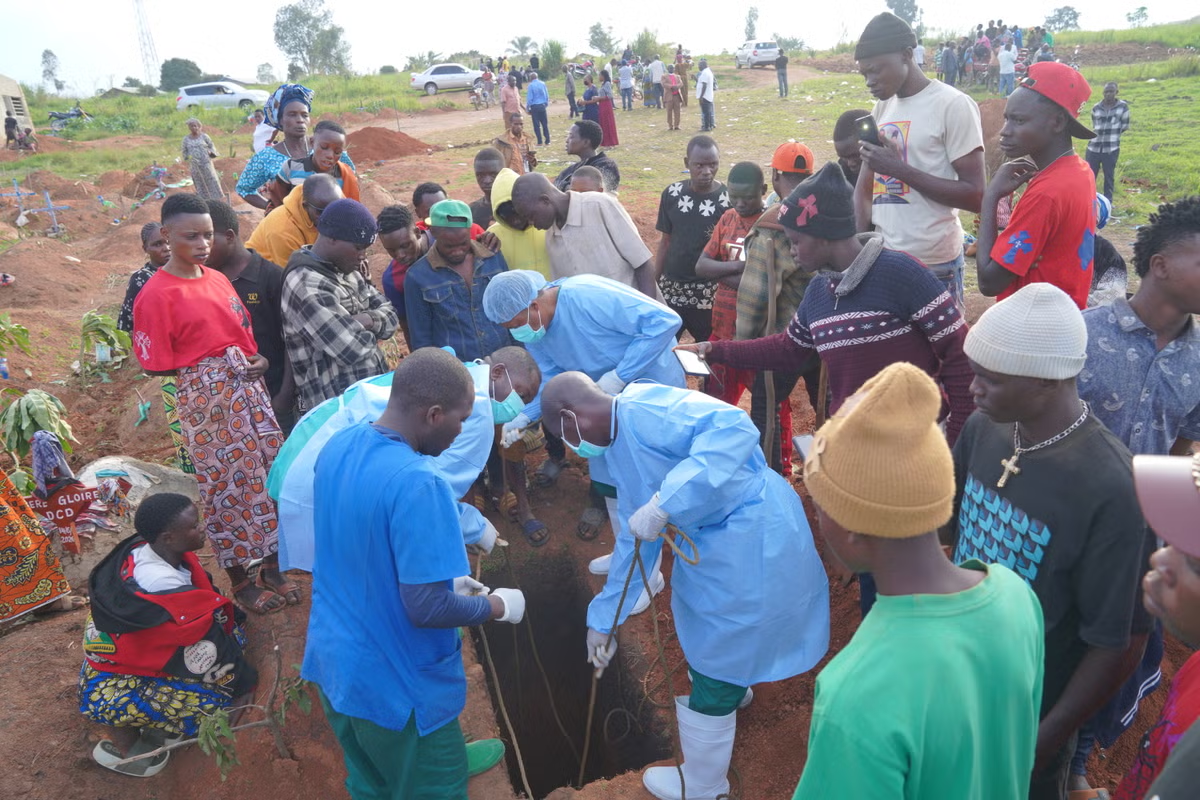
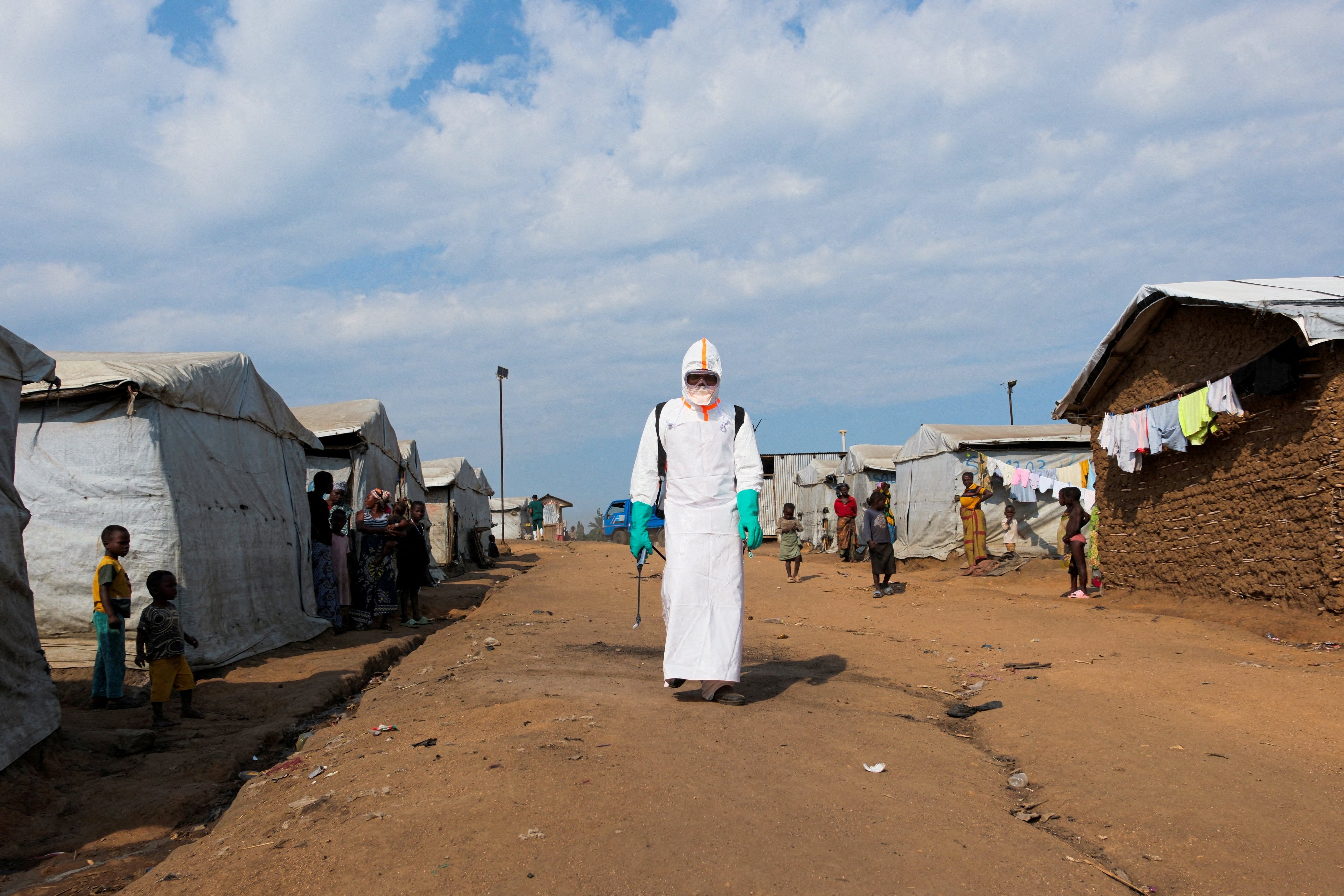
Displaced people watch a health worker in full personal protective equipment (PPE) preparing to disinfect the area during the burial of suspected Ebola victims at the Kigonze displaced persons camp in Bunia, eastern Democratic Republic of Congo
Displaced people watch a health worker in full personal protective equipment (PPE) preparing to disinfect the area during the burial of suspected Ebola victims at the Kigonze displaced persons camp in Bunia, eastern Democratic Republic of Congo (Reuters)

Although the outbreak was officially declared on 15 May, the World Health Organisation (WHO) believes the virus may have been spreading undetected for weeks before, since as far back as February.

The “brutal” operating conditions also continue to impede the progress of frontline workers, Mr Harneis warns. More than 160 healthcare workers have also contracted Ebola, killing 43, in a country whose health system was already struggling.

Isolation centres and other health facilities have also increasingly become targets amid widespread misinformation, with more than 260 attacks on health workers reported in the past six months, and eight killed.

Although the outbreak initially affected more men, largely because it originated in a mining area, the demographic profile of the epidemic has since shifted. Women now account for 53% of all reported cases, with the greatest burden falling on women from 18 to 49 years old. Oxfam says this disproportionate impact is driven by women’s roles as primary caregivers for sick family members, their involvement in traditional burial preparations, and their representation among frontline healthcare workers, particularly nurses and midwives.

Women and girls in the DRC already faced significant maternal health risks before Ebola emerged, and now these risks have intensified. The outbreak threatens the estimated 63,700 pregnant women living in affected areas.

Advertisement

Already compounded by conflict and displacement in the DRC, the consequences of the outbreak are now also spreading to food and livelihoods, according to the International Committee of the Red Cross (ICRC). Delayed payments have left some frontline workers unpaid and caused widespread strikes.

“Violence and armed conflict have forced many families to abandon fields further from their homes and farm closer to where they live, reducing food production and limiting the availability of food on the market,” says Abdoule-Karim Diomande, ICRC Head of Programmes in DRC. “In Ituri, restrictions on cross-border trade introduced as part of preventive measures for Ebola have added to these pressures.”

The restrictions are part of efforts to contain the outbreak to the DRC, with preparedness activities in neighbouring countries like South Sudan, the Central African Republic, Burundi and Uganda, which has declared itself Ebola-free after discovering a small number of cases in June.

While there have been trials for a vaccine that could help the severity of the disease, the WHO warns that it is “not the solution to everything” and that “community outreach was the main tool”.

Advertisement

With active conflict ongoing, armed groups active and one million people displaced in Ituri alone, the outbreak cannot be treated as a standalone medical emergency, according to the Danish Refugee Council .

“In active conflict zones, traditional health measures simply fall apart,” says Sarah Chieh-Wen Chiang, acting DRC director for the Danish Refugee Council. “Conflict forced these people from their homes. Violence followed them into the camps. Now, an untreatable virus is spreading through overcrowded sites. The world must not look away”.

This article has been produced as part of The Independent’s Rethinking Global Aid project

Source link

Advertisement
Continue Reading

NewsBeat

Simple guide to building the ultimate investment portfolio you won’t have to change for a decade

Published

on

Simple guide to building the ultimate investment portfolio you won't have to change for a decade

Over the past 40 years, I’ve learnt a lot about investing effectively. Some of the lessons have been financially painful ones – for example, selling at a loss investments I should never have bought in the first place.

However, I believe they have made me a better, shrewder investor. You learn from your mistakes.

Despite hitting my ‘senior’ years and having less time on my side (if you know what I mean), I’m now a more patient investor than I have ever been – and less inclined to be ‘greedy’: that is, seek quick profits or jump on the back of investment fads just as they are about to implode.

Back in the early 1990s, I won a journalism award and was given a prize that had to be invested in a Barclays investment fund.

Advertisement

Being young and brash – and annoyingly arrogant – I put the money in a high-risk Japanese warrants fund. I lost the lot – a salutary lesson.

Some may now accuse me of being a boring investor, but I’m happy to wear that badge.

I’m a ‘Steady Eddie’, content to accumulate investment gains from long-term investments (funds, not shares) that in the main deliver me a tidy mix of dividend income (dividend growth if I can find it) and capital return.

I’m not interested in buying individual shares such as the Nvidias and Metas of this world (easily bought through an investing platform) although I’m happy to have exposure to them via a diversified investment fund.

Advertisement

Provided the returns I earn from my investments are in excess of those that I can earn from cash, I’m a happy bunny – although I do have cash Isas that I use either for financial emergencies or to fund the stream of holidays booked by my travel-mad partner, Leonie.

Not being a trader, I like to hold at the core of my investment portfolio investment funds and stock market-listed investment trusts that I don’t have to micro-manage.

Advertisement

In other words, I can leave them alone to grow in value rather than constantly chop and change them. It’s a marriage made in heaven.

Nearly all of these investments are held in a tax-friendly wrapper such as a stocks and shares Isa or a self-invested personal pension.

And while I could take the income from them to help fund my day-to-day living, I prefer to reinvest the divis in yet more shares.

In my eyes, the compounding of dividend income is one of the wonders of the investment world. I urge you to embrace it.

Advertisement

So which funds out there are the ones you can trust to be robust enough to form the core of your investment wealth strategy for the next decade and beyond?

There are plenty, and you can find them by looking at the best fund lists provided by investing platforms such as AJ Bell, Hargreaves Lansdown and Interactive Investor.

You can also use some splendid comparative fund tools provided by the likes of the Association of Investment Companies and Trustnet to dig them out.

Key to identifying them is to look out for certain characteristics.

Advertisement

These include: a steady investment record, especially over the past five and ten years; low ongoing annual charges (ideally closer to 0.5 per cent than 1 per cent); a fund that is in growth mode in terms of assets under its wing (usually a reflection of good performance and strong investor demand); an income bent; and an investment team with a clear strategy as to how to extract returns from stock markets.

Here are my suggestions: my acclaimed portfolio ‘Steady Eddies’.

They are funds that I think are ideal bolthole investments that could act as the engine room of your investment portfolio for the foreseeable future.

Note that I say ‘could’ as opposed to ‘will’ because sometimes the very best looking funds do go off the rails (remember Woodford Equity Income, which imploded in spectacular fashion?).

Advertisement

It is up to you whether you want to complement some of these investment heavyweights with supporting ‘satellite’ investment funds that give you exposure to specific markets or investment themes you particularly like.

A core and satellite approach to investing makes great sense.

I¿m a ¿Steady Eddie¿, content to accumulate investment gains from long-term investments that in the main deliver me a tidy mix of dividend income and capital returns, says Jeff

I’m a ‘Steady Eddie’, content to accumulate investment gains from long-term investments that in the main deliver me a tidy mix of dividend income and capital returns, says Jeff

I have split my Steady Eddies into two camps: global and UK.

Advertisement

Given my liking for investment funds run by managers rather than robots, you may be somewhat surprised by a couple of my choices.

My top pick of global funds

Global investment funds should lie at the heart of any investment portfolio.

Although UK investors should always have a bias to the home stock market, especially given its assortment of dividend-friendly companies (the banks, energy companies and tobacco stocks), the London Stock Exchange is increasingly overshadowed by rival markets in the US and across the length and breadth of Asia.

Geographic diversification is one of the foundation stones of good portfolio management and you can get this via a global investment fund or investment trust.

Advertisement

I’ve gone for seven – although there are plenty of rival funds that have great merit.

The first choice is HSBC FTSE ALL-WORLD INDEX, which, by tracking the performance of the FTSE All-World Index, is a proxy for the performance of global stock markets.

This £7.3 billion fund ticks all the boxes: low annual charges (0.13 per cent), geographic diversification with the biggest slug of assets in the US (60 per cent), and exposure to all of the world’s biggest listed stocks (the likes of magnificent seven stocks Alphabet, Amazon, Apple, Meta, Microsoft, Nvidia and Tesla).

Over the past five discrete one-year investment periods, it has registered respective returns (rounded to the nearest 1 per cent) of 22 (year to August 20 this year), 12, 23, -3 and 7 per cent. Pretty respectable, equating to an overall five-year return of 74 per cent, according to Trustnet.Although its focus on big US technology stocks means the dividend is low at 1.3 per cent, it will ensure you don’t miss out on the tech story – buoyed by the boom in artificial intelligence (AI).

Advertisement

Of course, it doesn’t provide you with protection from any stiff correction in global stock markets that could result from the bursting of the AI bubble (some commentators have been predicting the pricking of this bubble for the past year). But then no equity fund will do that for you. Corrections are part and parcel of investing and you have to have the conviction (and courage) to keep investing when share prices are falling. Building investment wealth is a long-term project and rewards the patient investor.

Invest regularly if you’re worried about market timing. But I’d be surprised if over the next decade, this fund hadn’t enhanced your wealth.

To complement this index tracker, I would hold a number of long-established global funds run by respected investment teams.

I’ve chosen six, which fall into two categories.

Advertisement

The first category includes global investment trust titans ALLIANCE WITAN, BANKERS and F&C.

All three are big funds – ranging from £1.4 billion (Bankers) to £6.5 billion (F&C) – and have annual dividend growth records going back at least 55 years.

The three of them pay quarterly dividends.

Ongoing annual charges are also competitive with the highest (Bankers) still representing good investment value for money at 0.51 per cent.

Advertisement

The funds have solid five-year and ten-year investment records: key to qualifying as a ‘core’ investment. Over five years, the respective total returns for Alliance Witan, Bankers and F&C are 53, 44 and 67 per cent. Over the past decade, the equivalent figures are 189, 188 and 216 per cent.

All are managed slightly differently. Alliance Witan uses a collection of top fund managers from across the world to manage parcels of the trust’s assets.

The result is a fund that in terms of geographic exposure is wildly different to that of HSBC FTSE All-World Index (in other words, complementary rather than a duplicate).

In the case of Bankers, part of investment house Janus Henderson (JH), the managers parcel out the fund’s assets to investment teams at JH to run.

Advertisement

At F&C, part of global investment house Columbia Threadneedle, a similar strategy is adopted. F&C is the oldest investment trust in the country.

One of its defining characteristics is an 11 per cent exposure to private equity, which is both risky and potentially rewarding (in other words, hold on to your hat).

In my second category are investment funds ARTEMIS GLOBAL INCOME, M&G GLOBAL DIVIDEND and TEMPLETON EMERGING MARKETS.

The Artemis and M&G funds have an income bent – especially the M&G fund – and have exceptional fund managers at the helm (respectively Jacob de Tusch-Lec and Stuart Rhodes).

Advertisement

Over the past ten years, the funds have generated total returns of 263 and 183 per cent respectively. To put these numbers into perspective, the average global equity income fund has returned 141 per cent.

Both portfolios provide exposure to global stocks outside the magnificent seven (only Microsoft appears in the top ten holdings of the M&G fund). Respective total annual charges are 0.83 and 0.66 per cent (higher than our four previously mentioned global Steady Eddies). Income, hovering just above 2 per cent a year, is paid quarterly by M&G Global Dividend and semi-annually in the case of Artemis Global Income.

Templeton Emerging Markets is my slightly off-beam final global fund choice.

I see it as a complement to my other Steady Eddies as a result of a portfolio skewed towards Asian markets (South Korea, Taiwan and China) and some of the world’s most successful and relevant companies: the likes of computer chip maker TSMC and consumer electronics giant Samsung Electronics (maker of the Galaxy smartphone).

Advertisement

Over the past ten years, it has delivered total returns of 246 per cent. Total annual charges sneak under the 1 per cent bar (any higher and I would have excluded it) and its last annual dividend was worth 3.25p a share to investors. Its current share price is just under £3.20.

My top pick of UK funds

My final three Steady Eddies are funds that trawl the UK stock market for a mix of income and capital return.

As with my global picks, I’ve included an index-tracking fund – HSBC FTSE 100 INDEX – which tracks the performance of the FTSE 100: a great source of dividend income for investors and overall investment return.

Total annual charges are 0.1 per cent and, over the past ten years, the HSBC fund has generated total returns of 122 per cent.

Advertisement

My two other UK funds are actively managed: investment trust ABERDEEN EQUITY INCOME and JO HAMBRO UK EQUITY INCOME.

The Aberdeen fund, listed on the UK stock market, has 25 years of annual dividend growth under its belt. It recently absorbed the assets of Aberdeen trust Shires and is in growth mode. Its stand-out characteristic is a healthy dividend (close to 5 per cent) with payments made quarterly. It also gives investors exposure to stocks outside the FTSE 100. Total annual charges are 0.84 per cent.

JO Hambro UK Equity Income is a cracking fund run by a triumvirate of managers: Clive Beagles, James Lowen and Josh Herson.

Over the past ten years, it has generated an overall return of 146 per cent (against a peer group average of 95 per cent).

Advertisement

Dividends are paid quarterly – providing an annual income to investors of about 4.7 per cent – and total annual charges are reasonable at 0.73 per cent.

The £2 billion fund is one of the best UK equity income funds around – and Beagles is one of the most enthusiastic and passionate UK investors I have ever interviewed. I hope my Steady Eddies pique your interest. If you have some of your own Steady Eddies, do let me know: Jeff.prestridge@mailonsunday.co.uk

DIY INVESTING PLATFORMS

Easy investing and ready-made portfolios

AJ Bell

Easy investing and ready-made portfolios

AJ Bell

Easy investing and ready-made portfolios

Advertisement
Free fund dealing and investment ideas

Hargreaves Lansdown

Free fund dealing and investment ideas

Hargreaves Lansdown

Free fund dealing and investment ideas

Flat-fee investing from £4.99 per month

interactive investor

Flat-fee investing from £4.99 per month

interactive investor

Flat-fee investing from £4.99 per month

Investing Isa now free on basic plan

Freetrade

Investing Isa now free on basic plan

Freetrade

Investing Isa now free on basic plan

Free share dealing and no account fee

Trading 212

Free share dealing and no account fee

Trading 212

Free share dealing and no account fee

Advertisement

Affiliate links: If you take out a product This is Money may earn a commission. These deals are chosen by our editorial team, as we think they are worth highlighting. This does not affect our editorial independence.

Compare the best investing account for you

Source link

Continue Reading

Trending

Copyright © 2025