



PIP recipients must notify the DWP before travelling abroad for more than four weeks or risk having their payments paused or stopped
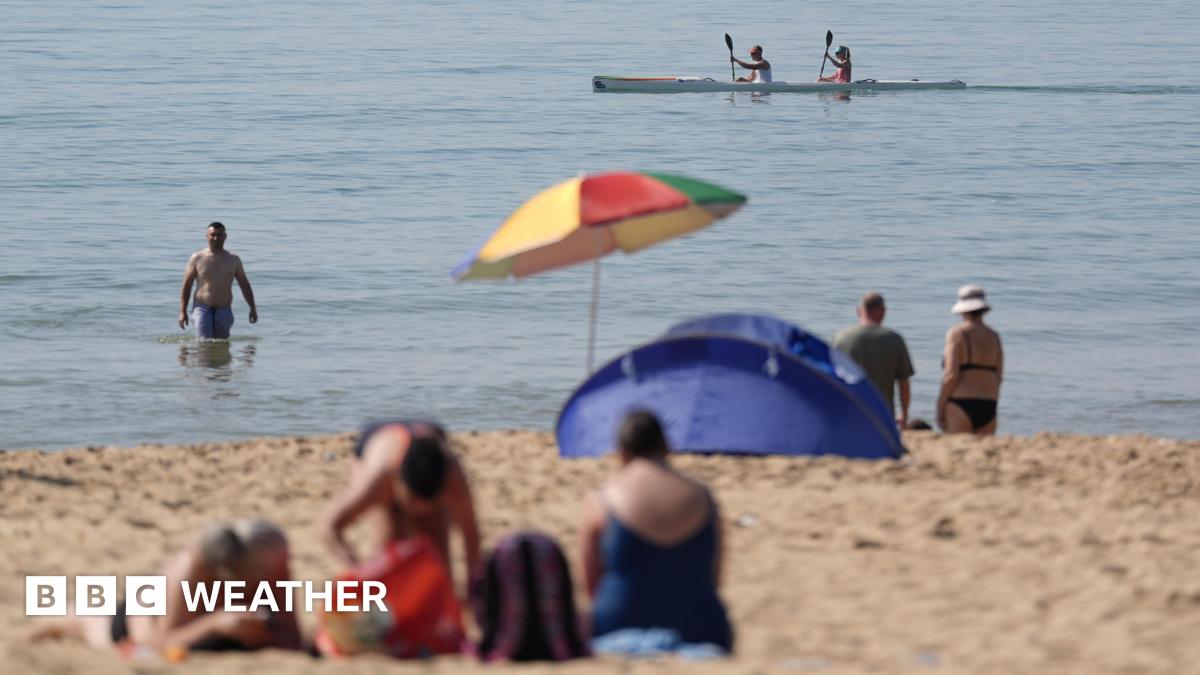
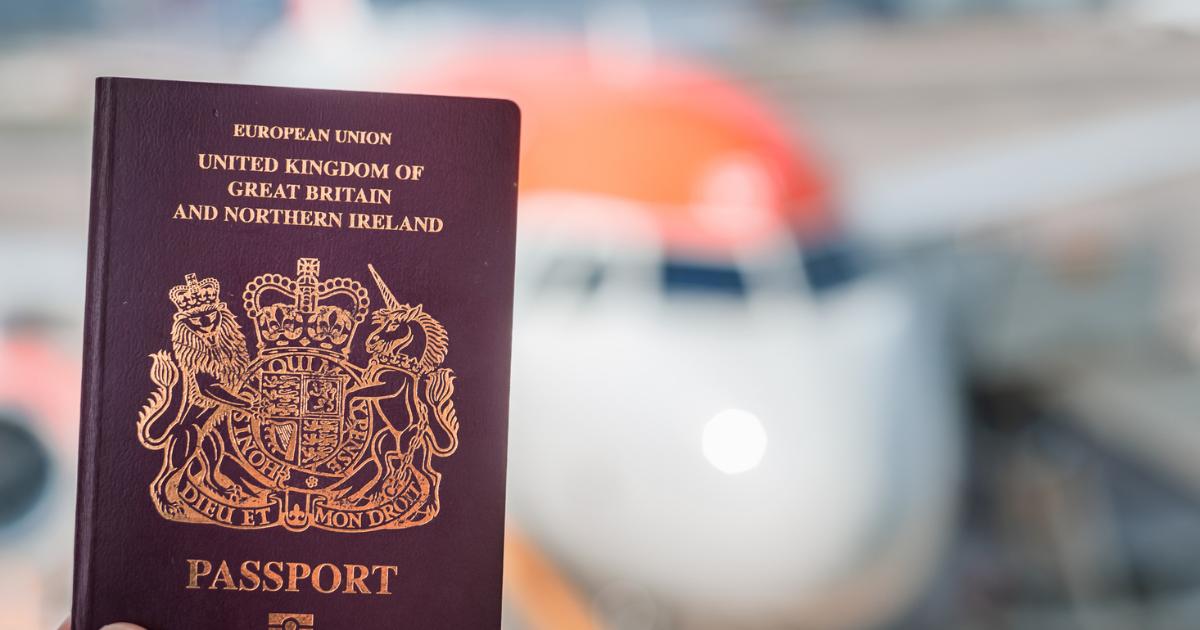
The Department for Work and Pensions has issued guidance for claimants who are planning to travel this summer. July and August represent the peak travel period for Britons, with many jetting off to popular destinations such as Spain, Portugal, Italy and Greece for a sunny getaway. However, for those in receipt of Personal Independence Payment (PIP), there are specific rules that must be adhered to when leaving the UK.
Those claiming PIP are required to declare any changes to their personal circumstances. Alongside changes of address or carer needs, this encompasses which country they are residing in, particularly if that extends beyond four weeks. Should they neglect to notify the DWP of their travel arrangements, they risk having their benefit entitlement paused or stopped altogether, the department cautions. If you are departing the country for longer than four weeks, even for a holiday, you must inform the DWP.
You are required to notify the department of the date you are leaving the UK and the date of your return. Failing to do so could have a direct impact on your PIP entitlement.
The GOV.UK website states that you must contact the PIP enquiry line “straight away” if you plan to go abroad for more than four weeks. If you are considering travelling abroad this year, or are currently booking a holiday lasting longer than four weeks, contact the DWP with the relevant details at the earliest opportunity. You can do this by contacting the PIP enquiry line on 0800 121 4433. The service operates from 9am to 5pm, Monday to Friday.
The benefit rose on April 6 by 3.8 percent in line with inflation, meaning those with certain disabilities or illnesses, including musculoskeletal conditions, are now receiving increased amounts, reports the Express.
PIP is typically paid every four weeks. There are two separate types of payments, both of which have higher and lower rates depending on an individual’s circumstances.
The daily living component is either £76.70 or £114.60, while the mobility element of the payment is either £30.30 or £80. Overall, monthly payments can reach as high as £748 following changes in April of this year.
Award durations vary, but the DWP has revealed the conditions where claimants tend to receive the longest awards. The complete list of the 12 conditions with the highest proportion of long-term awards, as identified by the DWP, is as follows:
- Visual disease — 68 per cent long-term awards (40,809 of 60,360 claimants)
- Neurological disease — 55 per cent (273,628 of 494,817)
- Hearing disorders — 54 per cent
- General musculoskeletal disease — 54 per cent
- Respiratory disease — 51 per cent
- Regional musculoskeletal conditions — 47 per cent
- Skin disease — 45 per cent
- Endocrine disease — 44 per cent
- Cardiovascular disease — 42 per cent
- Psychiatric disorders — 41 per cent (largest claimant group overall, with 1,523,811 recipients)
- Gastrointestinal disease — 34 per cent
- Malignant disease — 25 per cent (32,044 of 127,423 claimants)


















































You must be logged in to post a comment Login