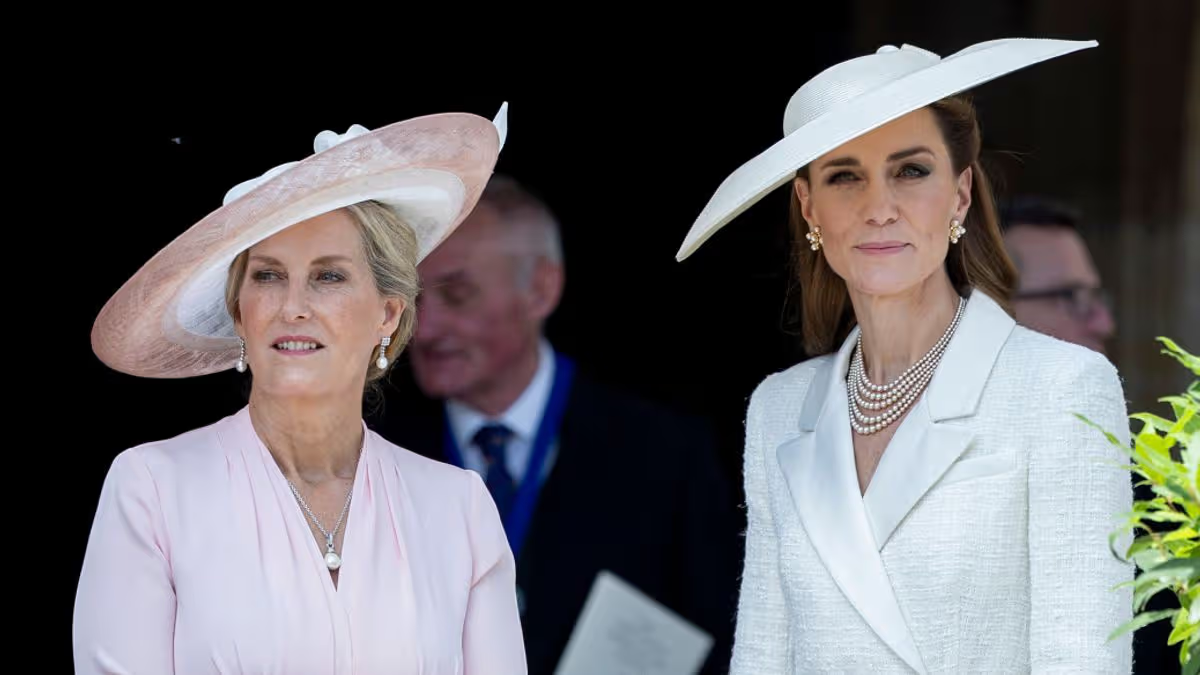
A new documentary has explored how the Duchess of Edinburgh helped the Princess of Wales when she became part of the Royal Family by supporting her through her royal duties
07:18, 16 May 2026Updated 07:20, 16 May 2026
When Sophie, the Duchess of Edinburgh, married into the Royal Family in 1999 after tying the knot with Prince Edward, she was thrown in the deep end as she worked to maintain her newfound royal identity and her career in public relations.
But as the Duchess transitioned into a more full-time role within the monarchy, she quickly became a guiding light for the younger generation of royals to follow her lead as she undertook her work with the Firm with grace. And a new documentary has explored Sophie’s life from the early days of her relationship with the late Queen’s youngest son, to one of the Royal Family ’s most valuable assets.
In the new documentary, titled Royal Peacemaker: Sophie, Duchess of Edinburgh, a group of royal experts discuss how Sophie became a shoulder for the Princess of Wales to lean on as she learned the ropes of her new royal role.
As Sophie’s prominence has risen over the years, she has become more of a guide to others joining the Royal Family, such as Princess Kate. Royal commentator Emily Andrews explained: “When she saw younger members marrying into the Royal Family, like Catherine Middleton and Meghan Markle, she was very happy to offer to be a mentor of sorts. Sophie had seen it all. She’s been there and done that.”
The documentary said that Princess Kate in particular was very welcoming of the mentorship from Sophie, who welcomed her with open arms into the Firm.
Advertisement
“Sophie is really a natural mentor for Kate in many ways,” royal correspondent Victoria Murphy said. “We’ve seen their relationship grow over time, and witnessed little glimpses of it in the public domain.”
The royal expert went on to recall one such moment from Princess Eugenie’s wedding, when Kate’s skirt began to fly up in the wind, with Sophie instinctively helping the princess to keep her dress down, standing in front of her to make sure she was covered.
Victoria continued: “We’ve seen her be quite protective of Kate. We saw this at the Remembrance Sunday Service in 2024 when they were walking back inside and Sophie put a comforting hand on Kate’s back.”
Advertisement
“It was quite a sisterly gesture, and I think shows the depth of the relationship that these two women have,” she added.
While Sophie was a welcome mentor for the Princess of Wales in her early years in the Firm, Meghan Markle allegedly turned down the offer of royal advice from the Duchess of Edinburgh.
As Emily Edwards explained in the documentary: “Sophie did the same thing for Meghan. They met up a couple of times and Sophie said ‘Anything I can do, anything I can help with, let me know’. And apparently Sophie was a bit surprised that she was never invited back to Frogmore Cottage where Harry and Meghan were living at the time.”
Advertisement
Sophie’s role as mentor for younger royals was a testament to the trust placed in the Duchess by the late Queen Elizabeth, with whom she had a warm and loving relationship.
As Ailsa Anderson, press secretary for the Duke and Duchess of Edinburgh, said in the documentary: “I think the late Queen saw Sophie as a safe pair of hands, as she could always be relied on. Sophie was a true confidant for the Queen, which is quite rare in the royal world.”
Royal Peacemaker: Sophie, Duchess of Edinburgh will air on Channel 5 on Saturday May 16 at 9pm.
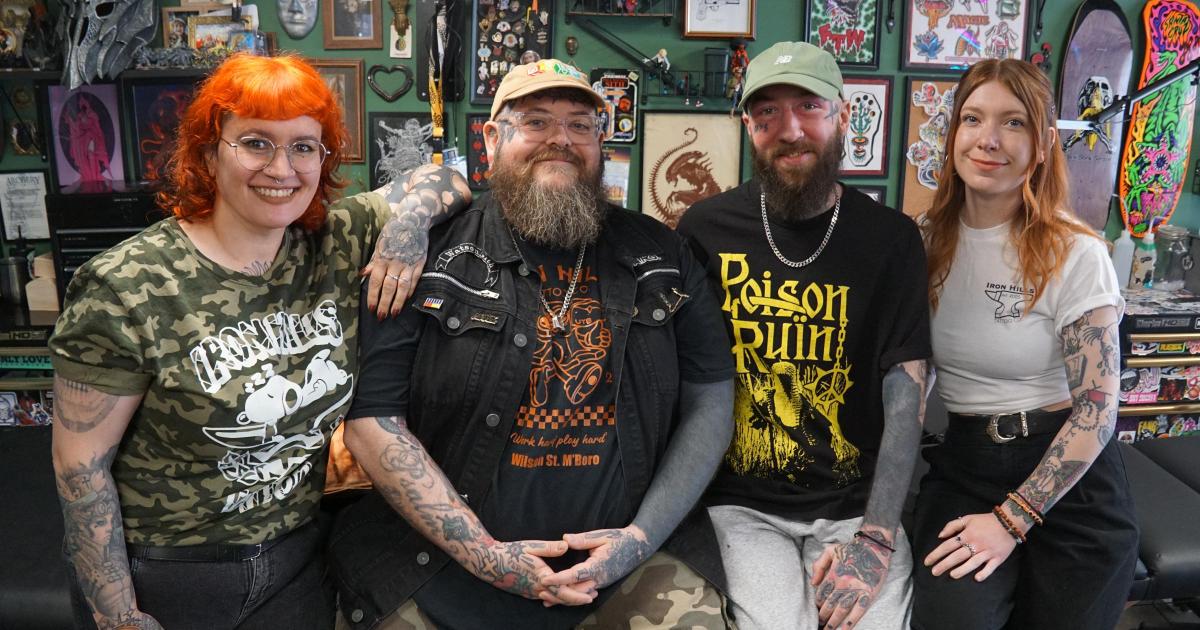
Iron Hills Tattoo Co, based in Middlesbrough and run by Paul Watson, Danyell, Geoff Wharton, and Abi Flanagan, has quickly built a reputation for “quality and creativity”.
In October, Mr Watson’s work was recognised at the Ink on the Tees convention, and just six weeks ago, artist Chloe Gilkes-Bullock won three awards at the Big North Tattoo Show in Newcastle.
The studio’s success is already turning into momentum in a highly competitive industry.
Advertisement
Mr Wharton said: “Unlike all of us, there aren’t a massive amount of artists in the area who have more than a decade of technical experience.”
The studio’s name is inspired by both Teesside’s steel heritage and a fictional setting from The Lord of the Rings.
Its anvil logo is a tribute to the region’s industrial past and the wedding of Mr Watson and Danyell at Gretna Green. Both have matching anvil tattoos on their hands.
Mr Watson, 43, is no stranger to being tattooed himself.
Advertisement
He said: “I’ve got my back and stomach left really, and then just gaps. I don’t think I’d ever be done.
“Even if I was totally full, I’d just start getting ones over the top of the ones I’ve already got.”
Despite his passion, even he admits the process isn’t exactly comfortable.
He said: “I don’t think anybody enjoys getting tattooed and us artists are the worst.”
Advertisement
The studio has worked with a wide range of clients, including some unexpected fans.
Mr Watson’s oldest customer was a woman in her 90s who first had a Game of Thrones tattoo and then came back for more.
He said: “There was also a man in his 80s who got one on his leg and ended up getting a full leg sleeve.”
Tattoos, once mainly worn by sailors and aristocrats, are now seen on nearly a third of UK adults.
Advertisement
As the industry grows, so does the competition.
With more than 5,500 studios in England, Iron Hills has focused on standing out.
The studio has a wheelchair ramp and a disability toilet, welcomes neuro-divergent clients, and its artists are available seven days a week.
Mr Watson believes changing attitudes have helped propel the industry.
Advertisement
He said: “I think the industry’s changed and it’s more socially acceptable to be tattooed.
“It’s not so much of a rebellion now.”
Iron Hills Tattoo Co has already exceeded expectations.
Its location attracts plenty of passers-by, particularly students.
Advertisement
Danyell, the only member of the team not originally from Teesside, said: “We just really love being in Middlesbrough.
“We want some more small businesses around here to bring people in.
“The area’s dwindling in some places but coming up in others.”
The studio is one of several new businesses to open in and around the Dundas Shopping Centre.
Advertisement
Other recent arrivals include Bakeries Breadsticks and The Greek Spot, Teddy’s Boutique, Steel River Comics, Sarah’s Gifts, and the Hanger Shop.
Richard Wilson, a partner at Portland Dodds Brown, manages the centre and neighbouring shops.
He said: “These are challenging times for businesses, but we try to give them as much support as possible.
“It so good to see Iron Hills doing so well, not just with the awards but with the number of customers coming to the studio.
Advertisement
“Middlesbrough town centre has been badly affected by the closure of some big name shops, so it is so encouraging to see that a number of independent businesses have opened.
“I’m sure that’s the right path for Middlesbrough’s future.”
Bill Gates told members of Congress that Jeffrey Epstein used the billionaire philanthropist to “rehabilitate his reputation” and admits he “should never have met” the dead pedophile in the first place.
In Wednesday’s closed-door interview with the House Oversight Committee, the Microsoft co-founder said the wealthy and well-connected sex offender tried to leverage explicit details about his personal life, including his extramarital affairs, to coerce Gates into working with him.
Epstein “sought to build an image of legitimacy around himself, using connections to reputable and powerful people to deflect scrutiny and attempt to rehabilitate his reputation,” said Gates, according to a copy of his statement provided to The Independent.
Gates told reporters that he hopes his interview is “helpful” to the long-running investigation into the dead pedophile and his alleged ties to a network of powerful abusers.
Advertisement
He said he is “glad to be here voluntarily to testify to help with the committee’s work.”
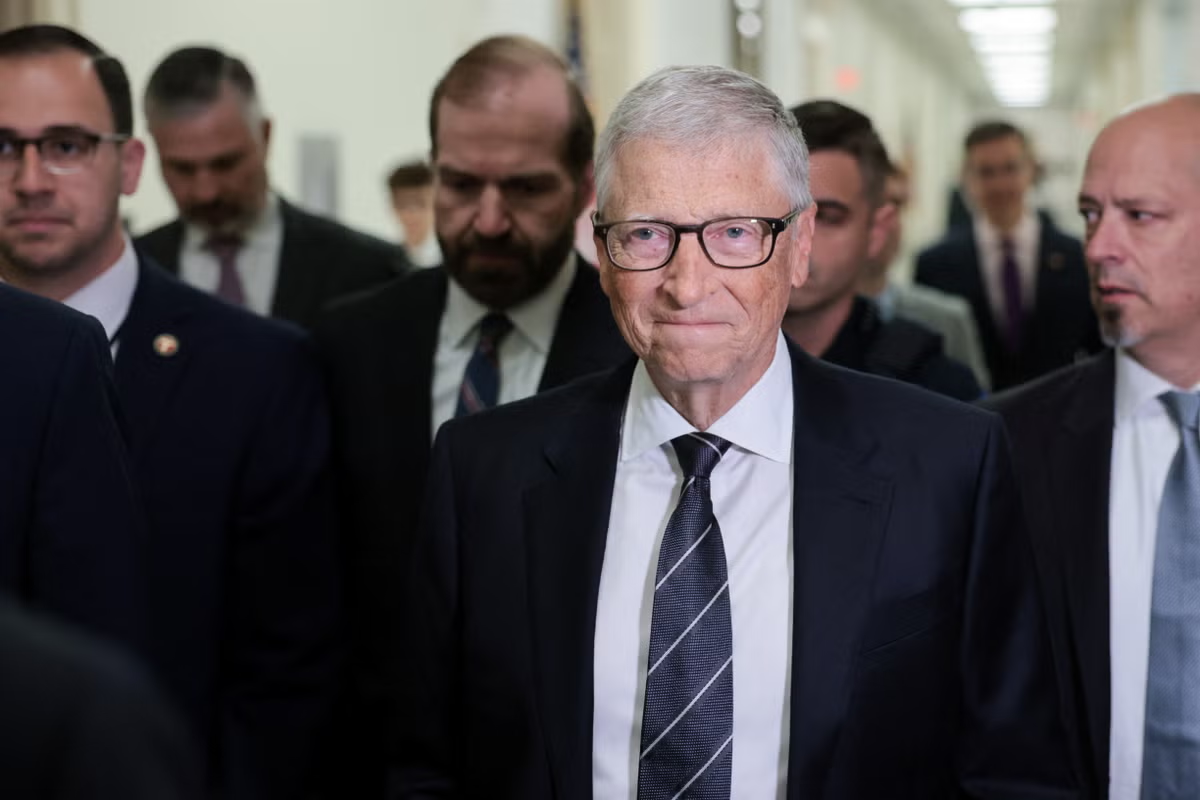
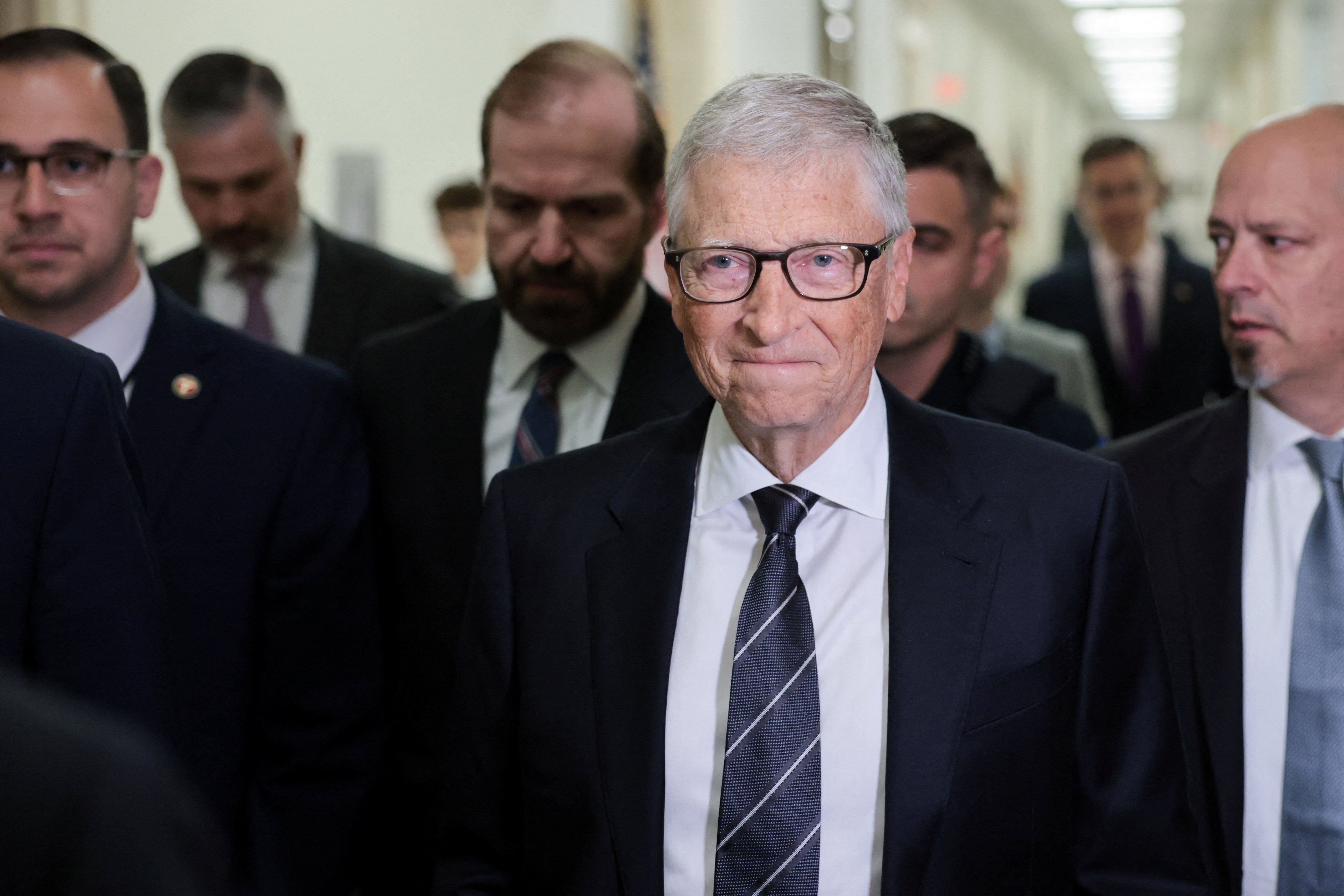
Bill Gates expressed regret in meeting Jeffrey Epstein, who leveraged his relationship with the Microsoft co-founder to ‘rehabilitate’ his image and tried to exploit details about his personal life to coerce Gates into working with him, Gates told the House Oversight Committee (Reuters)
“I hope my testimony is helpful to the work, important work of the committee to find justice for the victims,” he said.
Gates, among the highest-profile figures speaking to the committee, was subpoenaed for testimony after the release of millions of documents stemming from Epstein investigations raised questions about the billionaire’s ties to the late sex offender.
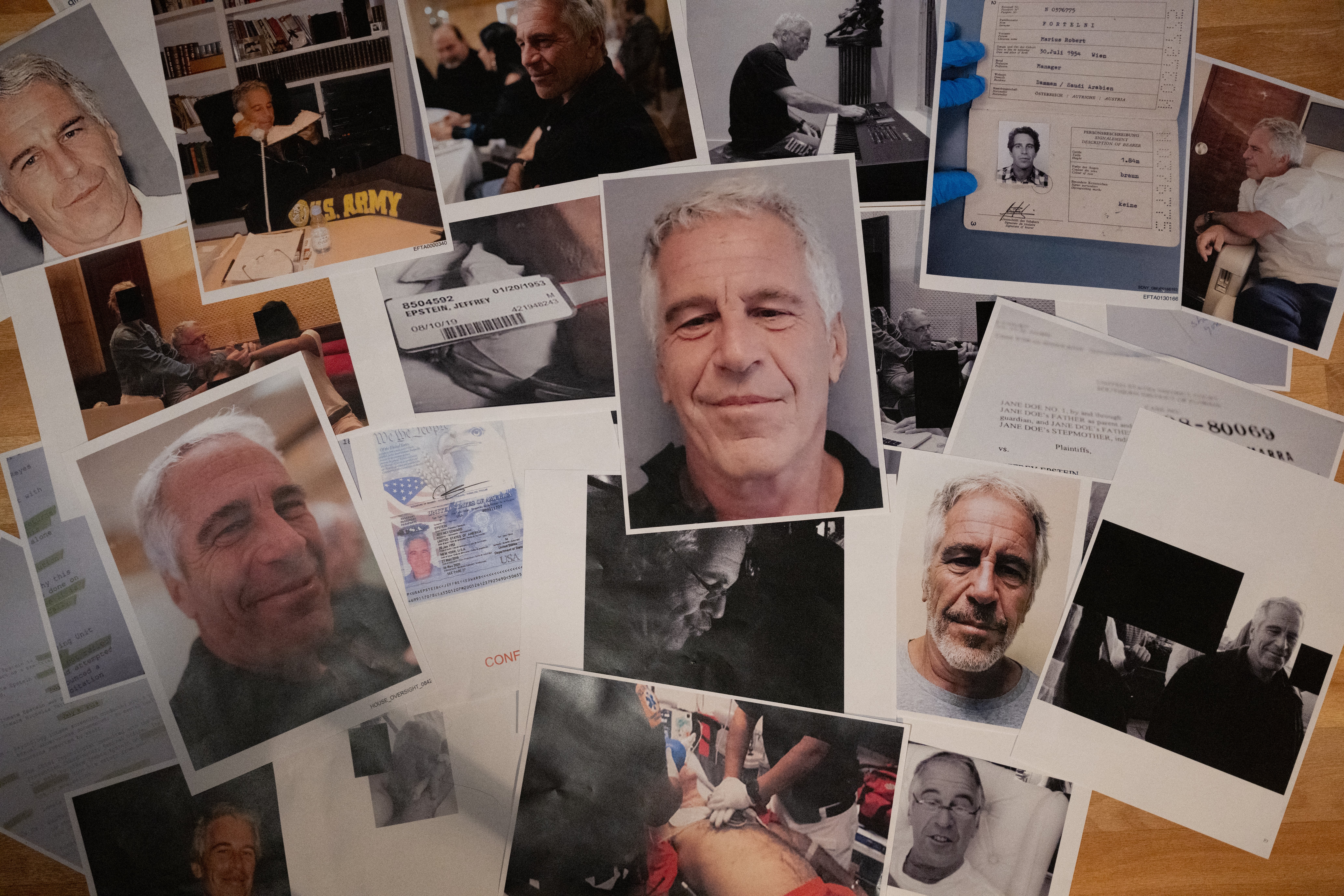
Documents released by the Department of Justice included calendar entries and correspondence between Gates and Epstein, who were also photographed together.
Gates has repeatedly denied any knowledge of Epstein’s crimes and has not been accused of wrongdoing in connection with his abuse.
Advertisement
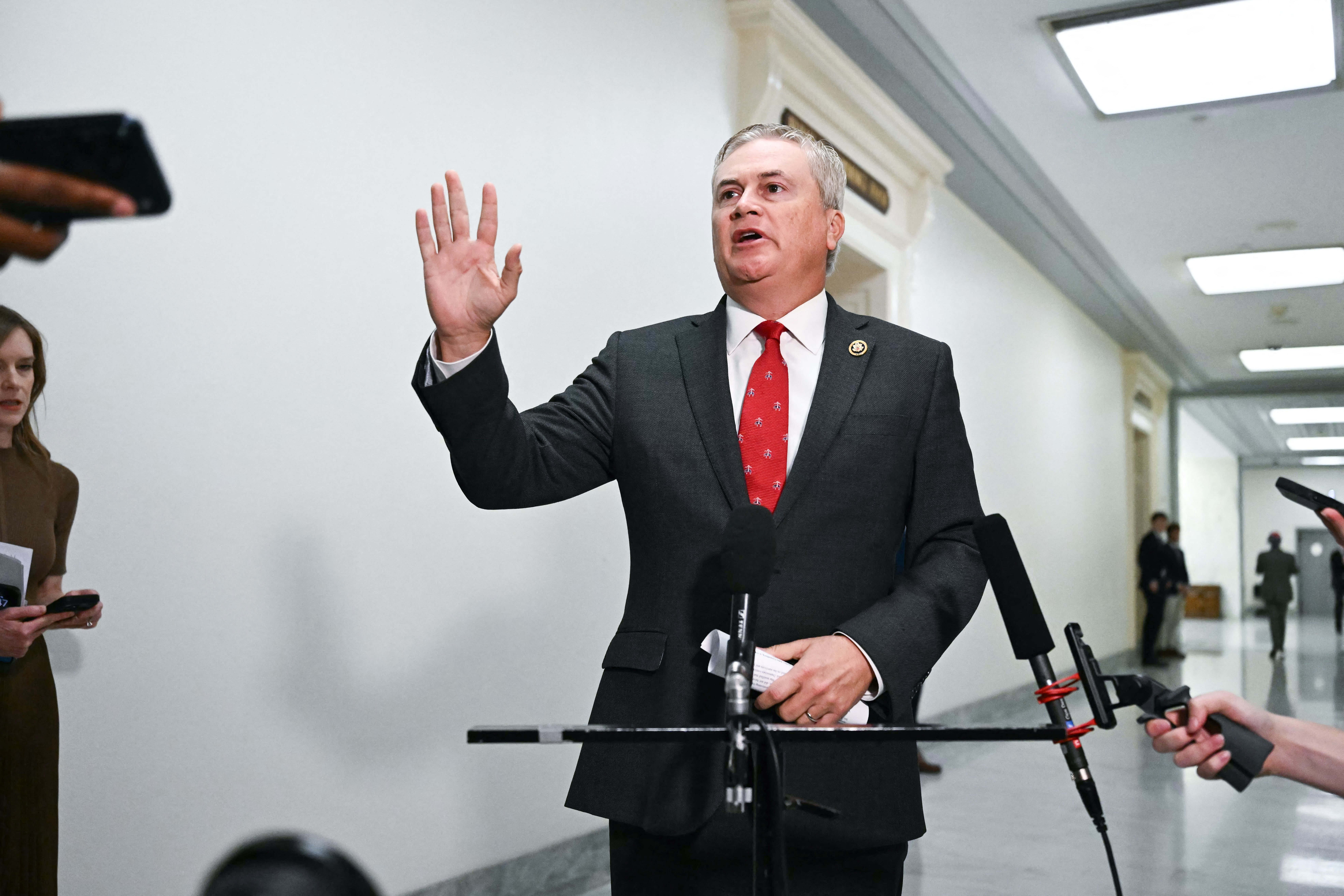
“Due to public reporting, documents released by the Department of Justice, and documents obtained by the Committee, the Committee believes you have information that will assist in its investigation,” the committee’s Republican chair James Comer wrote in March.
A spokesperson for Gates told The Independent that he “welcomes the opportunity to appear before the committee.”
“While he never witnessed or participated in any of Epstein’s illegal conduct, he is looking forward to answering all the committee’s questions to support their important work,” the spokesperson said in a statement.
In his opening remarks, Gates stressed that he “never witnessed nor had any indication that Epstein was engaged in ongoing criminal conduct.”
Advertisement
“I never went to his island, his ranch, or his Florida home. I have never victimized anyone. While he may have sought to foster a personal relationship, I was never interested in that and never reciprocated,” he added.
The committee’s Republican chair James Comer subpoenaed Gates for testimony after finding that the Justice Department’s Epstein files contained ‘information’ to assist in its long-running investigation into the late sex offender (AFP/Getty)
Gates explained that he first met Epstein through people he trusted in his professional and philanthropic work in 2011 — three years after Epstein had pleaded guilty to soliciting a minor for prostitution in Florida. Gates
“I recall being aware that Epstein had faced prior legal issues, but I did not fully understand the extent of the crimes he committed,” Gates said. “I accepted the introduction without applying the scrutiny I should have.”
His interactions with Epstein were limited to a handful of meetings in 2011 and 2012 followed by “more extensive conversations” about charitable giving efforts in 2014 and 2014, according to Gates.
Gates ultimately determined that Epstein’s efforts to reel in potential donors to his foundation were a “dead-end,” he said.
Advertisement
“I told him we would go no further and stopped communicating or meeting with him,” Gates told the committee.
No funds were raised and “no vehicle for charitable giving was ever created,” and their interactions ended in 2014, according to Gates.
At the same time, one of Gates’s former employees “engaged” Epstein to discuss the terms of his separation from his office, which Gates “did not ask” nor “want or need” Epstein’s involvement, he said.
Epstein had also learned “sensitive information” about Gates’s personal life, “including the fact that I had been unfaithful in my marriage,” he told the committee.
Advertisement
“These affairs had nothing to do with my interactions with Epstein, but they were painful for my family,” he added. “As the public can now see, based on what has been released in the files, Epstein was working to use information about my infidelities — in addition to many lies that he layered on top — to pressure me to re-engage with him. He was unsuccessful in this effort, but it shows some of the ways he tried to leverage his interactions with me to further his agenda.”
The committee has interviewed 15 people in connection with Epstein, including Bill and Hillary Clinton, Howard Lutnick and Epstein’s former associates and employees (AFP/Getty)
Gates said he “should never have met with Epstein in the first place.”
“Based on what I know now, I understand that even if he had delivered the new donors he promised, it would not have justified associating with him,” he added.
“I was so focused on the possibility of raising funds for global health that I allowed that goal to override my better judgment,” he said. “That is a sobering realization, and it has reinforced for me the importance of being more attentive to how access and reputation can be manipulated by people acting in bad faith.”
Epstein died in jail in 2019 while awaiting trial on trafficking charges. His death was ruled a suicide.
In those notes, he appears to claim that he facilitated sexual encounters for Gates and helped him obtain medication to hide a sexually transmitted infection from his wife.
Epstein appears to claim that he got medication for Gates “in order to deal with consequences of sex with russian girls” and “illicit trysts, with married women,” according to documents in the files.
Another draft message alleges Gates asked Epstein to delete messages referencing a sexually transmitted disease as well as explicit details about his penis.
Republicans on the committee have rejected Democrats’ demands for testimony from Donald Trump, who is pictured alongside Epstein in a billbaord from anti-Trump campaign The Lincoln Project (AFP/Getty)
Last week, the committee referred two men to the Justice Department for criminal prosecution after a survivor’s sexual assault allegations, marking the first such move after a series of interviews and congressional hearings with members of Donald Trump’s administration.
Epstein’s former assistant Lesley Groff testified on Tuesday, during which she claimed that she set up calls between her former boss and Trump, among other allegations.
Democrats on the committee have repeatedly urged testimony from the president, whose name appears thousands of times within the millions of documents released by the Justice Department. Trump socialized with Epstein throughout the 1990s and 2000s, and Epstein once described himself as the president’s “closest friend.”
Trump has not been accused of criminal wrongdoing, and one’s appearance in the Epstein files does not suggest otherwise. The president has repeatedly denied any wrongdoing in connection with Epstein and insists he cut ties with Epstein years before the wealthy pedophile was under investigation.
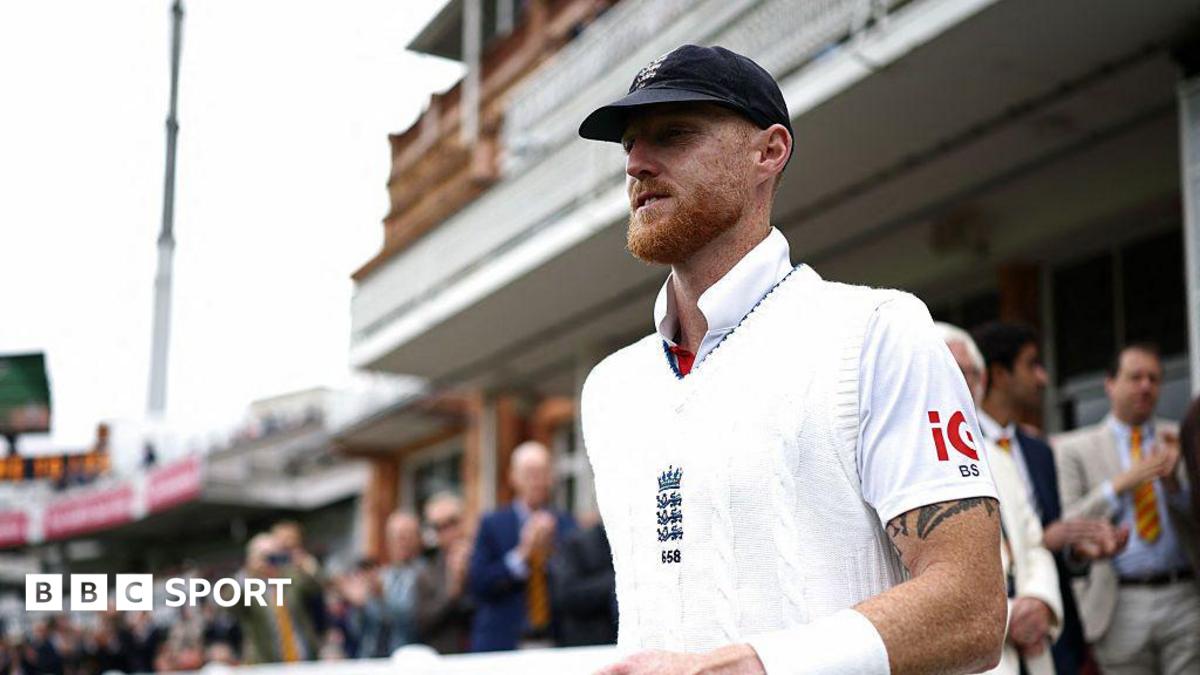
The England and Wales Cricket Board’s (ECB) investigation into the actions of Stokes and Atkinson is still ongoing.
An ECB statement said: “Given the ongoing investigation, Ben Stokes and Gus Atkinson have not been made available for selection for the second Test against New Zealand.”
The Cricket Regulator is conducting a separate investigation, one that might not be concluded for a number of weeks.
Stokes, 35, has been given time by the ECB in order to consider his options. The governing body has denied any suggestion he has been asked to resign.
Advertisement
The episode is an unwanted controversy for the ECB following a dismal 4-1 Ashes tour of Australia that was dogged by off-field controversy.
The defeat of New Zealand in the first Test at Lord’s looked to be a small step in the right direction, but now England will have to attempt to win the series without their captain and all-rounder, and a key pace bowler.
Though Stokes’ poor batting form has come under scrutiny, his all-round abilities are vital to balance the XI.
Atkinson, 28, endured a poor winter, yet looked back to somewhere near his best with seven wickets in the first Test.
Advertisement
The Surrey man has now surrendered his place in the England team on his home ground and his absence could mean a return for Archer, who missed the first Test following his stint at the Indian Premier League.
Depending on conditions, the best replacement for Stokes would be spin-bowling all-rounder Rehan Ahmed, who is retained in the squad after missing out on the final XI at Lord’s.
It would be tough on Shoaib Bashir – the off-spinner was in the XI at Lord’s and was not required to bowl a ball. If Ahmed replaces Stokes, Bashir would then make way for England to field four specialist seamers.
If England decide to replace Stokes with a specialist batter, uncapped James Rew was in the squad for the first Test.
Advertisement
Essex’s Cox, 25, has been in a number of England Test squads but is yet to make an appearance. He was due to make his debut as wicketkeeper on the tour of New Zealand in 2024, only to suffer a broken thumb in the nets.
Root’s return to the captaincy is an indictment of the situation the ECB found themselves in.
It would have been difficult to have one captain, Stokes, unavailable for a nightclub incident, only to replace him with Brook, eight months on from his own nightclub misdemeanour.
Therefore Root will lead England at least once more, and perhaps even for the third Test at Trent Bridge a week later.
Advertisement
Root’s elevation could be a hint towards an expectation that Stokes will eventually return to the job.
If Brook had been made captain, there would have been the opportunity to demonstrate the Test team in his image, especially with Stokes’ playing powers appearing to be on the wane.
Instead, with Root named as interim captain, there looks to be a path for Stokes to return if he desires.
If the all-rounder misses the remaining Tests against New Zealand, his comeback could be for the three-Test series against Pakistan in August.
Advertisement
Earlier on Wednesday, ex-England skipper Michael Vaughan said Stokes should not lose his job as captain.
“Yes, Ben Stokes broke a curfew. Yes, he made a mistake. But is that a sacking offence as England’s Test captain? I don’t think so,” Vaughan wrote in the Telegraph.
“The ECB has to be brave enough and strong enough to do what it thinks is right. If that is to sack him then fine, but I do not agree with that decision on this issue.”
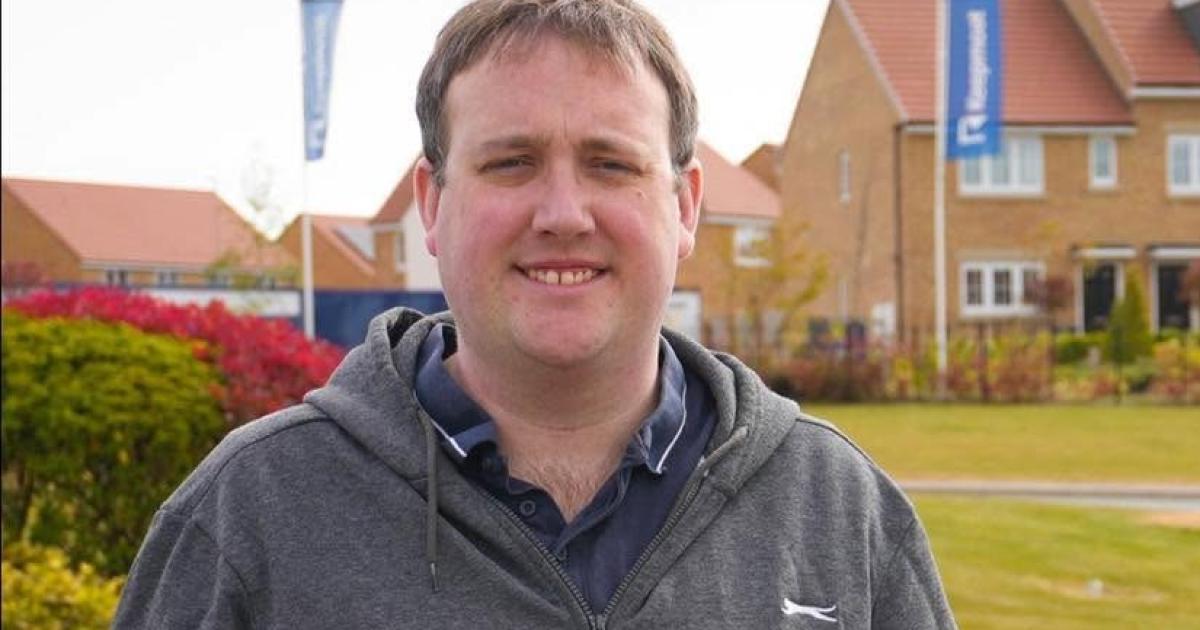
Legislation should be introduced to tackle the “scandal” of property developers charging residents exorbitant fees for roads that have not been adopted by local authorities, according to Cllr Tom Seston.
The Reform councillor, who represents Eastfield on North Yorkshire Council, said residents in his division “were originally told it would take two or three years before the roads would be adopted, which has now turned into five or six years and they still haven’t; meanwhile, the maintenance fees for some residents have gone from £200 a year to £440 a year”.
Speaking at a recent meeting of the Scarborough and Whitby Area Committee, Labour’s Cllr Liz Colling said similar issues had been reported in her Falsgrave and Stepney ward and said it was “disgraceful” that developers were charging residents.
Last year, the Home Builders Federation revealed that on new housing developments of 10 or more units built over the last three years, just 10 per cent of sites had had the roads adopted.
Advertisement
The HBF said that the non-adoption of public amenities on new housing estates was an “increasingly significant and complex problem in the UK housing market”.
When local authorities are invited to adopt roads, the costs for maintaining the roads and streetlights are usually incorporated into council tax bills, while residents on unadopted estates often have to pay annual fees to management companies.
The federation added: “A growing number of housing estates are being left with unadopted amenities, creating complications for developers, local authorities, and, most critically, the residents themselves who face increased costs and added frustration.”
Scarborough And Whitby Area Committee 05.06.26
Speaking at the council meeting last week, Cllr Seston highlighted that he had “raised this at full council and the short answer was that the council won’t adopt the roads until it’s invited to do so”.
Advertisement
Calling for national-level attention of the issue, he added: “If you’re charging £440 a year and you’ve got twenty or so houses, you’re getting about £10,000 a year to realistically do some light gardening.
“There are some firms making quite a lot of money off this, and equally, some of them haven’t raised their fees, while some of them had more than doubled their fees. It is a scandal in a way.”
Alison Hume, the MP for Scarborough and Whitby, said she was eager to work on the issue with Cllr Seston.
She told the meeting: “It won’t surprise you to know that the issue of unadopted roads has been brought to the Government’s attention by many, many MPs, including myself.
Advertisement
“I would be interested in working with you on this issue, because we have a group of MPs working on the unadopted roads and pressuring the government to move on this, as we are aware.”
Perth and Kinross Council paid out for just nine of the 291 vehicle damage claims it received over the past two years
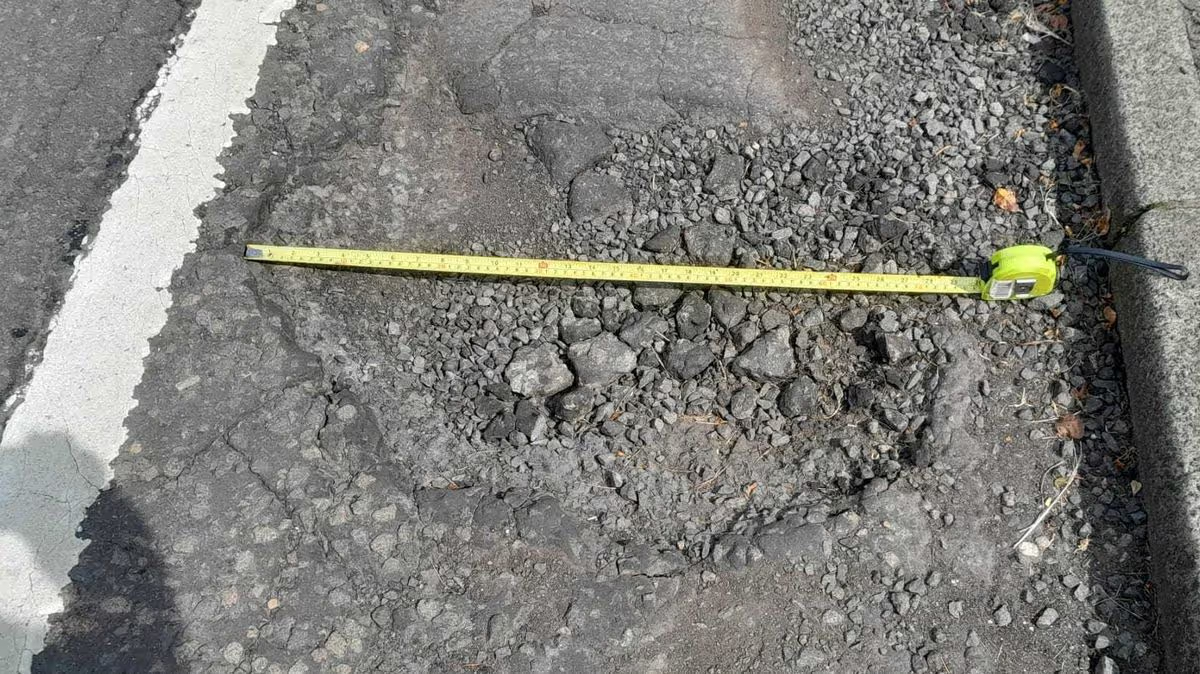
A councillor has questioned why the majority of claims made to Perth and Kinross Council (PKC) for damage done to vehicles by potholes on its roads were dismissed.
Advertisement
Last month the Local Democracy Reporting Service (LDRS) reported a Freedom of Information request response revealed PKC had, at that stage, paid out just nine of the 291 claims submitted over the past two years.
At a meeting of the Scrutiny and Performance Committee on Wednesday, June 3, Cllr Willie Robertson said he was “totally shocked” so few drivers had been reimbursed for the damage done to their vehicles.
According to the FOI, shared with the LDRS, PKC received 84 claims in 2024/25, rising to 207 in 2025/26. It paid out a total of £2172.21 for seven claims in 2024/25 and £735.89 for two claims in 2025/26. The local authority denied liability for 75 claims in 2024/25 and 24 in 2025/26. Two claims in 2024/25 were still being reviewed, as were 181 from last year.
At Wednesday’s meeting, it emerged a briefing note had been shared with PKC’s Scrutiny and Performance Committee which said the council had paid out on just five per cent of claims made to it last year. However, PKC has since confirmed those figures – shared privately with the committee – included all liability claims, not just those relating to potholes.
Advertisement
Cllr Willie Robertson represents Kinross-shire ward, where the most pothole-related claims were made last year with a quarter of all potholes claims amde to PKC in 2025/26 relating to Kinross-shire roads.
The Liberal Democrat councillor was “totally shocked” so few drivers had been reimbursed for the damage done to their vehicles.
He added: “I find it really surprising. Normally, when people contact me they’re really upset because they’ve hit a huge pothole and seriously damaged their car.”
Advertisement
Strathallan ward councillor Keith Allan said he himself had missed out.
The Conservative councillor said: “I have personal experience of our insurers not playing the game. I just think we need to have a good look at it.”
The convener, Independent councillor Colin Stewart, agreed “it does seem like a low percentage” and asked Cllr Robertson what next steps the committee should take.
Cllr Robertson suggested councillors be given a breakdown on the claims and why they are refused, to help inform future claimants.
Advertisement
He added: “There must be a consistent reason why so many claims are not being met or honoured. I think it would be helpful to know why claims are being rejected in such a huge way.
“When people go to the bother of making a claim they take photographs, they get statements from people who have witnessed the thing happening, they fill out the big form. It’s quite a laborious thing to do and people don’t just do it on a whim so I think it would be really useful to find that out and maybe have a report.”
SNP Strathmore ward councillor Jack Welch revealed he had suffered “extensive damage to two practically brand new tyres” prior to becoming a councillor and submitted two claims to PKC, “which were both refused”.
Cllr Welch told the committee he received “comprehensive” explanations for why his claims were refused, with one reason given being that the pothole had not been present when PKC last inspected that road.
Advertisement
He said: “In one of them it was because the giant pothole was off the road surface, at the side of the road, and therefore was not an area that was essentially the responsibility of Perth and Kinross Council.
“And the second instance was that in terms of the process and procedure around statutory inspections, a statutory inspection had been carried out on that section of carriageway, which was evidenced, and there was no pothole at that time. Unfortunately, the pothole had occurred between then and me driving into it and, unfortunately, all I was thanked for was for notifying them there was a giant pothole, which was subsequently repaired very quickly it must be said.”
Conservative councillor Angus Forbes queried if refusal decisions lay with PKC or its insurance company.
He said: “I wonder if this is not a cost to Perth and Kinross Council. I assume this is covered by our insurance policy and therefore it’s entirely the insurance company’s decision whether to pay out or not pay out and, if they paid out more would it put our premium up?”
Advertisement
Following the discussion, the committee’s convener Colin Stewart called for officers to provide members with:
a breakdown of the reasons for refusal
a comparison with other local authorities
where the responsibility for pay-outs lie and the information decisions are based upon.
He proposed the committee then have a sit-down discussion with the relevant council staff to raise any further questions that arise. This was unanimously agreed.
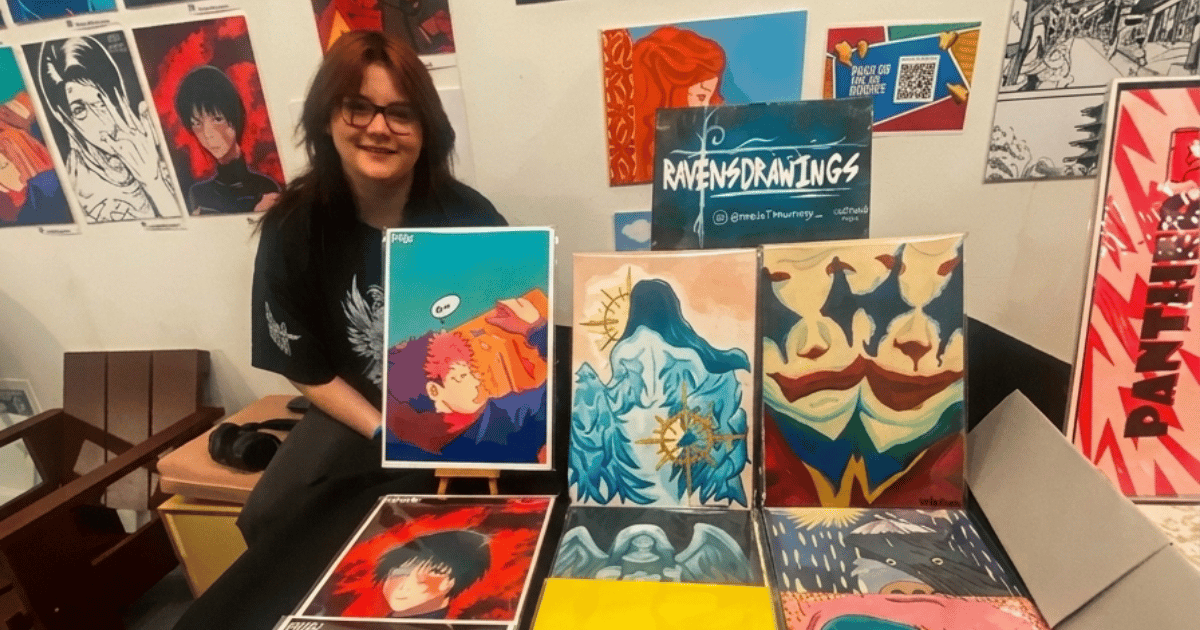
The future of the creative industries was brought vividly to life at Portsmouth Guildhall recently, as students from HSDC South Downs demonstrated outstanding talent and professionalism at Portsmouth Comic Con 2026, taking their learning far beyond the classroom and into a live professional environment.
“People have called us heroes but to be honest I’d like to think most people would’ve got stuck in and helped if they could.”
15:07, 10 Jun 2026Updated 15:12, 10 Jun 2026
The ‘North Belfast knife attack hero’ has recalled the moment he tackled the suspect with his son’s hurling stick, fearing for the victim’s safety.
Maitiu Mág Tighearnán intervened during the knife attack in the Kinnaird Avenue area of North Belfast on Monday night, June 8, to rescue the victim, Stephen Ogilvie.
He has been remanded in custody for four weeks. The court heard that the 44-year-old victim had lost his left eye and received deep cuts to his head, face and back.
32-year-old Mág Tighearnán and a friend said they jumped out of their car to rescue Mr Ogilvie as he lay on the ground. The pair had stumbled across the horrifying incident by chance as they took a short-cut to a petrol station.
Mr Mág Tighearnán, from West Belfast, who had been driving, told the Daily Mail: “I turned into Kinnaird Avenue and I could see another car stopped in the middle of the road a little further up. The woman driving then began reversing at speed as though she was trying to get away from something.
“She stopped as I approached and I drove round her, and as I did so we could see what looked to be two men fighting in the street, with one on top of the other. This was late at night and so we thought we better go and break it up. Andre was in the front passenger seat and he jumped out first.
Advertisement
“He’s trained in Brazilian jujitsu and so he approached them to separate them, but as he got closer he saw the knife. It looked to be a serrated steak-knife but with a broken handle. He shouted to me that the man attacking the other had a knife and to get something to help.”
At this point, Mr Mág Tighearnán said he thought someone was going to lose their life: “I’d taken my son to hurling practice earlier that evening and so I’d got out of the car, gone to the boot and grabbed his hurling stick. Instinct took over and I ran over and I smashed this guy over the head with the hurling stick. Right on the flat side, about three times. As hard as I could.
“Andre was a few seconds behind and he came running in and tried to subdue the attacker with an ankle-hold so he could free the victim. I hit this guy again, hard, but it didn’t seem to phase him. He did stumble back, though and dropped the knife. I think another man who’d been watching came in and kicked the knife away.
Advertisement
“We were trying to roll the attacker onto his stomach to subdue him but he was struggling. The police then arrived and four officers took over before armed tactical support turned up.”
Mr Mág Tighearnán, who runs his own removal company, added that the victim, Mr Ogilvie, was “still conscious but weak with all the blood loss”.
“When he was taken away, he looked to have a horrible injury to his eye. The knifeman was led away by six officers but they were still struggling with him. I’m glad we intervened when we did. It was pure chance that we’d gone that route to the petrol station.
Advertisement
“People have called us heroes but to be honest I’d like to think most people would’ve got stuck in and helped if they could. I just hope the victim pulls through and manages to recover as best he can,” he added.
Maitiu’s proud partner, Aoife O’Reilly, described him as “very, very humble”, adding, “I couldn’t be prouder of Matt. This is my partner and the father of my child who stood in and hopefully saved a man’s life last night.”
A GoFundMe fundraiser has been launched to ‘buy a pint’ for Maitiu, reaching over £20,000 in less than 24 hours, with the organiser, Niall Donnan, saying he has been told that Maitu wants to share some of the funds with the victim.
Maitiu wrote online that he had stumbled on the attack ‘by chance’ and that he ‘got out to protect a young lad’ when he saw what was happening and that the police had yet to arrive.
Advertisement
If you would like to donate and buy a pint for the ‘knife attack hero’ please follow this link.
Vasily Belokurov is one of three winners of the 2026 Kavli Prize in Astrophysics. The award is for “uncovering the fossil evidence of past mergers proving that the Milky Way galaxy” was built through the continuous collision and merging of smaller objects.
No matter the time or vantage point, from a pre-Neolithic cave to a post-lockdown London high-rise, the predictability of the night sky has always been humanity’s symbol of permanence and reassuring stability.
Yet this apparent calm is deceptive. Our galaxy, the Milky Way, emerged from chaos and turbulence, and its constellations are full of migrants, exiles and survivors. Right now, it has begun to stretch and distort again, pulled by a massive companion and heading for an inevitable collision.
How can I be so sure? As a galactic archaeologist, my job is to reconstruct the past of our galaxy and read the signs of its future.
Advertisement
Instead of digging through soil, I use the laws of dynamics and stellar evolution to sift through hundreds of millions of stars – searching for the most ancient and chemically peculiar among them, interpreting their orbits and piecing together the events that shaped the Milky Way. One ancient encounter left scars so deep that, billions of years later, they still define the galaxy around us.
I want to understand what governs the lives of these massive cosmic systems: which changes are nature – the slow internal evolution of a galaxy disc – and which are nurture, imposed by collisions and mergers.
Questions about the source of dark matter underpin it all. This is the invisible substance whose gravity holds galaxies together, but whose true identity remains one of the greatest unsolved puzzles in astrophysics.
The Milky Way is the one galaxy where stellar motions can be measured in extraordinary detail. This allows cosmologists including myself to construct our most precise map yet of dark matter: how far it reaches, how dense it is around the Sun, what shape it has and how smooth or lumpy it may be. If we can build this map in enough detail, we may begin to understand not just where dark matter is, but what it is.
Advertisement
Francesca Fragkoudi and Mark Lovell, Durham University.
A cataclysmic collision
Our work has been transformed by a revolution in open sky surveys. From 2000, the Sloan Digital Sky Survey showed what becomes possible when vast astronomical datasets are made public, enabling discoveries far beyond the goals for which the survey was first built.
And since 2014, Gaia, the European space telescope, has taken this transformation to another level by mapping the positions and motions of nearly 2 billion stars, turning the galaxy into a vast archaeological record. No ruins, no shards and no bones – only stars that hold the clues.
The clearest giveaway that something cataclysmic took place long ago in our galaxy is the migrants we observe: stars that were not born in the Milky Way.
While native stars mostly travel together, circling the galactic centre in the great rotating flow of the disc, migrants cut across that order. They slide past the locals, plunge into the inner galaxy, then fly back out to its outskirts, again and again.
These unusual orbits go hand-in-hand with unusual chemistry. Most of the migrant stars are less enriched in heavier elements than the locally born population. Their chemical composition is a sign of a slower rate of evolution that is typical of a dwarf galaxy.
This makes the migrants doubly valuable. They are both fossils of the Milky Way’s violent past, and probes of its outer regions, travelling where the local stars rarely go.
Advertisement
How the Milky Way was rewired
One of the central ideas in the theory of cosmic structure formation is that galaxies grow hierarchically. Smaller galaxies fall into larger ones and are torn apart, leaving their stars behind as migrants.
In the Milky Way, the largest ancient structure of this kind is known as Gaia-Sausage-Enceladus. It is the remains of a vanished galaxy that collided with our own between 8 and 11 billion years ago (the “sausage” refers to a pattern in its stars’ motions).
The Milky Way also did not go through that crash unscathed. The collision rewired and reshaped it.
Some of these changes are easily visible in the data. Stars from the old disc were splashed into our galaxy’s halo, becoming exiles in the place where they were born. A new posse of star clusters were also acquired.
Advertisement
At the same time, we think something even more momentous was taking place. The encounter changed the orientation of the Milky Way’s disc, and its alignment with the dark matter halo.
Around the Milky Way, this dark matter forms a vast halo, much larger than the luminous part of our galaxy. We often imagine this halo as a sparse, round cloud, but Gaia has helped show this picture is too simple.
The dark halo can be stretched out of shape by a major encounter. Like a ship beginning to list, the Milky Way started to lean – not suddenly, not visibly, but over billions of years.
Advertisement
View of the Southern sky shows the Milky Way and (far right, close to horizon) two galactic neighbours, the Small and Large Magellanic Clouds. H.H. Heyer/ESO via Wikimedia Commons, CC BY-NC-ND
A new galactic dance
Unusually compared with many galaxies of similar mass, the Milky Way was allowed ample time to recover from the shock of the “sausage merger”. No other cosmic cataclysm appears to have shaken our Galaxy since, letting it settle into a quiet, uneventful life. That is, until now.
The Large Magellanic Cloud (LMC), currently our galaxy’s most massive companion, is already pulling at the Milky Way, disturbing its halo again. In an echo of what happened some 10 billion years ago, the Milky Way is being drawn into an accelerating dance with this neighbouring dwarf galaxy, recoiling in response to the LMC’s approach.
This is a dance that only one galaxy is likely to survive intact. A new chapter of migration, survival and adaptation has begun.
None of this spoils the beauty of the night sky – it deepens it. The calm band of light above us is not a symbol of permanence, but the visible reminder of a long survival.
Advertisement
The Milky Way has been broken, rebuilt and is now being disturbed again. Its stars remember the past; their motions reveal the future. What looks eternal is, in truth, a moment in a much longer story.
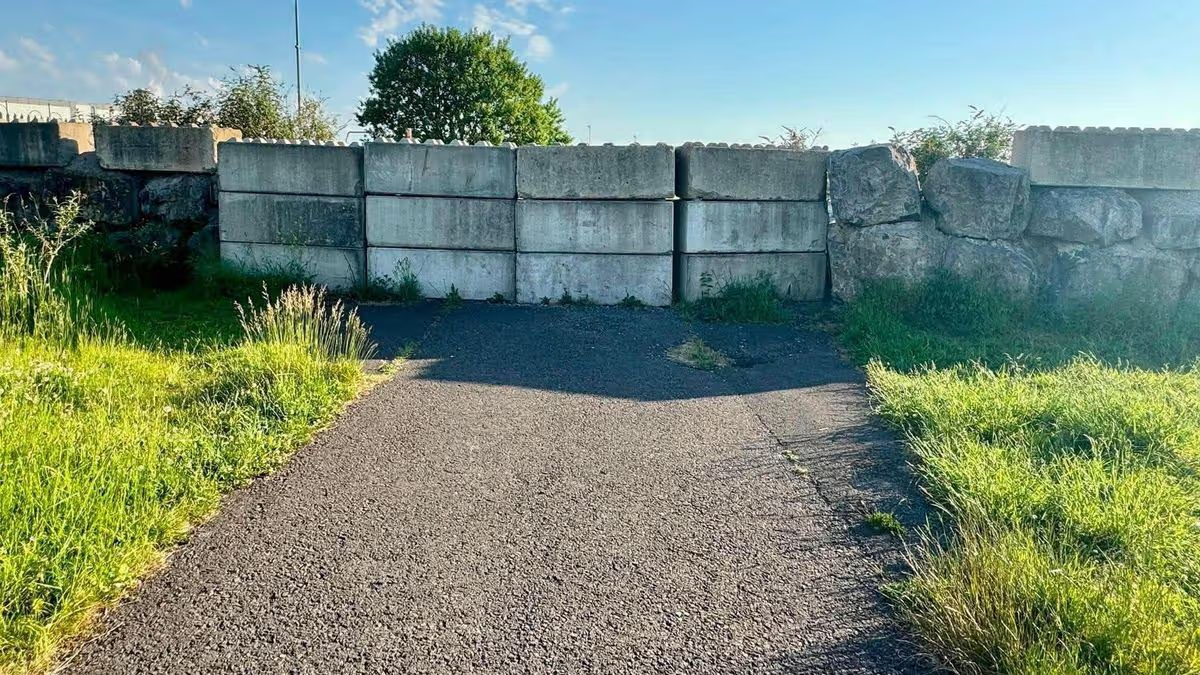
A section of the Wales Coastal Path located in Neath Port Talbot looks set to remain closed after “significant ground instability issues” which the local council say risks public safety.
Advertisement
The news came after a group of councillors from the area launched an online petition in May calling for urgent action to re-open sections of the path around Baglan, Briton Ferry, and Sandfields West.
This followed an open letter from 20 members of the local Labour group in Neath Port Talbot to the Welsh Government cabinet minister for rural resilience and sustainability, MS Llŷr Gruffydd.
In it they said the “prolonged closure” of the path had gone on for several years and was becoming a matter of growing frustration and disappointment for residents who previously used it for walking, cycling, and enjoying the natural environment.
They added the closure had affected active travel connections in the borough as well as tourism, health, and local wellbeing.
The latest petition called on Neath Port Talbot Council to formally write to the new Welsh Government for urgent intervention and a clear restoration plan.
It also requested that Welsh Government secure funding in order to repair the path as well as publishing a clear timetable for its reopening.
Advertisement
The petition, led by councillors Josh Tuck, Carol Clement-Williams, and Suzanne Paddison, said: “The Wales Coastal Path is one of our nation’s greatest assets – a world-renowned route that should be a source of pride for communities across Wales.
“Yet for several years major sections around Baglan, Briton Ferry, and Sandfields West have remained closed, fenced-off, and left to deteriorate.
“This unacceptable situation has denied local people access to an important walking and cycling route, damaged tourism and local businesses, and undermined community wellbeing.
“Residents across Neath Port Talbot are increasingly frustrated by the lack of visible progress, the absence of a clear timetable for restoration, and the continued neglect of a nationally-important coastal route.”
Advertisement
However a spokesman for Neath Port Talbot Council said while they were supportive of re-opening the route in principle it was not currently feasible to do so safely or sustainably.
They said: “While acknowledging that the local authority receives funding via Natural Resources Wales to maintain the Wales Coast Path (WCP) the current position as relates to the closure of a section of the WCP in the Baglan/Briton Ferry area is not due to how funding is allocated.
“The route was closed in 2023 following significant ground instability issues, including the formation of sinkholes, which presented an unacceptable risk to public safety.
Advertisement
“While grant funding can support initial works the local authority must also consider long-term maintenance, ongoing safety risks, and legal responsibilities, particularly where the route crosses privately owned land and is not recorded as a registered public right of way as shown on the definitive map.
“While the WCP is recognised as an important route within the county borough the safety of the public is paramount and it is unfortunate therefore that the local authority is unable to re-open this section of the route at this time.
“The local authority remains supportive in principle to the re-opening of the route, however based on the constraints identified through discussions with the landowner, Natural Resources Wales, and Welsh Government it is not currently considered feasible to do so safely or sustainably. The agreed diversion will therefore remain in place at this time.”
Get daily breaking news updates on your phone by joining our WhatsApp community here. We occasionally treat members to special offers, promotions and ads from us and our partners. See our Privacy Notice.














![DJ KANJI - MONEY UP (feat. 7 & eyden) [Official Music Video]](https://wordupnews.com/wp-content/uploads/2026/04/1776001891_maxresdefault-80x80.jpg)
































You must be logged in to post a comment Login