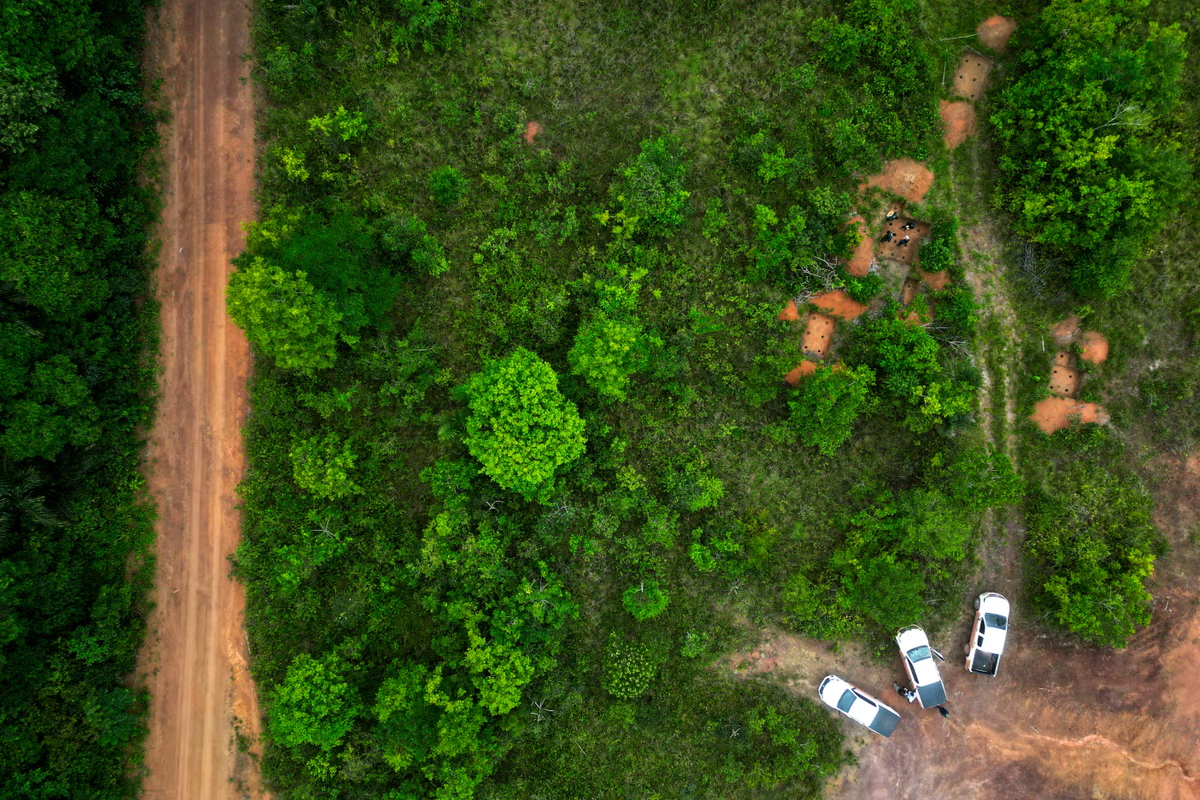
Road construction in the Amazon, a process often linked to deforestation, is also revealing a rich ancient history. Archaeological surveys along the BR-156 highway in Brazil’s northern state of Amapa have unearthed significant discoveries from long before European colonisation.
Among the findings from nine dig sites are pottery vases, potentially serving as funerary urns, alongside small artefacts crafted to resemble human faces. Lúcio Flávio Costa Leite, who manages the Archaeological Research Center at Amapa’s Institute for Scientific and Technological Research, described the complex nature of these projects, stating: “What we now about the region’s past is also tied to the opening created by these projects, which gives our relationship with them a somewhat ambivalent character.” He added this new knowledge compels closer attention and “permanent protection measures.”
These discoveries reinforce a growing understanding that the Amazon was far from a “human desert” before colonisation, but rather a landscape shaped by sophisticated, interconnected societies. The material unearthed along BR-156, for instance, includes pottery exhibiting multiple styles and techniques, reflecting cultural influences stretching from Brazil’s Para state to the Caribbean.
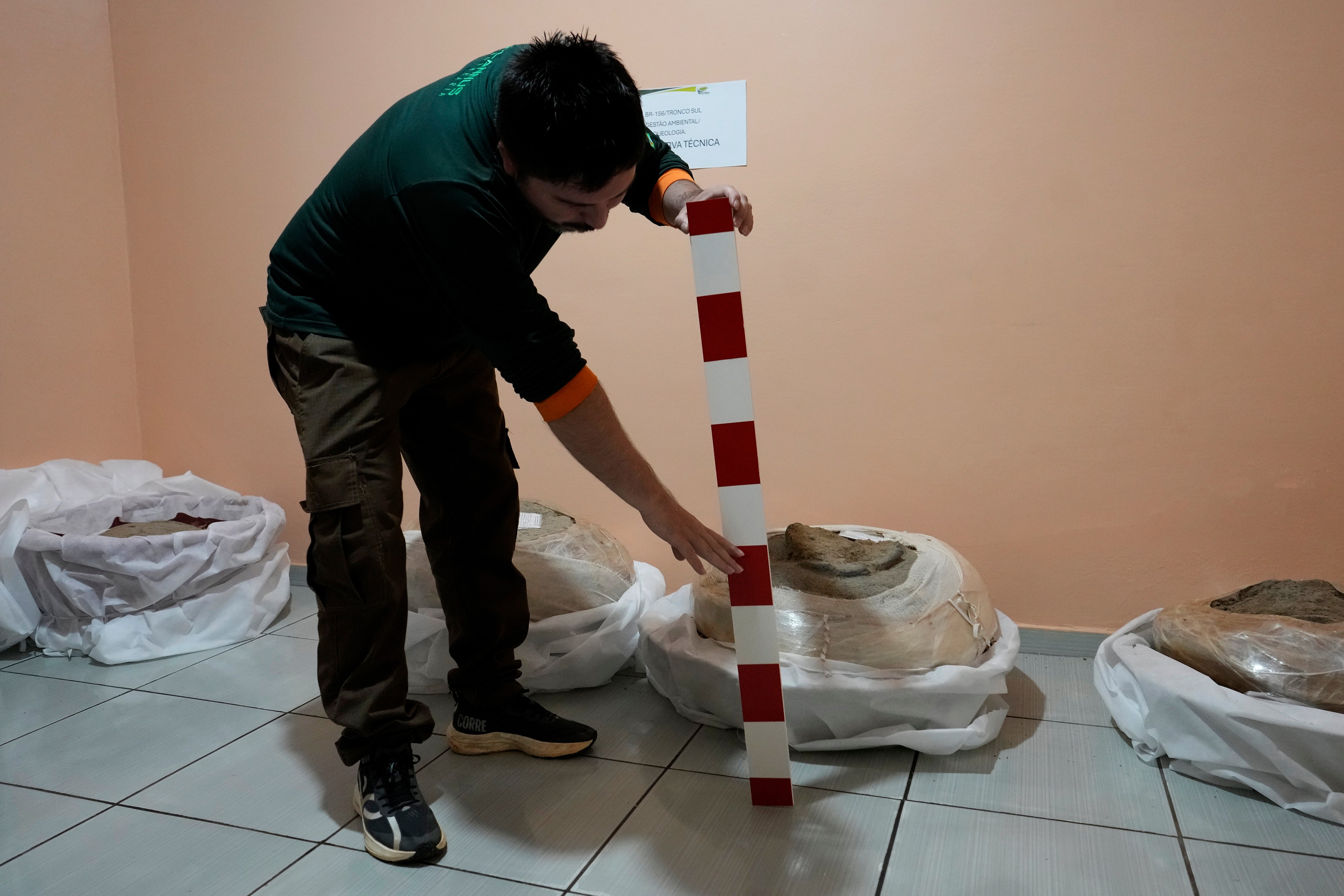
A team for the National Department of Transport Infrastructure meticulously cleaned and analysed the artefacts. Archaeologist Manoel Fabiano da Silva Santos described the excavated layers of Amazonian soil as a historical timeline. He explained that upper strata yielded items such as Portuguese porcelain and nails, indicative of European occupation, while deeper excavations uncovered “pottery and ceramics associated with earlier Indigenous presence, marking the site’s transition before and after the arrival of colonizers.”
Advertisement
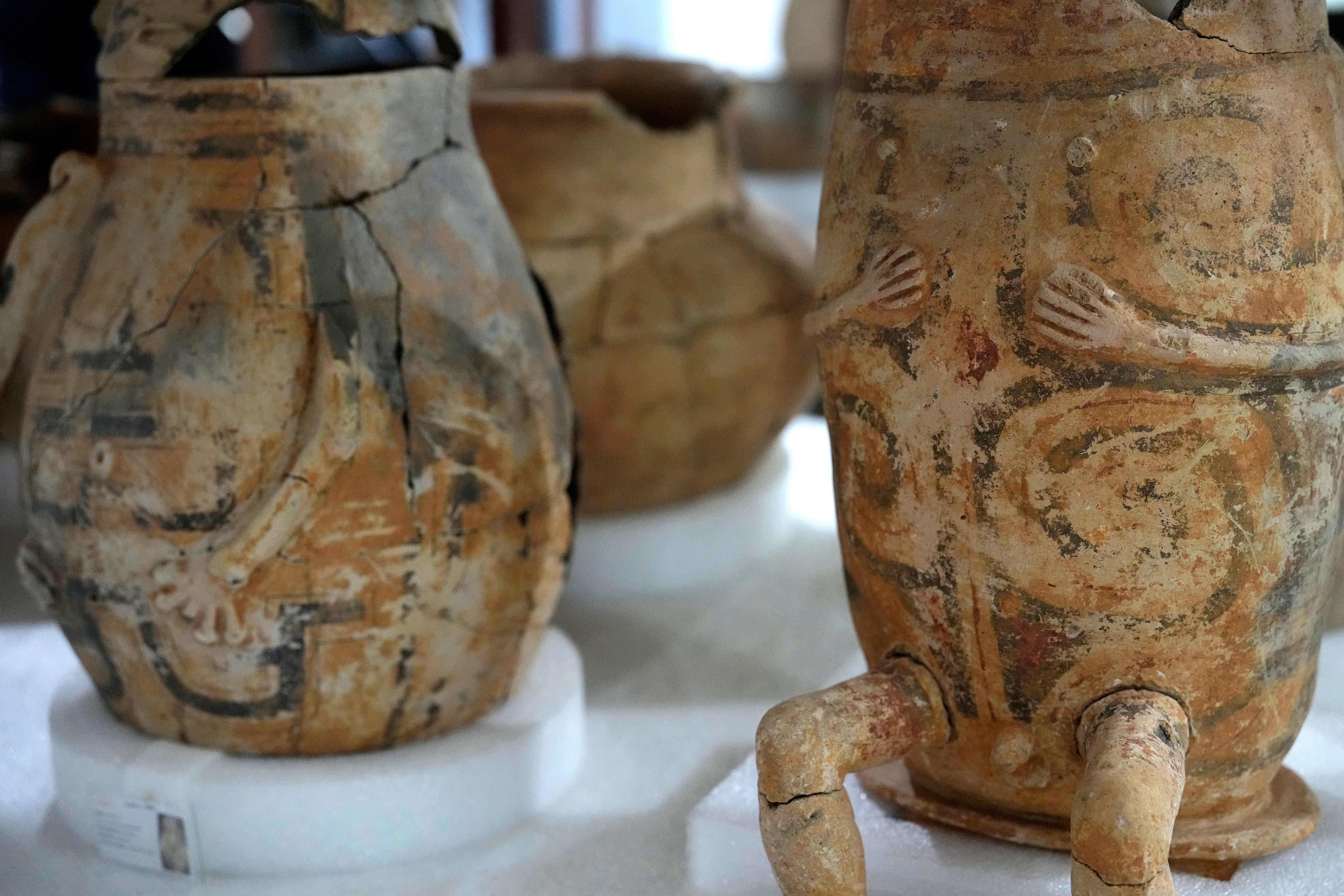
Pottery vessels with anthropomorphic features believed to be urns are displayed at the Institute for Scientific and Technological Research in Macapa, Amapa state, Brazil, Sunday, March 8, 2026. (AP Photo/Eraldo Peres) (Copyright 2026 The Associated Press. All rights reserved)
The artifacts will eventually go to Amapa’s state collection, overseen by Costa Leite, which includes about 530,000 pieces. The oldest piece is around 6,140 years old, confirming a long human presence across Amapa, he said.
The artifacts offer insight into how ancient Indigenous societies lived, died and interacted with the rainforest.
“Here is something I often debate with my students — we usually think of technology as computers and microchips,” Costa Leite said, walking through shelves of ancient pottery. “But all of this required careful reading of the landscape and deliberate choices of materials.”
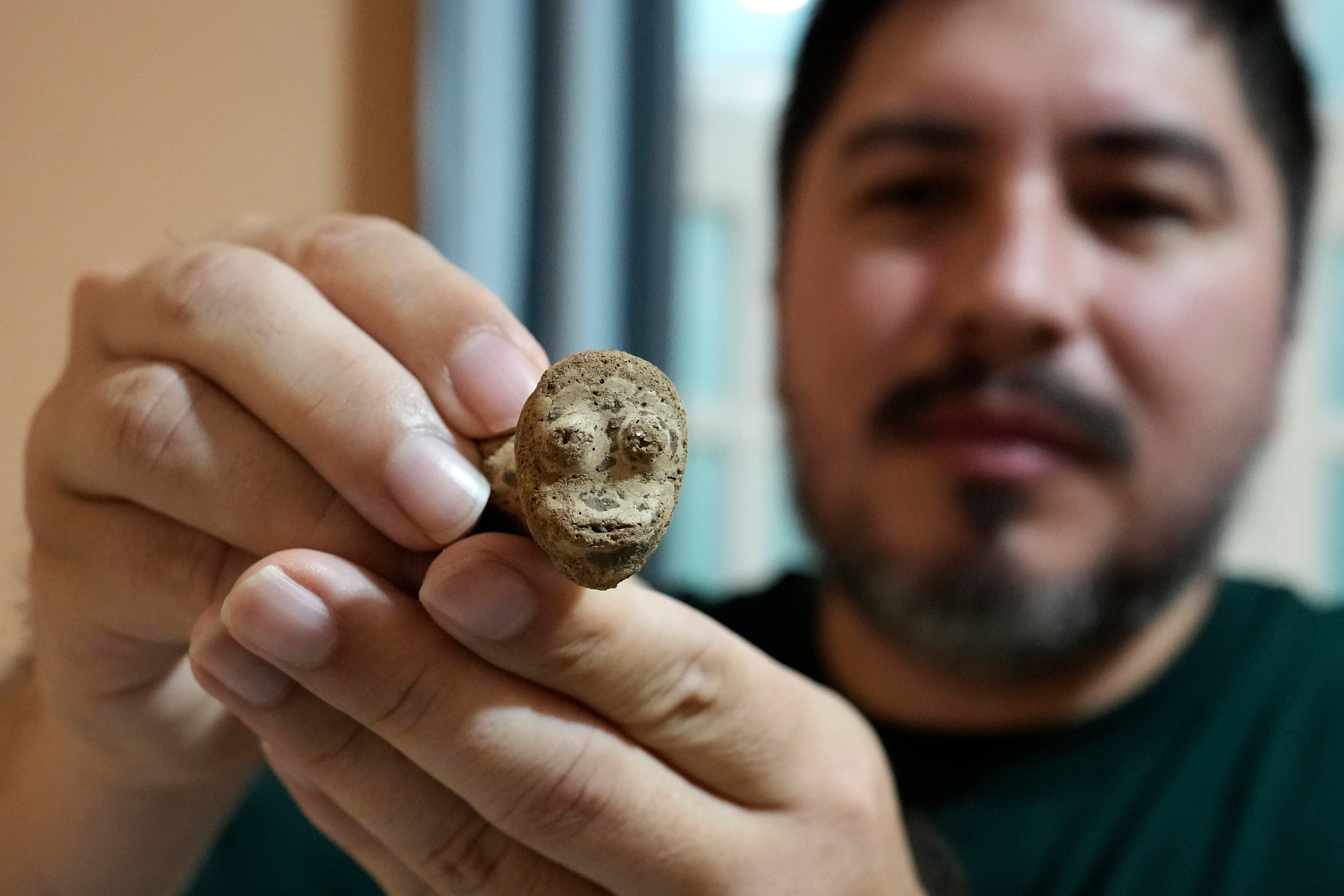
Archaeologist Manoel Fabiano da Silva Santos shows an anthropomorphic artifact found at the Quintela archaeological site at the National Department of Transport Infrastructure in Macapa, Amapa state, Brazil, Saturday, March 14, 2026. (AP Photo/Eraldo Peres) (Copyright 2026 The Associated Press. All rights reserved)
One of the most impressive historic areas in Amapa is in the city of Calcoene, where a 1,000‑year‑old stone monument made up of 127 carved monoliths arranged in a circle about 30 meters (98 feet) in diameter, set in open grassland amid the rainforest and bordered by a slow river.
Some have dubbed the Archaeological Park of the Solstice the “Stonehenge of the Amazon” for its resemblance to the British monument. Researchers found that the stones were positioned so that during the winter solstice in the Northern Hemisphere they marked the exact point where the sun rises, said archaeologist Mariana Petry Cabral, a professor at the Federal University of Minas Gerais who was part of the team that began digging at the site some two decades ago.
“It’s hard to say exactly what all the stones mean, but what we do know is that they are not from the site itself. They were brought from other nearby locations,” she said.
Advertisement
Subsequent research and excavations found the site also served as a burial ground. Radiocarbon dating showed it was occupied for hundreds of years, beginning around 1,100 years ago, she said.
The site, discovered by scientists in 2005, can be visited with prior approval from Amapa’s Institute for Scientific and Technological Research. At the same time, the site is going through the process to become a national park, which will allow more people to visit.
Such archaeological sites are protected by Brazilian law, which prohibits them being altered. That adds a layer of protection for surrounding rainforest.
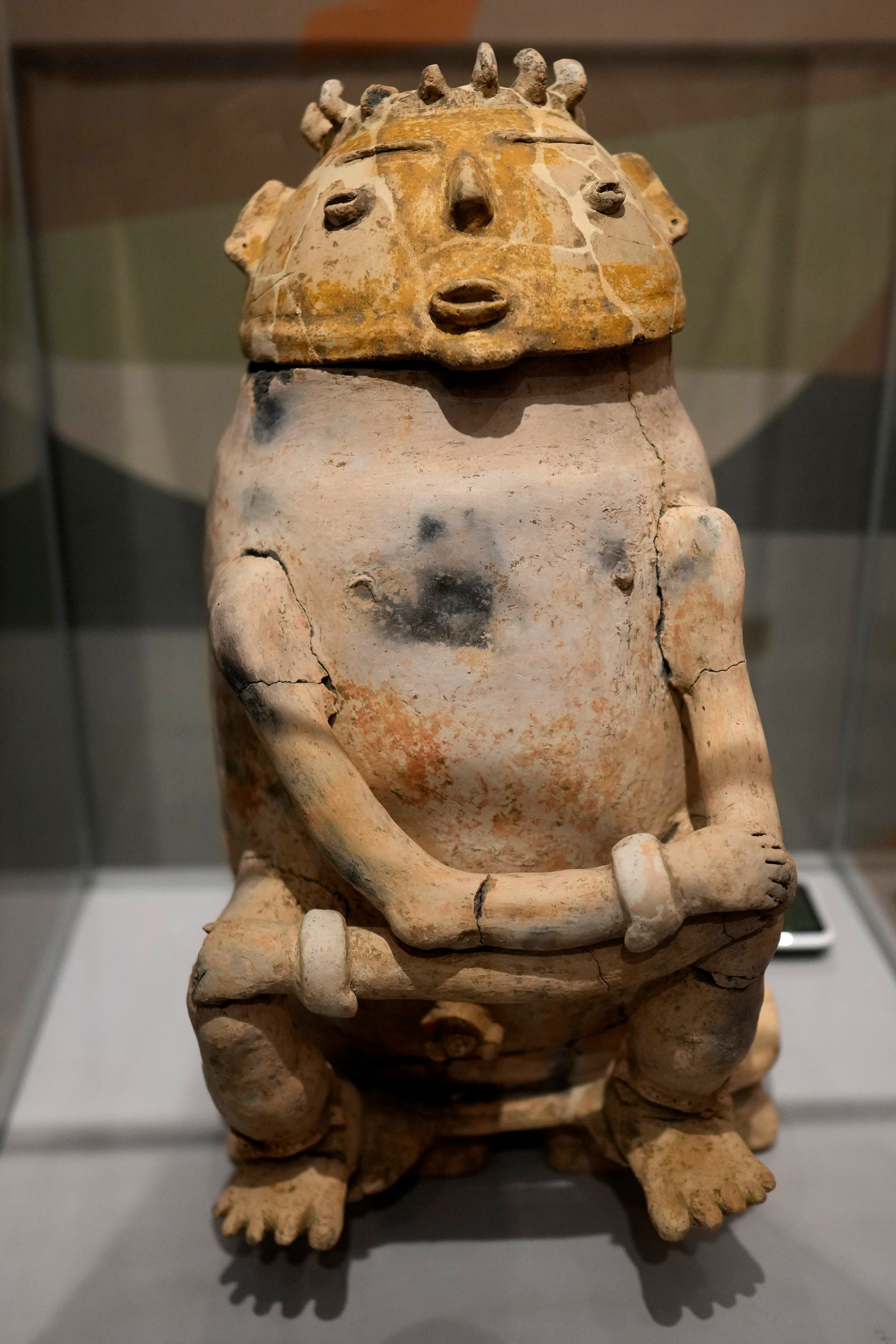
An anthropomorphic ceramic figurine found during archaeological work in a state is displayed at the Institute for Scientific and Technological Research in Macapa, Amapa state, Brazil, Sunday, March 8, 2026. (AP Photo/Eraldo Peres) (Copyright 2026 The Associated Press. All rights reserved)
Modern archaeological and historical ecology research shows that Indigenous peoples not only lived in the Amazon for centuries but also shaped it. They managed and cultivated the landscape through long‑term, sustainable practices, said Eduardo Neves, an archaeologist professor at the University of Sao Paulo.
Neves has studied the Amazon rainforest for more than 30 years and, since 2023, has led the Amazon Revealed project, which uses satellite scans to identify archaeological sites hidden beneath the forest canopy.
Advertisement
Scans have revealed roads linking archaeological sites and buried patterns in the rainforest that point to repeated occupation and deliberate landscape modification. Together, Neves said, the features suggest large settlements.
Archaeologist Manoel Fabiano da Silva Santos shows a soil layer scale while explaining the historical timeline at National Department of Transport Infrastructure in Macapa, Amapa state, Brazil, Saturday, March 14, 2026. (AP Photo/Eraldo Peres) (Copyright 2026 The Associated Press. All rights reserved)
Archaeologists had long suspected such connections, Neves added, but technology has made it possible to see their broader geographic reach. The scans show networks of roads connecting clusters of settlements across the forest, most clearly in southern Amazonas state and Acre.
“When people think of an Indigenous tribe, they often imagine a small village isolated in the middle of the forest. But evidence shows a high degree of interconnectivity linking different settlements,” Neves said.
“Amapa is a key piece that helps us see how dynamic and active these populations were, and how they maintained networks of exchange that have been in place for millennia,” Cabral said.
Next week’s state visit from King Charles and Queen Camilla could “absolutely” repair relations with the UK, Donald Trump has said amid a growing rift with Sir Keir Starmer.
Relations between the prime minister and the US president have been fractious in recent months, with the president branding the UK’s approach to the Iran war “terrible” and repeatedly lashing out at Sir Keir – at one point describing him as “not Winston Churchill”.
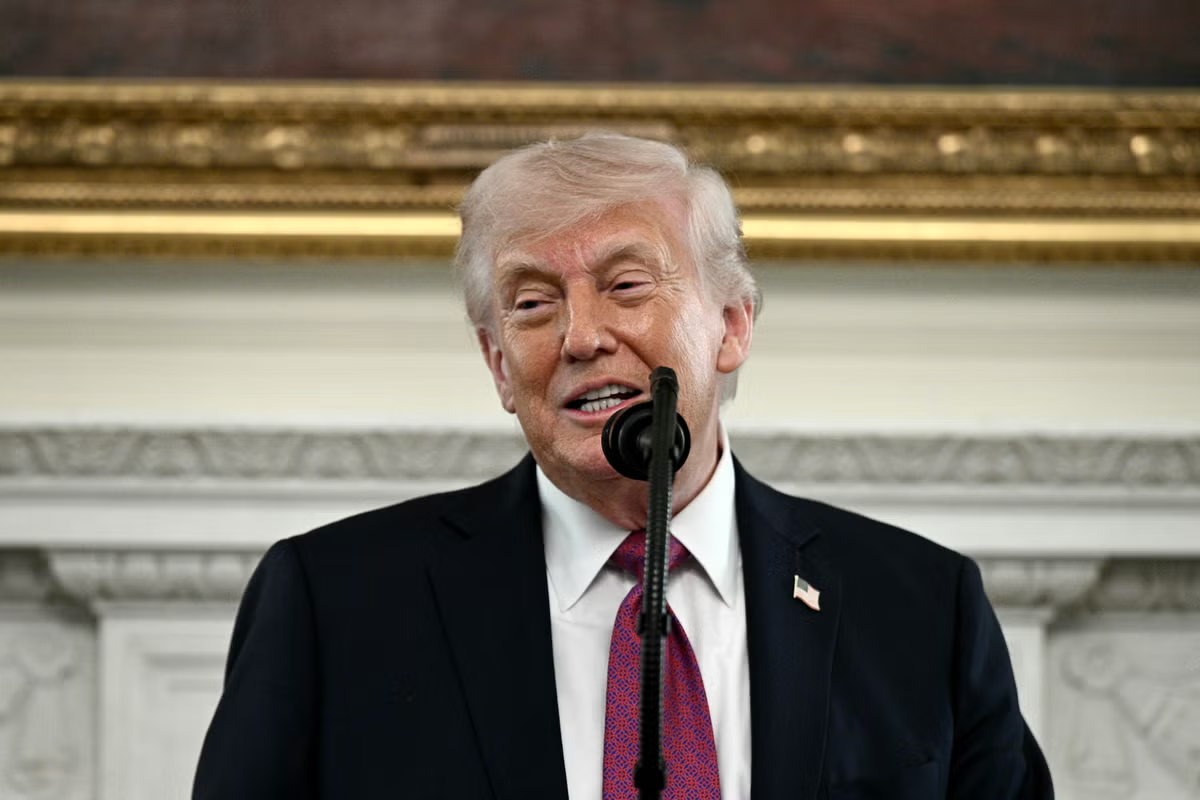
Asked by the BBC whether the upcoming state visit from the King could help repair the relationship, Mr Trump said: “Absolutely. He’s fantastic. He’s a fantastic man. Absolutely the answer is yes.”
“I know him well, I’ve known him for years,” he added. “He’s a brave man, and he’s a great man. They would absolutely be a positive.”
Advertisement
Mr Trump’s comments will come as a boost to No 10, as there has been hope in Downing Street that Charles and Queen Camilla can help put the UK-US special relationship on firmer footing.
The state visit, which begins at the end of the month, will mark the 250th anniversary of American independence and herald the start of celebrations across the US, with Charles and Camilla marking the milestone at a “block party”.
The first time Charles and Camilla will meet the president and US first lady will be at a private tea only captured by cameras.
The navy-blue velvet gown resembles a tuxedo (Picture: Samir Hussein/WireImage)
Anne Hathaway and her stylist Erin Walsh have made sure her looks for The Devil Wears Prada 2 press tour are worthy of the iconic film itself.
So far she’s posed in sculpted Louis Vuitton, ruffled Valentino and shimmering Stella McCartney.
But that’s not all. For the most recent London premiere, Hathaway stole the show in Versace.
The navy-blue velvet gown had a high-slit skirt with a glittery top and strapless sheer bodice, resembling a deconstructed tux jacket fit with lapels and a row of buttons.
Advertisement
The dress was designed by Versace (Picture: by Samir Hussein/WireImage)
Andrea Sachs is back (Picture: WireImage)
Paired with a statement high-pony with plenty of enviable volume, Hathaway looked fittingly glam and powerful as she, alongside costars Meryl Streep, Emily Blunt, Stanley Tucci and even designer Donatella Versace herself, celebrated the long-awaited sequel to the 2006 cult classic film.
What to expect from the film, you ask? Although The Devil Wears Prada 2 won’t be released in UK cinemas until May 1, early critic reviews have indicated fans won’t be disappointed.
After a 20-year wait for a follow-up, the new film sees Anne Hathaway’s Andy Sachs return to Runway magazine, where she reunites with her infamously frosty former boss Miranda Priestly, played by Meryl Streep.
Fans have been eager to see the return of Streep’s Miranda Priestly (Picture: Scott A Garfitt/Invision/AP)
Another of Hathaway’s recent looks (Picture: Taylor Hill/WireImage)
It’s been teased that the sequel will see Andy working alongside Miranda as the fashion titan navigates her career amid the decline of traditional magazine publishing.
We’ll also see the return of iconic character and former colleague Emily Charlton (Emily Blunt) as the now head of a luxury brand that possesses the advertising dollars which could ensure the glossy mag’s survival.
Speaking with People at last night’s premiere, Hathaway reflected on the ways the growth in her personal life mirrors that of her character’s in the new film.
Advertisement
‘I think we’re both more confident,’ she said. ‘I think that 20 years ago Andy Sachs was really worried about getting it right and she really wanted to please her boss.’
She added: ‘I think that 1776958873 she wants to be herself. And I relate to that.’
Kelcie Reed (center with hood up) attended Bristol Magistrates’ Court accused of being in charge of a dog dangerously out of control, causing injury resulting in the death of Morgan Dorsett (inset) (Picture: PA)
A woman has appeared in court over the death of her teenage cousin who was mauled by an XL bully.
Kelcie Reed, 24, attended Bristol Magistrates’ Court accused of being in charge of a dog dangerously out of control, causing injury resulting in death.
It is alleged that the dog, an XL bully named Prince, fatally injured Morgan Dorsett, 19, inside a flat at Cobhorn Drive, Withywood, Bristol, on February 26 last year.
Ms Dorsett suffered fatal bites to her neck during the incident.
Advertisement
The dog was put down afterwards.
Sign up for all of the latest stories
Start your day informed with Metro’s News Updates newsletter or get Breaking Newsalerts the moment it happens.
Advertisement
Reed, of Bristol, wept as the charge was read to her by District Judge Lynne Matthews on Thursday morning.
Kelcie Reed (center with black coat hood up) leaves Bristol Magistrates Court surrounded by friends (Picture: SWNS)
Kelcie Reed (black coat covered) will next appear at the crown court next month (Picture: SWNS)
Morgan Dorsett was killed by an XL bully dog in February last year (Picture: Avon and Somerset Police/SWNS)
She did not enter a plea to the charge against her and the case was adjourned to Bristol Crown Court.
The judge said: ‘I send you now to the crown court at Bristol where you must appear on May 27.
‘Between now and then, you are on conditional bail.’
The bail conditions state that Reed must not own or be in control of any dog, under any circumstances.
Advertisement
Reed will next appear before Bristol Crown Court on May 27.
Plans have been submitted with North Yorkshire Council for alterations to the former Ken Warne shop in Richmond Market Place.
The application has been submitted on behalf of Grape Tree, a national health food chain which has more than 175 stores around the country.
The Ken Warne store closed in 2024 after more than 30 years in the town.
Advertisement
The application seeks listed building consent for work on the shop.
Agents for the applicant say a “sensitive internal refurbishment and reconfiguration” is planned to accommodate the new tenant.
Non-original partitions, fixtures, and fittings left by previous tenants will be removed.
A lightweight, non-structural internal partition will be constructed at the rear to form a stockroom.
Advertisement
Existing ceiling tiles will be replaced with lightweight tiles, and electrical services—including lighting, CCTV, fire alarm, and power/data outlets—would be upgraded.
Floors would be upgraded with vinyl tiles on the sales floor and prepared for decoration in the back-of-house areas.
Supporting documents say the historic building would be preserved as part of the work.
They state: “The property comprises a Grade II listed ground-floor retail space dating from circa 1800, under a Welsh slate roof, with a modern shop front. The interior includes timber slats, bare plaster with peeling paint, exposed blockwork (some painted, some unpainted), and mock brickwork columns.
Advertisement
“The proposed works are designed to respect the historic and architectural character of the building while upgrading functionality, safety, and aesthetics.”
Grape Tree was founded in 2012–2013 by Nick Shutts and Nigel Morris, the former owners of the Julian Graves brand which closed in 2012.
The company focuses on health foods, nuts, seeds, and dried fruits.
Grant Hunter threatened the guard while he was in jail on remand for the murder of Webley.
A hitman who murdered Edinburgh gangster Marc Webley has admitted threatening to kill a prison guard. Grant Hunter appeared at Peterhead Sheriff Court on March 23.
Advertisement
The 34-year-old pled guilty to threatening the man at HMP Grampian last August while he was on remand for the murder of Webley.
The court heard he threatened to kill the prison officer after a row about getting medication from the jail’s nurse.
Sheriff Alan Sinclair added three months to the 26-year sentence he is serving for shooting Webley outside a pub in Edinburgh on New Year’s Eve in 2023.
Marc Webley – who was cleared of two attempted murders in 2023 – was wearing a stab vest when Hunter pulled up in a stolen red Hyundai Tucson car before firing bullets. The hired gunman was captured on camera pulling down a balaclava so Webley could see who he was.
He was locked up for the murder at the High Court in Glasgow in December last year. Hunter was also convicted over the attempted murder of Webley’s pal Stewart Pearson, who was also shot during the drama.
Hunter’s ex-girlfriend Emma McVie, 27, was jailed for four years and six months after she pled guilty to attempting to destroy evidence. Another man, Gary Robertson, 22, was also jailed for six years and six months after admitting attempting to pervert the course of justice.
In the days before the Hogmanay assassination, Webley filmed himself taunting rivals to “come to the pub”. In a pair of videos obtained by the Record, Webley was seen talking directly to the camera.
Advertisement
Speaking in the first video, he said: “You could come to the pub. I’ll only be here a couple of hours. Surely gies you enough time. You’ve had all day to make an effort.
Advertisement
“Youse talk a good fight so when you’re lying in bed or talking s***e or whatever it is you’re daein, saying ‘we’re gonna get him, we’re gonna get him’, well, here I f***ing am. Stone cold sober. Come and get it. I don’t think you’ll come. You’ve not got the f***ing b*ws. Fire guns, fire windaes. Ha Ha. I’ve never missed. Enjoy your night guys. I will. Come and get it.
“We put the city on the map. Youse deal with the cops. Ha ha ha.”
A second clip shows Webley outside again and addressing the camera. He said: “Still at the pub. We bit drunk so you’d be at an advantage, it would be a good advantage.
Advertisement
“I don’t see it though. Nah, honestly I don’t. Come and give me a wee tuppence and youse get a strike that ends the show.
“We were brought up with stab wounds. Youse maim people, dinnae want to kill anyone. Don’t blame you for that. You’re just no like us Roysters. We were taught from wild, wild men. One shot can end it all.
“I hate doing social media, but I just like to call youse c****s oot cos you’re f***ing chickens. I’m here mysel tae. F***ing come. Youse will get us. I’ll get one of youse though. One of youse will come to the grave with me, believe it, believe it.
“Ask your boss if you can come. Stay off the crack guys.”
Advertisement
Get more Daily Record exclusives by signing up for free to Google’s preferred sources. Click HERE.
Improbable guidance from Washington urging Americans to ditch ultra-processed food echoes the work of a British GP whose patients are reversing type 2 diabetes through diet
If I told you something not entirely awful has come out of the current US administration, you might start to worry about me. If I added that it was unveiled by Robert F Kennedy, the health secretary politely described as maverick (other much less polite terms are available), you’d think I’d taken leave of my senses.
And yet…
Advertisement
Earlier this year ‘RFK’ announced a new set of dietary guidelines, introduced with a simple message: ‘eat real food’. The advice urged Americans to move away from highly processed, sugary, additive-laden meals and towards “whole, nutrient-dense” options such as vegetables, fruit, dairy, protein, healthy fats and whole grains. From a figure better known for courting controversy, it amounted to an unexpected pushback against America’s junk food culture.
Not everyone is convinced. Some cardiologists are uneasy about the enthusiasm for full-fat meat and dairy as part of the mix, a stance that has hardly endeared the message to vegetarians or environmentalists either. Others warn that romanticising older dietary patterns risks glossing over the health problems associated with mid-20th-century eating habits.
Advertisement
But many see it as a welcome rejection of the ‘obesogenic’ diets which have hampered the Western world for decades. Among them, the UK’s Dr David Unwin, one of the leading lights in helping people overcome type 2 diabetes and other chronic health problems via dramatic changes in their diet – particularly cutting down on sugary carbs and processed food.
Speaking at the Sustainable Foods Summit in London recently, Unwin gave a strong endorsement of the new US guidelines. Quick to stress that he was no fan of the Trump White House, he added that “nobody was more astonished than me when I discovered that the diet they were espousing was pretty well what I’d been advising for the past 13 years for my own patients”.
As a GP in a working-class Liverpool suburb, Unwin has spent much of his career treating the steady rise of type 2 diabetes. When he joined his practice in 1986, just 56 patients were living with the condition. Today the number is around 570. The increase reflects a wider trend across the UK, where rates of diabetes have climbed sharply alongside diets increasingly dominated by ultra-processed food.
Advertisement
From a figure better known for controversy, it’s an unexpected pushback against junk food culture
Speaking at the Sustainable Foods Summit in London recently, Unwin gave a strong endorsement of the new US guidelines. Quick to stress that he was no fan of the Trump White House, he added that “nobody was more astonished than me when I discovered that the diet they were espousing was pretty well what I’d been advising for the past 13 years for my own patients”.
As a GP in a working-class Liverpool suburb, Unwin has spent much of his career treating the steady rise of type 2 diabetes. When he joined his practice in 1986, just 56 patients were living with the condition. Today the number is around 570. The increase reflects a wider trend across the UK, where rates of diabetes have climbed sharply alongside diets increasingly dominated by ultra-processed food.
A sufferer from type 2 diabetes himself, which he puts down to half a lifetime of poor eating habits, like most doctors, Unwin once relied primarily on medication to manage the disease. Metformin remains the standard treatment, and newer drugs such as GLP-1 therapies have transformed care for many patients by helping control blood sugar and support weight loss.
Advertisement
Rates of diabetes have climbed sharply alongside diets increasingly dominated by ultra-processed food. Image: iStock
Disarmingly, Unwin credits one of his own patients with his shift from drugs to diet. She’d spent time researching how the foods she ate affected her diabetes and subsequently made massive changes to her eating habits. She “came in hopping mad with me that I [hadn’t offered her this advice myself]”. How did he react? “I was interested, but sceptical.”
Scepticism turned to surprise after tests showed that the woman’s condition had improved dramatically. He recruited a control group of 275 willing patients who had type 2 diabetes, put them on the same low-carb, low-sugar diet, and got the same results. As of this year, the approach has resulted in 150 of his patients going into remission – no longer needing drugs, and enjoying dramatically better health. They include Unwin, a living example of ‘physician heal thyself’.
Advertisement
Nobody was more astonished than me to find that the diet they were espousing was what I had been advising for 13 years
One common objection is that healthy diets are out of reach for those on low incomes. Unwin says the opposite often proves true. When patients cut out sugary snacks, fizzy drinks and heavily processed foods, many find their weekly food bills fall rather than rise. With guidance on shopping and cooking, he says, people quickly learn practical ways to prepare simple, affordable meals as shown on his BBC documentary ‘The Truth About Carbs’.
None of this means medication has lost its place. GLP-1 drugs have brought major advances in diabetes treatment, although doctors note that weight regain is common if treatment stops, and researchers are still studying the long-term effects of widespread use.
His experience – and that of his patients – is a welcome reminder that we are, after all, what we eat. And if the new US guidelines – so close to those prescribed by Unwin – trigger that realisation among more Americans, then they will go down as a surprising silver lining indeed, spotted over Washington.
Main image: Julia Zolotova
Advertisement
Be part of the solution
At Positive News, we’re not chasing clicks or profits for media moguls – we’re here to serve you and have a positive social impact. We can’t do this unless enough people like you choose to support our journalism.
Give once from just £1, or join 1,800+ others who contribute an average of £3 or more per month. Together, we can build a healthier form of media – one that focuses on solutions, progress and possibilities, and empowers people to create positive change.
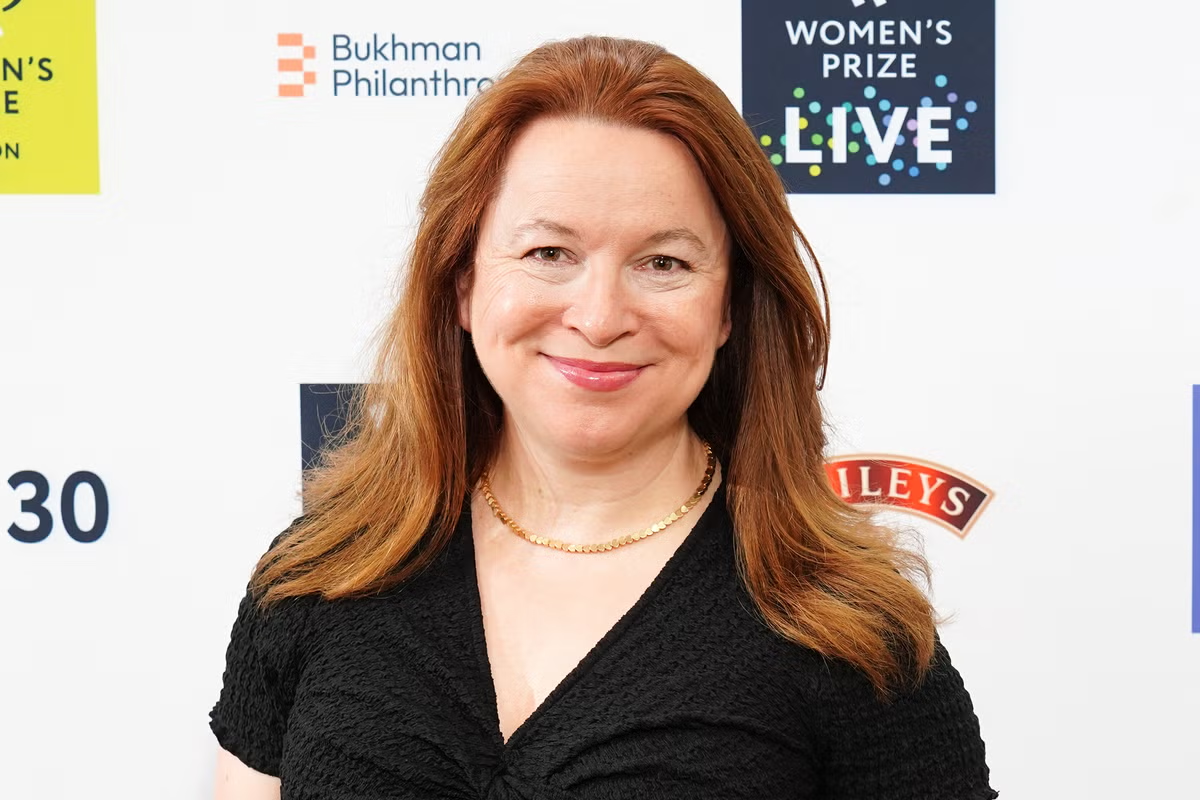
Women’s Prize for Non-Fiction winner Rachel Clarke has said that the idea of literature written by artificial intelligence is the “emptiest, most vacuous, object imaginable” – and warned that the challenge lies in distinguishing which works have used it.
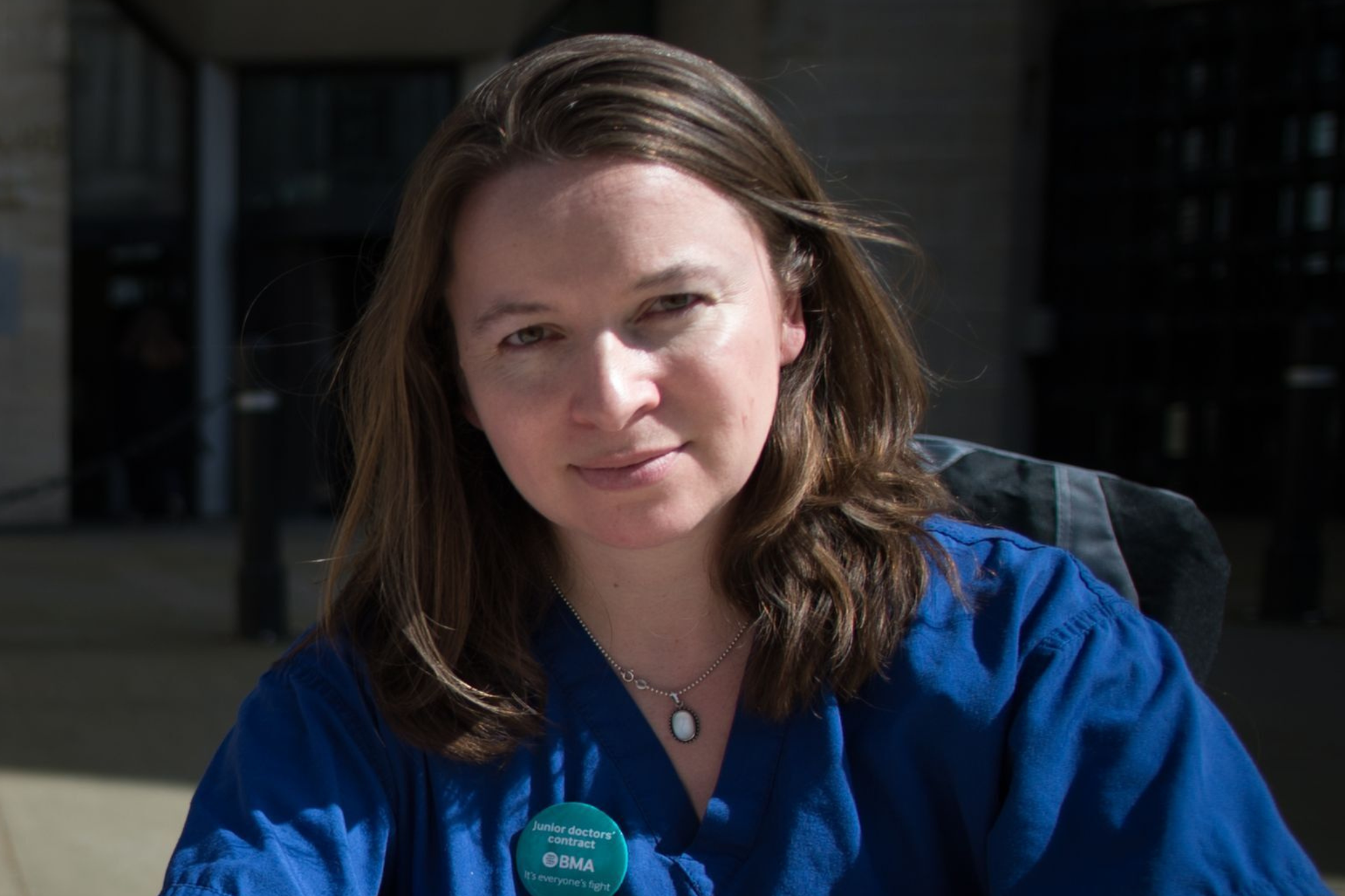
Author and NHS doctor Clarke, who is delivering the annual State of the Nation Lecture at Cambridge Literary Festival, won the Women’s Prize last year for The Story of a Heart – the story of how one child received a heart transplant from another. Her memoir about working in the NHS at the start of the COVID-19 pandemic, Breathtaking, was adapted into a drama for ITV in 2024.
Speaking to The Independent ahead of her lecture at the Cambridge Literary Festival, Clarke said that the concern around AI is “much deeper than just ‘will this take my job?’” – and that she doesn’t think readers would ever choose to read an AI-generated book over one written by a real author.
Advertisement
NHS doctor and author Rachel Clarke wrote ‘The Story of a Heart’ (PA)
“I think it’s about trust and authenticity and what really matters to each of us as individual human beings,” she said.
“And I think with works of art, whether literary or painting or whatever the form might be, we have a bond of trust with the artist. We believe that we are experiencing something that they have created themselves that is built on the edifice of their life.”
She added that what makes a painting by Vincent Van Gough significant is that it’s related to “his life and everything he’s suffered and endured”.
“If you strip away all of that, suddenly all you’re experiencing is the product of a very clever algorithm. How does that even constitute art at all? It’s not creative, it doesn’t stem from everything this human has experienced.
“It’s nothing. It’s just a crisp packet that doesn’t even contain any crisps. It’s the emptiest, most vacuous object imaginable – and I can’t imagine there is anybody who really wants to read a book written by a computer, even if they are unable to distinguish that book.”
While the use of AI within the literary sector is on the rise, Clarke said that reading a book is “entering into a relationship with an author” and without that, she’s “not even sure I know what the point of reading is”.
“I suspect that most people feel exactly the same,” she said. “The challenge is how do we now distinguish the authentic works from the AI-generated works, particularly if we have authors who are perfectly willing to lie and say that they’ve written something when it just stems from AI. I don’t have the answer to that question but I hope that some of the very clever Silicon Valley minds are focusing on that problem.”
In Clarke’s State of the Nation Lecture on Saturday (25 April), the author will argue that there’s a crisis of care in this country, and as a nation we have become “kindwashed”, with institutions preaching performative kindness.
Advertisement
“Kindness and empathy are qualities that are fundamentally human and what make us the remarkable species we are,” she said. “They’re under assault from all manner of different directions – from the corporate realm that tends to judge value in terms of productivity.
“The political realm – big political narratives that are dominating the headlines at the moment are about conflict, domination, Iran, Ukraine, Lebanon, Gaza. There’s also a fundamental devaluing of care, treating it as though it’s a soft, weak, feeble, optional extra rather than something profoundly important to how we live – Elon Musk loves to trash empathy as though it’s synonymous with weakness.”
Musk said last year that empathy towards undocumented immigrants was destroying society, telling podcaster Joe Rogan: “The fundamental weakness of Western civilisation is empathy.”
The NHS doctor is urging people not to “flinch away” from other people’s suffering, adding that while it’s hard to keep on caring, “the alternative is deeply corrosive to our sense of self”.
Advertisement
“We need to tell stories, not only about the power of care but also what an absence of care really looks like,” she said. “Life is tough for everybody at the moment – we don’t really want to consider more of other people’s suffering but actually we need to do that. We need to discipline ourselves not to give up and not to stop caring because once we do that, our indifferent makes us part of the problem.”
Rachel Clarke is giving the State of the Nation Lecture at Cambridge Literary Festival on Saturday 25 April.
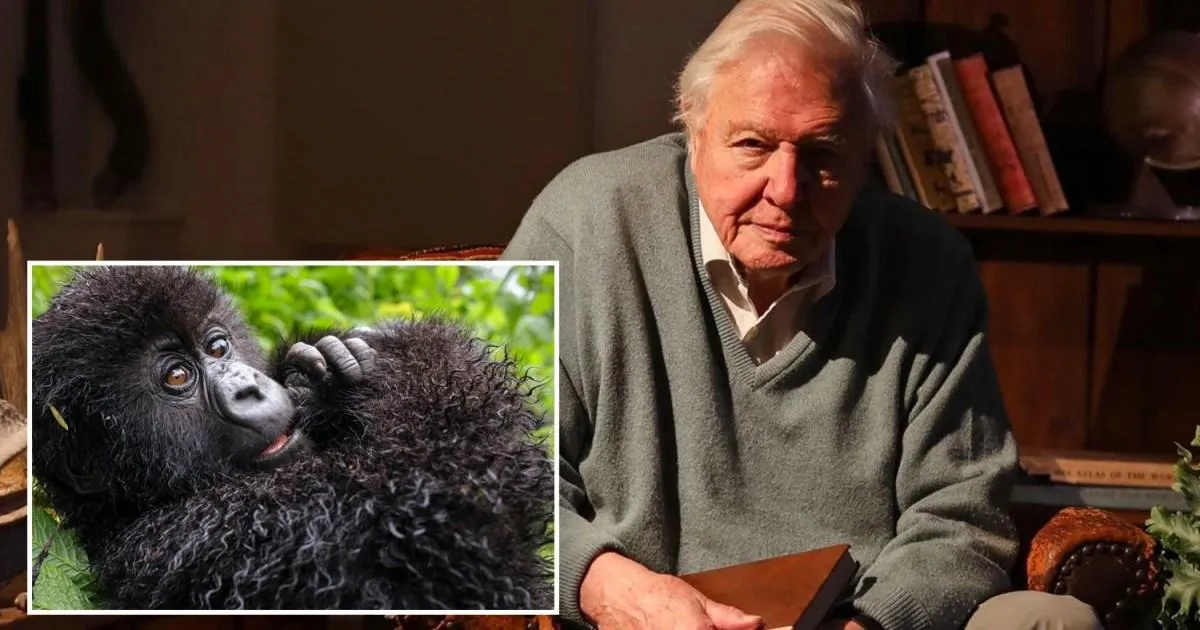
Released in 1979, the series had taken three years to film and had cost over £1million. Shot in 100 locations around the world, one of those was in the Volcanoes National Park in the Virunga mountains of Rwanda.
When he was aged three, Pablo came across David filming his TV show, deciding the presenter would make for the perfect place to soak up the sun and used him as a personal lounger in scenes that are still remembered by many today.
Advertisement
As Sir David said at the time: ‘There is more meaning and mutual understanding in exchanging a glance with a gorilla than with any other animal I know.’
Get personalised updates on all things Netflix
Wake up to find news on your TV shows in your inbox every morning with Metro’s TV Newsletter.
Sign up to our newsletter and then select your show in the link we’ll send you so we can get TV news tailored to you.
Advertisement
‘It seems very unfair that man should have chosen the gorilla as a symbol of all that is violent and fearsome, when in fact, it is a peaceable and gentle creature.’
A Gorilla Story: Told by David Attenborough sees Sir David reflect on his meeting with a gorilla called Pablo nearly 50 years ago (Picture: BBC)
Advertisement
Decades later, and not long before his 100th birthday, Sir David has reflected on his relationship with Pablo and the long-lasting effect their encounter had on him.
These are detailed in the new Netflix documentary A Gorilla Story: Told by David Attenborough, which has been billed as an ‘intimate documentary’ on the ‘remarkable story of his first encounter with the baby gorilla Pablo, how that gorilla grew up to be a top Silverback and how Pablo’s direct descendants are doing today’.
Directed by James Reed (who won an Oscar for My Octopus Teacher) and with Leonardo DiCaprio as an executive producer, it’s also been teased of the release that it is: ‘Packed with extraordinary gorilla behaviour never filmed before, this is a story of hope and joy.’
Since quietly being released in the past few days, the documentary has soared up the Netflix charts and is now one of the most-watched films in the UK.
Advertisement
Reviews have already called it ‘unmissable’ and told viewers they will be ‘overcome with awe’.
It also follows his direct descendants (Picture: John Sparks/ Nature Picture Lib)
‘The actual plot of the film – and though I know it’s not a scripted drama, it almost feels like it – is so utterly engrossing…there are staggering character arcs and scenes that are both heart-warmingly tender and gut-wrenchingly tragic, including one of the most devastating betrayals you’ll see,’ Esquire wrote in its review, adding that it ‘packs an almighty punch’.
‘Attenborough’s tone is more upbeat than in some of his documentaries because the gorillas’ population has more than doubled in recent decades after poachers demolished their numbers. It is a conservation success story and a love letter to the gorilla, told beautifully by the undisputed silverback of natural history broadcasting,’ The Times declared.
‘Clearly Attenborough has no truck with nostalgia. This is the second new project he’s released in the space of a fortnight, which hints at a preference for forward momentum. But for those of us who grew up with him – which is to say all of us – this feels like one of the last chances we’ll get to sit at the feet of an adored relative,’ The Guardian added.
One review has said it ‘packs an almighty punch’ (Picture: Ben Cherry/ Silverback Films)
Meanwhile fans of Sir David shared their excitement ahead of tuning in.
‘This is going to be the best documentary of 2026,’ charleswingfield380 posted on YouTube.
Advertisement
‘David Attenborough is a legend. And his non-ceasing love and advocacy for our natural world should serve as an example for action and change,’ LadyDi_ATX shared.
‘I just finished watching Gorilla Story on Netflix and it is an outstanding documentary I highly recommend it. I love those powerful majestic creatures and the family dynamics they portray. Very well done David Attenborough!’ moester75 added.
In an interview with CN Traveler ahead of the documentary’s release, executive producer Alastair Fothergill reflected on how the scenes of Sir David with Pablo in Life on Earth, which he said was ‘arguably the most famous sequence in wildlife filmmaking’.
Sir David believes the original encounter with the gorillas in Life on Earth was the ‘most important sequence he has ever done’ (Picture: BBC)
‘David believes it’s the most important sequence he has ever done. Pablo grew up to be the most successful gorilla ever in Rwanda. He died about 10 years ago, but the group that we went to film for this documentary were all his direct descendants. Once we were there, we knew we’d filmed some pretty amazing behaviour – we’ve essentially found the parallel story of the original Pablo, told by David Attenborough, nearly 50 years later,’ he shared.
When asked what he hoped viewers would take away from the film, he replied: ‘I want them to take away a real respect for an animal that most people don’t really know. And I want them to recognise that there are positive conservation stories.
Advertisement
‘We’re living in a world where the news is not good, particularly for the environment and the natural world. And what’s happened in Rwanda is this amazing collaboration between scientists and the government. If you’re looking at a good example of ecotourism that really has helped the animals, but also really helps the people, it’s a perfect example.’
At the time that Sir David first visited Rwanda in the 1970s, gorillas were being poached to the point of extinction, but the population has now almost fully recovered.
A Gorilla Story: Told by David Attenborough is streaming on Netflix.
Got a story?
Advertisement
If you’ve got a celebrity story, video or pictures get in touch with the Metro.co.uk entertainment team by emailing us celebtips@metro.co.uk, calling 020 3615 2145 or by visiting our Submit Stuff page – we’d love to hear from you.
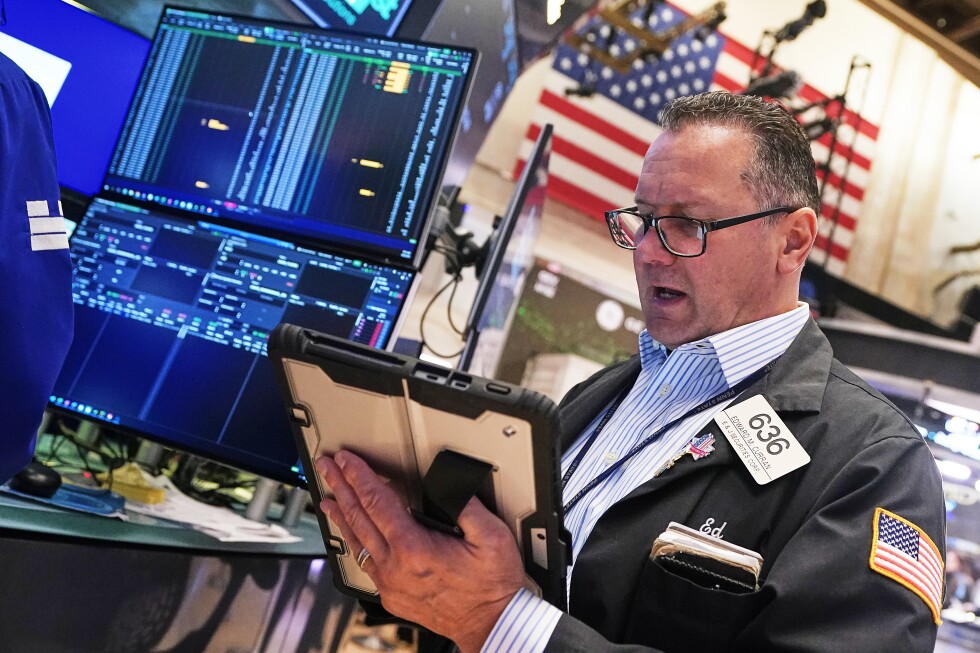
NEW YORK (AP) — The U.S. stock market is edging back from its all-time high Thursday following mixed profit reports from Tesla and other big companies. Oil prices, meanwhile, are swinging higher on continued uncertainty about what will happen next in the war with Iran.
The S&P 500 slipped 0.1% following a big rally that erased all its losses because of the war and then carried it to records. The Dow Jones Industrial Average was down 71 points, or 0.1%, as of 10:15 a.m. Eastern, and the Nasdaq composite was 0.5% lower after setting its own record.
Tesla dragged on the market and fell 4.3% even though it reported better results for the latest quarter than analysts expected. Investors may be focusing instead on Tesla’s increased forecast for spending this year, as it builds factories to make robots and other products.
“You should expect to see a very significant increase in capital expenditures,” Elon Musk told investors late Wednesday, “but I think well justified for a substantially increased future revenue stream.”
Advertisement
ServiceNow dropped even more, 16.2%, even though its results for the latest quarter matched analysts’ expectations. The company has been under pressure, along with much of the broad software industry, because of worries that rivals powered by artificial-intelligence technology could undercut its business.
Analysts said investors may have also been underwhelmed by its forecast for a declaration in growth for an important measure of revenue.
Texas Instruments helped limit Wall Street’s losses after breezing past analysts’ expectations for profit in the latest quarter. CEO Haviv Ilan said the semiconductor company is benefiting from growth led by industrial and data center customers, and it gave forecasts for profit and revenue in the spring that cleared analysts’ estimates.
The 16.6% leap for Texas Instrument’s stock was the strongest single force pushing upward on the S&P 500.
Advertisement
In the oil market, prices swung higher as uncertainty continues about what will happen with the Strait of Hormuz. A ceasefire is still in place between the United States and Iran, but oil tankers aren’t able to get through the narrow waterway off Iran’s coast to exit the Persian Gulf and reach customers.
The U.S. military on Thursday seized another tanker associated with the smuggling of Iranian oil, ratcheting up the standoff a day after Iran’s paramilitary Revolutionary Guards took control of two vessels in the strait. President Donald Trump also said Thursday he ordered the U.S. military to “shoot and kill” small Iranian boats that deploy mines to gum up traffic in the strait.
The price for a barrel of Brent crude, the international standard, rose 1% to $102.97 after bouncing between roughly $101 and $106 overnight. It’s unclear whether U.S.-Iran peace talks, previously hosted by Pakistan, would resume anytime soon.
Advertisement
Sign up for Morning Wire:
Our flagship newsletter breaks down the biggest headlines of the day.
Advertisement
More expensive oil has hurt airlines in particular because of the industry’s already big fuel bills, and stocks diverged in the industry following the latest profit reports.
American Airlines Group rose 4% after reporting better profit and revenue for the latest quarter than analysts expected. Even though winter storms hurt its revenue during the first three months of the year, American said demand was strong for flights, and it saw the nine best weeks for revenue intake in its 100-year history.
Southwest Airlines, though, lost 2.2% after reporting weaker quarterly results than analysts expected. It said it would not give an updated forecast for profit this year because of “the ongoing macroeconomic uncertainty.”
Advertisement
Also on the losing end of Wall Street was IBM, which sank 9.7% despite reporting better profit and revenue for the latest quarter than expected. Analysts said investors were focusing on some potentially discouraging numbers underneath the surface, including decelerating growth in trends for its software business.
In stock markets abroad, indexes fell across much of Europe and Asia. Hong Kong’s Hang Seng fell 0.9%, and Japan’s Nikkei 225 sank 0.7% for two of the bigger losses.
South Korea’s Kospi climbed 0.9% after the government reported better-than-expected economic growth for the start of the year, boosted by strong exports, particularly of computer chips used in the AI boom. Semiconductor supplier SK Hynix said its revenue for the latest quarter jumped more than analysts expected largely because of AI-related demand.
In the bond market, the yield on the 10-year Treasury edged down to 4.29% from 4.30% late Wednesday.
Advertisement
A report in the morning said slightly more U.S. workers applied for unemployment benefits last week, but the number is still at a historically healthy level. A separate, preliminary report on U.S. business output from S&P Global also suggested growth is improving a bit from its near-stagnation seen in March.
___
AP Business Writers Chan Ho-him and Matt Ott contributed to this report.





















































You must be logged in to post a comment Login