
Politics
4 In 10 Cancer Cases ‘Preventable’: 3 Factors Matter Most


New research from the World Health Organisation’s (WHO’s) global analysis has suggested that 37% of cancer cases worldwide are, to some degree, “preventable”.
The study, conducted with the WHO’s International Agency for Research on Cancer (IARC), looked at data from 85 countries concerning 36 cancer types.
“Preventable” cancers were higher in men (45% of cases globally) than in women (30%).
Study author and WHO Team Lead for Cancer Control, Dr André Ilbawi, said: “This is the first global analysis to show how much cancer risk comes from causes we can prevent”.
Which “modifiable factors” might affect our cancer risk?
In this study, researchers looked at the effect of 30 potentially modifiable factors on global cancer risk.
These included alcohol and tobacco use, physical activity levels, air pollution, and UV ray exposure.
Lung, stomach, and cervical cancers accounted for almost half of “preventable” cases; lung cancers were linked to smoking and air pollution, while stomach cancers were associated with Helicobacter pylori infection.
Cervical cancers were “overwhelmingly caused by human papillomavirus (HPV)”.
The study was also the first to look at “infectious causes of cancer alongside behavioural, environmental, and occupational risks,” the study’s senior author and Deputy Head of the IARC Cancer Surveillance Unit, Dr Isabelle Soerjomataram, said.
Of the 18.7 million cancer cases noted in the study (7.1 million of which were deemed possibly preventable), three potentially modifiable factors were deemed “the leading contributors to cancer burden”.
- Smoking tobacco (3.3 million)
- Infections like HPV (2.3 million)
- Alcohol use (700,000).
The WHO urged “context-specific prevention strategies”
“By examining patterns across countries and population groups, we can provide governments and individuals with more specific information to help prevent many cancer cases before they start,” said Dr André Ilbawi.
Following the study’s release, the WHO said that the results underscore the need for “context-specific prevention strategies”.
These include “strong tobacco control measures, alcohol regulation, vaccination against cancer-causing infections such as human papillomavirus (HPV) and hepatitis B, improved air quality, safer workplaces, and healthier food and physical activity environments.”

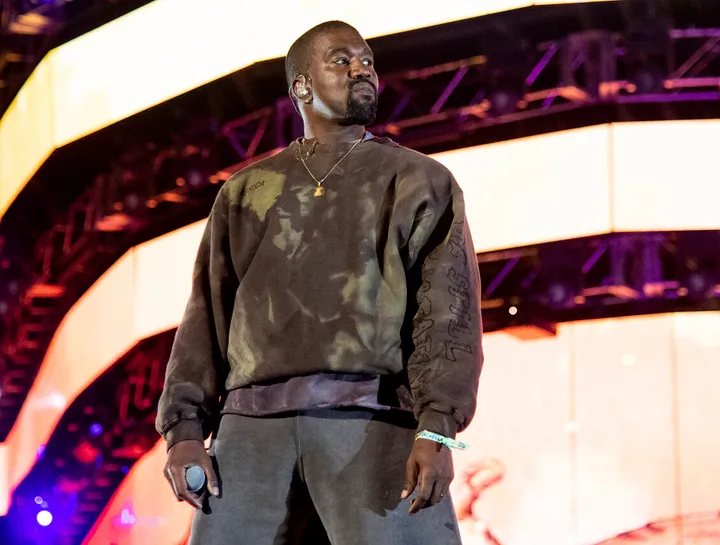
Ye, the rapper formerly known as Kanye West, has spoken out for the first time about the controversy surrounding his upcoming performances at the Wireless music festival.
Last week, it was confirmed that the Grammy-winning rapper had been booked to perform at all three nights of Wireless at London’s Finsbury Park in July.
In the days that followed, this announcement has been heavily criticised due to Ye’s history of antisemitic comments and actions in 2025, which included praising Adolf Hitler, declaring himself to be a Nazi, selling a t-shirt on his web store emblazoned with a swastika and releasing a single titled “Heil Hitler”.
Ye – who was diagnosed with bipolar disorder in 2016 – issued a public apology for his behaviour in a full-page magazine ad in January addressed“to those I’ve hurt” with his antisemitic outbursts, which he explained had come during a months-long manic episode where he said he had “lost touch with reality”.
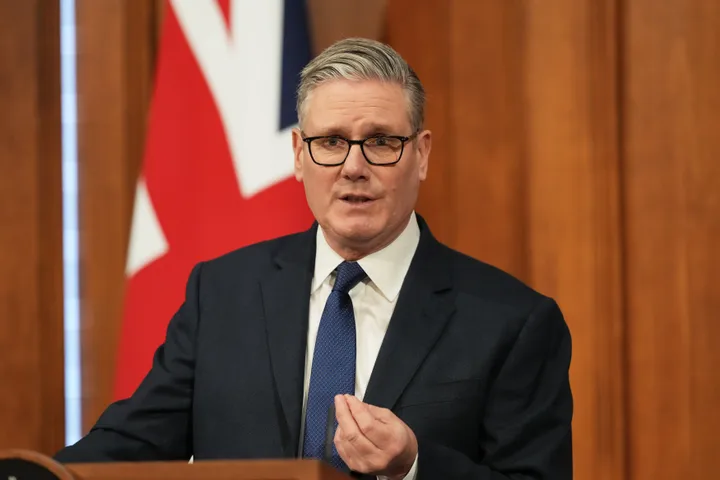
Among the most vocal critics of the Wireless booking were numerous leading UK-based Jewish groups, London mayor Sadiq Khan and even UK prime minister Keir Starmer, who said it was “deeply concerning that Kanye West has been booked to perform at Wireless despite his previous antisemitic remarks and celebration of Nazism”.
On Tuesday morning, Ye issued a fresh statement, saying: “I’ve been following the conversation around Wireless and want to address it directly. My only goal is to come to London and present a show of change, bringing unity, peace, and love through my music.
“I would be grateful for the opportunity to meet with members of the Jewish community in the UK in person, to listen. I know words aren’t enough – I’ll have to show change through my actions. If you’re open, I’m here.”
He signed off the message “with love, Ye, formerly known as Kanye West”.

The organisers of Wireless have also defended the choice to keep Ye as their headliner for 2026, with managing director Melvin Benn saying: “Forgiveness and giving people a second chance are becoming a lost virtue in this ever-increasing divisive world and I would ask people to reflect on their instant comments of disgust at the likelihood of him performing (as was mine) and offer some forgiveness and hope to him as I have decided to do.”
“Having had a person in my life for the last 15 years who suffers from mental illness, I have witnessed many episodes of despicable behaviour that I have had to forgive and move on from,” Benn added.
“If I wasn’t before, I have become a person of forgiveness and hope in all aspects of my life, including work.”
Two months on from his public apology, the Touch The Sky musician released his 12th studio album Bully at the end of March.
Bully reached number three in the UK, and number two across the Atlantic, with lead single Father also peaking at number 27 here.
Ye previously dismissed the suggestion that his apology was a “PR move” intended to help him “release music” and “operate [his] businesses” as he had before the backlash he sparked controversies 2025.
After pointing out his music had continued to pull in huge streaming numbers despite backlash, Ye insisted to Vanity Fair: “This isn’t about reviving my commerciality. This is because these remorseful feelings were so heavy on my heart and weighing on my spirit.
“I owe a huge apology once again for everything that I said that hurt the Jewish and Black communities in particular. All of it went too far. I look at wreckage of my episode and realise that this isn’t who I am.
“As a public figure, so many people follow and listen to my every word. It’s important that they realise and understand what side of history that I want to stand on.”
Organisers of the Wireless music festival have spoken out as the controversy over Ye’s upcoming headlining slot continues to grow.
Last week, it was announced that the Grammy-winning rapper – formerly known as Kanye West – would be headlining all three nights of Wireless at London’s Finsbury Park over the summer.
In January, Ye – who was diagnosed with bipolar disorder in 2016 – paid for a full-page advert in the Wall Street Journal, in which he made a public apology “to those I’ve hurt” with his antisemitism, which he explained had come during a months-long manic episode where he said he had “lost touch with reality”.
Following the news of his upcoming Wireless shows, groups including the Jewish Leadership Council, the Campaign Against Anti-Semitism and Board Of Deputies Of British Jews all condemned Ye’s booking, with the president of the latter going as far as questioning whether the government should be “blocking” the Touch The Sky musician from “entering the country”.
London mayor Sadiq Khan also took issue with the booking, and in the days since, numerous major brands have pulled their sponsorship from Wireless, while UK prime minister Keir Starmer said it was “deeply concerning that Kanye West has been booked to perform at Wireless despite his previous antisemitic remarks and celebration of Nazism”.

On Monday evening, Melvin Benn, the managing director at Festival Republic, the promoters behind Wireless, said in a statement: “What Ye has said in the past about Jews and Hitler is as abhorrent to me as it is to the Jewish community, the prime minister and others that have commented and – taking him at his word – to Ye now also.
“Ye’s music is played on commercial radio stations in this country. It is available via live streams and downloads in this country without comment or vitriol from anyone and he has a legal right to come into the country and to perform in this country. He is intended to come in and perform.
“We are not giving him a platform to extol opinion of whatever nature, only to perform the songs that are currently played on the radio stations in our country and the streaming platforms in our country and listened to and enjoyed by millions.”
He continued: “Forgiveness and giving people a second chance are becoming a lost virtue in this ever-increasing divisive world and I would ask people to reflect on their instant comments of disgust at the likelihood of him performing (as was mine) and offer some forgiveness and hope to him as I have decided to do.”
In his statement, Benn claimed that he has been a “deeply committed anti-fascist” his entire adult life, and “lived on a kibbutz for many months in the 1970’s that was attacked on 7 October”, describing himself as “pro-Jew and the Jewish state, while being equally committed to a Palestinian state”.
“Having had a person in my life for the last 15 years who suffers from mental illness, I have witnessed many episodes of despicable behaviour that I have had to forgive and move on from,” he added.
“If I wasn’t before, I have become a person of forgiveness and hope in all aspects of my life, including work.”
Two months after issuing his public apology, Ye released his 12th studio album Bully at the end of March.
Bully reached number three in the UK albums chart, and number two in his home country of the United States, with lead single Father also peaking at number 27.
Ye previously dismissed the suggestion that his apology was a “PR move” intended to help him “release music” and “operate [his] businesses” as he had before his various controversies in 2025.
Pointing out that people had continued to listen to his music in their droves at the height of the backlash he faced, he insisted to Vanity Fair: “This isn’t about reviving my commerciality. This is because these remorseful feelings were so heavy on my heart and weighing on my spirit.
“I owe a huge apology once again for everything that I said that hurt the Jewish and Black communities in particular. All of it went too far. I look at wreckage of my episode and realise that this isn’t who I am.
“As a public figure, so many people follow and listen to my every word. It’s important that they realise and understand what side of history that I want to stand on.”

When we talk about sex, often we’re really referring to intercourse. But there’s so much more to a satisfying sex life than just penetration. And when we broaden our definition of sex to be more inclusive, there’s a whole world of pleasure to be gained.
That’s where “outercourse” comes in.
“Outercourse is really an umbrella term for a wide variety of sexual activities that don’t involve any type of penetration,” clinical sexologist and sexuality educator Lawrence Siegel told HuffPost.
It’s “a way of increasing sexual passion and eroticism,” he continued. “Any rubbing, touching, kissing or caressing that doesn’t involve any part of one body entering any part of another. It can also involve mutual masturbation, scissoring and dry humping.” (That being said, what constitutes outercourse may vary person to person. For instance, some people believe fingering and oral sex are examples of outercourse, while others do not.)
What many people call foreplay would be considered outercourse. But when we refer to all of these sexual acts as just foreplay, it reinforces the idea that penetration is the main event. In reality, these pleasurable activities can be a satisfying sexual experience on their own, even when they don’t lead to intercourse, Siegel said.

Cavan Images via Getty Images
According to sex educator and podcast host Chris Maxwell Rose, “Outercourse can include any way we touch, lick, stroke, stimulate and turn-on the biggest organ in our bodies: the skin,” she said. “So many of us experience touch hunger — and the remedy is full-body, affectionate touch.”
Erotic massage is another example of outercourse that can “provide deeply satisfying, highly erotic experiences with touch alone,” said Maxwell Rose, who is also the founder of PleasureMechanics.com.
Outercourse can even include cuddling and spooning, which “foster closeness and a sense of security,” said sex therapist and clinical psychologist Nazanin Moali. It can also include talking openly about your sexual fantasies, “which allows partners to connect on a deeply personal level,” Moali, host of the Sexology podcast, told HuffPost.
The Benefits Of Outercourse
Once you get to a certain age or reach a certain stage in your relationship, having sex often means a bit of rushed foreplay as an appetiser before moving on to the intercourse entree. Outercourse can break up dull or repetitive patterns you may have fallen into in the bedroom, opening up new or forgotten pathways to sexual pleasure.
“Many of us remember the very beginnings of our sexual discoveries, even the very beginning of our relationships that started with making out and getting ‘felt up’ or ‘feeling up,’ and how exciting that was,” Siegel said. “Outercourse can really be what helps build a level of passion that creates powerful orgasms.”
Outercourse also pushes you to be more sexually creative and connect with your partners in more intentional ways, “helping people explore sexual pleasure and stimulation beyond the genitals,” said sexologist and sex educator Goody Howard.

Embracing outercourse can also be great for folks who have arousal issues, Moali said — some of whom might avoid sex entirely because of these problems. Same goes for people with certain health conditions or physical limitations that take penetrative sex off the table.
“Within many heterosexual relationships, sexual encounters often commence with an erection and culminate in ejaculation,” she said. “Consequently, erection difficulties can result in a complete withdrawal from sexual activities.”
Additionally, outercourse is a safer — but not entirely safe — alternative to penetrative vaginal, anal and oral sex in terms of both risk of pregnancy and STIs.
How To Add More Outercourse To Your Sex Life

Kathrin Ziegler via Getty Images
First, take some time to reflect on one of your best sexual experiences. Think about what you felt before, during and after. This will help you tap into what Moali calls your “core erotic emotions.”
“For many, consistent themes make sex memorable and exciting. For some, this could be the thrill of being desired, for others, a sense of shame, and for others still, it’s about power exchange,” she explained.
“Identifying your core desire is akin to discovering the genre of the novel you’re writing. As an author, you can enrich this experience by incorporating elements that heighten the specific emotions you wish to explore.”
This exercise will help you zero in on the sexual narratives and types of outercourse that might be most fulfilling to you.
Exploring outercourse can also be an opportunity to start a dialogue with your partner (or partners) about your fantasies, what you enjoy in bed, and any personal boundaries around things you’re not comfortable with, too, Siegel said.
“Talking about experiencing and understanding different types of touch can contribute greatly to experiencing better intercourse,” he said.
Treat this exploration as a way to expand your sexual horizons, Siegel said. Slow things down so you can focus on intimate acts like kissing, cuddling and touching each other’s bodies in different and intentional ways.
“Use massage and genital rubbing through the clothes; try slipping up from behind while they’re brushing their teeth or doing dishes, or other ‘safe’ times when they don’t expect it,” he said.
“Incorporate mutual masturbation into your sex play, both with and without sex toys. Even simulated intercourse, like sliding a penis between a partner’s thighs, breasts or butt. This can be a wonderful entree into experimenting with more ways to pleasure yourselves and each other.”
Try to get out of your head and put aside preconceived notions about what sex “should” be so you can discover what feels fun and pleasurable for you and your partner.
“It might be awkward at first to remain clothed when connecting to sexual pleasure, especially if you’re used to being naked and ‘going all the way,’” Howard said. “But don’t be afraid to try something new. My suggestion is to start fully clothed and remove clothing as desired, but not removing any bras or underwear.”
Outercourse can be utilised in a number of different ways for a number of different reasons tailored to your needs and desires as an individual or couple.
“Outercourse can be used as a tease, taunting your lover with an everything-but approach that plays with the charge of withholding penetration,” Maxwell Rose said. “Or it can be a strategy, a way of finding deeply satisfying sexual connection when penetration is off the menu. One of our most popular podcast episodes is about playing without penetration because so many people are looking to find new ways to satisfy one another beyond traditional intercourse.”
The original version of this story was published on HuffPost at an earlier date.

If you asked dating app and content creator Terry Rhea what his sexual orientation is, he’d say he’s “heteroflexible”.
If you responded quizzically – what’s that? – he’d gladly go into detail about what the word means to him.
“To me, heteroflexible means that under the right circumstances – the right place, time, person and environment – I would potentially have fun with someone of the same sex,” Rhea told HuffPost.
“I view sex as something pleasurable, intimate and connecting. It’s supposed to be fun,” he said. “As long as everyone has been tested, boundaries are established, and all parties are consenting adults, I see no issue with that.”
The “mostly straight” messaging of “heteroflexible” works for him in a way that “bisexual” doesn’t.
“Bisexual, to me, means you are romantically attracted to and would date or marry either sex,” he said. “Heteroflexible means you are primarily attracted to the opposite sex, but under the right conditions, you’d be open to same-sex experiences – for me, it’s strictly for fun, nothing more.”
He’s not alone in embracing the label. In its recent annual data deep dive, Feeld – a dating app that brands itself “for open-minded individuals” – found that heteroflexible is the fastest-growing sexuality on the platform. The number of people choosing the label increased by 193% over the past year.
Rhea isn’t the least surprised.
“We have more nuanced terminology to describe the full spectrum of sexual identity these days,” he said. “People aren’t forcing themselves into boxes that don’t quite work anymore.”
But how does “heteroflexible” differ from all the other terms that are already out there: bi-curious, bisexual and pansexual? And is there something a little queerbaiting about hinting at queerness while aligning yourself with heterosexuality, as some critics have claimed? Below, we explore that and more.

FG Trade via Getty Images
Where did the word come from, and how does it differ from bisexual and other labels?
“Heteroflexible” first gained traction in the early 2000s on U.S. college campuses and in online forums. (For those too young to know, this was the “I kissed a girl, and I liked it” era.) People also started using the term “homoflexible”. Its inverse: someone who is mostly gay but open to opposite-sex experiences under the right circumstances.
Is it full-blown orientation? Depends on who you ask.
For some people, heteroflexible feels like that, but for others, it’s more of a descriptive label for behaviour or even just curiosity, explained Jesse Kahn, the director and a sex therapist at the Gender & Sexuality Therapy Center in New York.
“Experiences like this have always existed, and the language continues to evolve as people look for words that feel accurate and affirming,” he said. “The word reflects a broader shift toward understanding sexuality as fluid, contextual, and not always fixed or binary.”
Bisexuality and pansexuality are more fixed, said Alexandra Askenazi Marcus, a therapist and clinical supervisor at the Gender & Sexuality Therapy Center.
“Bisexuality and pansexuality are more established sexual orientations that involve consistent attraction to more than one gender, with pansexuality emphasising attraction regardless of gender,” she said.
“Heteroflexibility differs in that it often maintains heterosexuality as the primary identity while allowing for exceptions,” she said. “It’s less about identity.”

“Queer” meanwhile works as an umbrella term that gives people room to define their sexuality outside rigid or traditional categories.
Jaunté Marquel Reynolds-Villarreal, another therapist and clinical supervisor at the Gender & Sexuality Therapy Center, isn’t surprised the label is catching on. The discourse on love and sexuality is changing, he said, and younger people these days are down with the Kinsey Scale.
“Younger generations have been more open to viewing sexuality and sexual orientation as a spectrum,” he said. “In the past, we tended to use labels as very restrictive constructs, binding people into specific interests or attractions that just don’t really hold true here in 2026.”
There are some queer people who are critical of the label
Mary Hellstrom, a therapist and clinical supervisor at The Expansive Group in Honolulu, Hawaii, thinks that for some heteroflexible people, the label may function similarly to the popular ’90s term “bi-curious”.
As Hellstrom poetically put it, “[It’s] like a beautiful stepping stone along the path, or a set of water wings as one begins wading into the deep waters of queer sexuality for the first time”.
If the sexual orientations of bisexual, pansexual or queer function like houses of self, with permanent walls and art and glass windows, Hellstrom suggested that heteroflexibility functions more like a pop-up camper.
“It’s available for use when needed and easily packed away in storage when it isn’t,” she said. “Pop-up campers are wonderful inventions, perfect for those spontaneous, off-road weekend adventures, but they differ from a house and require much less effort to create and sustain.”
For critics of heteroflexibility – especially queer critics – what feels a little questionable about the label is how closely it sits to heterosexuality. Out of all the labels available, it’s a choice to describe your queer identity using the word hetero.
Given the hostile political climate LGBTQ people are currently facing, there’s safety in being straight adjacent, sex therapists we spoke to said.
“The most obvious difference between pansexual, queer or bisexual and heteroflexible is that those other identities are all subject to marginalisation and a lack of safety within our patriarchal systems,” Hellstrom said.
And as single women joke about frequently on TikTok, most people using the word heteroflexible on Feeld tend to be cis-men. “‘No homo,’ but I do occasionally have sex with men.”
Heteroflexible straight men get to experience the safety and privileges that come with the identity, without fully buying in and having their queerness threaten their masculinity. A full-bodied label, like, queer or gay, comes with a whole lot more stigma.
Rhea, the self-identifying heteroflexible man, agrees that such fears may come into play for some men who pick the label on Feeld.
“Because of how patriarchy functions, straight men who also experience any inkling of a homosexual thought or feeling often experience this as deeply threatening to their sense of self and masculinity,” he said. “The system is designed to evoke this feeling.”

xavierarnau via Getty Images
Rhea understands the criticism, but he views the terms as genuinely distinct. (And for the most part, people have reacted positively when he shares that he’s heteroflexible.)
“To me, bisexual is the umbrella term. Heteroflexible and homoflexible are subsets within it,” he said. “Heteroflexible means you primarily date and partner with the opposite sex but are occasionally open to same-sex play. Bisexual, in my view, sits in the middle: open to dating, partnering with, or marrying either sex. These aren’t the same thing, and the distinctions matter.”
Calling himself “heteroflexible” is an ethical, honest choice, he thinks: As he dates around, he doesn’t want a man to get the wrong impression about his openness to a relationship.
“I’m glad that Feeld offers heteroflexible as an option,” he said. “We’ve been placed into a worn-out box of compulsory heterosexuality. It’s refreshing to see that people are experimenting with little pushes against its walls.”

Donald Trump is “bewildered” that the war in Iran is still going on, according to a BBC reporter covering the conflict.
Daniel De Simone, who is a correspondent based in Jerusalem, said the American and Israeli governments seemed to have “under-estimated” the Tehran regime.
The two countries began their bombardment of Iran at the end of February, sparking a wider Middle East conflict amid fears of a global economic meltdown as oil prices soar.
In his latest gambit aimed at ending the war, Trump has threatened to destroy Iran entirely unless it re-opens the Strait of Hormuz by later today.
On Radio 4′s Today programme, De Simone said this was not now the US president had thought the war would go.
He said: “There are still missiles being fired towards Israel and that’s happening every day.
“That shows that the Iranian government, the military, is still able to pose a threat, that’s heading to the sixth week of this war.
“I think there’s a sense that there was a real under-estimation by the Israeli leadership [and] by the American leadership about how this war could go on, and certainly some of Donald Trump’s comments show that.
“He seems a bit bewildered that this is still happening and that the Iranian military is still fighting.”
He added: “I think that as long as Iran is able to fire missiles, it’d hard to see how they can claim that their objectives have been met.”
Subscribe to Commons People, the podcast that makes politics easy. Every week, Kevin Schofield and Kate Nicholson unpack the week’s biggest stories to keep you informed. Join us for straightforward analysis of what’s going on at Westminster.

There are so many things happening in children’s lives that are outside of parents’ control, so it’s understandable that parents can go a little bonkers over issues they can control, like food.
Some mums and dads worry so much about “proper” nutrition that they can suck the fun right out of one of life’s greatest pleasures – eating what we love.
Paediatric emergency room physician Dr. Dina Kulik said sugar, carbohydrates and processed foods, for example, trigger far more fear than they deserve. “In realistic amounts, and within an overall balanced diet, they’re not the villains they’re often made out to be,” she said. “The stress and restriction around these foods can be more harmful than the foods themselves.”
Many paediatricians are parents themselves, and they often have a more relaxed attitude about what their kids eat than you might expect. Here are some of the surprising things that show up at their dinner tables:
Fast food
“We stop for fast food occasionally,” said Dr. Debra Langlois, a paediatrician at the University of Michigan Health C.S. Mott Children’s Hospital. “I’m a working parent; so when I get out of work late, and my children have an activity I need to get them to, they still have to eat. It’s important for all of us parents to remember that we’re doing the best we can. We need to give ourselves some grace as we strive to give children a healthy lifestyle that includes nutrition and physical activity.”
Chicken tenders
In a busy household, “some nights everyone just needs something quick and easy,” said Dr. Alicia Tucker, attending paediatrician at Children’s National’s obesity program called Improving Diet, Energy and Activity for Life (IDEAL).
“For us, chicken tenders fit the bill because they’re affordable, cook quickly and will always be eaten. I aim to balance this with easy, healthy sides that add some fibre and other nutrients, like putting them on top of a salad or serving them with apple slices or corn.”

Smith Collection/Gado via Getty Images
French fries
“I do oven frying to use less oil, and I do use sweet potatoes sometimes,” said Dr. Tokunbo Akande, an integrative paediatrician. It’s a choice he feels just fine about: “A single food doesn’t determine a child’s health, so when the foundation is whole-food, plant-forward eating, occasional ‘fast foods’ don’t derail gut health, because the gut is more resilient.”
For Dr. Sara Hagan, a paediatrician at Oklahoma Children’s OU Health, frozen french fries are a welcome choice “on busy nights when we need something quick that our toddler will eat.” She went on to say that some parents worry unnecessarily about packaged foods and snacks. “While fresh foods are ideal, many packaged options contain added vitamins and nutrients that can support toddlers and picky eaters, and they can complement whole foods for a balanced diet.” Just remember that what your child eats isn’t a referendum on you, she said. “A child’s picky eating, preference for ‘treat’ foods or adventurous palate don’t reflect on a parent’s ability. The most important thing is raising a happy, healthy child.”
Crisps
“My kids get barbecue or vinegar-and-salt chips as an occasional snack,” said Dr. Anisha Abraham, chief of adolescent medicine at Children’s National Hospital.
“As a teen health specialist taking care of adolescents with eating disorders, I know that strictly controlling what kids eat may increase anxiety around eating, lead to sneaking food, or contribute to disordered eating patterns later in life. Kids benefit from structure, including regular meals and snacks, but they also need independence and trust so they can develop healthy patterns as they become young adults.”
The crunchy treat also gets a nod from Dr. Adolfo Flores, a paediatrician at Children’s Health Dallas. “I have a 19-month-old, and she’ll occasionally enjoy some potato chips,” he said. “Although the amount of sodium and carbohydrates may give pause, it’s important that my daughter understands that a healthy diet looks like a diverse selection of foods, and that includes things like chips on occasion.”
Dessert
Registered dietitian Katherine Shary leads paediatric obesity prevention efforts at Children’s Healthcare of Atlanta. “I let my kids have dessert with dinner a couple times per week,” she said. “That includes ice cream, cake, brownies, cookies or popsicles.” She offered a smart approach to offering sweets. “If your child asks for brownies, you might say, ‘Sure, we can have brownies with dinner,’ and then serve one brownie to each person. If they ask for more, you can respond with: ‘That’s all the brownies we have for this meal, but if you’re still hungry, there’s plenty of other food on the table.’ This sets a clear boundary without shame or making dessert feel off-limits.”

Lindsay Upson via Getty Images
“Peanut butter chocolate ice cream is my son’s favourite sweet treat,” said Dr. Paulina Tran, a paediatrician and associate program director in the allergy and immunology department of paediatrics at Los Angeles Medical Center. “As an allergist, I’m very aware that peanut is a top allergen. We know from strong evidence that early and regular exposure to allergens like peanuts can help prevent food allergies in many children. Since I know my child can safely eat peanuts, I’m supportive of him enjoying chocolate peanut butter ice cream as part of maintaining that regular exposure.”
Soda
“I do allow my kids, who are school-aged, to drink soda when we’re on vacation or celebrating birthdays,” said Dr. Rebecca Carter, a paediatrician at the University of Maryland Golisano Children’s Hospital and an associate professor at the University of Maryland School of Medicine. “As parents, we feel that treating soda as a once-in-a-while treat is a fair compromise, so that foods don’t feel fully off-limits or forbidden.”
Remember your kids are watching what you do
Tucker noted, “Research consistently shows that parental modelling of healthy eating behaviours has a huge impact on a child’s developing relationship with food. When kids see their parents eating a variety of foods, they’re more likely to do so as well.”
She had some practical tips for being a good food role model: “Put cucumber sticks or other crunchy veggies on the table for a pre-dinner snack while you’re cooking, and over time your kids are likely to pick up on the habit, too. And if you’re craving a cookie after dinner, remember to avoid comments about weight or body image or only getting to eat it because you exercised. Just let everyone take a cookie together and enjoy the evening.”
The biggest takeaway from the paediatricians we spoke with is that you set the tone around food, and it should be one of pleasure, enjoyment and nourishment.
“Most parents restrict treats because they care deeply about their kids’ growth and development – and that comes from a loving place,” Shary said. “If you’ve been using dessert only as a reward or bribe, you haven’t failed – you were doing what you thought was best. You can always try something new, like offering a small dessert with a meal or snack without strings attached. When dessert is treated as simply another food, kids build a healthier, more positive relationship with eating that can benefit them for life.”
Finally, remember the vibe at the dinner table can be so much more important than what’s being served. “Creating a positive mealtime environment where kids feel safe, heard and included often matters just as much as what’s on their plate,” Abraham said.
“Gut health is as much emotional as it is nutritional,” Akande reminded parents. “When we remove shame and pressure from eating, we support the nervous system and kids digest better. The most ‘integrative’ thing we can offer is a relaxed, joyful relationship with food.

The economic pain at home and civilian death in the Middle East wrought by President Donald Trump’s war on Iran could hit new levels in the coming days if he follows through on an oft-repeated threat to destroy Iran’s entire electrical infrastructure.
Trump says an attack, which would almost certainly be a war crime, will come if Iran does not agree to a “deal” by Tuesday night. That country’s leaders will likely hit back in kind against Gulf states that are helping the United States, according to military and Iran experts.
“Iran’s only retaliatory capability is to target America’s immediate allies in the Gulf, and Israel, if possible,” said Ray Takeyh of the Council on Foreign Relations.
Iran has, since the war began, struck military targets used by US forces in Kuwait, the United Arab Emirates, Bahrain, Qatar and Saudi Arabia. It has also targeted civilian infrastructure, but attacks on its own civilian infrastructure are likely to prompt further escalation. One especially life-threatening possibility is attacks on the Gulf states’ water desalination plants, which are even more critical to those predominantly desert countries than the ones in Iran.
“Iran has already demonstrated both its willingness and ability to retaliate in kind should the US and Israel escalate strikes on Iranian civilian infrastructure,” said Mona Yacoubian, an analyst with the Center for Strategic and International Studies.
“Bahrain and the UAE are among the likely countries to be hit. Israeli targets may prove more challenging, but Iran will certainly attempt to lash out at Israel as well.”
Such retaliation would dramatically increase the human suffering Trump’s war has already brought to the region, particularly if the damage to desalination plants reduces critical drinking water supply for residents.
Thirteen US service members have died in the war, with hundreds more injured. US and Israeli strikes in Iran have also killed at least 1,500 civilians, according to a human-rights group, including 175 at a girls school in the first hours of the attack.
Iran is also likely to hit more oil production and distribution facilities in the region, which could further inflame the world’s oil market. Crude oil prices have increased about 50% since Trump launched the war, with petrol prices up more than a dollar a gallon in America.
Industry executive Matt Randolph, though, points out that it could get even worse if Iran, with its Houthi allies in Yemen, chooses to close the entrance to the Red Sea as it has already done at Hormuz, the entrance to the Persian Gulf.
“If the response by Iran is to close the Bab el-Mandeb Strait, and I believe they will, then oil prices jump a lot,” he said. “They did it briefly in 2024 just for fun. Just to see if they could.”
The Houthis attacked commercial shipping that year in retaliation for Israel’s total war approach in Gaza that wound up killing many tens of thousands of civilians there. Red Sea traffic was reduced dramatically for a period.
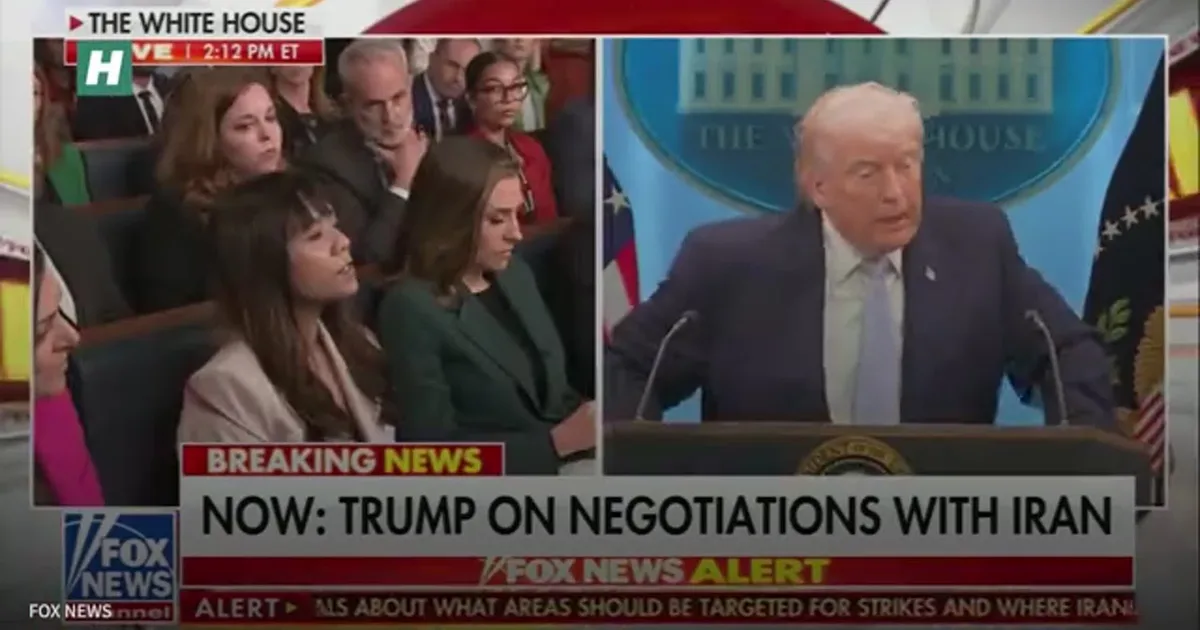
These possibilities did not appear to concern Trump on Monday. Speaking to reporters at the annual White House Easter Egg Roll, he said Iran was not ready to accede to his demands to end the war.
“They just don’t want to say ‘uncle.’ They don’t want to cry, as the expression goes, ‘uncle,’ but they will. And if they don’t, they’ll have no bridges, they’ll have no power plants, they’ll have no anything. I won’t ― I won’t go further, because there are other things that are worse than those two,” he said.
Hours later at a White House news conference he called to celebrate the recovery of two Air Force crew members whose F-15 fighter plane was shot down in Iran late last week, Trump repeated that his deadline for Iran to capitulate was just over a day away.
“We’re giving them till tomorrow, eight o’clock eastern time, and after that they’re going to have no bridges, they’re going to have no power plants. Stone Ages. Yeah, Stone Ages,” he said.
Asked whether that level of destruction would not necessarily harm civilians, Trump claimed that everyday Iranians want to be attacked.
“They would be willing to ― they would be willing ― and it’s suffering. They would be willing to suffer that in order to have freedom. The Iranians have ― and we’ve had numerous intercepts: ‘Please keep bombing,’ bombs that are dropping near their homes, ‘Please keep bombing, do it.’ And these are people that are living where the bombs are exploding,” he said. “And when we leave and we’re not hitting those areas, they’re saying, ‘Please come back, come back, come back.’ These are the people.”
What precisely he wants from Iran, however, remains unclear. On several occasions since he began his air attack on February 28, Trump demanded regime change in Iran, but on Monday he said the regime has already changed. He continues to insist that Iran cannot have a nuclear weapon while also saying that their programme to make one was “obliterated” in last June’s attacks.
And on Monday, he would not even say that reopening the Strait of Hormuz to unfettered oil tanker traffic was an absolute must ― which was the subject of his Easter demand that Iran “Open the Fuckin’ Strait” – because Iran could effectively close the strait merely by claiming to have laid mines in it.
“They’re very good bullshit artists,” he said.
Trump also again refused to lay out what plan he has, if any, to conclude the war. “I have the best plan of all, but I’m not going to tell you what my plan is,” he said.
He also waxed poetic about an era when larger countries could steal natural resources from smaller ones — known as “pillaging” and defined as a war crime by the Geneva Conventions — and wished he could “take” Iran’s oil.
“I’ve said, why don’t we use it — ‘To the victor, go the spoils’ — and we don’t have that. We haven’t had that in this country probably in 100 years, because even the Second World War, you look at the Second World War, we didn’t have it with the Second World,” he said, before adding that he is good at languages and can probably get elected president of Venezuela after he leaves the White House.
Trump has not ruled out using troops for a ground assault, but has not assembled anywhere near the size of a force necessary to seize and hold Iran’s oil production infrastructure.
When asked specifically whether he was trying to wind the war down or ramp it up, Trump responded: “I can’t tell you. I don’t know.”
Subscribe to Commons People, the podcast that makes politics easy. Every week, Kevin Schofield and Kate Nicholson unpack the week’s biggest stories to keep you informed. Join us for straightforward analysis of what’s going on at Westminster.

DAYS THE BUDGET IS LATE: 6
DECLARATION OF INDEPENDENCE: During his campaign, New York City Mayor Zohran Mamdani had a historic number of volunteers who canvassed on his behalf. Among them was his pick to lead the Department of Investigation.
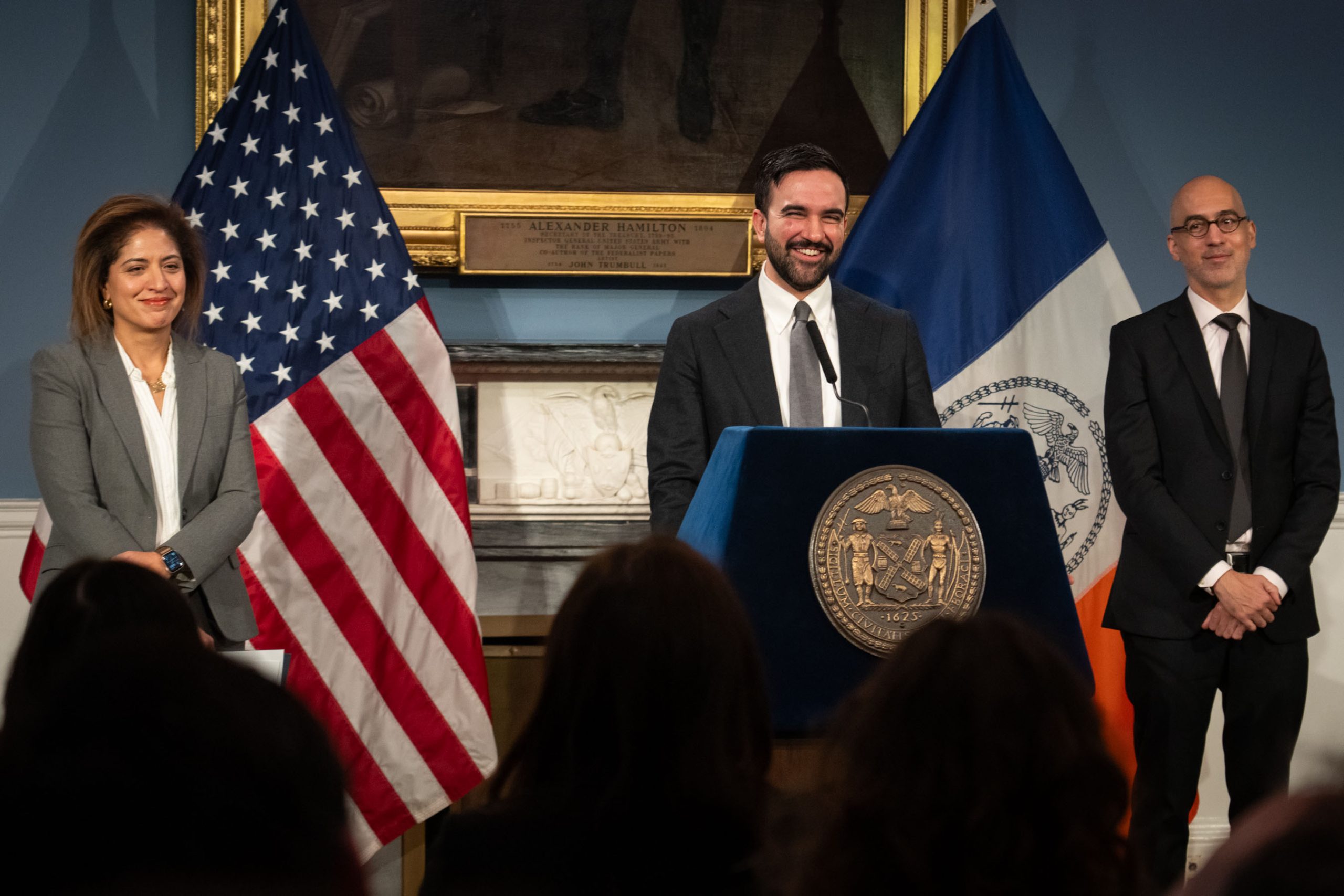
In February, Mamdani nominated former federal prosecutor Nadia Shihata to lead the investigation department, which acts as a watchdog over city government.
On Monday as part of the confirmation process, she faced questions from members of the City Council, who focused particular attention on her prior support of the administration she would be charged with auditing and investigating.
Shihata gave $700 to Mamdani’s campaign in four installments last year. She spent a day canvassing for the then-mayoral hopeful. And after graduating from law school 20 years ago, she struck up a friendship with Ramzi Kassem, who is now the mayor’s chief counsel in City Hall and the person who reached out to see if she’d be interested in the job.
“How do you compartmentalize that political kinship, if you will, with a role that may have you investigating that very leader and his administration?” asked Council Member David Carr, leader of the body’s Republican caucus.
Shihata pushed back, saying the support she offered to her future boss would not cloud her ability to probe city government should she be approved by the Council, which has veto power over the pick. And she clarified that she and Kassem are not close friends, though she did consult him before establishing a law firm after leaving the Department of Justice.
“I have investigated people I have supported in the past,” she said in response to Carr’s question. “That has not affected my ability to investigate them and reach conclusions driven by the evidence of the law.”
Shihata worked for 11 years as a federal prosecutor for the U.S. Attorney for the Eastern District of New York, which has pursued past public corruption cases in tandem with DOI. Her stint there included serving as chief of the Organized Crime and Gangs Section and deputy chief of the Public Integrity Section — two roles that give her a law-enforcement pedigree typical of DOI commissioner candidates.
It is the training she received there that will serve her well in her potential new gig, according to someone who knows a thing or two about independence from City Hall.
“These questions were raised when I was up for confirmation, and I don’t think there’s a lot of doubt that I ultimately was very independent,” said former DOI Commissioner Mark Peters, who was a longtime friend and campaign treasurer to former Mayor Bill de Blasio before the then-mayor tapped him to lead DOI.
Once installed as commissioner, Peters pursued the administration aggressively — some might say that’s putting it mildly — and released several bombshell probes before de Blasio fired him, citing an independent report that found Peters abused his power and mistreated staffers.
Speaking with Playbook, Peters said Shihata would be an excellent DOI commissioner.
“If you’re like I was and like Nadia is — a trained, professional investigator and prosecutor — inherent in that training is learning how to be independent and compartmentalize other parts of your life,” he said. “Prosecutors are supposed to be politically independent. And well-trained prosecutors are.” — Joe Anuta
From the Capitol

BUDGET MONTH: Gov. Kathy Hochul is preparing to send state lawmakers a second stopgap spending bill as a broader deal over the state budget remains elusive.
The Legislature will return on Tuesday to take up the extender legislation. The bill will cover payroll for thousands of state workers, but it’s not yet clear how long the government will be funded. The Legislature was initially scheduled to be on a two-week hiatus this month, but the late spending plan has scrambled the legislative calendar.
“We’re still working out the details on the length of each extender,” Hochul said Monday during an unrelated event in Albany. “Certainly we gave a longer one because of the religious observances of Easter and Passover.”
Read more from POLITICO Pro’s Nick Reisman.
BLAKEMAN AVOIDS A PRIMARY: Libertarian Larry Sharpe did not submit petitions to run for the Republican gubernatorial nomination, so GOP standard-bearer Bruce Blakeman is locked in as his party’s presumptive nominee.
Sharpe still plans to gather petitions later this spring to run as a Libertarian in November, eight years after he received 95,000 votes on that minor line. But he didn’t hit the 15,000 signatures needed to also run in the major party’s primary.
“Republicans are leaving the state left and right, there’s not enough out there for me to get,” Sharpe said, adding that it was a challenge finding registered Republicans to collect signatures since they’re “getting pressure from the elites to not carry for me.”
Sharpe also blamed the weather since February: “We had two snowstorms,” he said. “How am I supposed to get signatures when I’ve got snowstorms?”
As of a couple of hours before the Monday filing deadline, the state Board of Elections had posted submissions from three gubernatorial candidates. Each of these was able to skip gathering petitions thanks to their backing at a party convention: Hochul, on the Democratic line; Blakeman, who’s endorsed by the Republicans and Conservatives; and Amy Taylor, the Working Families Party’s placeholder. — Bill Mahoney
FROM CITY HALL

NEEDS NOT MET: Mamdani administration officials are moving to curb child welfare investigations of cases they say should instead be referred to community-based groups — a shift based on data showing most families can’t afford necessities that often form the basis of such cases.
At a Monday press conference, Mamdani tied the city’s preliminary racial equity plan to its “True Cost of Living” report, which found roughly 70 percent of families with children can’t meet basic expenses and nearly three-quarters of kids live in economically insecure households. For single parents, the crisis is nearly universal, with up to 93.8 percent falling short. By contrast, the only households meeting the cost of living are two-adult households with no children.
“New York City’s affordability crisis and its history of racial inequity are bound together,” Mamdani said.
The Administration for Children’s Services’ child protection division is also strained and has required substantial funding. The city is set to spend roughly $142 million in the 2026 fiscal year on child protection personnel alone, with an average cost of about $2,800 per case.
The administration’s plan for children and families is to redirect those resources — expanding community-based referrals, training mandated reporters on when a report is legally required and emphasizing prevention.
According to the New York City Family Policy Project, a child welfare policy and research group, New York’s investigation rate was 17 percent higher than the national average in 2024 with nearly 80 percent of investigations unsubstantiated. This past December, Hochul signed a bill banning anonymous child abuse reports, following claims that such tips can double as harassment, often directed at families of color.
Nora McCarthy, director of the Policy Project, said the city’s shift in approach is likely driven in part by research showing the strongest predictors of investigations are economic: income loss, housing instability and material hardship.
“Poverty is the driver,” McCarthy said. “When you have a lot going wrong in terms of being able to meet your basic needs, you can really start having trouble, like getting your child to school.” — Gelila Negesse
FROM THE CAMPAIGN TRAIL

WHO’S THE WILD MAN NOW: Former New York City Mayor Rudy Giuliani today endorsed Republican House candidate Anthony Constantino, who is in a bitter primary against Assemblymember Robert Smullen.
The endorsement from the ex-mayor came after Constantino said he wrote “a beautiful two-page letter” to Giuliani.
“Rudy has a great eye for talent,” Constantino told Playbook.
The campaign to succeed outgoing Republican Rep. Elise Stefanik in the sprawling North Country House district has been a bruising one. Smullen has accused Constantino, the impresario of a sticker company, of hawking bawdy stickers mocking President Donald Trump. Constantino has called Smullen “Slime Bob.”
The Republican establishment has largely lined up behind Smullen, a retired Marine colonel who has the backing of the state GOP.
That makes endorsements from leading MAGA figures like Giuliani all the more valuable for Constantino’s outsider bid. Giuliani played a central role in Trump’s effort to overturn the results of the 2020 presidential election. And Constantino has a flair for advertising his MAGA bona fides, like erecting a large pro-Trump sign atop a building.
In the lead up to the endorsement, Giuliani met with Constantino in Florida to discuss the race. Constantino came away charmed by the man once known as “America’s Mayor.”
“I want to become friends with him. He’s brilliant. He’s kindhearted,” Constantino said. “He likes the regular person. He doesn’t consider himself better than anyone.” — Nick Reisman
IN OTHER NEWS
— OPEN TO WORK: New York City’s Economic Development Corporation still has no leader as business leaders voice concerns over the city’s economic and job growth. (Gothamist)
— ALLEGED SCHEME: Frank Carone, former chief of staff to Eric Adams, says associates charged by federal prosecutors in an insurance fraud scheme scammed him too. (THE CITY)
— POLITICAL MISCHIEF: New York State Assembly member Andrew Hevesi accused primary rival Jonathan Rinaldi of changing his registration. (The New York Times)
Missed this morning’s New York Playbook? We forgive you. Read it here.
!function(n){if(!window.cnx){window.cnx={},window.cnx.cmd=[];var t=n.createElement(‘iframe’);t.display=’none’,t.onload=function(){var n=t.contentWindow.document,c=n.createElement(‘script’);c.src=”//cd.connatix.com/connatix.player.js”,c.setAttribute(‘async’,’1′),c.setAttribute(‘type’,’text/javascript’),n.body.appendChild(c)},n.head.appendChild(t)}}(document);(new Image()).src=”https://capi.connatix.com/tr/si?token=19654b65-409c-4b38-90db-80cbdea02cf4″;cnx.cmd.push(function(){cnx({“playerId”:”19654b65-409c-4b38-90db-80cbdea02cf4″,”mediaId”:”85e6748d-9d26-4ee0-b90a-7af8f3d70593″}).render(“69d4146ce4b0d214cc725f88”);});

Imagine a country where those who apprehend thieves are punished more harshly than the thieves themselves. Where the one who gets shamed and shunned is not the workless bum on a stealing spree but the decent bloke who stands in his way. It sounds like some dystopic fantasy where morality has been turned on its head and crime decriminalised. But it’s real. The country you’re imagining is Britain.
The story of the Waitrose employee getting the heave-ho for blocking the path of a light-fingered crook has shocked everyone. Even the Guardian, which normally pooh-poohs such stories as right-wing fare designed to get ‘the gammon’ even more red-faced than usual, has given it half a page. Things must be bad. His name is Walker Smith, he’s 54, he had worked at Waitrose for 17 years, and he was let go for stopping a shoplifter from pilfering some Easter eggs. Sacked for thwarting crime – this is where we’re at, fellow Britons.
He was an assistant at the Waitrose in Clapham Junction in south London. Quick question: what’s going on in Clapham? First, mobs of idle youths terrify shoppers for two nights straight as useless coppers look on in bewilderment. Now a man loses his job for saving property from the clutches of a tea-leaf. The pilferer was trying to make off with a bag-full of expensive Lindt Gold Bunny Easter eggs. But Mr Smith had other ideas. He grabbed the bag of booty, a small tussle ensued, and the shoplifter scarpered empty-handed. Promotion for Mr Smith? Nope. He was reprimanded.
The details are mad. Smith says he recognised the shoplifter as a repeat offender. And he wasn’t going to let him get those choco bunnies for free. So he yanked the bag, it broke, and the bunnies crashed to the floor, one of them breaking into pieces. Smith says he picked up one of the slivers of chocolate and out of frustration threw it towards some shopping trolleys, ‘not aiming it at the shoplifter’. He was told off by his manager (?) but that wasn’t the end of it: it was pushed upstairs to that most deathly of bureaucracies – HR.
He was hauled in for a meeting with two store managers. He begged for his job – ‘Waitrose is like my family’, he said – but to no avail. He was told that he had broken the rules, one of which is that shop staff must not tackle shoplifters. Can the managerial classes hear themselves? Do they not know how insane this sounds? Forbidding retail staff from confronting thieves is like telling a lollipop lady she’s not allowed to smile at children. It’s crazy officious bollocks.
Of course it’s all about ‘health and safety’. In its statement on Smith’s case, Waitrose said all employees are told not to be have-a-go heroes, because ‘nothing we sell is worth risking lives for’. What a ruthless weaponisation of fear: never do anything good because you might die. It sums up how thoroughly anti-social nonchalance has been institutionalised in modern Britain. From terror attacks to bad behaviour on buses to theft in shops, the cry of the boss class and political class is the same every time: Don’t do anything. Just go home. It’s not worth it.
We have decommissioned heroism. We have made it tantamount to a crime – or at least a sackable offence – to feel a sense of social responsibility. Self-preservation has become the most celebrated virtue. You don’t have to be a sociologist to see how savagely such fretful hyper-individualism tears at the social fabric. A society where shop assistants are taught to let shoplifting happen, where Tube workers watch as entitled shits leap the barriers, and where even police and medical staff hold back from the site of terror attacks until a risk assessment has been carried out, is a society in name only. Our ‘betters’ have birthed a post-social hellscape where standing up for your fellow citizens is now seen as the maddest thing you can do. Won’t you think of yourself!
Yes, confronting a thief or telling anti-social arseholes to behave themselves is risky. It has consequences we cannot always predict. But you know what else has consequences? This ceaseless discouragement of bravery. It alienates us from one another. It tells us other people aren’t worth the effort. It elevates the self over the citizenry. And it green-lights crime. Today’s virtual decriminalisation of shoplifting and fare-dodging and phone-snatching – not to mention bike theft and even burglary, crimes that are rarely solved – emboldens the lowlifes who want to make the most dishonest of livings. We aren’t safer by being dutifully anti-social – quite the opposite.
Imagine the managerial classes pissing their pants over some shattered Easter eggs and never clocking the social wreckage left by their own celebration of cowardice as a virtue. In breaking Waitrose’s rules, Mr Smith broke this post-social ethos too, and reminded us that having a go is often far better than covering your own back. Good on him. He should be reinstated. And so should that old ideal of looking out for other people.
Brendan O’Neill is spiked’s chief political writer and host of the spiked podcast, The Brendan O’Neill Show. Subscribe to the podcast here. His latest book – After the Pogrom: 7 October, Israel and the Crisis of Civilisation – is available to order on Amazon UK and Amazon US now. And find Brendan on Instagram: @burntoakboy.
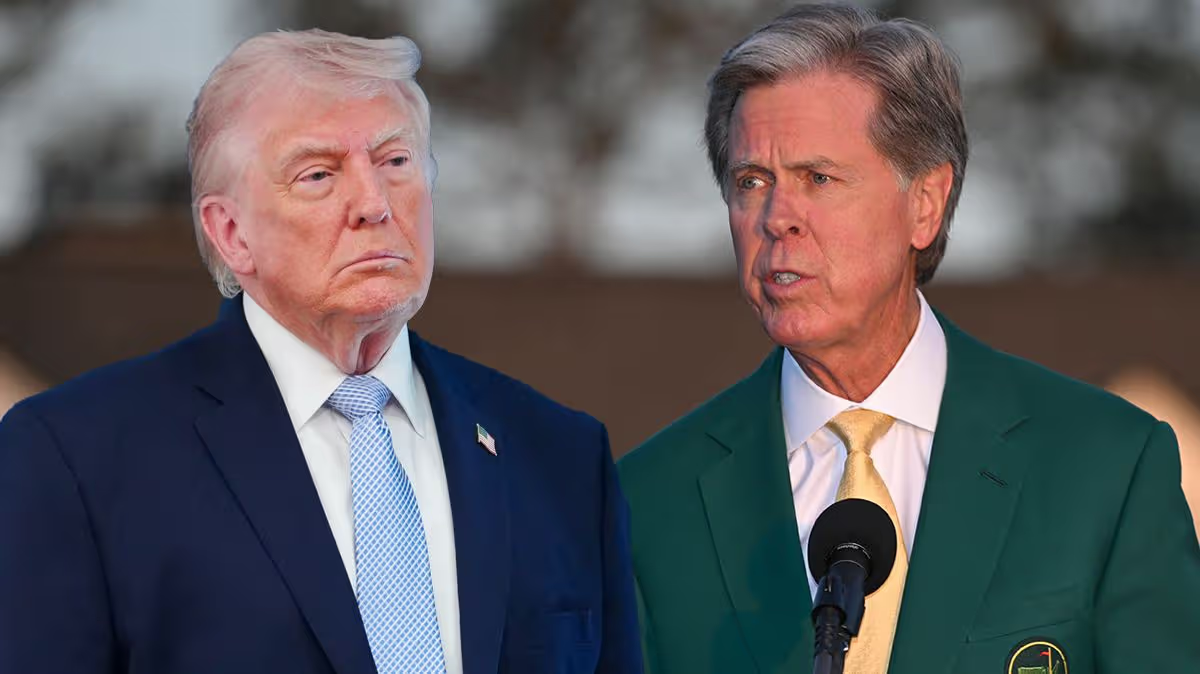
Masters chairman has already made Donald Trump thoughts crystal clear with president banned

Cornwall shopping centre’s ‘Grenfell-style cladding’ prompts two-year road closure

Cardano (ADA) Price Analysis: Whale Activity Surges as Token Struggles Below $0.25


-

 NewsBeat5 days ago
Steven Gerrard disagrees with Gary Neville over ‘shock’ Chelsea and Arsenal claim | Football
-

 Business4 days ago
No Jackpot Winner and $194 Million Prize Rolls Over
-

 Fashion4 days ago
Weekend Open Thread: Spanx – Corporette.com
-

 Crypto World5 days ago
Gold Price Prediction: Worst Month in 17 Years fo Save Haven Rock
-

 Business1 day ago
Three Gulf funds agree to back Paramount’s $81 billion takeover of Warner, WSJ reports
-
Crypto World7 days ago
Dems press CFTC, ethics board on prediction-market insider trades
-

 Sports2 days ago
India men’s 4x400m and mixed 4x100m relay teams register big progress | Other Sports News
-

 Business3 days ago
Expert Picks for Every Need
-

 Business5 days ago
Login and Checkout Issues Spark Merchant Frustration
-

 Tech7 days ago
EE TV is using AI to help you find something to watch
-

 Sports7 days ago
Tallest college basketball player ever, standing at 7-foot-9, entering transfer portal
-

 Tech7 days ago
How to back up your iPhone & iPad to your Mac before something goes wrong
-

 Tech7 days ago
What Are The Biggest Limitations Of Supercomputers?
-

 Crypto World6 days ago
Bitcoin enters the public bond market as Moody’s gives a first-of-its-kind crypto deal a rating
-
Crypto World6 days ago
Bitcoin stalls below key resistance as technical signals skew bearish
-

 Tech5 days ago
Commonwealth Fusion Systems leans on magnets for near-term revenue
-

 Politics7 days ago
Transform Your Space with Stunning Small Works
-
 Politics6 days ago
Starmer’s centre has collapsed, and the left was right all along
-
Business2 days ago
No Jackpot Winner, Prize to Climb to $231 Million
-

 Business7 days ago
Matrix Composites shares up 50pc on new takeover bid
You must be logged in to post a comment Login