

Politics
Activists respond to protest report and plan urgent meeting

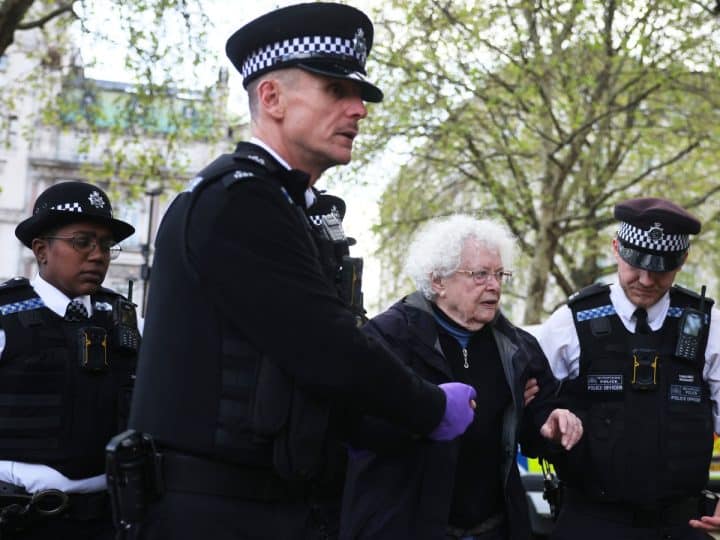

Activists have responded to a new report showing the extent of state and corporate crackdown on protest. And they’ll be discussing the implications at a central London meeting later on Tuesday 26 May.
As Abi Perrin has written for the Canary:
This report focuses on multiple responses to protest it describes as “grossly disproportionate”. This includes harsh sentences and “indiscriminate” use of remand – sending protesters to prison for many months before their cases are heard in court.
The report, Britain’s Political Prisoners, was co-published by researchers at the Centre for Climate Crime and Climate Justice at Queen Mary University of London and Defend Our Juries.
It found that repression especially targeted activists taking direct action against climate breakdown and the destruction of Gaza. Perrin adds:
It details evidence that the UK ministers have been under pressure from both the Israeli government and arms company Elbit to treat Palestine-related protests harshly. It also points to the influence of fossil fuel industry funded think tanks in the crackdown on climate protests.
Key findings from the report show that:
- The average detention period was 28 weeks, equivalent to more than six months.
- One in three protesters (34%) were jailed for six months or more.
- One in five (21%) were imprisoned for more than a year.
- In 60% of cases, final sentences were more lenient than the time already spent in custody on remand.
- The most common category of offence leading to imprisonment was contempt of court, accounting for 40% of recorded cases.
- Conspiracy offences accounted for 17% of cases analysed.
Pre-emptive punishment of activists
The report argues that the growing use of contempt of court proceedings and conspiracy charges has enabled courts to impose custodial sentences in ways that can limit access to jury trials and expand pre-emptive forms of punishment.
The analysis also found that Palestine solidarity activists experienced particularly lengthy periods of remand detention, with 60% held for longer than six months before sentencing.
Professor David Whyte of Centre for Climate Crime and Climate Justice at Queen Mary said:
This report documents a remarkable shift in how protest is being policed and punished in Britain. Our findings show the routine use of remand exceeding statutory time limits.
Exceptionally high levels of contempt proceedings and custodial sentencing in response to acts of civil disobedience and direct action show that the courts are progressively degrading the right to protest.
Tim Crosland of Defend Our Juries said:
This report strips away the illusion that the UK remains committed to democratic principles. It reveals that peaceful protesters are being jailed in ever increasing numbers, under pressure from the oil and arms industries, the Israeli government and their lobbyists.
Most shocking of all is the finding concerning the use of remand. In the majority of cases, final sentences are more lenient than time already spent in custody before people have been convicted of anything. It would be dishonest to present this as anything other than punishment without trial.
Zoë Blackler, founding director of radical events space Kairos, said:
In the face of this clampdown on the right to peaceful protest we need to come together in solidarity and defiance. Kairos exists to inspire imaginative thinking in response to the extreme challenges we face.
We encourage anyone shocked by the imprisonment of climate and anti-war protesters to join us on Tuesday evening in developing a strategic vision for how to resist.
To coincide with the launch of the report, central London events space Kairos is hosting an event at 6.30pm on Tuesday 26 May. It’ll discuss strategic ways forward for the climate and anti-war movements in the light of these revelations.
The event will include a series of short presentations by:
- Professor David Whyte of the Centre for Climate Crime and Climate Justice at Queen Mary University of London.
- Tim Crosland of Defend Our Juries.
- Huda Ammori, lead applicant in the judicial review against the government’s proscription of Palestinian solidarity (via video link).
- Amy Pritchard, previously jailed climate protester.
- Athene Dilke of the Public and Commercial Services Union.
- Guy Zilberman, author of the report.
After the presentations there’ll be an open mic session, supper and discussion.
Journalists can attend a briefing on the report at Kairos, 84 Tottenham Court Road, London W1T 4TG from 5pm.
Featured image via Dan Kitwood / Getty Images
By The Canary

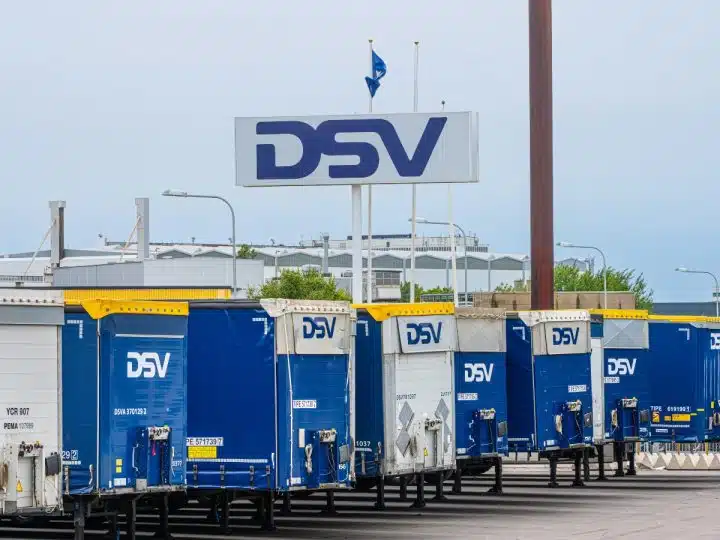

In an international action, Palestine Action Global targeted multiple sites of transport company DSV. The sites were covered in symbolic blood-red paint, with graffiti highlighting DSV’s role in assisting genocide. Numerous windows were also smashed, and DSV vehicles were put out of action.
Over the weekend (Friday 22 May – Monday 25 May), actions took place against the logistics firm, in the US, Germany and at two sites in France.
In a previous coordinated action on 31 March 2026, Palestine Action Global had targeted DSV in several countries, including in the US and across Europe.
The Danish-owned international transport and logistics company has been transporting weapons, and weapons components, for Elbit Systems, Israel’s biggest arms manufacturer. As a result, actionists across the world have repeatedly targeted it.
DSV took over the Elbit job after another shipping company, Kuehne + Nagel, one of the only six companies licensed to transport and handle weapons in Britain, was forced to cut ties with Elbit in 2024 following a series of actions by Palestine Action and broader public pressure.
Elbit produces 85% of the Israeli military’s killer drone fleet, and land-based equipment. Its weapons, which it boasts are “battle-tested” on Palestinians, have been used throughout the ongoing genocide in Gaza, in the Palestinian West Bank, against Syria and Yemen, and currently against Lebanon and Iran. Elbit’s drones have also been used to attack international aid flotillas in international waters.
A spokesperson for Palestine Action Global said:
Elbit Systems are only able to transport their weapons because of ruthless, amoral companies like DSV, who play a key role in the genocide in Gaza, and assist in killing people throughout West Asia.
By targeting them, we will disrupt the transport of Israeli weapons, and cost both Elbit and DSV money. It is not a matter of IF DSV will drop Elbit, but WHEN, because we will visit their sites again and again, until they stop facilitating genocide.
Featured image via Getty Images
By The Canary
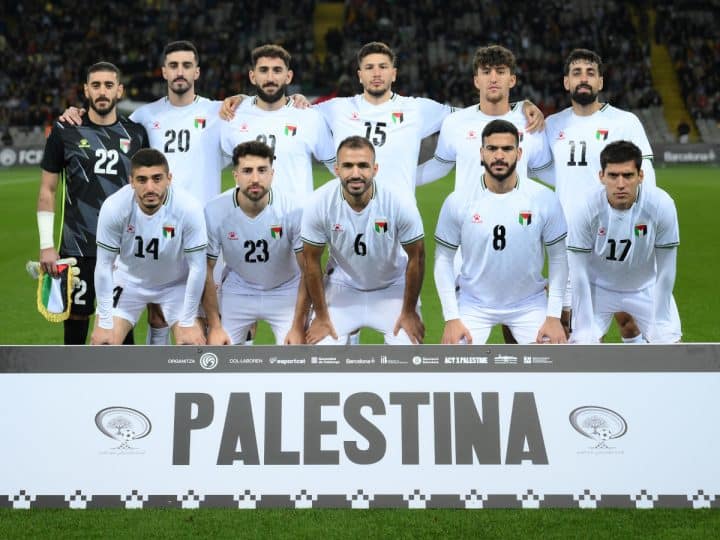

Every time a country hosts the World Cup, it is completely transformed.
The streets are filled with flags, the airports are packed with fans, and the cities become one big open-air celebration.
But what if Palestine were the host? What would it have been like if the world had come to Gaza, Jerusalem and Ramallah for football, rather than to watch the war?
Joy over terror
Perhaps we would have seen people entering Palestine with cameras and mobile phones to capture moments of joy, rather than helmets and protective vests to shield themselves from the bombardment. Perhaps Gaza would have been overwhelmed by the noise of the crowds, rather than by grief and widespread destruction.
In a World Cup like this, children would have learnt the names of the players and teams rather than the names of the martyrs. They would have carried footballs and flags through the streets, instead of bags of belongings.
If Palestine were to host the World Cup, the night would be very different. It might be filled with the cheers and songs coming from the stands, rather than the sounds of explosions and aircraft.
Even the vocabulary would have been different. The phrase ‘occupying the stands’ would, for the first time, have become a joyful expression, signifying stadiums filled with fans, rather than the meaning with which Palestine had long associated the word: the theft of land.
On the streets, taxi drivers would talk enthusiastically about the national teams’ chances, the star players and the upcoming matches, rather than discussing the war, the details of the bombings and the names of the destroyed areas.
The kind of life Palestinians deserve
The Palestinian would have shown the visitor the way to the stadium or the supporters’ area, not the way to the nearest evacuation centre or safe place.
If Palestine were to host the World Cup, the world’s cameras would be looking for the most beautiful shots of goals or fan celebrations, not the most harrowing and painful images.
As for the planes flying over Gaza, they were supposed to be carrying national teams, fans and journalists, not missiles and bombs.
In a city historically known for the generosity of its people, whatever the circumstances, the people of Gaza would have welcomed visitors with coffee, food and souvenir photos, rather than searching for a piece of bread to save their children from starvation.
Perhaps the question has never been solely about football, but rather about the kind of life Palestinians deserve in the first place. The world, which travels everywhere in pursuit of football, has often known Palestine only through breaking news and images of destruction.
And if Palestine were ever to host the World Cup, perhaps the world would finally realise that Palestinians want nothing more than a normal life, just like everyone else on earth – a life in which people’s greatest concern is the outcome of a match, not surviving a war.
Featured image via David Ramos/Getty Images
By Alaa Shamali
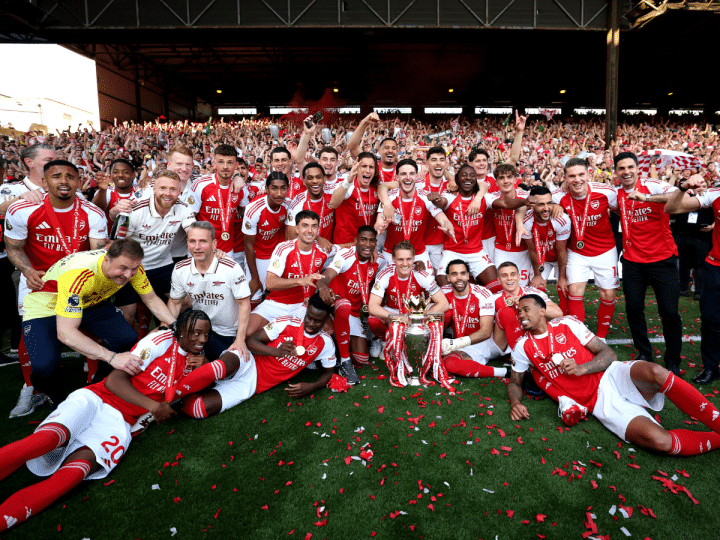

Martin Ødegaard hoisted the Premier League trophy aloft for Arsenal and the noise that followed was predictable: pundits dissected style, social feeds mocked set-piece reliance, and rivals sniffed at the manner of victory.
None of that changes the simple fact on the pitch. Arsenal finished top of the table and did what champions do and that is to win more games than everyone else.
Arsenal face criticism
All season Arsenal have been a target for critics who labelled their football “unwatchable” or reduced their success to lucky refereeing and dead-ball routines.
That chatter reached a peak when opponents and commentators pointed to Arsenal’s heavy reliance on set-pieces and a perceived lack of a single, standout goalscorer. Yet trophies are not awarded for aesthetics; they are awarded for points. Arsenal collected 85 of them.
Arteta’s response to the critics has been pragmatic rather than defensive. He has repeatedly framed the team’s approach as a set of priorities shaped by resources, injuries, and the realities of the Premier League. When you can’t outscore opponents in open play every week, you make other areas of the game unassailable and Arsenal did exactly that.
Set-Piece FC
One of the stickier narratives was that Arsenal are “Set-Piece FC” a tag meant to diminish. The truth is crisper; Arsenal turned a weakness in other seasons into a weapon this year. Opponents crowded the box, committed bodies, and tried to snuff out Arsenal’s creative channels. Arsenal adapted by mastering dead-ball situations and marginal gains around the penalty area. The result: a high conversion rate from crowded scenarios and a steady stream of match-winning moments.
Yes, rivals pointed to the numbers, even suggesting that a large share of Arsenal’s goals came from set-pieces, but that’s not cheating; it’s coaching. When the margins are fine, the team that finds repeatable, reliable ways to score will win more often. Arsenal did exactly that.
Defence first
‘Attack wins you games, defence wins you titles’ is a cliché for a reason. Arsenal’s defensive record this season was the backbone of their title charge. After April, no team scored from open play against them in a run that included Champions League semi-finals and the decisive league fixtures. That kind of consistency is not accidental; it’s the product of structure, discipline and coaching.
Arteta’s side managed to be ruthlessly efficient: they didn’t need to blow teams away with possession or fireworks. They suffocated chances, controlled the tempo when necessary, and closed out games with a clinical stubbornness that frustrated opponents and neutral observers alike. The result was a string of 1–0 victories that, while not always pretty, were brutally effective.
A big reason Arsenal didn’t always look like the textbook attacking machine was availability. Key players missed chunks of the season; Ødegaard himself played 45 minutes or more in the league only a dozen times, and the most successful front three only started together 14 times.
That instability in the final third forced Arteta to find other routes to victory. When your frontline is constantly changing, you lean on structure, set-pieces and defensive resilience. That’s not a lack of ambition, it’s adaptation.
This context matters. If you judge Arsenal against a hypothetical, fully fit version of themselves, the verdict might be different. But football is played with the squad you have, not the squad you wish for. Arteta engineered a system that maximised the available resources and minimised the damage of absences. The trophy is the proof.
The psychology of winning
There’s a psychological edge to being hard to beat. Once Arsenal went 1–0 up, the belief that they would hold on became almost automatic. Opponents learned that opening up against them was dangerous; sitting deep invited Arsenal’s set-piece threat.
That dynamic created a self-reinforcing loop: defensive solidity bred confidence, which bred results, which bred more confidence. Champions are not always the most beautiful team, but they are always the most consistent.
Arteta’s side also showed mental resilience in moments when the title looked fragile. In two periods once before Christmas and an injury-hit international break in March, which really tested the squad. Instead of collapsing, they tightened and found ways to grind out points. That capacity to survive and then thrive is a hallmark of championship teams.
Criticism of Arsenal’s style often confuses preference with principle. Fans and pundits who value expansive, high-possession football are entitled to their taste. But the Premier League is a competition where adaptability, pragmatism and results matter more than purity of style.
Arsenal’s season was a lesson in prioritisation: when you can’t rely on a 35-goal striker or a fully fit creative spine, you build a team that wins in other ways. That is coaching, not capitulation.
Moreover, the absence of red cards and penalties conceded all season undermines the “dirty” narrative. Arsenal’s methods were legal, disciplined and effective. They deserve credit as they did not rely on cynical fouls or reckless behaviour to get results.
A club reborn
This title is more than a trophy; it’s a statement of progress. Arteta has rebuilt a club culture, installed a tactical identity that can flex, and created a squad capable of winning under pressure. The Champions League run and the domestic title together suggest Arsenal are not a one-season wonder but a team with a platform for sustained success.
Fans will debate style until the next transfer window, and pundits will keep their hot takes ready. That’s football. But when the dust settles, the record books will show Arsenal as champions and that cannot be taken from them.
Mikel Arteta’s Arsenal did what mattered: they won the league. They did it with a blend of defensive steel, set-piece mastery, and tactical pragmatism born of necessity.
Critics can argue about aesthetics; rivals can grumble about methods. The trophy, however, is indifferent to opinion. It sits in the cabinet because the team earned it, and in football, that is the only verdict that truly counts.
The reality is that winners do not need approval; the trophies speak for themselves.
Featured image via Getty/Michael Regan
By Faz Ali


Three barristers who are part of the lobby group, UK Lawyers for Israel (UKLFI), have been reported to the Bar Standards Board for participating in a “pattern of legal intimidation”.
The barristers include crossbench peer, David Pannick KC, and crossbench (originally Labour) peer, Anthony Grabiner KC. The third is Times columnist Stephen Hockman KC.
The complaint was brought this week by the European Legal Support Centre (ELSC) and the Public Interest Law Centre (PILC). The groups are acting on behalf of a coalition of individuals, NGOs, medics and other organisations.
UKLFI to be investigated by legal regulator
The dossier outlines the way in which UKLFI frequently uses the lawyers’ high profile and status to “amplify the authority and perceived seriousness of legal threats and allegations” against groups and people engaged in perfectly lawful and, indeed, protected expression on Palestine.
ELSC and PILC have asked the Bar Standards Board, which regulates barristers and specialised legal services businesses in England and Wales, to “determine whether this use of professional status engages the [BSB] Code of Conduct, including the duties of integrity and independence, and the requirement to maintain public confidence in the profession”.
The complaint focuses on whether senior legal standing has been invoked in a way that materially strengthens pressure on recipients engaged in protected expression.
UKLFI uses the names and titles of senior lawyers to add weight to the threats and arguments it sends to institutions hosting plays, art exhibitions and museums that humanise Palestinians.
This is UKLFI’s ‘modus operandi’ against those who oppose Israel’s genocide or even platform Palestinians and those who support them.
The group’s chief executive recently caused outrage by suggesting that Israel’s starvation blockade of Gaza would reduce obesity.
Its main mouthpiece, Natasha Hausdorff, has given a number of cold-eyed car crash interviews denying that Israel is committing genocide or any crimes at all.
Tactics ‘erase Palestinians from public consciousness’
It is not the first complaint submitted to law industry regulators. The same groups submitted formal allegations to the Solicitors Regulation Authority in 2025, listing an array of professional breaches to shut down criticism of Israel and speech supportive of Palestinians.
An European Legal Support Centre spokesperson said:
…these mechanisms are deliberate attempts to erase Palestinians from the public consciousness. This narrows democratic space, threatens freedom of expression and must be examined by the regulator to protect public confidence in the legal profession.
Attack dog apartheid apologists
UKLFI does what it says on the tin and is considered one of the UK’s top two “apartheid apologists” using ‘lawfare’ for Israel. The group has targeted individuals, hospitals, art exhibitions and even media giant Netflix in its attempts to keep the public from seeing pro-Palestinian content — and even plates painted by Palestinian children.
It has also repeatedly tried — 11 times so far — to remove the medical licence of British Palestinian doctor Ghassan Abu-Sitta, after he spoke of his experiences as a volunteer medic during the Gaza genocide.
UKLFI appears almost 130 times in the ELSC’s Index of Repression, a database recording the systematic repression of Palestine solidarity in Britain.
Featured image via European Legal Support Centre
By Skwawkbox
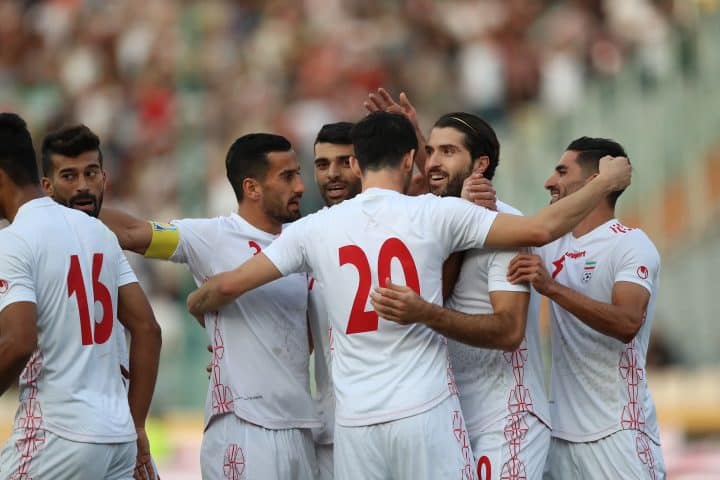

The United States declined to host Iran’s World Cup training camp; Iran will base itself in Tijuana, Mexico and commute to U.S. venues for its group matches.
The 2026 World Cup was sold as a continental celebration across the United States, Mexico and Canada.
Instead, geopolitics has forced a national team to set up camp outside the country where all its group matches will be played. Iran’s football federation moved its base from Arizona to Tijuana after U.S. authorities signalled, they did not want the squad to remain in the United States for the tournament, a decision that Mexico stepped in to manage.
Mexico and Iran: practical fallout
The switch is blunt and immediate: Iran will train and live in Mexico, then fly into U.S. stadiums for matches, complicating travel, accreditation, and security plans that normally assume a team is hosted inside the country where it plays.
FIFA approved the relocation of Iran’s team base to Tijuana after talks with Iranian officials, but the logistical strain is real: short flights, repeated border crossings and the need for multiple-entry U.S. visas for players and staff.
Hosts are expected to guarantee access and safety for every qualified nation. When visa politics or security calculations prevent a team from being based in the host country, the tournament’s neutrality is dented.
The U.S. refusal whether framed as a security precaution or a diplomatic stance. Makes no difference, it is clear this host nation is already the worst to ever be given the opportunity. Ultimately leaders and football tournaments do not go together. FIFA have enabled this madman to be involved by giving him importance.
Mexico hosting correctly
Mexico’s decision to accept Iran’s camp was pragmatic and immediate. By offering Tijuana, Mexico preserved Iran’s participation while shielding the tournament from a last‑minute withdrawal, and it underscored the role co‑hosts can play in absorbing political shocks. But the optics are awkward: a co‑host doing the heavy lifting while the primary host is seen as the obstacle.
Labeling the United States ‘one of the worst host nations’ is provocative but not baseless in public perception. The incident stacks against the U.S. visa denials or reluctance to host a qualified team, public diplomatic friction, and the need for a cross‑border workaround all feed a narrative of racism, mismanagement.
Bottom line
Sport promises a neutral field; politics keeps proving otherwise. The Iran‑Tijuana arrangement will work on paper, but it will also be a running reminder that hosting a global tournament requires not just stadiums and ticketing, but the political will to keep sport separate from state conflict.
The reality is the FIFA and all federations will have to answer for allowing the clear racism and discrimination of a nation that has qualified for an international tournament.
It will be a stain that will not be forgotten quickly, the fans from other nations can see and are already boycotting this dodgy host nation, all because of an egotistical testicle who claims to be a leader.
Featured image via Getty/Amin Al-Jamali
By Faz Ali


Officially, Andy Burnham is running to be the MP for Makerfield. Unofficially, he’s running to replace Keir Starmer as the prime minister.
The problem is we don’t have a good idea of how Burnham will govern in office; the other problem is the signs are pointing towards him being Starmer 2.0.
As a result of this, some of Labour’s left-leaning MPs are talking up the idea of a challenge. As we’ll get into, however, Burnham probably doesn’t have much to worry about.
Vanishing Manchesterism
The Times‘ assistant political editor Geri Scott has reported:
Left-wing MPs are considering standing a candidate against Andy Burnham in a future Labour leadership contest because of concerns the Greater Manchester mayor could abandon progressive positions to broaden his appeal.
We’ll be honest, it’s a bit late to be saying “could abandon” at this point. As we’ve reported:
- Burnham ‘to support’ Mahmood’s racist immigration changes;
- Burnham is silent on wealth taxes – not a promising sign from potential PM;
- Andy Burnham’s role with Iain Duncan Smith’s think tank just shows he’s more of the same;
- Burnham WON’T back proportional representation this parliament;
- Shapeshifting Burnham ditches trans rights to panic-grab Reform votes.
Scott added:
The Times has been told they do not want Burnham to be treated as the automatic standard-bearer for the left of the party.
Some MPs on the hard left have complained that Burnham has fallen in behind immigration reforms proposed by Shabana Mahmood, the home secretary, and backed government guidance on single-sex spaces.
‘Hard left’ is full-on Communism, and there aren’t any Communists in the Labour Party. That aside, here’s what one of these anonymous politicians said:
A lot of us are increasingly frustrated that he’s being portrayed as the saviour of the left when he’s nothing of the sort. There have been discussions about whether we put up a candidate to try to force him into more progressive positions.
Another noted:
It will be difficult for the supposed supporters of Andy to back him for leader if he keeps offering something on a Monday then changing his mind on Tuesday. His immigration stance and the possible inclusion of Wes [Streeting] as his chancellor will be a problem.
These points are fair enough, but the Labour left does have a reputation for backing down. If they weren’t willing to compromise their beliefs, they wouldn’t be in the Labour Party.
There’s also this to consider:
Find this odd really. If the candidate is from the SCG wing of the party they simply wouldn’t have the numbers…?
No one from the soft left would stand against him so I don’t know why it’s being floated or why it’s being given air time? https://t.co/vVliPTpgW5 — Matthew (@MatthewTorbitt) May 25, 2026
I wrote about this a couple of weeks ago (before Burnham had got a seat) for @NewStatesman. From my conversations the SCG was always planning to run a candidate – as they did in dep leadership – in order to push the main contenders from the left. But think there’s a clear… https://t.co/x93lIO19cr
— megan kenyon (@meganekenyon) May 25, 2026
Mainstream
The Times reported that “mooted” candidates include:
Richard Burgon, the MP for Leeds East and a former Corbynite frontbencher. Other names include Bell Ribeiro-Addy, Olivia Blake and Clive Lewis.
As the outlet notes, however, none of these people have expressed any intention of standing. Another source said Labour MPs will actively repel any of the above, noting that the issue is:
not that someone like Burgon wins, it’s that the whole debate shifts on to his territory. If Andy is forced to spend six weeks talking about Gaza, then he comes out of it weaker and the party looks like it has learnt nothing.
Labour would only look like it’s learned nothing if it does in fact learn nothing. The solution to this is to learn from Keir Starmer’s mistakes, and to support a free and independent Palestine.
members of Mainstream, the group seen as an incubator for Burnham’s Westminster ambitions, have become irritated with Tribune, the soft-left group whose members are part of Burnham’s campaign team. Some allies of Burnham have accused Tribune figures of “taking over” his campaign.
Clive Lewis is a member of Mainstream, and he’s previously served as one of Burnham’s biggest cheerleaders. Speaking in September 2025, Lewis said:
In this hollowing-out of govt, we face the danger of a politics so cowed by vested interests that it cannot stand up to them. And when that happens, it is the authoritarian right who reap the rewards.
People aren’t fooled. They can feel the country is being run for “them” not “us.” And unless Labour changes course – embracing pluralism, democracy and genuine debate – it will deliver power straight into Farage and Trump’s waiting hands.
Perhaps we’re in need of a bit of ‘Manchesterism’ – a different way of doing govt and one not afraid of giving control of public services to the very people that use and run them; Us!
On 23 May, however, he reposted the following:
This is a very small sample but it's a very scary level of support for the far right and much closer than I was expecting. I would say this, obviously, but I really don't think Burnham's 'Oh, no, I didn't mean nationalisation – why would you think THAT?' is helping anything. https://t.co/6BZZCunPOx
— Jeremy Gilbert (@jemgilbert) May 23, 2026
If Lewis is making his thoughts clear online, it seems likely that Burnham isn’t listening to him offline.
Little opposition
According to Scott, another anonymous Labour insider said:
A candidate like that wouldn’t reach the threshold for nominations. Quite a lot of their colleagues have been out on the campaign trail over the weekend and seem very excited about the prospect of Andy.
If there is going to be serious opposition to Burnham’s flip-flopping, it’s not going to come from the Labour Party. We’re also not seeing much from the Greens. Let’s hope that changes with the announcement of their new candidate:
She is a charity director and a Manchester City Councillor pic.twitter.com/PAEJGniwoM
— Politics UK (@PolitlcsUK) May 26, 2026
 NEW: Sarah Wakefield is the Green Party candidate in the Makerfield by-election
Featured image via Ian Forsyth (Getty Images) / Leon Neal (Getty Images) / Peter Summers (Getty Images)
By Willem Moore
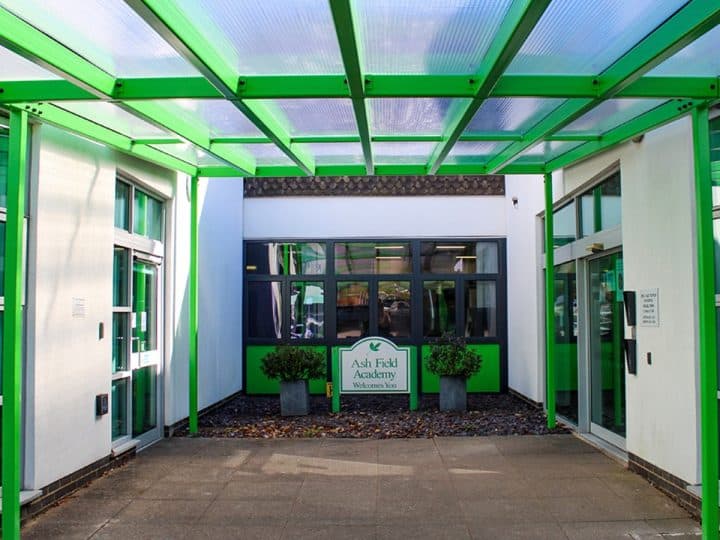

Teaching assistants, residential workers, and other support staff at Ash Field Academy, a Leicester SEND school, completed their third day of strike action on Thursday 14 May. They’re demanding that Discovery Schools Academy Trust (DSAT), which runs the school, reinstates their trade union rep, Tom Barker.
DSAT suspended Barker from Ash Field on 30 October 2025. This was just four working days after the closure of a ballot in which UNISON members voted for strike action over staffing cuts. DSAT linked the suspension to unspecified conduct concerns.
Almost seven months on, DSAT has still produced no evidence to support any allegations against Barker. He remains suspended. Barker had led a successful campaign against DSAT’s attempt to cut around 10% of support staff.
Having completed three strike days, UNISON members have now decided to escalate their industrial action campaign. The union has given notice of further strike dates on (all dates inclusive):
- 3-5 June.
- 15-19 June.
- 6-9 July.
The reinstatement campaign, led by UNISON Leicester City, has received widespread support, including from Zarah Sultana MP and Andrea Egan, UNISON’s general secretary. Campaigners have initiated a TUC petition to demand Tom’s reinstatement.
On 30 April, the first day of strike action, Leicester South MP Shockat Adam attended the picket line. Adam said:
Workers’ rights don’t exist without action to defend them. I stand with those on strike against union busting and was proud to join the picket line in solidarity.
Louise Lewis, a teacher and a member of the national executive of the National Education Union, visited the picket line on Thursday 14 May. Speaking in a personal capacity, Lewis said:
Underfunding and privatisation – including the academy model for schools – have been extremely destructive for school staff, as well as our students, families, and our communities.
Strong trade unions are the most effective defence against attacks on public services. The picket lines I visited at Ash Field were extremely strong. I was proud to have attended.
UNISON members are rightly going to escalate the fight to stand against attacks on their right to organise. Some workers might be afraid of standing up to union-busting employers. This is understandable, but I want to send a message to these workers: you have nothing to lose and everything to gain by joining the pickets.
Like Tom, while serving as a rep in my previous school, I was suspended after standing up for members and challenging management.
What I remember most is the solidarity. NEU members stood together, took strike action in my defence, and closed the school in support. That collective action forced governors to reinstate me, and although I was later dismissed, members continued to stand with me throughout a successful tribunal case.
Only by standing together against injustice can we challenge union-busting employers.
Liz Robinson, UNISON East Midlands regional organiser, said:
Based on the information we have available to us, and the discussions regional officers have had with the trust, we are increasingly certain that this investigation, and Tom’s suspension is related to his Trade Union role.
We understand that the school denies this. If they were to admit that this was motivated by Tom’s Trade Union activities they would be admitting to breaching employment law.
Andrea Egan, UNISON’s general secretary, said:
I stand in full support of Tom Barker who was wrongly suspended by Ash Field Academy in October 2025 following a successful industrial action ballot in opposition to cuts, which Tom played an instrumental role in securing.
If Tom is not reinstated we will have no hesitation in escalating this dispute.
Featured image via the Canary
By The Canary


Global Sumud Flotilla activists are returning home. Many suffered IOF torture, beatings and sexual violence. The Canary spoke with British flotilla activist, Alice Chapman, who was abducted by Zionist Navy forces.
I joined the flotilla in Sicily, in Augusta, and from there we were sailing for about four days before we were intercepted — I think on night five. We were still in international waters, fairly close to Greek waters.
We’d had a warning that day. At that same geographic point, the previous flotilla in September had encountered boats carrying explosives.
From Barcelona to Italy, there’d been a lot of surveillance drones — presumably Israeli, though you can’t really tell. When we reached that position, a message came through:
Watch out — from here on, drones are unlikely to be surveillance drones anymore.
Everyone needed to be really alert on night watches. Then it was far worse than we’d anticipated.
Messages weren’t coming in about drones dropping explosives — they were coming in from people saying the IOF were boarding boats. We had Signal, radio, and livestream cameras on our vessels.
The livestreams went first, then the radios. After that, Signal was all we had.
Flotilla volunteers victim to Israel’s illegal interception
Our boat received warnings for about an hour and a half before we were intercepted. It was around midnight when they came aboard. They told us they would shoot if we didn’t comply. It wasn’t quite guns to heads but actions to that effect.
We were ordered to the front of the boat and to kneel with our hands up. Then we were brought back to the cockpit one by one, where we sat in two rows of three facing each other. They pulled the sail down between us so we couldn’t see one another, then took a knife and began slashing through it.
At that point, honestly, my mind went to the worst places. I thought I was going to be killed or that something horrific was happening to my crew on the other side of that sail. Thankfully, it didn’t.
We were then ordered — shoved, really, hands forced behind our backs — on to a speedboat. From the speedboat we were transferred to a massive warship.
Captive on an IOF warship
On the warship we were made to kneel with our hands behind our backs for around 20 minutes, then ordered to remove our extra layers until we were in t-shirts.
What followed was a series of random processes — dragged from one position to another, made to kneel, moved again. We were body searched. It became aggressive. Some people were beaten.
Then we were placed, one by one, into a kind of makeshift prison constructed from shipping containers on the deck.
We stayed there for two days with no food or water. They would pour water on us while we were trying to sleep — which, in some ways, felt more disturbing than outright violence. It was so deliberate, so psychological.
They conducted head counts where we were all made to kneel while they fired rounds — rubber bullets, but rubber bullets can kill. Stun grenades were thrown constantly.
I was woken on the second day to soldiers simply walking in and throwing grenades around the space. They also took people out individually to beat them inside the containers. We couldn’t see it, but we could hear everything. Then those people simply didn’t come back.
View this post on Instagram
Calling at ‘complicit’ Crete
On day two they told us we were arriving at Crete and would be getting off. We refused until we had proof of life for individuals who had been taken into solitary confinement — six in total, including Saif and Thiago.
The soldiers said they were already on land, and fine. We said we didn’t believe them, and we weren’t leaving until we saw them. Eventually, we held a group discussion among the 180 of us: anyone who wanted to leave could go, anyone who wanted to stay in solidarity with Saif and Thiago could stay. About half left.
Then soldiers told us: “This is your last chance. If you don’t leave now, you come with us to Israel”. We said, fine. That seemed to confuse them, and then the violence began again.
We sat peacefully — we weren’t being violent in any way — [but] they dragged people out one by one, beating them in the containers as they went.
I was the last person, or second to last, remaining. I was too frightened to lift my head to check if anyone was behind me. I thought, if there’s no one left in this room, these soldiers can do absolutely anything and there is no one to bear witness.
They came at me and told me to get up or they’d use force. I didn’t move. They said they would be very violent. I didn’t move. One said he would break my wrist. I still didn’t move. He picked me up and dragged me out, and in the container he punched me a few times. I was okay.
Aftermath of Zionist violence
We were then taken out and made to lie on the floor again. Many people were being beaten. I saw several whose trousers had been pulled down.
Then we were transferred to a Greek coast guard vessel and taken to Crete — dumped on a scrubland on the coast with no idea where we were. When we arrived, we realised Saïf and Thiago weren’t there.
Everyone just went to pieces. It was like a zombie apocalypse. People were covered in blood, starving, severely dehydrated, standing on this strange scrubland with no infrastructure. No phones, no money, no food, no water, and barely any clothes. What clothes we had were soaking wet.
Three buses eventually arrived: one medical, the others for us. We waited four or five hours before any left — even the medical bus, despite the fact that people had broken ribs, broken necks, and fractured skulls.
The Greek [authorities] spent all their time on bureaucracy, rather than treating it as the emergency it was. It became clear they were entirely complicit [and] following Israeli orders. Collecting us without question.
We spent about a week in Crete after that. It was a strange week — a lot of trauma, a lot to process. The local Palestine solidarity community was incredible. We were all staying in a squat in Heraklion and I felt such a sense of belonging. People came together and were so kind. It was exactly where I needed to be.
Focus on Palestinians’ suffering
At the end of the day, this is about the Palestinian people. What’s happened in the last couple of weeks has really highlighted the West’s double standards.
The way they respond when Palestinian people are abused, as opposed to when people from their own countries are abused. Not that there has been a massive response from Western governments — they’ve done next to nothing — but people are finally paying attention because Western people have been subject to Israeli torture.
This is what Palestinians have been going through for decades, but they do not have another country to go to. They do not have families to go back to. They do not have a passport to get them out of those situations. They do not have another government to, supposedly, hold to account.
They are stuck there for their whole lives, with absolutely nothing to fall back on. That is what needs to be changed. That is what needs support. The world needs to wake up to the fact that this is happening every single day to thousands of people no different from you or I.
Featured image via Global Sumud Flotilla
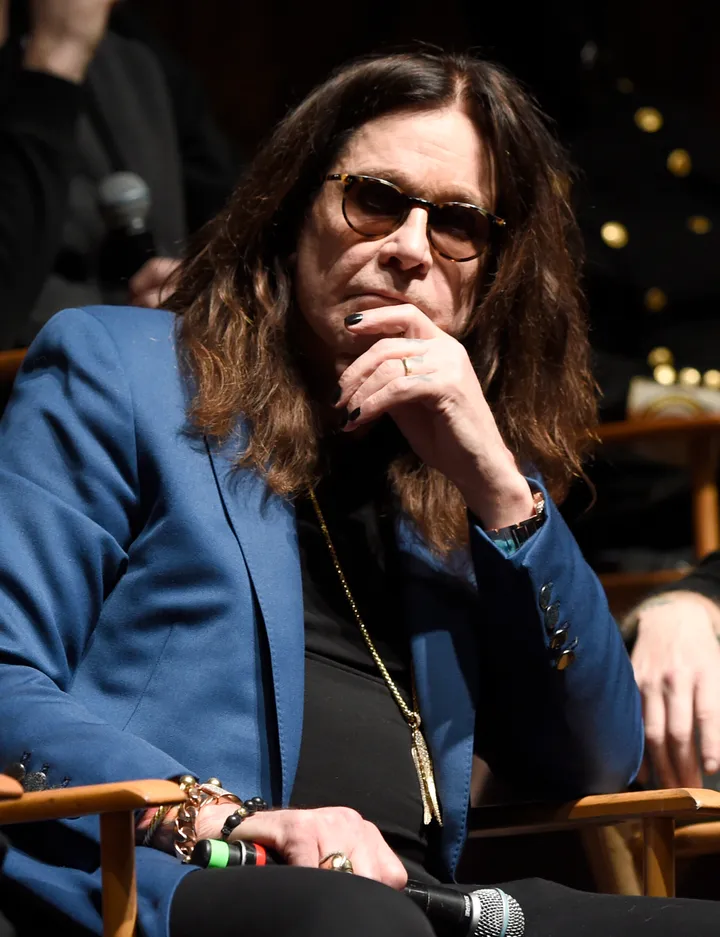
Jack Osbourne has jumped to the defence of a new project recreating his later father Ozzy’s likeness using AI.
Last week, Jack and the rest of the Osbourne family announced plans to create a digital avatar based on the Black Sabbath frontman’s image in collaboration with tech companies Hyperreal and Proto Hologram.
Appearing at the advertising industry event Licensing Expo alongside his mum Sharon and sister Kelly, he enthused: “It’s kind of scary how it’s really very accurate. He will exist digitally as himself for as long as we have computers.”
Jack continued: “Technology has come such a long way to where it’s almost drag and drop. You could shoot a template for a commercial [and] literally prompt what you want Digital Ozzy to do in that commercial and you just drop it in. It’s that simple now.”
Sharon also noted that the family plan to take the digital avatar “all around the world”, allowing fans to have the opportunity to “talk to him and he will talk back”.
Meanwhile, Hyperreal also told Billboard last week these avatars would be popping up on interactive, life-size touchscreen devices at venues across both sides of the Atlantic.

However, with AI being such a contentious issue across creative industries, these announcements were met with criticism from some, which Jack addressed in a YouTube live-stream.
“It’s going to be so tasteful what we’re doing,” the former I’m A Celebrity campmate insisted (as reported by The Guardian). “It’s not gonna be fucking lame.”
He added: “This isn’t just like hooking up an image of my dad to ChatGPT. This is some high-level technology that we’re gonna be working with, and it’s gonna feel very real, and it’s kind of wild how it will be utilised.”
This isn’t the first time that digital recreations of Ozzy’s likeness have ruffled feathers, though.
Shortly after Ozzy’s death last year, Sir Rod Stewart raised eyebrows when he made use of an AI video in one of his live shows, depicting the rocker in heaven meeting Michael Jackson, Prince, Whitney Houston, Amy Winehouse, Tupac Shakur, Freddie Mercury and Tina Turner, among others.

We hope you love the products we recommend! All of them were independently selected by our editors. Just so you know, HuffPost UK may collect a share of sales or other compensation from the links on this page if you decide to shop from them. Oh, and FYI — prices are accurate and items in stock as of time of publication.
Is there anything worse than a pan whose non-stick fails you after a few short years? Or buying a brand new pan and realising it’s not compatible with your hob?
As someone who’s experienced both, let me tell you: it’s not a situation you want to find yourself in.
As a kitchen essential, a great frying pan can make the difference between food that you want to feast on with your eyes as much as your mouth, and an undercooked, soggy mess.
Too many times have I spent upwards of £100 on a new frying pan only for it to get scratched by the whisper of a utensil.
And I’m sick of it! If you’re anything like me, you’ll want a pan that is not only efficient to cook with, but enhances the flavour of your food, and is easy to wipe clean or chuck in the dishwasher.
Whether you’re looking to upgrade your culinary prowess, or simply want a new pan to add to your collection, I’ve found the best frying pans available on the market right now.
What to consider when buying a frying pan
- Hob: Not all pans are compatible with induction hobs, so you’ll need to check before buying
- Material: Different materials cook, well, differently. Stainless steel pans heat up more evenly than ceramic or non-stick, and can reach higher temperatures, making them more suitable for searing. But, similar to cast iron pans, require treating to make sure they’re non-stick.
Ceramic pans are non-stick, which makes them great for cooking eggs. - Size: You might want to buy a mixture of sizes for every purpose.
- Dishwasher-friendly: Some pans can be cleaned in the dishwasher, but most must be cleaned by hand. Make sure you check this before you buy a pan if you have a preference, and also before you chuck it in the machine.
Difference between non-stick, ceramic, stainless steel, and cast iron pans
Traditional non-stick
- Very easy to use, releases food
- Versatile
- Often cheaper than ceramic, stainless steel or cast iron pans
- Some brands use toxic chemicals in the coating, which when damaged can seep into your food. Research each brand before buying to avoid
- Scratched with metal utensils.
Ceramic
- Easy to clean
- Fewer chemicals than traditional non-stick
- Can use on high heats, heats up quickly
- Versatile
- Eco-friendly
- Hand wash only
- Might not be as durable as stainless steel pans.
Stainless steel
- Don’t contain chemicals like traditional non-stick
- Heats up quickly and evenly
- Durable, they often last for life
- Can be non-stick (but require treating)
- Lighter than cast iron
- Dishwasher-safe
- Takes work to figure out how much heat and fat is needed to make it non-stick.
Cast iron
- Retains heat well
- Non-stick when seasoned
- Heavy
- Needs to be seasoned to prevent rust and make it non-stick
How I chose the best frying pans

As someone who cooks every day, I’m always thinking about how well my frying pan is performing. I tested several of the frying pans on this list, thinking about what they were best for cooking, how much maintenance they required, how non-stick they were compared with what they claimed to be, their size, whether they were dishwasher friendly and whether they were induction hub friendly.
Those I didn’t test myself, I crowdsourced from friends, family, and colleagues. I also read through thousands of reviews to see which were the best rated against the above criteria.
The best frying pans to buy in 2026

Best ceramic coated stainless steel pan
For the best of both worlds, Hexclad pans blend stainless steel with ceramic coating for pans that can be used on a high heat and don’t require treating. Designed in collab with Gordon Ramsay himself, this frying pan can just as easily sear as it can be wiped down. As if by magic, its handle won’t heat up, while the body can withstand up to 480 degrees in the oven. Even better, it can be popped in the dishwasher when you’re done, and you won’t even need to treat it!
Type: Stainless steel pan with ceramic coating
Size: 30cm
Induction friendly: Yes
Dishwasher friendly: Yes

Best for every day use
If you’re anything like me, you’ll be suspicious of anything that comes across your Instagram feed. And I’ll admit, this all singing, all dancing pan does sound too good to be true, but after two years of using it I can confirm it’s my go-to for everyday cooking. Thanks to the ceramic coating, it’s supremely non-stick. After a couple of years there’s a slight decrease in it’s non-stickiness, but nothing that means I can’t cook eggs. As well as coming in a range of gorgeous colours, it has a ton of practical accessories like a lid, a spatula that slots onto that little nub on the handle, and a steaming basket for everything from pasta to making a set custard.
Type: Aluminium pan with non-stick ceramic coating
Size: 26.7cm
Induction friendly: Yes
Dishwasher friendly: No

Best budget non-stick
My grandma swears by Tefal for cooking on the hob, and every time I’ve ever wanted a pan she’s bought me this one. It comes in at just £10, and is as non-stick as they come. While it scratches more easily than my Our Place one, the fact it’s such a budget option means I’ll always come back to it when I need a replacement.
Type: Teflon non-stick
Size: 24.8cm
Induction friendly: Yes
Dishwasher friendly: No

Best enamel-coated cast iron
If you’ve ever held a Le Creuset pot, you’ll have an idea of how study this pan is. Designed for sautéing, the cast iron base doesn’t require much heat to get things going, and it’ll sear everything from a hunk of protein to delicate greens perfectly. Although it has an enamel coating, it still needs to be seasoned, but eventually it will build up a non-stick resistance. That wooden handle will also make your life much easier by not burning your hands while you toss away.
Type: Enamel-coated cast iron
Size: 28cm
Induction friendly: Yes
Dishwasher friendly: No

With over 1,000 five-star reviews, it’s clear why this pan is such a fan favourite. It’s forged, which means the base is intended to be extremely scratch-resistant, and will last longer than other pans. You’ll even get a 25-year guarantee to prove it. It can go in oven up to 260 degrees, making it ideal for broiling or grilling, but is also induction hob and dishwasher-friendly. Check all our boxes, why don’t you?
Type: Non-stick
Size: 22cm
Induction friendly: Yes
Dishwasher friendly: Yes

Best titanium pan
By some miracle, Our Place has found a way to make a titanium pan non-stick without toxic chemicals. Its NoCo nonstick interior is free from lead, PFAS, PFTE, and PFOA, and its titanium surface is 300 times more durable than stainless steel. Not only is it suitable for every kind of hob, but it can hold its own in up to 535 degree heat. To prove its excellence, Our Place is offering a lifetime guarantee on this pan. Yep, even after you put it in the dishwasher.
Type: Non-stick
Size: 31.6cm
Induction friendly: Yes
Dishwasher friendly: Yes

Best small non-stick pan
When you’re cooking for one, it seems pointless to dirty a whole pan. When it’s dishwasher-safe, though, it’s another matter entirely. Perfectly sized for eggs or meals for one, this pan promises to be flake-free and five times more durable than regular non-stick pans. Thanks to the forged aluminium base, it heats up quickly and evenly, and it’s so non-stick you don’t need much oil or butter to start a meal off. Even more impressive is the fact it comes with a lifetime warranty, especially when it costs just £30 to begin with.
Type: Non-stick
Size: 20cm
Induction friendly: Yes
Dishwasher friendly: Yes

Palestine Action Global targets logistics firm DSV over Elbit link

Evgeni Malkin returning to Penguins on 1-year deal

Today’s NYT Connections Hints, Answers for May 26 #1080


-

 Crypto World5 days ago
Blockchain.com files with SEC for U.S. IPO
-

 Fashion4 days ago
Holiday Weekend Open Thread – Corporette.com
-

 Business4 days ago
Dell Technologies DELL Stock Surges 15% on AI Server Momentum and Analyst Upgrades in 2026
-

 Crypto World4 days ago
Bitcoin Accumulation Weakens as BTC Realized Losses Hit $600M
-

 Crypto World3 days ago
Robinhood crypto COO Tanya Denisova exits
-

 Crypto World4 days ago
Space X IPO Is ‘Bad News’ for Tech Stocks: But What About Bitcoin?
-

 Politics4 days ago
Makerfield: a tale of two social-media histories
-

 Business2 days ago
NYT Strands Answers May 24 2026 Revealed for Puzzle No. 812 Theme Summer Essentials
-

 Crypto World5 days ago
MicroStrategy’s Saylor Says Miners No Longer Set Bitcoin Price, Another Force Has Taken Over
-

 Tech5 days ago
WhatsApp ads could make Irish debut after discussions with DPC
-

 Crypto World4 days ago
AI infrastructure race heats up as IREN pitches full-stack strategy, WhiteFiber lands $160M deal
-
 Tech4 days ago
A 0.12% parameter add-on gives AI agents the working memory RAG can’t
-

 Tech5 days ago
You Can Now Add ChatGPT To PowerPoint
-
 NewsBeat5 days ago
Charity run by Reform leader Malcolm Offord accused of ‘law breaking’ over Scottish registration
-

 Business4 days ago
Trump Invests $1M-$5M in Kura Sushi USA Chain With 27 California Locations
-

 Tech1 day ago
Microsoft’s quiet Claude Code retreat and the real cost of enterprise AI
-

 Sports5 days ago
2026 CJ Cup Byron Nelson leaderboard: Brooks Koepka finds putting stroke in Round 1
-

 Crypto World6 days ago
Exa Labs raises $250 million in funding led by a16z
-
Business4 days ago
Goldman Sachs reinstates Ageas stock coverage with neutral rating
-
 Crypto World4 days ago
Verus Bridge Hacker Returns $8.5M ETH, Keeps $2.8M as Bounty
You must be logged in to post a comment Login