
Politics
Breaking: Barclays 5 judge rules NO terror sentencing in blow for Mahmood

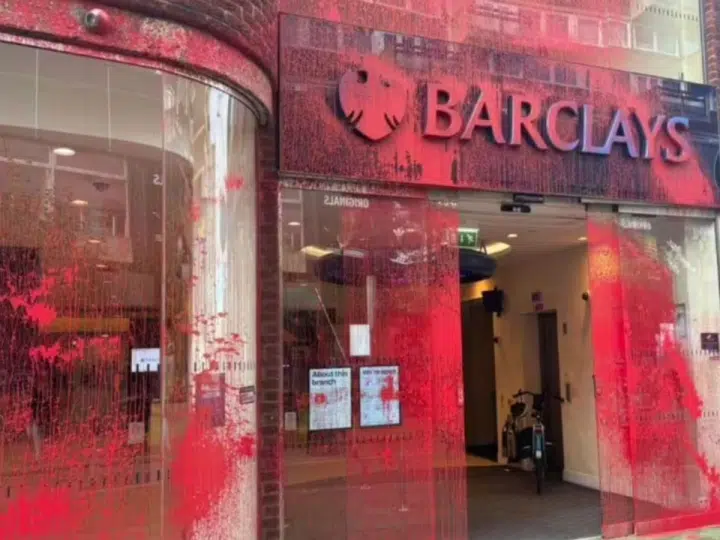

Remarkably, and in a rare blow for justice amid the UK regime’s war on anti-genocide speech and protest, a judge at Preston Crown Court has just ruled that the ‘Barclays 5‘ will not be sentenced as terrorists.
As with the ‘Filton 24’ direct action protesters, the Crown Prosecution Service was asking the judge to rule a “terrorist connection” in the case of five protesters who sprayed a Barclays Bank building, despite only criminal damage charges being brought. But the judge ruled against the CPS, rejecting the state’s — farcical but so far successful — claim that longer sentences should be applied because the activists have a political aim in their actions.
A small victory for the ‘Barclays 5’
One of the defendants spoke outside the court after the ruling:
Confirmed: The Barclays Five will not be sentenced under anti-terrorism powers
One of their number Hmeera Atiqnisar gives a celebration speech outside Preston Crown Court
A small victory in a bigger battle pic.twitter.com/Hdl8uNyPil
— Faz (@hacksupreme) August 21, 2026
New PM Andy Burnham has kept right-wing horror Shabana Mahmood as home secretary to continue the war on UK citizens’ rights to protect Israel. But at least one small victory for humanity and justice has been scored.
Featured image via the Canary
By Skwawkbox



On the day the government ended its ‘public consultation’ on whether to allow drilling from a controversial new oil field, scientists sprayed fire extinguishers at the energy department, dozens of protestors rallied outside the Treasury and hundreds of famous musicians wrote to the Prime Minister. These different groups are all aligned in their message: greenlighting Rosebank is a recipe for more disruption, destruction and deaths.
What’s Rosebank?
Located about 80 miles from the Shetland Islands, Rosebank is the largest remaining untapped oil field in UK waters. Drilling from Rosebank was originally approved back in 2023 by the Conservative government. At that time, many Labour party politicians were vehemently opposed to it.
Ed Miliband – now Foreign Secretary – was one of Rosebank’s most vocal opponents. In March 2023, he summarised:
Rosebank: £3.75bn of taxpayer subsidy which could have been invested in renewables. 80% of oil exported, not a penny off bills, equivalent to half all UK emissions for a year. Colossal waste of taxpayer money and climate vandalism.
The decision to allow drilling from Rosebank was overturned last year after a legal challenge by campaign groups Greenpeace and Uplift. They successfully argued that the climate damage that would be caused by burning Rosebank’s fossil fuels had not been taken into account.
Now Rosebank’s owners – fossil fuel companies Shell, Equinor and Ithaca Energy – are trying again: they have resubmitted their application to drill. Having given the public a chance to comment, the decision now rests with the government.
Resistance to Rosebank
In a summer defined by deadly heatwaves, hundreds of wildfires and drought-stricken harvests, the public have plenty to say about the decision the government now reckons with.
Following pleas last week from environmental charities and top climate scientists, more than 200 musicians – including Massive Attack, Radiohead frontman Thom Yorke and the xx singer Romy – have urged Andy Burnham to lead a more ambitious, joined-up response to the escalating climate impacts we all have to face. In their letter to the Prime Minister, they wrote:
The climate crisis is no longer something we fear for future generations; it is shaping our lives today. Heatwaves are disrupting schools, workplaces, hospitals, transport networks, festivals and live events.
On the same day this letter was published, protestors with Fossil Free London assembled at the Treasury. Highlighting the damage this hot, dry summer has wrought upon food production, they brought empty sacks and baskets. One of their placards stated:
Oil fuels crop failure #StopRosebank
Shortly afterwards, members of the group Scientists on Survival sprayed fire extinguishers at the Department for Energy Security and Net Zero. Their protest echoed the increasingly stark warnings that climate scientists around the world have been making: that new oil and gas means more fire, more floods and more deaths.
As one of the scientists who was at the energy department in protest – and as one of billions of people who will have to experience the worsening symptoms of this fossil-fuelled emergency – I sincerely hope our message will be received and acted upon.
Abi Perrin speaking outside DESNZ. Video credit: Jamie Lowe
Decisions, decisions
According to the latest whisperings, the government may delay its decision on Rosebank. Ministers are apparently concerned about the ‘optics’ of approving new fossil fuels whilst most of England and Wales is in drought and large areas of the UK remain on fire.
But more so than ever, we need politicians to go beyond worrying only about how their decisions will be seen: we need them to take the wider impacts of those decisions far more seriously. Speaking about the choice Andy Burnham has to make, Brian Eno, who signed the musicians’ letter, summarised:
He can stand with the fossil fuel industry and approve Rosebank, or he can stand with the people who will live with the consequences of that decision.
Featured image via Kirk Pritchard
By Abi Perrin

Four hospitals in Greater Manchester are facing strikes from over 350 operating theatre workers next week. But the staff aren’t taking action for higher wages or better hours — they’re walking out to force their employers to pay them what they’re already owed.
The same staff already took part in four rounds of industrial action during June, taking on additional strikes to push for their rights. However, their simple demands have so far gone unmet.
The workers have scheduled their latest strikes for Monday 24 August, Wednesday 26 August and Friday 28 August. Clinical support staff, housekeepers and nurses at Fairfield Hospital, Rochdale Infirmary, Royal Oldham Hospital and Salford Royal Hospital will participate in the planned industrial action.
Clear disregard for staff
The dispute behind the planned walkout centers on the Northern Care Alliance Foundation Trust’s (NCA) use of an agency — NHS Professionals (NHSP) — to handle overtime. For staff, the ongoing strikes highlight deep-rooted issues in management-labour relations.
Unison, the trade union representing the hospital workers, claimed that staff are missing out on money their contracts entitle them to. It explained that:
When covering staff shortages, staff are entitled to time-and-a-half pay. However, in some cases staff earn less than they would on a normal shift, with some missing out on more than £80 per shift.
The union also reported that the NCA tabled an offer to resolve the dispute. However, the trust then quickly withdrew it before any further discussions took place. The cancellation further fuelled the frustration underpinning the strikes.
Kevin Dolan, the Unison North West regional organiser, said:
Those at the top of NCA have shown a lack of leadership and made their disregard for their staff clear.
A deal was put on the table but taken away before we had a chance to talk it over. We are ready to continue negotiations, but it’s obvious NCA has no intention of resolving this.
This isn’t complicated. Staff are simply asking for what their contract says they’re entitled to. Nothing more.
The dire state of patient safety
The Manchester Evening News reported that the strikes come whilst the NCA is already in the grip of damning concerns for patient safety. The trust’s public records show that staff are working under extraordinary pressure. As such, some of them made serious errors that caused harm to patients, up to and including deaths.
The Evening News stated:
The Trust’s own reports found lengthy delays were linked with “28 deaths” and 56 issues of “severe harm”, while problems diagnosing illness led to ten deaths last year. There were also 12,000 cases of delayed treatment last year within the Trust, with bosses claiming “persistently high” levels of sick leave are a major issue.
Gertie Nic Philib — the NCA’s strategy officer — tried to assure the public that the trust was working to ensure patient safety over the strike days: recent strikes have made this a growing concern.
We are preparing for this period of action and are working hard to minimise disruption to services and the patients who rely on our care.
Our focus throughout this period is on maintaining safe services, supporting colleagues and ensuring that patients requiring urgent, emergency and other time critical care continue to receive the treatment they need.
While we have not been able to reach agreement, we respect our colleagues’ right to take lawful industrial [action] and will continue to engage constructively and work together in the interests of patient safety.
We apologise for any uncertainty this may cause. People should be assured, that should any changes need to be made with their care, we would always contact them directly.
This is not a complicated issue. The workers are owed the money that their contracts entitle them to. If the NCA is concerned about ongoing patient safety, it must pay its staff what they’re due.
You’d think that would have sunk in after a month of ongoing strikes within Greater Manchester’s NHS network.
Featured image via the Canary
By Grace


President Donald Trump is going the extra mile for Sen. Darline Graham in deep-red South Carolina.
That’s left battleground Republicans wondering when it’ll be their turn, even while they acknowledge Trump’s campaign trip is in part owing to his strong ties with the candidate’s late brother, former Sen. Lindsey Graham. It’s also caused several supporters of Graham’s primary opponent to scratch their heads at the sudden attention he’s giving a state that is far from critical for ensuring GOP control in Washington. Trump is bringing back his hallmark campaign rally for Graham on Friday in Myrtle Beach, South Carolina, just days ahead of her runoff against Republican Rep. Ralph Norman.
It’s a far cry from the quieter strategy the president has used for candidates in battleground races in Georgia, Michigan and Texas: a couple supportive social media posts and, in some cases, a telerally on the eve of Election Day.
“It’s going to be a red seat,” said Randy Page, a longtime Republican operative in South Carolina who is supporting Norman in the race. “If I were the president, if I were giving him political advice, I’d say: ‘We’re right next to Georgia, we’re right next to North Carolina. Texas ain’t that far away.’ There are some real places that are going to affect the party keeping control of either the House or the Senate, and it’s like he’s just flying over them and ignoring them.”
Strategists involved with GOP candidates who could use Trump’s base-boosting help elsewhere are eagerly waiting to see whether he’ll put the same effort into their own races later this year.
“He’s coming in person for Darline Graham. He really hasn’t done much else,” said one GOP operative involved in several battleground races, including in Georgia, who was granted anonymity to speak candidly. “He probably has the ability to move the needle in Republicans’ favor better than anyone else in the country. The question is just: Will he? Is he willing to? Does he want to? Does he care enough?”
Trump’s appearance in Myrtle Beach is a significant and explicit foray back to the campaign trail in a year in which his previous appearances with his endorsed candidates were mainly on official White House business, focused on issues like affordability and domestic energy production. It also comes at a crucial moment for Graham, who is looking for a momentum boost after an embarrassing debate stage fumble on foreign policy.
He appeared with Nevada Gov. Joe Lombardo in Las Vegas for an official event earlier this month billed to tout tax cuts in a state where the governor is facing a tough reelection battle. In late July, he traveled to suburban Atlanta to deliver remarks where he touted GOP Rep. Mike Collins’ Senate bid against Democratic Sen. Jon Ossoff (Collins himself was absent because of votes in Washington). And a month earlier, he took part in a roundtable discussion with frontline GOP Rep. Derrick Van Orden in Chippewa Falls, Wisconsin.
But it’s been far less than in years past. Trump was ever-present on the campaign trail during the 2018 midterms, and blitzed across the country for rallies during his 2024 election bid, but his travel has been somewhat curtailed since he has faced two attempts on his life that same year.
The Friday rally is the kind of support that some Republican candidates wished had come for them in their own contentious primaries — and operatives in states with competitive general election matchups hope it signals more presidential help is on the horizon before November.
Trump’s heavy hand and his grip over the Republican Party has continued to shape the outcome of several primaries this year, but the degree to which he will help ensure control of Congress this fall — both through campaign appearances and spending his $400 million MAGA Inc. war chest — remains an open question.
For some Republicans in battleground states watching from afar, Trump’s Friday appearance with Graham is a reminder of how little time the president spent on the campaign trail during the primary season.
“Him posting on True Social and doing a tele-town hall has kind of, from what I can tell, been kind of the limit of what he’s done for most endorsed candidates. So this is a little different that he’s going down there,” said Matt Mackowiak, a Republican strategist based in Texas who worked with Sen. John Cornyn on his unsuccessful reelection primary earlier this year and said he will support the Republican ticket this fall.
The White House dismissed concerns over Trump’s attention on South Carolina over other states in a statement.
“President Trump is the unequivocal leader of the Republican party who is committed to maintaining Republicans’ majority in Congress,” said White House spokesperson Olivia Wales. “President Trump will continue to draw a sharp contrast with his commonsense agenda and the radical Democrats in Congress who allowed millions of illegal aliens to flow through the border, unanimously opposed the Working Families Tax Cuts, and are soft-on-crime.”
Several Republicans said that Trump’s Friday rally is likely borne from his long and mostly close relationship with Sen. Lindsey Graham, who Graham’s sister Darline and Norman are running to replace.
“It’s partly that this one is unique,” Mackowiak said. “It’s partly about Lindsey and about I think he’s doing what he thinks Lindsey would have wanted him to do, and so he wants to see that through and see that succeed.”
Regardless of the impetus behind the decision to travel to the Palmetto State, the president’s in-person appearance is a major boon for Graham’s campaign, and her team is eager to capitalize on the rare in-person campaign moment as the recently appointed senator has weathered criticism over her political inexperience. Trump “knows Senator Darline is a true MAGA ally who will help him implement his agenda and fight against the Woke mob better than any other Senate candidate in the country,” Graham spokesperson Abby Zilch said in a statement.
Graham made a significant gaffe on the debate stage earlier this week, when she said “I’m not that informed on national security” in response to a question on U.S. interests in Taiwan. Norman’s allies were quick to seize on the moment to drive home their message that she’s “underprepared” for the office.
A person with direct knowledge of Graham’s campaign’s strategy acknowledged the misstep, but insisted that she had sufficiently cleaned up the flub during a Fox News appearance with Sean Hannity. Now, their focus is on the president’s visit: “This rally allows the campaign to own statewide earned media for a couple days,” said the person, who was granted anonymity to discuss private conversations. “The Trump endorsement is big, but him coming in state is bigger. President Trump is all in.”
If Graham falls short on Tuesday, it will be one of Trump’s most embarrassing in a recent string of losses this primary season. He pushed for her appointment to the Senate to complete her late brother’s term and openly encouraged her to run for a full six years, with his backing.
Plus, he’s already stumbled in South Carolina before: His first pick in this year’s governor’s race, Lt. Gov. Pamela Evette, lost momentum to Attorney General Alan Wilson in the primary, leading to a rare double endorsement from Trump at the last minute.
Several Norman supporters think that Trump should put his focus elsewhere — even if they agree with the president on virtually every other issue.
“Michigan and Ohio and Alaska, Maine and Texas are all at risk of losing to the Democrats,” said state Rep. Jordan Pace, who has endorsed Norman’s bid. “That’s where the money and the attention should be, shoring up those states.”
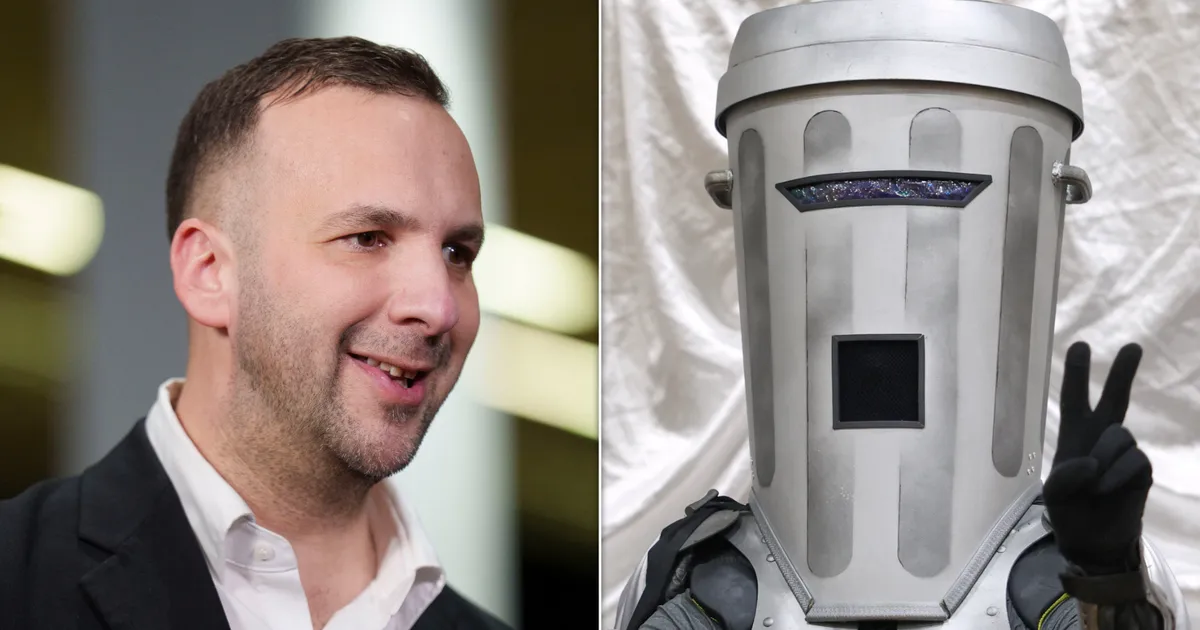
Zack Polanski is the only major party leader who would not beat Count Binface in a head-to-head election, according to a new poll.
The More in Common think tank has concluded that the Green Party leader would lose to the comedy candidate, played by Jon Harvey.
Binface has long contested particularly high-profile by-elections and became the most well-known opponent standing against Nigel Farage in the Clacton by-election last week after all other major parties pulled out.
While the Reform leader retook his seat, Binface secured 9,455 votes against Farage, 27% of the overall vote – his best ever result.
More in Common then asked the public who they would vote for in a battle between the comedy candidate and the main party leaders.
According to a poll conducted after the by-election, Polanski would secure just 25% of the vote compared to 39% for Binface if they were to oppose each other at the ballot box.
Labour prime minister Andy Burnham would win with the largest majority in if he was running against the satirical character in an election, with 54% of the vote compared to 21%.
The Conservatives’ Kemi Badenoch comes in behind the PM, with 47% of the vote compared to 25% to Binface.
Farage would secure 39% of the vote if he went against Binface again, compared to 34% for the comedy candidate.
The Liberal Democrats’ Ed Davey would take 37% of the vote, compared to 28% for Binface.
That means only Polanski, who is not an MP but a London Assembly member, would lose to Binface.
The findings come after a turbulent period for the Green leader. Elected only last September, Polanski oversaw a huge increase in party membership with his direct approach and promise to introduce “eco-populism”.
However, their popularity seemed to peak earlier this year after the Greens’ success in the May local elections.
Polanski also came under fire for his social media posts and the revelation he did not vote in May’s local elections.
Listen to Commons People, the podcast that makes politics easy. Every week, Kevin Schofield and Kate Nicholson unpack the week’s biggest stories to keep you informed. Join us for straightforward analysis of what’s going on at Westminster.

Following a spate of heatwaves in parts of the UK this summer, we’re finally getting some below-average temperatures and rain.
This includes areas of the parched south and southeast, like Wales and East Anglia. These regions have declared drought following an unusually dry season and increased water usage (sadly, sudden downpours don’t seem likely to change those conditions any time soon).
And while the wet weather is very welcome, it may also pose some risks.
Yesterday, the BBC wrote: “Flash flooding remains possible, especially in areas where the ground remains very hard after the prolonged hot, dry spell”.
Flash floods have already taken place in areas like Edinburgh.
What is a flash flood?
Per NASA, it’s a “rapid rise of water along a stream or low-lying urban area” that usually occurs within six hours of heavy rainfall. When the volume and speed of its fall means water can’t be drained away quickly enough, it creates flood conditions.
The UK government describes flash flooding as “very dangerous”, advising people not to walk or drive through the water resulting from it. Even “shallow flood water (around 15cm or 6 inches) that does not look dangerous can knock a person over or conceal hazards”.
Flash floods, they explain, can create fast-moving and deceptively deep water that may injure or kill people and can happen anywhere, including towns, cities and the countryside.
It has a variety of possible causes, but if flash flooding comes from heavy rainfall, it’s sometimes also called surface water flooding.
Why is flash flooding more likely to happen after a heatwave?
To clear away sudden rainfall faster, the ground needs to be able to drain efficiently.
And though you might think that dry soil would soak up rain the fastest, that’s not actually the case. A video filmed by Dr Robert Thompson from the meteorology department of the University of Reading after the 40ºC heat of 2022 illustrated why.
The clip, shared on X, showed three clear cups of water upended onto wet, “normal summer”, and post-heatwave grass.
While the first two conditions drained the container quickly, the heatwave-struck ground took far longer to absorb the liquid.
In the comments underneath the post, Dr Thompson said that after very long spells of hot weather, soil “gets compacted through the lack of water.
“But there’s a big factor from the small soil particles becoming hydrophobic (like the coating on waterproof coats) – which combines with water’s very strong surface tension, meaning water molecules can’t fall through the small gaps.”
Then, he added, there’s the fact that “warmer air holds more water, so heavy rain is heavier… that’s a pretty bad combination and makes flash flooding an increasing threat.”
A combination of compacted, unabsorbent ground and a greater mass of already-drenching water makes flash flooding risk higher.
What are the signs of flash flooding and what should I do in a flash flood?
Flash floods can be hard to predict. But some warning signs include:
- Sudden, heavy rain, i.e., from thunderstorms,
- Dark water that moves very rapidly,
- Severe weather warnings,
- Damage to buildings and structures near the flooding.
The government advised that staying up-to-date with local weather warnings and signing up to flood warnings (via this link) can help.
But they added that if you suspect flash flooding, you may need to act quickly before any official warning is given.
Try to get to high ground safely if possible, don’t travel through flood water either by foot or vehicle, and call 999 if you need to. If you do speak to the emergency services, follow their instructions carefully.
“Do not use flimsy or temporary structures – like a tent or a caravan – for shelter during flash flooding,” the government added.
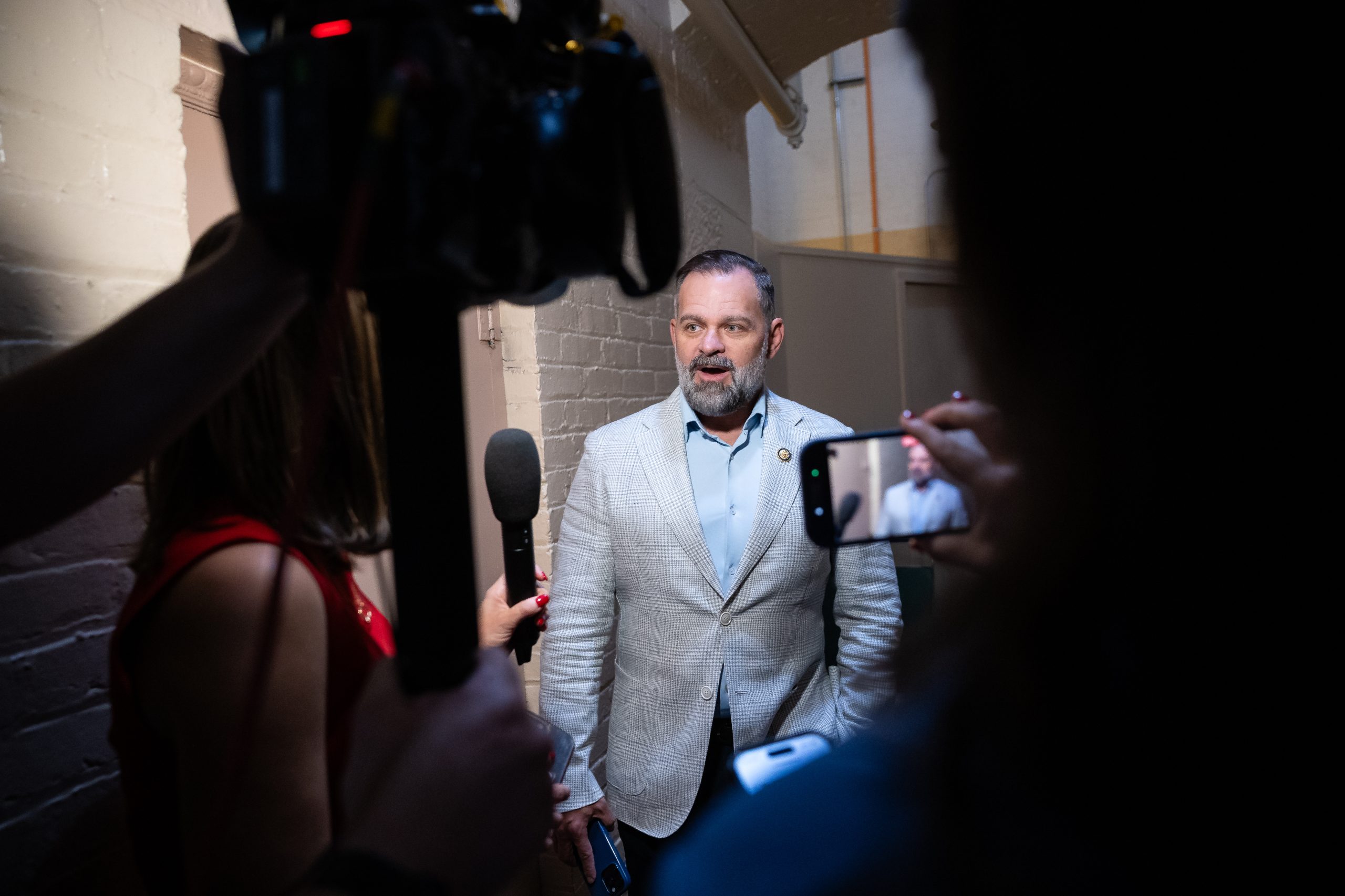

Privately, many Republicans wanted GOP Rep. Cory Mills to lose his primary in Florida. Like with so many scandal-plagued candidates this year, they worried he would turn a safe seat into a battleground.
But rather than push him out of the race, they let voters decide his fate. With weak fundraising and polling amid allegations of sexual misconduct and domestic violence, party officials believed he was going to lose anyway, saving them from having to intervene.
“There wasn’t much of a push to yank him out,” said one national Republican operative working on House races, who like others in this article was granted anonymity to speak candidly.
On Tuesday, Florida voters rejected Mills’ reelection bid, avoiding what would have been another headache. This election cycle, both parties keep playing whack-a-mole as candidate after candidate becomes embroiled in controversy ranging from ethics scandals to sexual misconduct, including in key races that could determine who controls Congress. Neither party has settled on a clear playbook for when to step in or what counts as disqualifying — though they have drawn those lines differently.
Top Republicans are now quietly getting behind Ohio Rep. Max Miller, who is mired in allegations of domestic abuse involving his ex-wife and child, and defied calls to drop out. They declined to push out then-Rep. Tony Gonzales (R-Texas), whose staffer died by suicide after he had an affair with her. Facing an expulsion vote, he did not resign until hours after embattled Rep. Eric Swalwell (D-Calif.) did, effectively evening out the margins. And GOP leadership eventually got behind scandal-ridden Ken Paxton, but after President Donald Trump and Texas voters embraced him in the Senate primary.
Many Democrats also grappled with what to do about Graham Platner throughout a series of escalating scandals until POLITICO’s report of a sexual assault allegation forced him out of the Maine Senate race. Their months of indecision, some worry, will continue to haunt them through the midterms.
“We don’t trust our instincts anymore,” one longtime Democratic strategist said.
“The laws of political gravity have just been so upended” since Trump won in 2016 over a series of scandals, the strategist said, adding: “We’re reluctant to apply the old rules because … are we handicapping ourselves or potentially punishing ourselves by adhering to the old standards that haven’t been serving us, or certainly didn’t stop the other side from winning the presidency twice?”
In Mills’ case, his loss brought Republicans private relief even as it meant a Trump-endorsed incumbent was ousted. The representative is facing an investigation by the House Ethics Committee and remains under a restraining order imposed last fall after a former girlfriend accused him of threatening to release sexually explicit videos of her. He has denied wrongdoing.
Trump, in the aftermath of the primary, wrote on social media that he asked Mills “to get out of the Race, but he wouldn’t listen” and immediately backed the winner, Ryan Elijah.
Voters have increasingly displayed a willingness to tolerate controversy — especially when political power is on the line. A recent POLITICO Poll shows voters are willing to accept their preferred candidates having DUI convictions, being accused of using tax loopholes, concealing a terminal illness or exaggerating their military service, though Democrats were less tolerant than Republicans of sexual assault and domestic violence allegations.
“[When] the gavel is on the line, people in both political parties have the … highest tolerance for political weakness of their party,” said an Ohio-based GOP operative. “This is the year like no other where voters and political leaders and political parties are willing to look past blemishes and weaknesses of their own candidate.”
The GOP and Democratic Party have shown different responses to the most serious of allegations. Republicans like Speaker Mike Johnson have often called for processes to play out and to let voters decide their future. And even as White House officials or Trump himself placed a call to get a scandal-plagued Republican like Mills or Miller to drop, they rarely followed through on pulling their support.
Democrats have shown they’re more willing to draw a line, particularly around sexual assault allegations. But their biggest example — Platner — is a complicated one: Many in the party tolerated months of controversy, from a Nazi tattoo to reports of volatile prior relationships, before ultimately calling for him to suspend his campaign.
“They either didn’t care about the scandal, were willing to turn a blind eye to it,” said a second Democratic operative working on Senate races. Democrats were so focused on beating Susan Collins they were willing to accept multiple scandals, they said, but “I am glad to see that credible allegations of a sexual assault were actually a red line for people.”
Democrats did quickly turn on Swalwell, who suspended his bid for California governor days after sexual assault and misconduct allegations pushed his campaign into a tailspin. But Democratic leadership has not yet called on Rep. Jimmy Gomez (D-Calif.) to resign amid allegations of sexual misconduct, instead pushing for a “thorough and swift” Ethics Committee investigation.
Gomez has admitted to extramarital affairs but said they were “consensual in nature,” a claim disputed Wednesday by lawyers of the woman interviewed by the ethics panel.
On the GOP side, Johnson and House Republican leaders took weeks to pull their support for Gonzales. It wasn’t until a day after POLITICO reported that independent House investigators found a “substantial reason to believe” Gonzales had sex with his subordinate, a violation of House Rules, that they abandoned him.
But the GOP let the voters decide in Arizona, where Trump-endorsed Mark Lamb, the former Pinal County sheriff, recently won his congressional primary despite allegations of sexual misconduct and abuse of power.
And Republicans have quietly accepted Miller in Ohio. Once the Trump administration saw Miller was unlikely to abandon his reelection bid, they asked Ohio Republicans to refrain from waging a public pressure campaign to avoid a messy situation where they then have to defend a candidate they once tried to oust.
Democrats say that’s a clear example that they are more willing to draw a line than Republicans.
“Graham Platner is not a candidate, and Max Miller is. That should tell you everything you need to know about the differences between the two parties,” said Democratic ad maker Ian Russell.
“There are complicated situations that have definitely not been handled in retrospect by both parties as well as they could have been, but there is nothing the same in how Democratic leadership has responded to issues in our ranks versus our Republican leadership has responded to issues in their ranks,” Russell said.
Still, the calculus for scandal, a second national GOP strategist and a longtime senior House staffer argued, most often comes down to Congress’ razor-thin margins.
“It’s about numbers,” they said. “It’s not about the gravity of a scandal.”
Chris Marquette and Riley Rogerson contributed to this report.
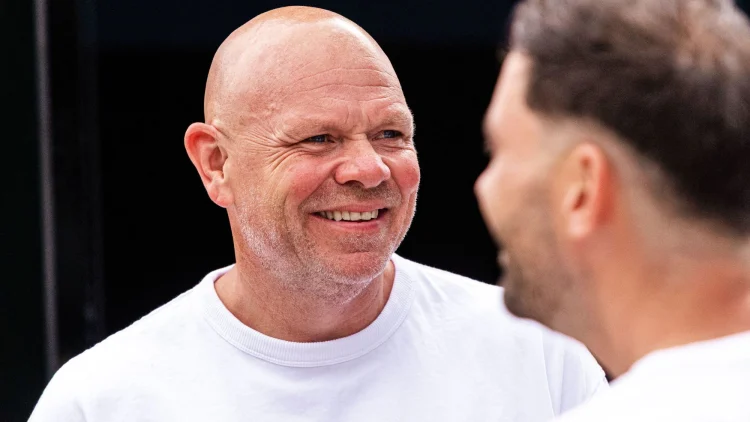

Award-winning chef Tom Kerridge has called on the government to create a new ministry for hospitality (Alamy)

3 min read
Chef and campaigner Tom Kerridge has said Prime Minister Andy Burnham should set up a new department for hospitality.
Speaking on the latest episode of PoliticsHome podcast The Rundown, the Michelin-starred restaurant owner said a “ministry of hospitality” would help recognise the industry’s importance to the wider economy at a time when it is under significant financial pressure.
”The biggest problem that we have is that a ministry of hospitality does not exist,” said Kerridge.
He argued that, as things stand, various parts of government “give an opinion on what should happen” to the industry but, as one of the country’s biggest employers, it needs a dedicated Whitehall department.
“There should be a civil service building somewhere around here where there are people who absolutely know what they’re talking about, that can sit there and represent the industry to government,” he added.
Kerridge said having a department responsible for hospitality could help ministers draft policy to prevent situations like the recent licensing row over so-called “vertical drinking” in the London borough of Westminster. The chef described the council’s contentious draft proposal to discourage people from drinking standing up as “nonsense”.
“It [the department] doesn’t need to be massive. It just needs to sit there within a building because it ties so many different things together, and governments would stop having ludicrous stories like that,” he added.
Kerridge is also campaigning for VAT to be reduced from 20 per cent to 10 per cent, and additional steps on business rates to reverse the trend of hospitality businesses closing.
Since entering No 10 a month ago, the Prime Minister has announced a 20 per cent cut to business rates from next April for pubs, social clubs and live music venues, while Housing Secretary Angela Rayner is changing planning policy to protect hospitality venues from being turned into offices or housing.
Kerridge said the steps were “positive” but “nowhere near close enough” to what the hospitality industry needs.
On VAT, he told the podcast: “Whether it’s 10 per cent straight away, whether it starts as 15 and then a year later it goes to 12.5 per cent, and then a year later it goes to 10 per cent, just something that shows we know, we care, we understand,” he said.
Kerridge added that the business rate system is “not fit for purpose” in its current form and something Chancellor John Healey should look to improve at the late-October Budget.
According to recent research by NIQ’s Hospitality Market Monitor, between 3 and 4 pubs and restaurants are closing every day in the UK due to rising costs.
The Rundown is presented by Alain Tolhurst, and is produced and edited by Ewan Cameron and Lulu Goad for Podot
- Click here to listen to the latest episode of The Rundown, or search for ‘PoliticsHome’ wherever you get your podcasts.

 Hayden Panettiere at the premiere of Blonde in 2022
The beauty brand Neutrogena has spoken out after the death of Hayden Panettiere led to it facing renewed scrutiny.
Following the news of Hayden’s death over the weekend, a number of her past interviews and comments about the difficulties she faced during her time in the spotlight have resurfaced.
Among these were claims in her 2026 memoir that Neutrogena had “cancelled” her “long-standing contract” with them after she shared her experiences of post-natal depression in the wake of the birth of her daughter Kaya in 2014.
During an appearance on Jay Shetty’s podcast in May, Hayden also alleged that she was told that speaking about her post-partum depression experience had violated a “morality clause” in her contract with them.
She claimed: “Neutrogena was a huge part of my life. I had the morals clauses, they caught absolutely everything. And of all the things that they would fire me over, this is the last thing that I thought they would ever fire me for.
“When I got that call that Neutrogena wanted to fire me over that, my representative at the time said, ‘That’s illegal. You can’t do that’. Even though she saved the day that year, I knew that that was going to be it. I was not going to be invited back the next year.”
On Thursday – a day before what would have been Hayden’s 37th birthday – Neutrogena said in a statement: “We are deeply saddened by Hayden Panettiere’s passing.
For more than a decade, Hayden was a valued member of our Neutrogena community. We are proud to have partnered with her and understand that we made her feel unsupported during a very difficult time. This is not what Neutrogena stands for or who we want to be.
“Hayden’s courage in sharing her challenges helped inspire important conversations and awareness. We are making a significant investment to a long-standing community health partner to help give more women access to the support they need, including care for post-partum depression. We will share more details with this community when plans are in place.”
They insisted: “Out of respect for Hayden’s family and loved ones, we did not want to speak out so soon following her passing. Everyone at Neutrogena extends their deepest condolences to Hayden’s family and all who loved her.”
Hayden, who began her professional acting career when she was just five years old, was best known for her work in the TV series Nashville and Heroes, as well as her performances in the Scream franchise.
Following the news of her death, many of those who knew and worked with Hayden have been paying their respects in emotional tributes, remembering her as an “amazing talent” and “an incredible light and force of nature”.
She is survived by her 11-year-old daughter, Kaya.
READ MORE:



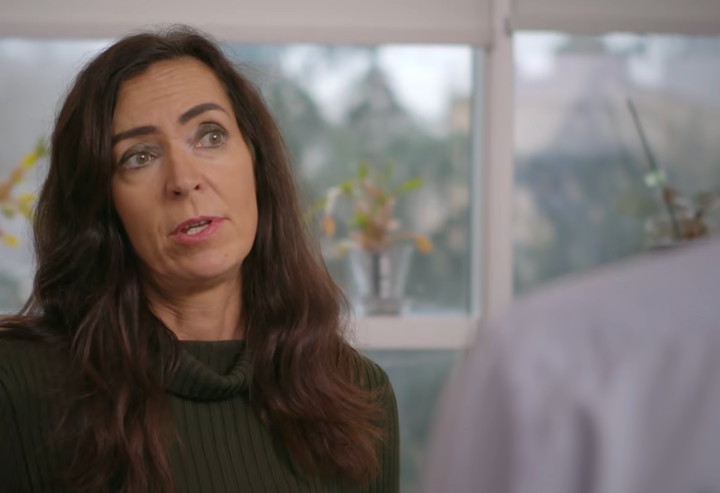
A contributor to a controversial Channel 4 documentary about ADHD has accused the filmmakers behind it of “misrepresenting” her views.
Earlier this week, the British broadcaster aired The Great ADHD Myth?, which claimed that it sought to “determine whether ADHD is a genuine neurodevelopmental disorder, or a social construct”.
Immediately after it aired, the doc prompted a wave of impassioned responses, perhaps most notably from the UK’s leading ADHD charity ADHD UK, which suggested the show could contribute to further stigmatising the condition.
ADHD UK co-founder Henry Shelford told HuffPost UK: “We are shocked by this programme. The fact it got commissioned at all speaks to the stigma around ADHD – a stigma that is now likely to get worse because of this show.”
Since then, Katya Rubia, a professor of cognitive neuroscience who was interviewed as part of the Channel 4 doc, has also spoken out against it.
“I agreed to take part in this documentary because I knew it was aiming to show ADHD was a myth and I wanted to provide an alternative view,” she said, as reported by The Guardian.
“But they cherrypicked, largely misrepresented, truncated and presented my comments out of context to make them fit into their narrative.”
She added: “Biased programmes like this one that push their view of ADHD as a mythical entity are irresponsible and will have detrimental effects, in particular at a time in our society where mental health conditions are escalating and where there is an urgent need for early diagnosis and early treatment to prevent further damage down the line.”

A Channel 4 spokesperson responded: “We are satisfied that Katya Rubia’s contribution has been edited fairly, is an accurate representation of the interview she gave and that her consent was informed.”
Following the doc, a survey by the charity ADHD UK revealed that, of 1,566 people who watched the show, 92% believed it had increased stigma surrounding ADHD, while 93% did not believe the show was fair in its representation of the condition.
“It is undeniable that there is considerable public debate on various aspects of ADHD, including in relation to the prescribing of medication and diagnostic procedures, and it is not misleading to suggest that these views exist,” Channel 4’s rep said.
“Channel 4 has a remit which includes offering a platform for alternative views, stimulating public debate and challenging the status quo.”

I was diagnosed a few months ago with a “fat disease”. Writing that sentence brings me shame, as much as I tell myself it shouldn’t.
For years, I had negotiated a fragile peace with my body. Not love. Love is too shiny a word for my feelings toward a body that has been praised, punished, starved, swollen, cut open, medicated and kept alive by devices and drugs. But I thought I had achieved a fragile peace, that I had silenced the sorority of cruel voices within me.
Those voices started up when I was a young, national-class cyclist spending months at the Olympic Training Center. Every morning, we had to record our weight on a form in the hallway. The coaches scrutinised the numbers. If I was up a pound, one of them would call across the cafeteria at mealtime: “Seriously, Stanfel? Dessert today?”
I was 17 years old, trying to get to 14% body fat. I lived with constant, gnawing hunger. Even on an 80-mile ride, I would deny myself a bite of banana. I thought this was discipline.

Almost 40 years later, my legs became so swollen and painful that I could barely walk more than a few steps. I cut the sides of my socks so they would stop digging into my skin. Then I stopped being able to wear shoes. By the end of the workday, my clothes were tourniquets. I felt like I was living inside skin three sizes too small.
I spent nearly two years trying to get help. Doctors looked at me and asked if I had thought of trying to lose weight.
A few months ago, I was finally diagnosed with lipoedema, a chronic disease that causes abnormal, painful fat accumulation, usually in the legs and lower body, although it is sometimes in the arms, abdomen and other parts.
It is not the same as ordinary weight gain. It is not caused by caloric intake. It cannot be fixed by dieting harder or exercising more. There is no cure for lipoedema, only treatment to manage its symptoms and try to prevent its progression.
Still, even when a doctor at a renowned medical centre finally recognised lipoedema, his advice was “try losing weight”. Then he suggested I find a recumbent bike I could ride with my legs above my heart. I am fairly sure no such bike exists, at least not outside of a Dr. Seuss book.
By then, I had heard some version of those three words – “try losing weight” – from multiple doctors. Others told me to wear over-the-counter compression socks, which I now know were making things worse by cutting into my swollen legs. Some gave me high doses of diuretics, which can be harmful in lipoedema. They all seemed to believe that if I would just try harder, my body would comply.
I am no stranger to living with a rare disease. For more than two decades, I have lived with sarcoidosis, an inflammatory disease that has affected my heart, nervous system, liver, bones, skin and other parts of my body. I have been through chemotherapy, high-dose steroids, immune suppression, implanted cardiac hardware and long hospitalisations. I know what it is like to have a body that does strange and frightening things.
But this was different. This was a disease that made my body look like a failure. That is the part I have been most ashamed to say. That I sometimes succumb to this thinking.
Back in my athletic heyday, I would not have said I had an eating disorder. I was an elite athlete, doing what elite athletes did. Later, I was fortunate to find an excellent therapist. I was even more fortunate to fall in love with my husband, Jay.
Jay has never treated my body as a problem I need to fix. He loved me in the slim body I had when we met. He kept loving me when I gained 100 pounds during the sarcoidosis years. When my sarcoidosis went into remission in 2018, and I was able to taper down on prednisone, stop chemotherapy and start hiking, riding my bike and speed skating again, I lost all the weight I had gained.

Jay did not praise me for becoming smaller. He has never even commented on my weight. He has loved every body I have been in.
I thought I had learned something from all of that. I thought I had learned to respect my body, no matter what the numbers on the scale said. My body had carried me close to the Olympics. It had brought a child into the world. It had trudged up mountains on backpacking trips. It had survived a disease doctors told me could kill me.
Then lipoedema brought the old arguments back.
As I was gaining weight and becoming increasingly immobilised, I told myself I could lose it. I had done it before, after all. All I needed was for the doctors to figure out what was wrong. Then I could get back to exercising, after which I assumed my body would return to some version of itself I recognised.
But lipoedema fat does not work that way. I could starve myself, and the lipoedema fat would remain. The best conservative treatment is not weight loss but management: manual lymphatic drainage, specialised compression, careful movement, skin care and in some cases surgery.
I now spend about 22 hours a day wrapped in foam and short-stretch compression bandages. I changed my diet, restarted an exercise program in water, and found a care team that understands the disease. I now see a lipoedema specialist who tells me I am doing everything I can. It is still not enough.
The disease is not only changing how I look. It is threatening basic movement. I now need surgery to try to free my lymphatic system and my Achilles tendons, which have become entombed by diseased fat and fibrosis.

Photo Courtesy Of Rebecca Stanfel
A few days after my diagnosis, I was back at work when I started sobbing and could not stop. I had seen photos of lipoedema’s progression. I knew what the disease could do. The words that came into my mind were ugly, deformed, horrible.
I hate writing that. I hate that those words live in me. I hate that after all these years – after therapy, marriage, motherhood, illness, remission, relapse, survival – the cruelest part of my mind still knows exactly where to go.
Fat? Lazy. Fat? Lazy. That voice, which began in 1986 on my bike, had just been waiting for an opening.
I am back in therapy, but I am exhausted by the lipoedema protocol I am following. I am more exhausted by living in a body that is out of my control. I do not want to look at pictures of myself. I do not want to be touched. I want to hide.
But I still have some of my old athlete’s heart. When my new care team told me that exercising in water could help, I went to the pool.
The first day I limped out, my belly stretched my swimsuit and my legs felt enormous. As I slid into the water, my eyes were leaking tears, but I kept my face in the water. And I moved. Not beautifully. Not fast. Not like the athlete I used to be. But I moved.
I wish I had a tidy lesson to offer. I am not going to pretend I have made peace with this. I have not.

Photo Courtesy Of Rebecca Stanfel
I am angry at the doctors who told me to “lose weight” when what I needed was diagnosis and treatment. I am angry at the wellness influencers who insist every illness can be cured with enough willpower or their expensive supplements. I am angry at strangers who offer unsolicited advice about my body.
But anger is easier than grief. The harder work is listening to the vicious critics in my mind and refusing to let them have the final word. I do not know if I can fully exorcise them. For now, I argue with them. I get in the pool.
I am writing this because I am tired. I am tired of living in a culture that treats fatness as an external manifestation of an internal weakness. I am tired of doctors who see a body like mine and mistake its complexity for failure. I am tired of making the same mistake myself.
Lipoedema has changed my body. It will change it more. I am trying to learn how to live with that, without shame. My body is fat in a way I cannot discipline away, if that’s even a thing. My body is swollen, painful and complicated. It still deserves grace.
I am trying to believe that.
Rebecca Stanfel is a freelance writer who lives in Helena, Montana. You can follow her writing on Substack.
Do you have a compelling personal story you’d like to see published on HuffPost? Find out what we’re looking for here and send us a pitch at pitch@huffpost.com.

63% of Americans Believe President Trump’s Crypto Profits Are Inappropriate

Sophie Rain Celebrates James Fishback’s Loss With New Pledge

Tonight is PART 2 of my highly anticipated FREE Financial Empowerment





-

 Fashion7 days ago
Weekend Open Thread: Ann Taylor
-

 Sports6 days ago
Birmingham 2026: Day 6 Timetable for Irish Athletes
-
 NewsBeat6 days ago
Myanmar says over 300,000 Rohingya refugees verified for repatriation as exodus enters ninth year
-

 Business3 days ago
SMA Solar Technology AG (SMTGY) Q2 2026 Earnings Call Transcript
-

 Politics6 days ago
SEQ Code: The Three Letter Boarding Pass Code That Could Give You The Worst Seat
-

 Crypto World6 days ago
Pi Network Protocol 27 endgame: last upgrade before what?
-

 Tech3 days ago
Qwen3.8-27B runs frontier-class coding agents and reasoning locally, no cloud API required
-

 Crypto World4 days ago
OCC Greenlights Trump Family Crypto Firm for Trust Charter
-

 Tech6 days ago
Every fusion startup that has raised over $100M
-
 Entertainment6 days ago
Marvel Studios Reveals New X-Men Cast Including Adam Driver and Sadie Sink
-
 Business6 days ago
Monarch Mutual Fund set to enter MF space with maiden overnight fund; files draft with Sebi
-

 Fashion7 days ago
Weekly News Update, 8.14.26 – Corporette.com
-

 Fashion7 days ago
Silver bangles for women – Newbridge Silverware
-

 Business6 days ago
Facebook Down Now? Users Report Login And Loading Problems As Outage Trackers Monitor Ongoing Issues
-

 Business6 days ago
Cristiano Ronaldo’s Secret Wedding Deepens As Presenter Claims Family Learned ’30 Seconds’ Before
-

 News Videos1 day ago
Don’t Leave Your Financial Future To Chance | August 19, 2026
-

 Crypto World5 days ago
Data of 54K Wallet Users Leaked, Clarity Odds Just 10%: Hodler’s Digest, Aug. 16
-

 Fashion7 days ago
Cart Confidential Vol. 44 – Julia Berolzheimer
-

 Crypto World4 days ago
NAVI Prime launches institutional lending framework on Sui
-
 Politics5 days ago
Britain is facing a housing disaster
You must be logged in to post a comment Login