
Politics
Exercising Outside Makes Movement Better For Your Brain

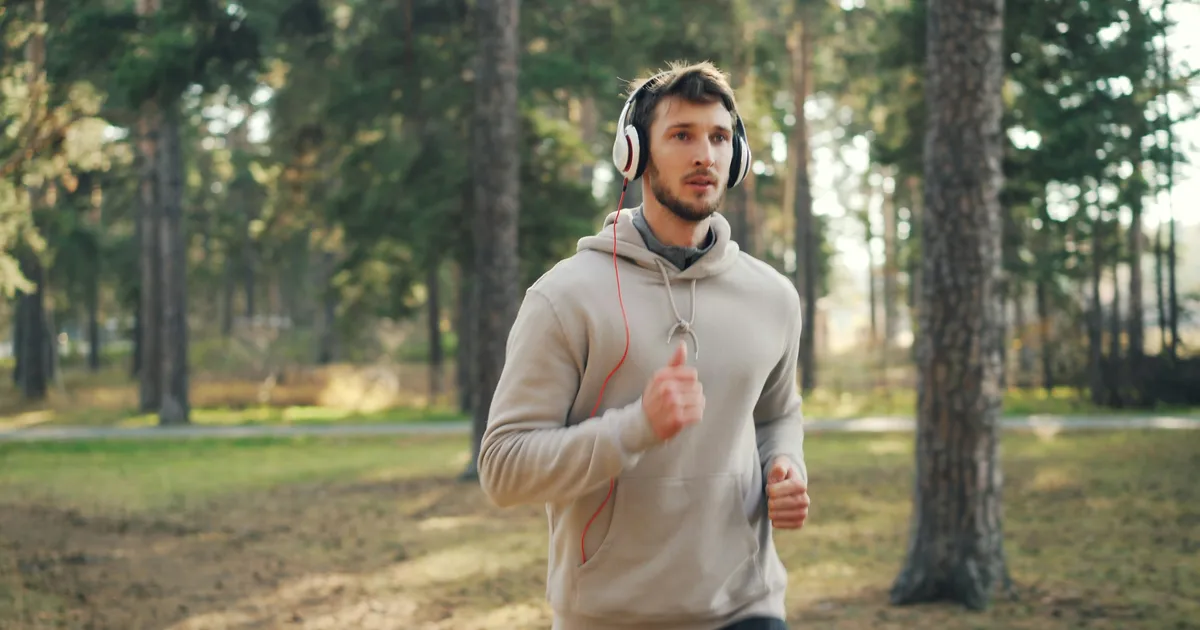
If there’s one thing writing health articles has taught me, it’s to take my exercise routine seriously.
Being physically active is linked to about two to four added years of life as a “conservative” estimate (some research puts it closer to seven years).
Strength training, meanwhile, is key for better ageing, fall prevention, and even lowering dementia risk.
But if you want to make a good thing even better for your brain, a simple step – that is, heading outside – could help.
Why might exercising outside be better for our brains?
We already know that working out can make us mentally sharper, in both the short and long term.
But according to a 2023 paper, when it comes to how well movement improves our cognitive function, “the environment in which the exercise is performed may be just as important as the exercise itself”.
Researchers conducted electroencephalography (brain activity) scans on 30 participants before and after a 15-minute walk.
These scans were conducted while participants completed “the oddball task”, which asks people to signal (through e.g. hitting a button) when an unexpected item shows up in an otherwise homogeneous pattern.
For instance, say 10% of circles flashed irregularly onto a screen are green, while the others are red; people would then be tested on how quickly and accurately they react to that surprise green circle’s appearance
Half of the participants took their walk outside, while the other 50% strolled indoors.
After comparing the brain changes following each group’s stroll, the study authors found that those who’d headed outdoors scored better on the oddball tasks than they had before their walk.
And the outdoor walkers seemed to have an “increase in the amplitude of the P300, an event-related neural response commonly associated with attention and working memory”, a response not seen among indoor walkers.
“In conclusion, we demonstrate that a brief walk outside results in a greater increase in cognitive function than a short walk inside,” the paper reads.
“Indeed, in a world where many people ‘hit the gym’ before or after work or on their lunch break, our results suggest that these people would be better served by simply ‘getting outside’.”
In general, exposure to nature is good for our health
The brain scan study was relatively small, and the researchers themselves noted that exercise’s brain benefits are often believed to kick in after 20 minutes, not 15. But other, bigger studies have found that exposure to nature seems to be great news for our health.
A review of studies found that time spent in nature can help to improve everything from cognitive function to brain activity, blood pressure, mental health, physical activity, and sleep (phew).
Add that to the fact that sunlight-derived vitamin D is key in the colder, darker months, and it looks like I’m going to have to get back to my lunchtime park power walks…


The castle portraits that will be showcased in the long-awaited second season of The Celebrity Traitors have been unveiled – and let’s just say not everyone is happy with theirs.
As is always the case, the 21 famous faces taking part in the next run of the Bafta-winning reality show have all been recreated in portrait form, which will be hung up in the castle’s breakfast room, and taken down one by one as contestants are “banished” and “murdered”.
With just over a week to go until The Celebrity Traitors kicks off again, the new artwork was unveiled on Tuesday – and it garnered a mixed response from the star-studded cast.
“I think there’s a traitor in the Photoshop department,” comedian Rob Beckett joked on Instagram, commenting: “What the fuck has happened to my face?”
Fellow comic Joe Lycett, meanwhile, couldn’t help noticing a resemblance between his own portrait and a piece of cinema history.
“A Clockwork Celebrity Orange Traitors starts 1 October on BBC One,” he quipped alongside pictures comparing himself to Malcolm McDowell in Stanley Kubrick’s controversial classic.
The Celebrity Traitors is jam-packed with comedians second time around, with Joe and Rob being joined by the likes of Romesh Ranganathan, James Acaster, Miranda Hart and Joanne McNally.
Host Claudia Winkleman recently admitted she “couldn’t get over it” when the line-up was first revealed to her.
“My bosses had to repeat the names at least three times,” she joked. “We’re so lucky they said yes.”
The Celebrity Traitors returns to BBC One and BBC iPlayer on Thursday 1 October. Check out the full line-up for yourself here.
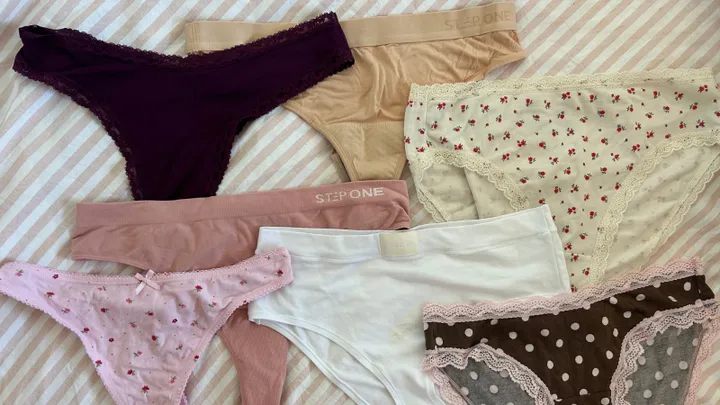
Ladies and vulva owners, I get it: the appeal of a matching lingerie set is simply too alluring.
But often, they’re not made from breathable materials. During the warmer months in particular – or just whenever I’m sweating on a tube – I find myself constantly pulling my pants out of my cooch (for lack of a better word) and looking like a maniac trying to get the right placement. Look, it’s not my fault no one can get sizing right.
Then, of course, there’s the smell. We all know by now (I hope) that it’s natural to have a smell down there, but you know better than anyone else when that’s off.
Of course, sitting around in a bikini on holiday means this can happen in summer more than ever – but honestly, they can get uncomfy and chafe during the winter, too.
This year, I’ve simply had enough. Get ready for some TMI, but a combination of recurrent UTIs and various other gynae conditions (don’t ask) means I am desperate to do anything that gives my vulva some reprieve.
More than that, I will do basically anything to make sure I don’t have to change my pants every time I leave my house during the heatwave. I mean, the amount of laundry I do every week is insurmountable.
Recently, I’ve been making a conscious effort to wear cotton undies, but unfortunately for my bank account the H&M multipack I’ve been wearing for years has started to give way.
So I decided it was time to test breathable undies.
The best breathable underwear at a glance:
What kind of fabric should your underwear be made from?
In case you don’t already know, cotton and natural fibre are the ideal fabrics for your pants.
“Ideally you want to be looking for at least an 80% cotton or natural fabric mix” when buying pants, according to Priya Downes, founder and CEO of Nudea.
“These fabrics are much better for quick drying, and will help with things like chafing, which can be quite painful, or sweat accumulation and feeling uncomfortable.”
Tencel, hemp, and bamboo are also great options for underwear. On the other hand, man-made fabrics like polyester and elastane dry much more slowly than natural fabrics, which might be why you get recurrent thrush or BV, or generally feel not right down there.
“As well as sweat comes bacteria, which can also be really unhealthy,” Downes adds. “You do have a natural biome down there, so wearing natural fabrics is really important. Having quick-drying materials that can wick away moisture accumulation is healthier for your skin.”
What should you think about when buying knickers or briefs?
As well as the fabric, shape is important to consider when buying underwear.
“You want to be comfortable, and not everybody loves thongs,” Downes notes.
“Sometimes in hot weather thongs can be particularly uncomfortable, so look for shapes that are comfortable, and that aren’t visible under your clothes.
“In hot weather, people are wearing more see-through and skimpier things, so you’ve got to be mindful about visible panty lines.”
My review of natural fabric underwear

For the last few years, I haven’t thought much about what kind of pants I wear, but while testing these pants I realised I’ve been missing out on a lot.
I decided to reach out to a range of brands that intentionally use natural fibres, from bamboo viscose, to tencel, and cotton.
I’m not exaggerating when I say this fortnight has been the comfiest I’ve been in years.
As someone who lives in a white skirt or dress of some description during summer, I need pants that are seamless and won’t show beneath a skirt.
And as someone who also mostly wears skirts in winter, there’s tight chafing and sweating to contend with too.
But considering I also rarely wear a thong, it was a difficult standard to meet.
The best natural women’s underwear to shop now
All of the products below passed the test.

Sometimes you just want to be comfortable, which is why I love that these briefs are full coverage and, most importantly, don’t dig in. I would buy this pair in every colour so I can wear it every single day, it’s that flattering.
Made of 79% bamboo viscose, which is suitable for sensitive skin as it’s hypoallergenic, the fabric is breathable and moisture-wicking.
Unlike other briefs, these don’t leave me feeling sweaty and uncomfortable throughout the day. The composition also makes for a stretchy fit that can grow with you throughout the day without weird sagging or a VPL.
As a UK 12, I find it particularly difficult to find pants that are actually made for my size, but the L is definitely true to size, with enough room for gaining weight or feeling bloated.
Plus, they’re completely seamless, so the waistband won’t show through your clothes. I’ve worn the pink and nude pair (which comes in multiple skin tones – snaps for that) under a white skirt in summer and they’re undetectable, which is all you can ask for, really.
While I could be picky and wish for a slightly higher bamboo percentage, I’m willing to make an exception for the fact I forget I’m even wearing underwear when I have these on.
+ Seamless, so you have no VPL
+ Love the range of colours
+ Waistband doesn’t cut in
– They’re breathable, but are on the thicker side of the pants I tested.
Fabric: 79% bamboo viscose, 15% polyamide, 6% spandex blend. Buttery soft texture with flexibility.
Size range: XS to 2XL.

If you’re looking for an excuse to give up your Calvins, let this Nudea pack be it. These simple briefs are up there with the softest I’ve felt, as they’re made from a combo of not one but two breathable fabrics: cotton and modal.
In case you’re wondering what that means, all you need to know is they’re incredibly soft and lightweight, and I see these becoming your every day pants. Luckily, they can be, because a pack of three comes in at just £30.
This is where I have to admit my hipster bias: I historically have thought it’s the most unflattering shape out there. But this set proved me wrong: they’re low waist, don’t cut in at the top of the thigh, and make an excellent companion for low rise jeans or skirts.
And, proving it’s not that hard to get right, the L is true to size – no unreliable sizing here, thank you very much!
+ Super flattering for a hipster cut
+ Great value for money
+ Low elastic count
+ Doesn’t cut into the leg
– Wish they came in more fun colours.
Fabric: 47% cotton and 48% Lenzing Modal
Size range: XS to XXL.

I have to say, I don’t love a thong – because hellooo wedgie (and maybe I just don’t like wearing pants?) – but if there’s a brand that can convince me to, it’s Stripe and Stare.
The brand offers more colours and prints than a girl could dream of, and I love how sultry this cherry colour is. But that doesn’t detract from the fact these are without a doubt the most comfortable and silky smooth thong I’m yet to wear.
The L doesn’t dig in, which is pretty unheard of for a thong, and might be down to the fact it’s made of stretchy lace and a 95% TENCEL body.
The softness really does not disappear over time, especially if you follow its instructions to wash at 30 degrees.
You can even make yourself a fun multipack, because you can save 30% when you buy three pairs. Shout out to this high rise pink and brown polka dot pair I’ve been loving, too.
Fabric: 95% TENCEL™ Modal, 5% elastane. Lace: 91% nylon, 9% elastane.

My first intro to Step One was through its period undies. Having declared my hatred of thongs, this pair actually comes in pretty handy when I have an event I have to go to and don’t want to look like I’m wearing a nappy (ie. other period pants).
It’s actually my most flattering pair of period pants, and is still made of its signature breathable material, so you won’t get the smell you sometimes get with period pants (it’s only natural!).
Beware, though, if you have a heavy flow you might want to wear a pad or tampon, too, as it’s only designed for light absorbency. I wear mine towards the start or end of my period.
+ Comfy period pants – who knew?
+ The sizing is spot on
+ The gusset is basically invisible – you won’t feel like you’re weighed down by extra material between your legs
– It’s fitted, so go for a size up.
Fabric: 95% viscose made from bamboo and 5% spandex
Size range: XS to 2XL.

If you’re not willing to give up your lingerie every day of the week, you might want to go for a pair of cotton undies on the cheaper side.
Uniqlo has started making some cutie classic cotton undies for under £8, and this pair is my favourite. I have absolutely zero complaints about the shape, and there will always be a soft spot in my heart for a lace trim.
No prizes for guessing what size I went for (a L!) and it fit perfectly. They might not be as soft as a Nudea or Stripe and Stare pant, but they seem pretty durable and you can also pick them up when you’re out on your lunch break.
+ Affordable
+ Come in a range of patterns – some with bows, some without
+ Fits well, although the size guide only comes with waist/hip measurements
– Not as lightweight and soft as other options on the list.
Fabric: 95% cotton, 5% elastane/ lace: 77% polyamide, 23% elastane
Size range: XS to XXL.

If you’re more of a thong girl (valid) but don’t want to splash out over £10 on a pair, Uniqlo unforch doesn’t have a cotton thong in its line – but Boux Avenue does.
Can you tell what my favourite colour is? I picked up this sweet floral pair, and I have to say it comes in on the smaller size. I got a 12 but could’ve definitely gone for a 14.
Despite being a little tight on the hips, though, it was very breathable, and I didn’t feel like I had something permanently wedged to my butt cheeks, which is always good.
Not to mention they come with an adorable matching PJs set – and who am I to turn down a pink co-ord?
+ Affordable thong
+ Comes with a matching set
+ Slightly ribbed, if you like that kinda thing
– Comes in small.
Fabric: 95% cotton, 5% elastane.
Size range: 6 to 18.
How to wash and care for natural underwear
When you’re spending a good chunk of money on some nice undies, you’re going to want to take good care of them.
Of course, natural staining is going to happen, but it’s all in how you care for them, according to Downes.
Cool (ish) wash
“The best way to to wash them is in the washing machine and on not too high a temperature, so 30 to 40 degrees is absolutely fine,” she says.
No dryer
“Absolutely do not put them in the dryer because natural fabrics will degrade at high temperatures, so you should always, always line dry your your knickers.”
Stains are inevitable
“It’s probably better to go with a darker colour because they are a little bit more immune to stains,” Downes suggests.
“Nudes are great because they they hide stains a bit better. White is very hard to get away from staining, and you will probably have to replace white knickers more often than any other colour.”
Final verdict
Switching to breathable underwear has increased my comfort levels by tenfold over the past couple of weeks.
Not only do I not sweat as much, which means less chafing between my thighs (thank god) but I’ve also noticed I smell less down there (thanks for asking) and actually have to do less laundry. Thank god!
If you’re after pants you can reach for every day, Nudea has a range of shapes and fabric mixes that feel lighter than air. However, Stripe and Stare is maybe just that bit softer, and comes in tons of fun candy box colours, if you like a pink pant like me.
Uniqlo and Boux Avenue are solid budget options, but you will forfeit that buttery feeling.
For months now, experts have shared their increasing certainty that we’ll face an unprecedented “super El Niño” this year.
That means the surface of the Pacific Ocean could heat up to 1.5-2°C above usual temperatures, which disrupts the world’s weather systems.
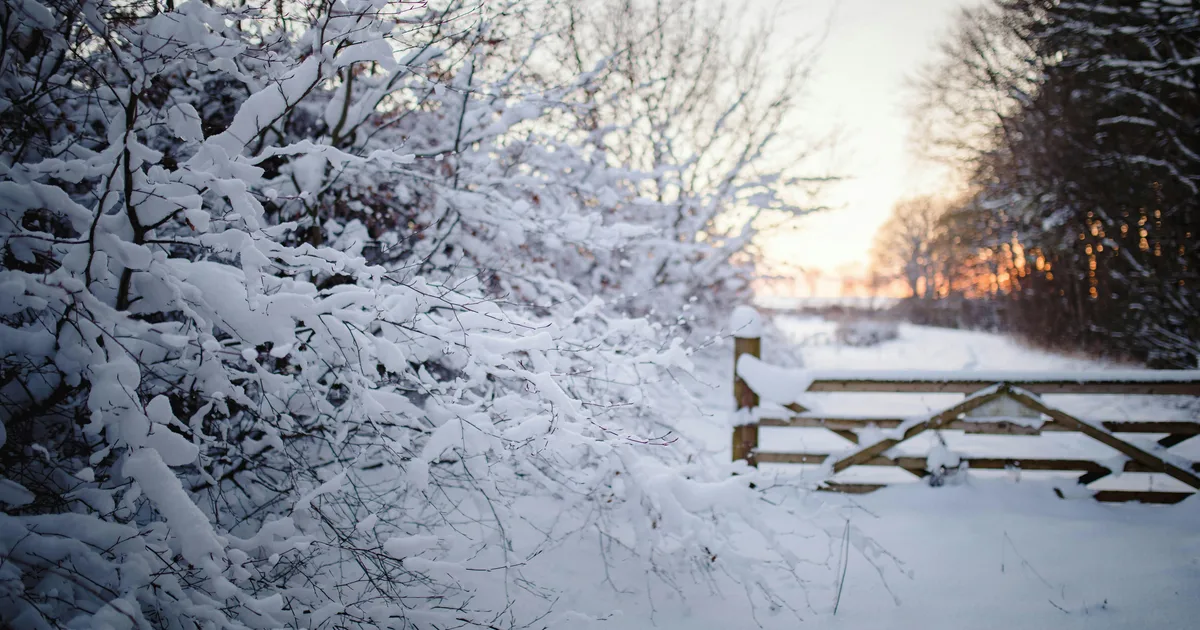
The phenomenon is linked to hotter summers and warmer global temperatures overall. In the UK, scientists think it could create a stormier, wetter autumn and a chilly winter.
“Although the UK is thousands of miles from the tropical Pacific, El Niño can influence weather patterns across Europe through remote atmospheric connections,” the Met Office wrote in a recent update. This may include “cold snaps” and storms.
Separately, forecasters have said that a cold air pattern called the polar vortex is starting its season stronger than usual.
What does that mean, and how might it affect the UK?
What is a polar vortex?
A polar vortex is a stream of wind that forms high above the North and South Poles at different times of the year.
This year, the arctic (north) polar vortex, which appears over the area in winter, is showing stronger signs than usual for late September, though it looks like it could even out in October.
Does a stronger polar vortex mean a colder winter in the UK?
Not always. A strong, stable polar vortex actually helps to contain very cold winds and conditions to the North Pole; it works as a very blustery kind of atmospheric fence. This actually protects the UK from deep freezes.
But when that grows weak or spreads, colder conditions escape the vortex. After that, they make their way further down to the equator.
Longer-range forecasts suggest the polar vortex might get weaker in January or February of 2027, which is when this might, possibly, begin to affect us. There are lots of ways in which this cycle could be weakened, but perhaps the most significant to us are sudden stratospheric warmings, which the Met Office says can make the winds in the vortex reverse direction.
However, not only does a weaker polar vortex – and even a sudden stratospheric warming – not necessarily mean we’ll face a frozen winter here in the UK, but predictions of a possibly destabilised vortex are far into the future.
Nor have we outright predicted a sudden stratospheric warming yet, though the El Niño could make this eventuality more likely.
So… what have experts said about the UK’s winter weather so far?
Polar vortices aside, El Niño could make our winter colder, wetter, and stormier. “Later in the season, El Niño is associated with increased risk of cold snaps,” the Met Office shared.
Prof Ilan Kelman, Professor of Disasters and Health at University College London, told HuffPost UK: “El Niño is expected to make the UK’s autumn milder, wetter, and stormier, the UK’s winter colder and stormier, and next year’s UK summer hotter.
“We should be ready to deal with such weather, although we are not. The expected hotter summer is particularly challenging given climate change’s evident worsening of heatwaves, in the UK and around the world”.
And Dr Akshay Deoras, Senior Research Scientist, National Centre for Atmospheric Science and Department of Meteorology, University of Reading, said: “In the UK, there is no robust link between El Niño and our annual average temperature or rainfall, although it can influence seasonal weather.
“For example, a wet, windy and mild autumn is possible, followed by a cooler and drier winter. People should follow weather warnings issued by the Met Office”.
We may need more time to see whether the polar vortex, whose data is newer, has much of an effect on our weather in winter 2026/7.
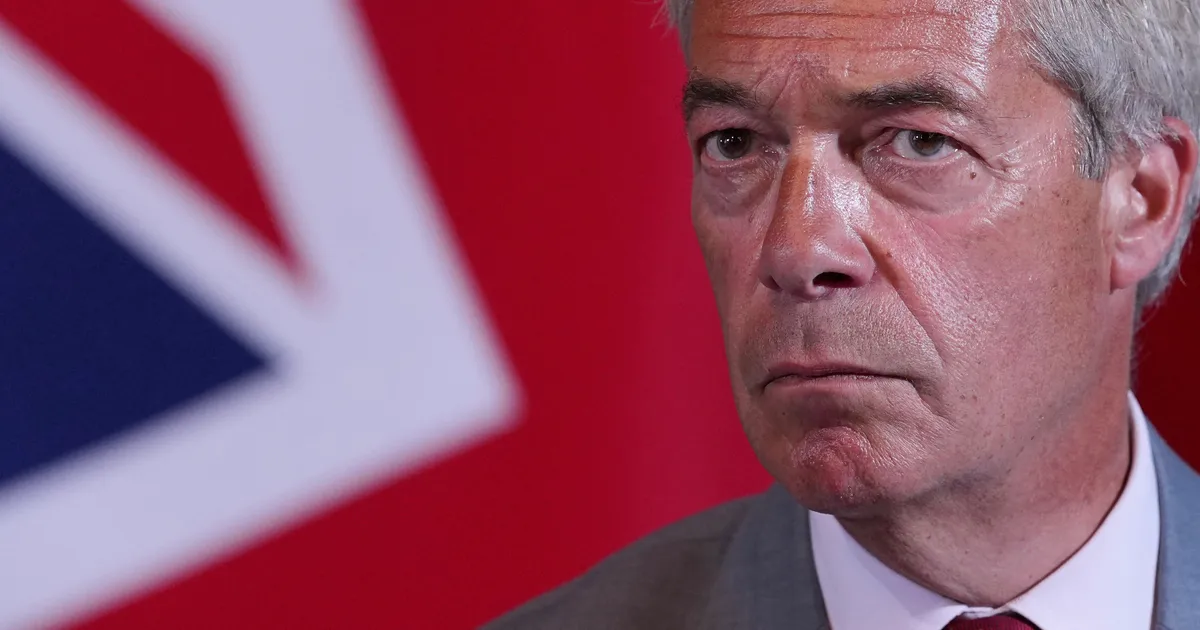
Nigel Farage has become the only senior political figure to condemn the government’s plans to set up a new unit to tackle Russian misinformation.
The Reform UK leader claimed it was “targeted directly” at his party and would stifle free speech.
Prime minister Andy Burnham announced the move in his first speech to the UN General Assembly.
The National Centre for Information Defence will tackle online lies and deepfakes damaging British interests, the PM said.
Burnham said the rise of artificial intelligence means the problem is only set to get worse unless it is tackled urgently.
“We’re talking about an insidious campaign that reaches into people’s homes and twists what they feel about their own country and community – creating a narrative of decline, stoking division and sowing despair,” he said.
The plan has been welcomed by MPs from all parties – except Reform.
Labour MP Emily Thornberry, chair of the foreign affairs select committee, said: “For too long, the approach of successive governments to disinformation has been disjointed and without organisation, allowing states like Russia to amplify lies about this country, to sow division and stoke tensions.”
She said the new unit was “an opportunity to finally take on this very serious threat”.
Tory MP John Whittingdale, who is also on the foreign affairs committee, said: “It is very welcome that the prime minister has now shared our assessment that Russia is conducting information warfare against the West and is taking action.”
Lib Dem MP Richard Foord said: “We look forward to helping ensure that this new centre is a success. We hope it demonstrates a new and robust response from the UK to hostile state information warfare.”
But Farage broke the political consensus by attacking the plan.
He said: “This will be like George Orwell’s Ministry of Information. This will be used to clamp down on free speech.
“And the one lesson I’m learning, as time goes on, whether it’s funding of parties, whether it’s cancelling elections, is never, ever trust this authoritarian government.”
Defence secretary Wes Streeting insisted the new unit would not be used “for “policing domestic political dissent”.
He said: “One of the great things about Britain, and one of the things that I have a responsibility to defend, is the freedom and democracy that we all enjoy.
“And that includes the freedom to disagree, the freedom for people to challenge their government, to challenge government policy, to criticise robustly what we are doing and then to have the opportunity to choose a different government.”
Listen to Commons People, the podcast that makes politics easy. Every week, Kevin Schofield and Kate Nicholson unpack the week’s biggest stories to keep you informed. Join us for straightforward analysis of what’s going on at Westminster.
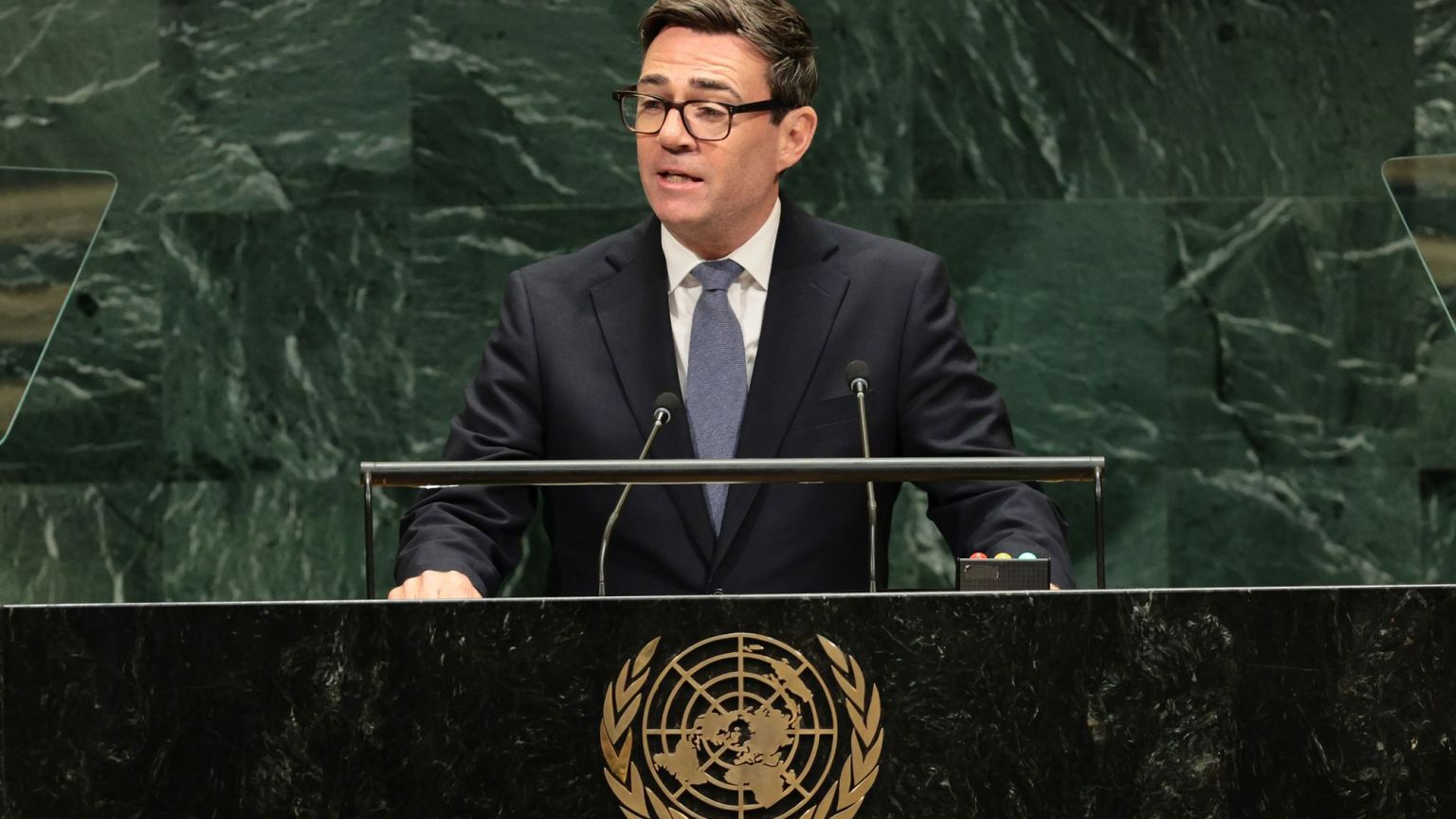
So that’s the end of the nice guy act. Like a villain in Scooby Doo, Andy Burnham has had his ‘ordinary bloke’ mask torn off to reveal the villainous censor beneath. He has announced the creation of a National Centre for Information Defence that will guard us dimwit Brits from ‘disinformation’ and ‘narratives of decline’ and tell us that actually everything’s hunky dory. If this sounds familiar it’s because it’s basically Orwell’s Ministry of Truth rebranded in the soul-eating vocabulary of corporate HR.
It was at the United Nations yesterday that Burnham took a break from saying ‘I’m just like you!’ to say ‘Actually I’m better than you and therefore I’m creating a vast infrastructure of information control to remould your minds’. From TikToker to tyrant in the space of one speech. The new national centre will ‘detect’ and ‘disrupt’ misinformation, he said, especially that which emanates from ‘hostile actors’ overseas who want to ‘twist’ our minds into thinking our country’s gone to shit. To Burnham we’re all internet-brained damsels in dire need of moral rescue.
Every single thing about the new centre sounds sinister as hell. Burnham is clearly a giddy adherent to the great chattering-class conspiracy theory of our age – namely, that a vast army of Russian bots are playing idiot Brits like fiddles and feeding us lie after lie. The Ruskies ‘spread lies and disinformation’ and ‘prey on people’s fears’, he said. They cultivate a ‘narrative of decline’. They change how Brits ‘feel about their own country and community’. They ‘sow fear and despair’. This spectacularly elitist vision of us plebs as the marionettes of evil Russians is rife in the managerial classes.
Burnham’s self-styled guardians of truth will create new forms of state ‘architecture’ to ‘stem [the] poisonous tide’ of misinformation. If you’re not scared yet, you might want to check your pulse. For masked in the greasy, focus-grouped jargon of ‘disrupting narratives’, this shiny new bureaucracy promises to do what every authoritarian in history has craved: appoint a cadre of bureaucrats to sit in judgement over what constitutes acceptable thought and what must be crushed as ‘disinformation’.
You can tell this is censorship masquerading as social concern because it is riddled with the classic paternalism of the censor. Burnham seems to think the poor in particular are susceptible to the lies of nefarious foreign actors. ‘If you’re struggling with the cost of living and your life is not improving… then you are going to be much more vulnerable to this kind of influence’, he said. Classist much? So much for his ‘man of the people’ shtick – this is a man over the people, fretting that the dirt-poor hordes are being hoodwinked by sneaky Russians.
The irony of Burnham’s Orwellian crusade against ‘lies’ is that it is built on the most intoxicating lie of our time: that Brits are angry because some bot told us to be. They said this about the vote for Brexit, and now they’re saying it about public fury over the migrant crisis – that it’s all whipped up by wicked actors online. As Burnham put it, really getting into his conspiratorial stride, there’s been an ‘insidious campaign that reaches into people’s homes and twists what they feel about their own country’. Are the bots in the room with you now, Andy?
In his haughty worldview, Brits are utterly robbed of agency. We are no longer conscious actors who freely decided to leave the EU and who now want the ‘small boats’ stopped too, but rather the witless fodder of foreigners who want to screw Britain over. But we don’t need bots to tell us our borders are broken and Britain is in decline. We can see it with our own eyes. This past month alone I’ve been flashed at by an inebriated immigrant, watched a ranting foreign bloke steal a fork from a restaurant and use it to threaten passers-by, and twice seen people steal food from a Costa Coffee. Or perhaps those events were planted in my brain by the Kremlin?
The truth is that it is Burnham’s new centre that will spread disinformation. If the aim is to relieve Brits of our apparently false belief that our once great country is in big trouble, then this is clearly a war on truth masquerading as a defence of it. Indeed, it’s officialdom that refuses to tell us the truth about things like migrant crime, and which buried the rape-gang scandal for years, and which thinks a woman can have a cock. You think we’re going to take lectures about ‘truth’ from a political class that prizes ideological conformity so much more highly than honest debate that it let girls be raped and young gays be mutilated? Get real.
Just how many taskforces against ‘misinformation’ do we need? The government already has the Defending Democracy Taskforce, the Research, Information and Communications Unit, and a raft of other ‘architecture’ designed to insulate oiks from wrongthink. All of this stuff really blew up after Brexit and the rise of populism. That’s not an accident. It was precisely ordinary people’s free-willed dissent, our rejection of the EU and infinity immigrants and technocracy more broadly, that riled the ruling class and made them think: ‘Shit, we need to regain control of the narrative.’
That’s what the new centre is really about: deploying an army of moral guardians to dislodge dissenting ideas and boost orthodox ones. They’re the bots who dream of ‘reaching into people’s homes’ and ‘twisting’ what we think. This sinister centre is not about protecting national security from foreign powers – it’s about protecting the managerial elites and their lunatic policies from angry Brits.
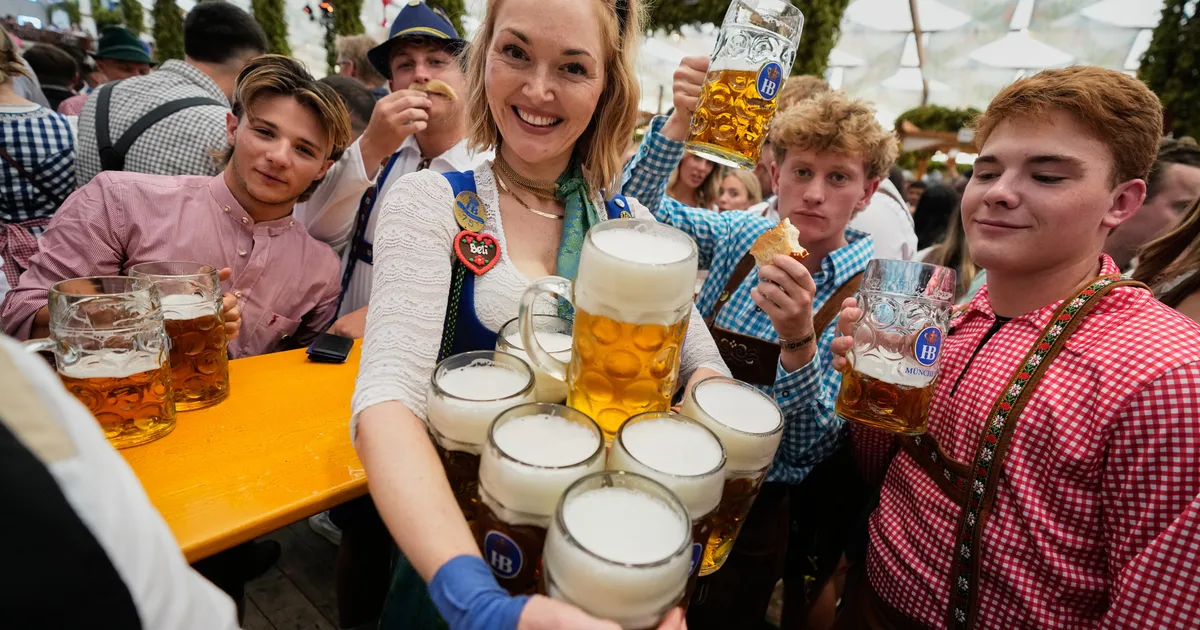
Like a lot of non-Germans, I have a pretty hazy idea of Oktoberfest ― I’m vaguely aware it has something to do with beer and pretzels, and it seems to involve a lot of plaits.
But the festival, which is taking place from September 20 to October 5 this year, has a much deeper history than I realised.
The event, it turns out, actually started off with a royal wedding, a horse race, some poems, and a fairground.
And, the City of Munich Department of Labour and Economic Development (CMDLED) explained, it wasn’t originally called Oktoberfest.
Why did Oktoberfest begin?
The holiday actually began in Bavaria, a state in the south-east of Germany.
Bavaria used to be a sovereign kingdom. Four years after it became a kingdom (in 1810) CMDLED said, Bavaria’s Crown Prince Ludwig married Princess Therese of Saxe-Hildburghausen.
The wedding celebrations lasted five days, and took place with a “folk fair” that ended on the 17th of October.
To conclude the celebrations, residents of Baravia’s capital, Munich, held a horse race outside of the city’s gates.
During the royal wedding celebrations, children, dressed in traditional Bavarian clothes, handed flowers and poems to the newlywed visiting nobles.
Per the CMDLED, “In honour of the bride, the fairground was named ‘TheresensWiese’. This is still the name of the Oktoberfest grounds today:
“Theresienwiese” – in Munich parlance called the ‘Wiesn’ for short.”
The horse race tradition didn’t survive past 1938, though in the southern parts of Germany, the Landwirtschaftsfest, or agricultural fair, is still held every four years.
What’s this got to do with beer?
Little booths always supplied fair-goers with beer. But it wasn’t until 1986 that “huge beer castles” became normal at the official Munich event.
“Soon, hearty light meals and traditional Munich delicacies were also on offer and, over time, the so-called Wirtsbudenstrasse (street of the beer tents) came into being,” the Munich government added.
Meanwhile, merry-go-rounds and swings were set up at the Bavarian event as early as 1818.
And the city of Munich has created various trademarks surrounding the word “Oktoberfest”, meaning the event ― which is the largest folk festival in the world ― has a special logo and font.
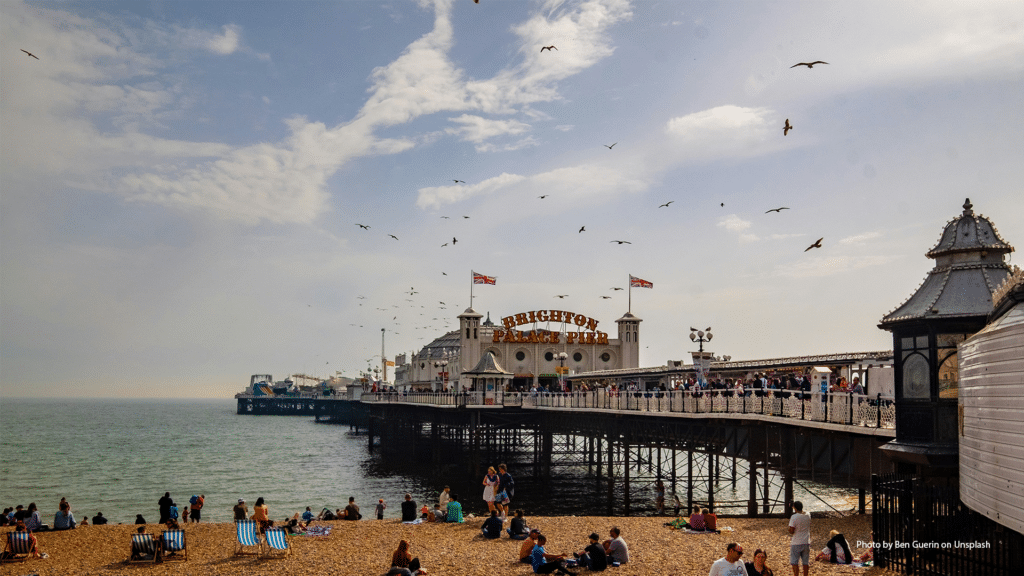
Anand Menon offers his take on the Liberal Democrat’s EU policy following their party conference.
To rejoin or not to rejoin. That’s the question doing the rounds among many of the party faithful at the Liberal Democrat’s conference in Brighton. That along with whether Ed Davey should remain leader, of course.
To say the Lib Dems have tied themselves in knots over how to approach UK-EU relations would be charitable. The party has found itself caught between the fervent pro-Europeanism of its members and the more cautious approach adopted by MPs scarred by the impact of that ill-fated ‘bollocks to Brexit’ campaign of 2019.
By 2024, that had translated itself into a manifesto position proposing a gradual rapprochement with the EU and culminating over time with the UK joining the single market. It was not a policy that was promoted much during a campaign in which the party focused on local issues like sewage. I recall the party conference of that year, when two prominent MPs were (gently and politely of course) heckled by an audience of members frustrated by what they saw as a lack of ambition when it came to EU policy.
Now there are signs that the parliamentary party is starting to listen. Europe spokesperson Al Pinkerton was at pains to stress that the world is changing and that this implies the need for a closer relationship with the EU. As a former Associate Professor of geopolitics, he delights in reminding his audience (correctly) that ‘geography matters.’
The party is now calling for a ‘growth and defence partnership,’ which involves the UK joining the single market and a customs union and signing a new defence partnership with the EU. The ‘long-term goal’ is to rejoin the EU. All of which, if nothing else, speaks to the nervousness in the party about rejoin – it is hard to see why customs union and single market should appeal more than membership, and easy (as I’ll come to in a moment) to see the problems inherent in this idea.
Is this practical? In large part probably, though with some caveats. First, the party seems to be falling into the same trap that successive governments have been caught in – of assuming that the ‘EU needs and wants greater cooperation from the UK on defence’, which puts the UK ‘in a strong position to get a better deal for Britain on both trade and security’. The fate of the SAFE negotiations alone should serve to alert us that this logic is flawed.
Second, regular readers will be all too aware of my scepticism that single market membership is politically sustainable in this country. Let us be clear here. This means the EU passing laws that the UK must adopt – with no formal say over the content. The issue here is not just the inevitable outcry from Brexiters about ‘surrender’ but how powerful bodies such as the City will react the first time they are subject to EU laws of which they do not approve.
As for the argument that single market membership might serve as a gateway to membership, I’m far from convinced that the EU would be in any great hurry expedite such talks. Why, after all, would they hurry to change a situation in which the EU gets to set the rules for the UK economy to one in which London gets a seat at the decision-making table?
Under normal circumstances – and with all due respect – what the Liberal Democrats say about the EU would not matter beyond the ability of that message to attract or retain target voters. Under current conditions, however, it might have a broader relevance.
First, it might impact on what the other parties say. British politics, as we know, is now broadly divided into two blocs. Both parties in the Right/Leave bloc are proposing not only to unpick any advances made during the EU ‘reset’ undertaken by Keir Starmer, but also to take the UK out of the ECHR. This, as we’ve argued, will almost certainly lead to the EU suspending some or all of the TCA – a no deal Brexit in other words.
On the other side of the divide, the Greens, Labour, the nationalist parties and the Liberal Democrats all favour closer links with the EU. They differ, however, in terms of how ambitious they are willing to be.
Whether the more ambitious stance adopted by the Liberal Democrats and Greens is enough to convince Labour to shift in that direction will depend in part on the state of the polling. In the dog days of the Starmer administration, a number of Labour MPs were openly discussing the need for the party to be far more ambitious, not least to fight the political threat from their left flank. A lot will hinge on whether Andy Burnham’s favourability ratings remain where they are.
As importantly, the fragmented nature of politics means a hung parliament is a real possibility. It is far from inconceivable that a future Labour government will rely on other parties in the progressive bloc to sustain a majority in the Commons. This opens up the real prospect of the Liberal Democrats exercising material influence over policy.
This is all, of course, highly speculative. But it speaks to the point that what the Lib Dems were talking about in Brighton might matter far more than simply in terms of making party members happy.
By Anand Menon, Director, UK in a Changing Europe.
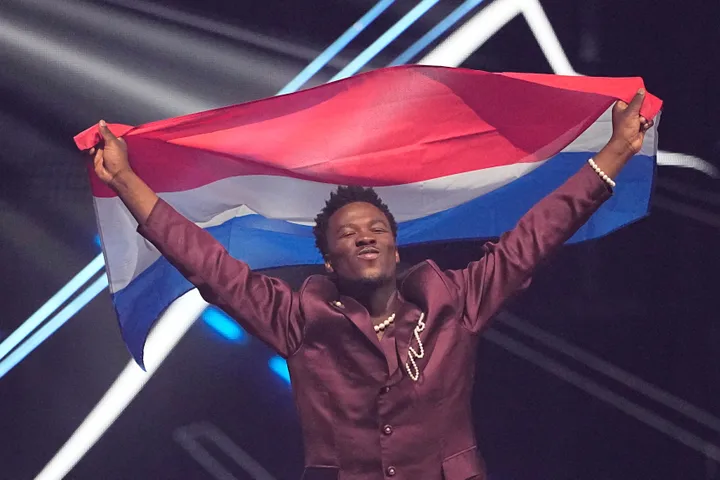
The Netherlands will return to the Eurovision Song Contest in 2027 after all, it has been revealed.
Earlier this year, The Netherlands’ national broadcaster Avrotros announced it was withdrawing from Eurovision in protest over Israel’s involvement, amid the ongoing conflict in the Middle East.

When it was confirmed that Israel was once again being invited to compete in next year’s song contest, Avrotros said that, for the second year running, it would not be participating, indicating that the country would not be involved.
However, another Dutch broadcaster has since picked up the responsibility of handling Eurovision on behalf of The Netherlands.
Eurovision director Martin Green said in a statement: “We are delighted to welcome the Netherlands back to the Eurovision Song Contest in 2027.
“We value the constructive conversations we have had with NPO and look forward to working together to reinforce the Contest as a place that truly reflects the spirit of ‘United By Music’.”
He added: “The Netherlands took part in the very first Eurovision Song Contest in 1956. Its founding purpose then remains as relevant today as ever. In a world that is increasingly divided, the Eurovision Song Contest provides a unique space for people and countries to come together through music, share in a common experience and find connection.
“With that in mind, we are very happy that the Netherlands is once again joining the Eurovision family on stage in Burgas next May.”

Earlier this year, The Netherlands was one of five countries to pull out of Eurovision due to Israel’s involvement, alongside Spain, Slovenia and Iceland.
A decision on Spain and Slovenia’s participation in 2027 is yet to be decided, while Ireland has confirmed that it will not be competing next year.
Meanwhile, Belgium’s broadcaster VRT recently claimed that “chances are slim” that it would “send an artist next year”, but confirmed on Wednesday that it had made a u-turn.
“VRT has noticed that the EBU is now taking its members’ concerns seriously and is making work of the future of the contest,” a VRT rep claimed.
Eurovision will take place in Bulgaria for the first time in 2027, following Dara’s triumph at this year’s event back in May.
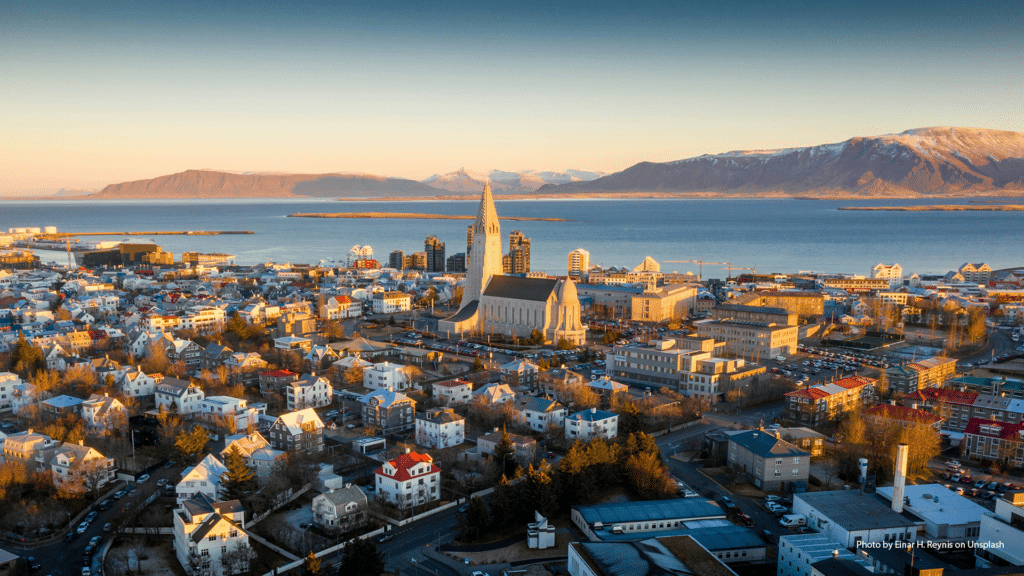
Margrét Einarsdóttir unpacks the result of the recent referendum in Iceland that saw the public narrowly vote against reopening accession talks with the European Union.
Iceland first decided to apply for EU membership in 2009, following the 2008 financial crisis which hit the country particularly hard. Negotiations were suspended in 2013 following the election of a new right-wing government, but the application was never formally withdrawn, leaving Iceland an applicant country since 2010.
A referendum on whether to reopen accession negotiations was held on 29 August this year. The result reflected a deeply divided country: 47.2% voted in favour, while 52.8% voted against. The divide was also geographical. In the capital area, around 56% voted yes, while the no vote was particularly strong in rural areas (60%-63%).
The result was a significant shift from the picture painted by a June opinion poll, where 52% of those who had made up their minds said they intended to vote yes. The most striking change appears to have taken place among the youngest voters, aged 18–29. In June, 63% said they intended to vote yes; by the final Gallup poll in August, that figure had fallen to around 40%.
The ‘No’ campaign appears to have played an important role in this shift. It ran a vigorous campaign aimed particularly at younger voters, making extensive use of social media advertising. This may well have been what ultimately tipped the balance.
I suspect that the average Icelandic ‘No’ voter was less than enthusiastic about the messages of congratulations that followed the referendum from, among others, the MAGA movement, Nigel Farage and Marine Le Pen.
After all, Icelanders were not voting against close and continuing cooperation with the European Union. Iceland is already part of the European Economic Area (EEA), which gives us access to the EU single market. It is considered our most important international agreement and there is widespread satisfaction with it. Iceland is also part of the Schengen area.
So what explains the no vote?
My sense is that, for most of those who voted no, the EEA Agreement is simply enough. It provides Iceland with much of what it needs from its relationship with the European Union, while remaining outside the EU’s Common Agricultural Policy and Common Fisheries Policy. These are two particularly sensitive areas for Iceland. For most Icelanders, therefore, the choice was not between Europe and isolation. It was about whether the existing arrangement – close economic integration with the EU while remaining outside the Union itself – is preferable to full membership.
The deteriorating international situation prompted the government to hold the referendum somewhat earlier than originally planned. Trump’s ambitions regarding Greenland were poorly received in Iceland, while the prospect of a trade war is particularly troubling for a small, open economy that depends heavily on free international trade. Icelanders are also increasingly concerned about Russia’s aggression towards European countries and the continuing war in Ukraine.
Against this backdrop, it is striking how little security and defence featured in the debate ahead of the referendum. Supporters of a ‘Yes’ vote argued that closer cooperation with the EU on security and defence could provide an additional pillar of security. Yet this argument gained little traction.
Iceland has never been occupied by a hostile power and, although recent international developments have undoubtedly caused unease, there appears to be a widespread belief that the present geopolitical situation is temporary rather than a lasting change in the international order. Many Icelanders continue to assume that the current political situation in the United States will eventually pass and that Iceland’s bilateral defence agreement with the US, alongside its NATO membership, provides the security the country needs.
The strongest opponents of reopening the accession negotiations also played down the security dimension. Instead, the debate came to focus on claims that EU membership could ultimately result in young Icelanders being conscripted into a future ‘European army’. Despite repeated interventions by experts pointing out that the EU has no common army, the claim proved surprisingly resilient during the referendum campaign.
The referendum could easily have gone either way. The government could have done more to prepare the ground for a vote on such a complex matter, which might in turn have produced a more informed and substantive public debate.
The ‘No’ campaign was more direct and effective and seems to have been better resourced. Many of Iceland’s fishing quota holders, some of whom command considerable financial resources, are staunch opponents of EU membership.
The ‘No’ campaign also placed considerable emphasis on Icelandic independence and sovereignty, arguing that Icelanders were better placed to make decisions about their country’s future than the bureaucracy in Brussels. There were prominent claims that EU membership would give the Union control over Iceland’s natural resources and enable it to impose a subsea electricity interconnector between Iceland and continental Europe against Iceland’s wishes. In the final days of the campaign, highly visible advertisements made such claims explicitly, while attempts by academics and other experts to correct them struggled to cut through an increasingly heated debate.
By this point, supporters of a ‘Yes’ vote were increasingly talking about misinformation and ‘fake news’, with some asking whether Iceland was experiencing its own version of Brexit. It is important, however, not to overstate this comparison. The most strident claims came from a relatively small group and were by no means representative of the majority of those who ultimately voted No. As noted above, many – probably most – No voters remain strong supporters of the EEA Agreement and favour close and constructive relations with the EU.
The intensity of the campaign was palpable. Most strikingly, Iceland’s Foreign Minister, Þorgerður Katrín Gunnarsdóttir, received death threats and required extensive security protection – something highly unusual in Icelandic politics. I cannot recall another political issue creating such a deep division within Icelandic society, and I fear that the divisions exposed by the campaign may take considerable time to heal.
The government immediately made clear that it would respect the result and that there would be no resumption of EU accession negotiations during the current parliamentary term. The application for membership itself, however, has not been withdrawn, meaning that Iceland formally retains its status as a candidate country.
At the same time, discussion of the possibility of Canada developing a closer relationship with the EU has prompted some debate in Iceland about whether the country might pursue deeper cooperation with the Union in areas such as security and defence. Whether the EU would have an appetite for such an arrangement with a small, unarmed island state in the middle of the North Atlantic – one that has just politely declined the opportunity to resume negotiations on joining the Union – remains to be seen.
By Dr. Margrét Einarsdóttir, Professor at Reykjavik University and Chair of the Board of RU Institute of International and European Law.
 lead image
XRP HOLDERS ARE NOT READY FOR WHAT HAPPENS IN THE NEXT 72 HOURS
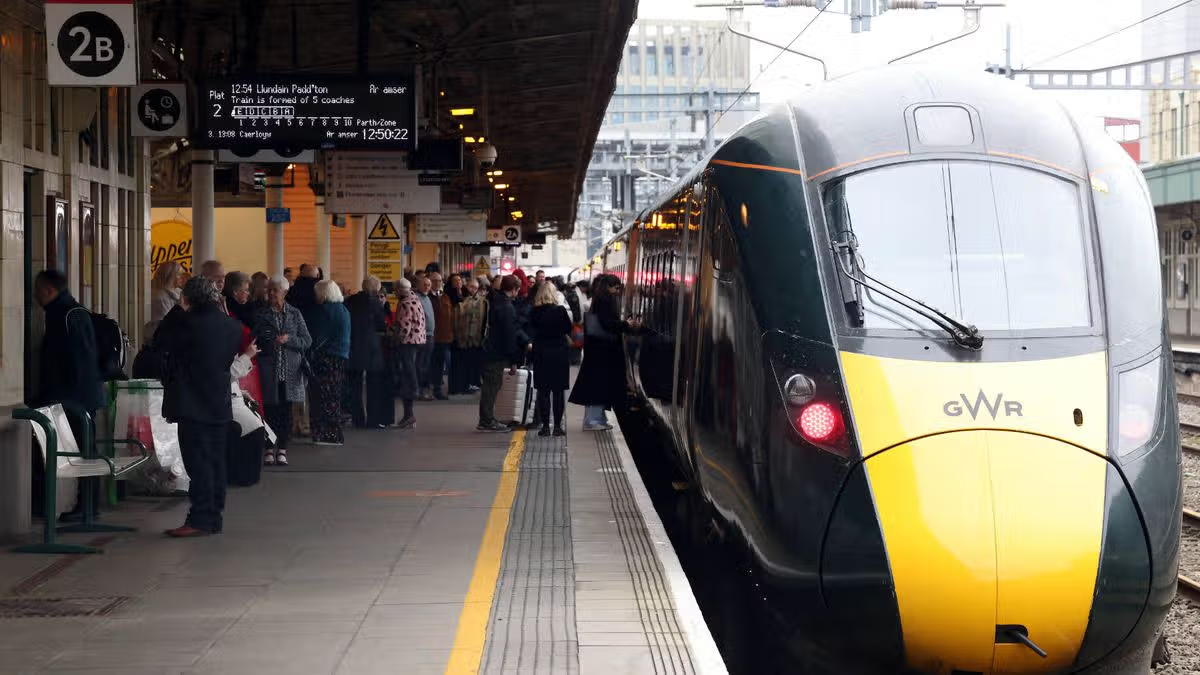
Major railway disruption for passengers across Wales with trains cancelled – live

(VIDEO) Two RAF Pilots Eject With Minor Injuries After Hawk T2 Crashes Near Valley on Anglesey




-

 Fashion5 days ago
Weekend Open Thread: Talbots – Corporette.com
-

 Tech3 days ago
Researchers escape OpenAI Codex sandbox to run commands on host
-

 Crypto World5 days ago
Circle launches Arc Studio AI agent for building onchain apps
-
 NewsBeat5 days ago
Trump says US has reached an agreement to take permanent control of Greenland’s security
-

 Crypto World3 days ago
Who Needs CLARITY Anyway? ARB Could See 70X Increase: Hodler’s Digest
-

 Crypto World5 days ago
Trading Bitcoin on Robinhood? Why 2% Spread Has Traders Worried
-

 Crypto World6 days ago
Mortgage and refinance interest rates today, Thursday, September 17, 2026
-

 Crypto World5 days ago
Bitcoin price breaks channel as RSI climbs to 63
-

 Crypto World7 days ago
US Charges Robinhood Engineers Over Crypto Listing Trades
-

 Tech2 days ago
Google’s $899 Googlebook is a bet that you’ll buy a new laptop for Gemini
-

 Business3 days ago
Analog Devices (ADI) Bets $1.35 Billion on Chips that Let Machines Think for Themselves
-

 Crypto World17 hours ago
Goldman Sachs and Deutsche Bank Agree: The S&P 500 Rally Isn't Over
-

 Crypto World5 days ago
World Money launches in 150+ countries with Stripe
-

 Crypto World3 days ago
Coinbase, Robinhood, Circle Seen as Tokenized-Stock Winners
-

 Crypto World5 days ago
Silver prices recover quickly, hitting weekly high today
-
 Tech6 days ago
GPT-6 Astra Reached the Nether in Minecraft, Lost Its Stash to a Creeper, and Farmed Potatoes for Hours
-

 Tech4 days ago
Trump suggests rebranding AI with a new name, says he’s also creating an AI Force
-
 NewsBeat5 days ago
US was ‘on brink of war’ with China over false AI report of nukes moving in Middle East
-
 Entertainment7 days ago
Grey’s Anatomy Showrunner Teases Changes After Cast Exits
-
 Crypto World2 days ago
Bitcoin price holds above $81K as key catalysts line up
You must be logged in to post a comment Login